Category: Food

Retail News Asia is committed to providing both local and global retailers with the latest Food and Food & Beverage news throughout the Asian market. This on a daily base.

  • Pretzelmaker Asia opens first store in Manila

    Pretzelmaker Asia opens first store in Manila

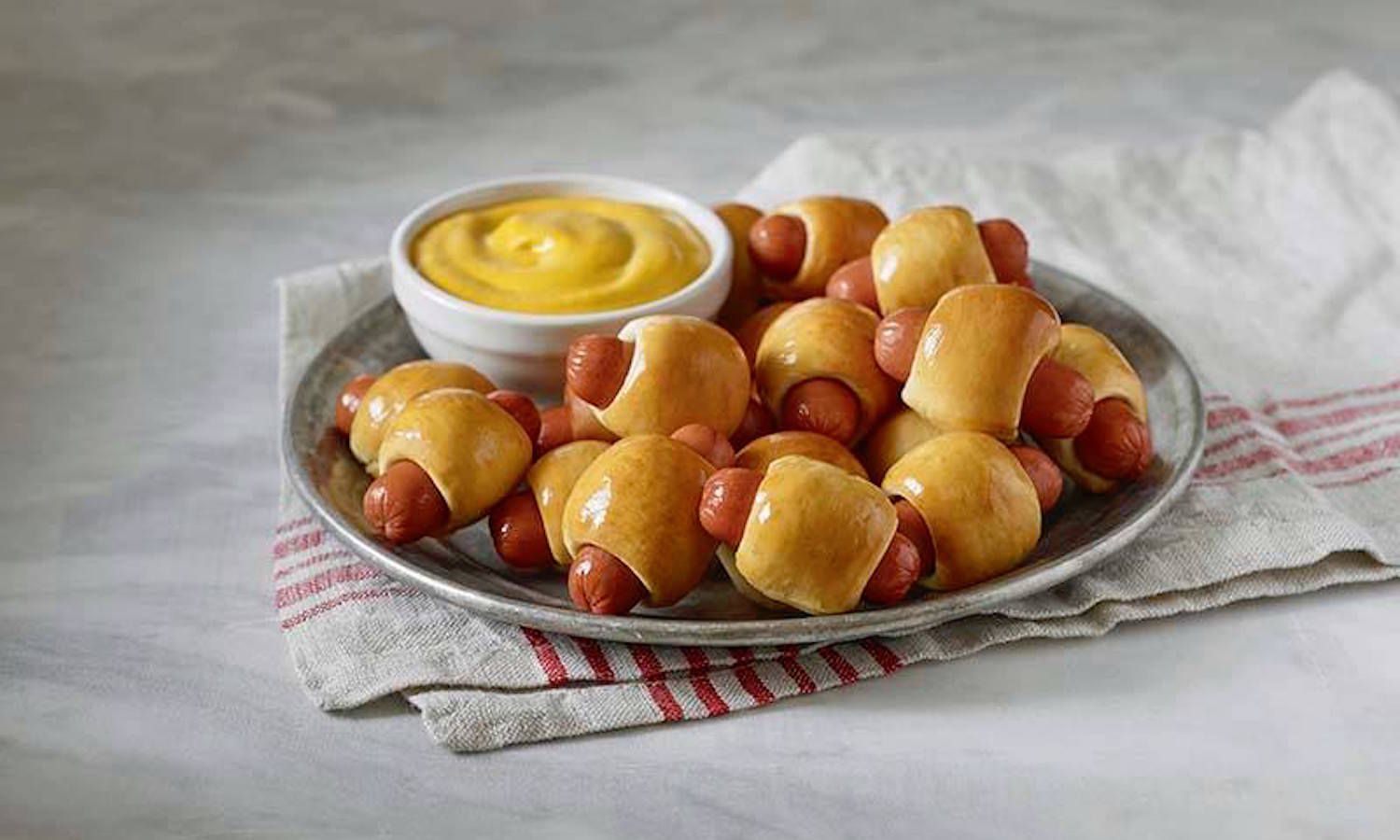
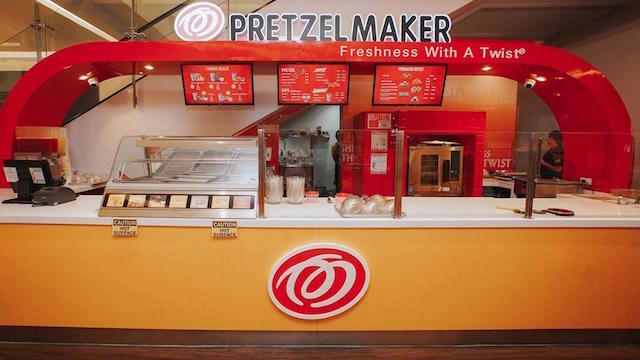
    Global Franchise Group has opened a new Pretzelmaker location in the Philippines, the brand’s first location in Asia. Through a master franchise agreement with Vavel Foods, Pretzelmaker’s handmade pretzel products will available at Festival Mall Alabang in Metro Manila. Vavel plans to open 14 additional Pretzelmaker locations throughout the Philippines.

    President and CEO of GFG Chris Dull said Pretzelmaker’s first location in Asia is symbolic of the popularity of pretzels and the rise of snacking internationally. “We look forward to working with Vavel to open more stores across the Philippines.”

    The store officially opened on October 1 and will be open during regular Festival Mall hours.

    Pretzelmaker Philippines GM Migo Ochoa said: “We decided to open Pretzelmaker in the Philippines because the delicious hand-rolled pretzel products far surpass the competition and we knew customers would love them. As demonstrated by the success of our Grand Opening, the community is very excited to have a Pretzelmaker at the mall and we are very happy to be providing a new twist on snacking options for busy shoppers.”

  • Katrina acquires Japanese cuisine  F&B business for S$1.0 million

    Katrina acquires Japanese cuisine F&B business for S$1.0 million

    Katrina Group Ltd. (“Katrina” or the “Group”), an established and recognised Food & Beverage (“F&B”) group specialising in multi-cuisine concepts and restaurant operations, has announced its acquisition of 100.0% of Tomo Izakaya Pte. Ltd. for approximately S$1.0 million.

    Tomo is a company incorporated in Singapore on 23 May 2008. It is principally engaged in the F&B business and currently operates two restaurants serving Japanese cuisine in Singapore, one in Clarke Quay and another in Esplanade Mall.

    The Purchase Price of approximately S$1.0 million comprise the Initial Purchase Price of S$0.6 million and the estimated net tangible assets value of Tomo as at 30 September 2018 of S$0.4 million, as determined from the unaudited management financial statements of Tomo as at 31 August 2018 and mutually agreed between the parties.

    The Purchase Price was derived on a willing-buyer and willing-seller basis and is to be satisfied in cash. The acquisition will be funded through internal resources.

    Commenting on the acquisition, Mr. Alan Goh, Founder, CEO and Executive Chairman of Katrina said, “The acquisition is part of a larger strategy to diversify the Group’s revenue stream across businesses, markets and segments. Sustainable growth is what we hope to achieve and this acquisition is a step in the right direction for us to extend our market reach locally.”

    The acquisition increases the number of restaurants in Singapore operated by the Group to 40 from 38, and the types of cuisines served by the Group to eight from seven.

  • Boneshaker burger to open more stores in China

    Boneshaker burger to open more stores in China

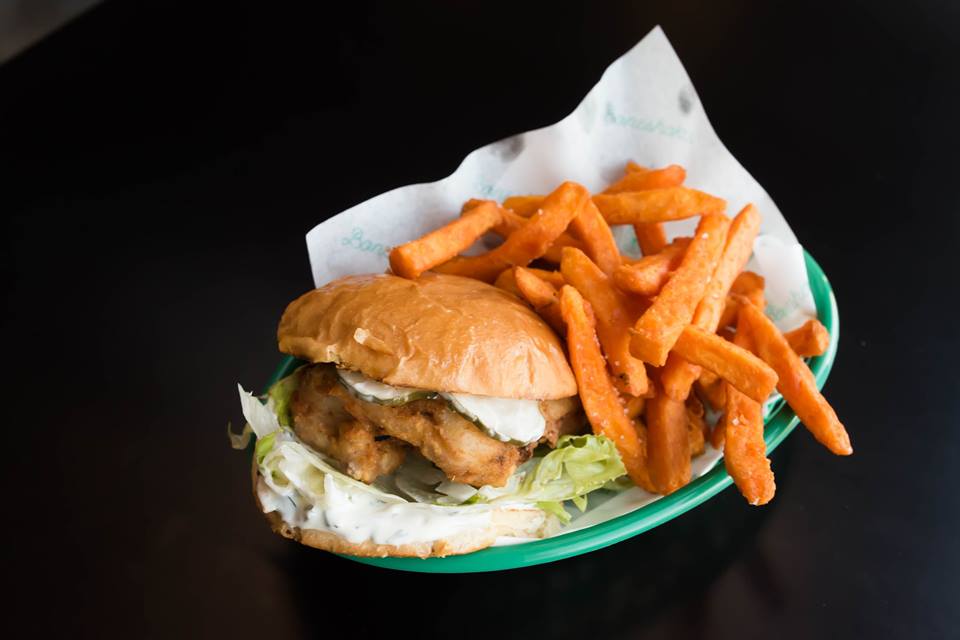
    Australian burger bar Boneshaker has opened three stores in Shenzhen and now plans 20 in greater China, given the strong response to date.

    Boneshaker describes its offer as “an Aussie burger with the lot” featuring beetroot, egg and pineapple, which is a new burger variation for China.

    Owner Billy Petropoulos opened the first Boneshaker in Shenzhen in March last year, refining the format to the local market, before two more stores followed. The remaining 17 planned will open progressively over the next five years.

    Petropolous said in an interview in his hometown of Adelaide that the market in China is young, and Shenzhen itself is just 40 years old.

    He said the burgers appeal particularly to the 20-40 age group. “They love it.”

    Boneshaker makes its burgers using fresh, healthy organic ingredients. It also offers local menu items such as the recently launched Peking duck fries and serves South Australian beers.

  • Nestle Malaysia to sell business to finance world’s largest Milo plant

    Nestle Malaysia to sell business to finance world’s largest Milo plant

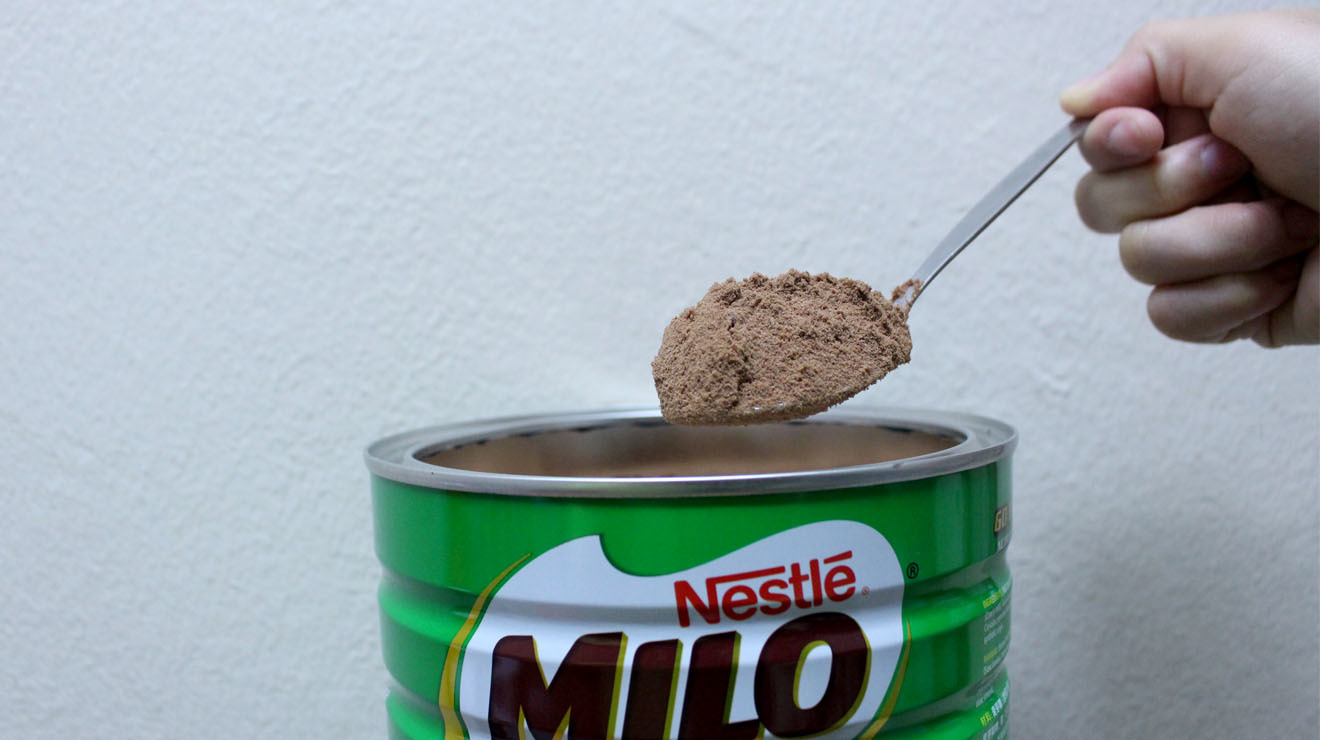
    Nestle (Malaysia) Bhd is selling its chilled dairy business – which retails the Bliss brand of yogurt drinks, in Malaysia, Singapore and Brunei – and its Petaling Jaya factory, to Lactalis Manufacturing Malaysia Sdn Bhd for RM155.3 million, as part of plans to set up the largest Milo factory in the world in Chembong, Negri Sembilan.

    The group said it would be using RM100 million, or the bulk of the proceeds from the sale, by end of 2019, for the Milo manufacturing centre of excellence in Chembong.

    Nestle Malaysia plans to move all existing Milo manufacturing assets in the Petaling Jaya factory to the Chembong factory.

    The disposal is on a going-concern basis, with Lactalis offering continuous employment to a majority of the affected employees based on the purchasers’ evaluation of their business and operational requirements. For roles that will no longer be available, termination benefits will be accorded to those who qualify.

    The group expects a one-time gain of RM27 million from the disposal, split over 2018 and 2019.

    The deal comes with a “no compete” clause for five years, from Jan 1, 2019, forbidding Nestle Malaysia from going into the chilled dairy business.

  • Burger King eyes expansion in Africa

    Burger King eyes expansion in Africa

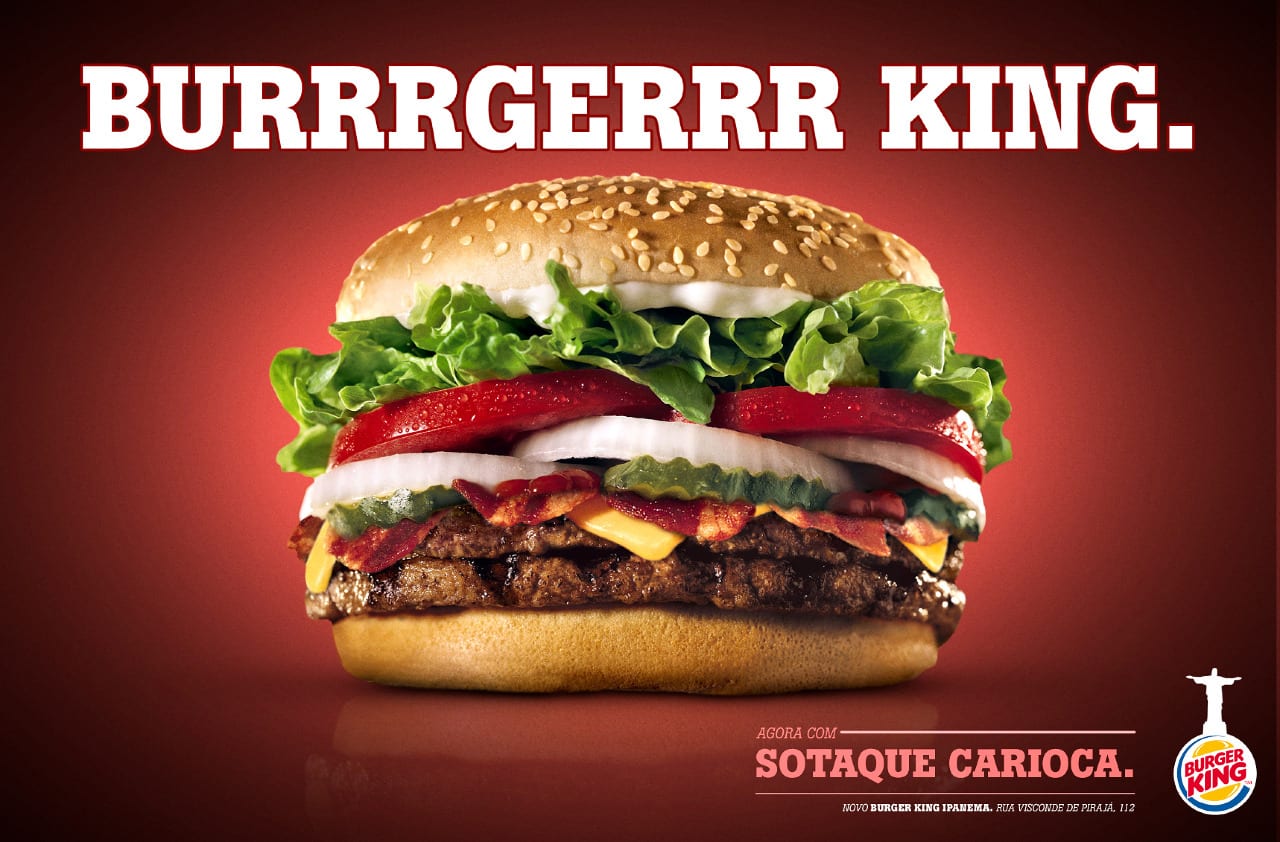
    Burger King, the world’s second-biggest burger chain, is set to launch a string of restaurants in sub-Saharan Africa, including Nigeria, according to a senior executive.

    Daniel Schwartz, chief executive of Burger King’s parent company, Restaurant Brands International, told that the region was seen as a “huge opportunity”.

    Africa has mouth-watering demographics for any fast-food chain, with the United Nations forecasting that it will have ten of the world’s fastest-growing cities between now and 2035.

    And the continent’s population is young, with a median age of just 19. The population is expected to top two billion by 2050, doubling again by the end of the century.

    Burger King is currently undergoing rapid expansion internationally, adding two or three restaurants each day to its global network. But with 17,000 outlets worldwide, it remains far behind rival McDonald’s which claims more than 37,000.

    Asia and Europe are the main focus for Burger King, but, said Schwartz, the brand is “significantly under-penetrated” in Africa.

    “We are so under-penetrated around the world relative to our peers – and ourselves in the US,” he added. “We’re just scratching the surface.”

    José Cil, president of Burger King, told the FT that fast-food restaurants “aren’t really well penetrated yet” in sub-Saharan Africa. “We think Nigeria is an amazing opportunity, we think East Africa as well.”

    Besides Nigeria, Africa’s largest economy, Burger King is reported to be eyeing Kenya and Ivory Coast among other countries in the region.

    But, said Cil, Burger King had “a lot of work to do” in Nigeria “in terms of infrastructure and supply chain”.

    “We want to do it right — and we want to do it in a big way,” he said. “We want to scale quickly. So, we’re excited about the potential.”

    News of Burger King’s latest expansion comes as Nigeria inches its way out of a recession caused by the dramatic fall in oil prices. With a population of 194 million, the country is the continent’s most populous.

  • Jumbo China sets plan for more store

    Jumbo China sets plan for more store

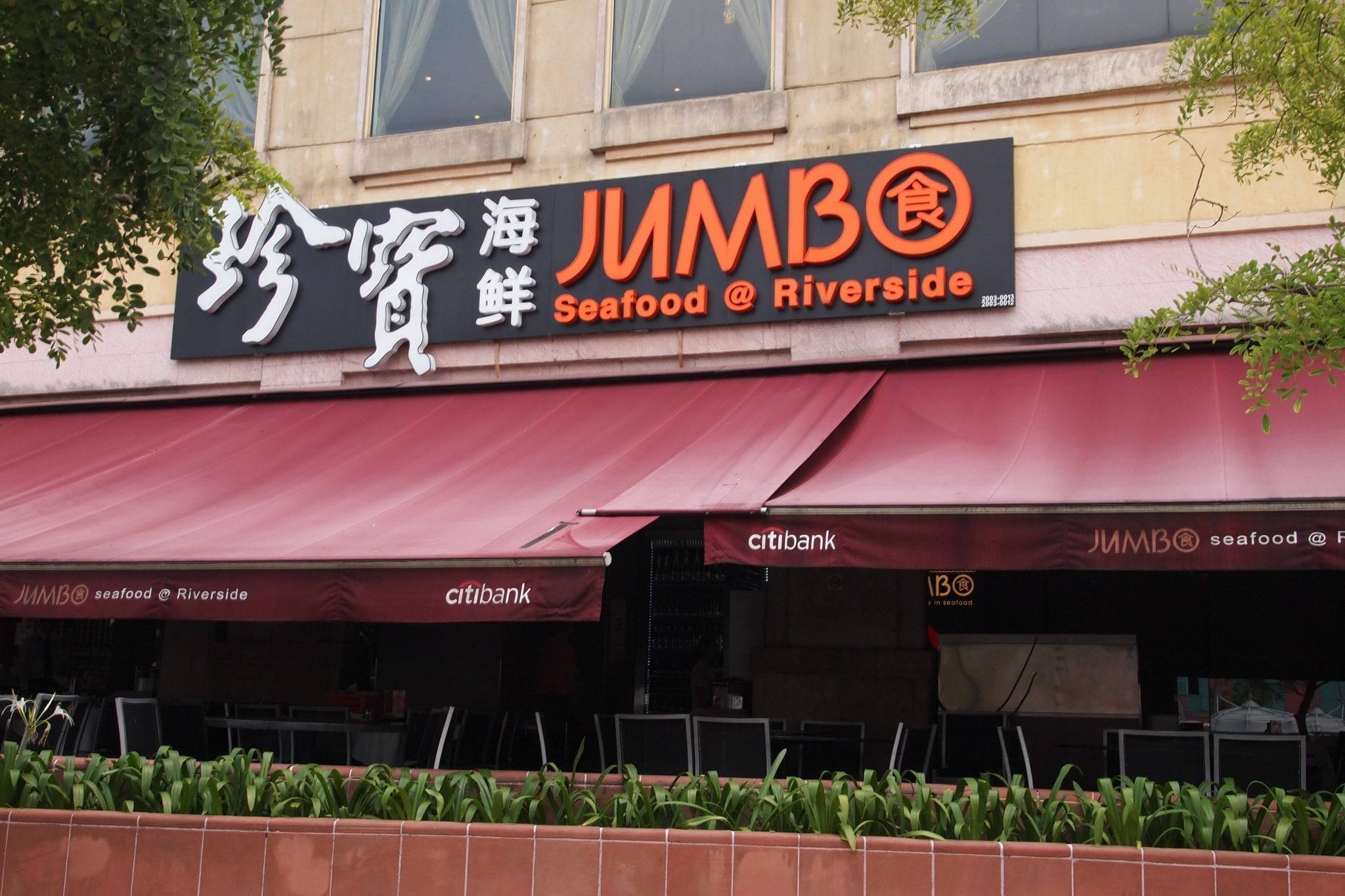
    Restaurant operator Jumbo Seafood has opened its first franchise in Mainland China, in the city of Fuzhou.

    The move signals the onset of a period of Asian expansion for the brand, which has announced plans to open five to six new franchise outlets each year, targeting Shenzhen, other mainland cities, South Korea, Hong Kong, Macau and Indonesia.

    The new 13,000sqft venue at the Dongbai Centre is Jumbo’s fourth franchised Jumbo Seafood restaurant since last year, and follows the recent opening of Jumbo Seafood in Taichung City.

    Other targets for immediate expansion include Thailand and Singapore. A spokesperson for the brand noted:

    “We project that Jumbo would add two new Jumbo Seafood outlets in Singapore – one Jumbo Premium Seafood outlet in Ion Orchard shopping mall and another potentially in the upcoming Jewel Changi – and one new Chui Huay Lim Teochew Cuisine outlet over the next 12 months.”

    Jumbo operates 15 Jumbo Seafood restaurants across Asia.

  • New York burger chain Shake Shack confirms first Singapore outlet

    New York burger chain Shake Shack confirms first Singapore outlet

    Shake Shack has confirmed its long-ago leaked debut in Singapore, the US restaurant chain announcing overnight it will open at the new Changi Jewel shopping centre under construction.

    “We’re comin’ to the city where east meets west!” the company announced.

    As predicted back in March, Shake Shack Singapore will be launched through its South Korean franchise partner SPC Group, which operates Paris Baguette in the city. SPC has 6000 stores from 30 brands around the world, including seven Shake Shacks in Seoul.

    “We are executing our strategic plan in Asia with plans to launch in Singapore, Shanghai, and Manila next year,” said Michael Kark, VP of global licensing with Shake Shack in the US.

    “For years we’ve been looking for the right opportunity to enter the Singaporean market given its regional importance, and we’re thrilled to have found the right strategic partner and an ideal launch location. Our Shake Shack Singapore flagship site will be in the stunning Jewel Changi Airport, home to more than 2000 trees, harkening back to Shake Shack’s birthplace in New York City’s Madison Square Park.”

    The chain debuted in Asia at Tokyo’s Gaien Park in 2015, and since then has expanded to include 10 Shacks in Japan, seven in South Korea, and one in Hong Kong operated by a subsidiary of Dairy Farm International. A second Shake Shack in Hong Kong will open soon in Pacific Place.

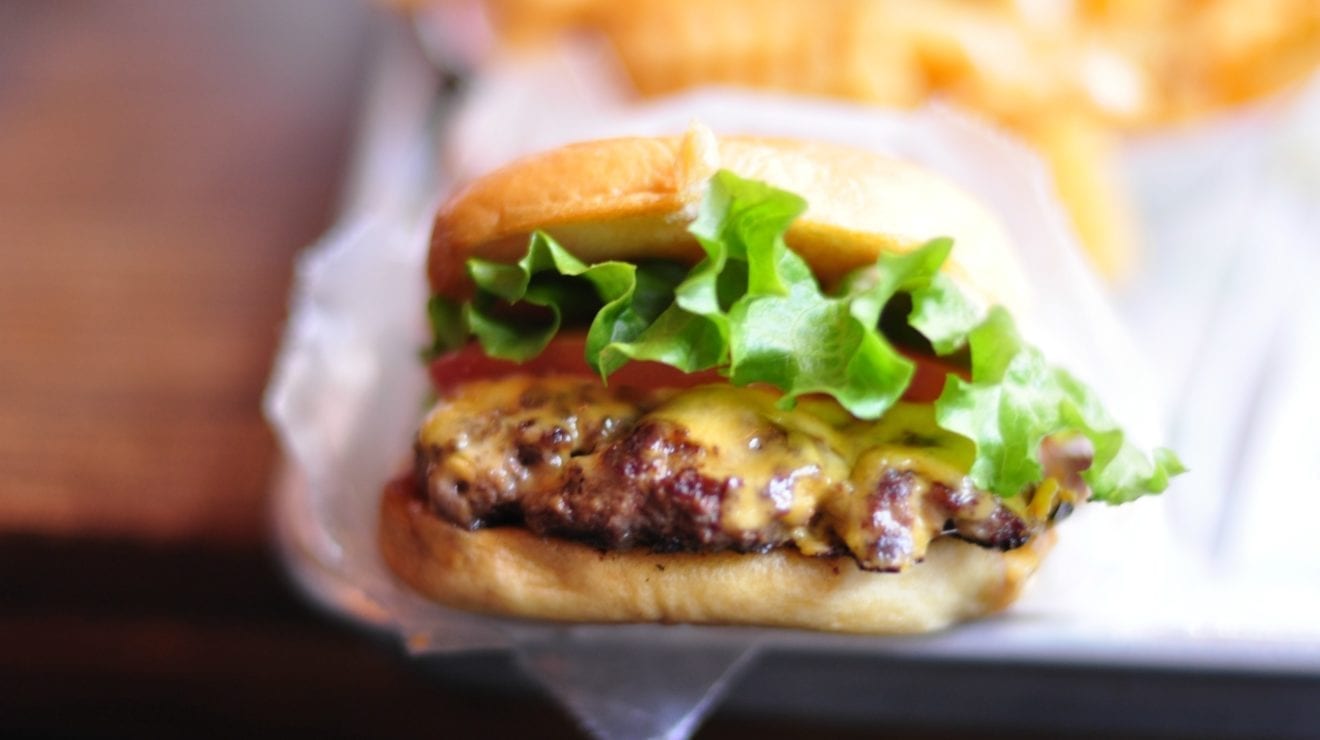
    Shake Shack Singapore says it intends to work with local suppliers and producers to create “a one-of-a-kind Shack for the Singapore community”. The menu will feature signature items including the ShackBurger, Shack-cago Dog, crinkle-cut fries, beer, wine and frozen custard ice cream.

  • Gordon Ramsay’s new Hong Kong restaurant

    Gordon Ramsay’s new Hong Kong restaurant

    Gordon Ramsay’s Hong Kong journey continues with the announcement of his third restaurant in the city.

    Maze Grill, set to open this October in Ocean Terminal, Harbour City, strengthens the internationally acclaimed chef’s ties with Hong Kong, and cements the city’s position as one of the world’s greatest dining destinations.

    Located in the new glasshouse extension of Ocean Terminal, maze Grill represents Ramsay’s third partnership with Dining Concepts and the first opening of the contemporary steakhouse outside of London.

    Inspired by the three maze Grill restaurants located in London, the dining experience is casual, warm and welcoming.

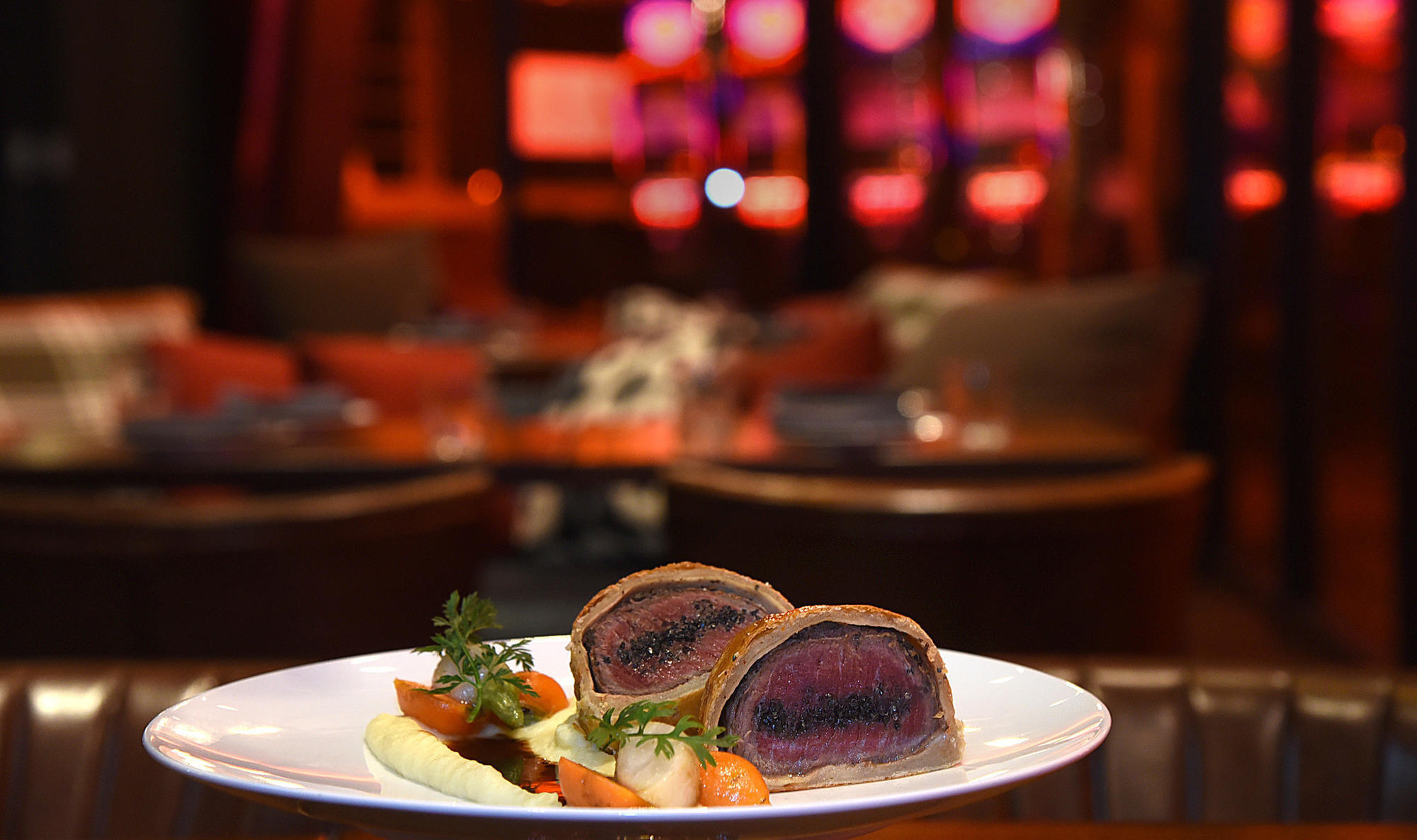
    The menu features a selection of international and rare breed cuts, fish and poultry dishes, Gordon Ramsay’s signature dish, Beef Wellington, and a range of dishes exclusive to maze Grill Hong Kong.

    Among these are an array of Japanese infused starters, a Traditional Ploughman’s Pork Pie-carved Table Side, and scrumptious desserts including a Raspberry Soufflé.

    The internationally acclaimed chef owns a number of Michelin starred restaurants across the globe, including London’s longest-running restaurant to hold a Michelin star award and is one of only four in the UK to maintain three stars.

  • Taiwan’s Tiger Sugar bubble milk tea to open in Singapore

    Taiwan’s Tiger Sugar bubble milk tea to open in Singapore

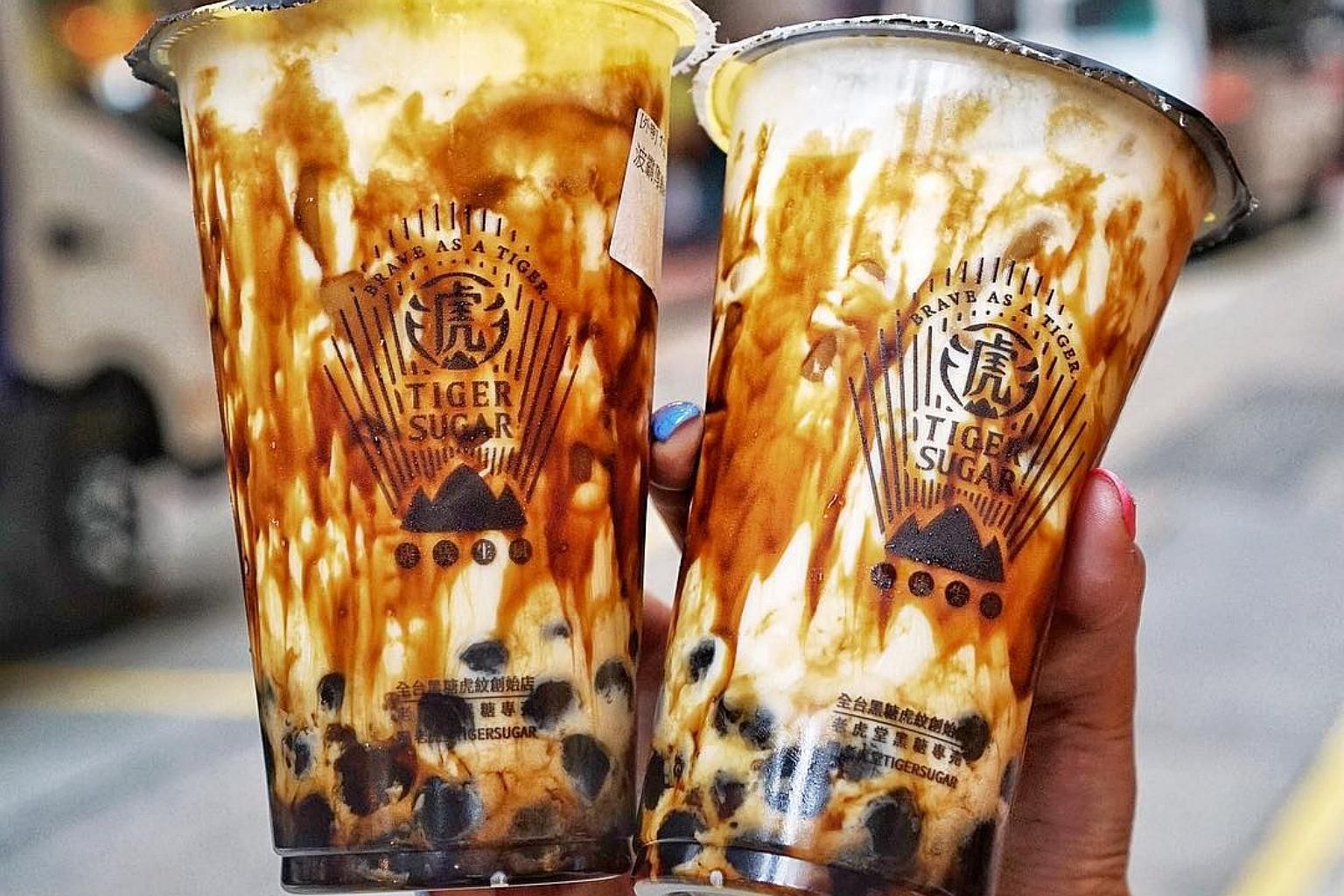
    Popular Taiwanese bubble milk tea brand Tiger Sugar is set to launch in Singapore.

    Queues with a minimum waiting time of an hour have been reported at Tiger Sugar locations both in Taiwan and Hong Kong. Photographs of customers enjoying the stripey brown sugar bubble milk drink have trended strongly on Instagram.

    The new store will be set up in the City Hall area and is scheduled to open next month. Similar queues are anticipated for the new location.

    Bubble tea has become an important trend in Singapore with 10 brands opening within the past year alone.

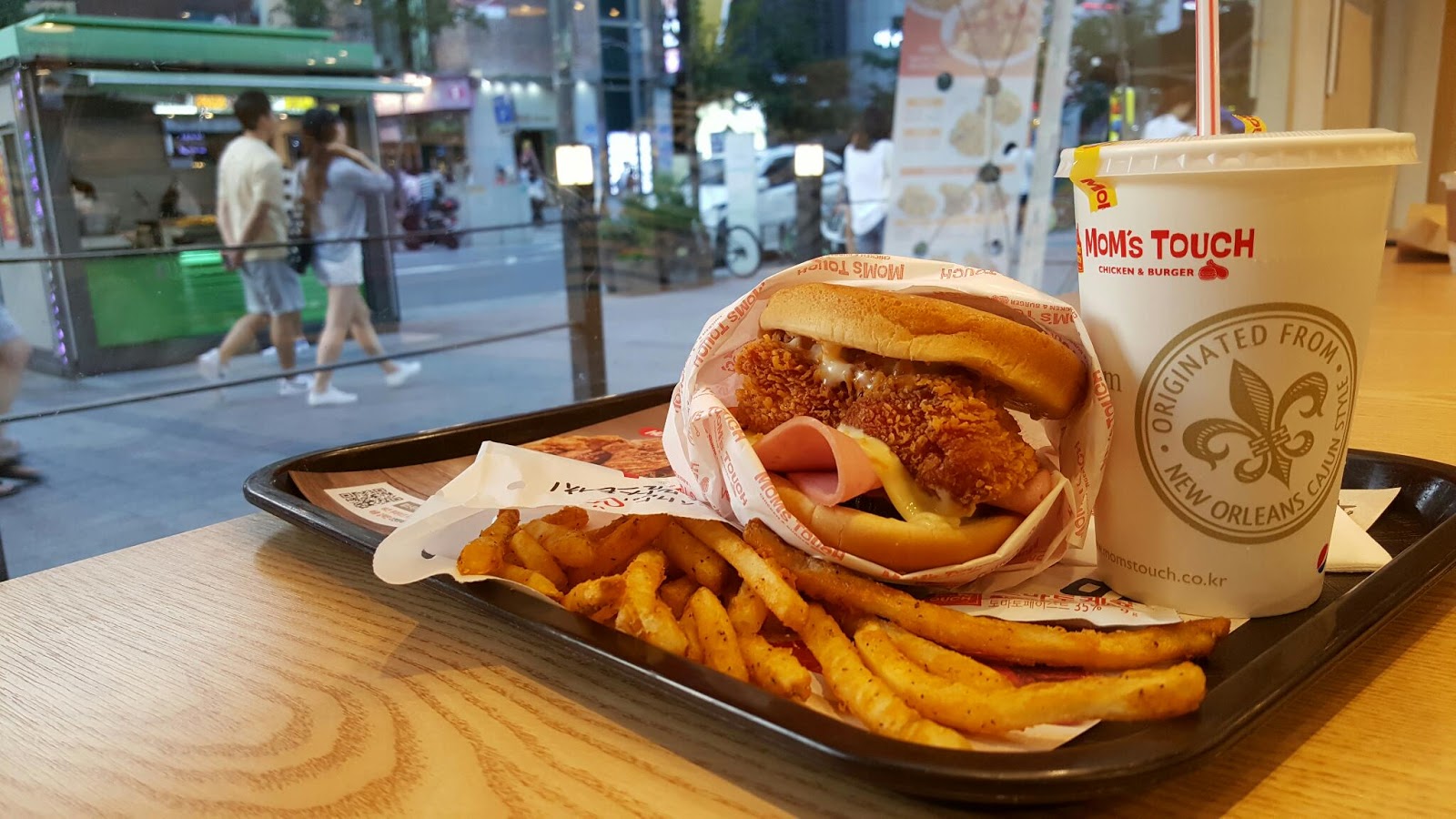
  • Korean restaurant Mom’s Touch to land in Singapore

    Korean restaurant Mom’s Touch to land in Singapore

    No Signboard Holdings has entered into a master franchise agreement with South Korean Haimarrow Food Service and US firm HFS Global to develop and operate Mom’s Touch chicken and burger restaurants in Singapore and Malaysia.

    The group has been granted the right to operate the South Korean chain in Singapore and Malaysia for a period of 10 years – with an option to renew for another 10 years – from the date the group’s first Mom’s Touch restaurant commences operations (or on 2 January 2019, whichever is earlier).

    The company’s initial plan is to launch eight Mom’s Touch restaurants in Singapore and Malaysia within the first three years of the franchise agreement.

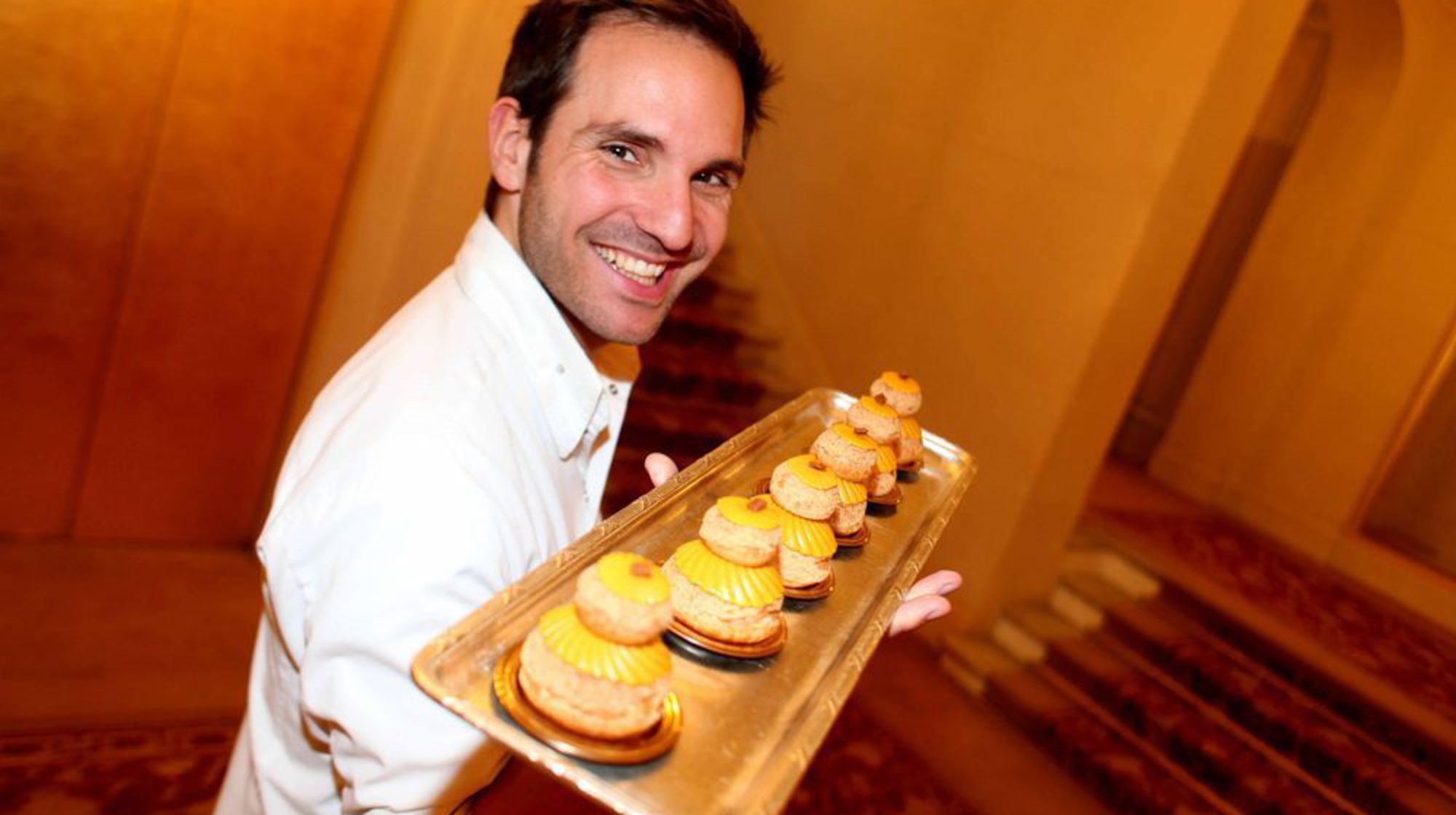
  • French pâtissier Christophe Michalak to open his first store in Japan

    French pâtissier Christophe Michalak to open his first store in Japan

    French patisserie Christophe Michalak is about to open its first pastry store in Japan.

    The Michalak store opens tomorrow in Tokyo’s famous fashion district Omotesando.

    Michalak Omotesando will sell small desserts, cupcakes and items created to appeal to Japanese customers such as the Monkoeur which blends chocolate and passionfruit with the local citrus fruit the yuzu, in place of lime.

    A signature dish will be Kosmik, a small jar containing layers of mousse and sponge, which customers can customise.

    It will also serve savoury dishes such as quiche.

    Michalak operates four stores in Paris and chose Japan for his first overseas foray because he believes the nation to be home to some of the world’s best pastries.

  • The digital opportunity for Coca Cola at Costa Coffee

    The digital opportunity for Coca Cola at Costa Coffee

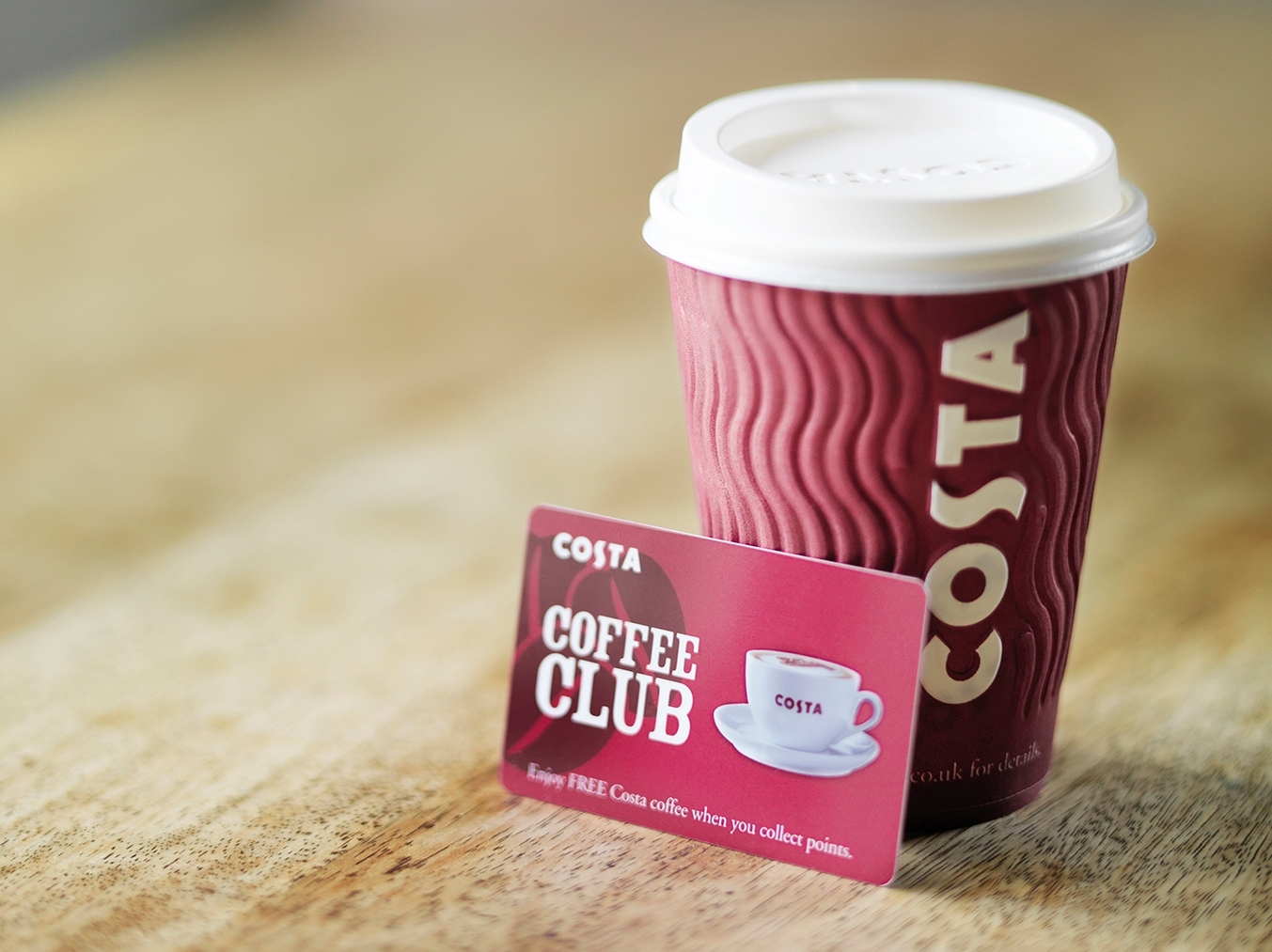
    Coca-cola bought Costa Coffee for GBP3.9 billion (US$5.1 billion) recently. As a result of the deal, the US-based fizzy drink company will gain a strong cafe presence across Europe, Africa, the Middle East, and the Asia Pacific.

    So far, Costa has about 2,400 coffee shops in the UK, 1,400 coffee shops in 31 international markets, and more than 8,000 Costa Express self-serve units.

    Why your cash is no good at these bars and coffee shops

    On average, the brand has been in business for more than 40 years and has opened 289 new stores every year. In fact, prior to the deal, Costa was set on establishing a strong presence in China.

    The company also earned GBP1.167 billion (US$1.507 billion) in revenues in 2016. The figure pales in comparison to Starbucks’ revenues of US$22.39 billion (2017) but maybe in a couple of years, Costa might be in a position to lead the market.

    One of the biggest factors that will play to Coca-Cola’s advantage is that innovation is part of Costa’s DNA. “When I came to the business I could see the foundation was strong but we needed to invigorate and innovate. I want us to be famous for innovating,” said Costa MD Dominic Paul last year.

    The company even worked with startups in the UK to prepare itself for the digital world, and build the coffee shop of the future. “We want to build an experience that’s relevant in 2025,” said an executive at one of the company hackathons.

    Highlighting the digital opportunity

    Starbucks has access to plenty of data about its customers and their buying habits, and it does a fabulous job using technology to drive business growth — today.

    Costa Coffee, on the other hand, might not know as much about its customers but with Coca-Cola in the mix, the company has significant opportunities ahead of it.

    Coca-Cola owns brands like fairlife (milk), Dasani (water), Georgia (coffee), Nestea (ice-tea), Cappy (fruit juice) among several others.

    The company understands the beverage market and has data to map seasons, geographies, and other metrics to customer purchases — allowing Costa to enter new markets, draw up ideal customer personas to market to, and even create more targeted advertising.

    In fact, Costa Coffee could even follow in Starbucks’ footsteps and venture into the retail market, all on the strong shoulders of Coca-Cola.

    Here are a few technologies that Coca-Cola uses — that Costa could borrow and benefit from in the future:

    # 1 | AI-driven proof-of-purchase for loyalty program

    One reason why Starbucks has been able to collect mountains of customer data is that they offer a great loyalty program. In fact, since their loyalty program runs on an app, the company is able to send targeted messages and offers as well.

    Costa could ape the loyalty program that Starbucks offers, and it could make it better by incorporating features that award points for the purchase of ready to drink coffee products from supermarkets and retail outlets.

    In order to do so, the company could use the AI solution that Coca-Cola developed in partnership with Google last year — which is now part of most of the campaigns run by the fizzy drink company in the US.

    # 2 | AI-powered vending machine count

    In the digital age, vending machines are a good alternative to retail outlets, especially for the cafe industry.

    A large number of people across the globe wait in a queue every morning, only to take their coffee and bagel ‘to-go’. Having more vending machines could be a good way to solve the problem — especially if they’re stocked frequently.

    However, the problem then would be checking when a machine needs to be refilled. If Costa is to go down this route, it could leverage a solution that Coca-Cola developed in partnership with Salesforce.

    The ERP giant’s AI product had been trained to recognize, identify, and count the varieties and quantities of Coca-Cola bottles stored in one of its cooler display cabinets, simply by analyzing a photo taken with an iPad or iPhone.

    Further, using AI, the system can factor in seasonal variations, weather information, and upcoming promotions, to automatically calculate when the machines need to be restocked.

    # 3 | Big data to determine popular flavors

    Coca-Cola created Cherry Sprite based on data from hundreds of thousands of self-serve soft-drink fountains.

    It has developed strong big data capabilities and understand how to leverage data to determine how to create products that customers prefer.

    Using this knowledge, and data from Coca-Cola’s Georgia and other brands, Costa could create the perfect ready to drink beverages for customers, propelling itself ahead of the competition quite quickly — especially with Coca-Cola’s distribution and supply chain intelligence to support it.

  • Animal cafe trend a concern for wildlife experts in Cambodia

    Animal cafe trend a concern for wildlife experts in Cambodia

    As the trend to keep and display exotic animals in cafes in the Cambodian capital grows in popularity, wildlife experts have warned that the animal trade is largely unregulated and could be putting creatures at risk.

    Reptile Cafe, one of the city’s recent openings, is located on a quiet corner of Street 448 in Phnom Penh. Inside, a few cages filled with iguanas are displayed at the front door. On the left is a cage for a large red parrot, while further in, several other glass enclosures are filled with orange corn snakes, geckos and spiders.

    They are unlikely and unconventional coffee mates, but all of them have been brought into the country to spark the curiosity of customers, according to owner Chea Raty, 32.

    “Seeing the growing market for coffee shops, I had an idea and wanted to open a small cafe and show off the species that I love,” he said. He now has more than ten different species on show, which guests can freely interact with. And he plans to introduce more.

    “As some customers sip their coffee, they’ll see that others dare to hold these animals. And they too would want to try and touch them.”

    None of these animals, however, has proper documentation. Instead, they were registered as pets by the Ministry of Agriculture, Forestry and Fisheries.

    Similar to Raty, Nay Sokhondara, 25, said he started his Zoo Cafe four months ago after seeing the potential of combining coffee and animals.

    The species he keeps in his busy establishment include marmosets, guinea pigs, a chinchilla and a raccoon.

    “Many young people don’t know these animals, so I want to introduce them,” he said.

    Most of them were bought from a farm in Thailand, and some he brought back from Vietnam. He has no formal documents to bring them across the border and admitted to taking a risk in doing so.

    “I have some people there. I know them, so I can trust them. Then sometimes, I paid them also,” Sokhondara said. “I need to spend one day to transfer my pets individually.”

    None of the species, he added, is endangered and he too has registered them as house pets with a five-year licence. His next plan: To source a small kangaroo from Thailand and create a breeding farm.

    Sarah Brook, a technical adviser to Wildlife Conservation Society (WCS), said the trend of exhibiting wild animals is a worrying one.

    “Wild animals do not make good pets, so it not good to encourage this practice,” she said.

    “Even when bred in captivity they need a lot of care, a good diet and an environment similar to their natural habitat, and free of disturbance and stress.

    “I don’t think a cafe in Phnom Penh can provide that.”

    She added that Cambodia needs to take stronger legal action and implement better enforcement to prevent the illegal wildlife trade from thriving.

    “It is a very big problem in this region, for pets, meat, medicines and other products,” she said.

    However, Keo Omaliss, Director of Forestry Administration, played down the concerns and said these types of cases were inconsequential.

    “For Cambodia, I think there is not much cross-border illegal trade of wildlife. It is so little,” he said.

    He said there was no problem with the animals being registered inside Cambodia and put on display in captivity as long as they were not on the endangered species list, and that the purpose was to educate the general public.

    “Whether this activity affects the number of wild animals in the natural forest or not, this is something important we need to focus on. But if their activities are just to make people love animals, it’s a good thing,” he said.

    However, Nick Marx, Wildlife Alliance’s director of wildlife rescue and care, said these animals should be sent back to their natural habitats.

    “Keeping wild animals in small cages is unkind,” said Marx.

    “This kind of practice serves no benefit for conservation. It is clearly for entertainment to attract customers.”

    While Wildlife Alliance is working to combat the illegal trade of Cambodian wildlife within the country, he believed that these particular species were not indigenous to Cambodia and therefore not within his organisation’s jurisdiction to act and confiscate them.

    “It should be the job of the Cambodian government to make sure all these animals are kept properly and all these shop are acting legally.”

  • Jollibee expanding in Hong Kong

    Jollibee expanding in Hong Kong

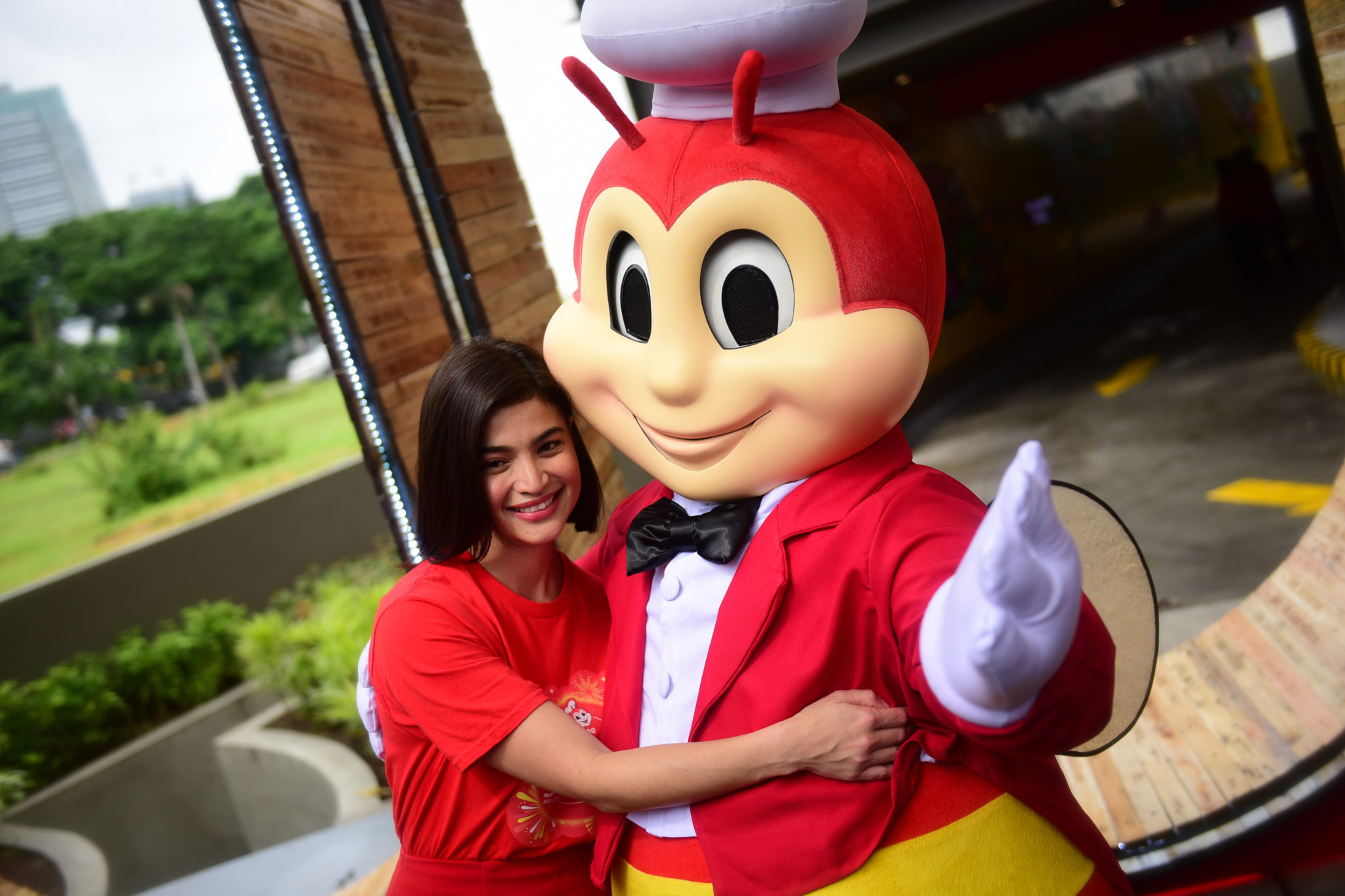
    “It feels like you’re back home,” said Filipino Joanna Galabay, a long-time foreign domestic worker in Hong Kong, as she munched on a drumstick at a Jollibee’s branch on Connaught Road.

    Singaporean bags-and-shoes chain Charles & Keith opened its first branch in the upscale New Town Plaza in Sha Tin last month, and will open its second outlet – at Parker House in Central – in November. It has committed to opening another store in the city, and told it plans to “expand cautiously to 10 locations in the next five years.” It has branches in the Philippines and Indonesia so is well known to the city’s domestic helpers

    Potato Corner, which now has four outlets in Hong Kong, said a branch in Central is in the pipeline. The restaurant chain started in the Philippines but, as part of its international expansion, took off as well in Indonesia.

    “For Southeast Asian brands in particular, Hong Kong has a unique advantage for having a long-established Southeast Asian population,” said retail analyst Lawrence Wan of CBRE Hong Kong. “ … You can see their restaurants opening in prime areas. The lifestyle and trendy fast fashion brands from Southeast Asia are also gaining steam.”

    The number of Southeast Asian companies in Hong Kong rose 17 per cent between 2013 and 2017, with the city now having 586 such businesses, according to the government’s Census & Statistics Department. In addition to players like J. CO Donuts & Coffee of Indonesia, and Bread Talk and Irvins Salted Egg, both from Singapore, they include big multinationals, such as the Development Bank of Singapore and the United Overseas Bank, also from the Southeast Asian city state.

    Hundreds of thousands of maids fan out on their Sunday day off in this city of 7.4 million people. Filipino maids often meet their friends at Jollibee, for example, chatting, eating, snapping selfies and calling family back home. In April, visiting Philippine President Rodrigo Duterte created quite a stir when he sat down at the Hung Hom outlet of Jollibee and chatted with a Filipino maid. Indonesian helpers are also fans of Jollibee.

    The women have expanded the customer base of the brands by bringing home drumsticks, doughnuts and other treats with them when they return to their employers’ homes on Sunday nights. The Southeast Asian businesses have also simply grown by word of mouth.

    “We initially entered Hong Kong because of the large Filipino population in the market,” Jollibee’s media office said. “However, we are now seeing that our new stores have majority local customers, with more Hong Kong locals loving our Chickenjoy [chicken meals].”

    Potato Corner, which markets itself as the maker of the “world’s best flavoured fries”, said its Hong Kong stores achieved the “all-time record for highest single day sales” in the brand’s 25 years of operation. It didn’t give specifics.

    “Potato Corner is popular among Filipinos, and some of our most loyal regulars are Filipinos. Indonesians [are our loyal customers], too, as Potato Corner has a strong presence in Indonesia,” said Ryan Asis Maniago, managing director of UpFive Corporation Ltd., the master franchisee in Hong Kong.

    As Hong Kong’s population ages, its need for foreign domestic helpers will grow, with the number of helpers expected to jump to 600,000 over the next three decades, the government says. While their wages are modest – HK$4,520 (US$577) a month, plus living space in their employer’s home and food – their sheer number makes them a serious consumer base. They spend about a quarter of their wages in Hong Kong, according to a study by NGO Mission for Migrant Workers released in August. That would mean they are dropping about HK$5 billion (US$640 million) a year in the city.

    The number of Southeast Asian businesses is expected to grow under two free trade agreement between Hong Kong and the Association of Southeast Asian Nations, which represents the 10 countries of the region: Indonesia, Thailand, Vietnam, Singapore, Malaysia, Philippines, Myanmar (also known as Burma), Cambodia, Laos and Brunei. The agreements go into effect next year.

    Consulate officials from the Philippines, Singapore and Thailand also noted that Hong Kong serves as a strategic gateway to China’s huge number of consumers, elevating its importance to businesses of the Asean member countries.

    However, businesses said in interviews that expansion is hampered by the city’s high rents. Also, some complained that it is difficult for them to set up bank accounts for their operations.

    “The cost of doing business in Hong Kong is more expensive compared with other countries, especially in rent,” Irvins Salted Egg said.

    The snack company said it is negotiating with a few landlords for some prime retail spaces in popular shopping malls.

    In 2017, Hong Kong’s Causeway Bay, home to one of Potato Corner’s branches, had the most expensive retail space in Asia, and second in the world behind New York.

    Property consultant Cushman & Wakefield said annual retail rentals in the trendy and popular shopping district on Hong Kong Island reached HK$21,255 (US$2,712) per square foot, just behind Upper 5th Avenue’s HK$23,400 (US$2,986) per square foot.

    While rents are high, the Thai Consulate applauded the city’s business-friendly tax system.

    “The simple tax system with no VAT and importing tax is also a selling point to Thai exporters,” the Thai Consulate-General said.

    There were 154 existing trademark registrations from Thailand in Hong Kong as of last year, a 77-per cent increase compared to 2016. Leading Thai brands in Hong Kong include Bangkok Bank, spa and spa products retailer Thann, and restaurant Blue Elephant.

    Thais have opened many small business in the city, including massage parlours and beauty and nail salons.

    The city’s attractiveness has grown to Southeast Asian businesses, some of which were quick to thank Filipino and Indonesian domestic helpers for getting them off to a solid start.

    Noemi Morgado, a Filipino maid working in Pok Fu Lam, is one such helpful ambassador. “Ever since I brought my employer’s family a bucket of Jollibee fried chicken on New Year’s, they have regularly asked me to bring some home after my day off,” said Morgado, holding three buckets of the chain’s fried chicken.
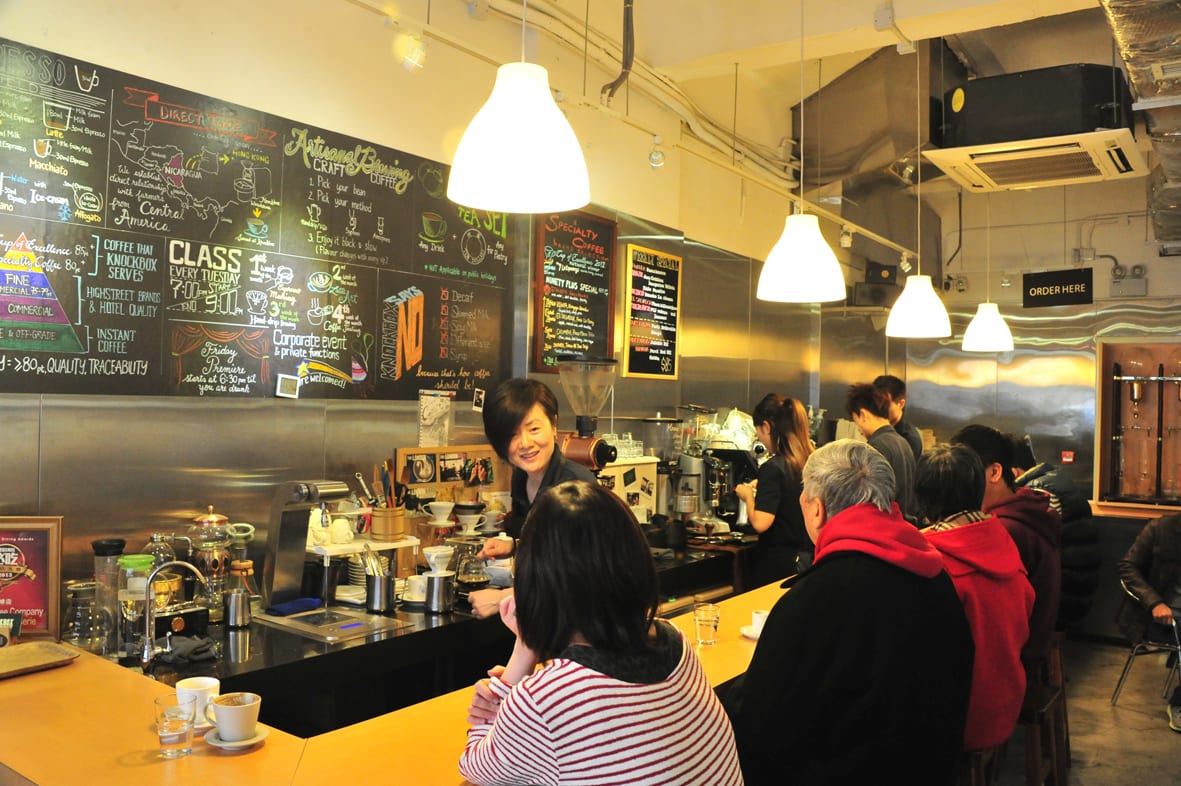
  • Indonesian coffee startup Fore Coffee has bagged seed funding

    Indonesian coffee startup Fore Coffee has bagged seed funding

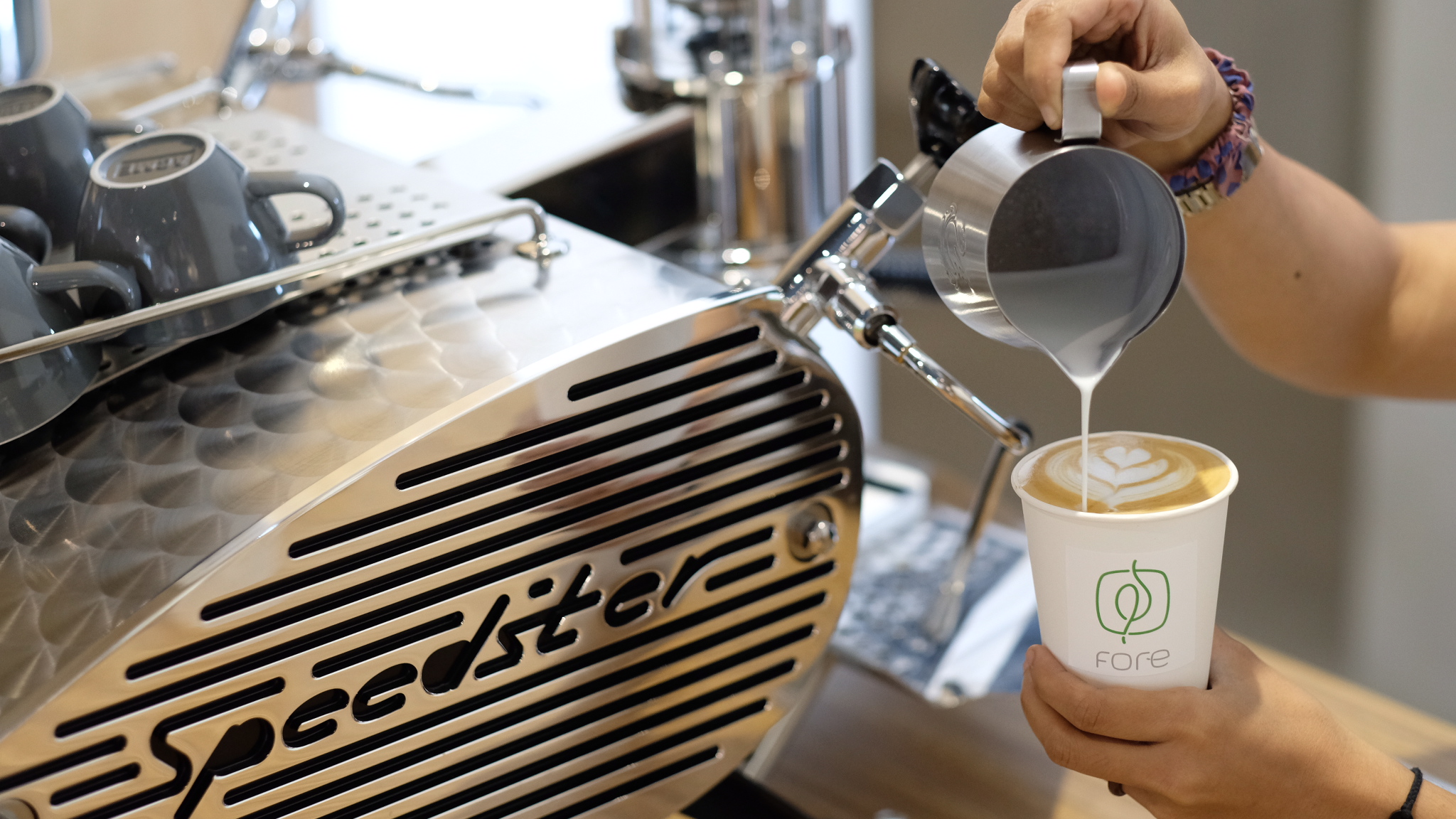
    Fore Coffee’s seed funding will be East Ventures’ third insider-incubated project after EV Hive and Warung Pintar.

    Early-stage venture fund East Ventures has announced today its third incubation, which is Fore Coffee, an on-demand high-quality coffee startup from Indonesia. East Ventures invested seed funding to the company, which aims to make specialty coffee easily available for customers.

    The company is now on its way to opening its second flagship store at Plaza Indonesia in October and is looking to open more branches in both malls and offices. The first outlet is at the second floor of Otten Coffee outlet in the heart of Jakarta.

    “We are leveraging from the network and expertise from our predecessor Otten, and we are equipped with machine and technology to deliver the finest quality coffee to our customer. Our goal is to have the day where everyone has access to affordable specialty coffee close to them every day,” said Robin Boe, CEO of Fore Coffee.

    Wilson Cuaca, Managing Partner of East Ventures, who also becomes the chairman of the startup, added that the country’s vastly growing tech ecosystem has changed the way consumers get their food. Cuaca gave an example of Luckin Coffee in China, which manages to serve a new demand for food consumption with a new bottoms-up startup design

    Fore Coffee started serving its first cup on August 8, 2018, and as of today, is serving 1,000 cups a week.