Category: Food

Retail News Asia is committed to providing both local and global retailers with the latest Food and Food & Beverage news throughout the Asian market. This on a daily base.

  • Asian Coffee : Vietnam quiet despite recovery in global prices; Indonesia premiums tighten

    Asian Coffee : Vietnam quiet despite recovery in global prices; Indonesia premiums tighten

    Global coffee prices recovered but markets were subdued in Vietnam and Indonesia due to low stocks in both the countries, traders said.

    In Indonesia’s Lampung province, exporters quoted premiums for the grade 4 defect 80 robusta at $25 to $30 premium a ton to London’s November and December contracts, down from last week’s $50 premium, a trader said.

    Another trader quoted the beans at $70 premiums to November and January contracts.

    “Market prices rose in the past week, we have to cut premiums,” one of the traders said, adding that only a few transactions took place this week due to weaker demand and low stock after Indonesia’s main harvest ended last month.

    Indonesia coffee exports from the province of Lampung in Sumatra in September plunged 51 percent from the same month last year to 10,058 tons, official data showed, with lower production this year and higher domestic demand contributed to the drop in exports.

    “Global buyers have shifted to Vietnam because its cheaper there,” the trader added.

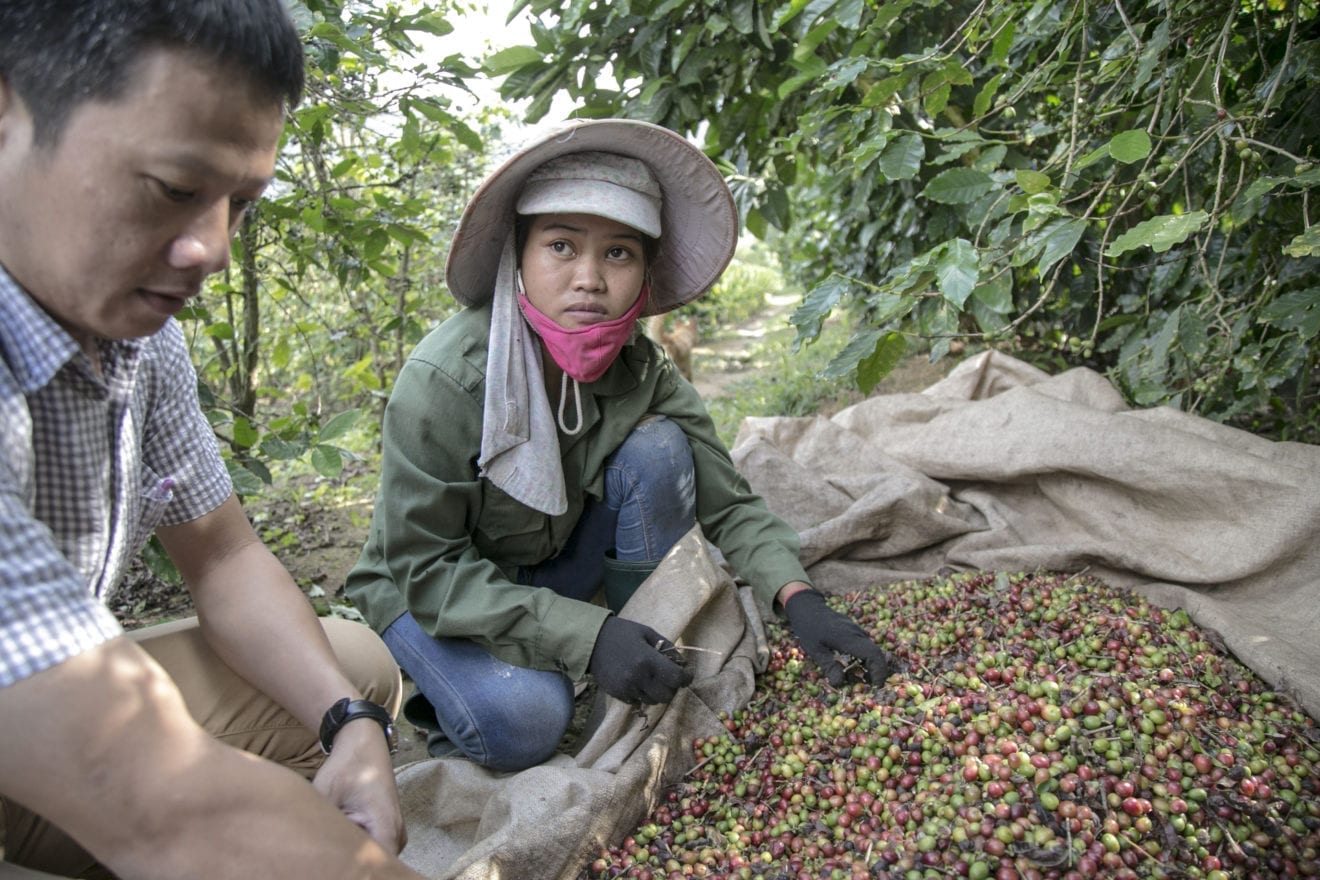
    In Vietnam, exporters have started offering beans from the upcoming harvest since stocks from the past crop were running low, while farmers are still not satisfied with the price despite a recovery in global prices, traders said.

    Farmers in the Central Highlands, Vietnam’s largest coffee growing area, offered coffee at VND34,000-34,400 ($1.46-$1.47) per kg, up from VND32,600-32,800 last week, but still below a 6-year-high level of more than VND47,000 hit last year.

    “The green bean (prices) are too low and the cost is increasing. (In) some countries, the running cost is even higher than the price,” said Luong Van Tu, chairman of the Vietnam Coffee and Cocoa Association.

    Regardless, Vietnam in the 2017/2018 crop exported an estimated 1.8 million tons of coffee, up 12.95 percent from the previous crop, while January-September exports grew 19.6 percent annually to 1.46 million tons, government data showed.

    Exporters offered Vietnam’s 5-percent black and broken grade 2 robusta at $30-$40 discount per ton to London’s November and January contracts, same as last week, but importers asked for a larger discount of $50, traders said.

    Extended rains in Vietnam’s coffee growing region have raised concerns about the quality and timing of the upcoming harvest, which could start as early as next month.

    Scattered showers are expected over the next week in the Central Highlands region, the National Centre for Hydro-Meteorological Forecasting agency said on its website.
  • Nestle Malaysia CEO Alois Hofbauer to be replaced soon

    Nestle Malaysia CEO Alois Hofbauer to be replaced soon

    Alois Hofbauer will be stepping down as Nestle (Malaysia) Bhd CEO effective Nov 30.

    Nestle said in a statement that Hofbauer’s departure is to pursue other interests outside the group.

    Hofbauer will be succeeded by Juan Aranols, currently CFO for the Nestle Group’s Zone Asia, Oceania nd Sub-Saharan Africa (Zone AOA).

    Aranols joined the Nestle Group in 1990 as an auditor for Nestle Spain. In his 28 years with the company, he has held roles of increasing responsibility across a number of different markets in Europe and Latin America.

    He has worked for the last six years at Nestle Global Headquarters, first as global group controller and since 2015 in his current role as CFO and member of the senior management team for Zone AOA.

    “Nestle Malaysia is a company with a long history and great future prospects. I am both humbled and excited to be given the opportunity to take this organisation forward, building on the strong foundations laid by my predecessor and his team,” said Aranols of his new appointment.

    Meanwhile, Hofbauer has been Nestle Malaysia CEO for the last five-and-a-half years.

    “I am proud that my team and I have established Nestle Malaysia as one of the top performing companies on the Bursa Malaysia. We reignited growth and achieved solid results year after year. I am confident that this success will continue, and I wish Juan all the best in his new role,” said Hofbauer.

  • Oldtown White Coffee opens new concept store at Suntec City

    Oldtown White Coffee opens new concept store at Suntec City

    Malaysian cafe chain Oldtown White Coffee has launched a concept store at Suntec City Mall.

    The venue opened last month and features a facial-recognition feature as part of its ordering system. Seating 88 guests, Oldtown Suntec City offers exclusive local menu items and new coffee flavours, including popcorn and coconut lattes.

    Oldtown White Coffee is Malaysia’s largest white coffee chain and operates more than 250 outlets throughout Southeast Asia. It has established outlets in China and Indonesia, and has recently expanded into Vietnam and Cambodia.

  • Korea’s rice burger franchisees fight back

    Korea’s rice burger franchisees fight back

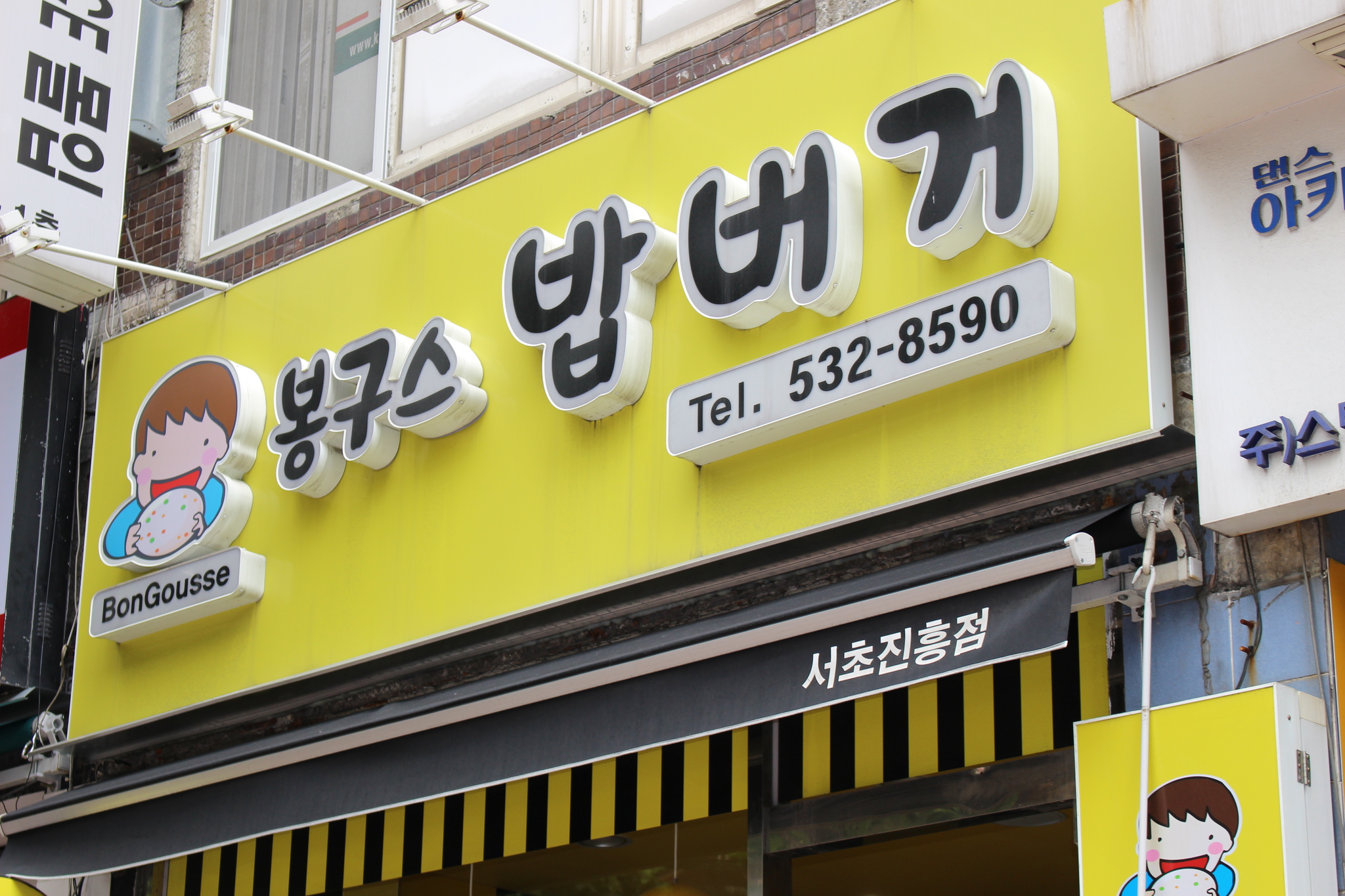
    BonGousse Rice Burger, which was acquired Tuesday by chain Nene Chicken, is receiving fierce criticism from franchisees for failing to inform them of the deal.

    The rice burger chain was established in 2010. The brand rose to fame thanks to its popularity among students, but entered a steep downfall last year when CEO and founder Oh Se-rin was convicted of drug use.

    BonGousse franchisees claim they were never informed about the merger by headquarters beforehand and only learned about it after the deal between the companies were finalized last month. According to local news outlets, the association of BonGousse franchisees reported the headquarters to the Fair Trade Commission saying that the deal violated contracts with franchisees.

    Franchisees are set to meet with BonGousse headquarters to receive details on the acquisition on Thursday.

    “We’re in the process of expanding our business with our expertise in the chicken business and franchise operation,” Nene Chicken said in a statement. “We plan to create synergy with the acquired company based on our experience in the franchise business and quality control.”

    BonGousse Rice Burger started out as a street food stall that sold rice balls made in the form of a hamburger. The business took off by establishing restaurants near schools and universities, and the number of branches reached a peak of 1,000 in 2015.

    Oh also gained attention and fame as a young entrepreneur, and made many media appearances to encourage entrepreneurship among students. A college dropout, Oh was only 25 when he started BonGousse in front of a high school in Suwon, Gyeonggi.

    Oh was found to have taken drugs with three women at a hotel in Seoul in May 2015. He was also found to have used methamphetamines three times with close associates in 2016 at a hotel and at his home. He was sentenced to a year and a half in prison and three years of probation. His conviction in August 2017 tainted the brand’s image and dragged down sales by 30 percent, according to BonGousse franchisees.

    In October, a group of around 300 BonGousse franchisees sued Oh and BonGousse headquarters for damages. They said that, after the conviction, the company modified contract terms in a way that increased advertising costs for franchisees while reducing headquarters’ costs.

  • Elephant Grounds Is Opening In Manila soon

    Elephant Grounds Is Opening In Manila soon

    Hong Kong coffee shop Elephant Grounds will open in the Philippines.

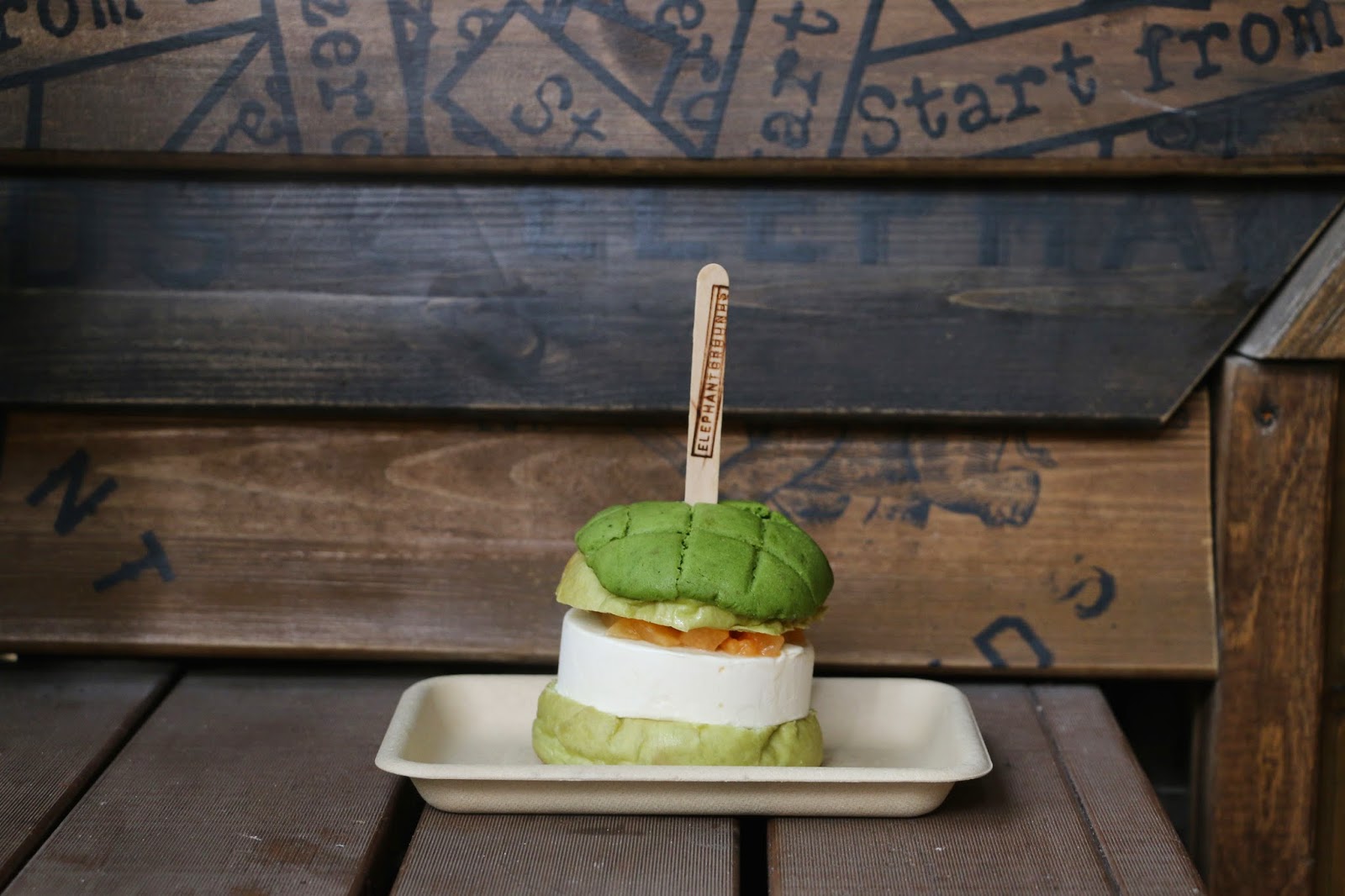
    The popular micro-roaster and cafe, which launched in 2013, has five locations in Hong Kong. It is known for its wooden decor, garden-inspired interiors, bakery items and ice-cream sandwiches.

    The chain will open its first branch in the Philippines at One Bonifacio High Street Mall, Bonifacio Global City, by the end of this year.

  • Vietnam’s U18 liquor sales ban impractical, experts say

    Vietnam’s U18 liquor sales ban impractical, experts say

    Experts say it will be difficult to implement an age-based ban on selling liquor, better options are needed.

    They are also saying that an emphasis on education and raising awareness will have greater impact in dealing with the problem of liquor abuse.

    A draft bill on the prevention of dangers of alcohol being compiled by the Ministry of Health proposes a number of prohibitions, including: promotion in any manner of liquor with alcohol content of 15 degrees or above; usage of positive phrases like “medicinal alcohol”, “nutritious alcohol” on product labels; advertising of alcohol during television prime time (6-9 p.m.); sale of alcohol to persons under 18; and sale of alcohol on the internet.

    Kieu Anh Vu of law firm KAV Lawyers said it was very necessary to bring legal measures against the dangers of alcohol, because the harm it was causing was indisputable.

    Vu said he supported the draft bill’s ban on alcohol consumption by government officials, civil servants, and employees during working hours or between shifts during the working day; by operators of motorized vehicles; and by people under 18.

    “These regulations are appropriate to ensure social order, safety and health of the community,” he said.

    However, Vu was concerned about how age checks would be carried out. “Will vendors have the right to check people’s age by looking at their identity cards, or just by asking questions?”

    Psychologist Nguyen An Chat, on the same page as Vu, also questioned how alcohol sellers could correctly verify the age of each individual.

    “Some 15 year olds look very mature while some 20 year olds can look underage. Would everyone wishing to purchase alcohol have to produce identity documents?” he wondered.

    An online right?

    Lawyer Vu Tien Vinh, director of Bao An Law Firm, said: “Buying alcohol over the Internet is more convenient than going to shops or supermarkets. If online sale is prohibited, people can and will continue to buy alcohol through traditional channels.

    Vinh said that in reality, it was too easy for buyers to obtain alcohol via traditional channels such as supermarkets and other dealers. When consumers can buy alcohol anytime, anywhere, the ban on online sales will not have much of an impact on its consumption, he said.

    “Detecting online transactions on the sale of alcohol to punish with fines is very difficult. It will not be hard for consumers to get around this regulation,” Vinh added.

    Sociologist Trinh Hoa Binh concurred, saying identification of illegal alcohol sales online was very hard to do.

    “Internet sales are the current trend. Will the prohibition of selling alcohol online go against this?” asked psychologist researcher Nguyen An Chat.

    Given the implementation difficulties, Binh proposed that instead of prohibitive regulations, authorities should instead start with education, build a set of cultural values for the modern Vietnamese society that discourages alcohol abuse.

    Chat supported this. He said education should begin at home and continue in schools so that each person was aware of the danger of drinking, so that people would exercise restraint and control their consumption.

    Psychologist Khuat Thu Hong said many countries have faced difficulties in implementing regulations prohibiting or restricting the sale/use of alcohol, but over time, strict compliance has become the norm.

    “In Vietnam, for these regulations to be implemented well, close monitoring and regular communication on the harms of alcohol will be essential for the people to understand and co-operate,” said Hong.

    In Vietnam, about 800 deaths per year are related to the use of alcohol, including beer. Almost 30 percent of social order disruption cases are also related to alcohol consumption.

    In 2017, Vietnamese people spent close to $4 billion on alcohol. The cost of dealing with alcohol-related traffic accidents was  estimated at about one percent of the GDP the same year.

    The alcohol industry contributes about VND50 trillion ($2.17 billion) to the state budget a year and provides about 220,000 jobs directly or indirectly.

  • Filipino chocolate brand to open store in Tokyo

    Filipino chocolate brand to open store in Tokyo

    Filipino chocolate brand Auro is expanding to Japan.

    The first Auro Chocolate store will open on October 7 in Frenity House in Shibuya City, a special ward of Tokyo. The brand was discovered during a trip to the Philippines by the father of the founder of Japanese distributor Kotowari, which is now exclusively representing the brand in Japan.

    Co-founder Mark Ocampo said: “They discovered us through social media. He bought all these chocolates from the Philippines and took them to Japan. They tried all the chocolates they had and chose us.”

    Kotowari will manage the approximately 20-30sqm Auro store in addition to promoting the brand in local hotels and restaurants. The said the deciding factor in distributing the Auro brand is the direct relationship between the chocolatier and the cacao farmers who supply beans. Auro assists the farmers with business administration training and quality control, helping to improve their quality of life.

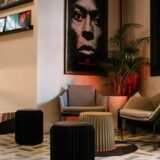
  • When vinyl music and cocktails meet in cafe concept

    When vinyl music and cocktails meet in cafe concept

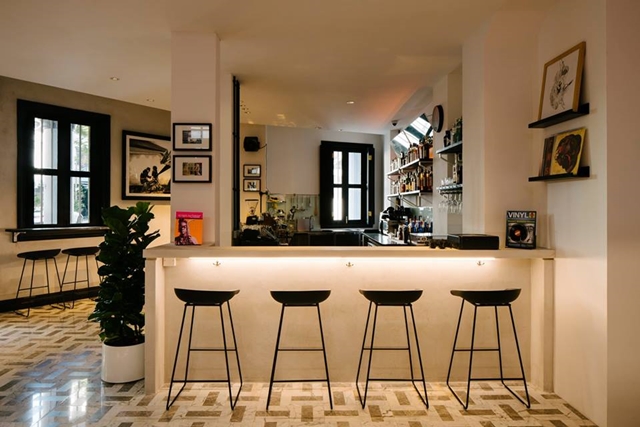
    Singaporean music enthusiasts Kurt Loy and Darren Tan have celebrated the renaissance of vinyl records with a bar in a new venture on Ann Siang Road.

    White Label is a bar and record store in a single space where the duo hope to enthuse a new generation to share their passion for vinyl. Their last venture was record marketplace app #vinyloftheday.

    “We are very happy to be working with Analog Vault to present to Singapore’s music community and music lovers our labour of love,” said Tan at a media preview. “We aim to provide a unique and all-encompassing experience in music where you can have a drink, discover and buy new music, enjoy live performances and DJ sets.”

    Loy and Tan hope White Label will become more than a bar, becoming a community space to showcase underground culture and alternative music. They plan to present a curated collection of vinyl from local and regional stores and host live events, including a two-day popup on october 12 and 13 featuring Jazzy Sport.

    On the bar side, White Label will serve cocktails, craft beers and wine.

    White Label is at 28 Ann Siang Road and trades from 11am to midnight Tuesday through Sunday.

  • Panda Express Is Opening Soon In Manila

    Panda Express Is Opening Soon In Manila

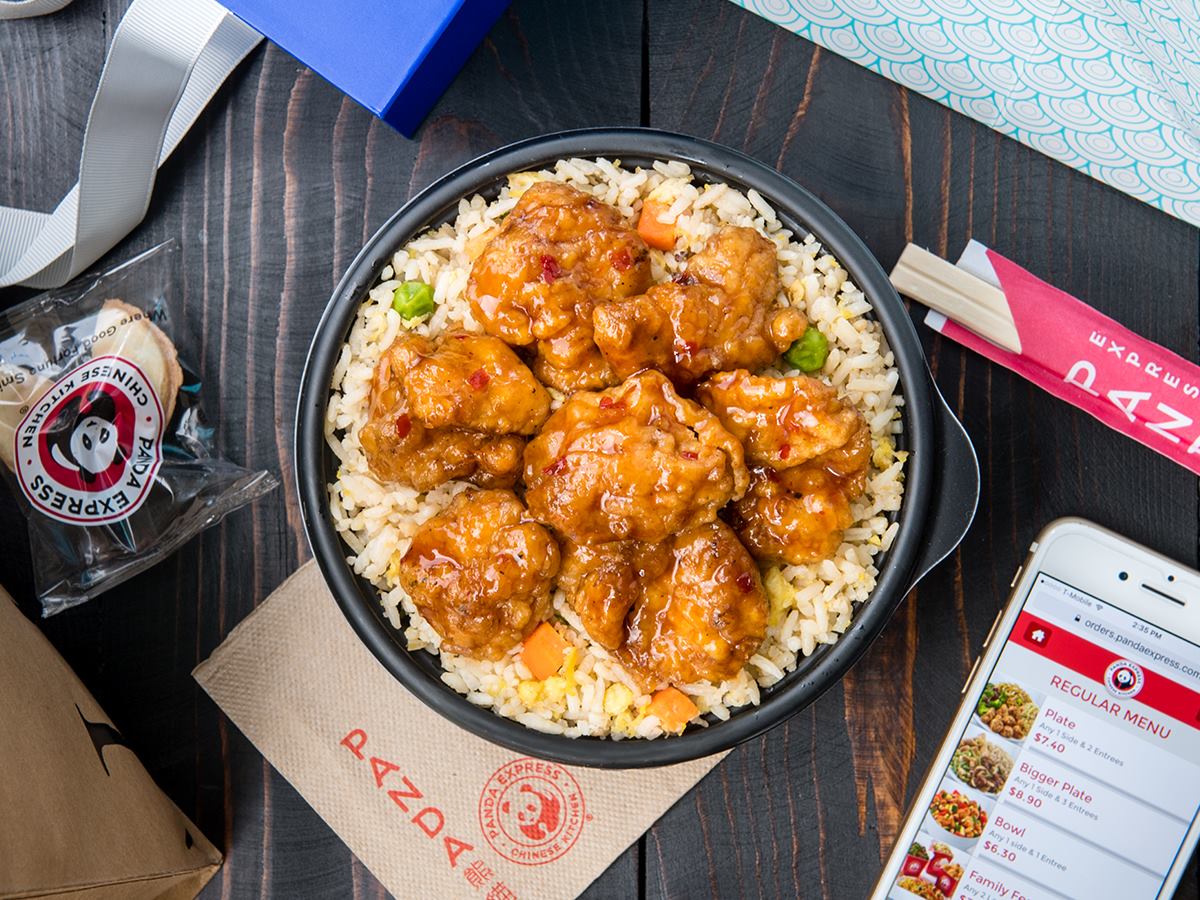
    US restaurant chain Panda Express is heading to the Philippines.

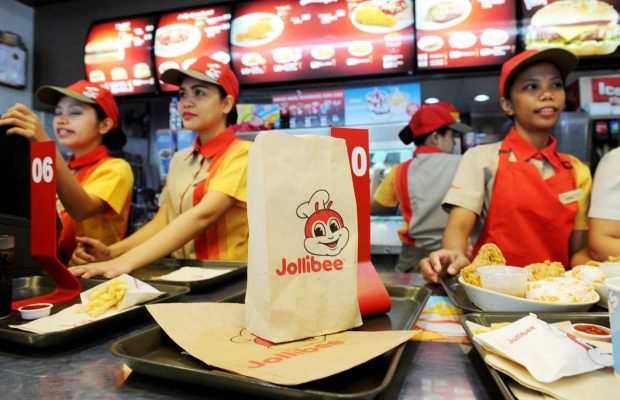
    Jollibee Food Corp says it will launch Panda Express Philippines, dubbed “the Chinese kitchen” in North America, after creating a 50-50 joint venture with the parent Panda Restaurant Group.

    The first five Panda Express Philippines outlets will open in Metro Manila, after which other regional opportunities will be evaluated for the business.

    “With proven track records in providing great tasting food at a great value, JFC and Panda join hands to introduce American Chinese food, a globally-influenced cuisine inspired by authentic Chinese culinary principles, to the Philippines,” JFC said in a statement filed with the stock exchange.

    “We look forward to tapping into JFC’s market expertise to grow the Panda Express brand into a household name in the Philippines and, more importantly, actioning our shared value of inspiring people to better their lives,” added Andrew Cherng, co-founder and co-CEO of Panda.

    Jollibee Foods chairman Tony Tan Caktiong described Panda Express as an offer “very much in line” with Jollibee’s current portfolio of brands.

    Panda Express has stores worldwide, including networks in Korea, Japan and Russia.

  • House of Hennessy airport flagship opens in Hong Kong

    House of Hennessy airport flagship opens in Hong Kong

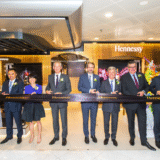
    Hennessy has opened its first airport flagship store at Hong Kong International Airport.

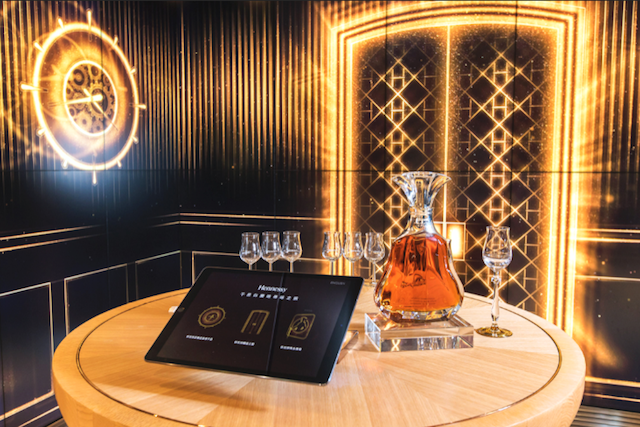
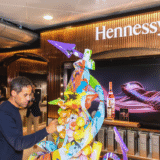
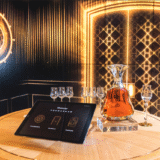
    The new “House of Hennessy” retail concept involves an exclusive selection of products (including a number or rarities) and an “immersive cognac experience” based on a design inspired by a historic French castle acquired by the Hennessys in 1841.

    Guests to the store are invited to taste the products on offer and visit a VIP presentation room for an overall introduction to the brand and its heritage, augmented by interactive technologies.

    Moet Hennessy Global Travel Retail’s president Laurent Boidevezi said that due to the strong demand in the Asia market in recent years, as well as consumer desire to further explore cognac culture, the company has been developing interactive and educational approaches to engage with global travellers at HKIA, which experiences a large volume of traffic.

    “We are also delighted to be working with Airport Authorities Hong Kong and CDF-Lagardere to bring our first-of-a-kind boutique to life in this way. It will definitely strengthen our trinity partnership.”

    Lagardere Travel Retail chairman & CEO Dag Rasmussen said: “Our joint venture – CDF-Lagardere – wanted to give travellers at HKIA something that was truly original and exciting.

    This exceptional House of Hennessy store achieves that. It is more than a boutique: we have created a fully immersive Cognac experience for passengers.”

    The House of Hennessy store is located at Duty Zero by CDF, Departure Hall 1, Terminal 1 of the HKIA.

  • KFC Myanmar to open 70 more stores

    KFC Myanmar to open 70 more stores

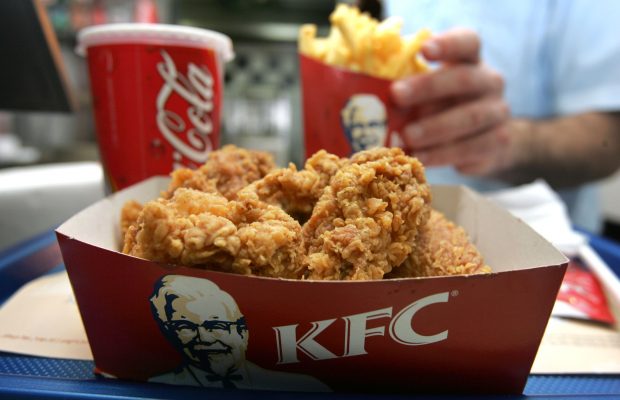
    KFC Myanmar plans to expand into new territories as locals embrace the fast-food concept.

    Two recent openings in Monywa and Pyay have brought the number of KFC outlets in Myanmar to 26 across six regions, only eight of which are outside Yangon. The local franchisee, Singapore-listed Yoma Strategic, has indicated plans to open 70 stores throughout the country by its 2023–2024 financial year.

    Yoma CEO Melvyn Pun said KFC Myanmar has experienced “better-than-expected performance” in its new stores, highlighting the potential to expand beyond Yangon.

    “Due to rising disposable incomes, greater connectivity and economic development, we are seeing a rise in consumer spending in food and beverage, not just in Yangon but also in other towns and cities.”

    Yoma also has partnerships with whisky brand Pernod Ricard and German wholesaler Metro Group. It is targeting a portfolio of six brands and more than 125 locations in Myanmar within five years.

  • Shinsegae’s Emart to bring its fancy PK Market store to LA next year

    Shinsegae’s Emart to bring its fancy PK Market store to LA next year

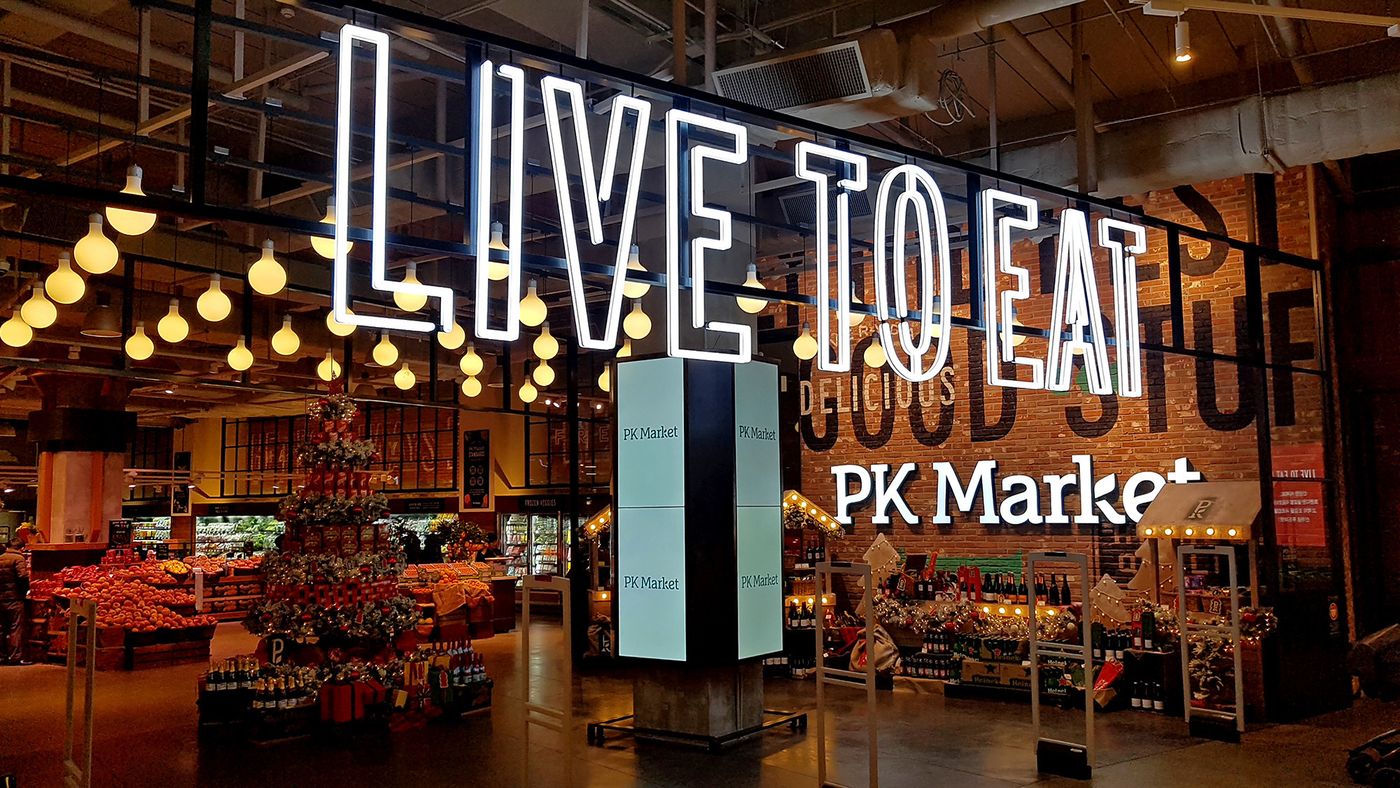
    Discount chain Emart will launch its PK Market grocery store chain in downtown Los Angeles in the second half of next year.

    This is Emart’s first expansion into the U.S. market.

    The company said that it signed a 10-year contract on a 4,803-square-meter (1.18-acre) space inside LA Jewelry Mart, which is located in the Jewelry District of Downtown Los Angeles.

    “As the rent contract was signed, we’re now able to further embark on procedures to plan for our business in the United States,” Emart said in a statement.

    During the contract period, Emart will occupy three floors of the six-floor building. PK Market will take up the basement and second floors, while the third floor is planned to be used as an office for the local discount chain.

    This red-brick structure was built in 1916 and was first used to house the Ville de Paris department store. In the building’s early days, the neighborhood was the city’s commercial center and had one of the largest jewelry districts in the United States.

    Downtown Los Angeles lost its shine in recent decades compared to other areas of the city, but development projects in the area have increased lately as more people and proprietors are getting interested in the charm of the old district.

    Emart said it approved of the location, considering that there are a number of ongoing developments that will transform the area once they are completed.

    “The building itself sits inside the Historic Core where the city office is, near South Park and the Financial District – it’s a part of town that has quite a floating population,” the company said.

    Emart’s plan to take its brick-and-mortar business to the United States – a rare move for a Korean retailer – was unveiled in March by Shinsegae Vice President Chung Yong-jin. Chung said the U.S. version of PK Market will present a wide array of Asian foods, including Korean products.

    PK Market currently has branches in the Starfield malls in Hanam and Goyang, Gyeonggi. It is built around a “grocerant” concept, in which restaurants, food stalls and a high-end grocery store coexist in one space.

    Emart added that, while the concept will remain the same, the name PK Market may be changed for the U.S. market.

  • Coca Cola Australia buys Mojo Kombucha

    Coca Cola Australia buys Mojo Kombucha

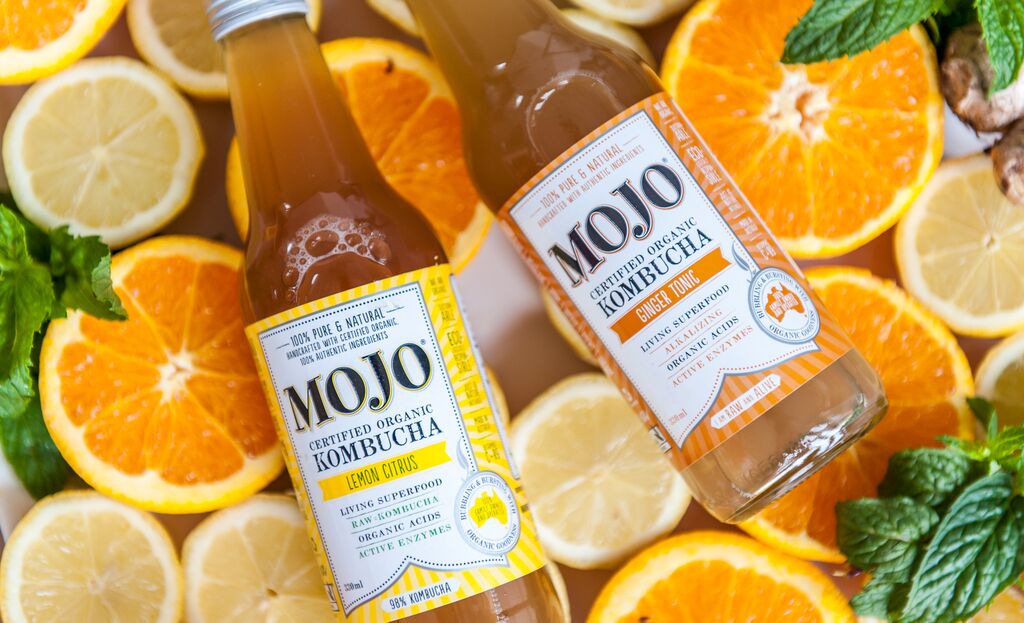
    Coca Cola Australia announced on Tuesday it has acquired the Organic & Raw Trading Co., the Australia-based owner of Mojo Kombucha.

    The terms of the deal were not disclosed. In a move that sees the soft drink maker diversify into low-sugar, natural beverages, Coca Cola will add Mojo brands to its portfolio of 165 products and 25 brands across Australia.

    “The addition of Mojo Kombucha fits perfectly with the growing popularity of organic, probiotic drinks,” Vamsi Mohan, president of Coca-Cola Australia, said in a statement.

    In the last twelve months, Coca Cola has been buying up healthier drink companies, including sparkling water, as consumers become increasingly health conscience.

    More recently, the soft drink heavy weight acquired UK coffee chain Costa for $5.1 billion and invested a small stake into Kobe Bryant’s sports drink BodyArmor in August.

    For the second quarter 2018, Coca Cola reported net revenues declined 8% to $8.9 billion, impacted by a 15% headwind from the refranchising of company-owned bottling operations.

    However, organic revenues grew 5%, driven by concentrate sales growth of more than 2% and price/mix growth of more than 2%.

    “We’re encouraged with our performance year-to-date as we continue our evolution as a consumer-centric, total beverage company,” said James Quincey, President and CEO of Coca-Cola. “We have the right strategies in place and remain focused on achieving our full year guidance.”

  • Yildiz Looking to Sell Godiva in Japan

    Yildiz Looking to Sell Godiva in Japan

    A sale of Godiva Japan is being considered which could value the business at US$1.5 billion.

    Parent Yildiz Holding is considering an offer which would allow it to use the proceeds to reduce debt and invest in other markets with larger growth prospects.

    Gidova Japan has annual sales of about $350 million a year.

    Yildiz Holdings was founded by Turkish brothers as a biscuit shop in 1944, acquiring Godiva in 2007 for $850 million. It now operates hundreds of Godiva cafes around the world as well as marketing Godiva-branded chocolate products, and its assets include UK brand McVitie’s biscuits.

    Unnamed sources said a formal sale process would commence within weeks.

    Prospective bidders include rival confectionery companies or private equity funds, along with Japanese trading groups.

  • Jollibee to bring Panda Express to the Philippines

    Jollibee to bring Panda Express to the Philippines

    Jollibee Food Corp on Thursday said it would bring Panda Express to the Philippines, the popular “Chinese kitchen” in the US.

    The initial phase of the 50/50 joint venture between JFC and Panda Restaurant Group Inc intends to develop 5 Panda Express outlets in Metro Manila, JFC told the stock exchange.

    “With proven track records in providing great tasting food at a great value, JFC and Panda join hands to introduce American Chinese food, a globally-influenced cuisine inspired by authentic Chinese culinary principles, to the Philippines,” JFC said in a statement.

    JFC chairman Tony Tan Caktiong said Panda Express is “very much in line with JFC brand portfolio.”

    “We look forward to tapping into JFC’s market expertise to grow the Panda Express brand into a household name in the Philippines and, more importantly, actioning our shared value of inspiring people to better their lives,” Andrew Cherng, co-founder and co-CEO of Panda.

    Jollibee Group’s worldwide store network reached 4,324 as of Aug. 31, 2018.

    JFC said Panda Express has operations in the US, Canada, Mexico, Korea, Japan and Russia, among others.