Retail News Asia is committed to providing both local and global retailers with the latest Food and Food & Beverage news throughout the Asian market. This on a daily base.
SK Group will acquire a 9.5 percent stake in Vietnamese food and beverage company Masan Group to become its largest foreign shareholder.
The Korean conglomerate announced Wednesday that it has agreed to acquire the stake at $470 million. The two companies will jointly look for business opportunities in Vietnam through strategic investments.
Masan Group is at the top of the Vietnamese food and beverage market. Its business portfolio expands into finance, animal breeding and mineral mining. Its yearly revenue posted 1.9 trillion won ($1.7 billion) last year.
“The latest investment is meaningful in a way that it is part of the group’s effort to secure new business opportunity in the global markets just like Chairman Chey Tae-won emphasized in his New Year speech early this year,” said Lee Hang-soo, head of the group’s PR team in a statement Wednesday.
“SK Group and Masan Group will cooperate to develop new businesses in Vietnam as well as elsewhere in the Southeast Asia region,” he added.
SK Group has been showing keen interest in fortifying its global business over the past few years.
SK has been looking for business opportunities in the United States, China and Southeast Asia. The group had established a new investment arm in Singapore based on joint investment from its five subsidiaries.
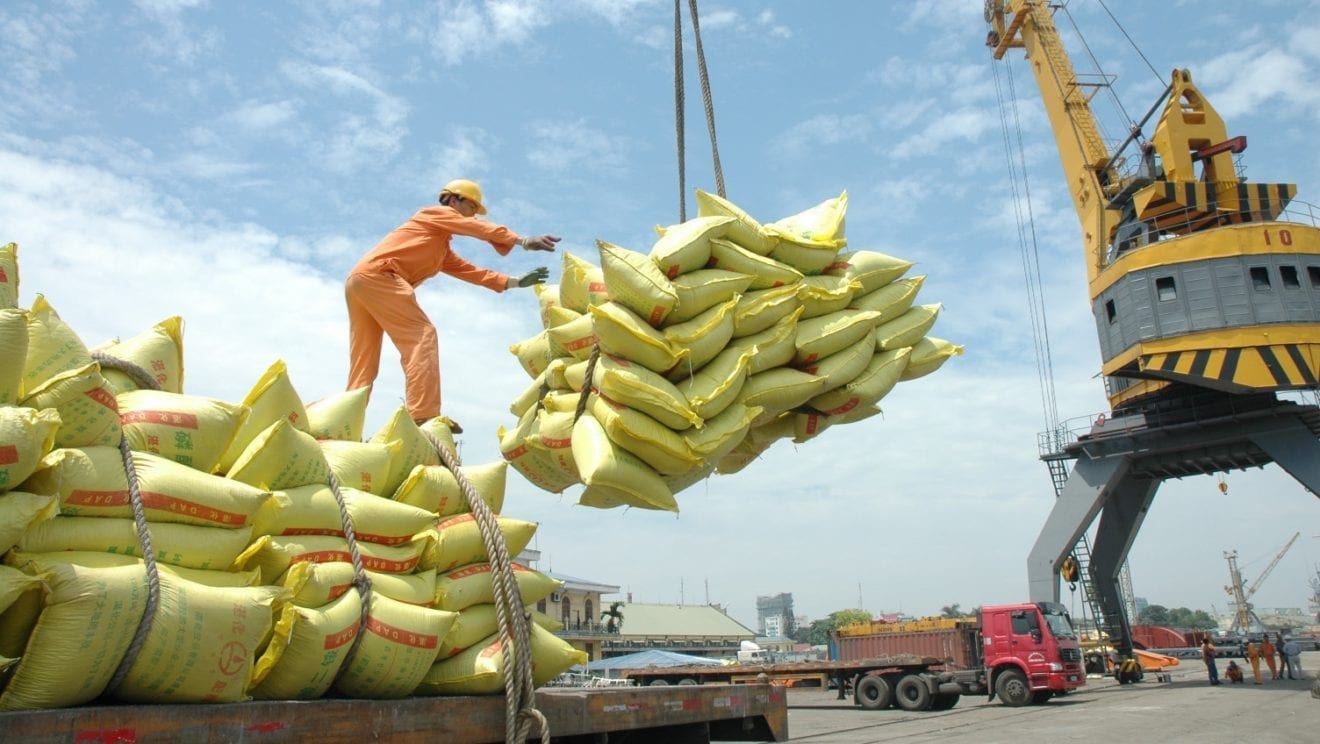
Rice export prices in India recovered this week after demand improved, while rates for the Vietnamese variety eased.
Rates for top exporter India’s 5 percent broken parboiled variety edged up by $2 per ton to $373-$377 per ton this week, from their lowest in 17 months last week.
“Enquiries from African buyers have risen in the last few days,” said an exporter based at Kakinada in the southern state of Andhra Pradesh.
Another exporter, based in Mumbai, said Indian rice was currently competitive due to rupee depreciation.
The Indian rupee has lost more than 13 percent of its value so far in 2018, and plunged to a record low earlier this week, increasing exporters margins.
Meanwhile, in neighbouring Bangladesh, rice output from the summer-sown crop ‘Boro’ hit 19.5 million tonnes, exceeding the target of 19 million tonnes, as farmers raised acreage to cash in on higher prices, data from the Bangladesh Bureau of Statistics showed.
Last year, the country’s Boro rice crop, which accounts for more than half of the country’s typical annual rice production, fell to its lowest in seven years after floods destroyed crops.
In Vietnam, traders offered benchmark 5 percent broken rice at $395-$405 a ton, slightly lower than last week’s $400-$405 range.
Despite potential demand from the Philippines in the aftermath of Typhoon Mangkhut, which damaged paddy in the country, prices for the Vietnamese variety did not go up since Thai rates were lower.
“If we increase prices further, people will just go and buy Thai rice,” a Ho Chi Minh City-based trader said.
The south-Asian country, which has already completed the harvest of its two major crops, exported 4.5 million tons of rice in the first eight months, meeting around 70 percent of the whole-year projection of 6.5 million tons set out by the government.
A trader estimated Vietnam’s current autumn-winter mini crop could yield around 1.8 million tons, half the volume of a major crop, with most of the rice likely to be kept for domestic consumption given the next harvest will not be until March 2019.
In Thailand, benchmark 5 percent broken rice prices were quoted at $390-$393 per ton, free on board (FOB) Bangkok, unchanged from last week.
While demand was flat, it would pick up in the near future due to natural disasters in the region, especially in the Philippines and Indonesia, traders said.
The new cities are Dehradun, Puducherry, Mysore, Vijayawada, Nashik, Guwahati, Kanpur and Ludhiana, Swiggy said in a statement.
The company has partnered with over 1,200 restaurants in these cities, it added.
Commenting on the development, Swiggy COO Vivek Sunder said, “Expanding to these eight new markets is very important to us”.
Over the years, Swiggy has played an instrumental role in making food ordering and delivery more accessible, reliable and convenient for consumers across the country, he added. Founded in 2014, Swiggy is an online platform with over 40,000 restaurant partners spread across 27 cities.
UK supermarkets group Morrisons has secured a supply partnership with Thai grocery chain Big C.
The firm will be sending 100 branded products to feature on Big C shelves in what represents a major international partner for Morrison’s, which otherwise has a minor presence in Gibraltar and the Channel Islands. The company also previously supplied its own-label products to a Hong Kong e-commerce platform British Essentials.
Morrison’s CEO David Potts has stated the company is not currently pursuing an international strategy – the partnership with Big C is the result of unexpectedly fast growth in the company’s wholesale business.
Morrison’s revenues increased 4.5 per cent over the past half year compared to the same period last year. While same-store retail figures grew 2.1 per cent, its wholesale business grew 2.8 per cent.
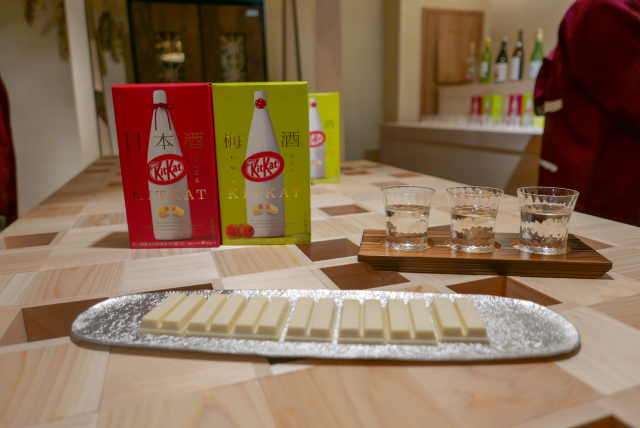
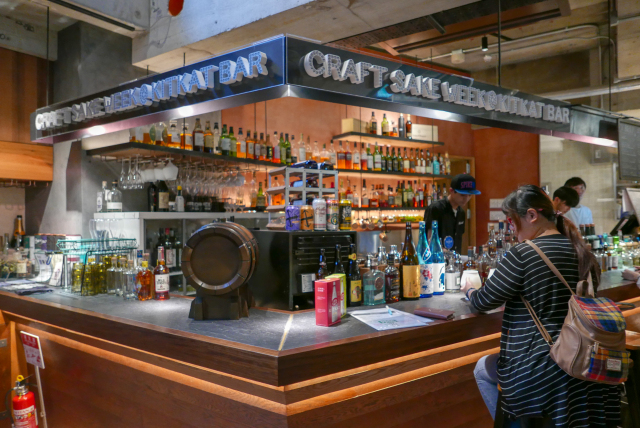
Nestle has opened a pop-up bar in Tokyo to mark today’s release of its new sake-flavoured Kit Kat bar.
“Craft Sake Week @Kit Kat Bar” has been offering visitors a preview of the new Umeshu Plum Sake-flavoured chocolate bar paired with cocktails. The space is overseen by former soccer star Hidetoshi Nakata, now known for his work with more than 350 local sake breweries designing products to promote their rice wines both nationally and globally.
Two Ume Sake Kit Kat and cocktail pairings served in Milano glasses are the highlight of the pop-up. The cocktails, created by noted craft cocktail designers to complement the flavours of the new Kit Kat, are exclusive to the bar.
The pop-up, which runs to September 24, features other products both collaborated on and curated by Nakata to convey the beauty of traditional Japanese sake crafts, as well as a sake-tasting area.
Nestle released it first premium sake flavoured Kit Kat last year.
South Korean fried chicken chain NeNe Chicken has launched in East Malaysia.
The brand’s fourth Malaysian restaurant opened at urban hub Plaza Merdeka Shopping Mall, featuring its offering of Korean-style fried chicken with a selection of sauces and marinades, along with some adaptations for the local palate.
NeNe Chicken Malaysia MD Raymond Wong said: “Since the opening of our doors in our soft launch, we are amazed with the reception that has been given and we are putting in the hard work to keep the momentum going.”
NeNe Chicken operates more than 1200 restaurants worldwide.
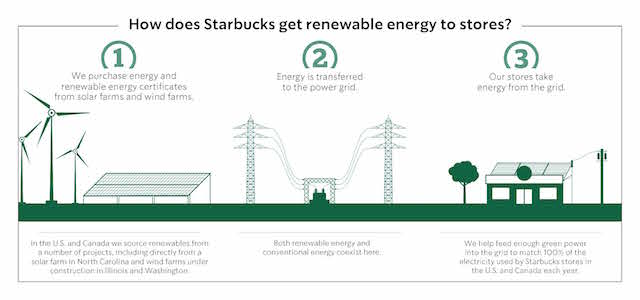
Following strong consumer demand and internal support, global franchise coffee giant Starbucks has committed to designing, building and operating 10,000 “Greener Stores” globally by 2025.
The brand has teamed up with sustainable building experts SCS Global Services and World Wildlife Fund to help with the implementation of the new initiative, which focuses on reducing waste, saving water and powering stores through 100 per cent renewable energy.
The announcement was made overnight at The Global Climate Action Summit in San Francisco, and promises to deliver consumers a new standard in green retailing.
The latest initiative will see the brand audit all existing company-operated stores in the US and Canada over the coming years, serving as a trial period for the proposed framework, before encompassing all remaining existing stores, new builds and renovations.
“Simply put, sustainable coffee, served sustainably is our aspiration,” said Kevin Johnson, president and CEO of Starbucks.
“We know that designing and building green stores is not only responsible, it is cost effective as well. The energy and passion of our green apron partners has inspired us to find ways to operate a greener store that will generate even greater cost savings while reducing impact.”
The move is anticipated to save the company an incremental US$50 million in utilities over the next 10 years, building on the brand’s current decade long commitment to greener practices, which already equates to approximately $30 million in saved annual operating costs.
Erin Simon, director of R&D at World Wildlife Fund, US praised Starbucks’ decision to open source the framework, enabling other retailers to engage in the initiative.
“This framework represents the next step in how Starbucks is approaching environmental stewardship, looking holistically at stores and their role in helping to ensure the future health of our natural resources,” Simon said.
“When companies step up and demonstrate leadership, other businesses often follow with commitments of their own, driving further positive impacts.”
As a leader in the retail coffee space, the announcement is set to highlight the importance of sustainability in Australian outlets and competitors, many of whom recently established partnerships and green operations to curb growing consumer demand.
Starbucks is also encouraging other businesses to get on board with the latest sustainable initiative.
Philippine fast-food operator Jollibee has bought a 47 per cent stake in US-based Mexican food chain Tortas Frontera.
The US$12.4 million acquisition was announced in a disclosure to the Philippine Stock Exchange. Chairman Tony Tan Caktiong said would help the firm tap the “fast-growing” Mexican food category in the US. Mexican venues occupy about 9 per cent of the US restaurants market.
The move falls in line with Jollibee’s plans to become one of the top five fast-food chains in the world, and is its second major acquisition in the US following taking a majority shareholding in Smashburger. It has also purchased big brands in China.
Jollibee operates 4279 stores globally, with more than 1400 of those Jollibee-branded outlets.
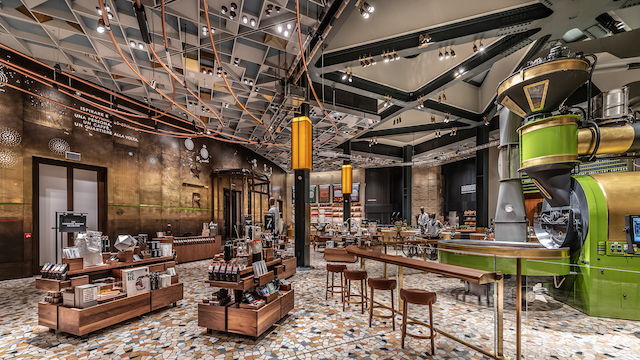
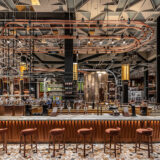
Starbucks describes its newly opened Milan Roastery as its “most beautiful store in the world”.
“During my first trip to Milan in 1983, I was captivated by the sense of community I found in the city’s espresso bars – the moments of human connection that passed so freely and genuinely between baristas and their customers,” said Howard Schultz, chairman emeritus of Starbucks.
“The opening of the Milan Roastery is the story of Starbucks coming full circle.”
The “crown jewel of Starbucks global retail footprint” opened in a restored building on Milan’s Palazzo della Poste on the Piazza Cordusio, just a few streets away from iconic landmarks such as the Duomo di Milano, Galleria Vittorio Emanuele II and Teatro alla Scala.
Standing at 2300sqm (25,000sqft), the Milan Roastery marks the first time the coffee giant has made its debut in a new country with the Roastery format. Just two others exist in the world: in Seattle, which opened in 2014, and in Shanghai, which debuted last year.
Customers entering the Milan Roastery are greeted by a stunning view that spans every aspect of the Roastery experience. Vibrant colours were chosen to reflect the Italian fashion and design community and over the course of the day, the space transforms from the light filtering through the glass ceiling.
At the heart of the building is a Scolari coffee roaster, manufactured just miles from the centre of Milan. To the right, customers will find the main bar, where classic espresso beverages mingle with innovative new flavours. The wood-fronted bar features fluting, which echoes a motif found in Italian architecture throughout history, and is topped with marble sourced from the world-famous quarries of Tuscany. Upstairs on the mezzanine floor, customers can discover Arriviamo Bar – where mixologists are on hand to create specialty cocktails behind a 10m-long marble bar carved from a single block of Calacatta Macchia Vecchia. To the left, customers will see a Princi Bakery, complete with a wood-fired oven.
Liz Muller, chief design officer at Starbucks, says her team spent a whole year living and breathing the city of Milan, working closely with dozens of local artisans to bring the store to life. She says the company wanted to engage “each one of our customers’ senses – sight, sound, touch, smell, and of course, taste”.
“From the palladiana flooring that was chiselled by hand to the bright green clackerboard made by Italian craftsman Solari, everything you see in the Roastery is intentional, offering moments of discovery and transparency.”
The historic setting and detailed design is complemented by an interactive augmented reality (AR) experience, encouraging customers to use their mobile device to learn more about Starbucks Reserve coffees, the roasting process and the company. The centerpiece of the AR experience is a floor-to-ceiling, wall-to-wall visual representation of Starbucks history and its coffee – engraved in brass by local craftsmen, burnished to an ombre finish and backlit to bring warmth to the story.
Outside on a terrace, customers can enjoy the full range of Roastery coffees, cocktails and cuisine in a distinctly European environment – that of a street-side cafe. Also adorning the Roastery’s portico is a striking statue of a siren – the symbol of Starbucks steeped in classical lore – completely hand-carved in Carrara marble by Tuscan sculptor Giovanni Balderi.
The Milan Roastery offers customers a 360-degree walk-around view of the entire roasting process, which starts with green coffee being poured out of burlap sacks, continues through the roaster and sweeping cooling trays, and finishes in a 6.5m-tall bronze cask, with a glimpse offered inside the degassing chamber. From there, coffee beans flow overhead through copper pipes directly to silos at the coffee bars, where customers can enjoy a fresh cup of Reserve coffee, or to the in-house packaging line to be wrapped for distribution in Starbucks stores across Europe, the Middle East and Africa.
Following the opening of the Milan Roastery, Starbucks will bring additional cafes to Milan with licensed partner Percassi beginning late this year. Starbucks says these stores will reflect the unique coffee culture of the Italian market, while also offering Starbucks mainstream food and beverage offer.
Italy marks Starbucks’ 78th international market and comes 20 years after it opened its first European store in London.
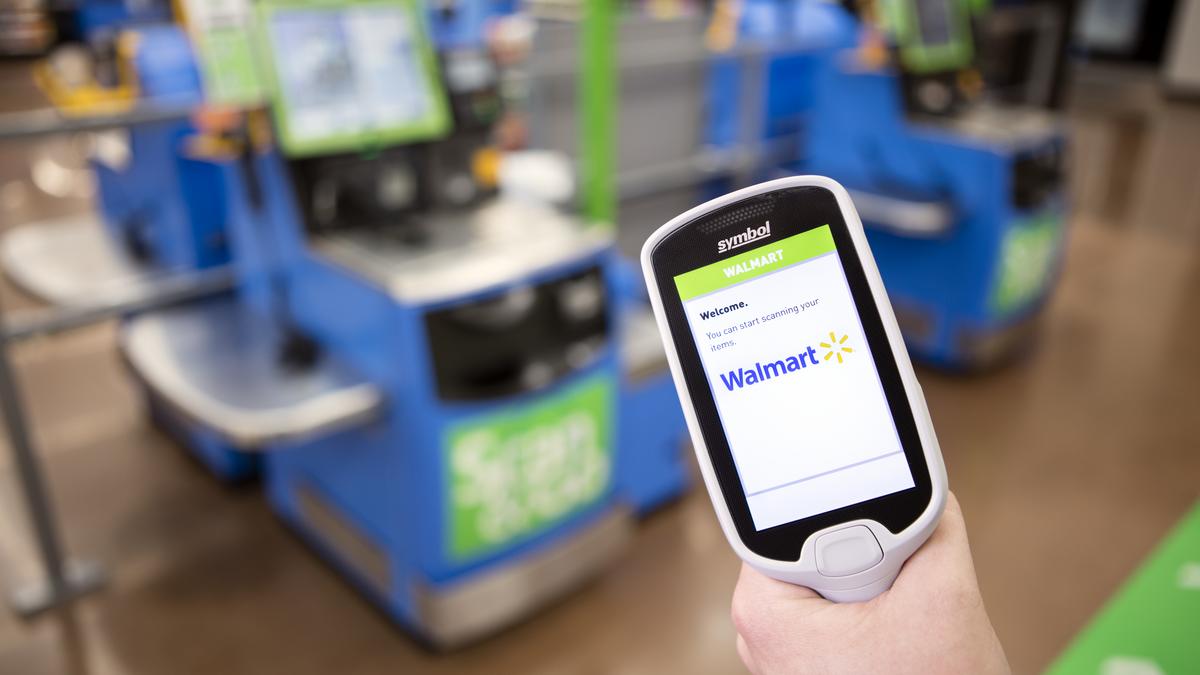
Walmart Scan & Go use in China has broken through the 10 million-users barrier, the first mini-program in the retail industry to reach such a broad user base.
Since launching last April, Walmart Scan & Go – which allows customers to scan their own items and complete payment on their mobile phones for in-store purchases – has been promoted in nearly 300 Walmart stores in more than 50 cities. By the end of the year, it is expected to be available in more than 400 Walmart stores across the country.
In the two-month tryout period in some Walmart stores, Scan & Go reached a penetration rate of up to 30 per cent of in-store customers choosing to use the mini-program to make payment. About 95 per cent of those users said they were willing to continue to use this new self-help checkout method.
The mini-program also features an electronic mapping service called “Find My Item”, which provides customers with an electronic map-based shopping guide service helping in-store customers to quickly locate the products they need.
Jordan Berke, Walmart China Hypermarket’s VP of e-commerce said: “Walmart Scan & Go is one of our important initiatives to deliver innovation and omni-channel experiences to our customers… We believe that innovative technologies provide a more convenient experience to customers and enhance customer loyalty.”
Cecilia Tian, head of smart retail strategic partnership at Walmart’s partner Tencent, said: “Scan & Go meets the customer’s needs by shortening the checkout time. For retailers, Scan & Go helps anchor their digital assets and improve the digitalisation and CRM capability. It brings positive impact on O2O business. Tencent hopes to collaborate with retail partners such as Walmart, who are able to build a holistic, seamless O2O experience with digitalisation tools, improve the operation efficiency and drive business growth.”
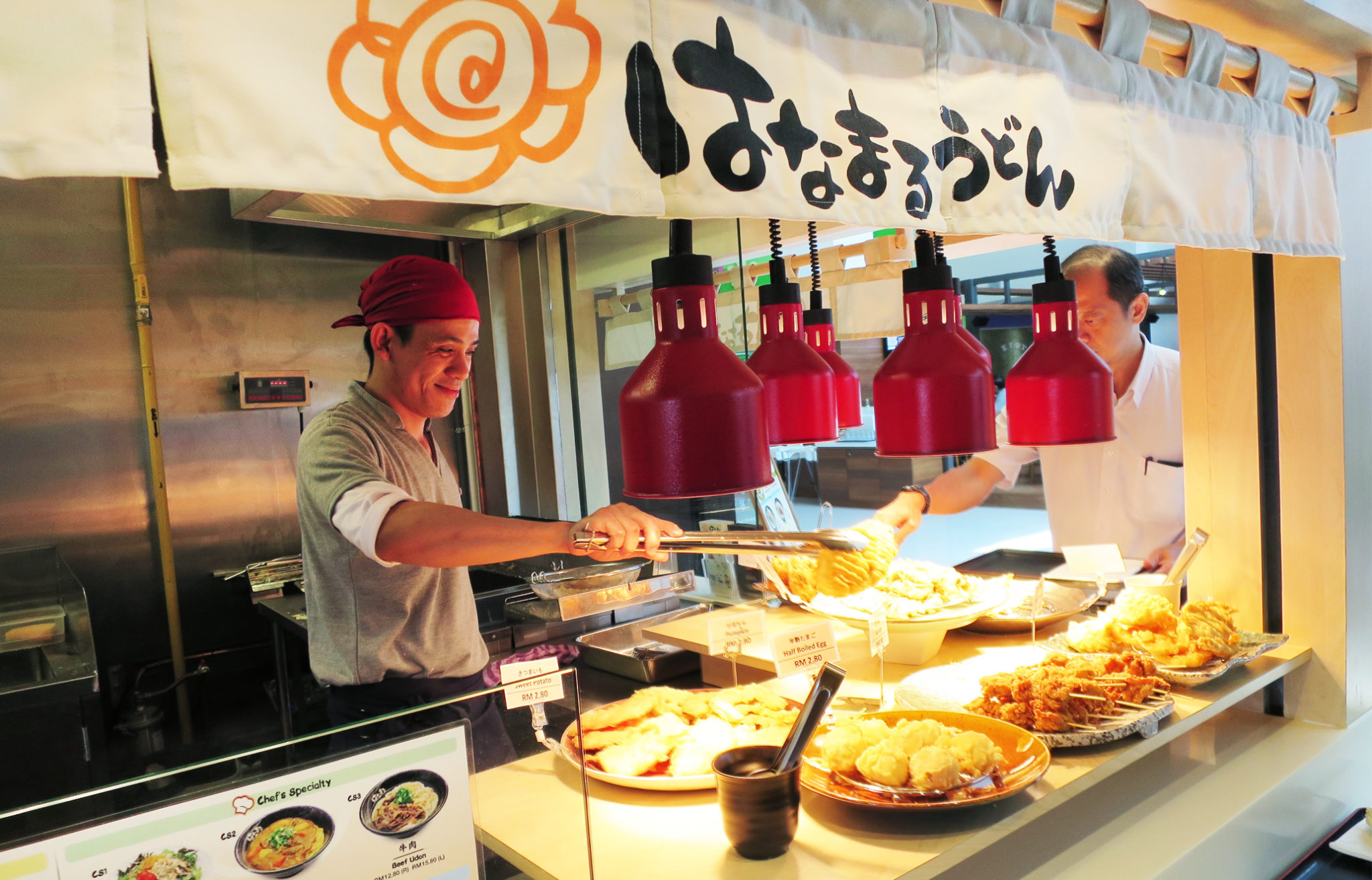
Japanese restaurant chain Yoshinoya has opened its first Hanamaru udon noodle venue in Indonesia.
The first branch opened last week in Lippo Mall Puri, western Jakarta, under local operator Happy Restaurants Indonesia, Yoshinoya’s wholly owned subsidiary.
The brand intends to launch two further restaurants in Jakarta this year, with the aim of opening 50 within five years. The restaurant interiors are being designed to resemble a Japanese shrine.
Vriska Virginia Lahama, the subsidiary’s GM, said: “By building an interesting restaurant concept like in its home country, Japan, I am sure this concept can attract consumers to come and eat and then they take pictures and post them on social media.”
Yoshinoya already runs 83 beef bowl restaurants in the country.
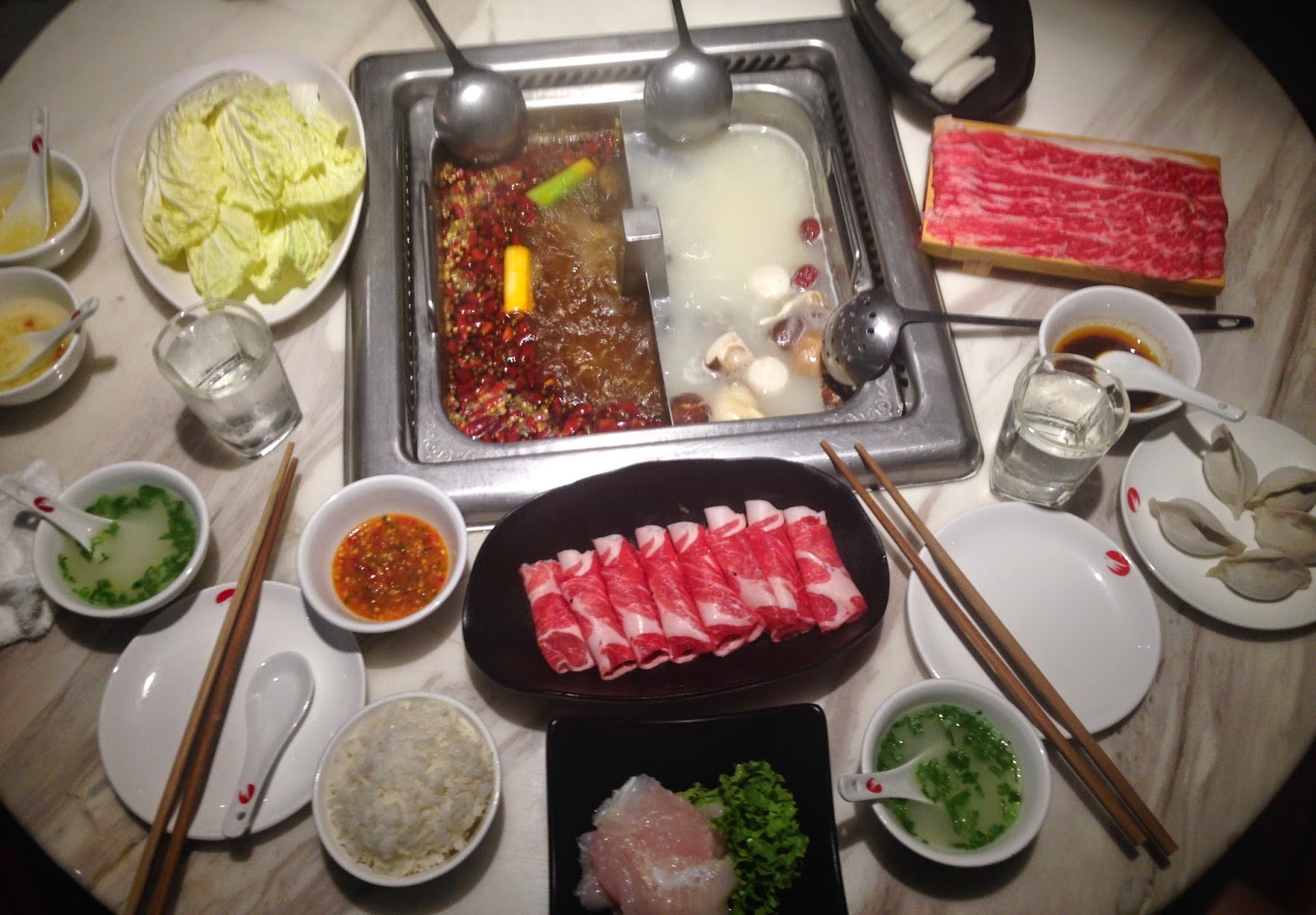
The Beijing-based firm, known for serving Sichuan-style spicy hotpot, is in the process of the pre-deal investor education (PDIE), during which analysts discuss the company’s valuation with potential investors.
It will take orders from institutional investors today, according to people familiar with the matter. The IPO will be opened to retail investors on Wednesday.
The hotpot company generated a first-half revenue of 7.3 billion yuan (US$1 billion) this year, up 54.4 per cent year on year, its listing prospectus showed. Net profit increased 17 per cent to 647 million yuan during the six month period.
Funds raised from the IPO would be used to finance the company’s next three years of expansion, develop new technology and projects to enhance food safety and customer experience, as well as repay debt, it said.
Haidilao, which owns 362 restaurants, has expanded its operations rapidly to cater to a growing middle class population whose consumption is considered an integral part of the country’s new economy sector.
Recent volatility in the Hong Kong stock market, no thanks to the US-China trade war, currency turmoils in emerging markets and fear of further interest rate hikes, have dampened interest for new listings. This compared with the boom in the first eight months in which funds raised from IPOs totalled HK$187.6 billion (US$23.9 billion), representing a 161 per cent surge from the year-earlier period, according to data from the city’s stock exchange.
By Friday’s market close, the 10 biggest IPOs in the past year – including China Tower, Xiaomi, ZhongAn Online P&C Insurance – all traded below their offer prices. The Hang Seng Index fell on Friday, posting a weekly loss of 3.3 per cent as a new round of US tariffs that could hit US$200 billion of Chinese goods looms.
Other upcoming IPOs include investment bank China Renaissance, which aims to raise as much as US$400 million. It will begin its PDIE next week.
Meituan Dianping, China’s largest on-demand online service platform, launched its offering this week in an attempt to raise US$4.4 billion. The stock is expected to start trading on September 20 on Hong Kong’s main board.
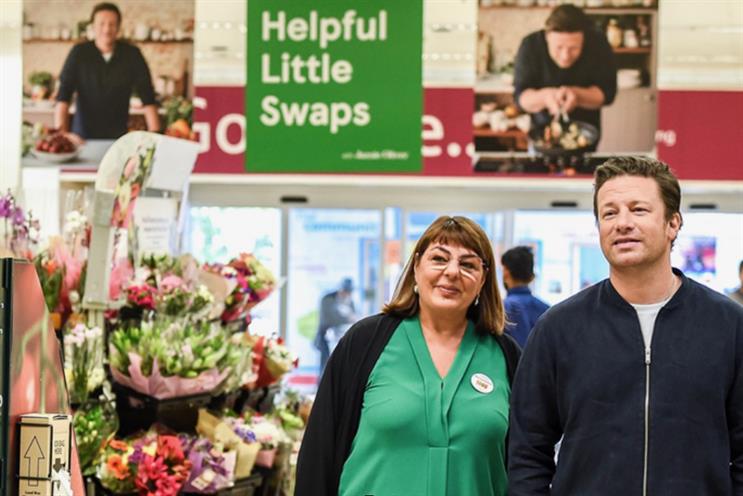
Tesco and Jamie Oliver have joined up to “help make healthier choices a little easier for customers”.
In his first act for the UK retailer, the celebrity chef and restaurateur will front Tesco’s ‘helpful little swaps’ in store, where healthier alternatives offer reduced levels of sugar, salt and fat, as well as being cheaper for customers. A basket of ‘helpful little swaps’ will cost 12 per cent less than a regular basket.
The Tesco and Jamie Oliver partnership has been forged in the wake of research by the grocer showing seven in 10 families want supermarkets to help them lead healthier lives and make healthier choices more affordable.
Oliver said the survey results back up what he hears from his audience every single day: “Britain wants to know how to enjoy more of the good stuff, in easy fun and delicious ways. This makes this partnership one of the most exciting opportunities to actually get Britain eating and celebrating more of their five fruit and veges a day.
“I’m going to work really hard to respond to the different seasons and what the customer is asking for, by creating exciting meals, shortcuts and tips that get people really fired up to cook. Tesco’s part is to make it easier and more affordable.”
Alessandra Bellini, chief customer officer at Tesco, said: “Jamie’s passion and skill to inspire a nation to cook, coupled with our experience and reach in providing millions of customers and colleagues with healthy, quality, affordable ingredients will be a great combination to help people take simple steps to leading healthier lives. This is a natural step in our ongoing work to make healthier eating a little easier.”
As part of the partnership, a series of healthier recipes and tips will be in store and online created for Tesco by Oliver. Many of the ingredients from the recipes will be reduced in price and placed together for convenience for customers – with a focus on British fruit and vegetables.
Oliver said that during the past few years, under its new leadership, Tesco has consistently raised the bar when it comes to so many important initiatives: from food waste, to leading on industry reformulation and helping kids eat more fruit with its brilliant Free Fruit for Kids in-store program.
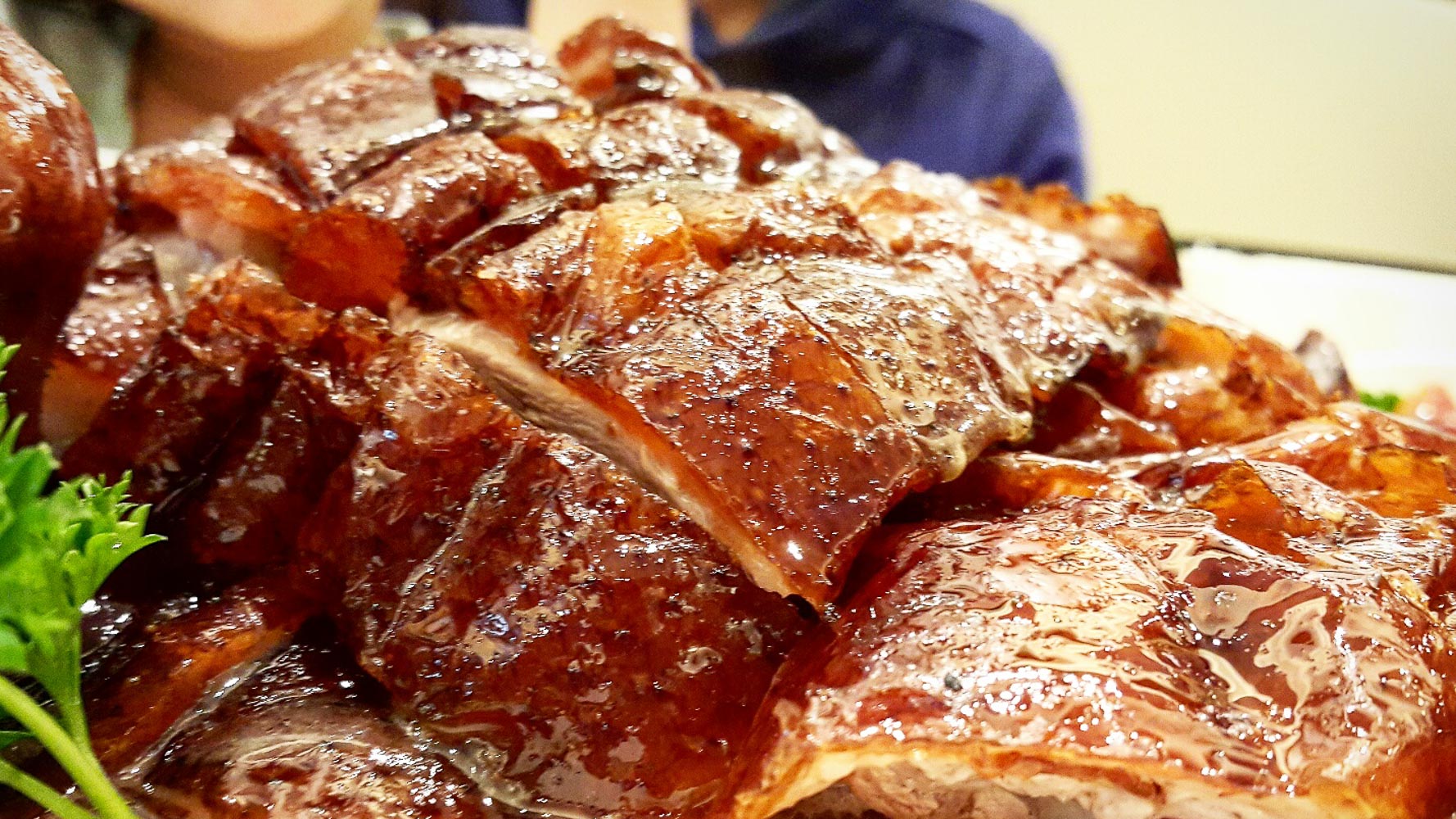
Hong Kong-based restaurant Kam’s Roast has now opened in Indonesia.
The franchise, which also has branches in Singapore and the Philippines, has been recognised in the Michelin Guide Hong Kong and Macau for the past four years.
Launching in Pantai Indah Kapuk – a neighbourhood in northern Jakarta – the eatery features local roasts garnished with sauces imported from Hong Kong.
The website for the brand in its home territory – where it is known as Kam’s Roast Goose – describes the brand as a third-generation business originally launched in 1942 under the name Yung Kee Restaurant.
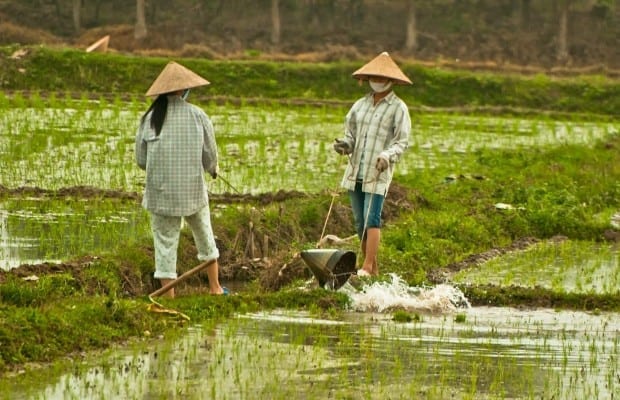
Failure to incorporate market needs and hi-tech elements into their projects is costing Vietnam’s agriculture startups dear, experts say.
Experts and other participants at the opening ceremony of the Saigon Times Startup Club recently agreed Vietnam comes up short on agricultural startups that appeal to investors.
“Previous capital investment reports show that funds for agriculture only account for 10 percent (of total investment),” Nguyen Viet Duc, CEO of Innovation Capital Management, said.
Explaining some of the reasons for this low investment rate, Duc said young startup companies do not satisfy the market demand and fail to factor artificial intelligence (AI) and Internet of Things (IoT) in their operations.
Taking this analysis further, Hoang Minh Ngoc Hai, general director of Value Commerce Hub, a startup facilitator and business consultancy firm, said not many Vietnam agricultural start-up companies were attractive to Japanese investors since they only want to fund companies that carry the promise of stable output, have more than one founder, and have founders with long-term commitment.
“We do not have many startups that meet all these factors,” Hai said.
Commenting on the fact that there are fewer successful projects in the sector, General Director of Dong A Solutions, Tran Bang Viet, said that agricultural startups face more challenges than those in other sectors.
“Launching an agriculture startup is tough, time consuming, expensive and very complicated,” he said. “Not to mention quality products getting mixed up with bad and fake ones. The money that has to be spent on gaining customers’ trust is very high,” he said.
However, Viet also felt that agriculture, education and health are promising sectors for startups, because there are longstanding problems that can be tackled with innovative solutions.
Prime Minister Nguyen Xuan Phuc last month called for a drastic reduction in administrative procedures and easier access to agricultural loans.
Phuc said he wanted Vietnam to be listed among the top 10 countries in agricultural production and for the nation’s agriculture sector to rank 15th in the world.
Vietnam is currently ranked second in Southeast Asia and 13th in the world in agriculture production, according to Minister of Agriculture and Rural Development, Nguyen Xuan Cuong.
Vietnam exported about $36.37 billion worth of agriculture and fisheries products last year.