Category: Food

Retail News Asia is committed to providing both local and global retailers with the latest Food and Food & Beverage news throughout the Asian market. This on a daily base.

  • Parag Milk eyes 10 pc market share in fresh milk in Delhi India

    Parag Milk eyes 10 pc market share in fresh milk in Delhi India

    Parag Milk Foods, which on Tuesday launched the fresh milk category, is targeting a 10 percent market share in Delhi-NCR from this segment in the current fiscal year, a top executive said.

    According to a report: The fresh milk category will be under the company’s Gowardhan brand.

    “We are planning to expand our footprint in the Delhi and NCR region in the fresh milk category. We are targeting a 10 per cent market share in the region in the fresh milk segment in the next eight months (August-March),” Devendra Shah, Chairman, Parag Milk Foods said.

    The company today also commenced commercial operations of its Sonepat plant, which it bought from Danone in April.

    Shah said the company plans to reach out to the regions within 250-300 km of the Sonipat plant.

    The fresh milk market in Delhi-NCR is close to Rs 1,000 crore, according to him.

    “North is one of the key priority markets for us. Dairy products consumption is the highest in this region and this expansion will allow us to allow cow’s milk reach Delhi-NCR and neighbouring regions,” Shah said, adding that currently, 90 percent of the fresh milk supply in the region is buffalo milk.

    Further, he said, the Sonepat facility has a processing capacity of one lakh litre per day and depending on the demand the company can increase it up to three lakh litre, going forward.

    “We expect to reach full capacity of three lakh litre by the end of this financial year,” Shah said.

    In the coming weeks, besides fresh milk, this facility will also manufacture products including flavoured milk, butter milk, lassi, among others.

    “We will begin to supply these products to the north and east markets from our Sonipat plant soon,” he was further quoted as saying.

    Parag Milk Foods, established in 1992, is a private dairy FMCG company with pan-India presence.

    It has its manufacturing facilities at Manchar in Maharashtra and Palamner in Andhra Pradesh.
  • Jubilant FoodWorks Limited India appoints Kapil Grover as Chief Marketing Officer of Domino’s Pizza

    Jubilant FoodWorks Limited India appoints Kapil Grover as Chief Marketing Officer of Domino’s Pizza

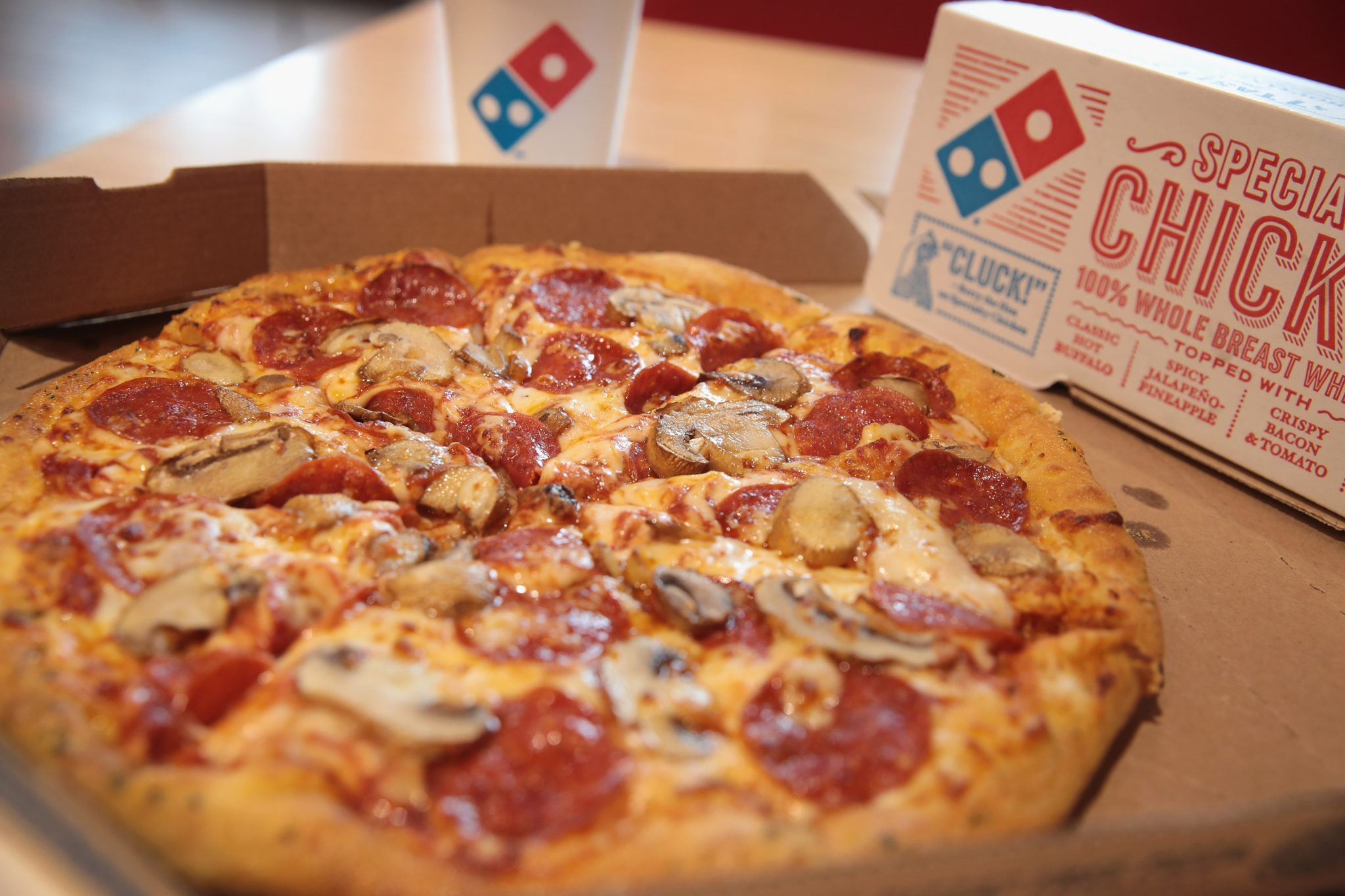
    Jubilant FoodWorks Limited, one of the largest food service companies in the country, announced the appointment of Kapil Grover as Chief Marketing Officer of Domino’s Pizza. He brings with him a rich experience of 18 years and will be responsible for leading the marketing strategy for the brand.

    peaking on the announcement Pratik Pota, CEO and Whole-time Director, Jubilant FoodWorks Limited said, “We are delighted to welcome Kapil to the Domino’s family. Kapil is a seasoned marketing professional with a proven track record of building brands and driving consumer relevant innovations. We are confident that Kapil will use his immense experience to deepen Domino’s connect with its customers and to drive growth”.

    The newly appointed Chief Marketing Officer- Domino’s Pizza, Kapil Grover said, “I am delighted to be a part of Domino’s Pizza, the most loved pizza brand in India. The new role presents an exciting opportunity to lead the brand’s endeavours to create a great pizza experience for the customers, strengthen the core delivery proposition and further expand its market share. I look forward to contributing significantly to its ongoing growth journey.”

    Grover took over his new responsibility from July 2018. He was earlier associated with Burger King India as Chief Marketing Officer and have also worked with KFC India, Radico Khaitan and Luxor Writing Instruments in his past stints.

  • PepsiCo India Beverages head Vipul Prakash resigns

    PepsiCo India Beverages head Vipul Prakash resigns

    PepsiCo said its head of beverages Vipul Prakash has quit the company to pursue an entrepreneurial opportunity outside the company.

    The company announced appointment of another PepsiCo stalwart Vishal Kaul, who recently re-joined the India team, to replace Prakash.

    “Vipul Prakash, Senior Vice President, Beverages Category, India Region has decided to pursue an entrepreneurial opportunity outside PepsiCo. He will be completing 20 years of his career journey with us and leaves a strong legacy,” the company said in a statement.

    Kaul will take over the leadership of the Beverage Category, in addition to leading the transformation agenda for India, with immediate effect, it said.

    PepsiCo expressed confidence that Kaul will bring his creative and commercial expertise to take the beverage category to the next level.

    Vipul joined PepsiCo in November 1998 in India, where he held positions in marketing and franchise. Since then, he has had stints at the sector, global and India region in various capacities. He has led brand strategy for the firm’s most iconic and loved brands like Mountain Dew, 7Up, Pepsi and Mirinda across geographies.

    “He has been an excellent mentor and coach to our talent across the system. His heart bleeds blue, and he will continue to be our ambassador. We will truly miss him!,” the statement said.

    PepsiCo India Chairman & CEO Ahmed ElSheikh said the company has built a very strong talent pipeline by giving people a mix of different critical experiences in India and internationally.

    “We are pleased to have Vishal Kaul take on the role of Vice President for the Beverage Category. Prior to his last role outside the company, Vishal had a long stint with PepsiCo in leadership roles across various geographies. “He takes the baton from Vipul Prakash, who has taken an entrepreneurial opportunity outside PepsiCo after a successful stint of 20 years with the Company. We will miss him and we wish Vipul all the very best for his future endeavours,” he said.

    Kaul, Vice President Beverage Category and Transformation, PepsiCo India, said it was an honour and privilege to lead PepsiCo to the next stage of growth and evolution of the beverage category.

    “The expansion of our portfolio to include healthier options, new packaging choices, and new ways of connecting with consumers is incredibly exciting,” he said.

  • Tokyo Tokyo launches new store concept

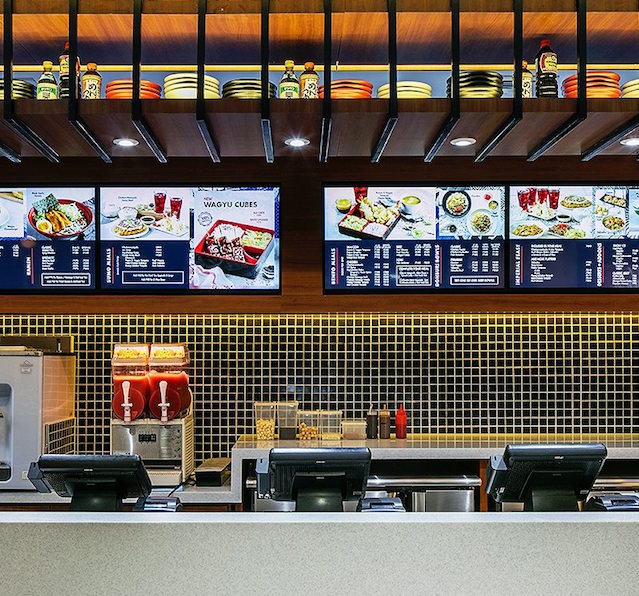
    Tokyo Tokyo launches new store concept

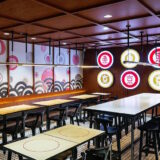
    Japanese fast-food chain Tokyo Tokyo has launched a new store concept in the Philippines.

    The revision overturns the previous casual brand image, presenting a more authentic cultural atmosphere to the chain’s restaurants.

    The Tokyo Tokyo Philippine flagship was launched in Trinoma mall, and features influences from Japanese fusuma screens, anime and street-culture dining.

    The launch coincided with the introduction of new menu items available only at the Trinoma restaurant.

    The brand will renovate all 60 Tokyo Tokyo locations throughout the country.

    View the gallery below for pictures (4 images) :

  • US’s Papa John to try Central Asian market

    US’s Papa John to try Central Asian market

    US pizza giant Papa John’s International has continued its Central Asian expansion, opening its first restaurant in Kazakhstan.

    The Kazakhstan Papa John’s is located in the capital city of Almaty and opened its doors this week. Papa John’s is now in 46 countries and territories around the globe.

    Master franchisee PJ Western plans to open 16 Kazakhstan Papa John’s restaurants. PJ Western currently operates 181 Papa John’s in Russia, Belarus, Kyrgyzstan and Poland, and will continue to expand in Eastern Europe and into Central Asia. A second restaurant in Almaty is scheduled to open in October.

    “We believe that our passion for better ingredients will transfer well to Almaty and beyond and our new customers will love our quality pizza,” said Christopher Wynne, co-owner and CEO of PJ Western.

    The company is Papa John’s largest international franchisee with more than 180 restaurants.

    Papa John’s International is looking for potential franchisees in Paris, Belgium and Denmark.

  • Cafe Amazon makes debut in Middle Eastern

    Cafe Amazon makes debut in Middle Eastern

    The launch of the Cafe Amazon Muscat store, in partnership with Oman Oil Marketing, will help PTT to study local market preferences for coffee, food, decor and atmosphere before making expansion plans.

    PTT currently operates 2557 branches of Cafe Amazon, most of them located in Thailand and run out of petrol stations.

    The brand has been subject to considerable expansion over the past four years in business, and now has a presence in Japan, Myanmar, Laos, Cambodia and the Philippines, as well as the new Cafe Amazon Muscat. Plans are underway to launch in Mainland China later this year.

    PTT is aiming to reach 4000 outlets by 2023, with branches in 14 countries.

  • Starbucks strengthens India commitment with opening of 125th store at The Pavillion Mall

    Starbucks strengthens India commitment with opening of 125th store at The Pavillion Mall

    Tata Starbucks Private Limited, the 50/50 joint venture between Starbucks Coffee Company and Tata Global Beverages Limited, celebrates the opening of its 125th Starbucks store in India at The Pavillion Pune. With 125 stores now operational across 7 cities, Tata Starbucks Private Limited continues to grow in the market with a commitment to offer the unique Starbucks Experience, unparalleled service, handcrafted beverages and extensive food offerings.

    “As we continue on our journey in India, we are doubling down on our commitment to customers and building a strong presence for Starbucks in India. We are thrilled to celebrate the opening of our 125th store in India and to extend our unique Starbucks third place Experience to coffee lovers across the country. We are humbled by the way we have been embraced by our customers and greatly supported by our partners since the opening of our first store in 2012,” said Sumitro Ghosh, CEO, Tata Starbucks Limited. “As we continue to achieve our well thought out expansion in India, we are committed to exceeding the expectations of our customers and those of our partners.”

    The newly opened Starbucks store houses an elaborate coffee bar with innovative brewing techniques like the Siphon, Chemex® and the signature Starbucks® Nitro Cold Brew. Siphon brings out the intense flavours of the coffee, using halogen to produce heat for boiling water and the movement of coffee through chambers. This fascinating process makes a rewarding cup for those who enjoy well-defined flavours dominating the coffee. Nitro Cold Brew on tap allows customers to enjoy small‐batch, slow‐steeped coffee using the highest quality coffee beans. In today’s fast‐paced world where everything is instant and on‐demand, Nitro Cold Brew unfolds an irresistible coffee experience where time meets texture. Chemex® is an example of a manual pour-over method, an elegant one-piece hourglass shaped vessel, made of high quality, heat-resistant glass. With a brew time typically between 4 and 5 minutes, Chemex® is great at balancing out the coffee – heavy coffees come through more cleanly, and bright coffees come through a little more balanced.

    The Pavillion Pune is a renowned multi-brand mall that is known to provide a unique shopping, retail and entertainment experience. With the opening of India’s 125th Starbucks store this week, Pune locals now have a new meeting spot. The Starbucks store invites customers for an immersive journey of coffee discovery while delivering an unparalleled Third Place experience. The store’s artwork celebrates the story of the Starbucks bean – unraveling each bean’s journey. Other store elements include a comfortable seating arrangement for large groups, close friends and individuals to enjoy a cup of coffee in this unique atmosphere.

    Starbucks takes its count to 11 stores in the city of Pune with the opening of Starbucks store at The Pavilion. As Tata Starbucks continues to grow in India, so does its commitment to be a positive force in contributing to the future success of the country.

  • 7-Eleven launches first fully-automated stores in South Korea

    7-Eleven launches first fully-automated stores in South Korea

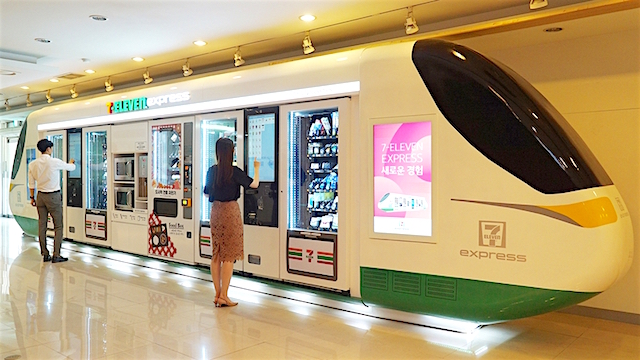
    7-Eleven is launching first fully-automated stores 7-Eleven Express in South Korea.

    Currently under trial, four vending machine-style convenience stores are being operated: two at the headquarters of 7-Eleven in downtown Seoul, one at Lotte E&M in Incheon, and one at the headquarters of Lotte Rent-a-Car in Anyang, Gyeonggi Province.

    The store is designed as a 10-metre long express train, and consists of five vending machines with 200 products, which are divided into five categories for which there is high consumer demand: drinks, snacks, prepared meals, processed food and non-food products.

    Consumers can make a purchase by inputting the product number into the machine or selecting items from the central kiosk, and pay via a prepaid transit card or credit card, not cash.

    The stores feature a microwave oven and a hot water dispenser in the central area.

    7-Eleven is taking steps to commercialise the vending machine-style convenience stores, and will accept franchise applications from its current franchisees, as a “second store”.

    “This model is designed to maximise the profit of our current franchise owners,” 7-Eleven explained.

    Self-service convenience stores are being tested in several markets around the world.

    South Korean 7-Eleven also tested its “c-store of the future” with hand-payment at Lotte World Tower while the Taiwanese branch opened second unstaffed X-Store.

  • Tao Heung sales improved as visitors increases

    Corporate restaurateur Tao Heung is reporting improved sales in both its core Hong Kong market and on the mainland as people dine out more often and the average tab increases.

    Tao Heung operates 60 restaurants under its own brand, two RingerHut eateries focused on non-Chinese cuisine, and 18 Tai Cheong Bakery stores.

    In the half-year to June 30, consumption sentiment improved both in Hong Kong and Mainland China, the company said. Its strategy to strengthen its culinary portfolio to attract a more diversified customer base, and right-size its operations led to a 5.4 per cent increase in year-on-year sales to HK$2.08 billion.

    “The increase was principally driven by same-store sales growth, in turn the result of the rise in per-head spending particularly for seafood and including late night dining – “all you can eat hotpot”,” the company said in its results commentary.

    Profit attributable to shareholders rose to $51.3 million (from $40.8 million in the same period last year) and would have been up by 53.7 per cent to $62.7 million had it not been for a one-off expense relating to the government-enforced closure of the company’s pig farm during the period.

    In Hong Kong, which accounted for 61.7 per cent of the company’s sales, the company says it faced “fierce competition” rebuffed by several seasonal marketing strategies. “All these helped to further drive same-store sales growth as well as increase per-head spending.”

    Eight Hong Kong restaurants were renovated during the six months, including Tao Heung – The Pier Market Store in Mong Kok which opened in June, specialising in seafood. It is targeted towards affluent customers – “a segment that not only appreciates fine Chinese cuisine but also a suitably sophisticated ambience”. Other restaurants were either closed or right-sized, leaving a net reduction of six outlets since the end of last year.

    As the company looks to diversify its restaurant portfolio, several collaborations were realised, with more partnerships in the pipeline. Du Hsiao Yueh, which specialises in Taiwanese cuisine, which opened its first Hong Kong branch in Tsim Sha Tsui in June last year, now has a sister restaurant in Causeway Bay. Another collaboration involves Flamingo Bloom, a modern, chic Chinese tea salon that opened at IFC mall in July.

    “Management trusts that such collaborations will not only broaden the group’s portfolio, but also provide it with greater flexibility in terms of business development,” the company said.

    Tao Heung is also exploring overseas partnership opportunities for its Tai Cheong Bakery, after achieving success in Singapore.

    “Besides consolidating its bakery network, further efforts will be made at increasing distribution channels through collaboration with different brands and supermarkets.”

    Mainland China operations

    On the mainland, the group operates an integrated complex business model, comprising Chinese restaurant, self-owned supermarket, indoor playground, museum, shops and parking facilities covering over 22,000sqm. The company said the three family-oriented complexes it operates continued to deliver stable income during the period, attracting the patronage of middle-to high-income families.

    The company’s packaged food business on the mainland also experienced strong growth. Sales of frozen food increased by 26.3 per cent, largely due to e-commerce partnerships with online platforms such as Tmall.com and JD, which give the group access to customers nationwide. Takeout services like Dianping.com, Meituan and ele.me also boosted sales.

    As at June 30, Tao Heung operated 46 restaurants in Mainland China, along with 26 Bakerz 180 outlets during the period.

  • Indonesia’s Rice Imports to Be Largest Since 2011

    Indonesia’s Rice Imports to Be Largest Since 2011

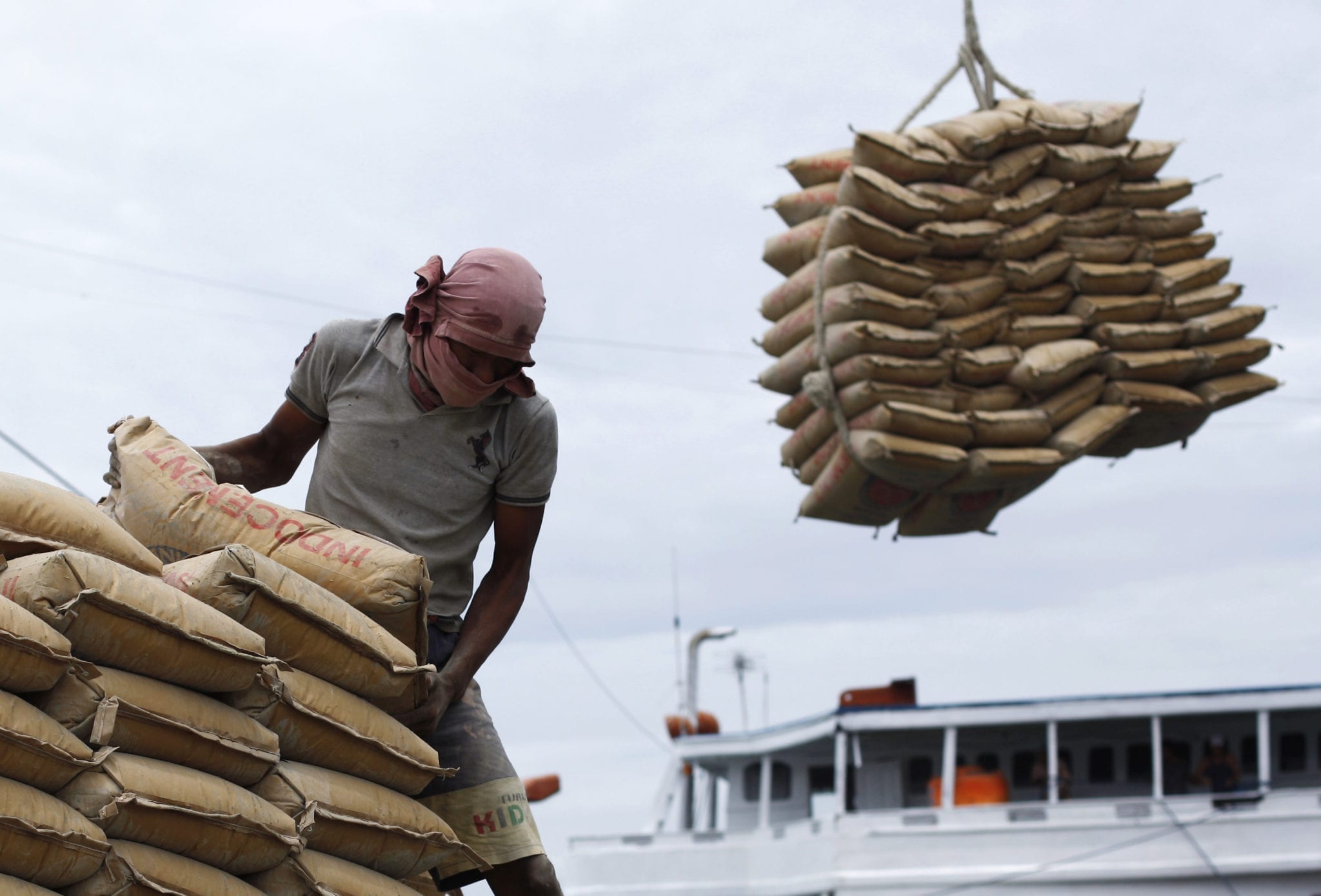
    President Joko “Jokowi” Widodo may import 2 million tons of rice this year, falling short of fulfilling his 2014 presidential campaign promise of rice self-sufficiency.

    Since 2015, Indonesia has imported 3.35 million tons of rice. This year the imports are going to be increased, as severe droughts are expected to disrupt harvests. A price spike in the country’s staple food would not be beneficial to the president who is seeking reelection next year.

    Last week, the Ministry of Trade issued a permit for the the national procurement agency, Bulog, to import 1 million tons of medium quality rice for the second half of the year. The year’s total rice imports would then become 2 million tons, the highest since 2011.

    Said Abdullah, coordinator of the People’s Coalition for Food Sovereignty (KRKP), a farmers’ advocacy group, said droughts may continue until the end of the year, making it hard for the government’s rice production target of 47 million tons to be achieved.

    “Rice harvests dropped by at least 50 percent due to droughts, even there are regions that failed 100 percent, especially those far from rivers, lacking irrigation,” Said told the Jakarta Globe on Sunday (27/08).

    According to the Meteorology, Climatology and Geophysics Agency (BMKG), most of the country’s rice-producing regions, especially in Java, will see no rains before October.

    Bulog data shows in mid-August the agency’s rice supplies were 2 million tons in its warehouses across the country. The amount, Said said, should be at least 3 million tons to be safe.

    Nailul Huda, economist at the Institute for Development of Economics and Finance (Indef), said this year’s imports are meant to secure Bulog’s rice supplies during the 2019 election campaign.

    “As harvests are between April and May, the beginning of next year is the most crucial time, because there is a risk of price fluctuations. Importing rice at that time would be [politically] suicidal. Therefore, the safest way is to issue import permits this year, with less political risk,” Nailul said.

    Trade Minister Enggartiasto Lukita said the rice imports are meant to keep the inflation rate at 3.5 percent, in accordance with this year’s state budget, not because of the upcoming election.

    “We are not talking about the election, we are talking about inflation, the rising prices, so we cannot leave it unattended,” Enggartiasto told reporters on Monday.

    “We need to import … because we see there is a tendency for the prices to increase while the supplies decrease. We need to fill the stock,” Enggartiasto said.

    Jokowi has been importing rice since 2015, the highest imports so far were in 2016, with 1.28 million tons, up a 49 percent from a year earlier. The country’s imports then decreased by 76 percent to only 305,275 tons last year.

    According to data from the Ministry of Agriculture, Indonesians will consume 33.8 million tons of rice this year, compared with 30.65 million tons in 2017. Last year, 47 million tons were produced domestically.

    Edhy Prabowo, a Great Indonesia Movement Party (Gerindra) lawmaker who sits at House of Representatives Commission IV, which oversees agriculture, has questioned the government’s decision to import rice again, as to him rice supplies seem sufficient.

    “I can’t understand the logic of importing rice again. Programs that we provide in the agriculture sector are supposed to have fulfilled the country’s rice needs for one year … Import is allowed only if [a commodity] is not available domestically,” Edhy said.

    Rice consumption in Indonesia is among the highest in the world, with the average citizen consuming 114 kilograms every year. In comparison, the average annual consumption of rice in Vietnam is 191 kilograms per person, in Thailand 147 kilograms, in India 78 kilograms and in China 75 kilograms, according to data compiled by the Organization for Economic Cooperation and Development in 2016.

  • Vietnamese men world’s top alcohol consumers

    Vietnamese men world’s top alcohol consumers

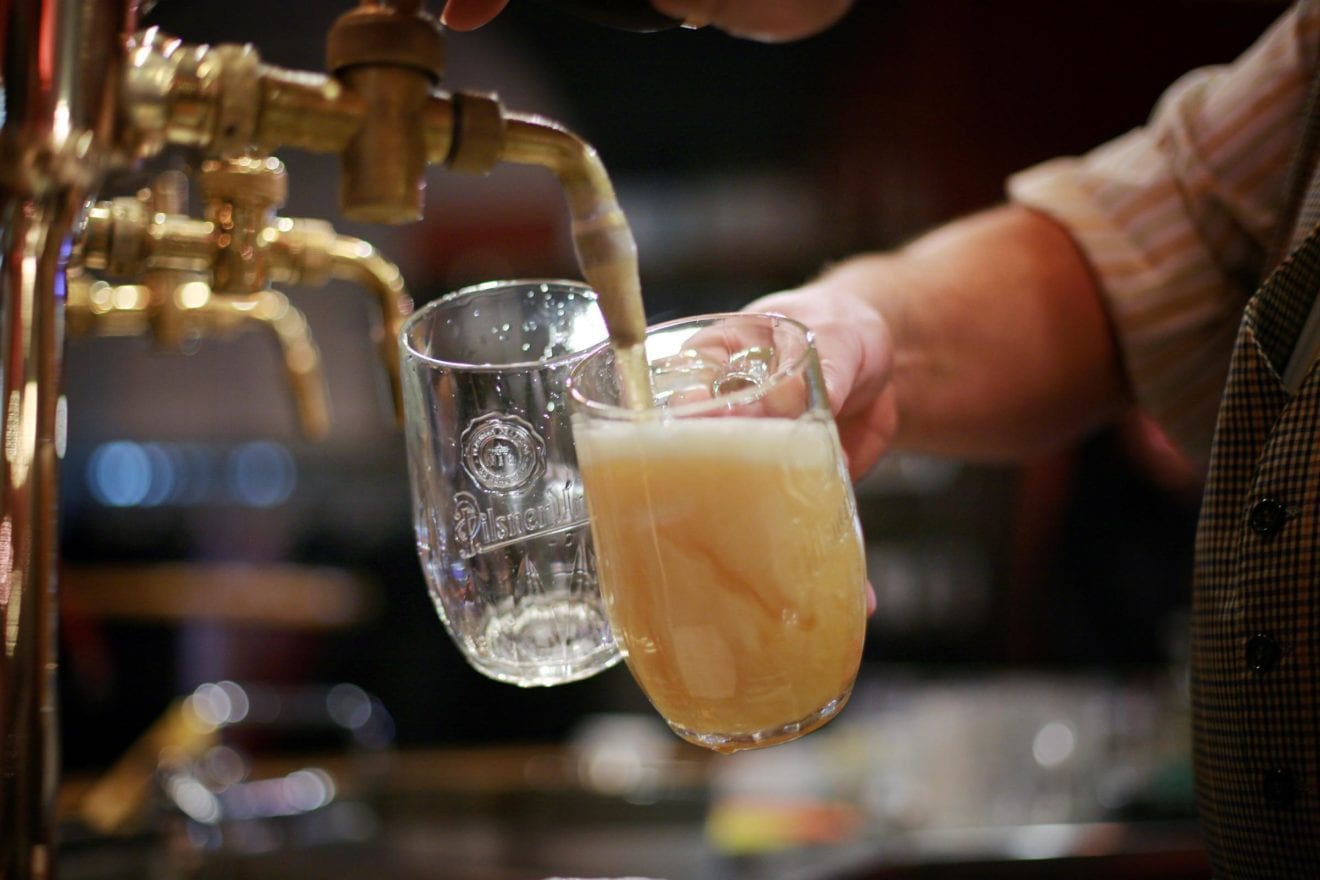
    Vietnamese men drink over five standard drinks a day on average, according to the 2016 Global Burden of Disease Study.

    A standard drink contains 10 grams of alcohol.

    Balkan countries and Portugal are the others that have the same level of consumption, according to the report, which uses data from 592 studies on the risk of alcohol use done between 1990 and 2016.

    In contrast, Vietnamese women are among the smallest consumers of alcoholic drinks in the world with less than one standard drink a day, the report said.

    While 40 to 59.9 percent of Vietnamese men drink alcohol, which is the global median, only 19.9 percent of women do so, it added.

    Earlier this month the World Health Organization (WHO) said the high consumption of beer and alcohol in Vietnam was imposing a heavy burden on the country in the form of non-contagious diseases.

    A Vietnamese adult above 15 years of age drinks 8.3 liters of pure alcohol per year on average, much higher than in China (7.2 liters), Cambodia (6.7), the Philippines (6.6) and Singapore (2), according to WHO.

    The country spends $3.4 billion on alcohol each year, or 3 percent of the government’s revenues, according to official data.

    The local market, which is growing steadily at 5 percent a year, is dominated by four strong companies, Sabeco, Habeco, Heineken, and Hue Brewery (owned by Carlsberg), which accounted for 90 percent of the beer market last year.

  • Philippines to take its restaurants globally

    Philippines to take its restaurants globally

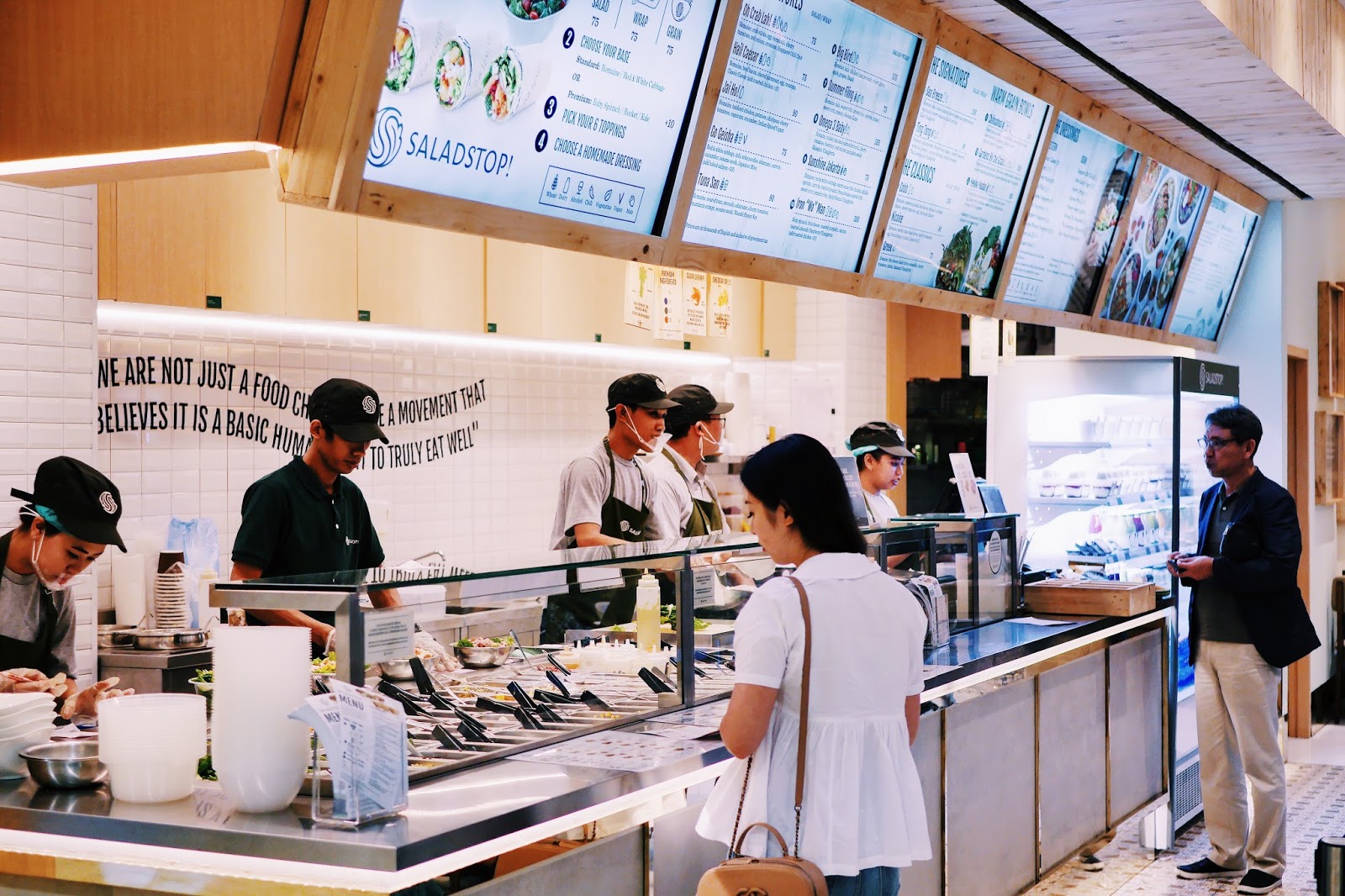
    Philippines private equity firm MFT Group is investing US$3 million to expand its Salad Stop and La Lola Churreria restaurant brands overseas.

    The group will focus on building the business with an initial 10 to 15 branches of Salad Stop and La Lola Churreria restaurant brands. It aims to launch 30 to 40 Salad Stop outlets – considered one of the largest health food chains in the Asian region – in Vietnam, Spain and Portugal within a few years.

    The company is also working to expand its medical business, having recently acquired Hong Kong firm Meihao, a medical equipment provider. MFT claims that the firm will double last year’s revenues for Meihao this year.

  • BreadTalk high expectation on its tea brands

    BreadTalk high expectation on its tea brands

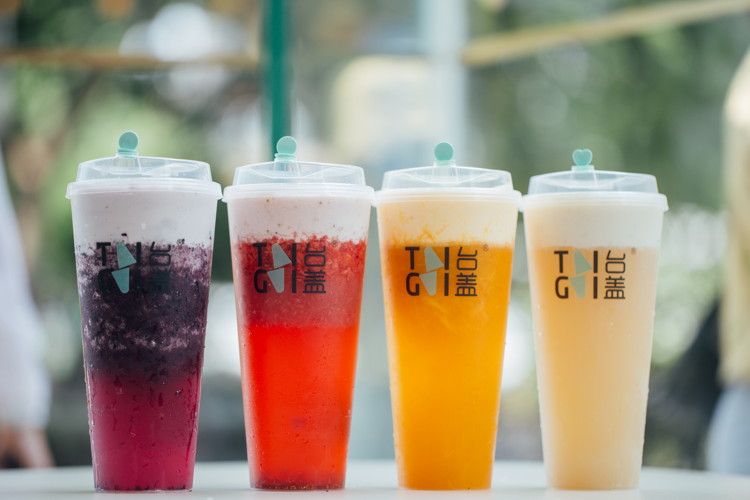
    Bakery franchise BreadTalk Group has brought two Shenzhen-based specialty tea brands – Nayuki and TaiGai – into Singapore.

    BreadTalk will operate and manage both brands in its joint venture with Shenzhen Pindao Food & Beverage Management. The agreement marks both tea brands’ first overseas stores, which will open this year. They enter a market in which tea drinks are an increasingly popular beverage product.

    Both the Shenzhen-based tea brands have been successful in China. TaiGai operates 60 stores on the Chinese mainland, while Nayuki has 100 new stores planned in China by end of this year – it made national news when it opened three stores within 33 days, earning it the label “veloci-tea”.

    Their signature offerings feature healthy tea options using mainly fresh fruits and premium-quality teas. While Nayuki is known for its “soft-euro bakes” cake products, TaiGai is best known for its signature fruit-blended milk cheese crowns, which it terms “fruity milky kisses”.

  • Shakey’s Pizza  plans Asia expansion

    Shakey’s Pizza plans Asia expansion

    Philippines fast-food operator Shakey’s Pizza Asia says it plans to continue expansion across the region by opening 18 to 20 new stores annually for the next three years.

    President and CEO Vicente L Gregorio said after the company’s annual meeting that the company will be shifting to a 50-50 mixed of company-owned and franchise-operated stores in future.

    Shakeys Pizza Asia currently operates 217 stores across the Philippines, with three in five of those company owned. But the franchise model will be used as the company expands into the Mindanao and Visayas regions. By the end of this year it expects to have 228 outlets trading.

    “VisMin continues to become the big potential moving forward because they are under penetrated,” he said. “We continually receive inquiries there and we just opened a franchised store in Ormoc. And there are other second-tier cities that we are evaluating.”

    Meanwhile, the company continues to look for opportunities to expand offshore. Talks are underway with potential partners in several Southeast Asian markets and enquiries have been received from the Middle East.

    “For overseas branches, we’re looking for the right franchise partner. We want to make sure we do it right,” Gregorio said.

    And Shakey’s Pizza Asia is keeping an eye out for similar businesses which it could acquire or invest in which might complement its operations at home or abroad. He said these would ideally target the same market demographic as Shakey’s Pizza.

  • QSR starts selling in Foodpanda Malaysia platform

    QSR starts selling in Foodpanda Malaysia platform

    Malaysia’s largest fast-food operator QSR Brands is partnering with Foodpanda Malaysia to deliver its Pizza Hut and KFC orders, according to a Deal Street Asia report.

    The move is expected to increase food revenue for the firm by 15–20 per cent, and allow delivery outlets for both brands to increase to 480 by the end of this year, and 730 before 2020.

    QSR MD Mohamed Azahari Mohamed Kamil said: “This will provide a new revenue stream by serving not only our non-delivery outlets but also complement existing delivery outlets.”

    QSR is expected to list on Bursa Malaysia this November, seeking to raise around RM2 billion (US$500 million), raising its market capitalisation to an estimated RM6 billion ($1.5 billion).