Category: Food

Retail News Asia is committed to providing both local and global retailers with the latest Food and Food & Beverage news throughout the Asian market. This on a daily base.

  • Chinese brands grab 39 percent of Vietnam smartphone market

    Chinese brands grab 39 percent of Vietnam smartphone market

    Xiaomi and Huawei were the two fastest growing mobile phone brands in Vietnam in the second quarter, technology industry analyst Counterpoint reports.

    They grew respectively by 363 percent and 193 percent, according to the HongKong-based company’s recent release.

    “Further, amid the US-China trade war, the RMB (renminbi) is weakening, resulting in cheaper Chinese products in Vietnam. This will favor the Chinese brands, which now hold around 39 percent of the market in Vietnam,” said Tarun Pathak, Counterpoint associate director.

    Vietnamese smartphone brands face stiff competition from not only Chinese but also other international brands, he said.

    The report noted that Xiaomi had only 1 percent of the market share in the second quarter of 2017, but it surged to 5 percent a year later.

    Overall, Chinese brands have a market share of around 39 percent in the form of Oppo (22 percent), Xiaomi (5), Huawei (5), and other smaller names.

    Besides, the report said Huawei has tied up with local gaming firm VNG to enter the industry.

    Varun Mishra, a research analyst, added that Chinese companies such as Alibaba, JD.com and Tencent have invested heavily in the Vietnamese e-commerce market, which would give a “further boost to the Chinese players who have leveraged both offline and online platforms to sustain growth in similar markets.”

    “While the Chinese players are actively targeting mid-tier segments, local players are being pushed toward the entry level segment.”

    South Korean giant Samsung still dominates the smartphone market with a 37 percent share.

    Vietnamese conglomerate Vingroup has also entered the market. Vingroup hopes to launch its phones next year.

    By the end of March 2018, Vietnam has 118.7 million mobile subscriptions, according to official data.

  • Kenny Rogers Roasters, Jollibean to enter India market

    Kenny Rogers Roasters, Jollibean to enter India market

    The Kenny Rogers Roasters and Jollibean food retail brands are to launch in India.

    Malaysia’s Berjaya Food has signed a preliminary franchise partnership deal with India’s World Iconic Brands Hospitality (WIB) to take the banners into the new market.

    WIB will invest US$50 million to open 30 Kenny Rogers Roasters restaurants and 75 Jollibean kiosks in India over the next five years.

    Berjaya Food owns the two chains as well as operating Starbucks in Malaysia and Brunei.

    CEO Sydney Quays describes India as “a stepping stone” for the company to expand into more foreign markets.

    “We have a lot of interest from Southeast Asian countries,” he told the Sun Daily.

    With 970 shopping malls and more than 200 airports, India represents a strong potential market for both the brands, said WIB MD Gaurav Marya.

    “We’ll spend the next six to eight months to get the model right, understand the preference of consumers and we will scale up the business,” he said.

    The first new outlet will open early next year.

    WIB is a subsidiary of Franchise India, Asia’s largest integrated franchise solutions company, which manages 400 brands.

    Kenny Rogers Roaster restaurants already operate in Malaysia, the Philippines, Singapore, Indonesia, Thailand, Bangladesh, India and Dubai, while India is only the second offshore market for Jollibean, after Singapore.

  • A&W Malaysia reveals big expansion plan

    A&W Malaysia reveals big expansion plan

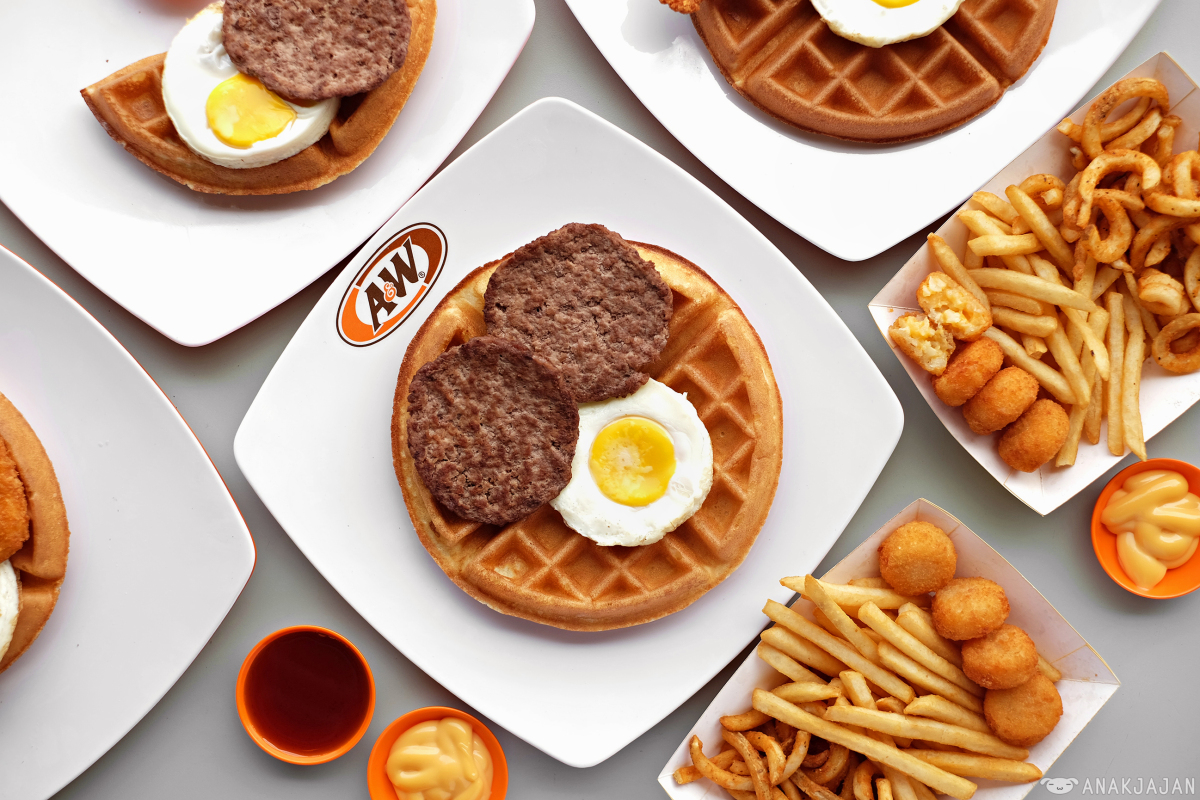
    Fast-food franchise A&W Malaysia is set to open around a dozen new outlets by next year.

    The group currently operates 41 outlets in Kuala Lumpur and Perak that collectively employ 500 people.

    Acting CEO Mohd Hasmadi Zainal said that the company has allocated around RM1.2 million (US$292,500) for each new branch. Seven branches will be opened by the end of this year, five of which will feature drive-through services, in key metropolitan locations such as Kuala Lumpur, Johor Bahru, Ipoh and Penang.

    He added that better prospects for A&W Malaysia’s business are anticipated for the second half of this year based on these growth plans, given the positive performance of recently renovated existing branches.

    A&W is a US-founded fast-food chain which is also about to make a return to Singapore after an absence of 13 years.

  • Drunken Monkey India eyes 10,000 outlets by 2025

    Drunken Monkey India eyes 10,000 outlets by 2025

    Samrat Reddy, Founder and Managing Director of Drunken Monkey grew up in Chennai where he was a frequent visitor to a local juice and smoothie shop in the neighborhood. Not an avid consumer of tea/ coffee, he gravitated towards smoothies. During his stay in Australia and UK, he observed that the sheer number of places or cafes that serve coffee is far greater than places that serve smoothies. He felt if given a chance to experience smoothies, a huge number of people would turnover and incorporate them into their lifestyle.

    Looking to fill this huge gap in the market and inspired from his own experience, he conducted some extensive research on the potential of the smoothie market and subsequently came up with a business plan to implement it. After coming back to India, with more patient groundwork and comprehensive research, hefinally started the first outlet in February 2016.

    “I wanted to do to smoothies what Starbucks did to coffee. The new generation, the millennials want to be catered to and are more willing than ever to experiment with new brands. People want a space to create meaningful social connections without restricting themselves to the regular coffee and chai outlets. Smoothies are the new social lubricant in town,” says Reddy.

    The journey has been challenging so as to build a new market for smoothies rather than feeding to an existing market of milkshakes, coffee, ice creams etc. Logistics of highly perishable products like fruits is another challenge that I faced in this journey. As a result, a scalable and sustainable business model has come out as a learning.

    “Our operating model is mostly FOFO – franchise owned and franchise operated. The training, supply or raw materials and back-end support are taken care of by the brand, the front-end operations are taken care of by the franchise. However, there is a small percentage of outlets which are COCO – company owned and company operated,” he adds.

    Drunken Monkey currently has 60 outlets in 16 Indian cities like Delhi NCR, Bengaluru, Pune, Vijayawada, Indore, Kolkata, Visakhapatnam, Chennai, Guntur, Jalandhar, Chandigarh, Surat, Thane, Vellore, and Kakinada.

    “We operate out of a cafe sit in the model (600 to 1,300 sq.ft) or a kiosk take-away model (100 to 200 sq.ft). These are located on the high-streets of the city and in malls,” says Reddy.

    What’s There To Offer?

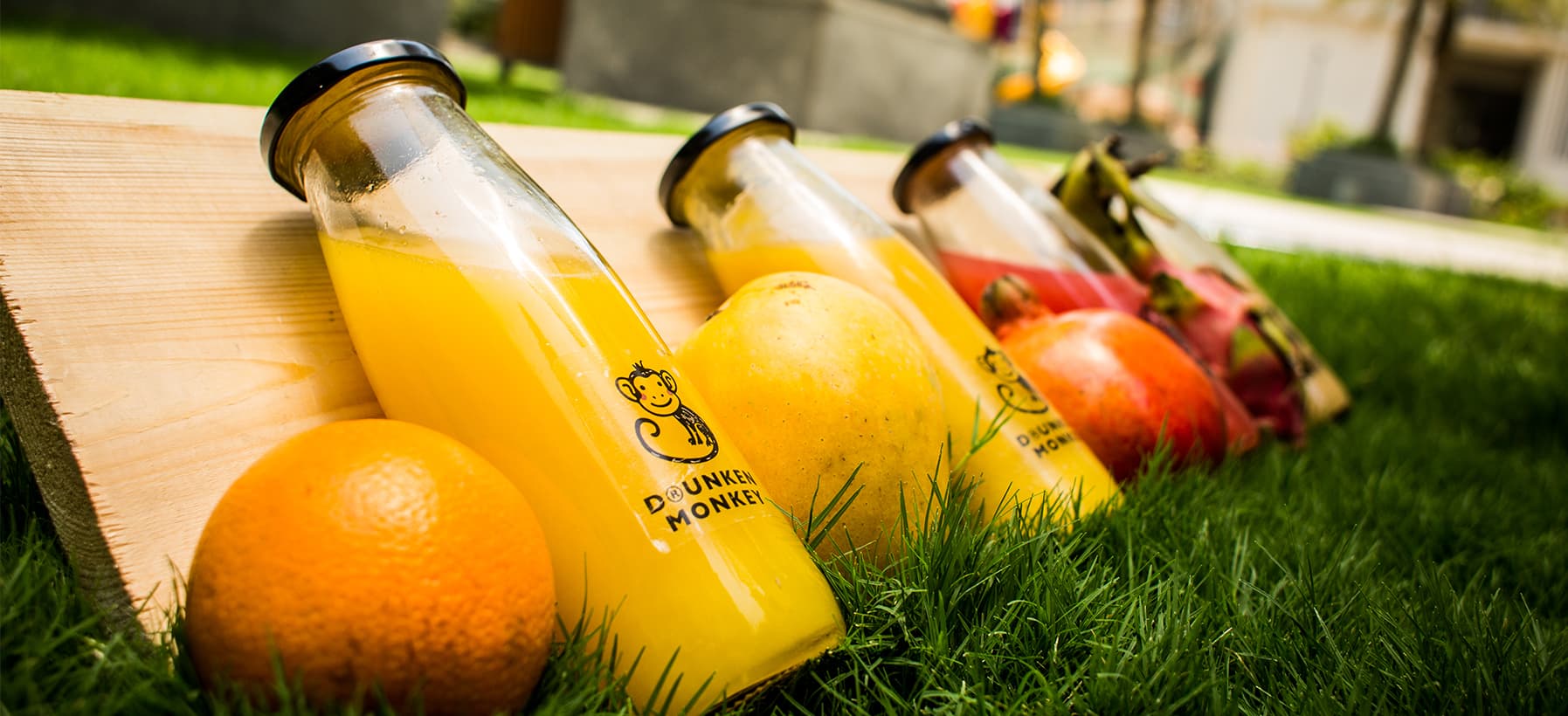
    Drunken Monkey offers over 170 types of smoothies made from locally sourced, natural ingredients, ranging from indulgence to detox, and more. The brand uses pure natural fresh fruit, no artificial flavours, no added sugar, preservatives or concentrates.

    It ensures that the customer is spoilt for choices. There is something for every palette and every mood — from all natural fresh fruit shakes to decadently indulgent smoothies, from detox smoothies to protein smoothies, even a range of smoothies to cure hangovers!

    According to Reddy, “The Fresh Fruit smoothies and shakes are 100 percent natural, without any artificial flavors, preservatives or even ice. The functional range includes Meal Smoothies – wholesome, satisfying blends that keep you going all day, Protein Smoothies – blends of protein and fresh ingredients for a quick pick-me-up, and Hydrator Smoothies that are just perfect for summertime.”

    The brand is unfazed by the competition and believes that they do not have any direct competition in the category.

    “There are a few smoothie players, but they are restricted to limited regions. While, in India, we do not have any competition, internationally we have big players in the market such as Jamba Juice, Booster Juice.  However, the product range built by our RnD team is way ahead of any competition and it would take a lot of effort and time for any player to match it. Apart from that the market for smoothies is a hugely untapped market and the potential for growth is so immense that Drunken Monkey has a great first mover’s advantage by being the pioneers in the smoothie industry in India,” says Reddy.

    Marketing Strategy

    The marketing strategy of Drunken Monkey is aimed at doing to smoothies what Starbucks did to coffee. Four decades ago coffee was not a culture, Starbucks made it what it is now. People want a space to create meaningful social connections without restricting themselves to the regular coffee and chai outlets. Smoothies are the new social lubricant in town.

    “Our vision is to inspire people to feel beautiful, young and full of energy by living naturally high! When people discover and pursue their natural highs, they are more positively engaged, their stress levels are lower and they are able to actively help make communities better!” reveals Reddy.

    Future Plans

    Drunken Monkey is eyeing rapid expansion over the coming years. It is looking to expand to 150 smoothie bars in 2019; by 2021, spread across 5 countries with over 500 smoothie bars and by 2025 – 10,000 smoothie bars.

    Elaborating more on the expansion plans, Reddy says, “Apart from expansion, we plan to reach out to people in different ways through different distribution models. For example – we can get into supermarkets or places where people can pick up smoothies by themselves. So, eventually, we will release a few smoothies with better shelf life, where they can be kept fresh for more time. Apart from this, with fresh fruits, we can do more (apart from smoothies). So, there are more products we can give out in our outlets – expanding our portfolio without leaving our base which is fresh fruits.”

    The brand, which is eyeing Rs 115 crore revenue this fiscal, is planning to spend Rs 50 crore to aid the expansion plans.

    “We are totally self-funded; our initial capital was also self-funded. We will be looking for one round of funding after we reach 200 outlets in India, this funding will help us reach the 500 mark in quick time. Post which we will have another round of funding when we go for abroad expansion and look at expanding our product category and reach,” concludes Reddy.

  • Indonesian ban on poultry from Malaysia has no impact on exporters

    Indonesian ban on poultry from Malaysia has no impact on exporters

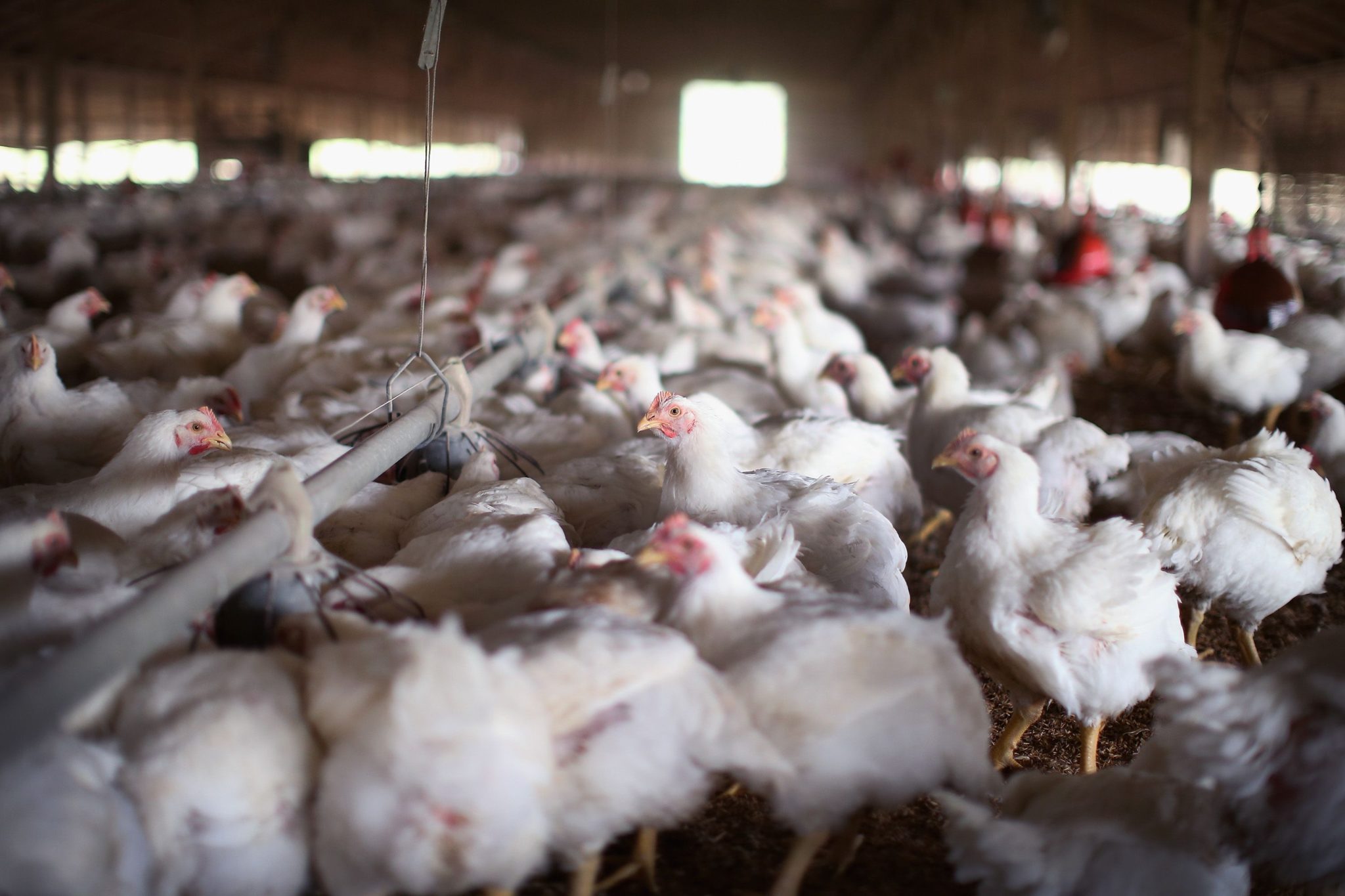
    Indonesia’s ban on the import of fresh poultry and unprocessed products from Malaysia shipped after Aug 9 will not have any impact on Malaysian exporters, as they have not been in the market for more than a year now.

    According to an industry player who declined to be named, a ban on Malaysian poultry has actually been in effect since the H5N1 avian influenza outbreak early last year.

    “Basically we don’t export that much or none at all. If you remember the outbreak of H5N1 avian flu in Kelantan. Malaysian poultry or veterinary products have been banned in Indonesia since then.

    “The ban has not been lifted, so there is no effect at all and this is just a continuity of the ban,” he said, adding that the announcement could be due to unofficial movement of poultry from Sabah and came on the heels of an outbreak of avian flu there.

    Malaysia External Trade Development Corp said that Malaysia’s exports of live poultry within Asean stood at RM746.3 million in 2017 while that meat and edible offal of poultry stood at RM56.4 million.

    There are some 10 poultry-based companies listed on Bursa Malaysia. Five of them were losers at the close of trading yesterday.

    Lay Hong fell 2.07% to 71 sen on volume of 8.17 million shares, Sinmah Capital declined 1.70% to 29 sen on 12.25 million shares, CAB Cakaran Corp skidded 1.06% to 93 sen on 123,900 shares, QL Resources eased 0.33% to RM5.96 on 297,200 shares and CCK Consolidated Holdings weakened 0.55% to 90.5 sen with 292,100 shares traded.

    DBE Gurney Resources, PWF Consolidated and Teo Seng Capital were flat at 3.5 sen, 85 sen and 84 sen respectively.

    TPC Plus was the lone gainer, rising 1.35% or 0.5 sen to 37.5 sen.

    LTKM’s shares were untraded.

  • Nestle’s Q2 earnings driven by higher margin

    Nestle’s Q2 earnings driven by higher margin

    Nestle (Malaysia) Bhd’s net profit for the second quarter ended June 30 rose 2.93% to RM166.16 million from RM161.44 million a year ago due to higher margin.

    In a filing with Bursa Malaysia, the company said its gross profit margin increased by 10 basis points from 37.8% to 37.9%.

    Nestle saw a slight increase in operating expenses from RM265 million to RM271 million, which was mainly attributed to the one-time costs from the start-up of the new national distribution centre (NDC). Pre-tax profit increased from RM211.9 million to RM214.4 million.

    Revenue for the quarter rose 1.98% to RM1.31 billion from RM1.28 billion a year ago driven by the launch of new products and strong consumers and trade promotions.

    In addition, increased festive sales during the Hari Raya period in June contributed to the company’s positive growth.

    “In the second quarter, we also started operations in our new NDC. This move from the existing NDC to the new NDC resulted in a shift of sales from June (Q2) to July (Q3) because of the required and planned ramp-up of the operations in the new NDC, which will support strong growth in years to come,” it said.

    The board of directors has declared an interim dividend of 70 sen per share amounting to RM164.15 million in respect of financial year ending Dec 31 which will be paid on Sept 27.

    For the six months ended June 30, net profit rose 1.34% to RM397.38 million from RM392.13 million a year ago while revenue for the period rose 3.13% to RM2.74 billion from RM2.66 billion a year ago.

    During the period, Nestle saw higher domestic sales and an increase in its export business. It said that the domestic growth was driven by strong demand, especially during the festive seasons.

    The group continued to deliver strong innovations and renovations during the period, which have set a solid base for growth in the second half of the year.

  • Are automated stores the future of retail in China?

    Are automated stores the future of retail in China?

    The world seems to now follow a path aiming at the removal of the human error factor through technology and automatization. From pilot-free aircraft to captain-less ships and self driving cars, this phenomenon is rapidly spreading.

    China in particular seems to be very keen on the technology.

    The online retailer JD.com has now opened over 20 JD.ID X-mart, an unmanned convenience store, in the country and plans on continuing its expansion both nationwide and internationally as it recently opened its first store in Indonesia. The store allows clients to shop without having to wait in line or pay in person as their credit card is automatically being charged for what they have chosen as they exit the location.

    Shanghai has also lately seen the opening of an automated store called X-24h. Visitors are asked to step on circular panels in front of capsule-style cases filled with bakery goods such as croissants and doughnuts. They can observe robots as they are freshly baking and packing the products. This brings a whole new experience to customers. Shanghai Geant Investment, the company behind the project, aims at bringing visual entertainment to its clients in the form of robots.

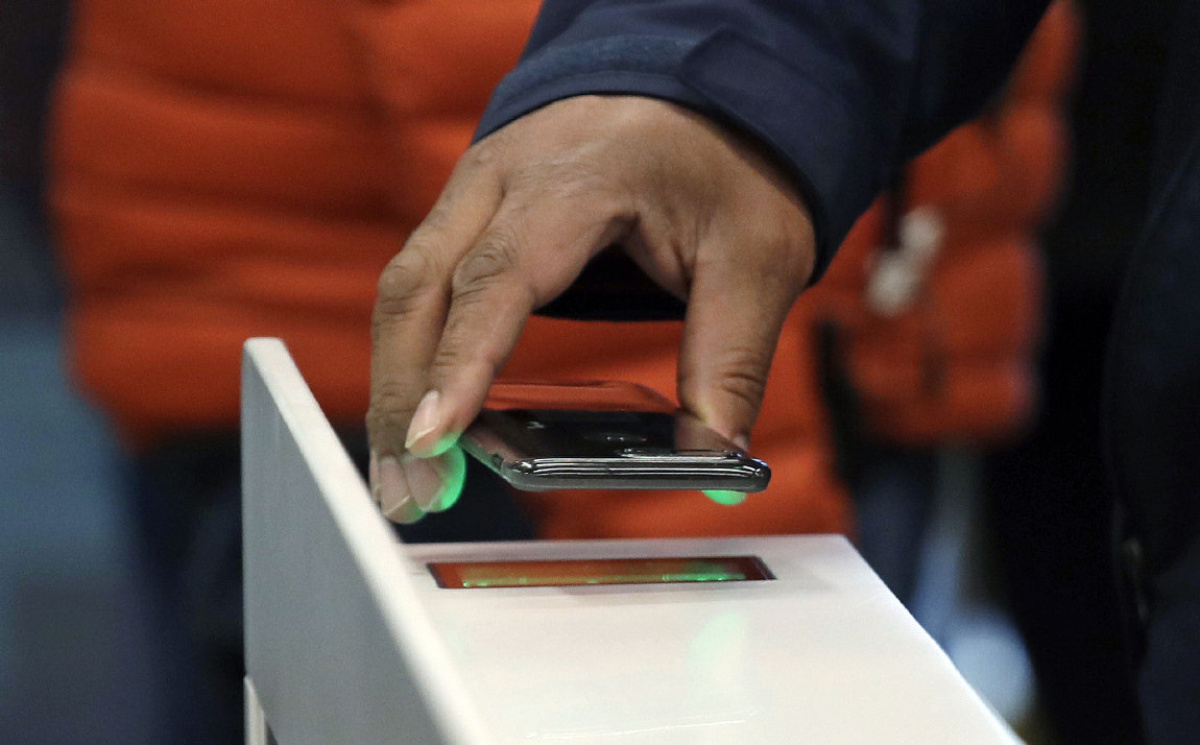
    Using artificial intelligence and mobile payments technology, visitors must scan a bar code for the case to open and leave as their phones are being automatically charged.

    China is the ideal region for these automated stores to thrive due to domestic labor force conditions. As the population in China is aging and people are fighting to escape low-end jobs, unmanned stores seem to be the solution. Moreover, Chinese consumers are open to new experiences and very fond of all technological solutions. They are more flexible and embrace new innovative options. Indeed, as of mid-2017, over 35% of all Chinese mobile phone users had often made mobile payments.

    However, the human touch lacks in those stores and technical glitches can quickly happen and hold them back.

    Some challenges still need to be overcome before technology fully takes over.

  • Samjin makes debut in the Philippines market

    Samjin makes debut in the Philippines market

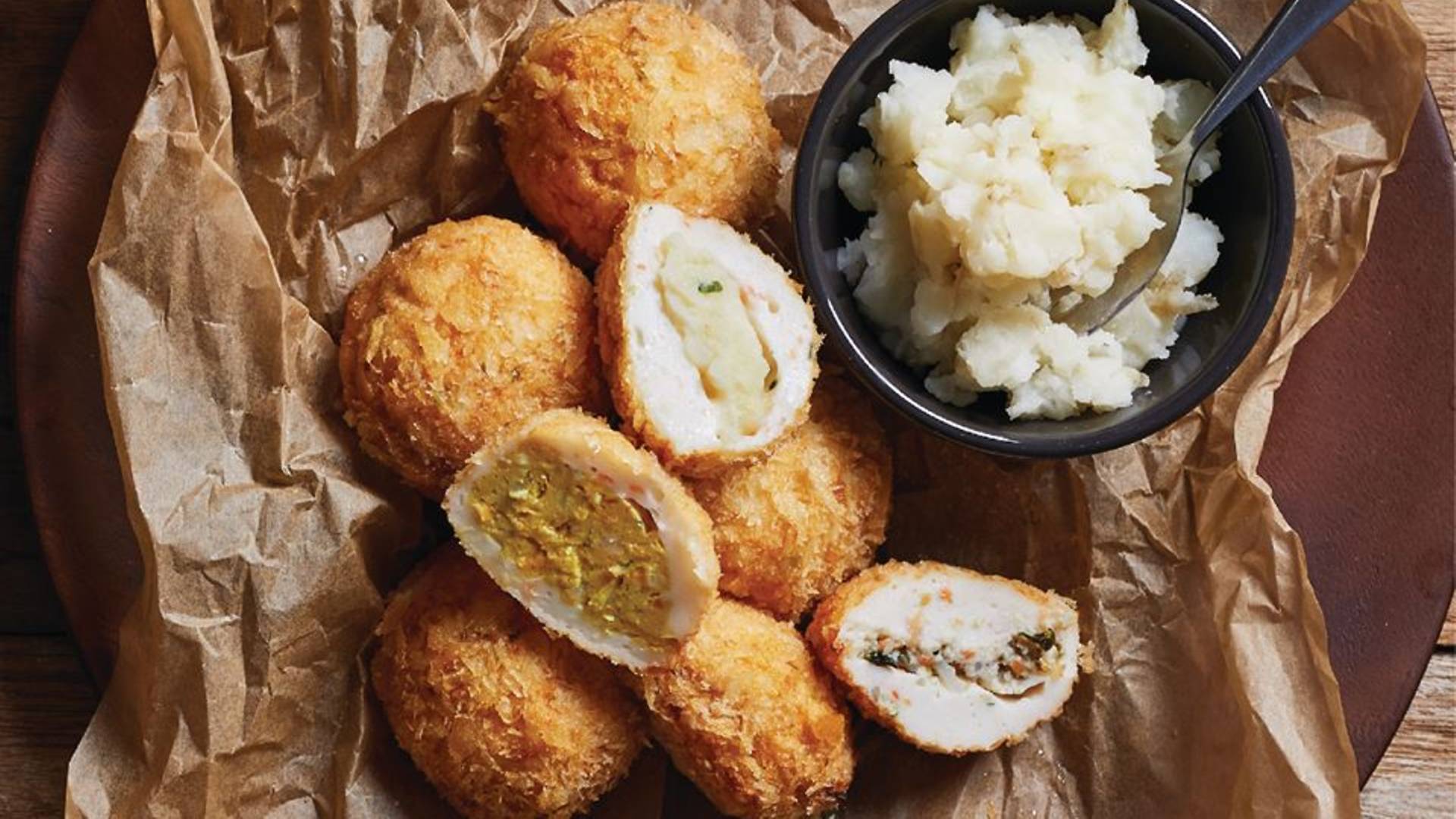
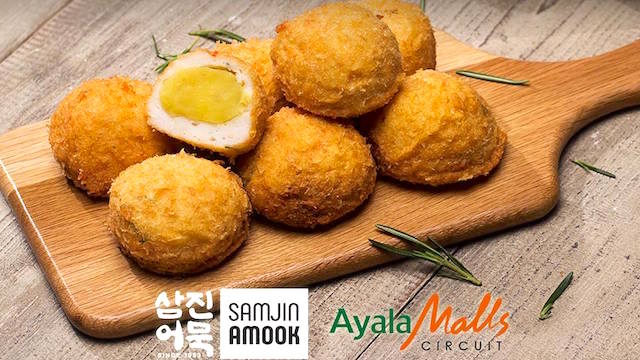
    South Korean fish cake brand Samjin has opened in the Philippines as part of a broader expansion plan for Asia.

    Its first store opened in Makati at the Ayala Malls Circuit, and is operated by South Korean entertainment and logistics company Wevenine.

    A spokesperson for the firm said: “We plan to market some 40 different kinds of fish cakes, including both semi-manufactured and completed products, using ingredients entirely from South Korea”.

    The brand has announced plans to follow up on the opening with four further branches in the territory by the year’s end, as well as establishing a presence in Indonesia.

    It has already opened in Singapore and is eyeing locations in China.

  • M Bakery plans its debut in Southeast Asia

    M Bakery plans its debut in Southeast Asia

    New York’s Magnolia Bakery is opening its first Southeast Asia outlet this month, in the Philippines where it is branded M Bakery.

    Set to open on August 22 on the ground floor of One Bonifacio High Street Mall, M Bakery Philippines has an open kitchen that allows customers to watch as bakers make different cakes and cupcakes. The interior is full of pastel pink and teal, and hand-painted labels of baked goods.

    “We wanted to keep the same vintage feel of our flagship in New York’s West Village,” says Erick Larios, director of franchise operations for Magnolia Bakery.

    Founded in 1996 in New York City, Magnolia Bakery is best known for its signature Banana Pudding. The bakery has expanded around the US and internationally, before landing in Manila.

    “We love our sweets,” says Stewart Ong, managing partner of Phil Jacobe Ventures, which brought M Bakery to the Philippines. “We also have this very unique practice of pasalubong so I think M Bakery will be a good fit here.”

    The menu includes the classic Key Lime Pie, Banana Pudding, Vanilla Cupcake With Vanilla Buttercream, Ombre Ruffle cake.

  • In Ratio Shanghai, robot can create the perfect drink

    In Ratio Shanghai, robot can create the perfect drink

    A retail concept harnessing the power of technology to deliver personalised coffee and cocktails has opened in China.

    Ratio uses robots to craft personalised espresso coffee during the day and cocktails at night.

    Launched with a pop-up store at Shanghai’s K11 Art Mall, the concept is about to find a permanent home at Raffles City, People’s Square. Dozens more stores are in the pipeline at hotels and co-working spaces in Asia.

    “With Ratio, bespoke drinks and service, previously available only at high-end hotels and lounges are now accessible to everyone,” says co-founder and chairman of Chinese luxury retailer Mei.com,Thibault Villet, who is a cornerstone investor in Ratio.

    “The Ratio experience is a journey towards self-exploration and it and empowers individuals to live brilliantly.”

    At ratio, drinks are made to order, in the exact ratio customers prefer. For example, a 1.2 shot of espresso in a cappuccino, or an extra strong 120ml bourbon in an Old Fashioned cocktail.

    Ratio uses science to come up with the perfect blends.

    “An individual’s sensory capacity for bitter, sweet, and umami is determined by genetics,” explains founder Gavin Pathross. “The distribution of taste buds is also genetically programmed. That’s why no two taste palates are identical.”

    Using robotic technology and software, Ratio has developed a system that can put together ingredients according to the exact ratio that will satisfy individual tastes.

    Harnessing the accuracy and consistency of a cobot – that’s short for “collaborative robot” – each drink is prepared precisely to order and speed; a latte takes less than one minute.

    Using AI, Ratio stores customers’ orders, learns their preferences and even makes recommendations during future visits.

    Pathross promises humans will not be replaced, however. “Cobots are just better than humans in performing repetitive work. They’re great at executing orders, freeing up our team of Ratiologists, assembled from Asia’s best baristas and mixologists, so that they can do what they do best – provide personalised service and have great conversation with our guests.”

    The team of Ratiologists Pathross has assembled have a combined 50 years of food and beverage industry experience.

    “We’re literally raising the bar on beverage service,” says chief Ratiologist Steve Teo.

    “Our team will help guests discover their individual preferences and customise their own Ratio. We want you to be particular about your G&T and select precisely 20 ml of lime and 60 ml of gin, for example. Bartenders elsewhere will be too busy to have that kind of conversation. That’s why Ratio is unique.”

  • No cheers from World Cup for Vietnam’s top local brewers

    No cheers from World Cup for Vietnam’s top local brewers

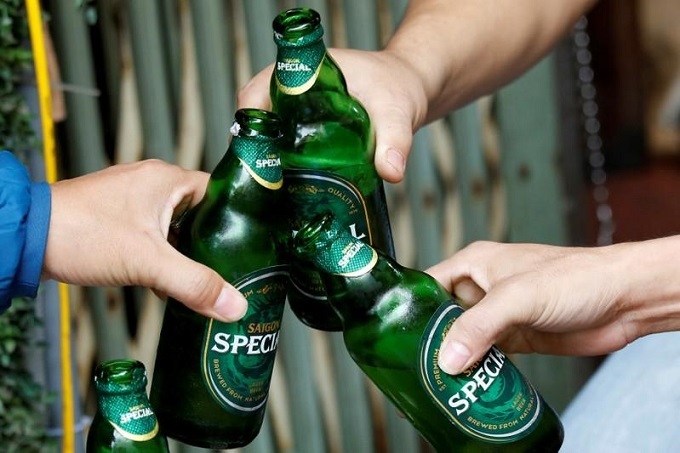
    Sabeco and Habeco, Vietnam’s two largest brewers, reported dismal results in H1 despite some highly favorable factors.

    Generally, for fast-moving consumer goods, the first half of the year is usually good because demand skyrockets during Tet, the Lunar Year national holiday.

    This year the beer industry would have hoped to make a killing since the World Cup football tournament began on June 14.

    Yet the two brewers saw profits actually decline.

    Sabeco, as Saigon Beer Alcohol Beverage Corp. is called, saw pre-tax profit fall 4 percent year-on-year to VND3 trillion ($127 million) on sales of over VND17 trillion ($722 million), up over 8 percent. This was the first time its profits had declined since 2013.

    Its gross margin ratio, which compares gross profit to sales, fell to 23.8 percent from 27.4 percent in the same period last year.

    In July Sabeco’s new chairman, Koh Poh Tiong, told shareholders at its annual general meeting that net profits might fall by 19 percent this year due to increased costs, tax hikes and higher branding expenses.

    Habeco, or Hanoi Beer Alcohol and Beverage Joint Stock Corp., reported revenues of VND4.3 trillion ($183 million) and VND413 billion ($17.5 million) in pre-tax profit, almost unchanged from a year earlier and only 40 percent of its full-year target.

    But, unlike Sabeco, its marketing and advertising spending increased by 15.5 percent in the second quarter to VND167 billion ($7.1 million).

    The slowdown for the biggest brewer in the northern market started three years ago. Even as its rivals were growing steadily, Habeco saw annual sales stagnate at around VND10 trillion ($425 million).

    Its market share is showing signs of shrinking amid expansion by foreign rivals in the high-end segment, according to securities analysts.

    The stocks of both brewers are suffering due to their modest showing.

    On Friday 19 morning, Sabeco traded at VND208,000 ($8.8), 40 percent down from its peak late last year. Habeco has fallen by half to below than 83,000 dong ($3.5 each).

    According to a study on the Asia-Pacific beer market by Euromonitor, Vietnamese consumption is forecast to rise in the coming years despite the stagnation and even decline in China and some European countries.

    Last year Vietnam consumed over 4 billion liters, or 45 liters per capita, the local Beer, Alcohol and Beverage Association estimated.

    The country targets production of 4.1 billion liters in 2020 and 5.5 billion liters in 2035.

  • Mao Shan Café China to open 200 more stores

    Mao Shan Café China to open 200 more stores

    The Mao Shan Cafe, a franchised food retail network with a menu centred on durian – plans to open 200 outlets across Mainland China by 2022.

    Mao Shan Cafes serve durian cakes, savouries, pastries, waffles, durian coffee and ice cream and other unique foods based on Malaysia’s Musang King strain of durians, targeting Chinese nationals who are passionate about the fruit.

    In China, where whole durians are harder to come by, sales of durian-flavoured products have skyrocketed in recent years. Duerian imports have surged from 40 tonnes in 2011 to 368 tonnes in 2016.

    A subsidiary of US private equity business The Funding Partners, Mao Shan Cafe also plans to collaborate with Chinese food delivery giants Meituan and Alibaba-owned Ele.me to further boost sales.

    This year, 10 stores are planned for the Guangdong region and the first 100 in the company’s franchised network are expected to be trading by 2020. Sometime before the 200 threshold is reached, The Funding Partners plans to spin the company off in a Mainland China float.

    The chain’s first flagship store opened last month, in a ceremony attended by celebrities including Hong Kong performing artist, Maria Cordero.

    The Funding Partners has interests in Malaysia’s durian growing and export industry and saw the retail network as a way of expanding exports further to the mainland.

  • Hema Customers Can Track Farm-to-Shelf Food Journey

    Hema Customers Can Track Farm-to-Shelf Food Journey

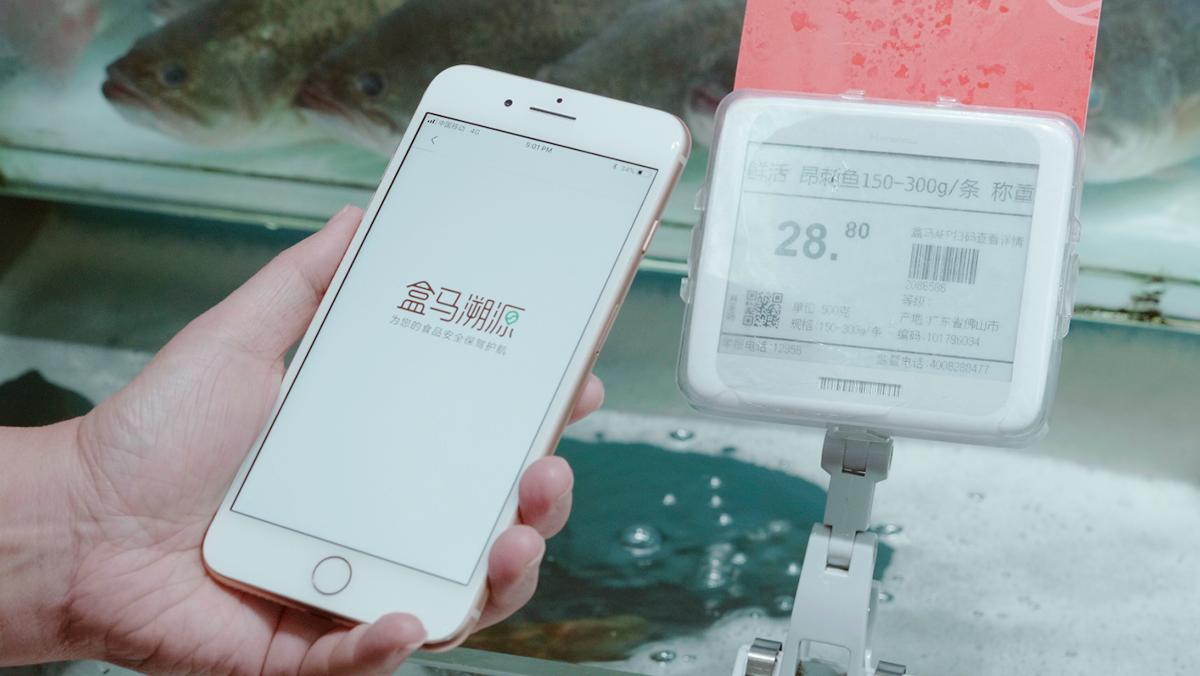
    Seventeen Hema supermarkets in Shanghai have launched a food-provenance feature that tells customers about an item’s farm-to-shelf journey.

    The information includes verifications such as photos of the distributor’s business licenses and food-safety certificates complete with an official government seal.

    To access the function, in-store customers use the Hema mobile app to scan a food’s QR code, which brings up the provenance details. Because the information lives on the product page of each item, consumers shopping from home via app have access to it as well.

    Watch: Hema’s Food-Tracing System

    The New Retail-driven supermarket chain’s food-tracking system comes as Chinese consumers grow more sophisticated in their food choices and embrace a healthier lifestyle.  Hema is among the first grocery chains in China to offer such service. Since its implementation in January, more than 1700 items in nine categories – including meat, seafood, rice, tofu and soy products, fruits, vegetables, poultry and eggs, dairy and cooking oil – have been included in the system.

    That includes watermelon. For Hema customers who want to know more than the place of origin, the system can tell them when a particular batch of watermelons was harvested – and by which farming collective. They can also find out the exact date when the watermelons were delivered to the store to assess freshness.

    For products that need to be kept under a certain temperature, such as meat and fish, the system can even tell customers how cold it was inside the delivery truck. Hema said it plans to roll out the system to all of its 64 stores, in 13 cities, in China by year-end.

    Established in early 2016, Hema integrates online and offline shopping into one seamless experience for customers, allowing to shop with a few clicks on their phones. With its in-store fulfilment system, orders can be delivered in as little as 30 minutes to those who live within three kilometres of a Hema. The supermarket chain also has opened a “robot restaurant” at one of its stores, in Shanghai, as part of its continued push to create new consumer experiences.

    Hema’s food-tracking system is one of several key features Alibaba has introduced to ensure customers are getting high-quality products. In April, Alibaba teamed up with a consortium of four Australian and New Zealand companies to introduce a food-tracking system using blockchain.

  • Baemin robot gets job at Pizza Hut

    Baemin robot gets job at Pizza Hut

    Another day, another Dilly – or so the saying probably goes in Baedal Minjok’s head office.

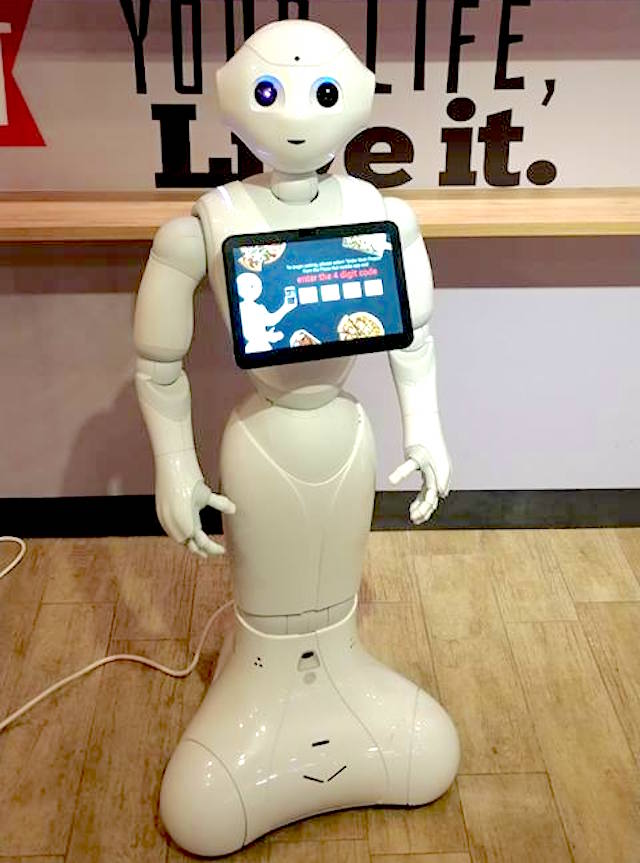
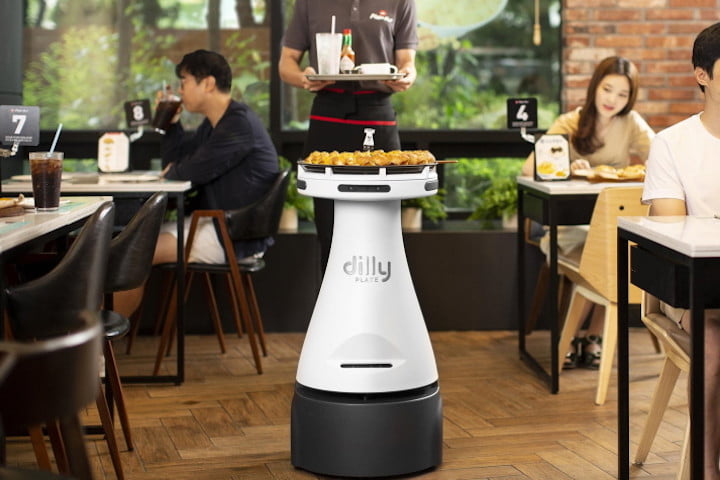
    The food-delivery app’s Dilly Plate robot has started serving up slices at a Pizza Hut restaurant in Mok-dong, western Seoul, according to both companies on Wednesday. Dilly Plate, the new serving robot, is not to be confused with plain old Dilly, the delivery robot that the company has been working on since last year.

    Dilly Plate is a self-driving robot specifically designed for restaurants. Having first started working at the Pizza Hut restaurant on Monday, it will assist human employees in serving pizza for two weeks until Aug. 19.

    Dilly Plate can safely carry up to 22 kilograms (48.5 pounds) at once – a limit that is unlikely to be tested in Pizza Hut – and lasts eight hours on a single charge. The robot uses a 3-D camera and sensors to control its movement. It automatically stops and avoids obstacles and people.

    A spokesman for Baedal Minjok, or Baemin, explained that Dilly Plate can move quickly, but in Pizza Hut, the speed has been limited to a human walking speed for the safety of both customers and pizzas.

    “The store will have people walking around, and there may be emergency situations like collisions if Dilly moves too fast,” he said.

    Dilly Plate was developed by Bear Robotics, a U.S. start-up co-founded last year by John Ha, a former Google engineer originally from Korea. In April, Baemin invested $2 million in the venture in exchange for convertible bonds.

    Dilly Plate is modeled after Penny, a robot that found employment at Ha’s restaurant in California.

    Dilly Plate will be the first server robot introduced in Korea. Before it could begin work in Pizza Hut’s Mok-dong restaurant, Baemin had to map out the store and install it in the robot’s software.

    “We’re looking forward to Dilly’s performance [and hoping it will] unburden human staff from having to carry pizzas,” said Cho Yoon-sang, a senior marketing executive at Pizza Hut Korea. “This way, human servers will be able to focus on providing quality service to our customers. We decided [to hire] Dilly with hopes of enhancing work efficiency and improving customer service.”

    Baemin is hoping that the two-week trial will give more actual data regarding Dilly Plate’s operation, with the goal of introducing the server robot at more restaurants in the future.

    “In terms of the technology, Dilly Plate is already available for mass production,” said a Baemin spokesman. “But mass production is expensive, and we need to know whether Dilly is truly marketable. So the trial is to see whether Dilly Plate offers a real-life benefit to restaurants and their staff.”

    Baemin has been investing in robots since last year, aiming to develop robots that deliver food to consumers’ doors. The original Dilly had its first successful test run at a food court in Cheonan, South Chungcheong, in May. The plan is to gradually expand original Dilly’s boundaries from indoors to outdoors until it is able to fully run on its own on the streets.

  • Robots replace waiters in Alibaba diners

    Robots replace waiters in Alibaba diners

    Alibaba has launched a series of diners staffed by robotic waiters.

    The initiative is designed to offer a restaurant service with higher efficiency and lower overheads on staff.

    Alibaba product manager Cao Haitao, who brought the concept to fruition, said, “In Shanghai, a waiter costs up to 10,000 yuan (US$1465) per month. That’s hundreds of thousands in cost every year. And two shifts of people are needed. But we don’t need two shifts for robots and they are on duty every day.”

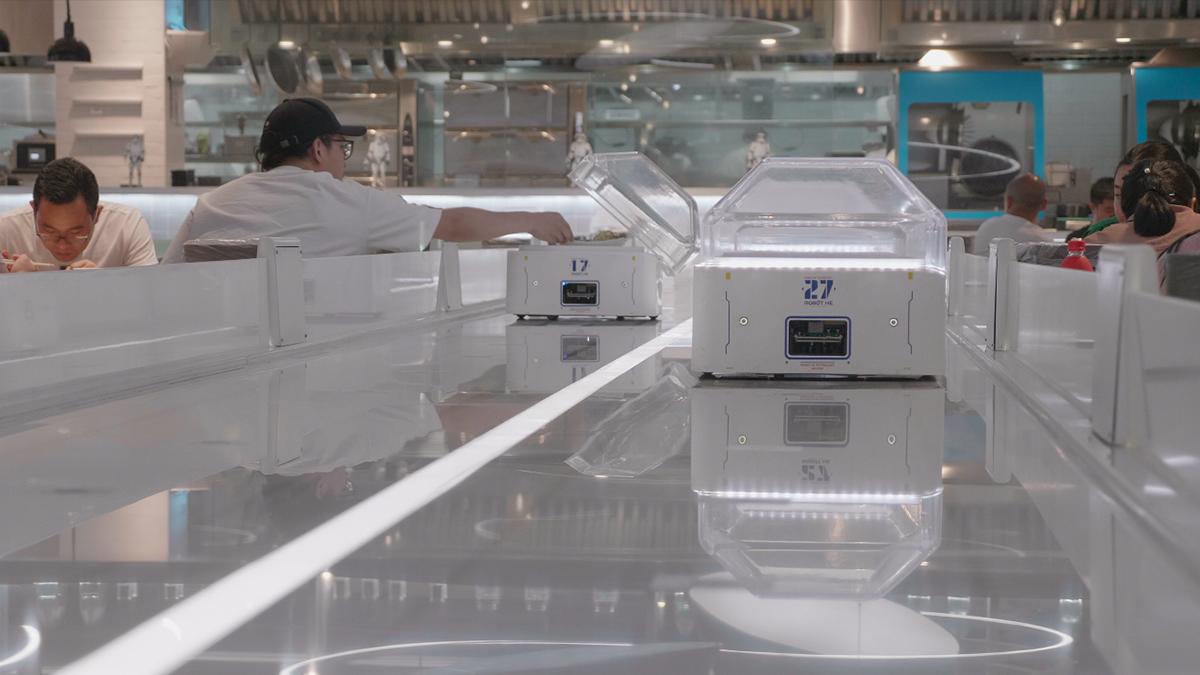
    The diners are linked to another Alibaba-backed semi-automated business concept, Hema supermarkets, in which goods are brought to customers on a conveyor track when ordered in-store via a mobile app. There are currently 57 Hema supermarkets throughout China, and all of these will eventually launch diners with robotic waiters.

    The serving robots are comparable in size to a microwave oven and navigate the restaurants on purpose-built tracks at table height.