Category: Food

Retail News Asia is committed to providing both local and global retailers with the latest Food and Food & Beverage news throughout the Asian market. This on a daily base.

  • Starbucks to open Reserve store in Malaysia

    Starbucks to open Reserve store in Malaysia

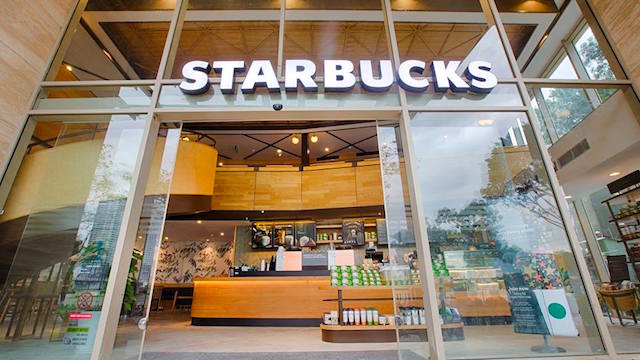
    Starbucks Malaysia is about to open its first Reserve store.

    Local franchise holder Berjaya Food plans to expand its existing Berjaya Times Square Starbucks outlet into the new up-market format.

    The brand has entered into a sale and purchase agreement to secure an 829sqft space adjacent to the existing café for a reported RM12.43 million (US$3.05 million). The space was purchased by investment firm Deru Klasik for RM3.83 million in 2005. The purchase is expected to be completed by the end of this year.

    Berjaya Food said the Starbucks Malaysia Reserve store will provide customers with a personalised, hand-crafted coffee experience, adding that the property acquisition should enable the group to benefit from any future capital appreciation.

  • Potato Corner opens in Singapore

    Potato Corner opens in Singapore

    Filipino fast food chain Potato Corner has launched at Somerset Mall in Singapore.

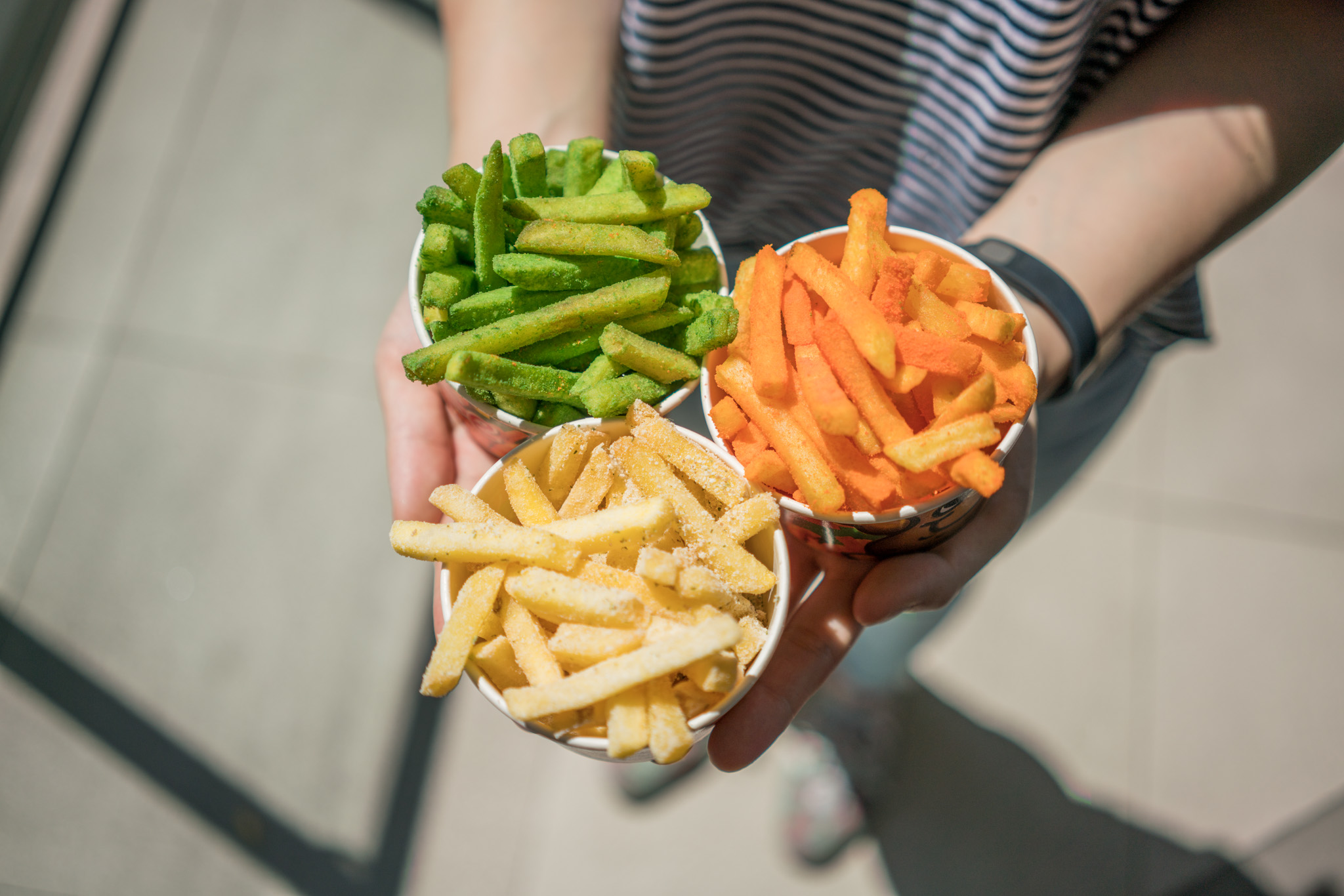
    Popularly known for its flavoured fries, the new takeaway stall on Orchard Road is the latest notch on the global belt of a franchise that has more than 1000 stores worldwide, with locations in large western cities including New York and Sydney, as well as Asian strongholds like Thailand, Cambodia and Indonesia.

    The chain has been operating since 1992, and this is its first foray into Singapore. Philippine Ambassador to Singapore Joseph Del Mar Yap, together with other embassy officials, were on hand to cut the ribbon at the launch event.

    The company has announced plans to open next in Vietnam.

  • McDonald’s China opens its 300th store

    McDonald’s China opens its 300th store

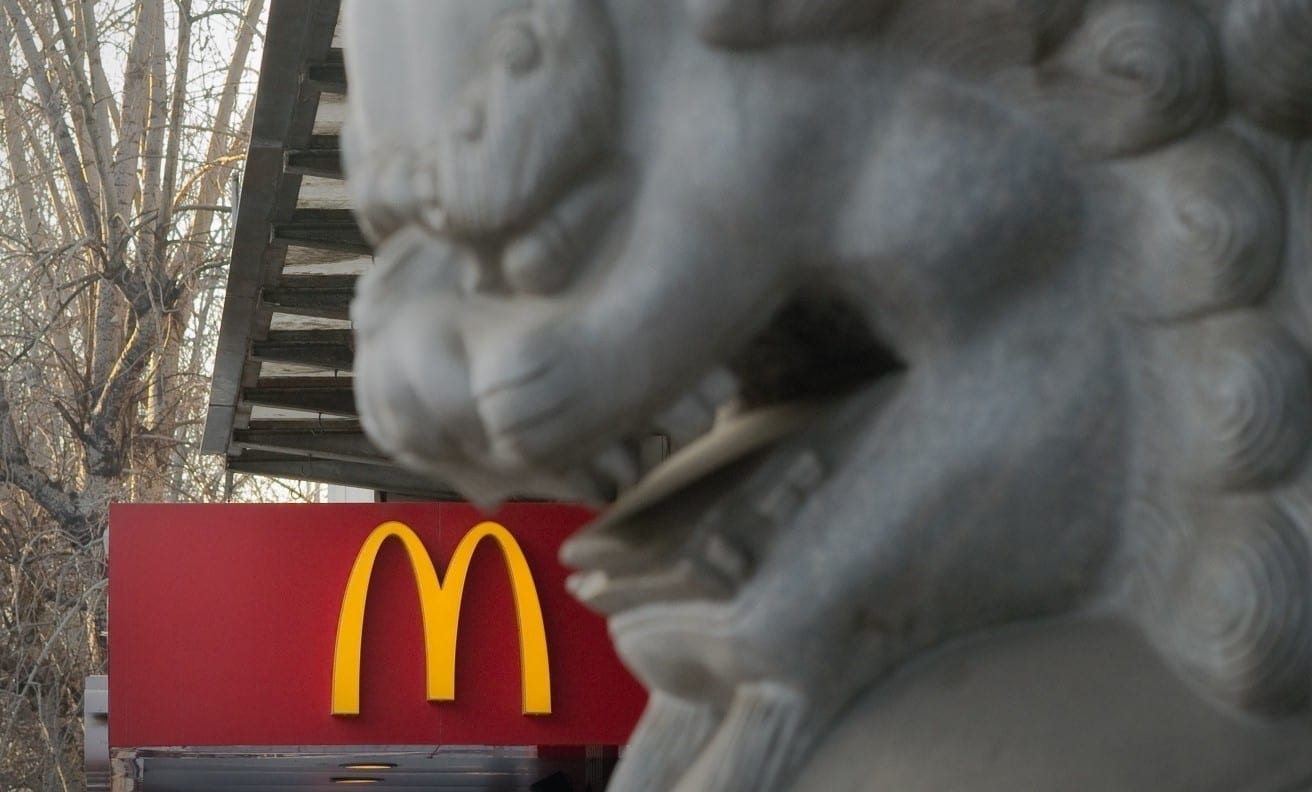
    McDonald’s China has opened 300 new stores during the last year, pressing ahead with an expansion strategy tied to deals with property developers.

    The company has signed contracts with Country Garden and Evergrande Group, giving it access to more locations in new retail centres.

    And the company has also invested in digital technology with more than 75 per cent of its stores now offering kiosk ordering and payment facilities for customers. Using touchscreens, customers can select their purchases and pay by electronic means before collecting their food from a counter.

    McDonald’s China is also eyeing further expansion into tier 3 and 4 cities. By 2020, about 45 per cent of its anticipated 4500 outlets will be lower-tier locations.

  • BrewDog to open brewpub in Itaewon Korea on Friday

    BrewDog to open brewpub in Itaewon Korea on Friday

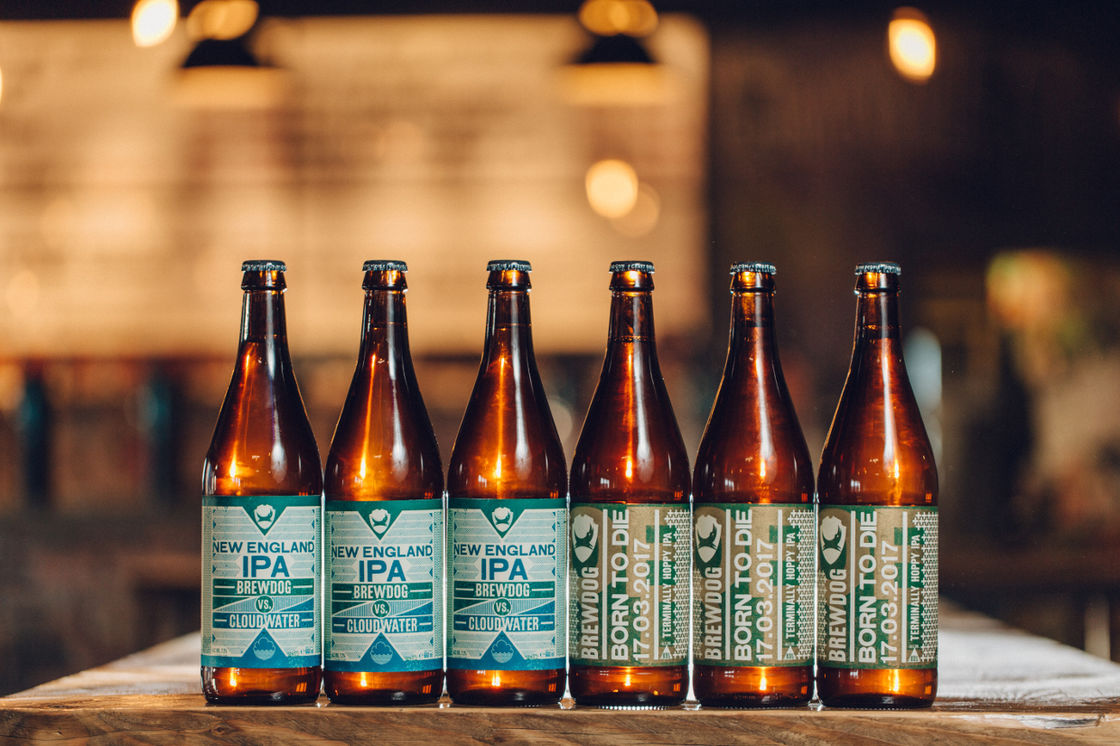
    Scottish beer brand BrewDog will launch its first brewpub in Asia in Itaewon, central Seoul, this week.

    The 500-square-meter (5,381-square-foot) bar near Itaewon Station will be the brand’s second brewhouse in the world and first outside of the United Kingdom. The company runs pubs in more than 50 countries, but only two are brewpubs, which means they have brewing facilities and can produce fresh beer on the spot.

    “Global craft beer has been growing faster than ever in the last few years, and among other Asian countries, the expansion speed of Korea was very impressive,” said James Watt, BrewDog’s co-founder. “We have high expectations for the Itaewon branch to act as the center of our strategy to stretch out in Asia.”

    Alex Hwang, who will manage the Itaewon brewery, added that Korea was selected for its image as a trendsetter among Asian countries.

    The foreigner-friendly Itaewon district in central Seoul is a haven for other tap houses and craft beer pubs. The equipment at BrewDog’s bar will come from Rolec, a German company that specializes in brewing machinery.

    “Itaewon is Korea’s craft beer mecca, but because most of the stores were small, it was hard to find pubs with full-fledged brewing facilities,” said BrewDog’s Korea head Kim Tae-kyung.

  • Japan’s pancake Chibo to plan Asian expansion

    Japan’s pancake Chibo to plan Asian expansion

    Japanese pancake-restaurant chain Chibo is expanding to new locations in Asia to attract previous visitors to Japan who may be familiar with their brand.

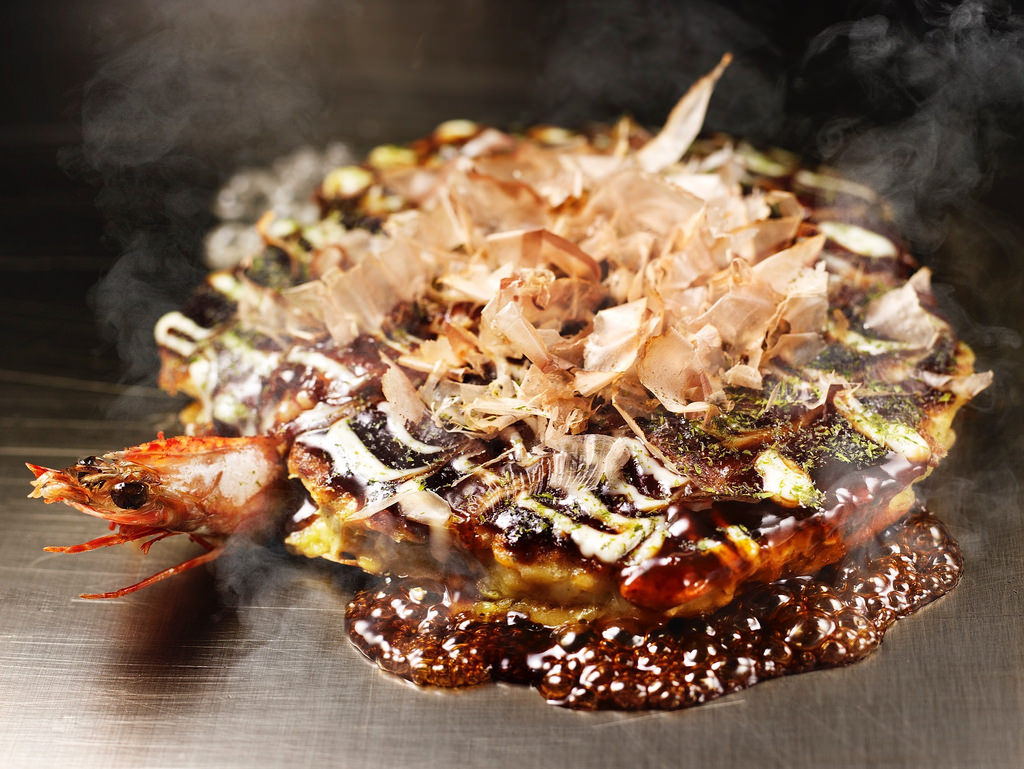
    Chibo serves an Osakan specialty pancake called okonomiyaki, a seasoned dish that contains vegetables, meat and seafood. Increasing numbers of tourists from neighbouring Asian countries have been visiting Osaka, according to data from the local prefectural government.

    The chain’s expansion began in May with a new location in Chinese Fuzhou. It plans to open in Taiwan and Vietnam in the coming months, hoping to reach 20 overseas venues opened by 2020.

    The company is also targeting Muslim tourists by adding halal dining options to their domestic outlets, making the restaurant among the few that serve food that complies with Islamic practice.

  • Jamba Juice tempted to expand after good sales

    Jamba Juice tempted to expand after good sales

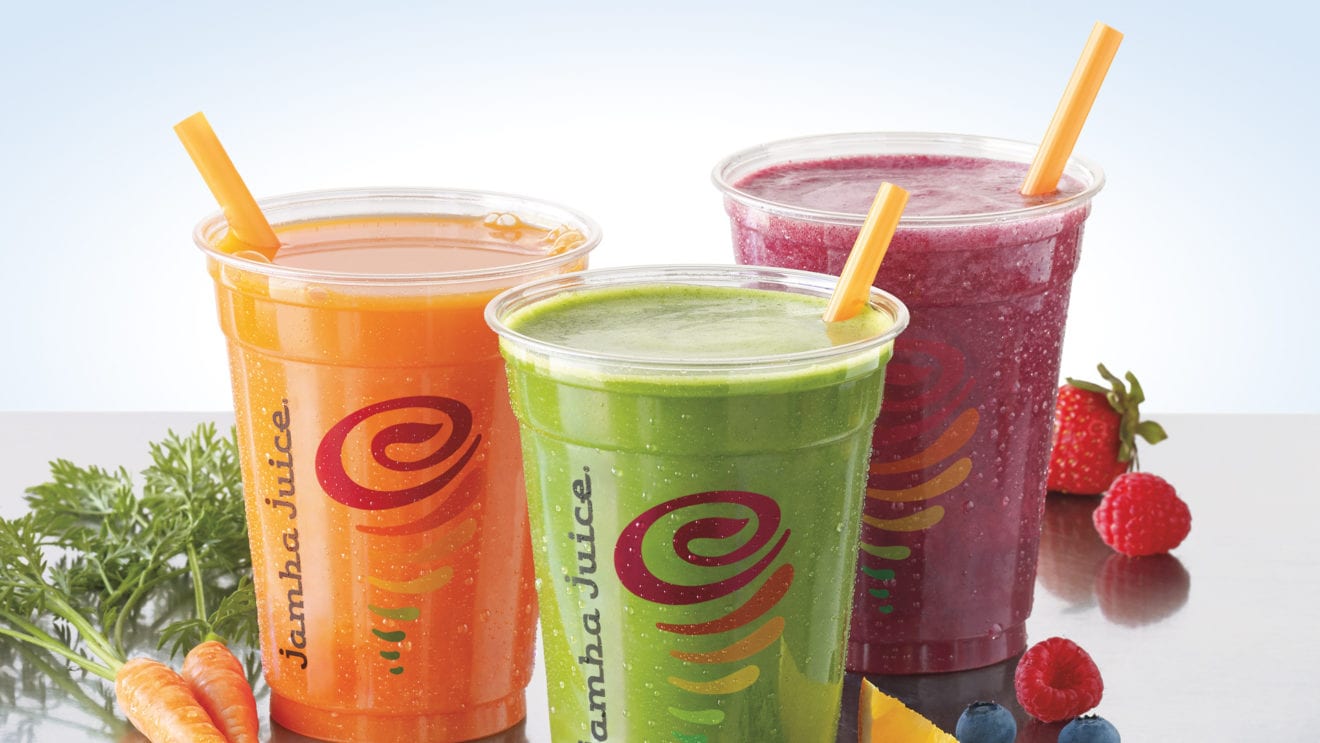
    US chain Jamba Juice has been bought for US$200 million by Focus Brands.

    Already, there is speculation that the Jamba Juice sale may lead to the brand being expanded overseas. The reason: Focus is owned by private equity firm Roark Capital and the parent of some high-profile food retail concepts.

    Focus already operates more than 5000 eateries in the US, Puerto Rico and 50 other countries under brands including Carvel, Cinnabon, Schlotzsky’s, Moe’s Southwest Grill, Auntie Anne’s, McAlister’s Deli and Seattle’s Best Coffee. So it has established partnerships in many international markets, including in Asia.

    “We are delighted to have reached this agreement with Focus Brands and are confident that it will result in a positive outcome for our guests, our franchisees and our employees,” Jamba Juice CEO Dave Pace said in a statement. “Over the last few years, we have worked hard to strengthen our foundation and reposition this iconic brand for the future. Partnering with Focus Brands will allow us to build on this work and further accelerate the company’s growth.”

    The deal is expected to close in the third quarter of 2018.

    Once Jamba Juice is acquired, it will operate as a privately held subsidiary of Focus and an independent brand.

    Jamba Juice was founded in California in 1990 and has expanded to more than 800 retail stores but only a small number outside the US.

  • PepsiCo India’s Indra Nooyi to step down as CEO in October

    PepsiCo India’s Indra Nooyi to step down as CEO in October

    Indian American business executive Indra K. Nooyi will step down as the Chief Executive of food and beverage major PepsiCo Inc in October, the company said on Monday.

    According to the US-based multinational, Nooyi, 62, will step down on October 3 after 24 years with the company, the last 12 as the CEO. However, Nooyi will remain the Chairman of the company until early 2019, Pepsico said.

    She will be succeeded by Ramon Laguarta, 54, as the Chief Executive Officer.

    “Growing up in India, I never imagined I’d have the opportunity to lead such an extraordinary company,” Nooyi was quoted as saying in a company statement.

    “Guided by our philosophy of ‘Performance with Purpose’ – delivering sustained performance while making more nutritious products, limiting our environmental footprint and lifting up all the communities we serve, we’ve made a more meaningful impact in people’s lives than I ever dreamed possible.

    “PepsiCo today is in a strong position for continued growth with its brightest days still ahead.”

    While Nooyi departs, the rest of PepsiCo’s senior leadership team will remain unchanged.

    Speaking on behalf of PepsiCo’s Board of Directors, presiding Director Ian Cook said: “As Chairman and CEO, Indra has provided outstanding leadership over the past 12 years, serving as a model both within our industry and beyond for responsible corporate stewardship in the 21st century.

    “As CEO, she grew revenue more than 80 percent, outperforming our peers and adding a new billion-dollar brand almost every other year. And shareholders have benefited: US $1,000 invested in PepsiCo in 2006 is worth more than two-and-a-half times that amount today.”

    Cook pointed out that under her leadership the company invested “for the future, leading the way on corporate sustainability and responsibility, and embedding a sense of purpose in everything the company does.

    “As one of the first Fortune 100 CEOs to embed sustainability targets into business operations, Indra was a pioneer, paving the way for a new generation of business leaders who seek to ‘do well by doing good’.

    “Under her leadership, PepsiCo grew its portfolio of ‘Good for You and Better for You’ options from about 38 percent of revenue in 2006 to roughly 50 percent in 2017, almost tripled its investments in research and development to expand its more nutritious offerings and minimize its environmental impact, and achieved global recognition for the company’s work in communities around the world.”

  • Yum China sales performs growth from expansion

    Yum China sales performs growth from expansion

    Yum China sales rose 12 per cent in the quarter to June 30, boosted by more stores and currency gains.

    But same-store sales declined across both of its brands and margins contracted.

    The company reported total sales of US$2.1 billion which on a currency-neutral basis was 5 per cent better than for the same quarter last year. KFC sales rose 5 per cent, partially offset by a 1 per cent decline by Pizza Hut.

    However, same-store sales declined 1 per cent year-on-year, with flat same-store sales at KFC and a 4 per cent decrease at Pizza Hut.

    During the period, Yum China opened 164 stores, taking its network to 8198 across more than 1200 cities.

    Operating profit rose 13 per cent to $193 million (or by 5 per cent excluding foreign exchange effects).

    Joey Wat, CEO at Yum China, said the growth was driven by “solid business fundamentals and accelerated new store development”.

    “We are on track to add 600-650 new stores, led by KFC, by the end of the year. This strategy will set us up for long-term growth in both profitability and market share,” she said.

    While Pizza Hut continued to face challenges in China’s competitive casual dining space, Yum China added new talent to its team and is working on repositioning the brand with its target customers.

    “We remain dedicated to revitalising the brand and strongly believe that our initiatives including delivering more innovative products and introducing new store formats will restore the brand to the level of consistent growth that our shareholders expect,” said Wat.

    Jacky Lo, CFO at Yum China, said the company stepped up food investment and promotional activities during the quarter, which inevitably had some impact on its margins.

    “This reflects our strategic decision to invest in our brands for long-term market share gain.”

  • Krispy Kreme Myanmar makes debut next month

    Krispy Kreme Myanmar makes debut next month

    Krispy Kreme Myanmar will open its first store next month.

    The US doughnut brand has appointed a local franchisee partner which it says has plans to open 10 stores “in the near future”.

    Krispy Kreme Myanmar will be one of only a small number of early entrants into the country among global fast-food brands.

    “With a growing economy and a population eager to welcome global brands, the time is right for Krispy Kreme to bring sweet treats to Myanmar,” a company spokesperson said in a statement issued from its North Carolina headquarters.

    Krispy Kreme Doughnut Corporation was founded in 1937 and sells a range of doughnuts along with coffee through 12,000 supermarkets and convenience stores in the US and through 1400 of its own or franchised retail shops in 32 countries.

  • Ban sugar imports, tax other sweeteners, Vietnamese government urged

    Ban sugar imports, tax other sweeteners, Vietnamese government urged

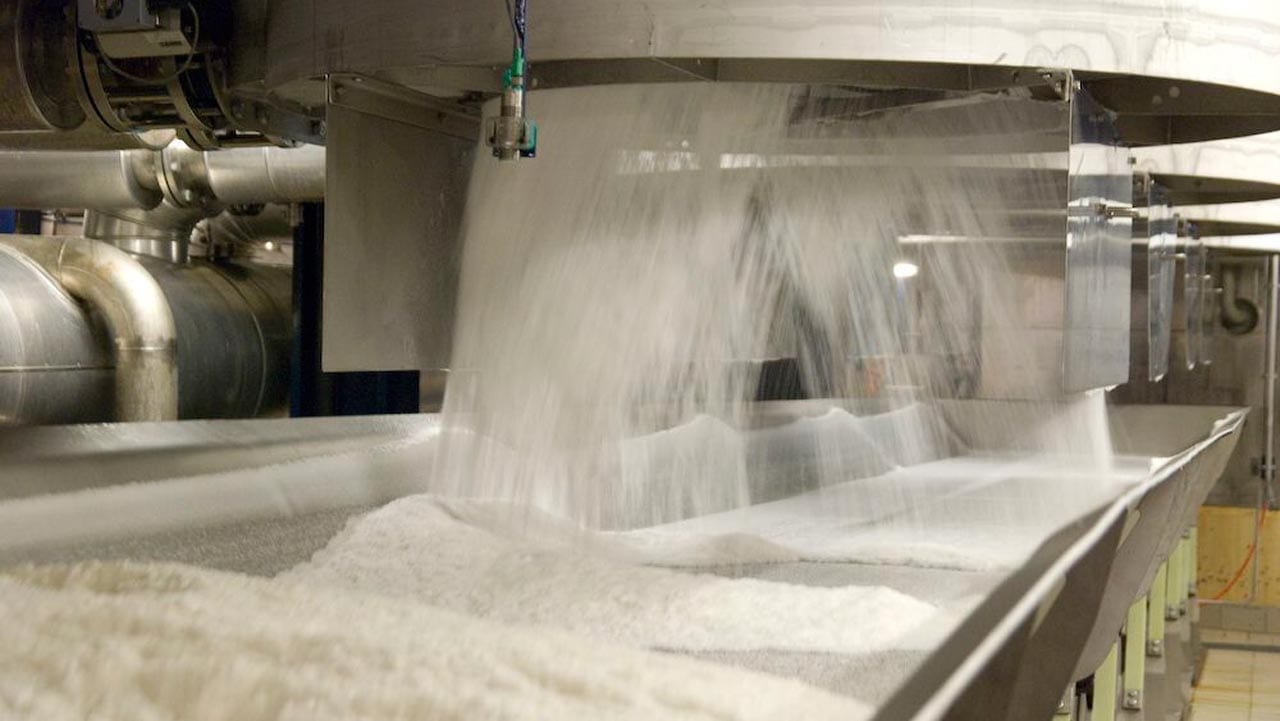
    Failure to stop cheap, smuggled sugar from flooding domestic markets has sent local inventories soaring, local reports say.

    The trade department of the Mekong Delta province of Hau Giang, which has more than 100 hectares (247 acres) of sugarcane farms, has asked the Ministry of Industry and Trade to strengthen its anti-smuggling forces in border areas.

    And as an immediate solution to help the domestic sugar sector, it suggested that the ministry temporarily halts all sugar imports, including temporary imports for re-export, as sugar supply has far surpassed demand.

    The ministry should also impose import tax on sweet substances that can replace sugar and control the quota of those products in the market, and reduce the value added tax on made-in-Vietnam sugar from 5 percent to zero, the department said.

    In addition, it proposed establishing a sugar and sugarcane development fund. “The ministry should instruct banks to loosen credit regulations and offer loans to individuals and firms in the sugar industry at preferential interest rates,” the department stated in its letter to the ministry.

    The total unsold sugar inventory volume in Vietnam is now at a record level of 700,000 tons, including 300,000 tons in Hau Giang alone, according to the department.

    And the situation won’t get any better with just two months before Hau Giang sugarcane farmers harvest a new crop, with no guarantee for the output.

    Sugar traders said that imported sugar was more attractive to both wholesalers and retailers because it was cheaper.

    Hoa, a retailer in Ho Chi Minh City’s Go Vap District, noted sugar prices in the domestic market has never been this cheap.

    Sugar imported from Thailand currently wholesales at VND135,000 (around $6) per ten kilo pack. Vietnamese sugar costs VND5,000-10,000 more for the same quantity.

    Apart from Thailand, Vietnamese traders also buy sugar from China and South Korea.

    In June, smuggled sugar from Thailand bankrupted three of 10 factories in Vietnam’s Mekong Delta, industry insiders noted, adding that not much has been done to improve the situation.

    Nguyen Bao Ve, agronomist and professor at the Can Tho University said that high production costs for Vietnamese farmers, low productivity, and uncompetitive manufacturing technology were also part of the problem.

    Ve argued that it was essential to restore fair trade and take immediate action to prevent smuggling. “At the same time, the companies need to reform themselves, reduce costs, and cooperate with farmers to reduce sugarcane production costs.”

    He also warned that apart from improving productivity and innovating technology to match daily consumption of 6,000 tons of sugarcane, mechanizing production was of great importance. “Cambodia has fully mechanized sugarcane farming, while 60 percent of Vietnamese sugarcane farming is still conducted manually.”

  • Nestle India Q2 net profit jumps 50 pc to Rs 395 crore

    Nestle India Q2 net profit jumps 50 pc to Rs 395 crore

    FMCG major Nestle India has reported 49.95 percent jump in net profit at Rs 395.03 crore for the second quarter ended June 30, helped by lower expenses.

    According to a PTI report: The company, which follows January-December financial year, had posted a net profit of Rs 263.43 crore for the April-June quarter of 2017-18.

    Total income during the quarter stood at Rs 2,758.63 crore. It was Rs 2,525.96 crore in April-June, 2017-18, Nestle said in a BSE filing.

    The company said financial results for the reported quarter are not comparable as sales for the June quarter 2017 were reported gross of Excise Duty and net of Value Added Tax (VAT)/ Sales Tax. Excise duty was reported as a separate expense line item.

    “Consequent to the introduction of GST with effect from July 1 2017, VAT/Sales Tax, Excise duty etc have been subsumed into GST and accordingly the same is not recognised as part of sales,” the company said.

    “The market momentum continued to be favourable and…we have sustained our broad based volume growth across categories. There is an improvement in margins due to favourable cost of commodities and cost efficiency programmes.

    “However, we are now witnessing headwinds in commodity prices,” Suresh Narayanan, Chairman and Managing Director, Nestle India was quoted by PTI as saying.

    The company said its total sales and domestic sales increased 8.5 percent and 8 percent, respectively in the reported quarter.

    “The growth rates are adversely impacted due to lower reported sales by the change in structure of indirect taxes and reduction in realisations to pass on the GST benefits.

  • First standalone Princi store in U.S. opens in Seattle

    First standalone Princi store in U.S. opens in Seattle

    Take a look at a map of Italy and you’ll find the region of Calabria at the toe of the boot, its rugged mountains jutting into a turquoise sea. Rocco Princi grew up in a small village here, surrounded by hillsides scented by wild herbs and groves of olives, figs and lemons. It was here that he discovered the art of artisanal bread-making as an apprentice at the local bakery.

    In 1986, Princi opened his eponymous boutique bakery and café in Milan at the historic Piazzale Istria. It was a feast for the senses, with crispy round loaves of sourdough bread leaning in rows, baskets of ciabatta bread alongside jars of olive oil and bins of flour. Princi uses the term ‘Spirito di Milano,’ the essence and energy of Milan, to capture the feeling from that first bakery, and infuses it into everything he creates.

    Over the next three decades Princi built a legacy, expanding to five more locations across Milan and London. In 2016, Starbucks became an investor and global licensee of the business and opened the first Princi location in the United States inside the Starbucks Reserve™ Roastery in Seattle, where his artisanal baked goods are served alongside the freshly roasted small-lot Starbucks Reserve™ coffees. Starbucks made Princi the exclusive food purveyor in its Roasteries and Starbucks Reserve store locations, and since then, new Princi bakeries have opened in the Shanghai Roastery and Starbucks Reserve store at the company’s SODO headquarters (and coming soon to future Roastery locations in Milan and New York).

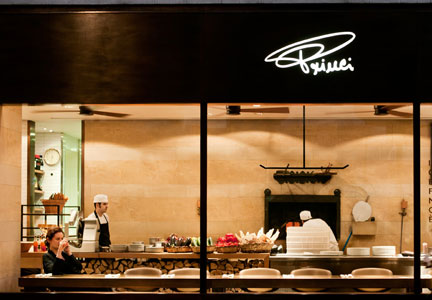
    Now, the first Princi standalone store in the United States is opening in the north end of downtown Seattle on Westlake at 9th Avenue. Starbucks store design team worked closely with Rocco Princi and his team to design the new location.

    “When you first walk into a Princi bakery, you’re suddenly hit by the energy, the theater, the smell,” said Christian Davies, Starbucks Vice President, Creative Global Design & Innovation. “Your first impression is the abundance and seduction of food. That’s what we’re trying to create with a distinctly Italian look and feel to bring that passion to life.”

    Davies and the design team took inspiration from Princi’s original Milan bakery and the nearby Starbucks Reserve Roastery, using natural materials and earth-colored stone. In every element of the space, the team tried to express Princi’s commitment to craftsmanship, from the hand-blown glass light fixtures to the hand-rubbed plaster on the walls.

    “We kept the palate neutral. The food becomes a ribbon of color and light that ties the whole space together,” Davies said.

    The oven is the centerpiece of the space, with fresh baking onsite throughout the day. A brightly-lit food case stretches along the width of the space, enough for a visual landscape of freshly baked cornetti, brioche and focaccia, pizzas and desserts. Commessas, Italian for ‘shop assistant,’ act as a guide through the journey of food.

    “We wanted to make sure every one of these elements is created with the same level of detail that Rocco puts into his food,” Davies said.

    The new store features the full Princi menu of artisanal baked goods, prepared with the highest quality ingredients sourced from Italy to Seattle, starting at breakfast with steel-cut oats with Italian jam, baked eggs in a spicy tomato sauce and cornetti sandwiches made with prosciutto cotto and fontina. At lunchtime, the menu offers soups, salads, focaccia sandwiches, pizza, and hot entrees. Afternoons expand to a wider selection of Italian cakes, tarts and other desserts. Starbucks Reserve Princi™ Blend is the signature coffee offering, along with handcrafted espresso beverages made on a manual espresso machine.

    Take a look at a map of Italy and you’ll find the region of Calabria at the toe of the boot, its rugged mountains jutting into a turquoise sea. Rocco Princi grew up in a small village here, surrounded by hillsides scented by wild herbs and groves of olives, figs and lemons. It was here that he discovered the art of artisanal bread-making as an apprentice at the local bakery.

    In 1986, Princi opened his eponymous boutique bakery and café in Milan at the historic Piazzale Istria. It was a feast for the senses, with crispy round loaves of sourdough bread leaning in rows, baskets of ciabatta bread alongside jars of olive oil and bins of flour. Princi uses the term ‘Spirito di Milano,’ the essence and energy of Milan, to capture the feeling from that first bakery, and infuses it into everything he creates.

    Over the next three decades Princi built a legacy, expanding to five more locations across Milan and London. In 2016, Starbucks became an investor and global licensee of the business and opened the first Princi location in the United States inside the Starbucks Reserve™ Roastery in Seattle, where his artisanal baked goods are served alongside the freshly roasted small-lot Starbucks Reserve™ coffees. Starbucks made Princi the exclusive food purveyor in its Roasteries and Starbucks Reserve store locations, and since then, new Princi bakeries have opened in the Shanghai Roastery and Starbucks Reserve store at the company’s SODO headquarters (and coming soon to future Roastery locations in Milan and New York).

    Now, the first Princi standalone store in the United States is opening in the north end of downtown Seattle on Westlake at 9th Avenue. Starbucks store design team worked closely with Rocco Princi and his team to design the new location.

    “When you first walk into a Princi bakery, you’re suddenly hit by the energy, the theater, the smell,” said Christian Davies, Starbucks vice president, Creative Global Design & Innovation. “Your first impression is the abundance and seduction of food. That’s what we’re trying to create with a distinctly Italian look and feel to bring that passion to life.”

    Davies and the design team took inspiration from Princi’s original Milan bakery and the nearby Starbucks Reserve Roastery, using natural materials and earth-colored stone. In every element of the space, the team tried to express Princi’s commitment to craftsmanship, from the hand-blown glass light fixtures to the hand-rubbed plaster on the walls.

    “We kept the palate neutral. The food becomes a ribbon of color and light that ties the whole space together,” Davies said.

    The oven is the centerpiece of the space, with fresh baking onsite throughout the day. A brightly-lit food case stretches along the width of the space, enough for a visual landscape of freshly baked cornetti, brioche and focaccia, pizzas and desserts. Commessas, Italian for “shop assistant,” act as a guide through the journey of food.

    “We wanted to make sure every one of these elements is created with the same level of detail that Rocco puts into his food,” Davies said.

    The new store features the full Princi menu of artisanal baked goods, prepared with the highest quality ingredients sourced from Italy to Seattle, starting at breakfast with steel-cut oats with Italian jam, baked eggs in a spicy tomato sauce and cornetti sandwiches made with prosciutto cotto and fontina. At lunchtime, the menu offers soups, salads, focaccia sandwiches, pizza, and hot entrees. Afternoons expand to a wider selection of Italian cakes, tarts and other desserts. Starbucks Reserve Princi™ Blend is the signature coffee offering, along with handcrafted espresso beverages made on a manual espresso machine.

    As the day fades in the afternoon, Bar Mixato offers traditional Italian aperitivo, including cocktails, beer, wine and spirits accompanied by complimentary small plates. Customers can relax on the patio, which will open up to a planned new city park later this year. The smell of rosemary from nearby plantings evokes the hills of southern Italy where Princi’s journey began.

    “When you go to Italy, you’ll always find people on the patio,” Davies said. “I hope customers will come here and find the spirit of Milan.”

    The standalone Princi store makes Seattle the first city in the world to offer the full suite of experiences from Starbucks Siren Retail business, dedicated to its premium Reserve™ brand, which includes a Reserve Roastery, a Reserve store, Starbucks stores with a Reserve coffee bar, and now Princi stand-alone stores. Additional standalone Princi locations are expected to open this fall in Chicago and New York.
  • BreadTalk celebrates another quarter of growth

    BreadTalk celebrates another quarter of growth

    Singapore-headquartered F&B group BreadTalk has announced US$148.8 million in total sales for the second quarter, an increase of 0.8 per cent over last year.

    Henry Chu, BreadTalk Group CEO said the company ended yet another quarter of core earnings improvement powered by growth in its existing brands and contributions from new brands which have surpassed expectations.

    “This was achieved despite costs being incurred to consolidate certain underperforming businesses as well as investments made to boost the efficiency of our backend support infrastructure. On the back of the many corporate actions announced over the past six months, my team and I are excited to get on with the execution to see these initiatives to fruition.”

    While pursuing its global expansion plans with strategic joint-venture partnerships, the group will continue to broaden its business mix by developing new direct-owned brands such as Sergeant’s Kitchen in Hong Kong, Shanghai and Bangkok and Una-Yu in Food Republic Shanghai Tower.

  • E-Land to stop selling Coffee Bean & Tea Leaf in China

    E-Land to stop selling Coffee Bean & Tea Leaf in China

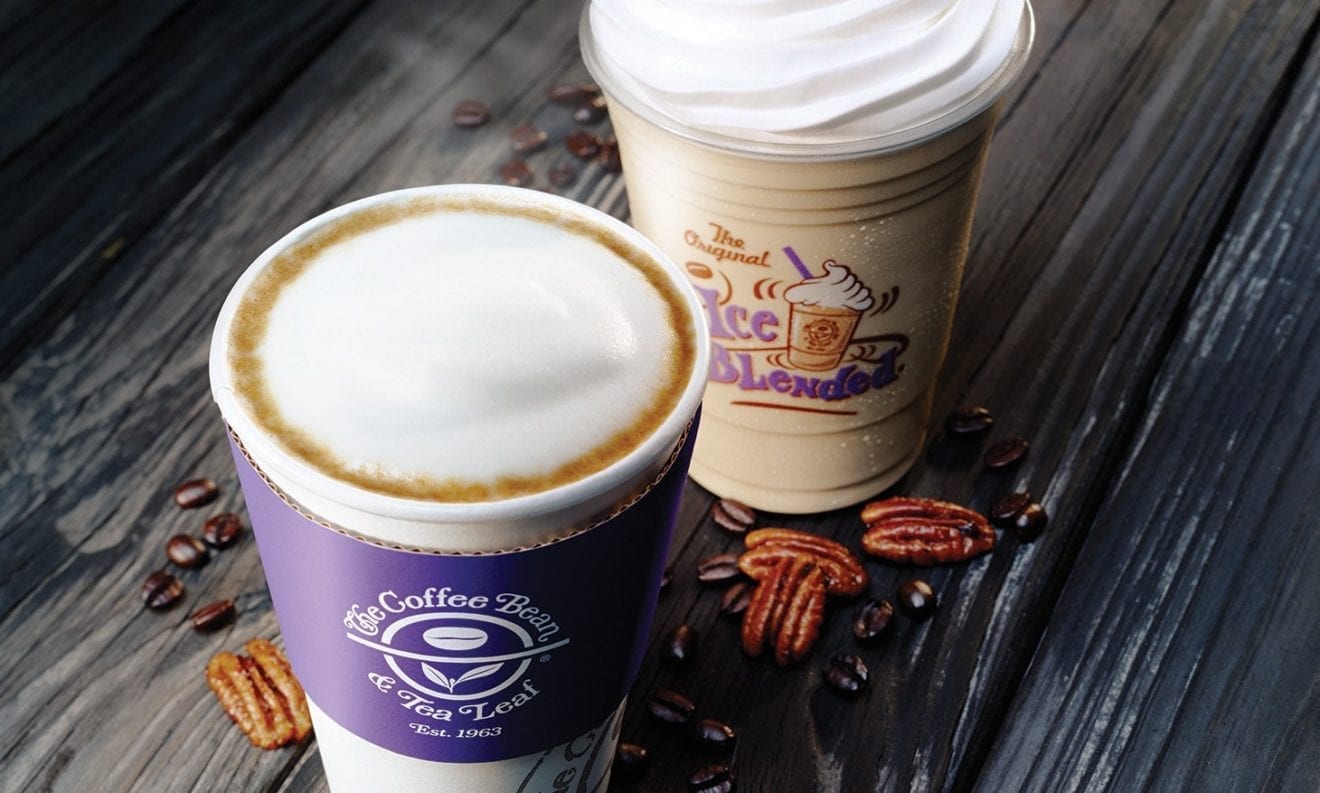
    South Korean fashion and retail group E-Land is surrendering its Coffee Bean & Tea Leaf China franchise licence.

    The move is expected to improve the conglomerate’s reportedly strained cash-flow situation and mark a more focused approach to retail. It comes after expanding the franchise to 17 locations in China over the past two years. It had originally pledged to expand the Chinese business to 1000 stores.

    The group’s liquidity has been under significant pressure in recent years, forcing it to relinquish its resorts and cruise businesses as well as other holdings. It currently runs around 250 brands spanning retail, fashion and restaurants.

  • Starbucks and Alibaba form New Retail Partnership in China

    Starbucks and Alibaba form New Retail Partnership in China

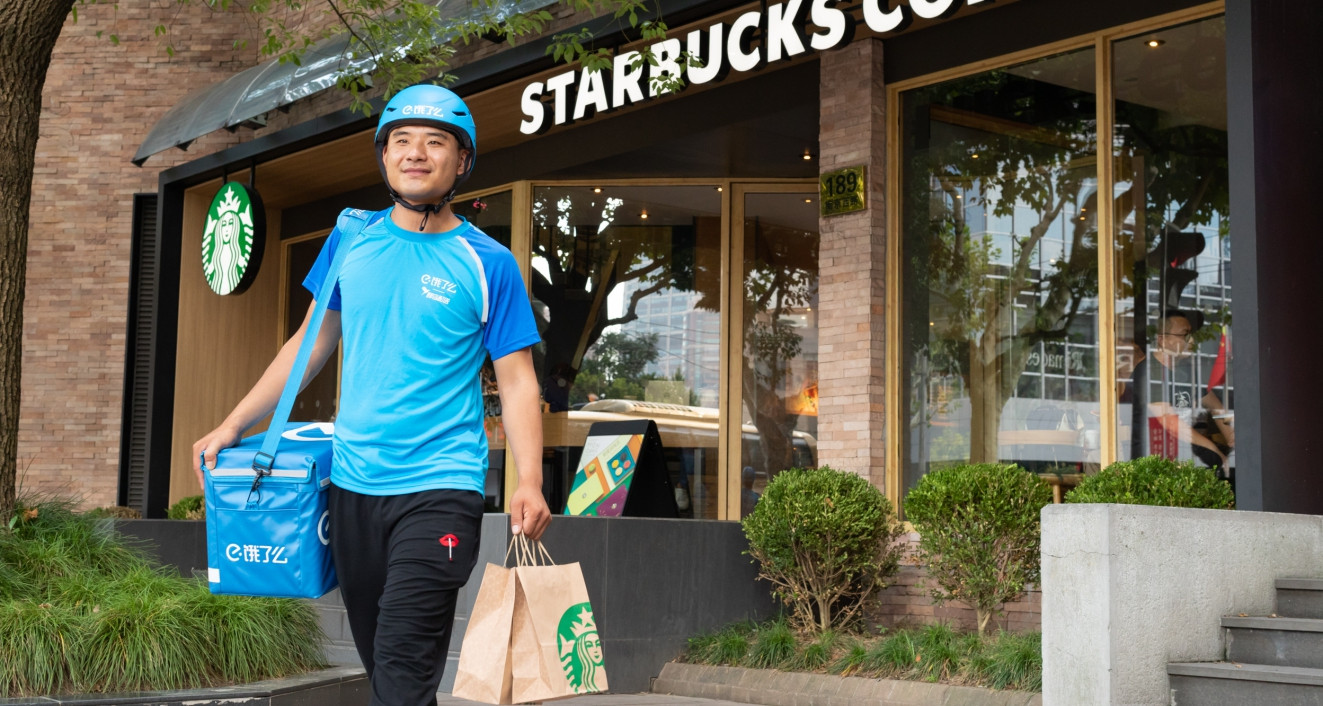
    Starbucks China and Alibaba have announced an alliance that stretches way beyond the latter’s online delivery platform Ele.me.

    The two companies describe their pact as “a deep, strategic New Retail partnership” that will enable a seamless Starbucks experience and transform the coffee industry in China.

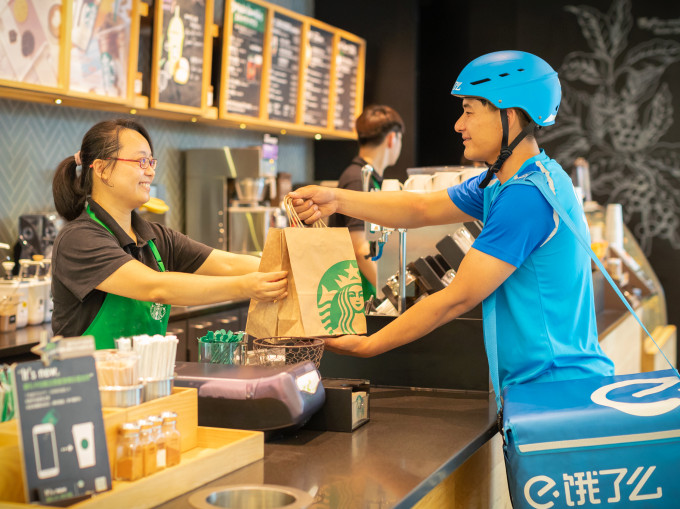
    The partnership spans Ele.me, the food delivery platform acquired by Alibaba last month, Hema supermarkets, Tmall, Alipay and Taobao. Pilot delivery services by Starbucks China will start next month with the coffee company opening delivery kitchens to fulfil orders and “co-create an unprecedented virtual Starbucks store”.

    Starbucks China CEO Belinda Wong says the partnership with Alibaba breaks the physical and virtual barriers between the home, office, in-store and digital space.

    “It will make China the first Starbucks market to deliver a seamless Starbucks experience across all facets of our customers’ lives.”

    Alibaba CEO Daniel Zhang said Starbucks is more than a destination for premium coffee “and we share the same vision to pioneer a new coffee culture and lifestyle through innovation and technology”.

    It starts with Ele.me

    Ele.me, China’s largest on-demand food delivery platform with 3 million registered delivery riders, will start delivering Starbucks orders from 150 stores in key trading zones in Beijing and Shanghai next month. By the end of the year, that service is expected to expand to more than 2000 Starbucks stores across 30 Chinese cities.

    The two companies have worked together to develop what they describe as “a unique, customised delivery infrastructure” including dedicated delivery riders, precise delivery times, and custom carriers. They believe they will be able to offer “a best-in-class coffee delivery service standard for Chinese customers” which could well be interpreted as a challenge to local startup Luckin Coffee which has grown into a US$1 billion company in less than a year, based on a mixed delivery and in-store model.

    Starbucks will partner with Hema supermarkets to open dedicated “Starbucks Delivery Kitchens” within stores. The kitchens will use Hema’s fulfillment and delivery capabilities to complement the delivery of Starbucks beverages offered through existing Starbucks stores. Starbucks will also use Hema’s consumer insights and fulfillment expertise to reach more communities across China.

    Data from Hema stores will be used to help plan the location of future Starbucks cafes, combined with delivery kitchens. The first delivery kitchens will open in selected Hema supermarkets in Shanghai and Hangzhou next month.

    Digital transformation

    Starbucks China and Alibaba say the creation of a ‘virtual Starbucks store’ in China is a key strategic initiative under the partnership.

    Alibaba will develop a centralised online management hub, with the capability to integrate and deliver a consistent Starbucks experience across multiple digital platforms. “This innovation will transcend the traditional limitations of a single-app visit by providing the consumer an elevated, and even more personalised Starbucks digital experience across the Starbucks app and Alibaba’s customer-facing mobile apps, including Taobao, Alipay, Tmall and Koubei,” the companies said in a statement.

    “This latest innovation will revolutionise the traditional offline-to-online model by effectively extending the reach of the Starbucks experience into the everyday lifestyle ritual of the Chinese consumer, regardless of time or place. Whether it is at home or in the office, within a Starbucks store or online, Starbucks customers will be able to access and enjoy a one-stop Starbucks experience when purchasing merchandise online, buying a Starbucks handcrafted beverage to be delivered to a friend or sending a Starbucks gift of love on the “Say it with Starbucks” social gifting platform.”

    Starbucks will progressively integrate its Starbucks Rewards membership platform onto the centralised system to use its consumer insights to deliver a personalised experience to customers.

    “Starbucks China and Alibaba are trusted business partners who share common values in the spirit of innovation and the unrelenting pursuit of product and service excellence,” the statement said.

    “Thanks to the elevated customer experience delivered by our more than 45,000 partners, Starbucks is growing and innovating faster in China than anywhere else in the world,” said Kevin Johnson, president and CEO at Starbucks Coffee Company. “Our transformational partnership with Alibaba will reshape modern retail, and represents a significant milestone in our efforts to exceed the expectations of Chinese consumers. Starbucks China is one to watch, and I have full confidence in the team that will bring the new innovation behind the Starbucks Experience to life.”