Category: Food

Retail News Asia is committed to providing both local and global retailers with the latest Food and Food & Beverage news throughout the Asian market. This on a daily base.

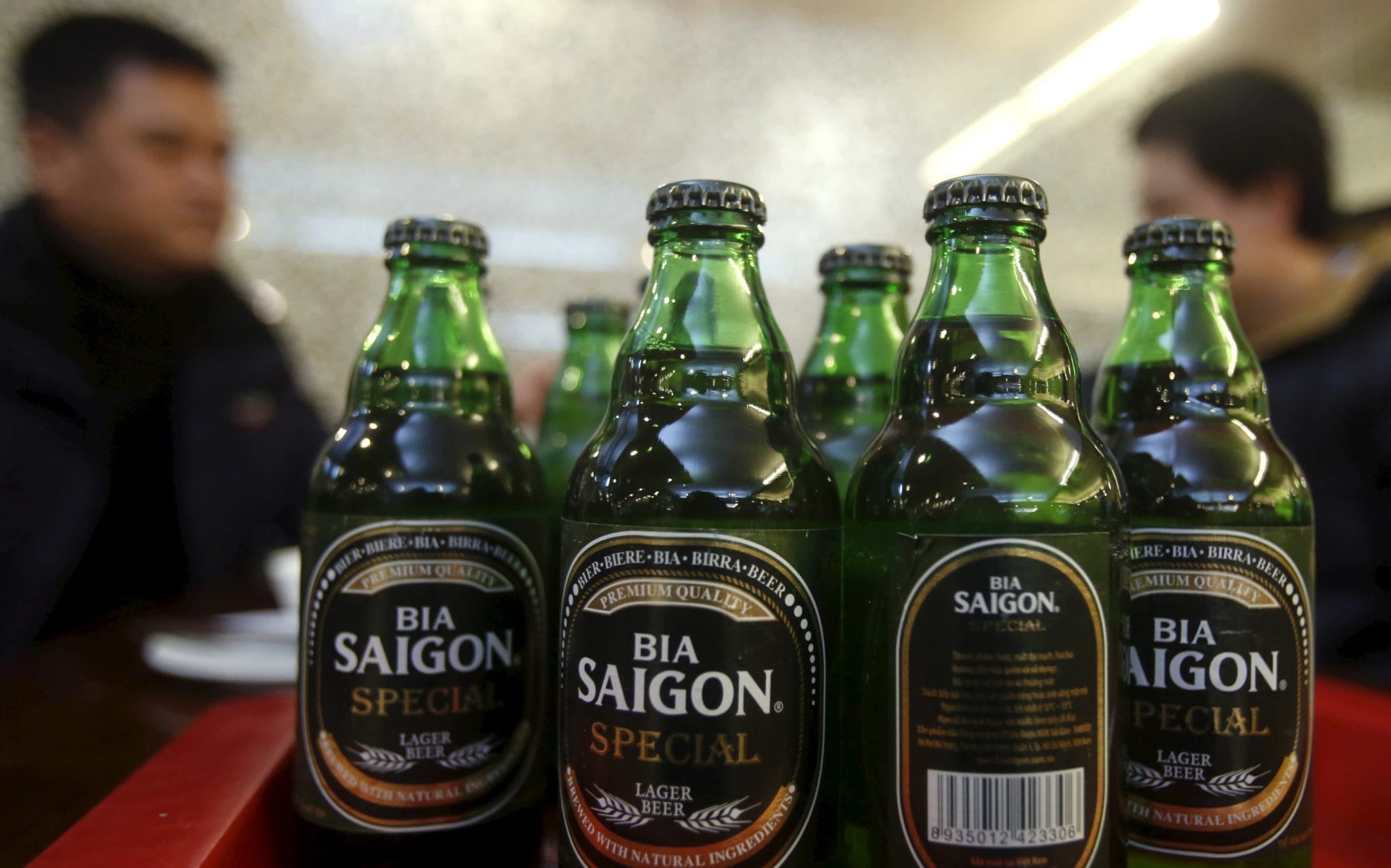
  • New management targets lower profits for Vietnam’s top beer maker

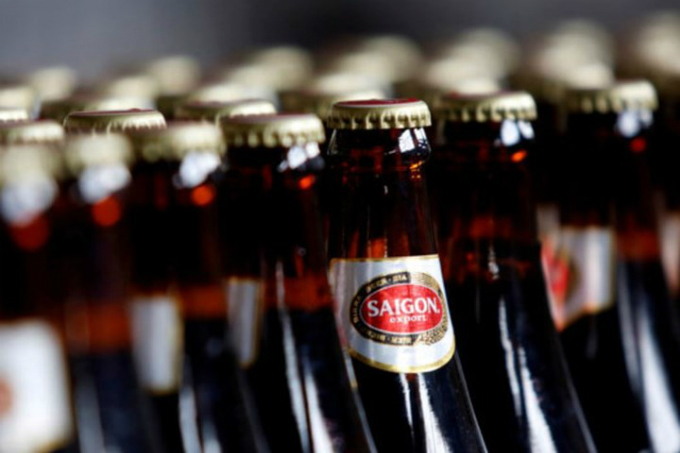
    New management targets lower profits for Vietnam’s top beer maker

    Sabeco targets profits of VND4 trillion ($173 million) this year on revenues of VND36.09 trillion ($1.58 billion), a 2.4 percent rise over last year.

    Newly appointed chairman Koh Poh Tiong explained to shareholders that spending on brand promotion would be higher this year.

    He said rising cost of raw materials due to bad harvests across the world and the new special consumption tax, up to 60 percent from 50 percent, effective this year, would also hit profits.

    Last year Sabeco produced 1.8 billion liters of beer and reported sales of VND35.22 trillion ($1.54 billion), up 11.2 per cent year-on-year, and net profit of VND4.95 trillion ($216 million), up 9.6 percent.

    This is Sabeco’s first annual general meeting since the TCC Group, led by Thai tycoon Charoen Sirivadhanabhakdi, paid Vietnam’s Ministry of Industry and Trade (MOIT) VND110 trillion ($4.89 billion) for a 53.59 percent stake late last year.

    The management said that thanks to Sabeco’s collaboration with Thai Beverage it would be able to get raw materials cheaper in future.

    The firm also hopes to capitalize on ThaiBev’s experience in public relations, logistics and working with global PR agencies to promote its brand internationally.

    The management said Sabeco is exploring opportunities to expand capacity.

    Shareholders heard that the firm faced difficulties in competing with strong foreign brands, and so plans to further develop its distribution networks, especially in HCMC.

    Asked about the possibility that the Sabeco brand could disappear since “it is in Thai hands” now, especially if MOIT divests further, he said TCC Group plans to develop this brand since it had spent an enormous $4.89 billion to buy it.Koh said Sabeco has a 40 percent market share.

    Last April the ministry had called on Sabeco to pay VND2.5 trillion ($111 million) in undistributed profits to the government, the major shareholder with an 89.6 per cent stake as of December 31, 2016.

    Koh told shareholders that since the firm had submitted related documents to the government, he could not give them a more detailed answer.

    The AGM approved a new seven-member board for 2018-23 including four representatives of the Thai company – Koh, Michael Chye Hin Feh, Pramoah Phornprapha and Tran Kim Nga.

    Of the remaining three, chief accountant Nguyen Tien Dung and Luong Thanh Hai are MOIT’s representatives.

    The price of Sabeco (sticker SAB) shares on the Ho Chi Minh stock exchange has plunged since TCC Group’s acquisition.

    On July 20 it traded at around VND200,000 ($8.74), giving the company a market value of VND128 trillion ($5.6 billion).

    TCC Group had bought Sabeco’s shares at VND320,000 ($13.98).

    Koh told shareholders that the price merely reflects supply and demand in the market, while TCC looks at the long term and the firm’s future prospects.

    Vietnam is one of the top 10 beer producing countries in the world besides being the top consumer in Southeast Asia and the third largest in Asia with an average of 43 liters per person per year, according to Sabeco’s management.

    MOIT figures show that the brewery market growth has been slowing, growing at only around 5 per cent in the last five years compared with 10 per cent 10 years ago.

    Last year it grew at 5.6 per cent.
  • Cafe 25 opens 10,000th store

    Cafe 25 opens 10,000th store

    Convenience-store brand GS25 says 10,000 of its outlets now serve coffee products distributed under its house brand Cafe 25, just 30 months after the brand was launched.

    The figures show how successful South Korea’s convenience stores have been in challenging coffee-focused chains like Lotte’s Angel-in-Us and even Starbucks, by offering discounted alternatives through vast store networks.

    The GS Retail-owned group says it has already surpassed the 100 million-mark for the total number of coffee products sold, with Cafe 25 selling 40 million cups in the first half of this year alone.

    GS25 is putting significant effort into making the coffee products successful by installing top-notch coffee machines that sell for 13 million won (US$11,440) in each of its stores.To commemorate 10,000 GS25 store milestone, the company will be selling 50,000 promotional coupons online via Gmarket and Auction that allow customers to buy iced Americanos and iced lattes for half the usual price.

    An official at GS25 said the success of Cafe 25 products can be explained by the company’s bid to offer high-quality coffee products at affordable prices, while also leveraging the chain’s vast network of stores.

  • Shakey’s Pizza Asia first Dubai store opened

    Shakey’s Pizza Asia first Dubai store opened

    Shakey’s Pizza Asia Ventures has followed archrival Yellow Cab into Dubai.

    The Philippine pizza brand says it has opened a store targeting the ranks of Filipinos working in the Middle East.

    Shakey’s Pizza Asia’s Dubai franchisee Aljeel Capital plans to open 10 stores over the next five years.

    “Dubai, UAE, and the rest of the Middle East are great markets for us,” Shakey’s Pizza Asia Ventures president and CEO Vic Gregorio said in a stock exchange filing.

    Shakey’s Pizza Asia Ventures has the rights to the US brand in Asia (excluding Malaysia and Japan), Australia, the Middle East, China and Oceania. Besides moving into offshore markets, the company plans to open a further 20 stores in the Philippines by 2020.

    Founded in 1954, Shakeys was the first US pizza chain to adopt a franchise model. But its growth since has been slow compared to its rivals, and store numbers in North America have shrunk to the double-digits. The Philippines is the brand’s biggest market with more than 160 stores already.

  • Big changes brewing at Vietnam’s top beer maker

    Big changes brewing at Vietnam’s top beer maker

    Under a proposal seeking shareholder approval at the firm’s annual meeting on July 21, Mr. Koh Poh Tiong has been reappointed as chairman. The 72-year-old, who is a director of Fraser & Neave and chairman of ThaiBev and F & N Beer Group, is also on the boards of several other organizations in Singapore, Malaysia, Thailand, and China.

    He is to head a new seven-member board that will have another Singaporean, a Thai and four Vietnamese, according to the proposal.

    Last May the company had replaced three foreign deputy general directors, who had in turn replaced a Vietnamese trio just a month earlier, with Singaporeans Neo Gim Siong Bennett, Teo Hong Keng and Melvyn Ng Kuan Ngee.

    TCC Group, led by Thai tycoon Charoen Sirivadhanabhakdi, had paid VND110 trillion ($4.89 billion) for a 53.59 percent stake in Sabeco.

    According to a report prepared for the company’s next general shareholders meeting on July 21, its profit target for this year has been revised to VND4 trillion (about $173 million), a reduction of 19 per cent from last year’s results.

    The dividend target has been kept unchanged at 35 percent.

    The report says foreign brewers would continue to expand their production capacity, intensify brand promotion and sales support to gain more market share, exerting “great pressure” on Sabeco, especially when the special consumption tax rate has increased from 60 per cent to 65 percent since early th.

    It also says that Sabeco is confident about maintaining its No 1 brewer position in Vietnam, and expects to boost its exports to African and Asian markets (especially East Asia and Southeast Asia), North America, Russia, the Middle East and Europe (Italy, Netherlands).

    Vietnam’s stable growth, increase in average income and rising demand are favorable conditions to stimulate and stabilize consumption while creating good growth in rural markets, where its Saigon Beer brand has reasonable product positioning and a widespread distribution network, the report says.

    Meanwhile, the prices of main items like malt, hops and aluminum have increased significantly, allowing the brewer reduce production costs.

    This year, sabeco targets to produce 1.8 billion litres, increase export volume to 33,2 million liters.

    In April this year, the Ministry of Industry and Trade (MoIT) had asked Sabeco to pay about VND2.5 trillion ($111 million) in undistributed profits to the state budget.

    The demand was made after a government audit report said that money was part of the brewer’s VND2.7 trillion ($120 million) in undistributed profit, which belonged to the government as the major shareholder with an 89.6 per cent stake as of December 31, 2016.

    Local media reported that although Sabeco claimed such a request did not correspond with the Law of Enterprises and Sabeco’s charter, it had already paid the sum. This sum is not mentioned in the report prepared for shareholders, however.

    Currently, within SABECO, there are 26 breweries, 10 trading subsidiaries and has 37 branches nationwide.

    In the first quarter of 2018, Sabeco’s sales reached VND7.8 trillion, about 5 per cent higher than same period last year; while profits of VND1.4 trillion represented a 4 per cent decline.

    On July 18, more than 641 million shares with the sticker SAB declined slightly to VND217,900 ($9.47) each on the Ho Chi Minh stock exchange, for a market value of VND139.7 trillion ($6.07 billion).

  • Vietnam’s Cong Ca Phe eyes South Korea expansion

    Vietnam’s Cong Ca Phe eyes South Korea expansion

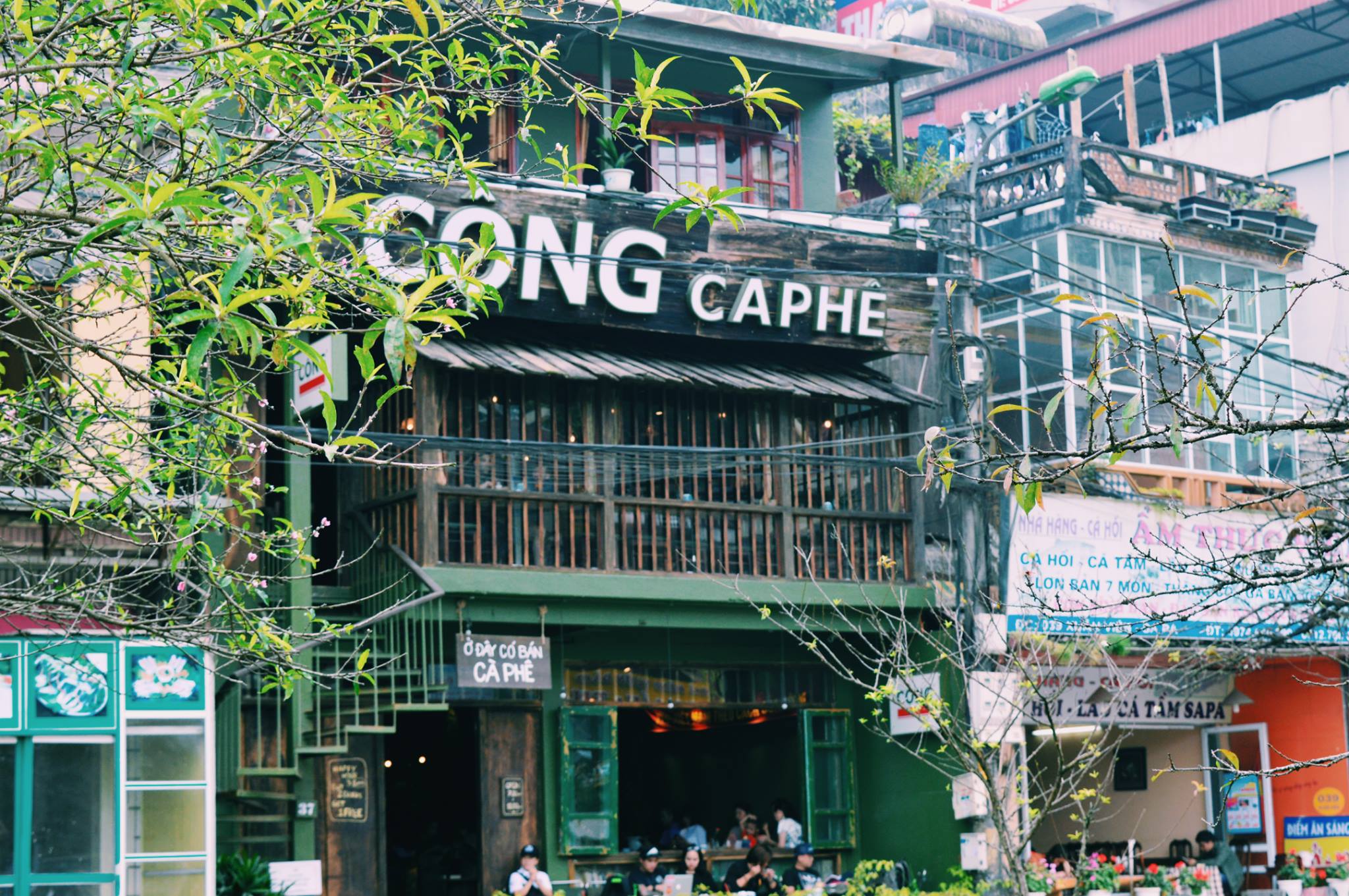
    Vietnamese traditional-coffee chain Cong Ca Phe is opening its first overseas outlet by the end of this month.

    The Hanoi-based chain has appointed a master franchise in South Korea and according to the Cong Ca Phe South Korea Instagram account, the first outlet will open in Yeonnam-dong, a popular destination for local youth.

    According to a report, all staff are being trained in Vietnam, and the main barista is Vietnamese.

    An all-original menu will be served in the Seoul outlet, including Cong’s signature coconut coffee and local Vietnamese snacks such as peanut brittle and sunflower seeds.

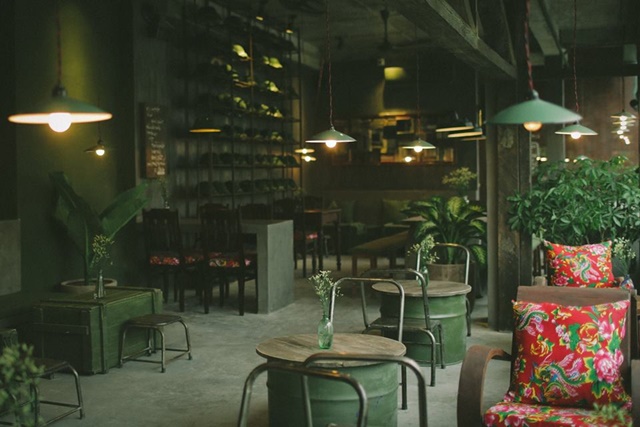
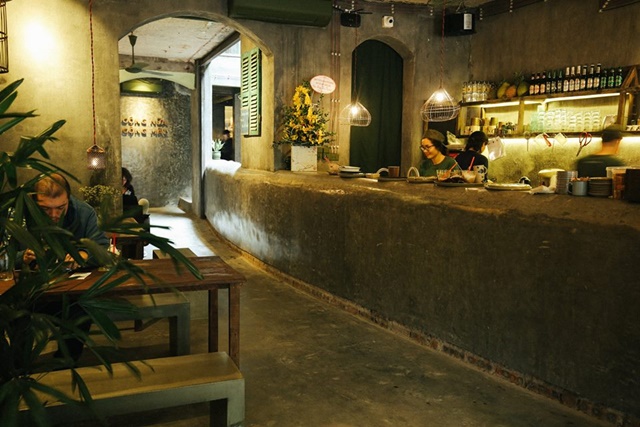
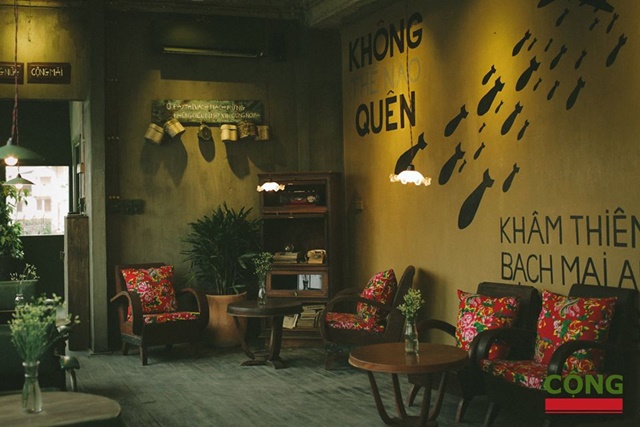
    Founded in 2007, Cong Ca Phe’s interior design is inspired by the 80s in Vietnam, the so-called “subsidy period” with colourful murals depicting old communist-era lifestyle. They usually have wooden floors, mid-tone brown tables, and antique wooden chairs, padded with chinese cotton-print cushions.


    The chain now has more than 50 outlets across Vietnam, both company owned and franchised.

  • Bo’s Coffee Philippines targets to open 200

    Bo’s Coffee Philippines targets to open 200

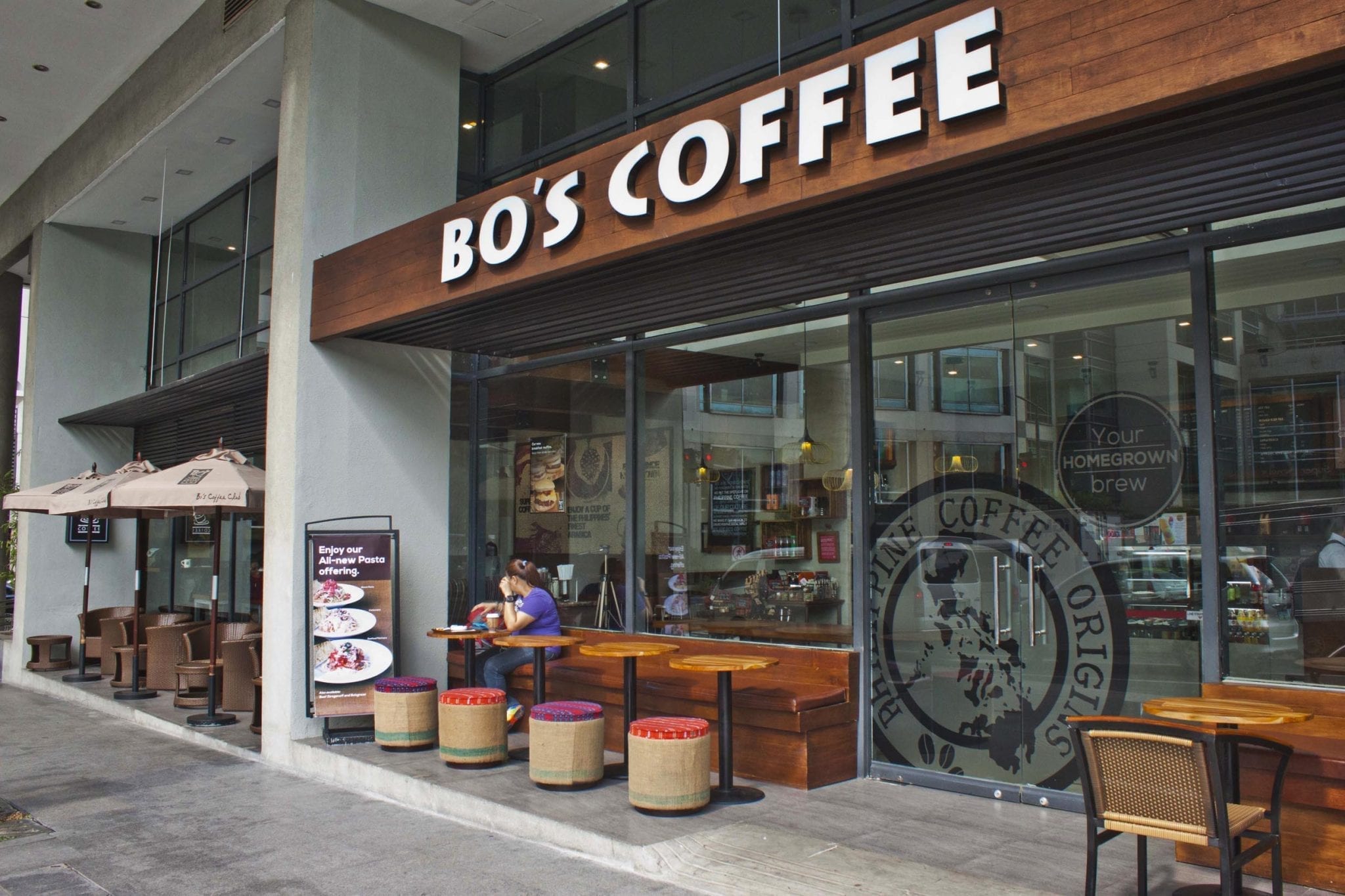
    Philippine coffee chain Bo’s Coffee is planning to operate 200 local stores within two years.

    The plan represents a change in direction for the brand, which opened its first outlet in Qatar recently. Overseas expansion for Bo’s is now shelved until 2020, while the brand’s immediate focus for growth is Luzon.

    Founder Steve Benitez said: “The Qatar opening was long overdue. Finally, we have opened it. Our partners there are planning to open three to five more branches. We are happy to hear that despite minimal marketing, the coffee shop there is doing well. However, the plan is to grow the brand locally before we expand aggressively in other countries.”

    Bo’s Coffee recently announced a change to its franchising system, which now serves both regional and territorial franchisees.

  • TWG celebrates 10th anniversary by store opening

    TWG celebrates 10th anniversary by store opening

    Tea WG has announced its launch in Europe in conjunction with its 10th anniversary.

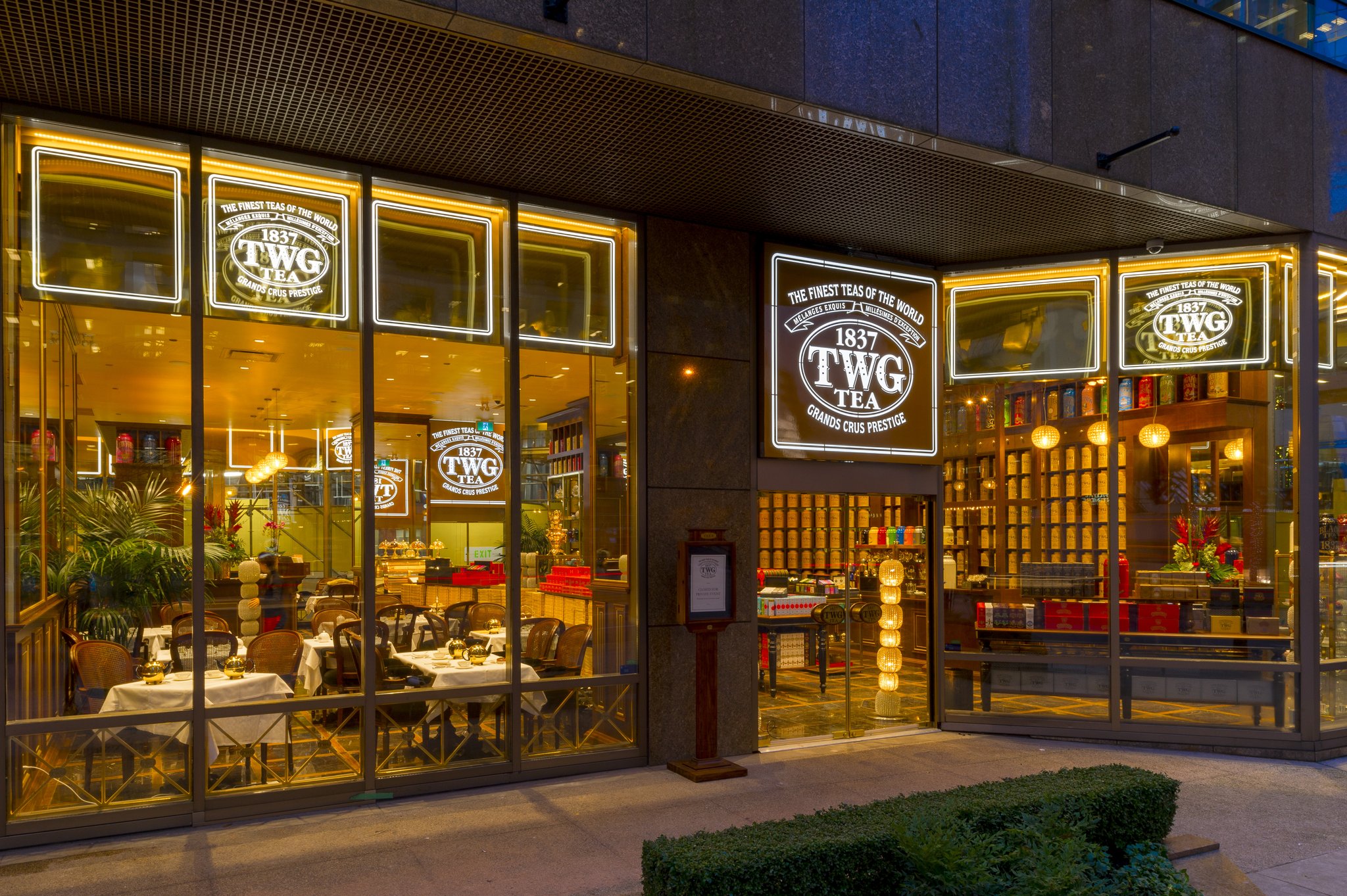
    The luxury tea brand will open two Tea WG Salons & Boutiques in London at Knightsbridge and Leicester Square, achieving the distinction of being the first luxury tea brand to emerge from Asia in the UK market.

    Both new venues are opening in heritage buildings and include retail boutiques, patisserie counters and tea salons with refined, luxurious interiors designed and conceived by Taha Bouqdib. The concept salons showcase more than 800 of Tea WG’s signature harvests and tea blends, as well as its tea gastronomy, tea accessories and tea-infused foods.

    The brand was originally established in Singapore in 2008 as a luxury concept that incorporates unique and original retail outlets, exquisite tea rooms and an international distribution network to professionals.

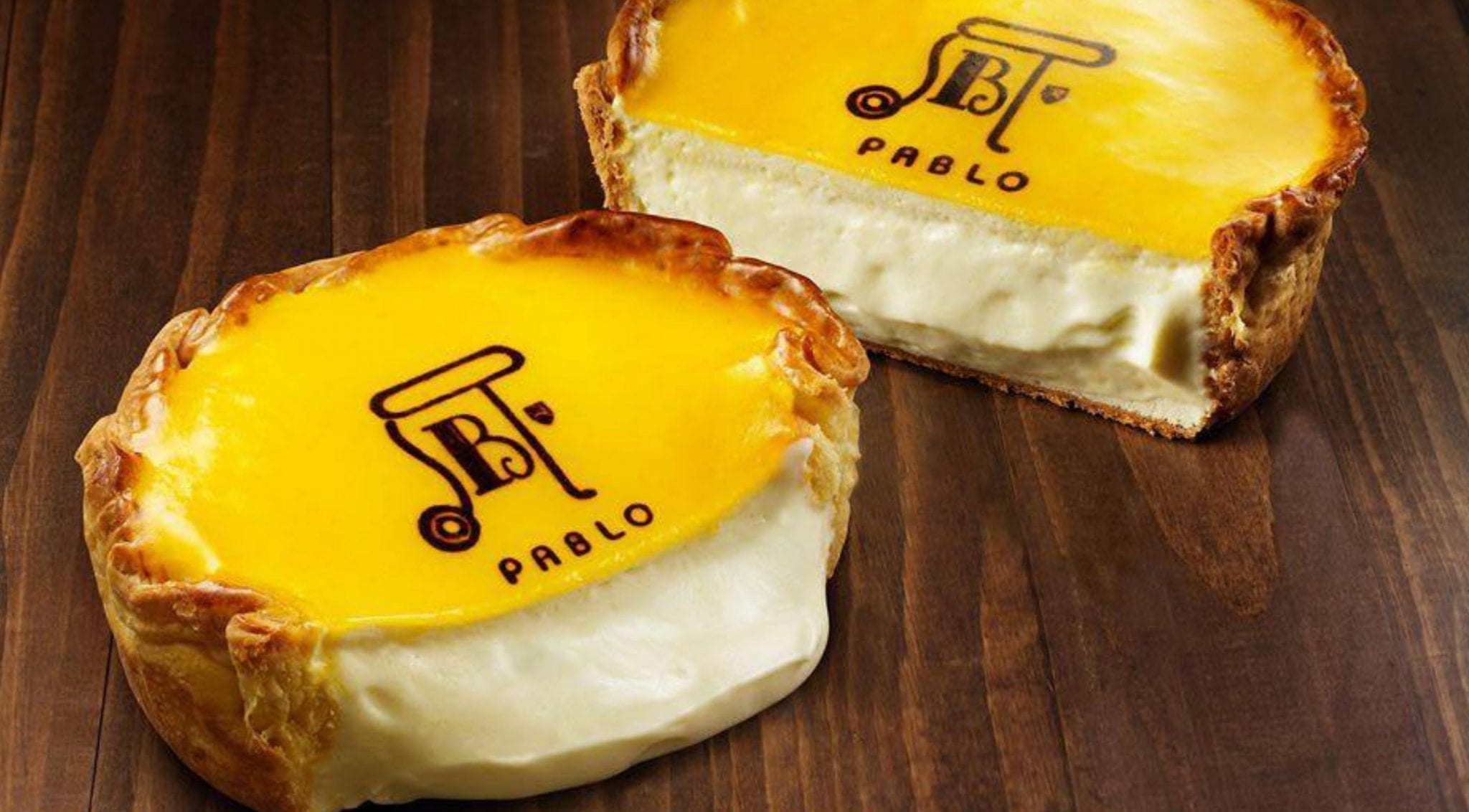
  • Pablo Cheesetart exits Malaysia market

    Pablo Cheesetart exits Malaysia market

    Fans of Japanese dessert franchise Pablo Cheesetart are reporting signs that the brand is withdrawing from Malaysia.

    The internationally popular concept started business in Malaysia in 2016 as one of a number of competing operators riding on a cheesetart trend, at a time when long queues were commonly seen at vendor outlets.

    Online commentators have noted that the brand’s locations in IOI City Mall Putrajaya and One Utama Shopping Mall have closed down. Pablo’s Facebook page has been deleted, although an instagram account run by the brand remains live without recent updates.

    No official statement from Pablo Cheesetart has been released.

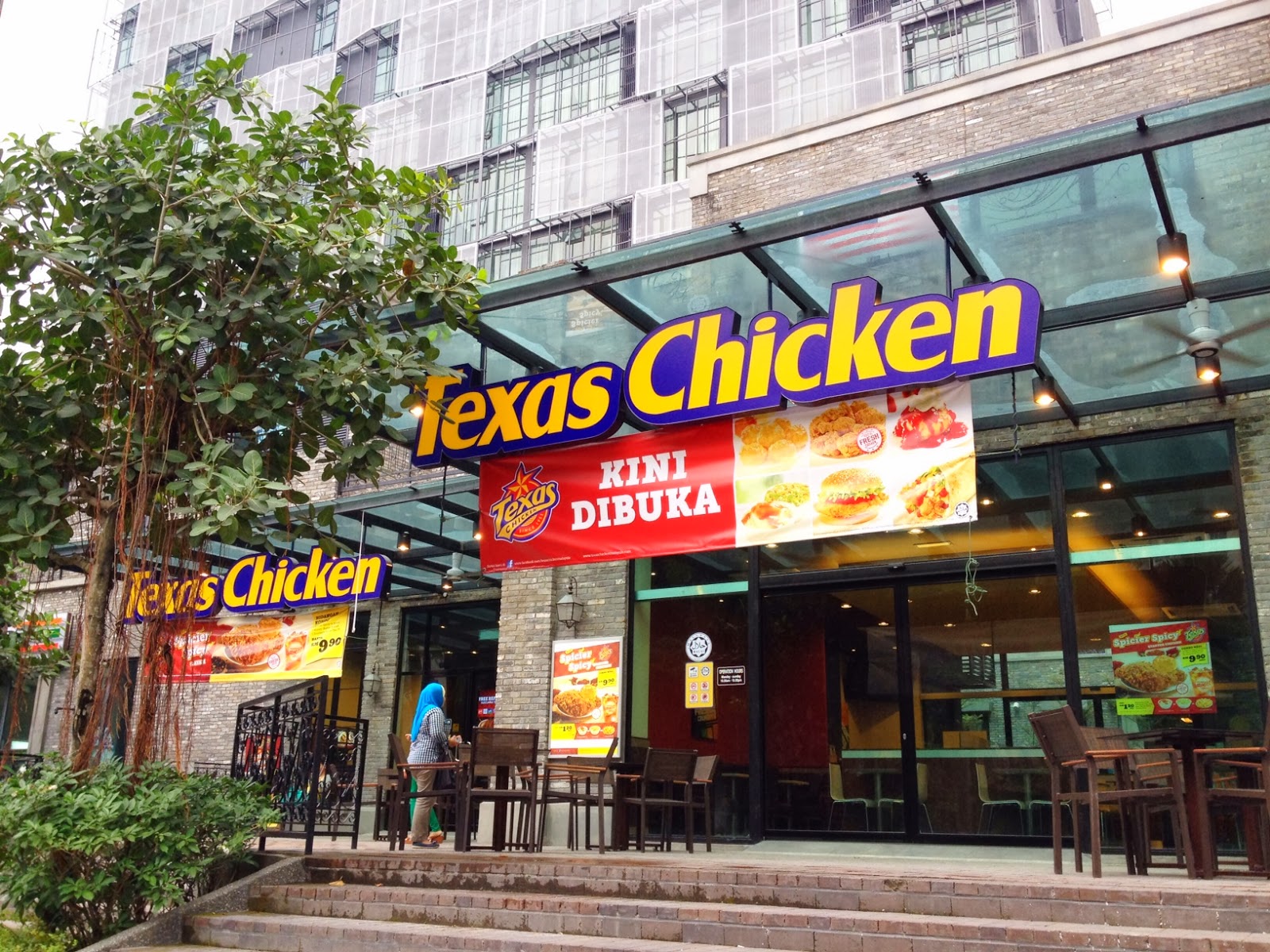
  • Texas Chicken to open 80 more stores in Indonesia

    Texas Chicken to open 80 more stores in Indonesia

    Quick Service Restaurant (QSR) has signed an 80-restaurant deal with US fast-food chain Texas Chicken.

    QSR is the third Texas Chicken Indonesia master franchisee to enter the market, following Quick Serve Indonesia which signed a development agreement earlier this year and Cipta Selera Murni, which has been there since 1985 and now has 59 restaurants.

    The companies said in a statement that QSR will open and operate locations “primarily in Indonesia” which it says is one of the fastest growing markets for the company. But it did not elaborate on where other stores may be located.

    QSR expects to open its first three restaurants by the end of this year. “The Asia Pacific market has been a sweet spot for Texas Chicken. We’ve experienced incredible growth in this part of the globe,” said Tony Moralejo, executive VP of international business for Texas Chicken. “The public and franchisee response to our presence in Indonesia, and the surrounding Asian markets, has been encouraging and we are excited to watch the developments that will occur in the coming years.

    “To continue the momentum of this expansion, we are actively pursuing more franchisees, who believe in the brand and its growth potential.”

    The newest Texas Chicken Indonesia operator plans stores in the DKI Jakarta, South Sumatra, Bengkulu, Banten, West Java and Lampung Provinces over the next 10 years.

    QSR is a subsidiary of Singapore-listed Envictus International Holdings, a well-established F&B operator with several businesses in its portfolio, including bread maker Hearty Bake, San Francisco Coffee and Delicious restaurants in Malaysia and foodservice supplier Pok Brothers.

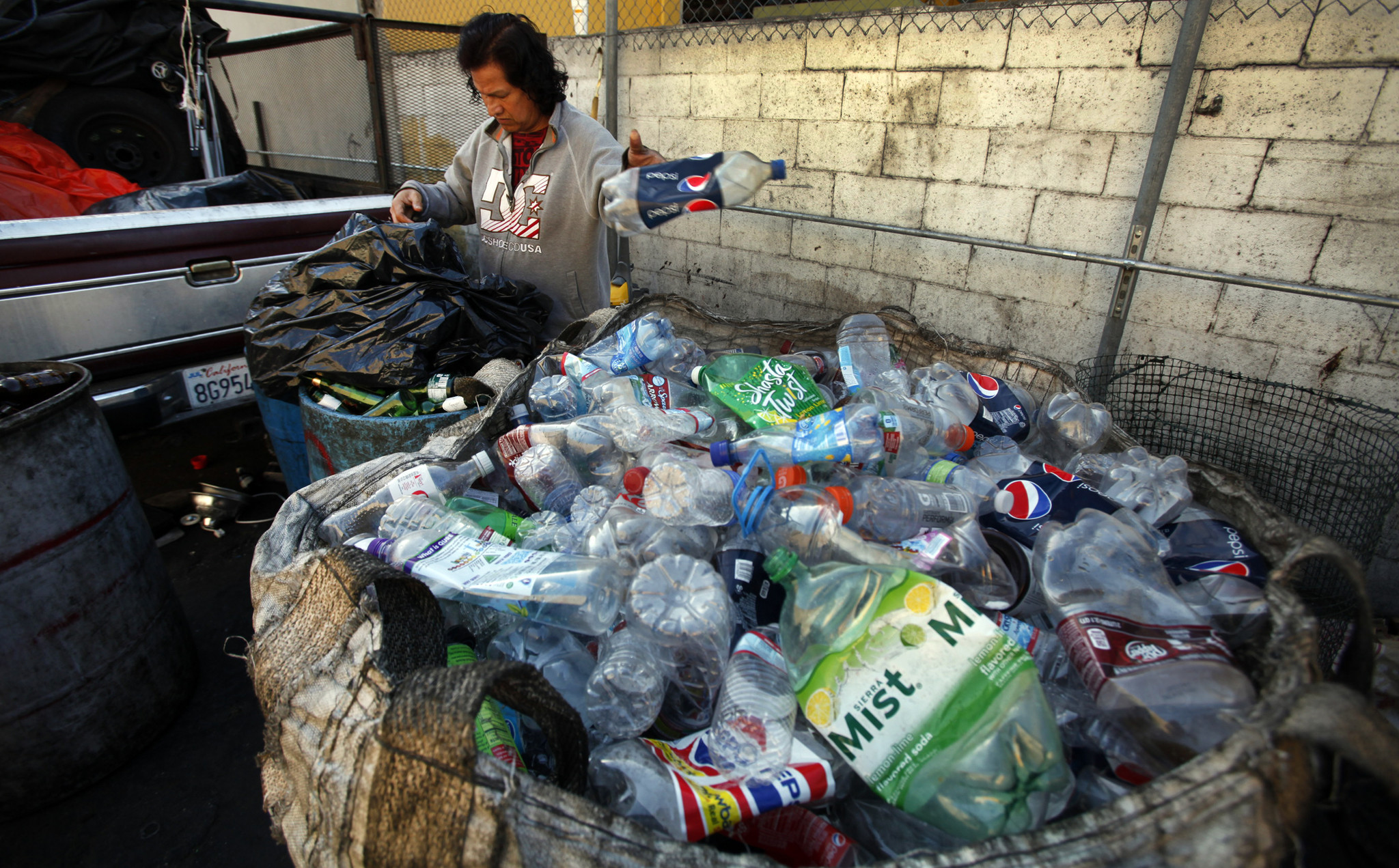
  • PepsiCo to help India implement plastic ban

    PepsiCo to help India implement plastic ban

    PepsiCo on Wednesday expressed its commitment to support the plastic ban enforced in Maharashtra, India, including the extended producer responsibility for PET plastic waste bottles, a top company official said.

    PepsiCo India President and CEO Ahmed ElSheikh met Chief Minister Devendra Fadnavis here and said it has partnered with Gem Enviro Management for setting up infrastructure to collect and recycle the PET plastic bottles in the state.

    Pledging to collect and recycle all the PET plastic bottles generated through PepsiCo’s beverages, he said that Gem Enviro will set up Reverse Vending Machines, collection points and centres at various locations in Maharashtra.

    “The programme will also ensure effective recycling of the PET waste collected. In addition, through the Indian Beverage Association, we are also setting up a consortium for industry players to come together and work towards enhancing the plastic waste management infrastructure in the state,” ElSheikh announced.

    He added that the company plans to design all packaging to be recoverable or recyclable by 2025 for which it is working on new technologies for sustainable packaging solutions.

    “We will be piloting the first ever 100 per cent compostable, plant-based packaging for our popular snacks products – Lay’s and Kurkure – this year, and have resized these snacks packaging to reduce paper consumption in the value chain,” ElSheikh said.

    For the beverages business, the company has launched Pepsi Black in non-returnable glass packaging and will collaborate with Central Pollution Control Board for two pilot projects for multi-layered packaging waste management.

    “As part of our efforts to increase recycling, we have also successfully piloted a ‘Film to Fuel’ project at our Pune plant to convert all the packaging film waste from the plant, into fuel, ensuring 100 percent recycling of packaging waste at the plant,” said ElSheikh.

  • Chowman India expands presence; opens 12th outlet

    Chowman India expands presence; opens 12th outlet

    Chowman, a name synonymous with neighbourhood fine dining has over the years carved a niche as one of the city’s most favourite destinations for authentic Chinese cuisine and the fastest growing fine dining chains. Having set its foothold across all prime locations of the city, Chowman has now thrown open its door to yet another outlet in Baguiati near Jora Mandir bus stop.

    Marking its territory across the city, from Golf Green to Salt Lake, Chowman has given Kolkata yet another food palate on the food aficionados’ platter. Strategically located at Baguiati, this restaurant also has the Chowman’s signature décor with elegant red and black color scheme surrounded by low lighting along with the bronze Buddha statute, pots and bells are thoughtfully put together for a soothing ambiance. The exquisite infrastructure of Chowman with 76 seater restaurant makes the day perfect with good combination of food and fine dining which makes it stand out of the crowd.

    Chowman offers a wide variety of menu ranging from various flavors of fish, chicken, prawn, lamb as well as crab meat which can be enjoyed with your loved one, family and friends.

    According to Debaditya Chaudhury, Managing Director of Chowman and Founder-member of Bengali rock-band Lakkhichara said, “We now have 12 Chowman outlets across the city with more than 50,000 loyal customers and a delivery fleet catering to every corners of the city. This is out 12th outlet and by far the biggest one with 76 seats. Chowman has over the years democratized the concept of neighbourhood fine dining restaurant in Kolkata. We wish to open few more outlets by 2019 and then foray into other cities like Mumbai and Bangalore.”

  • Big expansion plan for Burger King Thailand

    Big expansion plan for Burger King Thailand

    Fast food chain Burger King is preparing to open 16 new stores by the end of this year in Thailand.

    Prapat Siangjan, Burger King Thailand GM, said the company also plans to open 15 stores annually in 2019 and 2020, taking the network to 131. The stores will be opened near tourist spots and petrol stations, where higher than average spending is considered likely.

    “Customers at petrol stations spend one-and-a-half-times more than at original stores,” said Siangjan, “because we can stay open from breakfast until late at night, and not only at lunch and dinner time as is the case with retail complexes.”

    Other areas of the Burger King Thailand business continue to expand, with last year’s newly introduced delivery channel showing monthly sales figures that indicate double growth year on year.

    This year’s expansion will cost the company THB375 million (US$11.3 million).

  • Moschino being creative at the high tea at Ritz-Carlton, HK

    Moschino being creative at the high tea at Ritz-Carlton, HK

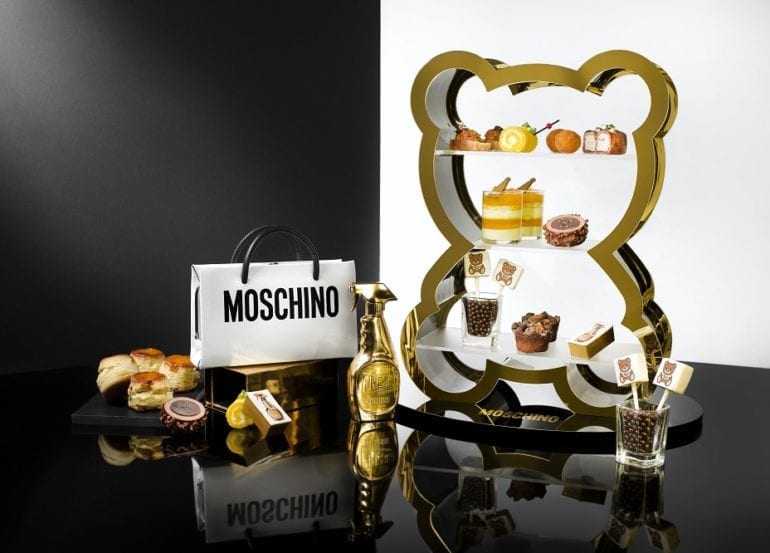
    From 14 July to 16 September 2018, Café 103 will collaborate with Moschino for a specially crafted afternoon tea brimming with delightful Italian flavors.

    Housed in an exclusive bear-shaped tea set stand paying homage to the label’s most recognizable character, the Moschino Afternoon Tea promises to be a new benchmark for the midday pastime.

    The creativity of Moschino is expressed through a new combination of stylistic elements that conveys its vision of a disenchanted future.

    Since Jeremy Scott’s appointment as Creative Director in 2013, capsule collections have been introduced in collaboration with iconic characters, figures and restaurants such as Betty Boop, Barbie, Looney Tones, McDonald’s, The Powerpuff Girls, SpongeBob and more. Even though Moschino is an expression of contemporary fashion, it stands apart from the chorus and sings solo to give its own personal rendition of the music of today.

    Executive Pastry Chef Richard Long incorporates iconic elements of the Italian luxury fashion house into the afternoon tea treats, turning Moschino’s eccentric playful touches to edible pleasures. Crunch Chocolate Passion Tart reveals layers of gastronomic pleasure under the fashion house’s double question mark logo – chocolate coating with almond bits, rich chocolate cream and passion fruit puree at the core.

    Gianduja Lollipop features the hazelnut chocolate ganache signature of Piedmont region, and is adorned with Moschino’s most beloved teddy bear motif to melt any heart.

    Gold Fresh Couture is inspired by the fragrance notes of the label’s iconic cleaning spray perfume of the same name – white peach, vanilla and rhubarb. Poached white peach and rhubarb compote add a fruity sweetness to the generous spread of vanilla white chocolate cream housed in a golden chocolate box resembling the catchy gold perfume bottle.

    Sicilian Pistachio Apricot is composed of layers of apricot compote, Sicilian pistachio cream and apricot jelly. A chocolate Moschino zipper puller lies atop to reinforce brand presence.

    Chef Richard’s very own version of Chocolate Pear Brownie highlights deliciously contrasting textures – crispy butter crumbles sandwiching moist chocolate cake infused with soft pear fillings.

  • Jumbo Group to expand in Bangkok

    Jumbo Group to expand in Bangkok

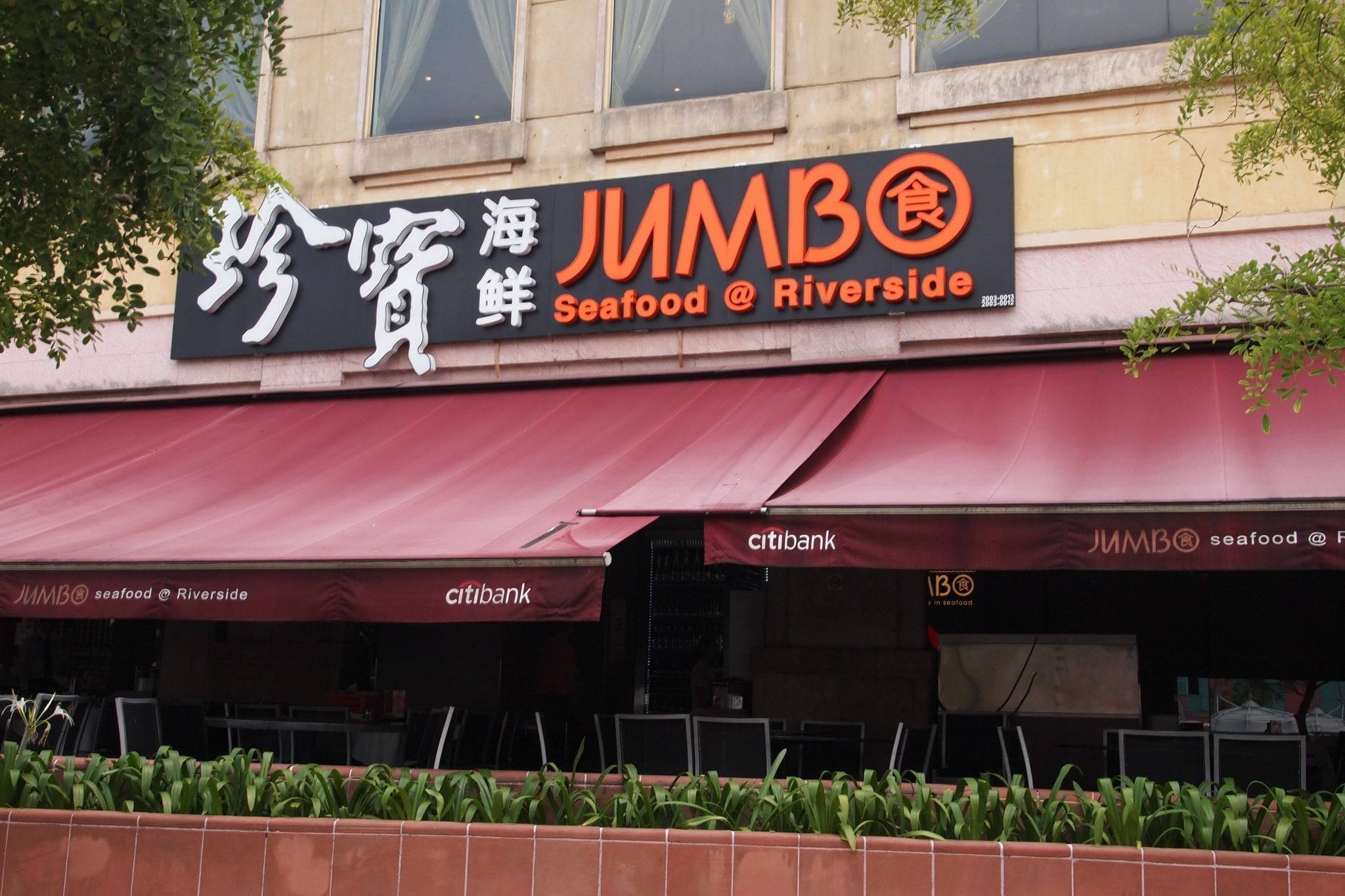
    Singapore restaurant chain Jumbo Group has entered into a 10-year franchise agreement with Thailand’s C J Seafood.

    The agreement authorises C J Seafood to establish and operate a Jumbo Seafood restaurant in Bangkok, which is expected to open by the end of this year.

    A company announcement stated that this new agreement forms part of the group’s plans to expand and strengthen its presence in Asia. It has already established franchises in Vietnam and Taiwan, making Thailand the group’s third franchise outpost in the region.

  • There is no sugar monopoly in Malaysia, say refiners

    There is no sugar monopoly in Malaysia, say refiners

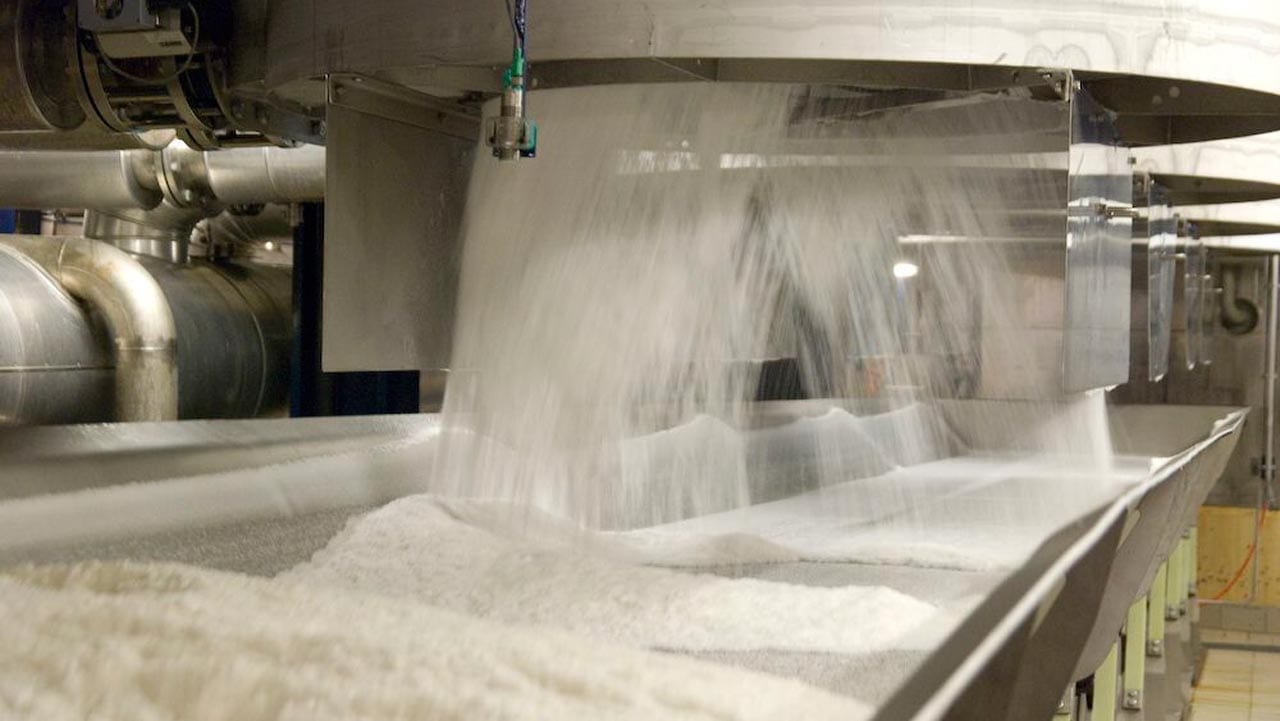
    MSM Malaysia Holdings Bhd and Central Sugars Refinery Sdn Bhd (CSR) have clarified that there is no sugar monopoly in Malaysia and that the price of the commodity is controlled by the government and is among the lowest in the world.

    The two refiners said the local players operate within a challenging business environment to ensure a steady supply of sugar to Malaysian consumers while maintaining a decent sugar stockpile for the nation.

    “The facts to date, while the costs of doing business have increased, such as minimum wage, gas and electricity tariffs, the ceiling price of refined sugar has remained at RM2.95/kg,” they said in a joint statement.

    As sugar is gazetted under the Price Control and Anti-Profiteering Act 2011, sugar in Malaysia is among the cheapest in the world. Currently, the ceiling price for coarse grain sugar is set at RM2.95/kg and fine granulated sugar at RM3.05/kg.

    Despite that, the industry is adversely affected with illegal activities such as sugar smuggling and infiltration of illicit sugar, which are threats to matters concerning halal, quality control and other mandatory certification requirements.

    “Nevertheless, the local refiners are committed to provide a stable environment for the consumer whilst maintaining highest standards of sugar quality even at the current controlled price.”

    In Malaysia, there are two sugar refiners – MSM under FGV Holdings Bhd and CSR under Tradewinds (M) Bhd – operating five sugar refineries, including a new one in Tanjung Langsat, Pasir Gudang, Johor, which is scheduled for commissioning this month.

    The current total capacity of the existing four refineries is 2.0 million tonnes a year. Domestic demand in Malaysia is 1.5 million tonnes a year, leaving Malaysia with an excess capacity of 500,000 tonnes annually. With the new refinery in Johor, total capacity will be 3.0 million tonnes a year.

    Apart from local brands, they said, there are importers that bring in and market a variety of sugar brands in Malaysia including SIS, Taikoo, Waitrose, Billington, Tate & Lyle, which provides for a competitive landscape.

    Food and beverage manufacturers buy sugar through the NY#11, the global commodity trading platform for raw sugar. Local refiners will then execute the buying on behalf of these companies, import the sugar that has been procured and refine it for them for a fee.

    As part of the local refiners’ duties, a certain amount of sugar is stockpiled to ensure adequate supply in the country during times of high global prices, the refiners said.

    “Due to the relatively lower world raw sugar prices today, many opportunistic parties that operate without the overheads and responsibilities that local refiners have, are trying to import sugar and profit from the low prices. These companies may not have the necessary certifications such as the halal certification and will cease operations once world raw sugar prices go higher than the ceiling price. It will then be left to local sugar refiners to address the instability by the void left behind by these opportunistic players.”