Category: Food

Retail News Asia is committed to providing both local and global retailers with the latest Food and Food & Beverage news throughout the Asian market. This on a daily base.

  • Ng Ah Sio Bak Kut Teh opens first restaurant in Taiwan

    Ng Ah Sio Bak Kut Teh opens first restaurant in Taiwan

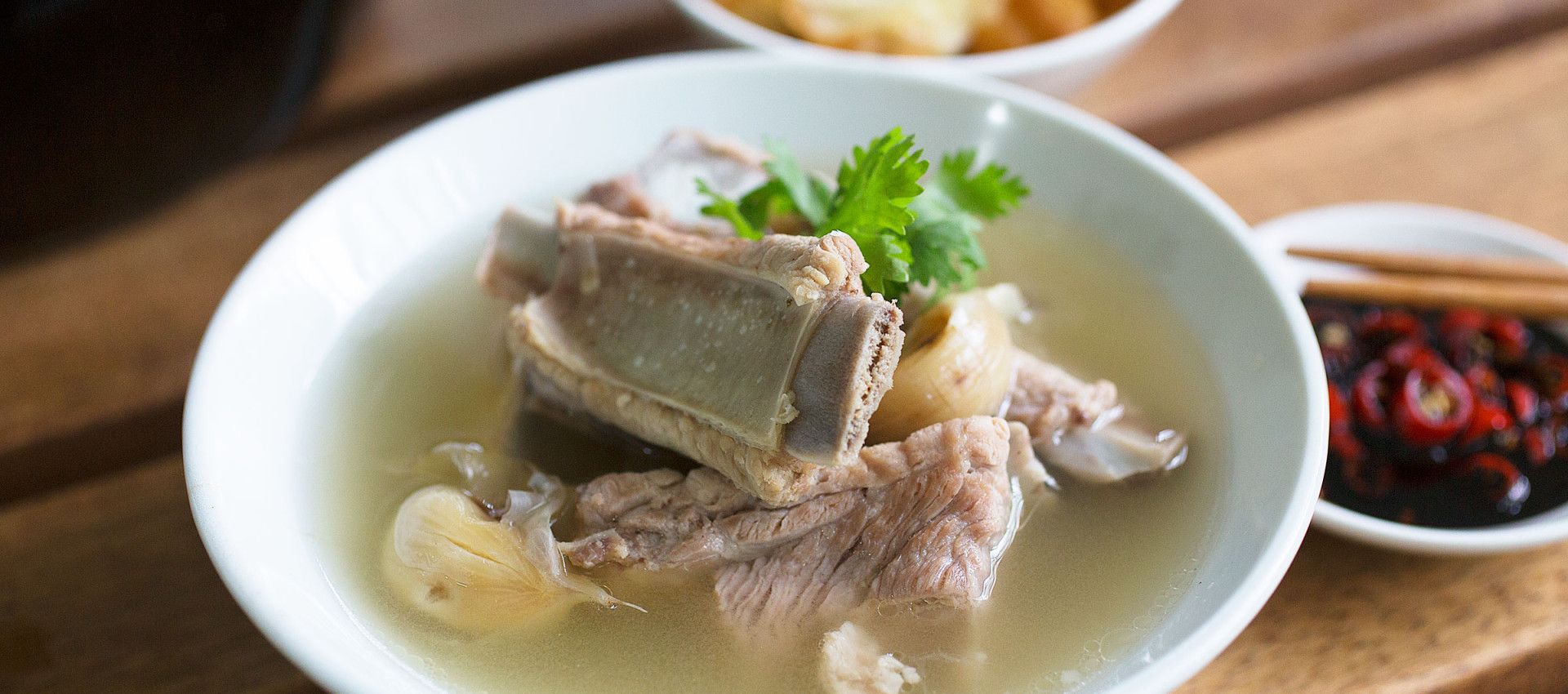
    Singapore-listed restaurateur Jumbo Group has opened its first Ng Ah Sio Bak Kut Teh restaurant in Taiwan.

    The new venue, which specialises in peppered pork soup, is situated in a 1400sqft space in Taipei’s Shin Kong Mitsukoshi Mall, seating 86 guests. It is operated by local franchisee Ho Sing Food, which intends to open at least 19 more outlets in the country.

    Jumbo CEO Ang Kiam Meng said the introduction of Ng Ah Sio Bak Kut Teh to Taiwan marks a key milestone for the group and is testament to the company’s growing presence in the Asian consumer market.

    “We are excited to bring one of the most-loved Singaporean heritage dishes to Taiwan, and aim to leverage the potential demand for Singapore’s cuisine in the Taiwanese consumer market, together with our franchise partner.”

    The group runs Jumbo-branded franchises in Vietnam, Taiwan and Thailand.

  • Five Guys makes debut in Asia

    Five Guys makes debut in Asia

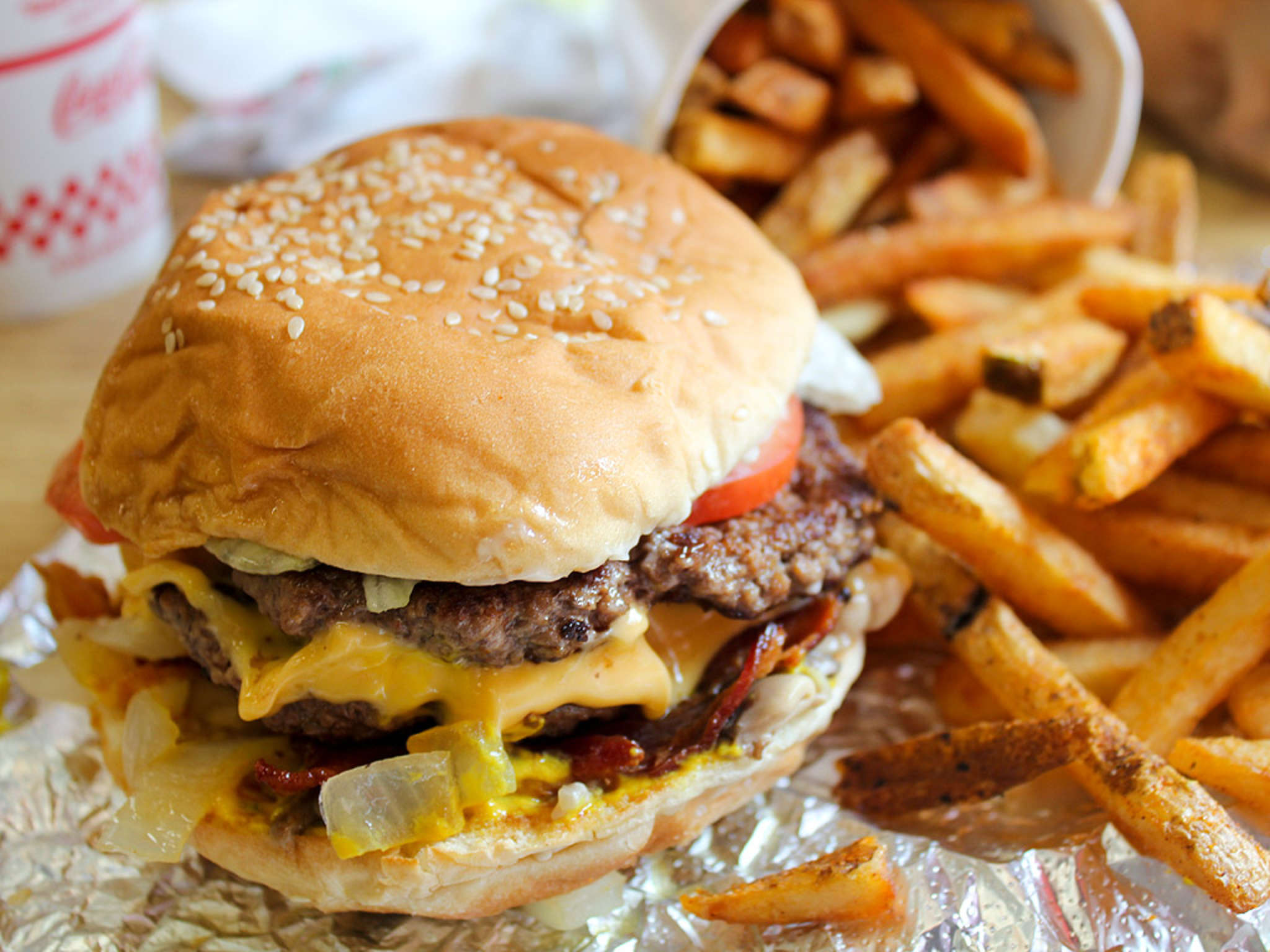
    The first Five Guys Asia burger outlet is under construction in Hong Kong.

    The move is part of an aggressive global expansion plan for the US fast-food chain. Founded in 1986 in Virginia, Five Guys first expanded outside the US in 2003 now has almost 1500 outlets worldwide, in the US, Canada, UK, Europe and the Middle East.

    The company says it has another 1500 outlets under development as the brand has built “a cult-like following around the world”.

    Food blog Delish and lifestyle blog Coconuts broke the news of the Five Guys Hong Kong launch this week.

    The first Five Guys Hong Kong outlet is being fitted out on Johnston Road, next to The Pawn and below the Bo Innovation restaurant.

    Five Guys was founded by the Murrell family with a single burger outlet using fresh mince to make hand-formed burgers and quickly expanded with four sit-down restaurants. Within 18 months, the family sold options for more than 300 franchised units after it was named the best destination to buy a burger in the DC metro area.

    The chain’s arrival follows the opening of the first Hong Kong Shake Shack in IFC mall by Dairy Farm International’s Maxim’s subsidiary early this year.

  • Japan to Help Build Fish-Processing Centers in Indonesia

    Japan to Help Build Fish-Processing Centers in Indonesia

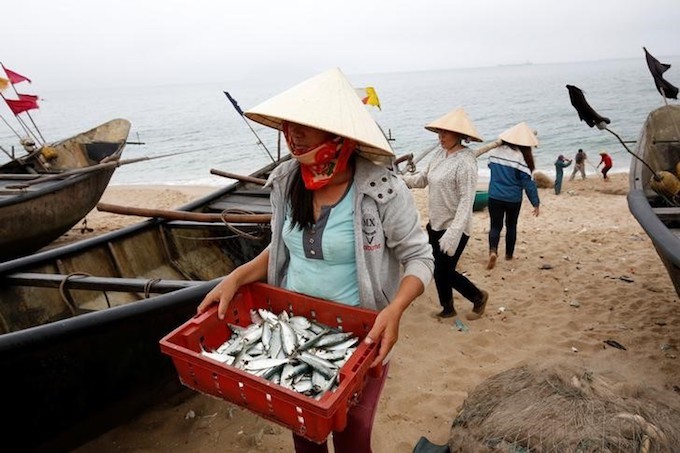
    The government will use a grant from the Japan International Cooperation Agency to build integrated marine and fishery centers on islands in Indonesia’s six outermost regions to boost exports.

    The agency, known as JICA, granted total funding of 2.5 billion yen ($22 million) for the construction of processing centers on Sabang in Aceh, Natuna in the Riau Islands, Biak in Papua and Morotai Moa and Saumlaki in Maluku.

    “Once the program is completed, small fishermen will be able to use the upgraded fishing ports … and have access to various facilities, such as fish storage,” Shinichi Yamanaka, JICA’s Indonesian representative, said in a statement on Wednesday (01/08).

    “Hopefully, this cooperation initiative will stimulate local fisheries and coastal citizens’ standard of living, especially those on Indonesia’s farthest islands,” Yamanaka said.

    Nilanto Perbowo, secretary general of the Ministry of Maritime Affairs and Fisheries, said the government expects the facilities to be operational by 2020.

    The facilities are part of President Joko “Jokowi” Widodo’s program to develop Indonesia’s remote areas, which includes the establishment of 20 integrated marine and fisheries centers.

    The Indonesian fishing industry has seen rising production over the past three years, since the government started to crack down on illegal fishing activities. But the industry lacks the capability to process bigger catches, limiting local fishermen from reaching a broader market.

    The country’s fishermen caught 7.7 million metric tons of fish last year, up 18 percent since 2014, when the crackdown began, according to Maritime Affairs and Fisheries Ministry data.

    Still, it missed the government’s target of 8.8 million tons. Destructive Fishing Watch, a fisheries watchdog, said slow progress in mechanizing the fishing industry is one of the factors behind the failure. The government has set a target of 9.5 million tons of fish for this year.

    Maritime Affairs and Fisheries Minister Susi Pudjiastuti met with Japanese Foreign Minister Taro Kono in Tokyo in May to request assistance with the construction of the facilities, arguing that the East Asian nation also stood to benefit from the increased availability of Indonesian products. The Banda Sea near Maluku for example, is a known source of yellowfin and bluefin tuna, which are in high demand in Japan.

    Susi also asked Japan to exempt Indonesia from its 7 percent import tariff on fishery products, noting the archipelago’s successful crackdown on illegal fishing in its waters. Thailand and Vietnam are also exempt from the import tariff.

    Indonesia has managed to reduce illegal fishing by foreign vessels by 90 percent and decreased illegal fishing by 25 percent overall, according to a study published on Nature Ecology & Evolution in March. The country took various steps to achieve this, including the sinking of hundreds of foreign vessels caught fishing illegally.

  • 50th Anniversary Of Big Mac Marked With Coin Currency

    50th Anniversary Of Big Mac Marked With Coin Currency

    McDonald’s has minted a coin in more than 50 countries to mark the 50th birthday of the Big Mac.

    Called the MacCoin, it will be released tomorrow, August 2, and while it has no real value, it can be exchanged at restaurants for a Big Mac until the end of this year. Many are likely to be retained by collectors.

    The fast-food company has had 6.2 million MacCoins pressed, in five designs each reflecting a decade in the life of the Big Mac:

    • The 1970s, showcasing the decade’s flower power.
    • The 1980s alluding to pop art.
    • The 1990s defined with bold, abstract shapes.
    • The early 2000s specifically focusing on the technology that was at the forefront of the turn of the century.
    • The 2010s MacCoin calling attention to the evolution of communication.

    The seven languages featured on the front-side of the MacCoin – Arabic, English, Indonesian, Mandarin, Portuguese, French and Spanish – represent many of the countries participating.

    Coins can be earned by entering contests via social media channel Twitter and other means depending on the market – they’re not being distributed from restaurants or used as change in stores.

    The MacCoin was inspired by The Economist’s Big Mac Index, which is the publishing house’s measure of global spending power (comparing, each year, the price of a Big Mac in many international markets, converting them to a common base currency).

    “As one of the most well-known and iconic McDonald’s menu items – and business driver – around the globe, the Big Mac deserves the celebration that the coin evokes,” says Jeff McLean, CFO at McDonald’s Canada. “The fact that in 50 years, the Big Mac has become so universally recognised it’s used to measure the purchasing power of international currencies is pretty remarkable.”

    Nick Delligatti, fourth-generation McDonald’s owner-operator and great-grandson of Jim Delligatti, the inventor of the Big Mac, said, “When my great-grandfather Jim Delligatti invented the Big Mac at his grill in Uniontown, Pennsylvania, he just wanted to make his local customers happy. August 2 would have been my great-grandfather’s 100th birthday, and I believe he would be very proud knowing his humble sandwich has made such a lasting impression that people all around the world can enjoy it wherever they find a McDonald’s.”

    Originally sold for just 45 cents, the Big Mac is now available in more than 100 countries.

  • Flamingo Bloom plans expansion in Australia, Singapore

    Flamingo Bloom plans expansion in Australia, Singapore

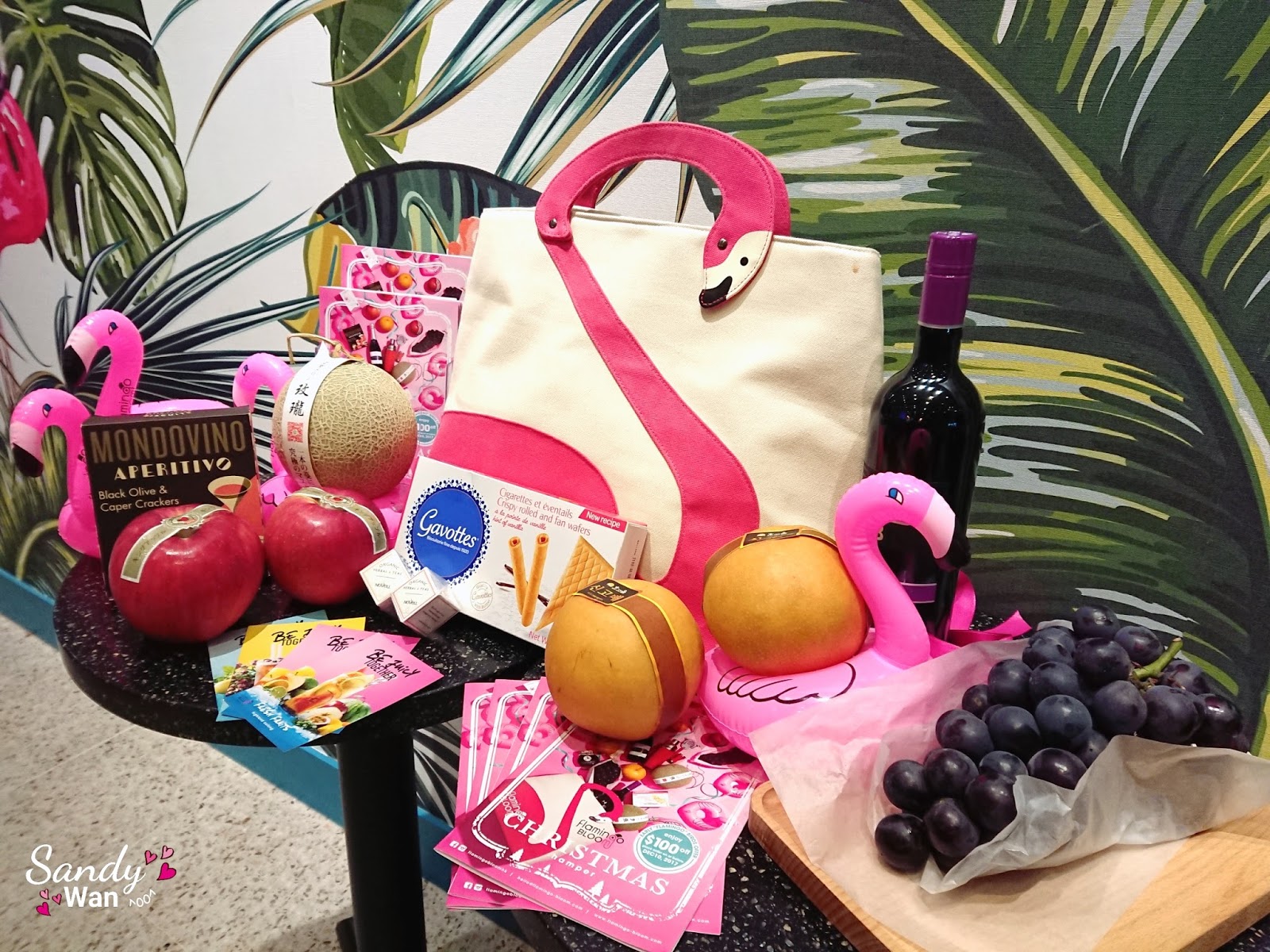
    Hong Kong-based fresh-brewed tea brand Flamingo Bloom has opened four stores in its first year of trading.

    The health-conscious beverage retailer first set up just last year in Hong Kong’s Central, but has already opened a larger space in Tsim Sha Tsui, a flagship in Malaysia, and a store at the IFC mall this month, which attracted long queues on launch day.

    Founder Louisa Wong has indicated plans to open further locations in Malaysia, as well as expand to Australia and Singapore, with the intention to open in Melbourne by the end of this year.

    “Even though we’re in a quality mall, the operating costs in Malaysia are so much lower – about a third of what we pay in Hong Kong – so it’s easier to reach sales targets,” she said. “In Malaysia’s tropical climate, cold teas mixed with fresh fruits have proved popular.”

    The store retails highly Instagrammable Chinese tea-based beverages mixed with fresh fruit and boba pearls – or blended as a latte.

  • Starbucks China remain confident after sales slip

    Starbucks China remain confident after sales slip

    Starbucks China sales slipped 2 per cent on a same-store basis in the latest quarter, but the company will persevere with its expansion plan.

    The number of transactions in China and Asia Pacific slipped 3 per cent.

    “We remain confident in our global growth strategies, in the sustainability of our leadership position around all things coffee and tea and in our leadership teams around the world to navigate our next phase of growth,” said CEO and president Kevin Johnson.

    While global sales growth was a modest 1 per cent – driven by a 3 per cent increase in the average transaction value, it was still a record for the coffee retailer. Consolidated net revenue rose by 11 per cent to US$6.3 billion in the three months to July 1, in part thanks to store openings, selling its Tazo division and closing Teavana mall stores in the US.

    In China-Asia Pacific, net sales grew 46 per cent year on year, to US$1.229 billion, primarily driven by taking over ownership of the Starbucks East China business, a net increase of 746 stores year on year and favorable foreign currency translation. That was partly offset by the absence of revenue following the sale of the Singapore retail operations to Hong Kong-based Dairy Farm International subsidiary Coffee Concepts and a 1 per cent regional decrease in same-store sales.

    Another highlight of the quarter was a 14 per cent increase in the number of active Starbucks Rewards members in the US, to 15.1 million customers.

    Starbucks opened 511 net new stores in the quarter and now operates 28,720 stores across 77 markets.

    CFO Scott Maw said Starbucks’ record revenues and profits for the quarter reflected the underlying strength of the Starbucks business and brand all around the world.

    “We continue to grow share in virtually every market and channel in which we operate at the same time that our streamline initiatives are enabling us to sharpen our focus – and leverage our resources – against our highest value, long-term growth opportunities.”

  • McDonald’s growth in second quarter is not “satisfying”

    McDonald’s growth in second quarter is not “satisfying”

    McDonald’s Corporation has announced results for its second quarter, seeing consolidated revenues decrease by 12 per cent, pinned on the impact of the company’s strategic refranchising initiative.

    Little mention was made of McDonald’s Asian performance for the quarter, other than an acknowledgement of undefined “continued challenges” in South Korea.

    The fast-food giant found system wide sales increased by 5 per cent, while global comparable sales increased by 4 per cent, reflecting positive comparable sales in all segments.

    “We’re seeing good performance across our business as our customers tell us that they value and appreciate the moves we’re making to elevate the McDonald’s experience,” said McDonald’s president and CEO Steve Easterbrook.

    “We’ve now marked 12 consecutive quarters of positive comparable sales, and we are confident that we’re executing the right strategy to achieve long-term, profitable growth.”

    Comparable sales for the International Lead segment segment increased 4.9 per cent for the quarter, while operating income increased 15 per cent, primarily driven by progress in the UK and France, while comparable sales in the US increased 2.6 per cent.

    Neil Saunders, managing director of GlobalData Retail, notes that although revenue growth has softened over the past year this quarters results represent a positive outcome for the restaurant company; suggesting growth in the US and beyond.

    “Part of McDonald’s success comes from the fact it is attracting a wider mix of customers into its restaurants,” said Saunders.

    “This is, in large part, a consequence of the modernization program the company has been undertaking. With around 1,000 restaurants refurbished each quarter, there has been a positive step change in customer perception, especially among older consumer segments.

    According to Saunders, these changes have been cemented by initiatives to improve quality, such as the use of fresh rather than frozen beef; leading McDonald’s to become a destination more diners are prepared to visit and linger in.

    “McDonald’s will come up against some tough prior year comparatives,” notes Saunders, “[which] means growth continues to soften. However, so long as menu innovation continues, we believe the chain will continue to be a winner in the fast food space.”

    Not all is well at the restaurant chain, however, with a pair of McDonald’s workers taking it upon themselves to restrain, and attack, a customer who attempted to fill a water cup with soda, and then provoked the employees when they turned off the machine to prevent it.

    A video of the altercation was posted to social media, with many fearing for the employee’s jobs after the way they reacted to the customer’s provocations.

    The company has yet to release a statement regarding the incident.

  • Hanoi to go modern, install 1,000 public vending machines

    Hanoi to go modern, install 1,000 public vending machines

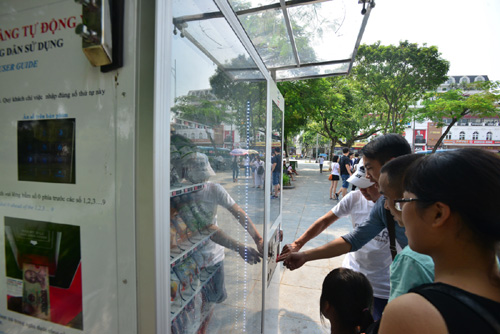
    Recently the city people’s committee approved the installation of around 1,000 vending machines in public locations under its own supervision.

    They are expected to provide a wide variety of beverages, snacks and fresh fruits besides customer assistance, especially to seniors, children and disabled people.

    The locations include parks, botanical gardens, hospitals, schools, and train and bus stations, which meet the space requirement of 2-3 square meters.

    They will be located at 500-1,000 metres away from each other with a maximum of four installed in close proximity if the specific needs of an area so demands.

    Thong Nhat Park (Lenin Park) will have the largest number — 10.

    The machines will be capable of returning correct change to customers besides also accepting other payment methods such as cards and QR codes.

    The people’s committee said the objective is to modernize retail sales in the city.

    There are now 161 public vending machines in the capital.

  • Dairy Farm restructures after recent result

    Dairy Farm restructures after recent result

    “Underperforming” subsidiaries and rising rent and labour costs are disturbing the chairman of Hong Kong-listed multinational retailer Dairy Farm International – but those factors failed to prevent a solid second-half year performance.

    Dairy Farm’s total sales rose 17 per cent to US$12.215 billion in the six months to June 30 and profit attributable to shareholders was $215 million, up 6 per cent. The increased sales came largely from the Yonghui supermarket operation and Maxim’s which owns food retail channels and the Starbucks business in Hong Kong, Singapore, Vietnam and Cambodia.

    Chairman Ben Keswick said the health and beauty business in Hong Kong and Macau drove strong results in North Asia, but the Southeast Asian food businesses continued to face challenges producing a weaker overall performance.

    “While the outlook for the remainder of the year is expected to remain challenging for the Food businesses, particularly in Southeast Asia, the group’s other businesses should continue to make steady progress. Significant management and structural changes have been made to address the issues the group faces in a number of areas, but time will be needed to deliver sustainable improvement.”

    The company has consolidated its trading operations into a more centralised structure with two main trading divisions: North Asia and Southeast Asia, in addition to the standalone business of Home Furnishings (essentially Ikea) and Maxim’s.

    Keswick says five strategic priorities have been identified: building capability, growing presence in Mainland China, protecting the group’s Hong Kong business, revitalising the Southeast Asia operations and driving digital innovation. “A series of programs are underway to support these priorities across all of the group’s businesses,” he said in the earnings statement.

    In North Asia, overall sales within the food businesses were ahead of prior year, but profits declined, mainly due to higher rent and labour costs in Hong Kong. “The health and beauty business in Hong Kong and Macau delivered very strong sales and profit growth, driven by a significant increase in business from higher numbers of mainland Chinese tourists.”

    Southeast Asia challenges

    However, in Southeast Asia, challenging trading conditions continued for Dairy Farm’s food businesses.

    “The group saw lower sales and profits in Singapore, Malaysia and Indonesia, while in the Philippines, sales were higher but profits lower, due to increased operating costs resulting from more store openings. Generally, these businesses have suffered from a lack of investment in infrastructure, range and competitive pricing for some time, while competition in each market has been increasing.

    “Turning these food businesses around and becoming more relevant to the changing demands of customers will take significant effort. Appropriate plans are now being put in place following the strategic review, but will require time to take effect,” said Keswick.

    He said the improving performance of the majority of the group’s health and beauty businesses in Southeast Asia is encouraging, with Malaysia, Indonesia and Vietnam reporting better underlying results.

    Dairy Farm’s convenience store operations (7-Eleven) performed well, with Hong Kong and Macau trading in line with last year.

    “In Singapore, overall convenience store sales were slightly lower than last year due to the termination of a multi-site agreement, but profitability improved following the closure of some underperforming stores. Like-for-like sales increases and store expansion in Mainland China continued to underpin growth in this sector.

    “In Home Furnishings, Ikea performed ahead of last year in Taiwan and Indonesia, with sales and profits growth. Hong Kong reported higher sales, helped by a contribution from the new store which opened in October last year, but associated higher operating costs resulted in reduced reduction in profits. Progress continues to be made on new store development in both Taiwan and Indonesia, with several sites under development. Meanwhile, e-commerce activities are showing increased results in all markets but from a small base.

    Keswick said Maxim’s delivered another good performance and is continuing to expand its presence across Mainland China and Southeast Asia. In Hong Kong, Maxim’s opened its first Shake Shack in May with “encouraging initial results”.

    Supermarket chain Yonghui reported strong sales growth and underlying profits from the core food business remained strong, but total profits were behind prior year due to the investment in new technology formats and the introduction of an employee incentive scheme announced earlier this year.

    Philippines restructure

    Meanwhile, back in March, the group announced it had agreed to partner with Robinsons Retail Holdings Inc. (‘RRHI’), the third largest retailer in the Philippines, to build a leading food retail business in that market. Dairy Farm will combine its Rustan Supercenters operations with RRHI to build on the combined strengths of both businesses, creating a new platform for growth. Following completion of the transaction, Dairy Farm would own 18.25 per cent of RRHI. The transaction, which is subject to certain regulatory approvals, is expected to be completed in the fourth quarter.

    As at June 30, Dairy Farm, including associates and joint ventures, operated more than 7400 outlets across all formats, compared with 7181 at the end of last year.
  • Jubilant FoodWorks operating revenues for Q1 FY19 stand strong at Rs 8,551 million

    Jubilant FoodWorks operating revenues for Q1 FY19 stand strong at Rs 8,551 million

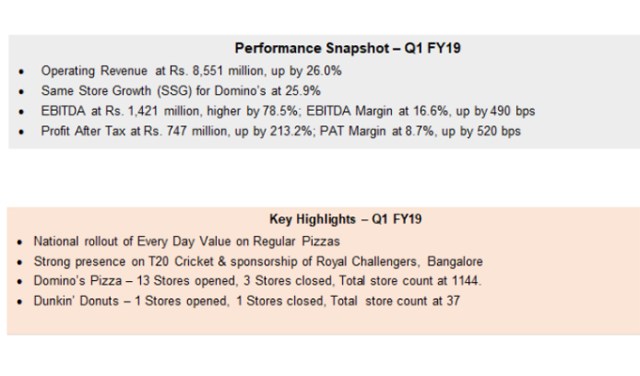
    Jubilant FoodWorks Limited reported its financial results for the quarter ended 30th June, 2018.

    Operating Revenues for Q1 FY19 stood strong at Rs 8,551 million, representing a growth of 26.0 percent over Q1 FY18, and a sequential growth of 9.6 percent over the preceding quarter. The growth was on the back of a strong Same Store Growth (SSG) of 25.9 percent in Domino’s Pizza.

    Overall profitability also improved, with EBITDA for Q1 FY19 coming in at Rs 1421 million at 16.6 percent of revenue, a growth of 78.5 percent over Q1 FY18. Profit after Tax in Q1 FY19 stood at Rs.747 million at 8.7 percent of revenue and a growth of 213.2 percent over Q1 FY18.

    The strong performance in Q1 FY19 was on account of a good response to the Every Day Value offer on regular pizzas launched in March 2018, and which was supported aggressively during the IPL T20 cricket season. In addition to this, the continued success of the all new Domino’s product upgrade launched last year also drove a strong growth in core pizza orders.

    In addition, Dunkin’ Donuts made sustained progress towards its goal of breaking even with a slew of innovations that drove sales growth and which was accompanied by disciplined cost management.

    Commenting on the performance for Q1 FY19, Shyam S. Bhartia, Chairman and Hari S. Bhartia, Co-Chairman, Jubilant FoodWorks Limited said,”We are pleased to start the year on a strong note with our robust performance in Q1 FY19. The strong growth in Domino’s came on the back of a superior product, Value for money delivery and growing digital contribution. This together with our focus on achieving break-even in Dunkin’ Donuts by the end of the financial year will continue to drive profitable growth for us.”

    Commenting on the performance for Q1 FY19, Pratik Pota, CEO and Whole time Director, Jubilant FoodWorks Limited said, “We delivered a strong quarter in both Domino’s and Dunkin’ Donuts. In Domino’s, the extension of EDV to Regular Pizzas received a very good response with an increase in both new customer acquisition as well as existing customer frequency. Dunkin’ Donuts too saw encouraging growth and made good progress towards profitability on the back of successful innovations and disciplined cost management.”

  • Fast food chain Jollibee to open 25 stores

    Fast food chain Jollibee to open 25 stores

    Philippine fast-food chain Jollibee plans to open 25 UAE stores by 2020.

    Describing the UAE as “a key market” in its regional development plans, Jollibee has already opened a 12th store in Al Ain Mall and is preparing two other mall locations in Abu Dhabi and Dubai. It has also updated its menu offerings to satisfy local palates, while still ensuring the menu appeals to the large population of Filipino OFWs in the area.

    Jollibee UAE CEO Hisham Al Gurg said, “The UAE is a key expansion market for the brand, ever since we launched our first outlet in Dubai Mall in 2015… the awareness of the brand in the UAE is increasing rapidly. The launch of the new restaurants is driven by strong demand from customers, thereby bringing the brand closer, not only to the larger Filipino community present in the country, but also to several other nationalities.”

    The company is currently developing a voice recognition service called Bee Talks to help customers place orders verbally via a Facebook app.

    Jollibee has operated as Golden Bee Restaurants in the UAE since 2015.

  • China’s Sandan Fresh to go offline

    China’s Sandan Fresh to go offline

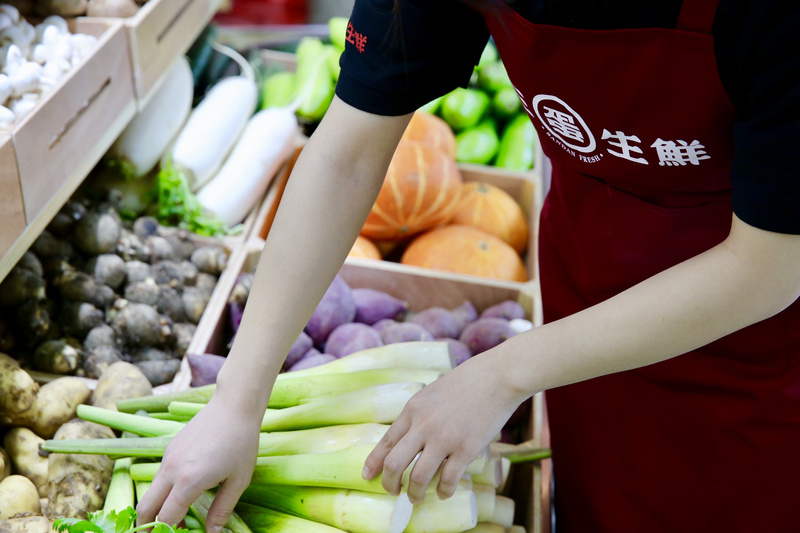
    Chinese online grocer Sandan Fresh has opened its first offline store in Shanghai.

    The Chinese company plans to open 30 more stores in the city over the next year as reported.

    The stores will be small in size, allowing a large number convenience-style stores to be established.

    The first store covers 100sqm, and currently has around 800 – 1000 items including fruit, vegetables, meat, eggs and soy products.

    Through a combination of ‘offline’ stores and ‘smart shelf’ machines, the company can provide customers with more of an integrated shopping solution, including delivery to stores, and home delivery for purchases made through the social media platform WeChat, a Sandan Fresh spokesperson said.

    In addition to its retail stores, Sandan will also install numerous self-service smart-shelf machines around the city for customers to place orders online and pick up their goods there.

    Each of the 30 planned stores are set to be accompanied by 10 smart-shelf machines.

    The company expects about half of its sales to come from in-store purchases and the other half from WeChat purchases for home deliveries.

  • Free fall for Ajisen Hong Kong

    Free fall for Ajisen Hong Kong

    Ajisen Hong Kong same-store sales plunged 10.8 per cent in the three months to June 30.

    Sales on the mainland slipped by a more modest 1.8 per cent.

    However, the company offered no explanation for the decline when it released basic operating data to the stock exchange yesterday.

    The Hong Kong-listed restaurant operator has been reporting difficult trading conditions for several successive quarters. In April, it reported a 4.3 per cent decline in Hong Kong same-store sales, however overall sales were marginally up for its first quarter.

    And in March, Ajisen announced it had ended the 2018 fiscal year with fewer restaurants, for the first time in recent years.

    Back then, the company said the market in China was over-supplied by restaurants with catering stores reaching 5.81 million last year, a decrease of about 3.4 per cent (210,000 outlets) on the previous year.

  • Ihop  opens third outlets in Thailand

    Ihop opens third outlets in Thailand

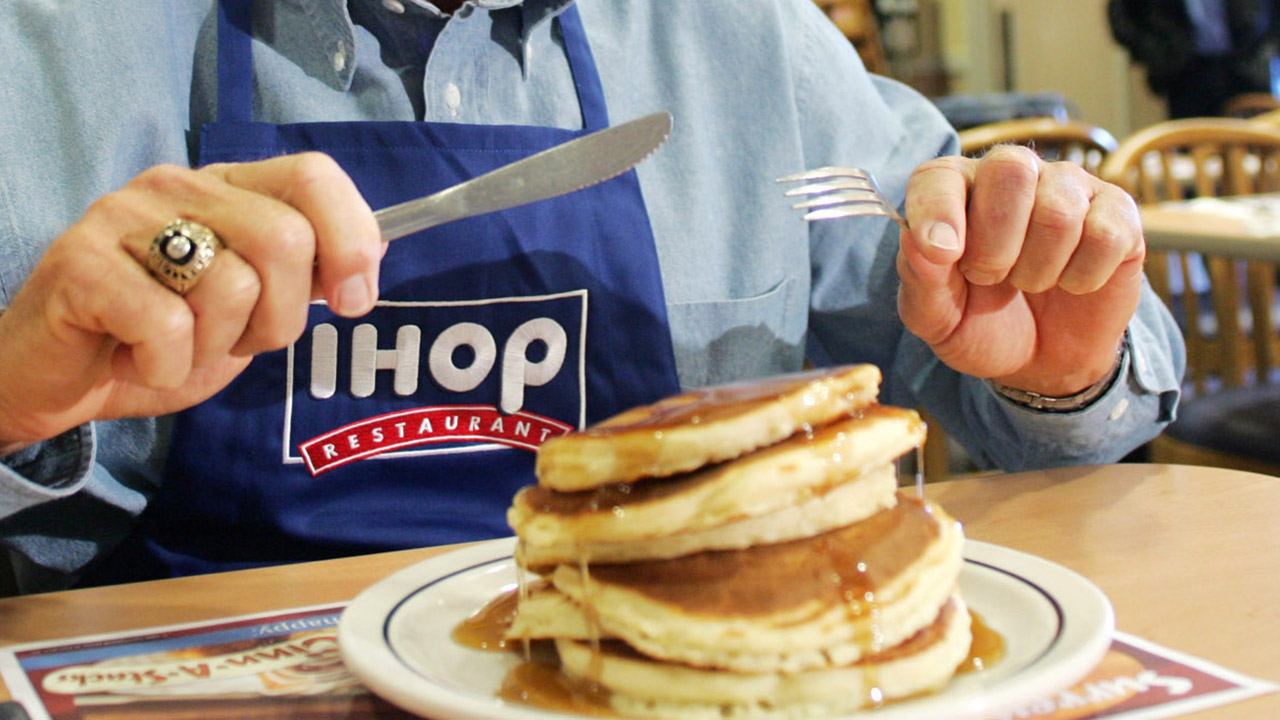
    American all-day breakfast restaurant chain Ihop Thailand has opened its third outlet, in the Mega Banga Mall.

    Located on the ground floor of the Foodwalk Zone, the new outlet spreads over 167sqm of interior space with an additional 92sqm of terrace, and can seat 88 guests.

    Guests will be able to enjoy Ihop’s buttermilk pancakes, waffles and omelets as well as burgers and beverages.

    Ihop was brought to Thailand last year by King of Pancakes, with the first outlet located in Bangkok’s Siam Paragon Mall.

    The chain expects to open 10th location by 2021.

  • Perfection in a Heineken pour

    Perfection in a Heineken pour

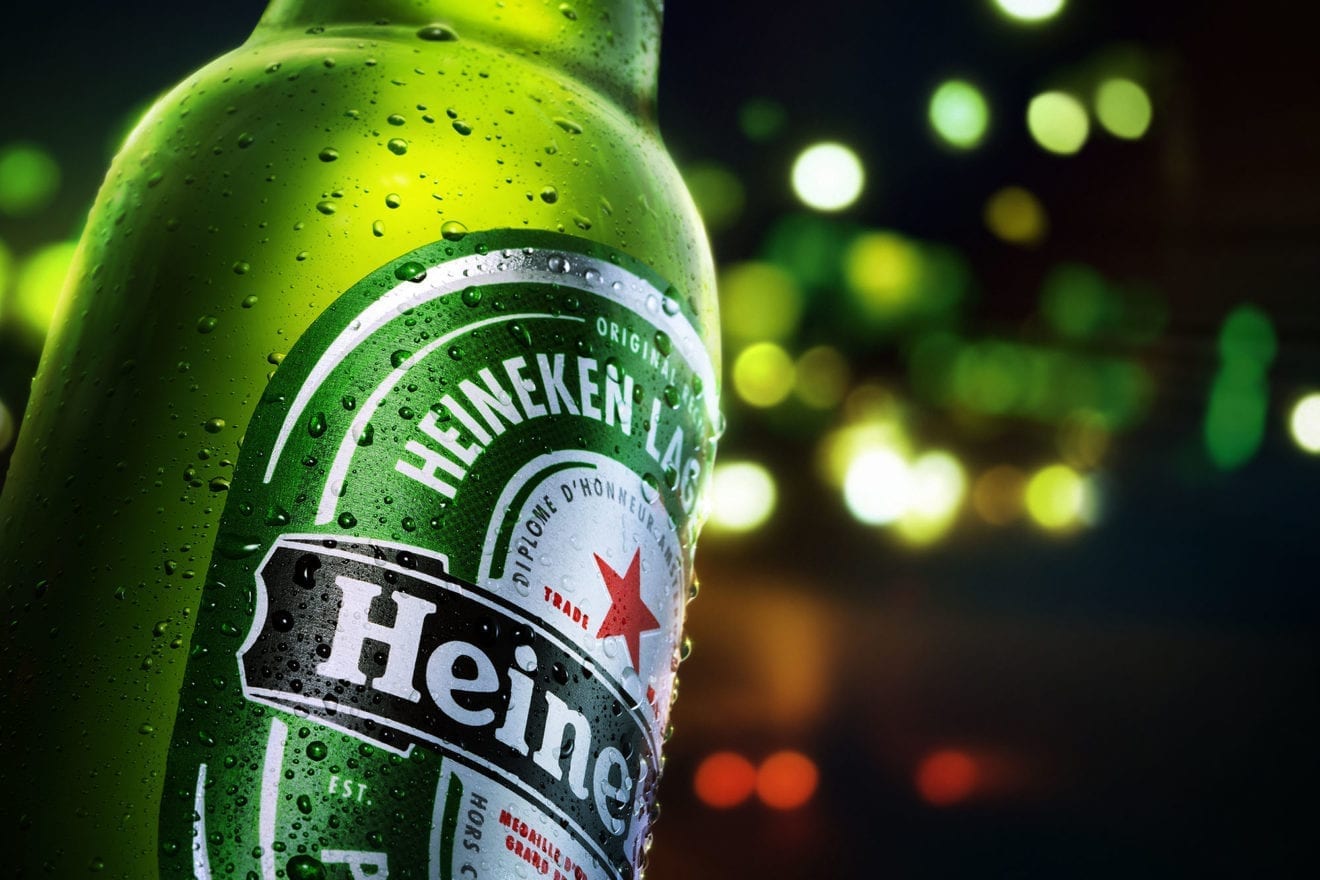
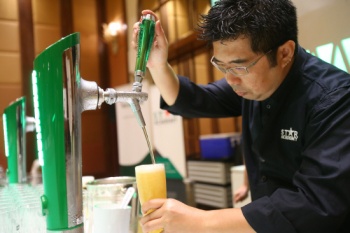
    HEINEKEN Malaysia’s Star Academy has kickstarted the latest edition of its programme to train bartenders to serve the perfect pour based on the five-step Heineken Pouring Ritual.

    The Heineken Star Serve, now in its fifth year, will see Star Academy trainers Jonathan Chong (pix) and Thomas Ling providing professional training to 600 participants across eight cities throughout this month.

    The participants will later be put through rigorous theoretical and practical assessments, not just on Heineken product history and knowledge, but also technical know-how, as well as other areas.

    The top performers will then enter a national finals competition where the winner will represent Malaysia at the Heineken Global Bartender Finals in Amsterdam, the Netherlands.

    In past global competitions, Malaysian finalists have made the country proud.

    Eddy Jay Jaimin was crowned champion in the 2016 Heineken Global Bartender Finals, while Jimmy Goh Teong Hock was the runner-up in 2013.

    The winner this year will be chosen based on his/her skill and knowledge in pouring the perfect pint of premium Heineken draught beer following the five-step Heineken Pouring Ritual of rinse, pour, skim, check and serve:

    Step 1: Rise the glass to make it clean and cold.

    Step 2: Pour with the glass at a 45° angle for a full, satisfying head.

    Step 3: Skim off the foam at a 45° angle to seal the head.

    Step 4: Check that the head sits on the horizontal line of the star.

    Step 5: Serve on a coaster with the logo facing the drinker.

    This golden standard includes ensuring a two-finger foam head to seal in the freshness and full-bodied flavour of the beer.

    But then again, less foam does not mean it’s a bad beer.

    Another key component to a perfect pour is the scientifically-designed glassware, which brings us to the next factor – beer bubbles.

    As one of the most vital constituents of a good pint of beer, the embossed base of the pint glass encourages the best carbonation, making for a long-lasting foam head, which ensures that every sip of beer is as good as its last.