Category: Food

Retail News Asia is committed to providing both local and global retailers with the latest Food and Food & Beverage news throughout the Asian market. This on a daily base.

  • Jollibee Malaysia opens new store

    Jollibee Malaysia opens new store

    Filipino fast-food chain Jollibee is returning to Malaysia, opening a store in Sabah.

    According to CEO Ernesto Tanmantiong, the Jollibee Malaysia move is part of the company’s aspirations to open 500 stores under a PHP12 billion (US$224 million) spending plan, including new destination markets such as the UK, Malaysia and Indonesia.

    Sabah is geographically closest to the Philippines and has a large Filipino community.

    Jollibee founder and chairman Tony Tan Caktiong said: “We expect revenues and profit to continue to at least sustain [Jollibee’s] historical growth rates this year and in the years ahead.”

    The original Jollibee Malaysia business closed down following the 1997 Asian financial crisis.

  • Vietnam’s ‘Coffee Queen’ to launch 1,000 King Coffee cafés

    Vietnam’s ‘Coffee Queen’ to launch 1,000 King Coffee cafés

    Le Hoang Diep Thao says they plan to open a thousand such establishments nationwide.

    The 1,200 square meter cafe in Gia Lai Province is divided into two areas, one for appreciating the art of coffee and another to enjoy the beverage.

    King Coffee is a brand launched by Thao’s Trung Nguyen International, the overseas branch of coffee giant Trung Nguyen.

    Thao said the cafés, which would cater to different tastes, would be the stepping stones for Trung Nguyen International to conquer the domestic market and reach foreign markets like the U.S., China and Singapore through franchising.

    Last month, the Trung Nguyen Group, co-founded by Thao and her husband Dang Le Nguyen Vu and currently headed by Vu, also launched a project to enhance its brand recognition, particularly its coffee houses.

    The Trung Nguyen Legend Cafe on Alexandre de Rhodes Street in Ho Chi Minh City has became the project’s pilot venture. Its area has been expanded two or threefold and it has 50 employees now. A library with over 16,000 books and a reading space has been added and its furniture designed in the style of the Nguyen Dynasty (1802-1945).

    If successful, the new model will be applied to all 80 Trung Nguyen cafés, and by the end of this year, the company plans to have 100 coffee houses across the country.

    Shortly after Vu and his wife’s marriage broke and divorce proceedings were launched, the husband disappeared from public view for several years.

    He resurfaced earlier this year in an unexpected appearance at a company event and said that he’d spent a lot of time meditating in the mountains, and had found answers to everything.

  • A startup challenging Starbucks in China is now worth $1 billion

    A startup challenging Starbucks in China is now worth $1 billion

    Starbucks’ second-largest market after the US is China, where it has over 3,300 stores and operates with virtually no serious competition.

    A Beijing-based startup could change that. Luckin Coffee has opened 525 outlets across China’s major cities less than nine months after its launch (link in Chinese). Today the fast-growing company confirmed it’s closed a $200 million funding round giving it a $1 billion valuation. Investors include Centurium Capital, a private equity fund founded by the former China head of Warburg Pincus, and GIC, Singapore’s sovereign wealth fund.

    In domestic Chinese media, Luckin has aggressively courted comparisons to the world’s best-known coffee chain. In May, it even wrote an open letter accusing Starbucks of “monopolistic behavior” (Starbucks called the move a “publicity stunt”). But Luckin isn’t a Starbucks copycat—rather, it meshes trends in China’s tech industry with the coffee-shop model mastered by its rival.

    First, Luckin Coffee revolves around the smartphone. When customers walk into one of its blue-and-white shops, they’re immediately asked to download the Luckin app to order coffee (assuming they haven’t done so already). They can pay using WeChat payments or Luckin’s own “coffee wallet”—but not cash. This fits into China’s so-called “new retail” trend, in which tech giants like Alibaba and Tencent partner with supermarkets and convenience stores on mobile payments, analytics, and inventory management.

    Luckin has also aggressively promoted its delivery services—of its 525 outlets, 231 are kitchens dedicated exclusively to filling orders placed in offices, homes, or elsewhere. This mimics China’s boom in e-commerce and food delivery, which has thrived on the back of low-wage couriers.

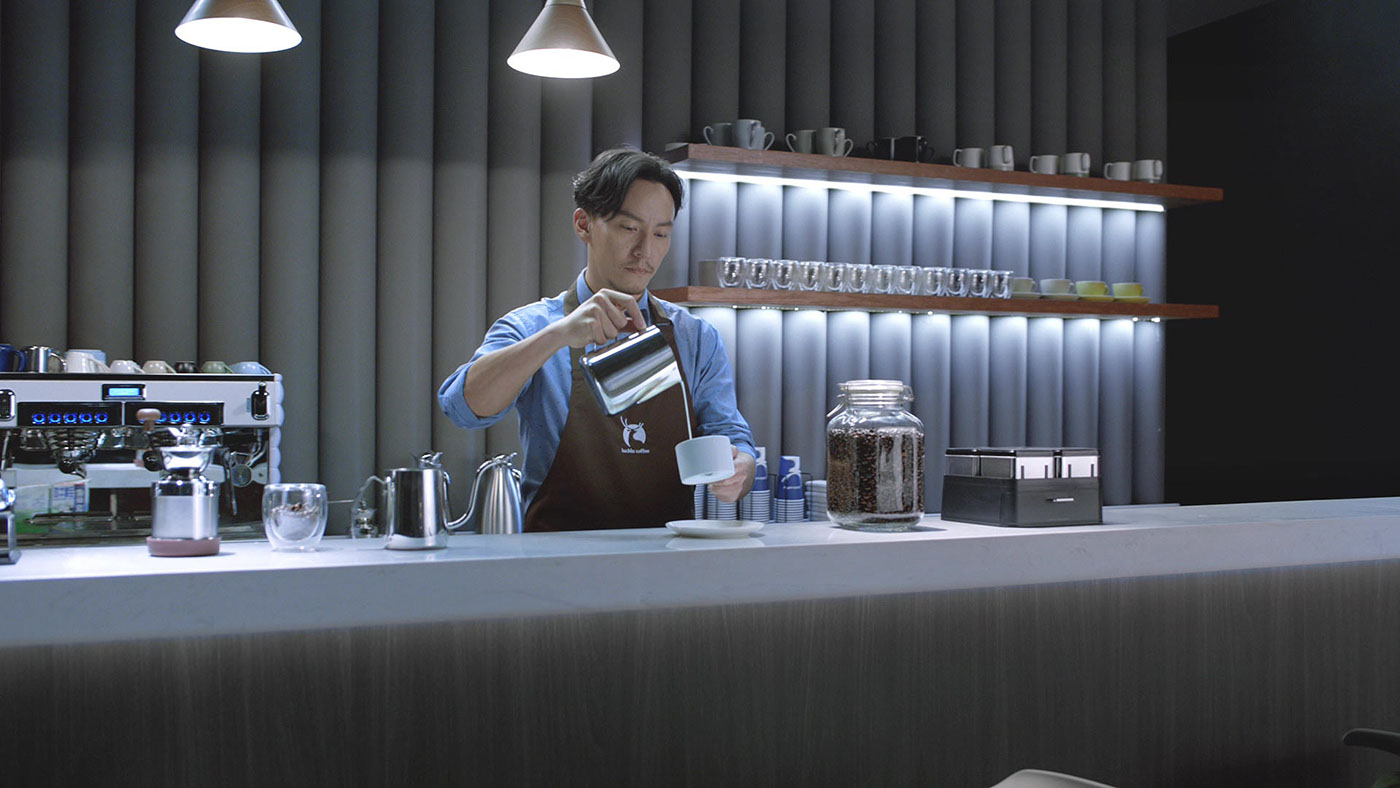
    When it comes to marketing, Luckin has more in common with a Chinese gadget company than with its Seattle-based coffee rival. Whereas Starbucks typically shuns traditional advertisements, Luckin has plastered China’s cities with billboards featuring popular actors Chang Chen and Tang Wei holding blue-and-white coffee cups. Chinese smartphone makers Oppo, Vivo, and Xiaomi employ similar tactics, using celebrities to pose with products.

    Finally, Luckin’s beverages are relatively cheap. In Beijing, a large Americano costs 21 yuan ($3.15), a matcha latte 21 yuan, and a Hawaiian pineapple wrap 9 yuan. That’s roughly 20%-30% lower than comparable items from Starbucks in China (which is more expensivethan Starbucks in the US).

    Despite the company’s early emphasis on delivery, it insists that bricks-and-mortar retail is the future—a spokesperson said that the company expects delivery kitchens will make up just 15% of its locations in the future.

    But with such low prices and rising expansion costs, can the company justify its valuation and take on the world’s coffee retail giant?

    Jeff Towson, who teaches investment at Peking University in Beijing, says that Luckin Coffee is “easily worth $1 billion if it can execute on the business—but that’s a big if.” A large part of Starbucks’ success globally has to do with real estate—many of its stores are placed in expensive, high-traffic locations that rivals can’t afford. Most Luckin outlets are not in such spots, Towson notes. The company uses the app to draw people to less-bustling locations that are cheaper to rent. “It may be that that real estate power can be overcome if you’ve got a really sticky hold on people’s smartphones,” he adds.

  • Tim Hortons plans 1500-store China expansion

    Tim Hortons plans 1500-store China expansion

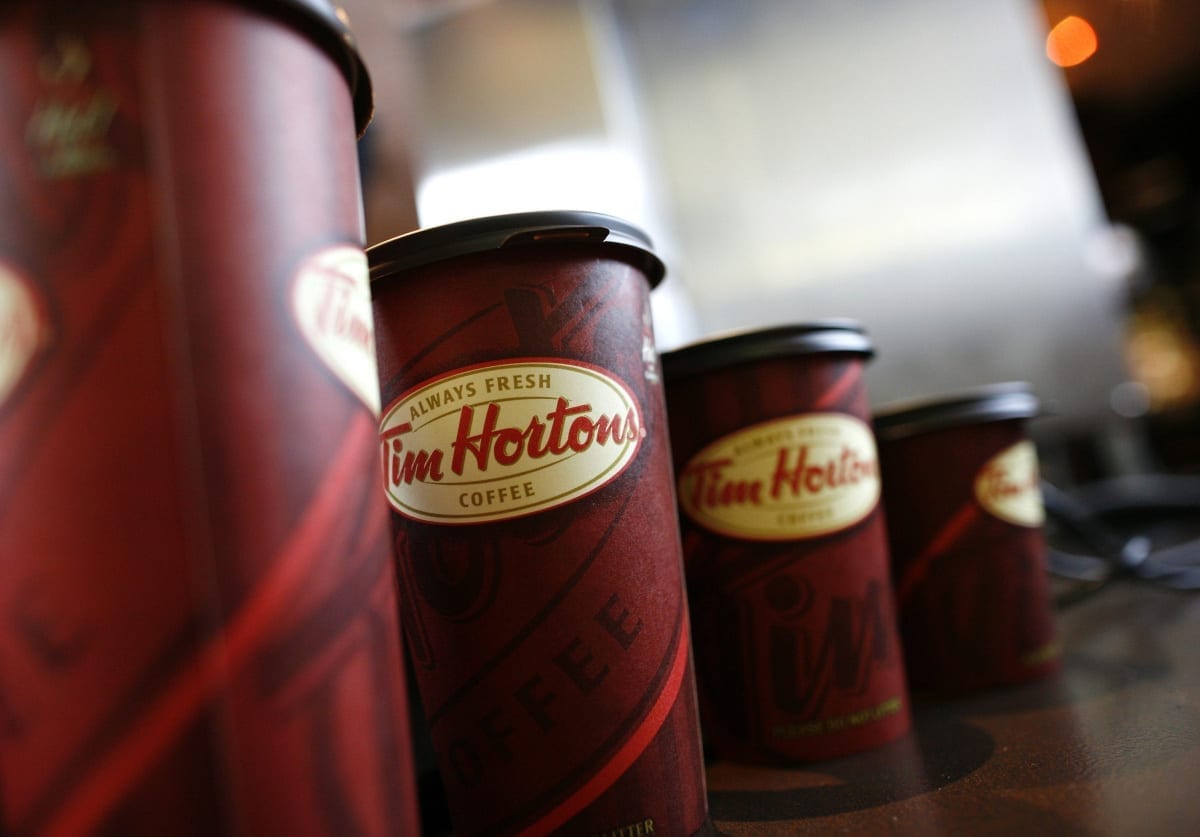
    Tim Hortons plans to open more than 1,500 of its coffee-and-doughnut shops in China over the next decade.

    The expansion seeks to capitalize on the country’s burgeoning coffee culture and is the latest international location for the coffee chain aiming to become a global brand.

    “China’s population and vibrant economy represent an excellent growth opportunity for Tim Hortons in the coming years,” the brand’s president, Alex Macedo, said in a statement.

    The chain signed a master franchise joint venture agreement with private equity firm Cartesian Capital Group for it to develop and open the restaurants. Financial terms were not immediately available.

    In 2012, Cartesian Capital partnered with Tim Hortons parent company Restaurant Brands International, which also owns Burger King and the Popeyes brand, and the Kurdoglu family to develop the burger chain in China. There are now more an 900 Burger King restaurants in China.

    City dwellers, especially young people and white-collar employees, in China increasingly drink coffee and have helped the café industry see strong growth, according to market-research firms.

    The turn to caffeine partly comes from lifestyle changes, people earning more money and more people living in cities, according to the firms.

    Consumers choosing coffee have helped fuel coffee chains’ expansion into China.

    Starbucks had 3,300 stores in 141 cities in China as of May and plans to total 5,000 by 2021.

    China is its fastest growing market and it opens a new store in the country every 15 hours.

    Whitbread, which operates Costa Coffee, has 449 of the coffee chain’s shops in China and plans to have 1,200 by 2022, according to its most recent annual report.

    While Tim Hortons is confident it can appeal to the Chinese, it’s latest international expansion plans haven’t convinced everyone.

    BMO Capital Markets analyst Peter Sklar said the expansion presents a growth opportunity for the company.

    “However, we believe there is significant uncertainty about whether the international rollout of the Tim Horton’s brand will ultimately be successful,” he wrote in a report.

    Tim Hortons has previously announced plans to expand to Spain, Mexico, Britain and the Philippines.

    “We remain concerned about its potential for success given RBI’s challenged expansion into the U.S. in the past,” Sklar wrote.

    The coffee chain is not as well known outside Canada than RBI’s fast-food brand Burger King, he said, adding to the uncertainty.

    Tim Hortons has more than 4,700 restaurants in Canada, the United States and around the world.

  • Indonesia Tests Rice Farming ‘Digitalization’ Program to Boost Output

    Indonesia Tests Rice Farming ‘Digitalization’ Program to Boost Output

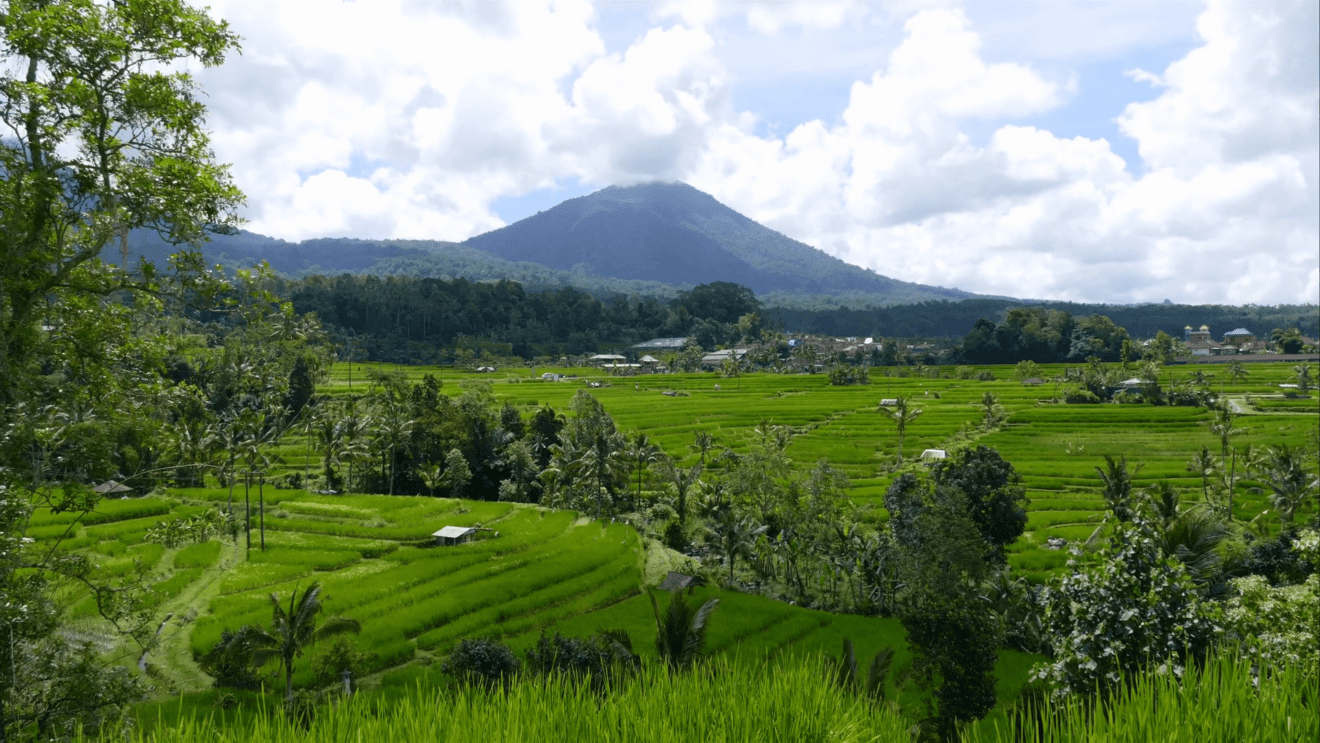
    The Indonesian government has launched a farming “digitization” project in West Java province, which may increase rice output by at least 20 percent, officials said on Monday (09/07).

    The project is currently being tested with thousands of farmers in nine rice-producing regencies as President Joko “Jokowi” Widodo’s administration seeks to boost domestic food production. A regency is a governmental administration region below a province.

    “The goal is to transform farming, which is still quite traditional, to be more modern and to teach farmers to be agro-entrepreneurs,” Wahyu Kuncoro, a deputy minister at the Ministry of State Enterprises said.

    Indonesia’s rice output growth has been slowing in recent years and yields have declined to 5.15 tons of unmilled rice per hectare in 2017, from 5.34 tons per hectare in 2015.

    This year, the government issued import permits for 1 million tons of rice to help control rice prices, the country’s main food staple.

    State-controlled telecommunications firm Telekomunikasi Indonesia, or Telkom, has developed a digital platform which collects farmer and farm land data which will be used to speed up the process of distribution of subsidized loans for farmers and for applications for farm insurance. Digitalization refers to using digital technologies to change the way a business functions.

    The platform will be further developed to include a marketplace application where farmers can order fertilizer and pesticides online, as well as sell their products, said David Bangun, a director at Telkom.

    The Ministry of State Enterprises has also set up offices in the nine regencies to train farmers in modern farming methods, as well as to facilitate the direct distribution of farming supplies and sales to state food procurement agency, Bulog.

    When enough data has been collected, the digital platform can also help to predict future output, David added.

    “If this model is proven beneficial for the farmers, we will apply this to other rice production centers across the country,” Kuncoro said, adding that the project may also be applicable to the cultivation of other commodities.

  • Burger King Thailand sees space for expansion in the forecourt segment

    Burger King Thailand sees space for expansion in the forecourt segment

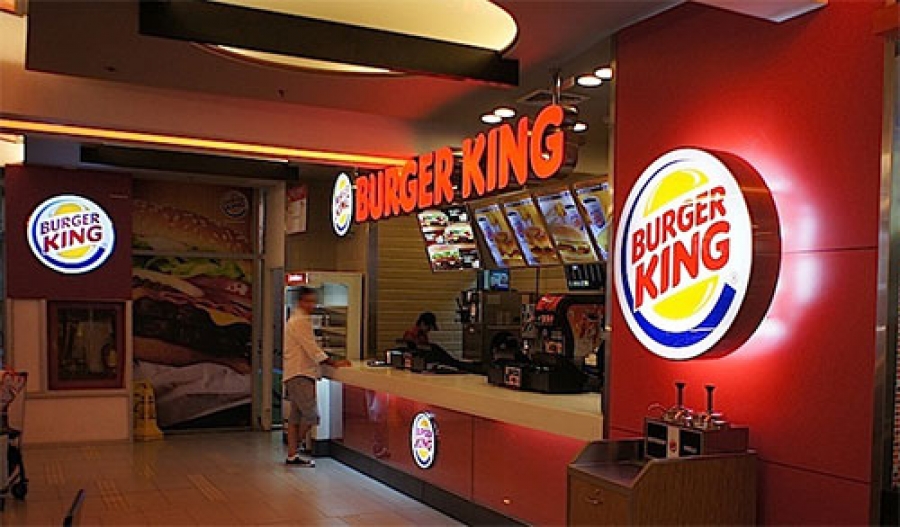
    Burger King Thailand is set to open around 15 stores per year over the next three years with gas stations a major focus.

    Of the 16 stores to be opened in the second half of 2018, ten locations with be drive-thrus at gas stations, with the company identifying this segment as a bigger spending market for customers in Thailand.

    “Customers at petrol stations spend one-and-a-half-times more than at original stores because we can stay open from breakfast until late at night, and not only at lunch and dinner time as is the case with retail complexes,” explained General manager Prapat Siangjan, according to Pulse News.

    The company plans to spend 375 million baht ($11.3mn) on new store openings this year.

    With 15 new more stores expected to open in 2019 and 2020, Burger King will expand its Thai network to 131 over the next three years.

  • Starbucks to stop using disposable plastic straws

    Starbucks to stop using disposable plastic straws

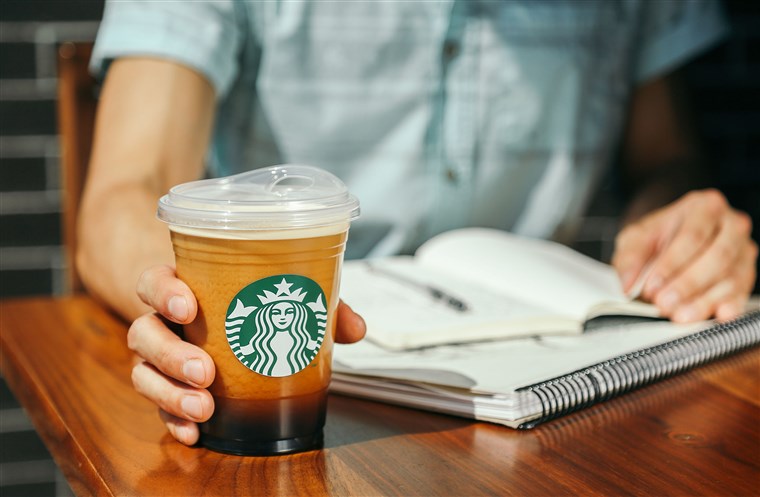
    Starbucks has announced plans to eliminate plastic straws globally by 2020.

    According to a statement released by the brand, Starbucks’ focus on adapting to consumer trends has led it to take notice of the “tremendous momentum” of the global movement to eliminate plastic straws.

    “Going strawless is the right thing to do for our environment, our partners and our business,” the statement read.

    The brand plans to introduce strawless lids and alternative-material straws in its 28,000+ stores around the world. The lids are already available in more than 8000 stores throughout North America for certain menu items. Straws made from alternative materials will soon be available on request for its Frappuccino beverages.

    Starbucks is the largest food and beverage retailer to make such a commitment, which will eliminate more than 1 billion plastic straws per year from Starbucks stores.

  • Hai Di Lao will open first London store

    Hai Di Lao will open first London store

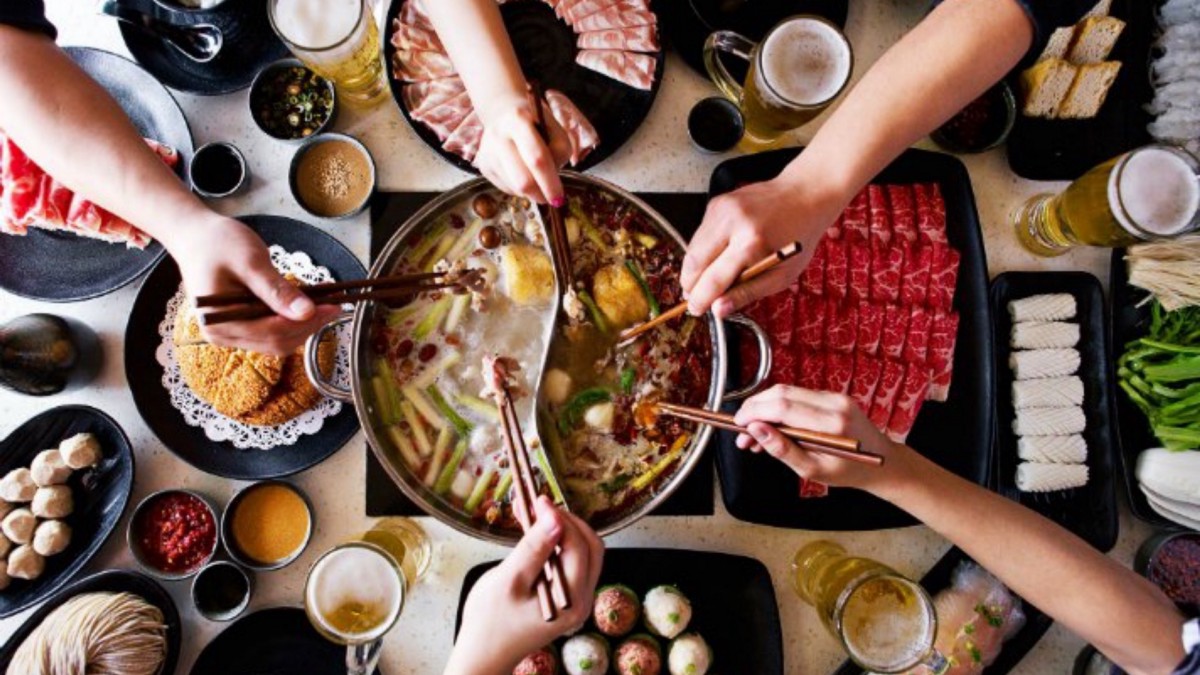
    Chinese hot pot chain Hai Di Lao will open its first UK restaurant at the Trocadero in Piccadilly Circus, London.

    In a deal facilitated by real estate firm Savills, the brand has signed a 15-year lease of an almost 10,000sqft site. It is the chain’s first venue in Europe and follows the opening of its New York restaurant in Times Square.

    Savills’ leisure team associate director Richard Thomas said “Hai Di Lao is a globally recognised brand with fans of the concept worldwide… the chain already has its sights set on expansion both in the UK and across Europe and we are very pleased to have secured this prime spot for its flagship restaurant.”

    To date, Hai Di Lao has opened 310 locations around the world.

  • Jollibee makes debut in Macau

    Jollibee makes debut in Macau

    The popular Filipino fast food franchise Jollibee has opened its first restaurant in Macau.

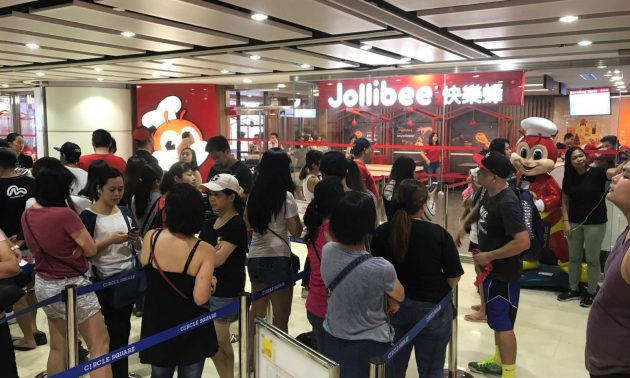
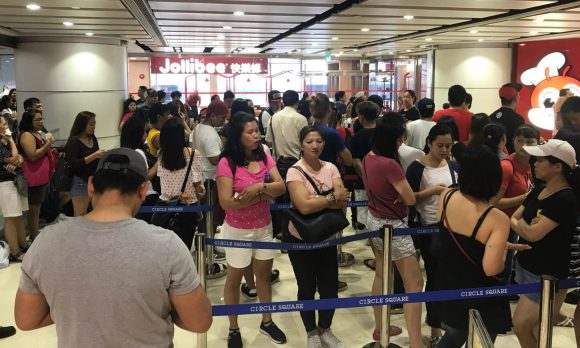
    Long queues are seen from as early as 7am outside the Jollibee Macau store, with many of those in line being Filipino nationals. A large Jollibee mascot entertained diners as they waited to be served.

    Macau has a strong population of Filipinos working in the casino and f&b sectors.

    The company opened its first restaurant in Milan earlier this year, and also added a venue in Canada where the brand has plans to open 100 stores within five years. Further expansions into the UK, Malaysia, and Indonesia are also in the works.

    Jollibee currently operates in several countries in Southeast Asia and the Middle East, as well as Hong Kong and the US.

  • Vietnam can import beef from Brazil again, says Deputy PM

    Vietnam can import beef from Brazil again, says Deputy PM

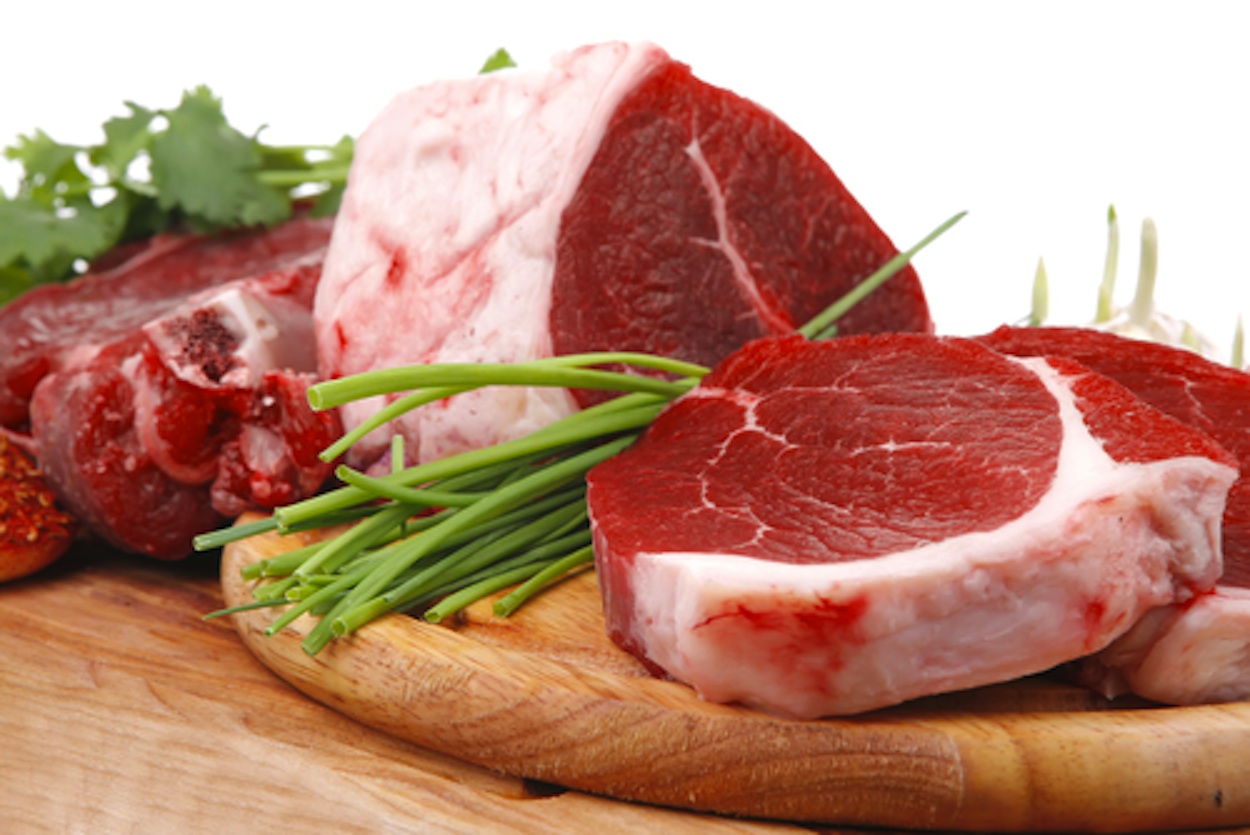
    Vietnam will consider importing beef from Brazil again if food safety conditions are ensured, Deputy Prime Minister Vuong Dinh Hue has said.

    At the recent Vietnam-Brazil Trade and Investment Forum attended by around 100 enterprises in Sao Paulo, Brazil, he also said Vietnam could become the top importer of corn and soybeans.

    A quality control scandal in Brazil early last year led to 20 countries, including Vietnam, suspending the import of Brazilian meat. Many countries have since resumed imports after receiving explanations and commitments from the Brazilian government.

    It was said the forum that Brazil will also increase import of coffee, catfish and shrimp from Vietnam.

    Hue noted that in 10 years of trading and investment relations, import-export turnover of Vietnam and Brazil has reached $4 billion, most of it from agricultural products.

    Vietnam’s imports from Brazil in 2017 reached $1.8 billion, according to the General Statistics Office of Vietnam.

  • Soft drink firms make big money, pay small taxes in Vietnam

    Soft drink firms make big money, pay small taxes in Vietnam

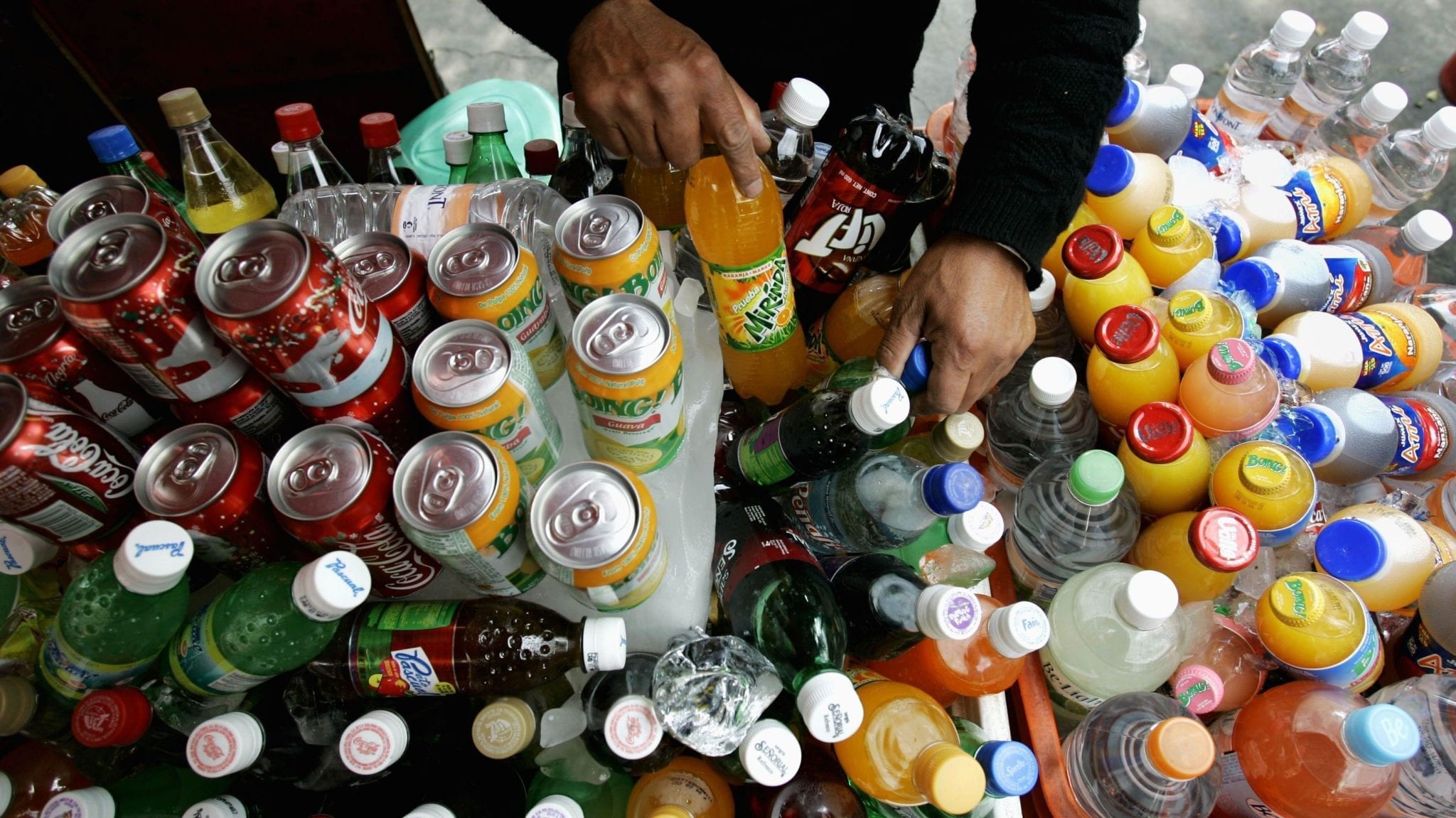
    Business has been sweet for the four major companies that dominate Vietnam’s soft drinks market, but they pay a relative pittance in taxes.

    The big 4 in Vietnam’s sweetened beverage market are: Coca-cola Vietnam, an arm of American Coca-cola, Suntory Pepsico, a fully foreign owned joint venture between U.S. PepsiCo Inc. and Japan’s Suntory Holdings Limited, URC Vietnam based in the Philippines, and Vietnamese firm Tan Hiep Phat.

    High consumption in Vietnam has boosted revenues for these firms, Suntory Pepsico leading the way.

    Truong Tuyet Mai, deputy director of the National Institute of Nutrition, said in June that Vietnamese people are forecast to consume over 5 billion liters of sweetened drinks in 2018, nine times more than in 2000, and the figure is estimated to reach 11 billion by 2025.

    According to Vietnam Association of Liquor, Beer and Beverages, a Vietnamese person currently consume more than 23 liters of soft drinks per year and the figure will keep rising in the future.

    To date, Vietnam has not imposed a special consumption tax on sweetened drinks, collecting just corporate income tax. The tax paid by firms making the sweetened drinks has, therefore, been quite modest, compared to their revenues.

    Economist Vu Dinh Anh said on Friday that “there might be two reasons for the low income of these companies: one is transfer pricing and the other is the high expenditure on advertisement.”

    As for advertisement, it is easy to understand that those companies have to spend a big sum each year on all media channels for their products, Anh said.

    Vietnam used to put a cap on the spending for advertisement but that policy is no longer applied, said Anh.

    Those two reasons might result in the low income and lead to the low corporate income tax payment, he added.

    The Ministry of Finance has proposed a 10 percent special consumption tax on different type of beverages, including sweetened drinks.

    If passed, the proposal will go into effect in 2019.

  • Liang Sandwich Bar chain opens at VivoCity

    Liang Sandwich Bar chain opens at VivoCity

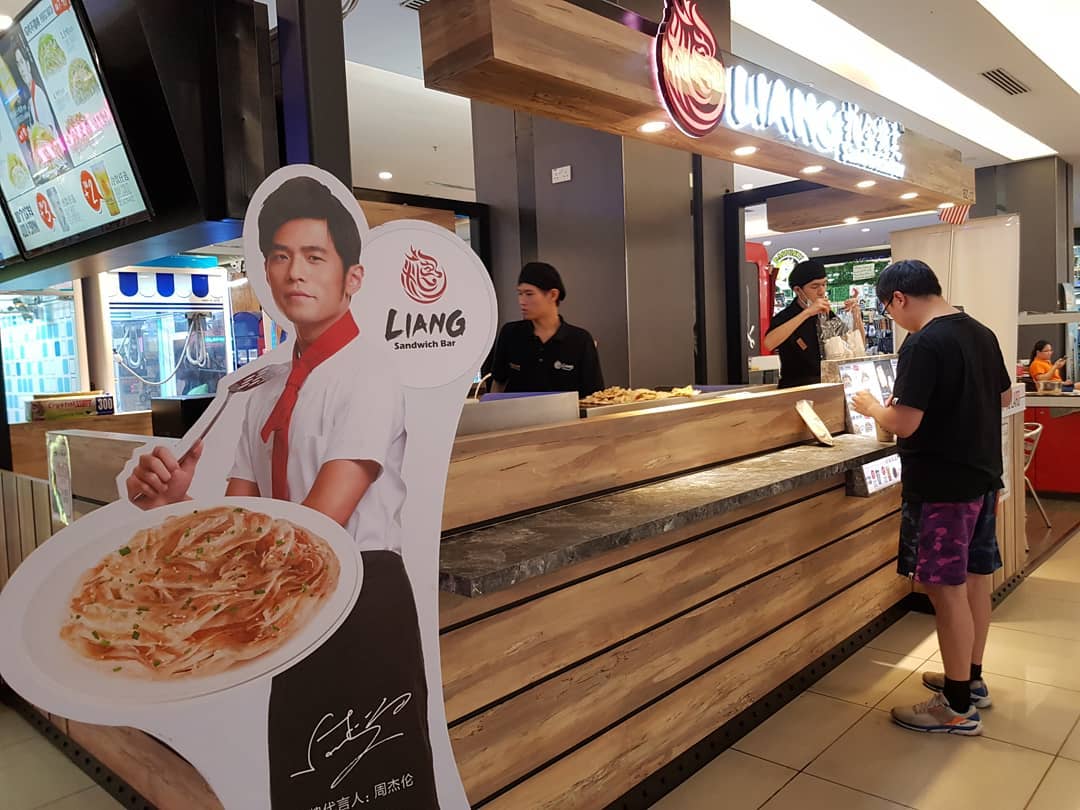
    New “Asian-style sandwich” chain Liang Sandwich Bar launched in Singapore on Saturday, with an outlet in VivoCity mall’s B2 level.

    A second store is scheduled to open in Raffles City next month.

    Besides the two Singapore stores, Liang Sandwich Bar expects to have built its network in Malaysia to 18 stores by the end of August as it plots an aggressive expansion strategy. It launched there last December.

    The Chinese fast-food brand uses various popular sandwich fillings with Taiwanese-style scallion pancakes in place of bread. One hundred free sandwiches were given out over the course of the weekend as a promotion for the new VivoCity store.

    The Taiwanese brand has more than 12,000 outlets worldwide throughout Asia and North America. It is endorsed by a highly prominent figure in Chinese entertainment, Mandopop rap artist Jay Chou.

  • Starbucks debuts nitro cold brew in India

    Starbucks debuts nitro cold brew in India

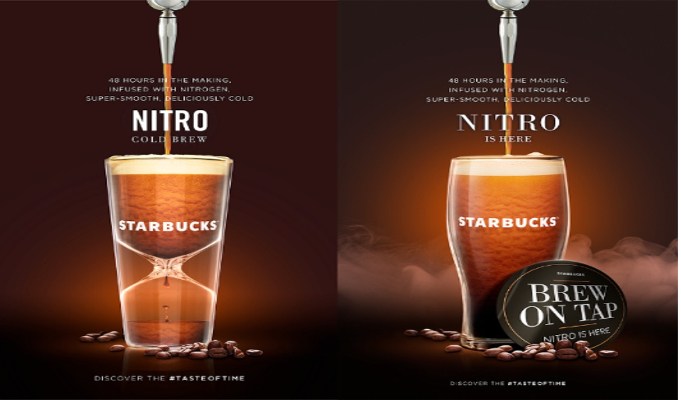
    Starbucks has introduced a new generation of coffee in India with Nitro Cold Brew on tap. Using the highest quality coffee beans, the Nitro Cold Brew unfolds an irresistible coffee experience where time meets texture. With each cup 48 hours in the making, the Nitro Cold Brew is a super-smooth, naturally sweet coffee that cascades from the tap with a velvety, creamy texture which customers can see and taste.

    Nitro Cold Brew marks Starbucks next chapter of coffee innovation offering customers an elevated coffee experience through its newest take on its signature Cold Brew. In today’s fast‐paced world where everything is instant and on‐demand, Starbucks Nitro Cold Brew allows customers to enjoy small-batch, slow-steeped coffee like they’ve never tasted it before. After handcrafting the Cold Brew recipe, baristas perfect the pour by pulling the tap and allowing the Cold Brew coffee to mix with nitrogen to deliver an entirely new cold coffee experience. Nitro Cold Brew is cold right out of the tap and served unsweetened without ice.

    Starbucks also offers the refreshing Vanilla Sweet Cream Cold Brew. Made with Starbucks® Cold Brew over ice and topped with a house-made vanilla sweet cream, the sweet cream floats on top of the beverage before slowly cascading down for an eye‐catching effect.

    “At Starbucks, innovation is always brewing. We take great pride in partnering with customers in their journey of coffee exploration. We are pleased to introduce Starbucks® Nitro Cold Brew in India, taking our Cold Brew craft to a whole new level,” said Veetika Deoras, Head – Marketing, Category and Digital at Tata Starbucks Pvt. Ltd. “It is a sensorial coffee drinking experience, and one that has the potential to redefine the language of coffee in India.”

    Starbucks Cold Brew is available across all Starbucks stores in India. Starbucks Nitro Cold Brew is currently exclusively available in 5 stores across India: Mumbai, Kamala Mills | Bangalore, Jaya Nagar | Delhi, Green Park | Noida, DLF Mall of India | Kolkata, Park Mansions.

  • Vietnam H1 seafood exports up 12.3 pct

    Vietnam H1 seafood exports up 12.3 pct

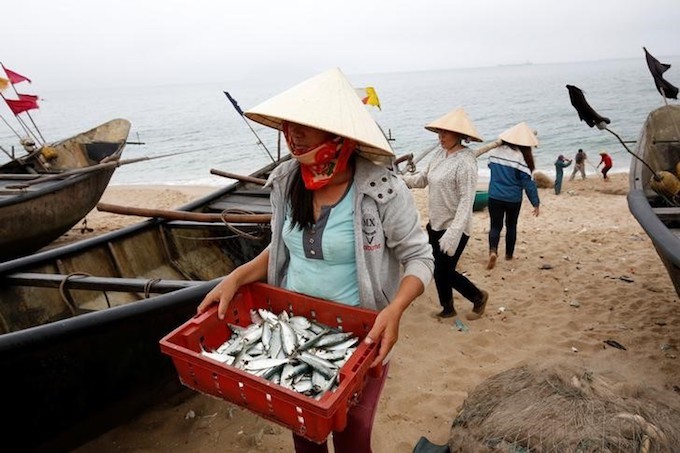
    Seafood export value rose 12.3 percent year-on-year in the first half of 2018 to reach $4 billion, according to the Vietnam Association of Seafood Exporters and Producers (VASEP).

    Shrimp led the export earnings with $1.6 billion, followed by catfish and tuna. Catfish export value experienced the most significant increase by reaching $1 billion, a 21 percent increase over the same period last year.

    Except for the European Union (EU), catfish exports to other markets saw positive growth, especially China and the United States. VASEP expects catfish exports increase dramatically throughout the year.

    The U.S. remained the biggest importer of Vietnamese seafood at $620 million in the first six months, followed by Japan and China. Mexico was the fastest growing market with $50 million, an increase of nearly 77 percent over the same period last year.

    Previously, the EU “yellow card”, a warning to Vietnam seafood about export bans if it failed to tackle illegal fishing, had disrupted tuna and other seafood exports in the first 3-4 months of the year, causing total exports to the European market to slow down. However, exports to this market are forecast to rebound in the second half of the year.

    Vietnam ranks among the top ten seafood producers in the world, according to the FAO, the U.N. food and agriculture organisation.

    Vietnam exported $8.32 billion worth of seafood last year, an 18 percent growth over 2016, said the VASEP.

  • Starbucks to increase number of cashless stores in Korea

    Starbucks to increase number of cashless stores in Korea

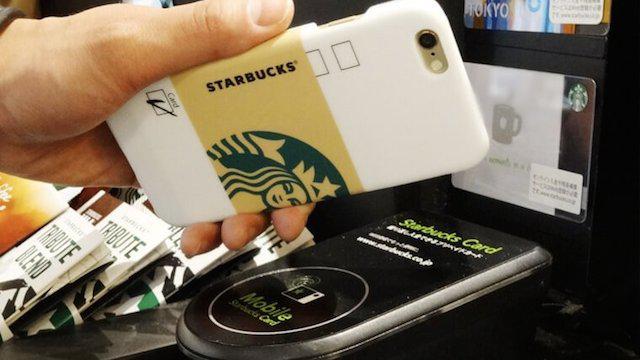
    Starbucks Coffee Korea Co. said Monday it will increase the number of cashless stores to over 100 across South Korea this month amid rising use of credit cards and mobile payment systems in the tech-savvy country.

    Earlier in April, the coffee giant began a test run of three cashless stores in major office districts in and around Seoul.

    The proportion of cash transactions at these stores has since dropped from 3 percent to 0.2 percent, according to the joint venture between Starbucks Coffee International Inc. and South Korean retail giant Shinsegae.

    The company will turn 100 more outlets into cashless stores from July 16 in addition to the three under the trial system.

    Starbucks said the decision is part of its broader digital innovation drive as cash payment has been constantly declining at stores in South Korea, from 31 percent of the total in 2010 to 15 percent in 2013 and 7 percent last year.

    “South Korea has a high utilization rate of credit cards and mobile payments. That coupled with the country’s well-established digital infrastructure enabled our latest expansion decision,” Starbucks Korea CEO Lee Seock-koo said in a statement.

    The total daily average amount of electronic financial transactions came to a record 581.53 billion won (US$521.6 million) in the first quarter of this year, up 13.2 percent from a quarter earlier, according to government data.