Category: Food

Retail News Asia is committed to providing both local and global retailers with the latest Food and Food & Beverage news throughout the Asian market. This on a daily base.

  • US to import Vietnamese mangoes

    US to import Vietnamese mangoes

    The United States is completing procedures to approve import of Vietnamese mangoes, U.S. Secretary of Agriculture Stephen Censky said at a meeting in Washington D.C. on Tueday.

    The U.S. will also start importing star apples form Vietnam soon, Censky told Vietnamese Deputy Minister Vuong Dinh Hue, who is on an official visit to the U.S.

    Censky proposed that Vietnam considers importing fruits like blueberry and several citrus varieties from the U.S.

    At the meeting, Hue said that the U.S., as one of Vietnam’s top trade partners, should increase its agriculture cooperation with Vietnam towards supporting low emission production models.

    He also suggested that the U.S. considers importing grapefruit and other fruits from Vietnam.

    Vietnam’s exports to the U.S. last year reached $41.61 billion, an increase of 8.2 percent in over 2016. Fruit exports of $102 million accounted for just 0.2 percent of total export to the U.S., according to Vietnam Customs.

    The U.S. was Vietnam’s third largest trade partner last year, behind Korea in second place and China at the top.

  • BreadTalk sets expansion plan for China, Indonesia

    BreadTalk sets expansion plan for China, Indonesia

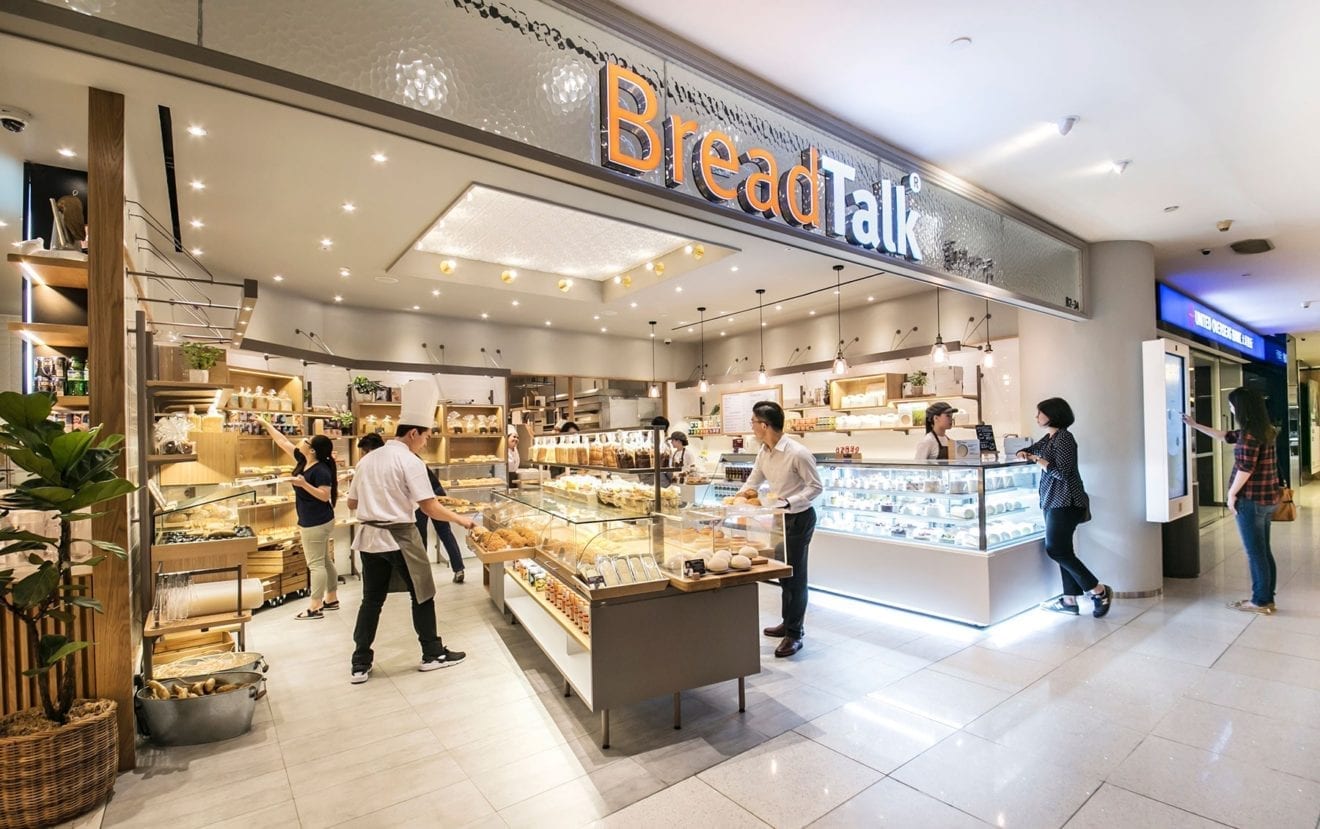
    BreadTalk Group is expanding through new joint ventures in China and Indonesia.

    Using a wholly owned subsidiary, Shanghai BreadTalk Gourmet, the Singapore-listed food chain operator has formed a joint venture with Ge Ying to operate BreadTalk bakeries in Chongqing, China.

    “This strategic partnership combines BreadTalk Group’s wealth of experience in managing and developing franchisee relationships with Ge Ying’s strong understanding of Chinese consumers’ preferences,” BreadTalk Group said in a statement.

    Ge Ying has been managing the BreadTalk brand of bakeries in Tibet for the last six years. “With proven track records, the group is confident of his team’s capabilities to lead the growth plans for Chongqing, China.”

    BreadTalk Group will hold a 30 per cent stake in the joint venture, which will potentially expand across southwestern China.

    Tan Aik Peng, BreadTalk Group’s bakery division CEO said adopting a joint venture approach rather than a franchising agreement was in line with the group’s long-term direction of increasing directly owned outlets in Mainland China.

    “Our strong product development and innovative brand promotion, coupled with Mr Ge Ying and his team’s proven track record in BreadTalk operational management and strong local knowledge will create a win-win situation for us in Chongqing. Looking ahead, it will serve as a good foundation for us to build a strong southwestern China base in Chongqing, enabling us the opportunity to penetrate further into other southwestern markets like Yunnan and Guiyang provinces.

    “We are fully committed to the Chinese bakery market in which we have full confidence to meet the discerning tastes of the Chinese consumers,” concluded Peng.

    Toast Box expands into Indonesia

    Meanwhile, through its BreadTalk International subsidiary, the company has formed another joint venture in Indonesia.

    It has a 70 per cent stake in BTG – Pura Indah Berkat Venture, with partner Pura Indah Berkat, which operates the Toast Box brand and chain of outlets in Indonesia.

    The first Toast Box outlet is scheduled to open this year in central Jakarta. Currently, PIB manages a Toast Box outlet at Soekarno-Hatta International Airport Terminal 3.

    In a statement announcing the venture, Peng described Indonesia as “a strategic and important market for the company” and that the Toast Box format is “highly relevant” to Indonesian consumers.

    “We are confident that with our insights and experience from operating Toast Box in Singapore and other regions, our consumers will be able to enjoy our quality Nanyang coffee, toast products and local delicacies in Indonesia,” said Tan.

  • Texas Chicken Malaysia to open new stores

    Texas Chicken Malaysia to open new stores

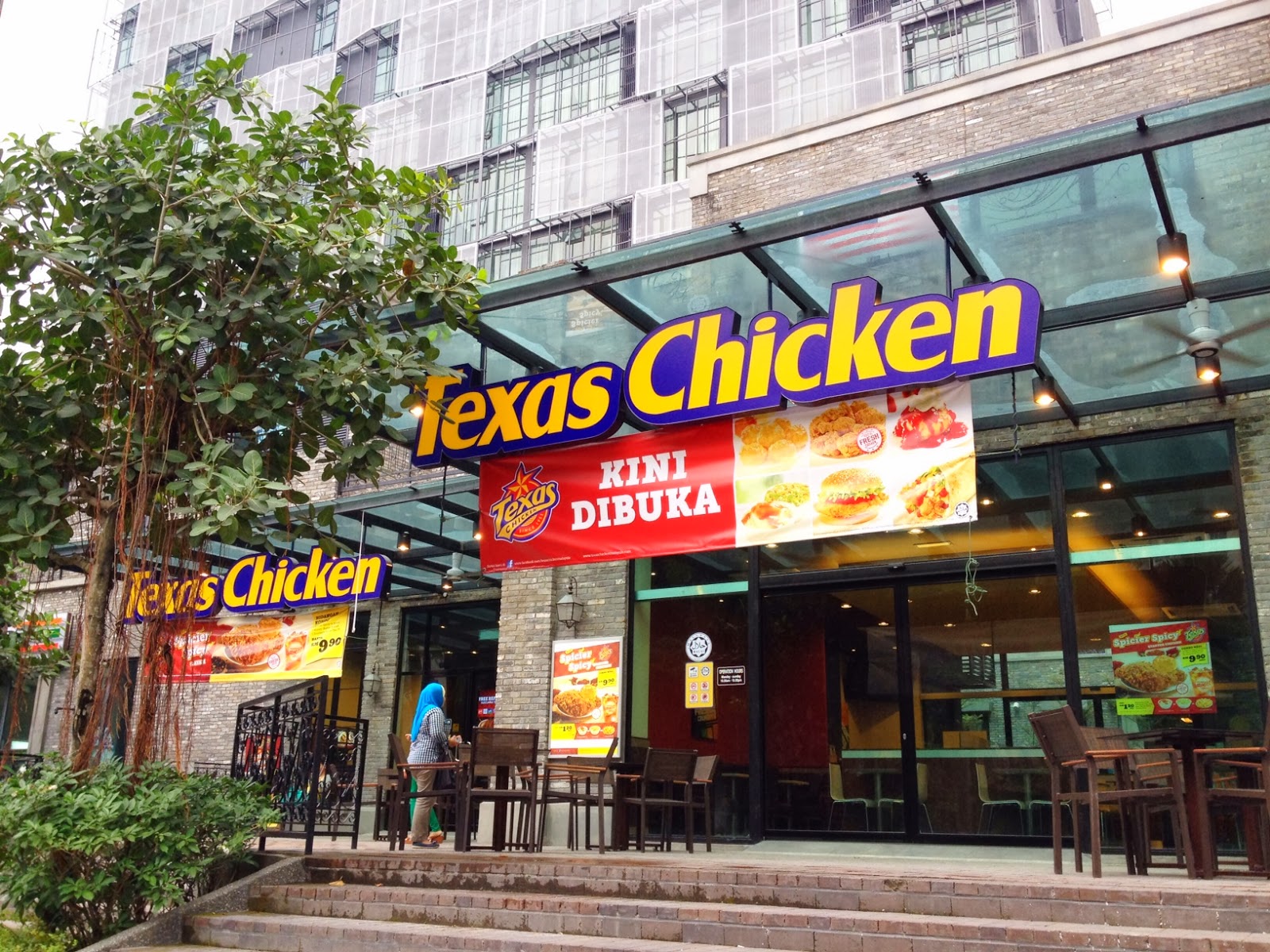
    Fast-food chain Texas Chicken Malaysia has opened its first outlet on the Southern Peninsular with its new store in Johor Bahru’s City Square Shopping Mall.

    The new outlet, Texas Chicken’s 48th restaurant nationwide, is managed by local franchisee Envictus International Holdings Limited (Envictus Group), which plans to open further locations within the region shortly. It already operates outlets in Klang Valley, Selangor, Penang, and Negeri Sembilan.

    According to Envictus chairman Dato’ Jaya Tan, “The Johor Bahru City Square is the kind of location every restaurant dreams of. The new Texas Chicken will be right in the heart of the city, close to corporate offices, local and international colleges, and just minutes from the customs and immigration checkpoint between Malaysia and Singapore”.

    Executive VP of international business for Texas Chicken Tony Moralejo said this was an opportunity that was “identified and cultivated by a veteran franchisee”.

    The new restaurant should seat 111 guests with a retail space of 1123sqft.

  • Costa Coffee China sales grows

    Costa Coffee China sales grows

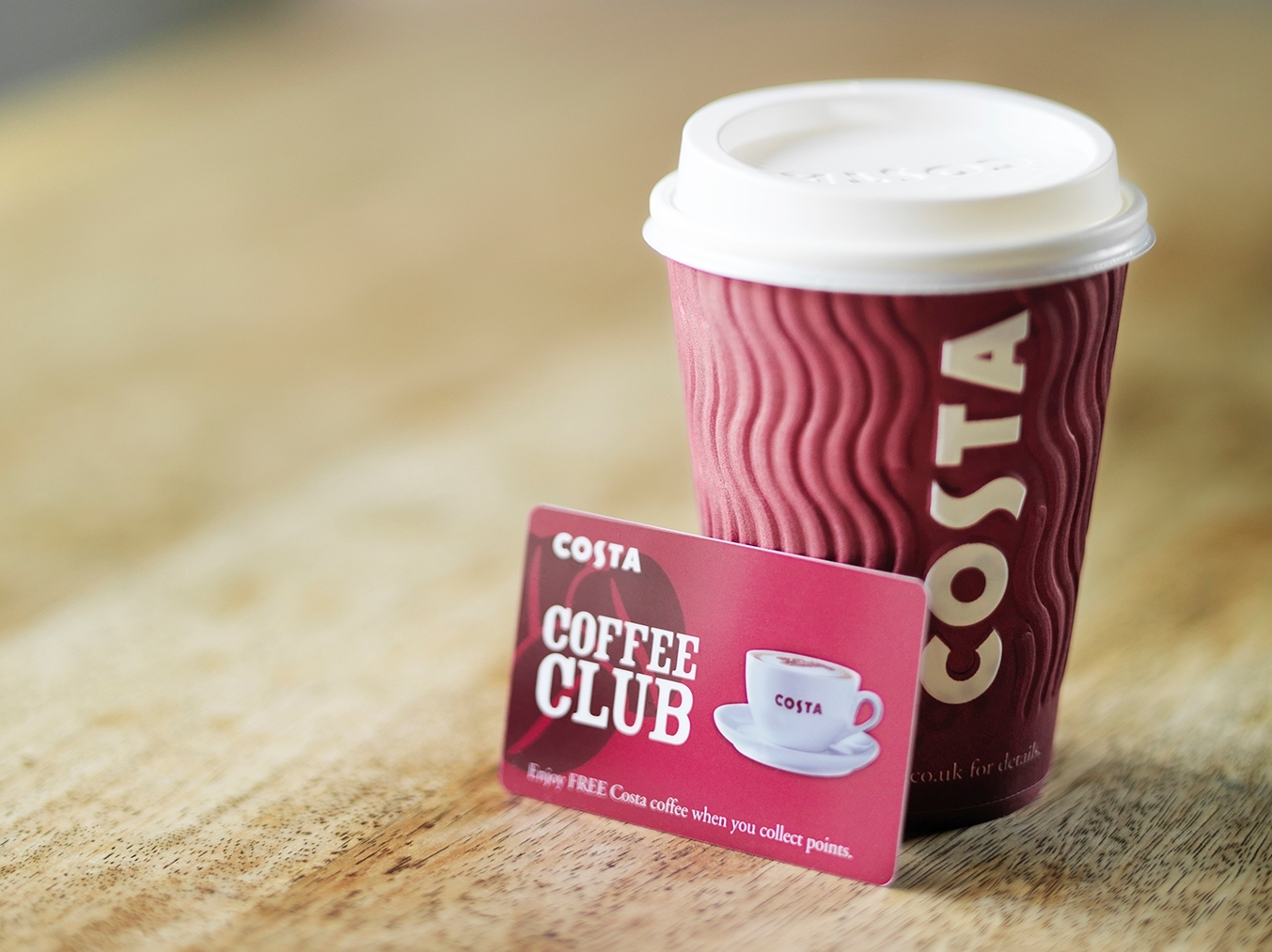
    UK’s Costa Coffee says sales in China have underpinned solid growth in its Asian operations.

    Costa has 459 stores in China, where sales rose 4.9 per cent in the first half year as Chinese continue to boost their coffee consumption.

    The company plans to open a further 100 stores in China before Christmas and is expanding its range to suit local tastes, after items such as Cold Brew and Character Roast performed well.

    Costa is also steadily expanding its network in other Asian markets, including Singapore where it has about 10 outlets, and Cambodia.

    Globally, Costa Coffee achieved a 5.2 per cent rise in first-quarter sales, helped by new store openings and the popularity of its Costa Express machines. However, like-for-like sales in its UK home market fell 2 per cent, reflecting the challenges faced by most retailers on high streets currently.

    Costa’s parent, brewer Whitbread, is considering options to spin the business off in a separate listing, but has reportedly since been courted by private equity firms seeing an opportunity to grow the business internationally.

    TPG, Bain Capital and CVC could pave the way for a sale of the brand realising as much as £3 billion.

    In the UK, Costa Coffee has 2467 stores, a mix of company-run and franchised stores. As it encounters trouble on high street locations, the company is shifting focus to high-traffic locations such as airports and petrol stations.

  • Vietnamese coffee maker gets an energy boost

    Vietnamese coffee maker gets an energy boost

    Vinacafe Bien Hoa (HoSE: VCF) is placed among the top three instant coffee producers in Vietnam, alongside Trung Nguyen and Nestle.

    After reaching its peak in 2014, however, the company’s coffee segment went through a stiff drop in revenue which was recorded at VND1.7 trillion ($74.6 million) last year, a decline of VND300 billion year-on-year and VND550 billion compared to the record high in 2014.

    Its portion of revenue generated by instant coffee has plummeted from 80 percent to 50 percent.

    This trend is not unique, as revenues of Trung Nguyen, its major rival, have stayed flat in the last three years at around VND3.8 trillion ($166.8 million).

    According to several market research firms, the market share of caffeine drinks is now being eaten up by energy-boosting alternatives to coffee, like energy drinks and bottled tea.

    This trend has helped Vinacafe offset sluggish sales of instant coffee. It introduced the coffee-flavored energy drink under Wake-up brand in 2014. The new product quickly gained popularity in a market dominated by Thailand’s Red Bull, PepsiCo’s Sting and local Number 1.

    Revenue of Wake-up 247 has gone up four-fold in three years. Last year, it was recorded at more than VND1.2 trillion ($52.7 million), an in crease of 55.5 percent from 2016. The gross profit of the energy drink was VND557 billion, corresponding to a gross profit margin of 45.5 percent, higher than the figure of coffee by 12 percentage points.

    Vinacafe has targeted VND3.1-3.3 trillion in revenue this year, a 5 percent year-on-year decline. However, it aims at higher post-tax profit of VND450-500 billion, up 21-35 percent from 2017.

    To achieve these targets, the company will focus on rebuilding its instant coffee brands by relaunching some products with new makeovers. For the energy drink, it seeks to expand production and distribution.

    At the general meeting last April, Nguyen Tan Ky, general director of Vinacafe, said the company has changed its distribution model to secure a two-digit growth rate in face of stiff competition.

    Its products are now sold through a nationwide network of its parent company Masan Beverage, a wholly owned subsidiary of consumer goods giant Masan Consumer under Masan Group.

  • Tsui Wah Mainland coming for some help

    Tsui Wah Mainland coming for some help

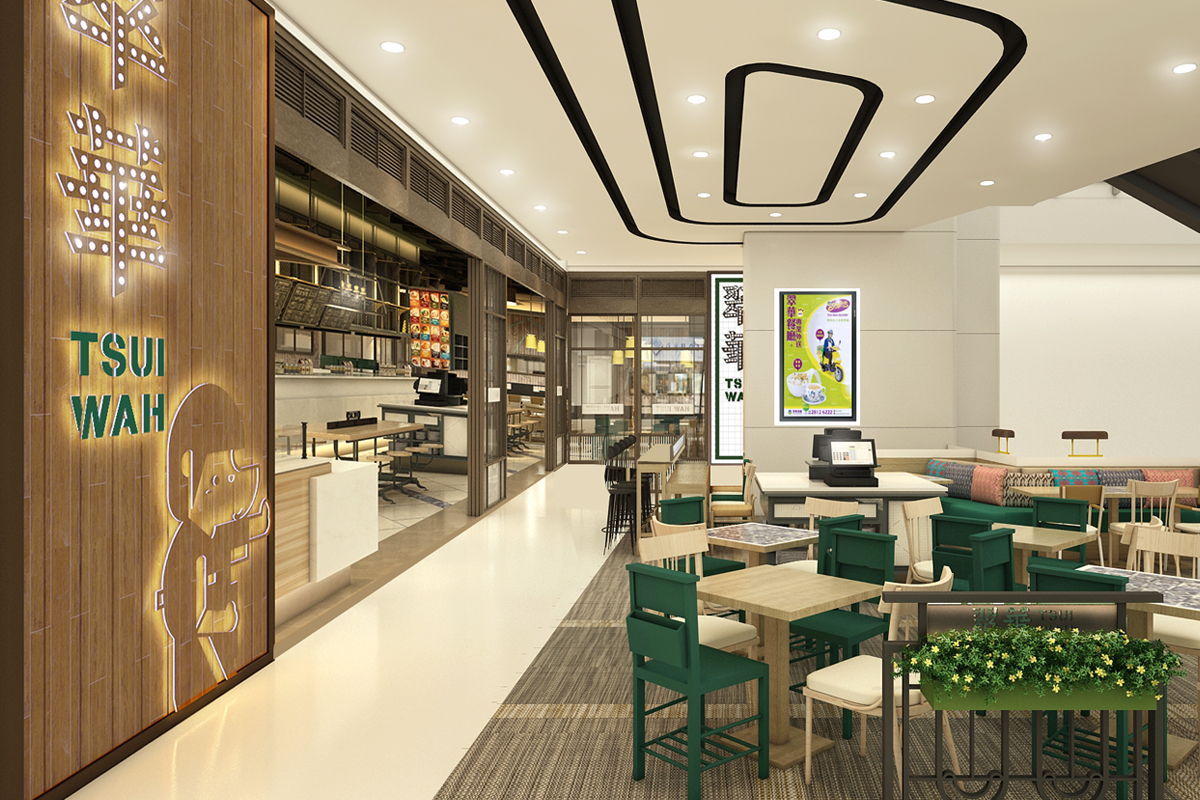
    New stores in Mainland China helped mitigate a tough consumer market in Hong Kong for listed restaurant-operator Tsui Wah Group.

    The company ended the year with 70 restaurants – a net increase of five in Mainland China, one in Hong Kong and an unchanged three in Macau.

    Total revenue reached HK$1.84 billion (US$234.5 million)for the year to March 31, down by a marginal 0.3 per cent with a 4.3 per cent decline in Hong Kong offset by a 7.8 per cent increase in Mainland China. Profit attributable to shareholders fell 11.4 per cent to $80.77 million.

    Chairman and executive director Lee Yuen Hong said the retail market in Hong Kong experienced “a progressive improvement” during the period, however, selling and distribution expenses as well as property rental and related expenses had increased, which presented challenges to the group’s results.

    “The PRC market benefitted from rising purchasing power amongst the general population, and the revenue from the group’s branches in Mainland China also correspondingly increased.”

    Tsui Wah launched two new self-developed brands last year: Beat Bakery, which uses flour imported from Japan with healthy eating as its core theme, and Nijuuichi Don, featuring Japanese fast-food.

    The group also opened a new restaurant concept, Maomao Eat, which serves authentic Hong Kong-style snacks in the Tai Kwun Centre for Heritage and Arts, in Central. “Maomao Eat also incorporates vegetarian elements in its menu by partnering with Green Monday, a non-profit organisation that promotes a healthy diet and sustainable living,” he said.

    The company opened eight new Tsui Wah branches in Hong Kong and Mainland China, three in Shanghai, and three in the south.

    Tsui Wah also sealed a partnership with Singapore’s Jumbo Group to open and operate a Hong Kong-style Cha Chaan Teng under the Tsui Wah brand. Hong said the restaurant, which opened in mid-June, leverages off Jumbo’s strong presence in Singapore.

    “The group is confident this joint venture will be successful and will enable Tsui Wah and its products to establish an excellent international reputation among the 5.6 million residents of Singapore.”

  • Barry Callebaut elevates China’s taste buds with new sensory Chocolate Tasting Ritual

    Barry Callebaut elevates China’s taste buds with new sensory Chocolate Tasting Ritual

    Barry Callebaut brings a whole new sensory experience to China with the introduction of the Chocolate Tasting Ritual. The Switzerland-based company, one of the world’s largest chocolate manufacturers to artisanal and professional users of chocolate, said the tasting ritual will allow chocolate professionals and consumers to uncover a brand new world of chocolate richness.

    Cocoa and chocolate sensory scientists from Barry Callebaut and the leading global flavor house Givaudan devoted years of extensive research to develop a cocoa and chocolate sensory language. In parallel, Barry Callebaut engineered a chocolate tasting ritual, a fresh new experience inspired by the age-old practice of tea tasting ceremonies in China.

    Pascale Meulemeester, Barry Callebaut’s Vice President for Global Gourmet, said, “We are excited to transfer this know-how to the growing pastry chef community in China. The tea tasting ritual is symbolic of Chinese tradition. As chocolate becomes more popular among consumers in China, we believe the chocolate tasting ritual will be an exciting experience for consumers in China as well. Chinese consumers can now even better appreciate high-quality chocolates such as Callebaut®, Cacao Barry®, and Carma®.”

    What is the chocolate tasting ritual?

    A Chocolate Tasting Ritual fully engages all five senses – sight, touch, hearing, smell and taste – and enables chocolate professionals and consumers alike to discover new dimensions of the chocolate experience and elevates the chocolate enjoyment to the next level.

    Perfectly pairing cocoa and chocolate sensory research with consumer understanding, Barry Callebaut also developed the Consumer Chocolate Sensory Wheel with 87 descriptors, extensively covering the different flavors, textures and aromas of chocolate. The comprehensive sensory language is rooted in science – it is the first time that chocolate flavors are described in such a precise manner. Through speaking a common language, this enables the chocolate industry to develop a higher awareness of the intricate tastes and flavors of chocolate.

    The chocolate tasting ritual was demonstrated to 46 international chefs as well as several invited pastry chefs at the Global Chef Seminar organized by Barry Callebaut in Shanghai.

    Renata Januszewska, Global R&D Sensory Methodologies Manager at Barry Callebaut, conducted the chocolate tasting ritual at the event. She said, “Having a shared language and the tasting ritual will enable brands to discuss their chocolate experiences with consumers and describe their uniqueness to them. It will also offer them the means to come up with even better tasting experiences, exploring new flavors and food pairing combinations.”

    During the demonstration of the ritual, the chefs participated in a full immersion into all four categories of chocolates – milk, dark, white, and ruby chocolate. The unique tasting experiences of these chocolates were truly linked to cocoa origin, cocoa varieties, product processing parameters, recipes and three Barry Callebaut brands: Callebaut, Cacao Barry and Carma.

    • The first sense to experience the chocolate products during the tasting session is, of course, the eyes (sight), as consumers observe the color, gloss and visual texture to form their first impression;
    • Then, the chefs were asked to hold the chocolate in their hands to feel (touch) the product and see how soft it is, how quickly it melts, and how resistant to breaking it is, according to the different recipes;
    • Afterwards, the chefs held the chocolate close to their ears, and break it to hear the snap, the sharp cracking sound made when chocolate is broken up in pieces;
    • Next, the chefs put the chocolate close to their nose to take in the aroma (smell), discovering the intensity, complexity, and type of aromatic notes;
    • Following this, they were advised to taste the chocolate in their mouth and let it slowly melt while holding their nose closed – shutting off all other senses to ensure a fine-tuned taste.

    This procedure allowed chocolate lovers to deeply appreciate the products they were tasting in a completely different way, experiencing the full complexity of chocolate flavors. This is the type of experience that will really improve people’s overall sensory enjoyment of chocolate, the company believes.

    Global Chef Seminar

    This is the first time the company has brought its international chefs together in a global meeting held in the Asia Pacific region. The international chefs included world-renowned and award-winning pastry chefs which represent the company’s three global chocolate brands, Callebaut®, Cacao Barry®, and Carma® attended the seminar.

    The seminar marks the 7th edition and prior to this, the annual chef seminar has been held in other major cities including Milan (Italy) and Toronto (Canada).

    “The Chocolate Tasting Ritual is just one of the resources, learnings and tools that we have today, that provides numerous opportunities for knowledge transfer to the chef community in China,” said Denis Convert, Barry Callebaut’s Vice President for Gourmet in Asia Pacific. “Our three global gourmet brands are supported by one of the largest numbers of pastry chefs and chocolate ambassadors with a worldwide network of more than 21 Chocolate AcademyTM centers. Pastry chefs from across the China region will find at one time and place all the tools and information they need to be competitive in today’s rapidly changing food landscape.”

    The seminar was jam-packed with power networking sessions, comprehensive thought leadership sharing with experts, peers and industry insights that aim to boost the chocolate community. During the seminar, the chefs were equipped with practical insights on the latest trends, topical challenges and best practices for them to navigate and excel in the competitive and evolving pastry landscape.

  • Papa John’s sells company-owned restaurants in Beijing

    Papa John’s sells company-owned restaurants in Beijing

    Papa John’s International has sold its restaurants in Beijing and Tianjin in China.

    The 34 stores have been bought by Asia Gourmet Holdings (Shanghai), a portfolio company of Advantage Partners, a private equity firm in Asia.

    “Asia Gourmet Holdings (Shanghai) is an experienced and successful operator with significant interests in the restaurant industry in China,” said Tim O’Hern, president, international, Papa John’s.

    “The new franchisee shares our commitment to quality and will represent our ‘Better ingredients. Better pizza’ brand promise well moving forward in the region.”

    Nam Jeongil, chairman of Asia Gourmet Holdings, said the company was looking forward to building on the success Papa John’s had built in China to date.

    “There is a bounty of opportunities for Papa John’s in Beijing and Tianjin. We will apply Asia Gourmet Holding’s knowledge of the region and success with our existing restaurant concepts, such as Zheng Yi Wei, a leading chain of restaurants offering Korean cuisine, to the Papa John’s business.”

  • Japan’s Go! Go! Curry lands in Houston

    Japan’s Go! Go! Curry lands in Houston

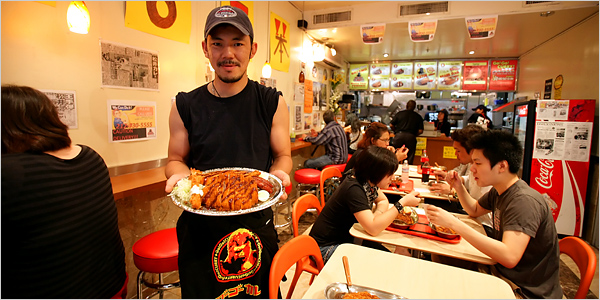
    Japanese franchise Go! Go! Curry plans to open in Houston this August.

    The restaurant’s new Chinatown location will serve traditional Japanese curries under the operation of franchisee Daxin.

    Originally from Japan’s Kanazawa, the franchise first opened in the US more than a decade ago in New York’s Times Square, and has already established seven locations on the East Coast and beyond. It is named after the number 55 jersey worn Kanazawa native Hideki Matsui, who played for the New York Yankees. “Go” is the Japanese number five.

    Daxin founder Shishen Li said that while Asian food is gaining rising popularity in the US, Japanese comfort food is an untapped subgenre.

    “We are thrilled to bring the new curry craze to the Houston community before it becomes a saturated market like the ramen or sushi trends before it.”

    In a nod to its name, the chain plans to open 55 franchises throughout North America by 2022.

  • Subway Hong Kong to open more stores

    Subway Hong Kong to open more stores

    Subway Hong Kong is embarking on an expansion strategy, scouting for new locations and new franchisees as it unveils a restaurant and menu makeover.

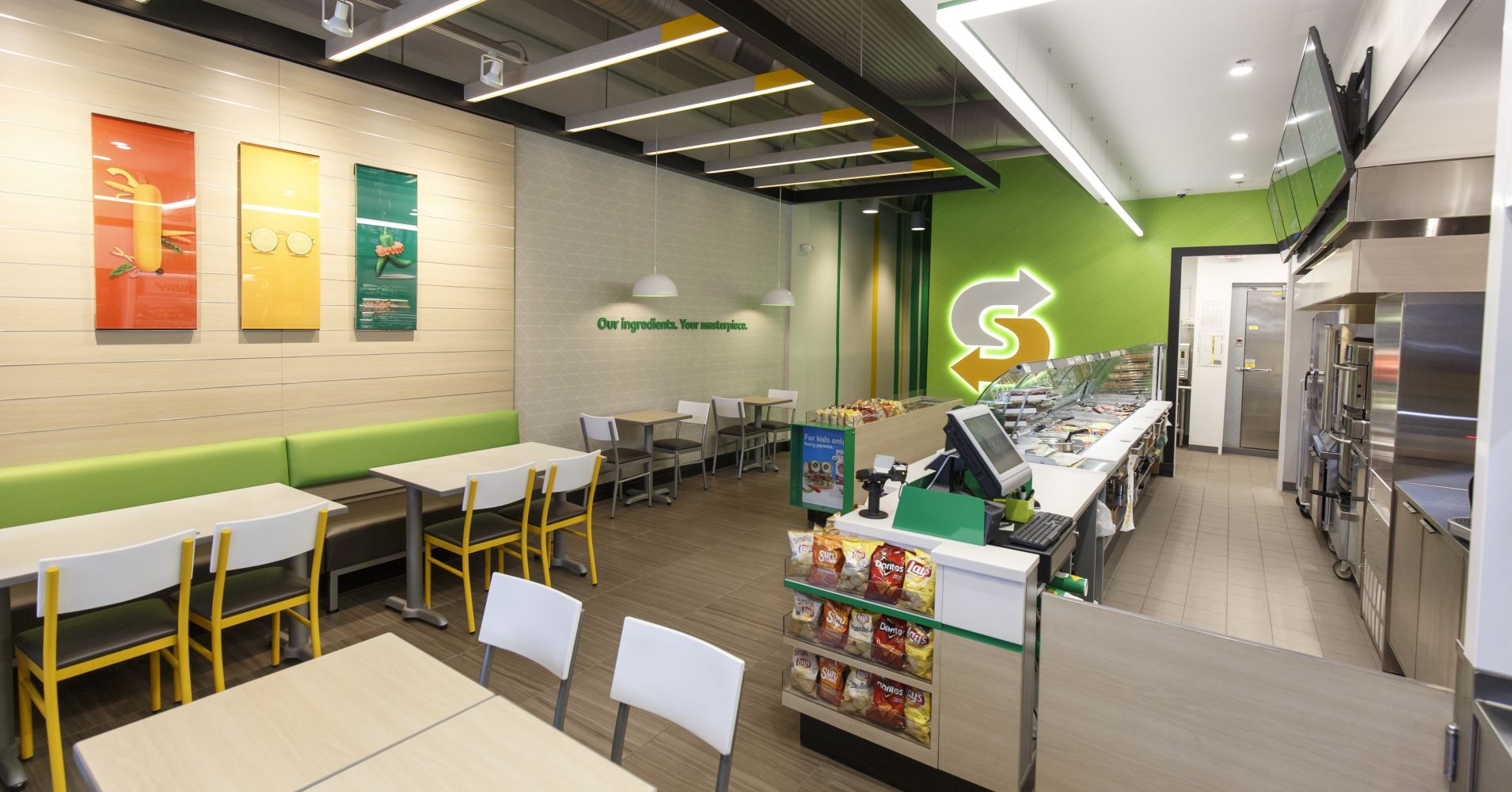
    Next month, a 900sqft Subway outlet which seats 40 will open at City University in Kowloon Tong. Not only will it be one of the chain’s largest restaurants in the territory, it will be a showcase of the brand’s future here.

    “Basically it’s Subway stepping into the 21st Century,” Subway Hong Kong & Macau Development Office GM Jamie LeBrun said.

    Subway Hong Kong currently has 25 outlets across the two territories. Three of those are in the process of being refurbished in the new look and style and more stores are under development or planning. Within the next 10 years, Subway Hong Kong plans 100 new outlets.

    “Our franchise family is growing with four new franchisees this year and we are looking for engaged and dedicated franchisees with a team player mentality to join us,” said LeBrun.

    Dubbed Fresh Forward, the new store design features light, bright colours, digital menu boards, the new generation Subway logo and graphics, and self-service beverage areas. Gone are the stained timbers and dark colour schemes, the result of a root-and-branch revamp of the brand’s positioning in the US, where Subway’s fortunes aren’t currently as buoyant as in Hong Kong. Some of the local stores may feature self-ordering kiosks in time.
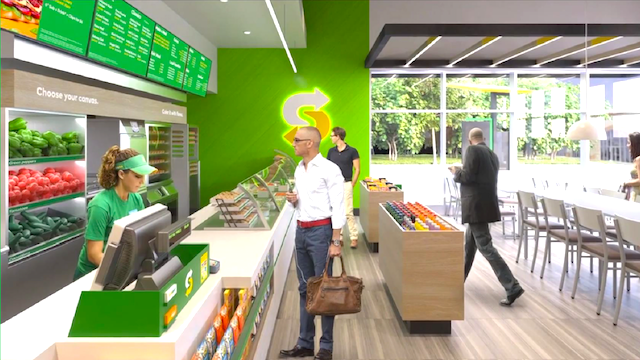
    Fresh produce will be on display, addressing the fact Hongkongers don’t realise vegetables like tomatoes, capsicums and cucumbers are delivered fresh and whole to be cut on site, says LeBrun.

    Besides the fresh style, new stores like the one at City University will be set up to cater better to online ordering.

    “With the move towards services like Deliveroo and Foodpanda, we have redesigned the back of house so where we have a prep bench, you can lift it up and you’ll have a salad bar so you can assemble orders at the back of the store for delivery. So when orders are coming in online during peak hours, someone will be out the back preparing orders and not interfering with the in-store trade.”

    LeBrun says some Hong Kong Subway stores can earn up to 25 per cent of their sales online.

    “That’s how big the online space is. When it’s raining, no one wants to go out and pick it up. People have got short lunchtimes too – no one wants to go stand in line.”

    Localised menu

    Adapting the menu to local customers is also a focus.

    “Product innovation is a cornerstone of future success. But we really were not doing a lot of that until now. So far this year we have already released six new products including a Prime Australian Beef Pastrami  and we are launching avocado products in July, with more localised options to follow.

    LeBrun and his team, who have more than 50 years experience with the brand between them, took over the Subway Hong Kong development office last October after several stores were closed across the city. They adopted a back-to-basics approach focusing first on engaging franchisees, establishing a team culture in stores, fine-tuning operations, and improving the customer experience. The results are already obvious: sales have been growing steadily this calendar year with stores averaging a 10 per cent year-on-year uptick. Some have achieved as much as 22 per cent growth.

    “Customers want good food and clean stores. And we’re giving them that,” said LeBrun.

    “If you walk into a Louis Vuitton or a Gucci you expect the same service, anywhere in the world. It has to be similar. Subway is the same.”

    Coffee and innovation

    LeBrun says the chain will continue to expand the menu with both short-term promotions and long-term offers.

    “Hongkongers love product innovation. Look at McDonald’s – every month they have new promotions. That’s where we need to be.”

    Coffee will soon be added to Subway Hong Kong menus so customers who want a hot or iced drink can buy it at the same place as their sandwich, salad or cookies.

    “Coffee is growing in Hong Kong. So we are looking for a way to feature high quality beans and fresh milk. We will offer high-grade coffee at affordable prices.”
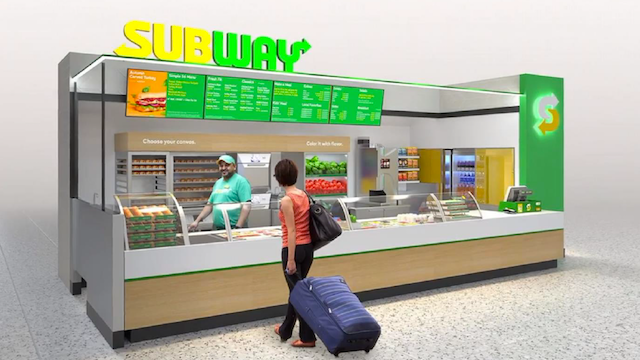
    The final part in the Subway Hong Kong renaissance is marketing, and LeBrun says the company has that in hand as well.

    “There hasn’t been enough advertising until now and it hasn’t been in the right channels. We will be doing more targeted marketing via social media and digital channels which appeal to our core demographics.

    “We also want to better communicate the sustainability practices Subway adheres to regarding animal welfare and our environmental impact. There are many positive stories of Subway doing the right thing that we want to share.”

    “It’s good news,” LeBrun says of the transformation. “Because we’ve been talking about how it is going to happen. Now it is happening.”
  • EU set to lift ‘yellow card’ on Vietnam fisheries next year

    EU set to lift ‘yellow card’ on Vietnam fisheries next year

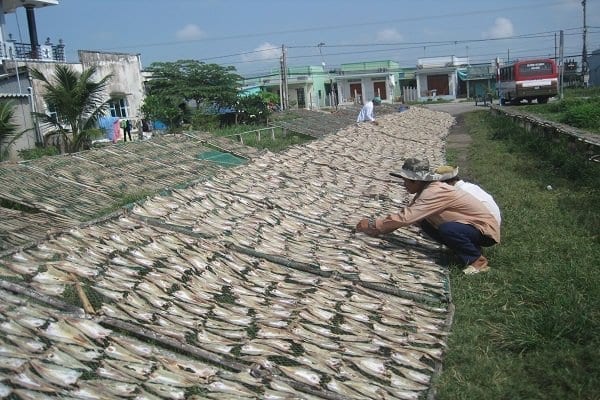
    Vietnam will have to wait another six months for the European Union to consider lifting a ‘yellow card’ restriction slapped last year because of illegal fishing.

    After an evaluation done May 15-24 this year, the EC decided that they would consider lifting the yellow card in January next year, as Vietnam has shown “improvement,” according to a statement issued by the Directorate of Fisheries under the Ministry of Agriculture and Rural Development.

    The European Commission (EC), executive body of the 28-nation bloc (including the U.K.), had issued an official warning on October 23 last year that it would ban seafood imports from Vietnam unless Hanoi did more to tackle illegal fishing carried out by Vietnamese vessels in other countries’ territories.

    The directorate, however, admitted that problems continued to dog the sector, especially in controls of fishing and tracing origins.

    Vietnam currently has around 33,000 offshore fishing vessels, but only 3,000 of them, or 9 percent, are equipped with satellite navigation devices, it said, adding that the high cost of installation was a constraining factor.

    Though Vietnam has acted on suggestions from EC last year to improve controls over offshore fishing in the 2017 Fishery Law, there was still room for improvement in the actual implementation process at local provinces, the directorate said.

    Vietnam ranks among the top ten seafood producers in the world, according to the FAO, the U.N. food and agriculture organisation.

    The E.U., the world’s biggest fish importer, adopted a regulation that took effect in 2010, aiming to avoid complicity in illegal fishing and promote sustainable use of the sea resources.

    The EC estimates that each year, between 11 and 26 million tons of fish, at least 15 percent of the global catch worth 8 and 19 billion euros, are caught illegally.

  • Tealive to apply for stay of execution after injunction threatens to close 161 outlets

    Tealive to apply for stay of execution after injunction threatens to close 161 outlets

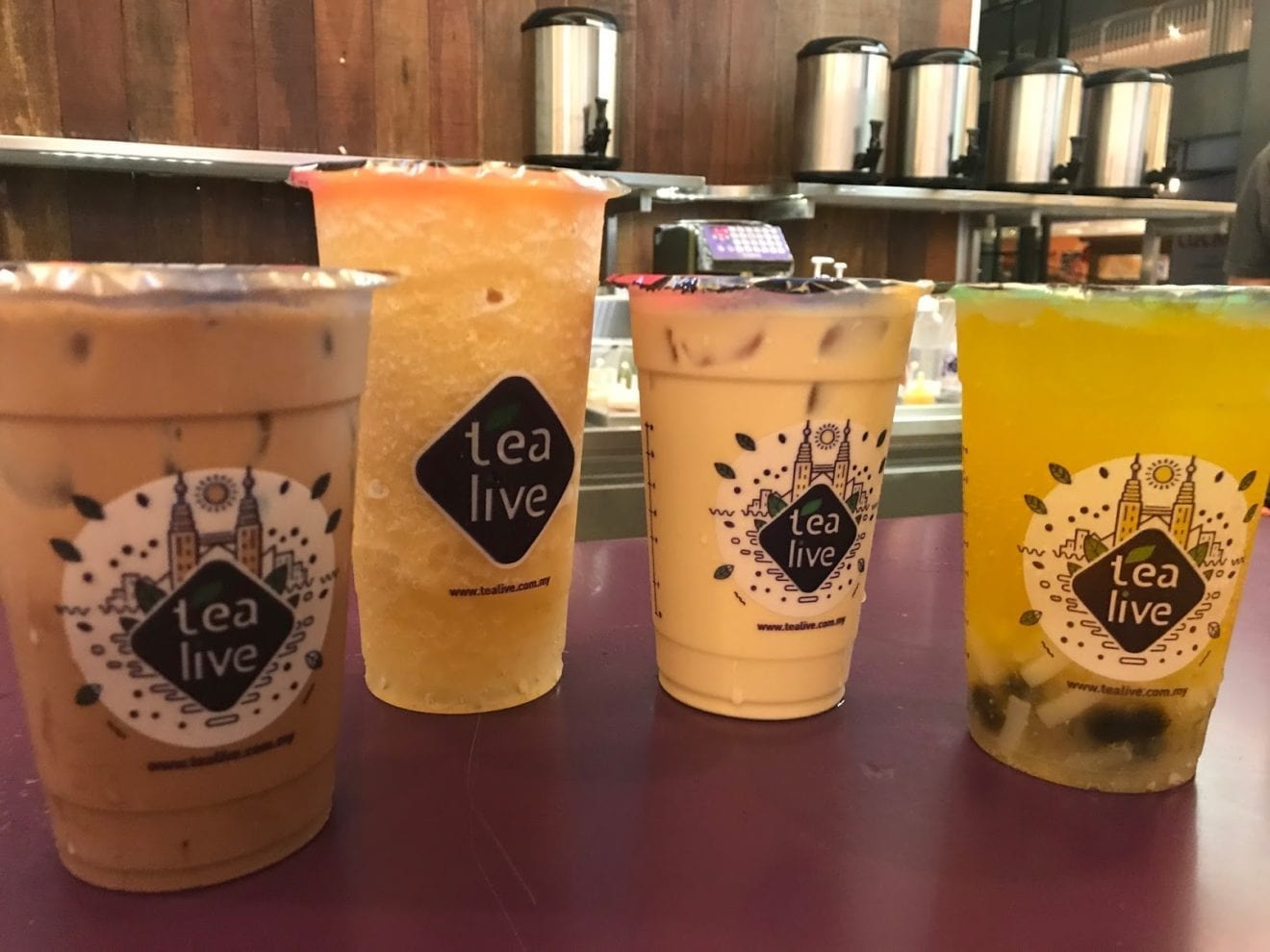
    Tealive owner Loob Holding Sdn Bhd will file an application for a stay and for leave to appeal to the Federal Court after the Court of Appeal granted an injunction by Chatime franchisor La Kaffa International Co Ltd against Tealive from continuing its operations.

    La Kaffa had filed the appeal after the High Court dismissed its injunction bid in May 2017 against former franchise holder Loob from carrying a similar business as Chatime.

    “This matter is being handled by our lawyers and we will let the due process of law take its course. We have instructed them to make the necessary application to the courts to allow us to maintain status quo until final settlement of the entire legal process,” Loob said in a statement today.

    Loob is now at risk of closing 161 of its Tealive outlets, which will affect 800 staff, if the injunction stays.

    Tealive was created following a dispute between Loob and La Kaffa last year that saw the Taiwanese franchisor terminate its Chatime master franchisee contract with Loob.

    Loob has since expanded Tealive overseas, including in China, Australia, India and Vietnam.

  • Mandatory addition of micronutrients hurting Vietnam’s food industry

    Mandatory addition of micronutrients hurting Vietnam’s food industry

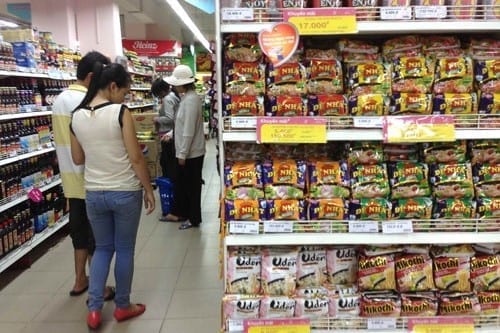
    A decree requiring the addition of micronutrients to food products is making them unattractive and more difficult to sell, industry insiders say.

    The decree, which went into effect last year, requires businesses to include iodine in salt and iron and zinc in wheat flour.

    Asahira Keita, deputy marketing director of food firm Acecook Vietnam, said the mandatory inclusion of minerals like iron or zinc in flour has hurt his company.

    Keita said the resulting flour has a darker color than normal flour. Its texture also changes and makes the end product less appealing to customers, he added.

    “To make our food products more appealing, we would have to research new recipes, which would certainly cost us more,” he said.

    Keita had other concerns too. Several countries don’t allow the inclusion of micro-nutrients in food products, so Vietnamese food firms would need to go through lengthy procedures to export food products with micronutrients into such countries. Foreign customers are also not fond of food products with micro-nutrients, he said.

    “This is a tough challenge for businesses like ours. We might even have to stop exporting products into these long-time partner countries, just because they don’t have the same requirements as Vietnam does,” Keita said.

    He said one solution could be to create two types of flour separately; one for domestic use and another to be exported. But doing so would be too costly and expensive, as the firm, which is currently deploying an automation-focused production model, can only afford one automated system. Right now, it is being used to make flour infused with iron and zinc for domestic use.

    Therefore, flour without iron or zinc that is used for export products, must be manually packaged.

    “This is too costly, time-consuming and inefficient,” said Keita.

    Processing challenges

    Businesses are also finding it hard to follow the decree’s guidelines as the processing method could change the levels of micro-nutrients in the products.

    Lam Ba Nhi, quality control director of Vietnamese meat processing firm Vissan, said the application of heat during food processing could destroy the iodine included in food products.

    Therefore, when food products are tested, levels of iodine present could be lower than the decree’s mandates, Nhi said.

    Lam proposed that the inclusion of iodized salt should not be made compulsory in food processing.

    Last month, the government had said the Health Ministry should carry out further research so that appropriate changes can be made to the decree, in which the inclusion of micro-nutrients in food products should only be encouraged, and not made compulsory.

    The Ministry of Health has not responded since.

    “We want the Ministry of Health to take action and follow the government’s suggestion,” said Nguyen Hoai Nam, deputy general secretary of Vietnam Association of Seafood and Producers.

    The decree came in the wake of advice from the Iodine Global Network, which ranks Vietnam among the top 19 iodine-deficient countries.

    The network had advised that Vietnamese people use iodized salt directly in food seasoning, food processing, and livestock feeding.

    Prolonged iodine deficiency can cause nerve damage among infants and children; and make pregnant women suffer miscarriages or go into preterm labor. Adults can also suffer goiter, nerve damage and mental illness.

  • Lady M announces July soft opening in Macau

    Lady M announces July soft opening in Macau

    Lady M’s is gaining more popularity.

    The glamour and luxury of Macau has been chosen as the brand’s next stop with a soft opening planned for mid-July.

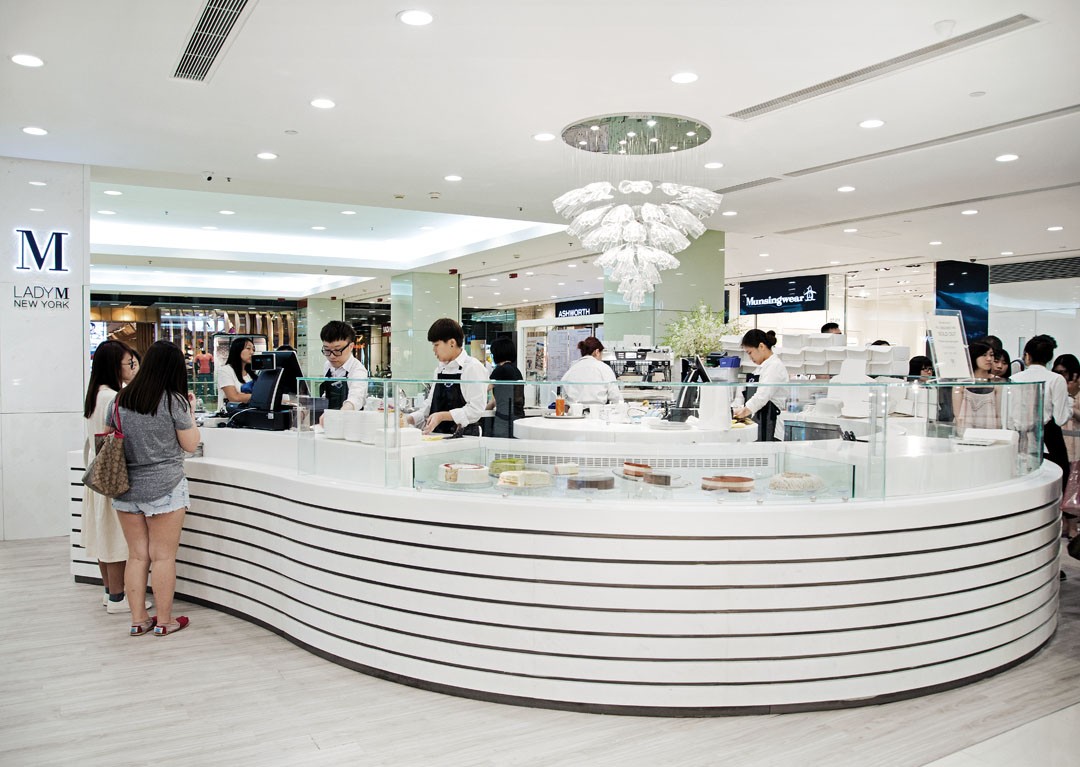
    Lady M’s first Macau boutique will launch in the retail haven of Shoppes’ new phase at Cotai Central. With a 10-seat VIP room and a spacious 4,000-square-foot area, this will be Lady M’s largest boutique in the region.

    Complete with custom designed awnings that pay homage to New York City’s boutiques and al fresco vibe, Lady M Macau is sure to be a hit with visitors from around the world.

    To usher in a new era in Cotai, Lady M presents an exclusive cake for Macau in the form of the Passion Fruit Mille Crêpes.

    Featuring no less than 20 layers of handmade crêpes, a zesty and fragrant passion fruit-infused cream binds each layer to provide a perfect harmony between sweet and sour notes, resulting in a cake that was made for a gorgeous summer.

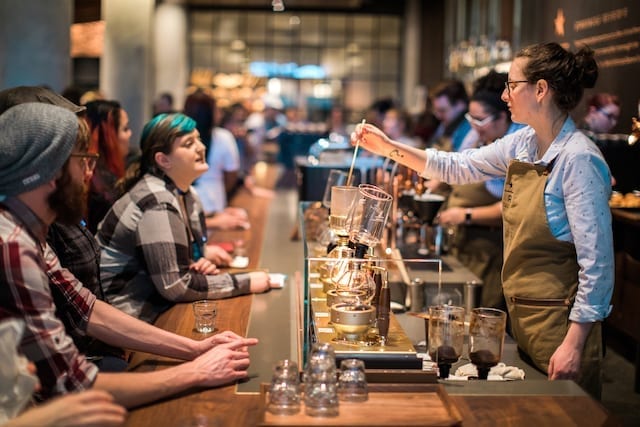
  • Starbucks Korea to open the 30th upscale Reserve Bar

    Starbucks Korea to open the 30th upscale Reserve Bar

    Starbucks Korea says it will expand its premium Reserve store network to meet the growing demand for specialty coffee among local consumers.

    The company will open two Reserve stores in Seoul and a third in Pangyo, just south of the capital, this week. They will raise to 30 the number of upscale Reserve cafes in the country, which is already the third-largest total of any international market, behind China with 52 and the US with 35.

    Starbucks Korea is a joint venture between Starbucks Coffee International and South Korea’s Shinsegae Group.

    The number of Reserve bars in South Korea stood at 15 as of the end of last year, so has nearly doubled in the past six months.

    “We will continue to increase the number of Reserve bars in line with the growing demand for specialty coffee among local consumers,” a Starbucks Korea official said

    Starbucks remains the undisputed No 1 in Korea’s coffee industry and was the first such chain the country to surpass 1 trillion won (US$895 million) in sales. It has more than 1150 stores nationwide.

    The size of South Korea’s domestic coffee market reached 6.4 trillion won at the end of 2016, up 30.6 per cent from 2014, according to government data.