Category: Food

Retail News Asia is committed to providing both local and global retailers with the latest Food and Food & Beverage news throughout the Asian market. This on a daily base.

  • Vietnam’s Coffee King Makes a Public Appearance

    Vietnam’s Coffee King Makes a Public Appearance

    CEO of Trung Nguyen Coffee put in an unannounced appearance and asked company staff to ‘revolutionize’ themselves. The CEO of Vietnam’s top coffee brand, Trung Nguyen, put in a surprise appearance at a company event on Saturday, after “disappearing” for almost five years.

    Dang Le Nguyen Vu, known as the Coffee King of Vietnam, had stayed away from public eye amidst a lengthy divorce process with his wife that is yet to end.

    Vu, who had nurtured Trung Nguyen Coffee and taken it to 60 international markets, amazed participants at the company event by turning up without prior notice.

    “Brothers and sisters, you have to start by revolutionizing yourselves,” he said in a short speech.The CEO exhorted Trung Nguyen’s leaders and staff to do everything differently from other companies in the world.

    Trung Nguyen must aim to become the number one coffee brand in the world, establishing its presence everywhere, he said.

    Vu said he had spent the last five years meditating up in the mountains and now had answers to “all the questions in this world.”

    The unannounced appearance of Vu has gathered a lot of public and media attention, particularly because his wife, Le Hoang Diep Thao, recently accused four leaders of Trung Nguyen Coffee for misusing their power to manipulate her husband’s company while he was away.

    Thao, who owns another coffee brand, King Coffee, said that incorrect information had been spread on social media to slander her husband, who was too sick to appear in public.

    “These leaders did this to manipulate Trung Nguyen for their personal gain,” she said.

    The divorce proceedings between Vu and Thao, who used to be the deputy director of Trung Nguyen, had also caught public attention in 2015, when they took each other to court, each accusing the other of obstructing the company’s operations.

    Vu and Thao have also been embroiled in a lengthy and costly legal battle for years over the ownership of Trung Nguyen Group, which has a charter capital of VND1.5 trillion ($65.8 million).

    Thao was a minority shareholder of the company until Vu ousted her in 2015.

    The court has not officially settled the divorce petition.

  • Omotesando Koffee Opens First Store in Bangkok

    Omotesando Koffee Opens First Store in Bangkok

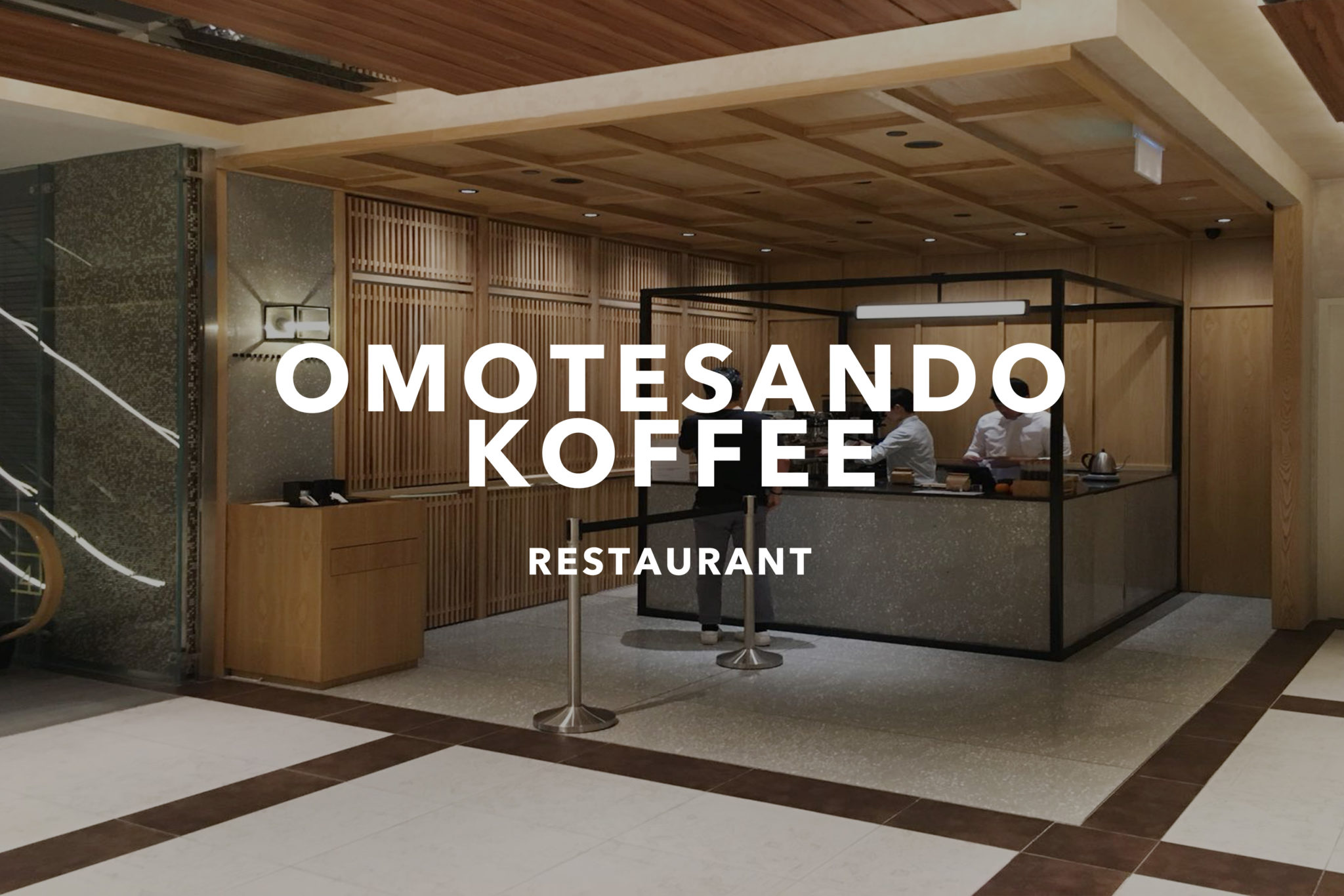
    Upscale Tokyo cafe Omotesando Koffee may have closed its original location in Japan – but it survives in other markets and will soon be launched in Bangkok, Thailand.

    The cafe has been signed up by Siam Piwat to take space in Siam Paragon shopping centre, amidst up-market furniture stores on level 3.

    In Tokyo, Omotesando Koffee was renowned for serving espresso-style coffees from a 3m x 3m space inside a Japanese house. It closed in 2015 when the building was demolished.

    Founder Eiichi Kunitomo has opened a new cafe in the same spot (but new building) under the name Koffee Mameya.

    Omotesando Koffee has outlets in Hong Kong and Singapore and another store is planned for the UK after the Bangkok opening.

  • Fatburger and Buffalo’s Express expanding Restaurants in Indonesia

    Fatburger and Buffalo’s Express expanding Restaurants in Indonesia

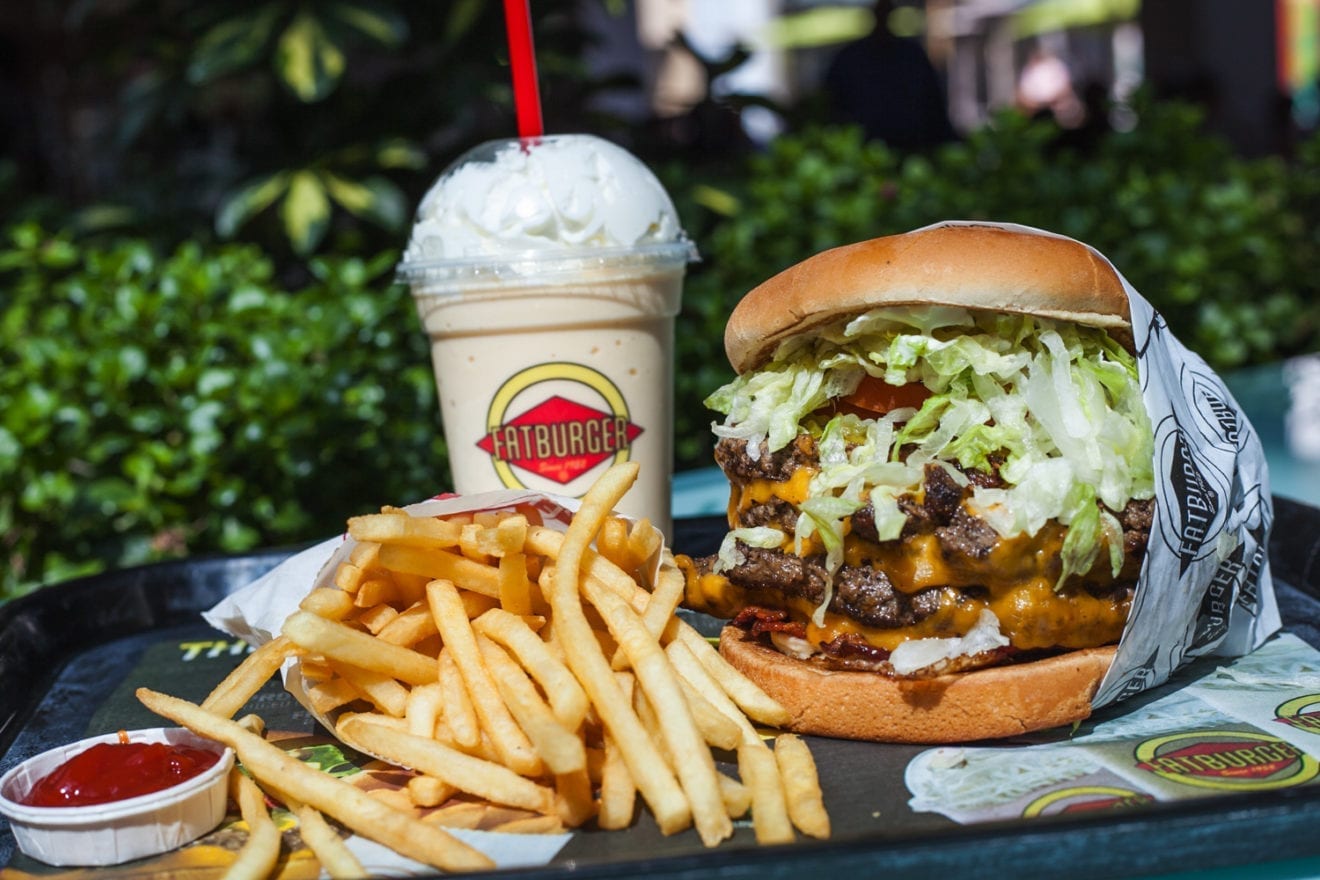
    Fat Brands will open five more outlets of co-branded restaurant chain Fatburger and Buffalo’s Express in Indonesia.

    Set to open in Bali and Jakarta, the co-branded chain will be operated by Fat Brands’ local partner Global Food Indonesia.

    “We’ve loved every aspect of growing in the Indonesia marketplace. Fatburger and Buffalo’s Express are thriving members of their respective communities, and we can only continue to grow on this strong foundation,” said Andy Wiederhorn, CEO of Fat Brands.

    The Hollywood burger chain and sister wing brand are best known for their juicy, made-to-order burgers and wings.

    The brands have more than 200 locations in 32 different countries with recent openings in Southern California, Canada, and Japan.

    More restaurants will open in the near future.

  • KFC Singapore finally Drops Plastic Straws in Restaurants

    KFC Singapore finally Drops Plastic Straws in Restaurants

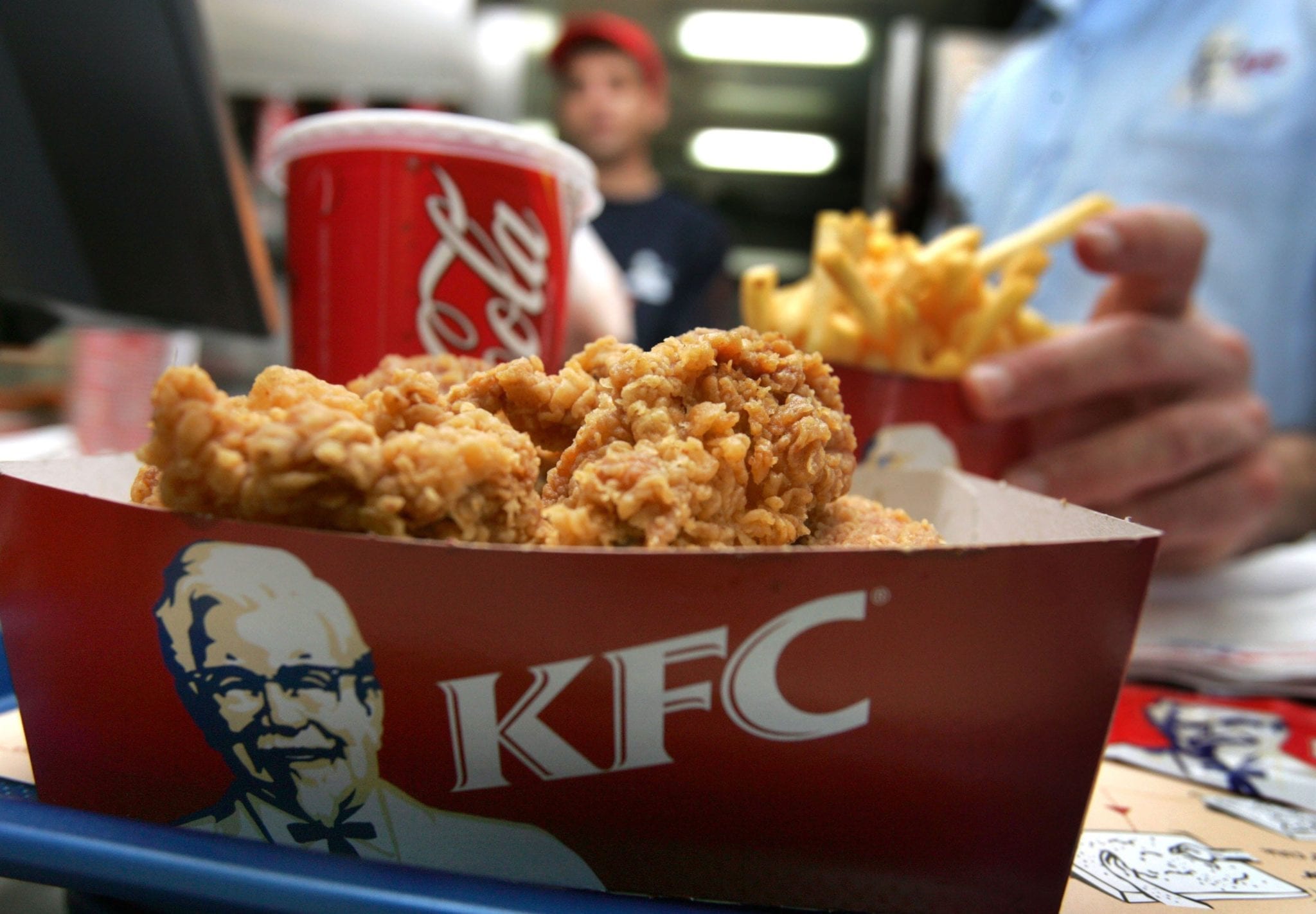
    KFC Singapore is jettisoning plastic straws and drink-cup lids in its restaurants in a sustainability initiative it says will cut 17.9 tonnes of single-use plastic waste in a year.

    Dine-in guests of its 84 restaurants in Singapore will not be served lids and straws from June 20, but they will be supplied with takeaway orders.

    “We acknowledge the strain that single-use plastics put on our environment and are taking steps to do our part in endeavouring a change,” said KFC Singapore GM Lynette Lee in a statement.

    “We recognise that every little bit counts and are proud to be the first fast-food restaurant in Singapore to champion this movement, one straw at a time.”

    Lee says the company will also investigate more biodegradable packaging for its products.

    KFC Singapore’s move comes at the same time as Starbucks in Hong Kong starts to phase out disposable plastic items, although the items will be available on request.

    And McDonald’s has confirmed it is looking at more environmentally friendly disposable items in its stores.

  • Kiki pop-up store adds Buzz to Centrepoint in Orchard Road

    Kiki pop-up store adds Buzz to Centrepoint in Orchard Road

    A pop-up store selling KiKi products, including four flavours of its Taiwanese noodles, has launched at the Centrepoint in Orchard Road.

    It is part of a collaboration between Buzz Convenience Store and KiKi Fine Goods Singapore and will open daily for two to three months. Products available at the 205sqft KiKi pop-up store include Mala Paste and Sichuan Pepper Powder as well as noodle packets in four flavours.

    Buzz was the first retail chain to bring the noodles to Singapore on February 1. The noodles are promoted by Taiwanese actress Shu Qi, and have been promoted as a healthier alternative because they are sun-dried, unlike many other types of instant noodles which are fried.

    Visitors to the pop-up store on June 16 can join a tasting session with Singaporean chef John See, who will be cooking the Aromatic Scallion and Sichuan Pepper noodles.

    Meanwhile, the food director for upcoming movie Crazy Rich Asians will be at the store the same afternoon.

  • Cash boost for Wineries in the Philippines

    Cash boost for Wineries in the Philippines

    Online marketplace startup Winery Philippines has raised an undisclosed amount in a new round of financing.

    It says it will use the cash to boost its sales and marketing efforts and grow its customer and vendor base. The second round of funding, backed by a consortium of private investors, gives the company a seven-digit USD valuation, tripling its value a year after its initial funding round.

    Winery Philippines was conceived in 2016 by a group of wine lovers who wanted to improve access to quality wine for Filipinos, the company says. It has become a curated online wine marketplace that sells product from boutique wine importers.

    According to company data, retail wine revenue in the Philippines is expected to increase annually by 9 per cent to reach US$400 million in 2021.

    Winery Philippines founder/MD Chris Urbano says that while venture capital has poured into Chinese wine and spirits marketplaces over the past five years, smaller but promising markets like the Philippines are still off the radar for many investors. “Our backers see the chance to establish early market leadership amid thinner competition, higher margins and a small but profitable and fast-growing segment.”

    Most of Winery Philippines’ customers are in Metro Manila, but Urbano says it is growing order volume from provincial areas and second-tier cities.

  • Domino’s long time CIO left the Company

    Domino’s long time CIO left the Company

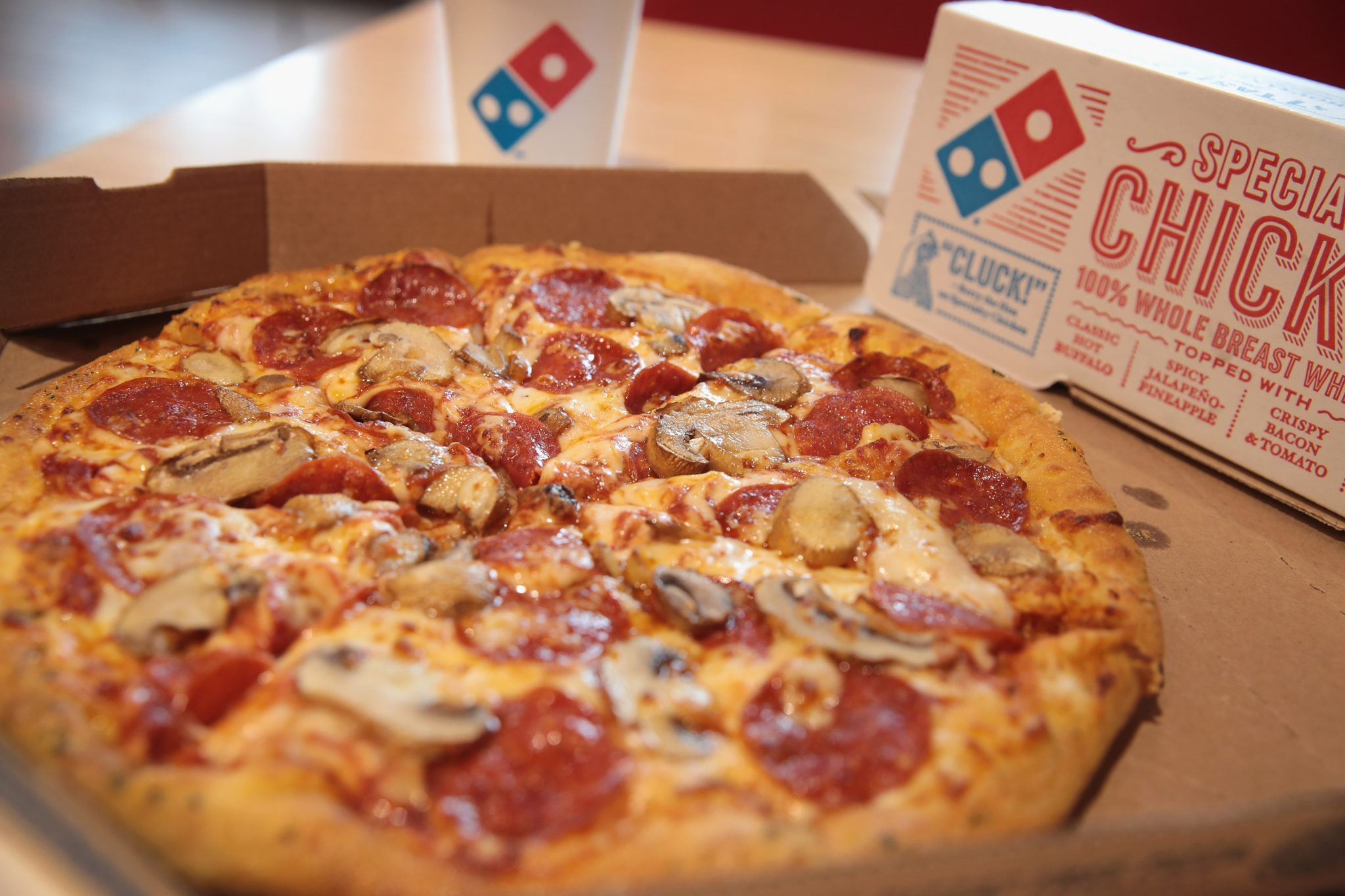
    Domino’s Pizza’s CIO Wayne McMahon has left the business after more than seven years, moving on to become chief digital and technology officer at Hungry Jacks owner Competitive Foods Australia.

    Don Meij, Domino’s CEO, said McMahon had been instrumental in laying the foundations for some of the company’s biggest platforms.

    “Under Wayne’s leadership, Domino’s has grown from strength to strength delivering some of the world’s best information technology solutions,” said Meij.

    “We have been a true disruptor in this space and the focus on technology over the past seven years, under Wayne’s leadership, has been critical in achieving this.”

    McMahon will be replaced by Terry Powell, who previously led the technology division for Suncorp’s insurance business.

    “In the role of Domino’s Group CIO, [Powell] will work with the Company’s Group Chief Digital and Technology Officer, Michael Gillespie as well as the the global teams to ensure appropriate technologies are employed across the Company’s global network to bring efficiencies and new ways to engage the company’s customers,” reads a statement by Dominos.

    In this role at Suncorp, Powell had a strong track record of delivering complex IT programs including simplifying core systems and insurance applications, successful transition to cloud computing, significantly reducing critical incidents, and as Executive General Manager Security improving the company’s security resilience.

  • Why workers may be worse off after action against Foodora

    Why workers may be worse off after action against Foodora

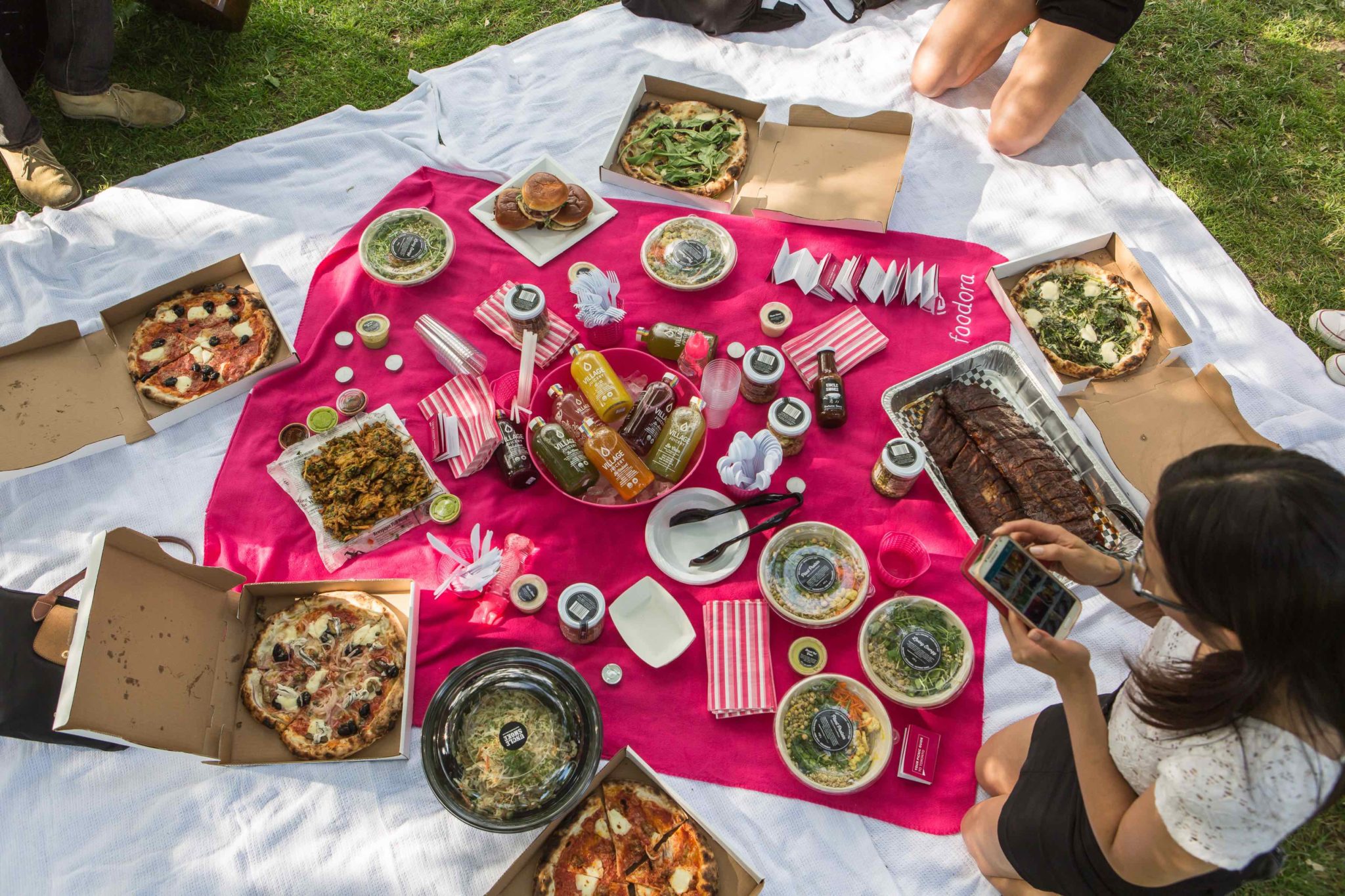
    The way “gig workers” are paid and protected might be about to change, as a result of legal proceedings brought by the Fair Work Ombudsman. The Ombudsman alleges that food-delivery platform Foodora underpaid three workers by A$1620.74, plus superannuation, in a four-week period.

    The Ombudsman argues that while Foodora engaged these workers as independent contractors, they were in reality employees. If the action succeeds, it could be positive for the underpaid workers, but it could also drive down working conditions.

    The food-delivery platforms have stated they would be willing to give their workers more benefits, such as training. But not at the cost of workers being classified as employees. If the Ombudsman’s case succeeds, it could cause gig platforms to offer fewer protections in order to ensure workers are classified as contractors.

    This could not only disrupt the food-delivery sector, but have a broader impact on the gig economy, restaurants, customers and workers.

    Employees or contractors?

    The difference between an employer and a contractor is significant. They fall under different laws, receive different protections and have different obligations.

    If a contractor performs poor work they are legally liable for that. But an employer is responsible for the poor work of an employee.

    In many cases this distinction is clear-cut. However, in the gig economy these workers operate in a grey area, one the Fair Work Ombudsman seeks to test.

    Whether workers can be classified as employees or contractors depends on a variety of factors, including the nature of the work. If workers are deemed employees then they receive a greater number of protections, including minimum wage rates.

    In the Australian platform-based economy (including ride sharing and food delivery), the Fair Work Commission has determined workers are independent contractors in two recent cases.

    In one case, Commissioner Nick Wilson stated that “[the driver] did not bring anything especially entrepreneurial to the arrangement” but also that “it is evident that the weight of those indicators leads to the finding that [the driver] was not engaged as an employee, but instead as an independent contractor”.

    The Fair Work Ombudsman’s decision to intervene in the food-delivery sector might be a response to poor working conditions for gig workers. But the decision to go after Foodora specifically could dissuade rather than encourage other platforms to improve working conditions.

    As shown in the table below, the three major food-delivery platforms have varying approaches to engaging workers. For instance, Foodora, in the period under investigation, would engage workers for set periods of time, rather than per delivery. Deliveroo and Foodora also provided uniforms for workers, while UberEATS did not.

    The fact that the case was brought against Foodora suggests that the company has the most direct relationship with workers, and thus its workers are most likely to be classified as employees.

    Our research shows, however, that these work practices are evolving all the time.

    In submissions to the ongoing Senate Select Committee on the Future of Work and Workers, both Deliveroo and UberEATS claimed they would like to provide additional benefits to workers but doing so in the existing regulatory environment might compromise their business models.

    For instance, Deliveroo argued that it “… wishes to be able to provide additional benefits to [workers] without the risk of those benefits changing the relationship from one of self-employed riders to riders employed by Deliveroo”.

    UberEATS similarly argued that “current employment classifications create significant disincentives: they can mean that offering training to these [workers] can compromise the self-employed status of the individual. We believe that companies should be incentivised, not penalised, for helping independent workers”.

    This is why the Fair Work Ombudsman’s decision to target Foodora may be counterproductive. It sends the signal that the better you treat your workers, the more likely they are to be classified as employees, the more expensive your labour costs will be and the more inflexible your operation will become.

    The Foodora case is interesting as it applies existing employment rules to “gigified” work. Currently, some gig workers earn significantly less than the minimum wage. They also miss out on other protections of employment.

    However, unlike high-profile franchising cases such as the underpayment of 7/11 workers, their current classification as contractors means this practice is within the law.

    If the Fair Work Ombudsman is successful and these workers are reclassified as employees, it might provide a disincentive for other platforms to protect workers. The law itself might need to change.

    With this in mind, we all need to pay attention to the recommendations of the Senate Select Committee on the Future of Work, due on June 21.
  • Pizza Hut Exmployee fined for exploiting driver

    Pizza Hut Exmployee fined for exploiting driver

    A Gold Coast Pizza Hut operator has been hit with a $216,000 fine for exploiting an Indian delivery driver and trying to cover it up.

    The Fair Work Ombudsman took action against against Dong Zhao after one of his drivers complained he’d suffered anxiety and anguish from being underpaid, and had to borrow money from his family to support his student wife.

    Zhao, who operates an Upper Coomera Pizza Hut franchise, was fined $36,700 and his company $180,000 after admitting breaking sham contracting laws, designed to stop employers from misrepresenting workers as independent contractors.

  • Sotheby’s introduces ‘Instant’ fine wine cellars

    Sotheby’s introduces ‘Instant’ fine wine cellars

    In the US, these cellar ‘starter packs’ range from a simple introductory cellar costing US$5,000 to a collection costing US$25,000, with two further options in-between; while only two options are, currently, available in Hong Kong.

    The number of wines, choice and average bottle price changes from cellar to cellar and includes a consultation with a specialist in order to arrive at a final selection that suits the tastes of the individual.

    The selection of wines available also differs slightly between the US and Hong Kong but covers all the basics of French, Italian, Australian and US fine wine

    All of the cellars, once chosen, can be delivered to select US cities or within the Hong Kong SAR in 24 hours.

    The options available in the US include:

    • Cellar 1 – ‘Introductory’: 50 bottles of wine with an average price of $115; the customer chooses 25 wines, two bottles of each. $5,000
    • Cellar 2 – ‘Intermediate’: 72 bottles of wine with an average price of $150; choose 36 wines, two bottles of each. $10,000
    • Cellar 3 – ‘Enjoyment’: 165 bottles of wine with an average price of $165; choose 55 wines, three bottles of each. $25,000
    • Cellar 4 – ‘Investment’: 90 bottles of wine with an average price of $300; choose 15 wines, six bottles of each. $25,000

    The full list of wines for each cellar will be added to a following page but include:

    • Cellar 1 – 2004 Dom Ruinart; Bernard-Bonin 2015 Meursault Vieilles Vignes; 2009 Branaire-Ducru; 1996 Calon-Ségur; 2005 Langoa Barton; 2009 Montrose; 2014 Denis Bachelet Gevrey Chambertin Vieilles Vignes; 2013 Aldo Conterno Barolo Bussia; 2013 Ulysses
    • Cellar 2 adds – 2008 Louis Roederer; 2010 Climens; 2013 Pavillon Blanc; 2014 Bonneau du Martray Corton Charlemagne; 2011 Comtes Lafon, Volnay; 2006 Forts de Latour; 2013 Ornellaia; 2013 Claude Dugat, Gevrey Chambertin
    • Cellar 3 adds – 2009 Dom Peerignon (Tokujin Yoshioka edition); 2002 Pol Roger Winston Churchill; 2013 Aile d’Argent; 2015 Domaine Leflaive, Puligny Montrachet Clavoillon 1er Cru; 2009 Hosanna; 2001 Léoville Las Cases; 2005 Vieux Château Certan; 2005 Montrose; 2007 Prieuré-Roch, Nuits Saint Georges Clos des Corvees; 2011 Solaia and 2013 Araujo.
    • Cellar 4 – 2012 Angélus; 2009 Pontet Canet; 2014 Geroges Roumier, Chambolle Musigny; 2009 Pavillon Rouge; 2008 La Mission Haut-Brion; 2015 Robert Groffier, Chambolle Musigny Les Hauts-Doix 1er cru.
  • Queensland strawberries shine in Asia

    Queensland strawberries shine in Asia

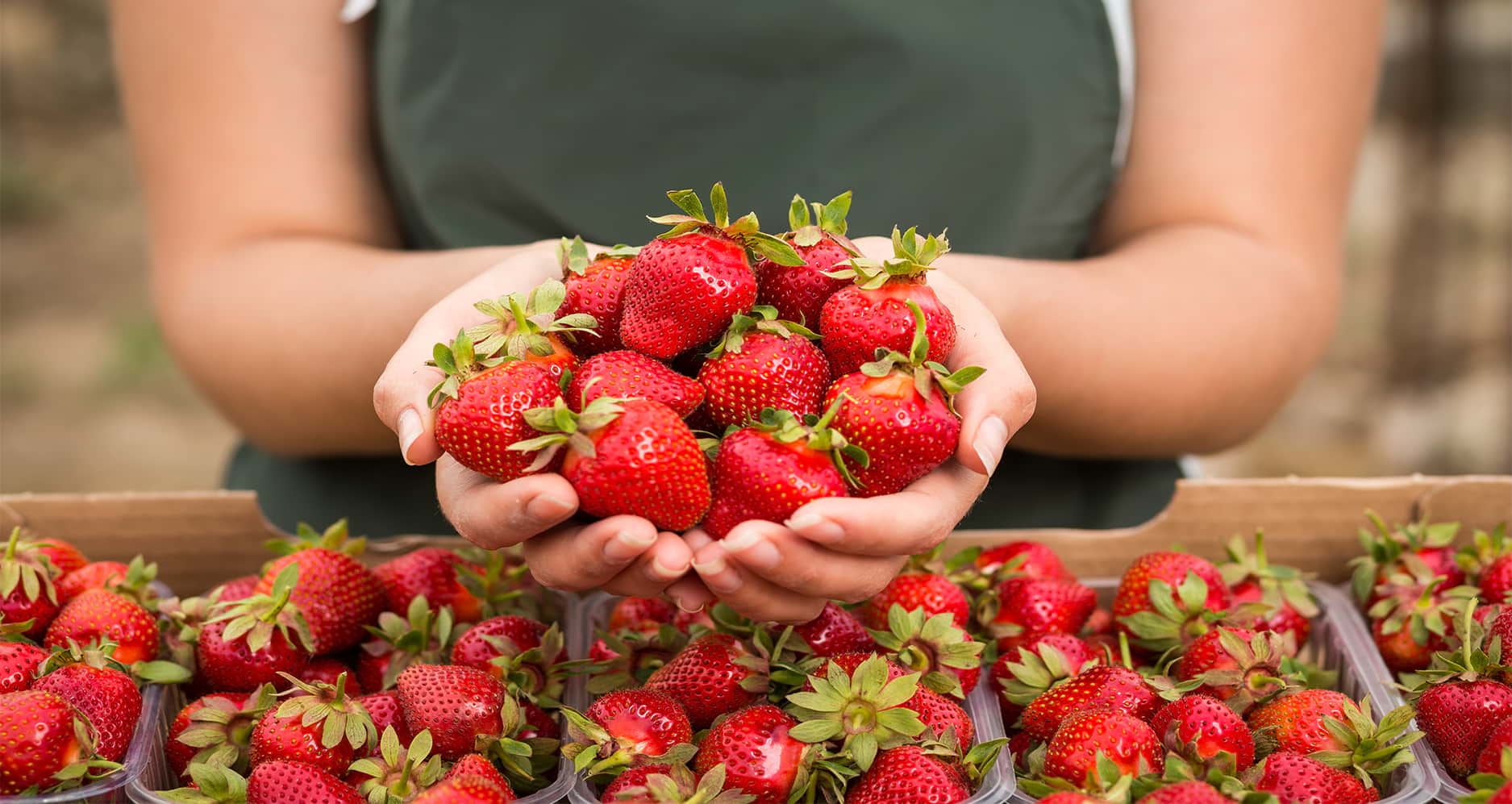
    A delegation of Queensland strawberry growers and industry representatives recently returned from Hong Kong and Indonesia.

    The delegation visited 17 different retail outlets, from high-end supermarket chains such as Great Food Hall in Hong Kong and Ranch Market in Jakarta, right through to suburban wet markets and local street stores.

    While encouraged by the opportunity they saw to ship fruit into these markets, the delegates also gained an impression of the competitive environment they are entering.

    “Hong Kong is a very competitive market with strawberries from the US available in every market type,” said Luigi Coco, chairman of the Queensland Strawberry Growers Association and a strawberry grower from Elimbah. “US strawberries are also available in Jakarta with locally-grown Indonesia strawberries also available.”

    The delegation coincided with a number of trials involving Queensland strawberry exports.

    Coco, from A&E Coco and Sons, Charmaine Davey from Berry Patch Marketing, and Brendon and Ashleigh Hoyle from Ashbern Farms all collaborated to trial shipments to both Hong Kong and Jakarta.

    “Within 24 hours of picking the strawberries on our farm, they can arrive at the importer’s distribution centre in Hong Kong” said Brendon Hoyle. “The Hong Kong cold chain is very sophisticated and strong relationships between these businesses and the retail and food service industry has been established”.

    The supply chain to Jakarta is slightly more complex than Hong Kong, with no direct flights from Brisbane currently available. There is also a requirement for pest treatment.

    Despite these challenges, Queensland strawberries were exported and available for purchase by consumers.

    “It was a highlight seeing strawberries from our farm being sold and purchased in Ranch Market in Jakarta,” said Davey. “The colour and size of the Queensland-bred strawberry varieties, including Red Rhapsody, are very attractive to the consumer.”

    Jennifer Rowling, the development officer for Queensland Strawberry Growers, and Clinton McGrath and Bronwyn Ford, both from the Queensland Department of Agriculture and Fisheries, were also part of the delegation.

    The travel was part of a project funded by the Queensland government’s Growing Queensland Food Exports programme, which was also supported by the Queensland Strawberry Growers Association.

  • Dippin’ Dots and Doc Popcorn to Debut in China

    Dippin’ Dots and Doc Popcorn to Debut in China

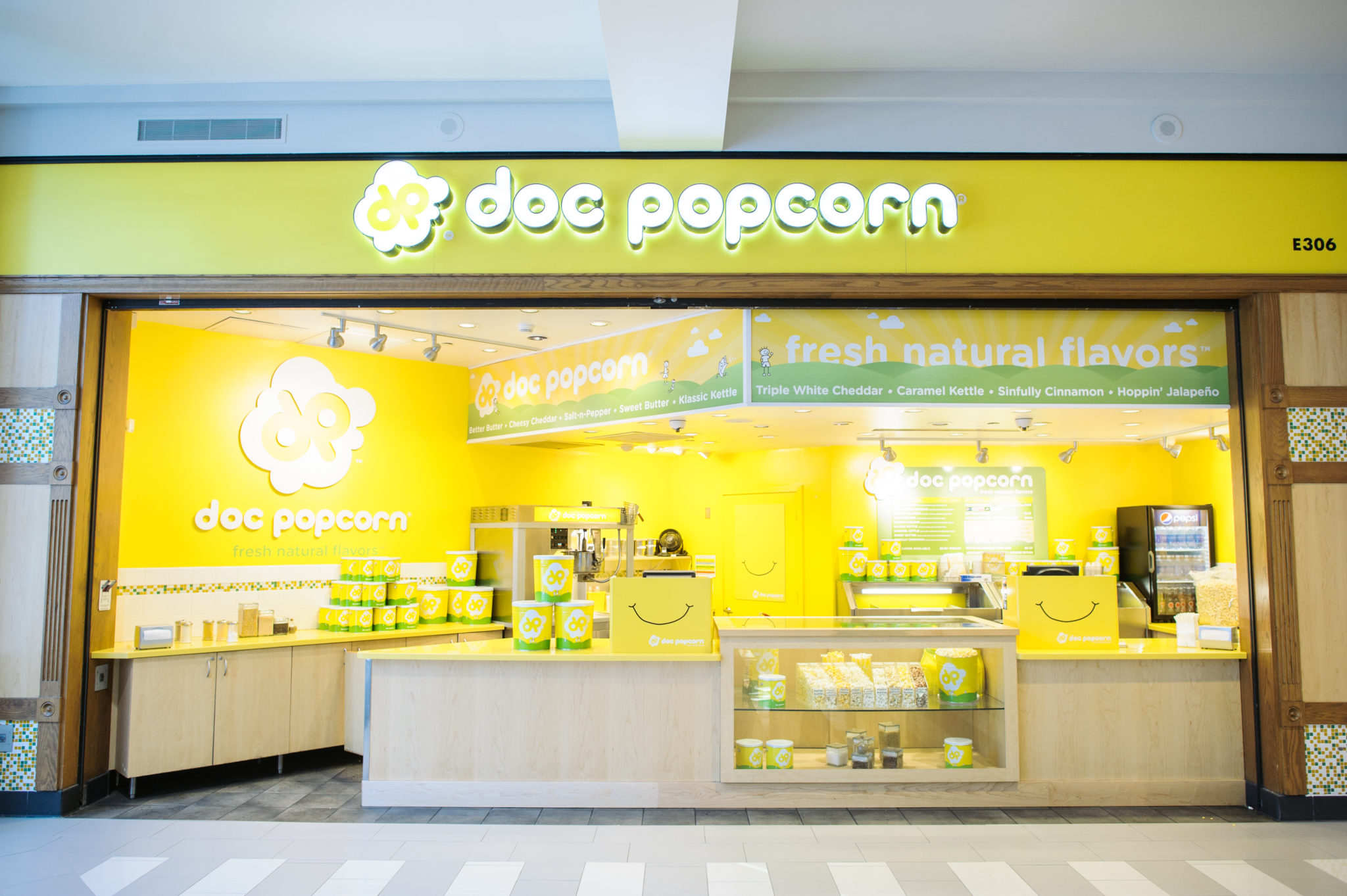
    Two US fast-food chains, Dippin’ Dots and Doc Popcorn, have made their debut in China.

    It is opening its first two locations, in Pudong and Yangpu in Shanghai, with a third location scheduled to open at the Shanghai South Railway Station in August. A flagship store is planned for the Shanghai Shimao Plaza Store on Nanjing Road.

    “We look forward to serving our products at venues where families gather to have fun, and with more than 26 regional amusement parks in development, we are confident in the growth opportunity,” says Dippin’ Dots chief development officer Stan Jones.

    Dippin’ Dots and Doc Popcorn plan to open corporate sites as well, targeting high-traffic areas like entertainment venues.

    While the company says it plans to open outlets throughout China, it has not said if that includes Hong Kong or Macau.

    “We’ve streamlined the supply-chain process to ensure fully stocked product,” says Jones.

    Warehouses and cold storage have been set up in China as product will be shipped from the US. The sister brands’ franchising group established a business entity in Asia three years ago and signed its first licensing agreement with Shanghai Desire Food.

    Dippin’ Dots has produced and distributed its flash-frozen beads of ice cream, yogurt, sherbet and flavoured ice products since 1988. Made in Paducah, Kentucky, the products are distributed throughout the US and in 11 countries.

    Using whole-grain kernels and proprietary flavours, Doc Popcorn handcrafts popcorn free of trans fat, MSG, and artificial colours and preservatives. Founded in Boulder, Colorado, Doc Popcorn started franchising in 2009.

  • Loob to bring Tealive to China, eyes 500 outlets within 3 years

    Loob to bring Tealive to China, eyes 500 outlets within 3 years

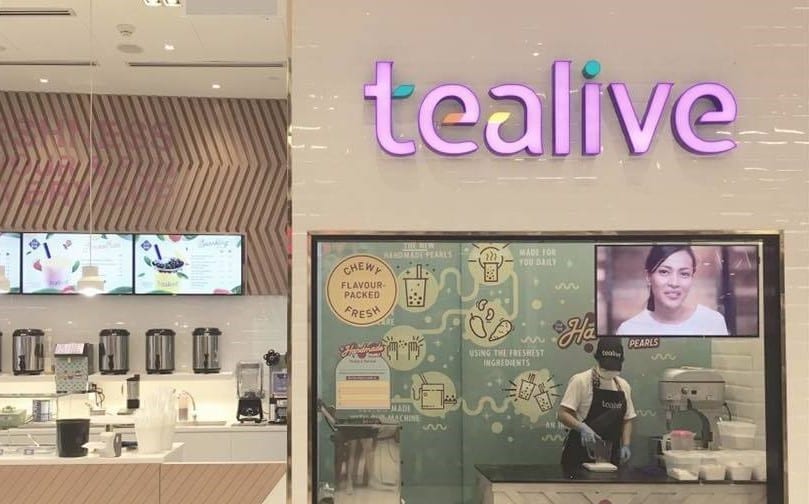
    Loob Holding Sdn Bhd, the creator of Malaysia’s Tealive bubble tea brand, today announced a joint venture with two China companies to bring 500 Tealive stores to China within three years.

    The Malaysian company inked the deal with Zhejiang Boduo International Trade Co Ltd and Shanghai Panfei International Trade Co Ltd at a ceremony attended by retail and franchise industry officials as well as government representatives from Malaysia and China.

    CEO Bryan Loo signed for Loob Holding, which will take a 51% majority stake in the joint venture known as Shanghai Loob Boduo Food and Beverage Co Ltd, subject to company registration approval by the relevant authorities in China.

    Loo said the joint venture would see the first Tealive outlet opening in Shanghai this September before more stores being opened in other selected cities. He expressed confidence that the joint-venture would be able to achieve the targeted 500 stores in three years.

    “Barely six months after the birth of Tealive, we took the brand to Vietnam and we now have five outlets. We have penetrated the Australian market with our first store there next month. Just last month, we appointed our master franchisee in India and we are targeting 140 outlets within five years,” Loo said.

    China, the world’s largest tea market, will be the fourth overseas market for Tealive.

    Loo said Tealive served 2.5 million consumers each month in its 175 outlets and the brand was still expanding every week.

    On prospects in China, Loo said latest indicators were that the market for tea in China had now exceeded US$21 billion per year.

  • Deadline for entries to Asia Food Innovation Awards extended

    Deadline for entries to Asia Food Innovation Awards extended

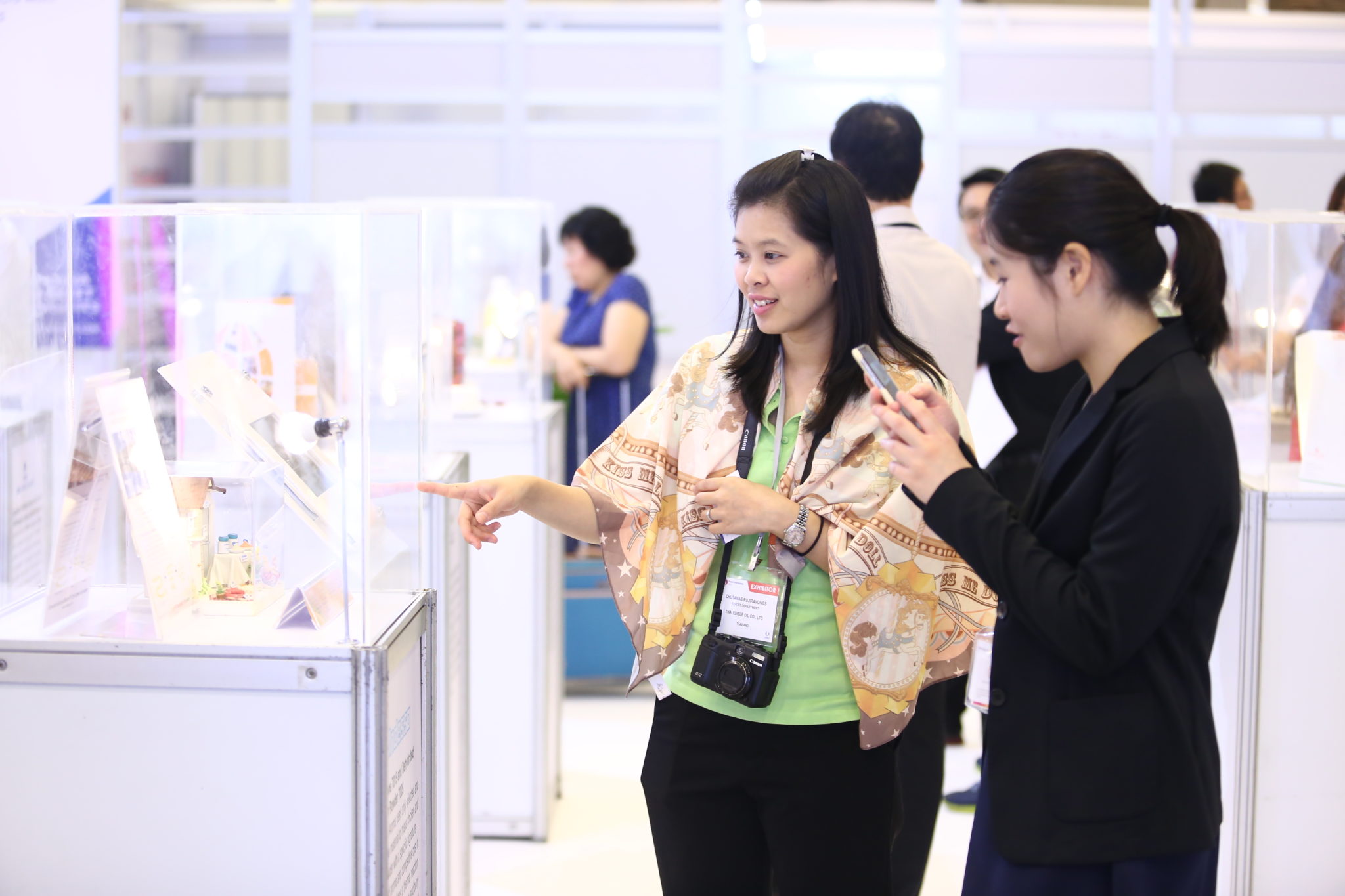
    The deadline for entries to the Asia Food Innovation Awards, to be held this July in Singapore, has been extended to 13 June. The inaugural edition of this awards scheme, which builds on the reputation of the World Food Innovation Awards, will give brands a platform for their success in Asia. It is organised by FoodBev Media in conjunction with event organisers Montgomery, and will be presented at RPB Asia and Speciality & Fine Food Asia on 18 July.

    Previously the deadline had been 7 June, but the extra week will give all interested parties the chance to finish their submissions.

    The full list of judges – which includes the managing director of Montgomery Asia, experts from the world of food accelerators, and an experienced brand design specialist – was announced at the end of May.

    The inaugural Asia Food Innovation Awards are designed to recognise and reward excellence across all aspects of the global food and beverage industry – from manufacturing to ingredients, packaging to finished products.

    They will offer a unique opportunity to showcase your latest innovations at these co-located events in Singapore – ideal for brands looking to increase their exposure in Asia, looking to launch in Asia for the first time, or simply seeking to promote their products in front of an international audience.

    In addition to the prestige of winning an Asia Food Innovation Award, winners and finalists will be receiving a comprehensive PR and media package to celebrate and highlight their success. This will include dedicated coverage on FoodBev.com and FoodBev’s social media channels, as well as a comprehensive communications kit and interview opportunities for winning entrants.

    As a company, FoodBev Media has been organising industry-leading awards schemes for more than a decade. Our most established schemes, the World Dairy Innovation Awards and World Beverage Innovation Awards, are held every year at major events such as the Global Dairy Congress and BrauBeviale or Drinktec, regularly receiving more than 200 entries.

    FoodBev Media group editor Alex Clere said: “We are very exicted to launch the Asia Food Innovation Awards and celebrate the food industry’s innovation achievements in Singapore for the first time. This is an excellent opportunity for brands to showcase their latest developments in front of our panel of judges and an audience of trade professionals at the presentation ceremony itself.

    “The Asia Food Innovation Awards will extend our partnership with Fresh Montgomery – with whom we organise the World Food Innovation Awards – and brings together their established and highly regarded events with FoodBev’s track record in rewarding innovation.

    “The benefits of entering are obvious, and we look forward to celebrating your innovation achievements this July.”

  • Campbell Soup CEO Gets Fired

    Campbell Soup CEO Gets Fired

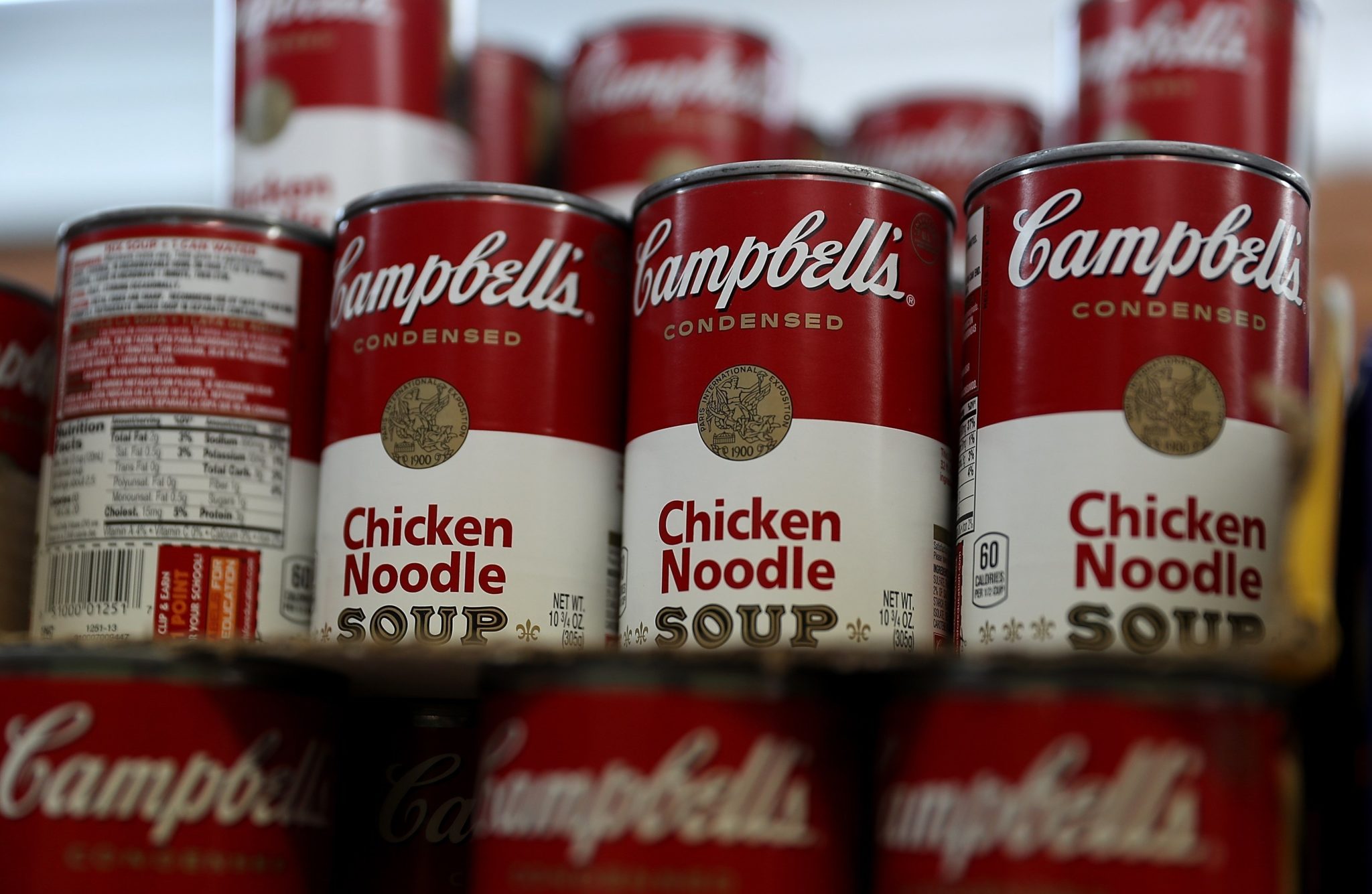
    Denise Morrison, Campbell Soup CEO since 2011, has retired, effective immediately, following four straight years of sales declines. Board member Keith McLoughlin will serve as interim CEO.

    Campbell Soup continues to face particularly strong competitive pressure from premium niche brands and brands with a naturally healthy positioning, according to Raphael Moreau, senior analyst at Euromonitor. “Private label also remains a major threat, especially in soup in the US,” he says, “and may also be used as a negotiating tool by retailers to obtain more favorable conditions.”

    Morrison faced an uphill struggle to heat up tepid soup sales as consumers shun processed and canned foods. Moreau says the acquisitions made under Morrison have made strong contributions toward reducing the group’s reliance on shelf-stable soup. “The acquisition of Snyder’s-Lance marked the most important step toward diversifying the business into snacks,” he explains, “although its successful integration brings challenges, with few opportunities for brand synergies.”

    Expanding its offerings of “clean label” foods, as it did by buying up organic brands such as Pacific Foods (acquired in 2017), also bring the company potential for growth, but maybe not enough. “Although the Campbell Fresh division accounts for a sizeable share of the group’s sales, its contribution to the group’s overall growth remains too modest to turn around the group’s performance,” states Moreau. “Containing the erosion of soup sales also needs to be addressed.”

    Within soup, Moreau suggests there is potential to continue a shift toward premium products—particularly focusing on organic soup and fresh soup in the US and growth opportunities in emerging markets, notably Latin America. Sweet biscuits in Asia might also help reverse the sales dive.

    Having been with Campbell for 15 years, Morrison outlasted the “15 minutes of fame” prophesized by Andy Warhol, whose pop-art Campbell’s Soup Cans provided priceless publicity for the iconic brand. Maybe Campbell should call on the art world to make its packaged foods popular again.