Category: Food

Retail News Asia is committed to providing both local and global retailers with the latest Food and Food & Beverage news throughout the Asian market. This on a daily base.

  • Angkasa Pura Retail opens units at Semarang terminal

    Angkasa Pura Retail opens units at Semarang terminal

    Angkasa Pura Retail has opened two shops at the new Semarang Ahmad Yani International Airport (SRG) in Central Java. The retail subsidiary of state-owned PT Angkasa Pura I has this month extended its retail footprint with two convenience shops spanning a total of 212sq m, one located landside in the public area and another airside post-security. A 135sq m airside gift shop is also set to open in due course.

    In addition, Angkasa Pura Retail will open a 105sq m gifting, souvenir and packaged food outlet at Lombok International Airport (LOP) in the coming months.

    Meanwhile, a 235sq m gift and souvenirs concept at Bali Ngurah Rai International Airport is also timed to open in August at the domestic departure area (gate six).

    ‘FLOATING TERMINAL’

    Last week, Indonesia’s President Joko Widodo inaugurated the ‘floating’ passenger terminal at Semarang, which replaces the previous 6,702sq m structure.

    Spanning 56,652sq m, the IDR 2.075tn ($149m) project has the capacity to handle 6.9m passengers annually, up from the previous 800,000 ceiling.

    According to a PWC Indonesia report earlier this year, Angkasa Pura I President Director Faik Fahmi was quoted as saying the ‘floating’ airport term relates to the fact the terminal is built on soft land, parts of which are submersed by water, using poles and pre-fabricated drainage.

    In a wide-ranging conversation during last month’s TFWA Asia Pacific Exhibition & Conference in Singapore, Angkasa Pura Retail revealed plans to re-map its existing 200sq m Surabaya Duty Free concession at Juanda International Airport, where it also operates a speciality beauty outlet at T2 (Baci) and other retail and F&B units.

    The re-mapping exercise is expected to take place towards the end of the year and is designed to open up space linked to the passenger gates.

    The firm’s merchandise presence at Surabaya includes wines & spirits, tobacco and fashion and accessories. The company is also taking a fresh look at its retail product mix in line with the the spatial re-configuration, with one focus being the development of Indonesian brand Bhumi Tea.

    For last two years, it has also boasted a presence in downtown Jakarta at the Kuningan City shopping mall, trading under the name ‘Ourflock’, but that has now come to an end.

    “The business was not doing very well and closed in August 2017,” confirmed Widya Wiedagdo, Marketing & Business Development Director, Angkasa Pura Retail.

    When asked if there are future plans to re-open in downtown Jakarta, he said: “Not yet, we must take many considerations as there is a lot of competition and the situation is not good for downtown, but the airport business is ok.”

    When asked for his plans this year, Wiedagdo says the objective is to open chocolate confectionery and fashion accessories stores in travel retail, in addition to dedicating more space towards liquor and spirits at Surabaya Airport.
     

  • Fast food chain Jollibee to open 100 Canadian stores

    Fast food chain Jollibee to open 100 Canadian stores

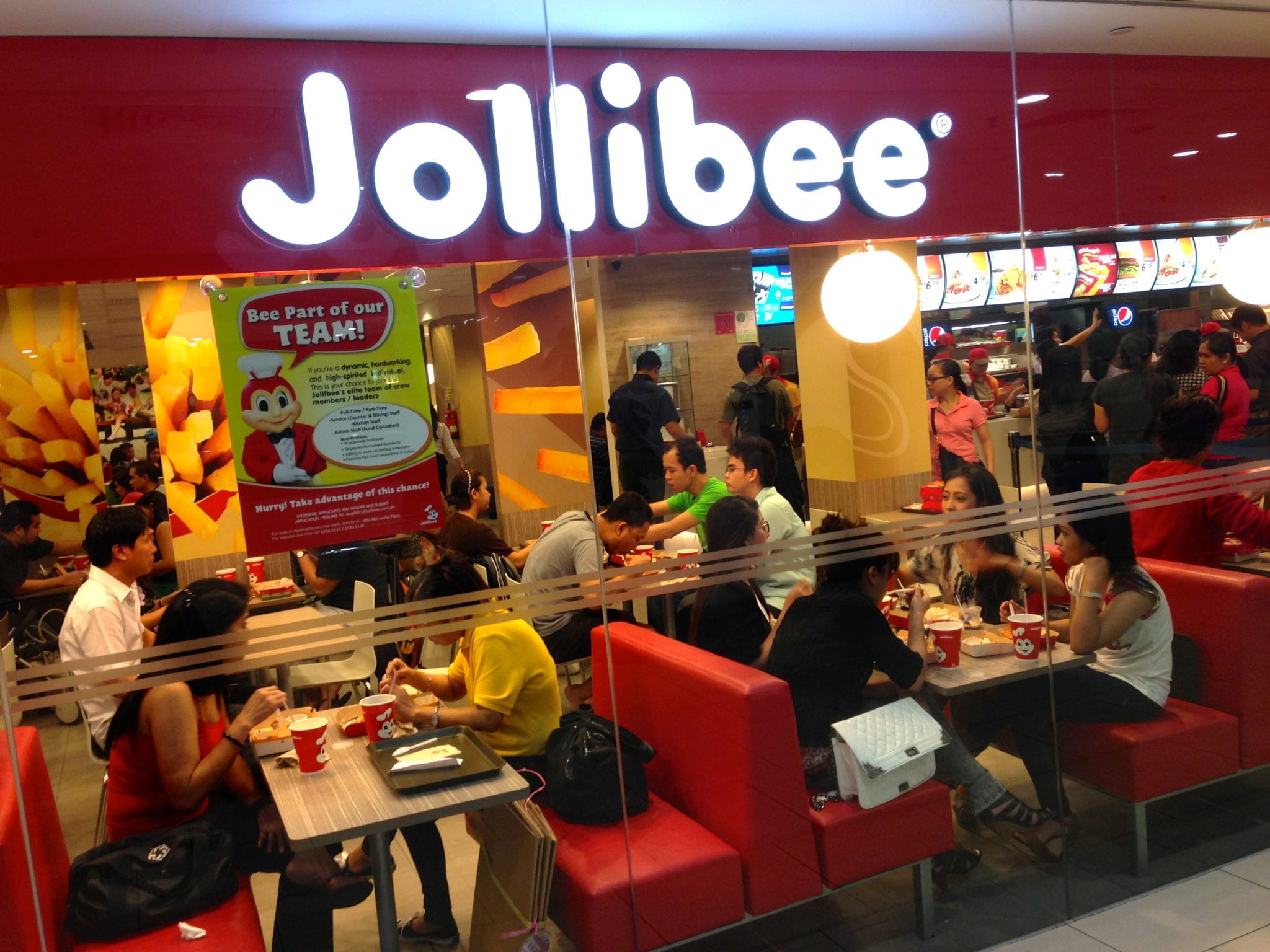
    Filipino fast-food chain Jollibee Food Corporation plans to open 100 stores in Canada within the next five years.

    The company says it is eyeing the wave of new locations because the country is a key growth market and a big part of its North American expansion plans.

    Jollibee attracted long lines of customers when it entered the Canadian market in 2016, opening two Winnipeg locations and a store in Scarborough, Ont. over the last three years.

    It hopes to expand further in Ontario, but is also exploring stores in Edmonton, Calgary and Vancouver.

    Its aggressive expansion comes as international interest in Filipino food is rising and as Canada is attracting an increasing number of restaurants serving such food.

    Jollibee’s Filipino fare includes spaghetti in a sweet sauce, crispy chicken, burgers and peach mango pies.

  • Alibaba Digitizes 100 RT-Mart Stores with New Retail Solutions

    Alibaba Digitizes 100 RT-Mart Stores with New Retail Solutions

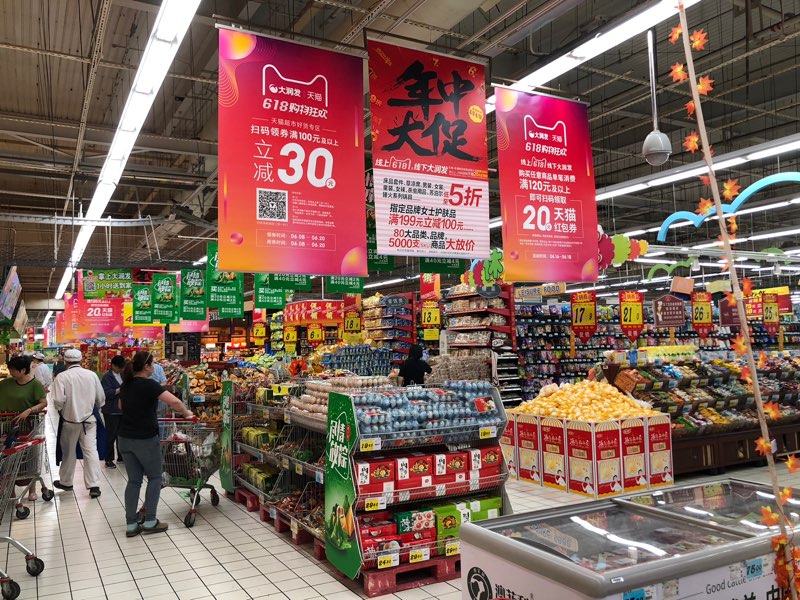
    Alibaba Group Holding Ltd. today announced a New Retail makeover for 100 RT-Mart stores, offering Chinese customers a seamless experience, whether they’re shopping online or offline.

    The hypermarkets, operated by Sun Art Retail Group, include 41 stores in eastern China and others in small cities across the country. The digital makeover underscores Alibaba’s commitment to empowering its partners to move up the value chain.

    The digitized RT-Mart stores will leverage Alibaba’s New Retail infrastructure, offering store operators customer insights, supply chain management, retail technologies, smart logistics and electronic payment.

    Customers will benefit from wider variety of products and better services. They’ll enjoy a frictionless shopping experience, whether buying through the Taobao app, which offers most of what’s on the RT-Mart shelves, or at a brick-and-mortar store.

    The upgraded RT-Mart stores will offer one-hour delivery for customers living within a three-kilometer radius. Delivery is powered by Hema supermarkets’ cutting-edge logistics and resources.

    Hema’s innovative fresh food supermarket and local delivery concept – introduced by Alibaba in 2015 – is the inspiration for the RT-Mart makeover. Hema has also partnered with RT-Mart on its supply chain, helping it source high-quality fresh produce directly from suppliers. This ensures RT-Mart shoppers find a host of Hema’s “Daily Fresh”-labeled products, including fruits and vegetables, meats and dairy products refreshed every morning.

    The new RT-Mart stores also join Tmall’s 6.18 Mid-year Shopping Festival, offering coupons for either online or offline shopping.

    The upgrade of the 100 RT-Mart stores kicked off in March and is fully underway. By year-end, Alibaba intends to introduce its New Retail solution to an additional 300 RT-Mart stores. And there may be more to come.

    “RT-Mart is using the Hema business model to explore this new path of New Retail. If this proves to be successful, we will share our experience with our peers,” said Peter Huang, the chief executive of RT-Mart.

    In its ongoing push into the retail space, Alibaba late in 2017 invested US$2.88 billion to acquire a 36% stake of Sun Art Retail Group, which operates over 400 hypermarkets under the Auchan and RT-Mart banners.

  • Collectivize, industrialize, Vietnam farmers urged

    Collectivize, industrialize, Vietnam farmers urged

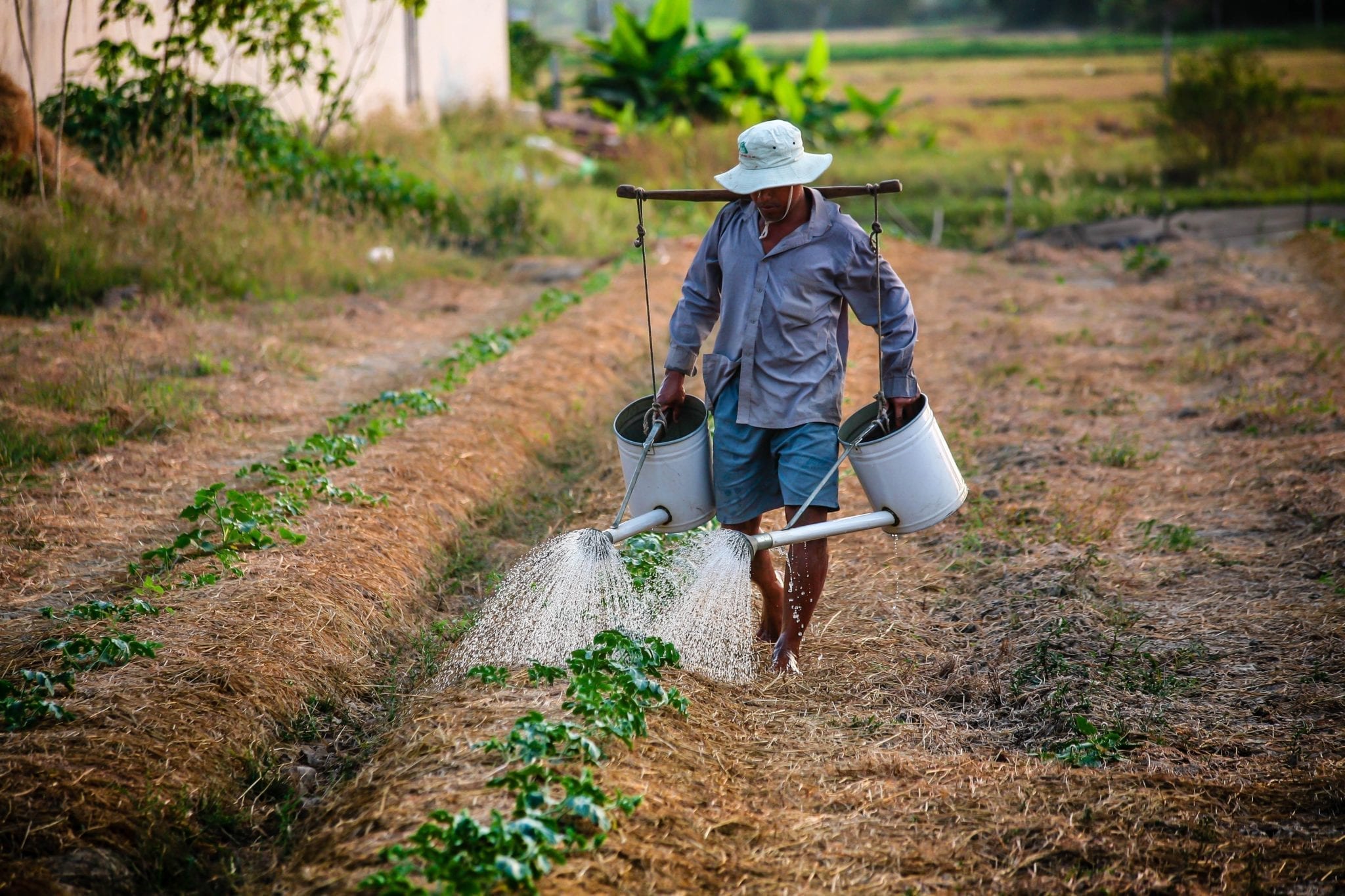
    Instead of working individually, Vietnamese farmers should band together and become “industrial workers,” an expert says.

    Dang Kim Son, former director of research with the Ministry of Agriculture and Rural Development, said at the Vietnam Economic Forum on Tuesday that farmers need to join forces to take Vietnamese agriculture to the next level, applying advanced technology and engaging in large scale production.

    He said farmers need to work together under a co-operative system where their combined produce is sold by one representative organization, which will give them greater control over both input and output, Son said.

    Vietnam also needs to establish a research institute that provides data helping farmers to focus on cultivating the most productive fruits, he added.

    One of the downsides of Vietnamese agriculture is that produce quality is not guaranteed, said Tran Thanh Hai, deputy director of the Import-Export Department under the Ministry of Industry and Trade.

    “When farmers industrialize agriculture, manufacturing costs will be lower and produce quality higher,” Hai said.

    Technology, especially blockchain technology, should be applied in farming, said Vu Truong Ca, CEO of Lina Network.

    He said a standardized supply chain should be applied in growing fruits to yield higher value, Ca added.

    Other experts at the forum reiterated what they’ve been saying for many years now, that Vietnam needs to reduce export of raw produce and focus more on processing produce after harvest.

    With 90 percent of exports being raw material, the country’s produce value will continue to be low, said Nguyen Quoc Toan, acting director of the Department of Processing and Market Development of Agricultural Products.

    “Produce like lychee have short cycles, so we need to improve processing before exporting,” Toan said.

    Vietnam’s agriculture export-import turnover reached $17.5 billion last year, an increase of 16 percent from 2016. Vegetable, fruits and cashew each account for 20 percent of total agriculture produce exports, while coffee makes up 19 percent, according to Vietnam Customs.

  • IHOP makes waves with name-change mystery

    IHOP makes waves with name-change mystery

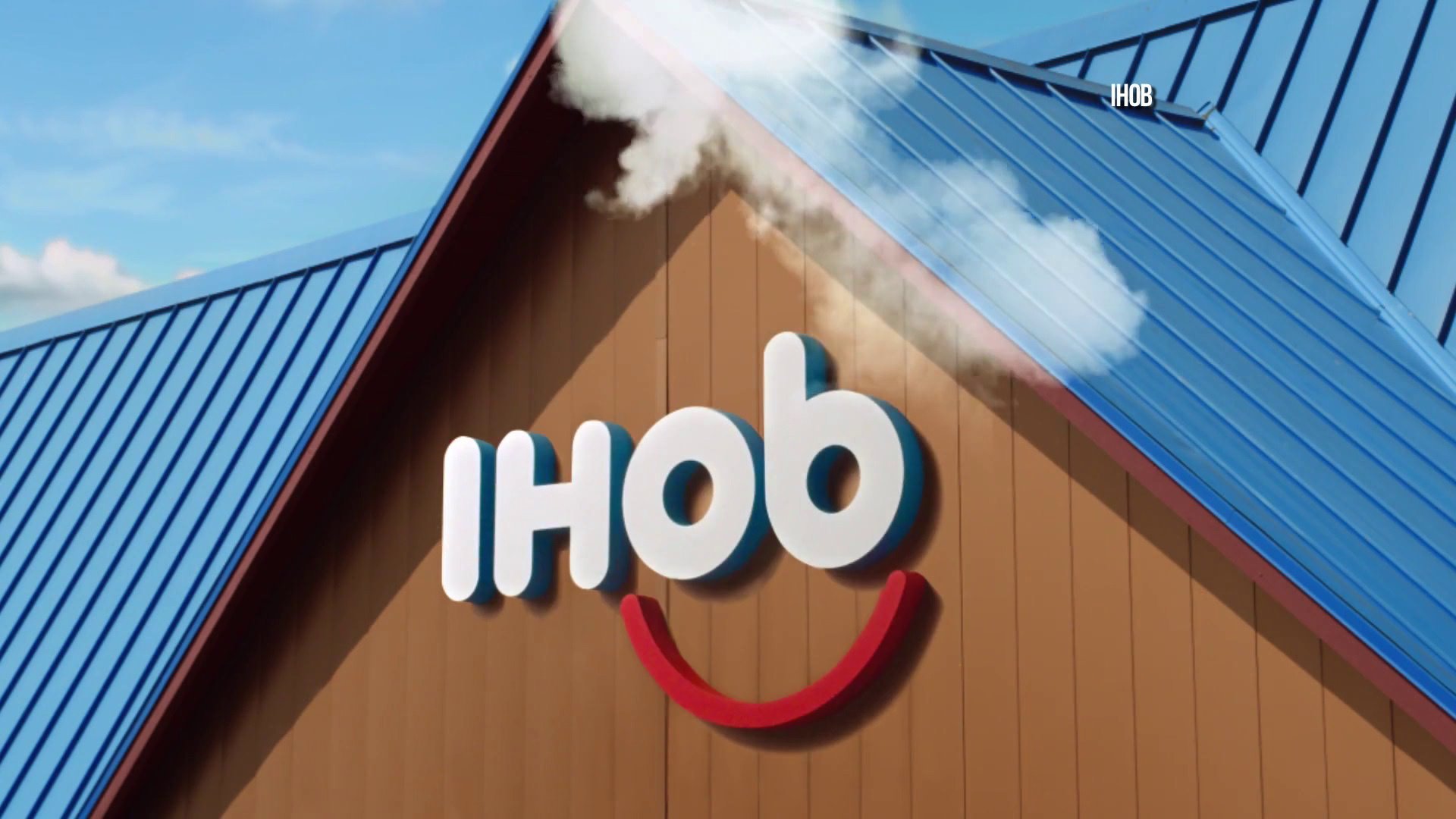
    US-headquartered pancake restaurant Ihop drew a massive social media backlash after announcing it was changing its brand to Ihob – with the b for burgers.

    But the Ihop name change turned out to be a publicity stunt – to try to share the message amongst the ranks of American fast-food fans that the ubiquitous chain was just as good at making burgers as its trademark, calorie-laden pancakes.

    So while the company had to fend off thousands of criticisms from its customers – most of whom failed to read the small print in the announcement that it was a “temporary” change – the subsequent publicity ensured there will be few people across America this morning who don’t know that Ihop – or Ihob – serves burgers as well as pancakes.

    “@IHOb the b stands for blasphemy,” tweeted one dismayed customer. Another said it stood for “international house of betrayal”.

    “The world is spiraling out of control and I can’t understand why IHOP would force us to deal with more unwelcome change,” said another. And yet another: “Why is ihop going thru a mid life crisis.”

    Rival chains climbed on the bandwagon with some good-natured jibes, as well:

    “Not really afraid of the burgers from a place that decided pancakes were too hard,” tweeted Wendy’s.

    And Whataburger tweeted: “As much as we love our pancakes, we’d never change our name to Whatapancake”.

    Guessing game

    Prior to the Ihop name change the company held an online survey, teasing the new Ihob name and inviting people to guess what the b stood for. More than 30,000 people guessed words ranging from bananas to bacon, brunch to breakfast.

    After the furore, Ihop president Darren Rebelez told CNN (yes, he go onto CNN – that’s how successful this PR stunt was!) the company will always be named Ihop, “but we want to convey that we are taking our burgers as seriously as our pancakes”.

    “Burgers are a quintessential, American menu item so it makes perfect sense that Ihop … would go over the top to create a delicious lineup of quality burgers,” added Nevielle Panthaky, the chain’s “culinary chief”.

    Ihop, which turned 60 this year, has nearly 1800 locations across the US, including a flagship in Hollywood, California, which was converted into an Ihob for yesterday’s brand launch party.

    Unsurprisingly, marketing experts were heaping praise on Ihop.

    “Credit to IHOP: They’re garnering more media attention than the moon landing for adding seven hamburgers to their menu,” wrote Kevinwxgg in a tweet, quoted by the Washington Post in a story headlined “IHOP’s name change is what happens when brands exploit the Internet outrage cycle”.

  • The Artist House, Hong Kong’s newest lifestyle hub

    The Artist House, Hong Kong’s newest lifestyle hub

    Retail Mixer goes experiential at the Hong Kong’s newest lifestyle hub. Discover the new The Artist House and why it epitomizes retail experience.

    The premium segment of the beer industry is gaining tremendous interest across Asia with double digit annual growth thanks to urbanization and rise in disposable income, translating into a shift in consumer demand towards premium beers and unique consumer experiences.

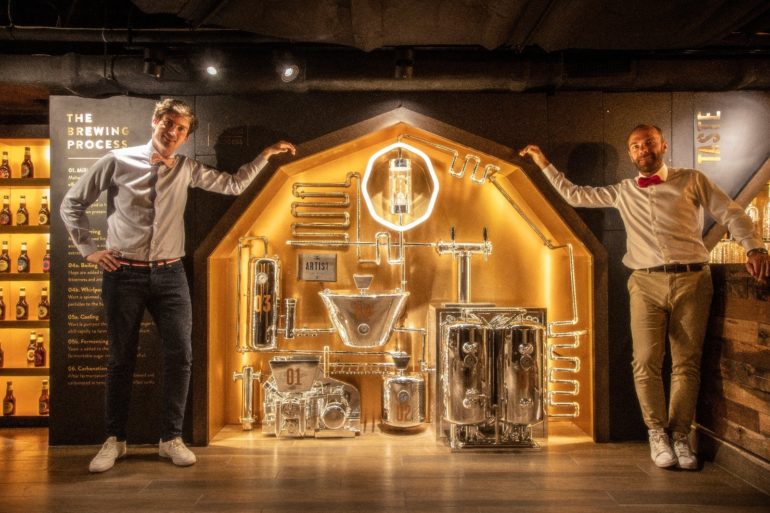
    Catching momentum, in 2015, Olivier Gilson and Benjamin Cox, two cousins with a strong entrepreneurial, operational and financial expertise, launched The Artist, a premium craft beer company.

    The Artist has brought to Hong Kong a unique craft beer brewed in the main barn of a 14th century farm (1343) in the South of Belgium by a Belgian Master Brewer who was one of few brewers in the world to traditionally brew beer in an abbey alongside monks.

    Belgian style beers are recognized worldwide as symbol of quality and authenticity, and The Artist’s mission is to engage beer appreciators in a journey into the brewing tradition.

    Since 2015, The Artist been has been delighting craftsmen and women’s palates with a collection of craft beer including Blonde, IPA, White and Raspberry available in high-end F&B concepts in HK, corporate events, and launching parties, its own .com with customization options, and through a wholesale distribution in selected point of sales.

    In March 2018, Oliver and Benjamin embarked into a new adventure. They created The Artist House, a physical extension of 14th century farm (1343) in the South of Belgium, where the beer is brewed.

    The Artist House finds its home in Fashion Walk, Causeway Bay, Hong Kong. The softly-lit venue has a décor to impress with a stunning combination of light and dark wooden panels consistently echoed throughout the venue.

    The Artist House is an educational journey into brewery tradition built on sensorial experiences. The 3,800 sq.ft retail space is designed to bring the visitors into a craft beer world through a series of experiential touchpoints aimed to engage the 5 senses and create a learning experience and a memory as takeaway.

    The Artist House features a 8 meters bar, a coffee corner and a kitchen for the creation of menu for beer pairing. A built-in hydroponic farm is there to grow herbs, spices and edible flowers for beer infusions and craft beer cocktails.

    A micro-brewery to tailor make infused beer, edible perfume bar to pair unique fragrances with craft beers, a 360VR tour of the brewery in Belgium, the chance to personalize beer and gadgets, make The Artist House a unique retail space, which offer customer to take part into the artistic process of brewing beer.

    The Artist House believes that each individual is an artist. In the process of brewing beer, starting from the artisans who brew the beer, the buyers who curate the beers for a specific markets, the visual merchandiser who places them in a display, the bartender serving them, and finally the consumer, they all take part in this creative journey.

    Oliver and Benjamin strongly believe that “today’s consumers have the desire to live unique experiences rather than simply purchase goods”. As such, their key pillar is to constantly focus on innovation to offer customers unforgettable experiences.

  • New  TWG Tea Leicester Square Boutique has more than 800 teas

    New TWG Tea Leicester Square Boutique has more than 800 teas

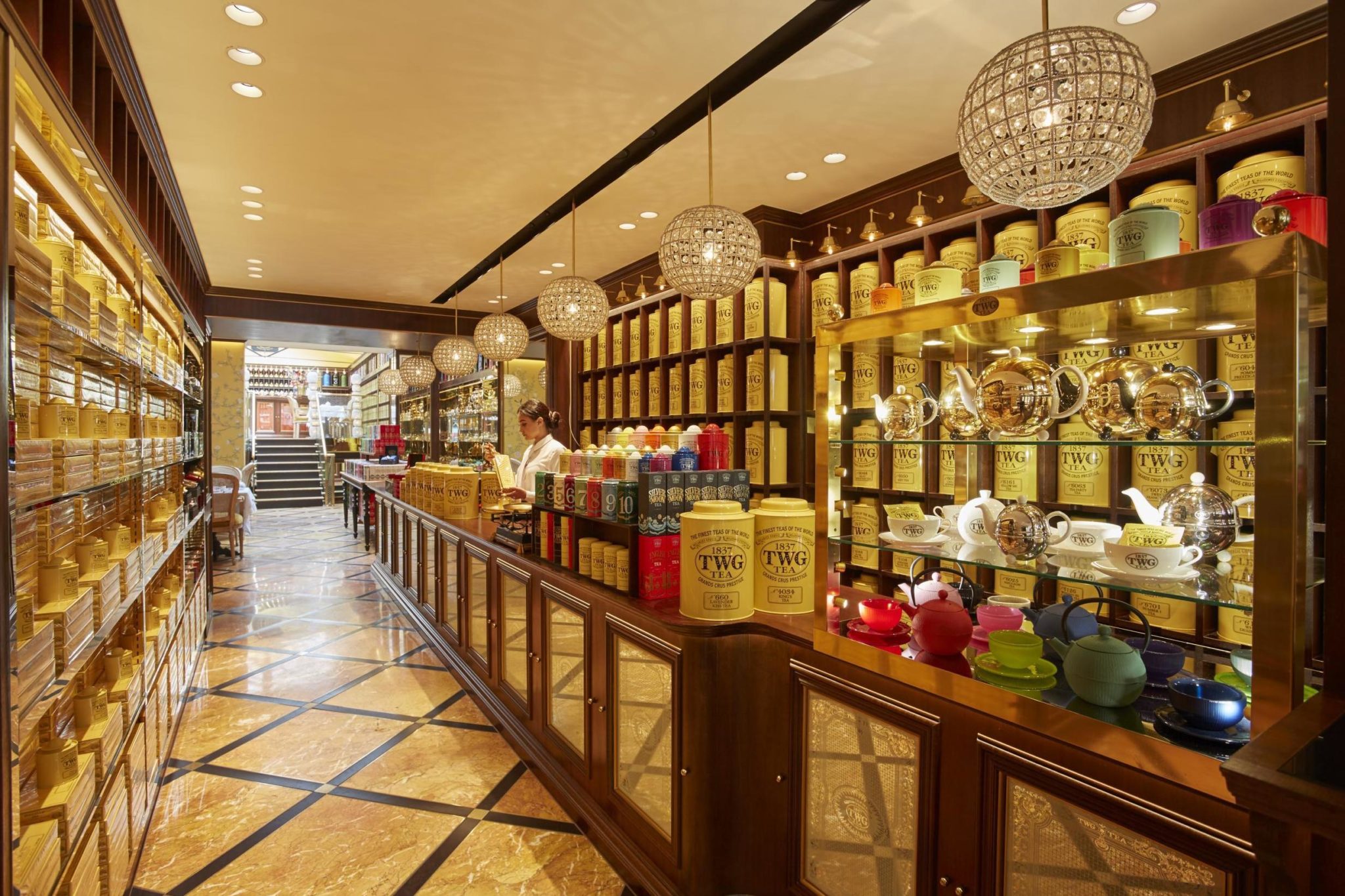
    TWG Tea has launched a London flagship in Leicester Square.

    Inside, the TWG flagship are tables laden with colourful cannisters of the company’s teas, including London Breakfast, Paris Breakfast (with candied spices), Russian Breakfast (Georgian smoky tea with bergamot); afternoon and evening blends like the Orient Express (black tea with wild berries) or Longevity tea, with white leaves; fun blends such as Silver Moon (green tea with berry and vanilla), Emerald River (green with Burma fruits) and the White House (with fruits and roses).

    There are also teas for the connoisseur: the rare first-flush and the white Darjeelings, Chinese Yellow teas, once a drink for emperors, the white Yin Zhen, and blue tea. Prices range up to £1300 for 100g. All up, there are about 800 teas in this branch. In the company’s other, smaller new shop on Brompton Road, opposite Harrods, there are 600.

    Tea can be imbibed from breakfast through to dinner in the tea-salon-cum-restaurant upstairs. This is a grand Chinese room, with tea-leaf shapes on the ceiling and red lacquer panelling. At the back, there is a museum of tea artefacts, from Russian samovars to old dragon-wreathed Chinese teapots and chests.

    As well as teas there are tea-flavoured biscuits and patisserie and ice cream. “We don’t want it just to be about afternoon tea,” says TWG co-founder Maranda Barnes. “We want it to be for every time of day, for everything you do. I was 18 before I started drinking tea. I have it with my girlfriends when I want to unwind, when I want to celebrate, when I want to get myself going. I want everyone to feel that there’s a tea for them. I don’t want it to be stuffy and intimidating.”

    Waiters recommend teas to go with the food, but there is also tea in the food … macha salt on the French fries, Sencha tea and popped rice on the butter and tea leaves in the bread, macha beurre blanc in the Norwegian salmon sauce and the Sakura! Sakura! Tea in the sorbet that goes with the Bain de Rose dessert.

  • Vietnamese coffee prices keep dipping

    Vietnamese coffee prices keep dipping

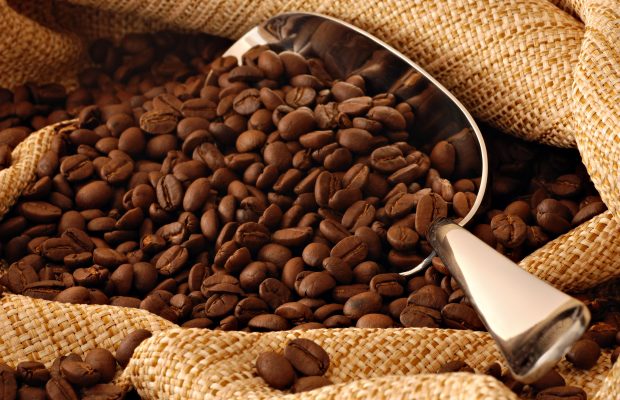
    Coffee prices in the Central Highlands have been decreasing since the beginning of the year, and are not likely to recover any time soon, according to the Ministry of Agriculture and Rural Development.

    The price stands at VND35,100–35,500 ($1.55-1.56) per kilogram, down VND400–600 from the end of last year.

    This is the lowest price in the last two months and Vietnamese farmers are holding on to their stock without selling, a ministry report said.

    It attributed the price to favorable weather in Brazil, the world’s top coffee exporter; and the start of a new season in Indonesia, another major producer and exporter.

    With global supply remaining high, a price rise is unlikely to happen soon.

    However, Vietnam still enjoyed a positive export situation in the first four months of the year, exporting 41,700 tons of coffee worth $161 million, an increase of 23.5 percent in volume and 19.6 percent in value.

    Germany and the U.S. remain the largest markets for Vietnamese coffee, respectively accounting for 13 and 11 percent of total exports, according to the agriculture ministry.

  • Founder Bak Kut Teh lands in Vietnam

    Founder Bak Kut Teh lands in Vietnam

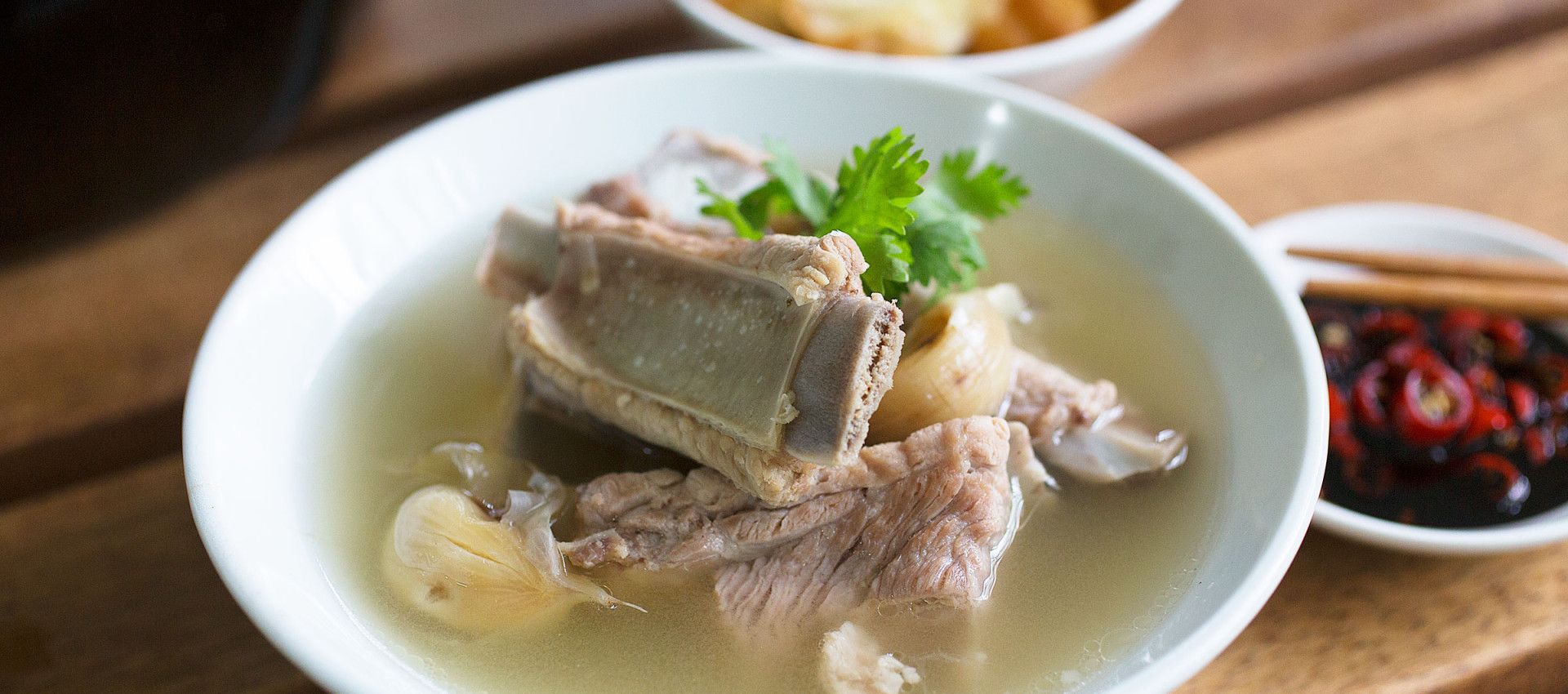
    Singapore’s pork ribs restaurant chain Founder Bak Kut Teh has opened its first outlet in Vietnam.

    Located on the ground floor of Ho Chi Minh City’s RomeA shopping centre in District 3, Founder Bak Kut Teh Vietnam offers the original Singapore menu.

    The brand’s founder Chua Chwee Whatt visited Vietnam for the grand opening and personally prepared the dishes for diners.

    Established in 1978, Founder Bak Kut Teh has two branches in Singapore and one in Jakarta, Indonesia.

    The brand launched in Vietnam under a franchise agreement with local Foodjoy company.

  • Bottega Lounge opening in Seoul attended by owner

    Bottega Lounge opening in Seoul attended by owner

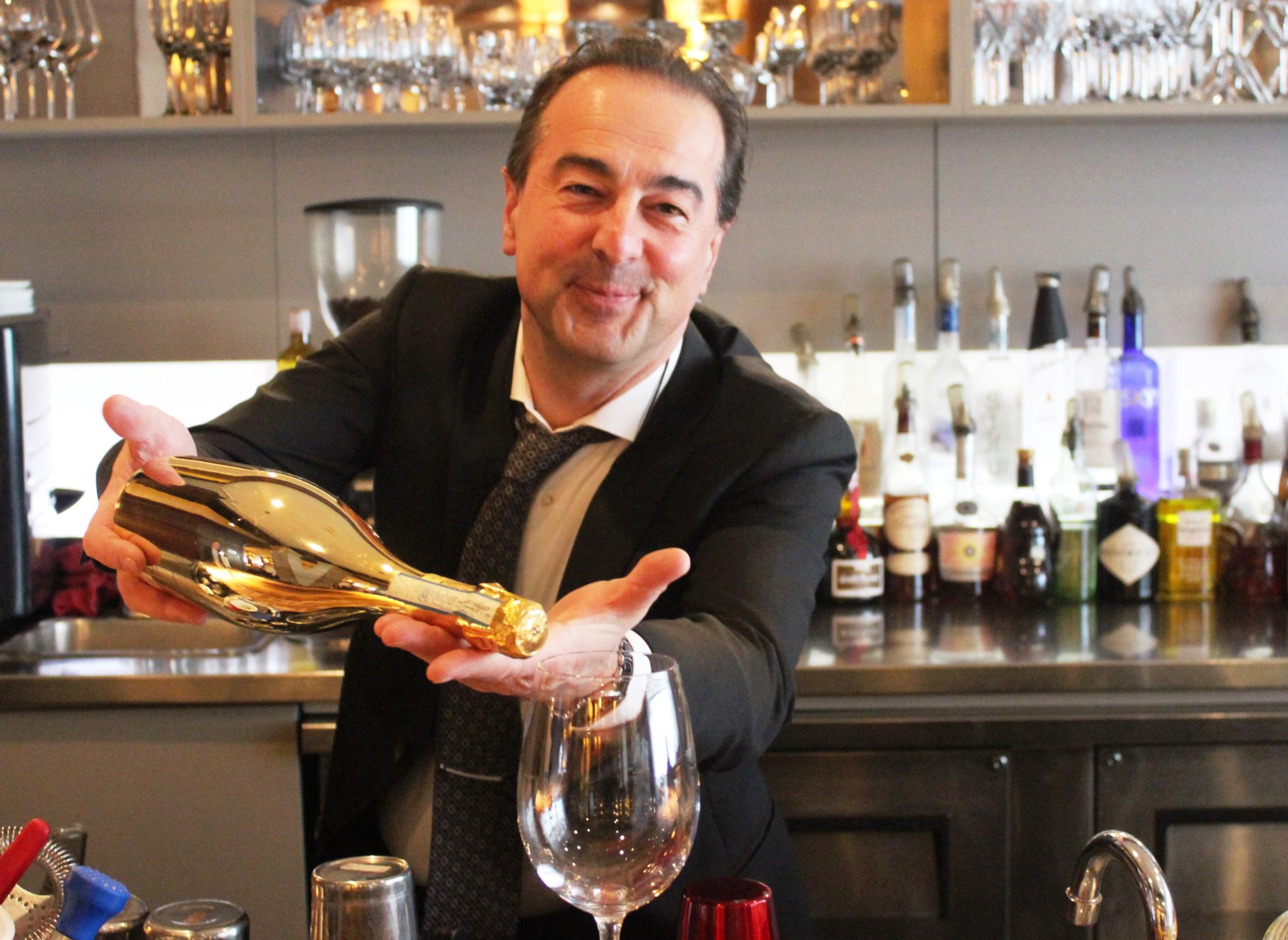
    Owner/MD of the Italian winery and distillery bearing her family name attended the official inaugural event of the Bottega Lounge in Seoul’s Gangnam-Gu.

    Opened in collaboration with a local partner, the lounge offers Italian Prosecco, Amarone della Valpolicella, Brunello di Montalcino, grappa and liqueurs.

    The lounge also allows Seoul people to become familiar with Italian food, as well as other Asian, American and French cuisines.

    Bottega is a family-owned company in Bibano, Treviso, (45km north of Venice) that has been producing premium Italian wines, grappa, spirits and food products since 1977. Bottega is a third-generation business, today led by Barbara, Sandro and Stefano Bottega. Its headquarters are in a renovated 19th-century farmhouse surrounded by 10ha of vineyards. The group also runs a winery in Valpolicella and one in Montalcino.

    Bottega products are distributed to more than 120 countries.

  • Danone-Aqua Pledges to Recover, Recycle More Plastic Than It Uses

    Danone-Aqua Pledges to Recover, Recycle More Plastic Than It Uses

    Tirta Investama, the company behind Danone-Aqua, Indonesia’s oldest and largest bottled water brand, has pledged to recover and recycle more plastics from the environment by 2025.

    Within the next seven years, the local unit of French food giant Danone said in statement on Wednesday (06/06) that it will recover more plastic than it uses and increase the proportion of recycled plastic in its bottles to 50 percent from 11 percent currently.

    “Today Danone-Aqua delivers more than two-thirds of our water in returnable, reusable jugs. More than half of our PET [polyethylene terephthalate] bottles are already being collected and recycled into new bottles or other materials, such as textiles. But we have decided the time is right to invest further and to do more,” Tirta Investama president director Corine Tap said in the statement.

    The company signed up Sumber Alfaria Trijaya, the operator of Alfamart, one of Indonesia’s largest convenience store chains; digital app developer Smash; and the country’s largest mobile operator Telkomsel last month to install drop boxes for shoppers to recycle their bottles.

    The drop boxes allow shoppers to exchange used plastic bottles for points in Telkomsel’s T-Cash digital wallet. Tirta Investama aims to have drop boxes installed at all Alfamart convenience stores to serve 100 million consumers by 2025.

    “We want to encourage and educate consumers to be more creative in collecting and recycling their plastic waste into something of better value,” said Ivan Hermawan, general manager of corporate communication at Sumber Alfaria.

    Tirta Investama is also collaborating with other companies, including H&M, the world’s second-largest fashion retailer, and it has joined alliances such as the Packaging and Recycling Alliance for Indonesia Sustainable Environment (Praise) and the Indonesian Plastic Recycling Association (Adupi), to curb plastic waste.

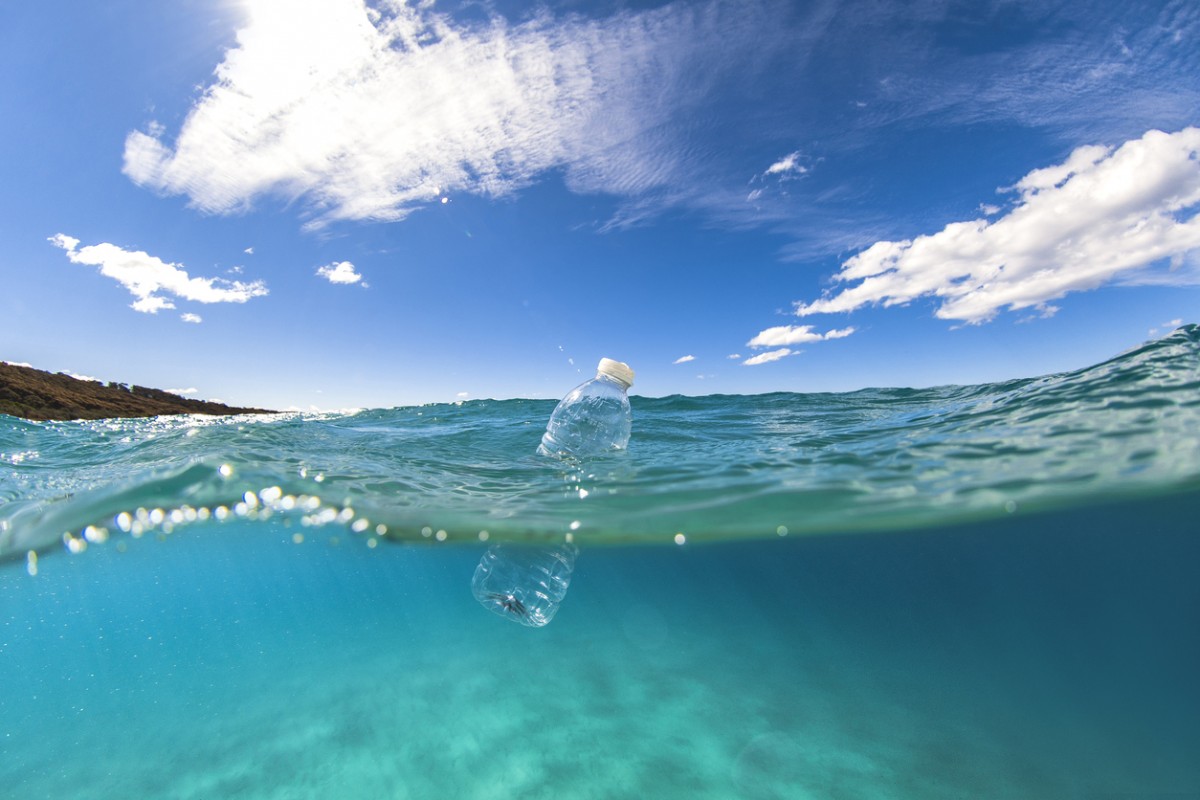
    According to the Ministry of Environment and Forestry, Indonesians throw away around 9 million tons of plastic every year, with most of it ending up in landfills, clogging waterways or being washed away to into the ocean, damaging marine life.

    The government aims to reduce plastic waste by 70 percent by 2025 and it has also committed up to $1 billion annually to removing plastic debris from its seas.

  • Life at Starbucks after Howard Schultz

    Life at Starbucks after Howard Schultz

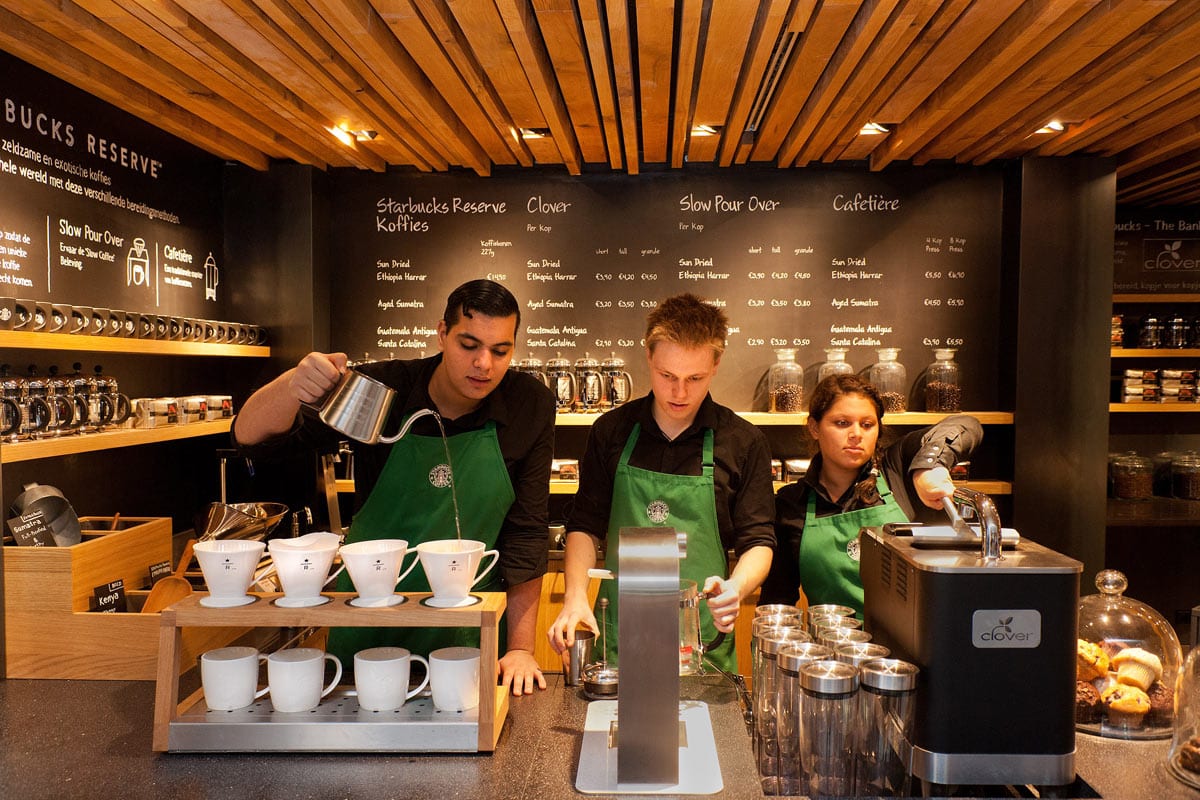
    Howard Schultz, Starbucks’s public face, wrote an emotional letter to employees on Monday to announce his plans to leave the Seattle company on June 26 after some 40 years, saying, “I would like to humbly remind you not to lose sight of what matters most: your fellow partners and our customers.”

    Schultz, who will leave his position as Starbucks’s executive chairman, continued, “Success is not an entitlement; it must be earned every day through hard work and teamwork.”

    A good reminder that was. Starbucks, under Schultz, has been a success story.

    The company has expanded from 11 stores in 1987 to 28,000-plus, in 77 countries, becoming the world’s No. 1 coffeehouse chain thanks to its “Third Place” pitch as a community spot for people between home and work. The company’s stock has jumped 21,000% since its 1992 IPO, and Starbucks was ahead of curve in offering employee benefits including comprehensive health care and free college tuition.

    It also has become a poster child for corporate activism and social consciousness. And with mobile phones fast changing consumer behavior, Starbucks was also ahead in building a mobile payment and rewards system that’s given it coveted customer insights.

    Starbucks’s share in the $58 billion global specialty coffee shop market rose to about 46% last year, from 41% in 2014, according to Euromonitor. Its share in the nearly $25 billion U.S. market surged to more than two-thirds, from 61%, during the same period, Euromonitor data shows.

    However, as much as Starbucks, or Schultz, can take pride in those accomplishments, the reality is that what once set Starbucks apart has been widely replicated and, in some cases, outdone. Just look at the crop of gourmet coffee shops like Think Coffee, Gregorys Coffee, Blue Bottle Coffee and Stumptown Coffee Roasters, which have suddenly mushroomed in cities like New York and beat Starbucks at its own game.

    Starbucks is also facing growing competition on the low end, led by McDonald’s, and increasingly has to respond to the trend of consumers’ brewing more high-end coffee at home or buying more ready-to-drink coffee on the go. A recent Mintel study, for instance, showed ready-to-drink coffee has posted five straight years of double-digit sales growth, outpacing the specialty coffee shop sales growth tracked by Euromonitor.

    Meanwhile, as Starbucks has grown, it has faced the mounting challenge of training its employees and maintaining the same level of customer service and experience. For instance, even though the company recently shut its more than 8,000 company-owned U.S. stores to train nearly 175,000 employees on unconscious bias after a Philadelphia manager called the cops on two black men, the response from both employees and customers has been mixed. (Just look at Starbucks’s painstaking responses to each Facebook post applauding or faulting it for the move.)

    With its recent move to officially declare its Use of Third Place policy to welcome anyone, paying customer or not, to its stores, the chain also needs to figure out who and how it wants to please without alienating its loyal customers.

    The warning signs started coming even before the Philadelphia incident. A Market Force Information study of U.S. coffee, bakery and donut shops in February found Starbucks’s composite loyalty index, which measures things such as customers’ satisfaction and their likelihood to recommend a restaurant, actually declined to 49% this year, from 58% in 2017. This ranked Starbucks below rivals including Krispy Kreme and Panera Bread.

    In yet another cautionary sign, in KPMG’s 2018 U.S. Customer Experience study, which was released Tuesday and covers 250 brands of various sectors, Starbucks actually came in a less-than-impressive 80th place. Among those categorized as restaurants in the study, it fell behind chains like Chick-fil-A, In-N-Out Burger and Krispy Kreme.

    Starbucks, which has also been hurt by declining U.S. mall traffic, has seen the Americas region’s comparable sales, or sales at company-owned locations open for more than 13 months, slow each year to 3% in fiscal 2017 from 7% in fiscal 2013. Even in Asia, where Starbucks has identified China as a big growth driver, comparable sales have slowed over that time.

    That’s not even counting the fact that growth elsewhere likely won’t come fast enough to move the needle and eclipse the U.S.-dominated Americas region, which represented 70% of fiscal 2017 sales versus Asia’s 14%.

    “Never embrace the status quo,” Schultz, whose upcoming departure from Starbucks has sparked speculation of a possible presidential run, wrote in his letter. “Have the curiosity to look around corners and the courage to push for reinvention. … Change is inevitable, and the world has become a more fragile place since we first opened our doors.”

    Starbucks needs to take those words to heart. After all, the world has not only become a more fragile place; it’s also become a more fickle place.

  • Starbucks Launches New Auto-payment System

    Starbucks Launches New Auto-payment System

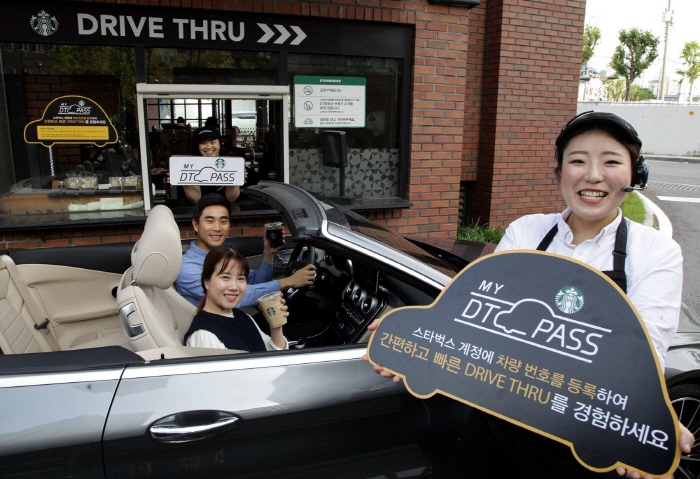
    Starbucks Korea has launched automatic payment drive-through locations, using DT Pass technology.

    To use the service, customers need to have a Starbucks online account with a rechargeable membership card, and register their car licence plate. A DT Pass device at the drive-through entrance will identify the customers via their registered car licence plate and deduct the payment automatically.

    The company says the time for a barista to receive the order information and for customers to make a payment is reduced by 13 to 15 seconds, which accounts for 10 per cent of the time spent at a drive-through.

    Starbucks Korea launched the service after a survey of account members. It is available at 11 branches in Seoul and will expand to 140 branches nationwide by August.

    Korea was also the first country to adopt Siren Order four years ago, which let customers order in advance so everything would be ready when they arrived.

  • Thailand, not Vietnam, is exporting ‘pho’ to the US

    Thailand, not Vietnam, is exporting ‘pho’ to the US

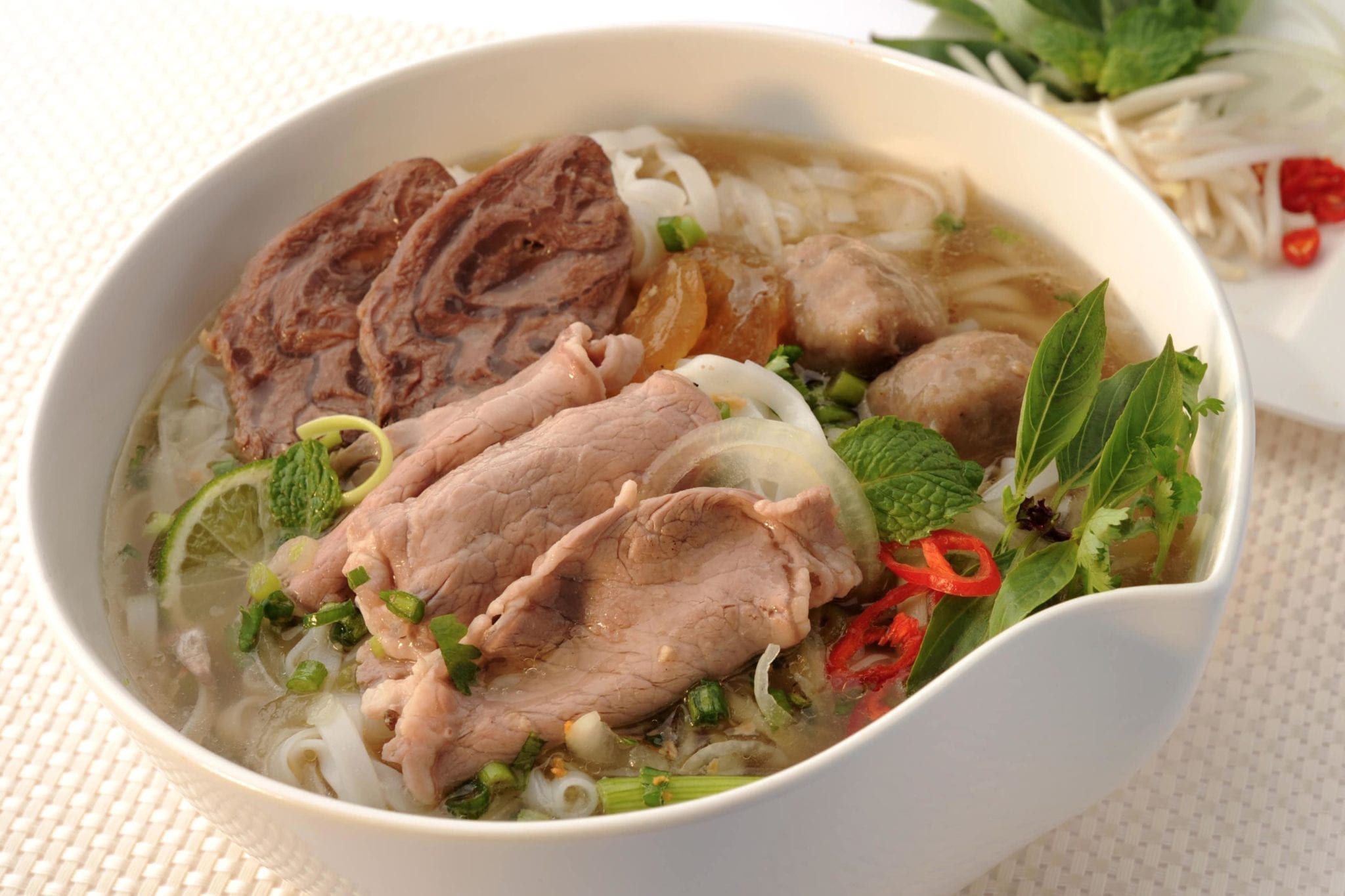
    Pho, the fragrant flat rice noodles soup served with beef or chicken, has given Vietnamese cuisine an iconic status. But the company making money by exporting an instant version of the soup to the US is based in Thailand.

    A representative of Charoen Pokphan Foods Plc (CPF) said at a recent meeting with Vietnamese businesses that the company’s Authentic Asian Chicken Pho Noodle Soup is enjoying great sales in the US.

    The number of restaurants that serve Vietnamese pho in the U.S. reached 8,900 in 2014 and is increasing, the CPF representative said, citing a study by the Institute for Immigration Research.

    Vietnamese businesses at the meeting were surprised that CPF’s factory in Thailand is able to produce 200,000 ready-to-eat pho products a day, using a workforce of just 10 workers.

    CPF said its factory in Thailand was powered by artificial intelligence, and the manufacturing process was completely automatic. Some production lines only require two workers operating via computers, the company said.

    This manufacturing process results in a “beautiful and easy-to-use package,” said Vu Kim Hanh, president of the Business Association of Vietnam High Quality Goods.

    With a shelf life of 18 months, CPF’s pho, which requires just two minutes in a microwave, is very convenient for customers, Hanh added.

    “Vietnam still needs to make many changes to catch up with its immediate Southeast Asian competitors in the agricultural products and foodstuffs industries,” she said.

    Currently, the number of businesses in Viet Nam’s fresh packed food market is still low, despite some new products from Saigon Food, which produces 100,000 packages each day.

    CJ Cau Tre offers cooked Vietnamese Hue noodle soup and spaghetti, and the Minh Hung group plans to use high pressure processing to produce fresh fruit juice.

  • Old Chang Kee Is Now Open in London’s Covent Garden

    Old Chang Kee Is Now Open in London’s Covent Garden

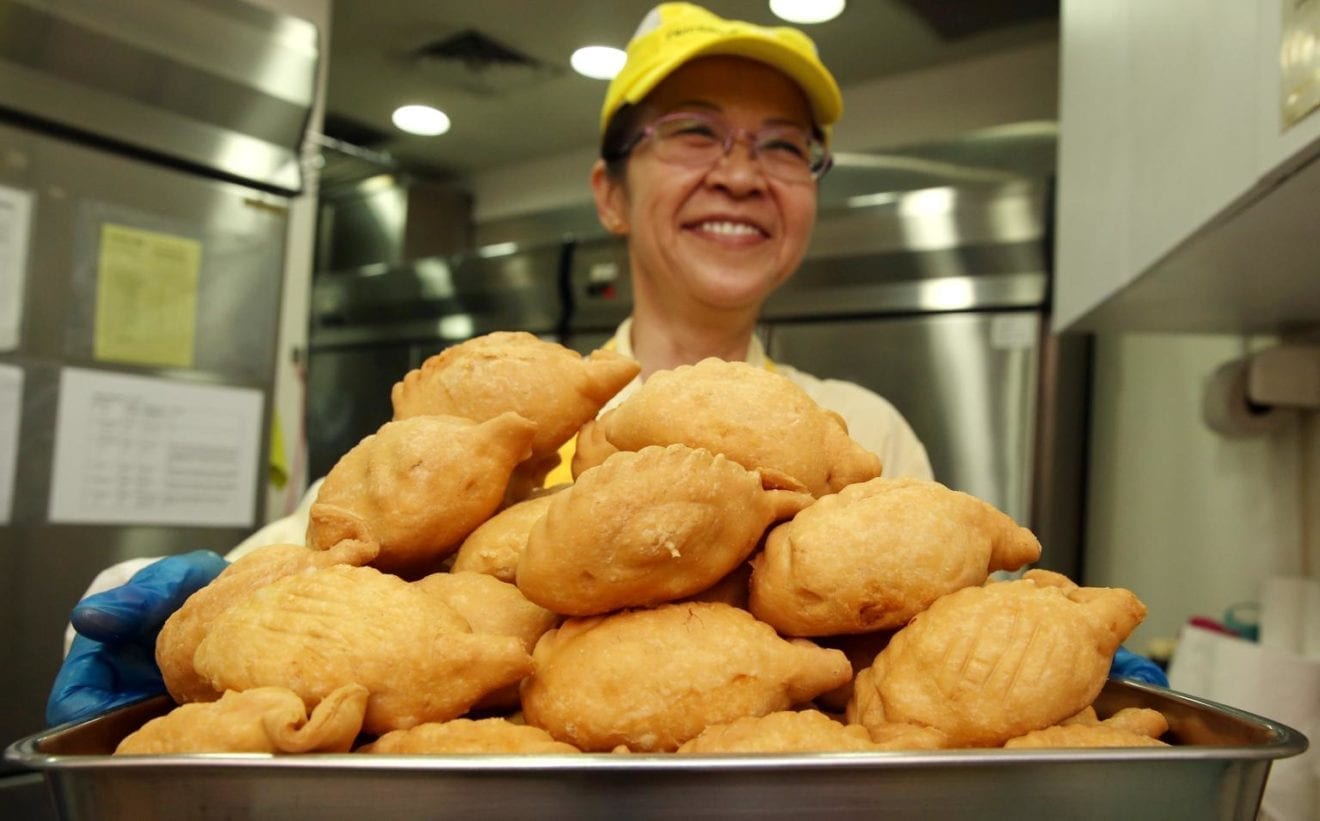
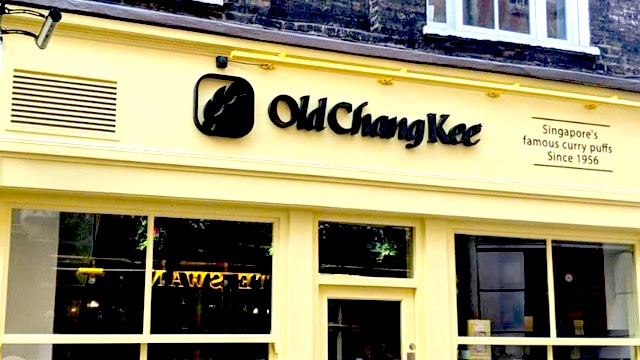
    Singaporean food brand Old Chang Kee has opened its first British outpost – in London’s Covent Garden.

    Old Chang Kee has more than 100 outlets across Singapore, Malaysia, Indonesia and Australia. It made its first curry puff in 1956 and now sells more than 1.5 million of them a month worldwide. When Old Chang Kee ran a pop-up in Kentish Town in northwest London last year, its curry puffs sold out in four hours.

    The brand’s entrance to Britain is a JV between the chain and Sandra Leong, a Singaporean who has been living in London for seven years.

    Menu highlights include the signature curry puff, curry potato puff, and creamy chicken and mushroom puff. Seasonal favourites include the Singapore chilli-crab puff and black-pepper tuna puff. There is also Singapore chicken curry, a mixed-vegetable curry and nasi lemak as well as laksa.

    “The curry puff is Singapore’s version of the Cornish pasty,” says Leong, who is director of Old Chang Kee UK.

    In conjunction with the official opening of Old Chang Kee in London, the brand has launched a six-day Curry’O promotion in Singapore from today.