Category: Food

Retail News Asia is committed to providing both local and global retailers with the latest Food and Food & Beverage news throughout the Asian market. This on a daily base.

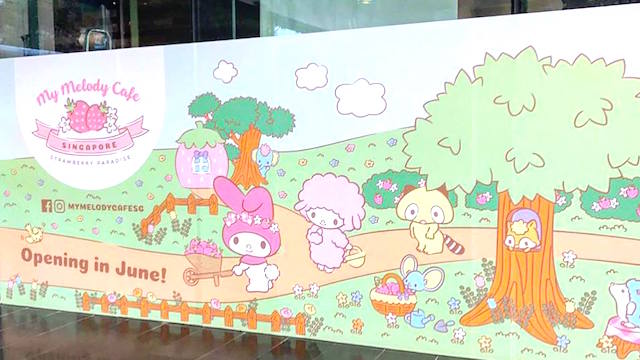
  • My Melody Café Is Opening In Singapore At Suntec City

    My Melody Café Is Opening In Singapore At Suntec City

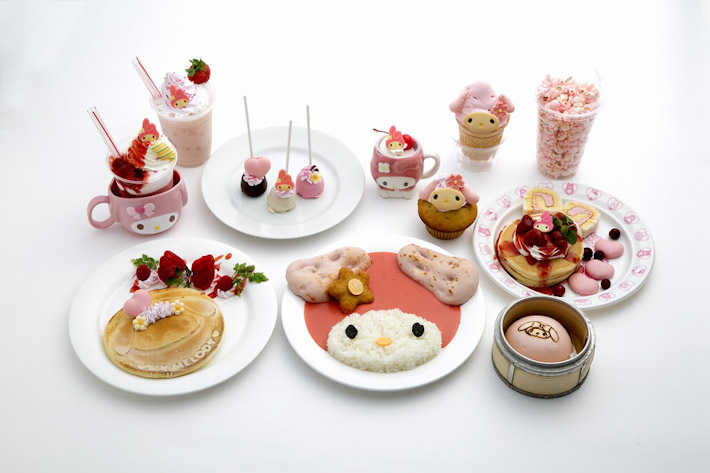
    Japan’s My Melody Cafe plans an outlet at Suntec City.

    Commonly known as My Melo, the character central to the cafe is a white rabbit from Japanese characterisation company Sanrio who is said to be a good friend of Hello Kitty.

    With an al fresco garden setting, the cafe will feature a floral arch, garden-themed mural wall and a cottage house.

    The menu will offer five mains, six desserts and seven character-customised drinks.


  • Thailand’s biggest Starbucks opens at CentralWorld Bangkok

    Thailand’s biggest Starbucks opens at CentralWorld Bangkok

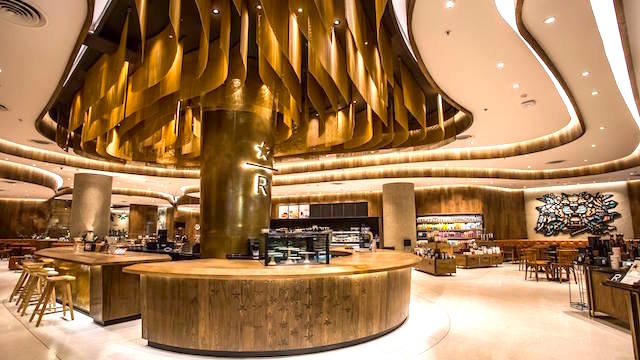
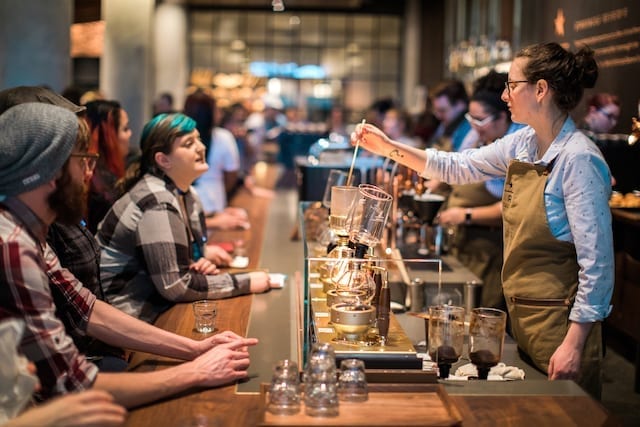
    After months-long renovation, Starbucks on the 1st floor of CentralWorld is now back in operation and, this time, becomes Thailand’s biggest store with the area spanning over 600 square meters.

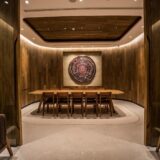
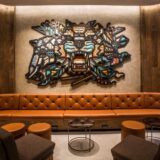
    Decked out with curvy, bright-colored wood and artsy details, the newest Starbucks cafe also offers a new nitrogen-infused drinking experience. While Nitro Cold Brew coffee has been around for a while, Starbucks sets off a new line of frothy drinks on tap (dubbed Draft) composing of Cold Brew Coffee, Nitro Cold Brew coffee, Nitro milk and Nitro peach tea, from which you can choose to create your choice of eight concoctions. For example, Nitro Green Tea Latte is the creamy foam of matcha with Nitro milk, while Nitro Flat White is composed of intense shot of espresso with Nitro Milk.

    Draft drink starts from B130 for short glass or you can go for a flight of four selections for B600.

  • Indonesia Considers Stopping Palm Oil Exports to the EU

    Indonesia Considers Stopping Palm Oil Exports to the EU

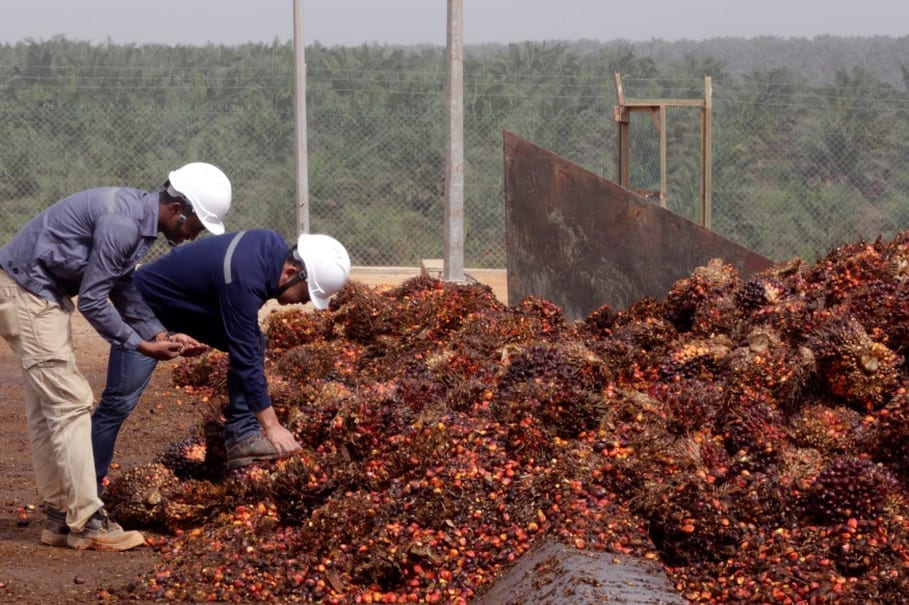
    Indonesia is preparing for a worst-case scenario should the European Parliament’s draft of a ban on the use of palm oil in biofuels get approved by the European Commission and European Council.

    In January, members of the European Parliament voted in favor to phase out the use of biofuels made from palm oil by 2021 to fulfill the EU’s Renewable Energy Directive, which aims to reach a renewable energy target of 27 percent by 2030, including in transport fuels.

    A decision on whether the ban will be legally imposed in all EU country members will be made in 2019. If approved, Indonesia and Malaysia, who together produce nearly 90 percent of the world’s palm oil, will suffer a hard blow.

    “There’s an [ongoing] study about stopping exports to the European Union altogether. When it’s done, Indonesia can see that palm oil trade with them is risky. The study is to eradicate that risk once and for all,” Mahendra Siregar, executive director of the Council of Palm Oil Producing Countries, said in a discussion hosted by the Jakarta Foreign Correspondents Club (JFCC) on Friday (25/05).

    The council has commissioned several research institutions and universities to help produce its research, which is expected to be completed by the end of the year at the latest.

    Palm oil is a key source of revenue for Indonesia — the world’s biggest palm oil producer — accounting for about 14 percent of the country’s total exports.

    The EU is the second largest export market for Indonesian palm oil, importing around 5 million tons of the key Nutella ingredient each year. According to Ministry of Trade data, the EU has always been in the top two destinations for palm oil, along with India, since the 1990s.

    Purbaya Yudhi Sadewa, deputy minister of coordinating maritime sovereignty at the Coordinating Ministry of Maritime Affairs, said the EU must address trade barriers that discriminate against palm oil for the matter to be solved quickly.

    “Our goal is not to force the European Union to use palm oil, but we demand fair treatment for palm oil with other vegetable oils,” Purbaya said, adding that the EU now seems to solely target palm oil.

    “If the European Union has shown that they are not discriminatory towards palm oil, then we will gladly comply to their policy,” he said.

    The EU has insisted that it has no intention of building trade barriers against Indonesian palm oil and will address all drivers of deforestation, including soy, cocoa and coffee, but it has so far only proposed to ban palm oil imports.

    “The way I see it there is a [business] competition as they [EU country members] produce rapeseed oil which is expensive, while our palm oil is cheaper,” Trade Minister Enggartiasto Lukita said last month.

    According to a study by the Malaysia Palm Oil Council, oil palms occupy 9.2 million hectares of agricultural land and produces 31.8 percent of global oils, while soybean and rapeseed crops require 10 times this amount of land to produce similar yields.

    “This is an unhealthy competition … If it [palm oil] is disturbed, then we will also disturb the EU,” Enggartiasto said, adding that the ministry plans to ban fisheries from the EU if the draft is approved.

    Deforestation

    Vincent Guerend, EU Ambassador to Indonesia and Brunei Darussalam, however, said the union is considering to progressively replace food-based biofuels by more advanced ones, such as electricity, to prevent land-use changes affecting peatlands and tree cover.

    “The EU was the one to promote biofuel as renewable over 10 years ago. But because EU is such a big market, it has some very strong pull effects—negative effects to be exact,” Vincent said.

    According to Vincent, food prices are rising due to increasing land use for palm plantation that reduces available land for food crops. The expansion also contributes to deforestation, threatening species including elephants and orangutans.

    Data from the Central Statistics Agency (BPS) shows that land used for palm plantation rose from only 4 million hectares in 2000 to 11.9 million hectares in 2017. That figure is predicted to increase to 13 million hectares by 2020.

    A research study by the European Commission also shows that greenhouse gas emissions from biodiesel are more than three times higher than those from conventional diesel engines, when indirect effects are considered.

    New Markets

    Indonesia shipped out the highest value of palm oil ever in 2017, contributing to the year’s $12 billion trade surplus.

    According to BPS, palm oil exports and its derivative products reached $23 billion, up 26 percent from $18 billion in the previous year. The increase was in line with higher sales in non-traditional markets, according to a report by the Indonesian Palm Oil Association (Gapki) released in January.

    The export volume of palm oil to Africa countries jumped nearly 50 percent to 2.3 million tons in 2017 from 1.5 million, while exports to Middle Eastern countries also increased by 7 percent to 2.1 million tons from 1.9 million, the report showed.

    China — facing a threat of declining edible oil supply in trade wars with the United States — has also promised to increase palm oil imports from Indonesia by up to 500,000 tons per year. China bought 3.73 million tons of Indonesian CPO last year, from 3.23 million tons in 2016.

    “When we talk about the importance and significance of the EU on palm oil, this is the reality, which means the worst scenario can lead to a situation that palm oil can live without the EU. The question is of course whether the EU can live without palm oil,” Mahendra said.

  • Starbucks is now a public space

    Starbucks is now a public space

    You no longer have to buy a coffee to use Starbucks’ bathroom or plug in your laptop for an afternoon of web browsing, but that doesn’t mean you can camp out for a nap or bring alcohol into the cafes.

    Starbucks has been updating its guest policy in the wake of public outcry over the arrest of two black men in a Philadelphia cafe.

    “Any person who enters our spaces, including patios, cafes and restrooms, regardless of whether they make a purchase, is considered a customer,” the company said in a statement last week.

    However, Starbucks’ decision to open up its doors and patios to nonpaying customers drew complaints that Starbucks stores would turn into havens for drug users and the homeless.

    While some have praised the coffee giant for its more open policy, others have used it to poke fun at the company. On Twitter, some users joked about Starbucks becoming free offices for freelancers, homeless shelters and drug dens.

    The coffee giant has since clarified its policy, telling The Wall Street Journal that employees have been instructed on how to deal with people who are being disruptive, smoking or using drugs and alcohol or sleeping inside the cafes.

    “We want our stores to be the third place, a warm and welcoming environment where customers can gather and connect,” the company said in a statement. “When using a Starbucks space, we respectfully request that customers behave in a manner that maintains a warm and welcoming environment by: using spaces as intended, being considerate of others, communicating with respect [and] acting responsibly.”

    Starbucks said employees should contact the police if a situation “presents immediate danger” and can request that a customer be prohibited from returning to Starbucks stores.

    The policy change, which was first announced last week, comes as Starbucks gears up for its nationwide racial-bias education program on May 29. The company will close all of its 8,000 company-owned restaurants in the U.S. during the afternoon to address implicit bias, promote inclusion and help prevent discrimination.

  • Impossible Foods chooses HK to go global

    Impossible Foods chooses HK to go global

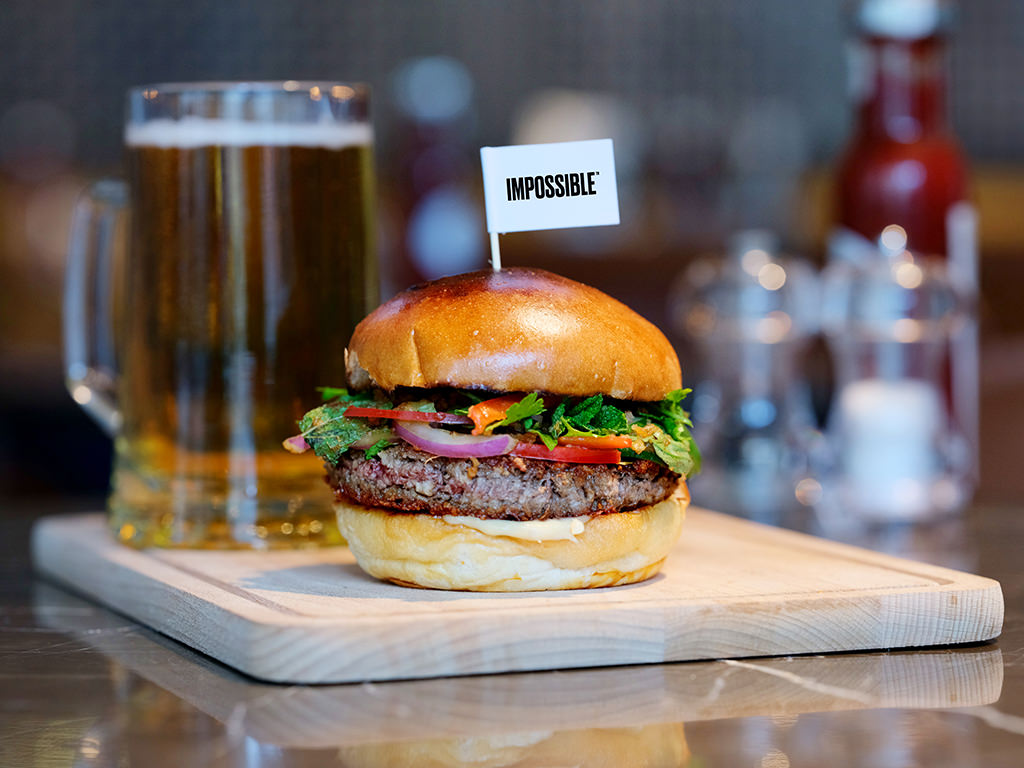
    The Impossible Foods is launching its award-winning plant-based meat in Hong Kong at some of the city’s most beloved restaurants: Little Bao, Happy Paradise, and Beef & Liberty.

    Started in 2011 by Stanford biochemistry professor and former pediatrician Dr. Patrick O. Brown, Impossible Foods makes meat, fish and dairy directly from plants — with a much smaller environmental footprint than those from animals.

    The company uses modern science and technology to create wholesome food, restore natural ecosystems and sustainably feed a growing global population.

    Ranked one of the world’s top culinary hotspots by Conde Nast Traveler, Hong Kong is the first place outside of the United States to feature the Impossible Burger, which cooks, smells and tastes like ground beef from cows but is made entirely from plants.

    The Impossible Burger is served in more than 1,400 outlets in the United States — from award-winning restaurants to mom-and-pop diners to the nation’s original fast-food chain, White Castle. The vast majority of these restaurants serve the Impossible Burger on a bun with traditional condiments and sides. Starting tomorrow in Hong Kong, diners will be able to try the product as a traditional burger — and as the central filling of savory street food.

    “We’re humbled to launch with spectacular chefs in one of the world’s most dynamic restaurant hotspots,” said Brown, CEO and Founder of Impossible Foods. “We’re confident that Hong Kong — Asia’s crossroads of ideas and influences, both modern and traditional — will be home to the most innovative Impossible recipes yet.”

    Chef May Chow’s Little Bao and Happy Paradise will be among the first to serve the Impossible in Hong Kong, and with a local Cantonese twist. While Chef Uwe Opocensky’s Beef & Liberty becomes the first burger chain outside the United States to serve the Impossible Burger.

    Chef May Chow, named Asia’s Best Female Chef in 2017 by The World’s 50 Best Restaurant awards, heads Little Bao and Happy Paradise — 21st century takes on traditional Cantonese diners.

    Chow is a Toronto native who trained and worked in Bangkok, Los Angeles and Boston. She gained fame in Hong Kong’s renowned street food markets and helped to transform Hong Kong into a foodie destination. Chow has also represented Hong Kong at food festivals such as “Omnivore” in Paris and Shanghai.

    Starting tomorrow at Little Bao, Chow and her team will serve the “Impossible Bao,” a traditional sandwich made with Impossible meat, black pepper teriyaki sauce, salted lemon kombu salad, and fermented tofu sauce, between two house-made steamed buns — on menu for 118 HK$. The “Impossible XinJiang Hot Pocket” — another popular Chinese street snack — will debut at Happy Paradise, served with pickled daikon and XinJiang spices, for 88 HK$.

    “Hong Kongers demand to be on the bleeding edge of global culinary trends,” Chow said. “The Impossible Burger is delicious, versatile and perfectly timed to take this city’s world-class restaurant scene by storm.”

    Another award-winning chef in Hong Kong, Uwe Opocensky earned his culinary reputation working in restaurants such as Spain’s El Bulli, voted the best restaurant in the world. He recently spent a decade as Executive Chef at Hong Kong’s Mandarin Oriental — considered one of the city’s finest establishments — overseeing 10 restaurants and bars and collecting Michelin Stars in three of the venues.

    He left the hotel in 2016 to join Beef & Liberty as Group Executive Chef, now lauded as Hong Kong and Shanghai’s best hamburger, and is also chef at his own restaurant Uwe. The seven restaurant group is a modern homage to 18th century “beefsteak clubs,” reincarnated for modern tastes with a focus on natural ingredients and sustainable operations. Popular with both natives and expats, Beef & Liberty uses only hormone- and antibiotic-free beef from the Scottish Highlands — ground in-house — and also purifies and carbonates its own drinking water to reduce the amount of water imported (and glass bottles wasted) into Hong Kong.

    Beef & Liberty will serve the “Impossible Thai Burger,” with chilli, coriander, mint, basil, spring onion, soya mayonnaise, crispy shallots and garlic, for 135 HK$. The restaurant group will also feature “Impossible Chili Cheese Fries,” with chili, cheddar cheese, spring onion and sour cream over their “Liberty” fries, for 62 HK$.

    “We are obsessed, in a good way, with burgers and doing what we can for the environment. We love the way that the Impossible Burger has created new excitement in the global burger scene and opportunities to be more sustainable,” said Beef & Liberty’s Executive Chef, Uwe Opocensky. “We’re positive that our guests are going to love the Impossible and feel good about eating it at the same time.”

    Starting today, the Impossible will be available in Hong Kong on a limited and exclusive basis through Classic Fine Foods — Asia’s leading importer and distributor of fine foods. The group specialises in sourcing, importation, storage, marketing and distribution, and has been operating throughout Asia and Europe since 2001.

    In development since 2011, the Impossible Burger debuted in July 2016 at Chef David Chang’s Momofuku Nishi in Manhattan. The Impossible Burger is the only plant-based burger to win a 2017 Tasty Award and a 2018 Fabi Award from the National Restaurant Association.

    In addition to the American fast-food chain White Castle, The Impossible Burger is the only plant-based burger featured in America’s most beloved “better burger” concepts Fatburger, Umami Burger, Hopdoddy, The Counter, Gott’s and B Spot, the Midwest burger restaurant owned by Chef Michael Symon.

    The Impossible Burger is made from simple ingredients, including water, wheat protein, potato protein and coconut oil. One special ingredient — heme — contributes to the characteristic taste of meat and is the essential catalyst for all the other flavors when meat is cooked. Heme is an essential molecular building block of life, one of nature’s most ubiquitous molecules. Although it’s found in all living things and in virtually all the food we eat, it’s especially abundant in animal tissues. Impossible scientists discovered that it’s the abundance of heme in animal tissues that makes meat taste like meat.

    To satisfy the global demand for meat at a fraction of the environmental impact, Impossible Foods developed a far more sustainable, scalable and affordable way to make heme and therefore meat, without the catastrophic environmental impact of livestock. The company genetically engineers and ferments yeast to produce a heme protein naturally found in plants, called soy leghemoglobin.

    The heme in the Impossible Burger is identical to the essential heme humans have been consuming for hundreds of thousands of years in meat — and while it delivers all the craveable depth of beef, it uses far fewer resources.

    The Impossible Burger is produced without slaughterhouses, hormones, antibiotics, cholesterol or artificial flavors. It uses about 75% less water, generates about 87% fewer greenhouse gases, and requires around 95% less land than conventional ground beef from cows.
  • Del Monte seeks to raise up to $333m via IPO

    Del Monte seeks to raise up to $333m via IPO

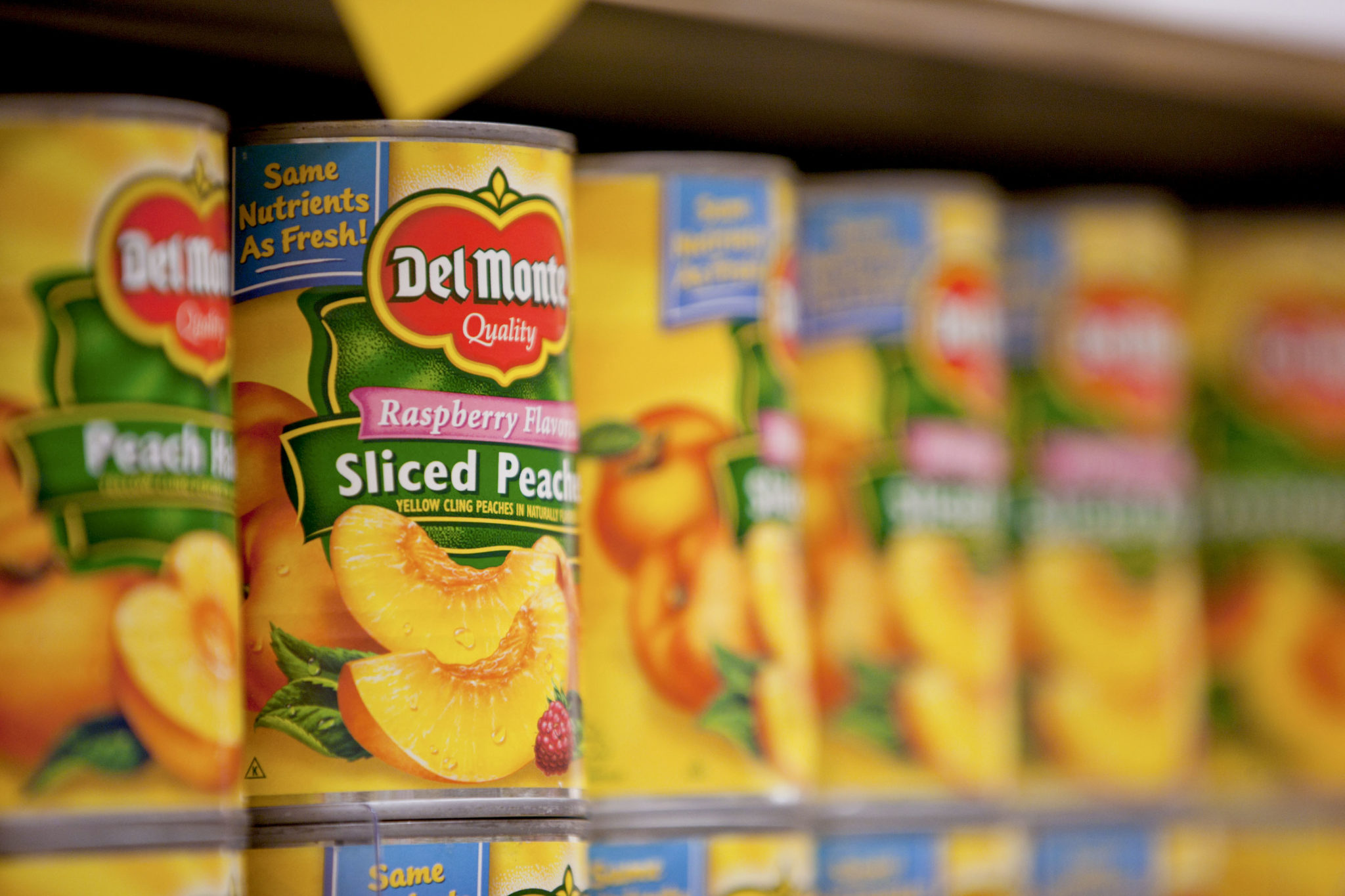
    Del Monte Philippines Inc, the wholly-owned Philippine subsidiary of global branded food and beverage firm Del Monte Pacific Limited, has received approval from the Securities and Exchange Commission (SEC) to raise up to P17.55 billion (about $333 million) via an initial public offering (IPO).

    This would mark the second IPO in the Philippines so far this year following the approval by the SEC of the IPO application of construction and property developer DM Wenceslao early this month. The Philippine Stock Exchange (PSE) is still optimistic of having eight IPOs in the entire year.

    In a statement released on Thursday, the SEC said it has approved Del Monte’s IPO, which involves 587.437 million secondary shares to be sold at P29.88 ($0.57) per share. This represents 21 per cent of the firm’s outstanding capital stock.

    “The company will not directly receive any net proceeds from the offer… no amount of the proceeds will be used to reimburse any officer, director, employee for services rendered, assets previously transferred, money loaned or advanced, or otherwise,” the country’s corporate regulator said.

    Del Monte Pacific earlier said it intends to use the proceeds from the offer to partially prepay or repay certain loan facilities.

    “The balance of proceeds, if any, will be used for general corporate purposes. The prepayment of such loans will allow the Del Monte Pacific Limited Group to deleverage and strengthen its balance sheet,” Del Monte Pacific said.

    According to the SEC document, about 70 per cent of the offer shares is earmarked to be sold to domestic investors, while the remaining 30 per cent will be sold to foreign institutional and retail investors.

    Del Monte Philippines is engaged in the production and sale of food and beverage products – such as fruit juices and juice drinks, packaged pineapple and mixed fruit, various tomato, spaghetti sauces and culinary mixes – in the Philippines under the Del Monte brand and exports these products under the S&W brand.

    It also operates one of the world’s largest fully-integrated pineapple operations and has been growing and processing pineapple for over 90 years.

    The PSE expressed confidence that at least eight IPOs will be conducted this year even as only two firms have filed IPO applications with the SEC so far – Del Monte and DM Wenceslao.

    The PSE posted a net income of Php825 million ($16 million) for the full-year 2017, an increase of 18 per cent from the Php702 million it generated in 2016, according to the unaudited consolidated financial statement posted on its website.

  • BreadTalk Group to bring new tea cafes to Singapore and Thailand

    BreadTalk Group to bring new tea cafes to Singapore and Thailand

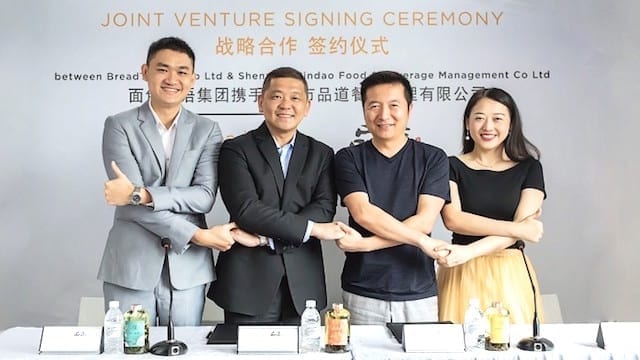
    BreadTalk Group has partnered with Shenzhen Pindao Food & Beverage Management to introduce tea beverages to Singapore and Thailand.

    BreadTalk’s wholly owned subsidiary Together Inc and Shenzhen Pindao have formed a JV, BTG-Pindao Venture. Together Inc will hold a 90 per cent stake of the JV, with Pindao holding the balance. Under the S$3 million (US$2.2) agreement, BTG-Pindao will run and manage tea beverage brands Nayuki and Tai Gai in Singapore and Thailand, with a first right of refusal for Malaysia, Indonesia and the Philippines.

    The first Tai Gai store outside China is slated to be launched late this year. While it offers a novel way of appreciating tea, Nayuki brings a new cafe concept of premium tea creations complemented by European-inspired artisanal breads. Tai Gai first opened in China in July 2015, followed four months later by Nayuki.

    “It took us just three years to build both Nayuki and Tai Gai to more than 100 stores in China, despite a landscape where international beverage chains were capturing the hearts of many young consumers,” says Pindao CEO Zhao Lin.

    Founded as a bakery brand in Singapore in 2000, BreadTalk has become an award-winning F&B group with bakery, restaurant and food-atrium footprints. With nearly 1000 retail stores across 17 territories, its brand portfolio comprises Bread Society, BreadTalk, Din Tai Fung, Food Republic, So, The Icing Room, Thye Moh Chan and Toast Box.

  • China no longer ‘easy’ on Vietnamese agricultural produce

    China no longer ‘easy’ on Vietnamese agricultural produce

    Vietnam should expand its agricultural exports to other markets instead of being dependant on China where standards on export items are being tightened, a meeting heard on Tuesday.

    China is now following international practices, tracing food origins and performing quality checks on imported agricultural produce, including those from Vietnam, said Tran Tuan Anh, Minister of Industry and Trade at the National Assembly meeting.

    The northern neighbor used to allow 100 Vietnamese businesses to export rice, but now only 27 of them are permitted, Anh said.

    For years, China’s fluctuating agricultural demand has also been hurting Vietnamese farmers. Many Chinese dealers have cancelled their deals with Vietnamese farmers, resulting in an oversupply of seasonal produce that are often exported to China through informal channels like watermelon and chili.

    Last year, volunteers in Hanoi had to start “rescue campaigns” to sell nearly 300 tons of watermelons which were being left to rot as there was a lack of demand.

    “If we keep focusing on the Chinese market and don’t look for alternatives, the consequences will be grave,” the minister said, adding that Vietnam should have new policies to remove export barriers.

    China is by far the biggest importer of Vietnam’s agricultural produce, accounting for 77 percent of total export turnover in the first four months of this year, whereas the U.S. only made up about 2.8 percent and Japan 2.7 percent.

    Large population, proximity and established trade relations explain China’s dominance. The country is also known to offer Vietnamese farmers attractive incentives.

    Vietnam exported about $36.37 billion worth of agriculture and fisheries products last year, according to the Ministry of Agriculture and Rural Development.

  • UNIQLO hits Hawaii with Ala Moana Center store

    UNIQLO hits Hawaii with Ala Moana Center store

    Japanese clothing retailer Uniqlo will open a 2500sqft pop-up store at Ala Moana Center on June 1, ahead of the grand opening of its first Hawaii store at the same mall.

    With the concept “A Little Pop From Tokyo”, the pop-up will feature 200 men’s, women’s and children’s t-shirts depicting Tokyo pop culture.

    In March, the company announced it would occupy a retail space of about 17,300sqm across two levels at the centre, the country’s largest outdoor shopping mall.

    Uniqlo has more than 1900 stores in 19 markets worldwide including Japan, China, Hong Kong, Indonesia, Malaysia, Philippines, Singapore, South Korea, Taiwan and Thailand.

  • DBE Gurney to open Harumi fried chicken brand quick service restaurants in Thailand

    DBE Gurney to open Harumi fried chicken brand quick service restaurants in Thailand

    D.B.E. Gurney Resources Bhd’s subsidiary, D.B.E. Poultry Sdn Bhd (DBEP) has on May 23, 2018 entered into a joint venture agreement with Farmmesh Foods Co LTD (FFCL) to open and jointly operate Quick Service Restaurant operations with Harumi™ fried chicken brand concept in Thailand.

    The deal is following a Memorandum of Understanding signed between the parties on March 8, 2018.

    DBEP will hold a 30% interest in Super Harumi Thailand, while FFCL will take the remaining 70%. DBEP will inject an initial capital of RM37,000 into the joint venture, along with providing training and the running of the business.

    DBE Gurney said the JV business will enable it to expand its retailing business through HARUMi products and allow it to expand to Thailand following its early expansion into Taiwan, in addition to the existing outlets in Malaysia.

    The stock trading half a sen lower at three sen with some 1.3 million shares changing hands.

  • Gambero Rosso’s TopItalian Wines Roadshow 2018 Celebrates Italy’s Finest Wines

    Gambero Rosso’s TopItalian Wines Roadshow 2018 Celebrates Italy’s Finest Wines

    The annual Gambero Rosso’s Top Italian Wines Roadshow welcomed about 1,000 wine lovers at CHIJMES Hall today in a celebration of Italy’s wine craftsmanship. The one-day roadshow will be opened by the Ambassador of Italy to Singapore, H.E. Raffaele Langella; Mr Marco Sabellico, Senior Editor-in-Chief of Vini d’Italia; and Mr Lorenzo Ruggeri, Editor of Gambero Rosso Top Italian Restaurants in the World.

    Steeped in a wine-producing history that dates back many millenia, Italy has mastered the art of winemaking and secured an international reputation for producing a wide array of quality wines highly regarded by wine connoisseurs. At Gambero Rosso’s Top Italian Wines Roadshow’s stopover in Singapore today, columns of tasting tables offered an exquisite selection of around 300 wines from over 70 Italian wine producers to an assembly of appreciative wine lovers. Masterclasses hosted by Mr Marco Sabellico, who is also Gambero Rosso’s wine expert, led trade visitors and wine lovers on insightful expeditions to discover the characteristics of signature wines from a total of 68 wineries in Italy.

    With a growing reputation as the wine hub of Asia, Singapore presents itself as the ideal gateway for Italian wine producers and distributors to access the region. Italian wine is estimated to flourish at a total volume CAGR of 3% to reach 2.6 billion litres in 2021 (Euromonitor, 2017), supplying fine-quality wine which is in high demand due to Asia’s roaring economies and rising affluence. GlobalData (2017) expects the Asia-Pacific wine market to flourish at a CAGR of 9.4%, the quickest in the world, and register a volume CAGR of 4.5% to more than 4 million litres by 2021.

    From March to November 2018, Gambero Rosso will bring the annual celebration of Italy’s wine craftsmanship on a tour around the globe, with visits to São Paolo, Brazil, and Houston, USA, last month. After Singapore, the Top Italian Wines Roadshow’s next stops in Asia will be at Bangkok, Thailand on 24 May, and Hong Kong, China on 31 May.

    Established in 2007, Gambero Rosso’s Top Italian Wines Roadshow has firmly become a strategic platform for penetrating emerging markets and grasping new business opportunities. Italian wine offerings are so rich and have a wide selection. To address this, the selections at Gambero Rosso represent a guaranteed way for promoting knowledgeable, attentive and curious developments of Italian territories. The basic framework employed comprises an extremely rigid selective criteria of quality used for decades by the Vini d’Italia guide. Now in its 31st edition, the guide is the result of a year of work by an expert team of 53 tasters who tasted 45,000 wines and interviewed wine producers at wineries across Italy, including Ticino in Switzerland for the first time this year. In this edition, 22,000 wines from 2,485 wineries were awarded scores ranging from 0 to 3 Glasses, with 436 wines receiving the highest, prestigious rating ofTre Bicchieri.

  • Seoul Garden celebrates 35th anniversary with exciting deals

    Seoul Garden celebrates 35th anniversary with exciting deals

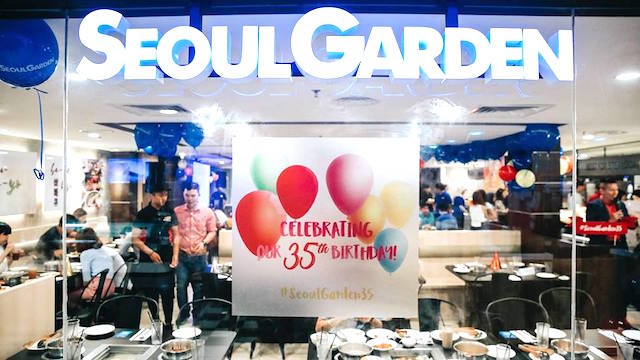
    Asian-Korean restaurant chain Seoul Garden has marked its 35th anniversary with a celebration at its first Malaysian outlet, in Gurney Plaza, Penang.

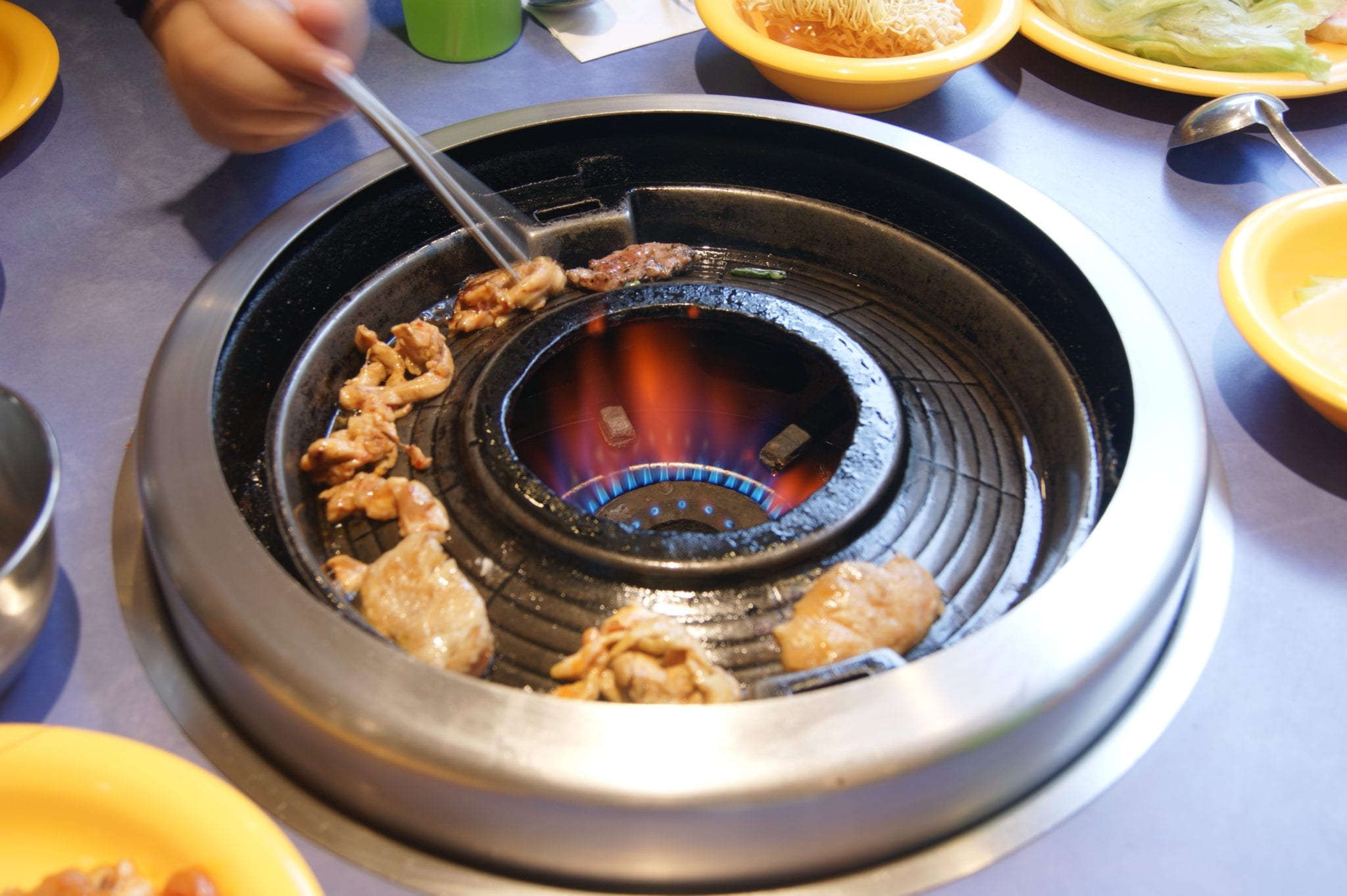
    The brand’s grill and steamboat buffet included marinated meats such as coffee chicken and beef bulgogi.

    Seoul Garden Group COO Siow Yong Wu says the brand has come a long way since its establishment in Singapore in 1983 as an a-la-carte eatery catering to Korean expatriates. He says they switched to a buffet concept before entering the Malaysian market in 2005 with the Gurney Plaza outlet.

    Penang franchisee Joseph Lee says Seoul Garden outlets were among the most popular dining venues because of their vast buffet, offering about 120 items.

    With 35 outlets across peninsular Malaysia, Sabah and Sarawak, the brand has also obtained halal certification.

    Group CEO Andrew Lee says all food items come from halal suppliers. “We have also re-engineered our proprietary grilling system to give customers a more comfortable, smoke-free dining environment.”

    Siow says the group intends to expand heavily, both within Malaysia and in neighbouring countries. Currently, the brand has a presence in Indonesia (Medan), Vietnam, the Philippines, Brunei and Myanmar.

  • Jollibee re-enters Guam with new Restaurants

    Jollibee re-enters Guam with new Restaurants

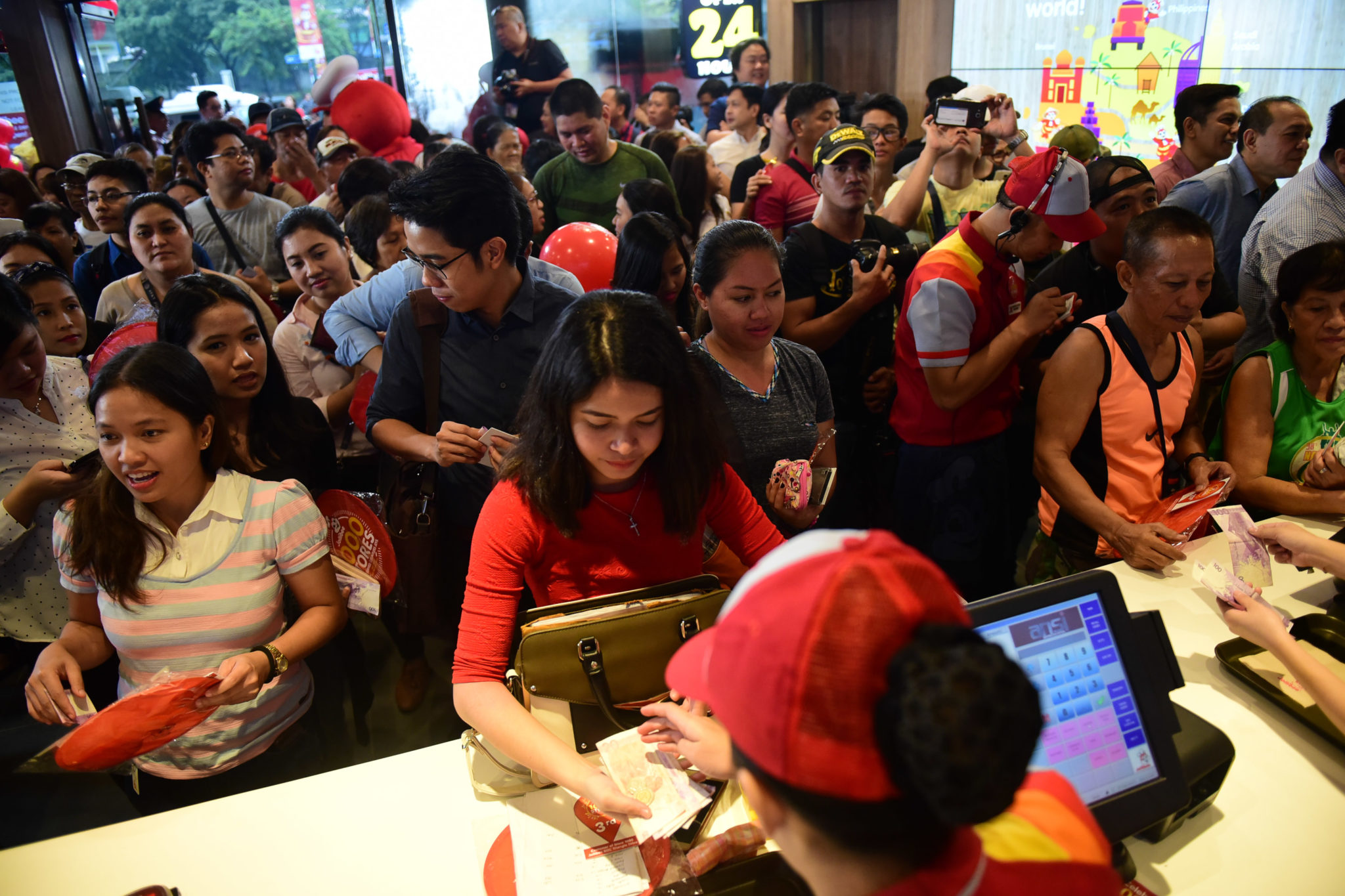
    Jollibee, the largest and most popular fast food chain in the Philippines, is re-entering the Guam market with the ongoing $2 million construction of a restaurant within the Micronesia Mall compound in Dededo. The restaurant is expected to open by early 2019.

    The restaurant is being built within the parking area of Micronesia Mall, by the corner of Marine Corps Drive and Army Corps Drive. Construction began in March.

    Construction cost is $2 million and the permit fee is $12,820, based on copies of the Department of Public Works building permit posted on a barrier wall at the construction site.

    Construction of a Guam branch of Jollibee, the most popular fast food chain in the Philippines, is ongoing within the vicinity of Micronesia Mall in Dededo.
    Haidee Eugenio/PDN

    Isagani Baluyut, owner of Isagani Baluyut Construction, on Monday said his company has a one-year contract to build the Jollibee restaurant. Baluyut said he is not privy to the restaurant’s actual opening date but his company’s construction contract ends in April 2019.

    Jollibee started as an ice cream parlor

    Jollibee, known for its Chickenjoy, hamburgers and sweet-tasting spaghetti and its iconic red bumble bee mascot, used to have restaurants on Guam and Saipan but declining sales forced the branches to close.

    An international Jollibee franchise applicant is required to have a minimum net worth of $5 million, according to Jollibee’s corporate website.

    Jollibee started in 1975 as an ice cream parlor that evolved into a burger chain, and has become the largest fast food chain in the Philippines. It has also embarked on an aggressive international expansion plan in the United States, Vietnam, Hong Kong, Saudi Arabia, Qatar and Brunei.

  • Despite growth, Vietnam’s beer market remains established giants’ playing field

    Despite growth, Vietnam’s beer market remains established giants’ playing field

    Many big companies have failed to tap into Vietnam’s competitive beer market despite steady growth, industry experts said.

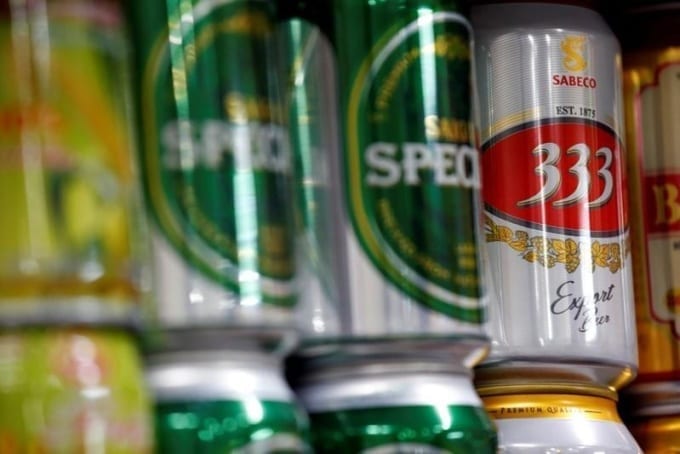
    Nguyen Van Viet, chairman of Vietnam Beer, Alcohol, and Beverage Association (VBA), said that only big brands such as Heineken and Sabeco are doing well, while others are struggling.

    Take Sapporo for example, the company has maintained low levels of profit despite growing sales because of high operational and advertising costs, Viet said.

    Other big players have been even less successful. Masan Food, whose products are staples in Vietnamese families, has yet to dominate supermarket shelves with its White Lion premium lager beer four years after its launch.

    Another example would be, local dairy giant Vinamilk and British brewing company SABMiller (now belonging to Anheuser-Busch InBev). The two companies joined forces in 2006 to open a brewing venture. Their product has, however, failed to compete against other established brands and remains largely unknown. Vinamilk withdrew from the venture after just two years.

    However, the market is still considered a promising ones. Vietnam’s beer industry has seen a stable 5 percent annual growth even though world’s average consumption hasn’t budged in the past decade.

    According to Euromonitor’s Southeast Asia beer consumption report, Vietnam will be a noteworthy market in upcoming years given the current momentum.

    The international market research company also called Vietnam as “the next battlefield for brewers.”

    Vietnam consumed more than 4 billion liters of beer in 2017, according to VBA’s report.

    The industry aims to produce 4.1 billion liters of beer in 2020 and 5.5 billion liters in 2035

  • Manila’s Jollibee introduced a purple yam pie today

    Manila’s Jollibee introduced a purple yam pie today

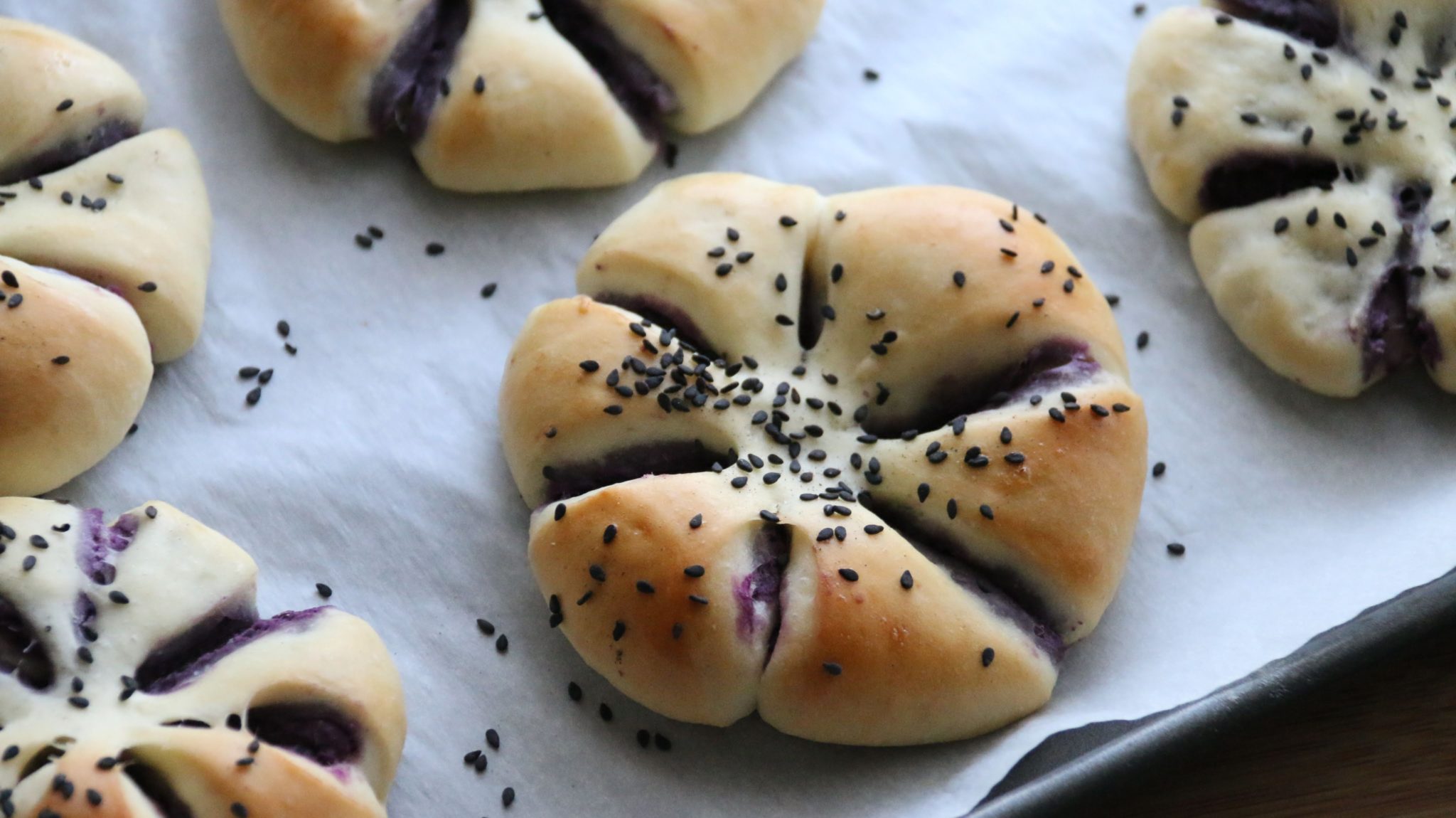
    Manila’s favorite colorful root vegetable, the ube, or purple yam, has found a new home today: stuffed deep inside a flaky, crusty, warm pastry and served up hot, fresh, and cheap at everyone’s favorite Filipino fast food joint, Jollibee.

    The ube pie was introduced this morning and can be experienced for P29 for a single pie, or P82 for three.

    The chain has been teasing the new menu item in viral posts on their page for the last few days, revealing the purple color and texture — which Pinoys immediately guessed to be ube — but not the product itself. The most popular guess for the colorful new addition was ice cream or a sundae. However, most people just tagged their friends and said that they needed to go and try it.

    Ube has long been used in Filipino desserts, and is popular in Thailand as well, where it’s served sweet or savory and known as man muang. Recently, though, the colorful, antioxidant-packed yam has been gaining traction all over the world, being called “the new matcha” due to both it’s fast-growing popularity and supposed health benefits.

    Though Jollibee also has outlets in Singapore, Vietnam, Hong Kong, and the US, it appears the viral new purple pie is a treat reserved only for customers in the Philippines.

    Jollibee has not announced if the new pie is a limited-time item or permanent edition to the menu.