Category: Food

Retail News Asia is committed to providing both local and global retailers with the latest Food and Food & Beverage news throughout the Asian market. This on a daily base.

  • Jollibee net profits rises in Q1

    Jollibee net profits rises in Q1

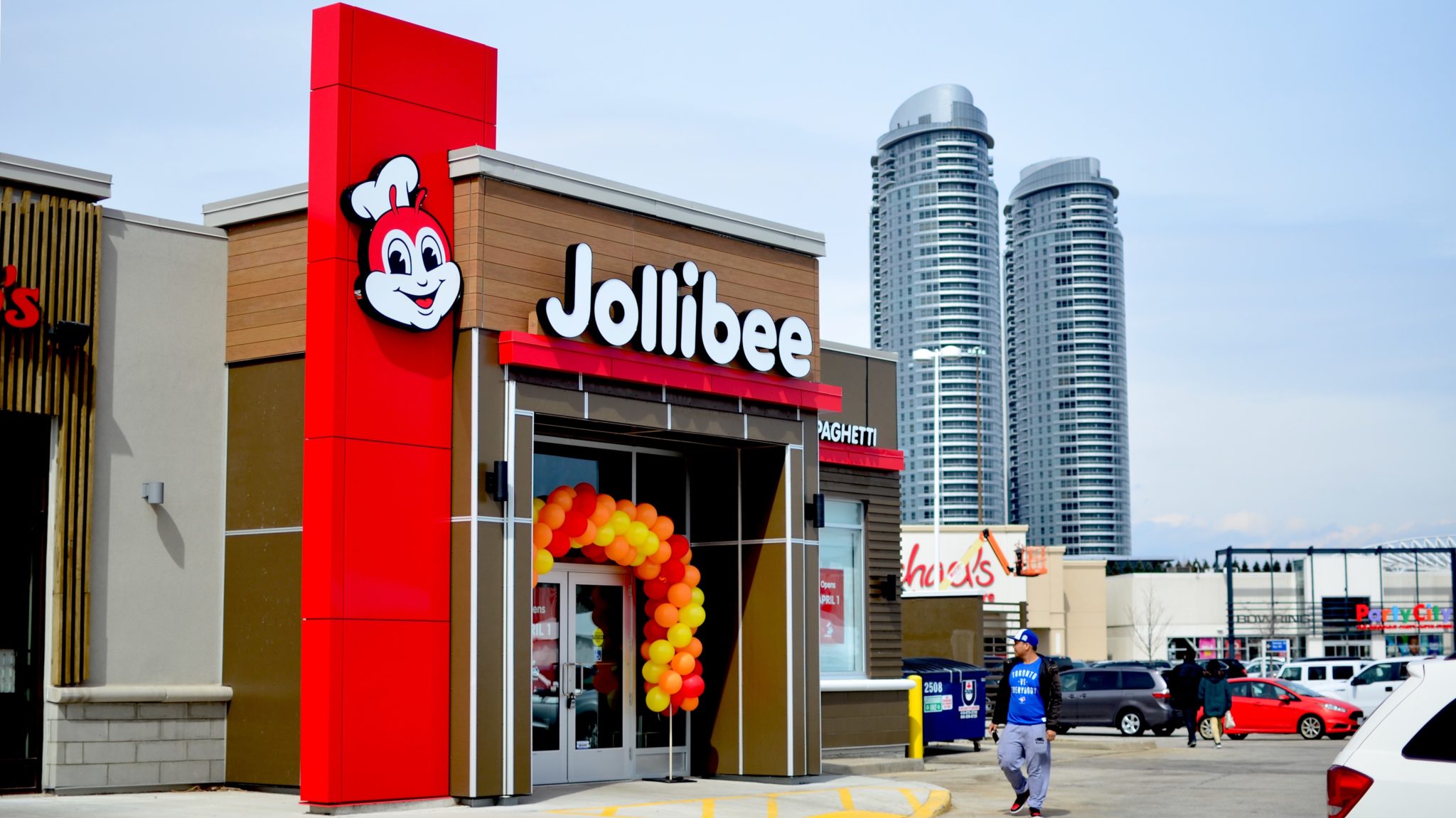
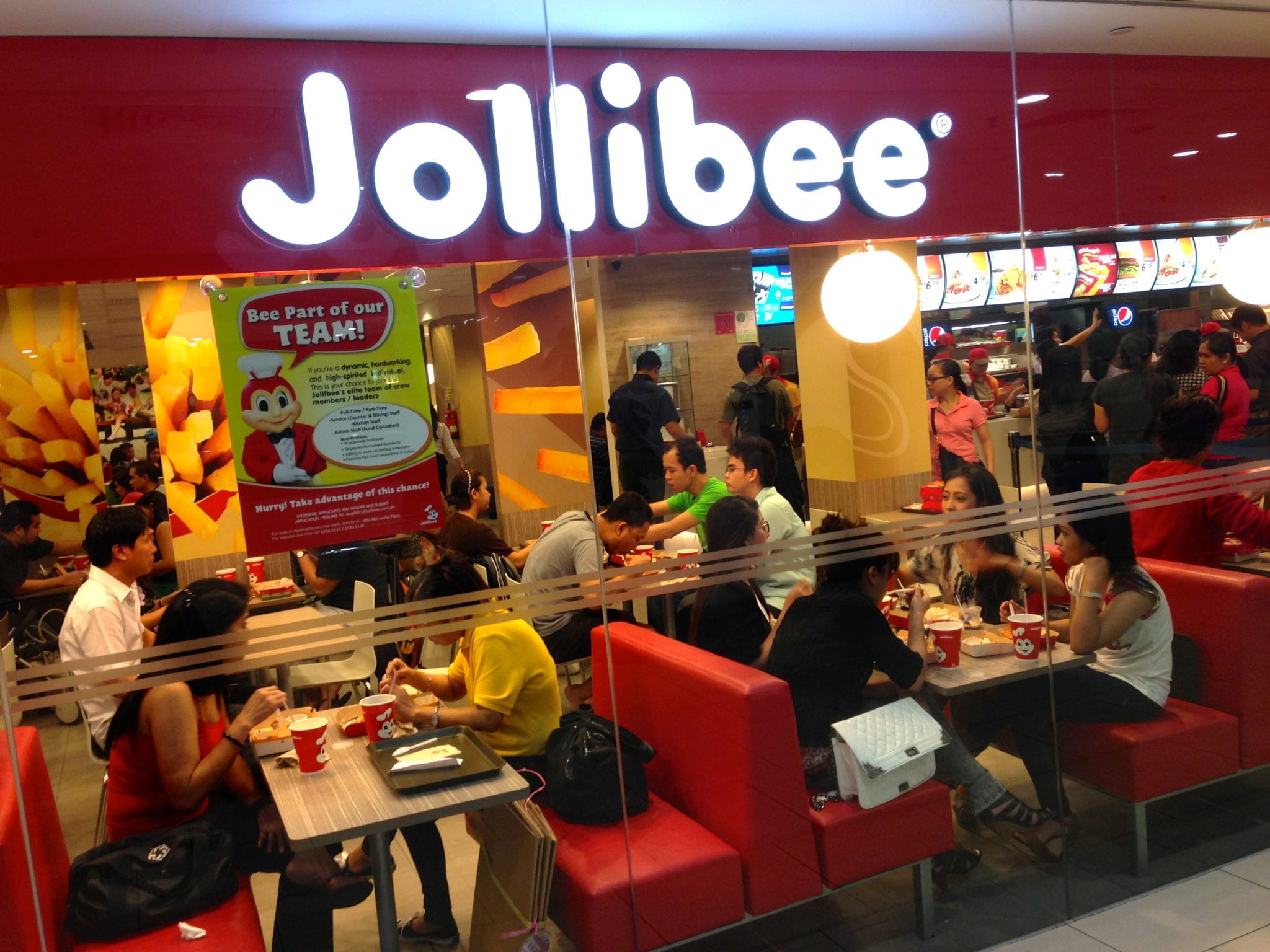
    Jollibee Foods Corp. said Friday net income rose 17.3 percent in the first 3 months of the year, as higher expenses offset growth in revenues, according to a stock exchange filing.

    Net income attributable to shareholders grew to P1.8 billion in the first quarter from P1.5 billion during the same period in 2017, the country’s largest fast food operator said.

    Gross revenues rose 19.4 percent to P35 billion while gross expenses rose 19.7 percent to nearly P32 billion, Jollibee said.

    Jollibee shares were up 2 percent at noon, compared to a 2.47-percent increase in the main index.

    Casual restaurant operator Max’s Group said Thursday net income fell 30 percent in the first quarter due to higher costs of raw materials and labor.

    Inflation reached a 5-year peak in April and on Thursday, the Bangko Sentral ng Pilipinas raised the benchmark borrowing rate for the first time since September 2014.

  • Aldi, Costco bring prices down of groceries

    Aldi, Costco bring prices down of groceries

    International grocery giants Aldi and Costco are driving down fruit and veg prices in Western Australia at a faster rate than anywhere else in the country, according to new research.

    Analysis conducted by Bankwest has found that Perth shoppers spent 6.9 per cent less on fruit and veg in the year to September 2017 than the previous year, signalling a step up in competitive intensity among Australia’s major supermarkets as discounters increase their investment in the state.

    Overall food and non-alcoholic beverage prices declined by one per cent in the twelve-month period, 0.3 per cent higher than the nationwide average decline of 0.7 per cent.

    Over the last three years prices have declined by 1.4 per cent in Perth, with average grocery basket price declining by 5.1 per cent from $177.7 to $168.6 in the year to June 2016.

    Richard Bator, Bankwest’s general manager of business banking in WA, said that discounters are rapidly growing their market share out west.

    “The supermarkets industry is now one of the most fiercely competitive industries in the nation due to the rapid growth of international retailers competing for a share of the $100 billion industry.”

    German entrant Aldi began its expansion into Western Australia in 2016 and has been investing heavily in the market, while American giant Costco unveiled plans for two Perth locations by the end  of 2019 in March.

    In the year to June 2016 the average price of a grocery basket in Western Australia declined by 5.1 per cent  from $177.7 to $168.6 – prices have declined 1.4 per cent over the last three years.

    Smaller retailers have been adversely impacted by the increase in competition, particularly as Coles and Woolworths move to improve their fresh offers to shore up their own operations.

    Bankwest found that the number of grocery retailers employing less than 20 staff fell by 10.6 per cent in the year to June 2016.

    The story is more positive for the overall market, Bankwest said, which is projected to grow by 9.3 per cent in the five years to June 2022.

  • YourGrocer bought Aussie Farmers Customer Base

    YourGrocer bought Aussie Farmers Customer Base

    YourGrocer has purchased the brand and database of failed online grocery business Aussie Farmers Direct (AFD) for an undisclosed sum.

    The small Melbourne-based business said it has been working with the administrators since AFD collapsed over two months ago.

    The acquisition will see YourGrocer start to use the AFD brand throughout its website and on its fruit and veggie boxes as a “stamp of quality”.

    It will also see YourGrocer expand into the Sydney market by leveraging AFD’s 100,000-strong customer database on top of the “few thousand” customers it already has in Melbourne.

    “Our goal is to expand as quickly as we can without damaging the customer experience. The challenge for us is to figure out how to keep quality high as we scale,” YourGrocer co-founder Morgan Ranieri told.

    One thing that will not change is YourGrocer’s business model, which unlike AFD, is not a franchise.

    Growing pains

    Started in 2013 by Morgan Ranieri and two co-founders, who are no longer involved in daily operations, YourGrocer gives customers access to a variety of local butchers, fishmongers, greengrocers, markets and other independent grocery retailers online, with same-day delivery available for orders placed before 11am.

    The business has grown rapidly in the Melbourne market, doubling or tripling in size each year, and has experienced some growing pains as a result.

    In an email sent to customers today, Ranieri said YourGrocer is working to reduce the number of out of stock items and training its team in continuous improvement to provide a better quality of service.

    “We are going to be very careful with how much growth we take on over the next few months. We know that in the past we’ve sometimes grown too much, too quickly and that’s not been great for existing members,” Ranieri wrote in the email.

    To combat this, YourGrocer has built a wait list and will only be taking on new members when it knows it can handle them.

    Ranieri believes this growth is testament to the high level of customer demand for a convenient alternatives to Coles and Woolworths and produce and groceries from Australian farmers and local brands.

    More drivers, vans needed

    AFD also promised to provide a convenient, local alternative to the big supermarkets, but ultimately, it was unable to compete with the duopoly.

    According to submissions to the Senate franchising inquiry, AFD’s growth was hampered by poor quality produce and insufficient investment in infrastructure, including technology issues and shortages of chillers.

    However, Ranieri said he does not anticipate any bottlenecks on the supply side.

    “Finding suppliers for us is relatively straightforward. There are thousands of amazing independent grocers. The biggest thing we need as we scale is more drivers and refrigerated vans,” he said.

    Ranieri is looking to hire some former AFD franchisees to grow YourGrocer’s delivery team. The Melbourne-based business currently employs around 25 people total.

    “We don’t have work for all of them immediately. I wish we did,” he said.

    After failing to find a buyer for AFD last month, administrators wound up the business, leaving creditors $69.2 million out of pocket, 260 employees without a job and 100 franchisees with worthless investments.

  • Ringer Hut opening in Vietnam

    Ringer Hut opening in Vietnam

    Japanese fast-food brand Ringer Hut will arrive in Vietnam in the next four months.

    Vietnamese instant-noodle manufacturer AceCook has signed a franchise agreement to run the chain in Vietnam.

    Ringer Hut Vietnam will serve the original Japanese menu including its Nagasaki Champon and Nagasaki Sara Udon.

    Established in 1962, Ringer Hut has more than 750 restaurants, with Vietnam being its 15th market.

  • GrabFood deliveries kicks off in Vietnam

    GrabFood deliveries kicks off in Vietnam

    Grab Vietnam is the first ride-hailing service in Southeast Asia to expand to GrabFood deliveries.

    Starting today in Ho Chi Minh City, the service enables consumers to order food from nearby restaurants that have signed up to the new app. Merchant partners have an online storefront, and there is no minimum order requirement. The app also features promotions and recommendations.

    The roll-out follows in such cities as Hanoi, Danang, Ha Long and Nha Trang.

    “Food delivery is a natural extension of our transport offerings,” says Grab Vietnam country head Jerry Lim. “Each day, millions of people in Southeast Asia rely on ride-hailing services, while food-delivery services save them time.”

    Meanwhile, in Indonesia and Singapore, the company will also add UberEats, which runs until end of this month, to its business.

    GrabFood was launched in Jakarta in 2016, with Bangkok having a beta test last year. It is also currently in beta phase within the Singapore CBD.

  • Data privacy of Jollibee customers at risk

    Data privacy of Jollibee customers at risk

    The National Privacy Commission (NPC) gave popular fast-food chain Jollibee Foods Corp. (JFC) 10 days to come up with a plan to rehabilitate the vulnerabilities in its website, which, if exploited, could expose the data of millions of patrons.

    About 18 million people are at “high risk” of having their data exposed to harm, given that they are currently under Jollibee’s vulnerable online delivery database.

    In response to this, NPC ordered a handful of measures to be implemented by the company, including the suspension of JFC’s online delivery system until the site’s vulnerabilities are addressed.

    According to an NPC media advisory, the commission already sent JFC the official order on Tuesday afternoon, launching the 10-day countdown.

    NPC told the popular fast-food chain to come up with a security plan within 10 days, which would “ensure the integrity and retention of the database and its content.”

    On top of this, NPC also ordered JFC to “employ privacy by design” in reengineering JFC Group’s data infrastructure. Jollibee should also conduct a new privacy assessment, while filing a monthly progress report until the issues in the system are addressed.

    When asked what kinds of personal information were accessed, Francis Euston Acero, who leads NPC’s Complaints and Investigations Division (CID), said that the government hid which data were at risk on purpose.

    Nevertheless, he said it was the same as Wendy’s Philippines, another fast-food chain that faced similar privacy concern. The difference, however, is that Wendy’s had been breached, while JFC only has the potential to be hacked given the vulnerabilities.

    “We withheld that information deliberately because giving that information would give potential attackers avenues in,” he said in a previous phone interview with the Inquirer.

    JFC data protection officer J’Mabelard M. Gustilo first notified NPC about the risk in December last year, when then-unknown people were able to gain access to its delivery website.

    Upon investigation, NPC’s Complaints and Investigation Division (CID) found out that this was a result of a proof-of-concept initiative by a marketing public relations team “who made representations to a domestic cybersecurity firm.”

    CID later invited the cybersecurity firm, who said they noticed a “security gap” within the system.

  • Rice exports up 27pc to $1.57bln in Jul-Apr

    Rice exports up 27pc to $1.57bln in Jul-Apr

    Rice exports rose 27 percent to $1.57 billion during the first 10 months of the current fiscal year as exporters pushed fresh cargoes to Indonesia, Kenya and other markets during the period, an industry official said on Wednesday.

    Rice exports amounted to $1.23 billion during the corresponding period last year.

    Rafique Suleman, senior vice chairman of Rice Exporters Association of Pakistan (Reap) said exports increased 15 percent to 3.22 million tons during the 10 months of the current fiscal year of 2017/18.

    Suleman said exports of non-basmati rice to Indonesia increased during the period.

    Local traders exported 50,000 tons of non-basmati rice to Indonesia during the July-April period. Kenya remained the largest buyer of Pakistani non-basmati rice, buying 323,000 tons of rice amounting to $118 million.

    China was also one of the largest importers of Pakistani non-basmati rice. “By the end of April, we exported 274,000 tons of rice valuing $100 million (to China),” Suleman said.

    He said demand for rice in the international market is increasing. The crop was good in terms of both quality and quantity this year, he added.

    Reap senior vice chairman said the country has come out of the crisis of low exports, which was observed during the last three years.

    “Value of rice export trade has been showing improvement due to the coordination of Reap office bearers with the Trade Development Authority of Pakistan and customs,” he said. “Reap members are putting in untiring efforts, and aggressive marketing to increase rice exports and to earn valuable foreign exchange.”

    The industry official said rice exporters are making investments to install modern rice processing machinery and using value-addition technology.

    Suleman said the association is sending trade delegations to various countries for rice marketing. “Last month a delegation came back after a successful visit to Iran, which is very lucrative and a potential market for basmati rice.”

    Around 100,000 tons of rice has so far been exported to the neighbouring country during the current season.

    Suleman said Government Trading Corporation of Iran has issued tenders for 20,000 tons of basmati, in which many Pakistani rice exporting companies would participate. He hoped that a handsome amount of foreign exchange would be fetched by Pakistani rice exporters.

  • Truly Viet restaurant opening in Melbourne

    Truly Viet restaurant opening in Melbourne

    Vietnamese restaurant chain Truly Viet has arrived in Australia under a franchise model.

    The chain, owned by Vietnamese RedSun and operated by a joint venture between RedSun and an Australian partner, has opened its first outlet in Melbourne.

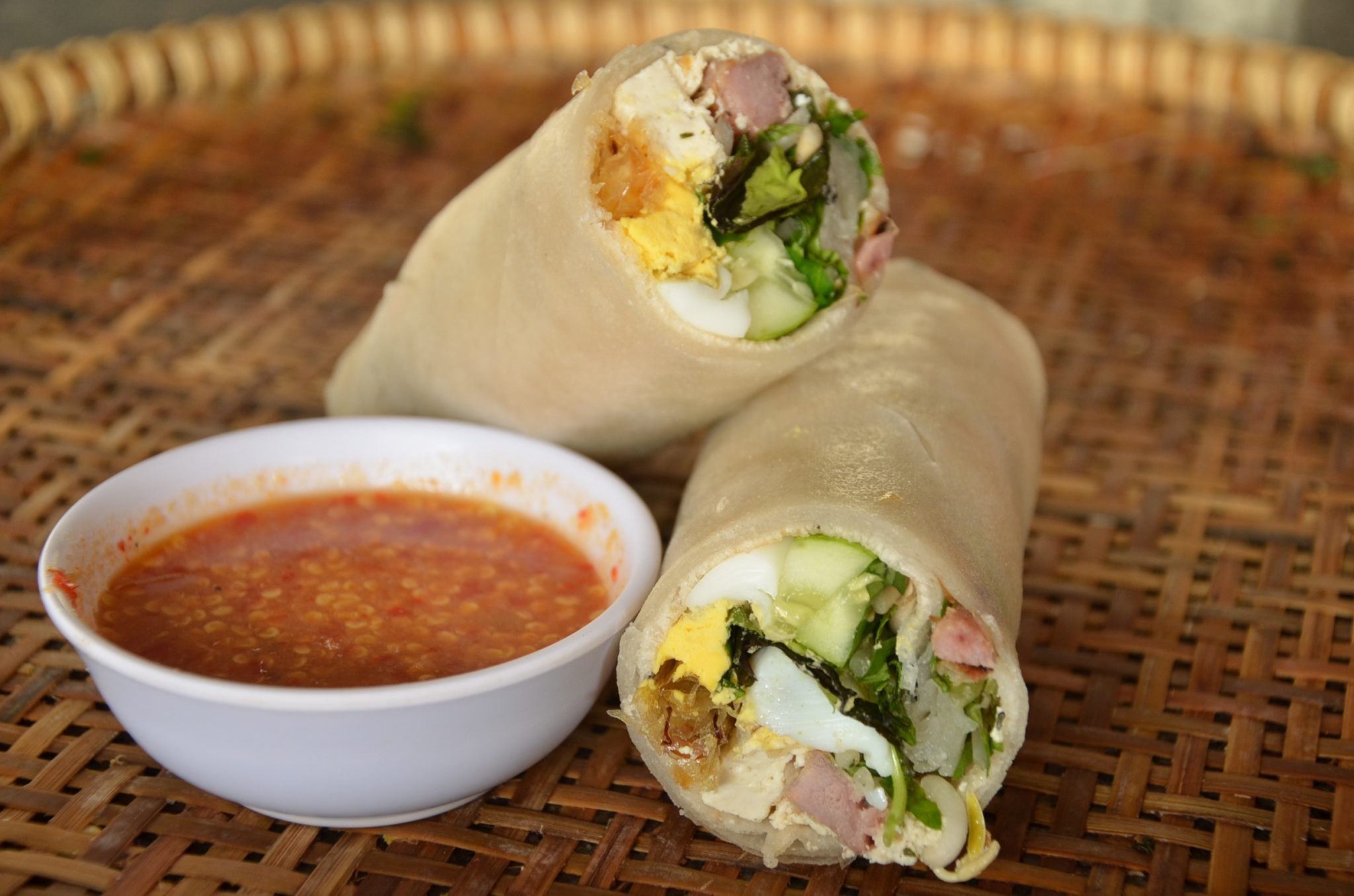
    The menu features four popular traditional Vietnamese dishes – fresh spring roll, Pho, Banh Mi (Vietnamese sandwiches), and vermicelli with grilled pork and fresh herbs – which have been tweaked to suit local palates.

    RedSun deputy director Le Vu Minh reveals the chain plans to open 450 outlets internationally by 2021.

    Apart from Truly Viet, RedSun has already negotiated with partners in Laos to franchise King BBQ restaurants there.

    Founded in 2008, RedSun now operates several restaurant brands: King BBQ, King BBQ Buffet, Thai Express, Seoul Garden, Khao Lao, Hotpot Story, Sushi Kei and Capricciosa. It has 140 restaurants throughout Vietnam.

    Before RedSun, Wrap & Roll’s parent company Red Wok successfully franchised four Wrap & Roll restaurants in Singapore, and two in China.

    It plans to open six more restaurants in Shanghai in the next two years.

  • Japan Foods profits still depend on Ramen

    Japan Foods profits still depend on Ramen

    Japan Foods Holding’s fourth-quarter net profit rose 67.8 per cent to S$938,000 (US$699,000) amid better sales from its Menya Musashi ramen restaurants and new brands.

    For the full year to the end of March, net profit grew 24 per cent to $5.8 million while revenue increased 6.5 per cent to $16.2 million for the final quarter. That increase was partly attributable to improved returns from the Menya Musashi brand as Japan Foods converted two restaurants under other brands to Menya Musashi outlets, and opened a new restaurant at the Northpoint City mall in Singapore. One Menya Musashi restaurant was, however, converted to an Ajisen Ramen outlet in Bedok Mall in March 2017.

    Japan Foods also recorded $1.6 million of extra revenue for the fourth quarter from new restaurants under the Curry is Drink and Shitamachi Tendon Akimitsu brands. However, restaurants under the Boteyju, Dutch Baby Cafe, Fruit Paradise, Hanamidori Kazokutei and New ManLee Bak Kut Teh brands saw revenue fall by $0.9 million during the period with closures and lower same-store sales.

    Japan Foods says it is “cautiously optimistic” despite challenging conditions expected in the next 12 months. The group will continue to seek to expand in Southeast Asia and Japan through JVs, acquisitions and sub-franchising.

  • Fast Food Giant Jollibee To Acquire Tim Ho Wan Franchises In APAC

    Fast Food Giant Jollibee To Acquire Tim Ho Wan Franchises In APAC

    Jollibee Foods (JFC) announced yesterday that it would invest US$33.4 million (S$45 million or Php 1.74 billion) in a private equity fund that is set to acquire the master franchise of Tim Ho Wan in the Asia Pacific.

    In a disclosure to the Philippine Stock Exchange, Jollibee said that it would account for 45 per cent of the total committed investments in Titan Dining LP, which is worth S$100 million.

    According to Jollibee, Titan has a binding agreement to acquire 100 per cent of the Asia Pacific master franchise holder of the Tim Ho Wan brand, Tim Ho Wan Pte Ltd (THWPL) and its affiliate Dim Sum Pte Ltd, which owns and operates Tim Ho Wan stores in Singapore.

    “Titan may eventually add other brands in the food service sector to its portfolio, with the objective to grow strong Asia-Pacific food service brands across multiple geographies and markets, and to bring strong global food service brands to Asia Pacific,” according to JFC.

    JFC chairman Tony Tan Caktiong trusts that this investment will bring “very healthy financial returns” to Jollibee.

    “Our long-term investment in Tim Ho Wan is in line with JFC’s mission to serve great-tasting food and spread the joy of eating to everyone,” he said.

    The deal will combine Tim Ho Wan’s Michellin-starred barbecue pork buns with Jollibee’s stable of Chinese restaurants: Chowking in the Philippines, and Yonghe King and Hong Zhuang Yuan in China.

    The trio of Chinese restaurants accounted for 23 percent of system-wide sales last year, said Jollibee.

    Jollibee, the largest fast food company in the Philippines, has been on an acquisition and expansion spree overseas.

    It recently secured US government’s approval for its acquisition of more shares in Colorado-based burger joint Smashburger.

    It also opened its first European store in March, and a third outlet in Canada in April.

    Due to aggressive store openings, Jollibee said that its net income rose 17.3% to 1.8 billion pesos (US$3.47 million) in the first quarter from a year ago as total sales rose 19.3% to 46 billion pesos.

    Now, Jollibee has the option to acquire “substantial ownership” of the Tim Ho Wan master franchise in the Asia Pacific after the term of Titan Dining ends in 7 years.

    It also said that it would operate as a Tim Ho Wan franchisee in Shanghai to prepare for that possibility.

    Tim Ho Wan currently has franchisee in Cambodia, Indonesia, Japan, Macau, Taiwan, Thailand, Vietnam, Australia, and the Philippines; with an expansion development in the works in the Asia Pacific region.

    Together, Tim Ho Wan and Dim Sum operate 40 restaurants in total, both company-owned and franchised stores.

  • Dairy Queen seeks growth througout Asia

    Dairy Queen seeks growth througout Asia

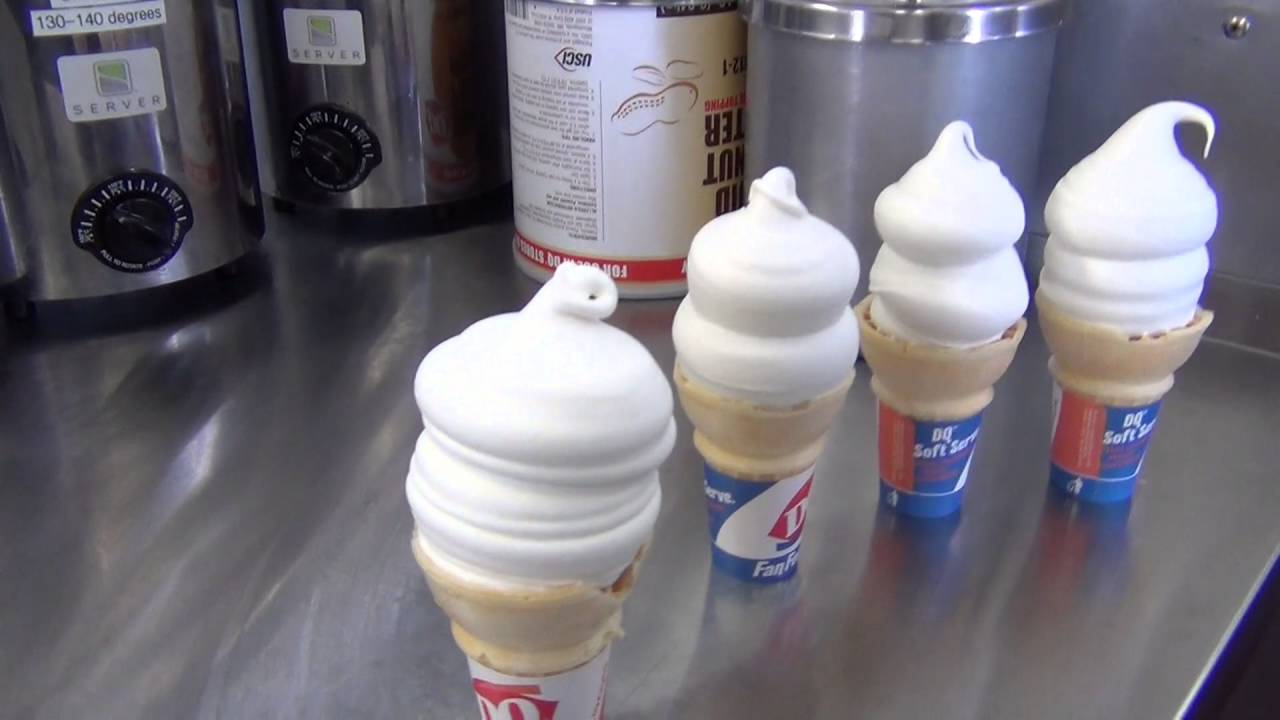
    Ice cream/fast-food restaurant Dairy Queen seeks to expand in Asia, first focussing on South Korea.

    CEO Troy Bader says the Berkshire Hathaway subsidiary has more than 450 locations in Thailand and more than 800 in China.

    “Asia, and really Southeast Asia, have been wonderful markets for us,” he says. And despite worsening trade relations between the US and China, it is not likely the company’s plans to expand into Asia will be affected, reports DevDiscourse.

    Dairy Queen opened its first store in Seoul at the end of last year and has just launched its third outlet.

  • Domino’s Franchising model’s uncertain

    Domino’s Franchising model’s uncertain

    The franchising model has been around a long time in Australia, but a raft of inquiries and negativity surrounding the sector is fuelling uncertainty over its viability moving into the future. The franchising sector has been on the receiving end of a lot of negative political and media attention over the past two years.

    The industry response has largely been to pop in earplugs and cover its eyes with blindfolds and just wait till all the problems go away.

    The Franchising Council of Australia continues to roll out media releases of self-congratulations for the industry, announcing award winners for franchising excellence and forums to showcase investment opportunities.

    The Council has protested the timing, intent and conclusions of inquiries into the sector claiming it is in robust health, despite the falls from grace of some of the most celebrated franchise systems.

    A little bit like the alcoholic who can’t rehabilitate without first acknowledging they have a problem, the franchise sector is certain to be plagued with serious problems well into the future, unless it recognises the limitations of the franchising business model.

    Franchising has been around for a long time and does undoubtedly have its success stories but it is uncertain that retail franchising systems can survive in their current form.

    At the very least, retail franchising systems are likely to become much less lucrative for franchisors who are unlikely in future to be able to obtain the level of franchise levies, marketing fees and even product supply charges that they have received in the past.

    Franchisors are also facing the prospect of higher operating costs associated with a tightening of regulations and legislative provisions to ensure the appropriate governance and accountability of their systems and enhance operational support for their franchisees.

    The franchise business model arguably works for service businesses, which in many cases have low ingoing costs and often provide a customer referral facility, which provides a clear and direct value for the fees.

    Retail franchises are an entirely different matter as they involve high entry costs for the franchise rights, store fit out costs, rent and occupancy charges for tenancies, inventory carrying costs and hefty wages bills resulting from extended hours trading in most locations.

    Franchisees have much longer hours to spend managing a retail business than investors in other types of franchises and, at the end of the day, many are effectively working for nothing after coughing up their various dues to franchisors.

    Pressure across all sectors

    The scandals and increased level of disputation involving retail franchise systems should not be surprising, given that the entire retail industry is under pressure with major local chains closing stores and others failing financially and international retailers such as The Gap and Esprit abandoning the Australian market.

    The seasonality and vagaries of fashion has meant there have been few apparel franchise systems.

    General merchandise chains like Beacon Lighting and The Good Guys bought back their franchises while the struggling Godfreys cleaning appliance chain has waxed and waned on its franchising program.

    Yum Restaurants Australia, which built its business around a pure franchise model has also been buying back KFC franchises, a move that led to a dispute with another franchise company, Jack Cowin’s Competitive foods, which triggered a parliamentary inquiry that led to the adoption of ‘good faith’ clauses in franchising legislation.

    Faced with a debilitating level of disputes with franchisees and the reputational brand damage of breaches of employment laws and underpayment of wages, Caltex, the fuel giant has also decided to exit franchising and to buyout its current franchisees.

    Among other casualties, the Angus & Robertson chain was one of many retail franchise chains to collapse, along with other systems such as the Allied Brands portfolio, Eagle Boys Pizza, Pie Face, Kleins and Kleenmaid.

    Most of the successful retail franchises in Australia have been food chains but food franchise systems are starting to struggle as evidenced by the problems at Domino’s Pizza, Pizza Hut, Retail Food Group and Craveable Brands.

    The wages scandals at 7-Eleven and Domino’s Pizza have forced both companies to change their profit sharing ratios to ensure their franchises are viable, after franchisees pleaded that their shortcuts on employee wages and entitlements had been their only hope of economic survival.

    Most food franchise systems in Australia are declining in numbers of outlets and have been for several years.

    The brands that are still growing are generally those that are expanding into overseas markets, usually under master license agreements, and advantaged by lower operating costs, especially in labour costs.

    While both the Queensland-based franchise systems, Domino’s Pizza and Retail Food Group, are facing challenges in the domestic market, including franchisee disputes, both are continuing to enjoy relative success with their overseas businesses.

    Interestingly, Domino’s Pizza and Retail Food Group are both listed on the Australian Stock Exchange with the pizza chain regarded as one of the best performers in terms of growth and shareholder investment returns.

    Craveable Brands, the owner of the Red Rooster, Oporto and Chicken Treat brands attempted to float on the Australian Stock Exchange last year in a transaction that would have valued the business at up to $400 million.

    Institutional investors had little appetite for the deal pitched by Archer Capital for the Sydney-based fast food company that was formerly known as Quick Service Restaurants.

    The float idea was abandoned in July 2017 and there has been no trade buyer interest in an acquisition of Craveable Brands because of doubts about the franchise systems and scepticism about bullish prospectus forecasts.

    Archer Capital had planned to expand overseas in New Zealand, China, the United States and the United Kingdom but the global push has not reached expectations and the store numbers for both the Red Rooster and Chicken Treat chains have fallen in the past six years.

    Those doubts that have been given further credence by a submission from a group of Craveable Brands franchisees to the current Senate Inquiry into the Franchising Code of Conduct.

    ‘Crisis point’

    Michael Sherlock, the former Brumby’s Bakeries CEO, argues the franchising sector is at a crisis point because of a lack of leadership by the Franchising Council of Australia which he claims has been “taken over” by lawyers and consultants.

    Sherlock believes the Franchise Council of Australia has failed to properly address issues in the industry and that its board should be overhauled with only current franchisors and franchisees as directors.

    The board currently does not include any franchisees.

    Sherlock argues directors on the board should have a minimum of five years trading experience with a proven ethical performance and a minimum of 30 franchise outlets.

    Under Sherlock’s proposal, current chairman and former Federal Minister for Small Business, Bruce Billson would be forced to step down along with former chairman and legal advisor, Stephen Giles.

    Sherlock sold Brumby’s to Retail Food Group in 2007 when the chain had 321 outlets.

    The chain currently has around 240 stores and its decline and the relationship between the franchisor and franchisees was one of the reasons the Australian Senate established an inquiry into the effectiveness of the Franchising Code of Conduct.

    Sherlock has been surprised at the Franchising Council of Australia’s denial of any problems in the franchising sector despite the scandals and disputes of the past two years.

    He argues franchisors should be more transparent with fees and charges, including supplier rebates and the application of marketing levies.

    Sherlock also believes franchise deeds should be registered in a similar manner to commercial leases.

    Submissions to the Joint Committee on Corporations and Financial Services inquiry into the Franchising Code of Conduct closed last week and a report to the Federal Parliament is expected in June.

  • Nestle to pay billions to obtain Starbucks rights

    Nestle to pay billions to obtain Starbucks rights

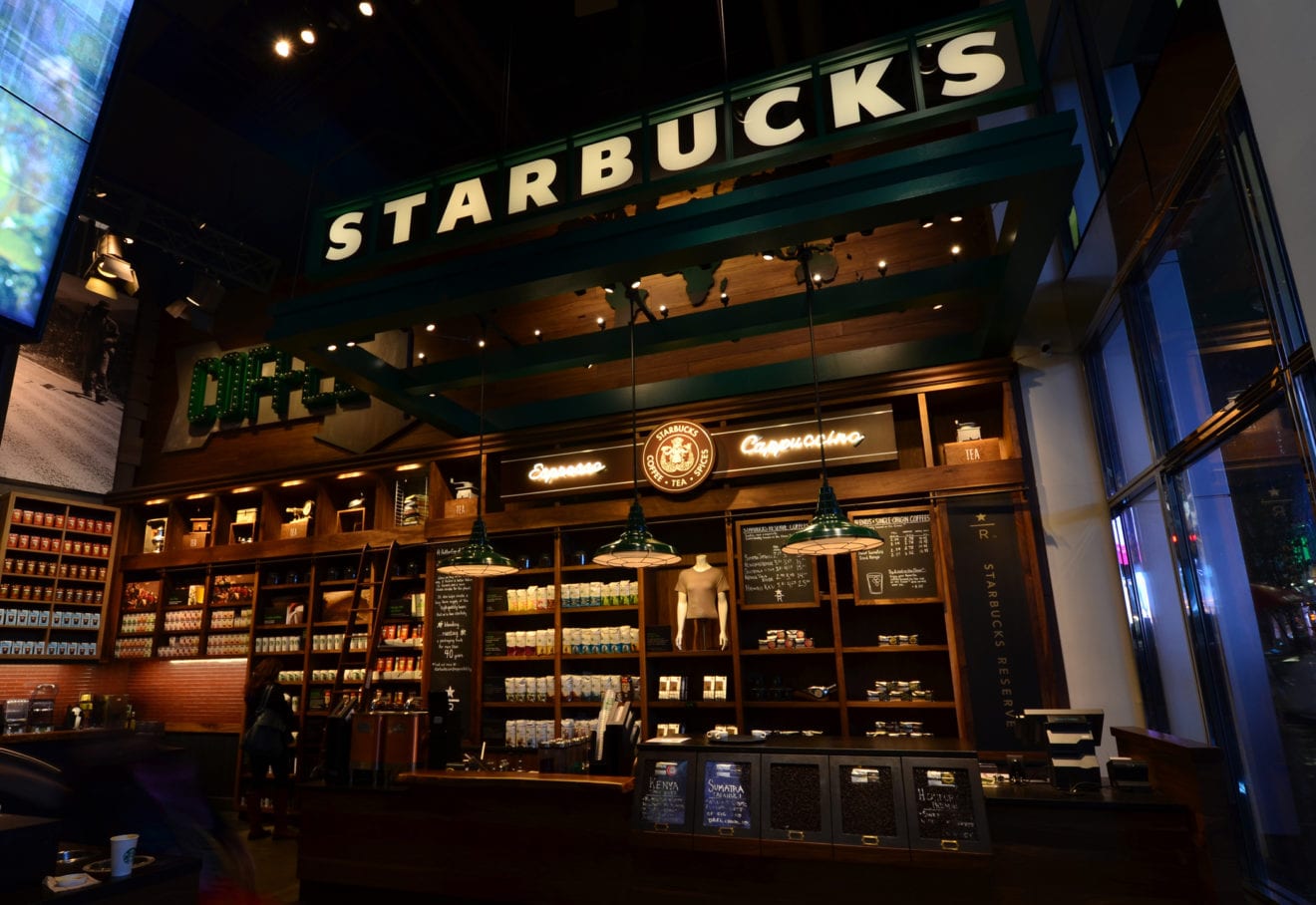
    Nestle is to pay Starbucks US$7.1 billion for the global rights to sell and distribute Starbucks products outside cafes. The Starbucks rights deal includes Seattle’s Best Coffee, Starbucks Reserve, Teavana, Starbucks VIA and Torrefazione Italia packaged coffee and tea in all global at-home and away-from-home channels. And the Starbucks brand portfolio will be represented on Nestlé’s single-serve capsule systems, such as the Nespresso machines.

    The Seattle-headquartered cafe giant says the alliance with Nestle will allow it to accelerate and grow the global reach of Starbucks brands in the consumer packaged goods market and in foodservice channels.

    Starbucks will lead in sourcing, roasting and global brand management for the alliance, while the two companies will work closely together on innovation and go-to-market strategies.

    “With a shared commitment to ethical and sustainable sourcing of coffee, this alliance will transform, expand and elevate both the at-home and away-from-home coffee and related categories around the world,” Starbucks said in a statement.

    Neil Saunders, MD of GlobalData Retail, said the scale of the deal underlines the brand strength of Starbucks and of Nestle’s desire to use it to power its own growth.

    “For Starbucks the deal will help to drive brand recognition outside of its core North American and European markets as Nestle ramps up expansion using its distribution capacity. Arguably, it also allows Starbucks to concentrate more fully on developing its retail business, including the higher end concepts like Reserve Roastery that it is currently rolling out.

    “For Nestle, Starbucks gives it a powerful brand it can add to a coffee armoury that is looking a little tarnished. The group has always struggled with market share in North America and this deal essentially buys immediate scale. It also provides numerous opportunities for expansion elsewhere in the world by leveraging the Starbucks brand.”

    Kevin Johnson, president and CEO of Starbucks, said the alliance will take the Starbucks experience into the homes of millions more consumers around the world through the reach and reputation of Nestle.

    “This historic deal is part of our ongoing efforts to focus and evolve our business to meet changing consumer needs, and we are proud to work alongside a company that is committed to our shared values.”

    Nestle CEO Mark Schneider said the deal marked a “significant step” for the Swiss headquartered company’s coffee business.

    “With Starbucks, Nescafe and Nespresso we bring together three iconic brands in the world of coffee. We are delighted to have Starbucks as our partner. Both companies have true passion for outstanding coffee and are proud to be recognised as global leaders for their responsible and sustainable coffee sourcing. This is a great day for coffee lovers around the world.”

    Saunders observed the deal is yet another example of how large consumer goods companies are struggling to develop and grow their traditional brands.

    “Arguably, Nestle’s preferred vehicles for driving growth in coffee would be its own Nescafe and Nespresso brands. However, these have failed to gain traction in North America and have reached maturity elsewhere. There is a case to be made that Nestle has failed to innovate and develop either brand to the extent it should.”

    Saunders cautioned there may be a downside for Nestle in the deal:

    “There is a risk for Nestle is that while Starbucks is one of the best known and most powerful brands in coffee, others like McDonald’s are looking to cash in on the category by selling their own brand products through supermarkets. A host of innovative small companies, like Bulletproof Coffee and Four Sigmatic, are also making advances into the sector by emphasising the health and wellness benefits of the beverage.

    “Arguably, Nestle has gone with the obvious and easy choice – and paid a lot of money for it. It could, and probably should, also examine at how it could also acquire and develop some more innovative startups,” Saunders concluded.

  • Shrinking profit for Sabeco’s Vietnam

    Shrinking profit for Sabeco’s Vietnam

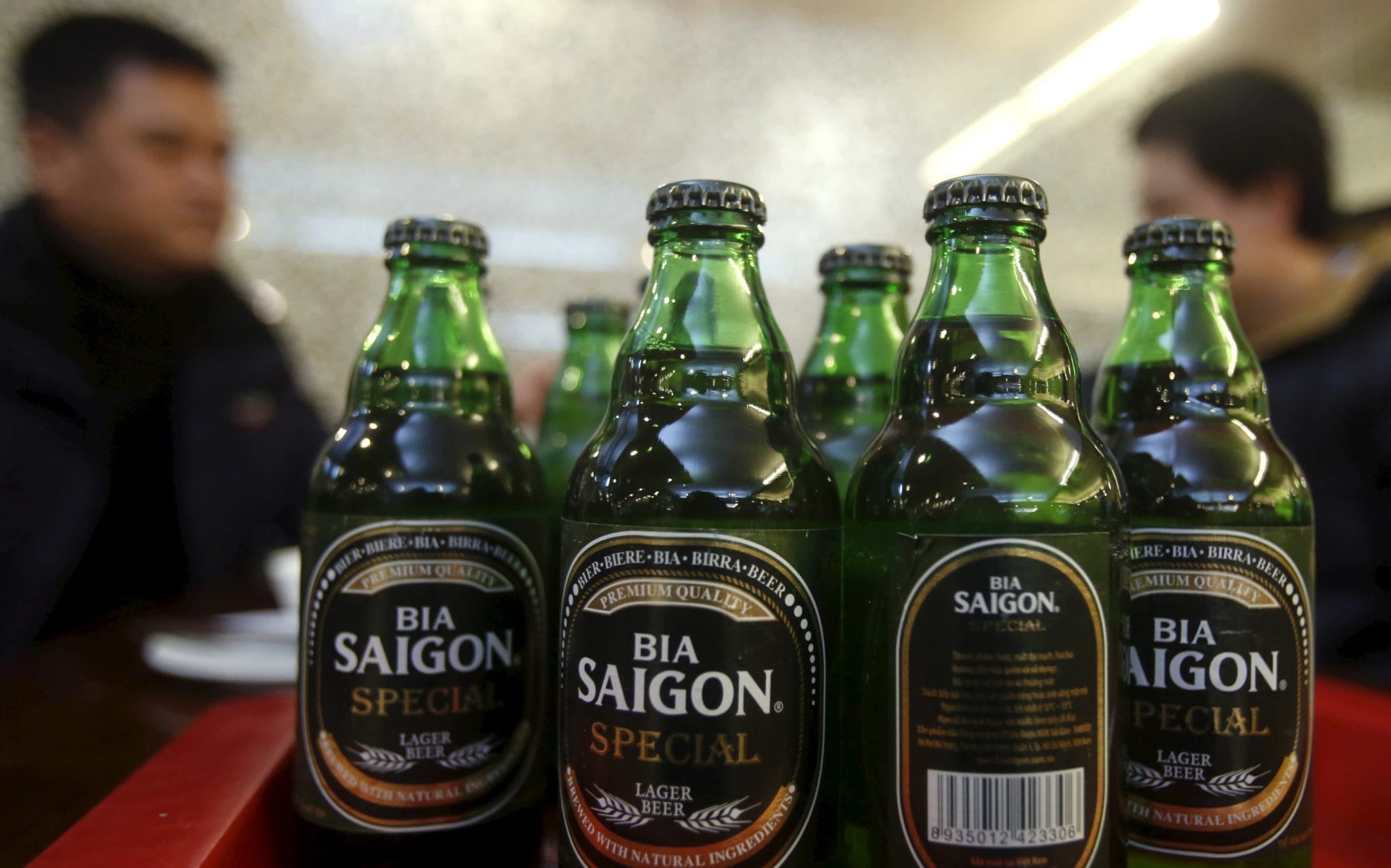
    Saigon Beer, Alcohol and Beverage Corporation (Sabeco) has released its consolidated financial statement for the first quarter of this year. Accordingly, Sabeco reported an increase in revenue but a decrease in profit.

    Notably, its consolidated net revenue was VND7.81 trillion ($343.1 million), up 4.6 per cent on-year, after-tax profit decreased by 2.7 per cent to VND1.16 trillion ($50.96 million).

    Besides, as of March 31, the firm’s asset value reached VND20.76 trillion ($912.09 million), down 6 per cent against the beginning of the year.

    Meanwhile sales expense decreased by 13 per cent to VND594 billion ($26.18 million) due to decreases in expenditure for administrative and marketing programmes.

    Along with the decline in profit, Sabeco’s share plunged after hitting the record VND334,500 ($14.69) in late November 2017. Notably, on May 4, Sabeco’s shares were at VND219,000 ($9.62).

    Previously, the April 23 extraordinary general shareholders’ meeting voted to add three new foreign members to the management board, including one from Thai Beverage Public Co., Ltd.

    The first is Koh Poh Tiong, chairman of Thai Beverage-owned Beer Group, which owns a 49 per cent stake in Vietnam Beverage.

    This year, Sabeco estimated earnings of VND35.98 trillion ($1.58 billion) in revenue and VND4.8 trillion ($210.86 million) in after-tax profit, signifying increases of 4.4 and 2.2 per cent, respectively.

    The others are Malcolm Tan Tiang Hing, CEO of Shanghai-based alcoholic beverages distributor Dxcel International, and Sunyaluck Chaikajornawat from Thai law firm Weerawong Chinnavat & Partners Ltd. They were elected as independent members.

    Speaking at the meeting, Koh Poh Tiong stated that the new members will co-operate with the existing members to help Sabeco maintain its leading position in Vietnam. Besides, the new members will try to take the Sabeco and 333 Beer brands abroad. Singapore will be the first destination and the next stop Thailand, before other countries.

    It will take massive funds to realise the above promise, which seems even more unlikely in light of the consecutive decreases in Sabeco’s profit.

  • Vietnam to cut black pepper farm area

    Vietnam to cut black pepper farm area

    The surge in world pepper prices in the 2013-2015 period led local growers to expand their farms uncontrollably. Vietnam plans to slash its black pepper growing area by 26.7 percent in response to falling global prices, the chairman of the country’s pepper association said Tuesday.

    Vietnam is the world’s largest black pepper exporter, accounting for 60-65 percent of global trade, and nearly half of global output.

    “We will cut the area to 110,000 hectares from 150,000 hectares over the coming years by encouraging local farmers to grow other crops and remove pepper farms with poor quality,” said Vietnam Pepper Association Chairman Nguyen Nam Hai.

    Hai said the surge in world pepper prices in the 2013-2015 period led local growers to expand their farms uncontrollably, from 50,000 hectares in 2013 to the current of 150,000 hectares.

    “Now with the increased output, prices have fallen and we need to cut the area,” Hai said.

    Vietnam’s black pepper exports in the first quarter rose 17.5 percent from a year earlier to 60,033 tons, but export revenue in the period fell 31.4 percent to $221 million, according to official customs data.

    Hai said exports for the entire 2018 are forecast to stay flat from last year at around 215,000 tonnes.

    Vietnam’s key markets for the spices include the United States, India, China and Europe.