Category: Food

Retail News Asia is committed to providing both local and global retailers with the latest Food and Food & Beverage news throughout the Asian market. This on a daily base.

  • Rare bottles of whisky fetch record US$1m each at HK auction

    Rare bottles of whisky fetch record US$1m each at HK auction

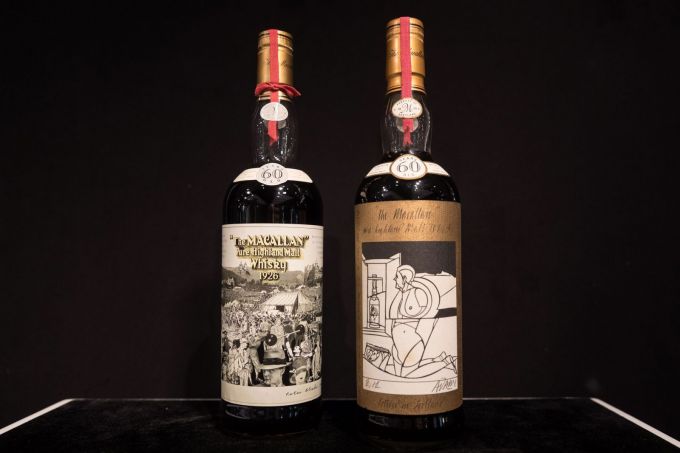
    Two bottles of rare 60-year-old Macallan whisky fetched a total of more than US$2 million under the hammer on Friday in Hong Kong, Bonhams said, with both sales shattering the previous world auction record for the spirit.

    One bottle, bearing a label designed by British pop artist Peter Blake – who helped create the sleeve of The Beatles’ album “Sgt. Pepper’s Lonely Hearts Club Band” – was sold for HK$7.96 million (S$1.36 million).

    The other bottle, whose label was designed by Italian artist Valerio Adami, went for HK$8.63 million, a new world record for whisky sold at auction.

    Both 750-milliliter vintage bottles were distilled in 1926 and matured in a sherry hogshead cask until being bottled in 1986. Only twelve of each Macallan were ever produced.

    “These two bottles are not meant for sale. They were given to some of the Macallan’s most loyal business partners or clients,” said Daniel Lam, head of wine and whisky at Bonhams in Hong Kong.

    In 2014, a bottle of malt whisky – Macallan ‘M’ Decanter 6-litre Imperiale – set the last record of HK$4.9 million at a Sotheby’s auction in Hong Kong.

    The value of Macallans 18 years and older has doubled in value over the past year, Mr Lam said in an interview.

    While new whisky tends to be more industrialised, in the ’80s and before that it was handcrafted, Mr Lam said, adding that well-kept whisky can last forever.

    In April, two other 60-year-old Macallans from 1926 were sold at a Dubai airport retailer for US$600,000 each, breaking the record for the most expensive whisky sold in retail.

    There is growing interest in whisky in Southeast Asian countries such as Vietnam, Thailand and Indonesia, as well as in China, Bonhams said, especially among a younger generation of collectors.

    “Whisky is more like a young generation drink now, compared to cognac or even red or white wines,” Christopher Pong, wine and whisky specialist at Bonhams said.

    Wealthy Asian buyers have shown frenzied interest and deep pockets at art auctions in recent years, with sales of paintings, diamonds and ancient ceramics shattering world records.

  • Coffee Concepts will open 20 Starbucks branches in Myanmar

    Coffee Concepts will open 20 Starbucks branches in Myanmar

    Hong Kong’s Coffee Concepts has won the rights to open Starbucks stores in Myanmar.

    The first Starbucks Myanmar store will open in Yangon, operated by a subsidiary Coffee Concepts (Myanmar), having received overseas investment approval.

    Coffee Concepts is a division of the Maxim’s Group, in turn a partly owned unit of Dairy Farm International. The company operates Starbucks in Hong Kong, Singapore, Vietnam and Cambodia.

    Starbucks will be something of a late-comer to the Myanmar coffee with rivals Singapore-US joint venture The Coffee Bean & Tea Leaf and Australia’s Gloria Jeans already operating in Yangon. The latter is a joint venture with local company Seezar Soesan.

  • Golden first quarter for Shakey’s Pizza

    Golden first quarter for Shakey’s Pizza

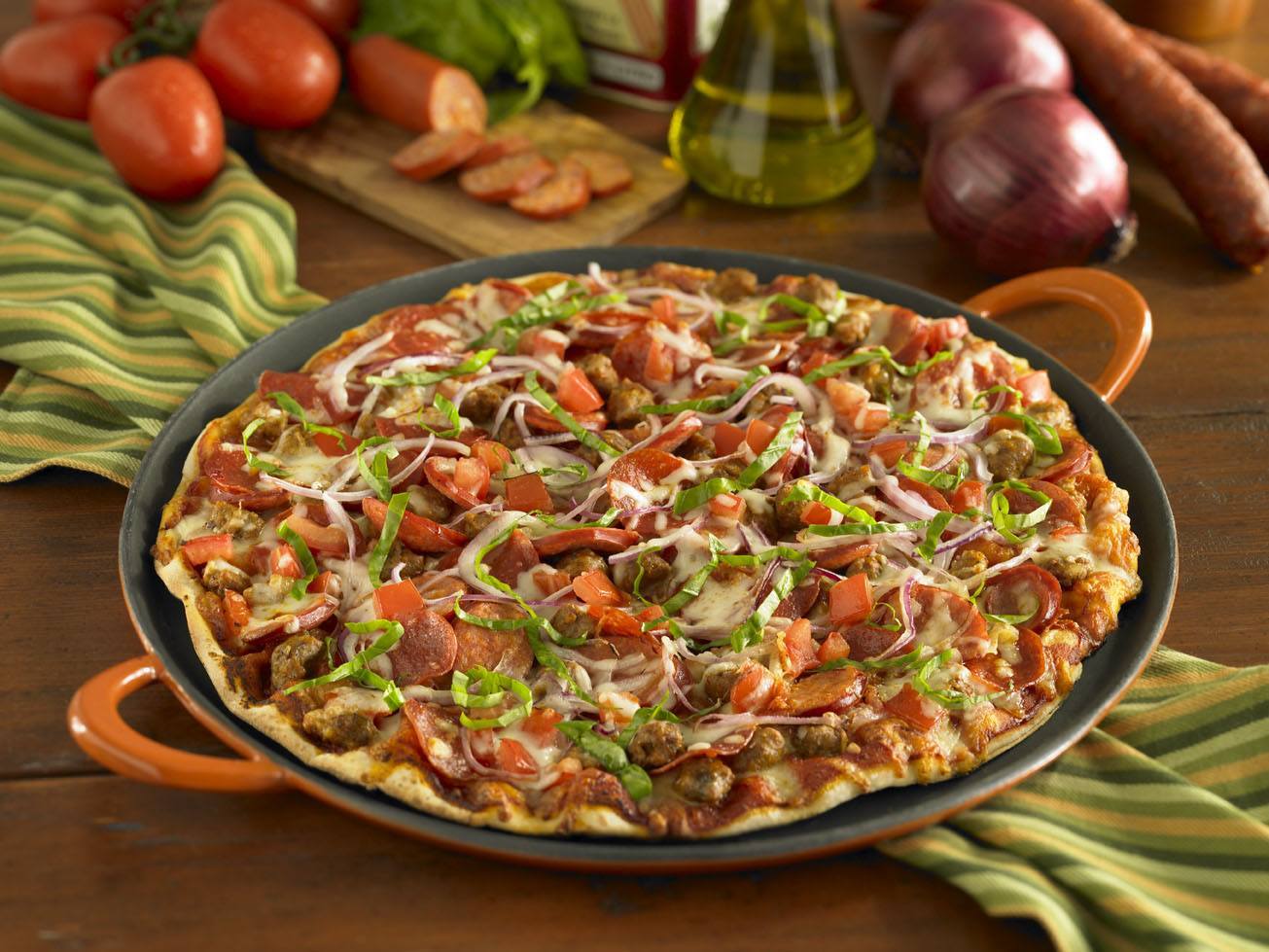
    Pizza parlour chain Shakey’s Pizza Asia Ventures grew its first-quarter net profit by 6.4 per cent to PHP184 million (US$3.5 million), even as higher input costs tempered the impact of double-digit growth.

    Shakey’s grew its first-quarter systemwide sales by 10 per cent to PHP2.2 billion. This was mainly attributed to a 2 per cent growth in same-store sales and a continued store network expansion strategy.

    Meanwhile, the company says earnings growth has been curbed by cost pressures relative to the previous year.

    “We continue to face a competitive environment, but this has been mitigated by the success of our marketing initiatives and the efforts we have made to improve the overall Shakey’s brand experience,” says president/chief executive Vicente Gregorio.

    For the three months to the end of March, the company grew total revenues by 6 per cent to PHP1.8 billion.

    During the quarter, Shakey’s added four outlets to take its nationwide store count to 212. It intends to open another 16 branches and is on track to taking its total Philippine store network to 228 by year end.

    Gregorio says the company is taking the brand to more locations beyond Metro Manila.

  • Maki-san sushi chain to take a bow in Japan

    Maki-san sushi chain to take a bow in Japan

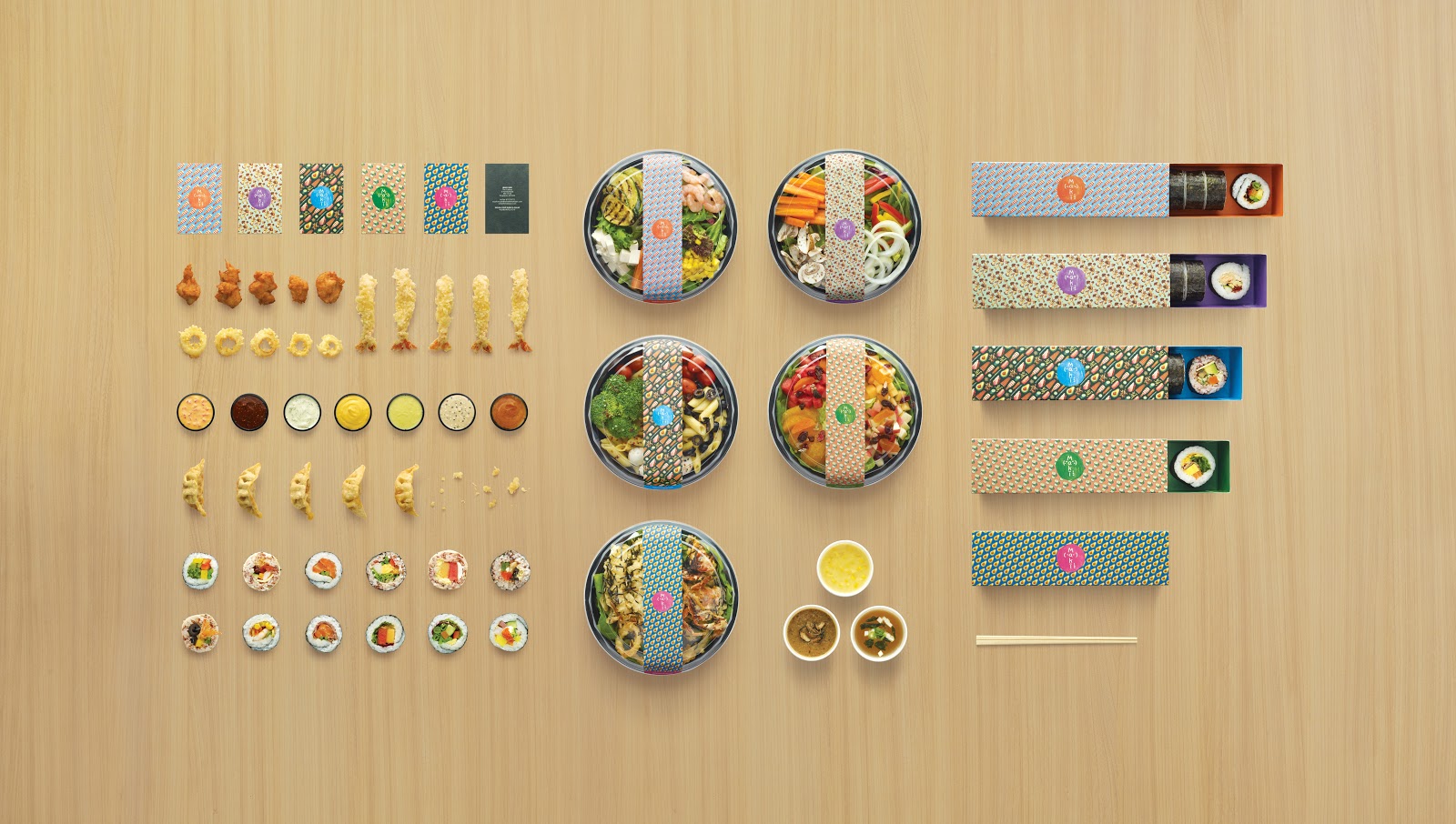
    Maki-san (“Mr/Ms Roll”), a Singaporean fast-food makizushi (rolled sushi) chain with 17 locations in its home country, is set to debut in Japan with an outlet in Osaka’s Shinsaibashi district in July.

    Maki-san has its own special take on the Japanese delicacy, saying it offers customisable sushi rolls and salad bowls including “a 60 per cent original Singaporean menu, 20 per cent original Japanese menu, and 20 per cent limited seasonal menu”. House specials are available for customers opting not to design their own sushi.

    Maki-san is also known for its cute posters and illustrations on social media.

  • QSR and PETRONAS tie-up to open 50 new KFC drive-thru outlets

    QSR and PETRONAS tie-up to open 50 new KFC drive-thru outlets

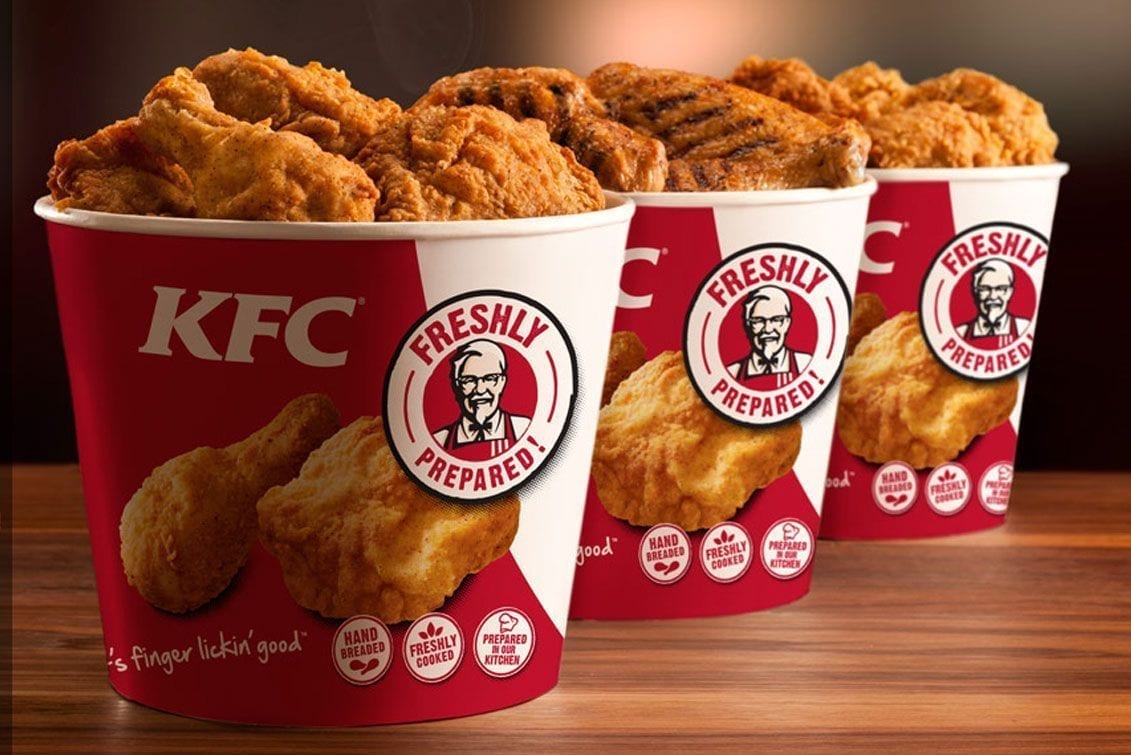
    QSR Brands Holdings’ wholly owned subsidiary QSR Stores has signed a memorandum of understanding with Petronas Dagangan to gradually open 50 KFC Drive-Thru outlets at Petronas gas stations within the next three years.

    QSR Brands MD Mohamed Azahari Mohamed Kamil says the strategic collaboration provides an excellent opportunity for the quick-service restaurant group to expand its business and restaurant services in Malaysia.

    “While continuing to strengthen our core product and service offerings, we place a great emphasis on our expansion strategies to meet the elevated demands of our customers,” says Azahari.

    QSR has more than 1250 KFC and Pizza Hut restaurants in Malaysia, Singapore, Brunei and Cambodia.

  • Enjoy A Good Dram At The Third Edition Of The DFS Whiskey Festival

    Enjoy A Good Dram At The Third Edition Of The DFS Whiskey Festival

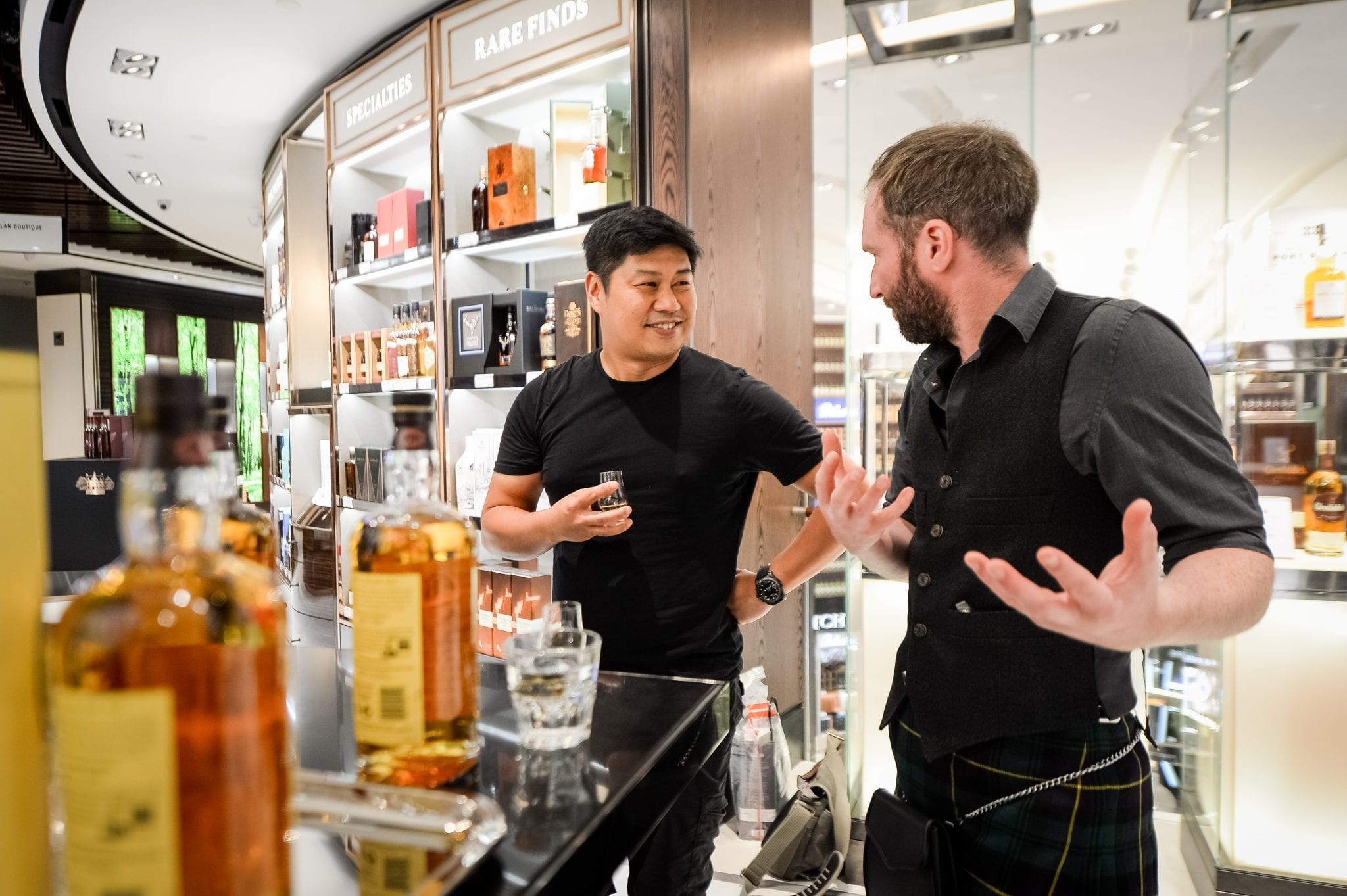
    DFS Group, the world’s leading luxury travel retailer, is to host the third edition of The Whiskey Festival at Singapore Changi Airport. Taking place from now until June 17, the festival is set to celebrate some of the world’s finest whiskies and provide travelers with a platform to expand their whiskey knowledge and immerse themselves in some of the classics.

    Throughout the festival, travelers will be invited to taste some of the world’s best whiskies, including rare and limited-edition items, some of which are exclusively available only at DFS. A line-up of interactive masterclasses will take place each weekend, where leading brand ambassadors will be on hand to guide guests through an interactive tasting of handpicked whiskies and offer expert advice.

    “As interest in whiskey continues to grow, we aim to provide our customers with the best selection of products as well as a unique and engaging retail experience,” said Wilcy Wong, DFS Group Managing Director, Singapore and Indonesia. “DFS Singapore, Changi Airport is home to the largest assortment of single malt whiskies in Southeast Asia, so we feel education is important. The Whiskey Festival offers guests an opportunity to really understand our brands, their craftsmanship and their heritage.”

    The Festival activities will take place at The Whiskey House, located in Terminal 2 (T2) and Terminal 4 (T4), at DFS Singapore, Changi Airport. Since opening in July 2016 in T2 and in November 2017 in T4, The Whiskey House has been a popular spot for travelers and whiskey aficionados alike. The space offers an intuitive and experiential shopping destination where guests can enjoy complimentary tastings of over 100 different whiskies from across the globe.

    Ms Teo Chew Hoon, Group Senior Vice President for Airside Concessions, Changi Airport Group, said, “Together with DFS, we reignite the senses as we showcase a rich blend of the world’s most loved whiskey at Changi Airport’s Whiskey Festival. The exquisite whiskey tastings and calendar of activities will craft one-of-a-kind experiences for travelers as they journey through Changi Airport. ”


  • McDonald’s Renewed Focus Reflects in New Restaurants

    McDonald’s Renewed Focus Reflects in New Restaurants

    International menu items will feature at a special McDonald’s restaurant highlighting the company’s ‘glocal’ philosophy.

    The restaurant made its debut today in the new McDonald’s global headquarters which is scheduled to open later this year. It serves such offerings as Canada’s Mighty Angus Burger, the McSpicy Chicken Sandwich from Hong Kong, and the Cheese & Bacon Loaded Fries from Australia (pictured). As well as the rotating menu of international favourites, there will be classic menu items such as the Big Mac, Quarter Pounder with Cheese, Chicken McNuggets and Our World Famous Fries. There will also be a Latin American-style dessert centre, while an Australian McCafe area will serve up coffee brewed by trained baristas.

    ‘Glocal’ is used to describe McDonald’s strategy of being a global corporation with a local focus, delivering food to suit the tastes of consumers wherever it has restaurants.

    “As part of our new headquarters, we want to provide our customers with an exciting way to experience our global menu,” says McDonalds president/CEO Steve Easterbrook.

    Covering more than 6000sqft, the outlet is part of of McDonald’s Experience of the Future (EOTF) restaurants with global-inspired interiors, an ever-changing wall map with golden arches that light up when an item from a specific country is featured on the menu, outdoor seating, table service, mobile orders and payments and McDelivery with Uber Eats.

    The group’s nine-storey headquarters will house its corporate offices and Hamburger University, one of seven worldwide locations that provides training for the company’s future leaders and employees.

  • Starbucks China believes in a strong future by doubling Shops

    Starbucks China believes in a strong future by doubling Shops

    Starbucks China plans to open a new store every 15 hours for the next five years, doubling its store count to 6000.

    During its first-ever China Investor Conference in Shanghai on Tuesday, the US-headquartered coffee company said it plans to more than triple sales and more than double operating income in China by the end of 2022, compared with last year’s levels.

    At the end of last year, Starbucks China had about 3000 stores. Yesterday the company promised to open 600 annually from this year through to 2022.

    “The power of our brand in China, the strength and momentum in our business, and the world-class Chinese leadership team give me great confidence in our ability to capture the enormous growth opportunities ahead in this dynamic market,” said Kevin Johnson, Starbucks president and CEO. “No Western company or brand is better positioned to evolve with the rapidly expanding Chinese middle class – and we continue to mindfully evolve a coffee culture in China where the reward will be healthy, long-term, profitable growth for decades to come. We are committed to long-term investment in China.”

    Starbucks China’s agenda is to focus on enhancing its coffee-forward approach to elevating the third place (a philosophy in which home and workplace are the first two places and Starbucks is the third, as a preferred leisure space), building deeper customer relationships in digital and extending the Starbucks Experience to the on-the-go and at-home consumers.

    “Starbucks is committed to playing the long game in China and is proud to be an integral part of the local community for nearly 20 years,” said Belinda Wong, Starbucks China CEO.

    “The strong trusted relationships between our partners and customers give me great confidence in our ability to deliver our long-term growth while continuing to make investments in China, for China.”

    Disciplined growth in China

    Starbucks China says its newest generation stores are delivering the highest average unit volumes, return on investment and profitability of any of the market’s prior store classes in its history – “a clear demonstration that customers in China continue to embrace the Starbucks brand”.

    The company has drafted what it terms a “brand roadmap” to deepen coffee knowledge and human connection, “creating a Starbucks Discovery Journey that manifests itself into a unique store development process and respect for local heritage specific to China”.

    This journey starts with locally curated, core store experiences. After opening its first Starbucks Reserve Bar in 2014, it now has more than 150 of them and will reach 200 by the end of this year.

    Beijing Fun flagship

    Next month, the company will open its newest multi-level concept – the Beijing Fun flagship store. Located inside the high-traffic Beijing Fun shopping area, this will be the largest store globally, aside from its Roasteries.

    Starbucks China also plans to expand its in-store experience and drive customer loyalty using apps and other digital platforms, embracing personalisation, mobile ordering and payment services, and home or office delivery.

    During the past four years, the number of active 90-day loyalty members has nearly tripled to almost 7 million – and 90 per cent of members are now actively using the Starbucks app.

    Early last year, the company launched a social media gifting feature “Say it with Starbucks” on WeChat. That has now expanded onto the Alibaba platform.

    More than 60 per cent of transactions in Starbucks China stores are completed with digital payments, with just 20 per cent in cash.

    Ready-to-drink

    Over the next five years, the Starbucks China Ready-to-Drink (RTD) business is expected to expand to more than 400 major Chinese cities across more than 125,000 premium points of distribution in partnership with Tingyi, a leader in China’s RTD beverage category.

    Next month, the company will introduce the Starbucks chilled cup platform with four flavours, launching a new Starbucks category to Chinese consumers.

    “This beverage platform is expected to quickly become a preferred on-the-go format for coffee and tea in China. The chilled cup concept builds on the success of Starbucks Doubleshot RTD beverages, which were introduced last month,” the company said.

    Starbucks China also plans to use the recently announced global coffee alliance with Nestle to provide more at-home options to Chinese consumers.

    “The alliance will enable Starbucks channel development to grow its reach and scale in the single-serve and foodservice businesses, leveraging Nestle’s reach to expand Starbucks consumer packaged goods presence from 28 countries to nearly 190 countries around the world. The alliance will also bring Starbucks Coffee to both the Nespresso and Nescafe Dolce Gusto machine platforms around the world,” said Starbucks.
  • Bacardi launches Exceptional Cask Series in Asia DF

    Bacardi launches Exceptional Cask Series in Asia DF

    Bacardi Global Travel Retail announces the launch of the Exceptional Cask Series – a collection of ‘extremely rare, superlative’, aged single malt bottlings – hand-picked from the distilleries for Aberfeldy, Aultmore, Craigellachie, Royal Brackla and Glen Deveron.

    Bottled in small quantities, the new series comprises a limited number of extraordinary Single Cask, Double-Cask and Small Batch releases chosen by Dewar’s Master Blender and Malt Master, Stephanie MacLeod.

    Only a handful of expressions will be released by each distillery. “Proudly showing the age of the whisky, all bottlings are numbered and will be available in very limited numbers due to the nature of single cask, double cask and small-batch whiskies,” says Bacardi.

    Now available in select airport retailers in global travel retail, the initial series launch includes the Aultmore 1986 (31 years old) – Single Cask which was originally created especially for the DFS Master of Spirits 2018, and is now available with select retailers in Asia Pacific.

    MATURATION 

    “The sherry cask maturation develops Aultmore 1986 with aromas of dried fruits and Christmas cake, a rich dark amber, almost mahogany colour,” says Bacardi.

    “Often shrouded in fog, Aultmore distillery has developed a secretive air since it was founded in 1897. The mysterious Foggie Moss conceals the age-old water source, while the wild, wet undergrowth purifies it to the profit of Aultmore’s refined character creating a smooth, clean taste.”

    In addition to the Aultmore 1986, Bacardi will be launching the Craigellachie 1992 (24 years old) Small Batch; Craigellachie 1999 (17 years old) Small Batch with Palo Cortado Finish; Aberfeldy 1984 (33 years old) Single Cask and Aberfeldy 1999 (18 years old) Small Batch Port Finish.

    “Maturation is my favourite part of the whisky making process,” says Stephanie MacLeod. “Once the whisky is in a bourbon or a sherry cask, you might expect certain outcomes but you’re certain to have a few wonderful surprises along the way.

    “It’s a question of working with the whisky and the different elements at play in maturation to achieve the right outcome. With Aultmore 1986, for example, I needed to consider all these nuances and sampled lots of different casks to discover those that displayed a new and different side to the Aultmore personality, while ensuring it’s drinkable at cask strength at around 50% ABV.”

    ‘INCREDIBLE RECEPTION’

    Gaurav Joshi, Director, Bacardi Global Travel Retail Asia Pacific commented on the launch during this week’s TFWA Asia Pacific exhibition: “We’re extremely proud to offer the Exceptional Cask Series in Asia Pacific and we’re excited at the prospect of success with the range, following the incredible reception for Autlmore 1986 at DFS Master of Spirits in March.

    “Asia Pacific is a region with many types of new and experienced whisky collectors and connoisseurs actively looking for their latest discovery in aged single malt.

    “Offering them that chance in travel retail adds true dynamism and excitement to the channel and reinforces the fact that the quality and experience of airport shopping in the region leads the world.”

  • Pezzo Pizza is selling by the slice in Cambodia

    Pezzo Pizza is selling by the slice in Cambodia

    Singaporean pizza chain Pezzo Pizza will officially open its first-ever by-the-slice kiosk in the upcoming Aeon Mall 2 in Phnom Penh on May 30.

    Run by Star Food Enterprise, Pezzo Pizza Cambodia will be offering pizza made with dough prepared using blended flour from Europe. Pezzo Pizza uses American mozzarella cheese from Leprino Food.

    Star Food Enterprise MD Tech Sombo says the store will showcase an open kitchen, and local chefs will devise Khmer toppings. The company also runs Big Apple Donuts & Coffee Cambodia.

    Pezzo Pizza has more than 120 kiosk outlets, mainly in China, Indonesia, Malaysia, Myanmar, Philippines, Singapore and Thailand.

  • Vietnam’s communist heart Hanoi gets its first McDonald’s

    Vietnam’s communist heart Hanoi gets its first McDonald’s

    Global burger behemoth McDonald’s opened its first branch on Saturday (Dec 2) in the historic heart of communist Hanoi, a conservative city renowned for its traditional – and cheap – Vietnamese staples beloved by food-obsessed locals.

    Hungry customers lined up for Big Macs and Chicken McNuggets at the Vietnamese capital’s first location overlooking the tree-lined Hoan Kiem lake, which draws millions of tourists annually to see French-era colonial buildings and sample street-food favourites like pho noodle soup and banh mi sandwiches.

    The restaurant is the first outside of the southern commercial hub Ho Chi Minh City, where 16 branches have opened since McDonald’s first came to Vietnam in 2014 to much fanfare, especially among the rapidly-growing middle class and American-obsessed youth.

    The global fast food chain received a similarly warm welcome in Hanoi on Saturday, as hungry diners crammed into the two-storey eatery for a first taste of the Golden Arches.

    For 84-year-old Tran Dinh Luyen, who fought against the US in the Vietnam War, the restaurant was a sign of warming ties with a former enemy.

    “I am happy that McDonald’s has opened a restaurant in Hanoi. It’s a very famous American brand, so it shows how far US-Vietnam relations have come,” he told after mowing down on a Big Mac with his daughter and granddaughter.

    But not everyone agreed.

    “It’s a rip-off… this fast food is for kids only, it’s not good at all,” 90-year-old Ta Xuan Huong said, espousing his love for traditional cuisine.

    Some curious tourists stopped to see what all the fuss was about, perplexed that a brand ubiquitous in the West would draw so much attention.

    “It’s kind of random to see McDonald’s opening… it’s an interesting cultural experience to see how important it is that the store is opening here,” American Dan Moore told AFP, after his wife remarked she might not have expected to find one of the most salient symbols of capitalism in the communist country.

    The one-party state has seen dizzying economic growth in recent years as it has opened its doors to foreign investment – which has included an influx of Western chains like Starbucks, KFC and Burger King.

    Growth in the fast food sector has been buoyed by rapidly rising incomes – annual per capita income has more than doubled in the past decade to about US$2,100 (S$2,692) today – especially among under-30s, who make up half of Vietnam’s population of 93 million people.

    The fast food industry in Vietnam has seen double-digit growth annually for the past five years, and the country has the highest 2017 growth in Asia-Pacific for fast food chains, according to market research firm Euromonitor International.

    Though meals can cost as much as three times the local fare, customers are still showing strong appetite.

    “Young people like to hang out in fast food restaurants as they are seen as a cool and nice place… and these customers also like the taste of the food,” Euromonitor analyst Samuel Huynh told.

  • McDonald’s Malaysia denies any connection to Israel

    McDonald’s Malaysia denies any connection to Israel

    The Malaysian franchise of McDonald’s Corp said it was “disappointed” with calls on social media to boycott the fast-food restaurant chain in apparent retaliation against the US’ recognition of Jerusalem as the capital of Israel.

    Social media users in the Muslim-majority country have called on people to boycott various American companies following United States President Donald Trump’s decision to relocate the US Embassy in Israel to Jerusalem.

    One Twitter user, who goes by the name, TheUsopIbrahim, stated without citing sources that US-headquartered McDonald’s “channelled funds to Israel”.

    McDonald’s Malaysia said in a statement on Facebook on Saturday that the chain does not support or engage in any political or religious conflicts.

    Mr Azmir Jaafar, managing director and operating partner of franchisee Gerbang Alaf Restaurants, said: “The claim that McDonald’s channels funds to Israel is a false accusation, a lie, fake and slanderous.”

    He added that Gerbang’s largest shareholder is Muslim.

    The Malaysian and Singaporean franchise rights were bought by Saudi Arabia’s Lionhorn a year ago, as part of the US parent’s strategy of moving away from direct ownership in Asia.

  • The Dark Gallery opens a second cafe and boutique on Orchard Road

    The Dark Gallery opens a second cafe and boutique on Orchard Road

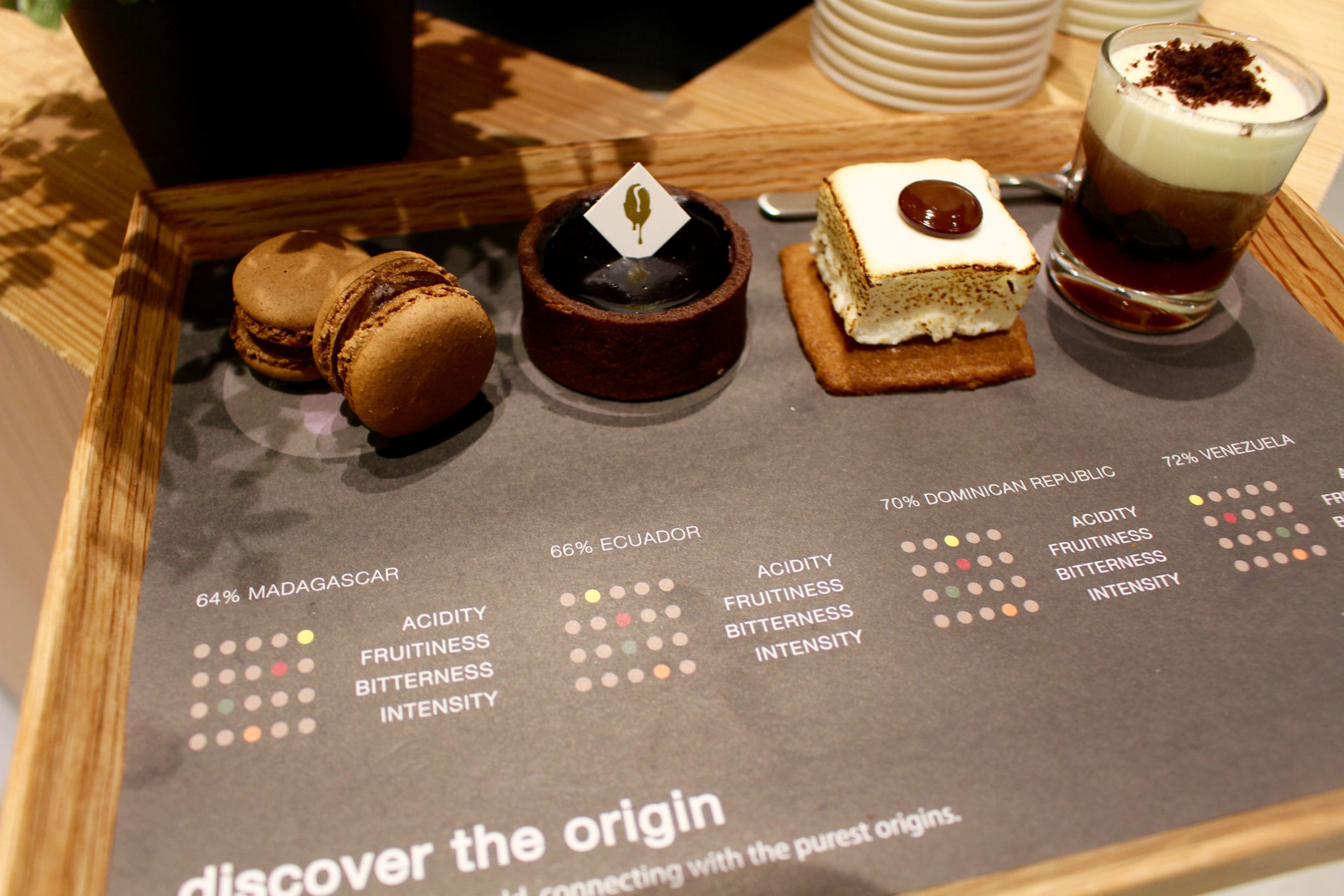
    The Dark Gallery has launched a second cafe and boutique on Orchard Road, featuring a menu that differs from its debut outpost at Millenia Walk.

    In the basement of Takashimaya Shopping Centre, The Dark Gallery is set up to tempt window shoppers with its showcase of ice cream, bon bons, cakes and pastries.

    Its 40-seat dine-in area has a black and gold colour scheme with marble tabletops. The store features Singapore’s first Mod-Bar pour-over and steam system, which is said to extract and render a top brew and milk foam for coffee or chocolate.

    Exclusive is the Four Senses of Chocolate, concoctions of The Dark Gallery’s signature 66 per cent dark chocolate in four drink varieties (Savoury, Sangria, Sucre and Spice).

    Pastries on offer include chocolate croissants, maple chocolate brioche, dark chocolate scone, ice cream cookie, chocolate soufflé, bon bons, pralines and cakes – even a Croque Monsieur.

  • Yoghurt and cheese experience consistent high value retail sales growth

    Yoghurt and cheese experience consistent high value retail sales growth

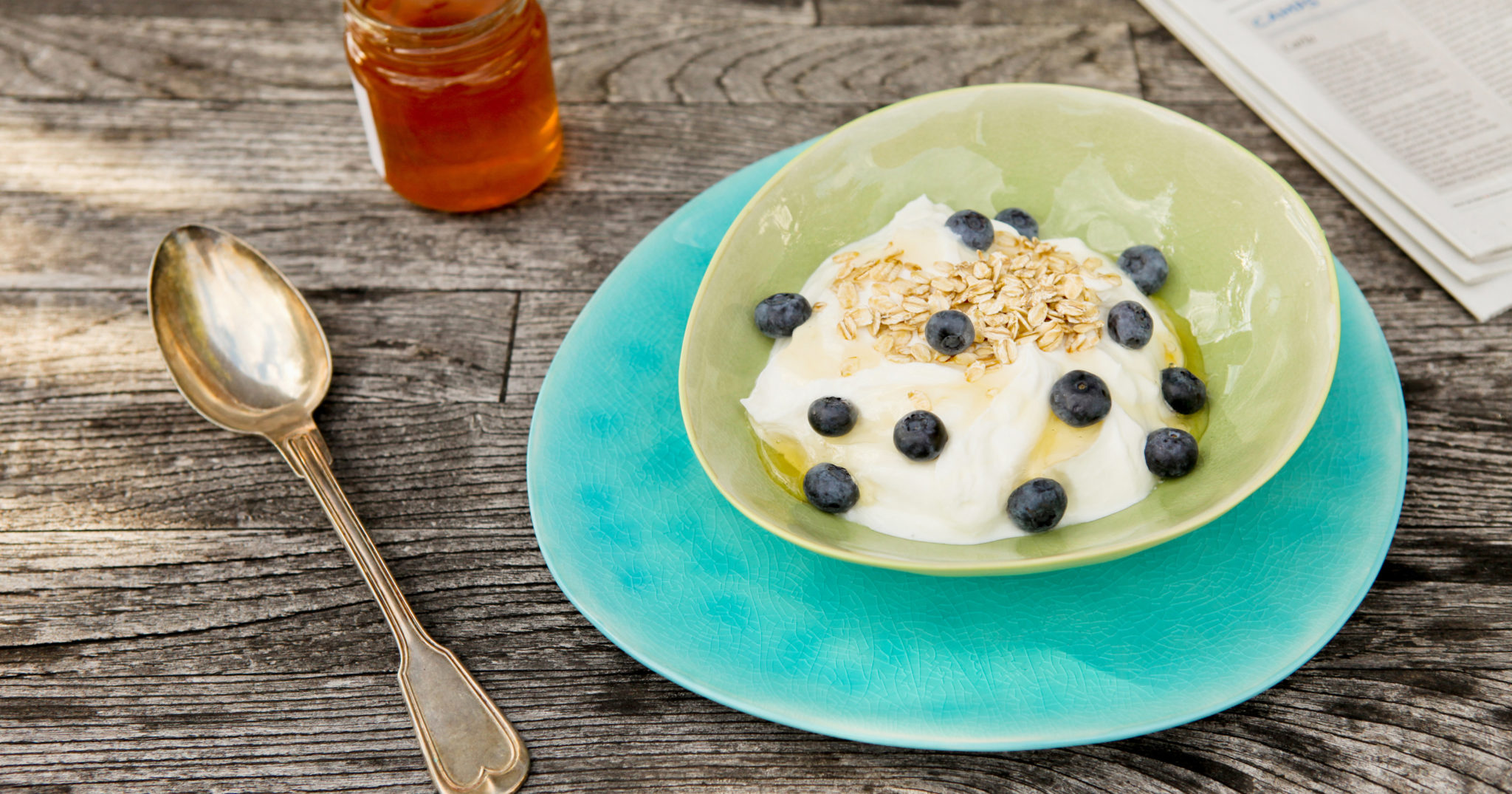
    While the overall dairy market in China is growing stably, the various categories are experiencing differing performance. New research from Mintel reveals that yoghurt and cheese are the market’s winning categories in recent years with yoghurt maintaining an annual retail sales growth of over 20% since 2014. Meanwhile, the cheese category has seen a growth rate of 15-25% from 2015-17. Looking ahead, Mintel forecasts the dairy market to grow at a 6.6% CAGR (compound annual growth rate) in value, to reach RMB 349.7 billion in 2022.

    Despite consistent sales growth for yoghurt and cheese, Mintel Market Sizes data shows that annual per capita volume consumption for major dairy products remains low compared to other countries. For example, per capita volume milk consumption in China is 14.3 litres, compared to 36.8 litres in Japan and 51.7 litres in the US; per person consumption of yoghurt in China is 3.43 kg, 4.92 kg in the US and 9.66 kg in Japan. Finally, the Chinese consume a mere 0.02 kg of cheese per person, while the Japanese take in 1.46 kg per person and, in the US, an impressive 6.89 kg per person.

    Summer Chen, senior food and drink analyst at Mintel, said,

    “Dairy consumption in China is still low when compared to Japan, where consumers share a similar dietary tradition to China. Mintel research indicates that China’s dairy market growth will be driven by increased consumption, resulting from the expansion of consumption occasion, value increase due to the rising price of raw milk, and consumers trading up to more premium options. When we look specifically at the yoghurt market, thanks to the recent craze over ambient yoghurt, the category is now leading not only in China’s dairy market, but among all food and drink products.”

    When it comes to dairy products, health-related factors are the main areas consumers are willing to pay more for. Among the four surveyed dairy products (including milk, yoghurt, butter and cheese), milk and yoghurt are perceived by consumers to be healthier and more nutritious (51% and 48% respectively), helping to improve immunity (49% and 44% respectively), and also good for kids (51% and 49% respectively) and the elderly (46% and 37% respectively).

    In addition, milk is more closely related with being high in protein (47%), and yoghurt with being easy to digest (60%). Butter is less likely to be associated with the same benefits, rather with issues such as being high in calories (50%), fat (45%) and cholesterol (34%). Cheese is somewhere in between, associated with benefits such as being high in protein (38%) and nutritious (37%), as well as being high in calories (43%) and fat (41%).

    Both plus claims, ie with additional nutrients (47%) and other healthy food as ingredients (44%), and minus claims, ie low fat or fat free (47%) and no-additives (45%), are critical improvements consumers are most willing to pay more for. Products designed for a special group of people (38%), such as those who are getting fit, is also among the top features consumers are willing to pay a premium for.

    By comparison, packaging- and taste-related factors—such as convenient packaging (29%) and limited seasonal flavours (22%)—are secondary factors for consumers considering buying premium options.

    “As consumers gradually become more aware of their dairy intake, both in quantity and quality, our research shows that plus and minus health claims are seen as worthy of paying extra for by urban Chinese consumers,” Summer added.

    In general, urban Chinese consumers prefer dairy products from big (65%) and nationwide (59%) dairy brands. While their attitudes towards local milk sources are pretty divided—44% believe they are reliable, while 36% believe local milk sources are not reliable. Nevertheless, more consumers prefer imported dairy products (43%) than domestic ones (34%). Even among those who trust local milk sources, 32% prefer imported dairy products.

    “When looking at the battle between domestic and imported dairy products, it seems that while urban Chinese consumers are regaining confidence in domestic milk sources and products, they still prefer imported options. To appeal more to consumers, domestic brands need to strengthen their offering in other areas, like positioning with a premium brand image, showcasing additional health benefits, and spotlighting innovative flavours in order to compete with imported brands,” Summer concluded.

  • Gourmet burgers drive McDonald’s results

    Gourmet burgers drive McDonald’s results

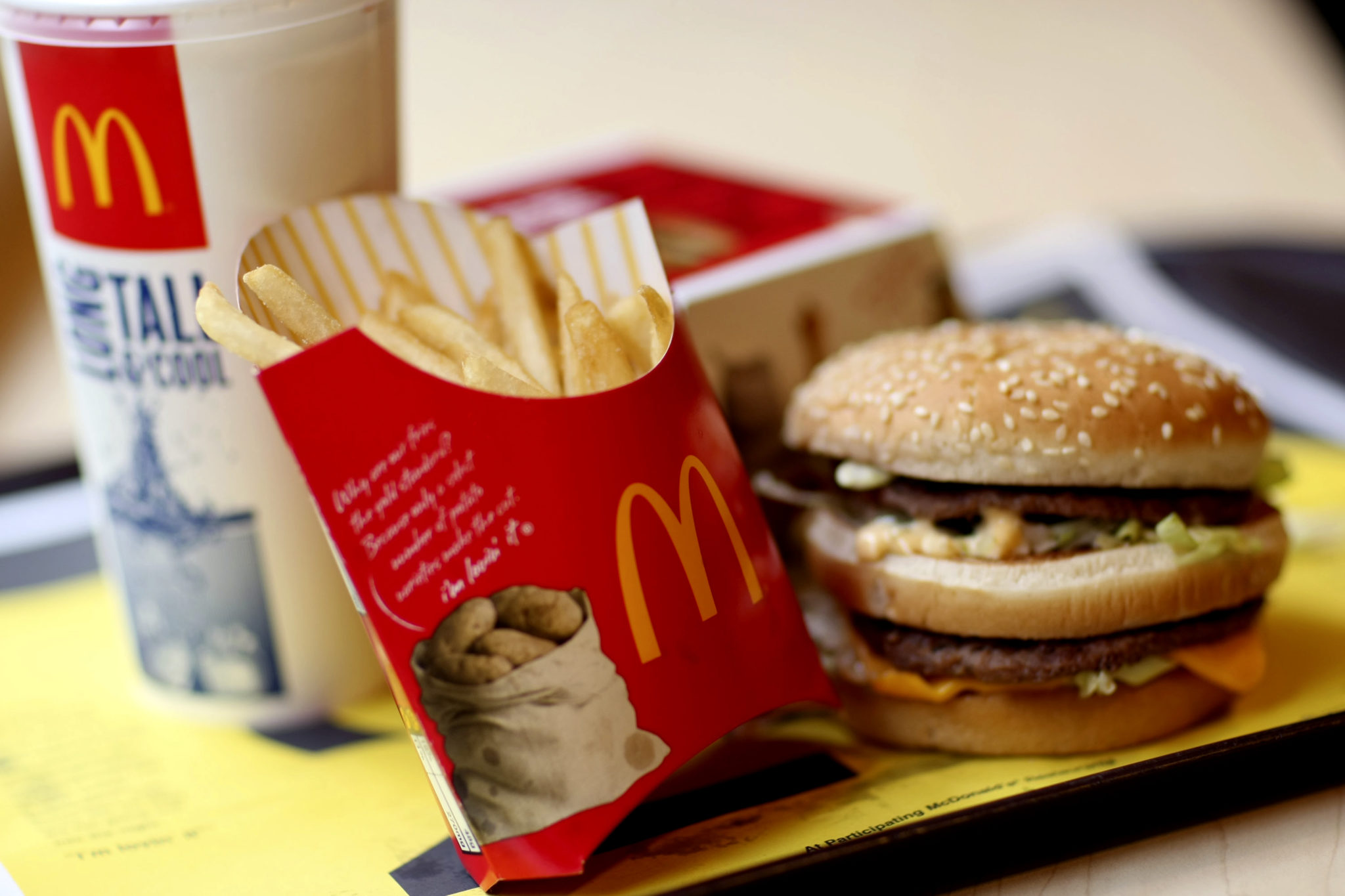
    McDonald’s reported first quarter results that topped analysts’ forecast on Monday, helped by strength in international markets and U.S. consumers opting for more expensive burgers over value meals.

    Shares of the world’s biggest chain by revenue rose 4.2 percent to US$165.10 in premarket trading as global same-restaurant sales topped Wall Street forecasts, pulling profit higher.

    A multiyear turnaround plan launched by Chief Executive Steve Easterbrook three years ago, has brought menu changes, new technology to stores and restaurant upgrades to drive more traffic.

    High-margin “gourmet” burgers which offer fresh and more expensive ingredients, costing US$6 or US$7 a time compared to the chain’s US$1 to US$3 value options, raised the overall average U.S. check value.

    Global sales at stores open at least 13 months rose 5.5 percent, easily topping an average estimate of 3.94 percent and reflecting a 7.8 percent surge in the company’s more mature international markets – Australia, Canada, France, Germany and the United Kingdom.

    “This shows the power of the brand … globally the numbers were outstanding,” Peter Saleh, an analyst with brokerage BTIG, said. “The results were very impressive, actually more impressive than we initially had anticipated.”

    Excluding items, the company earned US$1.79 per share, beating the estimate of US$1.67. Revenue overall fell 9 percent as a result of refranchising – a cost-cutting move where the company sells McDonalds-owned outlets to a franchisee investor and receives only a cut of sales.

    The shape of the results also ran contrary to recent quarters, when McDonalds and other fast food chains have focused on battling each other with dollar menus, discounts on beverages and limited-time menu items as consumer spending cools.

    “It is clear that diners now see the value options as a permanent fixture and are no longer as excited or stimulated by them,” said Neil Saunders, Managing Director of market research house GlobalData Retail.