Category: Food

Retail News Asia is committed to providing both local and global retailers with the latest Food and Food & Beverage news throughout the Asian market. This on a daily base.

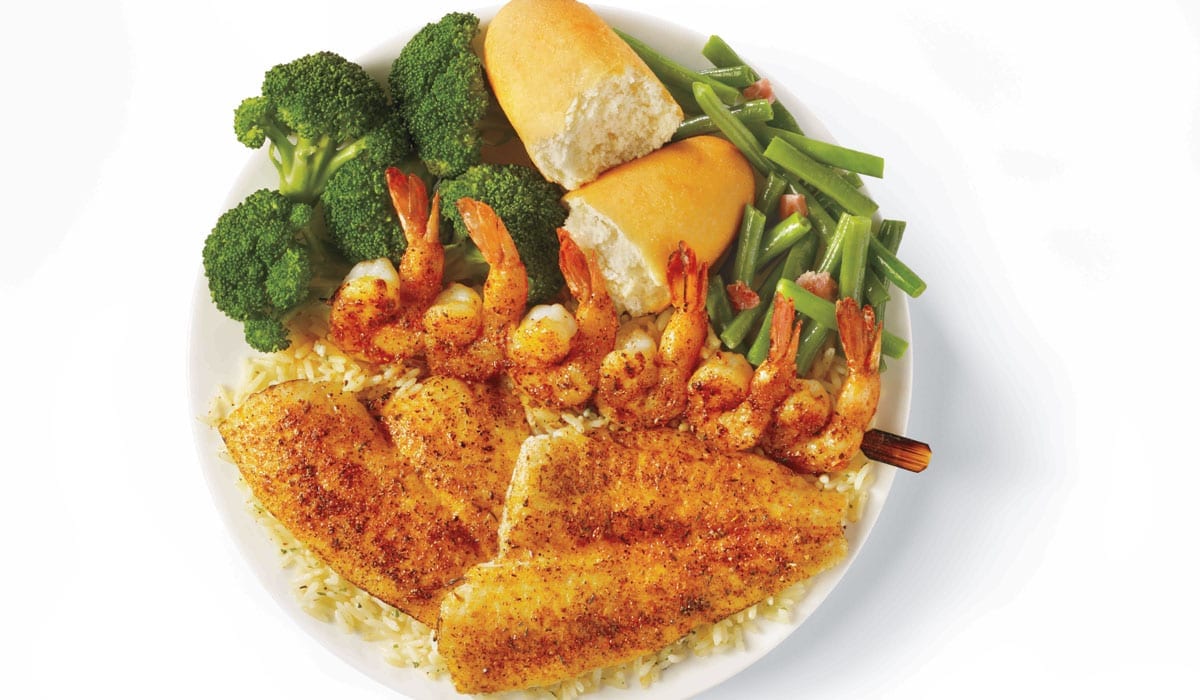
  • Captain D’s Seafood Restaurant to have more stores by franchising

    Captain D’s Seafood Restaurant to have more stores by franchising

    World Franchise Associates has announced the signing of an agreement to exclusively represent Captain D’s Seafood Restaurant for development opportunities worldwide. World Franchise Associates assists franchisors to enter new international markets and expertly assists investors to acquire master franchises for the best franchised and most recognized business brands in the world.

    Captain D’s is the industry-leading fast-casual seafood franchise in the United States with over 550 restaurants. The brand was ranked No. 1 seafood franchise in The QSR 50, the annual ranking by QSR Magazine. The brand also received noteworthy recognition in the franchise industry by setting brand AUV records in 2012, 2013, 2014, and 2015; and 2016 marked the 6th consecutive year of sales growth.

    The brand relaunched four years ago with an expanded menu to include healthy, grilled options and re-imaged decor to attract a new generation of diners seeking seafood as a fast-casual meal alternative. With meals offered at attractive price points – The changes spurred increased customer counts, higher average tickets and more customer frequency.

    Paul Cairnie Chief Executive Officer, World Franchise Associates said, “We are excited about helping to introduce Captain D’s, the number one QSR seafood franchise in the United States, to international audiences worldwide. While other QSR chains have struggled to maintain and grow AUV, Captain D’s is growing — and the growth is sustainable.  Seafood franchises today have an opportunity, as the QSR seafood space has few competitors, so Captain D’s has plenty of room to grow.”
  • Starbucks Hong Kong to ban plastic utensils

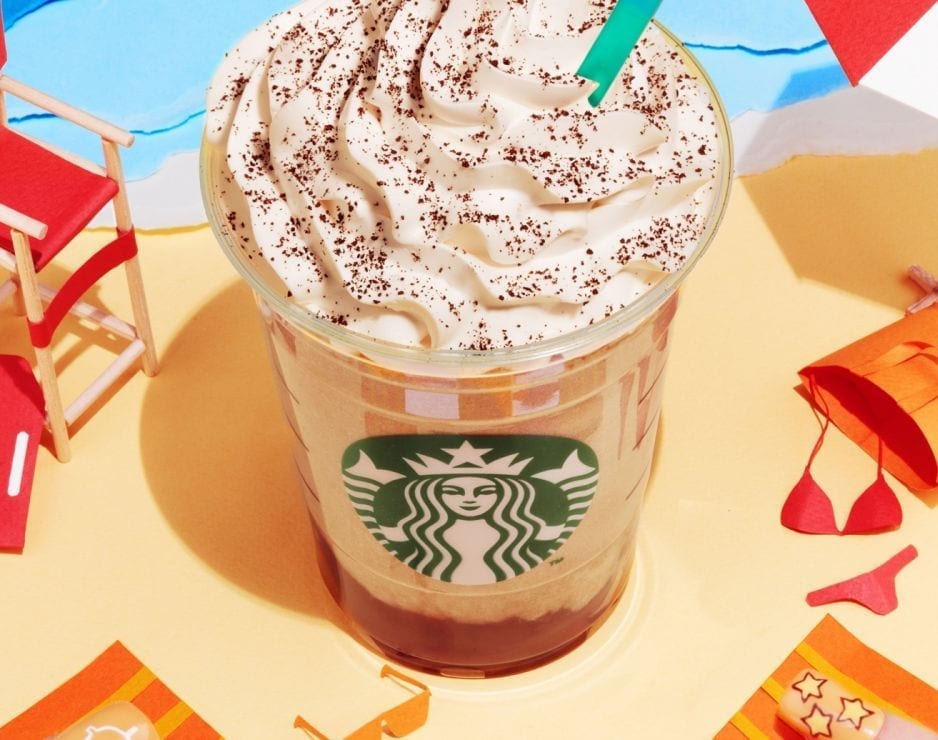
    Starbucks Hong Kong to ban plastic utensils

    Starbucks Hong Kong will stop displaying disposable plastic utensils in all stores from July 4 and will launch the policy at its new Causeway Bay store this month.

    All disposable plastic utensils will be removed from the condiment bar and will be provided only upon request. The new sustainable living policy will apply to both in-store and takeaway orders.

    Meanwhile, Starbucks is billing its new Lee Garden store as the territory’s first flagship.

    The 5500sqft ‘Third Place’ experience will open on June 22 in Lee Garden Three. It will be the largest single-story Starbucks cafe in Hong Kong, featuring the city’s first Teavana Bar, an expanded food menu and Starbucks Reserve coffee selection.

    The Teavana Bar is described as “a modern tea experience re-interpreted by Starbucks through an artful combination of the finest tea and botanicals”.

    The broader store’s interior design has been inspired by a coffee plantation.

    Following the successful launch of coffee-infused craft beers at the Starbucks IFC Mall store in March, a coffee-inspired cocktail will make its debut at the flagship-exclusive Mixology Bar.

    From June 21-27 a Starbucks cup installation will be set up at Lee Garden One on the ground floor facing the pavement by the taxi station. Limited-edition dock coasters will be given away at the pop-up.

  • Starbucks Chairman Howard Schultz To Step Down

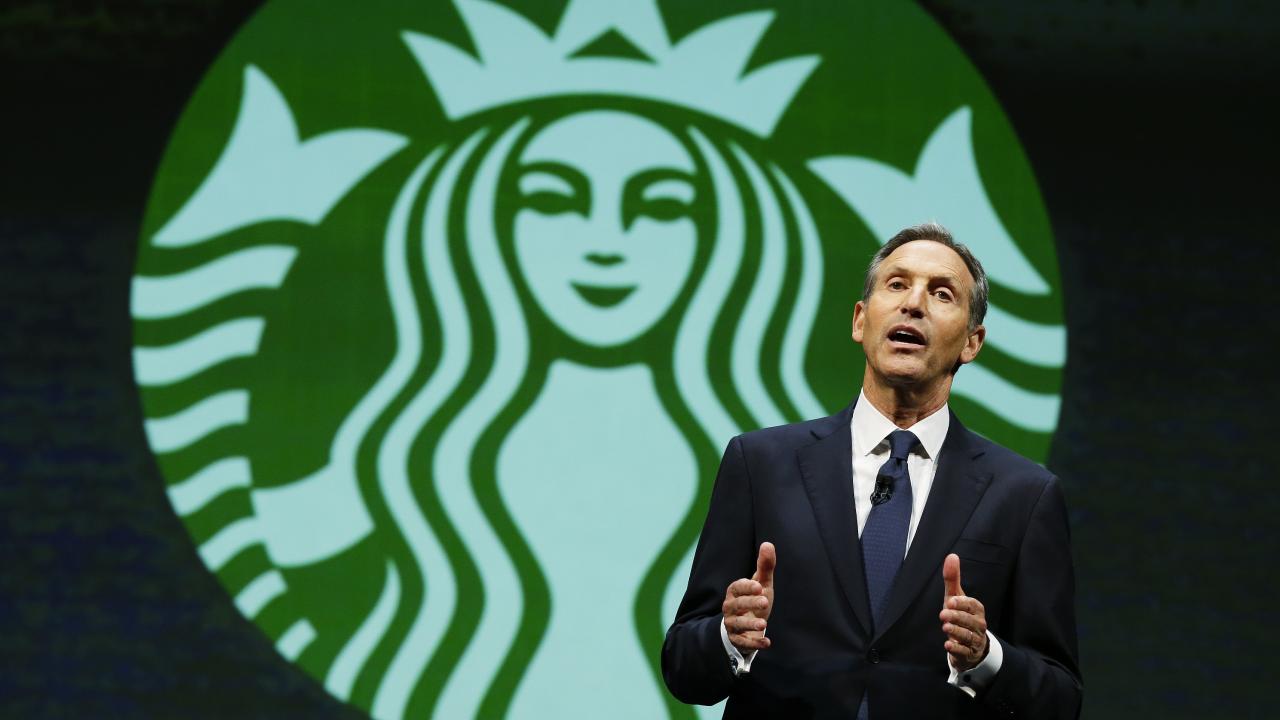
    Starbucks Chairman Howard Schultz To Step Down

    Starbucks chairman Howard Schultz shocked many of his 350,000 associates across the world by announcing his resignation with just three weeks notice.

    Political commentators have been quick to link his sudden departure to a bid for the Democratic presidential nomination for the 2020 election, rumours about which have been swirling for months.

    Schultz’s last day at the small Seattle company he bought in 1987 and built into one of the world’s largest cafe chains will be on June 26 when he will be designated chairman emeritus. Myron E Ullman, formerly chairman and CEO of JCPenney, will take over as chairman with Mellody Hobson, president and director of Ariel Investments, becoming vice chairman.

    In a long letter to staff and customers, Schultz said it seems like yesterday that he first walked into the Pike Place store, “stepped across the threshold, and was swept into a world of coffee and community”.

    “That moment began the journey of a lifetime. Not just for me, but for so many of us. Who could have imagined how far we would travel together, from 11 stores in 1987 to more than 28,000 stores in 77 countries. But these numbers are not the true measures of our success. Starbucks changed the way millions of people drink coffee, this is true, but we also changed people’s lives in communities around the world for the better.”

    Perhaps a clue to his future political intentions was an invitation in the letter to follow his website which appears to be brand new. On the site he signs off from Starbucks in another letter, closing with the comment: “I still have the same curiosity that’s fuelled me all these years, and a relentless passion to enhance the lives of others. I encourage and welcome your thoughts about what comes next…”

    During recent years, Schultz has been more outspoken about his political views, publicly endorsing Hillary Clinton and condemning several actions of US President Donald Trump.

    It’s not goodbye

    In his letter to Starbucks staff and customers, Schultz said the move will be an emotional transition.

    “But I’m looking forward to spending time with my family this summer. I’m also writing a book about Starbucks’ social impact work and our efforts to redefine the role and responsibility of a public company in an ever-changing society. It’s a journey that has prompted me to consider the many ways that each of us, as citizens, can give back to our communities. I’ll be thinking about a range of options for myself, from philanthropy to public service, but I’m a long way from knowing what the future holds.”

    He was also clear in his desire to remain part of the company he built so strong. “I’ll never say goodbye to you. Just thank you.”

  • Aavin India to export dairy products to 15 more countries by year-end

    Aavin India to export dairy products to 15 more countries by year-end

    After successfully making foray into the Singapore markets with the ultra high temperature (UHT) milk in November last year, Aavin is now eyeing exports of dairy products to 15 more countries by the end of the current year.

    The countries which the Aavin dairy products will make a beeline for are: Malaysia, Britain, UAE, Hongkong, Qatar, Bahrain, Kuwait, Saudi Arabia, Sri Lanka, Oman, Africa, Vietnam, China, Cambodia and Mauritius, said Minister for Dairy Development KT Rajenthrabhalaji in the Assembly on Friday while replying to a debate on the demand for grants to his department.

    “I take pride in informing the House that we have appointed dealers,” he said. The policy note of the Dairy Development department stated that the quality of the products and packaging would be ensured to make the products on a par with global standards and an exclusive wing was created to focus on exports of milk and milk products. All these steps were expected to help propagate the brand name of Aavin at the global level.

    UHT milk sale in Singapore was launched in November last year. Since then 84,000 litres of  milk were exported to Singapore.

    Procurement and sale

    Referring to procurement and sale of milk in the State, the Minister noted that procurement rose to 30.67 lakh litres per day (LLPD) in May this year, registering 15 per cent growth when compared to the figure of the corresponding month last year (26.62 LLPD).

    The sale of milk registered 22.08 LLPD in May this year while it stood at 21.02 LLPD in the corresponding month last year.

    Revenue through sale

    Aavin’s revenue through sale of dairy products too has registered a growth. It stood at `5,281 crore in 2016-17 but rose to `5,478 crore in 2017-18.

    New dairy products unit

    Rajenthrabhalaji informed that a new dairy products manufacturing unit, at a cost of `10 crore, will be established in Virudhunagar. It will be equipped with machineries to extract butter, produce ghee, packaging and preparing rasagulla, palkova and cold storage.

    CCTV checking

    With a view to ensuring quality and check wrongdoings, closed circuit television cameras (CCTV) will be installed at 341 bulk milk cooling units and 34 chilling centres at a cost of `60 lakh.

    App for milk producers and veterinarians

    The Minister also announced creation of an Android app for helping the milk producers and the veterinarians to feed them with information on rearing milch animals, services provided to the farmers, cattle health maintenance and veterinary medical services. A sum of `20 lakh will be spent for the purpose of creating the app.

  • Vietnam rice exports to China drop

    Vietnam rice exports to China drop

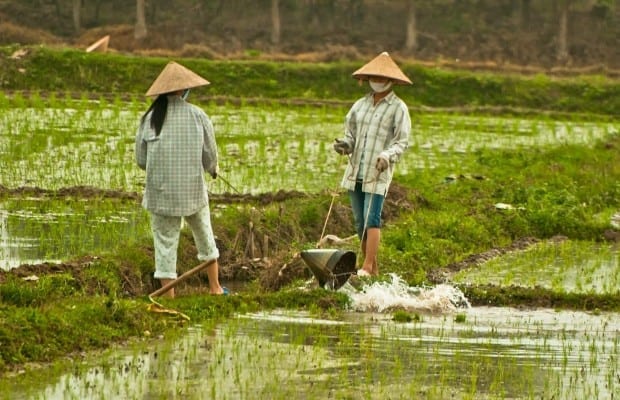
    Vietnam’s rice export sector is showing signs of reducing its dependence on China with other markets picking up the slack, according the Ministry of Agriculture and Rural Development.

    In its monthly report for May, the ministry says that rice exports to China in the first four months of this year dropped to 33.5 percent of the total from 47.5 percent last year. The value of rice imported by China during this period fell 0.9 percent year on year to $370.8 million, it said.

    China still remains Vietnam’s top importer of rice.

    However, while the Chinese market shrinks, other markets in Asia are increasing their intake from Vietnam. Rice imported by Indonesia during the first four months went up 333 times over the same period last year, Iraqi imports increased by over 16 times, that of Malaysia tripled, of Hong Kong increased 41.5 percent and that of Singapore,15.7 percent.

    With the Philippines planning to import over 293,000 tons of Vietnamese rice in the coming months, rice export prices will stay positive, the report said.

    Last year, Vietnam exported almost 5.9 million tons of rice worth $2.66 billion. This number is likely to reach 6.7 million tons this year, according to the United States Department of Agriculture.

  • Indonesia’s Coffee Retail Market Shows Lots of Promise

    Indonesia’s Coffee Retail Market Shows Lots of Promise

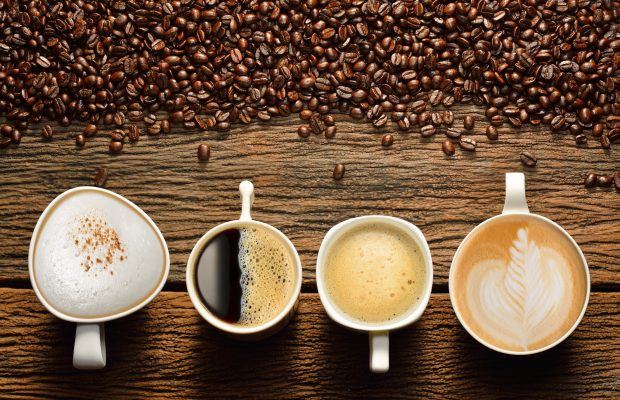
    Indonesia is one of the world’s biggest coffee retail markets by volume, driven by increasing domestic demand, according to the result of a recent study by global market intelligence agency Mintel, released on Thursday (31/05).

    The United of States, with 607,000 metric tons, is the world’s biggest, followed by Brazil (425,000 tons), Germany (424,000 tons), Japan (304,000 tons) and Indonesia (268,000 tons).

    The research also estimates that the compound annual growth rate in the coffee retail market in Indonesia will likely rise by 11.4 percent between 2017 and 2021, making it the world’s fastest-growing coffee retail market among a list of countries that includes Vietnam, ranked second at 9.2 percent, followed by Turkey (6.8 percent), the Philippines (6.7 percent) and Mexico (6.1 percent).

    “Coffee culture has surged in Asia with more and more specialty coffee houses setting up shop in countries like Japan, Singapore and Indonesia. Big-brand coffee chains are also increasing their expansion efforts in the region,” Jonny Forsyth, associate director at Mintel Food & Drink, said in a statement.

    The number of specialty coffee outlets and chain-store coffee shops in Indonesia has doubled to 1,025 and 1,083 respectively, between 2012 and 2016, with most of the new outlets in Jakarta, according to data compiled by research group Euromonitor.

    Since United States-based coffee giant Starbucks entered Indonesia in 2002, it has expanded to 22 cities with around 240 stores across the archipelago.

    According to data compiled by the International Coffee Organization, coffee consumption in Indonesia, the world’s fourth-largest coffee producer, surged to 276,000 tons in 2016 from only 108,000 tons in 2000.

    The Mintel study also showed strong growth in single-serve coffee in emerging Asian markets, thanks to rapid economic growth and urbanization, unlike more developed countries.

    In an annual report by Mintel released last year, Indonesia was ranked as the world’s fastest-growing consumer of packaged coffee, including instant coffee, ready-to-drink coffee and coffee in pods or capsules, between 2011 and 2016.

    “Asia’s emerging markets have led global coffee growth in years past and will continue with Indonesia leading this charge,” Forsyth said.

  • Hong Kong’s Tsui Wah eatery to open in Singapore

    Hong Kong’s Tsui Wah eatery to open in Singapore

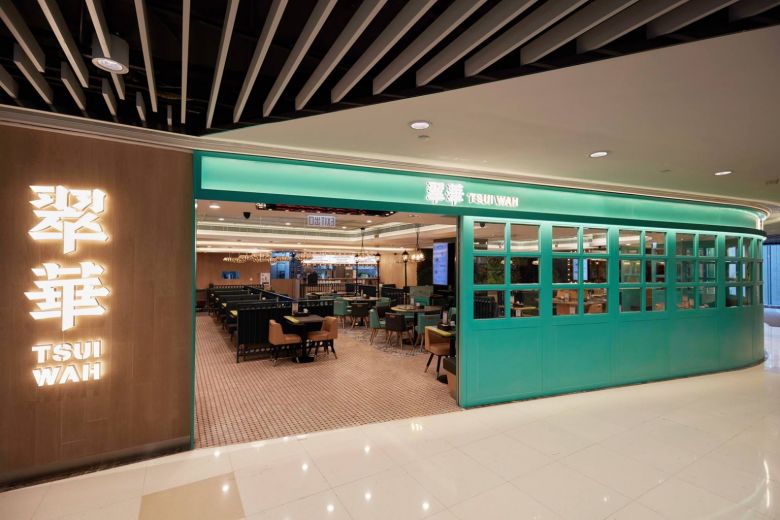
    Hong Kong chain Tsui Wah’s first outlet in South-east Asia will open in Singapore on June 15, in partnership with Jumbo Group.

    The cha chan teng (coffee shop-style) outlet in Clarke Quay will seat more than 140 customers and serve signature items including milk tea, crispy bun with condensed milk and curries, say the partners.

    For months, chefs from Tsui Wah in Hong Kong have been training staff in Singapore, and some of the chefs will stay on.

    Tsui Wah in Singapore is a franchise by Vista F&B Services, a JV between Tsui Wah Holdings and Jumbo Group, which is behind Jumbo Seafood restaurants.

    Funded in Mong Kok in 1967, Tsui Wah has 70 outlets in Hong Kong, Macau and China, and is known for its Cantonese-style comfort food.

  • Beer brands pour big bucks into ads as Vietnam bucks global trend

    Beer brands pour big bucks into ads as Vietnam bucks global trend

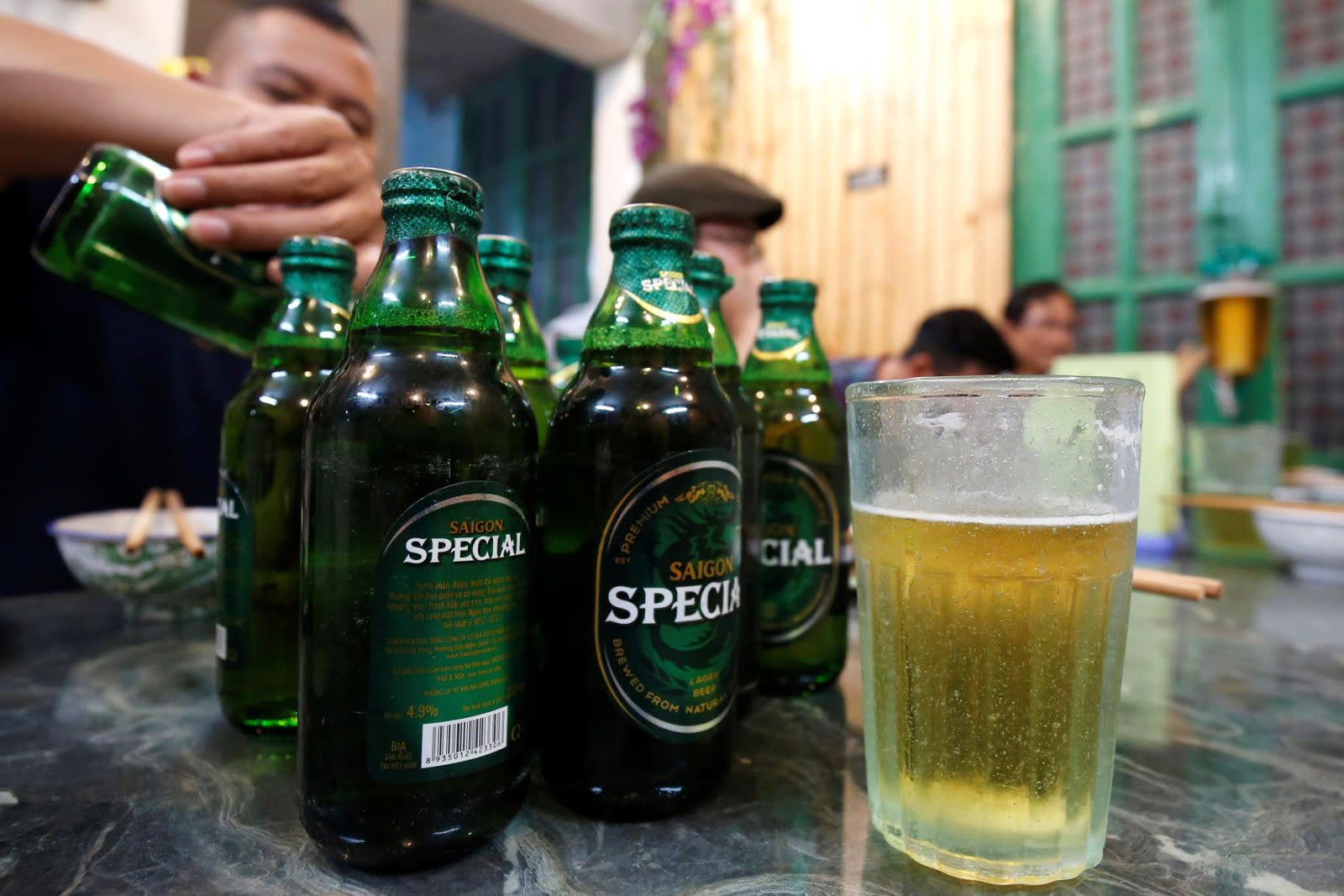
    As more and more Vietnamese drinkers take to beer and competition heats up, leading brands are spending big on advertisements.

    Saigon Alcohol Beer and Beverages Corporation (Sabeco), the leading beer producer in Vietnam which brews the well-known Saigon and 333 beers, spent VND1.2 trillion ($52.9 million) on advertising last year.

    While this figure is slightly less than its 2016 outlay, it still places Sabeco on the top of advertisement budgets list in the beer industry, spending more than VND1 trillion spent on product promotion in each of the last three years.

    Meanwhile the producer of Hanoi and Truc Bach beers, Hanoi Beer Alcohol and Beverage Jsc, known as Habeco, spent VND568 billion ($24.6 million) on ads last year, over 3 times its 2014 expenditure.

    The increased spending is a response to Habeco’s declining share of the beer market in recent years, from its heydays of having the most popular brands in Northern Vietnam. The company has been augmenting its advertising budget as “there has been no breakthrough in the marketing activities of the brand,” according to Viet Capital Securities, which claims to provide comprehensive research to assist investors in maximizing profits.

    Sabeco, Habeco, along with Heineken and Hue Brewery (which is owned by Carlsberg) made up 90 percent of the beer market in Vietnam last year. The big four are known to spend big on advertisements as they compete with each other in the Vietnamese market, which is considered to have more advantages than other countries.

    “While beer consumption in many countries has stalled, there is still a lot of potential for this industry in Vietnam,” said Nguyen Van Viet, president of the Beer, Alcohol and Beverage Association (VBA) in a recent conference.

    In China and some European countries, beer consumption has stagnated or even declined slightly. But in Vietnam it is forecast to rise in the coming years, Viet said.

    He is backed by a study of the Asia-Pacific beer market conducted by Euromonitor, which claims to be the world’s leading independent provider of strategic market research.

    The study found that beer consumption in the world has not increased in a decade, but in Vietnam, this figure is increasing rapidly.

    In 2008, Vietnam ranked 8th position in beer consumption in Asia, just 8 years later it had climbed to 3rd position, behind Japan and China.

    In a market dominated by big players, new businesses are having trouble making a stand. Laser, Fosters and Zorok are among the brands that have tried and failed to gain a decent foothold in the Vietnamese consumer. Local media reports have said that the high costs of advertisements had made it difficult for these firms.

    Sapporo, one of the newer entrants, has recorded higher consumption in recent years, but very high marketing costs have seen to it that its profit is not substantial, Viet said.

    Last year, Vietnam consumed over 4 billion liters of beer, and a Vietnamese person consumed 45 liters on average, according to VBA. The country targets production of 4.1 billion liters of beer in 2020 and 5.5 billion in 2035.

  • Pret A Manger sold to Krispy Kreme owner for £1.5bn

    Pret A Manger sold to Krispy Kreme owner for £1.5bn

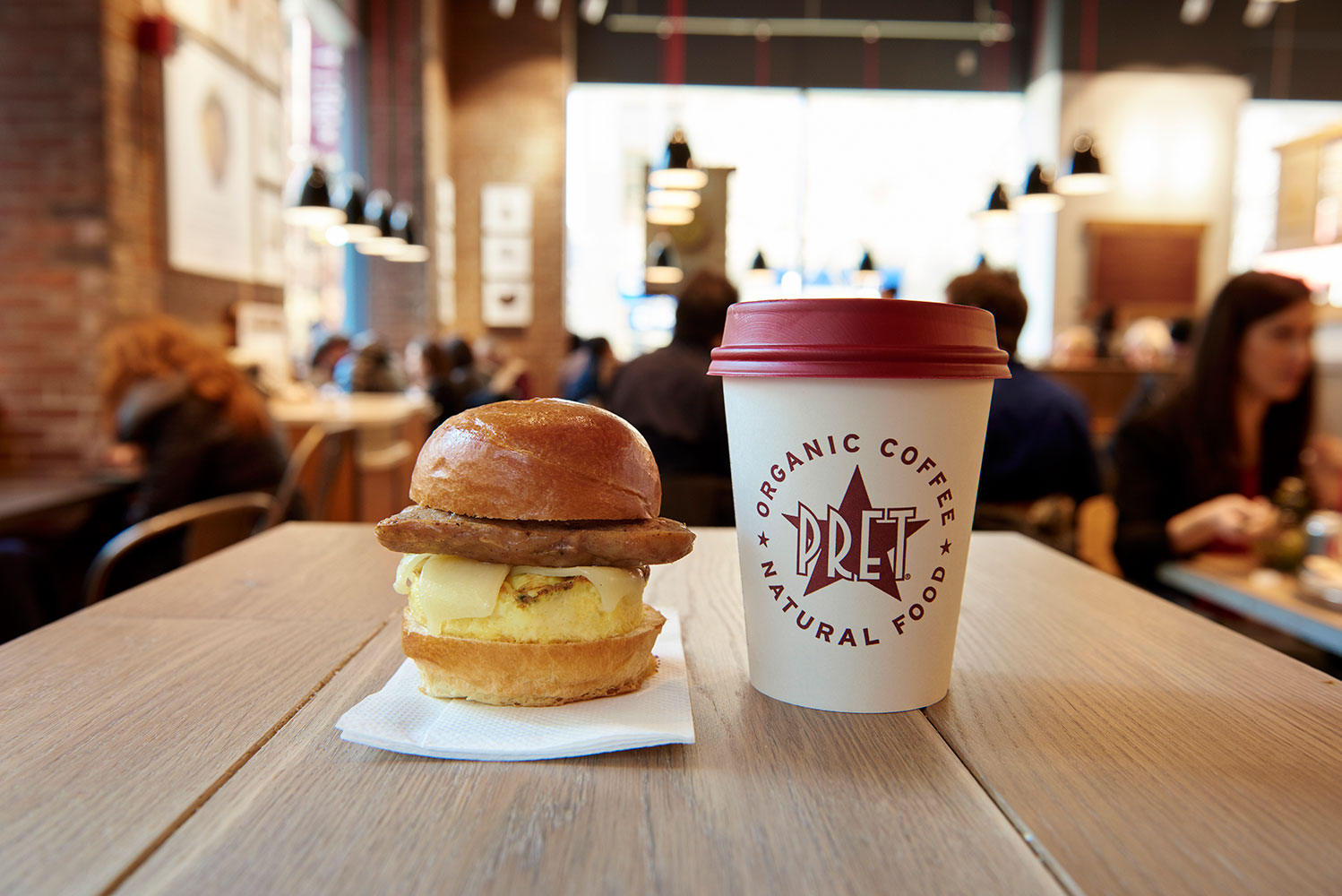
    Pret A Manger’s global business, including Hong Kong and Singapore, has been sold to global investment firm JAB.

    Flush with cash from the sale of Jimmy Choo and a controlling interest in Bally, JAB is refocusing its core business investments on consumer goods and cafes. The company, majority owned by Germany’s secretive Reimann family – has controlling stakes in US coffee brand Keurig Green Mountain, European coffee supplier Jacobs Douwe Egberts, cafe chains Panera Bread, Peet’s Coffee & Tea, Caribou Coffee Company, US bagel chain Einstein Noah Restaurant Group, Krispy Kreme Doughnuts, and Espresso House, Scandinavia’s largest branded coffee shop chain. It also owns shares in makeup giant Coty and consumer goods company Reckitt Benckiser.

    UK-headquartered Pret A Manger, which has 530 stores globally, including 26 in Hong Kong, one in Singapore and two in Mainland China, serves 300,000 customers daily with global revenues of £879 million (US$1.166 billion).

    JAB will pay nearly $2 billion for the business (including taking over debt) to private equity investor Bridgepoint and an assortment of minority shareholders. According to BBC News, all 12,000 staff globally will receive a bonus of about US$1200. Bridgepoint bought the business in 2008, including a 33 per cent stake then held by fast-food operator McDonald’s Corporation, paying €500 million for the business, or US$584 million at today’s exchange rate.

    Pret A Manger CEO Clive Schlee described the sale announcement as “a day of celebration at Pret”.

    “This agreement recognises the hard work of all our amazing teams around the world. Bridgepoint has been a wonderful owner of the business for more than a decade. All of us at Pret believe JAB will be excellent long-term strategic owners.”

    He said JAB supported Pret’s growth plans, suggesting further expansion in Asia is on the cards as the company refines its offers in Singapore and China.

    “I am really looking forward to this next chapter of Pret’s story.”

    The deal follows a ninth successive year of like-for-like sales growth for Pret A Manger.

    “The brand continues to thrive around the world thanks to our simple recipe of freshly prepared food, served by genuinely engaged teams,” said Schlee.

    JAB partner and CEO Olivier Goudet said his company plans to continue Pret’s “extraordinary growth story”.

    “Management’s proven track record and commitment to customer service, investment in innovation and approach to freshly prepared food position Pret well as it capitalises on evolving consumer taste and lifestyle preferences. We look forward to working with Clive Schlee and his management team, while promoting the Pret brand and supporting Pret’s impressive culture for the next phase in the company’s growth with JAB.”

    Last year, Philippines fast-food operator Jollibee was linked to a bid for Pret A Manger at a value exceeding $1 billion and Bridgepoint was also reportedly considering an IPO for the business.

    It would appear from the published reactions of Pret A Manger management private ownership is a more comfortable fit with the business.

  • AS WATSON unveils new foodservice-focused concept store in China

    AS WATSON unveils new foodservice-focused concept store in China

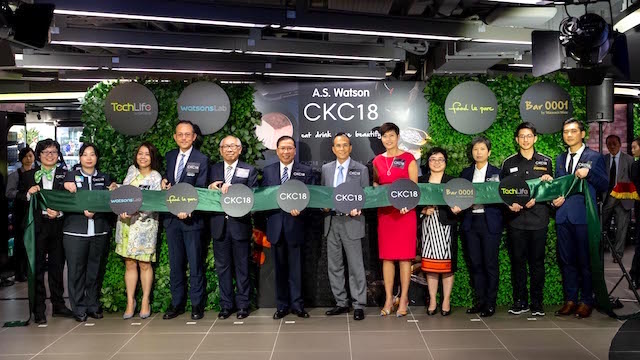
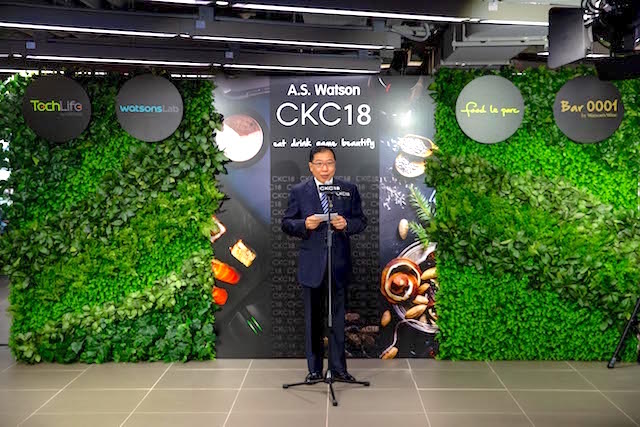
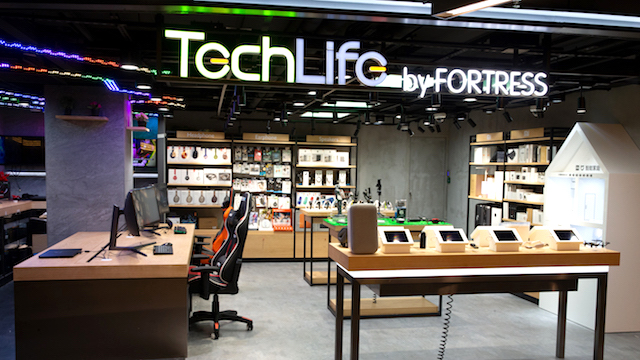
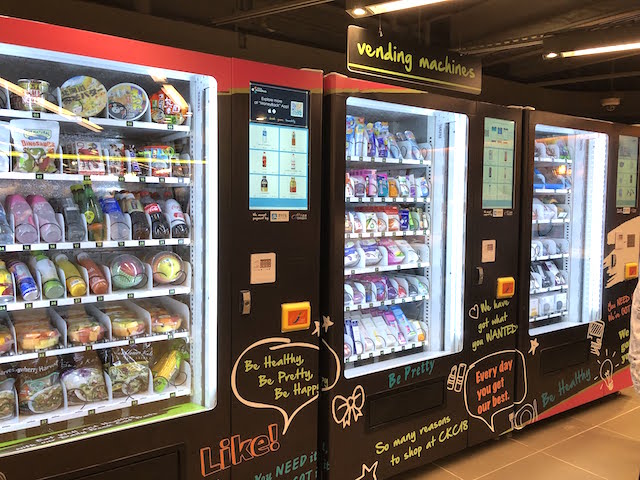
    Located on B2 of the Cheung Kong Center, the store, called CKC18, groups together four AS Watson retail brands in a way which makes each store appear independent, but connected.

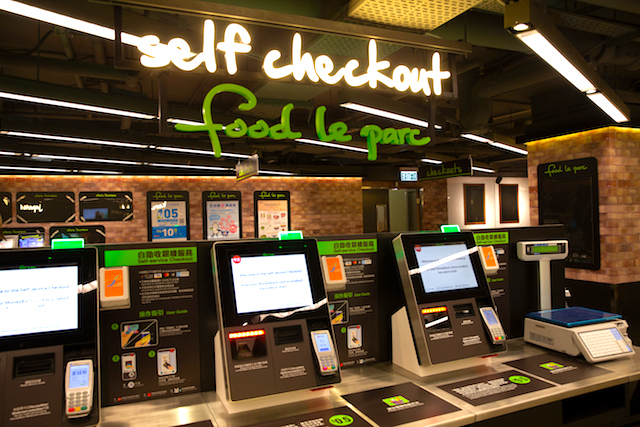
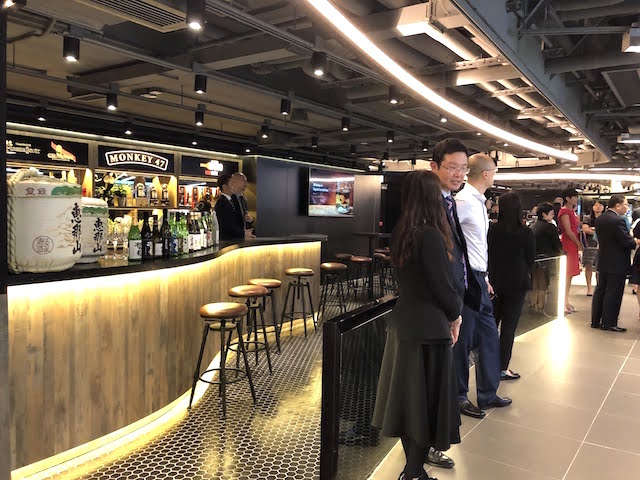
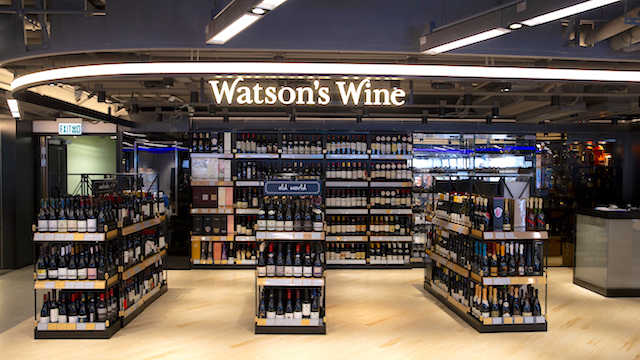
    The 26,000sqft CKC18 is home to international food emporium Food Le Parc, health and beauty outlet WatsonsLab, a TechLife by Fortress and Bar 0001 by Watson’s Wine.

    CK Hutchison Holdings chairman and group MD Victor Li and AS Watson Group MD Dominic Lai led the management team at a grand opening event last week.

    “As one of the landmarks in Hong Kong, Cheung Kong Center is located at the heart of the business district in Central with top notch financial institutions,” said Lai. “The grand opening of CKC18 indicates that Cheung Kong Center will soon become a hotspot for dining, shopping, entertaining and self-pampering.”

    TechLife by Fortress

    The electronics store brings together what AS Watson describes as “the trendiest and most innovative lifestyle gadgets”, eSports products and exclusive products from Xiaomi. There is also a GameZ area that allows customers to try on the international renowned eSports gear.

    Food Le Parc

    Food Le Parc – which translates to food park in English, offers 8500 choices of food from around the world, of which 1600 products are exclusive to CKC18.

    WatsonsLab

    A specialised Watsons boutique, WatsonsLab includes a ‘beauty bar’ that carries leading global cosmetics brands. A ‘Style Me’ app available in-store leverages Augmented Reality technology to offer virtual make-up services, offering more than 100 mix-and-match looks.

    Bar 0001

    Watson’s Wine and its in-shop Bar 0001 offers almost 100 wines, sakes and spirits sourced from around the world by the glass and more than 700 wines to take away.


    New technologies

    Lai says the team which created CKC18 wanted the store to demonstrate AS Watson’s determination to speed up digital transformation.

    The Scan & Go function in the app MoneyBack allows customers of Food Le Parc to simply take the products, scan the barcodes with their phones and pay at self-checkout counters. And at WatsonsLab, the Style Me tablet equipped with AR technology instantly and virtually shows customers how they look like when applying different makeup products.

    “We are glad to introduce the latest retail technologies to optimise shopping experience in a convenient and innovative approach. CKC18 applies technologies intensively. Besides the use of Alipay and other mobile payments, unmanned checkout counters are also available at WatsonsLab.

    Customers can simply checkout by placing their shopping baskets on checkout counters that automatically scan and tally up the total, and electronic payments are supported.

    “In addition, customers can use the TasteToGo function in MoneyBack app to reserve their meals in advance at Food Le Parc, minimising their waiting time during rush hours.”

    The store will also host events such as cooking exhibitions, gaming shows by eSports players, sake tasting and personalised make-up designs.

    AS Watson Group is the world’s largest international health and beauty retailer, currently opening a new retail store somewhere in the world on average every seven hours. That equates to 1300 this year, including more in Hong Kong.

  • CJ opens store for prepared meals

    CJ opens store for prepared meals

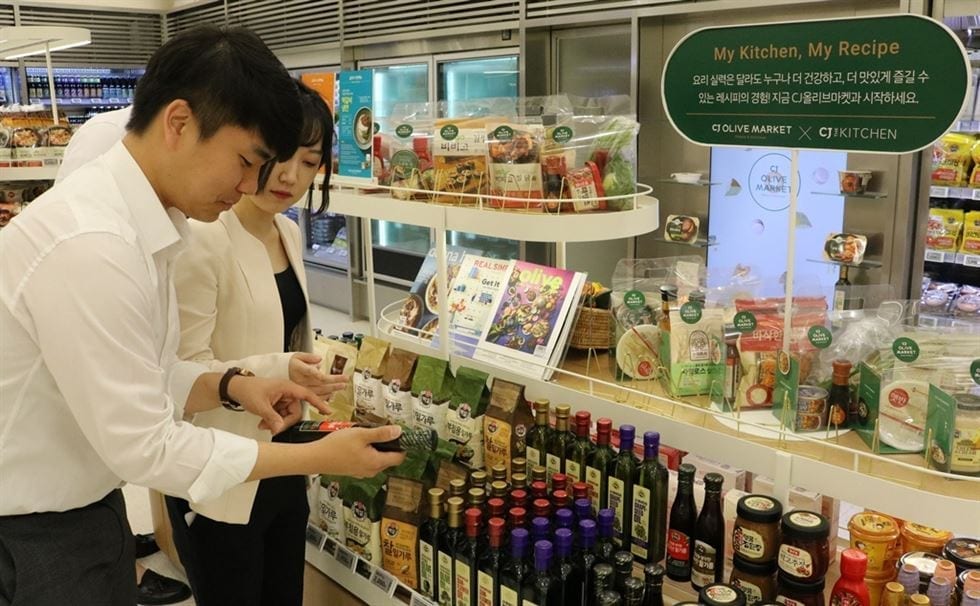
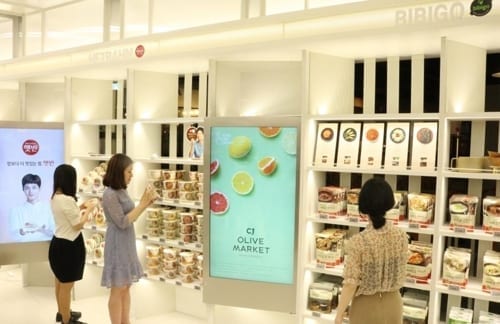
    Korean foods retailer CJ CheilJedang has opened its first “home meal replacement” (HMR) store, called CJ Olive Market, in Seoul.

    The 443sqm store is located at CJ CheilJedang headquarters building, and is divided into two areas – a restaurant where customers can buy food from a vending machine or cooked on-site by chefs – and a grocery store.

    Th team of CJ chefs will come up with new menu items every two months.

    CJ has also developed a smartphone app that allows customers to buy products by scanning codes printed on products or table mats in the store.

    “Our HMR business will evolve into a future-oriented business that suggests integrated menus for home meals,” said Son Eun-kyung, head of CJ CheilJedang’s food marketing division.

    The company also plans to develop a virtual reality store.

    CJ CheilJedang hopes its new HMR range will help it grow sales to US$3.3 billion by 2020.

  • Vietnam tax on sweetened drinks hurts the business

    Vietnam tax on sweetened drinks hurts the business

    A Finance Ministry proposal to slap a 10 percent special consumption tax on sweetened drinks would hurt small and medium businesses, critics say.

    Business representatives and some experts say the beverage industry is already taxed heavily, and the latest addition could prove to the last straw.

    The tax proposal, first announced last year and expected to take effect in 2019, aims to promote healthier habits by discouraging the consumption of sweetened drinks. The Ministry has cited reports from the World Health Organization, saying overconsumption of sweetened drinks lead to obesity and that a fourth of Vietnam’s population are already obese or overweight adults.

    “The tax will help regulate the consumption of sweetened beverages, and it’s also an international norm,” the proposal says.

    However, the Vietnam Association of Liquor, Beer and Beverage (VBA) has protested the move, saying the tax could hurt small and medium businesses by promoting circulation of fake products.

    “The tax proposal would lead to higher production costs, allowing fake and low-quality products to thrive,” it said in a statement.

    Many industry insiders also say they are already paying no less than 10 different types of taxes.

    “If this tax proposal passes, we won’t be able to survive,” a Thursday report by the Tuoi Tre newspaper quoted an unnamed vice director of a beverage firm in the southeast province of Binh Duong as saying.

    Nguyen Van Viet, president of VBA, suggested an incremental imposition of the tax in order to reduce the burden on businesses.

    The industry stand has been backed by several ministries, who rejected the Finance Ministry’s rationale that sweetened drinks contain an unhealthy amount of sugar, warranting a special consumption tax.

    The Ministry of Industry and Trade said in a statement that imposing a special consumption tax on sweetened drinks because they contain sugar was not a convincing enough reason.

    It said the Finance Ministry needs to give clearer explanations for its proposal.

    The Trade Ministry statement echoed the argument made last October by the Vietnam Chamber of Commerce and Industry (VCCI) that a special tax should only be imposed after adequate studies have been made on the drinks’ impacts on consumer health and if the tax could help reduce the risks significantly.

    The Ministry of Planning and Investment is also against the proposal, which it says could adversely affect the beverage industry and its large workforce.

    In Vietnam, special consumption taxes are levied on items and services considered unhealthy or luxurious, like tobacco, liquor and cars.

    Many Southeast Asian countries have already imposed taxes on sugary drinks, according to the Finance Ministry. The current rate is 20-25 percent in Thailand, 5-10 percent in Laos and 10 percent in Cambodia.

    Myanmar, the Philippines and Indonesia are considering a similar tax.

  • L’Occitane to open Singapore-based pop-up café

    L’Occitane to open Singapore-based pop-up café

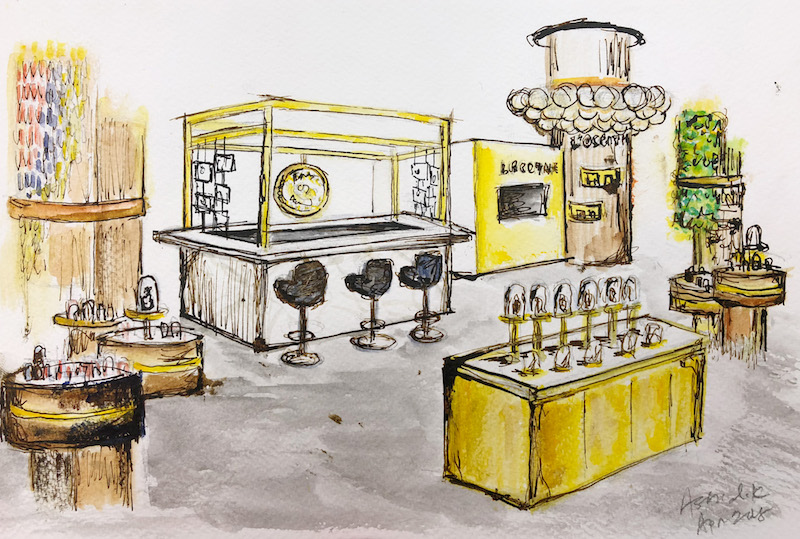
    French fragrance retailer L’Occitane plans to open a pop-up cafe, named A Journey in Every Sense, at Ion Orchard between July 3 and 16.

    Launching in collaboration with dessert specialist Janice Wong, it will feature her creations with such ingredients as cherry blossom, verbena, bergamot, rose and almond. Being promoted as a Province experience, the cafe also feature a skincare and bodycare texture bar allowing consumers to sample products, as well as 360deg VR exploration of the French region.

    At home in France, L’Occitane lately created a lifestyle pop-up concept including an essential oils distillery, restaurant, coffee and cocktail bar.

    To see more, browse the gallery below :

  • Toast Box to launch new concept

    Toast Box to launch new concept

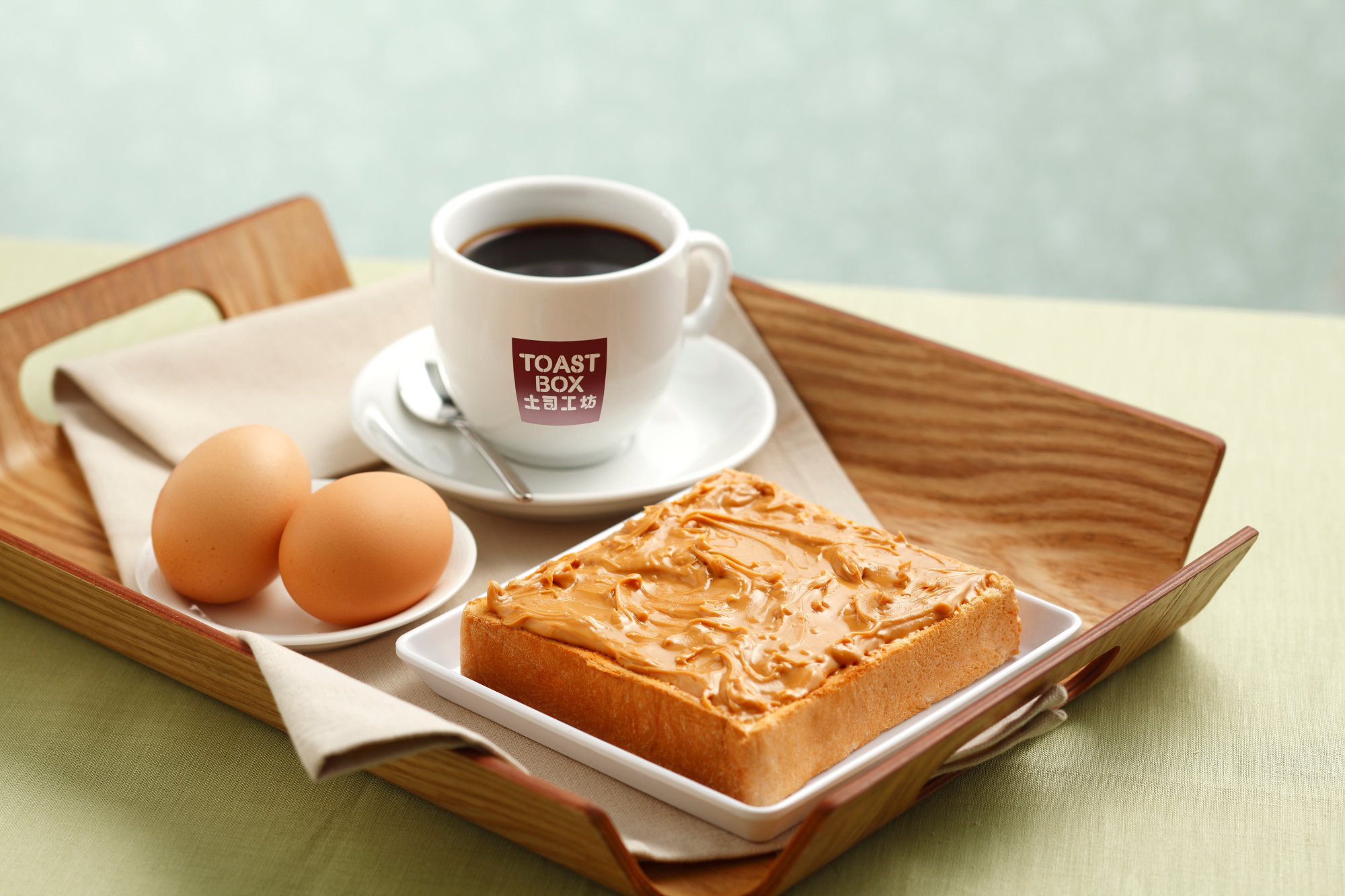
    Toast Box Philippines, the Singaporean restaurant chain known for its kaya toast, eggs, and coffee sets, is closing – but plans to re-open with a new concept.

    Announcements at its Manila branches have cited tomorrow as the final day of trading in the Philippines. “We want to take this opportunity to sincerely thank you for your patronage for the past 10 years. It has been a privilege and a delight serving you.

    “We will be renovating our stores and will reopen with a new brand. We hope to see you back in our stores very soon.”

    Toast Box is one of several food retail brands owned by Singapore’s BreadTalk Group. Others include Bread Society, BreadTalk, Din Tai Fung, Food Republic, So, The Icing Room and Thye Moh Chan.

    However a Toast Box Philippines marketing executive has confirmed the company will close its Manila branches then introduce a new concept, “Nanyang”, which will offer Asian favourites. It will launch at SM Aura in Taguig on June 1.

  • Alibaba demonstrates smart ordering in cafe and restaurants using voice AI

    Alibaba demonstrates smart ordering in cafe and restaurants using voice AI

    Alibaba Machine Intelligence Technologies has unveiled an intelligent speech interaction technology aimed at “smart ordering” in cafes and restaurants. The new technology lets buyers order their food item or coffee by speaking to a smart ordering machine.

    The Alibaba DAMO Academy unit, which focuses on fundamental AI research, said the machine will understand the customer order requests and display the order onscreen in a split second.

    Buyers can modify their orders as many times as they want, and the machine is expected to catch all the changes and update immediately. For example, a customer might say: “I want to order two large cups of cappuccino. Oh, please make them with less sugar and decaf. To go. And sorry. That should be three cups of cappuccino, two large and one small.” The smart ordering machine will then display the full order as two large cups and one small cup of decaf cappuccino, all with less sugar than usual and note that it’s for takeout.


    Smart ordering is possible through the team’s latest research in spoken language understanding (SLU), a field that involves both speech processing and natural language processing. First, the team develops a multi-modal speech interaction solution that can capture both voice and visual features, taking into account such things as the speaker’s pace, pauses between words, pronunciation, breaths and facial expression. Next, the team builds a reinforcement-learning model that allows for revisions and intent detection. All are important in the SLU field, making it possible to apply the latest SLU technology into commercial use.

    The solution is currently only for Chinese-speaking customers. The smart ordering machine is expected to roll out to the market in the next few months, and the technology solution will be available on Alibaba Cloud to benefit small and medium-size enterprises.

    Zhijie Yan, Head of Intelligent Speech Interaction at Alibaba Machine Intelligence Technologies said, “Our multi-modal speech interaction solution, underpinned by our insights in spoken language understanding, can be used in different scenarios including food and beverage ordering, customer service, voice commands for home appliances and in smart cars, and voice response to inquiries in shopping malls or airports.” “With the smart ordering machine as a perfect example, we believe the solution would greatly enhance the customer experience and make running a business more efficient,” added Yan.

    In December last year, Alibaba introduced far-field voice-recognition technology to ticketing kiosks in Shanghai metro stations, allowing passengers to use their voices to tell the kiosks their destination, and the machines will recommend the best route.