Category: Food

Retail News Asia is committed to providing both local and global retailers with the latest Food and Food & Beverage news throughout the Asian market. This on a daily base.

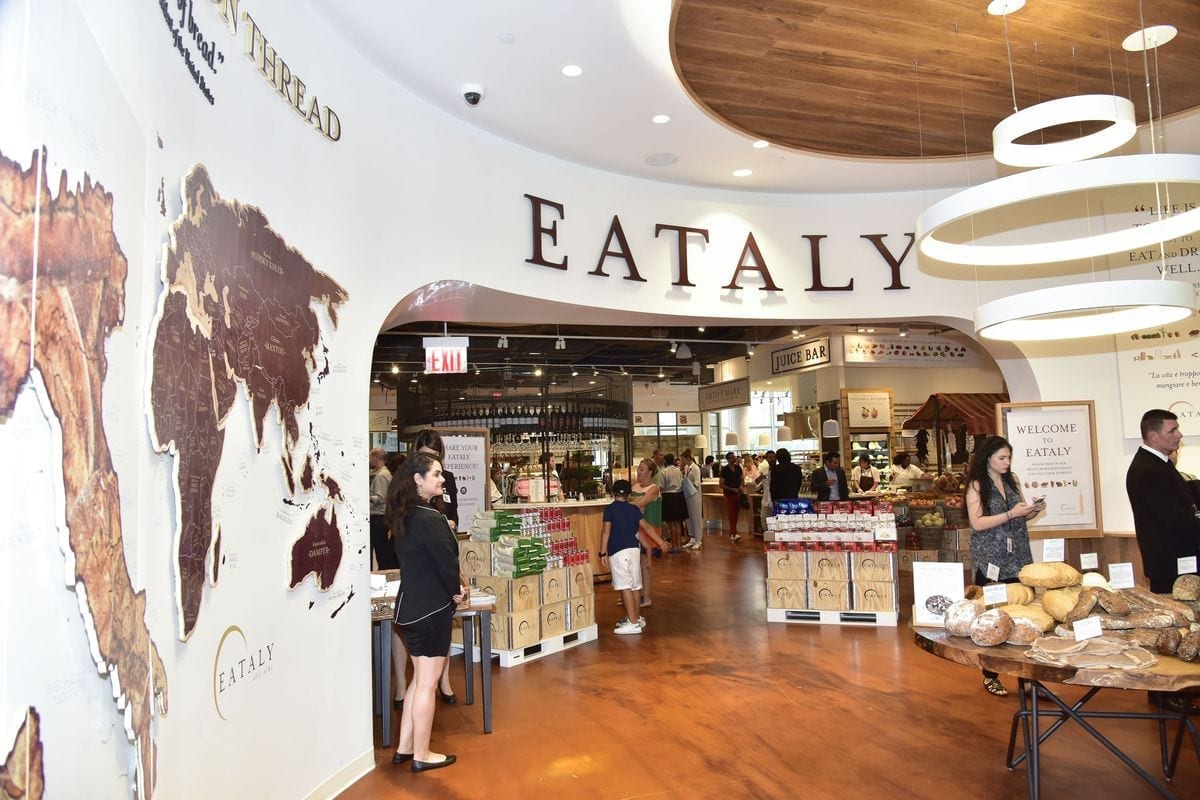
  • Eataly eyes joint venture for further China expansion

    Eataly eyes joint venture for further China expansion

    Italy’s Eataly may form a JV with a Chinese partner, says chairman Andrea Guerra, but also plans to list about 30 per cent of its capital next year.

    It also plans to expand with outlets in Las Vegas, Toronto, Europe and the UAE. “In the long term, we aspire to reach 100 stores… and go beyond €1 billion in sales,” says Guerra.

    Eataly is an upmarket deli-cum-foodcourt concept with a focus on fresh, artisan foods.

    The company plans to increase revenue to €690-720 million in 2020 from €465 million last year. It is also targeting adjusted core profits of €60 to €65 million in 2020, from €25 million last year.

    Revenue of €50 million is expected this year, says Guerra.

  • McDonald’s to screen World Cup 2018 matches

    McDonald’s to screen World Cup 2018 matches

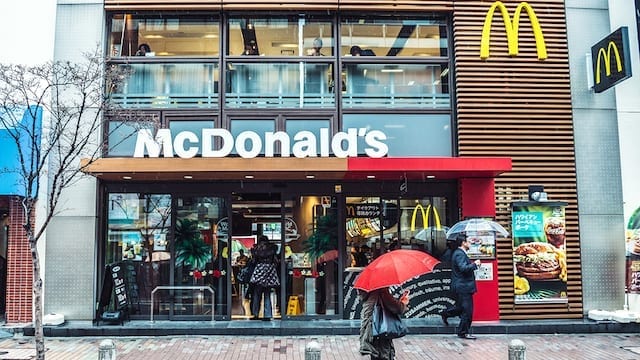
    After news of three local broadcasters bringing World Cup 2018 to Singapore, local organisations have also started revealing their plans to screen the matches with SAFRA and McDonald’s among those committing to do so.

    SAFRA, for instance, told Channel NewsAsia on Thursday (Apr 26) that it will be screening the football matches at all its clubs. Its members can also receive a “fun pack and enjoy exclusive premier members seating” during the live screening of the matches, SAFRA said.

    It will not screen all matches though, it later clarified.

    SAFRA had screened matches at four of its clubs the last time the international football competition was held in 2014.

    SAFRA also said food and beverage (F&B) vendors will offer “special treats and promotions” during these screenings. It will be organising football clinics at selected clubs during the same period for parents and children to pick up some skills, it added.

    Meanwhile, the People’s Association (PA), when asked of its plans, said in an email: “We are exploring with the telcos and will keep you updated.”

    It had screened the football matches live and for free at 30 Community Clubs in the previous edition.

    As for F&B establishments that regularly broadcast sports, they are also firming up their plans for the upcoming World Cup, which is being held in Russia from Jun 14 to Jul 15.

    McDonald’s told Channel NewsAsia: “In the spirit of our global FIFA World Cup sponsorship, we will be screening selected World Cup matches in 22 of our restaurants across Singapore.”

    Harry’s is another that intends to screen the football matches this year.

    Ms Hannah Teo, senior manager for sales and marketing at Harry’s International, said it will screen all 64 matches, but some of its outlets may not show the 2am games.

    “It also depends on the broadcasting commercial fees which have yet to be announced,” she added.

    Brewerkz, too, shared that it intends to show the matches at selected outlets, but most likely not all the matches. “We have not made a final decision at the moment,” a spokesperson said in an email.

    She added that they are still waiting for the pricing to be revealed.

    Mediacorp, which is broadcasting the matches on its Toggle platform, said the package price for corporates start from S$2,876.16 but this depends on screen size and when they sign up. It is the standard pricing for all broadcasters.

    For those signing up for the Toggle 2018 FIFA World Cup Russia Pass for Standard Screen (up to 50 inches), the early bird pricing is S$2,876.16 for the first screen and S$2,020.16 for each subsequent screen, the local broadcaster said. The early bird promotion will be until May 22, similar to the deadline for consumers.

    Those looking to sign up for the pass for larger screens of 51 inches to 99 inches, the early bird price is S$5,016.16 for the first screen and S$3,090.16 for each subsequent one, it added.

    Once the early sign-up period ends, prices for the Standard Screen is S$3,090.16 for the first screen and S$2,020.16 for each subsequent screen. Similarly, it is S$5,230.16 for the first screen and S$3,090.16 for each one after for those with 51 inches to 99 inches television sets.

    As for the package for Indoor Public Screens, for screen size of 100 inches and above, the fee is S$5,230.16 per screen with no early-bird promotion pricing.
  • High air freight costs for Vietnamese fruit exporters

    High air freight costs for Vietnamese fruit exporters

    The shipping fee per kilogram of fruit can be three times higher than the price at farmer’s garden. Vietnamese fruit exporters are struggling to stay competitive due to high air freight costs compared to other countries.

    Fruit exports from Vietnam to European countries are subject to a $3.2 per kilogram shipping fee, 44 percent higher than Thailand’s at $1.8, Dam Quang Thang, CEO of Agrice VN, told. Thang’s company is exporting mango, longan, dragon fruit and lychee at a cost up to three times higher than their price at farmer’s garden.

    Exports to Shanghai, China are also facing high air freight fee of $1.8 per kilogram, while the cost is $2.6 from Vietnam to Australia, Thang said.

    As fruits are preferred to be consumed fresh, shipping by sea is not appropriate as the long duration can rotten the produce. However, high air freight costs are pushing up prices of Vietnamese agricultural products overseas, said Ta Duc Minh, Vietnam’s commercial counsellor in Japan at an agriculture conference in February.

    In Japan, Vietnamese mango is priced higher than that of Ecuador and Thailand, even though the distance from Vietnam to Japan is shorter compared to those countries, Minh said.

    Additionally, promotion of agricultural trade is also facing many difficulties due to the increase of protectionism in countries such as the U.S., China, Japan and the European Union, said Tran Van Cong, deputy director of the Department of Agricultural Product Processing and Marketing under the Ministry of Agriculture and Rural Development.

    Negotiations to open foreign markets to Vietnamese agricultural products are difficult and usually take five to seven years to complete. Competition is increasingly fierce in terms of price, quality, design and food safety, Cong said.

    Vietnam’s agriculture products export turnover reached $36.3 billion last year. This year, the country plans to reach $40.5 billion.

  • Stars launched a third Milky & Sunny Restaurant

    Stars launched a third Milky & Sunny Restaurant

    Celebrity siblings Maxene and Elmo Magalona have opened a Milky & Sunny restaurant near their home network ABS-CBN in Quezon City.

    “This is actually our third branch,” says Elmo. “The first one was in Kapitolyo and the other in Pangalawa near Greenbelt.”

    Maxene says it was their mother’s idea that they invest in something worthwhile they love. “We love going out to eat as a family.”

    A breakfast and brunch restaurant, Milky & Sunny is on the ground floor of The Ignacia Place in Mother Ignacia. It also serves lunches, dinners and coffee.

  • BreadTalk Group to broaden brand mixes

    BreadTalk Group to broaden brand mixes

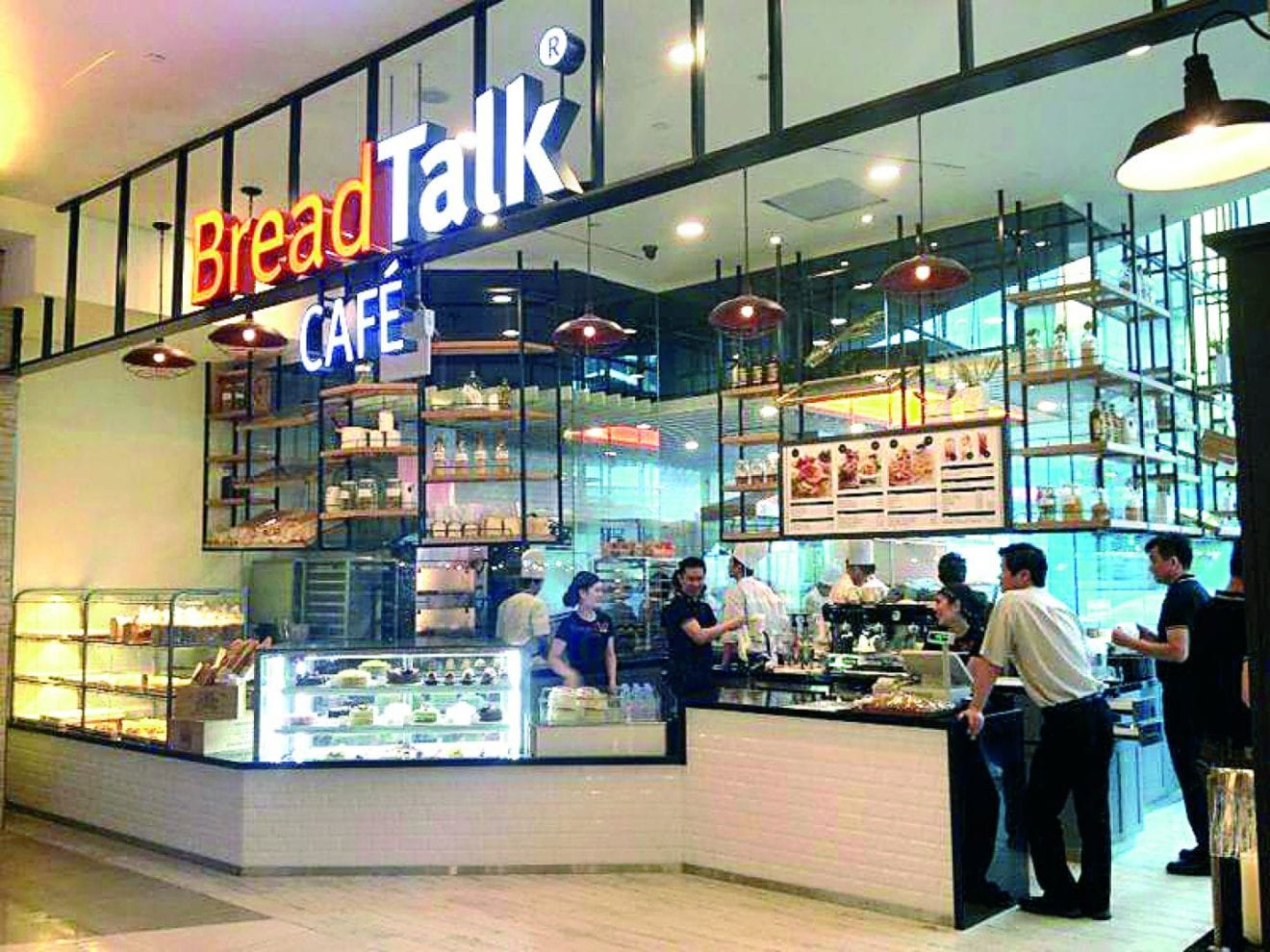
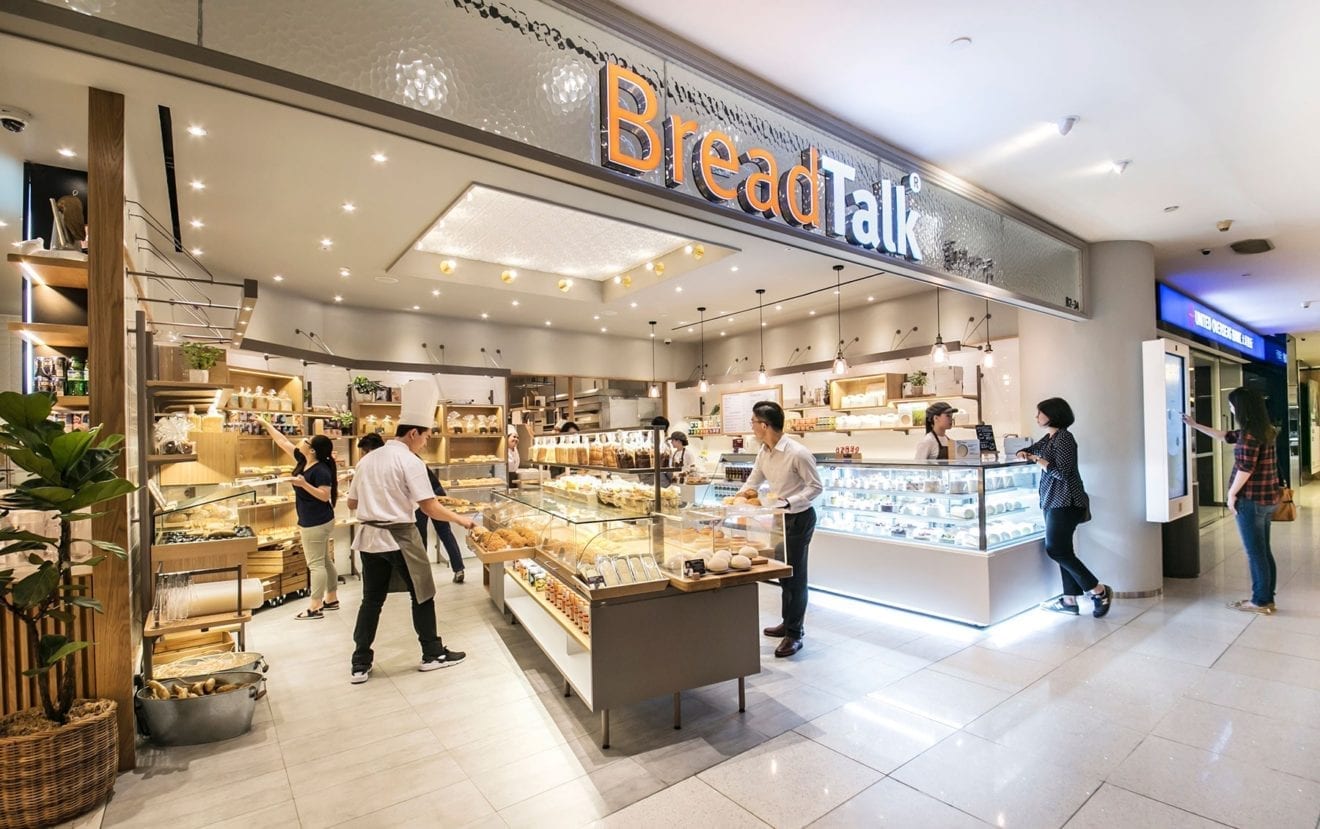
    Diminished returns from BreadTalk Group’s bakeries in Hong Kong and Mainland China saw the division’s sales slip 4.5 per cent in the first quarter of this year.

    However, group revenue rose 0.5 per cent to S$148.5 million (US$111.55 million) as other divisions compensated. And on a like-for-like basis, BreadTalk’s core food and beverage business posted an increase in net profit of 89.4 per cent, from $1.6 million to $2.9 million.

    “This was attained through the group’s continual focus on pursuing sustainable growth and eliminating underperforming assets which improved earning quality,” explained chairman Dr George Quek.

    “We will continue to identify new growth opportunities through joint-venture partnerships and invest in talent development. Through higher operational efficiencies, we remain well positioned to pilot through a challenging food and beverage retail landscape this year,” he said.

    During the quarter, the group brought forward the closure of eight bakery outlets in China and one Food Atrium outlet in Hangzhou. At the end of the quarter, BreadTalk had 254 Chinese franchise outlets across 28 cities compared with 278 outlets across 36 cities the same time a year earlier.

    Quek said during the rest of this year, BreadTalk will continue to diversify its business mix and portfolio, while remaining agile in managing underachieving stores, introducing new Direct-Owned Restaurant (DOR) concepts for its Food Atrium division, and take brands such as Song Fa Bak Kut Teh into China.

    Restaurant expansion

    BreadTalk’s restaurant division’s revenue rose 6.2 per cent to $36.9 million with the addition of three more outlets – one in Singapore and two in Thailand. Pre-tax earnings improved  by 24.4 per cent to $8.7 million despite higher staff and administrative costs in the lead-up to the opening of its first Din Tai Fung outlet in the UK, scheduled for the final quarter of this year.

    The new 4orth Food Concepts business achieved revenue of $2.7 million during the quarter.

    It now comprises five So Ramen outlets in Singapore and one Song Fa Bak Kut Teh (“Song Fa”) outlet in Shanghai, China.

    Taiwan foray

    In March, BreadTalk entered into a joint venture agreement with Taiwanese brand, Wu Pao Chun Bakery to take its products into four Mainland China cities: Beijing, Shanghai, Shenzhen and Guangzhou. There are further plans to expand the joint venture into Singapore and Hong Kong.

    March also saw the debut of BreadTalk Group’s Toast Box brand into Indonesia following a JV with Pura Indah Berkat.

    BreadTalk now has close to 1000 retail stores spread across 17 countries and territories, its brand portfolio comprising BreadTalk, Toast Box, Food Republic, Din Tai Fung, Bread Society, Thye Moh Chan, The Icing Room and So. The group owns bakery outlets in Singapore, China, Malaysia, Hong Kong and Thailand as well as franchised bakery outlets across Asia and the Middle East. It also owns and operates the world-renowned Din Tai Fung restaurants in Singapore and Thailand, as well as the Food Republic food atria in Singapore, China, Taiwan, Hong Kong and Malaysia.

  • Auntie Anne’s is celebrating 30th birthday with Free Pretzel Party

    Auntie Anne’s is celebrating 30th birthday with Free Pretzel Party

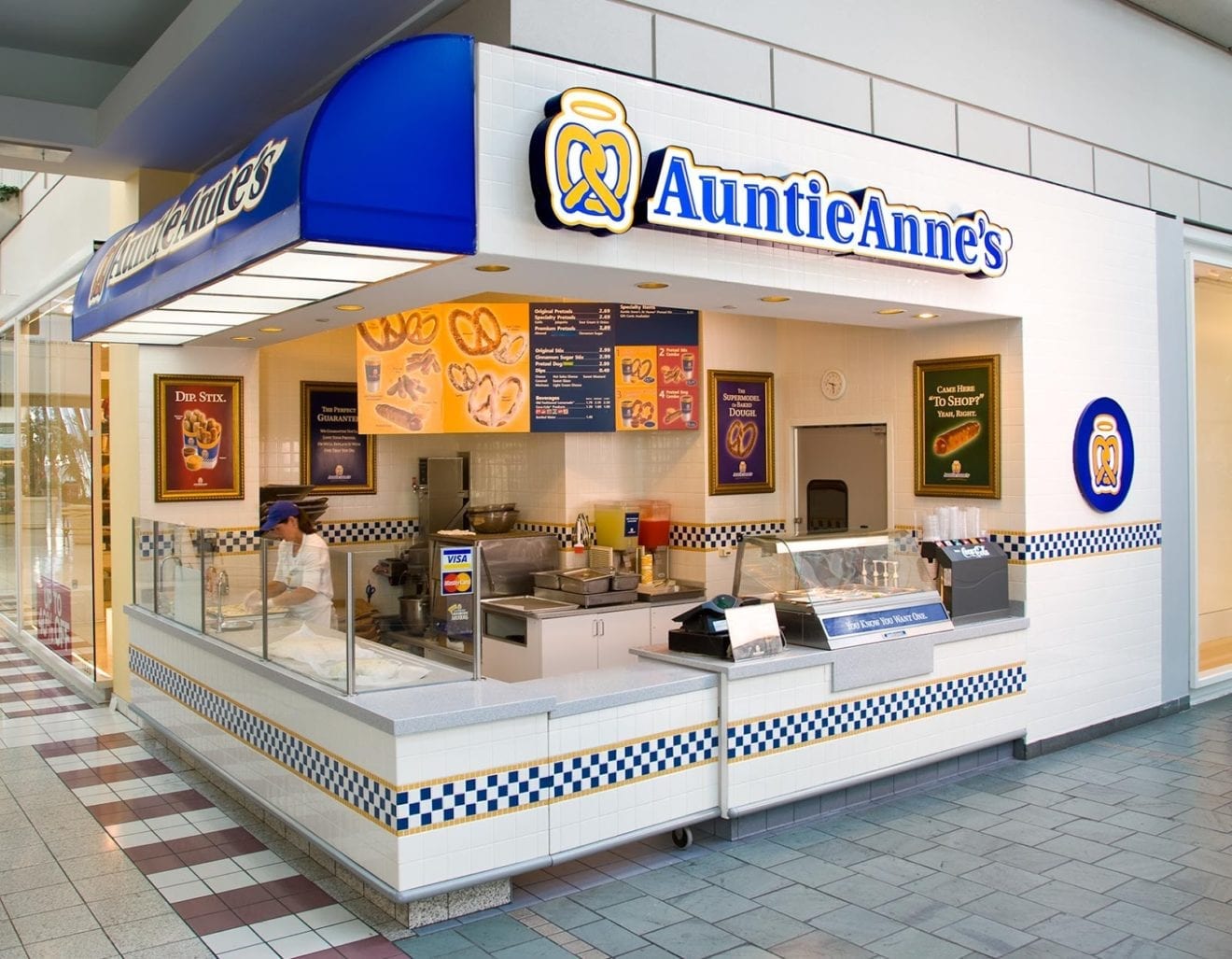
    Auntie Anne’s is celebrating its 30th birthday with a twisted freebie. The world’s largest hand-rolled soft pretzel franchise is hosting a Free Pretzel Party from 10 a.m. to 2 p.m. Saturday at participating stores nationwide.

    “We couldn’t be more thrilled to celebrate 30 years than by giving pretzel fans a Free Pretzel Party,” Heather Neary, the president of Auntie Anne’s, said in a statement. “We’re thankful to have received more than a million RSVPs and hope to see each and every one of our fans enjoying a free Original or Cinnamon Sugar Pretzel.”

    No coupon or purchase is needed to get the freebie.

    But be prepared for big crowds during the four-hour event.

    Nearly 4 million dough devotees RSVPed to attend the party on the company’s special birthday site, far more than the 1 million needed to “unlock” the party.

    As an added bonus, party participants will get a buy-one-get-one free coupon to use through March 31, while supplies last.

    Want more free pretzels?

    With the My Pretzel Perks smartphone app, you can get a free birthday during your birthday month. Plus, get specials throughout the year with the free loyalty program.

  • Costa Coffee takes the cream as Britons wake up to coffee

    Costa Coffee takes the cream as Britons wake up to coffee

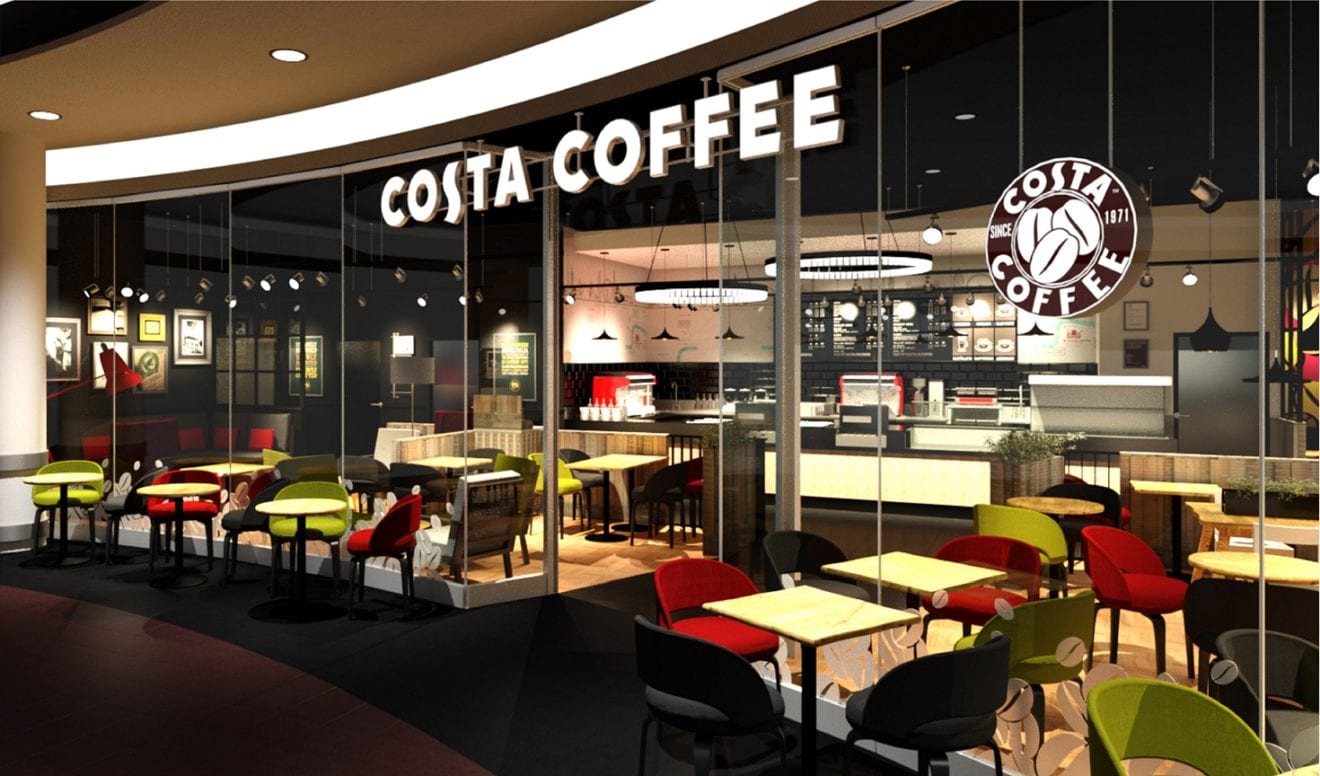
    Converting a nation of tea drinkers to coffee will be a tough job. But it has been done before. In 1995, when UK conglomerate Whitbread bought CB Costa Brothers Coffee from Sergio and Bruno Costa, tea was the UK’s favourite hot drink. “At home, people drank instant. If you were lucky, you’d get a filter coffee or a shot from a Rombouts machine in a pub or restaurant,” said Bob Tyrrell, who did extensive market research at the time. Costa had just 41 shops then, turning over £55m. Whitbread thought the market might be worth £600m a year, and paid about £20m for Costa. Two decades later it has more than 2,000 outlets, making it the UK market leader by some distance.

    Total revenue from the country’s 24,000 coffee shops and cafés is estimated by Allegra World Coffee Portal at more than £9bn. This week, Whitbread bowed to pressure from two activist investors and confirmed it would demerge Costa from its other activities — but not before it has set the company up for a big push into China, another country with a long tradition of tea-drinking. Costa aims to have total annual sales of £2.5bn by 2020, with a third of them coming from overseas. Drinking good coffee became a preoccupation of the connoisseur British consumer of the late 1990s. “It wasn’t so much keeping up with the Joneses as keeping away from them.

    People wanted to consume things they could talk about,” said Mr Tyrrell. Other factors were at work, too: disposable incomes were growing, low-cost airlines meant more people were experiencing “proper” coffee in mainland Europe and workers were starting to abandon breakfast in favour of food on the go.

  • BreadTalk Q1 net profit plummets

    BreadTalk Q1 net profit plummets

    The absence of a one-time divestment gain dented results for BreadTalk Group in its first quarter.

    Net profit plunged 89.1 per cent to S$10.8 million from the previous year, the group said in a Singapore Exchange filing on Thursday evening.

    BreadTalk had in the first quarter of 2017 recognised S$9.3 million in capital gain from the sale of its investment in TripleOne Somerset.

    In the first quarter of this year, it also brought forward the early closure of eight bakery outlets in China and one food atrium outlet in Hangzhou.

  • Donut King beats Muffin Break With Best Customer Satisfaction

    Donut King beats Muffin Break With Best Customer Satisfaction

    Donut King has unseated Muffin Break as the number one chain for coffee and doughnut customer satisfaction in Australia, according to a Roy Morgan survey.

    Donut King has broken through for its first monthly customer satisfaction victory for Roy Morgan’s Customer Satisfaction Annual Award for coffee/doughnut stores since July 2015 with a rating of 87 per cent in March 2018.

    Muffin Break, the customer satisfaction annual award winner for the past two years, was third on 83. 5 per cent, experiencing its biggest fall since March 2017 at 6.6 per cent.

    Michel’s Patisserie is at second place with 83.8 per cent, up from 5.9 per cent from a year ago and was the only leading coffee/doughnut store to improve customer satisfaction over the past year.

    Gloria Jeans takes fourth spot with a customer satisfaction rating of 79.9 per cent.

    Michele Levine, CEO, Roy Morgan, says despite media questioning of Retail Food Group’s franchisee model in recent months, the performance of Donut King, Michel’s Patisserie and Gloria Jean’s underlines a strong commitment to customer satisfaction.

    “The business model of franchisor Retail Food Group has been under scrutiny in recent months and the company recently announced the closure of up to 200 under-performing outlets around Australia and spread across several brands,” Levine said.

    “However, today’s latest customer satisfaction ratings show leading RFG outlets Donut King, Michel’s Patisserie and Gloria Jean’s clearly satisfying their customers.

    “All three are rated in Australia’s top four coffee/doughnut stores early in 2018 and represent clear value satisfying often hard to please consumers in a competitive retail market.”

    Roy Morgan’s customer satisfaction awards tracks customer satisfaction, engagement, loyalty, advocacy and NPS across a wide range of industries and brands.

  • Don Chicken Vietnam adding more restaurants

    Don Chicken Vietnam adding more restaurants

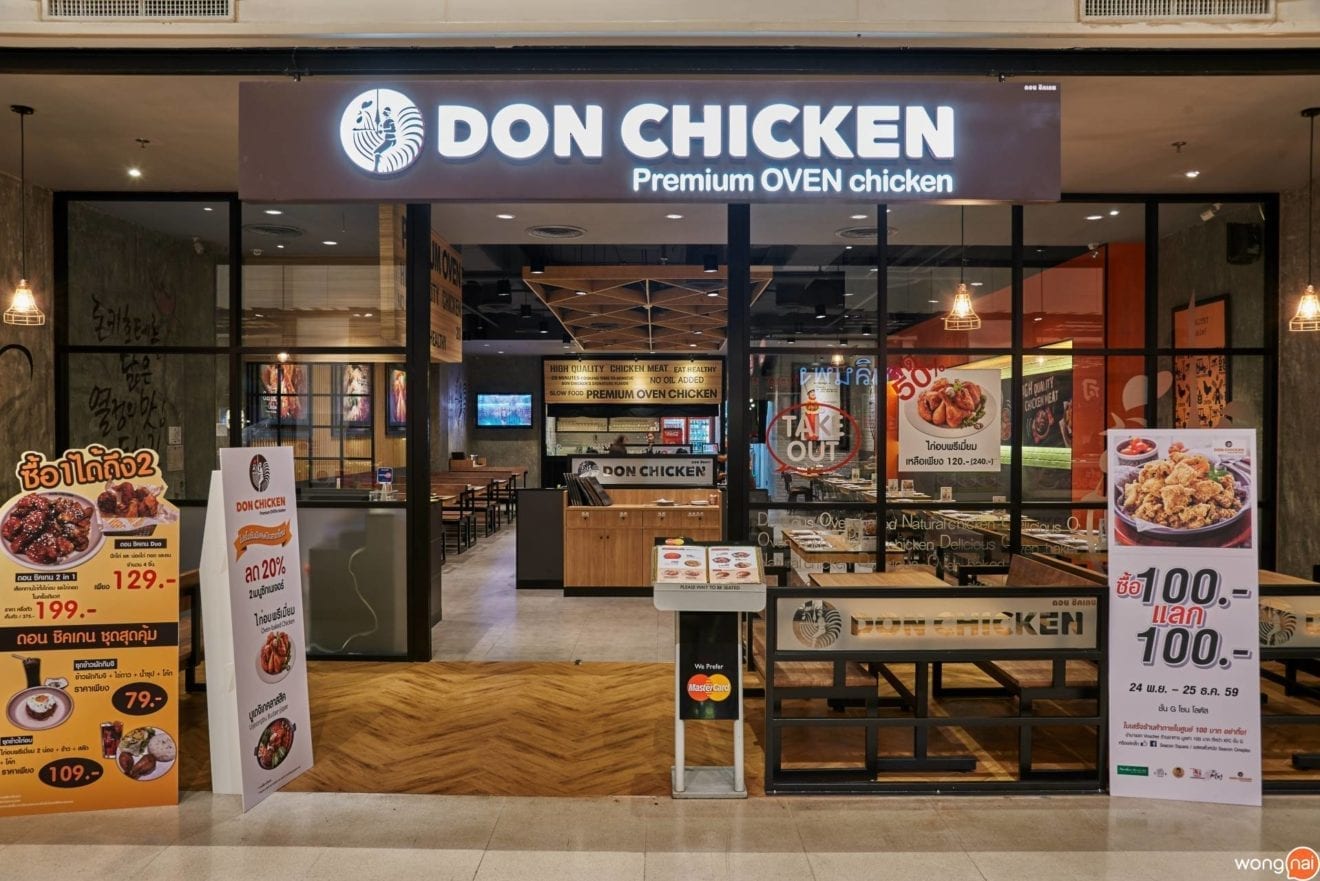
    Don Chicken Vietnam is planning to expand its Hanoi portfolio through franchising.

    There are two branches of the Korean fast-food chain in the capital, one in Vincom Royal City.

    As a first move for its expansion in Hanoi and the north, Don Chicken has launched an event to find partners experienced in the dining sector, and will offer franchisees training and marketing support.

    Founded by Apgujeong Group in 2007, Don Chicken has 400 stores across Korea and has also expanded into China and Thailand.

    Don Chicken opened its first store in Vietnam in 2015, in Ho Chi Minh City. It started franchising from 2016 and now has 13 stores nationwide.

  • QSR Brands considering IPO

    QSR Brands considering IPO

    Malaysian fast-food group QSR Brands is mulling an IPO to raise around MR2 billion (US$509.6 million).

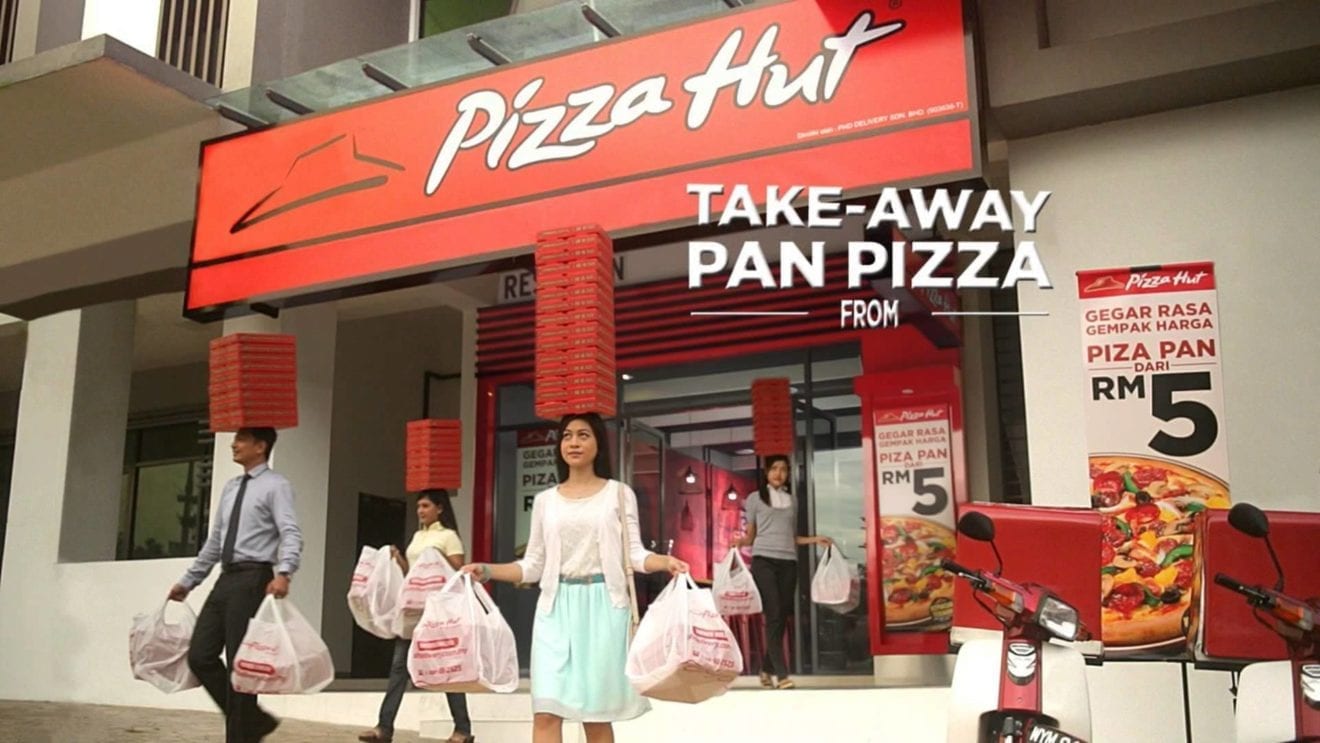
    QSR Brands operates the KFC and Pizza Hut restaurant franchises in Malaysia and is part owned by private equity firm CVC Capital Partners, which is looking to exit the business.

    Shareholder Johor Corp president/CEO Kamaruzzaman Abu Kassim says it would like to see this happen no later than November. Johor Corp is the investment arm of Malaysia’s Johor state.

    The listing would be the largest IPO in Malaysia since integrated petrochemical producer Lotte Chemical Titan Holding raised $878 million last July. The move has been planned since 2016, reports Reuters, with the company hiring Citigroup, Credit Suisse and another bank to lead the exercise.

    The estimated market capitalisation of QSR would be about MR6 billion after listing, Kamaruzzaman says. “Further details will have to be worked out with various parties.”

    The  QSR Brands IPO was part of an “exit plan” for CVC and fellow investor the Employees Provident Fund when QSR was privatised in 2013.

  • China boost for McDonald’s appetite

    China boost for McDonald’s appetite

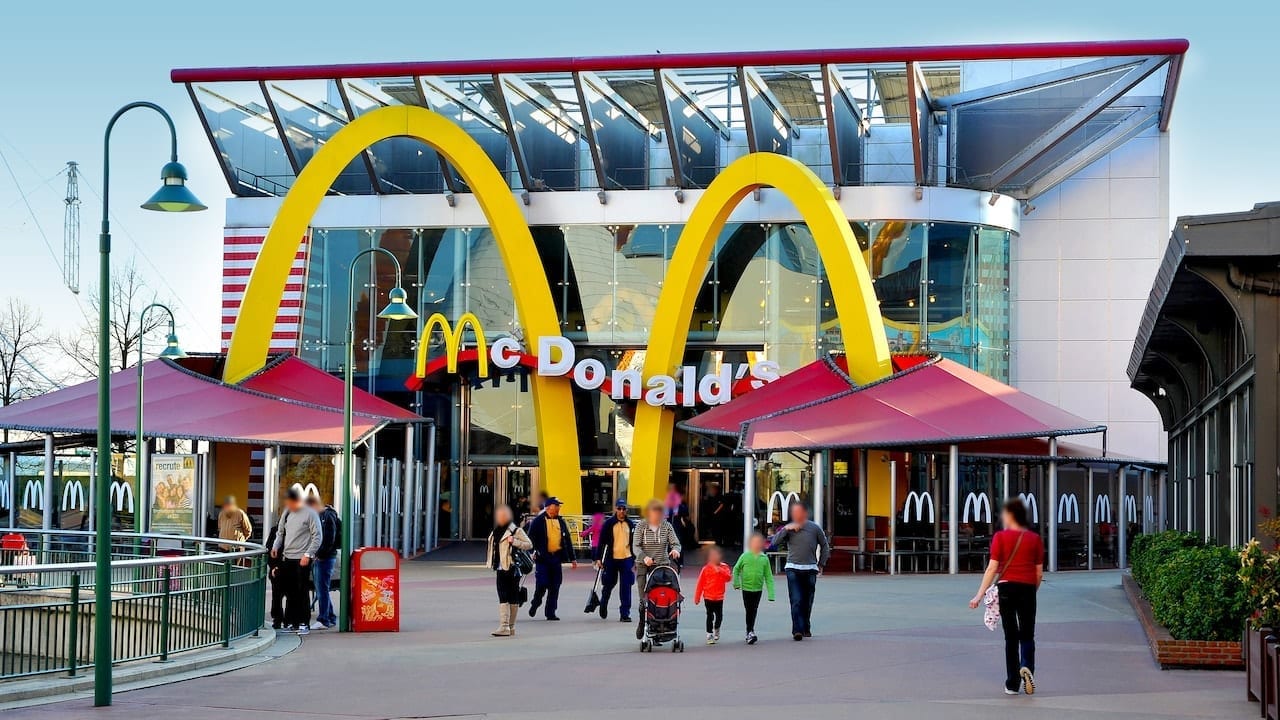
    A strong performance in China, partly offset by continued challenges in South Korea, helped build first-quarter momentum for McDonald’s Corporation.

    President/CEO Steve Easterbrook says the restaurant group has had 11 consecutive quarters of positive comparable sales and a fifth consecutive quarter of positive guest counts.

    Highlights for the first quarter, to the end of March, included a 5.5 per cent rise in global comparable sales and 0.8 per cent in global comparable guest counts.

    A strategic refranchising initiative resulted in consolidated revenues dropping 9 per cent (15 per cent in constant currencies).

    Systemwide sales increased 7 per cent in constant currencies, while consolidated operating income increased 5 per cent (flat in constant currencies) because of growth in franchised margin dollars, offset by the impact of the refranchising initiative

    Comparable sales for the international lead segment increased 7.8 per cent for the quarter, reflecting positive results across all markets. The segment’s operating income grew 21 per cent (9 per cent in constant currencies), fuelled by sales-driven improvements in franchised margin dollars.

  • Starbucks Plans To Step Up Digital Marketing Efforts

    Starbucks Plans To Step Up Digital Marketing Efforts

    The coffee chain added 1.6 million new U.S. members to its Starbucks rewards program. In addition, Starbucks discovered that members of Starbucks rewards were buying more: Over the quarter, their spend increased to 39 percent of U.S. company-operated sales.

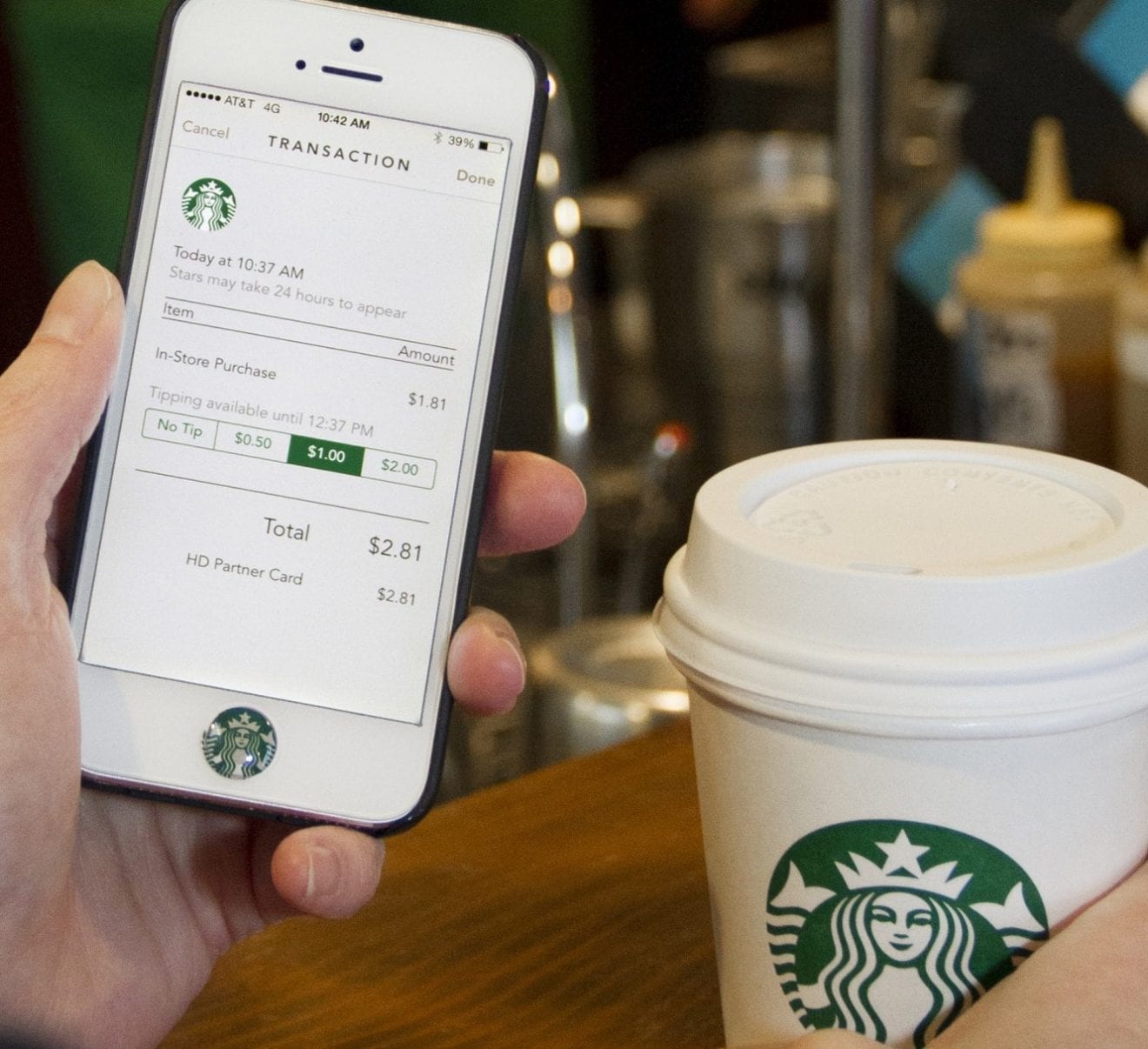
    Beyond its loyalty program, Starbucks noted that customers were taking advantage of opportunities to skip the counter: Mobile Order & Pay represented 12 percent of U.S. company-operated transactions during the quarter.

    Overall, Starbucks also saw growth in comparable store sales in both the U.S. and abroad. Global comparable store sales rose by 2 percent, essentially in line with analysts’ estimates of 1.9 percent. Americas and U.S. comp store sales also increased 2 percent, while China comp store sales rose at the slightly higher rate of 4 percent.

    In terms of financials, Starbucks reported better-than-expected sales: The coffee chain beat revenue estimates by $100 million, with revenues of $6 billion, and met analysts’ earnings estimates at $0.53 per share. Starbucks President and CEO Kevin Johnson said the company reported solid results for the quarter.

    “Starbucks Q2 of fiscal 2018 represented another quarter of record financial results, highlighted by accelerating momentum across our Americas business — particularly in the U.S. — continued strong performance in China and our strongest comp growth in Japan in five quarters,” Johnson said in a press release.

    Digital Expansion

    One of Starbucks’ key priorities is to expand its digital interactions with customers.

    “Establishing digital relationships with many more customers represents a significant growth opportunity, as we have proven that a direct communications channel combined with personalization enhances the customer experience and drives customer engagement,” Johnson said during the call.

    To expand its digital relationships, Starbucks is implementing new ways to attract digitally registered customers beyond the rewards program. For example, the coffee chain is offering its Mobile Order & Pay to all customers and leveraging Wi-Fi sign-ins at its brick-and-mortar stores. In addition, Starbucks is reinventing Frappuccino Happy Hour through the use of single-use digital coupons. Johnson said these efforts are already yielding results and will generate a few million more registered users by the year’s end.

    This difference is driving a shift in Starbucks’ marketing strategy. In the past, Starbucks has offered a drumbeat of promotional offers that have not necessarily led to sustained sales. For example, the company offered a Frappuccino Happy Hour to all of its customers over a short period of time. But that strategy didn’t work: The deal didn’t improve sales of other drinks in 2017. The promotion saw “a lower-than-expected lift in non-discounted Frappuccino beverages following Happy Hour,” Chief Financial Officer Scott Maw explained on a July 2017 conference call.

    As a result, the company is taking a new approach. Starbucks’ updated program will sign customers up for direct digital relationships and promote a variety of beverages throughout the year. In essence, the goal behind the shift is to transition from a short-term, one-and-done approach for promotions to more sustained marketing efforts. Through this strategy, the company is expanding its digital reach beyond its loyal rewards members to connect with as many non-rewards customers as possible. Starbucks can now personalize its communications to customers while also gaining direct access to them.

    China Expansion

    Starbucks already has 3,200 company-operated stores in 141 cities across Mainland China, but the coffee chain anticipates a larger potential market there.

    “The opportunities for Starbucks in China, which are significant, are growing along with the size and scale of our business,” Johnson said on the call.

    To that end, the company is holding a China Investor Tour. Of course, the company is no stranger to China: It’s been in the Chinese market for 20 years. According to Johnson, the middle-class population in China stands around 600 million people, which could provide an expanded market for the company.

    “No Western company or brand is better positioned to benefit from the rapidly expanding Chinese middle class than Starbucks,” Johnson said.

  • Fatburger Buffalo’s Express opens Tokyo burger restaurant

    Fatburger Buffalo’s Express opens Tokyo burger restaurant

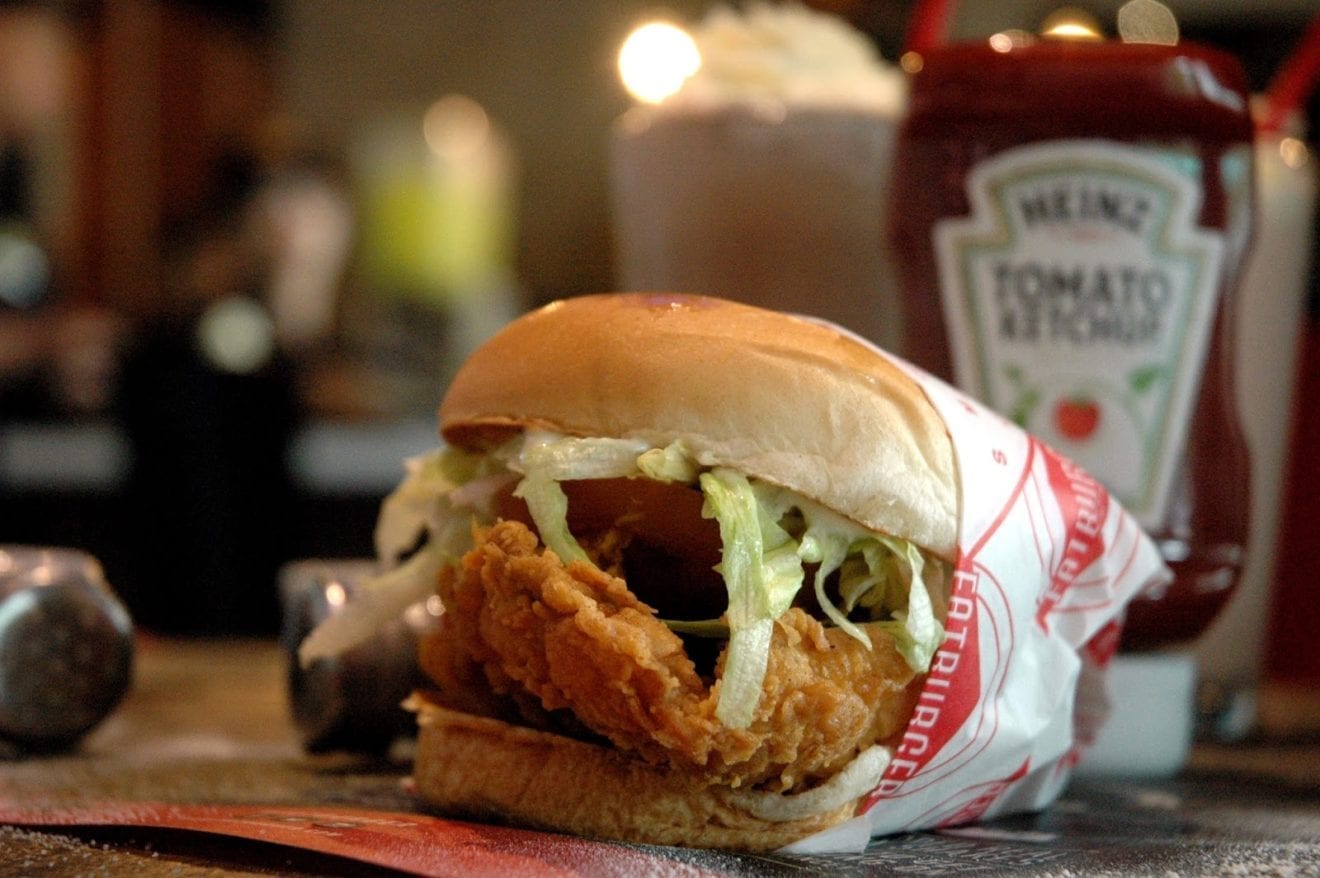
    A co-branded Fatburger Buffalo’s Express is opening its first Tokyo location tomorrow. Located at the Magnet by Shibuya109 building in Shibuya Crossing, the US fast-food brands’ outlet will feature all-American fare from Buffalo’s Express and Fatburger, as well as alcoholic offerings from bar concept, FatBar.

    “We’ve been waiting for the perfect opportunity to enter Japan and it’s finally here. As a team, we couldn’t be more pleased with how this flagship location has developed,” said Andy Wiederhorn, CEO of Fat Brands.

    “Our recipes, ambiance and service have exceeded expectations in other locations across Asia and I expect nothing less in Tokyo.”

    The Japanese outlet is operated by Green Micro Factory, subsidiary of G Three Holdings.

    Fatburger parent company Fat Brands has recently announced openings and development deals in Canada, the Philippines, Scotland, Singapore and Southern California.

  • Shake Shack opens next week in Hong Kong

    Shake Shack opens next week in Hong Kong

    Shake Shack Hong Kong makes its debut on Tuesday at IFC mall in Central. With panoramic views of Victoria Harbour, the eatery will be able to seat more than 46 guests. As a modern “roadside” burger stand that began as a hot-dog cart in New York’s Madison Square Park, Shake Shack has gained a global following for its Flat-top Dogs with all-natural beef and no hormones and antibiotics, served on a non-GMO Martin’s Potato Roll.

    As well as the New York City brand’s classics of burgers, hot dogs and fries, Hong Kong Shack will serve localised menu items like milk tea shake (vanilla custard blended with black tea), French toast (with vanilla custard, peanut-butter sauce and banana, topped with maple sugar), the Heart & Tart of Central (vanilla custard, egg tart and strawberry puree) and That’s My Jam (vanilla custard, mango/passion fruit jam, raspberries and crumbled shortbread).

    Its crinkle-cut fries can be served plain or with a special blend of American and cheddar cheese sauce.

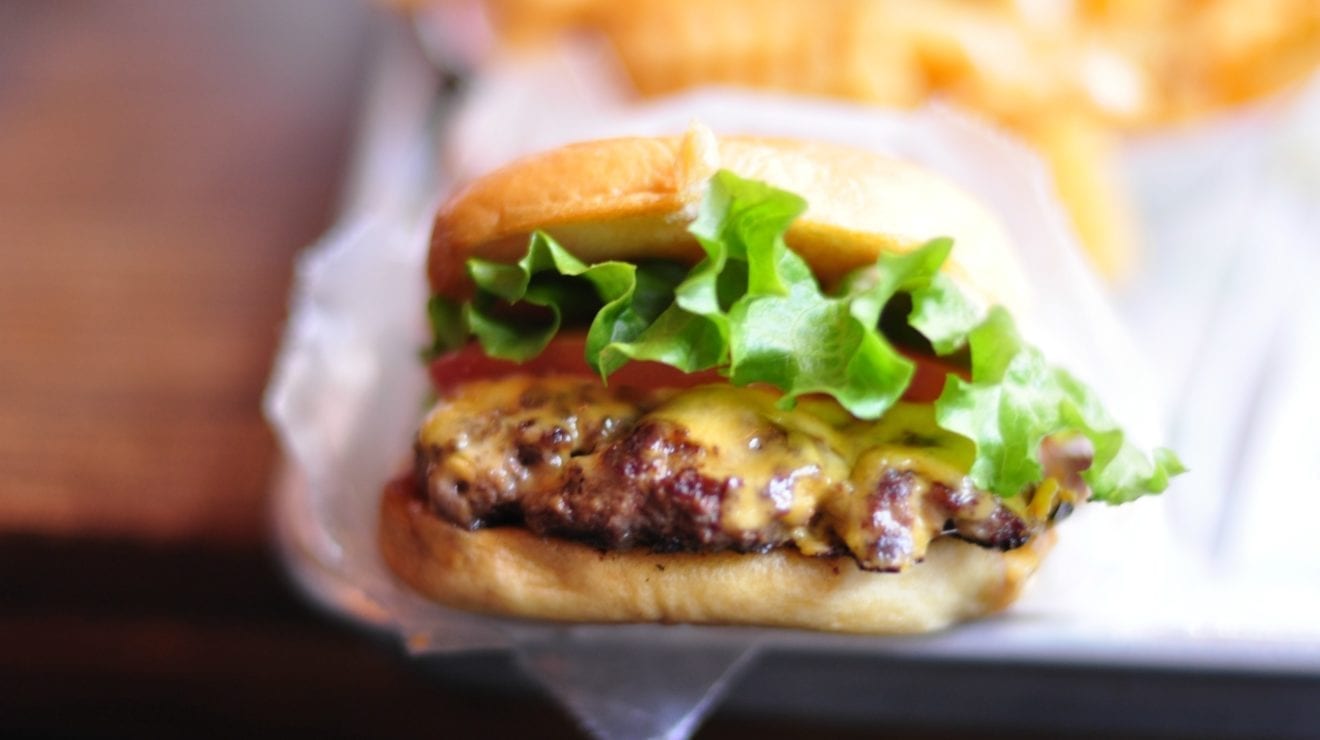
    Hong Kong Shack customers will also be offered the classic ShackBurger, a cheeseburger made from premium whole-muscle cuts of Angus beef, topped with lettuce, tomato and house-made ShackSauce. A meat-free option is the ’Shroom Burger, a crisp-fried portobello mushroom filled with melted muenster and cheddar cheese, topped with lettuce, tomato and ShackSauce.

    Brooklyn Brewery makes an exclusive ShackMeister Ale for Shake Shack, and as well as this the Hong Kong outlet will include beers by Gweilo, Heroes, HK Yau, Moonzen and Young Master. Wine is served by the glass, including Shack Red and Shack White from Gotham Project Winery in the US.

    To mark the eatery’s opening in Hong Kong, the first 100 people in line when doors open on Tuesday will be given a pair of Shake Shack sunglasses. And as part of Shake Shack’s mission to Stand for Something Good, the outlet will donate 5 per cent of sales to ChickenSoup Foundation, a non-profit that seeks to empower at-risk children in Hong Kong.

    Shake Shack has more than 90 locations in 19 US states and more than 50 international locations including Dubai, Istanbul, London, Moscow, Seoul and Tokyo.