Category: Food

Retail News Asia is committed to providing both local and global retailers with the latest Food and Food & Beverage news throughout the Asian market. This on a daily base.

  • Jollibee takes control of US burger chain

    Jollibee takes control of US burger chain

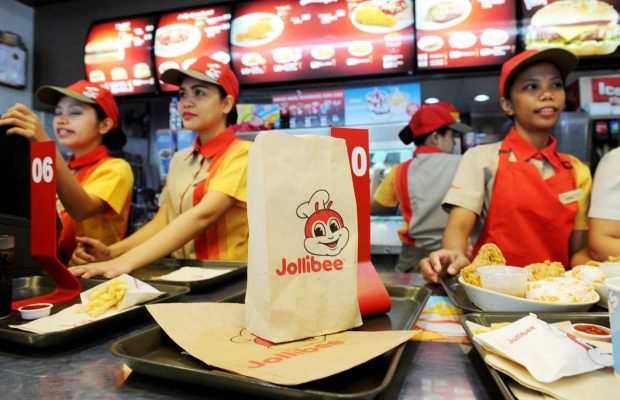
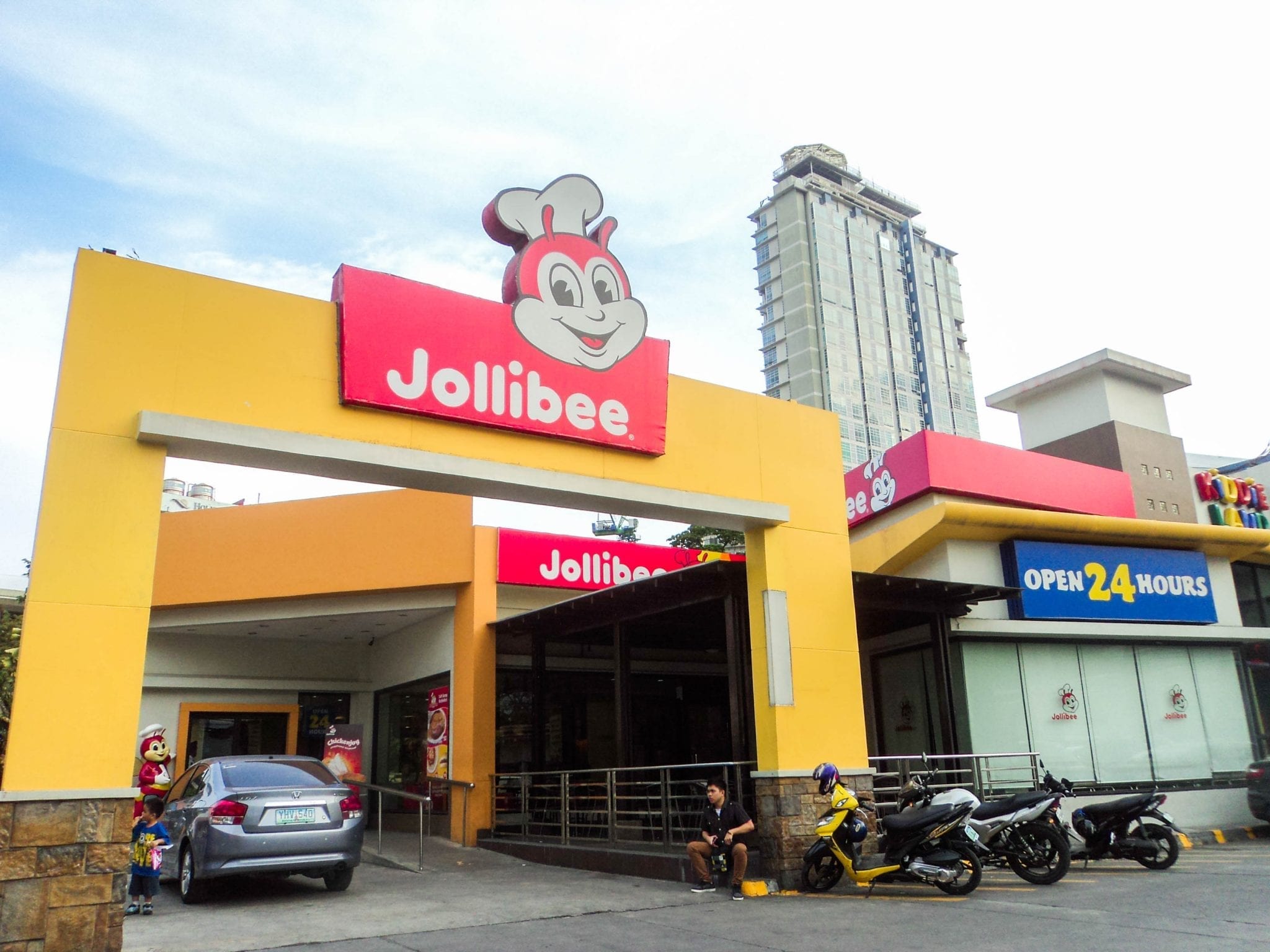
    Homegrown fast-food giant Jollibee Foods has consummated a deal to acquire a controlling stake in US hamburger chain Smashburger, taking a bigger bite of the vast US market and scaling up its global footprint.

    In a disclosure to the Philippine Stock Exchange on Tuesday, Jollibee said the closing conditions, including required government approvals, had been obtained as provided under the March 8 purchase agreement signed by wholly owned subsidiary Bee Good! Inc. (BGI) for the acquisition of an additional 45 percent of SJBF LLC, the parent company of the entities comprising the Smashburger business.

    With the execution of the $100-million deal with Smashburger Master LLC, Jollibee now officially owns 85 percent of Smashburger through BGI, the disclosure said.

    With the transaction, US sales contribution to worldwide sales surged to 15 percent from 5 percent. Consequently, foreign businesses now account for about 30 percent of Jollibee’s system-wide sales, from 20 percent prior to the Smashburger deal.

    In terms of store network, the consolidation of Smashburger into Jollibee increases its worldwide store network by 365 stores or 9.6 percent to 4,162. This also expands Jollibee’s geographical presence from 16 countries to 21, adding Costa Rica, Egypt, El Salvador, United Kingdom (England and Scotland) and Panama to its global footprint.

    Smashburger, which is based in Denver, Colorado, has 365 restaurants worldwide in 39 states in the US and in 10 foreign markets.

    Jollibee—now one of the most valuable restaurant chains in the world in terms of market capitalization—had said that one of its priorities upon takeover would be to change Smashburger’s debt structure to significantly reduce its financing cost and enable the business to make more investments for long-term growth.

  • Jollibee offers the best summer fun for kids

    Jollibee offers the best summer fun for kids

    Kids are in for one of the best fun and learning experiences this summer as Jollibee welcomes them to the best summer activity – the Jollibee Kids Club Mini Managers Camp, happening until May 31, 2018.

    Through the six-day camp, kids aged 4-12 years old can learn the important values and key roles of a Jollibee Manager such as hard work, leadership, and responsibility through various fun and engaging learning activities.

    Wearing their Jollibee Mini Managers uniform, complete with nameplates, the kid managers will greet customers as they enter the store, work behind the counter to take orders, and hand out take-out bags via the Drive-Thru window to discover and experience first-hand Jollibee’s values, the Alagang Jollibee service heritage, and learn the store’s best practices. They will also engage in arts and crafts, Yumburger making, ice-cream making, fun games, and dancing, all while interacting with other kids and meeting new friends.

    “We at Jollibee believe that even at a young age, kids need to develop a sense of discipline, hard work, and responsibility in a fun learning environment, to become future leaders and managers. These are the values and lessons we want our Mini Managers to learn and experience as these will be pivotal in their growth, said Charisse Sumulong, Jollibee senior brand manager and head for Channels and Kids Marketing, “That is why the Jollibee Kids Club Mini Managers Camp is the best summer activity for Jolly Kids as it provides a fun and engaging atmosphere for kids to enjoy their vacation.”

    For only P650, parents and guardians can enroll the kids to the Mini Managers Camp at any participating Jollibee store nationwide. Non-JKC members are also welcome to enroll. Participants will get a Mini Managers Camp workshop kit that includes a set of Mini Managers uniform and name plate, activity materials and a camp bag, snacks for the six days of the program.

    The Jollibee Kids Club Mini Managers Camp is already accepting participants to the best summer workshop so, hurry, and sign up your aspiring Mini Managers today! Visit your nearest Jollibee store or follow /Jollibee Philippines on Facebook for more details.

  • Urban Indonesians consumed more non-animal sources of protein

    Urban Indonesians consumed more non-animal sources of protein

    It seems the widespread move away from meat is not only happening in Europe or the US, but also here in Asia Pacific. New research from global market intelligence agency Mintel reveals that as many as two in five (39%) urban Indonesians and one in three (34%) urban Thais consumed more non-animal sources of protein (eg plant, dairy, grains) in 2017, compared to the previous year.

    While still in early stages, this trend has also infiltrated meat-loving Australia. Indeed, 16% of urban Australians said they avoided or intended to avoid red meat in 2017, while one in five (19%) consumed more non-animal sources of protein. Of those who avoided or planned to avoid red meat, half (51%) said that they believe it was healthier if they did so.

    Michelle Teodoro, Global Food Science and Nutrition Analyst, at Mintel said:

    “Traditional agriculture is unable to meet the protein needs of the world. The current levels of demand for meat supplies globally, and the relative growth of meat production on this scale will have a significant, negative impact on the environment. At the same time, more and more consumers are moving away from meat and looking towards alternative sources of protein instead, offering some relief and creating new opportunities in the global consumer marketplace.”

    “Pressure on the natural environment is forcing consumers and companies to rethink what they take and make. Meanwhile, new technologies are redefining how we create and use food and drink. While developments that engineer rather than harvest food and drink staples, such as laboratory-grown meat, have grabbed headlines, the resulting products are still years away from mass commercial availability. This showcases the potential for more innovative, sustainable and alternative protein sources. The world is changing and food scientists have a big role to play in the future of food. Companies and brands should be looking across industries for inspiration and opportunities for collaboration with scientists and food engineers,” Teodoro added.

    Mintel research shows that one in four (24%) urban Indonesians planned to follow a plant-based/vegetarian diet in 2017, while 61% of urban Thais and over half (54%) of urban Australians planned to eat more vegetables/fruits. Furthermore, nutritious or health-related reasons (56%) are the top factor influencing urban Thai consumers when choosing food or drink products to buy.

    “With high animal protein intake associated with health concerns, any reduction in consumption will have positive health outcomes. Today’s consumers are also starting to include more vegetables and fruits in their diets, or adopting plant-based or vegetarian diets, given the numerous health benefits that come along with them. Along with a shift to plant and lab-based proteins, the world’s reliance on factory-farmed animals will also be reduced—contributing to animal welfare globally,” Teodoro continued.

    This is all reflected in Mintel Trend ‘Hungry Planet’ which discusses how consumer purchasing decisions are being influenced by issues surrounding sustainability and ethics, as well as Mintel Trend ‘Bannedwagon’ which details how consumers are focusing on ingredients and production methods, embracing once-niche ways of living and eating.

    Delon Wang, Trends Manager, Asia Pacific, at Mintel concluded:

    “Moving forward, we will see aspects of environmentalism penetrate various lifestyle goals. With the mantra ‘you are what you eat’ top of mind today, consumers are assessing their lifestyle, everyday purchases and surroundings. Additionally, the idea of inclusivity and accepting niche lifestyles of global consumers has popularised, to a certain extent. We are seeing more understanding about unique diets and living habits, creating new guidelines to live as the benefits are exhorted.”
  • No new buyer found yet for Aussie Farmers Direct

    No new buyer found yet for Aussie Farmers Direct

    The administrators of Aussie Farmers Direct have recommended that the company be wound up after failing to find a buyer for the business ahead of a second creditors meeting later this week.

    Owing $86.7 million, Stay in Bed Milk & Bread (traded as Aussie Farmers Direct) is expected to yield only $3.4 million in realisable value, leaving creditors $69.2 million out of pocket, KordaMentha administrators Craig Shepard and Leanne Chesser said.

    Recoverable assets include a database of around 100,000 customers, the sale of which is currently being finalised with interested parties.

    In the months leading up to SIBMB and sister business The General Store (TGS) falling into administration management had attempted to secure a buyer, but despite three parties expressing interest in February they were unable to secure a deal.

    Founders Jordan Muir and William Scott had even considered a public float in mid-2017 to secure additional capital for the loss-making business, which burned through $70 million in private investment over four years.

    The final death knell for the business came after the investors behind AFD’s holding company withdrew financial support in March following unsuccessful attempts to restructure the business into a profitable operation, leaving the company losing around $500,000 per week without a backer.

    In addition to the loss of investment, administrators added that the food, grocery and meal kit delivery business’ strategy was overly focused on sales growth driving unsustainable investment in expensive systems such as IT and logistics infrastructure.

    Administrators also agreed with the view of management that it was ultimately unable to compete with Coles and Woolworths.

    SIBMB had been booking losses for several years prior to its collapse, which worsened from a $10.9 million loss in FY15 to a $21.3 million loss in FY17.

    TGS was initially making a small profit, but by FY17 booked losses of $627,000.

    A second meeting of creditors will be held in Melbourne on Thursday 19 April, at which time the process of formally shutting down the remnants of the business is expected to progress.

  • Restaurant Brands’ profit spikes on further expansion

    Restaurant Brands’ profit spikes on further expansion

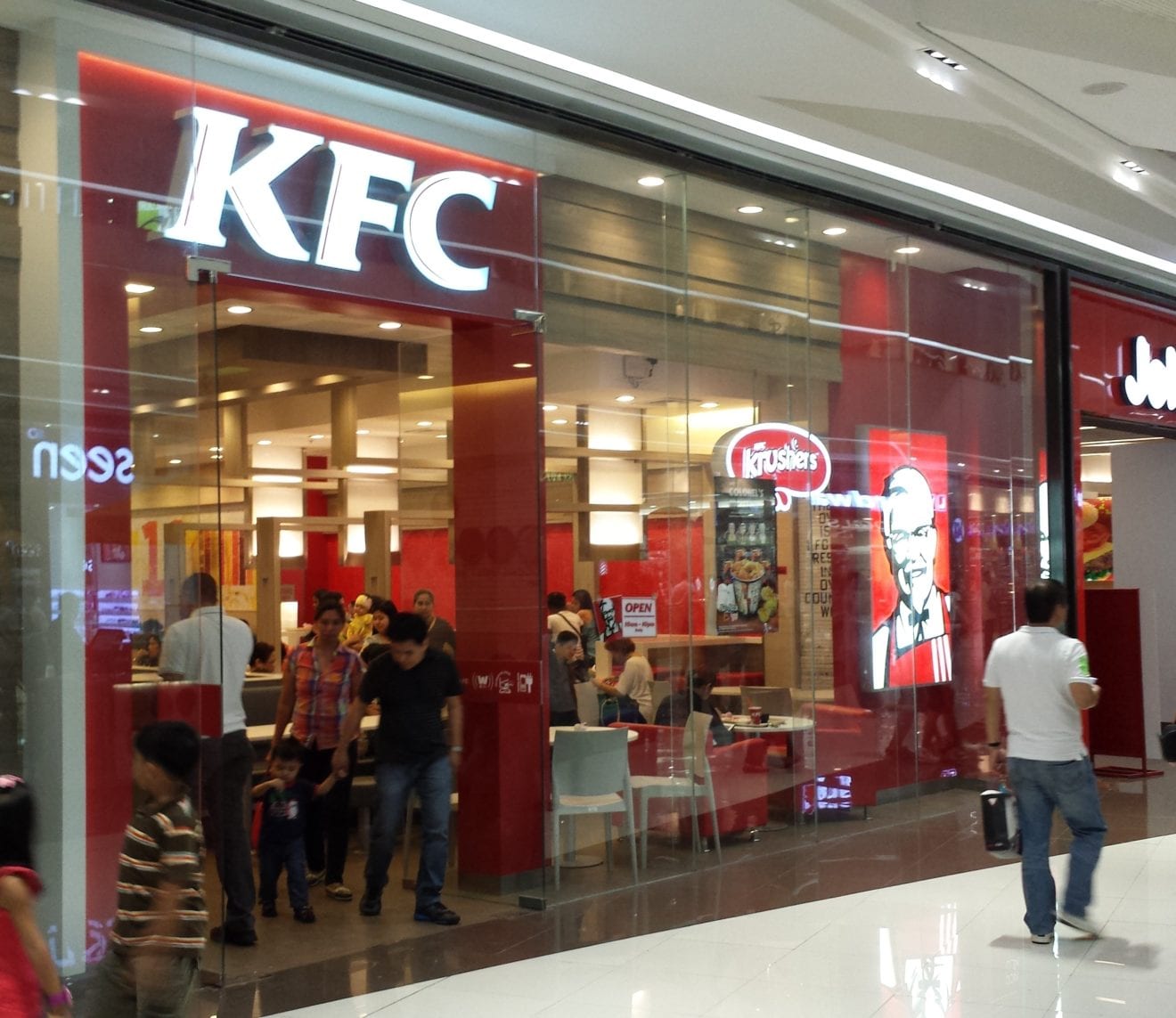
    Restaurant Brands has unveiled a 36 per cent increase in its full year profit to NZ$35.5 million on strength in its home market of New Zealand and expansion of its KFC network in Australia.

    Top line sales increased by 49 per cent to NZ$740 million in the 52 weeks to February 26, while combined earnings across the company’s portfolio were up 41.5 per cent to NZ$121.9 million.

    RBD owns a network of KFC stores in Australia and NZ, as well as Pizza Hut and Taco bell stores in Hawaii and Starbucks and Carl’s Jr. stores in NZ.

    KFC Australia, which now operates across 61 stores, booked a 50.9 per cent increase in sales on the acquisition of an additional 18 outlets, while earnings were up 42.1 per cent to NZ$20.2 million.

    Sales in NZ were up 6.3 per cent to NZ$446.8 million, driven by KFC New Zealand, which saw earnings increase by 7.4 per cent to NZ$66 million.

    RBD expects at least a 10 per cent increase in profits next year, revealing that it will look to further expand its KFC business in Australia and New Zealand while also possibly investing in KFC stores in Hawaii and the US.

    The business recently acquired a network of 82 Taco Bell and Pizza Hut stores in Hawaii, which contributed $68.3 million in sales for the year, buoying confidence for a possible expansion of the brands into New Zealand.

    “The full effects of two major acquisitions is evident in this year’s financial results with sales almost doubling over the last two years,” RBD said in an ASX release.

    “From a sound, established position in both the Australian and US (Hawaii) markets the company now has significant scope to expand further in both these geographies through acquisition, store refurbishments and organic growth.”

    Operating cash flows were up NZ$19.9 million for the year while net cash outflows spiked to $173.3 million, reflecting the impact of its Hawaii and Australian acquisitions.

    “The company is not anticipating any significant changes in the economic and competitive environment or unusual costs in the new financial year. With a consistent performance from the existing store network and the full year effect of additional stores acquires in Australia in the second half of the 2018 financial year,” RBD said.

  • Starbucks CEO apologises

    Starbucks CEO apologises

    Starbucks has found itself in the middle of a public relations disaster in the United States after an incident in one of its Philadelphia stores last week that saw two African American men arrested went viral.

    Starbucks chief executive Kevin Johnston has issued a statement unreservedly apologising to the men, who were handcuffed by half a dozen police officers in an outlet last Thursday following a dispute with a store manager.

    The men, who were waiting for a friend, were asked to leave after using the bathroom without making a purchase but refused, at which time the manager called 991, local police said.

    A video of the arrest was shared millions of times on social media over the weekend, sparking calls to boycott the coffee chain and protests outside of its stores.

    In a public statement Johnstone said the incident led to a “reprehensible outcome” and that he would be personally overseeing a review of Starbuck’s training processes.

    “We have immediately begun a thorough investigation of our practices. In addition to our own review, we will work with outside experts and community leaders to understand and adopt best practices,” he said.

    “The video shot by customers is very hard to watch and the actions in it are not representative of our Starbucks mission and values.

    “Regretfully, our practices and training led to a bad outcome—the basis for the call to the Philadelphia police department was wrong,” Johnston continued.

    Johnstone has offered to meet the two men in person to offer a face-to-face apology.

    Philadephia mayor Jim Kenney said the incident exemplified an example of racial discrimination, adding that he has referred the matter to the Philadelphia commission on human relations.

    “I am heartbroken to see Philadelphia in the headlines for an incident that — at least based on what we know at this point — appears to exemplify what racial discrimination looks like in 2018,” he said in a statement.

  • Singapore first overseas restaurant for Unagiya Ichinoji

    Singapore first overseas restaurant for Unagiya Ichinoji

    Japanese restaurant chain Miyagawa Honten has opened its first overseas outlet with Unagiya Ichinoji at Singapore’s Robertson Quay.

    Its Japanese head chef trained for three months in a Miyagawa Honten outlet to master the skills needed for creating unagi. The chain first steams the unagi before grilling it. All cuts are marinated with sansho (the Japanese equivalent of Sichuan peppercorn) and kuro shichimi (a traditional blend of seven black spices) before being basted with tare sauce while being charcoal grilled.

    The signature Hitsumabushi is offered in three sizes, and options are unagi over rice with nori, wasabi, green onion or dashi. Side dishes include unagi chawanmushi, unagi bone cracker, unagi sushi roll, unagi omelette, unagi salad and unagi simmered boiled liver.

    The 34-seater restaurant does not accept reservations.

    Miyagawa Honten launched 125 years ago in the Tsukiji district of Tokyo.

  • AP Company plans a new Hong Kong base

    AP Company plans a new Hong Kong base

    After opening its Tsukada Nojo restaurant in Hong Kong, Japanese restaurant group AP Company plans to open a second eatery this year, and use the territory as a springboard into Asia.

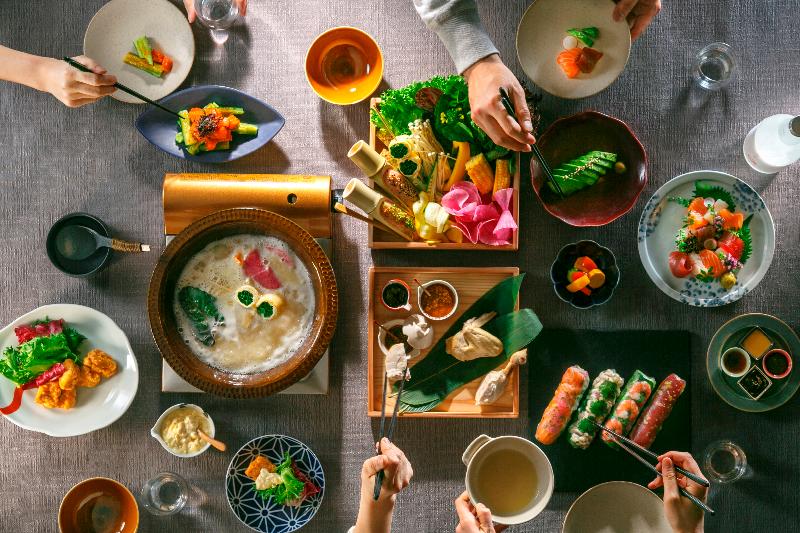
    It had eyed the Hong Kong market for years before introducing its leading brand in Harbour City’s Ocean Terminal in Tsim Sha Tsui. With a harbour view, the restaurant features collagen-rich chicken hotpot in a concept targeting health- and beauty-conscious diners, the quarterly newsletter of Invest HK.

    AP Company MD Masashi Kamatani says Hong Kong is crucial for the company’s continuous expansion in Asia. “It is the key market for our success. The city has a very mature dining culture, while the customers have strong spending power and are curious about new tastes and dining experiences.”

    He says the Hong Kong branch, after just eight months in business, has the highest sales and average spend-per-customer among the group’s 200 restaurants in Japan, as well as a handful of outlets in the region including Beijing, Jakarta and Singapore.

    “For businesses, Hong Kong has a very sophisticated and stable market. Even though it’s competitive, there is always room for new restaurants and abundant opportunities available.”

    Kamatani encourages the staff to talk with customers to find out their levels of satisfaction and their expectations, and he visits different restaurants every day to understand F&B trends and see what competitors are offering.

    He says that for AP Company, the most important thing is constant communicate with customers and modifying products and services to meet their expectations.

    In the next few years, the company aims to open 20 more restaurants in Hong Kong, and with franchise branches opening in Cambodia and the Philippines this year, it will eventually make Hong Kong its headquarters for overseas business.

    “Hong Kong is a compact city where it’s easy to launch a business,” says Kamatani. “It is in the heart of Asia, which makes it convenient for us to manage our branches in Japan and Southeast Asia.”

    He thinks InvestHK provides a great platform for businesses. “When I started, I didn’t know much about government policy or the market environment in Hong Kong, so I turned to InvestHK for help. The information and industry news have been very helpful for me to understand what needs to be done.”

    Established in 2001, AP Company has more than 200 restaurants in Japan and more than 20 F&B brands. It also has six outlets in Singapore, five in Beijing and one in Jakarta, and this year will open a second Hong Kong restaurant in Shatin.

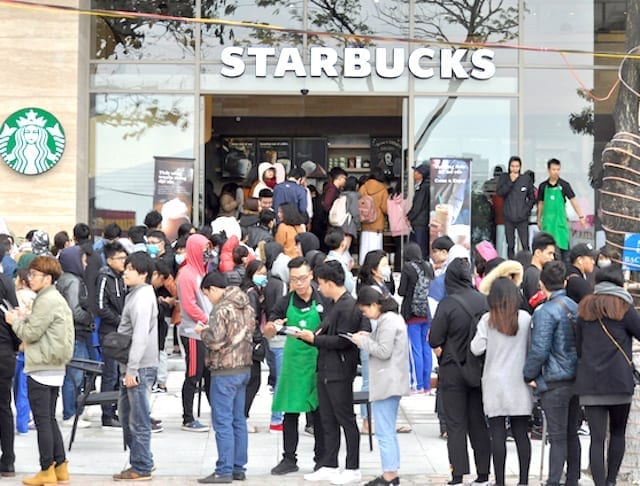
  • Starbucks Uruguay opens first cafe in the country

    Starbucks Uruguay opens first cafe in the country

    Starbucks Uruguay has opened its first cafe, located in the capital city Montevideo.

    The Seattle-headquartered coffee giant appointed Alsea International as its local partner, a leading restaurant operator in Latin America and Spain, whose brand portfolio already includes Domino’s Pizza, Burger King, Chili’s, California Pizza Kitchen, PF Chang’s, Italianni’s, The Cheesecake Factory, Archie’s and Foster’s Hollywood. It has 3300 stores in total in Mexico, Argentina, Chile, Colombia, Brazil and Spain, including 900 Starbucks outlets in include Mexico, Colombia, Argentina and Chile.

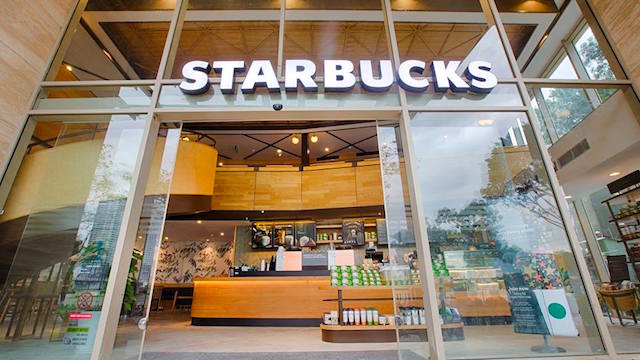
    The debut Starbucks Uruguay store is located in the Montevideo Shopping mall. Starbucks says the store’s design honors Montevideo city and its culture. Exposed concrete columns and ceilings bring character and texture to the store. Custom leather details  – a material with great local relevance – are designed to evoke a warm ambience. The cafe has a green living wall with local plants to connect the store to the origins and environment of a coffee farm.

    One of the most striking features of the store is a mural painted by Nicolas Alfalfa, a local artist. Alfalfa was able to illustrate the Siren, the iconic symbol of the Starbucks brand, over a concrete finish, extending across the back wall of the store and which can be observed from any point within the space.

    “Our first store in the beautiful country of Uruguay marks a key milestone for our expansion in Latin America,” said Ricardo Rico, Starbucks GM and VP for Latin America.

    Federico Tejado, director of Alsea International, said at least five Starbucks Uruguay stores would be opened this year and 10 by 2020.

    “We are proud to present a one-of-a-kind store that will make all our partners and customers in Uruguay feel proud,” said Pablo Jaratz, GM of Starbucks Uruguay. “Our passionate and knowledgeable baristas have spent many months training with some of our best Starbucks baristas, coffee masters and experienced partners only for this day.”

  • Ediya Coffee drops plan to launch an IPO for China

    Ediya Coffee drops plan to launch an IPO for China

    South Korea’s Ediya Coffee has dropped its plan to go public this year, opting instead to re-enter China through Beijing.

    “In terms of growth and profit margin, we are fully ready for an IPO, but we decided we must tend to our franchisees first,” says CEO Moon Chang-ki.

    In a move that would have led to Korea’s first coffee stock, Ediya Coffee in December appointed Mirae Asset Daewoo as its underwriter for an IPO this year. Ediya had decided to list to help it challenge Starbucks Coffee on Ediya’s home territory.

    Meanwhile, labour costs have shot up in South Korea after the hourly minimum wage was pushed up by 16.4 per cent to KRW7530 (US$7) from January.

    “The subsidy to help franchisees sustain staff increased by 4.5 billion won,” says Moon, partly admitting the spike in labour cost had disrupted the IPO schedule. Instead, the coffee chain will renew its overseas campaign, starting with a shop in Beijing next year. It had pulled out of China in 2008 after three years.

    Moon acquired Ediya Coffee from its founder in 2004. Twelve years later it became the first homegrown coffee brand to run 2000 stores. It is expected to open its 2500th store this month. The company generated KRW700 billion in sales last year and as about 10,000 employees.

  • Starbucks Coffee Korea walks the talk

    Starbucks Coffee Korea walks the talk

    Voice recognition ordering has been introduced by Starbucks Coffee Korea, thanks to a 50/50 JV between Starbucks Coffee International and Shinsegae Group.

    Starbucks Coffee Korea has become the first retailer to use Samsung’s intelligent assistant Bixby, available on certain Samsung Galaxy devices, to allow for end-to-end ordering and payment.

    The features are an extension of Starbucks Siren Order, the company’s mobile order-and-pay technology that lets customers in South Korea order and pay for their purchases before arriving at the store.

    Bixby allows members of Starbucks loyalty program (My Starbucks Rewards) to place an order and pay through voice recognition “on command”. Customers simply speak as they would to a barista, including modifying their drinks to meet their preferences.

  • PastaMania flagship opens in Colombo

    PastaMania flagship opens in Colombo

    PastaMania, Singapore’s largest Italian casual-dining restaurant chain, has opened its first restaurant in Sri Lanka.

    The PastaMania Sri Lanka flagship is located in Colombo on R A De Mal Mawatha, Colombo 3 (otherwise known as Duplication Road).

    Sri Lanka is the company’s 14th international market and it now has more than 50 outlets, with plans to continue expansion.

    Finding the right location and building the restaurant in Colombo took more than a year.

    “Our architect and contractors work with the PastaMania international design team from external facade to interior space planning. PastaMania’s brand elements from the Italian grocery shop ‘Alimentari’, open-kitchen ‘Pasta Al Dente’, newspaper stand ‘Edicola’ to details like the mural wall and signage are all carefully designed and fabricated,” said Hilme Azeez, MD (F&B business) of licensee Azeez Brothers.

    “The PastaMania Sri Lanka flagship is designed to reflect Italy’s piazza concept, creating the ambience of the day-to-day public life of an Italian ‘City Square’.

    “The timing is right as we see a lot potential for casual dining in Sri Lanka. We want to bring a ‘piece of Italy’ and the pleasure of ‘living like an Italian’ to the local and expatriate communities in Sri Lanka.”

    Wilson Lim, executive director, international business, with PastaMania’s parent, Commonwealth Capital Group, said the restaurant will use top-grade ingredients from Italy, such as high-protein durum wheat pasta, extra virgin olive oil, coffee and gelato.

    PastaMania Sri Lanka, will roll out the ‘Doughworkz’ programme whereby young children will be taught how to make their own ‘pasta and pizza’ and to work within a community. They will also be taught on healthy eating habits and living through our series of ‘PastaMons’ characters and story books aimed at educating the young generation in a ‘Learn-as-You-Play’ mode.

  • Jollibee Foods causes long queues in Toronto

    Jollibee Foods causes long queues in Toronto

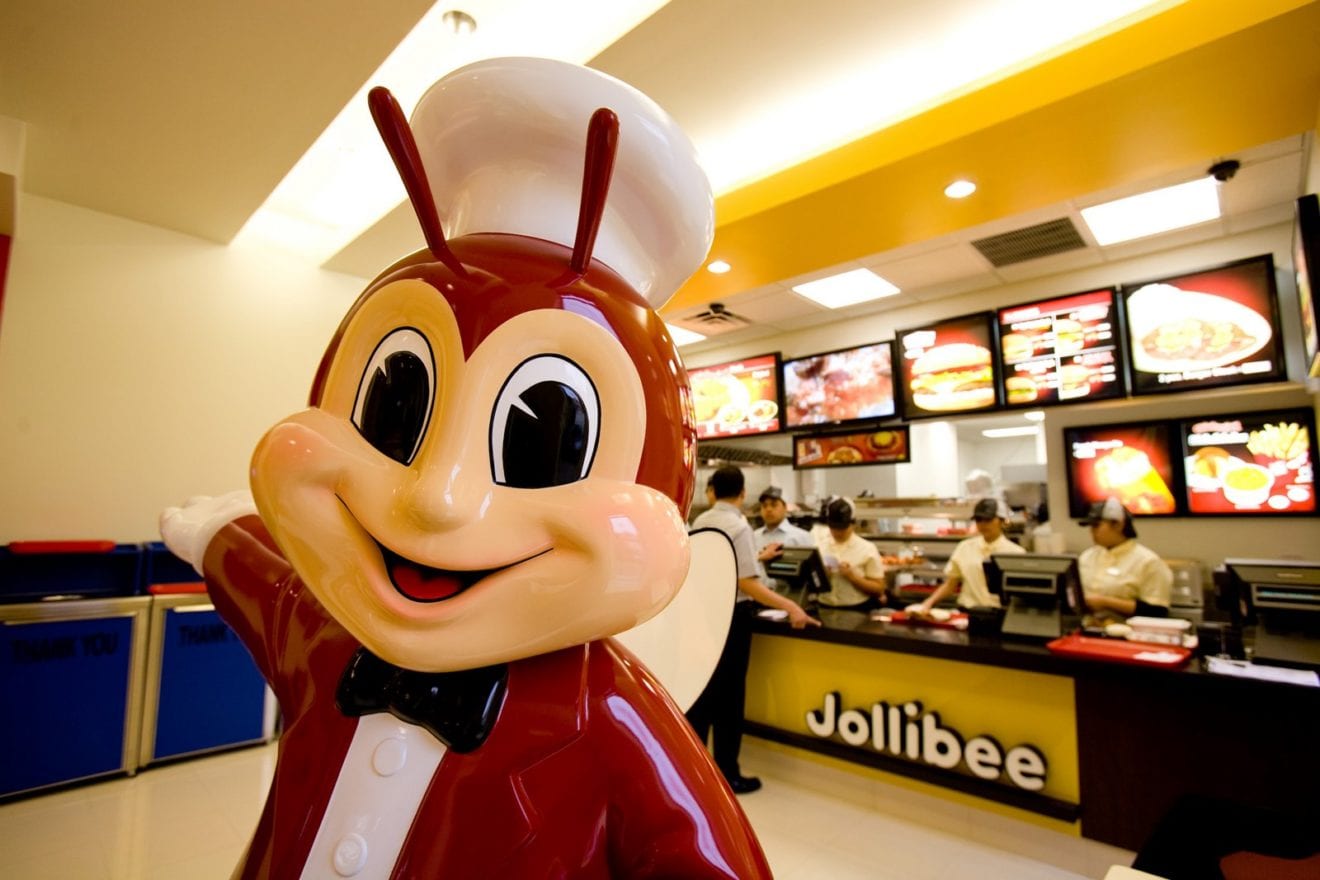
    Filipino fast-food chain Jollibee Foods Corporation has opened its first Toronto store to a queue of fans, some of them waiting up to eight hours.

    Its Canadian expansion comes as Filipino restaurants have been opening as well as a major grocery store catering to cooks of the cuisine.

    Jollibee entered Canada in 2016 with an outlet in Winnipeg, reporting that despite the freezing winter, thousands waited overnight for the store to open.

    Toronto’s store is the third, with another having opened in Winnipeg. The first 40 customers spending more than $3 each won a six-piece bucket of crispy chicken each month for a year. At the grand opening, customers were buying bucketfuls of chicken and taking photos with the chain’s mascot, a red and yellow bee.

    The Philippines was the top country of birth of new migrants to Canada, according to Statistic Canada. Its 2016 census shows that 188,805 people, or 15.6 per cent of recent immigrants, were born in the Philippines.

  • Davao chocolate boards AirAsia’s in-flight meals

    Davao chocolate boards AirAsia’s in-flight meals

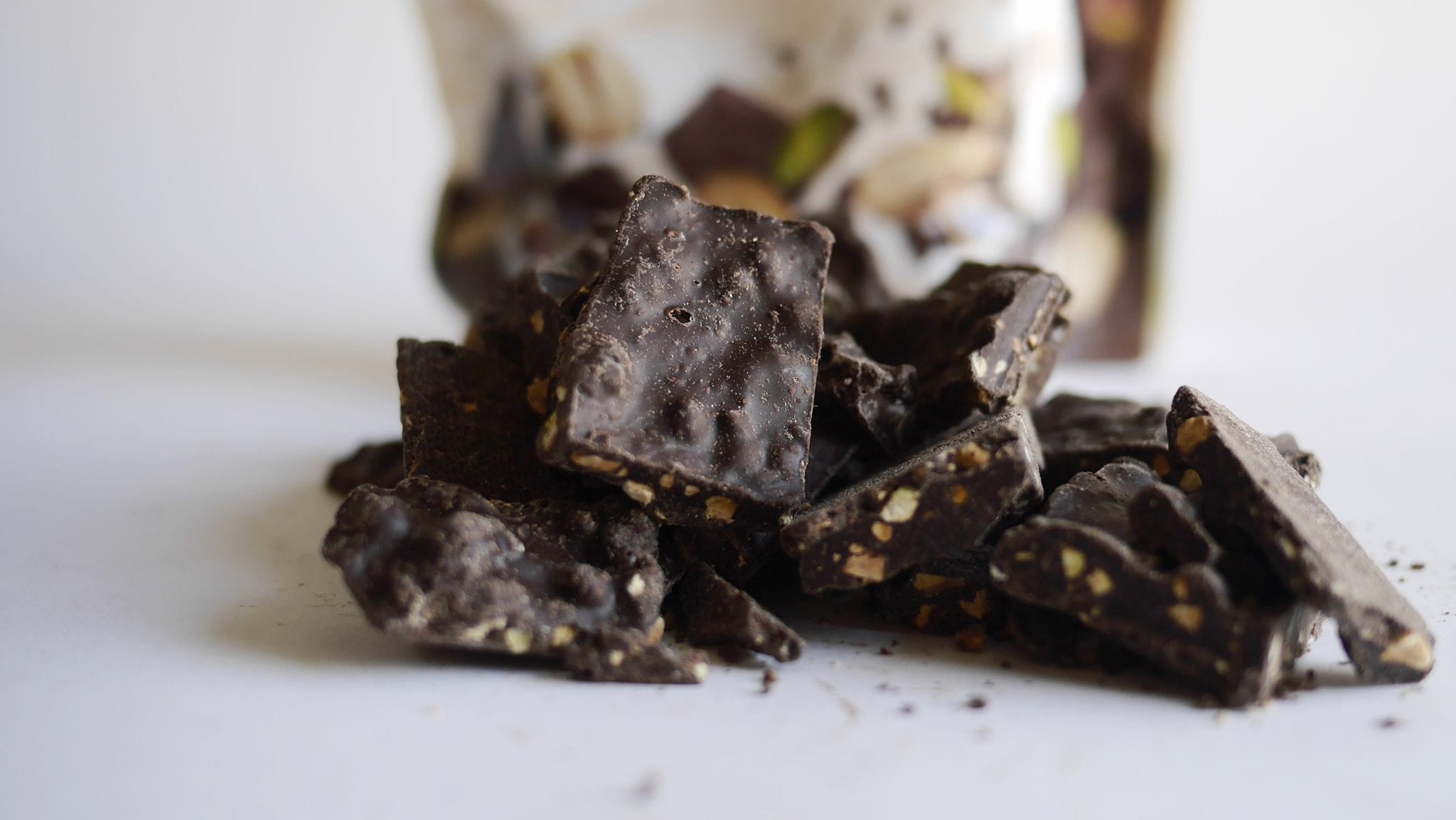
    Davao City’s renowned chocolate brand will give flavor to a new AirAsia Philippines in-flight meal – an addition to the carrier’s Asian menu.

    On Thursday, April 5, AirAsia Philippines revealed its roasted dalandan chicken with pimiento sauce. While considered a main course, one of the meal’s ingredients is chocolate produced by Malagos Agri-Ventures Corporation.

    “This will put us into the spotlight, and hopefully more and more potential partners would be looking at us,” said Rex Victor Puentespina, sales and marketing head of the firm behind the Malagos Chocolate brand.

    AirAsia Philippines, which tapped Bacolod master chef JP Anglo for the concept, will carry the meal in all of its domestic and international flights beginning April 12.

    Dexter Comendador, the carrier’s chief executive officer, said they added the meal to their in-flight Santan menu to bring in social entrepreneurs “who all value a strong, innovative service culture.”

    The Puentespina family’s firm was recognized in Paris last year for its cacao beans. While the samples they sent to the International Cocoa Awards did not make it to the top 18, it was still a feat for the family who ventured into cacao farming more than a decade ago.

    It also recently hammered a deal with Krispy Kreme for a doughnut product in the region.

    The carrier also announced on Thursday its move to sell handwoven products made by social entrepreneurs from Manila, Davao, and Cebu “on all AirAsia flights across 180 destinations.”

    These include handwoven items by ANTHILL, which sources its items from direct partners in indigenous communities in the Philippines.

  • Chicken Cottage starts expansion rapidly

    Chicken Cottage starts expansion rapidly

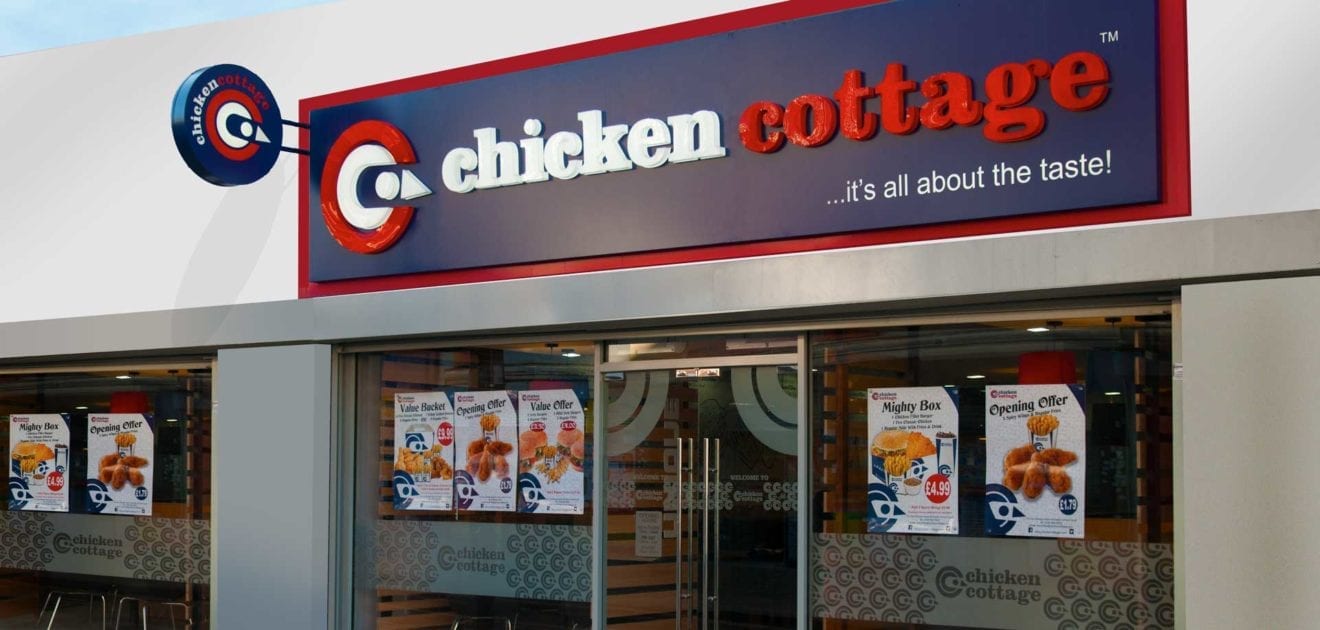
    Fast-food chain Chicken Cottage has opened its second outlet in Malaysia, in Taman Tun Dr Ismail (TTDI), taking its total to 90 stores worldwide.

    Its first outlet in Malaysia was in Kuala Terengganu, with others to follow in Putrajaya and Johor soon, says the Menteri Besar of Terengganu, Datuk Seri Ahmad Razif Abd Rahman. Chicken Cottage is owned by a subsidiary of the state government’s investment arm Terengganu Inc.

    Launched in the UK in 1994, the chain was taken over by Global Food Holdings, the Terengganu subsidiary, with a 70 per cent stake in 2014. It acquired full ownership in April last year.

    Ahmad Razif says it would cost franchisees around RM1 million ($US258,500) to open an outlet in Malaysia, plus the company plans to open 250 Chicken Cottages internationally. Target countries include China, India, Singapore and Thailand. The brand has halal certification from religious departments in both Malaysia and abroad.

    Meanwhile, Chicken Cottage Holdings chairman Datuk Wan Nawawi Wan Ismail says TTDI was chosen for the Klang Valley’s first outlet as the residential area borders Kuala Lumpur and Petaling Jaya, Selangor.