Category: Food

Retail News Asia is committed to providing both local and global retailers with the latest Food and Food & Beverage news throughout the Asian market. This on a daily base.

  • Baan Ying heads Thai dining double

    Baan Ying heads Thai dining double

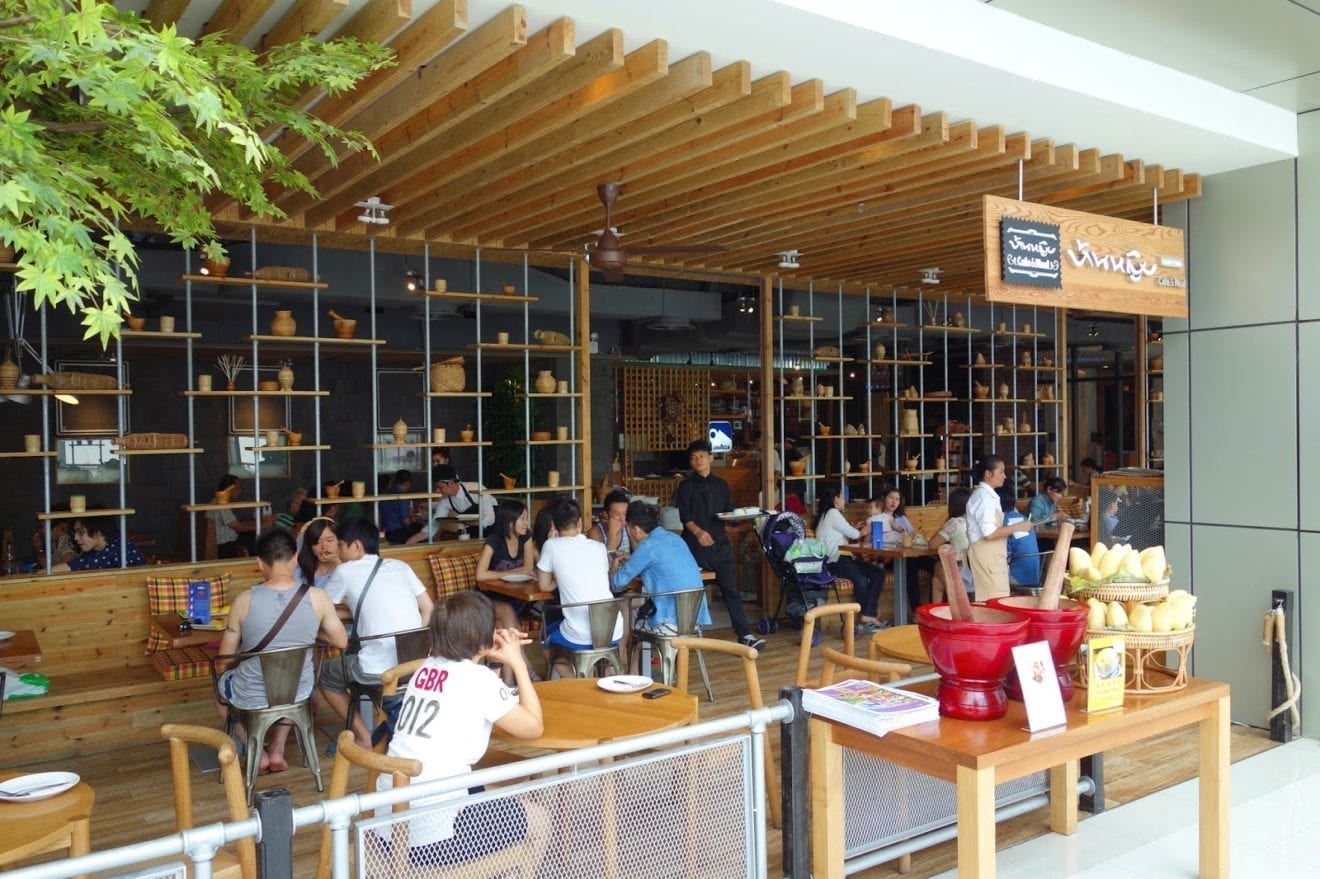
    Thai casual-dining restaurant Baan Ying and Dink Dink Thai Street Cafe, with the same owners, have opened at Royal Square Novena.

    Baan Ying has made a name for itself in Bangkok, where a family started the diner at Siam Square, encouraged by friends, 20 years ago. The original shop burned down after protests in the Thai capital in 2010.

    Now the group has a dozen restaurants, with Baan Ying outlets at Central World, Mega Bangna, Siam Centre, Siam Kitti, Silom Complex, Terminal 21 and The Promenade.

    For Singapore, the 126-seat Baan Ying has been opened in a bright space with tall ceilings, windows offering soft natural sunlight, light wooden furniture and greenery.

    Recommended items include the signature Baan Ying Omelette, Deep-Fried Sea Bass with Crispy Herbs, and Squid Stir Fry with Salted Egg.

    Downstairs on the first level of Royal Square Novena, Dink Dink Thai Street Cafe has a decor that echoes the streets of Thailand, with metallic tables and stools for the dine-in area. The menu offers noodles and toast dishes as well as drinks.

  • Fatburger and Buffalo’s Express restaurants starting in Singapore

    Fatburger and Buffalo’s Express restaurants starting in Singapore

    Co-branded Fatburger and Buffalo’s Express restaurants will be rolled out across Singapore over the next three years, the first by this Christmas.

    Fat Brands, the US parent of the two quick-service restaurant brands, has signed a franchise deal with Deelish Brands to develop the chain, but has not yet revealed how many stores will be opened. Changi Airport’s Jewel shopping centre is highly likely to be among the first few destinations.

    “Entering the Singapore market has been a goal of ours for a very long time,” said Andy Wiederhorn, CEO of Fat Brands. “We had to be deliberate in our strategy to join this colourful and rapidly-growing nation and have finally found the perfect partner in Deelish Brands.

    “The beauty of Fatburger and Buffalo’s Express restaurants is they bring approachable American fare that everyone can enjoy, together – and we’re excited to bring this to Singapore.”

    Wiederhorn says the Singapore launch of Fatburger and Buffalo’s Express restaurants will build on his company’s previous success in Asia.

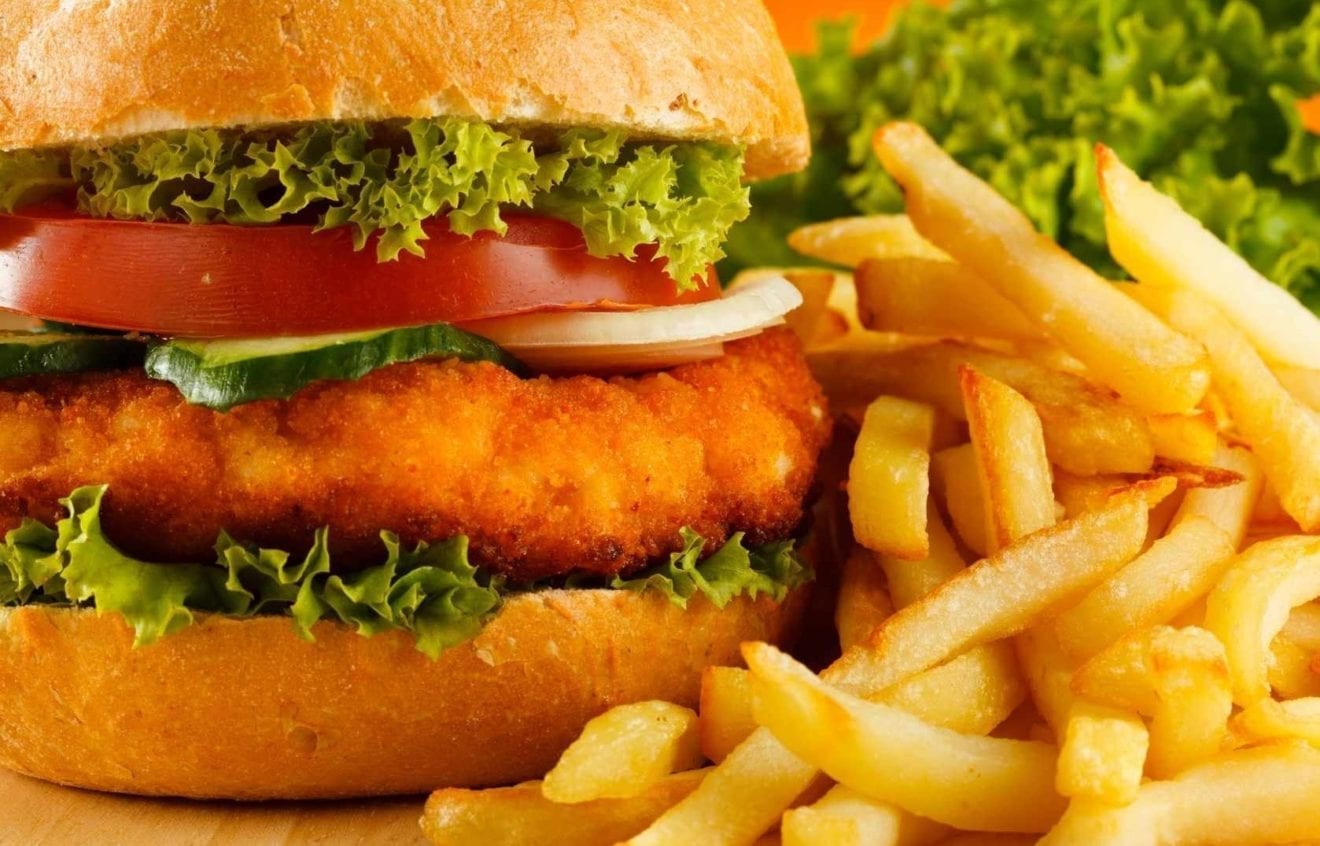
    The two brands will offer a menu including boneless wings, made-to-order burgers, milkshakes and fries. The stores offer what he describes as an “authentic Americana ambiance” through customer service and engaging decor.

    Fatburger is a 70-year old fast-casual restaurant serving large, juicy, burgers, custom-made to order.

    Buffalo’s Express, founded in 2012 in Los Angeles, is a fast-casual chain known for its chicken wings, wing sauces, fries, sides, wraps, salads and desserts.

  • Shake Shack Singapore likely to launch at Changi

    Shake Shack Singapore likely to launch at Changi

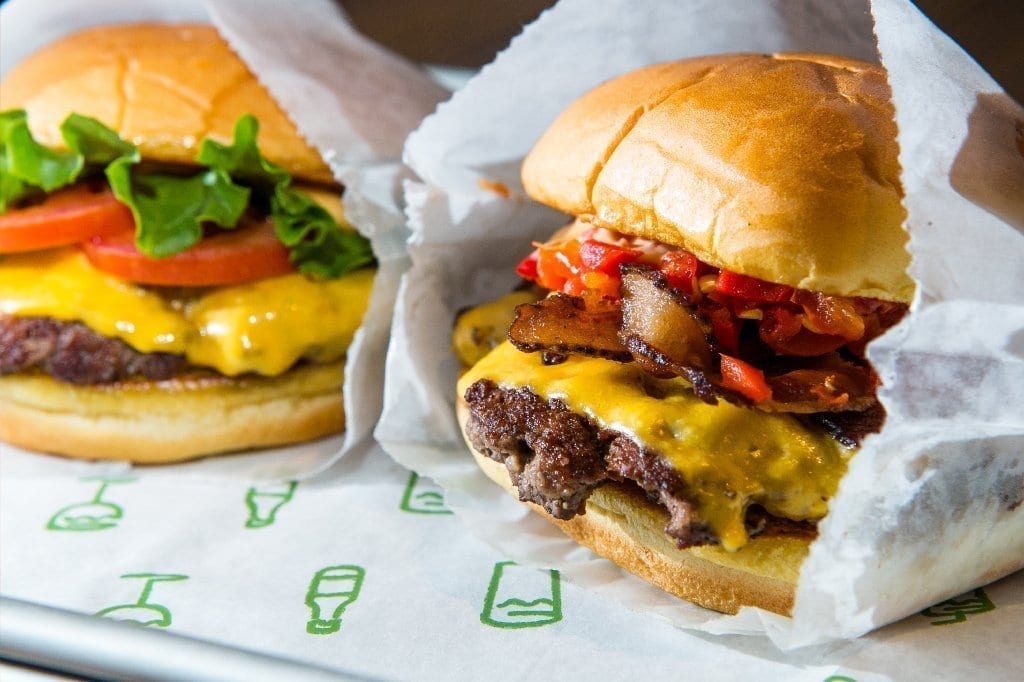
    A Shake Shack Singapore store is reportedly planned for the Jewel Changi Airport shopping centre.

    Singapore food blog 8 Days, quoting an “industry source” says the chic American gourmet burger chain is in the final stages of preparation to launch in Singapore. Elsewhere in Asia, the brand is preparing to open in Hong Kong, where it has appointed local licensee Maxim’s Caterers, a division of Dairy Farm International, which also owns the Starbucks license for Hong Kong and Singapore.

    However 8 Days is tipping the Shake Shack Singapore eatery to be run by Korean food and beverage company SPC Group, which operates Paris Baguette and has the Korean rights to Shake Shack.

    The burger chain’s founder Danny Meyer was in Singapore to address a Restaurant Association of Singapore event and while “coy” about plans for Singapore, he reportedly told 8 Days he wants to see the brand launched in the city state.

    “It’s a possibility,” he told 8 Days. “My guys have visited Singapore thrice for site trips and they loved it here. It’s all about finding a good licensee.”

    Jewel Changi Airport is a shopping centre to be managed by CapitaLand, attached to the airport’s Terminal 1 and scheduled to open early next year.

    No confirmation was forthcoming from Changi Airport or SPC.

    Shake Shack, which started out as a food cart in New York City, now has more than 170 outlets internationally.

    Besides burgers, it is known for milkshakes, ice cream and other staple US dishes, but with more focus on flavour and serving size than is traditional in US fast-food restaurants.

  • McDonald’s takes action on plastic straws

    McDonald’s takes action on plastic straws

    Soon, diners will have to request a straw if they want one. And it might be paper.

    It is rare that we have happy news from the fast food sector, but McDonald’s has made a pleasing new promise to tackle plastic waste. It appears the company is taking a two-pronged approach.

    First, two test locations in London, England, will be phasing out plastic straws entirely. Starting in May this year, the straws in these two restaurants will be replaced by paper versions made with recycled content.

    Second, and arguably much more importantly, all 1,300 McDonald’s restaurants in the United Kingdom will start handing out straws only upon request. Paul Pomroy, head of McDonald’s UK, told:

    “Customers have told us that they don’t want to just be given a straw, they want to have to ask for one, because straws [are] one of those things that people feel passionately about, and rightly so. We’re now moving those straws behind the front counter, so if you come into McDonalds going forward, starting next month, you’re going to be asked if you want a straw.”

    It might seem like a minuscule change, but the act of having to ask for a straw will force people to think, even for just a few seconds, about whether or not they really need such a product, and that’s likely to make a dent in consumption.

    Pomroy also pointed out that the fast food chain has been working toward fully-recyclable packaging. So far it’s at 80 percent, and dealing with the straw issue will help address the remaining gap. No more foam or polystyrene boxes are handed out.

    That being said, I wish McDonald’s would rethink the contents of its Happy Meals and those infernal plastic toys that either break quickly or lack imagination and end up kicking around the house for years — or, as fellow writer Sami pointed out to me, the dreaded balloons. And what about the plastic sachets of condiments? We know those are an enormous source of waste in Asian countries, particularly, so surely there’s a better way to package them (or, rather, not package them). As I reported last fall:

    “The most common trash item found on the beach was sachets, the little plastic-and-aluminum packets that are widely used in poverty-stricken areas of the world (particularly Asia) to sell food items, condiments, personal care products and toiletries, even drinking water. The minimal packaging makes items cheaper, but sachets are not recyclable. “

    McDonald’s isn’t the only fast food chain trying to distance itself from single-use plastics. The co-founder of UK chain Leon was so horrified by trash on the Great Barrier Reef in Australia that he “vowed to come back and make a dramatic contribution to end this madness.” Grocery store Iceland has stopped selling straws, and Pizza Express and Wetherspoon have plans to phase them out.

    Wouldn’t it be wonderful for our grandchildren to grow up in a world where straws don’t exist? It’s starting to look like it might be that way.

  • McDonald’s Marks 30 Years Since Opening its Doors in Korea

    McDonald’s Marks 30 Years Since Opening its Doors in Korea

    n March 29, 1988, the McDonald’s franchise opened its first location in South Korea in Apgujeong-dong in the southern part of Seoul.

    The country was already awash in Olympic fever with the summer games set to open later that year in September as hundreds lined up for their first taste of McDonald’s on the peninsula.

    Since that time, over 1.9 billion people have walked through McDonald’s doors in Korea – or about five people each second.

    Over the course of its three decades in the country, the global fast-food giant has introduced several items tailored to local tastes such as the “Bulgogi Burger” and the “1955 Burger”.

    In another nod to local tastes, Korea is also one of the few countries that doesn’t sell the Filet o’ Fish – which was replaced several years back with a shrimp burger. A move which prompted one person to form a Facebook group calling for its return.

    Knowing Korean’s love for spicy cuisine, the company also launched the “McSpicy Shanghai” chicken burger.

    It is interesting to note that McDonald’s branded their spicy Korean offering “Shanghai” – likely a wise move to maintain that international food feel of the franchise despite it being an adaption to local tastes.

    Last year in Singapore, McDonald’s rolled out the “Seoul Spicy Chicken Burger” and “Seoul Spicy Beef” burger, along with the “Kimchi Shaker Fries.” None of which are available in the Korean market.

    Riding the popularity of K-pop and Korean dramas in Southeast Asia, Singapore Mickey D’s even rolled out a mock Korean drama ad campaign with a love triangle featuring the Seoul Spicy in the middle of it all.

    Brand troubles in Korea

    While McDonald’s remains a very strong brand in the South Korean market, there are signs of it slowing down. The company currently has 448 stores across the country, but the pace of growth has slowed in recent years, increasing by 13 stores in the past two years.

  • Chatime to open first Singapore store this year

    Chatime to open first Singapore store this year

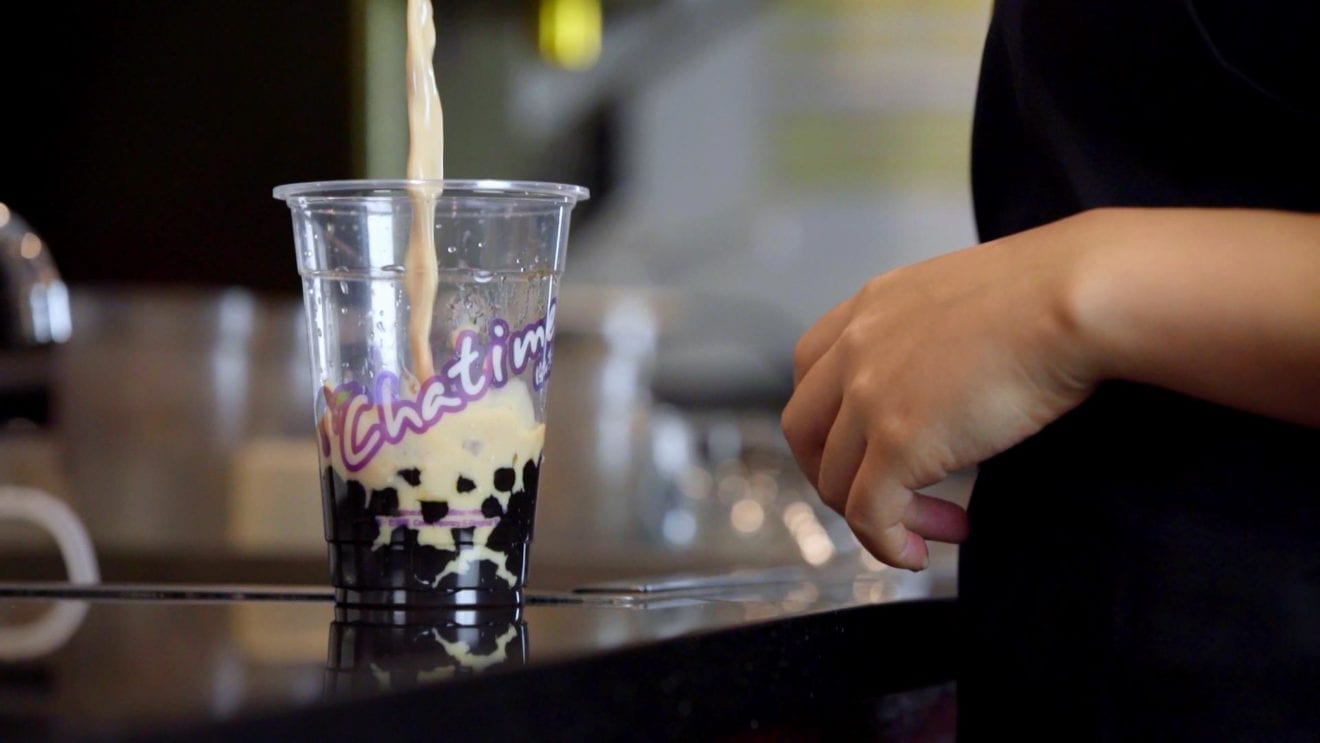
    Malaysia’s Will Group is planning to open first Chatime Singapore outlet this year.

    The first two stores will be opened inside shopping malls, with a third scheduled for Jewel Changi Airport next year.

    The group is also negotiating to take over the Singapore master franchise for the tea brand from current franchisor La Kaffa International.

    Chatime also plans to expand into the Middle East, with outlets in Mecca and Medina this year, under a sub-franchise arrangement.

    Chatime Malaysia has obtained the halal food certification for its menu, paving its way for business expansion.

    Will Group has set a RM100 million (S$33.6 million) budget to open 150 outlets in Malaysia and internationally.

    Will Group became master franchisee for Chatime in Malaysia following a dispute between La Kaffa and ex-master franchisee Loob Holding.

  • Starbucks Hong Kong adds alcohol to IFC Mall menu

    Starbucks Hong Kong adds alcohol to IFC Mall menu

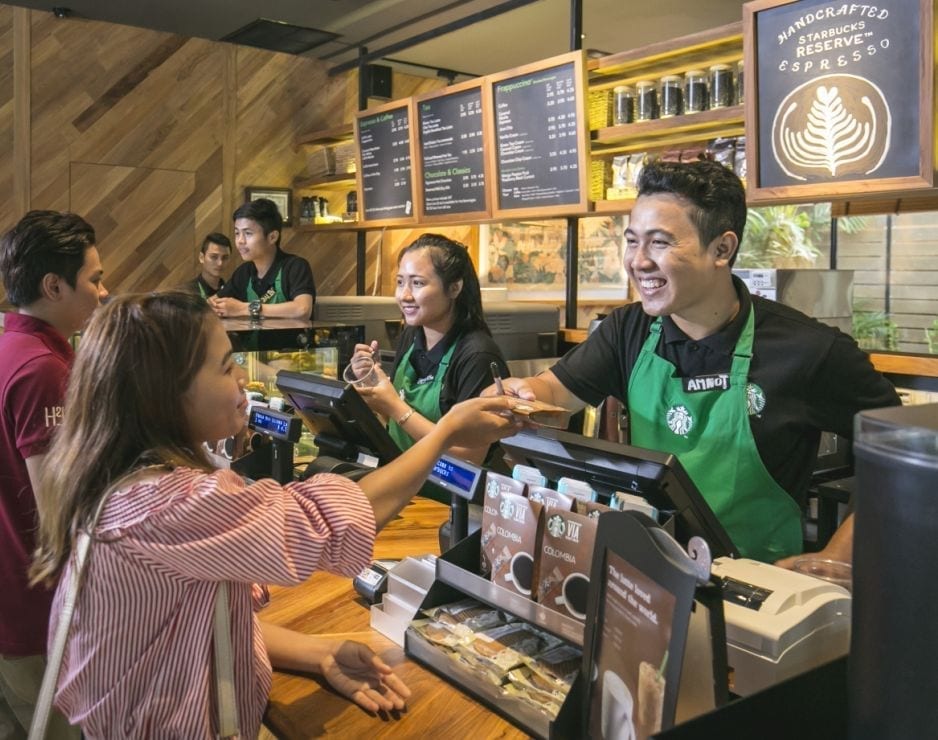
    Starbucks Hong Kong has opened its first cafe serving alcohol – including coffee-infused craft beers, exclusive to the city.

    Starbucks’ local licensee, the Dairy Farm International subsidiary Coffee Concepts, says the move is part of its strategy of elevating the chain’s ‘Third Place’ experience for its customers through continuous innovation in its coffee offer and in-store experience.

    After a month-long refit, the store on the level 2 podium of IFC Mall in Central was formally unveiled to media last evening. It has been upgraded into the Starbucks Reserve format in a bid to attract customers after work as well as during the day.

    And besides gourmet coffee blends, a Starbucks Reserve range of merchandise and beer, the cafe offers a selection of wines and light meal menu featuring dips, cured-meat-and-cheese board, bacon-wrapped asparagus skewers and baked meatballs.

    Craft beer partnership

    Starbucks Hong Kong has released two coffee-infused craft beers created in partnership with a local brewery. A company spokesperson says the two beers are infused with “signature notes of Starbucks coffee, leaving a refreshing taste on the tongue”.

    “The Caramel Macchiato Cream Ale is inspired by the signature Starbucks Caramel Macchiato. Cream ale is harmoniously brewed with pre-ground Starbucks Colombian coffee and delectable caramel for more than 18 hours, resulting in an irresistibly smooth taste with nutty notes and a subtle caramel sweetness, as well as a brilliant golden colour.

    “The Mocha Brown Ale marries a robust brown ale with the indulgent chocolate and soft spice notes of Starbucks Caffe Mocha. Brewed with Starbucks Guatemala Antigua cold-brewed coffee and cocoa nibs, the intense brown ale will surprise customers with its distinctive contrast of dark-brown hue and luscious sweetness.”

    Starbucks Hong Kong is also launching three bottled beers including Hiiro Seed Guava Love, a fruity beer with a tropical pink guava aroma, brewed locally by Hitachino Nest Beer.


    The Starbucks Reserve wine list features four red wines (pinot noir, merlot, cabernet sauvignon and shiraz), three white wines (sauvignon blanc, chardonnay and riesling) and an Italian prosecco.

    Starbucks says that extending the ‘Third Place’ experience (in which home and workplace are the first and second places) the Starbucks Reserve Coffee Experience Bar provides “the widest in-store offerings for customers as they connect with colleagues and friends over their beverages of choice”.

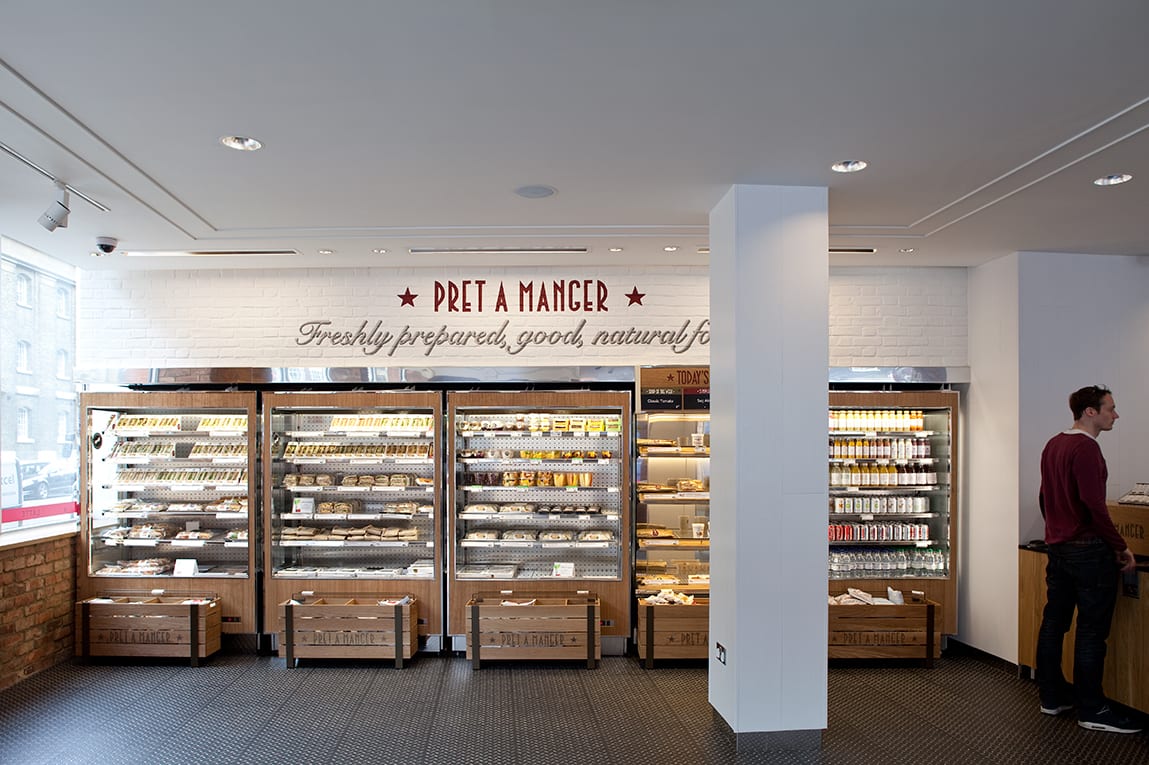
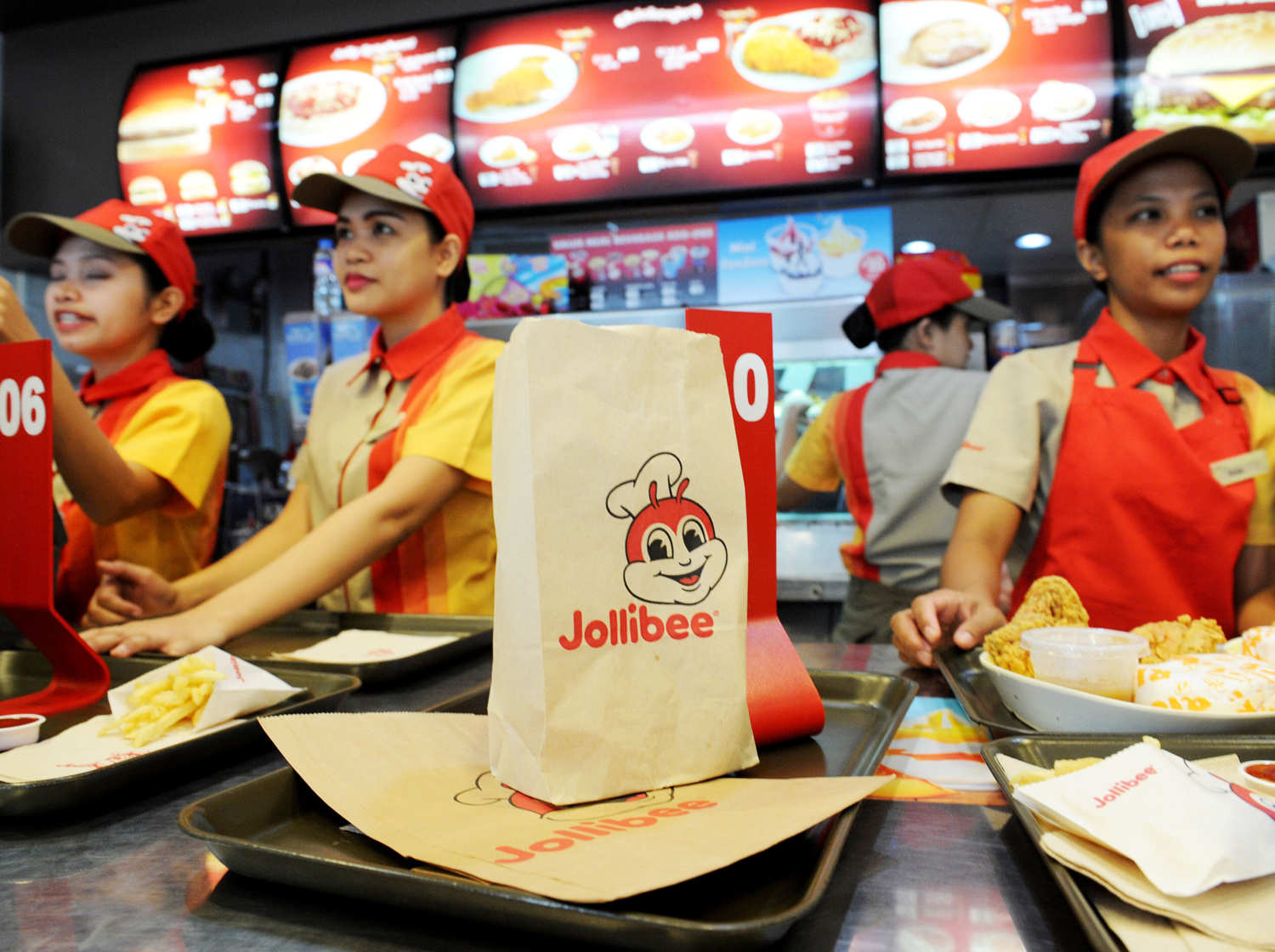
  • Why Jollibee Wants To Buy Pret a Manager

    Why Jollibee Wants To Buy Pret a Manager

    Fancy a 400-calorie Pret A Manger quinoa salad to go with your greasy Jollibee fried chicken and sweet-style spaghetti? Hong Kong’s diehard patrons of the star-logoed British healthy foods chain and the Philippine fast food institution balked when this question was posed to them by Retail News.

    But while the menu offerings of the two companies – deemed national treasures of sorts in their home countries – hardly go well together, industry experts say that is no reason to write off a corporate marriage between the food titans.

    The prospect of the uncanny alliance was thrust into the spotlight this week after Reuters reported that cash-rich Jollibee Foods Corp – the biggest Asian-owned fast food company – was mulling an acquisition of Pret A Manger in its latest push to expand its global reach.

    The deal would be worth upwards of US$1 billion, Reuters said, quoting unnamed sources with knowledge of the matter, making it one of the biggest overseas deals by a Filipino company.

    The two companies did not outrightly refute the report, although Jollibee said in a filing to the Philippine Stock Exchange that the information in the Reuters report was not from the company.

    Its founder Tony Tan Caktiong told us that Jollibee “did not make any formal nonbinding bid”. But “if it does look worthwhile and would be a good fit for Jollibe, I would not rule out exploring Pret as a potential acquisition.”

    Pret A Manger, owned by the private equity firm Bridgepoint, kept silent.

    Bridgepoint earlier this year appointed bankers to explore a New York public listing for Pret A Manger, which would potentially see the chain valued significantly higher than the US$1 billion figure.

    Jocelyn Cheung, research analyst at Euromonitor International, said a deal would be able to “leverage the fast-growing health and wellness trends within big cities in China and Southeast Asia”.

    And Jeffrey Young, managing director of the London-based research and consulting firm Allegra Group, said “Jollibee’s presence and knowledge of the Philippine market would give Pret an advantage if they entered there and could be a significant gateway to other parts of Asia”.

    Pret A Manger – whose name means “ready to eat” in French – is ubiquitous in London with over 200 branches, and its offering of premium soups, sandwiches and salads along with organic coffee is a staple of the British capital’s calorie-counting and big spending city slickers.

    The chain is popular in Hong Kong too, with 23 outlets across the city.

    Within Asia, it has branches in Singapore, Shanghai, and Dubai. It also operates in France and the US, boasting over 350 stores worldwide.

    “I would hope there is no change to the menu here. It will be quite outrageous to have fried chicken sold here,” finance executive Diedre Muller told us while selecting a sandwich for lunch at Pret A Manger’s newly opened Times Square branch.

    Three MTR stops away, at Jollibee’s branch along Connaught Road Central, Ressie Gilla chuckled at the idea of the Philippine fast food chain and Pret A Manger one day having the same owner. “Jollibee is the McDonald’s of the Filipinos. Can you imagine if Pret is owned by McDonald’s?,” said the hotel worker while tucking into the chain’s signature fried chicken and spaghetti.

    Pret A Manger was in fact part-owned by McDonald’s from 2001 to 2008, one reason why experts say an acquisition by Jollibee is unlikely to be viewed as anathema for the healthy eating franchise. The acquisition could also be a less volatile exit strategy for Bridgepoint than an IPO.

    McDonald’s, which bought its 33 per cent stake just as the British company was expanding overseas, sold on its shares in full to Bridgepoint.

    Another reason why the pairing could work, observers say, is that while their food offerings are worlds apart, the companies share similar rags to riches narratives, and have the same customer-first ethos. Pret A Manger was founded in 1986 by Sinclair Beecham and Julian Metcalfe, two university friends who borrowed £17,000 from a bank and set up their first deli on Victoria Street in London. They said business venture arose out of their weariness of eating unhealthy food at the city’s numerous “greasy spoons”. Jollibee Group, now worth US$5.2 billion, was also once a David among a world of Western fast food Goliaths like McDonald’s, KFC, and Burger King. Its founder Tan – the son of Chinese immigrants from Fujian province – started out as an ice cream vendor in Metro Manila in the 1970s.

    According to Euromonitor data, the publicly listed company is now the number one fast food company in the Philippines, with 54.8 per cent market share in 2016. Its closest competitor McDonald’s held 20.8 per cent of market share.

    Across Asia, Jollibee is the third biggest fast food company, behind McDonald’s and Yum Brands Inc, the holding company of Kentucky Fried Chicken, Pizza Hut and Taco Bell.

    It has been in an acquisitive mood in recent years.

    In 2015 it took a 40 per cent stake in the US burger chain Smashburger. It owns the Chinese fast food chain Yonghe King, and last year bought out a key supplier of that brand.

    For the Philippine behemoth, Pret A Manger presents a direct way to break into a new frontier – the increasingly lucrative healthy eating industry.

    Research firm MarketLine in August said the global organic food market is set to grow from US$98.5 billion in 2016 to US$187.6 billion in 2021.

    “The trend towards healthy eating is highly evident in Britain and is sustainably spreading fast across the globe,” said Cheung of Euromonitor International. “Great natural fresh food offerings, strong brand equity and successful corporate strategies make Pret a highly attractive acquisition target.”

    London-based Young said Pret A Manger’s track record of registering strong growth in overseas markets – its businesses in the US, Hong Kong and France are thriving – makes its particularly attractive to Jollibee.

    Pret A Manger patron Muller, who scoffed at the idea of a fast-food chain owning her favourite lunch joint, said she was unlikely to give up on her staple of rocket and crayfish sandwiches if the acquisition did eventually come to pass.

    McDonald’s offloaded its Pret A Manger holdings in 2008 amid some disquiet among the sandwich chain’s anti-fast food clientele about its stake in the company.
     

  • Strong Filipino population draws fast food chain Jollibee to expand its reach in Canada

    Strong Filipino population draws fast food chain Jollibee to expand its reach in Canada

    The growing Filipino population in Canada has been catalyst for the biggest fast food chain in Asia to expand its market into Canada.

    Jollibee, a Filipino fried chicken restaurant with more than 1,000 locations in the Philippines, is opening its third Canadian location this weekend in Toronto.

    “People are very excited for the Easter Sunday opening,” Maribeth dela Cruz, vice president and general manager of Jollibee North America, told in a phone interview.

    “There’s going to be really long lines.”

    Jollibee has developed a bit of a following for its famous fried chicken, pineapple-topped burgers, peach-mango pie and spaghetti.

    Dela Cruz says the decision to expand into the Toronto market made sense because of the sheer volume of Filipinos in the region. She estimates there are about 300,000 Filipinos living in Ontario with roughly 30,000 of them living within a five-mile radius of their new Scarborough location.

    The 2016 Census indicates there are 837,130 Filipinos living in Canada, making it the third largest Asian Canadian group. The population grew by 26 per cent from 2011 to 2016.

    “The Filipino population in Canada continually grows and we’re very optimistic it will be a good market for us,” she said.

    Jollibee began expansion into North America in 1998, with the Toronto location being the 40th franchise to open in the continent. The two other Canadian locations are in Winnipeg.

    “North American expansion has been very encouraging, especially in locations where there are a lot of Filipinos,” said dela Cruz.

    When the first Canadian location opened in Winnipeg back in December 2016, dela Cruz says customers lined up in -30 C weather to get a taste of their fare.

    Jollibee provided the dedicated fans who camped overnight with heated trailers.

    “Winnipeg actually has a large Filipino population as well,” said dela Cruz. “We expect it’s going to be even bigger here in Toronto.”

    Jollibee has plans to continue expanding in North America and Canada, with locations in New York City, Las Vegas and somewhere in California all expected shortly.

    The Manila-based company is expected to open an Edmonton restaurant in a couple years with additional plans for locations in Mississauga and downtown Toronto.

  • Asia Pacific’s foodie hotspots deliver real estate benefits

    Asia Pacific’s foodie hotspots deliver real estate benefits

    For many cities in Asia Pacific, being known as a foodie destination is more than a badge of honour; it’s fast becoming a key driver of real estate development well beyond the retail and hospitality sectors.

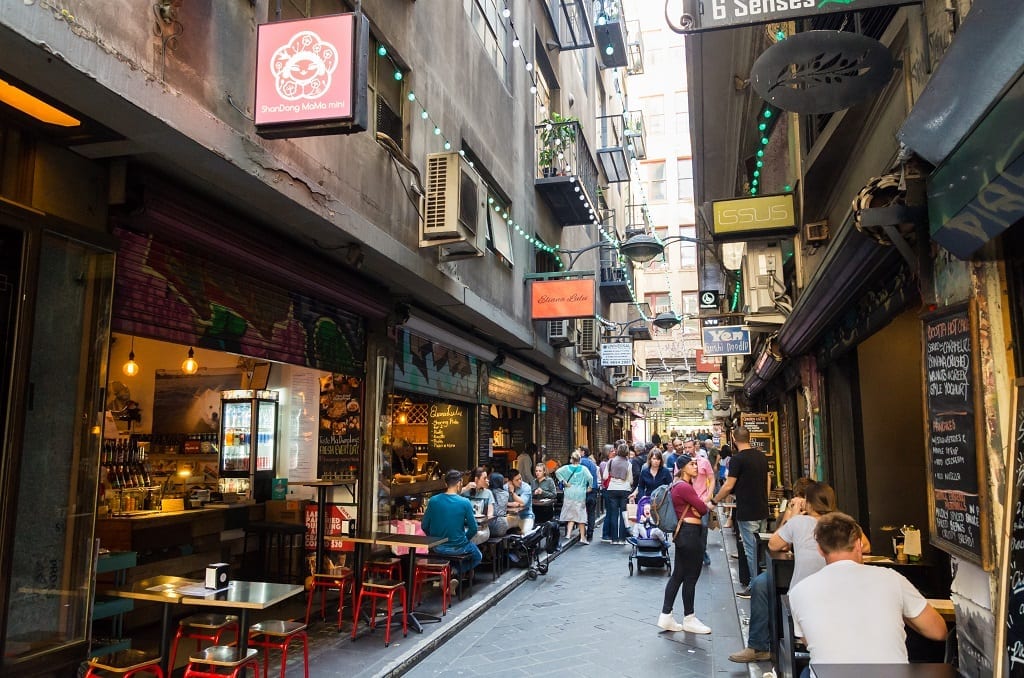
    Take the South Australian capital of Adelaide, which boasts plenty of home grown produce and has several renowned wine regions like Barossa Valley and McLaren Vale on its doorstep. For international, and even domestic visitors, the city has traditionally been eclipsed by better known – and better developed – rival Melbourne, but recent urban re-furbishment plans are shining the spotlight on its foodie credentials.

    There’s certainly an appetite for its growing restaurant scene. ““Our year-on-year retail spending growth in the cafes and restaurants category has been in double-digits since mid-2016. It’s all about food and wine down here,” says Rick Warner, Strategic Research Manager for JLL Australia, says.

    Stage one of Adelaide’s laneways regeneration saw hospitality groups clambering for space, transforming once under-utilized units into prime real estate. Local authorities followed this up with the ongoing Laneway Master Plan, which aims to create a new hospitality and retail spine in the city and breathe new life into its nightlife.

    Warner says: “The most obvious benefit to the commercial property market is the positive impact on CBD retail vacancy, albeit in areas outside the city’s major retail destination, Rundle Mall. However, the multiplier effect of the Laneway Master Plan is the increased vibrancy and attractiveness of the city as a place to do business, a place to study and as a place to live.”

    Indeed, the area along the River Torrens is being transformed with several major projects, including the large–scale redevelopment of Festival Plaza. Also in the pipeline are several big name hotels and residential projects: Accor’s premium Pullman brand will make its debut in October, Crowne Plaza Adelaide is set to open in 2020 in the city’s tallest building, Frome Central, and luxury names Sofitel and Langham are also entering the city. The City Of Adelaide Council has also given the green light to a number of residential projects including the 40-level Realm Adelaide tower.

    The rise of foodie destinations

    Similar transformations have taken place in in other Australian cities. For example, along Sydney Harbour, old shipping yards have been converted into a world-class food and tourist destination at Barangaroo. It boasts a range of stylish apartments and offices, yet the biggest draw is its dining precinct along the foreshore which opened in 2016 and includes popular eateries like Belle’s Hot Chicken, Old Tow Hong Kong and Nola Smokehouse.

    Hobart’s food scene is also drawing in visitors and new residents. The city’s waterfront area is awash with new food and drink venues, which are supporting the revitalization of the surrounding area. New developments such as sustainable The Commons apartments are slated to open in 2019, while new hotels include the boutique MACq1 and the soon-to-be-launched Tasman Hobart, housed in an assortment of repurposed heritage buildings.

    Meanwhile, in Noosa on Queensland’s Sunshine Coast, a bustling food scene has sprung up on Hastings Street, its main retail strip, which is pulling in growing numbers of visitors. New apartments have followed, including the upcoming Settler’s Cove residential complex and  Parkridge units, both in Noosa Heads.

    Warner points out that the lifestyle such foodie destinations offer has become increasingly important to prospective residents and tourists alike. “It’s why developers and planners are focused on locations like these – people want vibrant places to live with plenty of amenities on their doorstep. For investors, this can create strong returns and for landlords, there’s a good pipeline of tenants looking to live in the area.”

    Food-obsessed in Asia

    Across Asia, cities with a strong epicurean culture have welcomed more food and beverage (F&B) retailers and have seen their real estate bolstered accordingly.

    “In Hong Kong, the leasing market has become much more accommodating towards F&B operators with the broader retail sector in the midst of a three-year long slump,” observes Cathie Chung, Research Director, JLL Hong Kong.

    Last year, F&B operators accounted for 66 percent of all international newcomers, compared to only 51 percent in 2016.

    Chung adds that the popularity of F&B, combined with consumers seeking out more unique experiences, is leading to more creative uses of retail space. Indeed, experiential concepts such as Speedway Diner in Kowloon City Plaza and Strokes, the first restaurant in the city to offer a mini golf course, have opened up in the past year.

    Over in Kuala Lumpur, the city is steadily growing its F&B credentials with new speakeasies and eateries. The neighbourhood of Damansara Heights has been listed among the world’s most buzzing neighbourhoods for its trendy restaurants and cafes, which form a key part of its appeal for residents and visitors. This has boosted the lifestyle credentials of developments such as Damansara City, which includes a new Sofitel hotel, office towers and an F&B-centric mall, as well as luxury apartments Aira Living.

    “It’s a journey – you need sufficiently a large population to support the food and beverage openings and once a new neighbourhood has matured, more new residents will move in because of the high-quality local amenities,” explains Veena Loh, Head of Research for JLL Malaysia. Penang and Malacca, for example, have attracted much foreign investment because of their famed cuisine.

    While a flourishing foodie scene isn’t an automatic recipe for the success of a neighborhood, when done well, it can spur the type of development and regeneration which bring long-term benefits.

  • Shake Shack Rumoured To Be Opening At Jewel Changi Airport

    Shake Shack Rumoured To Be Opening At Jewel Changi Airport

    A Shake Shack Singapore store is reportedly planned for the Jewel Changi Airport shopping centre.

    Singapore food blog 8 Days, quoting an “industry source” says the chic American gourmet burger chain is in the final stages of preparation to launch in Singapore. Elsewhere in Asia, the brand is preparing to open in Hong Kong, where it has appointed local licensee Maxim’s Caterers, a division of Dairy Farm International, which also owns the Starbucks license for Hong Kong and Singapore.

    However 8 Days is tipping the Shake Shack Singapore eatery to be run by Korean food and beverage company SPC Group, which operates Paris Baguette and has the Korean rights to Shake Shack.

    The burger chain’s founder Danny Meyer was in Singapore to address a Restaurant Association of Singapore event and while “coy” about plans for Singapore, he reportedly told 8 Days he wants to see the brand launched in the city state.

    “It’s a possibility,” he told 8 Days. “My guys have visited Singapore thrice for site trips and they loved it here. It’s all about finding a good licensee.”

    Jewel Changi Airport is a shopping centre to be managed by CapitaLand, attached to the airport’s Terminal 1 and scheduled to open early next year.

    No confirmation was forthcoming from Changi Airport or SPC.

    Shake Shack, which started out as a food cart in New York City, now has more than 170 outlets internationally.

    Besides burgers, it is known for milkshakes, ice cream and other staple US dishes, but with more focus on flavour and serving size than is traditional in US fast-food restaurants.

  • Jollibee Milan Is Finally Open And the Response Is Intense

    Jollibee Milan Is Finally Open And the Response Is Intense

    There were queues when Filipino fast-food giant Jollibee Europe opened its first-ever branch, in Milan.

    An estimated 170,000 Filipinos live in the Italian city.

    In the early hours of the outlet’s opening day, families, young people, members of the Filipino community, and even locals were lining up in front of the Jollibee store.

    Slide to view the gallery below :

    “Gaining a foothold in Milan is a fundamental step for Jollibee, as well as a launch pad for the expansion of the brand to Europe,” says Jollibee Foods Corporation CEO Ernesto Tanmantiong.

    Milan’s opening follows the signing of a JV between Jollibee Foods Corporation and Singapore Blackbird Holdings to take the fast-food chain into Europe.

    “We want to bring Filipinos a taste of home, and at the same time share with Italians, who are famous for their gastronomic heritage, says Tanmantiong.

  • Perrier-Jouët ‘Garden of Wonder’ Pop-up at Pacific Place

    Perrier-Jouët ‘Garden of Wonder’ Pop-up at Pacific Place

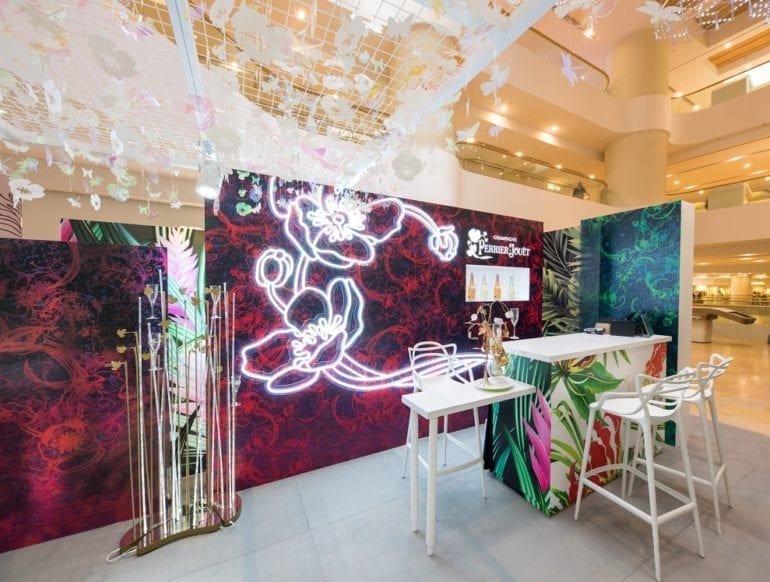
    Following its incredible debut in Hong Kong last year, Perrier-Jouët lavishes the city with the return of the Garden of Wonder Pop-up at Pacific Place from 19th March to 8th April 2018.

    SEE ALSO : EXCLUSIVE INTERVIEW with Swire: the future of shopping malls

    In its newiteration,the exquisite Garden of Wonder celebrates the city’s passion for the arts, innovation and gastronomy in a luxurious all-encompassing immersive experience.

    Crafting nature into art since 1811, the House of Perrier-Jouët draws upon the exuberant power of nature to delight and inspire, re-wilding the Garden of Wonder to re-enchant Hong Kong with an #ArtoftheWildtheme.

    Open daily, 11am –8pm from 19thMarch to 8th April, the Garden of Wonder welcomes guests to an exclusive champagne experience set against the backdrop of the captivating cutting-edge art installation, “Becoming” by German-American duo Luftwerk.

    In addition to taking in the beauty and artistry of the pop-up, visitors will also enjoy the unique opportunity to personalise a Perrier-Jouët Grand Brut bottleas well as activities including DIY Floral Painting workshops and “Surprise Happy Hours”.

    Held twice a weekand announced on the Garden of Wonder minisite (www.gardenofwonder.hk), “Surprise Happy Hours” invite the first 50 Garden of Wonder patrons toenjoy a complimentary glass of a select Perrier-Jouëtchampagne.

    For gastronomes, the Garden of Wonder celebration extends across Perrier-Jouët’s partnering hotels including Conrad Hong Kong,Hotel Iconand Cordis Hotel,where guests can savour meticulously crafted gourmet Popsticks and champagne pairings for a sublime culinary experience.

    As a special part of this celebration, Perrier-Jouët Cellar Master Hervé Deschamps will travel from France to bring Hong Kongers a once-in-a-lifetime opportunity.

    For true lovers of champagne, Perrier-Jouët offers Hong Kongers the ultimate champagne gift –private “By & For” consultations with Hervé Deschamps for clients who wish to create their own bespoke champagne, composed for you by the Perrier-Jouët Cellar Master himself.

    The once-in-a-lifetime “By & For” experience enriches the customer experience. By & For is the experience of a lifetime that leads to an extraordinary creation –a champagne that expresses both theuniqueness of the person who commissioned it as well as the exceptional savoir-faire of Maison Perrier-Jouët and Cellar Master Hervé Deschamps.

    Two months after commissioning the champagne, By & For guests are invited to the historic home of Perrier-Jouët in Epernay, France where they will experience their personal cuvée in the House’s private cellars.

    True to Maison Perrier-Jouët’s meticulous attention to detail, the presentation of the By & For cuvée can be extensively customised –from the colourof the foil and logo to engraving text around the neck of the iconic Belle Epoque bottle.

    The By & For experience marks the beginning of an enduring relationship: as members of an exclusive circle, By & For clients and their descendants can, at any time, order bottles of their bespoke cuvée, whose secret recipe is preciously guarded by Maison Perrier-Jouët.

  • Isetan Mitsukoshi Opens Supermarket in Chengdu, China

    Isetan Mitsukoshi Opens Supermarket in Chengdu, China

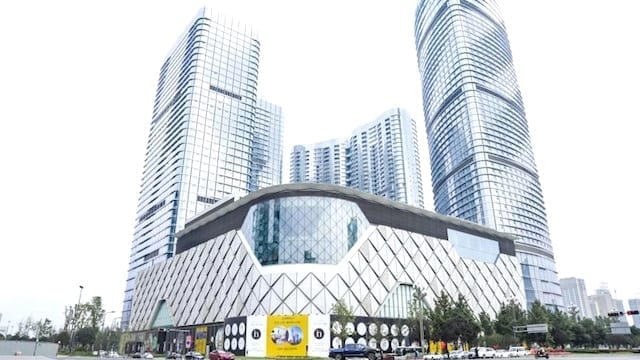
    An Isetan Chengdu/Isetan Supermarket will be opened in the In99 shopping complex in Chengdu Financial City, Gaoxin, next month.

    It will be opened by Chengdu Isetan, a retail subsidiary of Japan’s Isetan Mitsukoshi Holdings. In99 is part of the Chengdu Yintai Centre and is about 6.5km south of Isetan Chengdu department store.

    Isetan Chengdu/Isetan Supermarket will occupy the first basement floor of the shopping complex, offering food and daily goods in a 2650sqm space. The lineup will include fresh and chilled grocery foods, household goods and daily necessities. It will also offer specialty shops from Japan, including meat store Sugimoto, greengrocer Korokuya and Tomizawa Shoten (Tomiz), which sells candy – and bread-making ingredients and equipment.

    Slide to view the gallery below :

    A food-court zone will feature eight shops, including the bakery Johan, making its debut in Chengdu, and Tonkatsu Wako, which specialises in pork cutlets.

    The supermarket’s main corridor will be known as “Sunny Alley”, while the store will focus on the brand’s “food safety, security, reliability” credo. Areas will be provided for customers to experience food culture, such as a juice bar, a steak bar and a Chinese tea corner.

    The opening of the Isetan Chengdu/Isetan Supermarket coincides with the first anniversary of the launch of In99.

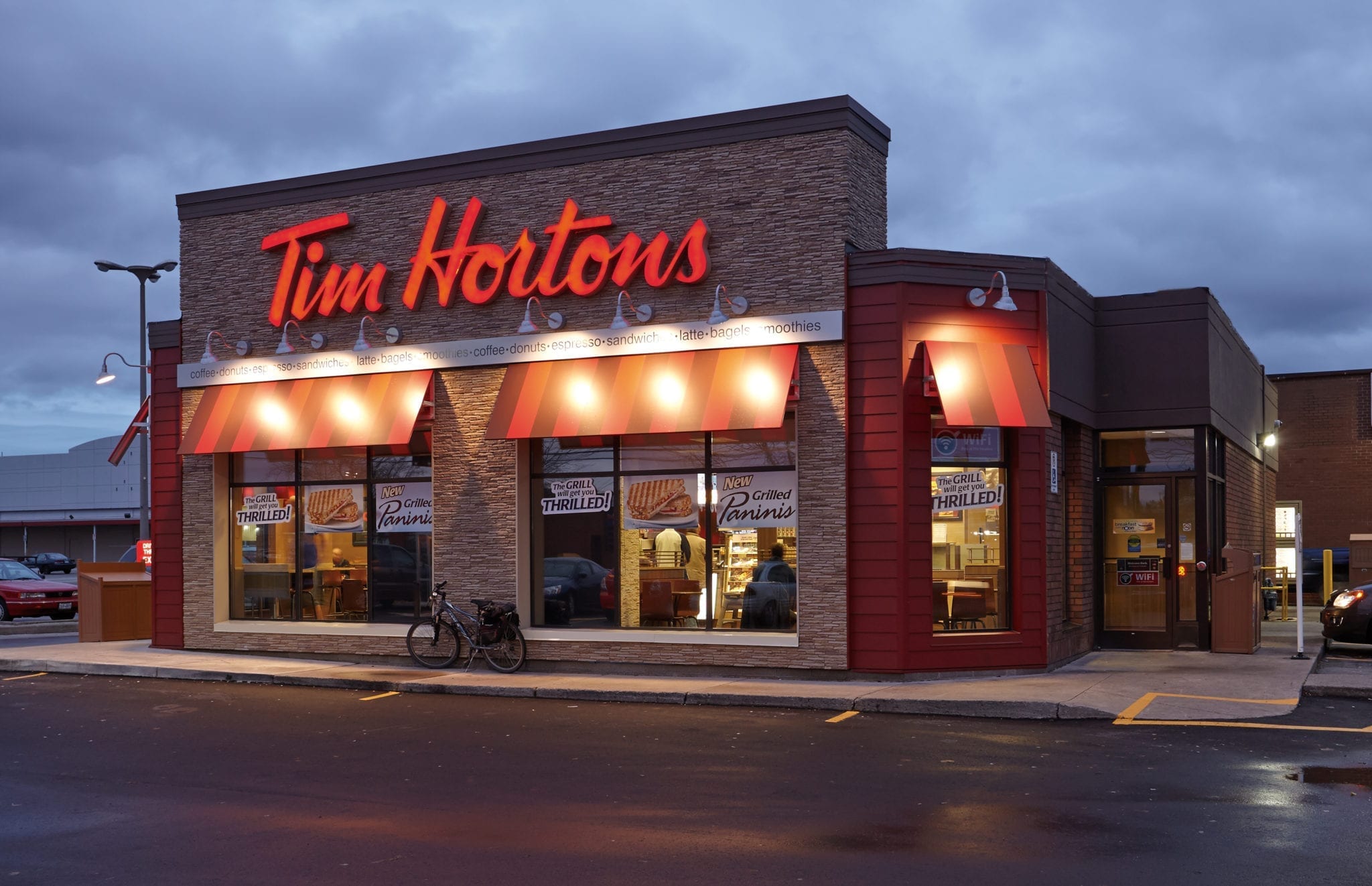
  • Tim Hortons unveils $700M plan to renovate most Canadian locations

    Tim Hortons unveils $700M plan to renovate most Canadian locations

    Canadian restaurant chain Tim Hortons has opened the first of a new store concept which it plans to progressively convert most domestic stores to during the next four years.

    The chain, owned by Restaurant Brands International, has adopted a contemporary design look it has dubbed the ‘Welcome Image’ and is positioning as the biggest upgrade since the company was launched in 1964.

    Rolling out the new design across Canada will cost the company and its franchise partners an estimated $700 million (US$543 million) over the four years. There is no word yet on plans for the chain’s international stores, including in the Philippines where it has 11 stores trading already with plans for 24 more in the short term.

    The restaurant exteriors will be designed with natural looking, lighter, and more inviting materials, the company said in a statement.

    “Inside, restaurants will be decorated with artwork that reflects Tim Hortons values and history – including a commissioned portrait of Tim Horton, a mosaic of iconic brand images and a photo wall that features Tim Hortons unique coffee-sourcing and proprietary blending process. Guests will also enjoy upgraded, open concept seating that fosters the sense of community at the core of the Tim Hortons brand.”

    Slide to view the gallery below :

    “We want Tim Hortons to always be their home away from home,” said Alex Macedo, president of the Tim Hortons brand.

    “We know that Tim Hortons is a fundamental part of Canadian culture and we’ve worked hard with our restaurant owners to ensure we’re delivering exactly what our guests have come to expect from their favourite local coffee shop. Throughout the creative process, we conducted extensive market testing that revealed our new Welcome Image is not only approved, but loved by our guests across the country.”

    Tim Hortons has more than 4700 restaurants located in Canada, the United States, and around the world.

    Restaurant Brands International also owns Burger King and Popeyes.