Category: Food

Retail News Asia is committed to providing both local and global retailers with the latest Food and Food & Beverage news throughout the Asian market. This on a daily base.

  • Industry leaders meet at Singapore’s largest show to explore new frontier in coffee business

    Industry leaders meet at Singapore’s largest show to explore new frontier in coffee business

    Thousands of food and beverage (F&B) establishments in Singapore and the region dedicate themselves to serving freshly brewed cups of java or tea and delightful pastries every day. While many Asian countries have enjoyed the café culture phenomenon for many years, new markets like Myanmar, Laos, and Cambodia are now starting to witness the growth of the café industry in their countries.

    To support the diverse needs of these thriving businesses, key players of the coffee, tea, and bakery industries converged at Café Asia 2018 today to foster new collaborations, explore opportunities, and to present the latest trends and developments to trade professionals and members of the public. The event was launched this afternoon by Guest-of-Honour, Mr Liang Eng Hwa, Chairman, Government Parliamentary Committee for Finance, Trade & Industry and Member of Parliament, Holland – Bukit Timah GRC Café Asia 2018, the International Coffee & Tea (ICT) Industry Expo 2018, and Sweets and Bakes Asia (SBA) 2018 concurrently offer a one-stop convenient sourcing hub for the industry. Spanning a gross exhibition area of 5,000 square metres, the shows are expected to attract over 10,000 baristas, café and coffee purveyors, coffee roasters, tea and baking ingredients suppliers, equipment distributors, and members of the public over the next three days.

    A key highlight of the show this year will be the gathering of coffee industry experts at the inaugural ASEAN Coffee Symposium 2018. The symposium to be held tomorrow, will present and discuss important issues faced by the industry. These include thought-provoking topics such as role of women in coffee, social enterprise and sustainability of coffee in a changing climate, and how financial institutions can ensure a sustainable and traceable coffee supply chain to help small-scale coffee farmers. The panel discussion will be led by Mr Victor Mah, President, ASEAN Coffee Federation & Singapore Coffee Association and include key members of the ASEAN Coffee Federation.

    Since it was first introduced to the market in 2013, Café Asia has featured distributors and suppliers of equipment, machinery, accessories, and other products for coffee and tea businesses, while ICT has presented the upstream sector of the coffee and tea industries to offer a complete showcase of supplies such as raw coffee beans and tea leaves, to processing and packing services for wholesale purchases and trading. With 142 exhibitors from 25 countries, the shows mark Southeast Asia’s largest annual gathering of the coffee, tea, and bakery industries, dedicated to the celebration of the burgeoning café scene across the region.

    Since the emergence of hundreds of specialty cafés in Singapore over the past few years, consumers have been eager to keep up with the latest trends and innovations in the café industry, from nitro cold brews to siphon coffees, tea pairings to visually delightful desserts. According to Euromonitor in 2017, the bakery and confectionery sectors have been enjoying stable growth in Singapore. This includes internationally renowned bakeries setting up shop in Singapore, responding to the rising demand for quality bread, cakes and pastries. The appreciation for products with functional and health benefits is no surprise. This reflects consumers’ changing lifestyles, spurring innovative creations from F&B businesses in their bid to stay competitive.

    The shows will be packed a comprehensive programme designed to impart deeper understanding of and appreciation for the trade and café industry. Businesses entering the booming digital economy will appreciate the e-commerce clinic presented by RedMart to help businesses understand the challenges of expanding online.

    Visitors to the shows will also meet international experts including renowned cake designer Molly Eleonora Coppini and the Australian Tea Masters, the leading organisation for tea master and tea sommelier training in Australasia.

    Five national-level coffee championships will see Singapore’s home-grown baristas, brewers, latte artists, and students contend in the Singapore National Barista Championship, Singapore Latte Art Championship, Singapore Brewers Cup Championship, Singapore Cup Tasters Championship, and the second edition of the Singapore Coffee in Good Spirits Championship. Winners of the respective national titles will represent Singapore on the international stage at the world championships later this year.

    Café Asia 2018, the International Coffee & Tea Industry Expo 2018, and Sweets & Bakes Asia 2018 are organised by Conference & Exhibition Management Services Pte Ltd (CEMS). Café Asia 2018 and International Coffee & Tea Industry Expo 2018 are hosted by Singapore Coffee Association.

  • Korea coffee market grows to 512 cups per person

    Korea coffee market grows to 512 cups per person

    Korea’s domestic coffee market surpassed 10 trillion won in 2017 for the first time ever as demand for the brew continues to rise, market data showed.

    According to the Korea Customs Service (KCS), the country’s coffee market stood at 11.7 trillion won (US$10.8 billion), up more than threefold from around the middle 3 trillion won level a decade earlier.

    This translates into 26.5 billion cups of coffee being served last year and an average of 512 cups being consumed per person. Asia’s fourth-largest economy has 51.7 million people.

    Broken down, coffee mixes ranked No. 1, accounting for well over 13 billion cups, followed by fresh roasted coffee making up 4.8 billion cups, with the remainder being canned coffee and various coffee-flavored drinks.

    The latest data showed that while people drank more, the price of a cup of coffee has also shot up in the past 10 years, with more people drinking expensive brews than before.

    The average price for a cup of fresh roasted coffee stood at 1,636 won, with this market reaching 7.85 trillion won market last year, while in 2007, it stood at just 900 billion won.

    In the past, Korea’s domestic market was dominated by coffee mixes and instant coffee, but this changed with the opening of Starbucks and Coffee Bean & Tea Leaf stores in the late 1990s and early 2000s.

    Starbucks Coffee Korea, the local unit of the global beverage company, reported sales topping 1 trillion won in 2016, 17 years after it opened its first outlet here in 1999, with the company’s operating profit hitting the 100 billion won mark for the first time last year.

    Besides the growth of big coffee chains, local trends are leading to more stores operating their own roasting machines and becoming more high-end to meet consumers’ diversified demands.

    But per capita consumption of coffee is far below that of such countries as the United States.

  • Hite Jinro opens pub in Hong Kong

    Hite Jinro opens pub in Hong Kong

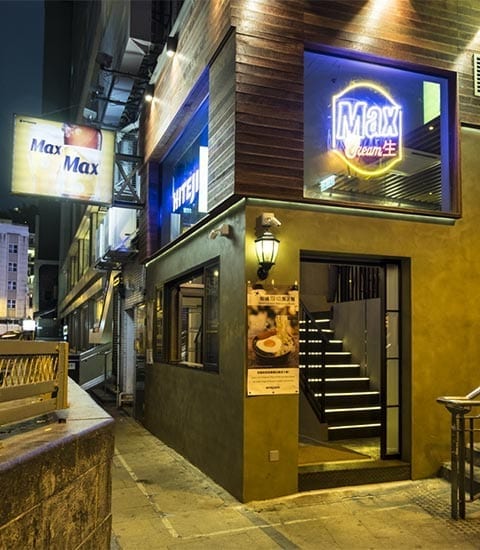
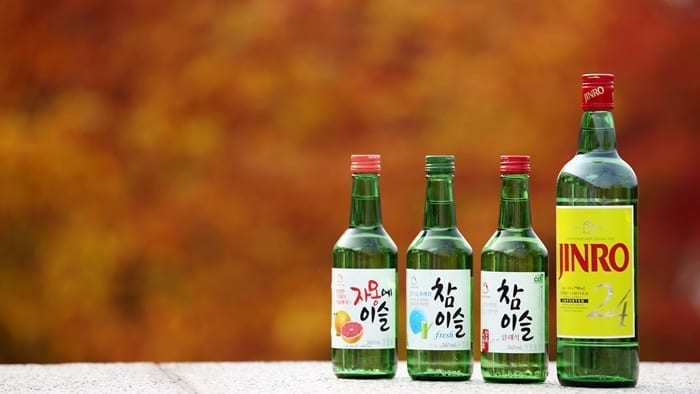
    South Korean liquor maker Hite Jinro has opened its second exclusive offshore bar, in Hong Kong, as part of its outreach campaign with its beer and soju labels.

    In Lan Kwai Fong, its bar is its second overseas flagship store following the opening of Jinro soju bar in Hanoi, Vietnam, in October. The two-storey Hong Kong pub sells draft and regular beer labels Hite and Max as well as the company’s distilled rice liquor soju Chamisul.

    Hite Jinro exported 400,000 boxes of beer – each containing 20 500ml bottles – to Hong Kong last year, up 30 per cent from a year ago.

  • HCMC Vietnam plans trading floor for pork

    HCMC Vietnam plans trading floor for pork

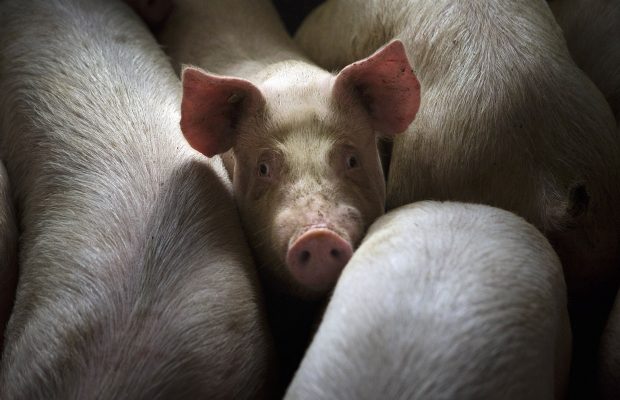
    HCM City plans to form a pork trading floor which will have advanced technology and careful control of pork origin to ensure quality.

    The city’s Department of Industry and Trade is working on forming the trading floor, which will allow direct purchases, without intermediaries, from pig farmers.

    Large, growing pork markets such as China and Japan have not bought pork from Việt Nam through large scale exporting, but instead through small border trade as international trade requires higher food safety standards.

    The city has begun a programme to keep better track of pork origin to ensure higher-quality products.

    By the end of 2017, 2,644 pig farms and 38 slaughterhouses had joined the programme, according to the city’s Department of Industry and Trade. The department has also held around 85 training sessions for farmers.

    As part of the programme, traders and consumers can look up information about the pork they have bought and their origin by scanning the QR code on each pork package which  has quality stamps.

    In HCM City, 7,500 to 8,000 pigs are supplied with a clear source of origin each day.

    The city plans to replace all manual slaughtering activities with machinery by the end of 2018, and make sure every slaughterhouse is equipped with freezers to store pork.

    According to the department, the city consumes US$500 million worth of pork every year.


  • The famous “crazyshake” restaurant Black Tap is heading to Singapore

    The famous “crazyshake” restaurant Black Tap is heading to Singapore

    New York’s Black Tap Craft Burgers & Beer is about to make its Asian debut at Singapore’s Marina Bay Sands.

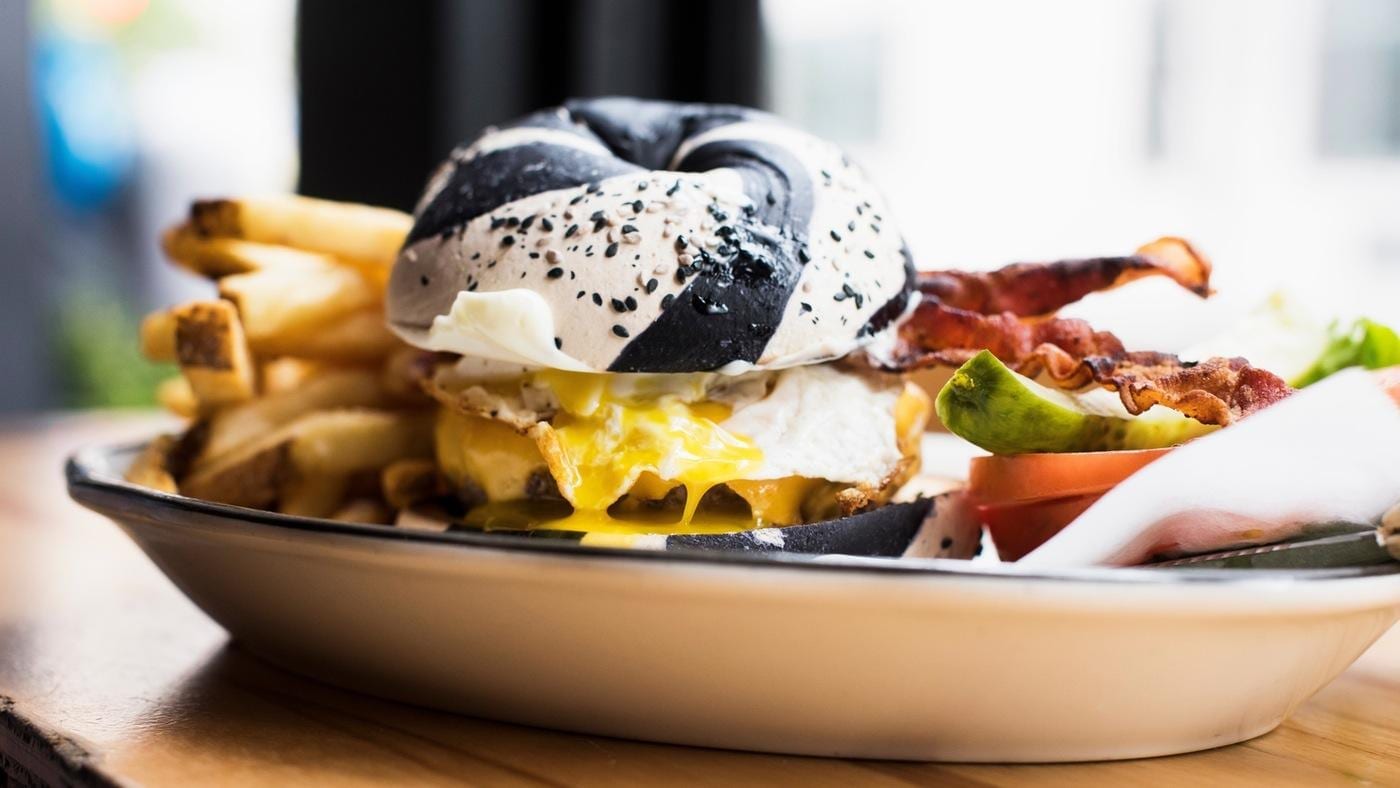
    Paying homage to the great American luncheonette experience, it will offer classic craft burgers, craft beers and its colourful CrazyShake milkshakes.

    Run my Michelin-starred chef Joe Isidori and restaurant/nightclub developer Chris Barish, Black Tap opened in New York in 2015.

    Isidori earned his Michelin star while executive chef of fine-dining restaurant DJT, while Barish is known for the Gordon Ramsay Pub and Grill, and Gordon Ramsay Steak.

    Black Tap Singapore will open in the third quarter at the South Promenade of The Shoppes at Marina Bay Sands, offering a casual vibe reminiscent of a classic American luncheonette and featuring ’90s hip hop and ’80s pop music. It will seat 150 guests.

    A commissioned wall mural will depicts elements of urban life in Singapore.

  • Audit asks Vietnam’s Sabeco to pay $111m

    Audit asks Vietnam’s Sabeco to pay $111m

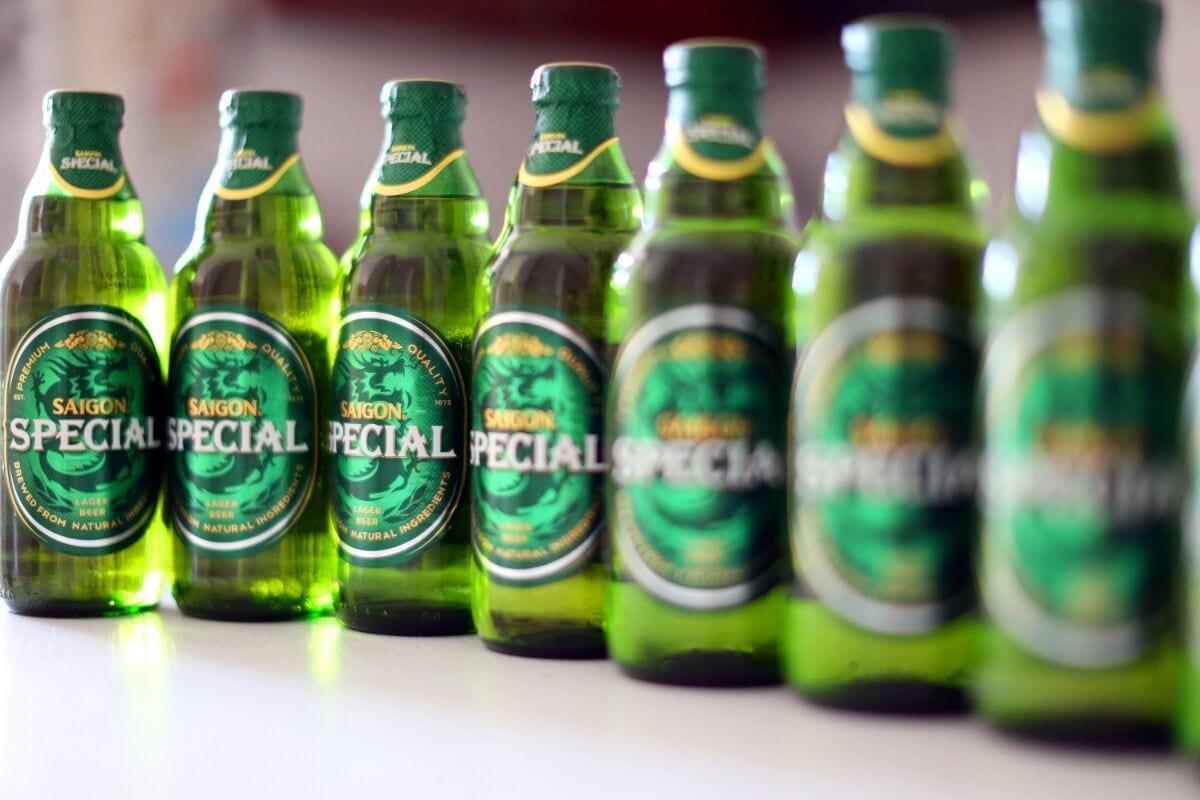
    The State Audit of Vietnam has proposed the Saigon Beer-Alcohol-Beverage Corporation (Sabeco) pay the State Budget nearly VND2.5 trillion (US$110.9 million) worth of dividends, taken from the brewer’s undistributed profit for the period prior to 2016.

    The amount that brewer Sabeco should pay to the State Budget was calculated based on the State’s ownership ratio of 89.59 per cent at Sabeco as of December 31, 2016.

    According to Sabeco’s financial report audited by PwC Vietnam Co Ltd, the undistributed profit for the prior-2016 period was more than VND2.9 trillion and the distributed profit was VND2.78 trillion.

    For the dividends of the remaining profits that had not been distributed before 2016, the representative of the Government in managing the State capital in Sabeco on November 4, 2016 sent a letter to the Ministry of Industry and Trade (MoIT) for guidance.

    In response, MoIT has not had a plan to make dividend payment out of Sabeco’s profits. The ministry asked the State capital representative at Sabeco to deliver financial reports each year since it started operating until the end of 2016 and asked for the opinions of the Prime Minister about the remaining undistributed profit.

    In addition, the State Audit of Vietnam demanded MoIT clarify individual and collective responsibilities for miscalculating the valuation of Sabeco Pearl, a subsidiary of Sabeco.

    In June 2016, Sabeco sold its entire 14.7 million shares or 26 per cent stake in Sabeco Pearl on a full-package deal at the price of VND13,247 per share, and the bidding price was VND13,347 per share.

    The deal has remained confidential and the buyer has remained unknown.

    According to the State audit agency, the valuation of Sabeco Pearl showed some mistakes and miscalculations, which reduced the value of Sabeco Pearl and resulted in the loss of State capital.

    Losses in 10 other firms

    The State Audit of Vietnam reported that Sabeco had made a provision fund for its financial losses in 10 long-term investment projects, in which Sabeco had 20 per cent of total charter capital.

    The provision was calculated at 77.8 per cent of the total investment value, including aVND154 billion investment in the Orient Commercial Joint Stock Bank (OCB) and Đông Á Joint Stock Commercial Bank (DongA Bank).

    Most of those investment deals were not Sabeco’s core businesses and the State Audit asked the MoIT to “clarify the causes and consider individual and collective responsibilities that were involved in the 10 investment deals.”

  • ‘1000 Won Coffee’ Is Getting Much Popular In South Korea

    ‘1000 Won Coffee’ Is Getting Much Popular In South Korea

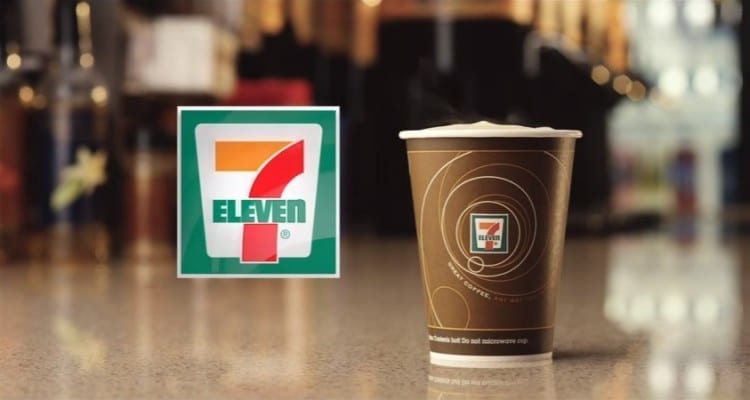
    The South Korean retail industry suggest that the popularity of “1,000 won coffee” is constantly growing. People are fond of it as it is brewed directly from the coffee machines and they get the opportunity to taste it while shopping at the convenience stores.

    The costs of basic necessities including foods are rising in South Korea, but to the coffee lovers, “1,000 won coffee” is always unique, delicious and worth drinking. According to 7-Eleven officials, instant brewed coffee was first introduced to the industry in 2015. Between 2015 and 2017, approximately 45 million cups of Americano from its brewed coffee brand Seven Café were sold (cost 1,000 won per cup).

    Another convenience store brand in South Korea managed by the GS CompanyGS 25 also sold approximately sold 64 million cups of instantly brewed coffee directly from the machines in 2017. In 2016, the number was at 23 million. On the other hand, South Korea’s largest chain store (having more than 10,000 convenience stores), CU sold instant brewed coffee (at the rate of 1,200 won per cup) over 60 million cups in 2017. In 2016 and 2015, CU’s figures were 45 million and 25 million respectively.

    Traditional banana-flavored milk replaced

    One of the 7-Eleven officials, Lee Na-ra said that the brewed coffee ranked first in 2017 beating the traditional banana-flavored milk that was on the top. The result was same in all the 7-Eleven stores across the nation. Presently, the brand not only has a major presence in the Republic of Korea, it has over 9,000 stores spreading across the nation. The first 7-Eleven was unveiled in 1989 in Songpa-gu in Seoul with a franchise license under the Lotte Group.

    The 7-Eleven Lee Na-ra further said that the brand only utilizes high-quality coffee beans that are imported from various nations such as Ethiopia, Brazil, and Columbia. The workers roast the coffee beans separately at the factory before making it ready for brewing and offering to the customers.

    Why office workers drink instant brewing coffee frequently?

    To the office workers, the instant brewing coffee acts as an energy booster. They tend to drink several cups of coffee every day. Another reason for drinking it frequently is that its price is quite cheap. An office worker named Kim Dong-in said that since the price is about one-third compared to coffeehouse chains like Starbucks, he prefers to drink it three to four cups a day.

  • Singapore firms eye Vietnam food industry

    Singapore firms eye Vietnam food industry

    Many Singaporean firms are interested in investing in food, agriculture, and dining services in Vietnam as they forecast that these sectors will thrive in the near future amidst broader ASEAN integration.

    The statement was made by Andy Yun, Secretary General of Singapore Manufacturing Federation, representing more than 3,000 members operating in automation, biology, construction, heavy industry and more, during the second Vietnam – Singapore business exchange held in the island state last week.

    Yun described Vietnam as a major market in the region with huge potential in agriculture and the food industry. Meanwhile, Singaporean enterprises are strong in technology, supply chains and logistics – a supplementary factor to the bilateral partnership.

    Nguyễn Văn Thân, Chairman of the Vietnam Association of Small and Medium-sized Enterprises, led a delegation of over 100 Vietnamese firms, many of them start-ups, to the event.

    He said many Singaporean enterprises actively connected with Vietnamese ones at the event, proving that bilateral cooperation potential is huge.

    Accounting for over 97 percent of the total, Vietnamese SMEs contribute nearly 40 per cent of the gross domestic product, 33 per cent of industrial production value, 30 per cent of export value and attract more than half of the workforce, he said.

    Singapore is now the sixth largest trade partner of Vietnam in the world and the second largest in ASEAN. Vietnam is also the 12th largest trade partner of Singapore. Two-way trade has grown 12-15 per cent annually over the past years.


  • Chatime Malaysia sues Tealive

    Chatime Malaysia sues Tealive

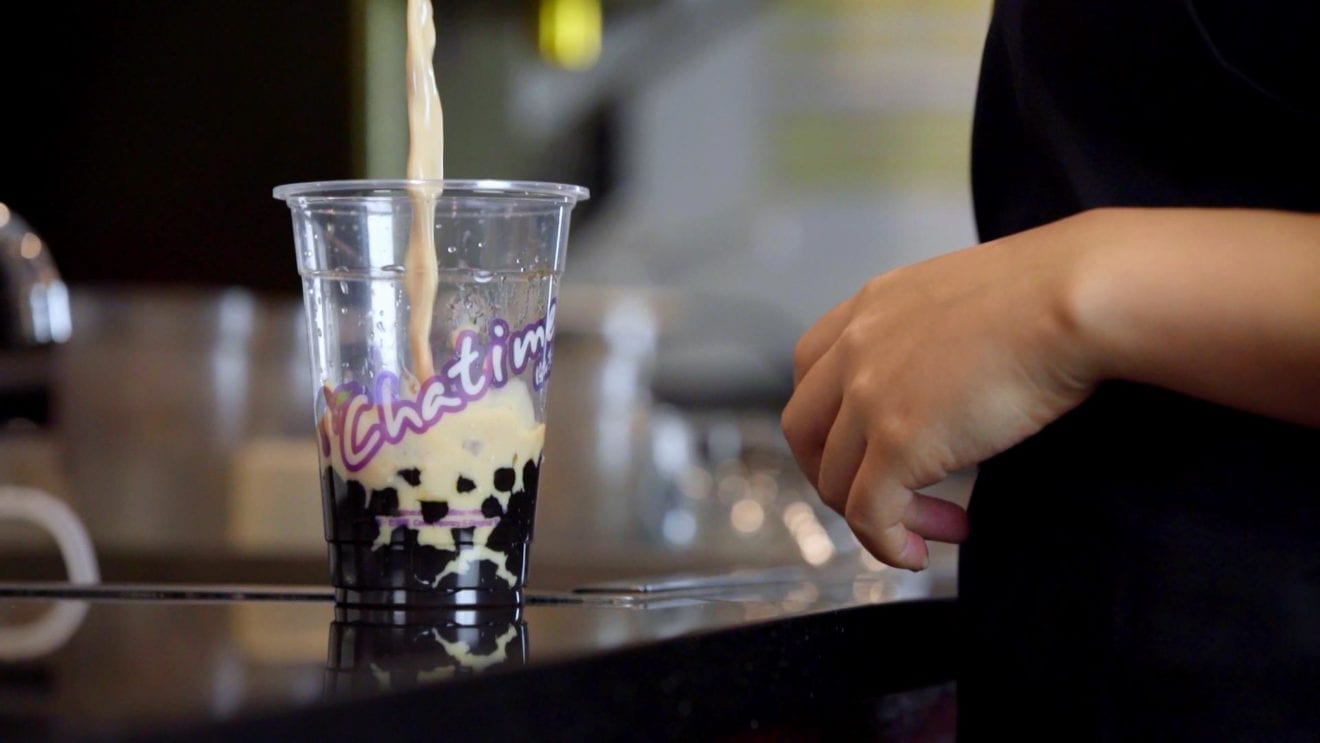
    Chatime Malaysia Sdn Bhd yesterday issued a legal letter to Loob Holding Sdn Bhd for the misrepresentation and defamation on Chatime implying that the brand had been replaced and renamed as Tealive.

    Chatime Malaysia group managing director Aliza Ali said Loob Holding had deliberately misrepresented and misled the public that Chatime had been renamed and is now operating as Tealive in Malaysia.

    It said this was done through headlines on the Loob Holding website, particularly two headlines “Chatime renamed as Tealive” and “Tealive replaced Chatime” that falsely indicate that Chatime was renamed to Tealive.

    “We have given them a considerably long grace period of one year to rectify the issue, unfortunately Loob Holding’s website still holds the two headlines ‘Chatime renamed to Tealive’ and ‘Tealive ganti Chatime’, with a new headline that reads ‘Tealive replaced Chatime’,” said Aliza.

    She said this was published as recent as February 2018; all of which have led the public to believe that Chatime has ceased to exist as a result.

    “These misleading statements from Loob Holding have cost us our goodwill and our brand, as such we felt obliged to address the confusion and safeguard Chatime’s reputation in both Malaysia, as well as at an international level,” said Chatime Malaysia executive director Widayu Latiff.

    A year after taking over the Chatime market in Malaysia as its master franchisee, Aliza said that it is now taking on necessary steps to protect the brand, which may include legal proceedings.

  • The Artist Belgian brewery plans to expand in Asia

    The Artist Belgian brewery plans to expand in Asia

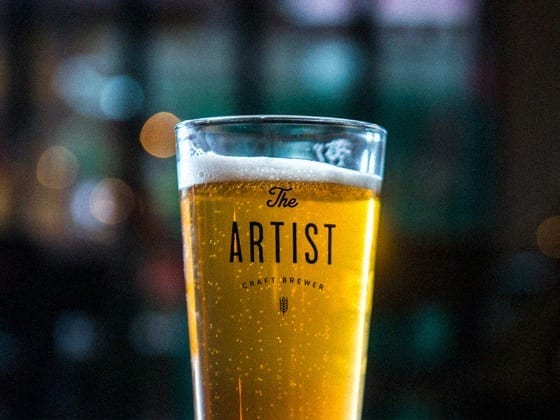
    Belgian craft  brewery The Artist has opened its first outlet in Asia – in Hong Kong – to test its concept before entering other markets around the region.

    The 3500sqft Artist House in Causeway Bay’s Fashion Walk shopping centre, promises an immersive experience, selling Belgium-brewed craft beer, craft beer cocktails and other beverages. It also has its own in-house micro-brewery and hydroponic aqua-farm allowing customers to make their own beer. Amateur brewers can even add their own photographs to their beer bottles.

    Co-founder Benjamin Cox says the venue can be used for events and customers can experience a 360-degree virtual-reality tour of the original brewery in Belgium.

    The company decided to launch its brand in Hong Kong due to the fact that the city is a unique platform in Asia.

    “From a testing perspective, Hong Kong allows young brands to confront their new offering with a diverse crowd of very demanding consumers. This allows us to improve, develop and sharpen our offering to prepare the brand for a wider Asia expansion,” said Cox.

    “Hong Kong’s key advantage is its international business environment and mindset which allows easier implementation and early stage execution. We will use the city as our regional base to expand in other Asian places such as Japan, Mainland China, Taiwan and Korea, among others.”

    Associate director-general of investment promotion, with InvestHK, Dr Jimmy Chiang, said the opening of The Artist House offers a new craft beer experience to local and regional customers.

    “Hong Kong people love craft beer and the city has a high number of international and Mainland Chinese visitors. It is the best place for the company to promote its brand in the region.”

  • Infested Chinese Garlic Imports Kick Up a Stink in Indonesia

    Infested Chinese Garlic Imports Kick Up a Stink in Indonesia

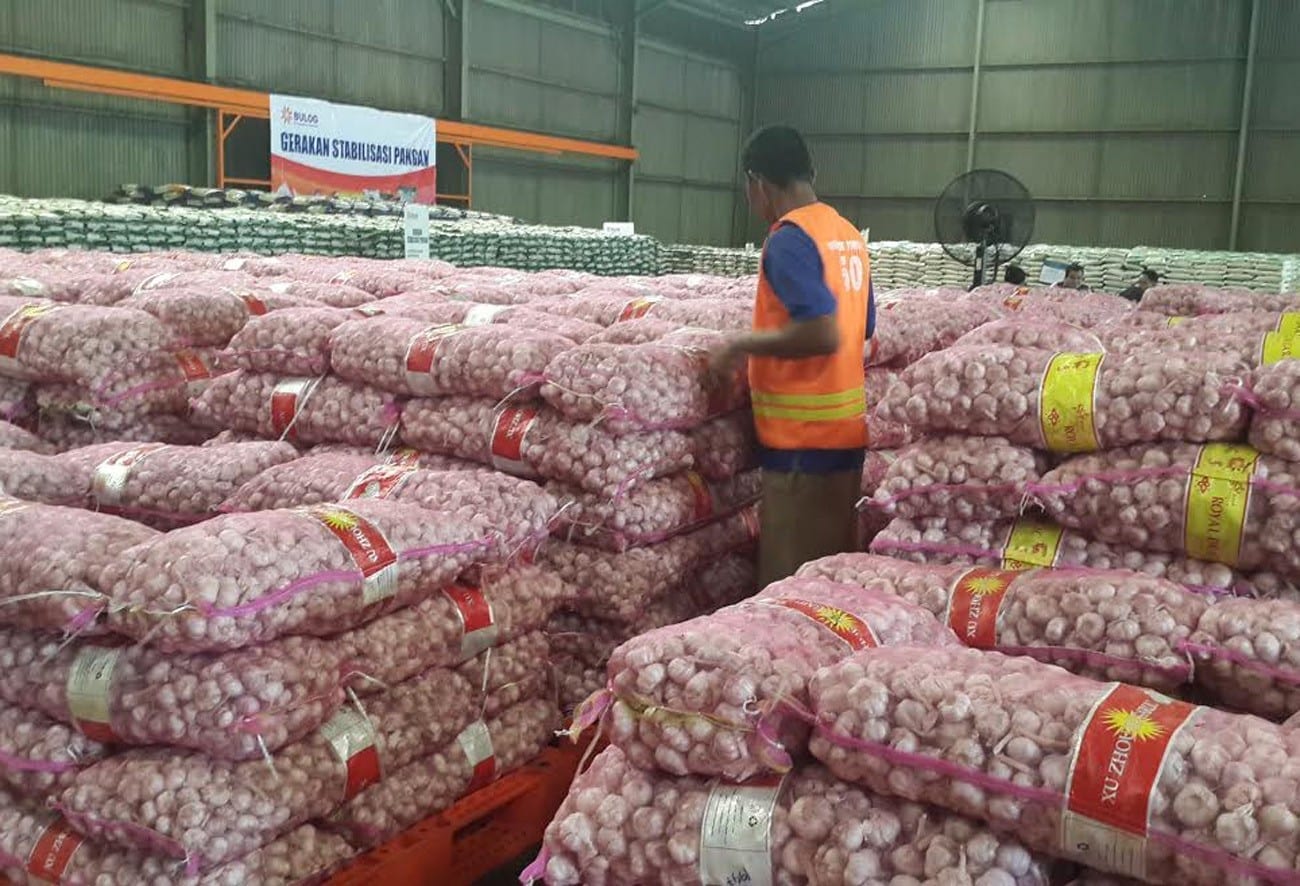
    Indonesia has impounded more than 200 tons of garlic imported from China, warning that a microscopic worm infestation found in the shipment could put at risk plans by the Southeast Asian country to boost its own garlic crop.

    Since coming to power in 2014, Indonesian President Joko “Jokowi” Widodo has pursued self-sufficiency policies to protect farmers, but efforts to rely on domestic supplies of everything from beef to rice have at times caused shortages and price spikes.

    Chinese food imports have previously proved sensitive in Indonesia. In 2016, Beijing’s embassy in Jakarta expressed alarm at media reports accusing China of using a “biological weapon” against Indonesia, after four Chinese nationals were arrested for planting imported chilli seeds contaminated with a bacteria.

    The 232 metric tons of garlic were imported from China in mid-February and after arriving at Jakarta’s port were shipped to the island of Sumatra, the Ministry of Agriculture said.

    This could be “very damaging to our garlic farming when we are trying to achieve self-sufficiency,” the ministry said in a statement on March 12.

    Despite being certified as free of pests in China, samples of the shipment contained ditylenchus dipsaci, a microscopic worm that infects onions and garlic, the ministry said.

    The nematology department at the University of Nebraska-Lincoln describes the worm as “one of the most devastating plant parasitic nematodes.”

    When quarantine officials reported the discovery to the importer, the garlic had already been sent to North Sumatra, the agriculture ministry said.

    The controversy even stirred a heated debate in parliament this week when a member of Jokowi’s ruling party called for a police investigation.

    Soetrisno, the chief executive officer of Tunas Sumber Rejeki, the company that imported the garlic, could not immediately be reached for comment.

    The Chinese embassy in Jakarta declined to comment.

    The garlic is currently being stored at a warehouse in Belawan Port, Sumatra, that has been sealed by police and the quarantine agency.

    Banun Harpini, the head of quarantine at the agriculture ministry, said on Wednesday the importer would be blacklisted. It was not immediately clear what other penalties would be levied.

    Indonesia plans to be self sufficient in garlic in 2019 by increasing the growing area for the crop by more than 70,000 hectares, but this may be an ambitious target since last year the country imported 434,000 tons of garlic, more than ten times the amount grown domestically.

    This year, the agriculture ministry expects 392,000 tons will be imported, mostly from China and India.

  • Ewein joins Bangkok coffee vending machine venture

    Ewein joins Bangkok coffee vending machine venture

    Ewein Bhd is looking to undertake the “Smart Mobile Coffee Vending Machine Project” in Bangkok, Thailand, as part of its strategy to expand its e-commerce division overseas.

    The project will see the installation of smart mobile coffee vending machines in 30 locations in Bangkok.

    While Ewein did not give details of the project, other examples of smart mobile coffee vending machines use a smartphone to see the environmental data as well as to control the amount of coffee, sugar, and coffee creamer which are mixed into a cup of coffee. The machine and the phone exchange their data via Bluetooth, providing a more personalised service.

    The company said in a filing with the stock exchange that its 89%-owned subsidiary Ewein Ecommerce Sdn Bhd today entered into a memorandum of agreement with Yingyos Charubusapayon and Chai Yangruay to collaborate and jointly establish a joint venture (JV) company in Thailand for the project.

    The JV, in which Ewein Ecommerce will own a 40% stake, will have an authorised and paid-up capital of up to 5 million baht (RM629,000).

    Ewein Ecommerce’s participation in the project will be financed through internally generated funds.

    “The board is optimistic that the Bangkok project will contribute towards profitability of Ewein.”

    On Bursa Malaysia today, Ewein fell half a sen or 1.4% to 35.5 sen on 387,000 shares done.

  • Epiphany Cafe plans to invade Asia

    Epiphany Cafe plans to invade Asia

    A rural New Zealand donut maker is set to expand into Asia, initially targeting the Philippines, Indonesia, Malaysia and Singapore.

    Epiphany Cafe started just two years ago as a single family-owned store in the Waikato city of Hamilton, in the heart of New Zealand’s largest dairy-farming region. Since then it has expanded to five stores in Auckland and Hamilton under a franchise model it is now looking at expanding into other New Zealand towns and cities before heading offshore.

    “We believe there is a need we can fulfil in Asia,” GM for sales and marketing, Suzanne Gaier, said in an interview published on Stuff.co.nz.

    Gaier hopes to have the first Asian stores operating within 12 to 24 months.

    “Our idea is also to bring our core staff members from New Zealand into Asia and inject Kiwiana that way too. The whole idea is to take our Kiwi brand over there and be the Fonterra of sweet treats… as well as provide Kiwi expats with a little slice of home.”

    Epiphany Cafe developed its donut recipe over six months and now boasts 29 flavours regularly rotated.

  • NeNe Chicken Malaysia opens second store at The Starling Mall

    NeNe Chicken Malaysia opens second store at The Starling Mall

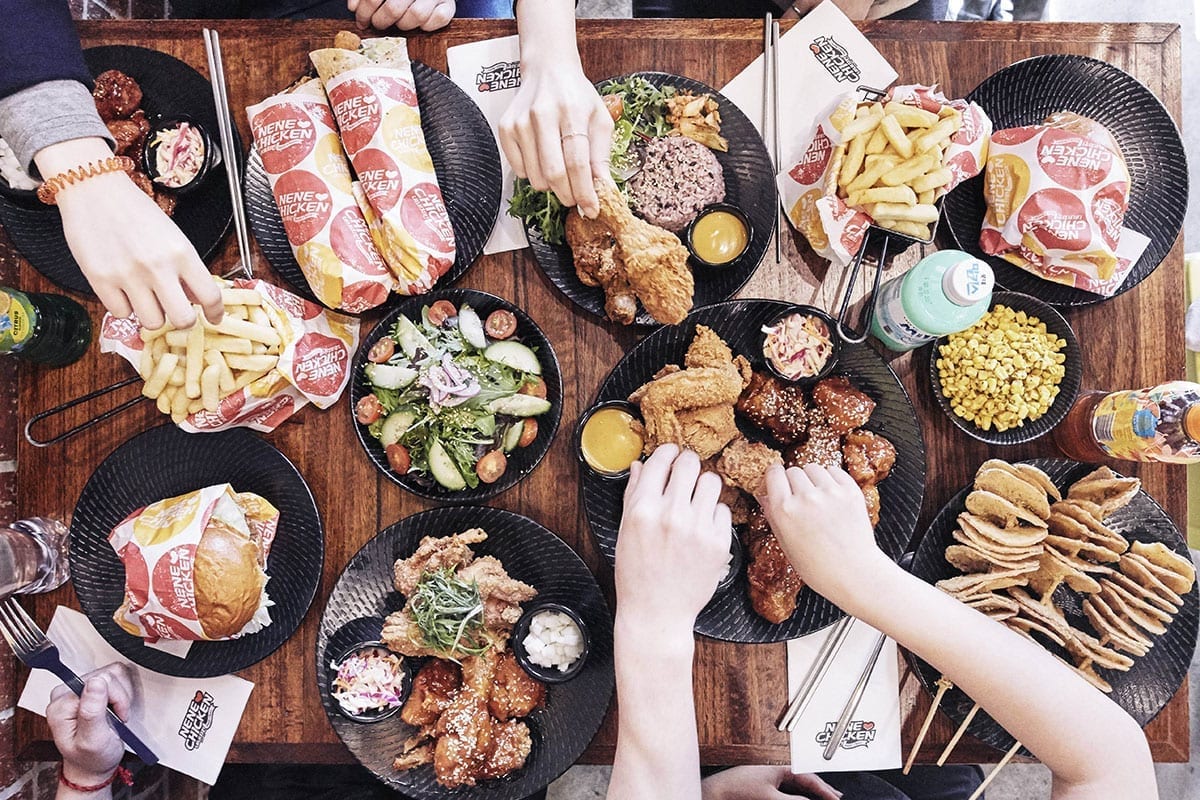
    Fast-food chain NeNe Chicken Malaysia has opened its second outlet, in Petaling Jaya.

    Located at The Starling Mall, the new restaurant can accommodate 120 customers with an outdoor seating area.

    NeNe Chicken Malaysia MD Raymond Wong said the chain would focus on expanding its menu and locations in upcoming years.

    The chain opened its first outlet two months ago at Genting Highlands.

    NeNe Chicken is known for its signature flavours such as Bulgogi, Freaking Hot and Spicy Fried Chicken.

    The chain also aims to open in East Malaysia by the end of this year.

    Established in 1999 in Korea, NeNe Chicken currently has stores in Australia, Hong Kong, and Singapore.

  • Vietnam Prime Minister meets New Zealand’s milk firms

    Vietnam Prime Minister meets New Zealand’s milk firms

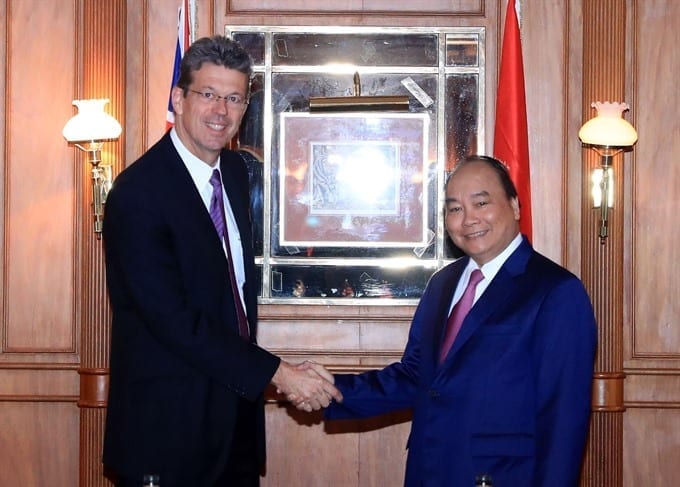
    Prime Minister Nguyễn Xuân Phúc said his Government encouraged foreign firms in milk production and processing to expand production, upgrade technology and apply energy-saving solutions in the country.

    He said this during his meeting with the representatives of some milk companies in New Zealand in Auckland on March 13 as part of his official visit to the country.

    During his reception for Lukas Paravicini, chief executive of Fonterra Cooperative Group Ltd – the leading milk exporter of New Zealand, Phúc said Việt Nam appreciated the cooperation of the firm with its Vietnamese partners. He highlighted the development of Việt Nam’s dairy and nutritional food market, saying the 93-million-strong market was considered one of the most attractive market groups in the world.

    Talking about the vast opportunities brought by the newly signed Comprehensive and Progressive Agreement for Trans-Pacific Partnership, Phúc expressed hope that Fonterra and other enterprises in New Zealand would fully tap those opportunities to increase investment in Việt Nam with the aim of expanding their market to other ASEAN member nations.

    He said the Vietnamese Government would promote investment in developing the dairy sector as well as create favourable conditions for enterprises to foster production in the field, contributing to generating more jobs and improving social welfare.

    On his part, Paravicini affirmed his firm’s interest in the Vietnamese market and said Fonterra had cooperated with many Vietnamese dairy firms.

    He said the group was providing dairy material for Việt Nam’s dairy, beverage and nutritional food companies and was selling high-quality products in the Vietnamese market.

    Fonterra pledged to further boost cooperation with Vietnamese enterprises, broadening its investment for production and business in Việt Nam, Paravicini said.

    The same day, Phúc received Kim Willoughby, director of Deosan Company, and Victor Trương, director of Richmond Company.

    Expressing their pleasure to meet the Vietnamese leader, the representatives of the two companies said they had worked with a number of Vietnamese partners with the intention of assisting Vietnamese firms in producing and processing dairy, contributing to improving the capacity of Vietnamese dairy companies.

    Willoughby spoke highly of the development potential of leading dairy businesses in Việt Nam, such as Vinamilk and TH True Milk. He said Deosan had cooperated with Vietnamese farmers processing milk and planned to invest in the dairy industry in Việt Nam.

    He also said Deosan would support Việt Nam’s dairy farms by providing suitable products and services, such as milking equipment and consumer goods, veterinary services, farm design management and quality management.

    Phúc said he highly valued Deosan’s assistance to Vietnamese dairy companies and affirmed that the Vietnamese Government always supported business and cooperation with local firms.

    Việt Nam is developing its dairy-processing industry in a modern and comprehensive direction, aiming to improve its competitiveness for regional and global integration, Phúc said.