Category: Food

Retail News Asia is committed to providing both local and global retailers with the latest Food and Food & Beverage news throughout the Asian market. This on a daily base.

  • Second JD.com’s 7Fresh supermarket to be opened

    Second JD.com’s 7Fresh supermarket to be opened

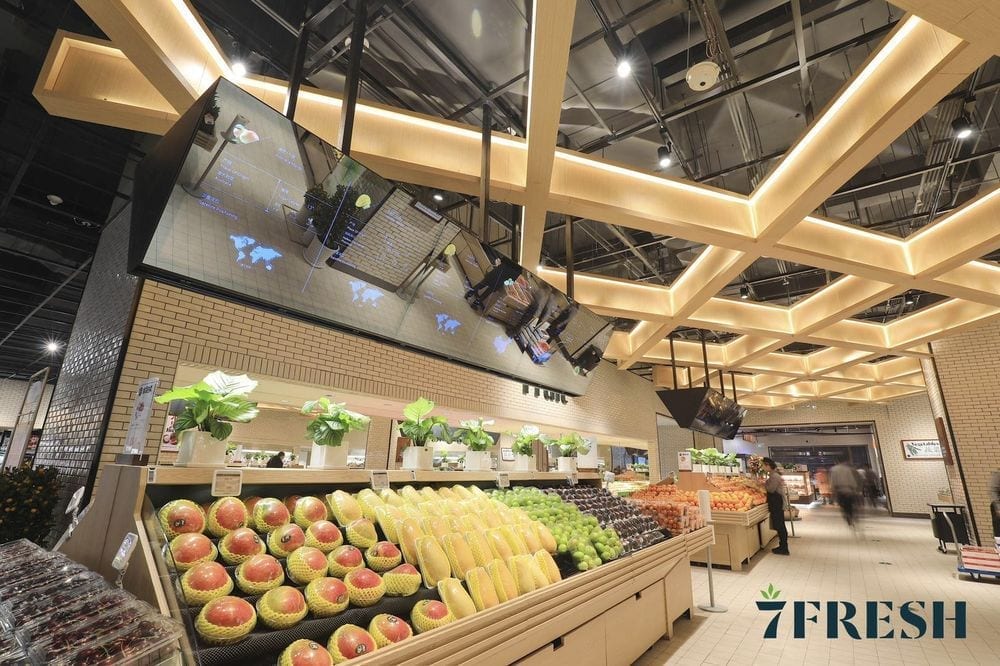
    Chinese e-commerce giant JD.com has opened its second 7Fresh supermarket, at the China Resources Dreamport shopping centre in northern Beijing.

    This follows the launch late last year of the initial 4000sqm outlet near JD.com’s headquarters in Beijing.

    JD.com fresh division president Wang Xiaosong, who is also CEO of 7Fresh, says the supermarket brand is in a “life or death mad rush to cover the entire Beijing market”. Its goal is to open more than 1000 outlets across China during the next three to five years.

    Its concept focuses on fresh goods including produce, meat, seafood, bakery goods, ready-to-eat packaged food and cooked-to-order foods. The supermarket also aims to integrate JD’s technical expertise to improve its offering and customer experience, drawing on data analytics to help formulate inventory based on customer behaviour and manage its supply chain.

    It also integrates O2O retail into its core business, offering consumers within a several kilometre radius the ability to order groceries online for delivery to their doorsteps within 30 minutes.

    The second 7Fresh outlet covers 2600sqm and is similar in layout to the original supermarket, but makes concessions because it is smaller, such as not offering a dining area.

    7Fresh is serving as a laboratory for JD.com to further its goal of seamlessly integrating online and offline retail, and redefining retail in China.

    JD Fresh was launched in 2016, initially as an online component of the JD.com e-commerce platform.

  • Vietnam’s fruits getting popular in Japan

    Vietnam’s fruits getting popular in Japan

    Vietnamese fruit is making its presence felt in the Japanese market, with the country registering a turnover of US$170 million in 2017 through the export of fruits and vegetables, a year-on-year increase of 70 per cent.

    This was revealed by Tạ Đức Minh, Vietnamese trade counsellor to Japan, during Japan’s largest international food and beverage exhibition, Foodex Japan 2018, which opened on Tuesday in Chiba city.

    Up to 20 Vietnamese enterprises from various cities and provinces, such as HCM City, Hà Nội, Nghệ An, Bắc Giang, Ninh Bình, Đồng Tháp, Bến Tre, Cần Thơ, Kiên Giang, Lâm Đồng and Cà Mau, which are active in the field of agro-fisheries and food export, took part in the event.

    The event offers Vietnamese businesses opportunities to promote their exports in the Japanese and other Asian markets. Besides this, it is an opportunity for Việt Nam’s firms to develop new export items, sign valuable export contracts, and promote a wide range of Vietnamese food and agricultural products.

    At the expo, Vietnamese firms displayed products such as fruits and vegetables, seafood, cod-liver oil, organic pepper, seedless lemons, rice products, Phú Quốc sauce, various biscuits and juices.

    Earlier, Vietnamese products were exported to Japan in the form of semi-finished products; however, recently, Vietnamese enterprises have focused on investment and technology cooperation with Japanese enterprises, helping Vietnamese products meet the quality standards of the Japanese market, Minh added.

    The four-day exhibition attracts 3,350 firms from 80 countries and territories worldwide, and is expected to welcome some 85,000 visitors.


  • Nara Thai Brings Classic Thai Dishes To Manila

    Nara Thai Brings Classic Thai Dishes To Manila

    Bangkok’s Nara Thai restaurant has opened a branch in the Philippines.

    It has been brought in by the Roku restaurant group following Roku Sushi and Ramen, which opened in Katipunan six years ago, and Sushi Nori, which specialises in sushi and maki, and already has five branches around Metro Manila.

    Founded in 2003 by a group of female entrepreneurs, Nara Thai is named for one of its founders, Narawadee Srikarnchana. Apart from Thailand, it has branches in Hong Kong, Myanmar, Taipei and Mumbai.

    “Nara is a celebration of families,” says Roku Group CEO Sheila Romero, who runs the restaurant with her daughter Milka. “Sharing memories is my thrust in business.”

    Celebrities and representatives from Nara Thai Cuisine in Bangkok attended the restaurant’s official launch, with the ribbon being cut by the Thai ambassador to the Philippines Thanatip Upatising.

    On the restaurant row of SM Megamall’s Mega Fashion Hall, Nara Thai has interiors bathed in silver and purple.

  • Vietnam expects to export 6.5 million tonnes of rice in 2018

    Vietnam expects to export 6.5 million tonnes of rice in 2018

    The Ministry of Agriculture and Rural Development expects Việt Nam to export 6.5 million tonnes of rice in 2018, Deputy Minister of Agriculture and Rural Development Hà Công Tuấn said at the ministry’s monthly meeting on Friday in Hà Nội.

    To get high export value, high-quality rice will still account for a large proportion of the total export volume, while normal rice makes up less than 20 per cent, Tuấn said.

    He also said the export prices of Vietnamese rice had increased as their quality had improved.

    The export price of Vietnamese rice rose from US$435 per tonne in 2016 to $450 per tonne in 2017 and $475 per tonne during the January-February period.

    This was achieved by restructuring efficiently the production of rice to improve its quality and value.

    At the same time, in the past two years, more local private enterprises have joined the global export market. Businesses have also invested more into the processing of rice but the percentage of processed rice is still low.

    Việt Nam is doing well to improve its rice quality, he said, suggesting the country focus on improving the brand name of its rice.

    According to the Ministry of Agriculture and Rural Development, Việt Nam shipped 861,000 tonnes of rice abroad in the first two months of this year, earning $419 million, up 17 per cent in volume and 34 per cent in value, compared with the same period last year.

    The Philippines was the biggest importer of Vietnamese rice, accounting for 26.9 per cent of the market share. It was followed by China with 23.5 per cent.

    Last year, Việt Nam earned $2.6 billion by exporting 5.8 million tonnes of rice.


  • Food prices escalating after minimum wage hike in South Korea

    Food prices escalating after minimum wage hike in South Korea

    The cost of food and basic necessities in South Korea is continuing to rise, after the government decided to raise the minimum wage in January by the largest annual increase in 17 years.

    Scores of food and beverage establishments have raised prices due higher costs for labor and ingredients.

    A franchise specializing in grilled pork and a Chinese restaurant chain raised prices by at least a dollar. A bowl of soybean paste noodles costing around $4 is now priced at $5.

    Fast food restaurants including McDonalds, KFC, Burger King and Lotteria all adjusted their prices between one to eight percent after the minimum wage hike, as did major bakeries and coffee shops.

    Prices of groceries and basic necessities are also on the rise, particularly in convenience stores which employ part-time workers on minimum wage.

    Rice balls, sandwiches and ready meals have recently become up to 10 percent more expensive as have rice, fizzy drinks, as well as canned and frozen foods.

    One convenience store chain even raised prices for its own brand products including wooden chopsticks, paper cups and hair ties.

    “We decided to raise our prices following the continuous requests of our small-and-medium enterprise partners,” GS retail said.

    Prices will likely continue to rise until next year for across a broad spectrum of industries — not just the food and retail sectors, according to market observers.


  • Taiwan tea brand retailer charts path to sales growth

    Taiwan tea brand retailer charts path to sales growth

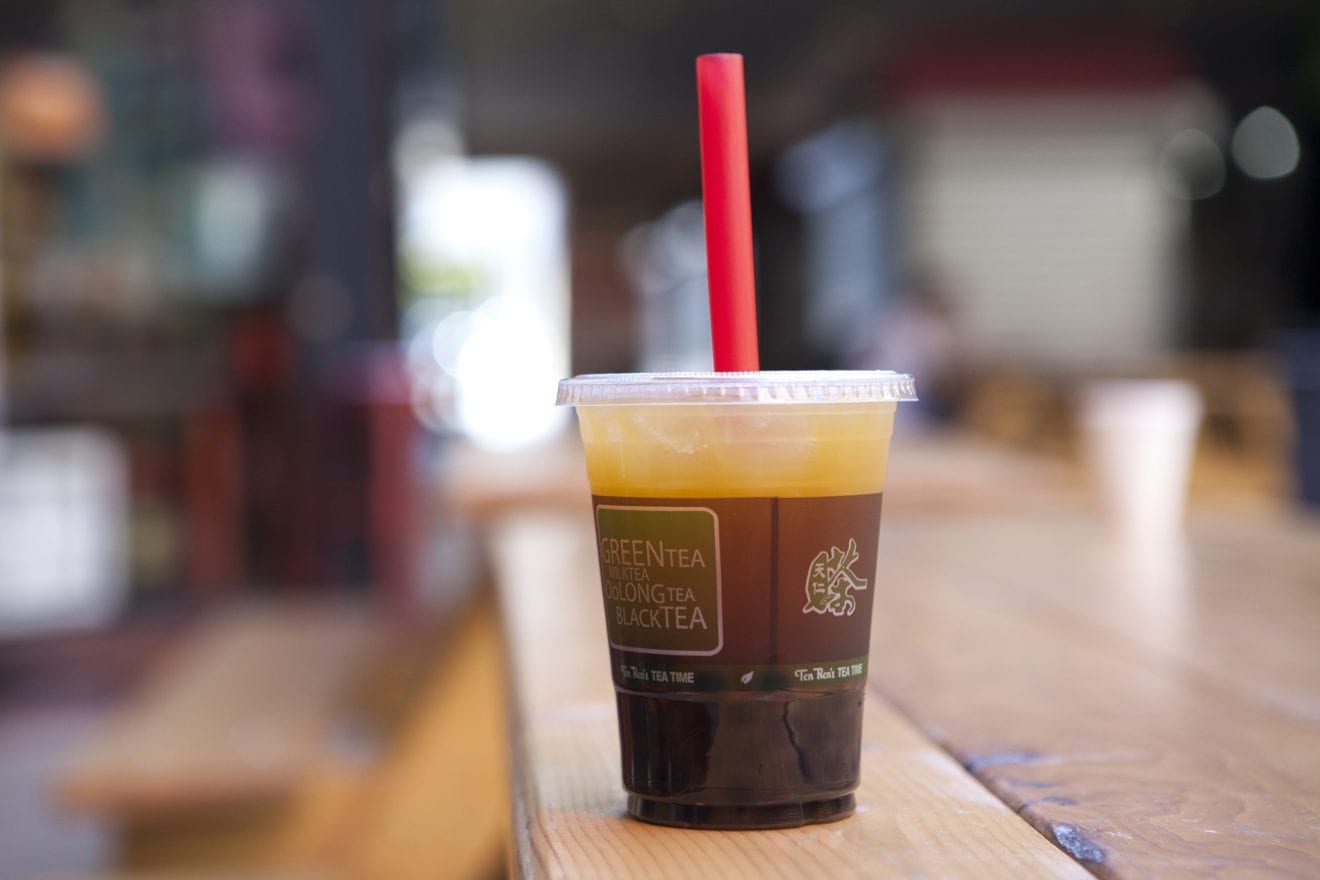
    B&S chairman and chief executive Andrew Chan Kam-chuen, said last week that a new TenRen tea outlet will be opened in Ma On Shan next month in addition to its existing 32 outlets. Another eight branches will be opened in the fiscal years of 2019 and 2020.

    Chan also said the company will assess the market before raising the price of TenRen’s menu and ensure the balance of profit and market response. The average price of TenRen tea products is HK$20.30.

    He added that although rents and staff costs are high, prices of materials and ingredients for beverages are reasonable.

    Chan said the company will focus on further developing its newly-introduced brands and look for more overseas popular brands. He said B&S will first explore Guangdong province when considering expansion.

    The retailer which has the right to self-operate the popular takeaway beverage brand TenRen in Hong Kong opened its retail book last Monday to raise up to HK$100 million by issuing a total of 100 million shares at a price range of 80 HK cents to 100 HK cents.

    The minimum investment for one board lot of 4,000 shares is HK$4,040.31.

    Capital raised through the initial public offering will also be used to lease, set up new warehouse facilities, upgrade the enterprise resource planning system, hire three more marketing sales people as well as for general working capital purposes.

    With over 27 years of operating history in Hong Kong, the food and beverage company’s business portfolio also includes distribution. Its top products include UHA and Hsin Tung Yang.

    To attract overseas brand owners and local retailers, B&S provides supply chain solutions in its distribution operation, including arranging inbound logistics, relabelling the products to comply with relevant Hong Kong food safety and labelling laws, repackaging the products to suit the needs of retailers or the consumers, and formulating marketing and sales strategies.

    TenRen, which has a presence at bookstore Eslite, is the largest revenue contributor in the retail business, which accounted for 92.2 percent of income. With a market share of 24.3 percent, the premier Taiwanese tea-based beverage brand has opened retail outlets in Taiwan, Japan, Singapore, Malaysia, Hong Kong, Canada, Australia, and North America.

    B&S International primarily offers takeaway drinks at its 32 self-operated retail “TenRen” tea outlets, including the milk tea series, the classic tea series, the fresh juicy tea series, the icy drink series and the winter decaf series.

    Other products include tea-flavored ice-cream, packaged tea leaves, packaged snacks as well as tea ware.

    Apart from TenRen, B&S also operates Japanese cheesecake retail outlets Uncle Tetsu and British luxury chocolate brand Hotel Chocolat in Hong Kong, although the latter two did not contribute significantly to its profit.

    Its three licensed Japanese cheesecake retail outletsUncle Tetsu in Hong Kong contributed up to 9.4 percent of revenue in the past several years. It mainly offers cheesecakes, cheese tarts, and panna cotta.

    Three retail shops of Hotel Chocolat, a recently set up British chocolate brand in Hong Kong, has not made a significant contribution yet.

    The company has a very high debt-to-assets ratio. The gearing ratio exceeded 109.8 percent in the past three years.

    Net profit and revenue have grown in the past three years, but B&S considers cashflow as a risk as it may be subject to a liquidity gap due to mismatch in time between receiving payments from customers and payments to suppliers. Its trade receivables turnover days are up to 103.5 days and trade payable turnover days are up to 13.1 days.

    As a result, it has to rely on internal resources and bank borrowings to maintain cashflow and to fund daily operations.

    “If we fail to manage the cashflow mismatch or if the mismatch increases, we may have higher funding requirements either from our internal resources or from bank borrowings to meet our payment obligations and our results of operations and financial condition may be materially and adversely affected,” the company says in the IPO prospectus.

    Lego Corporate Finance Limited is the sole sponsor. Lego Securities Limited is the sole global coordinator and one of the joint bookrunners. Kingsway Financial Services Group Limited is one of the joint bookrunners and one of the lead managers.

  • Here’s how BigBasket is riding on Alibaba’s offline retail strategy

    Here’s how BigBasket is riding on Alibaba’s offline retail strategy

    After raising $300 million last month, Indian online grocery startup BigBasket is entering the offline sector. The company is looking to transform its core online business to offline centres that will store daily moving consumer goods, groceries, fruits and vegetables. These offline stores will be placed in apartments and various office complexes. The Bengaluru based firm has already rolled out a new app called BB Instant. To increase offline purchases it is also planning to start subscription based services on FMCG goods.

    Founded by Abhinay Choudhari, Hari Menon, Vipul Parekh and VS Sudhakar in 2011, BigBasket is an online grocery company, which now is looking to exploit the brick-and-mortar space. The company recently raised $300 million in a round led by Chinese giant Alibaba, which contributed $146 million. The company has raised close to $885.7 million in total disclosed investments.

    BigBasket claims to have an average of 3 orders per user every month with the average ticket size ranging from Rs 1,400-1,500. Further the company claims to have monthly sales of over Rs 200 crore.

    This investment comes in at a time when Indian and foreign behemoths are heavily investing in the sector. Recently, Flipkart restarted its grocery business, with the like of Amazon planning to enter the offline stores in India.

    This is not the first time Alibaba has invested in an offline strategic move. The Chinese giant has been looking into physical stores for years, now, in an effort to engage customers to its ecommerce platforms by helping to digitize traditional merchants. It has pumped billions into investments including its own grocery chain, a shopping mall group, Walmart-like chains, among others.

    With the move, BigBasket may be following the footsteps of Hema, the first digital supermarket incubated in China by Alibaba. Consumers shopped using an app, either in person or remotely. Shopping options included buying food to carry out, purchasing in store and buying online with a 30-minute delivery. Similarly, BigBasket has launched a 60-120 minute express delivery through its stores.  

  • McDonald’s Philippines to open more stores

    McDonald’s Philippines to open more stores

    Golden Arches Development Corp (GADC) is planning to invest up to PHP2 billion (US$38.4 million) so McDonald’s Philippines can open at least 40 new stores this year.

    Majority owned by chairman/founder Dr George Yang and his family, GADC is the master franchise holder of McDonald’s in the Philippines and has been a wholly owned Filipino company since 2005.

    The firm says McDonald’s is committed to growing its foothold in the Philippine market through store expansion and digital innovation. The brand last year opened 52 stores across the country and reached new territories.

    Apart from store openings, menu innovations and marketing activities helped McDonald’s Philippines reach PHP42.6 billion system-wide sales last year, up 14 per cent on 2016.

    McDonald’s Philippines president Kenneth Yang says services such as McDelivery have helped the group further expand its market share and post the fastest growth in the quick-service restaurant (QSR) industry.

  • DFS to hold the seventh Masters Of Wines And Spirits to Singapore

    DFS to hold the seventh Masters Of Wines And Spirits to Singapore

    One of the most celebrated and revered events in the wine and spirits industry
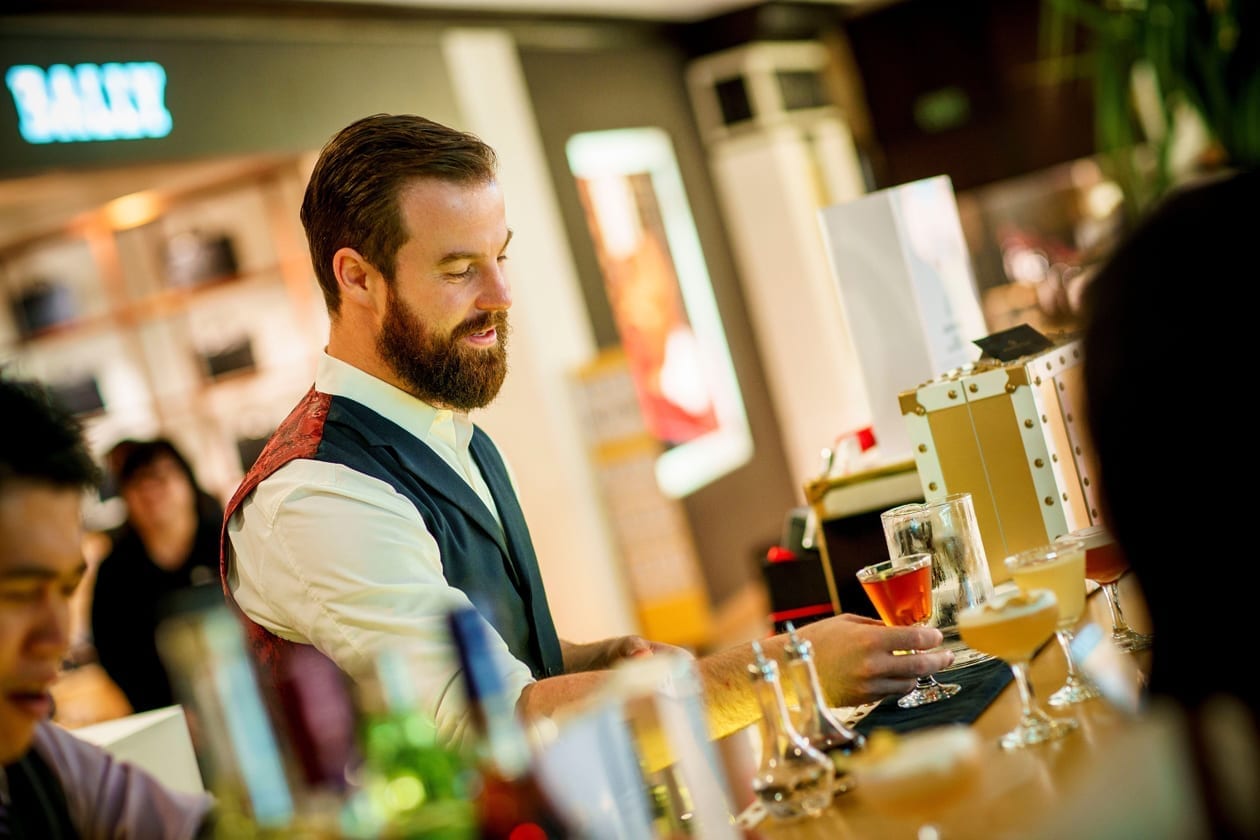
    returns to Singapore this year, as DFS Group, the world’s leading luxury travel retailer, hosts its seventh Masters
    of Wines and Spirits event. On display will be more than 120 masterpieces from 60 of the world’s most legendary
    wine and spirits houses.

    For the first time, the event will take place across two days; on Saturday March 24 and Sunday March 25 at The
    Warehouse Hotel, a meticulously-restored heritage building on the banks of the Singapore River. Once again,
    Masters of Wines and Spirits captures the heritage and craftsmanship of selected brands and pays tribute to DFS’
    long-standing relationships with some of the world’s most exceptional wineries and distilleries.

    This year’s event will highlight the influence of the distillers’ countries of origin, their personalities and unique
    and varied approaches to craft. As the only event where customers can purchase bespoke, rare, limited edition,
    first edition, and world-class wines and spirits in one location, the seventh Masters of Wines and Spirits offers an
    exclusive and immersive brand experience for DFS’ guests.
    Masters of Wines and Spirits showcases a highly specialized and curated collection of products, many of which
    are DFS exclusives, celebrating the world’s finest industry expertise as well as the knowledge of DFS’ own
    merchants. New brands, as well as signature classics from legendary houses, will all be on display, reveling in
    rarity, heritage and innovation.

    “DFS is delighted to bring the seventh Masters of Wines and Spirits to Singapore, a fitting location for us to host
    our esteemed guests, connoisseurs and collectors to experience a range of the best globally sourced Cognacs,
    wines and whiskies,” said Sibylle Scherer, DFS President Merchandising and Consumer Marketing.
    “This year’s selection has been handpicked by our expert merchants at DFS to inspire and delight our customers.
    This really is a celebration of the diverse talents of the world’s most renowned distillers and winemakers, and a
    true adventure for the senses,” she said.

    “At DFS, we take great pride in bringing together our valued brand partners and loyal customers in an intimate
    and exclusive environment that encourages sharing and discovery,” said Brooke Supernaw, DFS Group’s Senior
    Vice President Wines, Spirits, Tobacco, Food and Gifts. “The 2018 Masters of Wines and Spirits collection sets a
    new bar for this dynamic category, comparing the nuances between traditional versus craft and providing an
    opportunity for our guests to enjoy the very best products from around the world.”

    Master Classes and Whisky Panel

    The 2018 Masters of Wines and Spirits event will feature two exceptional master classes to inspire and enrich
    guests, as well as a whisky panel discussion featuring four of the world’s leading experts.
    The first in this year’s Classes with the Masters is The Balvenie Master Class Workshop – Single Malt Whisky
    hosted by The Balvenie Malt Master, David C. Stewart MBE.

    Mr Stewart will discuss how craftsmanship is brought to life at The Balvenie and guide guests through the entire
    Chapter 3 set of the DCS Compendium, including a tasting of the oldest Balvenie expression ever released. The
    second Master Class, the Château Latour Master Class Workshop – Wine, hosted by Rufus Beazley, Sales and
    Marketing Manager for Château Latour Asia Pacific, will take visitors through a vertical tasting across decades of
    exceptional Château Latour products.

    Presented by The Whiskey House, The Whisky Panel will be moderated by DFS’ own Director of Spirits,
    Frederik Vanden Bulcke and will feature a panel discussion on whisky experts Stephanie MacLeod from John
    Dewar & Sons (Aultmore – Single Malt Whisky), Dr Kirstie McCallum from Bunnahabhain (Single Malt
    Whisky), Chole Wood from Bruichladdich (Single Malt Whisky) and David Croll from The Kyoto Distillery
    (Whisky and Gin).

    The Collection

    More than 30 Cognacs and whiskies include The Balvenie DCS Compendium Chapter 3: Secrets of the Stock
    Model, an eagerly anticipated release that pays tribute to Malt Master David C. Stewart MBE’s masterful skill,
    knowledge, and custodianship in managing The Balvenie’s precious aged stocks. The Model comprises five
    extremely rare single-cask single-malt bottling, ranging in age from 13 to 55 years.

    The Jean-Paul Camus 1945 Private Reserve, an exclusive blend for DFS Masters of Wines and Spirits, comes
    in a hand-carved crystal carafe with silver details that recreates a model designed in 1883 by the Cristalleries de
    Baccarat for Jules Grévy, President of the French Republic. The outstanding Louis XIII Le Jeroboam with T.T.
    Trunks Paris piece is a contemporary design that brings a radical new twist to trunk accessories. The aluminum
    and steel structure holds three small cases made of okume wood, each encased in natural milled buckskin with
    Alcantara trimmings.

    A rare cellar release from Japan is the Karuizawa 1960 Cask #5627. Possibly the oldest cask of Japanese whisky
    ever bottled, this 1960 single cask yielded just 41 bottles, achieving legendary status amongst connoisseurs and
    collectors.

    From the world of Scotch Single Malts, The Aultmore 31 Year Old Exceptional Cask (Cask no. 1635) is part
    of John Dewar & Sons Fine Scotch Whisky Emporium which showcases the rare releases of some of the finest
    and most delectable single cask and single malt expressions. Specially created for Masters of Wines and Spirits,
    Aultmore Cask no.1635 has the color of antique leather and on the nose, the Oloroso sherry adds weight and
    complexity, complimented by notes of vanilla, butterscotch, and Seville oranges. The Bruichladdich Special
    Release showcases three exceptional distillery releases from 1988, 1989 and 1990, presented as the oldest and
    rarest whiskies of Bruichladdich. Created and bottled on the remote Hebridean island home of Islay, there are
    only six bottles per edition. From the Bunnahabain distillery, built in 1881, and deriving its name from the
    Gaelic, Bunnahabhain (Bu-na-ha-venn), meaning “mouth of the river”, comes the Bunnahabhain 1980 Canasta
    Finish. With only 20 units available, this rare cellar release offers a rich oakiness balanced with sweet dried fruit,
    treacle toffee, black coffee, cocoa, roasted nuts, and a hint of coastal brininess.

    Also from Scotland is The Macallan Fine & Rare Master’s selection, specially created for Masters of Wines
    and Spirits, this unique collection features five fine and rare vintages in 70cl, complemented by savoring samples
    in 5cl miniatures. The Glenglassaugh Single Cask Collection 1972-1976 is an elegant, unique and rare selection
    of bottles, offering the whiskey connoisseur a lush, ripe Highland Single Malt Scotch whisky experience. A rare
    release from The Ladyburn distillery is the Ladyburn 1974, a single malt from William Grant & Sons’ treasured
    ancient reserves of maturing whisky.

    More than 30 prestige wines and champagnes are showcased in this year’s collection, including the Harlan
    Estate Double Magnum 100 Point Trifecta from the United States, a special collection created for DFS as an
    exclusive release of three vintages in double magnum format and representing three of the most highly regarded
    vintages produced by Harlan to date. From Australia comes the Penfolds G3, a unique wine entwining three
    vintages of an Australia icon, Penfolds Grange, spanning seven years. French wines in this year’s collection
    include The Pavillon Blanc du Chateau Margaux 2010 Double Magnum; the epitome of great Pavillon Blanc
    vintages. A fine and elegant wine, the 2010 has an exquisite richness and a perfect balance on the palate, thanks
    to higher than average acidity. Chateau Latour’s Vertical Magnum release provides a rare opportunity to
    collect six of the most exceptional vintages produced by Latour; the 1996, 2000, 2003, 2005, 2009 and 2010.
    With only one set being released of the Petrus Magnum Collection 2006, 2007 and 2011, one lucky wine lover
    will experience one of the famous wine labels in the world.

    After March 25, the Masters of Wines and Spirits curated collection will be available for travelers and shoppers
    at DFS, Singapore Changi Airport’s Wines and Spirits Duplexes at Terminals 2 and 3.

    DFS Masters of Wines and Spirits is part of the DFS Masters Series, a signature program of exhibitions that also
    includes the highly-anticipated 10th Masters of Time set to take place in Macau this December. The Masters
    Series is a showcase of the pinnacle of DFS’ leadership and innovation in curating and creating exceptional
    experiences across its five pillars of luxury: Wines and Spirits, Beauty and Fragrances, Watches and Jewelry,
    Fashion and Accessories, and Food and Gifts.
  • Three Twins Ice Cream opens first Japan store

    Three Twins Ice Cream opens first Japan store

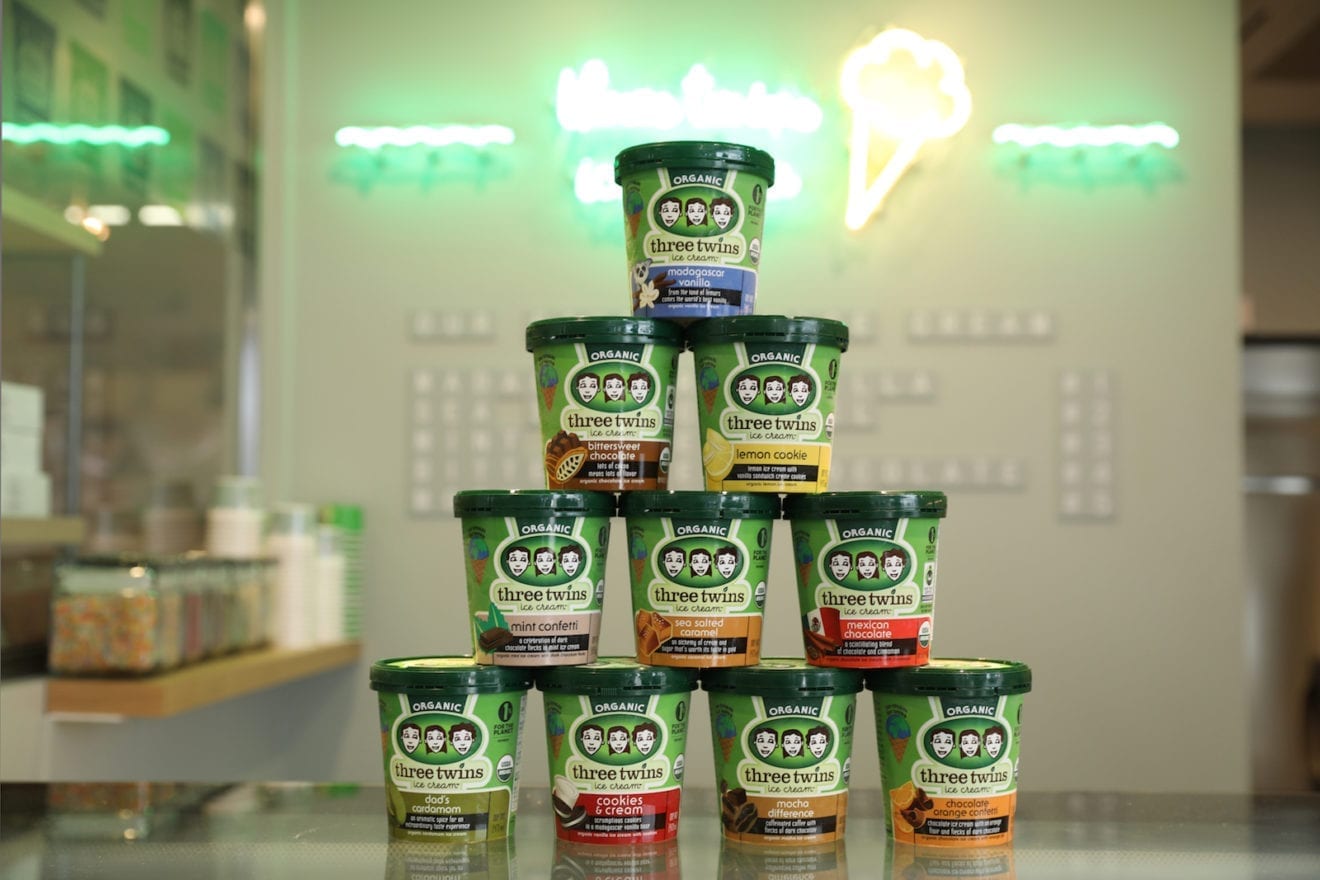
    US organic brand Three Twins Ice Cream has opened its first store in Japan.

    In a partnership with Mash Holdings, which runs several lifestyle and eco brand stores as well as organic cafes and kitchens, the outlet is outside the train station in the Daikanyama area of Tokyo.

    Three Twins Ice Cream founder/CEO Neal Gottlieb says Mash has put “a huge amount of work” into setting up the shop.

    Gottlieb founded Three Twins in California in 2005 with his twin brother Carl, whose wife Liz is also a twin. On its home turf, Three Twins sells more than 20 brands. In Japan, the initial offering will be 11 – Madagascar Vanilla, Bittersweet Chocolate, Lemon Cookie, Mint Confetti, Cookies & Cream, Mexican Chocolate, Chocolate Orange Confetti, Dad’s Cardamom, Sea-Salted Caramel, Strawberry and Mocha Difference. All the ice cream is made in the US.

    Gottlieb says the next step will be to make some flavours especially for Japan. “We will work with the team here and source local ingredients, make the ice cream in the US and send it back to Japan.”

    One of brand’s key selling points is that its products are organic. “Every single ingredient – milk, cream, sugar, eggs, vanilla – is organically produced,” Gottlieb says. “No chemicals are toadded, and no fertilisers, pesticides or herbicides involved. The cows are never given antibiotics; they are raised on organic feed. And none of our products are genetically modified.”

    Beyond the initial store, Gottlieb says he would like to sell cups of the ice cream to natural-food stores “and ultimately I’d love to see it in 7-Eleven and eventually in every retail channel”.

  • Bubba Gump closed doors in Malaysia

    Bubba Gump closed doors in Malaysia

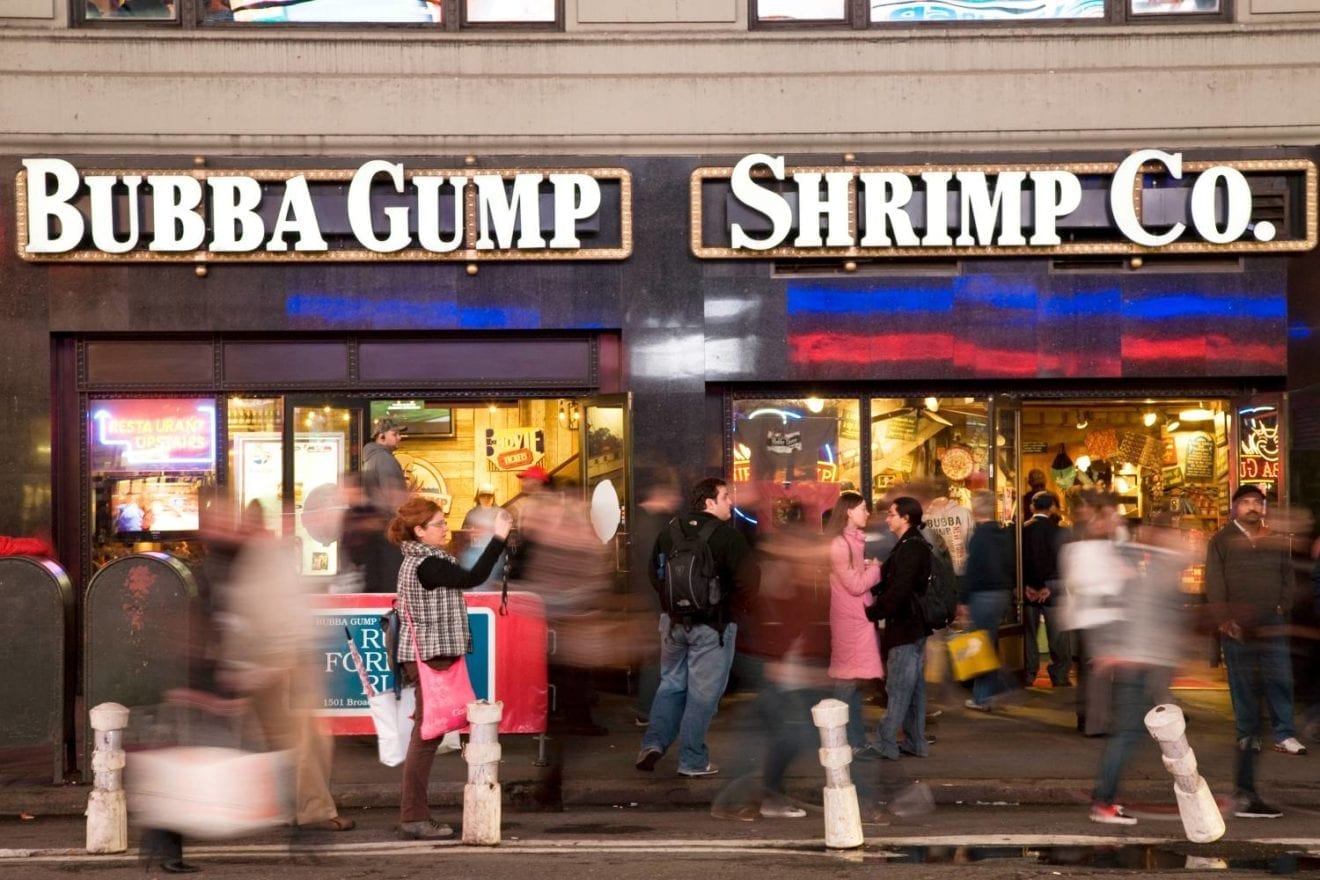
    Restaurant chain Bubba Gump Shrimp Company Malaysia has closed two of its three outlets.

    In a surprise announcement, the US chain says its Citta Mall and The Curve outlets have been closed permanently, while it is business as usual for its first Malaysian outlet in Sunway Pyramid in Selangor.

    Inspired by the 1994 movie Forrest Gump starring Tom Hanks, Bubba Gump Shrimp Company opened its first outlet in Monterey, California, in 1996. It entered the Malaysian market in 2008. The restaurant is named after characters in the film – Benjamin Buford “Bubba” Blue (played by Mykelti Williamson) and Forrest Gump (Hanks). Even the dishes are named after characters in the movie.

    The chain has expanded to more than 40 outlets worldwide, including outposts in Hong Kong, Indonesia, Japan, the Marianas, the Philippines and Malaysia.

  • Thai coffee brand Inthanin to open first store in Cambodia

    Thai coffee brand Inthanin to open first store in Cambodia

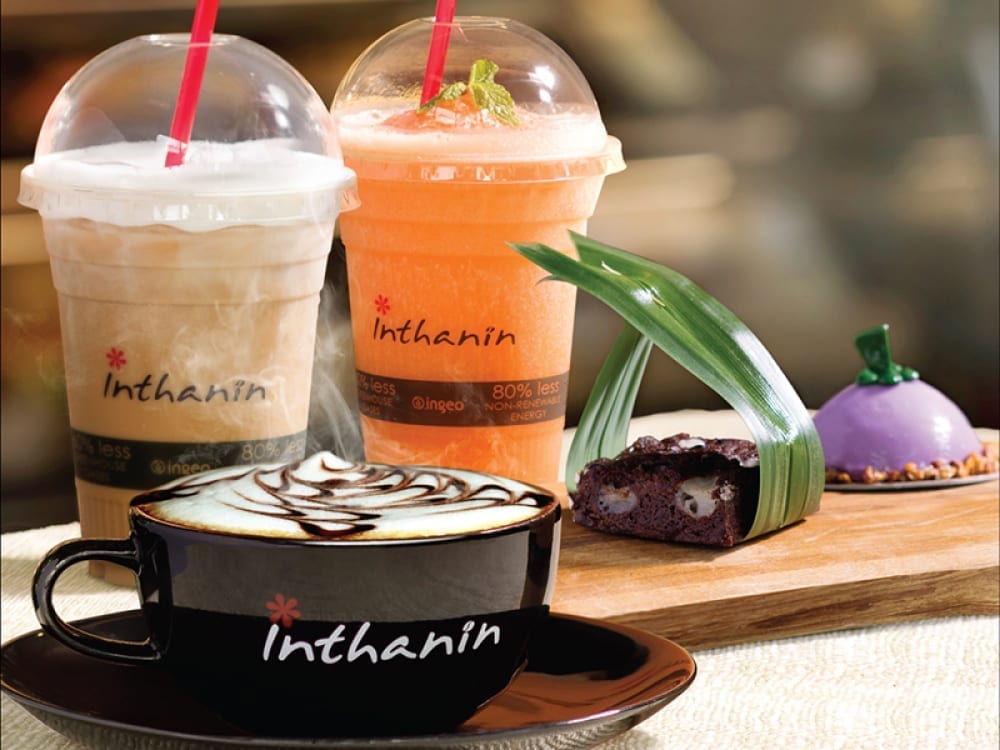
    Thailand’s Inthanin coffee brand will roll out in Cambodia following the signing of a memorandum of understanding between RCG Retail (Cambodia) and Bangchak Retail.

    RCG plans to open more than 100 Inthanin cafes in Cambodia from next month until 2022.
    It will start with a flagship branch in Phnom Penh, followed by a second flagship in Siem Reap in April, says president Jiranun Wongmongkol.

    She says the company will then seek franchisees, with the average cost of applying for a licence and opening a branch being around US$200,000 (THB6.2 million). Each location will have about 20 staff members.

    Bangchak Retail MD Viboon Wongsakul says the Inthanin deal for Cambodia is part of its business plan to expand its business in CLMV countries (Cambodia, Laos, Myanmar and Vietnam).

    He says targeted average sales for Cambodia will be 300 cups of coffee a day for the first year. The company will supply coffee from Thailand directly to franchisees in Cambodia. As master franchisee, RCG Retail will source baked goods and other food to distribute through the coffee outlets.

    Jiranun says RCG Retail has already contracted with 20 Cambodian producers to distribute their products at Inthanin branches.

    Thai coffee firm Amazon Coffee, owned by PTT, has already expanded its franchise business into Cambodia.

  • Is Asia changing its way of thinking about food?

    Is Asia changing its way of thinking about food?

    More people are eating today than yesterday. The majority of these people live in Asia, a continent which has an intense cultural connection to food. Securing a better way to feed Asia’s growing population is what motivates JUST CEO Josh Tetrick to challenge the status quo of the food industry.

    Tetrick, 37, sees Asia as the tip of the spear to fix the world’s broken food system.

    “We need to answer the question of how can we produce enough food for a planet which will see 70 percent growth in food demand between now and 2050,” says Tetrick, whose company has attracted high-profile investors such as Hong Kong business magnate Li Ka-shing.

    One of the fastest growing segments of the $8 trillion global food and agricultural market is the multi-billion dollar egg industry. China produced over 30 percent of the 1 trillion eggs that were laid last year which has raised numerous environmental concerns on the continent. To disrupt this, Tetrick introduced Just Scramble at the flagship location of Green Common, a plant-based dining and shopping store that has chains across Hong Kong. Just Scramble is made from mung bean which is one of Asia’s most familiar beans. It looks and tastes just like an egg, it is high in protein, has zero cholesterol and sold over 800 orders of “Just Scramble Teriyaki” and “All Day Just Scramble” in the first six days.

    Just Scramble requires less water and emits fewer carbon emissions than conventional eggs, but Tetrick knows that this does not drive consumers. “I think far less than 1 percent of the 7.4 billion people on earth are driven by the environmental benefit of plant-based food. People just want to feed their family with something they have confidence in. They want food that tastes amazing and makes them feel amazing,” says Tetrick.

    Green Common founder David Yeung is redefining the whole experience of selling plant-based products. “The product has to be good, innovative and fit the brand. If so, we can make foreign brands become an overnight success,” says Yeung “We know what people crave in Hong Kong, that makes us so valuable to translate these products for the Asian palette.” Green Common is already seeing great sales from the American made Beyond Burger, the world’s first plant-based burger that looks, cooks, and tastes like a fresh beef burger. Providing an option for consumers to tweak their habits is what both CEOs believe will lead to wholesale change.

    Yeung is confident Hong Kong can serve as a gateway into mainland China and the rest of Asia. Yeung believes China is desperate for a healthy brand people can trust, and is using the Starbucks strategy to expand. “For 5,000 years China never drank coffee. Now, after Starbucks sold it as a lifestyle, there are over 2,500 Starbucks in mainland China. That is not supposed to happen, but Starbucks became people’s second living room,” Yeung said.

    Yeung’s goal is not to open a thousand Green Commons in Hong Kong but rather grow business to business in order to make impactful change throughout Asia. By introducing plant-based options through restaurants and catering companies, an entire office building, school, or hospital can drastically reduce meat consumption. By doing this, a fair market is being created where people from all demographics have access to sustainable foods.

    Josh Tetrick also envisions a world where everyone is enjoying “just” food, but he knows they cannot do it alone either. “I want to inspire other companies to do this,” Tetrick continued “For the institutions and the companies, who are thinking about what’s next? Take a look at food, because we need help and Asia needs help. But we can’t wait, we have to do it now.”

    Much of the energy surrounding the plant-based movement in Hong Kong started in 2011 when Sonalie Figueiras began the personal blog Green Queen which quickly turned into a trusted media source for healthy eating.

    From this loyal following, Figueiras co-founded Ekowarehouse, the world’s first online global trade platform for sourcing certified organic products and is now available in over 140 countries. “We want to become the Alibaba of organic food, and connect the organic world,” said Figuerias. “Here in the East, the sustainable conversation does not work. Personal health and safe eating for children is the conversation we need to have moving forward.”

  • New global format showcased in Starbucks Reserve Seattle

    New global format showcased in Starbucks Reserve Seattle

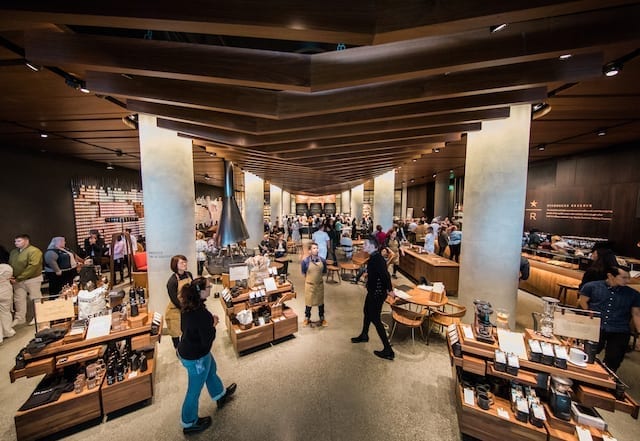
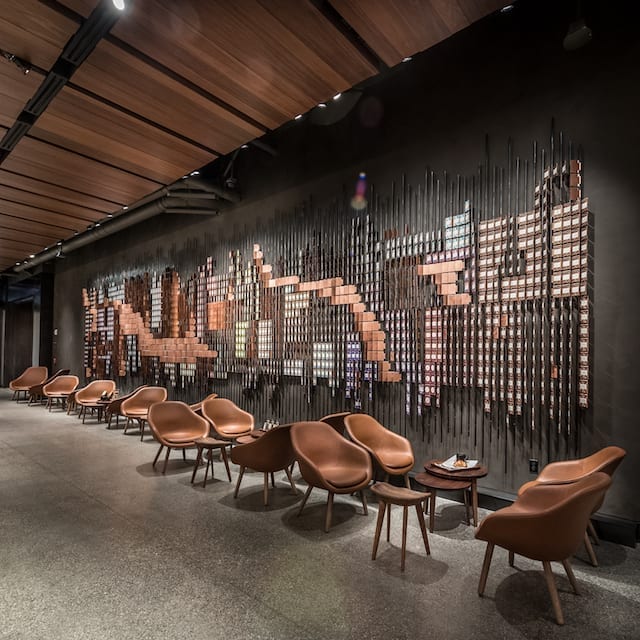
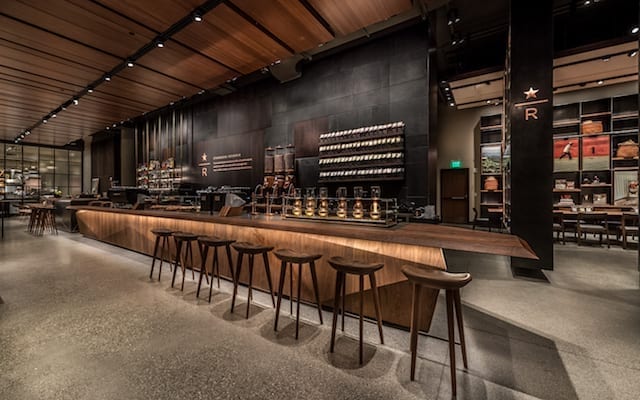
    With the latest generation design and product offer, the new Starbucks Reserve Seattle store which opened this week offers a taste of what is to come for the 1000-plus stores planned globally bearing the sub-brand, including in Asia.

    In just 14 months since the concept was unveiled at an investors conference, dozens of Reserve stores have opened including a massive Chinese flagship in Shanghai.

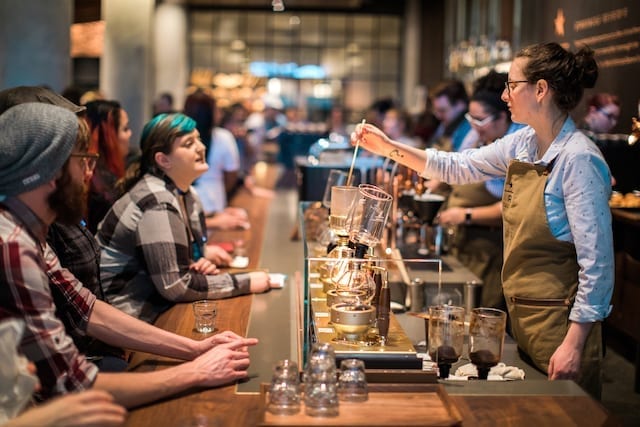
    Starbucks partners work in the new Starbucks Reserve store at the Starbucks Support Center in Seattle on Wednesday, February 21, 2018. 

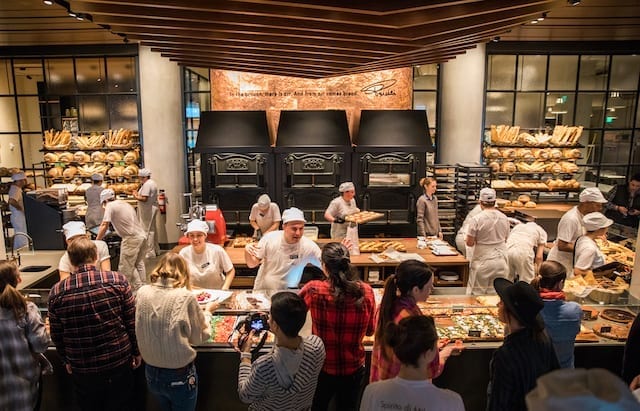
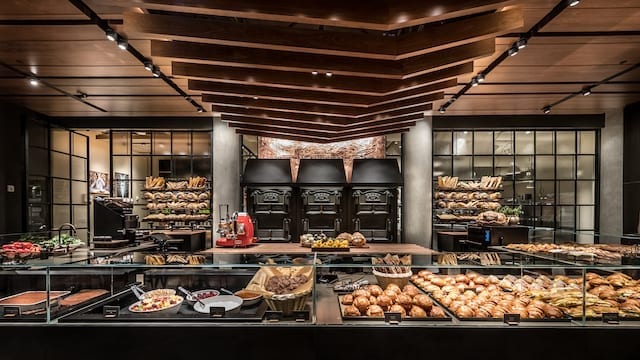
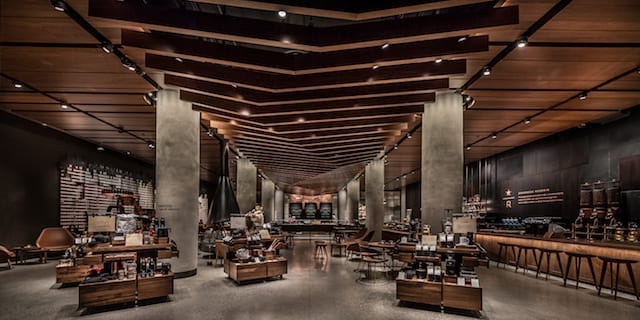
    The marketplace-styled Starbucks Reserve Seattle Sodo store is remarkable not just for the latest evolution of the upmarket sub-brand’s fit-out, but for the inclusion of the new Princi Italian restaurant concept with an open kitchen, seamlessly folded into the cafe format. Starbucks plans to open standalone Princi outlets in Seattle, Chicago and New York, so expect to see them integrated into the brand’s offer in key Asian markets as well.

    Starbucks partners work in the new Starbucks Reserve store at the Starbucks Support Center in Seattle on Wednesday, February 21, 2018.

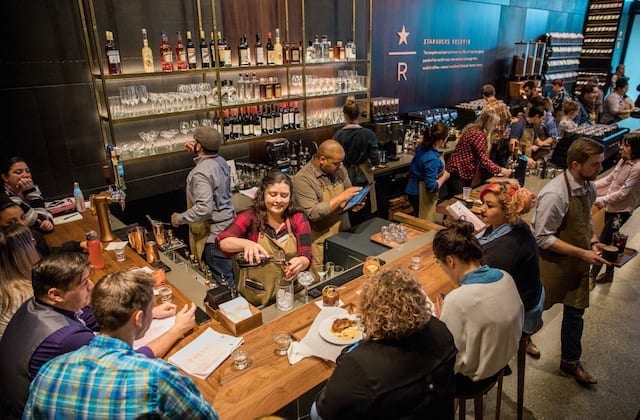
    Designed in an open, marketplace style, Starbucks Reserve Sodo store customers can engage with and order from partners (employees) at the Princi counter or Reserve coffee bar, then gather with family and friends at community tables or lounge areas around two fireplaces. Open to view is the Princi kitchen where customers can see breads and pastries being made and fresh ingredients prepared daily.


    Starbucks partners work in the new Starbucks Reserve store at the Starbucks Support Center in Seattle on Wednesday, February 21, 2018.

    Located on the street level of the company’s headquarters, the store opened on Tuesday (February 27). It was created “to offer a mingling of public and private; a place where Starbucks partners and visitors can relax in a leather lounge chair near the fireplace, nosh on a piece of focaccia at the counter or enjoy the latest Reserve espresso and a flaky cornetti from Princi,” in the words of Starbucks in-house writer Heidi Peiper.

    Christian Davies, VP creative global design & innovation for Starbucks, wants visitors to feel like they are part of an experience from the moment they cross the threshold and pass through the entry doors.

    “Every detail is deliberate, starting with the pattern on the hand-carved doors – concentric circles borrowed from the art for a Starbucks Reserve coffee card.

    “When you walk into the space from the entry, you can take everything in in the sweep of an eye,” says Davies. “We wanted people to walk through those doors and immediately find themselves in something different and unique, but they would still recognise as Starbucks.”

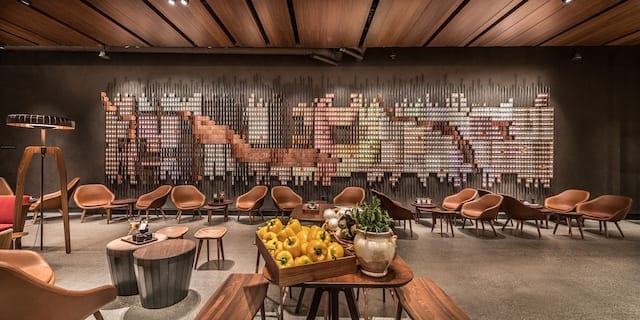
    To the left, there’s a colorful art installation. Just beyond is the chef’s table and Princi case.

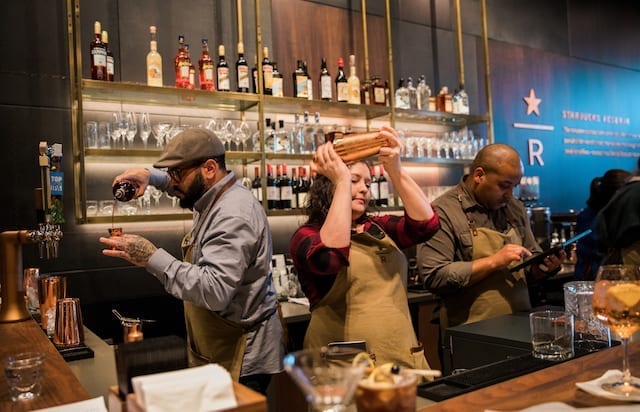
    Behind that, through framed art glass, is the Princi kitchen. Anchoring the center of the main cafe is a floor-to-ceiling fireplace, signaling a welcoming place to gather. Then look to the right and you’ll see a long wood-topped craft bar with Starbucks Reserve coffees and a mixology bar, finishing with the coffee library and doors to the patio.

    In addition to the open layout, Davies added other subtle touches, such as flecks of amber-colored glass and mirror sprinkled into the concrete floor that help suggest a path through the store.

    “When people come into a space they can navigate, you can see their shoulders relax. They instantly feel more comfortable,” says Davies.

    Art meets leisure

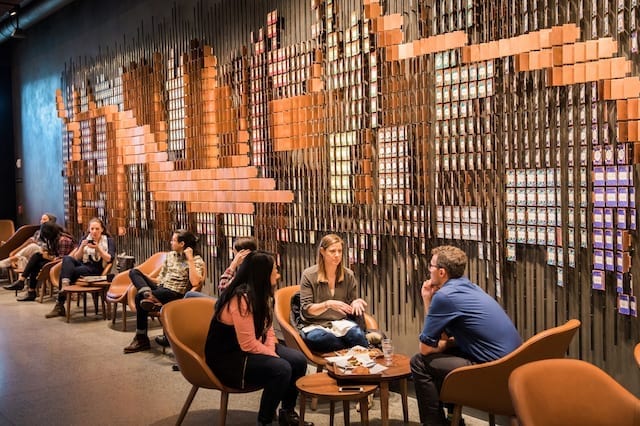
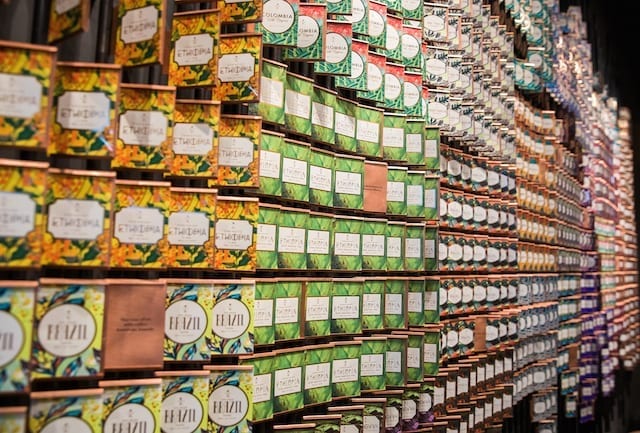
    The path begins at a stunning copper art installation that features nearly 3700 Starbucks Reserve cards, designed in-house. From a distance, the card wall’s shape evokes the topography of the gentle mountains where coffee is grown. Each card can pivot, creating shimmering waves of color like fish scales. But step closer, and individual coffee cards come into view, each one a work of art in itself. Every now says and again, a copper card is planted in the field of cards that tells a story about Starbucks Reserve.

    “On one level, it’s simply a beautiful, gestural piece,” says Davies. “As you dive into the next level, and then the next, more comes out.”

    Beyond the card wall is the first of three intimate meeting spaces, each creating its own moment of storytelling. The chef’s table room features the story of Rocco Princi, with shelves lined with ingredients from his pantry – cans of capers, artichokes and tomatoes and tall glass jars of preserved lemons. A favorite poem by Alda Merini, a friend of Princi, hangs in a place of honor.

    Gathered around the long wooden chef’s table, visitors can look through a glass wall into the Princi kitchen with artisan bakers and chefs at work.

    And taking center stage is the Princi bakery and cafe, featuring the full Princi menu with artisanal baked breads, and breakfast anchored by signature cornetti and brioche. At lunchtime, the menu offers soups, salads, focaccia and pizza. To the right is the mixology bar for later in the day with traditional Italian aperitivo, such as Aperol Spritz paired with small plates, as well as beer, wine and spirits.

    Celebrating ‘our never-ending curiosity’

    The store represents the latest phase of innovation in the century-old building in Seattle’s Sodo neighborhood, which has served as Starbucks headquarters since 1993. In its previous life as a Sears Catalog distribution center, it employed what was then cutting-edge technology, with orders being picked by warehouse workers on roller skates and bicycles and delivered to the first floor via slides for quick shipping. The Reserve store continues that enterprising spirit, acting like a testing ground for the company, where it will debut new coffees, launch new products and host events. The store’s second meeting room, tucked back between the kitchen and the craft bar, is a tribute to this tradition. Starbucks R&D team will use this working lab to taste and test new beverages, starting with the cold coffee innovation.

    “The lab celebrates our never-ending curiosity,” says Davies. “We can continue to push R&D around new beverages and ingredient combinations.”

    The Reserve coffee bar is an eye-catching counterpoint to the Princi case. Here the craft of coffee is on display, with a full-lineup of brewing methods to explore, including siphon. Chemex, pour-over and Clover and a variety of Starbucks Reserve beverage creations to explore. The backdrop for this stunning display is a dark-stained walnut and leather back-bar, with hand-stitched copper wire adding sparkle and interest.


    The story from bean to cup

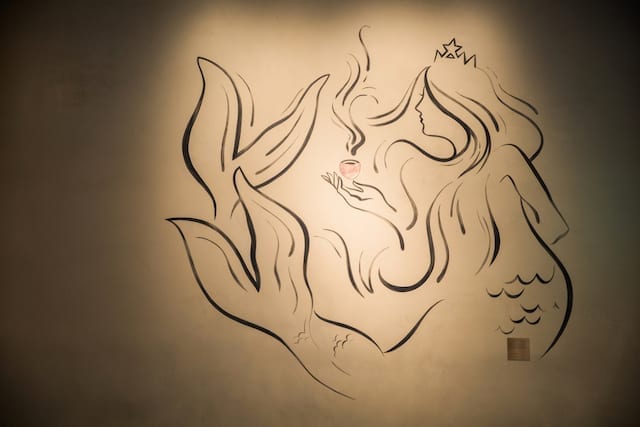
    In the third meeting space, visitors can learn coffee’s story from bean to cup. The Starbucks Reserve coffee library can be hidden away behind a pivoting full-height wall of 1200 bags of Starbucks Reserve Coffee. The space houses a collection of books on the geography, flora and fauna of Starbucks coffee-growing regions, and features a hand-painted Siren by Jordan Kay, the Starbucks artist behind this year’s holiday cup. An inside-outside fireplace brings warmth to those gathered in the room, and visitors enjoying the patio outside.


    “When we were designing the space, we wanted to create layers of experiences and understanding – something new to discover,” adds Kenna Giuzio, senior store concept designer for Starbucks. “I hope with each visit, our customers will come away with a new story of Starbucks.”

    The new cafe also features several new menu items, including Nitro Draft Latte, Spiced Ginger Cold Brew on tap, and new espresso drinks such as the Bianco Mocha.

  • McDonald’s Hong Kong uses Elton John classic to celebrate ‘Little Big Moments’

    McDonald’s Hong Kong uses Elton John classic to celebrate ‘Little Big Moments’

    Scenarios portrayed include a friends’ rooftop dinner, an expectant mother with her partner and a young man visiting his ailing relative.

    Created by DDB Group Hong Kong, the #LittleBigMoments video has been viewed more than a million times on YouTube, and another million elsewhere on social media, since its release last week.

    “As a brand, we understand that life is not just one big thing, but the accumulation of a million little things, a million little moments. And in the end, it is these little moments that make life big,” said Randy Lai, chief executive officer of McDonald’s Hong Kong.

    The use of pop classics is not an unfamiliar tactic used by DDB’s for McDonald’s in Hong Kong. In 2014, American fast food brand used the Billy Joel song ‘Just the way you are’ to promote its cheaper prices.

    In addition to the 60-second TVC, DDB also created three 15 second stories – each focusing a specific McDonald’s product with ‘You Song’ playing in the background.