Category: Food

Retail News Asia is committed to providing both local and global retailers with the latest Food and Food & Beverage news throughout the Asian market. This on a daily base.

  • Tesco UK to tackle food waste with new Colleague Shops

    Tesco UK to tackle food waste with new Colleague Shops

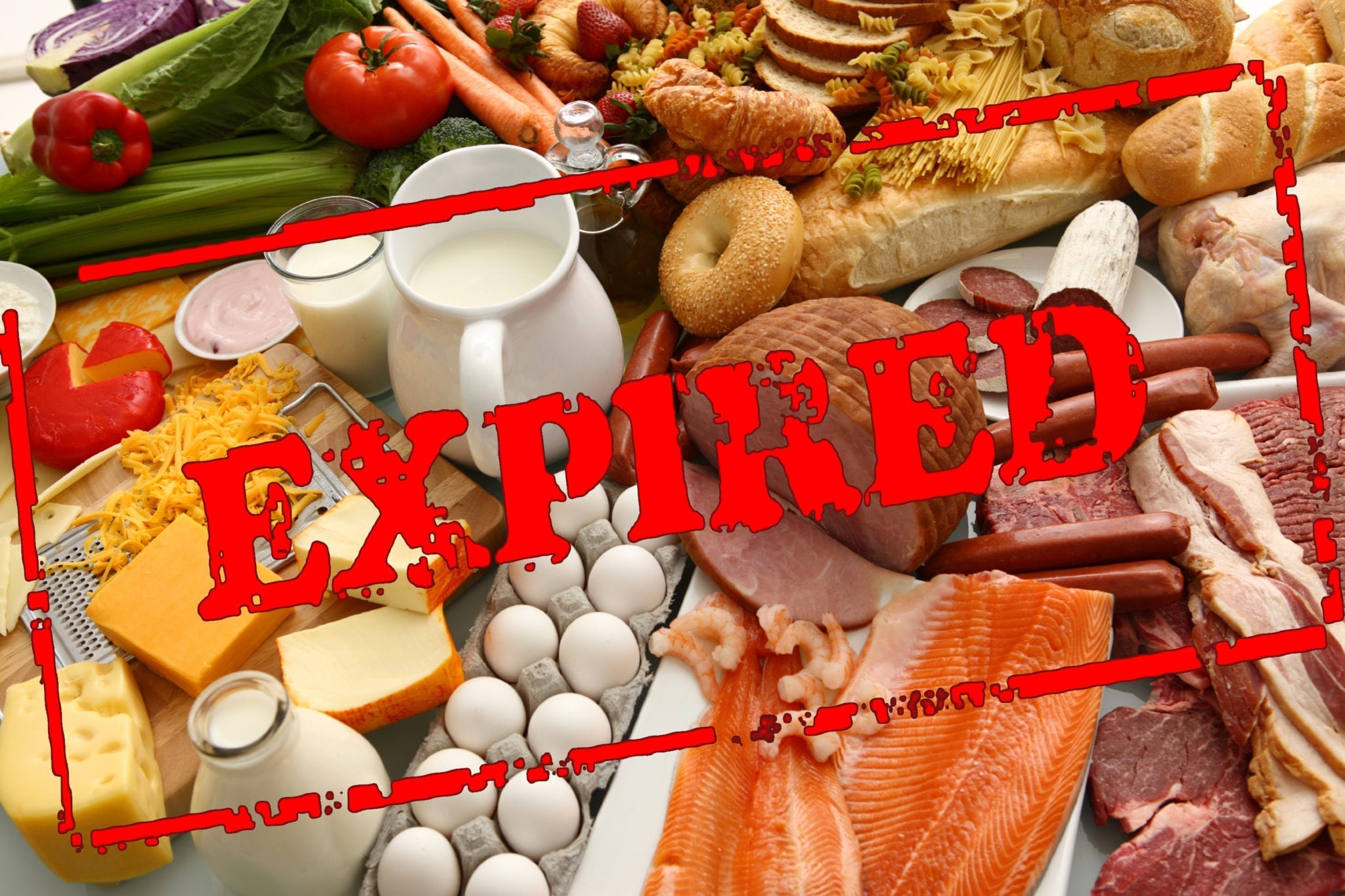
    Grocery and general merchandise retailer Tesco is set to introduce ‘Colleague Shops’ in all its UK stores to give employees the opportunity to take food approaching its expiry date, as part of its wider work to prevent good food from going to waste.

    Dedicated storage areas and fridges will be set up in back-of-store employee rooms to safely store quality food on its use by or best before date, and has the added benefit of helping to reduce food waste.

    The company said the move is part of Tesco’s on-going drive to ensure that no food safe for human consumption will go to waste in its UK retail operations by the end of 2017/18. Colleague Shops will form an additional part of Tesco’s established approach to managing stock in store which includes using sophisticated systems to predict and order the amount of food that customers are expected to buy in stores.

    Additionally, the price of products are ‘reduced-to-clear’ as they approach their expiry date to minimise surplus. If food cannot be sold, it’s offered to local charities and community food groups via Tesco’s surplus food redistribution initiative, Community Food Connection. However, charities don’t always need everything offered to them, so any food left over will now be made available to Tesco staff.

    Tesco’s head of food waste reduction Mark Little said: “We want to do everything we can to make sure perfectly good food doesn’t go to waste. Our Colleague Shops are a win-win, providing an additional step to support our efforts to tackle food waste in our own operations and offer colleagues an extra little help at the end of their shift.”

    Colleague Shops will be introduced to Tesco stores by the end of February. The surplus food will initially be made available for 1p before becoming free of charge in a few months’ time.

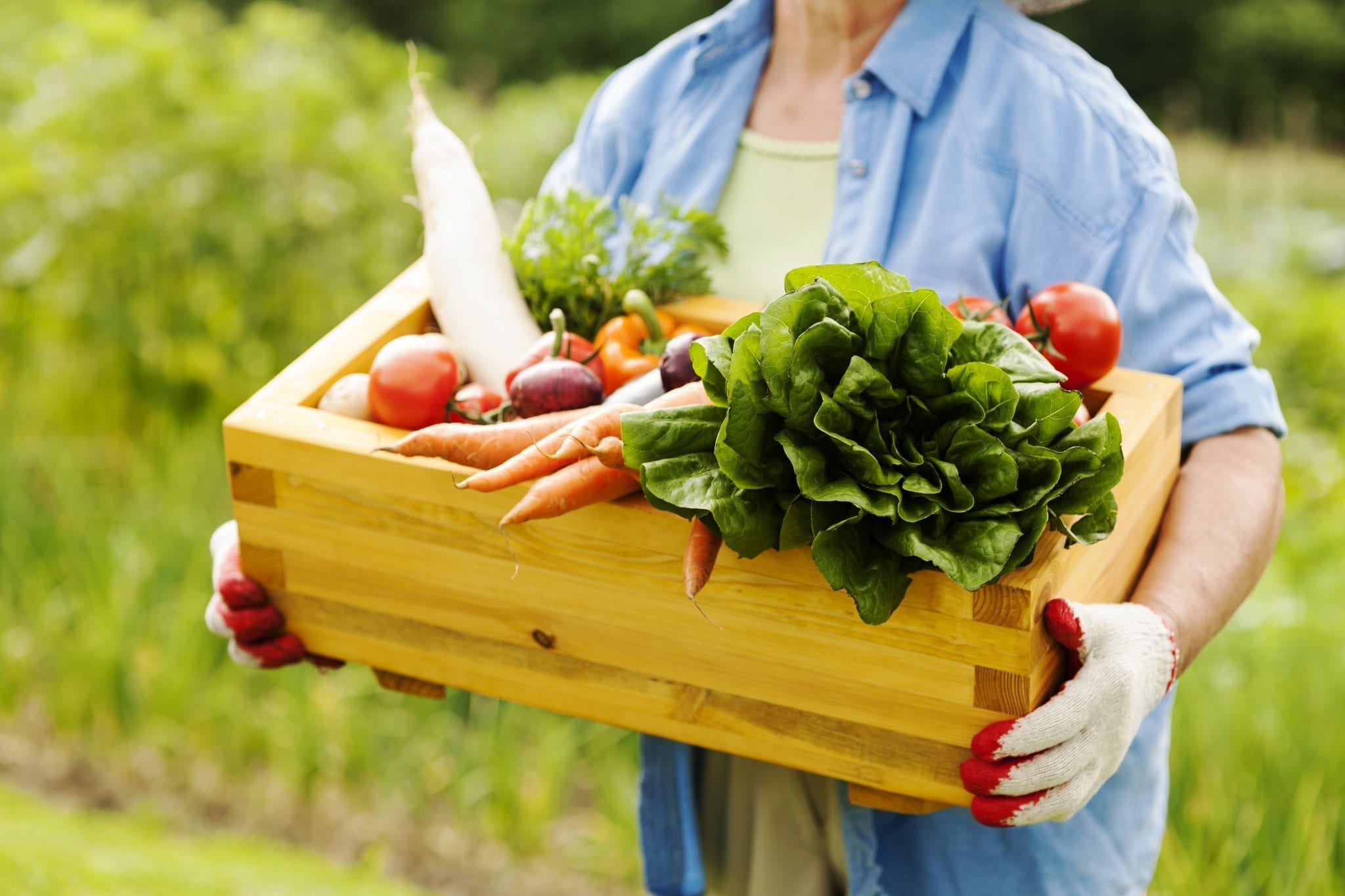
  • China in strong growth on the organic front

    China in strong growth on the organic front

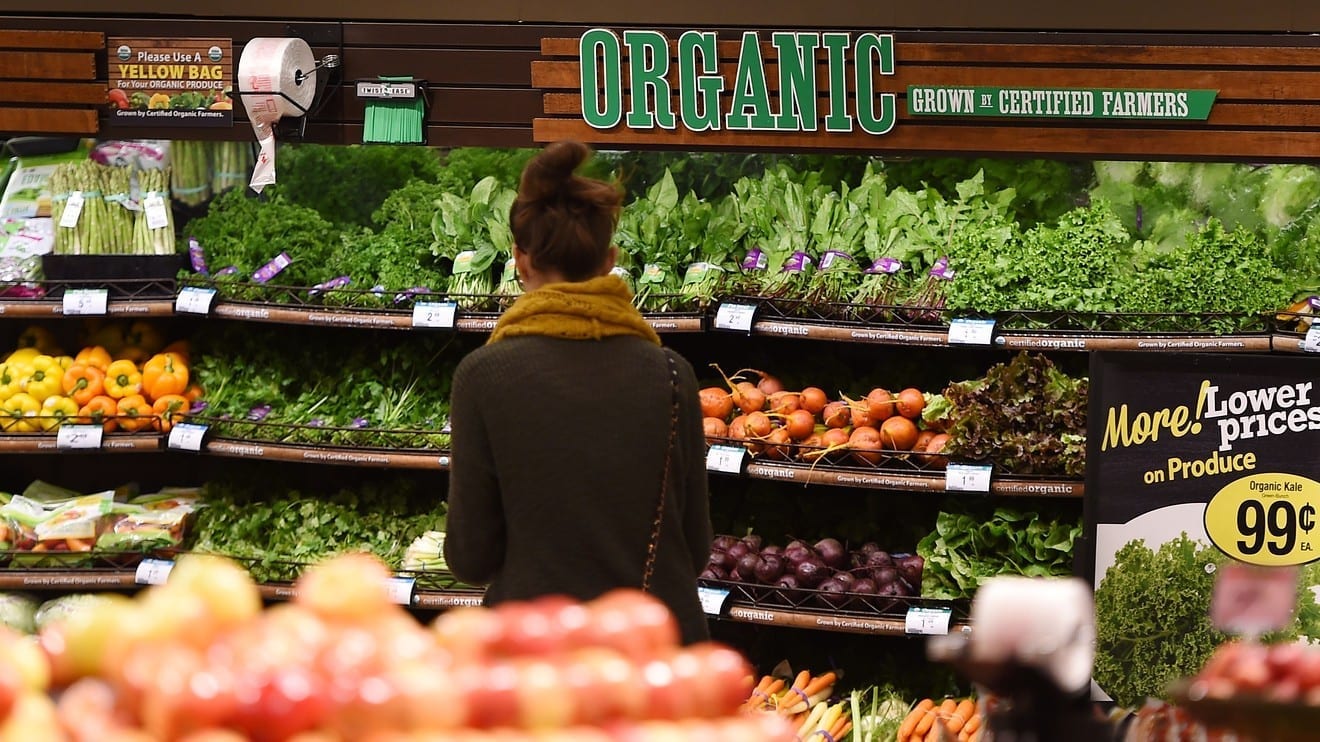
    During the last ten years organic sales have doubled in Denmark and have accounted for 9,7 percent of all groceries sold, the Danish newspaper Berlingske say. That places Denmark to be the top number one country in the world with the largest organic share of retail trade. Now China is catching up and is ranked fourth since organic food was traded for 44 billion Danish crowns in 2017.

    Globally organic trading accounted for 540 billion Danish crowns in 2016, according to the international report “The World of Organic Agriculture” which was published at this year’s BioFach in Nürnberg, Germany. USA is still by far the largest organic market globally with a turnover of 290 billion Danish crowns in 2016.

    Organic production is a rapidly developing business area with a great market. And now might be the time to throw an extra glance at organic export to China, – a market in strong growth.


  • Imported beer sales at convenience stores on rise

    Imported beer sales at convenience stores on rise

    Sales of imported beer at South Korean convenience stores have risen sharply, store operators Sunday, as more consumers opt for variety and a growing number of people drink at home.

    BGF Retail Co., the operator of CU, South Korea’s largest convenience store chain, said sales of foreign beer brands accounted for 60.2 percent of the total in the two months of this year.

    The figure has steadily increased from 58.3 percent in 2015, with numbers surpassing the 60 percent mark for the first time ever.

    Industry insiders said the rise of single-person households also boosted the trend of demand for light alcoholic beverages. This has resulted in rising demand for imported beer sales at discount chains and convenience stores.

    “A total of US$250 million worth of beer were imported last year to set a new record,” said a CU official, noting that discounts on imported beer have also reduced the price gap with domestic beers.

    Local convenience stores have recently offered aggressive price promotions for foreign beers to meet strong demand for various flavors beyond the lager-dominated domestic brands.


  • Spanish wine made for Asia

    Spanish wine made for Asia

    The practice of dining together and sharing plates is something Asian and Spanish cultures have in common.

    So Spanish winemaker Alejandro Garcia Lopez, director of Rioja winery Vina Pomal, wanted to make a wine to suit the shared dining experience in Asia. He created the Vina Pomal Edicion Limitada 2012, which will be sold exclusively in Asian markets, including Singapore, China, Japan and Indonesia.

    “In Asia, you have different profiles of food with spices, flavours and aromas, so to complement that, I wanted to make a special-edition wine with a good structure and body, and the potential to age,” he tells The Sunday Times during a promotional trip in Singapore last week. “We also wanted the wine to be easy to pair with food.”

    Vina Pomal is the flagship label of Bodegas Bilbainas, one of Rioja’s oldest wine estates. Only 10,000 bottles of the Edicion Limitada – made of 100 per cent Tempranillo grapes – have been produced.

    The grapes are sourced from only old vines that are between 45 and 55 years old and planted in the clay and limestone soil typical of the region. Some of the land on which they are grown has been worked by the winery since 1904.

    The climate of the Riojan capital of Haro, where the winery is located, is also influenced by the Atlantic Ocean, which lies 160km to the north.

    “So the grapes have a really long ripening process because of the climate, which makes the tannins very soft,” Mr Lopez, 40, says.

    The grapes are handpicked from three different vineyards – they add up to no more than 2ha of land – within the 250ha property. Each vineyard contributes a different quality, including fruitiness and minerality, to the blend.

    Even the ageing process had to be tailored to these grapes. Since the grapes were from old vines, Mr Lopez decided to age the wine in French oak barrels instead of American ones that are typically used for Rioja wines. For Edicion Limitada, 70 per cent of the wine is aged in new oak barrels and the remainder in barrels that have been used for a year.

    French oak, Mr Lopez notes, results in a wine “with more structure and flavours like tobacco, wood and spices”.

    After 18 months in the barrel, the wine spends another year ageing in the bottle.

    The result is a deeply aromatic Rioja with black fruits and spiced flavours on the nose, and a velvety soft texture and long finish on the palate. Even though Edicion Limitada has spent six years ageing, the wine still tastes fresh.

    It also does not adhere strictly to Rioja’s wine classification, which is based on how long the wine spends in the barrel. One that is labelled Rioja spends only a few months in oak before it is bottled, while Gran Reserva must be aged in oak for at least two years and then spend three more years in the bottle.

    But Mr Lopez did not want to feel restricted when creating the Edicion Limitada.

    “We wanted to feel free as winemakers to do what the wine needs, not what the rules require,” he says.

    While the wine can be drunk immediately, he adds that it also has great ageing potential.

    “It is made of a selection from our best vineyards and, because it spends such a long time in the barrel and bottle, it can also be opened in the next 10 to 20 years,” he says.

    Vina Pomal Edicion Limitada 2012 has a recommended retail price of $85 and can be ordered from its distributor, Singapore Beverages, or at Cellarbration stores in Circular Road, Seletar Mall, Ubi Road and Marina Square.

  • Mondelez Malaysia Wins Regional Award for Halal Excellence

    Mondelez Malaysia Wins Regional Award for Halal Excellence

    Mondelez Malaysia, part of Mondelēz International and owner of iconic brands such as Cadbury Dairy Milk, Toblerone, Oreo, Chipsmore and Twisties recently won the Best Halal Chocolate Bar under Heritage Brand for its Cadbury Dairy Milk Chocolates at the Asia Halal Brand Awards 2017 (AHBA). The prestigious award recognises the company’s long-term legacy in making Halal Cadbury chocolates in Malaysia and catering to the local consumers, with its commitment in manufacturing processes and supply chains that are internationally-compliant and halal-certified. Cadbury Dairy Milk chocolates are certified Halal by Jabatan Kemajuan Islam Malaysia (JAKIM) since 2004.

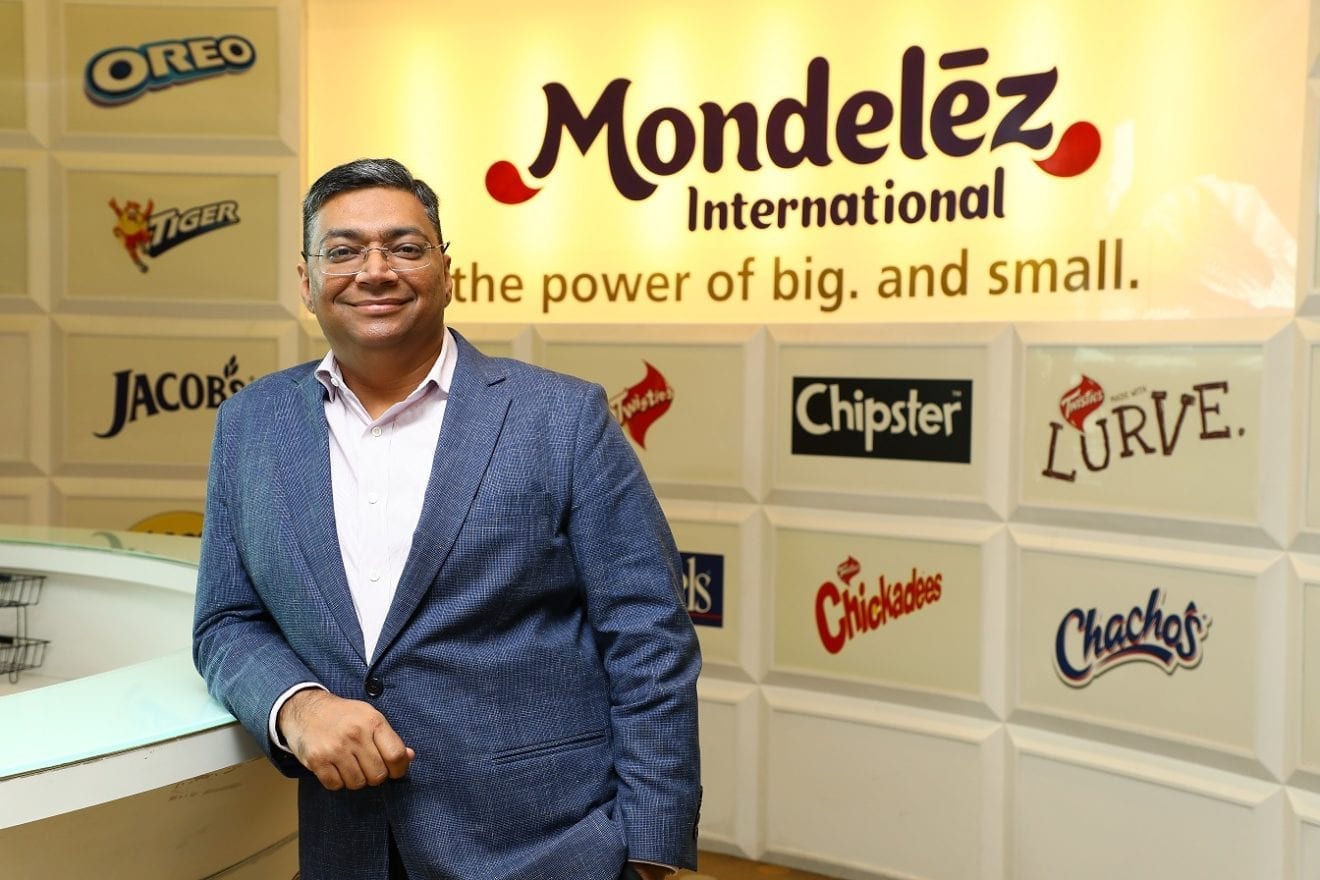
    Swadheen Sharma, Managing Director of Mondelez Malaysia said, “2017 has been an outstanding year for Mondelez Malaysia and being recognised as a prominent Halal brand not only further validates our position, but also demonstrates our continued responsibility towards meeting consumer needs and preferences. We understand how important Halal is to our consumers. Ensuring that all our products made here in Malaysia are Halal is something that we take very seriously.”

    The Asia Halal Brand Awards 2017 (AHBA) aims at promoting prominent Halal brands in Asia that elevate the significance of the brands in the global market. Mondelez Malaysia was awarded because of its stringent manufacturing process to ensure the highest standard of quality, while being compliant to the Halal guidelines. All Mondelez products in Malaysia are certified Halal by JAKIM and 20 percent of products manufactured here are exported to 16 countries worldwide.

    Mondelez Malaysia reinforced its focus on Halal by strengthening its collaborations with authorities and certification bodies, including Halal Industry Development Corporation (HDC), as well as carrying out proactive audits on its products. These initiatives have collectively strengthened consumers’ confidence in Cadbury Dairy Milk Chocolates as a Halal-certified product.

    Mondelez Malaysia maintained its strong presence in the country in three core categories; chocolate, biscuit and salty snacks. Currently ranked number one in the biscuits category and number two share position in Salty Snacks and a sizeable Candy business, the owner of famous brands such as Cadbury Dairy Milk and Cadbury 5 Star is confident that it would gain back its category leadership in chocolates because of its strong plans and execution roadmaps.

    “Mondelez Malaysia’s positive growth in the chocolate category is driven by our product innovation and portfolio diversification. Over the years, we have had great success with the new products we introduced to the market, such as Marvellous Creations, Cadbury Honey Comb & Nuts, Cadbury 5 Star and Cadbury Dairy Milk Oreo to suit the Malaysian consumers’ taste. These efforts are important for us to keep up with the evolving needs of consumers, while catering to a variety of taste profiles and flavour preferences,” said Vikram Karwal, Associate Director Marketing Chocolates SEA.

    The market will continue to be uncertain in view of the changing dynamic of consumers’ purchasing habits. In sustaining this leadership, Mondelez will focus on building excellence in its sales execution to drive category growth. This includes even deeper partnerships with retailers to improve the shopping experience, faster speed to market, improved freshness and availability.

  • Jollibee craves for more stake in Smashburger

    Jollibee craves for more stake in Smashburger

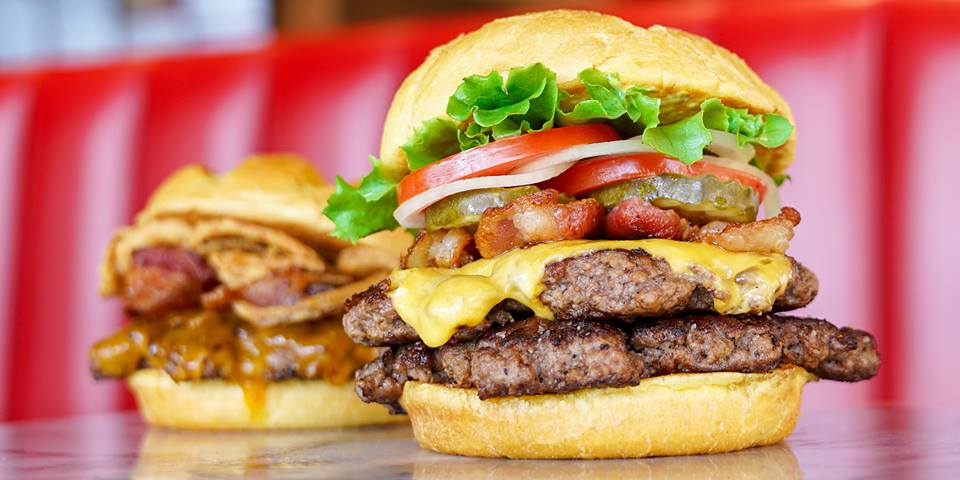
    Jollibee Foods Corporation has agreed to acquire an extra 45 per cent of the US Smashburger brand for US$100 million, giving it a controlling stake of 85 per cent.

    “Jollibee has been an invaluable strategic partner,” says Smashburger co-founder/CEO Tom Ryan.

    His company last year launched and sold nearly 2 million Triple Double Burgers, setting record levels of mix, sales and traffic. The company also launched the Smash Pass, a subscription-based loyalty program.

    Smashburger CFO Bradford Reynolds says Jollibee’s majority stake in Smashburger positions the brand for continued growth, particularly in Southeast Asia.

    As well as beef and turkey burgers, Smashburger offers grilled or crispy chicken sandwiches, black-bean burgers, salads, side items and hand-spun Haagen-Dazs shakes. For each market, the menu includes locally inspired items as well as local craft beer. Launched in 2007, the chain now has more than 360 corporate and franchise restaurants in 38 states and nine countries.

  • Supermarkets in HCM City gear up for Lunar New Year

    Supermarkets in HCM City gear up for Lunar New Year

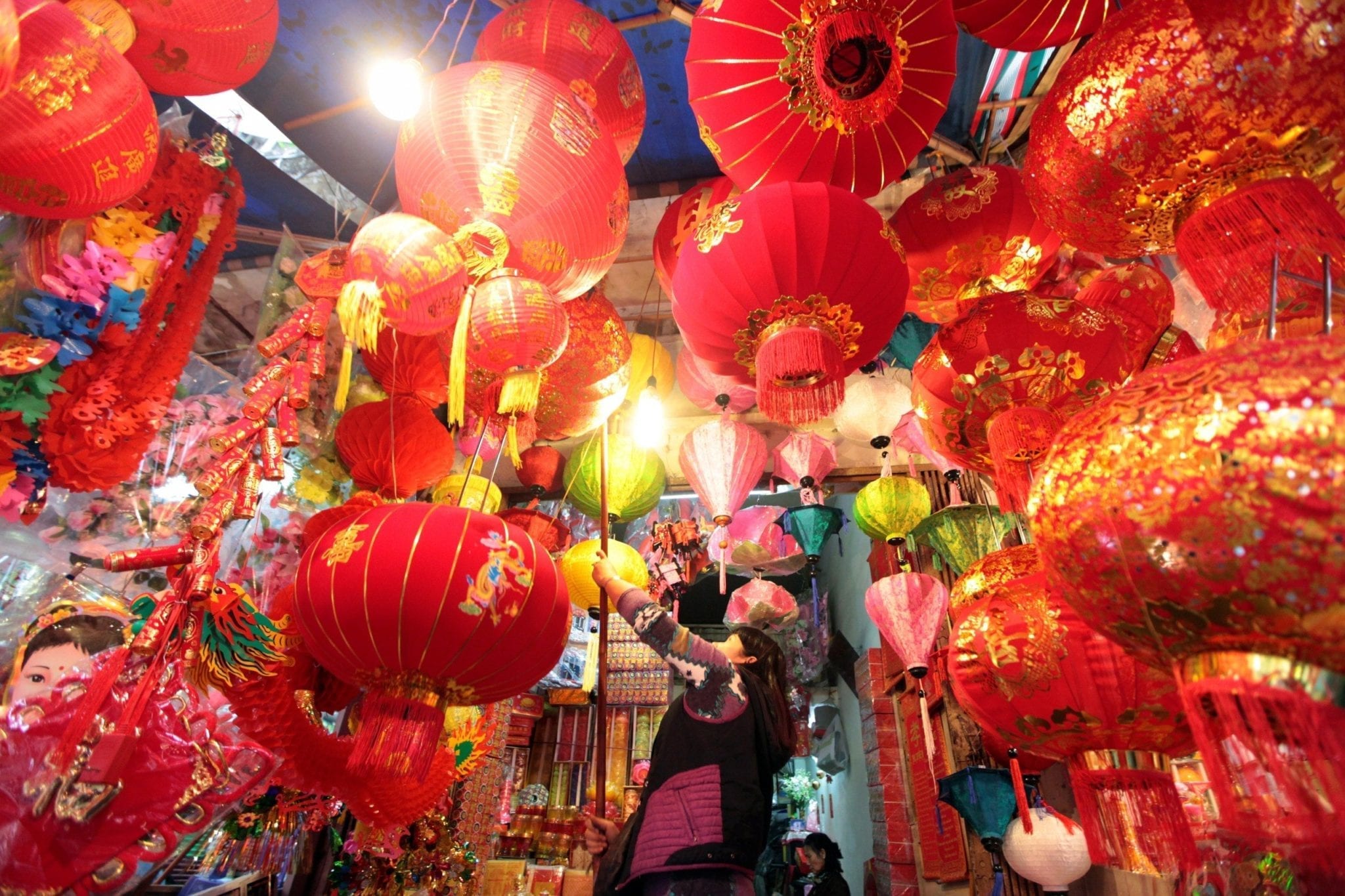
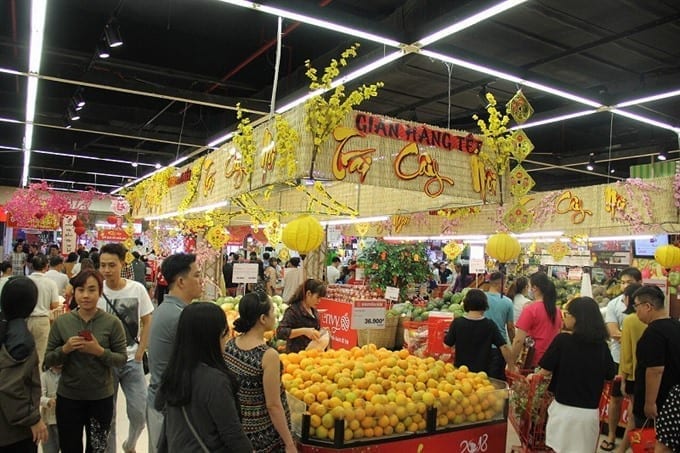
    Many supermarkets are launching attractive promotion programmes in the days ahead of Tết (Lunar New Year) to attract customers. Tết falls on February 16 this year.

    In addition to cutting prices on more than 5,000 essential items from January 11 to February 14, Co.opmart and Co.opXtra have teamed up with suppliers for another programme under which they will cut prices of many kinds of fresh food by the maximum possible rates for seven days starting just before Tết.

    They have also applied “Super discounts” and “Buy more, get more discounts” on the weekend and incentive programmes for their loyal customers such as offering high reward points.

    Similarly, Korean retailer Lotte Mart also launched three consecutive promotion programmes: The “Tết comes to Lotte Mart” programme takes place from January 24 to February 15, with discounts between 5-49 per cent on more than 1,200 products; “For a full Tết” from February 7 to 15 with discounts on over 80 Tết-featured products; and “Starting a desired spring” programme from February 13 to 21 with hundreds of products discounted between 5-49 per cent.

    Supermarket chain Big C is offering a discount of up to 40 per cent on 13 types of fruit. Imported fruits like Egyptian oranges, Korean pears, French kiwis and South African grapes are priced at VNĐ30,000-83,000 (US$1.32-3.64) for a kilo until February 15.

    Moreover, for the first time, French and US green and red apples will be sold at the same price of VNĐ29,900 a kilo.

    In addition to this, Big C will launch two “unprecedented price shock” programmes applicable to its food and fresh goods until New Year’s Eve on February 15.

    According to insiders, the closer to Tết, retailers increasing apply promotion programmes to enhance competitiveness in attracting customers.

    Market movements in the peak shopping days for Tết usually change quickly. Therefore, retailers need to keep a close eye on up-to-date figures to identify changes for timely responses.

    Wholesale markets

    Goods transported to the city’s two wholesales markets have increased strongly to meet peak shopping demand for the New Year from February 11 to 15.

    Nguyễn Văn Huây, director of Thủ Đức Wholesale Market Management and Trade Company, said goods volume entering the market can reach up to 7,500 tonnes a day, an increase of 10 per cent over last year’s Tết.

    Vegetable volume at the market fluctuates between 2,700 tonnes to 3,000 tonnes a day, while fruits are between 4,300-4,500 tonnes a day.

    At Hóc Môn wholesale market, the amount of goods entering the market from February 12 (four days ahead of Tết) may go up to 5,500 tonnes per day, up 100 per cent compared to normal days.

    According to traders at the two wholesales markets, the supply of popular fruits for Tet such as grapefruits, mangos, tangerines and dragon fruits may be not much higher due to unfavourable weather last year.

    About 150-170 tonnes of grapefruits and 100-120 tonnes of mango are expected to enter Thủ Đức Market a day on days near Tết, but their prices will rise sharply if there is a surge in demand.

    Thủ Đức Wholesale Market’s management board forecasted that grapefruits can be priced at VNĐ60,000-65,000 per kilo for green skin grapefruit and VNĐ28,000-30,000 a kilo for Năm Roi grapefruit, while it is VNĐ130,000-150,000 for a kilo of Hòa Lộc mango, VNĐ45,000-50,000 per kilo of sweet tangerine and VNĐ80,000-100,000 per kilo of custard-apple.

    Nguyễn Huỳnh Trang, deputy director of the HCM City Department of Industry and Trade, has asked the management boards of the two wholesale markets to keep track of markets and update supply-demand and pricing situations, in order to quickly report to the department and relevant agencies if there is a sudden fluctuation.


  • Japan’s fast food rivalry heating up

    Japan’s fast food rivalry heating up

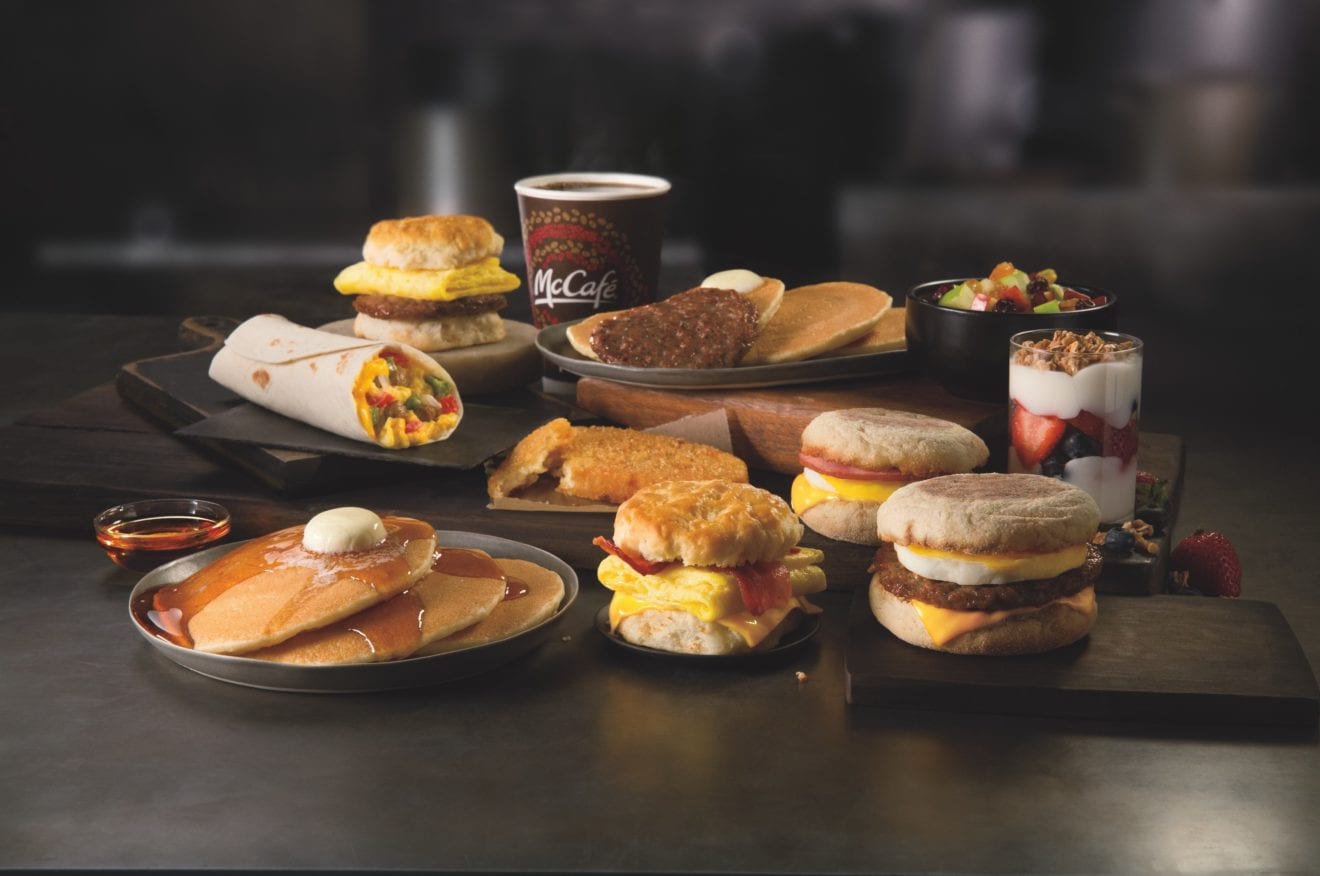
    McDonald’s Japan plans to open more stores this year, its first expansion in a decade.

    At the same time, rival Burger King is working on tripling its Japanese locations to 300 by 2022 at a cost of ¥5 billion (US$45.5 million).

    With a 4.5-fold increase in group net profit last year, McDonald’s Holdings logged a record ¥24 billion. It aims to open 150 to 200 locations in the next three years. With closures taken into account, it expects a net increase of about 100.

    “Over the past several years we were focusing on optimising our store portfolio,” says president Sarah Casanova. “Now it is time to look to opportunities to grow with new restaurants.”

    Following a peak in 2002, the number of McDonald’s locations in Japan has been declining. The chain now has 2900 outlets, a drop of about 1000.

    The turnaround for the burger market is mainly because of record numbers of tourists in Japan, 28.6 million last year.

    Burger King Japan plans to open most of its 200 new restaurants in cities like Tokyo, Osaka and Nagoya. Target locations include shopping-centre food courts and suburban sites with room for a drive-through. A home-delivery service will be offered to counter the move last year by McDonald’s Japan to partner with Uber Eats.

    After a slump, Burger King left Japan in 2001, returning in 2007. Its current expansion drive follows a Hong Kong investment fund acquiring the Japan rights from Burger King. It is also revamping its product lineup.

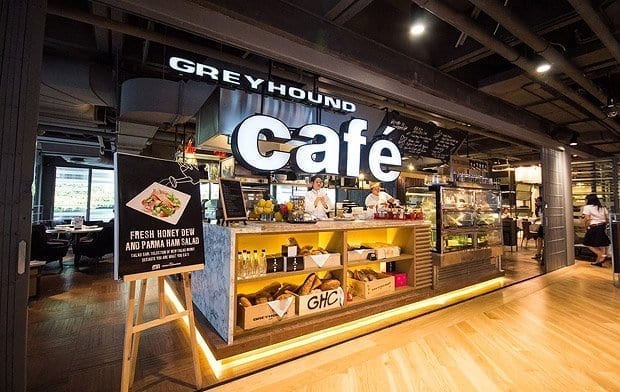
  • Greyhound Cafe plan to open more stores abroad

    Greyhound Cafe plan to open more stores abroad

    Nadim Xavier Salhani, the man behind US franchises Au Bon Pain, Dunkin’ Donuts and Baskin Robbins in Thailand, aims now to expand the group’s Greyhound Cafe brand abroad. Greyhound, which has 17 cafes in Thailand and 18 franchises overseas including China, Hong Kong, Indonesia, Malaysia and Singapore, is also planning more acquisitions.

    Already, the company has invested THB150 million (US$4.7 million) to open a 192-seat Greyhound Cafe in London’s Soho district, and has also acquired the 300-year-old Grand Vefour, a Michelin two-star fine-dining restaurant in Paris.

    “We are planning to develop more projects in Tokyo, Hong Kong and Bangkok in the French brasserie restaurant style, at a cost of 40 to 60 million baht each,” Salhani says.

    Meanwhile, he plans to open 12 Dunkin’ Donuts Coffee concept branches this year, including the brand’s first drive-through in Ayutthaya this June. There are also plans to open five Au Bon Pain and five Baskin Robbins outlets this year, taking the total to 300 branches for Baskin Robbins, 80 for Dunkin Donuts and 40 for Au Bon Pain.

  • Dairy Farm to have more shares in pharmacy

    Dairy Farm to have more shares in pharmacy

    Hong Kong retail giant Dairy Farm has received official approval to increase its stake in Philippine drugstore chain Rose Pharmacy.

    It is doing this through its European investment vehicle Mulgrave Corporation, which has received the nod from the Philippine Board of Investments (BOI). It seeks to raise its shareholding in Cebu-based Rose Pharmacy from 49 to 51 per cent. Financial details of the deal have not been disclosed.

    Rose Pharmacy has 252 pharmacies nationwide.

    Trade undersecretary and BOI managing head Ceferino Rodolfo says that aside from increasing its stake in Rose Pharmacy, Mulgrave also plans acquisitions and to expand retail outlets.

    Based in Amsterdam, Mulgrave Corporation runs supermarkets through a subsidiary. In turn, Mulgrave is a subsidiary of Dairy Farm International Holdings.

  • Amazon unveiled its plans for Whole Foods

    Amazon unveiled its plans for Whole Foods

    Ever since Amazon spent $13.7 billion on Whole Foods in June 2017, theories have been swirling as to why the world’s biggest e-commerce firm would get into the old-time business of selling groceries in stores.

    Now it is becoming clearer that what Amazon really wanted was a slice of real estate closer to consumers, to get goods faster to them than ever.

    The clearest signal so far: Amazon announced Thursday that people subscribing to its Prime service in four major U.S. cities (Austin, Cincinnati, Dallas and Virginia) can get groceries from Whole Foods delivered within just two hours of placing an order, for free. They’ll be able to order fresh meat, seafood, flowers and “most” of the items stocked in their local Whole Foods outlets, the company says.

    That means you could theoretically eat lunch, and then order your dinner ingredients on the same day.

    The move could have far-reaching consequences once Amazon begins introducing speedy delivery from other Whole Foods outlets across the world, raising consumer expectations and putting pressure on other grocers to offer the same kind of shipments too.

    In one movement, Amazon has also taken the so-called “last mile” delivery problem it’s been trying to solve with one-day deliveries on Prime, and flipped it on its head.

    Instead of driving goods to your house from a vast warehouse on the edge of the city, it’s bringing them direct from main street; with an order being processed just down the road, the last mile is now the “first mile.”

    For now, this applies to the groceries that are traditionally available in Whole Foods. But some in the e-commerce industry believe Amazon has been planning to seriously restructure Whole Foods stores, sectioning off areas that it can turn into miniature versions of its highly-automated warehouses.

    That could allow Prime customers to not only receive Whole Foods fresh fish and veg, but popular household items like toothpaste and baby diapers.

    Amazon wants to build a distributed supply chain, says Elram Goren, who runs CommonSense Robotics, an Israeli startup selling automated-warehouse technology to rival grocery chains, and to be “close to their customers.”

    While that might seem like a threat to other grocers, Goren contends that Amazon is setting an example those competitors can follow too. That is, if they’re willing to make radical changes to the way they use their stores, and also turn sections of them into “micro-fulfilment centers.”

    “For a very long time, e-commerce was growing extremely fast and companies like Walmart, Kroger or Albertsons, didn’t really have have any kind of strategic advantage over Amazon,” he adds.

    “But with online groceries they have that infrastructure. Think of a store. It already has a supply chain coming in, and it is by definition close to the customer.”

    Tom Adeyoola, who founded the British e-commerce startup Metail, agrees retailers need to embark on a “big change in mindset,” and take advantage of the fact that their stores are physically closer to customers than Amazon’s warehouses.

    “If you could have a big store footprint, how can you turn that into a fulfilment center?” he says. Companies with a trusted logistics model and reliable delivery service could have the most success, he adds.

    Amidst a so-called retail apocalypse that’s swallowing up storied retailers like JCPenney and Toys R’ Us, that could be a model worth thinking about.

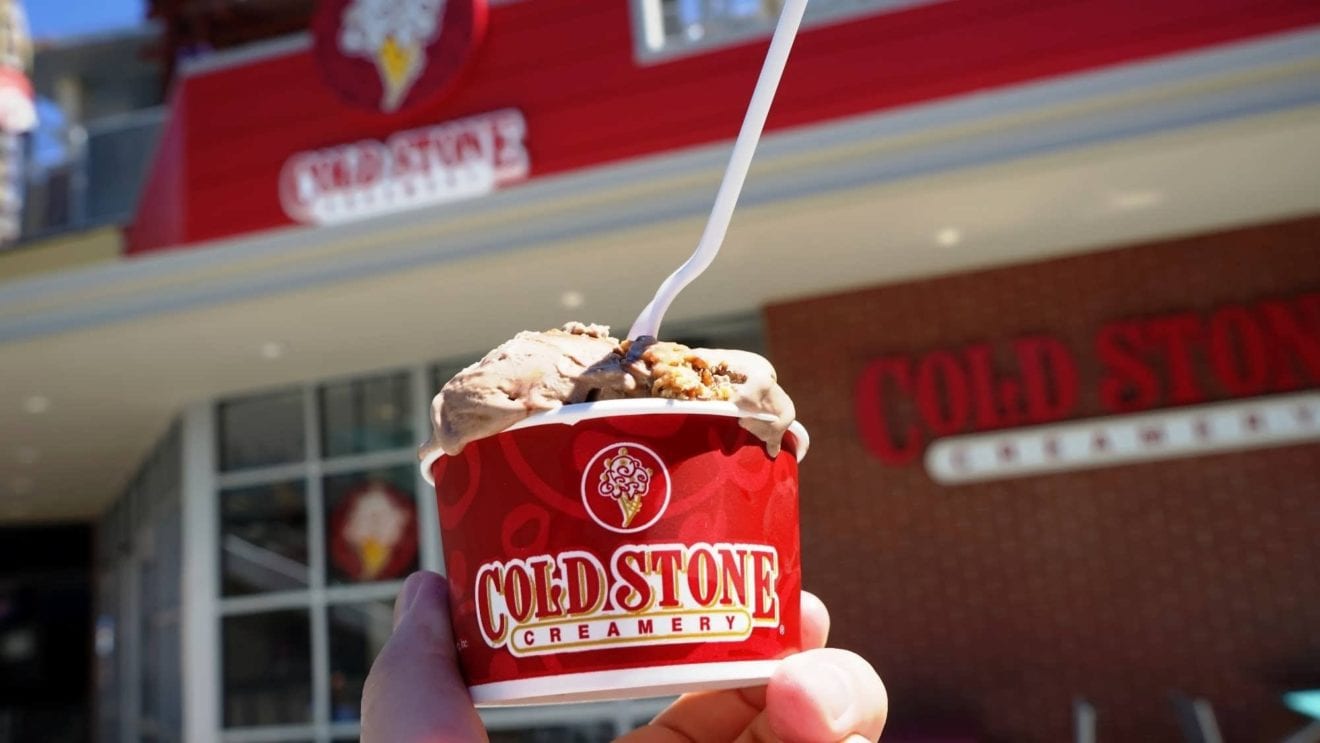
  • Cold Stone Creamery Malaysia Opened In Kuala Lumpur

    Cold Stone Creamery Malaysia Opened In Kuala Lumpur

    American ice-cream parlour chain Cold Stone Creamery Malaysia has opened its first store in Kuala Lumpur.

    After tracking through Bangkok, Manila and Singapore, the American ice-cream parlour chain has launched a flagship outlet at Pavilion Kuala Lumpur.

    From Arizona, the brand plans to open 10 outlets in Malaysia within the next five years.

    Founded in 1988, Cold Stone Creamery is best known for its design-your-own desserts that lets customers choose mix-ins, all theatrically combined on a frozen granite slab.

    The store offers 36 ice-cream flavours and will be adding some local tastes.

    Cold Stone Creamery senior international VP Eddy Jimenez says Malaysia’s opening was delayed as the company took years to find a suitable franchisee.

    “Local flavours are important and we are very sensitive to the local culture ‒ they’re going to be a big part of the brand,” says Jimenez.

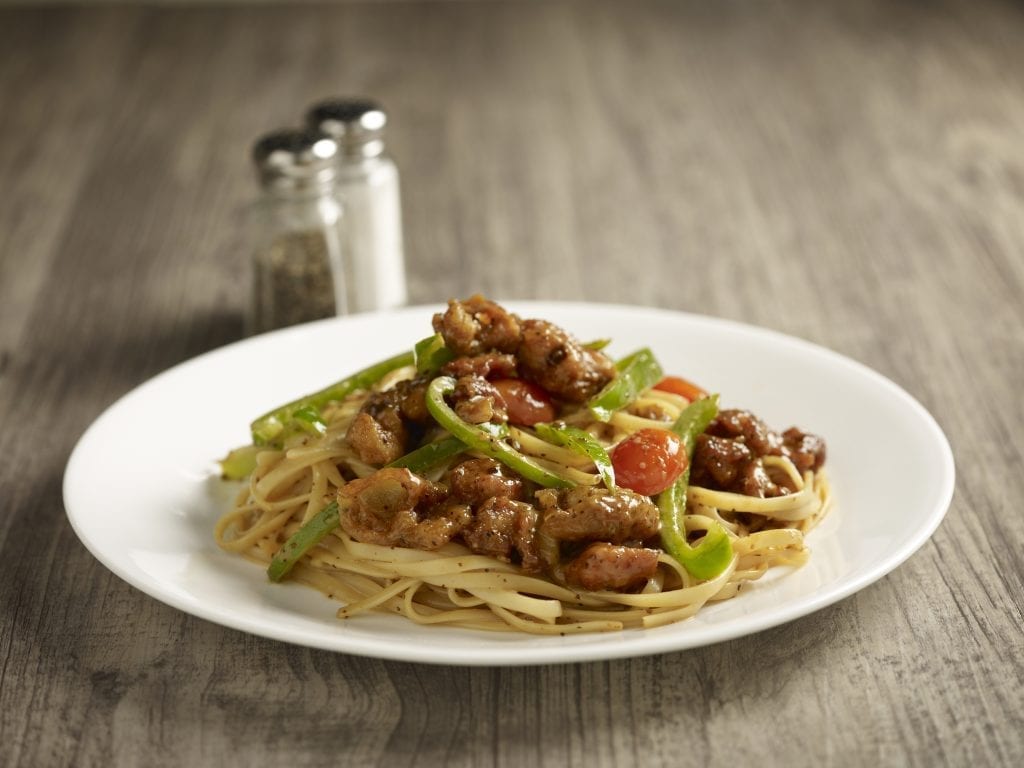
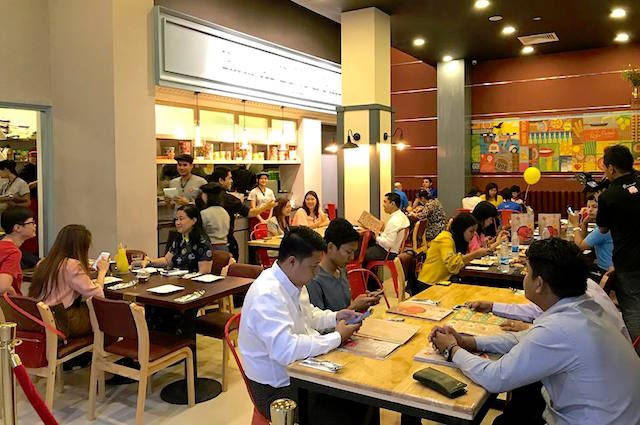
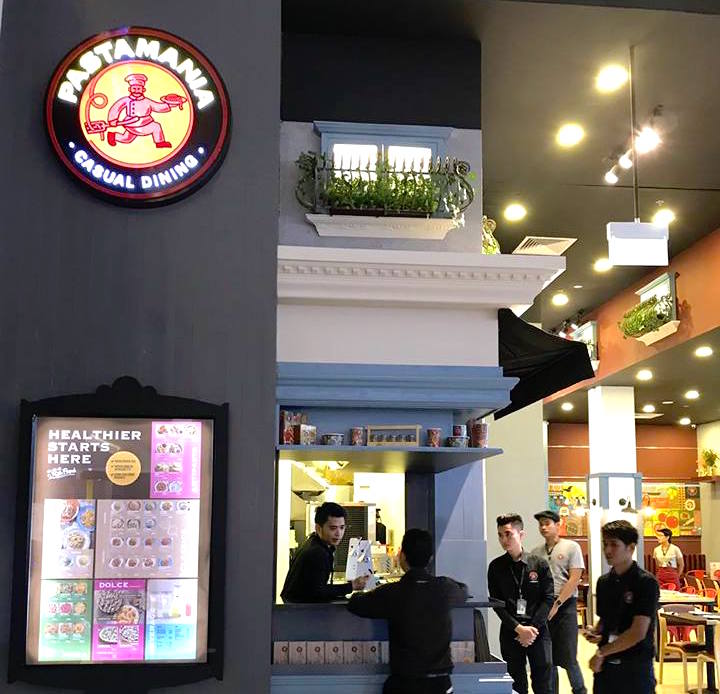
  • PastaMania Myanmar Opens Second Branch in Yangon

    PastaMania Myanmar Opens Second Branch in Yangon

    PastaMania Myanmar will open a branch in Yangon’s Capital Hypermarket Extension Mall on February 27.

    From Singapore, the Italian casual-dining restaurant chain has more than 50 outlets in 14 countries.

    “This PastaMania outlet design is based on Italy’s piazza concept to create the ambience of an Italian city square, says executive director Wilson Lim of Singapore’s Commonwealth Capital Group, which run PastaMania.

    This is the second Yangon outlet for PastaMania, the first opening on Inya Road in February 2016.

    Two more outlets are planned over the next year in Yangon.

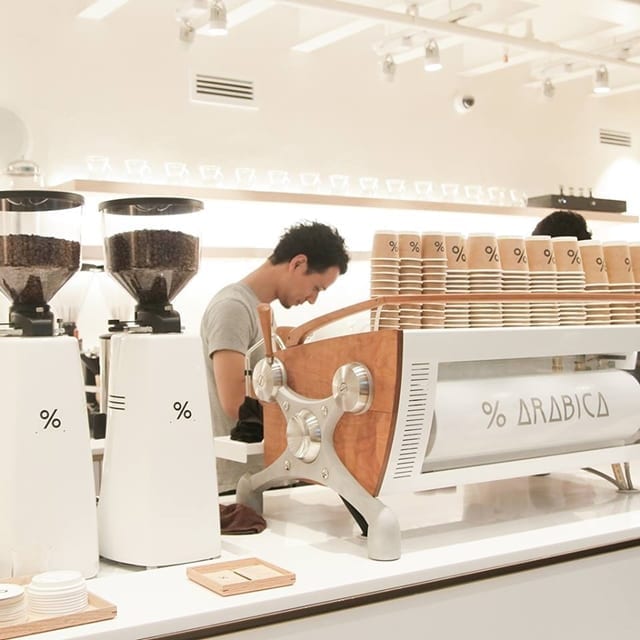
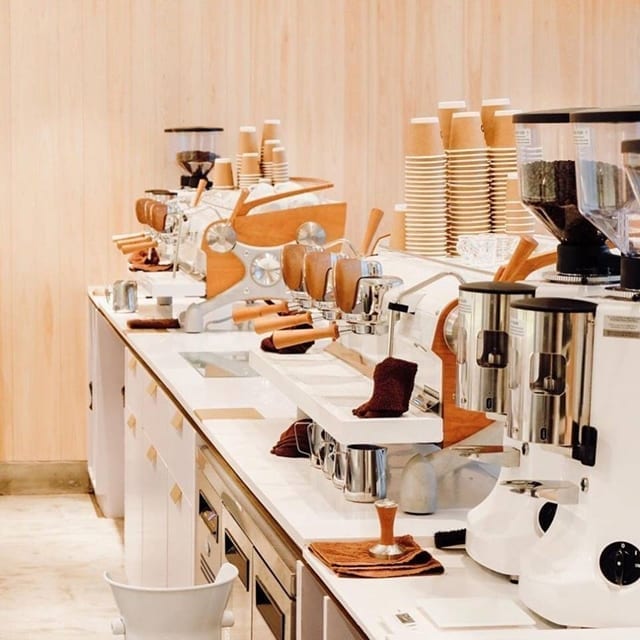
  • Arabica Coffee Opens in the Philippines

    Arabica Coffee Opens in the Philippines

    After nearly a year of planning, Kyoto’s % Arabica Coffee has opened its first store for the Philippines.

    It is in Manila’s Bonifacio Global City and is the result of the efforts of a mother-and-daughter team that has been travelling around the world looking for the best coffee spots. Allue Hortazela says she and her mother could not forget the taste of % Arabica, prompting her to return to the Kyoto main branch of % Arabica to contact the owner with the hope of launching a branch in the Philippines.

    Founded in 2014 by Kenneth Shoji, % Arabica uses 100 per cent Arabica coffee beans sourced internationally from countries such as Brazil, Guatemala and Japan.

    To support the opening of the Manila branch, % Arabica global and Kyoto head barista Junichi Yamaguchi flew from Japan to oversee the crafting of coffee for every customer.

  • Vietnam talks trade promotion in tough markets

    Vietnam talks trade promotion in tough markets

    Trade promotion in Việt Nam is facing many difficulties as many importers, such as the US, China, Japan and the European Union, were now protecting their own farm production.

    Trần Văn Công, deputy director of the Agro Processing and Market Development Authority under the Ministry of Agriculture and Rural Development (MARD), made the statement at a trade counsellors’ meeting in Hà Nội on February 8 to discuss strategies for enhancing farm exports.

    The agricultural sector targeted a growth rate of about 3 per cent and export revenues of US$40 billion in 2018.

    The quality and food safety standards in these countries have become stricter. As a result, it took more time, five to seven years on average, for Việt Nam to negotiate with them to open markets for farm produce, according to Công.

    Công said in 2018, the agricultural sector would work to enhance market analysis and forecast capacity to ensure smooth consumption of farm produce and increase the marketing of key Vietnamese products in big and potential markets.

    It would also tighten links with domestic and foreign agricultural businesses, remove technical barriers and solve payment difficulties for exports to Africa and the Middle East.

    Agricultural Minister, Nguyễn Xuân Cường, said that as Việt Nam’s farm production had surpassed demand, the task was to maximise global markets and produce farm products of the highest quality.

    Trade counsellor in Japan, Tạ Đức Minh, said Japanese people highly valued many Vietnamese farm products, particularly mangoes and bananas.

    The shipment of the first chicken meat to Japan also proved that Vietnamese products satisfied the demanding market. However, he noted, export prices were still high, especially for fruits, since they spoiled easily and shipment costs were high. He asked for solutions to reduce shipment cost in order to boost Vietnamese products’ competitiveness.

    Meanwhile, trade counsellor to Australia, Nguyễn Hoàng Thuý, said the opening of the southern market was a long and difficult process. For example, it took up to 12 years for lychees to enter this market. Therefore, she said, it was necessary to hasten negotiations.

    She said there was a need for better co-ordination between the ministry and the trade office to promote negotiations.

    Minister Cường also asked trade counsellors to not only promote trade, but to also provide more information on technology, culture and market trends, which he said was crucial for the agricultural sector to expand markets.

    Deputy Minister of Industry and Trade Hoàng Quốc Vượng asked the MARD to co-operate with the Ministry of Industry and Trade’s departments in expanding markets and organising exhibitions.

    Vượng asked trade counsellors to provide information regularly. They should also regularly share market information with each other.

    He said they should also study new technologies and help introduce them to Vietnamese firms handling agricultural products.

    Aquatic exports

    On the sideline of the trade counsellers’ meeting, Trade Counsellor to Russia Dương Hoàng Minh said that more Vietnamese businesses may soon be allowed to export aquatic products to Russia this year after a Russian working group made a fact-finding tour of Vietnamese exporters.

    Minh said Việt Nam’s trade office in Russia had earlier held a working session with local agencies. The move was made after Việt Nam was given a “yellow card” warning by the European Commission last September for failing to fight illegal fishing, which could lead to a drop in aquatic exports to the EU and other markets.

    The counsellor said exports to Russia had encountered difficulties since the Eurasian Economic Union (EAEU), of which it is a member, limited aquatic product imports.

    Currently, only 21 Vietnamese companies are allowed to ship products to Russia. However, he said there were more than 500 Vietnamese businesses eligible to export to the EU and other demanding markets at present.

    Therefore, the trade office of Việt Nam in Russia has worked with the MARD to persuade Russian agencies to lift barriers to Vietnamese aquatic products.

    It also invited relevant agencies of Russia and the EAEU to make fact-finding tours to Việt Nam in an effort to have more companies be allowed to ship aquatic products to these markets, Minh added.

    In 2017, Việt Nam exported $2.2 billion worth of goods to Russia, up 35 per cent year on year. Commodities with high export growth included vegetables, fruits, cashew nuts, textiles-garments, wood products, machinery and spare parts.

    The counsellor said the Vietnamese trade office in Russia will now focus on helping businesses boost shipments to capitalise on the Việt Nam-EAEU Free Trade Agreement.

    It will also continue working to understand regulations and commitments in the World Trade Organisation and free trade agreements, as well as possible trade barriers.