Category: Food

Retail News Asia is committed to providing both local and global retailers with the latest Food and Food & Beverage news throughout the Asian market. This on a daily base.

  • Quick Serve to expand Texas Chicken in Indonesia

    Quick Serve to expand Texas Chicken in Indonesia

    Quick Serve Indonesia, the new franchisee for US quick-service chicken chain Texas Chicken, has launched its first two stores.

    The first is in Surabaya, East Java, in the Tunjungan Plaza 3 (TP3), with a second a signature stand-alone restaurant in Kertajaya, East Java. The two-storey restaurant seats 175 guests.

    As well as items from Texas Chicken’s international menu, the two outlets offer chicken and rice dishes with international and Asian sauces.

    “The Surabaya location is in a culinary hub for our region, which gives the brand an opportunity to solidify its base in Indonesia,” says Quick Serve Indonesia MD Julius Evan Kritianto.

    Texas Chicken already has 60 outlets in Indonesia run by another franchise group, Cipta.

    Quick Serve says it plans to move quickly to expand the brand primarily in the Java and Bali regions.

  • Yum China Reports A Strong Quarter

    Yum China Reports A Strong Quarter

    A strong fourth quarter has been recorded by Yum China Holdings, which runs KFC and Pizza Hut restaurants on the mainland.

    Its unaudited results for the quarter to the end of December show 5 per cent growth in same-store sales, up 7 per cent at KFC and 1 per cent at Pizza Hut.

    Total system sales grew 9 per cent, including growth of 11 per cent at KFC and 6 per cent at Pizza Hut, and excluding foreign currency conversion (F/X).

    Total revenues were US$2.2 billion, an increase of 13 per cent (9 per cent excluding F/X).

    The group opened 339 restaurants during the quarter.

    Operating profit rose 23 per cent to $71 million, but excluding special items and F/X, there was a 9 per cent decrease in adjusted operating profit because of product upgrades at Pizza Hut during the quarter, partially offset by strong sales at KFC.

    There was an estimated one-time tax charge of $164 million related to tax reform in the US. This resulted in a net loss of $90 million. Excluding this impact, adjusted net income was $74 million, up 12 per cent (18 per cent, excluding F/X).

    For the full year, same-store sales were up 4 per cent – an increase of 5 per cent at KFC and 1 per cent at Pizza Hut.

    Total system sales grew 8 per cent, including growth of 9 per cent at KFC and 7 per cent at Pizza Hut, excluding F/X.

    Total revenues were $7.1 billion, an increase of 6 per cent (8 per cent, excluding F/X).

    During the year, 691 restaurants were opened, taking the total store count to 7983 across more than 1200 cities.

    Restaurant margin improved 1.5 points to 16.8 per cent, primarily driven by same-store sales and helped by retail tax structure reform.

    Operating profit rose 23 per cent to $785 million. Excluding special items, the adjusted operating profit was $782 million, an increase of 20 per cent (23 per cent excluding F/X) driven by strong sales and margin expansion.

    Net income dropped 20 per cent to $403 million. Excluding special items, adjusted net income was $564 million, up 20 per cent (24 per cent excluding F/X).

    Loyalty program membership grew to more than 110 million for KFC and more than 35 million for Pizza Hut at year end.

    Mobile payments accounted for about 53 per cent of company sales during the fourth quarter, while delivery contributed to 14 per cent of company sales for the year.

    It was the first full year of Yum China as an independently listed company. CEO Micky Pant will hand over the reins to Joey Wat, currently president and COO, from March.

  • Seafood restaurants shut down in China as New Year approaches

    Seafood restaurants shut down in China as New Year approaches

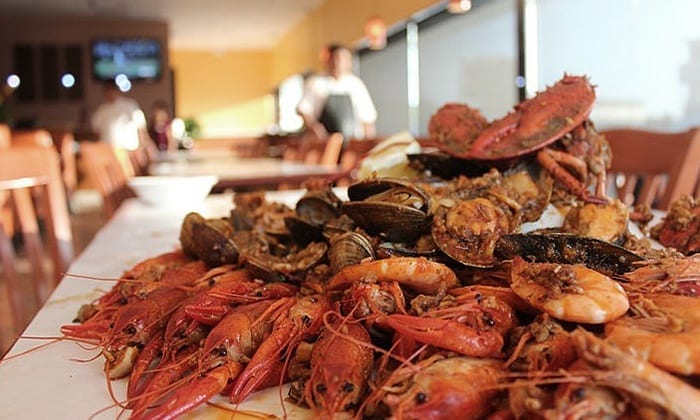
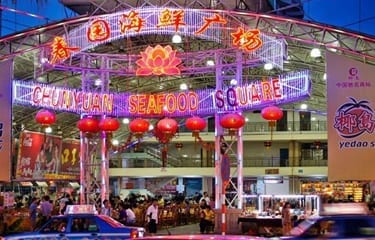
    China’s premier seaside tourist region is seeking to rein in malpractice in the seafood catering sector, which has seen customers overcharged and a restaurant charged with bribery.

    A clampdown involving the China Food and Drug Administration, the Industry and Commerce Bureau (which issues business licenses), the Tourism Administration, and the Public Security Bureau has resulted in the high-profile closure of two restaurants in Sanya, the coastal city on the tropical island of Hainan that is often touted as China’s answer to Miami.

    The Liu Mei Jia seafood restaurant has had its license revoked for “soliciting customers” – reference to a practice in which restaurateurs use misleading advertising and salespeople to lure in customers who are then frequently overcharged. Also put out of business was the Qiong Mei Jia seafood restaurant, which stands accused of “bribery,” according to the local office of the Industry and Commerce Bureau, which didn’t elaborate on the charge.

    Price-bilking by seafood restaurants has become a major consumer issue in China in recent years, particularly in major tourist destinations like Sanya. This, in turn, has drawn more scrutiny onto the seafood catering trade. The latest crackdown, which featured prominently on state-run TV, comes just before the annual Chinese New Year  on 16 February 16, a peak period for dining out.

  • Okashi Land and EasyGo to open unmanned outlet in China

    Okashi Land and EasyGo to open unmanned outlet in China

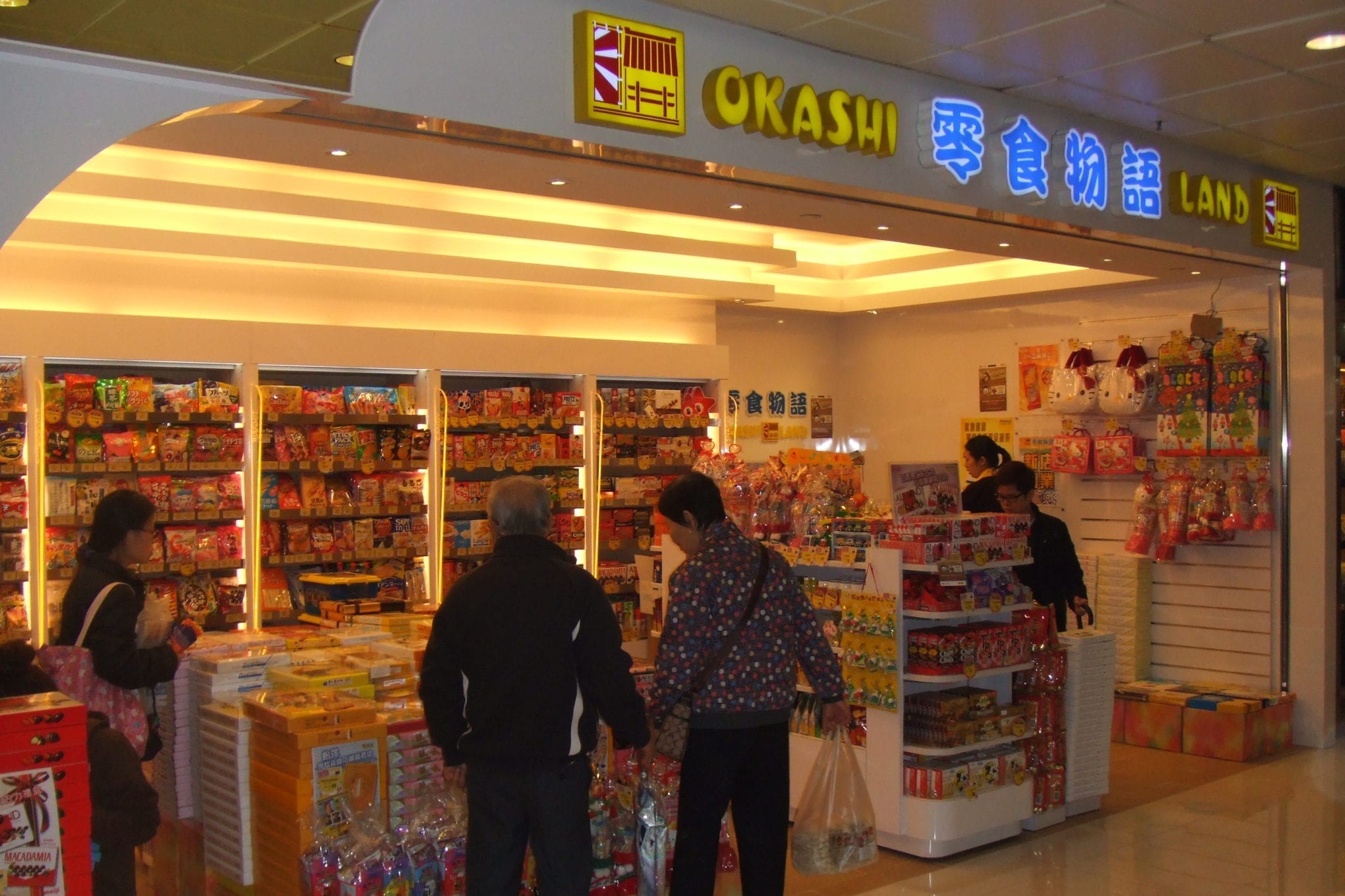
    Hong Kong-listed Four Seas Group, which runs Okashi Land confectionery outlets, plans to open unmanned stores in China.

    Its Guangzhou-based partner EasyGo, a start-up that runs unmanned convenience stores on the mainland, is finalising a location for a flagship Okashi Land store there with an unmanned section, says EasyGo co-founder Fele Wang.

    She says the start-up wants to take advantage of its base in southern China to seek co-operation from brands based in Hong Kong, Macau and Taiwan, and might expand the branded store model once it takes off.

    EasyGo also sells Four Seas products through its unmanned convenience stores in the Pearl River Delta in the southern mainland. It has about 100 outlets in 10 cities in China, but Four Seas products are mainly available at its stores in seven cities in southern China.

    To enter the company’s unmanned stores, customers need to scan a QR code using Tencent Holdings’ messaging app WeChat on their mobile phones. They then pick out the items they want, and scan a QR code again at the exit point where the system automatically detects the items and tallies up the purchases.

    As well as expansion in southern China, EasyGo is trying to make inroads into eastern China in cities such as Shanghai and Hangzhou.

    In Shanghai, EasyGo has been supporting Tencent in running a cashierless pop-up shop, We Life.

  • Bernard Arnault now richer than Mark Zuckerberg

    Bernard Arnault now richer than Mark Zuckerberg

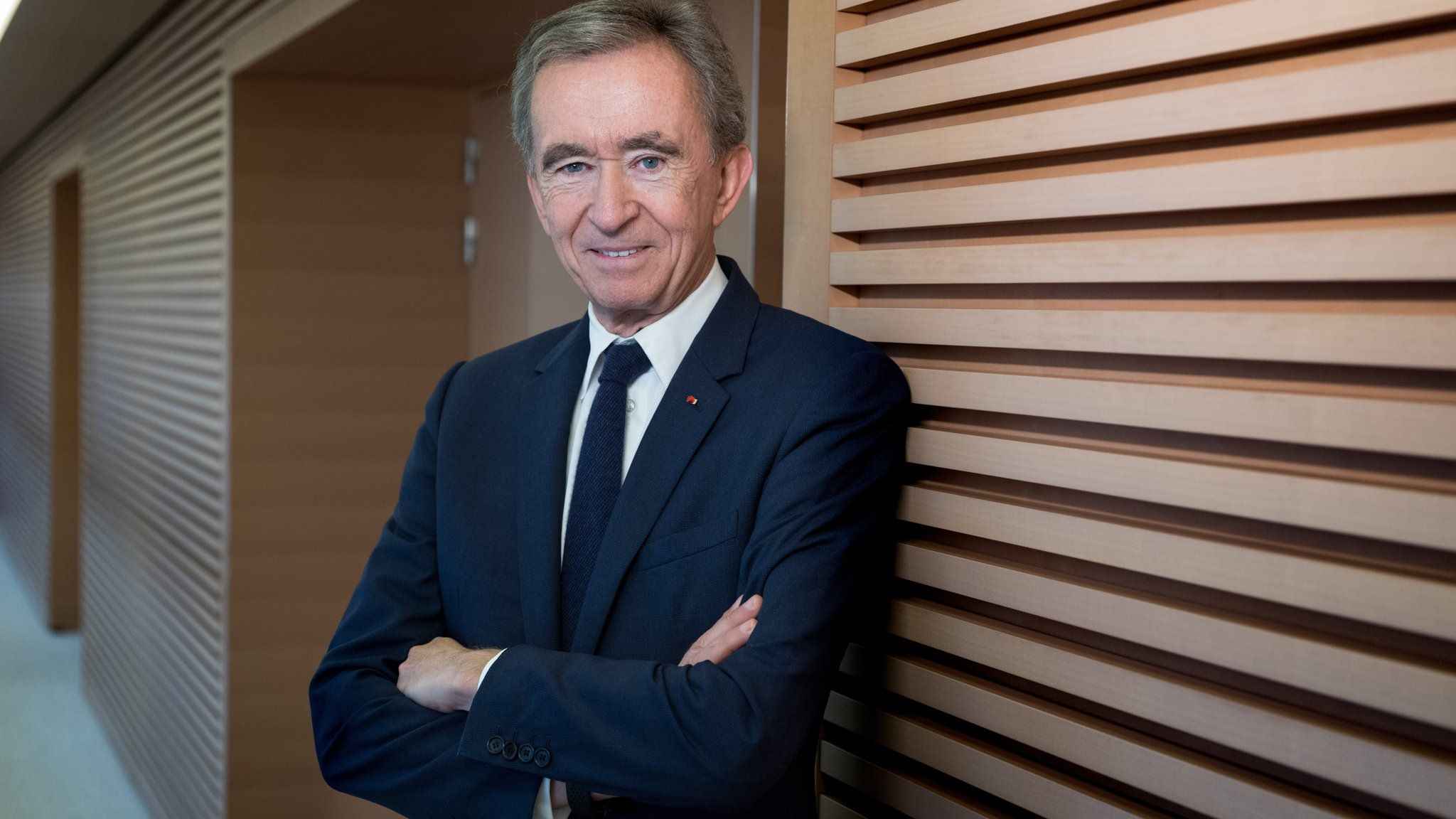
    LVMH Moët Hennessy Louis Vuitton, the world’s leading luxury products group, announced record sales of 42.6 billion Euros in 2017, up 13% over the previous year, as all divisions turned in strong performances. Its net profit popped 29%.

    The news sent LVMH‘s stock up 5% on Friday. The biggest beneficiary of the announcement is LVMH’s longtime chairman and CEO Bernard Arnault, who owns more than 5% of LVMH’s stock. His fortune jumped $3.5 billion in just hours and was at $77.9 billion by noon on Friday.

    He is now the fifth richest person on the planet, up from number 11 last March when FORBES published our annual rankings of the World’s Billionaires. Since the list’s publication, his fortune has climbed more than $36 billion, helping him move ahead of Michael Bloomberg, Charles and David Koch, Larry Ellison and Carlos Slim. Today, he leaps ahead of Facebook’s Mark Zuckerberg.

    “The excellent performance, to which all our businesses contributed, is due in part to the buoyant environment but above all to the remarkable creative strength of our brands and their ability to constantly reinvent themselves,” said Arnault, in a released statement. “Continued innovation, entrepreneurial spirit and the quest for excellence: all Maisons continue to assert these core values while maintaining rigorous execution of their strategies on the ground.”

    The multi-billion dollar morning for Arnault is another chapter in what is turning out to be one of his best years yet.

    In April 2017, Arnault and his family announced a $13 billion deal to acquire Christian Dior and fold the fashion brand into LVMH. The move ends years of a convoluted, complicated cross holding structure between the two companies. The share price of Dior, in which Arnault now has a 97% stake and which represents the bulk of his fortune, has climbed nearly 38% since April and popped almost 5% on Friday.

    One of the world’s ultimate taste-makers, Arnault first got into the luxury goods business in 1984 when he bought Christian Dior. He has run LVMH, which owns 70 brands including Dom Perignon, Bulgari, Louis Vuitton, Sephora and Tag Heuer, since 1989.

  • Pizza Express opened in Philippines

    Pizza Express opened in Philippines

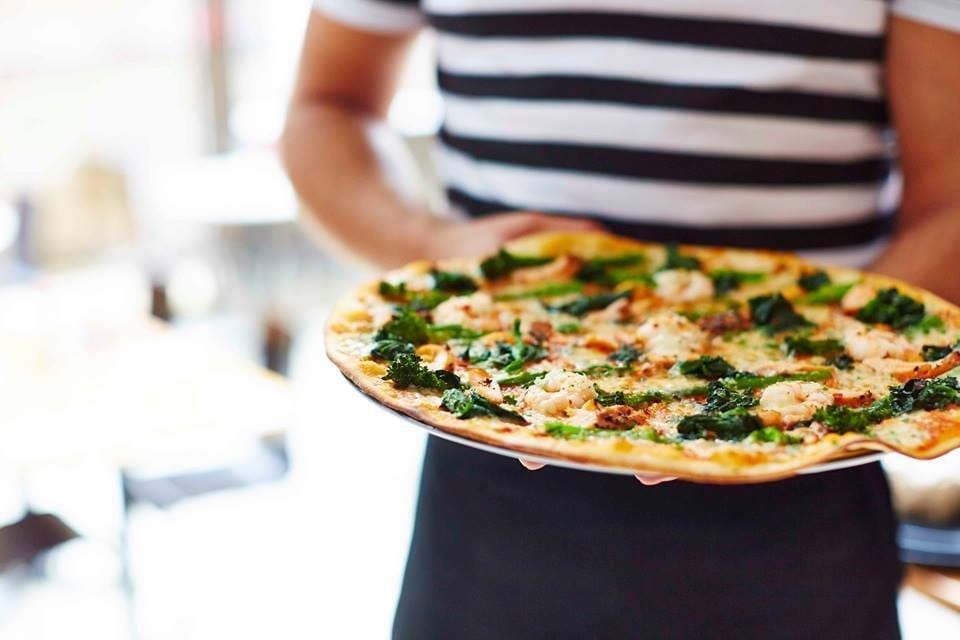
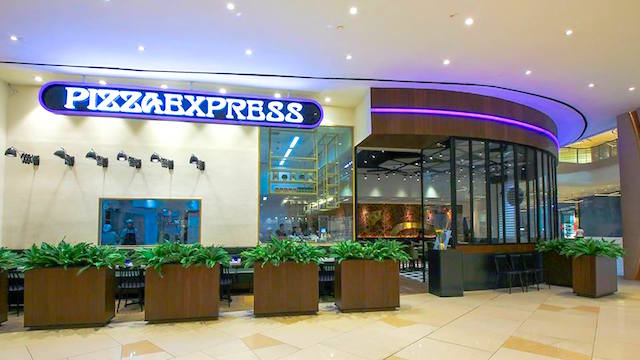
    Italian flavours from the UK have landed in the Philippines, with Pizza Express offering casual dining at Uptown Place Mall in Bonifacio Global City, Taguig.

    Peter Boizot founded Pizza Express as a small shop in London’s Soho district, and after five decades has about 472 shops in Britain plus branches in Cyprus, Gibraltar, India, China, Hong Kong, Singapore, Indonesia and the Middle East.

    No two Pizza Express restaurants are identical. in the world look exactly alike. Head of international business development Hakim Haouchine says the design of each restaurant depends on its location, stemming from the 97-year-old founder’s philosophy and love for music and art.

    The Philippine branch has black and white floors, green chairs, a 3D map of London as a wall feature, white marble counters and an all-white open kitchen.

    Haouchine says the restaurant is not authentic Italian but rather “inspired Italian”. “We believe in innovation and have our own way of delivering food4”.

    Once the brand has settled in the market, it will add special dishes for Filipinos, following the example of Peking duck pizza in China and chili-crab pizza in Singapore.

    For the Philippine market, the brand franchise is held by the Tasteless Food Group, which is behind such restaurants as Hanamaruken, Le Petit Souffle and the Hole in the Wall food hall.

  • EG Group to purchase of Kroger’s convenience store biz for US$2.15 billion

    EG Group to purchase of Kroger’s convenience store biz for US$2.15 billion

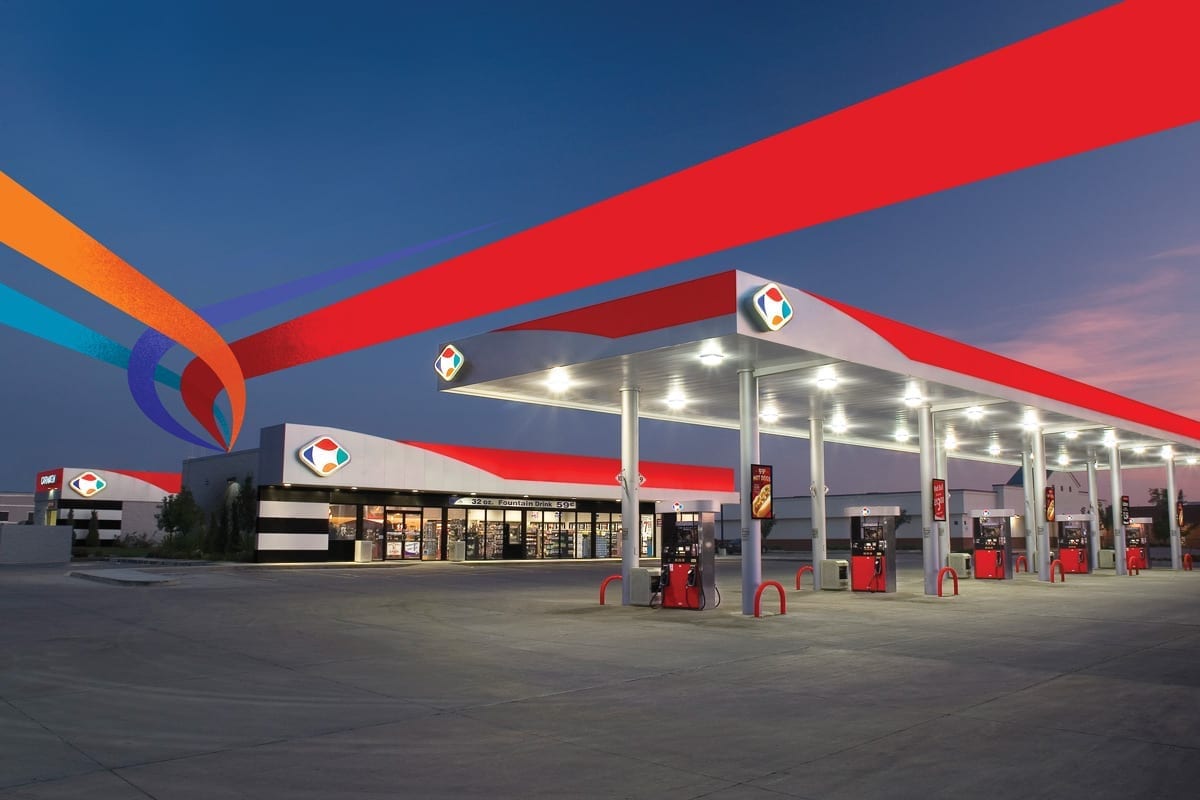
    US supermarket chain Kroger has sold nearly 800 convenience stores to British petrol retailer EG Group for $2.15 billion.

    The former Kroger stores operate under the brands Loaf ‘N Jug, Kwik Shop, Tom Thumb and Turkey Hill and collectively tuned over $4 billion last year. Proceeds from the sale will be used to reduce debt, with the balance returned to shareholders.

    Kroger, which has 2800 supermarkets across the US, says the divestment is part of its plan to streamline sales and operations, focusing on its core grocery offer.

    EG (which stands for Euro Garages) has about 370 petrol stations in the UK, France and the Benelux countries. The Kroger acquisition marks its first foray into the US.

    Online publication Retail Dive observed that while Kroger was selling its convenience store business, it is still very interested in opportunities outside grocery.

    “The company recently opened its first restaurant, and announced last year it would introduce its first private label clothing line this fall. Reports have linked Kroger with Ace Hardware, as well. It’s hard to say why, exactly, the retailer decided to give up a $4 billion sales generator while pursuing these unproven channels, but Kroger clearly has a plan, and if recent history is any indication, it’s unwise to bet against it.”

  • Max’s to bring Pancake House to Saudi Arabia

    Max’s to bring Pancake House to Saudi Arabia

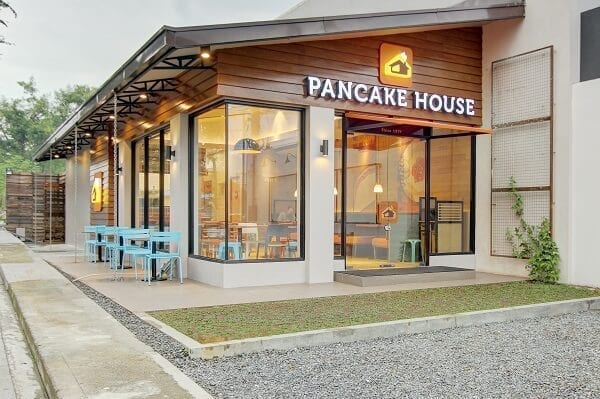
    Max’s Group Incorporated (MGI) is to take its Philippine casual-dining chain Pancake House to Saudi Arabia.

    In a disclosure to the Philippine Stock Exchange (PSE), MGI says it has partnered with Al-Bader National Establishment for Real-Estate Development to open 12 outlets in Saudi Arabia within the next five years.

    MGI president/CEO Robert Trota says the company is targeting 20 to 30 new outlets for this year, mainly across its core brands Max’s Restaurant, Pancake House and Yellow Cab Pizza. It aims to end the year with about 75 to 80 stores abroad.

    MGI’s partner in the venture was founded in 2001 and is primarily engaged in real-estate trading, property development and running shopping malls.

    Pancake House has seven overseas franchised outlets, in Malaysia and the UAE.

  • Most expensive whiskey in the world

    Most expensive whiskey in the world

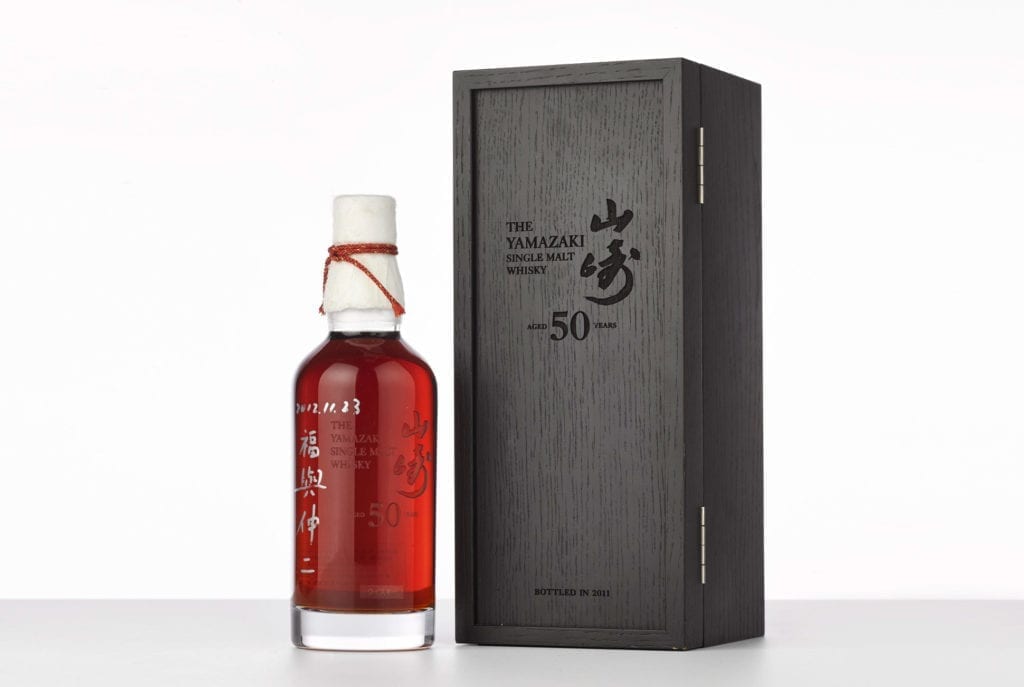
    A rare Japanese whisky just became the most expensive ever sold at auction.

    The Spirits Business reports that a limited edition bottle of Yamazaki 50-year-old single malt fetched $300,000 at Sotheby’s Finest and Rarest sale in Hong Kong.

    That’s more than double its pre-sale price estimate of $140,000.

    Paul Wong, specialist at Sotheby’s Wine, Asia, said: “We are absolutely thrilled with the new world auction record set by the Yamazaki Aged 50 Years NV, the highest price achieved for any single bottle of Japanese whisky, illustrating a whisky market in full swing.”

    Assuming that the bottle contains a fifth of its ultra-rare nectar, each pour is worth around a staggering $16,500. That’s one helluva hangover.

    While the Yamakazi may sound absurdly expensive, it’s a long way off from the priciest whisky ever sold. In 2014, a bottle of Macallan Imperiale M set the record with a $628,205 price tag at Sotheby’s.

    Granted, the faceted crystal decanter held 6 liters of hooch and took 7 craftsmen 50 hours to complete.

    For something a little more affordable but probably just as delicious, check out our boozy lists of the 10 best single malt scotches, 10 rare whiskey collections, and the absolute best whiskeys of 2017.

  • Nestlé goes pink for Valentine’s Day

    Nestlé goes pink for Valentine’s Day

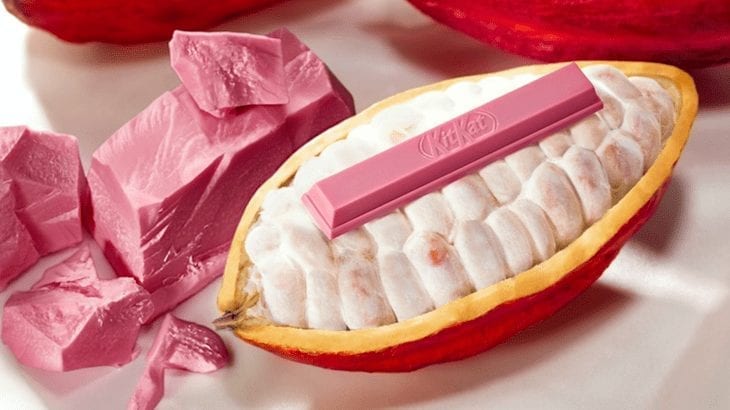
    Nestlé may have struck gold with the release of a new type of Kit Kat made using special “ruby” cacao beans. The new flavor, Kit Kat Chocolatory Sublime Ruby, was launched in select stories in Japan and South Korea on 19 January 19 2018 and shows signs of being a hit.

    The first limited run of 5,000 bars in Japan has sold out and there is even a small black market–or pink market if you prefer–of people reselling the chocolates at a slightly marked up price online.

    In September 2017, the Swiss chocolatier Barry Callebaut announced that they had developed a brand new type of chocolate, using ruby cacoa beans.

    Historically, there have only been three other types of chocolates in existence, according to the company: dark, milk and white. Ruby chocolate is “the fourth chocolate.” The beans have a pinkish red tint and unique taste; they are cultivated in Brazil and the Ivory Coast, among other countries. Chocolate aficionados have eagerly awaited the first ruby chocolates to be released since last summer.

    Nestlé claims to be the first the company to turn the beans into a product. In Japan, the Sublime Ruby Kit Kats were first sold individually at 400 yen ($3.60) for a single package from January 19-25, either at Kit Kat boutique stores or online. From February 1, you can purchase five or seven-piece assorted flavor Valentine’s Day boxes, each including two Ruby Chocolate Kit Kats, that will sell for about $16 and $21 respectively. The main retail shop in Tokyo’s Ginza area will also be offering a Ruby Hot Chocolate set in their cafe, that includes one Ruby Kit Kat, for 1000 yen ($9).

    Kit Kat has been a tremendous success in Japan, partly because the name when pronounced in Japanese, sounds like “Kitto Katsu (きっと勝つ)” which translates as “you (he, she) will surely win.” The company, through clever marketing, convinced Japanese consumers that Kit Kats were auspicious gifts to give to those applying for college or seeking jobs.

    Nestlé has launched over 350 different Kit Kat flavors over the years, including the highly successful green tea version, as well as wasabi, cherry blossoms, beni imo (vermillion potato) and even azuki bean sandwich versions. The firm never has all the flavors available at the same time, but many kinds can be purchased at airports as souvenirs or at boutique Kit Kat stores. It should be noted that some variations have been less successful than others. Last year, Throat Candy (のど飴味) flavored Kit Kats did not appear to do well. These whitish Kit Kats were poorly rated on a website devoted to appraising chocolate snacks, although you might like them, if you like medicinal mint chocolate-chip ice cream, and some ended up on the discount racks of convenience stores.

    The Sublime Ruby edition was designed by a top Japanese pastry chef, Yasuma Takagi, who has spearheaded many Kit Kat creations. Of course, I tried these pinkish delights before writing this. They had a distinct flavor and pleasant sourness that was slightly like a tart berry, but also with a mild sweetness that was reminiscent of milk chocolate.

    Chef Takagi, is quite proud of his work, commenting in press materials: “I am extremely honored to be part of this landmark moment in the history of chocolate, with which I have worked intimately for over thirty years. I have created an especially simple Kit Kat that allows you to enjoy the characteristic fruity fragrance and subtle acidity of Ruby cacao to the fullest. Enjoy wonderful flavors that have never been experienced before.”

    Nestlé suggests that since their new Kit Kat is such a rare and precious chocolate, you should want to give some to that “special person” in your life on Valentine’s Day. It is not a bad sales pitch.

  • Watsons in Korea has a new name: Lalavla

    Watsons in Korea has a new name: Lalavla

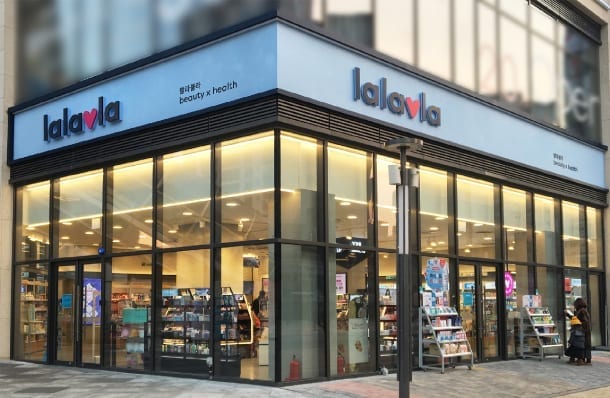
    Watsons personal and beauty care stores across Korea will go through a makeover under a new name “Lalavla,” its operator GS Retail announced on Tuesday in hopes to take on the dominant player Olive Young in the burgeoning street beauty market through localized appeal.

    GS Retail introduced Watsons, the biggest multi-beauty and personal care store brand in Asia, in a 50:50 joint venture with Hong Kong-based A.S. Watson Group in 2005. Last year it bought the remaining 50 percent stake from the retailer’s holding company Hutchison Whampoa Ltd. for 11.9 billion won ($10.8 million) to make Watsons Korea its fully-owned entity. It has since been working on a rebranding initiative.

    The new name – a combination of lalala and blah blah to mean happy chattering – aims to better appeal to young female customers, said a GS Retail official. The shops will be refurbished with the new logo by the end of March.

    There are currently 188 Watsons stores across Korea. GS Retail plans to bolster the number to catch up with CJ Group’s Olive Young, the country’s first and largest health and beauty retailer with 950 shops. Lotte Group runs 96 LOHBS stores and Shinsegae 10 Boots stores.

    Shares of GS Retail closed Tuesday down 1.31 percent at 37,800 won.

  • The Real China Wine Challenge

    The Real China Wine Challenge

    China’s wine market is as riddled with pitfalls as it is exciting. The Chinese thirst for wine is notoriously insatiable with both money and growth fueling it, this has created a thriving market – but one that definitely has its own peculiar set of challenges.

    None more peculiar than the prominent presence in the market of not fake but “lookalike” wines. Brands that don’t claim to be an exact copy of Latour but are instead La Ture, Latour’s long-lost cousin, or so the branding would imply. This association is the real fakery. By using oh-so-similar branding – down to a slightly more generic tower image – the consumer is lulled into thinking either that it’s a genuine Latour or it’s at least under the same umbrella. And the contents if not the same, will be very, very similar, or so the packaging suggests. How prevalent is this problem and how deep do you need to dig to encounter it?t With bustling trade fairs in Hong Kong, Guangzhou, Chengdu and Shanghai, a simple trip to one reveals all.

    The import statistics are again showing robust growth, with bottled imports seemingly holding their growth rates at a robust 14 percent – Australia leads the pack at 30 percent. Whilst Australia’s volume growth has been exceptional, the average price per bottle has slipped by 20 percent (over the corresponding period). But that’s not the whole picture. If you take a closer look, Penfolds, which has been enjoying a runaway success in China, represents almost 25 percent of Australia’s imports at premium price points. Behind those headline figures there are some worrying trends that directly challenge the relatively novice Chinese wine consumers to find good wines at fair prices on the shelves of both online and offline retailers.

    A brief tour at a Shanghai wine show in November provided some insight – at many of the booths exhibitors headlined their “Authentic Brand” whilst quietly offering a range of “Buyer’s Own Brand” options at seriously low prices – AOC Bordeaux at €1.80 ($2.25) per bottle, Australian Shiraz from AU$2 ($1.60) with a variety of labels, and packaging options. One of the biggest bulk bottlers displayed the all too ironic phrase “Absorption in Global Wine Supply” – if China is on course to drain the various wine lakes around the world then there is no shortage of traders and retailers in mainland China who will create a disposal brand that looks and sounds like a world-leader but is made from the simplest of origins.

    While many of the sensational news stories one hears about China’s wine market revolve around the problem of fake bottles of famous names, the real threat to your average Chinese wine consumer is the raft of “lookalike” brands that are increasingly entering the market. A brief look around the biggest offline stores in Shanghai – some foreign owned and some local, tells a depressing tale – “Byfolds” branded in full Penfold’s livery, “Lafei Manor” (Lafei is the Chinese pronunciation of Lafite) in correspondingly familiar DBR colours and a raft of others – some subtle some not but it does seem to this wine lover’s eyes that the losers in all of this are the consumers.

    While major global brands should be congratulated for bringing their history, stories and globally recognized wines with them, the reality is that behind the top 10 comes an enormous tail of dross that fills the offline shelves of China’s retail landscape. The only function of these wines and “lookalike” labels is to dupe the customer into paying a premium that the packaging, labelling and price that an “authentic retailer” would expect – sadly that is not what’s in the bottle. While Alibaba and the likes keep out the actual fakes they are powerless to stop cynical marketers and sales organizations from pumping “lookalike” brands through their considerable networks. In a mature market, like the UK or Australia, there are checks and balances, gatekeepers and experienced buyers to build, maintain and defend the reputations of the retailer. If you were to buy a regional wine from Tesco’s in the UK or Dan Murphy’s in Australia for example – you would do so in the knowledge that a team of buyers would have worked on that project with the producer to reach a certain quality standard that would stand the test of an expert panel and be priced accordingly.

    Retailers and distributors are aware of these issues and work hard to combat them. A spokesperson from Treasury Wine Estates concurred: “TWE has driven huge success in China, particularly through the growth of our global luxury Penfolds brand. With this success, comes the challenge of illegal copycat producers who infringe on our famous trademarks – this is an issue for many premium and luxury brands. We are aware that some of this copycat wine is being exported out of Australia, as well as being produced in China and other countries. It is therefore critical that genuine producers and third party packagers take action, along with authorities and the wider industry, to stop the production and exportation of illegal copycat wine, to ultimately protect the reputation of Australian wine. TWE has a strategy in place to fight this, and we are continuing to aggressively protect the integrity of our brands.”

    In China there is just a rampant cynicism that does nothing to improve the experience of a thirsty population of wine consumers. Perhaps this is just the state of play in the market and a reality check for brands and importers looking to play in China – the costs of doing business both online and offline are rising rapidly, online marketing and the cost to market effectively in a fiercely competitive field are not going away. If you add in to this mix the huge quantities of wine that have been imported by opportunists who have since dumped their products at cost or a loss then the whole picture becomes even more complex.

  • 2018 rice export to hit 6m tonnes

    2018 rice export to hit 6m tonnes

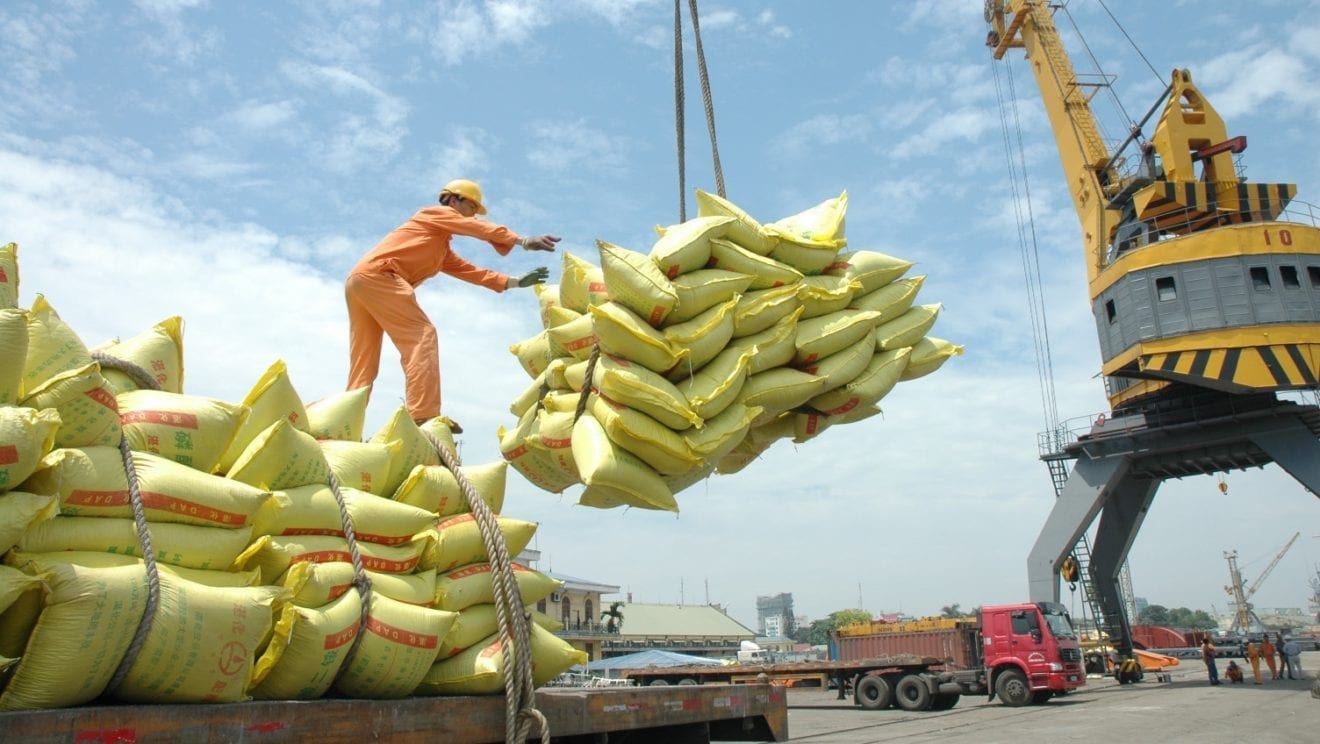
    Việt Nam’s rice export volume in 2018 is expected to increase by 400,000 tonnes from 2017 to reach 6 million tonnes, due to increased demand from Southeast Asia, especially from the Philippines, with China expected to be the country’s largest rice market.

    The Vietnam Food Association (VFA), in a report earlier in January, said countries in Southeast Asia will import a large amount of rice from Việt Nam, helping boost the country’s turnover this year.

    The VFA said Indonesia will import rice from Việt Nam and Thailand again in 2018 to increase reserves, as Indonesia’s rice price has been rising, almost double the floor price.

    Similarly, the National Food Board of the Philippines approved of up to 250,000 tonnes of imported rice to offset declining inventories, due to unfavourable weather in 2017.

    These developments are encouraging for Việt Nam’s rice export market, said the VFA’s report, with export price of 5 per cent broken rice rising to US$400 per tonne from $390.

    Domestic rice price also increased, with the average price between to $267 to $293 per tonne as of January’s end, having increased by $13 to $15 per tonne from December 2017’s price.

    According to the VFA’s data, throughout 2017, the country exported 5.7 million tonnes of rice worth $2.54 billion.

    As mentioned by the US Department of Agriculture (USDA)’s 2018 world rice production forecast, issued late 2017, the main factor behind this year’s rice trade expansion is increased output from Việt Nam, Pakistan and Myanmar, three of the world’s top six rice exporting countries.

    The USDA’s report stated that though 2017 global rice output fell by 20 per cent from 2016’s number, as a result of weak outlook for grain products, long, heavy rainfall and spring floods and other unfavourable weather, meaning there should be positive signals from traditional rice importing markets in Southeast Asia in early 2018.

    In Bangladesh and Sri Lanka, whose rice crops were heavily influenced by harsh weather, demand for rice imports will also increase in 2018. Rising import demand is supported by increased purchasing power in Africa and the Middle East, while China continues to be a leading importer of rice from neighbouring regions.

    As such, Việt Nam will witness an increase in revenue from rice exports to several large consumer markets.

    According to the Department of Crop Production under the Ministry of Agriculture and Rural Development, in early January 2018, the Mekong Delta’s rice producers harvested 860,000 hectares of rice, with an average yield of 5.3 tonnes per hectare.

    Nonetheless, problems remain for national rice production, the majority of which stem from farmers’ ignorance.

    Talking to Vietnam News Agency during a late 2017 agricultural conference in the Mekong Delta, Võ Tòng Xuân, former vice rector of Cần Thơ University and rice expert, emphasised growing competition in global rice markets.

    Xuân warned that Việt Nam needs to find ways to make its rice exports stand out if it wants to achieve export targets.

    Regarding export rice quality, he was convinced that since rice merchants often mix different batches from different farmers into one large batch, there is virtually no way to completely track the origin of any batch.

    Without clear origin, there are no certain product quality controls, and no major national rice brand for Việt Nam, Xuân added.

    He suggested issuing contracts between rice farmers and processing plants for sustainable production, via agricultural co-operatives instead of relying on middlemen.

    Xuân also said that there remain regulations acting as barriers to small and medium enterprises from entering the rice market. Exporting low quality rice and fragrant rice without a brand name is becoming increasingly difficult for Việt Nam, especially in finding niche markets to sell several thousand tonnes.
     

  • Felcra Malaysia wants to export palm oil to Middle East, Africa

    Felcra Malaysia wants to export palm oil to Middle East, Africa

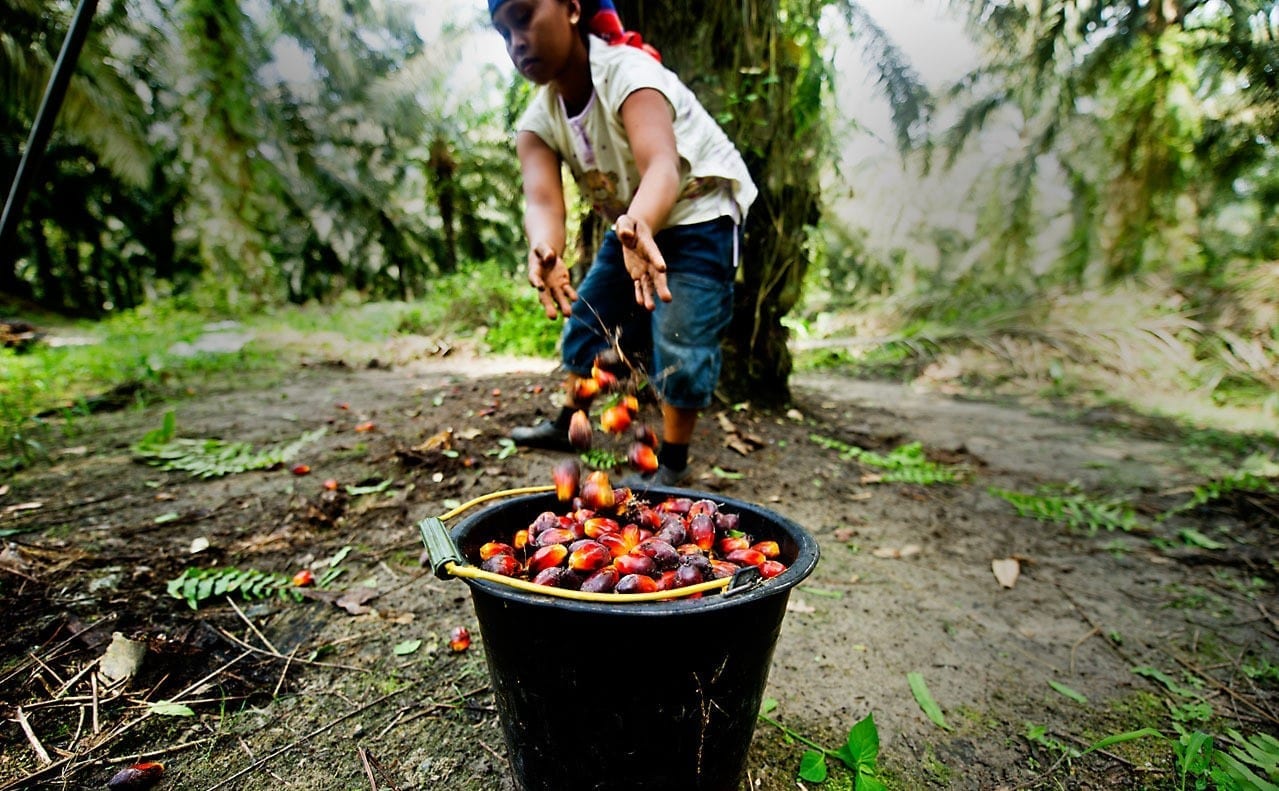
    Felcra Bhd is planning to forge collaborations with international companies for the purpose of exporting palm oil to countries in the Middle East and Africa, said its CEO, Datuk Zulkarnain Md Eusope.

    To increase the agency’s revenue, he said, it must not focus on specific countries only in exporting the commodity.

    “The Chinese government through its ambassador has stated the country’s commitment to import palm oil even if the European Union (EU) countries do not want to buy palm oil from Malaysia.

    “We must diversify our efforts (to increase revenue) following the palm oil issue with the EU,” Zulkarnain said.

    He was speaking to reporters after attending the Perak Region Felcra Employees Aspiration 2018 ceremony with Perak government leaders, which was officiated by State Rural Development, Agriculture, Plantation, Information and Human Capital Development Committee chairman, Datuk Saarani Mohamad, here today.

    Further information on the plan would be announced later after the negotiation process with the companies were concluded, said Zulkarnain.

    In another development, he said Felcra would establish a research and development centre in plantation, agricultural and food sectors, to be located in Felcra Nasaruddin Belia near Parit here.

  • Seven-Eleven becomes first retailer to hit 20,000 stores in Japan

    Seven-Eleven becomes first retailer to hit 20,000 stores in Japan

    7-Eleven Japan has become the country’s first retailer to open more than 20,000 stores.

    The Seven & I Holdings unit reported a store count of 20,033 at the end of last month, up by 54 from the end of December. By comparison, Japan has about 24,000 post offices.

    Making its debut in Tokyo’s Toyosu district in May 1974, 7-Eleven grew to 10,000 stores by August 2003. It reached 15,000 outlets in February 2013.

    The convenience stores can be found in all but one of Japan’s 47 prefectures, the holdout being Okinawa, where locations will open next year.

    Revenue for the chain for the year ended February last year totalled ¥4.51 trillion (US$41 billion), nearly double the sales in the year ended February 2004, when it crossed the 10,000-store mark. Average daily sales per store reached ¥657,000 last fiscal year, a 2 per cent gain.

    An increase in female customers has become an important driver of sales. Males made up 65 per cent of visitors during the year ended February 2004, but now men and women visit in roughly equal numbers.

    More women have been attracted as 7-Eleven has expanded its offerings of ready-made packaged dishes and frozen foods, positioning itself as an alternative to supermarkets.

    A Nikkei survey shows 7-Eleven Japan leading the convenience-store sector with a 40.4 per cent share of sales in fiscal 2016, followed by Lawson and FamilyMart Uny Holdings. Together, the trio accounts for about 90 per cent of the market.