Category: Food

Retail News Asia is committed to providing both local and global retailers with the latest Food and Food & Beverage news throughout the Asian market. This on a daily base.

  • Kit Kat Flagship Store to Open Its First Location in Korea

    Kit Kat Flagship Store to Open Its First Location in Korea

    A KitKat flagship store has been launched in Shinsegae’s Gangnam department store in South Korea.

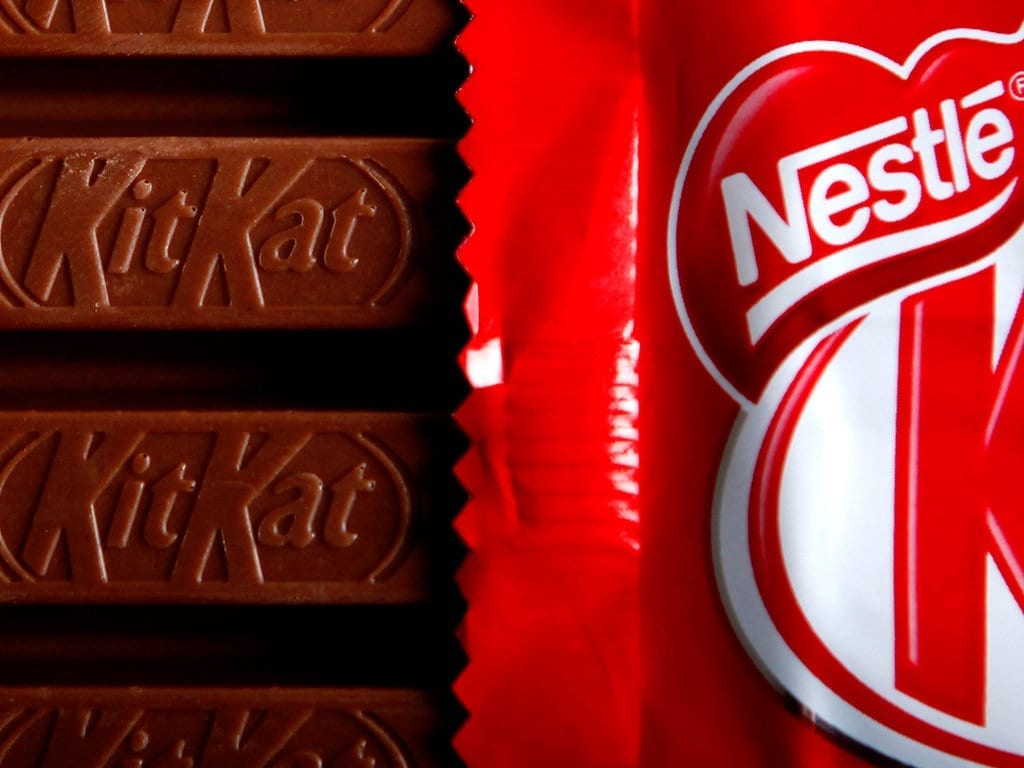
    It has been opened by Swiss food giant Nestle’s Japanese unit, which has developed special flavours for the chocolate wafer snack in collaboration with chef Yasumasa Takagi, who has just rolled out a special ruby version. As well as the original KitKats, the new Seoul store offers such exotic variations as cherry blossom and wasabi.

    “Nestle decided to open the first flagship store to reflect Korean customers’ needs for new and trendy premium chocolate,” says Nestle Korea CEO Erwan Vilfeu.

    Nestle Japan is looking into taking its special flavours to other Asian countries with similar flagship stores.

  • The world’s first MasterChef TV restaurant is coming to Dubai

    The world’s first MasterChef TV restaurant is coming to Dubai

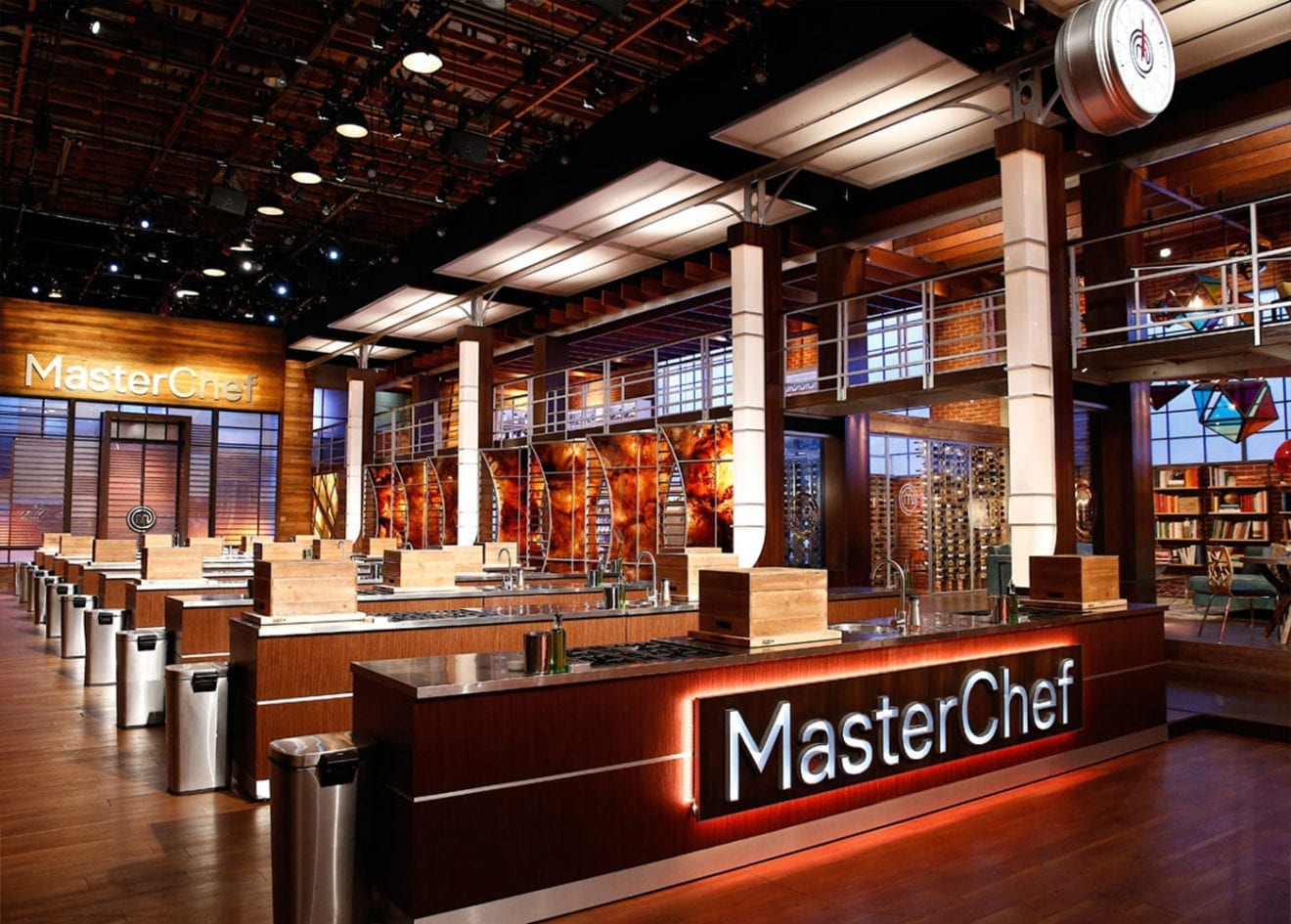
    TV’s MasterChef series is to make its live debut in Dubai – as a restaurant.

    A landmark deal for the first MasterChef the TV Experience restaurant has been signed by Dubai property developer and F&B specialist The First Group with global content giant Endemol Shine Group.

    Based on the reality television series, the restaurant will showcase the talents and recipes of MasterChef contestants from many of the 52 territories where the program is produced.

    Scheduled to open late this year in The First Group’s upcoming Wyndham West Bay Dubai Marina Hotel, the restaurant concept will fully immerse guests in the MasterChef experience with its interior design inspired by the show’s TV set.

    MasterChef is produced and distributed by Endemol Shine Group, a Dutch production company, and has been adapted in 52 countries. It is seen in more than 200 countries and watched globally by more than 250 million viewers.

    “MasterChef has a global fan base keen to engage with the brand in new ways,” says Endemol brand-strategy director Frances Adams. “MasterChef the TV Experience is an exciting opportunity for audiences in this market to enjoy a unique and immersive dining experience.”

    Global F&B director for The First Group Duncan Fraser-Smith says the company will work with Endemol to take the concept to other cities worldwide in coming years.

    He says the signing of the restaurant is a milestone development for The First Group, which aims to introduce up to 40 original and world-first dining concepts to the UAE by 2021.

  • Beef & Liberty to take off at Hong Kong airport

    Beef & Liberty to take off at Hong Kong airport

    Burger chain Beef & Liberty will start serving its signature gourmet offering at Hong Kong International Airport from early April.

    Opening in Terminal 1, its restaurant will seat up to 100 diners.

    From Shanghai, where it has three outlets, Beef & Liberty arrived in Hong Kong in 2014. The airport outlet will be its fourth for Hong Kong.

    Beef & Liberty uses beef only from Hereford cattle, raised naturally by farmers in the Cape Grim region of Tasmania, Australia. It says the meat is typically lean and high in omega-3 fatty acids and vitamin E.

  • SPAR International Expands Further Into The Middle East

    SPAR International Expands Further Into The Middle East

    SPAR International has announced the brand’s entry into the Saudi Arabian retail market. Partnering with the well-established Saudi conglomerate, the Al Sadhan Group, SPAR has ambitious plans to open 40 stores in Saudi Arabia by 2020.

    Yesterday, three SPAR stores were opened in Riyadh, the nation’s capital and primary economic hub. Plans are in place to open a further five stores throughout 2018, bringing the total number of stores in the country to eight by the end of the year.

    The first SPAR stores in the Saudi Arabian market will be aimed at the mid- to premium sector of the retail market. However, as the brand develops in the country, SPAR plans to launch stores in all economic sectors, providing all customers with competitive pricing for the best global and local products.

    The Al Sadhan Group is a family owned business established in 1952. Its services include real estate, facilities management, food retail and brand development. Al Sadhan Stores operates the company’s retail arm employing 1,500 colleagues and has a long history in the market, being the first supermarket to obtain a business licence in Riyadh in 1952. SPAR International began their partnership with Al Sadhan in 2016, soft launching the first SPAR store in the second half of 2017.

    SPAR International has provided extensive support to Al Sadhan in the lead-up to the store openings including study tours to other SPAR markets and fostering awareness of the SPAR Way of Working. Support was also given in logistics development, supply chain creation and store design.

    The stores will benefit from the access to globally and locally sourced SPAR Own Brand products, expertise in category management and the support from SPAR International’s design and development teams to ensure modern and dynamic store design.

    SPAR International will also support SPAR Saudi Arabia to utilise the strengths of the joint buying model to ensure competitiveness.

    The partnership with Al Sadhan in Saudi Arabia builds on SPAR International’s existing partnerships in the wider region, notably in the United Arab Emirates, Oman and Qatar.

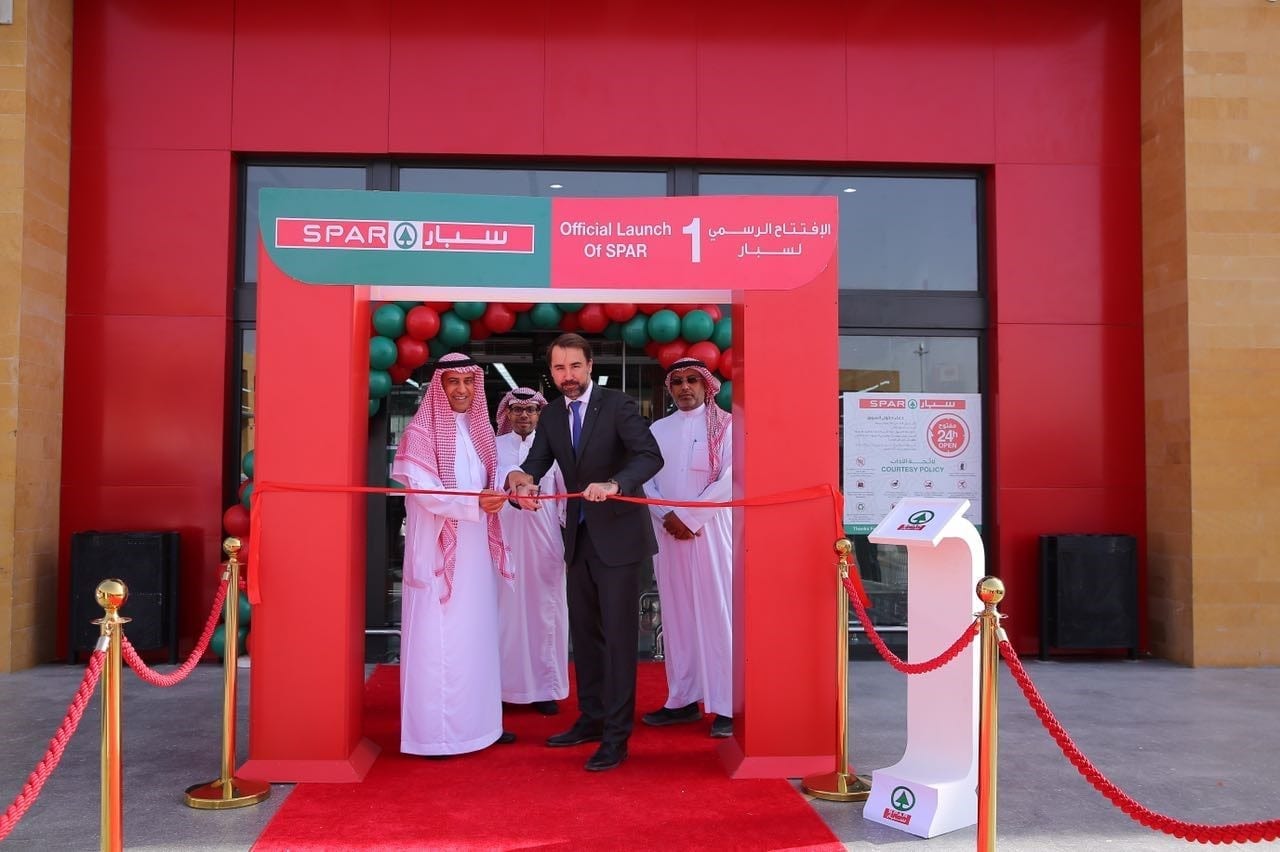
    A grand opening ceremony took place in Riyadh, with ribbon-cutting ceremonies at the three high-quality SPAR Supermarkets. Thereafter, Tobias Wasmuht, SPAR International’s Managing Director, was joined by officials from the Netherlands embassy and senior management from Al Sadhan Group to celebrate the brand’s official debut in Saudi Arabia.

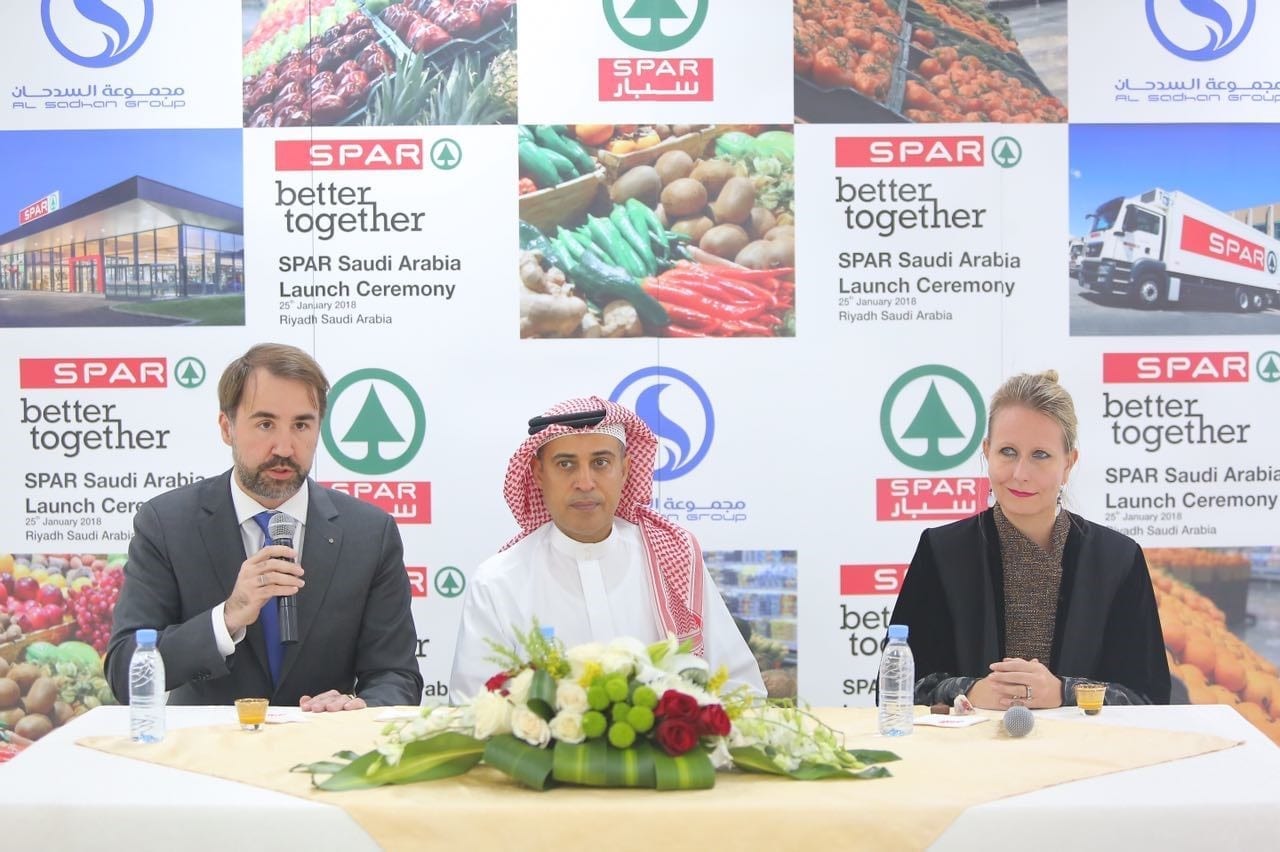
    Speaking at a press conference announcing SPAR’s entry into the market, Tobias Wasmuht, Managing Director of SPAR International said:

    “With a growing young population, rising GDP and increased consumer purchasing power, the retail market in Saudi Arabia has been growing steadily. We are delighted to enter this exciting and dynamic market with such an established and well-respected Partner as Al Sadhan Group.

    In addition, the new partnership provides SPAR with yet another important base in the Middle East, a region that is becoming more and more important to SPAR International’s strategic business development.”

    Mr. Mohammed bin Abdul Aziz Al Sadhan, Chairman of Al Sadhan Group commented:

    “We are very proud of this partnership with SPAR International. Having the right mix between SPAR International’s knowledge and best practice along with our experience in the local market will provide our customers with an excellent retail experience. The SPAR brand products will be a key factor in our success, and we are getting great support from SPAR International’s team to source items from SPAR partners around the world.

    Also, this partnership is in-line with the Saudi Arabian vision 2030 and the support we have from the Saudi government for the development of the Saudi market.”

  • Walmart and Rakuten Announced New Strategic Alliance

    Walmart and Rakuten Announced New Strategic Alliance

    In Tokyo today, Walmart president/CEO Doug McMillon and Rakuten chairman/president/CEO Hiroshi “Mickey” Mikitani announced a strategic alliance aimed at expanding consumer reach and enhancing customer service.

    Included in the collaboration is the launch of an online grocery delivery service in Japan as well as an exclusive retail alliance between the US retail giant and e-reading service Rakuten Kobo. This will enable Walmart to sell e-books and audiobooks, as well as offer Rakuten Kobo e-readers in stores and online in the US.

    “We’re excited to collaborate with the top online shopping destination in Japan,” says McMillon.

    “We look forward to expanding our grocery footprint in Japan and launching eBooks and audiobooks for our customers in the US.”

    Rakuten and Seiyu GK, a Walmart subsidiary, have reached a basic agreement to establish a JV to launch a delivery service for online grocery shoppers in Japan, to be known as Rakuten Seiyu Netsuper and planned to start late this year. With the aim of increasing fulfillment capacity, enriching the merchandise offering and improving customer convenience, the service will establish a fulfilment centre this year as well as offering deliveries from Seiyu stores.

    The service’s merchandise offering will showcase Seiyu’s twin strengths of “quality” and
    “low prices”. It will include not only fresh produce and daily consumables, but also convenience items such as cut vegetables, partially prepared foods and ready-meal kits, as well as local gourmet products from Rakuten Ichiba marketplace merchants.

    An optimised user experience will be offered, with more personalisation enabled by big data and AI. Customers will be able to earn and use Rakuten Super Points on more than 70 services.

    Meanwhile, Walmart will become Rakuten Kobo’s exclusive mass retail partner in the US, offering nearly 6 million titles from thousands of publishers and hundreds of thousands of authors. Walmart will also sell digital book cards in more than 4000 stores.

    All e-book content will be accessible through a Walmart/Kobo co-branded app for Android and iOS devices, a desktop app and Kobo e-Readers, which will also be sold at
    Walmart.

  • Bench Café Opens At The New Bench Flagship Store

    Bench Café Opens At The New Bench Flagship Store

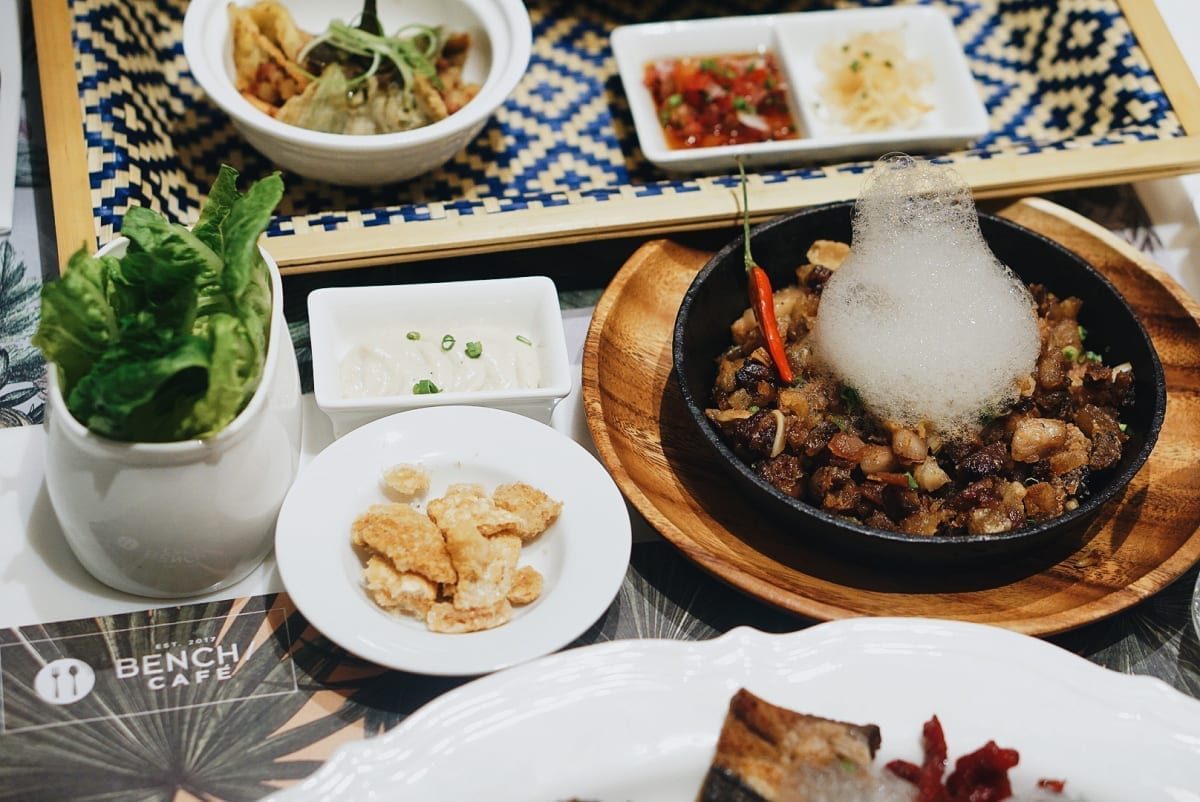
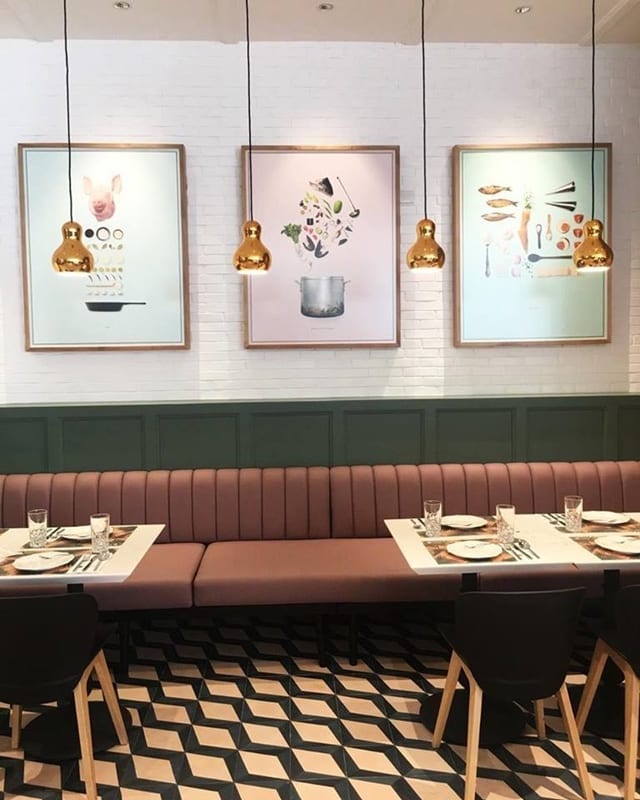
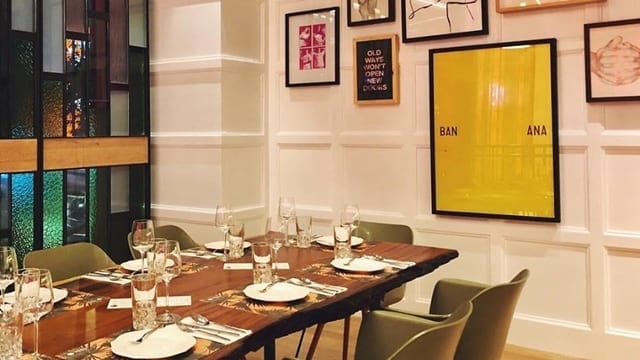
    Philippine clothing brand Bench has opened its own cafe, in its Bonifacio High Street flagship store in Bonifacio Global City, Taguig.

    The interior was designed by Miguel Pastor, and the food is by the Foodee Group under executive chef Carlo Miguel. He has lined up such Filipino dishes as Binagoongan Caesar and “bento boxes” with soup, vegetables, rice and choice of ulam (entree) like fried tilapia and bistek (beef steak).

    “Through food, we tell stories of our past, present and future by making local traditions accessible to more Filipinos and Filipinos at heart,” says Bench, a casual clothing brand that now has a presence in China and the US. It is endorsed by local and international celebrities including Adam Levine, Bruno Mars, Lee Min Ho, Liam Hemsworth and Nicole Scherzinger.

    The company that owns Bench also has franchise rights to such international brands as Aldo, American Eagle Outfitters and Jo Malone. It also manages international restaurant chains like Pablo Cheese Tart and Paul boulangerie.

  • Vinamilk set to expand abroad

    Vinamilk set to expand abroad

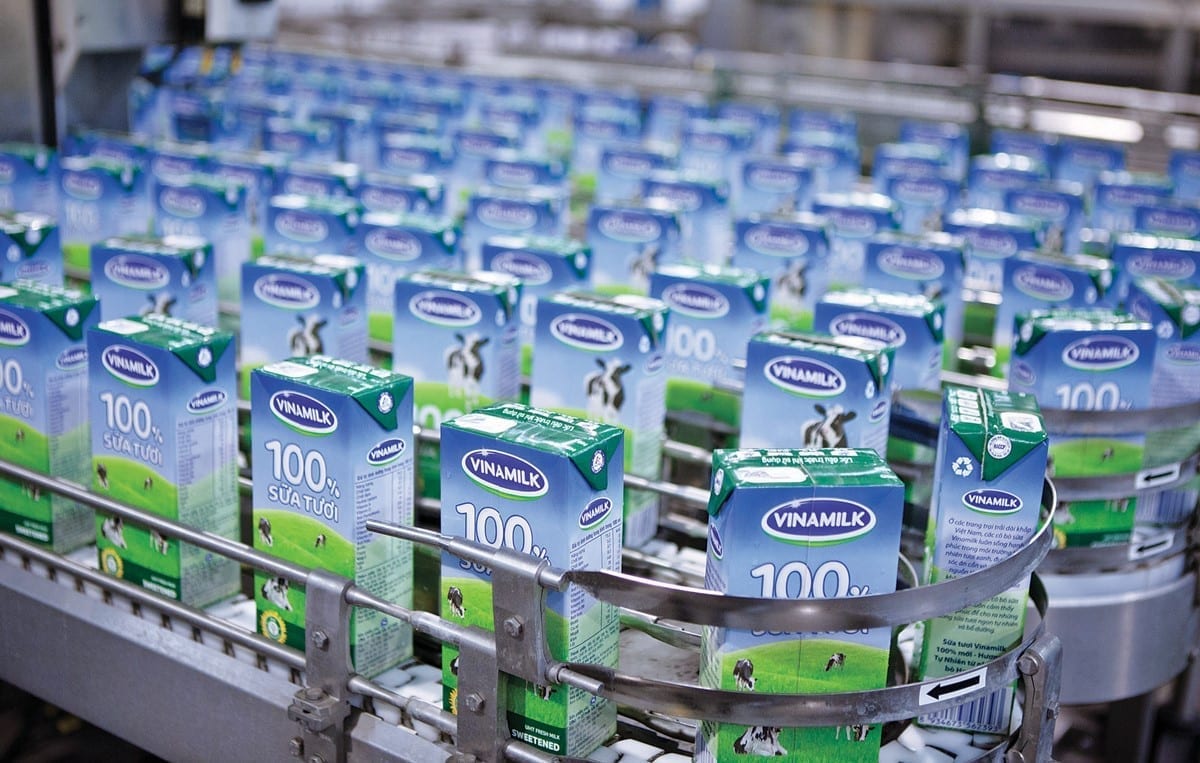
    Dairy giant Vinamilk will continue to expand abroad, especially in emerging market like Laos and Myanmar, this year.

    “Vinamilk will build a plant in Myanmar and an organic cow farm of several thousand hectares in Laos this year,” Đỗ Thanh Tuấn, the company’s PR director, told a press conference in HCM City on Thursday.

    All procedures have been completed for the farm, which will be just 100km from another Vinamilk farm in the central province of Nghệ An.

    “We will expand our [farms in Việt Nam] to meet demand.” Tuấn said.

    Now dairy production in the country only meets 35 per cent of the demand.

    “Vinamilk can collect 750 tonnes of fresh milk from its 10 farms and 8,000 farming households daily, and that is enough to meet the national demand for pasteurised milk,” Tuấn said.

    The company already has plans in place to process coconuts for export, especially to the United States.

    “Việt Nam has huge potential in coconut products, but only one domestic company, TTC, is exporting them. We recognise that demand for coconut products in the US is huge, and Vinamilk decided to enter the market and a large raw material supply area will be set up soon in the southern province of Bến Tre.”

    In the last 20 years, 2017 was the first time the company’s exports declined due to political fluctuations in the Middle East, a big market for it, he said.

    “We only achieved 67 per cent of the year’s export target, but thanks to an immediate change in strategy to focus on the domestic market, Vinamilk’s turnover still increased by 10 per cent from 2016.”

    At the end of last year, the company also marked its presence in the sugar industry by acquiring a 65 per cent stake in the Khánh Hòa Sugar Company for nearly VNĐ1 trillion (US$44 million) and changing its name to the Việt Nam Sugar Joint Stock Company (Vietsugar).

    “Every year, Vinamilk consumes around 130,000 tonnes of sugar, but the price of sugar in Việt Nam is always 30-40 per cent higher than in neighbouring countries, especially Thailand.

    “We will be very active in producing sugar and even plan to triple the capacity of Vietsugar to 500,000 tonnes a year,” Tuấn said.

    He promised that the sugar made by Vinamilk would be cheaper than others’ and the company could take advantage of its 260,000 retail shops to sell the product.

    Last year, the company had a 58 per cent stake of the estimated $4 billion dairy market.


  • Starbucks China sales rises 30 per cent

    Starbucks China sales rises 30 per cent

    Starbucks China sales grew 30 per cent in the first quarter, overshadowing a lacklustre performance in the US company’s home market.

    Same-store sales in the core Asian market rose a respectable 6 per cent, with the majority of the growth down to new store openings: 700 new Starbucks stores opened, taking its global network to 28,039.

    US same-store sales rose by 2 per cent, driven by a similar increase in the average transaction value. Global revenue reach US$6 billion in the 13 weeks to December 31.

    Neil Saunders, MD of GlobalData Retail, said the strong Chinese result “hides an underlying softness – although we would stop short of saying problem – in the rest of the business”.

    “Barring last quarter – which was affected by one less week of trade than the prior year – Starbucks’ growth trajectory has slowed. This is most noticeable in the US, where both overall and comparable sales growth is trending lower,” said Saunders.

    “This slowdown does not mean the domestic business is broken. Instead, it is a function of maturity and saturation which has made both adding new stores and driving performance from existing locations steadily more challenging. Given that this dynamic will only worsen over time, it raises a question as to how Starbucks intends to remedy the issue.”

    Kevin Johnson, president and CEO of Starbucks, said the strategic acquisition of East China positioned the company to accelerate its growth in the key China market.

    “Today, Starbucks has two powerful, independent but complementary engines driving our global growth, the US and China. Our work to streamline the company is sharpening our focus on our core operating priorities.”

  • Jaya Grocer to open five more outlets in 2018

    Jaya Grocer to open five more outlets in 2018

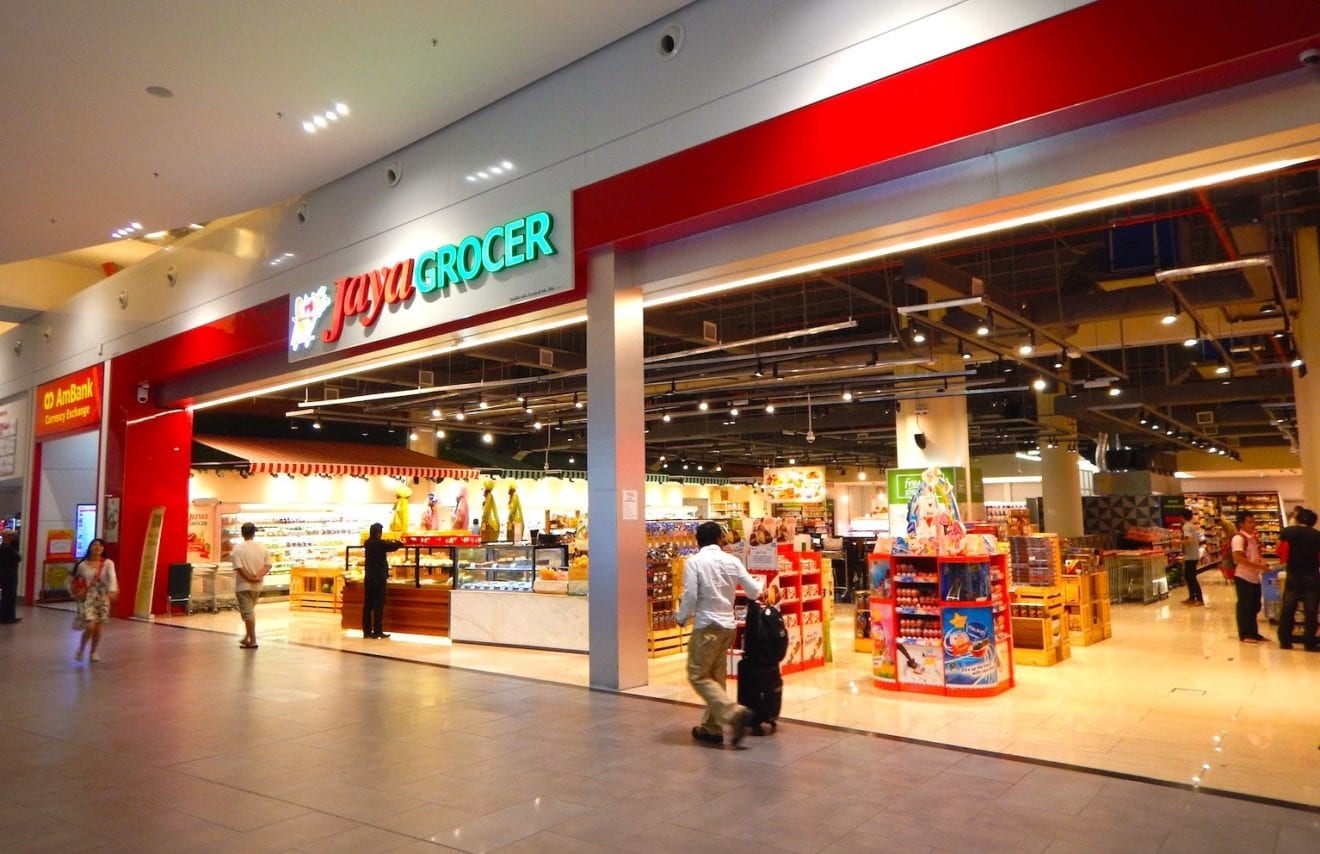
    Neighbourhood fresh grocer Jaya Grocer, which celebrates its 10th anniversity, plans to open five more outlets in the Klang Valley this year.

    Its operations director Daniel Teng said on Thursday the outlets would be at Eco Ardence at Setia Alam in February; Kuala Lumpur Eco City (KLEC) at Bangsar in June; Empire City Damansara in July; Kiara 163 at Mont Kiara in September, and Kuala Lumpur East at Taman Melati in December.

    Jaya Grocer has 22 outlets. The latest outlet opened at Sunway Iskandar Citrine Hub in Johor last week.

    As part of its anniversary celebrations, Jaya Grocer is offering 10 items on special promotional prices each week since the start of the year.

    During a briefing for the media at Starling Mall Jaya Grocer in Damansara Utama, he said the management team is led by retail veterans with a family heritage dating back to pre-Independence Malaya.

    “We are proud of our heritage and are yet humbled by the overwhelming support shown by our loyal customers through the decades,” Teng said.

    On the opening of its Bangsar Market by Jaya Grocer, he said it would be one of the largest “urban fresh grocers” in the country.

    This would be located at the KLEC, a strategic and synergistic public-partnership between developer SP Setia Bhd and Kuala Lumpur City Hall.

    “The concept of Bangsar Market by Jaya Grocer is to bring back the feeling of shopping in a fresh wet market which is clean and well laid out. We hope to meet the discerning demands of sophisticated modern day shoppers in the city,” Teng said.

    Bangsar Market will occupy 54,000 sq ft or the entire second level of the mall.

    On Jaya Grocer’s online delivery service, Teng said it would be gradually expanded to cover more areas in the Klang Valley, beginning with its Pearl Point Outlet in Jalan Klang Lama.

    “Since we started at the end of 2016, our online segment has grown by 30%,” said Teng.

    “It has certainly helped to meet a need among modern consumers with a hectic city lifestyle or busy mothers with young children who cannot spare time to shop in person.

    “We provide same day delivery, with the quickest delivery time being within two hours. Furthermore, we only charge a token for the delivery service and prices remain the same as in-store, including promotional items,” he said.

    Jaya Grocer plans to set up a new distribution centre in Puchong that will help improve the overall supply chain management, Teng said.

    Jaya Grocer is operated by Trendcell Sdn Bhd, which is 45% owned by the Asean Industrial Growth Fund (AIGF). The other 55% being held by the founding Teng family which continues to manage the business.

    AIGF, a private equity fund, is 45% owned by CIMB Private Equity, 45% by Mitsubishi and 10% by the Development Bank of Japan.

    Jaya Grocer started in 2007 with its first outlet in Jaya 33 in Petaling Jaya. Jaya Grocer was set up by the Teng family, who are the founding family of Giant Hypermarket and the TMC (Teng MiniMarket Centre) in Bangsar.

    The family sold the Giant chain to Hong Kong-based Dairy Farm group in 1999 for an undisclosed sum. Meanwhile, TMC Store Bangsar has been wholly owned and operated by GCH Retail (Malaysia) Sdn Bhd since November 1980.
  • PepsiCo Cuts Ties With Indofood’s Palm Oil Unit Over Labor Abuse Claims

    PepsiCo Cuts Ties With Indofood’s Palm Oil Unit Over Labor Abuse Claims

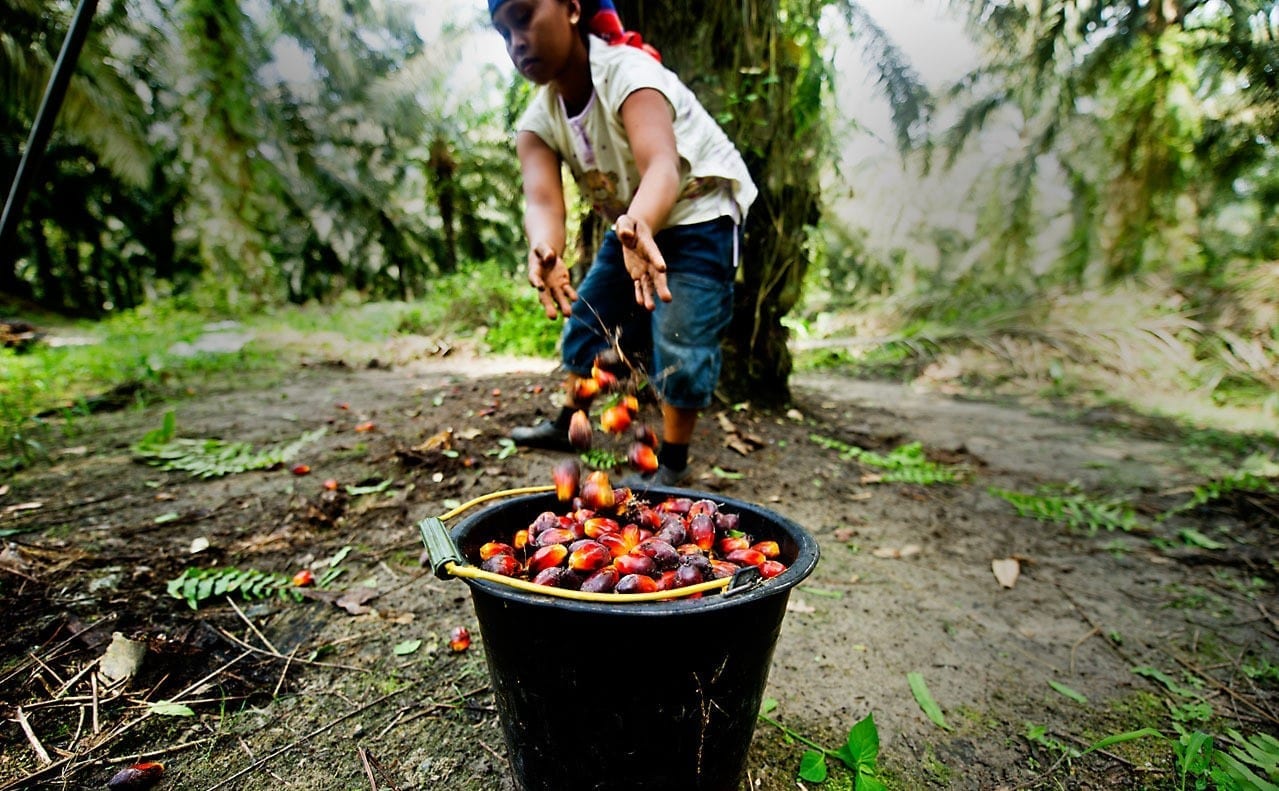
    Food and beverage giant PepsiCo has suspended procurement from a palm oil supplier over claims of labor abuses on its Indonesian plantations, a move hailed by campaigners on Wednesday (24/01).

    A 2016 probe by several campaign groups alleged there were child labor and worker exploitation, such as low wages and hazardous working conditions, on Indonesian plantations operated by Singapore-listed Indofood Agri Resources (IndoAgri).

    Although IndoAgri has taken action to address the complaints, PepsiCo said it decided to suspend ties “pending further progress and visibility around the issues” after it looked into the allegations.

    “PepsiCo is very concerned about the allegations that our policies and commitments on palm oil, forestry stewardship and human rights are not being met,” it said in a statement.

    Neither IndoAgri nor its parent company, Indofood, were immediately available to comment. IndoAgri said on its website that it has a sustainable palm oil policy which ensures human rights are respected.

    Businesses are facing increasing pressure from governments and consumers to disclose what actions they are taking to ensure their supply chains are free from modern-day slavery.

    Indonesia is the world’s largest palm oil producer but it has been regularly linked to the destruction of rainforests and wildlife habitats, as well as displacement of indigenous communities.

    IndoAgri is a subsidiary of Indonesian food manufacturer Indofood, which produces PepsiCo’s snacks in Indonesia under a joint venture partnership. The joint venture sourced palm oil from IndoAgri.

    The investigation was carried out by San Francisco-based Rainforest Action Network (RAN), Indonesian labor rights group OPPUK and Washington-based International Labor Rights Forum.

    “After years of denial, PepsiCo has admitted to the high risks associated with its palm oil supply chain and business partner,” RAN campaigner Robin Averbeck said in a statement.

    Palm oil, used in soap, cosmetics and food spreads, has been one of the fastest expanding crops in the last few decades.g

  • Dairy farm and 7-eleven to sell premium coffee

    Dairy farm and 7-eleven to sell premium coffee

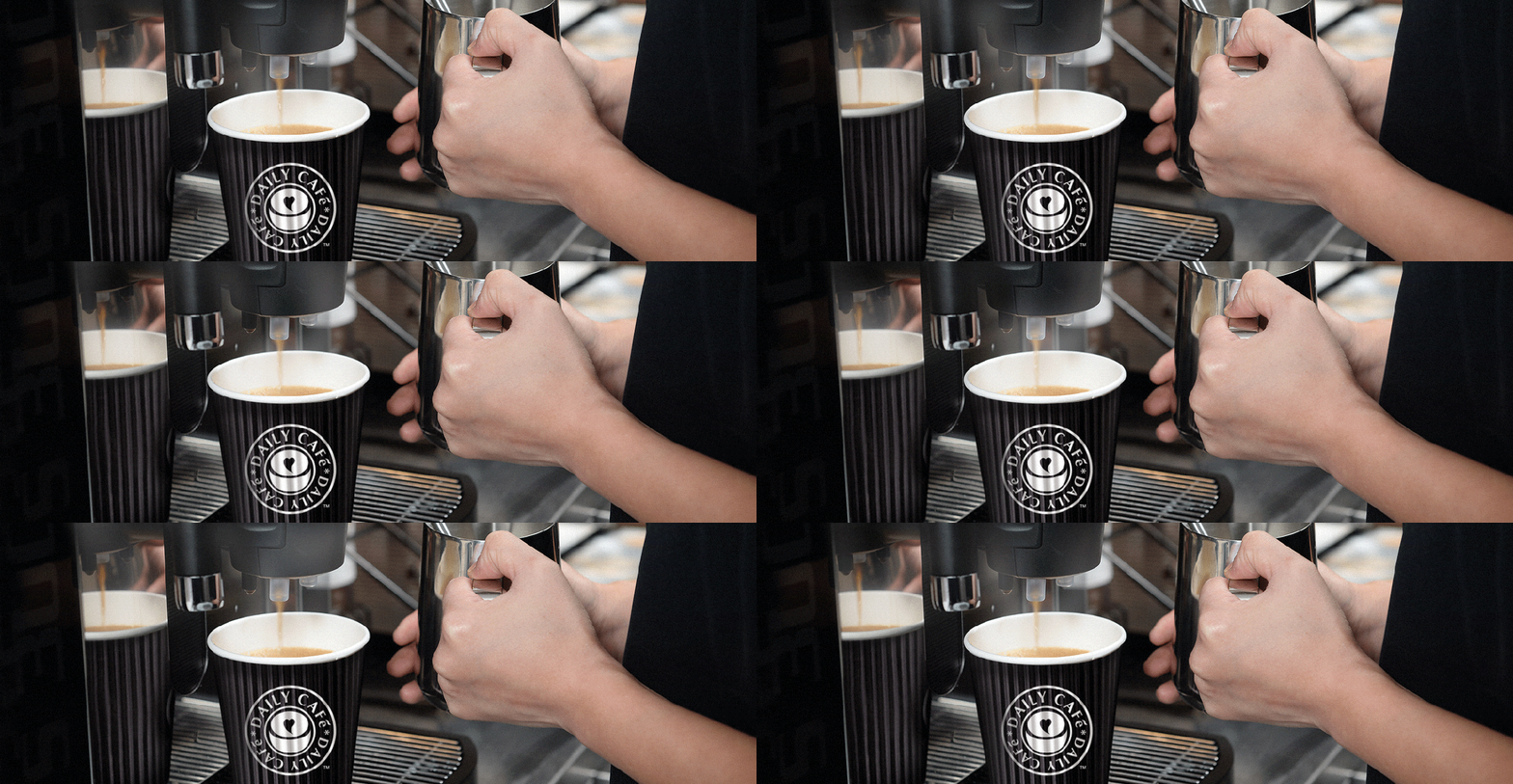
    Dairy Farm is launching a multimillion-dollar campaign to introduce a premium coffee blend in its 260 7-Eleven Daily Cafe kiosks.

    With its cappuccinos and lattes just $14 to go, it is staying well below the prices of established coffee shops like Pacific Coffee or Starbucks.

    “We identified different segments in the coffee market in Hong Kong and we found this is a ripe opportunity,” says 7-Eleven sales and marketing director for Hong Kong and Macau Elman Lee.

    “They’re not looking for a barista to serve them, or for coffee art. They want accessibility, grab-and-go, but a quality coffee.”

    Lee says the coffee venture is actually a strategic move. “With the trend of current lifestyles we want to build more signature products for our brand.”

    Already 7-Eleven is working on a signature ice-cream product and is looking to add more signature ready-made snacks. For now, coffee is the focus, with new store designs moving the Daily Cafe kiosk machines next to the cash registers.

    While 7-Eleven does not often run media campaigns, it is bolstering its coffee offer with transit ads on bus seats, exteriors and MTR windows along with print ads and store promotions throughout Hong Kong and Macau.

    Hip hop group FAMA is fronting the campaign, with support on Facebook and WeChat from other local celebrities, including Everest climber John Tsang and even a cat, Brother Cream, from a Kowloon convenience store.

  • World’s biggest brands put on notice over 5,000,000-tonne laminate packaging problem

    World’s biggest brands put on notice over 5,000,000-tonne laminate packaging problem

    Big brands have been put on notice about their inaction over the world’s growing 5,000,000-tonne problem of plastic aluminium laminate waste.

    Following revelations about the scale of the problem in the UK and internationally, the CEO of the company behind the world’s only solution for recycling laminates – food pouches, pet food pouches, toothpaste tubes, sachets – has called on the world’s biggest FMCG companies to support investment in new processing capacity.

    Enval CEO Dr Carlos Ludlow-Palafox has written an open letter addressed to the CEOs of companies that benefit from laminate packaging, such as Unilever, Kraft, Nestlé Mars, Colgate, Campbell’s, GSK and Hain-Celestial to get behind efforts to process post-consumer waste.

    Across Europe and the US, billions of plastic aluminium laminate pouches, tubes and sachets are being discarded and sent to landfill or incineration while consumers are often misled into thinking that they are recycled, as reported.

    In the UK alone more than 10 billion laminate packaging items are sold annually but fewer than 1 in 20,000 is recycled. Of the remainder two thirds go to landfill and the rest are incinerated. This recycling rate is 50 times worse than that of disposable coffee cups, which has received great attention from media and politicians alike.

    Because the material contains bonded plastic and aluminium, the packages cannot be treated either as plastic or as aluminium. Only the Enval process can deal with them, however currently there are no major initiatives in place in the UK or the world to collect and sort post-consumer packages and genuinely recycle them.

    To process the waste, Enval has developed the world’s only commercial scale plant to deal with the material, which uses a microwave heating method to recover the aluminium into reusable ingots and process the plastic into reclaimed oil.

    Manufacturers and waste companies have undertaken successful trials with the Enval plant but have failed to support wider collection and processing efforts due to a reluctance to make the initial investment required.

    Enval CEO Dr Ludlow-Palafox said the lack of involvement by the FMCG brand owners and the risk-averse nature of the waste handling sector has meant the Huntingdon plant is still the only one in operation.

    “We believe the time for complacency is over. FMCG brands are using laminate packaging because of its exceptional characteristics and cost and environmental benefits. Yet the fact remains that more than 10 billion pouches, tubes and sachets end up being thrown away in the UK alone. This is inexcusable now that we have an environmentally sustainable and economically viable solution. These same companies boast about their environmental credentials: it is time for some action.

    “Consumers are buying laminate packaging in good faith – often either thinking it can be recycled or because there is no other choice. Big brands have reaped the benefits of advancements in packaging technology while delivering no certainty to consumers.

    “The problem of single-use laminates dwarfs that of coffee cups. Brands and regulators now need to put their money where their mouth is and ensure that laminates can be genuinely reprocessed and these materials brought into a circular economy that benefits both the market and the planet.”

    Independent studies commissioned by WRAP UK and the UK’s Department for Environment, Food and Rural Affairs (DEFRA) have shown that laminates can be readily separated from waste streams using conventional sorting technology. These studies also proved that a majority of householders, when asked, sort laminates for recycling for collection as they do with other materials.

  • Siam Makro to open 15 stores in India

    Siam Makro to open 15 stores in India

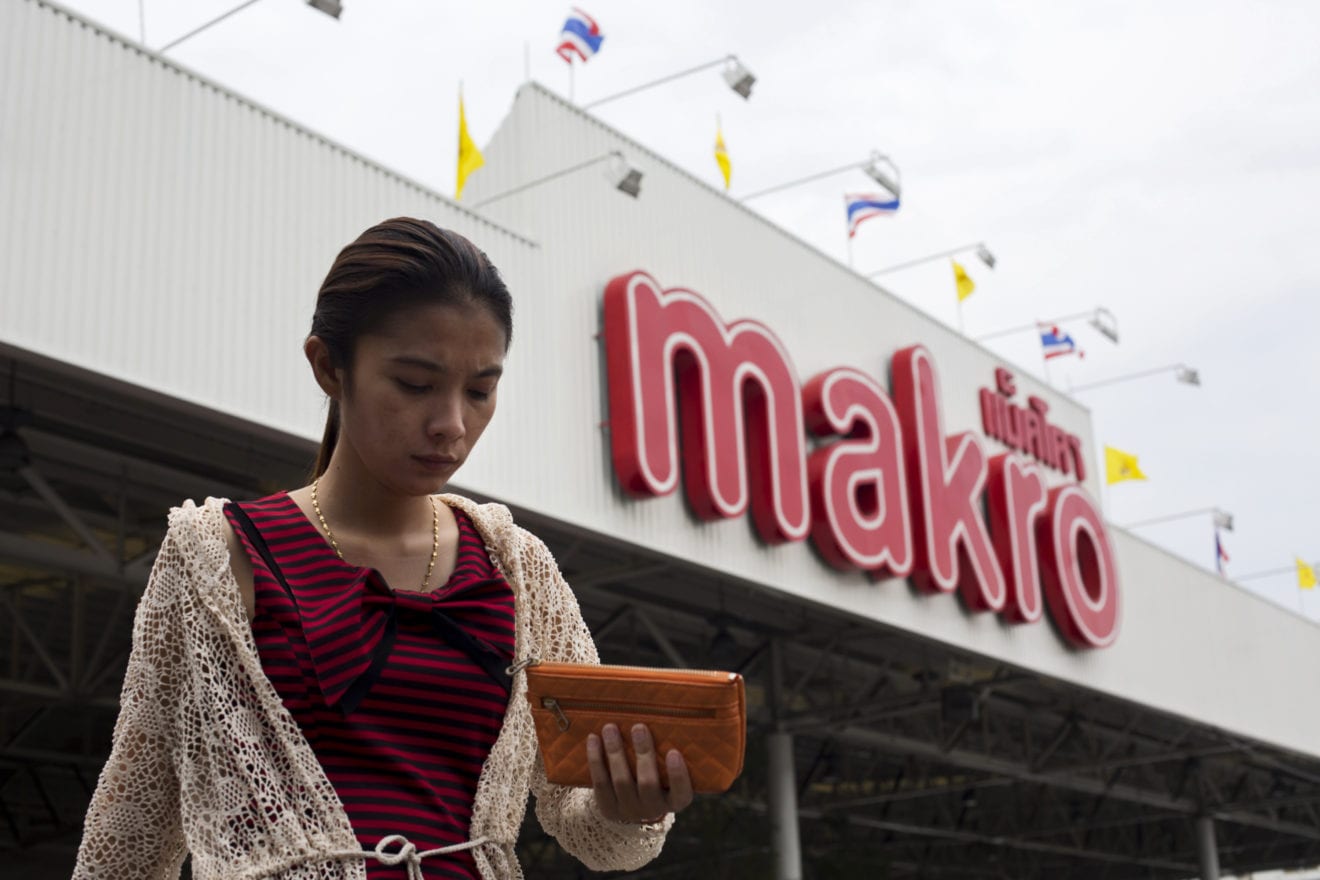
    Thailand conglomerate Charoen Pokphand (CP) Group plans to invest Rs1000 crore (US$157 million) over the next five years to open Siam Makro wholesale stores in India.

    Siam Makro, the company’s retail arm, will open 15 wholesale cash-and-carry stores in India, starting with Delhi-NCR, over the next three years under a new brand, Lots Wholesale Solutions.

    “India and the US are the two priority markets for us for future growth,” says MD Tanit Chearavanont of CP Wholesale India.

    The company hopes to open its first two stores, each covering more than 50,000sqft (4600sqm) in NCR by the end of the second quarter.

    CP Group has cash-and-carry businesses in Thailand, China, Cambodia and Myanmar. It has 123 Makro cash-and-carry outlets in Thailand, and 60 outlets in China under the brand Lotus.

    “We bring with us 28 years of experience in serving various business-to-business customers, such as hotels, restaurants and cafes, traders and service customers, through different cash-and-carry formats, large and small,” says Chearavanont. Hotels, restaurants and cafes, which account for about 28 per cent of the company’s business in Thailand, are seen as the largest segment in India as well.

    CP Group, which entered India in 2016 through CP Foods, its agro-industrial and food unit, is looking at making India its innovation hub for technology and digitisation, says Chearavanont.

    CP Wholesale India director (development and expansion) Sameer Singh says the company will look at competitive pricing to take on existing wholesalers in India. “We are also working on possible limited-period credit for customers. We are in discussions with banking institutions to finalise a strategy.” added Singh.

  • Amazon Go, a high-tech version of a 7-Eleven, finally opened on Monday

    Amazon Go, a high-tech version of a 7-Eleven, finally opened on Monday

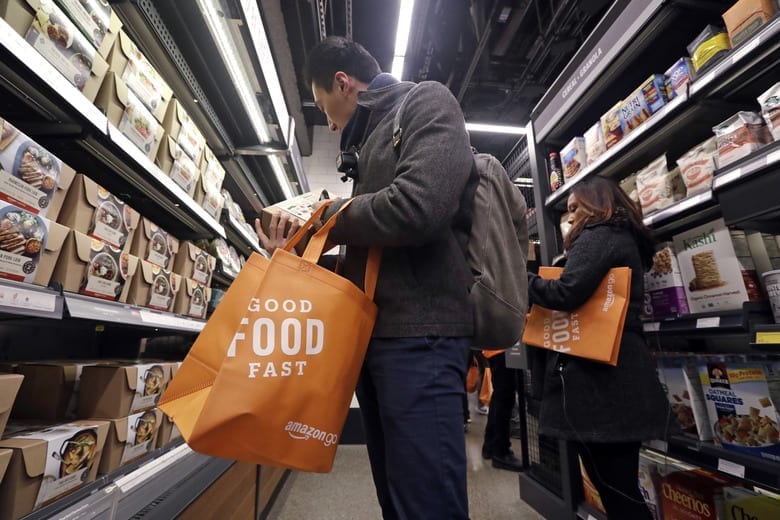
    No cashiers, no lines, no registers – this is how Amazon sees the future of in-store shopping.

    The online retailer opened its Amazon Go concept store to the public on Monday, selling milk, potato chips and other items typically found at a convenience shop. Amazon employees have been testing the store, which is at the bottom floor of the company’s Seattle headquarters, for about a year.

    The public opening is another sign that Amazon is serious about expanding its physical presence. It has opened more than a dozen bookstores, taken over space in some Kohl’s department stores and bought Whole Foods last year, giving it 470 grocery stores.

    But Amazon Go is unlike its other stores. Shoppers enter by scanning the Amazon Go smartphone app at a turnstile. When they pull an item of the shelf, it’s added to their virtual cart. If the item is placed back on the shelf, it is removed from the virtual cart. Shoppers are charged when they leave the store.

    The company says it uses computer vision, machine learning algorithms and sensors to figure out what people are grabbing off its store shelves.

    Amazon says families can shop together with just one phone scanning everyone in. Anything they grab from the shelf will also be added to the tab of the person who signed them in. But don’t help out strangers: Amazon warns that grabbing an item from the shelf for someone else means you’ll be charged for it.

    At about 167 square metres, the store will also sell ready-to-eat breakfasts, lunches and dinners. Items from the Whole Foods 365 brand are also stocked, such as cookies, popcorn and dried fruit.

    The company had announced the Amazon Go store in December 2016 and said it would open by early 2017, but it delayed the debut while it worked on the technology and company employees tested it out.

  • WAFL to open 80 stores in India

    WAFL to open 80 stores in India

    Hong Kong-headquartered waffle chain WAFL has opened its first stores in India as it continues an international franchise roll-out program.

    The company now operates 53 stores outside Hong Kong, although the Indian stores are the first in another Asian market, with most trading in Europe.

    WAFL’s first Indian store opened in SDA Market in Delhi and two more followed in the cities of Bangalore and Surat.

    The company says it plans to open about 80 stores across India by the end of this year, mostly smaller outlets of 200-250sqft with a seating capacity ranging from eight to 16 people.

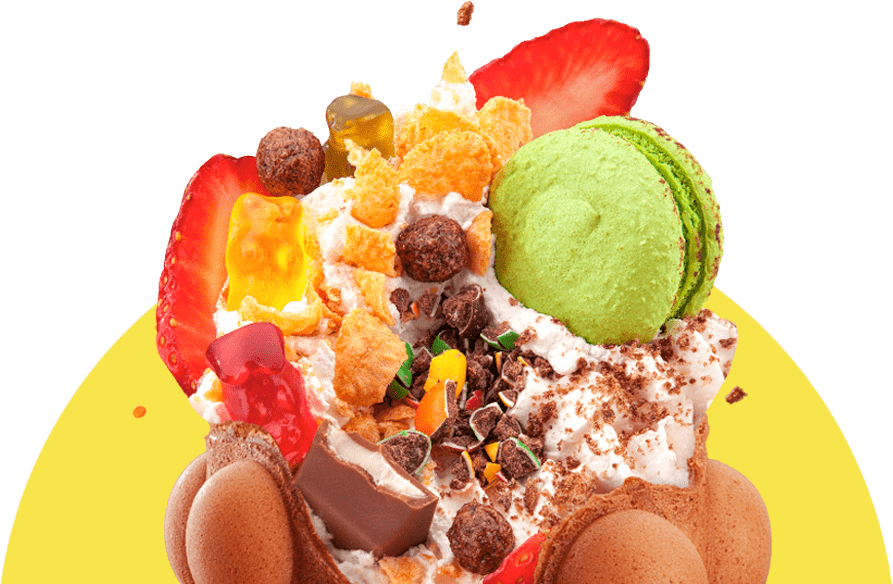
    The WAFL menu includes sweet and savoury waffles meals and waffle-cone soft-serve ice cream – but they’re not all sugar-laden indulgences.

    Rajeev Chawla, executive partner of WAFL India says consumers are more health conscious now and have caught up with the fast-paced life.

    “So through our QSR we want to serve deliciously healthy food, to help them maintain their health-conscious need. We are positive that the Indian market will like our products and we are eyeing pan-India expansion.”