Category: Food

Retail News Asia is committed to providing both local and global retailers with the latest Food and Food & Beverage news throughout the Asian market. This on a daily base.

  • Wendy’s Opens 500th International Restaurant

    Wendy’s Opens 500th International Restaurant

    Burger chain Wendy’s has opened its 500th international restaurant, in Guatemala City in partnership with its local franchisee Alimentos Corporativos Coralsa.(ACC)

    It is the 13th restaurant to open in Guatemala, where it appointed ACC in 2015.

    Wendy’s has ramped up its international expansion program, opening 60 new restaurants in the last year.

    “This is a great achievement that we attribute to the strength of our brand and partnerships with exceptional and dedicated franchisees who are committed to developing Wendy’s abroad,” said Todd Penegor, president and CEO of The Wendy’s Company.

    In Asia, Wendy’s has opened new stores in Indonesia, Japan and Malaysia in recent months.

    “We have an outstanding group of international franchise partners who play an essential role in the growth and success of our brand, and we are dedicated to helping them build strong, profitable restaurant businesses,” said Bob Wright, EVP and COO international with Wendy’s.

    “Our goal is to delight every customer in every restaurant around the world. It’s this shared commitment that has resulted in the successful growth of our international business.”

  • Starbucks Coffee Korea forecast to post record-high operating profit

    Starbucks Coffee Korea forecast to post record-high operating profit

    Starbucks Korea’s annual operating profit soared past 100 billion won (US$94 million) for the first time last year, despite intense competition in the domestic cafe sector.

    Industry sources told Yonhap news service the record result was driven by solid demand from young consumers.

    The operating profit of the coffee chain, which is run by South Korean retail conglomerate Shinsegae, was estimated at 110 billion won last year, according to the sources. Sales were estimated to have reached 1.2 trillion won (US$1.128 billion).

    The company’s annual revenue first topped the 1 trillion-won mark in 2016, setting a milestone in the South Korean coffee industry.

    The figures for its competitors, such as A Twosome Place and Angel-in-us Coffee, are known to average between 100 and 200 billion won, according to industry sources.

    Starbucks, which opened its first Korean branch near Ewha Womans University in Seoul in 1999, had 1140 stores throughout the country as of last month.

    In December, the coffee chain opened its largest store in the country in Seoul.

  • Thai tycoons’ deals in Vietnam pose risks to domestic market

    Thai tycoons’ deals in Vietnam pose risks to domestic market

    Thai tycoons have been seeking business opportunities in Vietnam’s beverage, retail and construction materials markets over the past five years in a bid to take advantage of the country’s 95 million population and expanding middle class, according to experts.

    Local consumers consider the products more affordable than imports from Japan and South Korea, and better quality than cheaper items from China.

    Among the leading investors from Thailand is the beer-to-property empire of Thai magnate Charoen Sirivadhanabhakd.

    Most recently, the tycoon’s Thai Beverage bought a majority stake worth $4.84 billion in Vietnam’s top brewer, Sabeco SAB.HM.

    Thai Bev’s local unit, Vietnam Beverage Co Ltd, won the 54 percent Sabeco stake on offer at an auction last month after global brewing giants stayed away.

    The deal is a big step for Charoen, the son of a Bangkok street vendor, who is emerging as one of Asia’s biggest power players in brewing.

    The Sabeco deal is expected to help Thai Bev tap into Vietnam’s beer market, worth about $6.48 billion last year, where a young population and booming economy counter the drawbacks of political resistance, a high minimum bid price and a cap on foreign ownership.

    In Vietnam, Charoen already owns nearly 20 percent in the country’s biggest-listed firm Vinamilk VNM.HM through Fraser & Neave. He has also acquired the Metro supermarket chain as well as other consumer goods and convenience stores in the country.

    Together with Charoen, many other tycoons from Thailand have bought stakes in Vietnamese businesses.

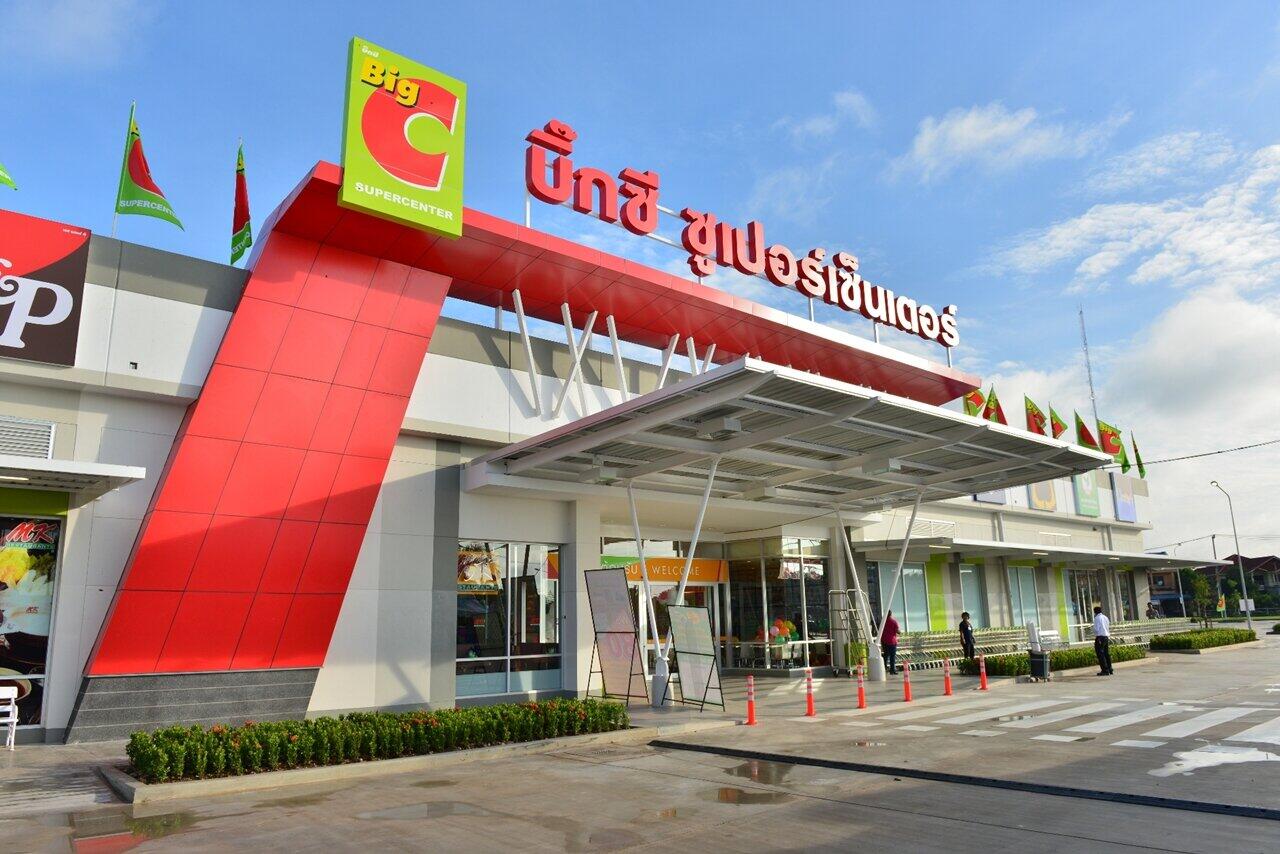
    In April 2016, Central Group sealed a deal to acquire Big C Vietnam, one of the biggest supermarket chains in the country, which pulls in more than 50 million customers annually.

    France’s Casino Group sold its entire stake in Big C to Central for 1 billion euros ($1.14 billion), according to the French retailer.

    In 2015, Central Group also acquired a 49 percent stake in major Vietnamese electronics retailer Nguyen Kim, which has a network of 21 stores across the country and posted sales of $400 million in 2014.

    The Thai conglomerate has also purchased online fashion marketplace Zalora’s operations in Vietnam in a move to combine e-commerce with its existing department stores, supermarket chains and shopping malls around the country.

    This investment interest stems from the Vietnam’s economic expansion, rising middle class and market potential, experts said.

    The so-called “middle and affluent class” earning $714 a month or more in Vietnam will double to 33 million people, about a third of the population, by 2020, the Nikkei Asian Review reported, citing Boston Consulting Group.

    Economist Vu Vinh Phu said the local retail market holds a lot of potential for Thai investors. While Thailand’s modern retail system is saturated, accounting for 65 percent of the market, the proportion is just 20 percent in Vietnam, he said.

    The deals have helped Thailand become one of the biggest foreign players in Vietnam’s mergers and acquisitions (M&A) market. Vietnam’s M&A market attracted a 10-year record in foreign investment by reaching $5.2 billion in 2015, and rose again to over $ 5.8 billion in 2016, according to the latest data from the Vietnam M&A Forum.

    However, expanding Thai investment also poses risks to Vietnam’s economy, economists said.

    Economist Le Dang Doanh said that Thai retailers obviously give priority to suppliers from their own country, and can overcharge commissions and fees to Vietnamese suppliers, pulling local products off the shelves.

    “This is a risk to our economy, and we should be more cautious,” he said.

    Echoing Doanh, economist Phu said Thai investors could push their own products by expanding their businesses in a closed system from production to distribution in Vietnam.

    “Most families in Hanoi and Ho Chi Minh City use Thai products ranging from home appliances to electronic products,” he said. “It is a threat to Vietnam, as the domestic market may be lost to Thai retailers.”
  • Shopping malls turn to F&B for better yield

    Shopping malls turn to F&B for better yield

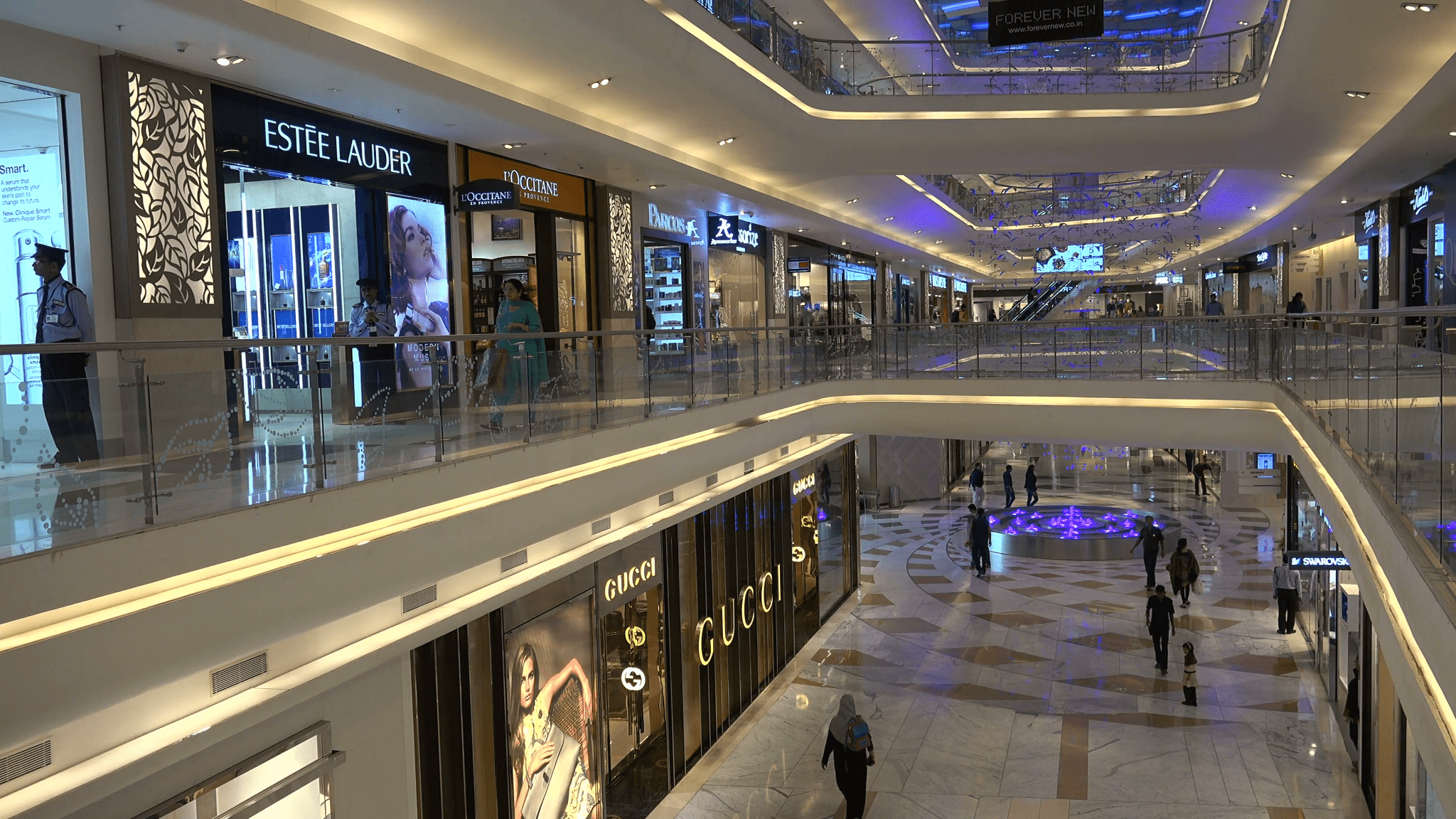
    Shopping malls in the Klang Valley are undergoing a “transformation period”, with more retail operators across all tiers remodelling their retail spaces into food and beverage (F&B) outlets.

    Experts believe the integration of F&B outlets within a shopping space serves as a hedge against increasing competition, amid the aggressive rolling-out of new supplies of retail outlets.

    Malaysia Retail Chain Association (MRCA) had projected earlier in 2017 that shopping malls were expected to allocate 30% of their retail spaces to be converted into F&B outlets compared to the previous ratio of between 15% and 20%.

    Experts have since revised the ratio upwards to more than 30% as operators are pressured to introducing aggressive promotions, while integrating F&B outlets across different sets of retail genres.

    One of the leading retail operators, Sunway Shopping Malls — which is part of the Sunway Group conglomerate — is already reinventing its strategies to convert its malls from a traditional buying and selling place into a lifestyle destination.

    Sunway Shopping Malls COO Kevin Tan Gar Peng said the increasing retail supplies year-on-year are one important factor that has imposed the change.

    “The social aspect of retail as a one-stop lifestyle centre is becoming more prominent. Hence, the need for more F&B outlets is becoming more significant, in line with the consumers’ evolution,” he told.

    He said there is a significant integration taking place among many retail outlets.

    “For example, cinema operators are now seen to be offering more physical F&B experiences to be indulged throughout screening time,” he said.

    Tan added that the F&B outlet ratio is growing at a rapid rate amid robust movement in the social landscape.

    “In Sunway Pyramid alone, we are currently housing approximately 170 F&B outlets, which is a significant number for a first-tier mall within an integrated surrounding.”

    Additionally, he said stand-alone malls and newer supplies that are about to enter the market are expected to face challenging times ahead com- pared to first-tier malls such as Sunway, One Utama, Pavilion Kuala Lumpur and Suria KLCC, which are all leveraging on the integration of their surroundings and amenities.

    At the moment, retail operators are burdened with approximately six million sq ft of additional retail spaces in the Klang Valley alone, which is expected to enter the market over the next two to three years.

    The situation worsens as consumers get more cautious with their spending habits — anticipating the outcome of the upcoming general election, apart from having to deal with the rising cost of living, risk of unemployment, as well as other macro and micro economic factors.

    The cloudy days projected for the retail segment are also reflected in Retail Group Malaysia’s downward revision of the industry’s annual growth forecast for 2017 from 3.7% to 2.2% for a total sales turnover of RM100 billion against its earlier projection of RM101.4 billion.

    With the aggressive rollout of more F&B outlets amid booming demand, MRCA VP Datuk Liew Bin said retailers also need to equip themselves with unique selling points to stay ahead of the curve of facing stiff competition.

    As such, Liew — who is also the MD of Bagman Corp Sdn Bhd — said malls with high vacancy rates should embark on corporate social initiatives by offering special incentives to Malaysian brands that could occupy vacant spaces in order to obtain higher overall turnover percentage.

    “By doing so, the industry can benefit from this move by gauging foreign visitors’ interest in our brands which, in turn, would generate more revenue in the longer run.”

  • Florence’s Gucci museum opened a restaurant with the world’s best chef

    Florence’s Gucci museum opened a restaurant with the world’s best chef

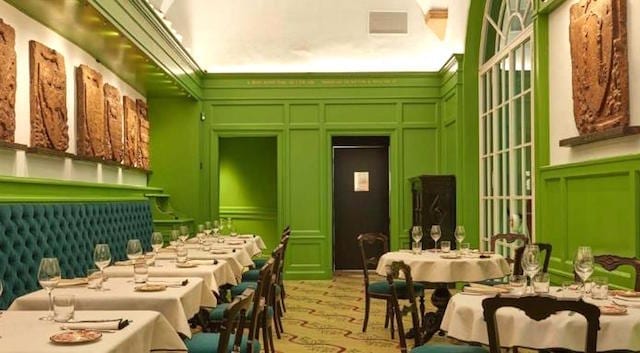
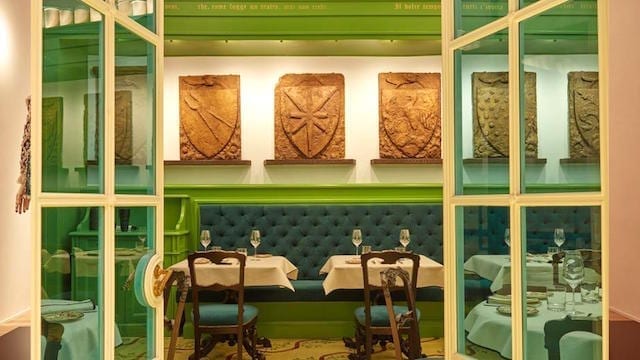
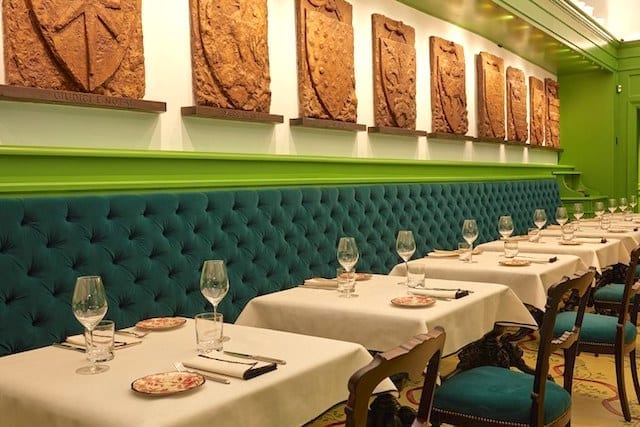
    Luxury fashion brand Gucci has opened a 50-seat restaurant, Gucci Osteria, in Florence featuring triple-starred Michelin chef Massimo Bottura.

    This follows in the tracks of Giorgio Armani offering fine-dining restaurants at its hotels in Dubai and Milan, the Dolce & Gabbana Gold Restaurant and Dolce & Gabbana Martini Bistrot in Milan, and Ralph Lauren with Ralph’s Restaurant in Paris. Roberto Cavalli also has an international chain of cafes.


    LVMH last year also announced it would open a second branch of its gourmet grocer La Grande Epicerie in Paris, days before Tiffany’s & Co launched its Blue Box Cafe in New York. LVMH also owns Cova Pasticceria, which has a strong international presence along with Prada’s Pasticceria Marchesi.

    In Seoul, Dior runs the Dior Cafe at its flagship store, in partnership with patissier Pierre Herme.


  • Vietnam ministries against tax on sugary drinks

    Vietnam ministries against tax on sugary drinks

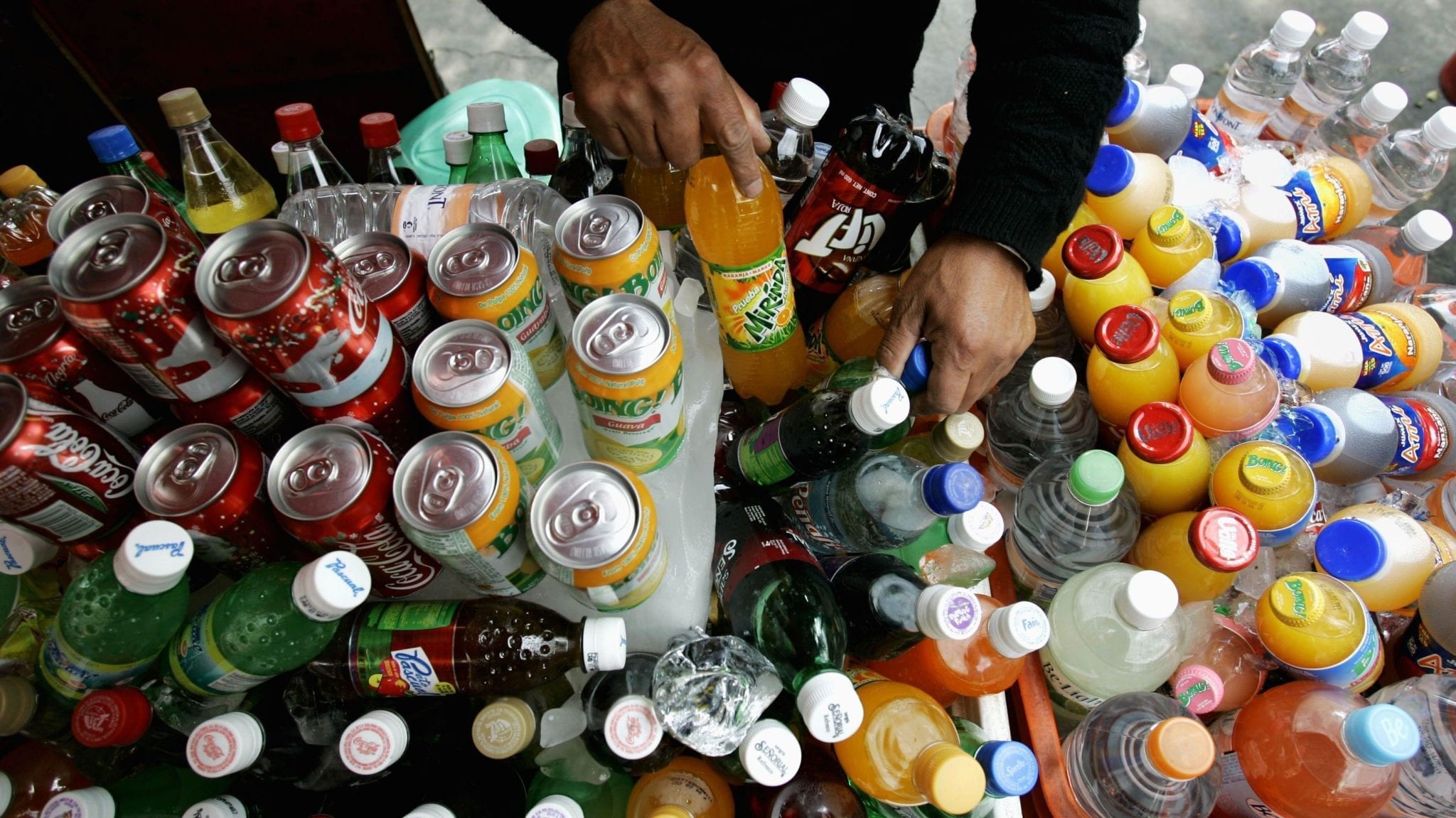
    Vietnam’s Finance Ministry has proposed a special consumption tax on some soft drinks that it claims contain an unhealthy amount of sugar, but its argument has been dismissed by other ministries.

    The Ministry of Industry and Trade said in a statement that imposing a special consumption tax on soft drinks because they contain sugar is not a convincing enough reason.

    It said the finance ministry needs to give a clearer explanation as to why soft drinks should be subject to higher taxes and why their consumption should be restricted.

    The trade ministry was repeating the same argument made by the Vietnam Chamber of Commerce and Industry (VCCI), which represents thousands of businesses in Vietnam.

    The VCCI said last October that a special tax should only be imposed after adequate studies have been made on the drinks’ impacts on consumer health and how much the tax could help reduce the risks.

    The Ministry of Agriculture and Rural Development has also demanded scientific evidence of why instant tea and coffee should be subject to the tax.

    “No study has found that the abuse of sweetened tea or coffee causes obesity, diabetes or cardiovascular diseases in Vietnam,” it said.

    The Ministry of Planning and Investment is also against the proposal, which it says could affect the beverage industry and its large workforce.

    In Vietnam, special consumption taxes are levied on items and services considered unhealthy or luxurious such as tobacco, alcoholic drinks and cars.

    The finance ministry has suggested a tax rate of 10-20 percent on sugary drinks from 2019. “The tax will help regulate the consumption of sweetened beverages, and it’s also an international norm,” it said last August.

    A letter from the World Health Organization (WHO) last September endorsed the proposed tax, which is effective in around 40 other countries, it said.

    “The WHO recommends Vietnam impose a tax that can increase the market prices of soft drinks by 20 percent,” it said.

    The ministry also cited a WHO report that shows excessive consumption of sugary drinks can lead to obesity which has been linked to many health risks such as cardiovascular disease, hypertension and strokes.

    A study unveiled in June last year found that about 25 percent of Vietnamese adults are overweight or obese. The obesity rate among children under five years old is also rising fast.

    Many Southeast Asian countries have already imposed taxes on sugary drinks, according to the ministry. The current rate is 20-25 percent in Thailand, 5-10 percent in Laos and 10 percent in Cambodia.

    Myanmar, the Philippines and Indonesia are considering a similar tax.i

  • India, Vietnam race in rice market

    India, Vietnam race in rice market

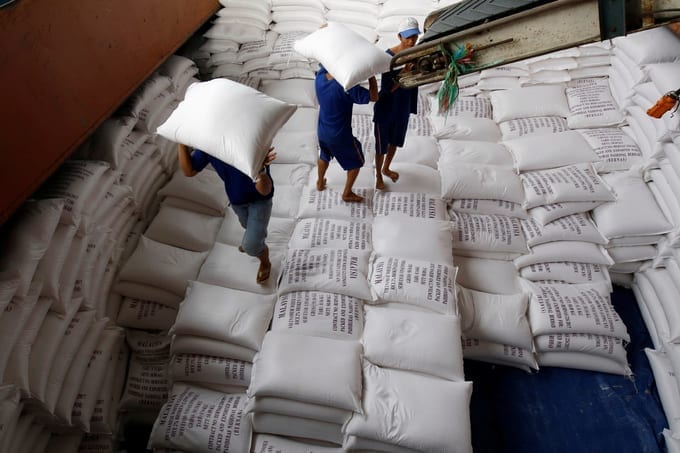
    Rice prices gained this week in India as Bangladesh continued to lap up the staple grain from its neighbour, while prospects of deals with the Philippines saw rates climb for the first time in three weeks in a relatively quiet Vietnamese market.

    In Vietnam, benchmark 5 percent broken rice rose to $400 a ton, free-on-board (FOB) Saigon, ending a three-week flat trend within the $390-$395 range, and boosted by prospects of deals with the Philippines, traders said.

    “Prices edged up on market talk that the Philippines would invite tenders to buy 250,000 tonnes at the end of January,” a trader in Ho Chi Minh City said.

    However, trading remained thin due to depleted stocks in the world’s third-largest rice exporter, while Vietnam’s major winter-spring crop would be ready only by the end of February, traders said.

    Vietnam plans to sell close to a 23 percent stake in the country’s main rice exporter Vinafood II through an initial public offering.

    Top exporter India’s 5 percent broken parboiled rice prices rose by about $2 per tonne this week to $423-$427.

    Traders from Bangladesh are aggressively buying new-season crop since prices in Bangladesh are still elevated, said an exporter based in Kakinada in the southern state of Andhra Pradesh.

    India’s rice exports likely jumped 22 percent in 2017 to a record 12.3 million tonnes as Bangladesh ramped up purchases after flooding damaged its crops.

    As of the end of December, farmers in India had cultivated winter-sown rice on 1.88 million hectares, 44 percent higher than a year earlier.

    Prices were also higher in another major Asian exporter, Thailand, with the country’s benchmark 5 percent broken rice gaining to $395-$410, FOB Bangkok, from $393-$396 last week on an appreciating baht and lower supplies.

    The baht has gained 1.6 percent versus the U.S. dollar so far this year and been Asia’s best-performing currency.

    “Rice prices have increased due to a stronger baht, lower supplies due to the effects of floods, as well as a recent 200,000-tonne export deal with Indonesia,” a Bangkok-based rice trader said.

    The Ministry of Commerce forecast Thailand to export 9.5 million tonnes of rice, worth $4.7 billion, in 2018.

    “I think this target is achievable. It’s lower than last year’s record figure of over 11 million tonnes probably due to a stronger Thai baht and bad weather conditions affecting supplies,” said another trader based in Bangkok, adding, “Demand has remained fairly constant.”

    Thai prices are likely to be on an upward trend over the next few weeks, traders said.

  • Korea’s Caffe Bene sees the end

    Korea’s Caffe Bene sees the end

    Korean coffee chain Caffe Bene has collapsed, filing for a court-led restructuring scheme on Friday.

    Yonhap news service reports the court will soon decide whether to put the ailing coffee chain under its receivership or commence liquidation.

    The legal move follows a protracted slump and mounting losses, the company said. In 2016, the company lost about US$32 million on sales of $73 million, down 32 per cent on the previous year. At that time it operated 800 stores in Korea, a figure it said would shrink as it restructured, and about 50 in the US.

    Launched in 2008, Caffe Bene expanded to become one of South Korea’s largest coffee franchises, opening more than 1000 stores in five years, but lost ground in the saturated coffee market. While its US website claims it has opened 1600 stores worldwide, the exact number still trading is difficult to ascertain. It has opened in Vietnam, the US, China, Canada, Brunei, Singapore, Japan, Indonesia, the Philippines, Saudi Arabia, Malaysia, Cambodia and Mongolia.

    But the international foray has met with mixed success. The Cambodian store has already closed and the last Facebook post by the Singapore cafe is dated February last year. In Vietnam several stores have opened and closed, including its downtown flagship which drew huge queues when it opened in 2014. Three outlets remain trading there, but it is not clear if they are franchised or company-owned.

    The company also appears to have exited the Canadian market.

    While rapid growth in the consumption of brewed coffee drove up the Korean coffee industry’s overall expansion, Caffe Bene was unable to match the growth rate at home.

  • Jollibee Foods to try Guam after a decade withdrawal

    Jollibee Foods to try Guam after a decade withdrawal

    Filipino fast-food giant Jollibee Foods plans to re-enter Guam this year after pulling out more than a decade ago as the islands went through an economic downturn.

    Jollibee Foods assistant VP/head of international franchising Maxi Peralata Jr says it will open a restaurant in a strategic location in the fourth quarter, near Marine Corps Drive and Route 16/Army Drive in Dededo.

    The outlet will be built within the Micronesia Mall compound, but this has not been confirmed by the mall’s management.

    Peralta says a franchisee has been appointed. He has not disclosed the franchisee’s identity but says their partner has business interests in Guam and the Philippines.

    Jollibee had two franchised restaurants on Guam and two on Saipan, but its Marianas presence ended with the economic downturn. Jollibee also had trouble competing with Guam players offering larger portions.

    Internationally, Jollibee has 139 stores – 72 in Vietnam, 32 in the US, 19 in the Middle East, 13 in Brunei, two in SIngapore and one in Hong Kong.

  • The Macallan targets Indian travellers at Dubai Airport

    The Macallan targets Indian travellers at Dubai Airport

    A recent Diwali-themed activation held by Edrington Europe, Middle East & Africa Travel Retail in partnership with Dubai Duty Free has resulted in a +107% sales uplift in store for The Macallan.

    The activation is the first phase of Edrington’s strategy to drive single-malt recruitment and premiumisation among Indian travellers – traditionally known as blended whisky drinkers. The Macallan is the first single-malt to actively target Indian passengers at Dubai Duty Free during Diwali, said the company.

    Traditionally known as blended whisky drinkers, Indian travellers represent a huge opportunity for the single-malt market

    The ‘Celebrate Diwali With The Macallan’ campaign placed the single malt on promotional pedestals in the centre of Dubai Duty Free’s Concourse B East and West stores, each with a sales consultant on hand to advise.

    Diwali-2-2-e1515768193699-39e9736e149ea751a9901577d393518a25a9baf9

    The campaign’s visual identity centred on the peacock – a symbolic animal in Hindu mythology also used to represent ‘Natural Colour’ – one of The Macallan’s Six Pillars. Premium gift bags featuring the campaign imagery and slogan were offered to customers making a purchase.

    The concept was tested and adapted through research in key Indian cities – Delhi, Mumbai and Bangalore – and in Dubai. India is the number one destination country from Dubai in terms of passenger volume, with over 1 million travellers in August 2017, and Mumbai the number three destination city.

    “India is a market packed with potential; its rapid economic growth and burgeoning middle classes present a major opportunity for us to not only foster single malt consumption in a traditionally strong blended whisky market, but also to drive premiumisation by leveraging the power of The Macallan brand,” said Edrington Middle East & Africa Travel Retail Commercial Manager Florence Chevallier.

    “This Diwali activation was the first stage in our long-term strategy to ‘win India’ through an insight-driven approach, executed at key airports in close partnership with our retail partners.”

    Dubai Duty Free Senior Vice President-Purchasing Saba Tahir commented: “To have a brand with the prestige of The Macallan spearheading the single malt category’s growth amongst the key Indian demographic is extremely exciting. The premium appeal of this activation, combined with the strong gifting elements clearly resonated with shoppers and delivered exceptional initial sales results.”

  • Say Chiizu stretchy cheese toast opening outlets across Singapore

    Say Chiizu stretchy cheese toast opening outlets across Singapore

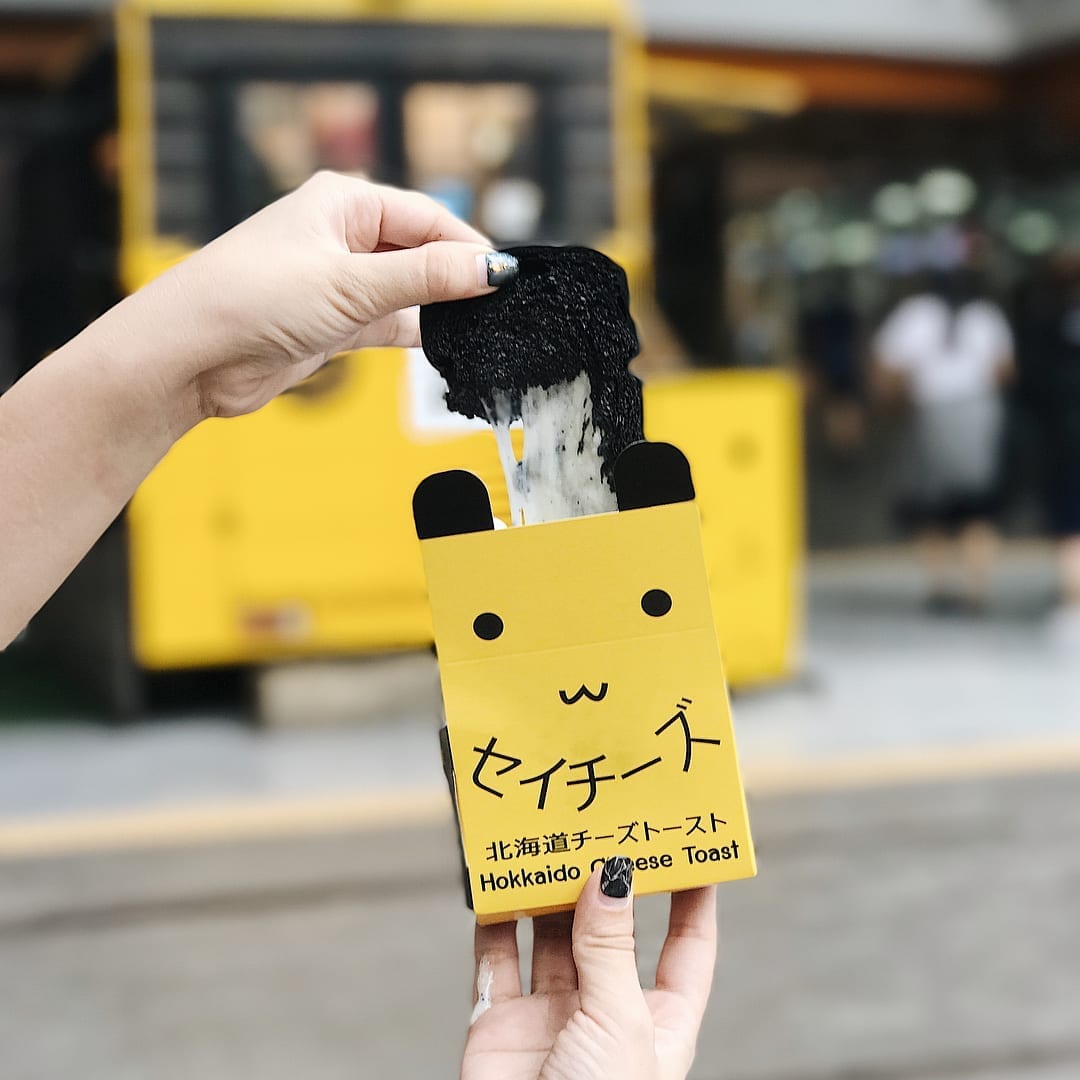
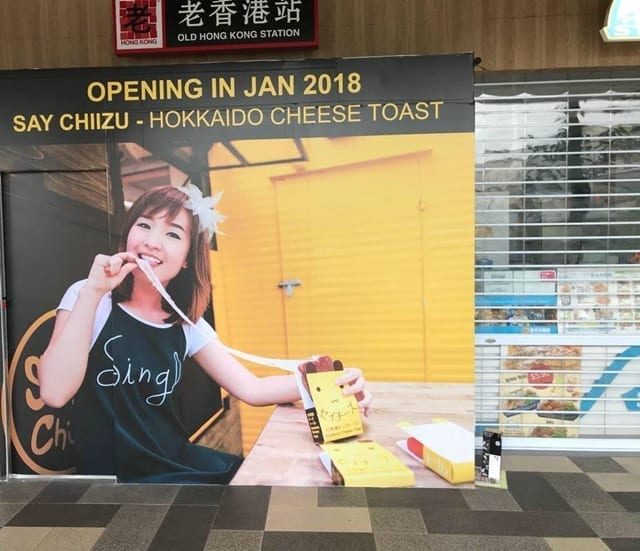
    Thailand’s Say Chiizu cheese toast is stretching all the way to Singapore, with takeaway kiosks being set up at four malls next week.

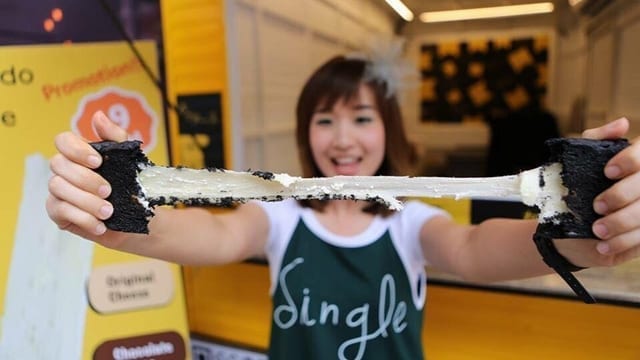
    Its cheese is made on the company’s own farm in Thailand which has cows and machinery imported from Japan, hence its main product being called Hokkaido cheese toast. Its special formula combines three types of cheese to produce its special taste and super-stretchable texture.

    Its Hokkaido milk toast comes in five flavours: charcoal, chocolate, strawberry, matcha and original.

    As well as its toast, Say Chiizu offers snacks such as Pizza Cheese Fries, BBQ Pull Chicken/Pork Cheese Fries, Cheese Fries and Classic Fries.

    Its drinks line-up includes yuzu, matcha, strawberry and peach cheese teas.

    Say Chiizu’s first outlet opens at VivoCity on Monday, followed by 313 @ Somerset on Tuesday, White Sands Shopping Centre on Wednesday and The Clementi Mall on Thursday.

    The brand is aiming to open 10 outlets in SIngapore by the end of the year, including a sit-down cafe at Bugis next month.

  • Pizza parlor chain plans expansion for 2018

    Pizza parlor chain plans expansion for 2018

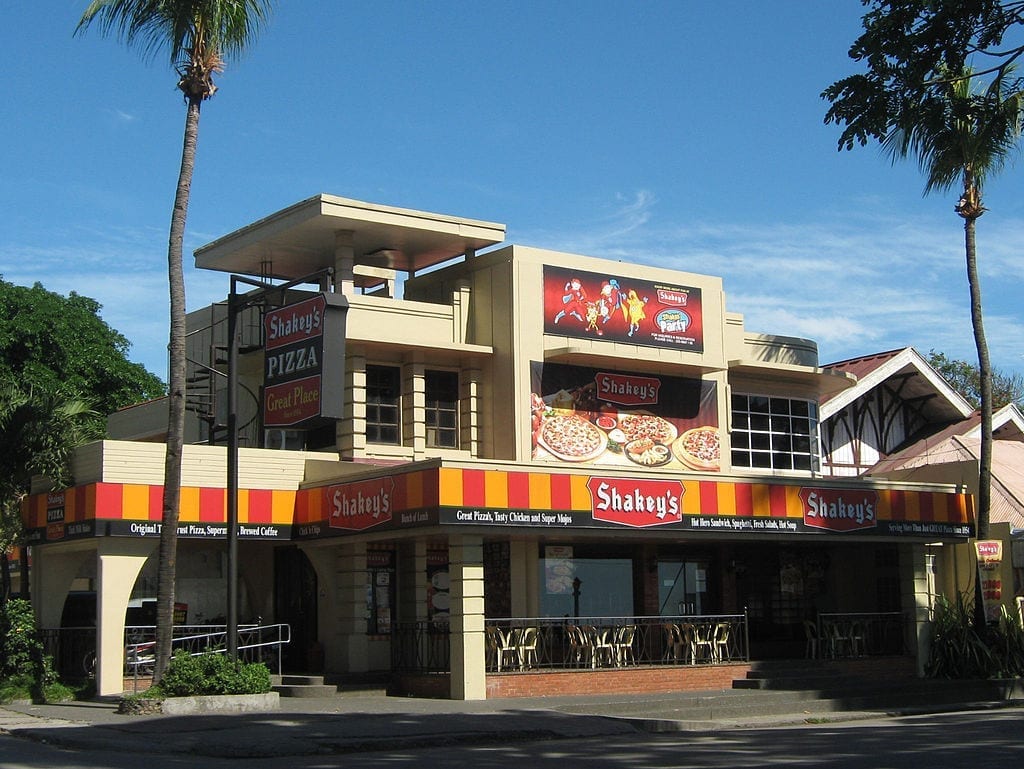
    Following a “banner year”, Shakey’s Pizza Asia Ventures (SPAVI) plans to add 20 restaurants to reach a total of 228 outlets by year end.

    In a disclosure to the Philippine Stock Exchange, the family-led company says it opened 24 stores last year, exceeding its target of 20.

    “It has been a banner year for Shakey’s – our maiden year as a publicly listed company – as this is the fastest we’ve grown in terms of store network,” says president Vicente Gregorio. “We are keeping pace with the accelerating growth of our economy.”

    He says Shakey’s aims to open stores in areas outside of first-tier cities. It opened restaurants in provincial locations last year including Iligan, Puerto Princesa, Antique, Gapan, and Palo, Leyte.

    “As Filipinos are now looking for more premium dining experiences, we are driven by our mission to consistently ‘wow’ them. This includes upgrading our look, launching innovative products and emphasising quality service,” says Gregorio.

    Earlier, the company said its plans were to reach a total network of 500 local and overseas restaurants in the next five years, to be funded by internally generated cashflow alongside proceeds from its public offering.

    Established in California in 1954, Shakey’s business in the Philippines is now bigger than in the US. In fact, the Philippine market is the brand’s largest market. The Philippine company is independent after acquiring the brand’s trademark and intellectual property rights, and also owns perpetual rights for the brand for the Middle East, Asia (excluding Japan and Malaysia), China, India, Australia and New Zealand.

    The company’s recurring net income for the first nine months of last year grew by 15 per cent year-on-year to PHP519 million (US$10.3 million) on higher sales. System-wide sales rose by 15 per cent to PHP6 billion, driven by same-store sales growth of 6 per cent and the increase in store numbers.

  • Red Wok invests in Quan Ut Ut chains

    Red Wok invests in Quan Ut Ut chains

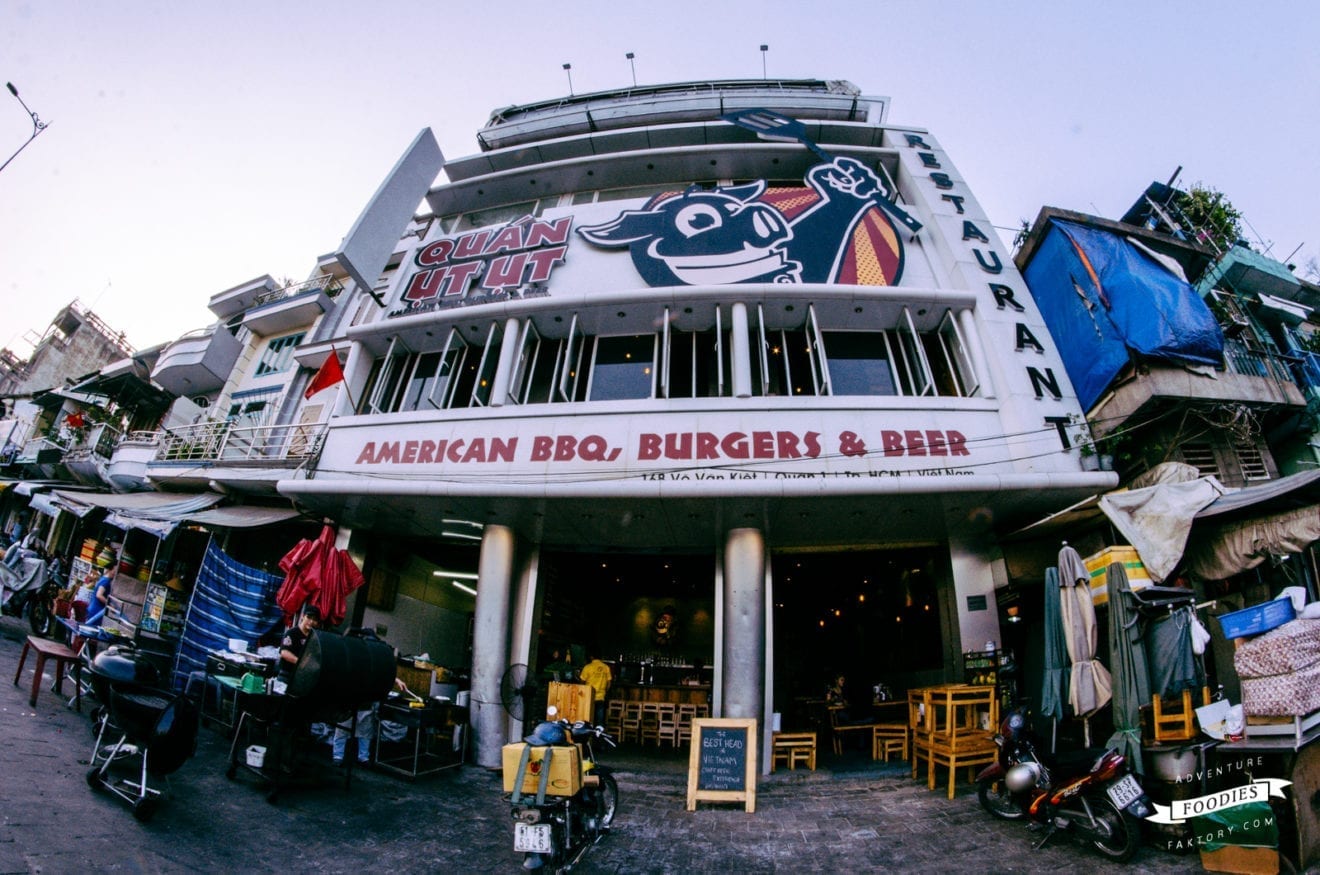
    Vietnam’s F&B group Red Wok has invested in Quan Ut Ut Barbecue, which owns the American-style restaurant of the same name as well as craft-beer brand BiaCraft.

    Red Wok will support Quan Ut Ut with business services, technology and marketing management with the aim of helping it to expand. The level of investment has not been disclosed.

    Backed by Mekong Capital, Red Wok plans to invest in small-scale dining chains, with fewer than 10 restaurants, over the next three years. It so far has interests in Wrap & Roll, Cuon Viet and Lau Bo Sai Gon Vivu, which has 25 locations nationwide and six franchised outlets in Singapore and Shanghai.

    Founded in 2014, Quan Ut Ut Barbecue has four branches in Ho Chi Minh City.

  • Robomart brings food to buyer door

    Robomart brings food to buyer door

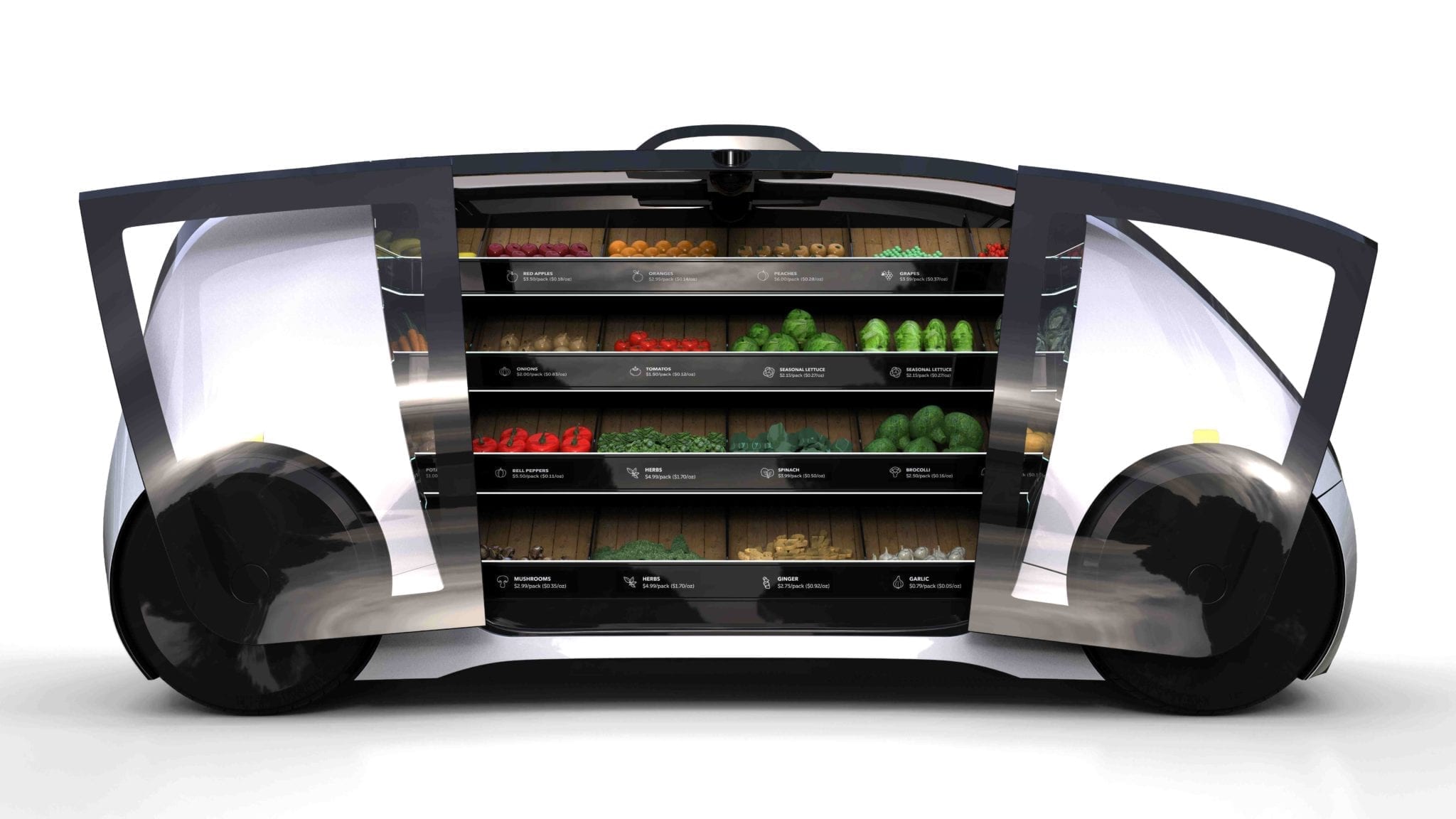
    California-based startup Robomart has introduced the world’s first self-driving store to deliver fresh produce to the customer’s doorstep.

    Making its premiere at CES (Consumer Electronics Show) in Las Vegas this week, the Robomart vehicles are completely autonomous and fully electric, recharging wirelessly.

    Fresh produce makes up about 60 per cent of all groceries sold, but Kantar Worldpanel says less than 5 per cent of perishables sales have moved online. This is because picking and delivering groceries is prohibitively expensive for retailers, while consumers do not trust someone else picking produce for them.

    This prompted the Robomart concept, and the company is building a fleet of the on-demand self-driving stores to license to retailers.

    For consumers, all they need do is tap a button on an app to request the nearest Robomart. When it arrives, they unlock the doors via the app then chose their products. When they are finished, they just close the doors and send the vehicle on its way.

    Robomart tracks what customers have taken using patent-pending “grab and go” checkout-free technology, and will charge them and send a receipt.

    Robomart says it did extensive research. In a survey of US women between 26 and 44 years of age it found that more than 85 per cent of them do not shop for fruits and vegetables online because they find home delivery too expensive and prefer to pick their own produce.

    Almost 65 per cent said they would order a Robomart more than once a week.

    Environmentally friendly

    Robomart’s vehicles do not need a driver, are environmentally friendly and access wireless EV charging using NVIDIA Corporation technology. The startup is in the process of obtaining an Autonomous Vehicle Testing Permit from the Department of Motor Vehicles in California.

    It has built its first prototype and has started work on a fleet which it aims to deploy for commercial pilot services soon.

    “Retailers can sponsor these pilots and test our autonomous store proposition with their customers in the San Francisco Bay Area,” says the company.

    Benefits for grocery retailers include consumer data giving detailed insight into sales and consumption patterns. On-demand delivery is more than five times cheaper, and retailers can expand their store footprint at low cost with no initial capital expenditure.

    Also, the direct-to-consumer channel means retailers retain ownership and control of their customers, says Robomart.

    “Retailers would have access to our state-of-the-art autonomous fleet-management system that manages orders, routing, restocking and teleoperations.

    “Although this system will be automated, they would be able to communicate with customers, store staff and law enforcement if necessary, and access real-time sales data and analytics.”

  • SM acquisition of Goldilocks OKd

    SM acquisition of Goldilocks OKd

    SM Retail has received approval from the Philippines antitrust body to acquire the Goldilocks Bakeshop chain.

    This follows the two parties submitting commitments to address potential competition issues in the deal, says the Philippine Competition Commission (PCC).

    SM Retail is a subsidiary of SM Investment (SMIC), which through another subsidiary, SM Prime Holdings (SMPHI), runs nearly 70 SM Malls in the Philippines. On the other hand, Goldilocks has a network of more than 500 stores, some of them in SM Malls.

    Potential concerns included the possibility that retail space in SM Malls might be limited for Goldilocks’ competitors. There were also concerns SM Retail might gain access to sales information from competitors and share it with Goldilocks.

    PCC chairman Arsenio Balisacan says mall owners should not be allowed to discriminate when it comes to tenants and lease applicants, “especially those that compete with stores owned by the mall itself”.

    After the acquisition, Goldilocks will become a subsidiary of SM Retail.

    In its voluntary commitment, which the PCC approved in December, SMPHI undertook to give Goldilocks’ competitors “a fair share in their lease at all times”.

    SMPHI also committed to data protection: not to allow Goldilocks access to competing tenants’ information, including sales data captured by the POS system of SMPHI tenants.

    “The commission appreciates SM’s move to make these voluntary undertakings – proof that PCC and the business community can work together to promote a culture of competition,” says Balisacan.

    The SM Group is also legally bound to comply with its commitment and submit reports to the PCC. The parties will be monitored periodically by a team of PCC experts over a five-year period. This will include random inspections, says the commission.

    SM Group negotiations to acquire a controlling stake in Goldilocks Bakeshop were revealed in August.i