Category: Food

Retail News Asia is committed to providing both local and global retailers with the latest Food and Food & Beverage news throughout the Asian market. This on a daily base.

  • Starbucks Debuts Largest Store in South Korea

    Starbucks Debuts Largest Store in South Korea

    Starbucks Coffee Korea Co., a 50/50 joint venture between Starbucks Coffee International, Inc. and Shinsegae Group, celebrated the opening of Korea’s largest Starbucks store in Central Seoul near Jonggak Station in December 2017. Located in Jongro Tower, with more than 900 residents, the store sits between two of the Tower’s floors covering over 1,000 square meters (11,000 square feet). Jonggak Station serves as a gathering place for all generations of Koreans to shop, dine, work and play in a location where history and tradition of Korean culture merge with modern city amenities.

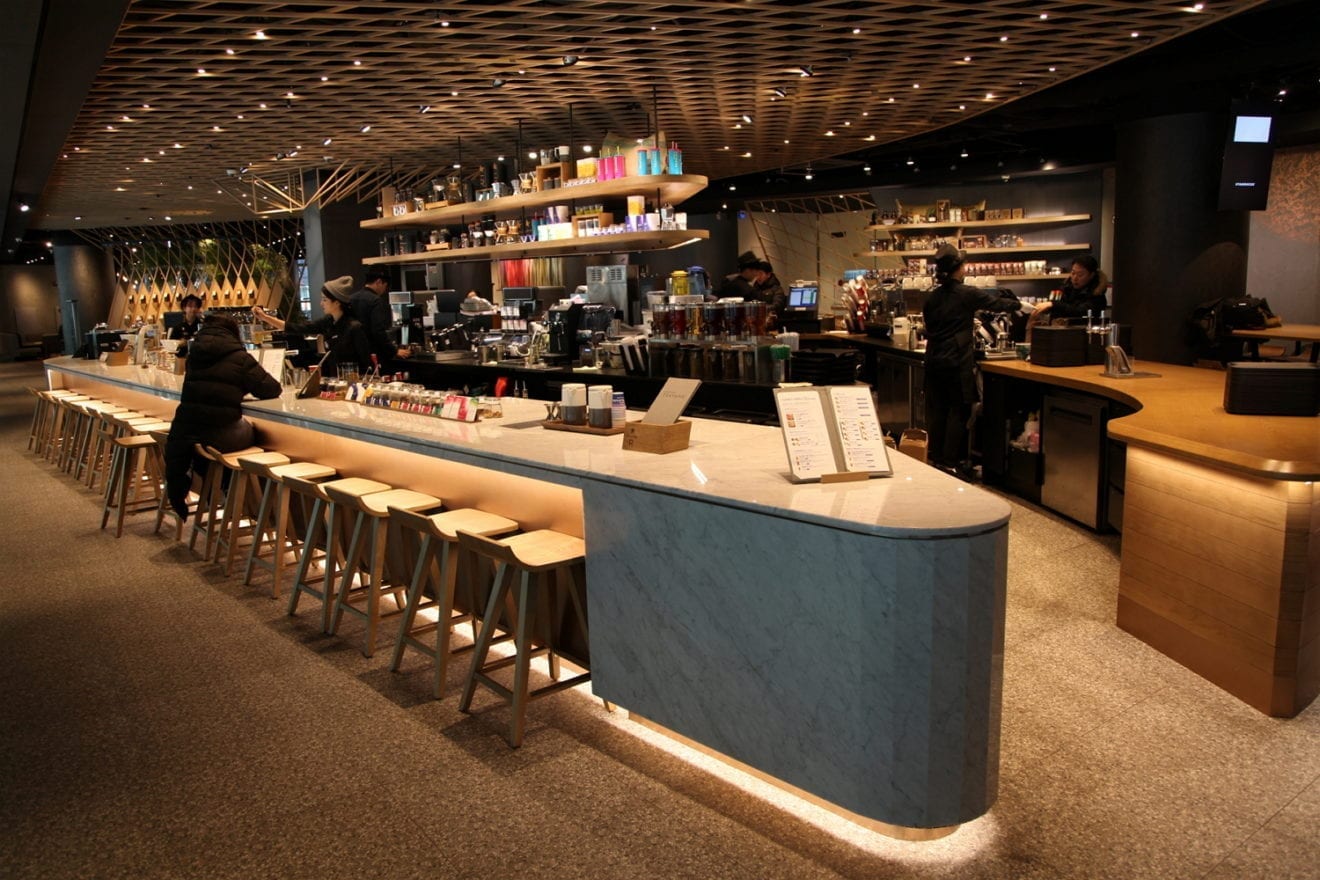
    The Jongro store features a “Grand Bar,” a triangular bar on the second floor measuring 25 meters (82 feet), making it the largest stand-alone bar at any Starbucks across South Korea, and puts both coffee forward and Teavana handcrafted beverages at centerstage.

    Beyond the Grand Bar, the space also offers a space known as the Coffee Stage, for a more personalized and intimate coffee experience with Starbucks baristas. In addition, specially-designed seating zones, inspired by the six commonly traded goods among Koreans during the Chosun Dynasty, provide comfortable seating for large groups, close friends and individuals to enjoy a cup of coffee in this unique atmosphere.

    “The Jongro store represents the 19-year coffee journey we’ve been on with Korean customers,” said S.K. Lee, CEO, Starbucks Coffee Korea. “We are pleased to create a place which pays respect to our Korean heritage while elevating the coffee retail experience customers have come to expect of Starbucks.”
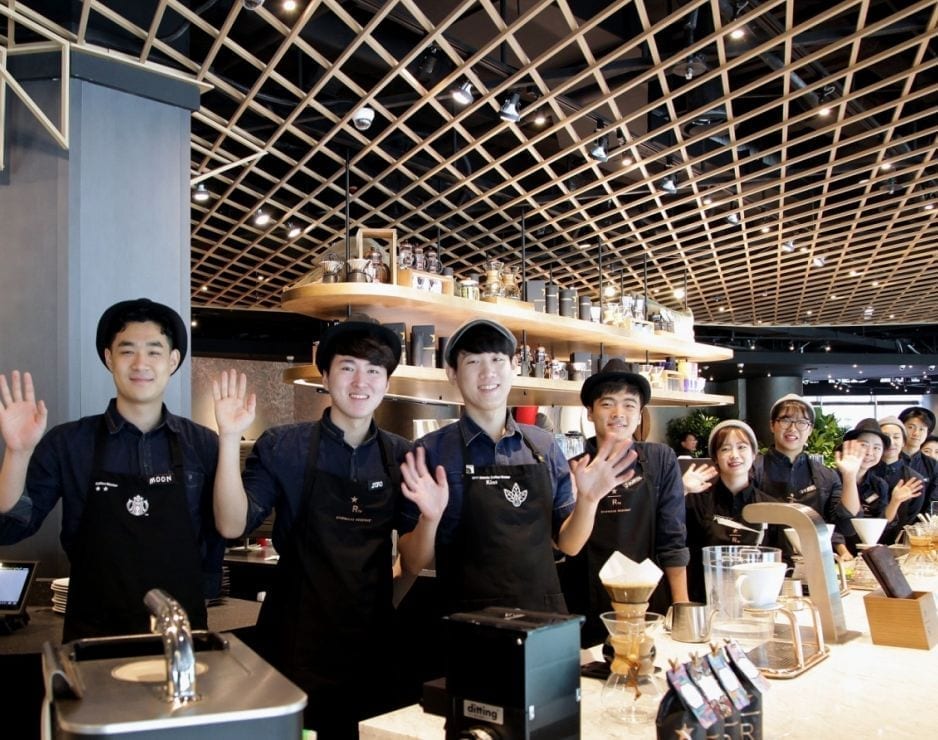
    The beverage menu at the Jongro store includes nearly 100 handcrafted customized beverages. The Teavana Blueberry Bliss and Teavana Lavender Sage beverages are uniquely brewed on a Siphon to extract the full tea flavors and aromas. These teas, as well as the Starbucks Reserve Origin Flight and Reserve Brew Comparison tasting experiences, can only be found at the Jongro store.

    In addition, more than 60 locally-sourced food items are available, including seven various rice dishes such as a Cactus rice ball with beans and sweet potato, as well as light meals and snacks, and can be found only at this location.

    “We are committed to innovating the Starbucks Experience to meet the expectations and needs of our customers and are proud to bring our Korean customers closer to our coffee and partners (employees) than ever before,” said Mark Ring, president of Starbucks Asia Pacific.

    Since opening in 1999, Starbucks today has more than 1,140 stores across 75 cities in South Korea. Employing over 13,000 partners (employees), Starbucks Korea is a leading Employer of Choice in the country and is also a model of corporate citizenship with an robust social impact agenda, partnering with over 140 communities and nonprofits to serve its partners and the community.
  • 7-Eleven in talks with a ‘few parties’ on food deal

    7-Eleven in talks with a ‘few parties’ on food deal

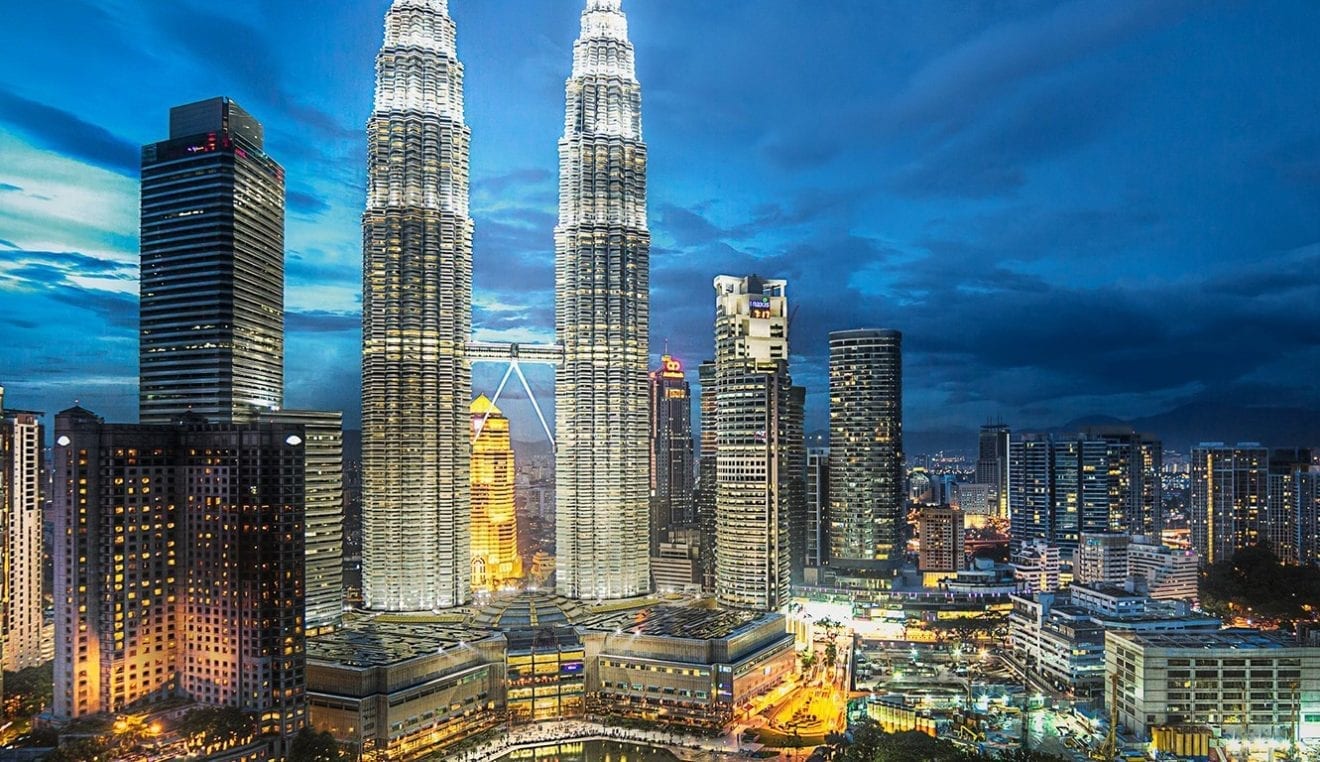
    7-Eleven Malaysia Holdings Bhd is in talks with a few parties on food chain supply after its memorandum of undestanding (MoU) with Brahim’s Holdings Bhd’s subsidiary lapsed after close to two years.

    Last week, 7-Eleven said in a stock exchange filing that the MoU with Brahim’s “has lapsed and accordingly ceased to have any effect”.

    “We’re looking to work with many others. We’re talking to some (a few parties), but it’s not finalised yet,” 7-Eleven Malaysia majority shareholder and Berjaya Corp founder and executive chairman Tan Sri Vincent Tan told a press conference after launching mobile wallet app One2pay today.

    He added that once the company has finalised the decision, it will make an announcement, estimated in the next two to three months.

    Meanwhile, Tan said the group is projecting a 3%-5% increase in sales for the retail businesses under Berjaya Group, on the back of the appreciation of the ringgit and positive signs such as the growing economy and foreign investments in the country.

    He said while retail associations and retailers have lamented the soft retail market, partly due to competition from e-commerce, the situation has been better because the ringgit has strengthened, which augurs well for the retail industry.

    “The retail trade in Malaysia is still okay and is not as bad as painted by some. For our group, we’re optimistic that the retail trade will get better,” said Tan.

    He added that the group witnessed a dip in sales when the Goods and Services Tax (GST) was implemented but now it has stabilised and sales are going up.

    “People have accepted GST. Consumers are back and the sales are up.”

  • Café that Shuns Cash and Welcomes Bitcoin Opens in Singapore

    Café that Shuns Cash and Welcomes Bitcoin Opens in Singapore

    Cash is not accepted for coffee at Singapore’s Ducatus Cafe, which has officially opened at Oxley Tower on Robinson Road.

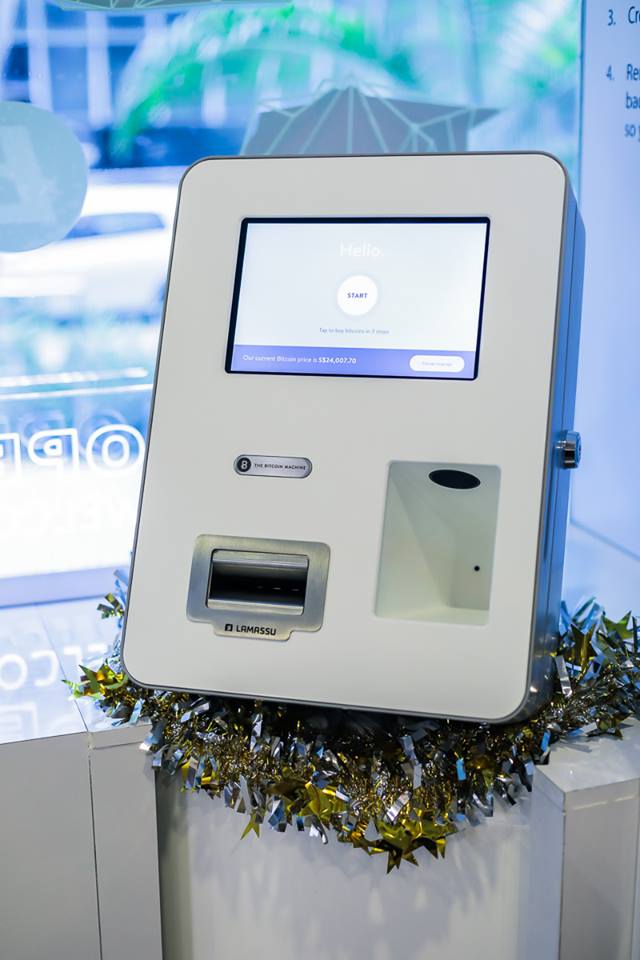
    Owned by cryptocurrency mining company Ducatus Global, the cafe does not take cash, depending on credit cards and, of course, cryptocurrencies – available through a special ATM in the store.

    However, in its latest Facebook posting, the cafe says its cryptocurrency ATM is temporarily out of service.
    Bitcoin is accepted as well as its own Ducatus coin, available via the Ducatus App which can be found in the Google Play Store. CEO Ronny Tome says there are plans to accept other cryptocurrencies soon.

    “The idea of developing the cafe was because we wanted to make sure people can use our Ducatus coins as well as bitcoins and other cryptocurrencies in day-to-day business.

    “Right now, cryptocurrencies are mostly used for speculation on markets…We want to make it part of our daily life,” he says.

    Also launched this month, the Ducatus coin is worth about 10 cents.

    The in-store cryptocurrency ATM is to enable customers to make cash-to-bitcoin deposits while waiting for their order. As well as coffee and snacks, the cafe sells branded gifts.

    Tome says he will open more cafes in Singapore. His initial cafe opened in Seminyak, Bali, on December 12, and he has plans to roll out the cafes in other countries as well as team up with hotels and travel agencies.

    Meanwhile, Tome is confident the virtual money industry will help national economies grow faster. He says governments should give cryptocurrency the chance to further grow.

    “Cryptocurrency and the underlying technology of blockchain will change the world. I’m 100 per cent sure of that – it’s here to stay.

    “I see only upsides, and it just requires all of us, all players, the government as well as businesses, to work together and find the best way of making use of this new amazing technology.”

  • Tartine Bakery to Open in Seoul in 2018

    Tartine Bakery to Open in Seoul in 2018

    Award-winning Tartine Bakery is expanding from San Francisco and will open its first overseas branch in Seoul’s Hannam Dong area on February 9.

    There are plans to also open about four more Tartine Korea outlets over the next 12 to 18 months.

    Heading the Korean branch will be pastry chef Lee Hyun Hee and chef Edward Lee, co-founder of Baroque Bakery and Pizzeria d’Buzza in Seoul. The two Korean chefs have spent six months in San Francisco learning the bakery’s recipes, says Food And Wine magazine.

    Tartine founder Chad Robertson, who has studied Korean martial art taekwondo, describes Korea’s food culture as “really amazing” with its take on Western food.

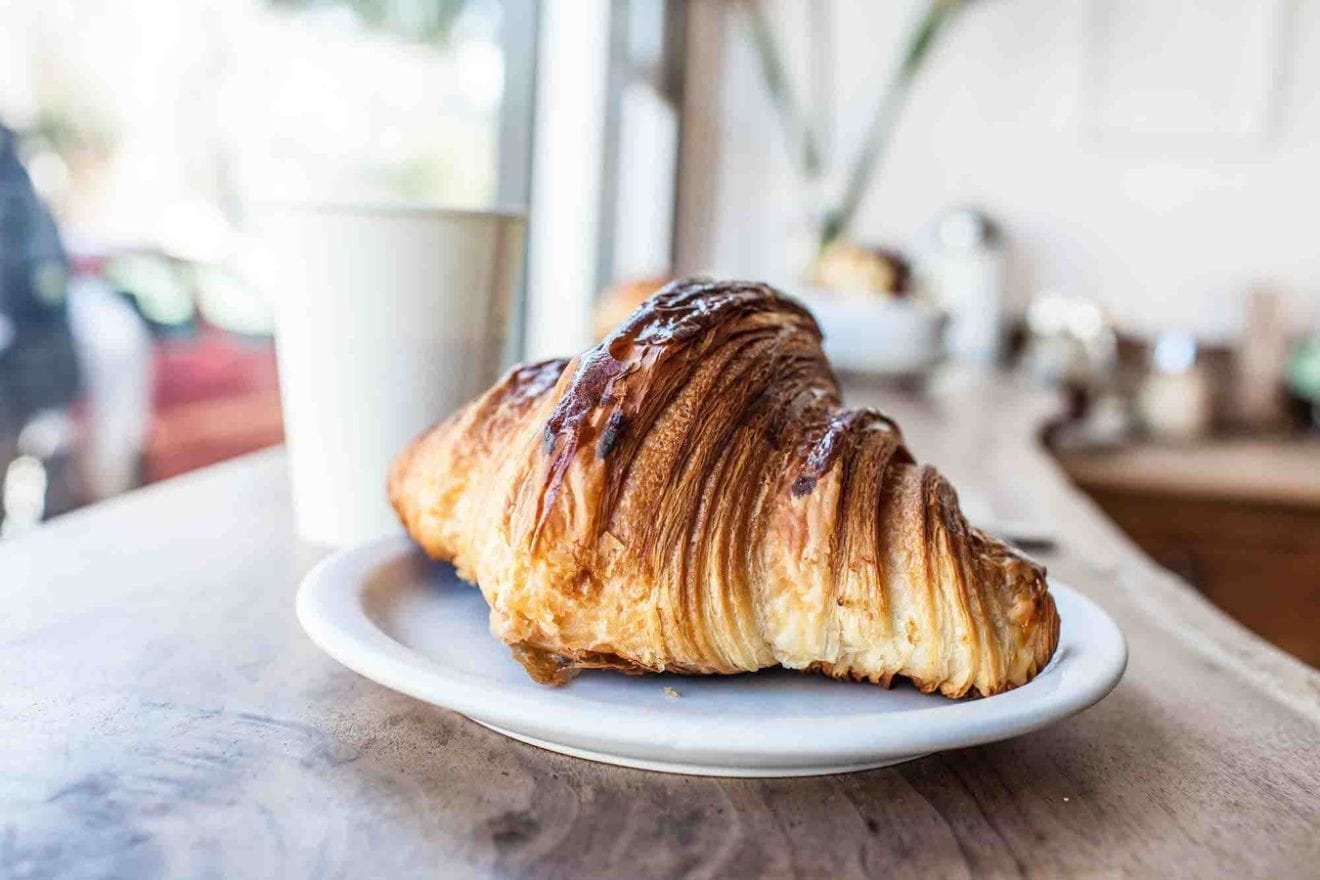
    Tartine’s San Francisco shop attracts queues for its morning buns, a croissant dough rolled into a bun form and dusted with sugar, orange zest and cinnamon, as well as its buttermilk scones studded with currants, and fresh loaves ranging from baguettes to offerings made with buckwheat and quinoa.

    Meanwhile, the bakery has just opened a 464sqm bread factory in San Francisco that combines a pastry shop, restaurant, ice-cream parlour and coffee shop in a warehouse space. The company plans to replicate this concept in a 3716sqm space in downtown Los Angeles, which will also include a coffee lab and roastery as well as a trattoria and pizzeria.

  • Mydin puts Sam’s Groceria stores up for sale

    Mydin puts Sam’s Groceria stores up for sale

    Malaysian grocery chain Sam’s Groceria is being sold by owner Mydin Mohamed Holdings as it divests loss-making businesses.

    Mydin values the high-end grocery business at US$12.5 million (MYR50 million). The chain has four outlets: in Gurney Paragon Mall and Straits Quay on Penang island, Sunway Carnival Mall in Seberang Perai, and Nu Sentral in Kuala Lumpur.

    Managing director Datuk Ameer Ali Mydin says the decision to sell followed the realisation that the stores’ patrons were mainly local Chinese and expatriates. “We do not sell liquor, wine, beer or pork, so we have been unable to meet our customers’ needs.”

    Sam’s Groceria, which started in 2013, stocks 60 per cent imported grocery products and fresh food.

    Last year, Mydin disposed of another loss-making unit, MyMydin Convenience, and discontinued its Kedai Rakyat 1Malaysia (KR1M) stores.

    For the year ended March 31, 2016, the group posted its first loss, of MYR156.6 million, in 60 years. With an internal re-organisation and cost cutting, the group managed to post a small profit last financial year.

  • The Golden Gaytime skips Indonesia market

    The Golden Gaytime skips Indonesia market

    Under social-media fire in Indonesia over its Golden Gaytime ice-cream brand, Unilever has issued a statement to say the brand is not even sold in the country.

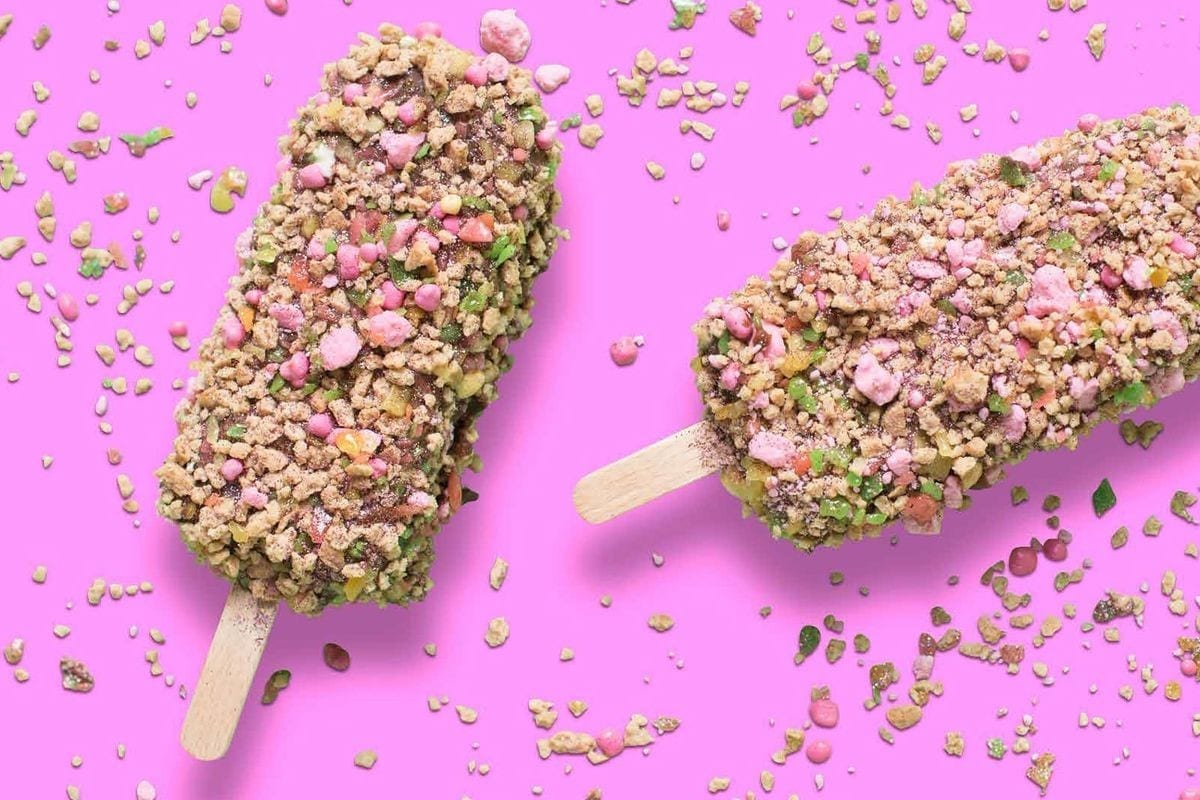
    Protesters say the name and design promote LGBT rights, a big issue in Indonesia. The outrage follows social-media posts featuring a Rainbow Gaytime ice-cream bar that is not an official product but a tribute concept created by an Australian fan for Sydney’s Mardi Gras festival. The posts went viral, followed by ugly comments and calls to boycott Unilever subsidiary Wall’s.

    Unilever Indonesia clarified that the ice cream was not a product of Wall’s Indonesia. It said it has been in Indonesia for 84 years and respected and upheld the cultural and religious values and norms of the country. It also said Wall’s brand was halal certified in Indonesia, and had won an award for its efforts in this area.

    Golden Gaytime first released in Australia in 1959, keeping its name despite the change in connotation of the word “gay”. In recent years, as with the rainbow edition, it has embraced the modern use of the word.

  • Alibaba opening more fresh food stores

    Alibaba opening more fresh food stores

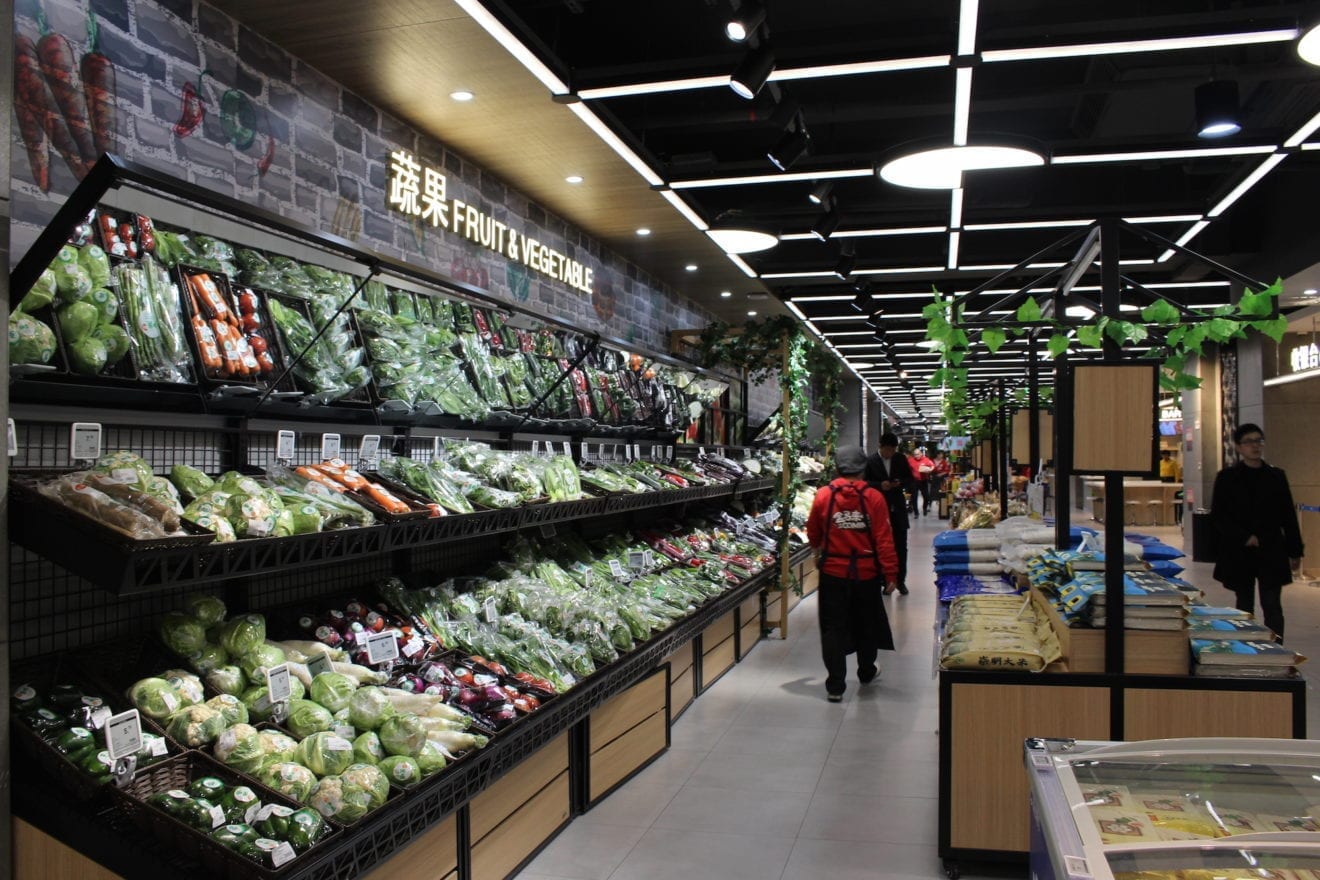
    Alibaba Group Holding Ltd announced on Wednesday the opening of another 30 Hema Xiansheng fresh food supermarkets throughout Beijing this year, as internet giants focus increasingly on the lucrative fresh-food retail sector.

    The announcement came right before JD’s first fresh food supermarket 7Fresh started its official operation on Thursday, an indication of the increasingly intense competition and rapid expansion of the two e-commerce giants.

    With Hema opening in major commercial districts across Beijing including Xizhimen, Guang’anmen and Shuangjing, consumers in major urban areas of Beijing can have their groceries delivered to a location within a radius of three kilometers from the store in 30 minutes.

  • Hurom Juice Cafe expansion plan in Vietnam

    Hurom Juice Cafe expansion plan in Vietnam

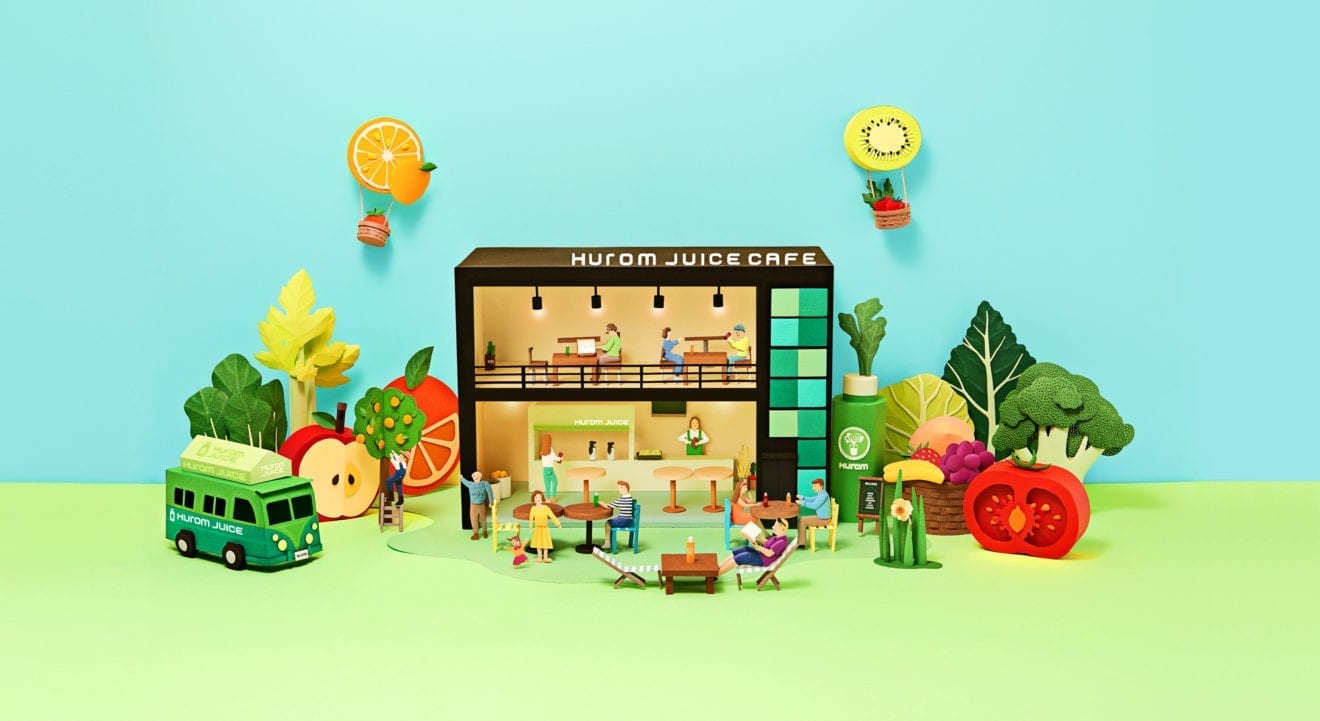
    Vietnam’s eighth Hurom Juice Cafe has opened in the central coastal city of Danang.

    Close to the tourism hotspot My Khe Beach, the cafe serves Korean desserts, tropical fruit bingsu (ice flakes), paninis, sandwiches and brunch as well as juices.

    A second Danang outlet will open close to the Dragon Bridge near the end of this month.

    A Korean manufacturer of juicers and kitchen gadgets, Hurom entered Vietnam in 2014 and has established its cafes in Ho Chi Minh City and Hanoi.

    It also has cafes in Australia, China, Europe, Malaysia, Singapore, Thailand and the US. The company advocates fresh fruits and vegetables for healthier eating.

  • Ralph Lauren : from fashion to coffee

    Ralph Lauren : from fashion to coffee

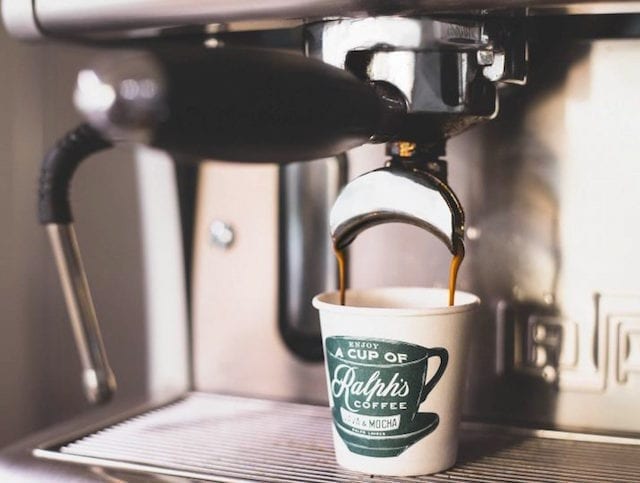
    US fashion label Ralph Lauren is bringing its new F&B venture, Ralph’s Coffee, to Hong Kong.

    It opens next month beside Ralph Lauren’s Ocean Terminal store in Tsim Sha Tsui.

    It will be the Asian debut for Ralph’s Coffee, which is already established in New York City, Chicago, London and Paris. As well as serving American coffee, it will offer cookies and cakes, including a five-layer chocolate cake, and light delicatessen fare to take away.

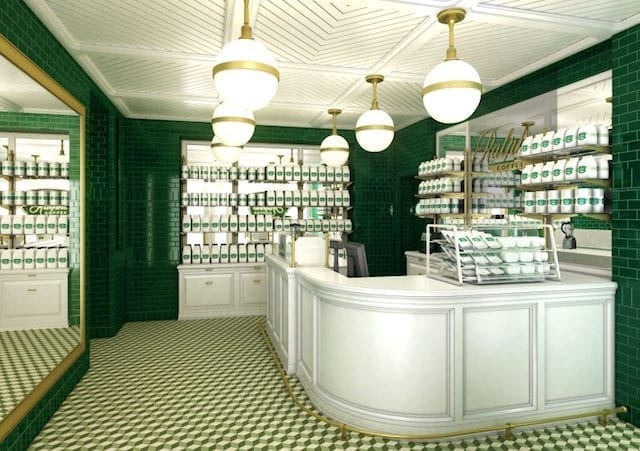
    With a neon sign outside, the coffee shop will feature Ralph’s signature green ceramic tiling and white marble-top counters. The baristas will wear striped shirts, knit ties, classic jeans and butcher’s aprons.

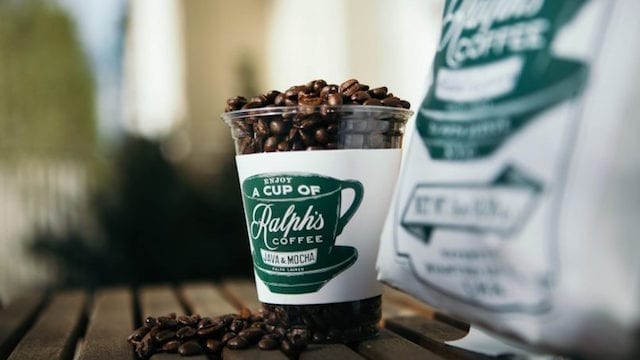
    Ralph’s will offer two roasts from organic coffee beans by La Colombe, which can also be bought by the tin. Special offerings include cortado (one shot of espresso/one shot of milk) and nitro cold brew.

    Also on sale will be artisan chocolate bars from Brooklyn gourmet chocolatier Fine & Raw, as well as Ralph’s Coffee merchandise including casual apparel, totes and mugs.

    The store will be open 12 hours a day from 8am all week.

  • Company Bets China Has an Appetite for Taco Bell

    Company Bets China Has an Appetite for Taco Bell

    After a year of consolidation, Yum China Holdings has opened two more Mexican-inspired Taco Bell restaurants in Shanghai.

    Along with Taco Bell Corp, the company launched the brand in Shanghai’s Lujiazui area a year ago. The two new outlets are in a shopping mall in Wu Jiao Chang and the shopping precinct of Feng Sheng Li.

    “The response to our first Taco Bell store in Shanghai has been fantastic,” says Yum China CEO Micky Pant. “The new restaurants integrate Taco Bell’s signature brand and spirit into the local community, and bring both classic menu items and original recipes to cater to Chinese customers.”

    He says the company looks forward to opening further outlets in other parts of China this year.
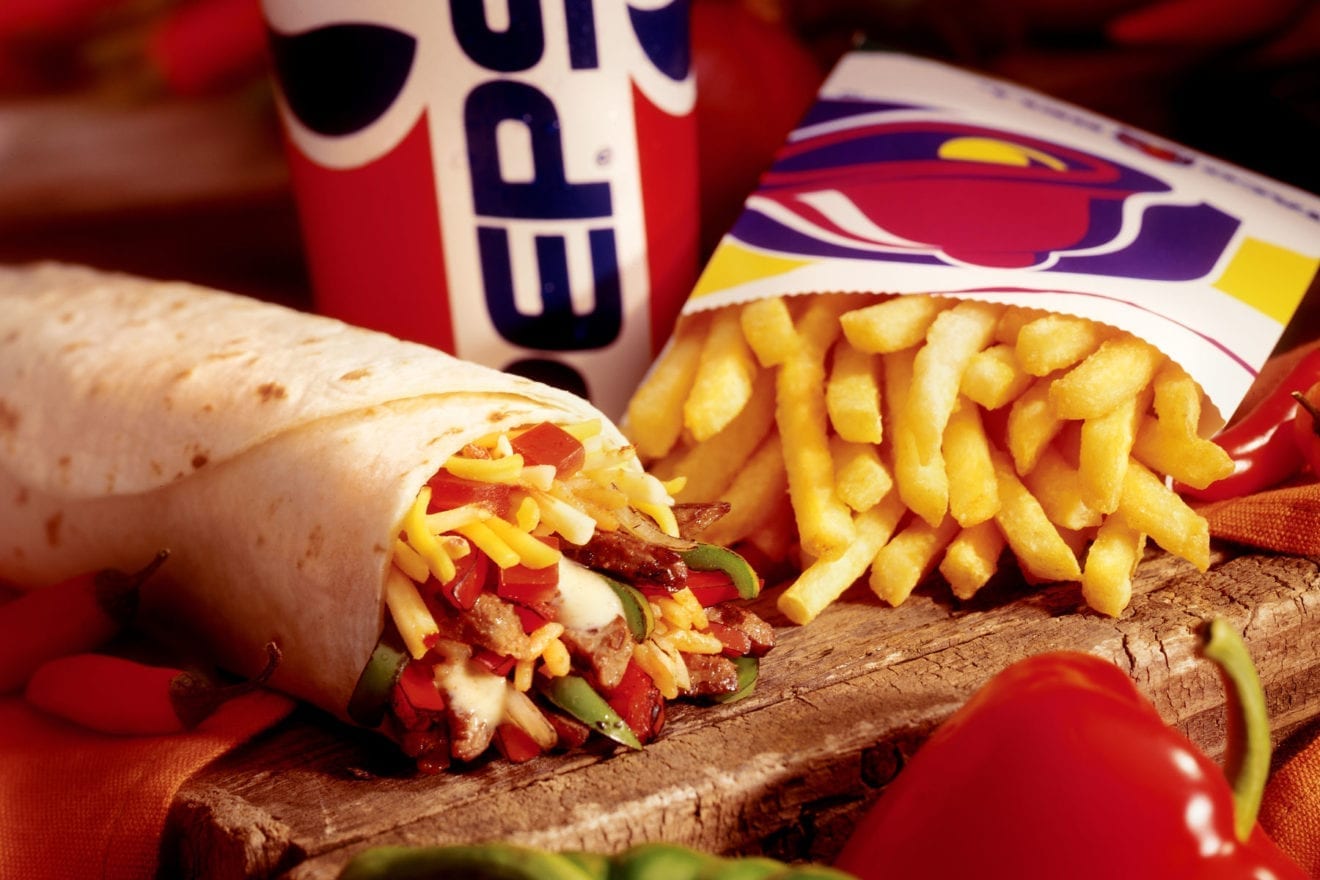
    New dishes include a Ribeye Steak & Mushroom Taco, Taco Salad Bowl, Beef Kebab Nachos and XL-Wing Nachos. The two new restaurants also offer alcoholic beverages, including the Shanghai Cosmopolitan.

    New service model

    A new service model has been rolled out with the new outlets, with orders being delivered directly to the table. The Wu Jiao Chang restaurant, which is close to several universities, has a design that combines the chain’s Californian roots with Chinese style and culture. Communal tables encourage students and urban professionals to socialise, and customers are invited to display their artwork, poetry, designs and other creative expressions on the walls. The restaurant will also host events to showcase local talent.

    In an historic residential area close to a shopping precinct, the Feng Sheng Li restaurant is designed in the Shikumen (stone gate) architectural style. In a Shanghai-style townhouse, it incorporates elements of Taco Bell’s signature look and feel. Its decor includes images of the Shanghai Oriental Pearl Tower and the city’s Art Deco buildings alongside California palm trees and skateboards.

    A neighbouring alleyway, historically a place for residents to congregate, features customised street art as a backdrop to the outdoor dining area. It has clusters to cater to different group sizes, with a canopy to ensure all-weather dining.

    Taco Bell has more than 7000 restaurants, nearly 400 of them in 26 countries outside of the US.

  • McDonald’s Japan adds three tasty new popcorn drinks to their menu

    McDonald’s Japan adds three tasty new popcorn drinks to their menu

    Following a limited-edition French macaron release last month, McDonald’s Japan is continuing to draw attention to its McCafe by Barista branches with a more unusual menu twist: popcorn drinks.

    Available at Japan’s 90 McCafe by Barista outlets from Friday, there are three variations of the limited-edition beverages…

    Iced Caramel Popcorn Latte: This combines the flavours of espresso with caramel syrup and popcorn syrup, plus whole popcorn pieces, whipped cream and sauce topping, as well as creamy cold milk.

    Mc Donalds pop corn latte

    Hot Caramel Popcorn Latte: This is similar to the iced version but uses hot foamed milk.

    Mc Donalds latte pop corn

    Caramel Popcorn Frappe: This features whole pieces of popcorn inside a sweet waffle cone that juts out from the beverage, which is an icy espresso and caramel/popcorn syrup blend topped with caramel-flavoured whipped cream and caramel sauce.

    Mc Donalds pop corn drink

    McDonald’s says it is aiming to add even more creative beverages to its McCafe by Barista outlets in the future, reports Sora News 24.

    The popcorn series will be available until the middle of February.

  • Inside Singapore’s ‘invite-only’ Johnnie Walker Home

    Inside Singapore’s ‘invite-only’ Johnnie Walker Home

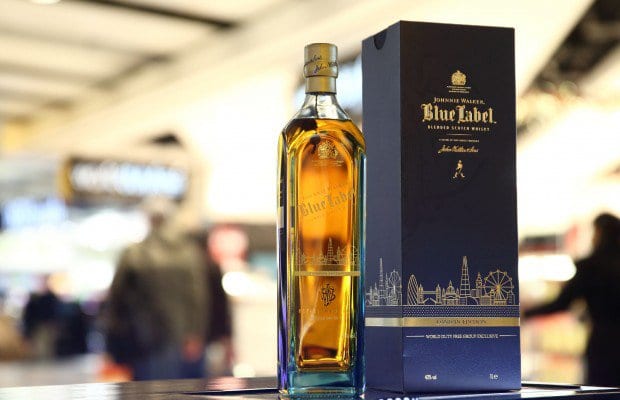
    It‘s a whisky enthusiast‘s dream. Johnnie Walker House is an invitation-only suite located at Asia Pacific headquarters in Singapore. We took a tour of the space, which hosts guests to learn, taste and purchase a variety of high-end offerings.

    The space, which opened last year, is one of 26 private suites in the world and the only one in Southeast Asia. In total, the room boasts more than $700,000 worth of whisky by retail price. One way to gain entrance is by referral.

    We build up our own network of people who might be interested and we invite them to come in,” Sam Fischer, Diageo‘s Asia president told us during a tour of the space. “We build up to people of high net worth and people of influence.”

  • End of 47-year Japan rice program seen boosting ramen wheat output

    End of 47-year Japan rice program seen boosting ramen wheat output

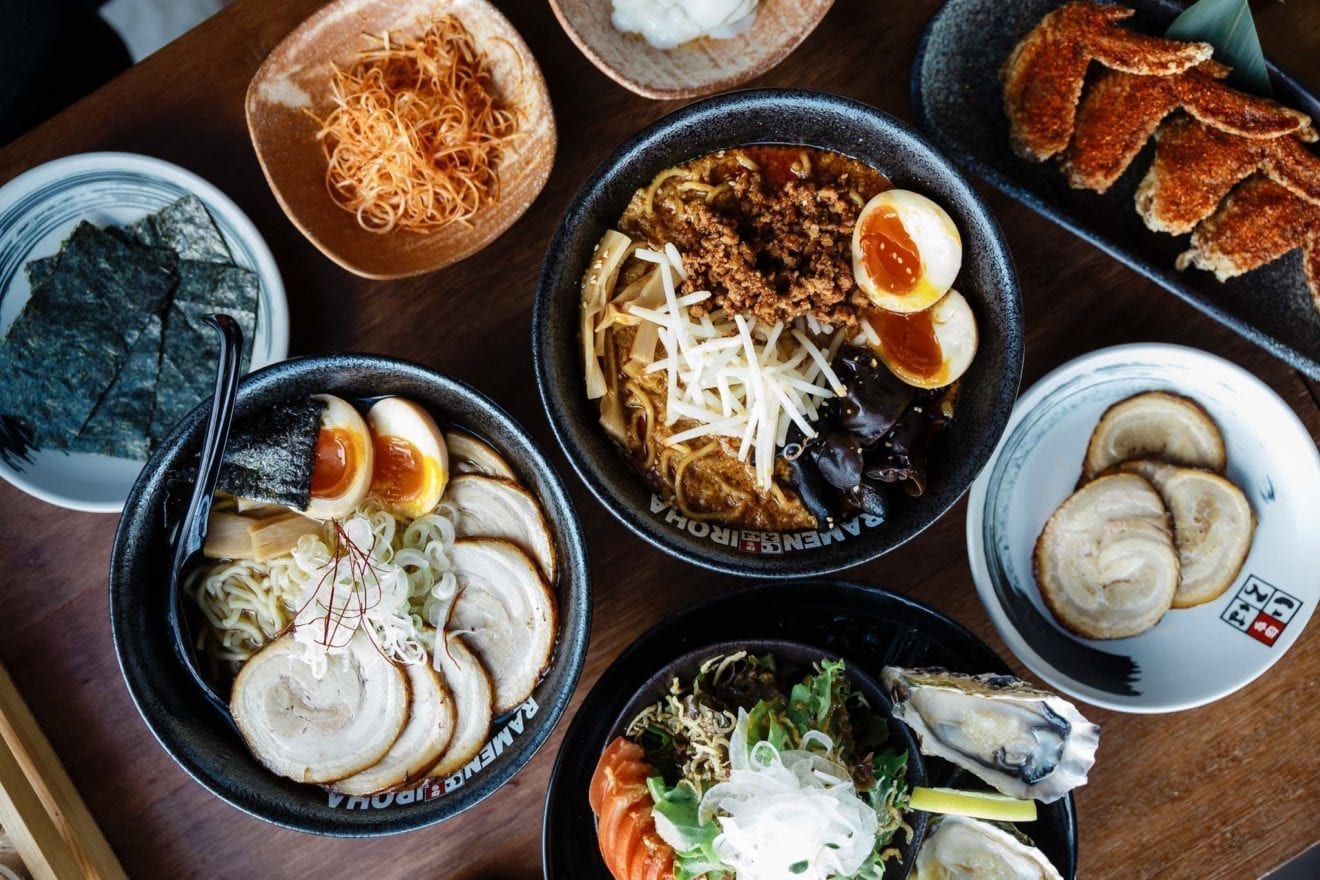
    The end of Japan’s four decades of rice-market control could be good news for noodle lovers. That’s because rice farmers may plant alternative crops like wheat once government control ends by March 31 and look to tap into rising demand for ramen. Fukuoka, on Japan’s southern island of Kyushu, is expanding production of a locally developed variety of grain, known as Ra-Mugi, that’s designed to be perfect for tonkotsu ramen: a dish of cloudy white pork broth, with noodles and slices of pork that originates in the region.

    Ramen demand has climbed in recent years with restaurants opening from London to Sydney, challenging the ubiquity of Japan’s other well-known food export sushi. The number of shops outside the country more than doubled to over 2,000 in the two years to early 2015, Shin-Yokohama Raumen Museum says, with the expansion supported by the government-backed Cool Japan Fund. Asia’s second-biggest wheat importer relies on grain from the United States, Canada and Australia to produce ramen noodles domestically.

    “What is ideal for our ramen noodle is a chewy, sticky one that can preserve its texture in a soup,” said Yuji Yamaguchi, counselor at Tofuku Flour Mills Co., which developed the wheat jointly with the Fukuoka prefectural laboratory. “Ra-Mugi is designed to meet our requests.”

    Foreign tourists

    Tonkotsu ramen was invented in 1937 by noodle-shop operator Tokio Miyamoto and was initially eaten by fish-market workers in Fukuoka as fast food. Two decades later Momofuku Ando invented the instant ramen noodles beloved by college students. The global retail value of instant noodles rose 11 percent since 2012 to $33 billion this year, Euromonitor International estimates.

    In Japan tourists are also driving demand and ramen now ranks alongside sushi and Wagyu steak as one of their top menu choices, according to Motoo Kawabata, a professor for global marketing at Kwansei Gakuin University in Nishinomiya. The number of foreign tourists visiting Fukuoka City rose 24 percent in 2016 to 2.57 million, a fifth straight record. Korean tourists accounted for about 40 percent, according to the city government.

    “After seeing photographs and videos of our outlets via social media, they come here to have a real one,” said Yukari Shibayama, a spokesman at Ichiran’s flagship shop in Fukuoka City. “We have seen a surge in foreign customers to our shop, mainly from Taiwan, Korea and Hong Kong, in the past three years.”

    “Tonkotsu ramen is the best Japanese food for me, along with sushi,” said Jeon Byeong Hyun, a 34-year-old office worker visiting Fukuoka from Busan, South Korea. “I came here to introduce my favorite shop to my friends.”

    Returns

    Farmers may also be encouraged to grow Ra-Mugi wheat as it offers higher returns.

    Yukio Endo, 49, who grows rice, wheat and barley in Fukuoka, must spray crops with fertilizer for a fourth time, with a heavy machine on his back about a month before harvesting Ra-Mugi on his 8-hectare (20 acres) paddy. That compares with three times for other wheat, but is necessary to maintain a high level of protein. Millers request at least 12 percent. “It requires us to work harder, but rewards us better,” he said in an interview. Farmers producing Ra-Mugi can get premium of ¥2,300 ($20) per 60-kilogram bag compared with conventional wheat. Growers are also eligible for a ¥35,000 subsidy for every 0.1 hectare of wheat planted, as the government seeks to curb its reliance on imports.

    Producers are unable to keep up with local demand. Fukuoka, Japan’s second-biggest wheat grower, wants to raise Ra-Mugi production by more than 30 percent to 8,000 tons in the near future, which would be enough to supply about half the ramen shops in the prefecture, said Tadayuki Matsumoto, director at the local government’s agricultural department.

    Hakata-Sanki, the biggest user of Ra-Mugi wheat, uses the variety even though it’s 20 percent more expensive than flour made from imported grain because it helps attracts customers, according to Akira Nakano, the manager of the company’s noodle-making plant in Dazaifu. Sales of Ra-Mugi noodles are set to increase to 300,000 units a month by March from about 230,000 in November and will double by 2019 as it moves to supply more than just its own 14 stores, Nakano said.

  • Chateraise plans to open 200 shops in Thailand

    Chateraise plans to open 200 shops in Thailand

    Japanese patisserie Chateraise, which is known for having its main factory in the middle of a forest, plans to open 200 shops in Thailand and boost overseas sales to 50 per cent of its total revenue in the next 10 years.

    With more than 500 outlets mainly in Japan, it has just opened its second shop in Bangkok, at Gateway Ekamai Shopping Mall, and is seeking franchisees to accelerate store expansion in Southeast Asia’s second-largest economy.

    Its debut shop for Thailand opened in Isetan Bangkok department store in July. Both Bangkok outlets are under franchise.

    In the past two years, Chateraise has moved into eight markets across Asia, opening more than 30 shops. The company sees Thailand as a promising market where sweets consumption is expected to be driven by economic growth coupled with a youthful population, says senior managing director Takako Saito of parent company Chateraise Holdings.

    Based in Yamanashi prefecture, the company produces cakes, pastry, confectionery and beverages at six factories across Japan. It procures raw materials directly from contracted farmers and sells through branded shops.

    Almost all products for Thailand are shipped from Japan, with plans to add ice cream to the lineup. Chateraise plans a third Bangkok shop for next year

    The brand’s first overseas expansion was to Singapore in 2015, and it has since opened stores in Dubai, Hong Kong, Indonesia, Malaysia, South Korea and Taiwan, and plans to head to Hanoi and Manila next year.

  • Korea’s Twosome Place, Ediya coffee chains planning an IPO

    Korea’s Twosome Place, Ediya coffee chains planning an IPO

    Two South Korean coffee franchises are pushing ahead with IPOs to raise funds for expansion both domestically and globally.

    A Twosome Place and Ediya Coffee are seeking to challenge Starbucks Coffee, which dominates the Korean market. It says Ediya aims to be listed by the end of next year, which would be a first for a coffee shop franchise.

    Ediya would probably use the new capital to build a roasting factory and to expand overseas. The company ranks third in Korea in terms of sales and first in store numbers. With 2200 stores, it has posted KW150 billion (US$139.5 million) in sales, following Starbucks (more than KW1 trillion) and Twosome (KW200 billion).

    Meanwhile, Twosome plans to separate from CJ Foodville to become a subsidiary in February. It is also expected to list on the Seoul bourse to raise more funds.

    Korea already has more than 90,000 coffee shops, but is still attracting global chains. US Blue Bottle Coffee has established a local subsidiary and expects to open its first Seoul store in March.