Category: Food

Retail News Asia is committed to providing both local and global retailers with the latest Food and Food & Beverage news throughout the Asian market. This on a daily base.

  • Saudi Arabia to temporarily suspend Vietnamese fish imports

    Saudi Arabia to temporarily suspend Vietnamese fish imports

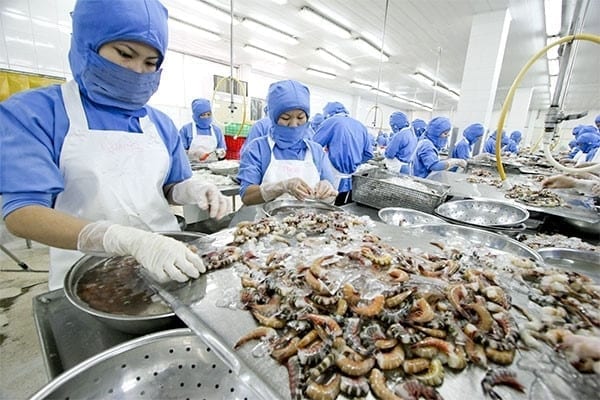
    Saudi Food and Drug Authority (SFDA) has decided to temporarily suspend the import of fish and shrimps from Việt Nam.

    The ban, effective from March 1, is in accordance with the regulatory procedure for fish and other aquaculture export establishments of SFDA, according to a note published on the Saudi Aquaculture Society’s website.

    The decision came after a delegation of several regulators, including SFDA, Ministry of Environment, Water and Agriculture and Saudi Aquaculture Society conducted an inspection tour last month to 24 Vietnamese facilities that exported to Saudi Arabia.

    The delegation found that only nine facilities met the hygiene requirements of Saudia Arabia.

    The suspension will be in place until the facilities complied to Saudi Arabia’s requirements.

    This is one of the most serious actions by Saudi Arabia against Vietnamese exporting firms.

    The Việt Nam Sanitary and Phytosanitary Notification Authority and Enquiry Point under the Ministry of Agriculture and Rural Development on January 30 also announced the SFDA’s notice about the temporary ban.

    The notice said that Saudi Arabia was instituting the emergency measure to prevent the introduction of white sport disease and acute hepatopancreatic necrosis disease into the country.

    The Việt Nam Sanitary and Phytosanitary Notification Authority and Enquiry Point urged relevant agencies to raise appropriate measures to tackle this problem.

    SFDA has also temporarily suspended the import of aquaculture products from Bangladesh and Myanmar and farmed fish from India, according to Saudi Aquaculture Society.
     

  • Starbucks opens first coffee store in Danang

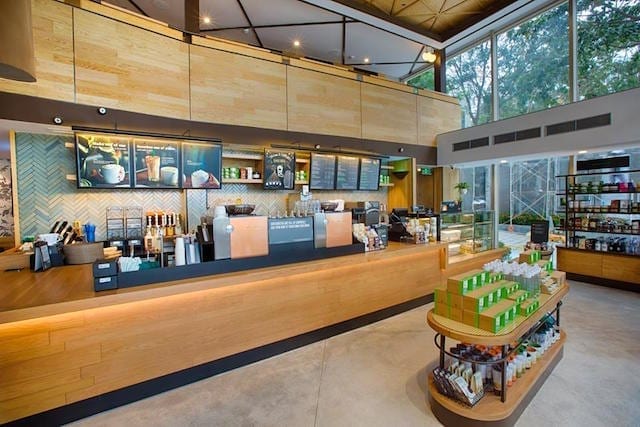
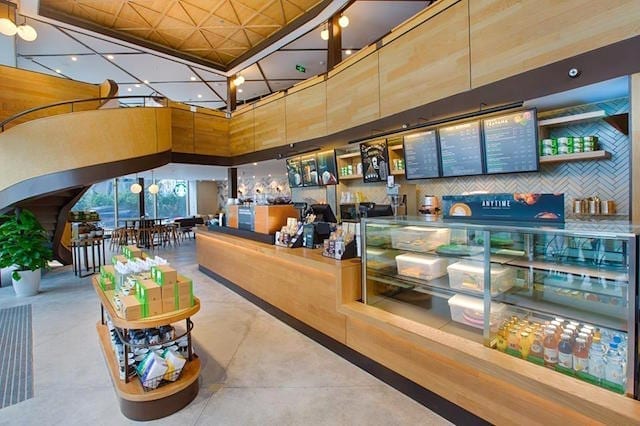
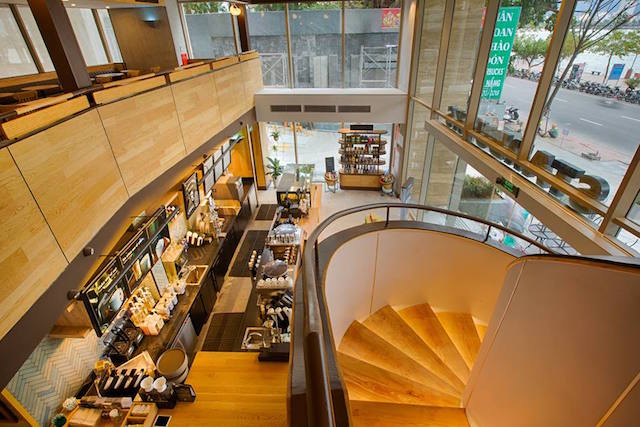
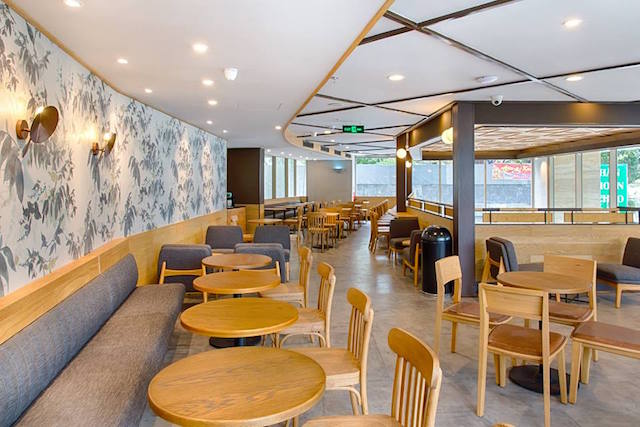
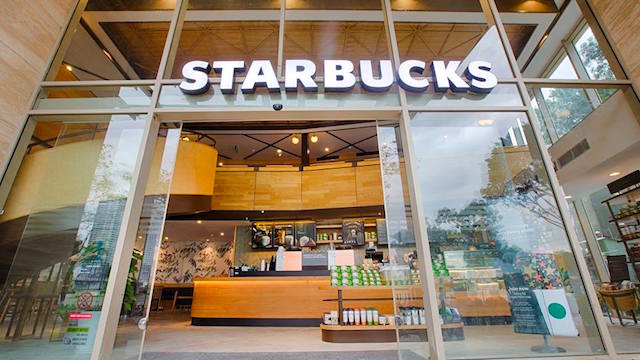
    Starbucks opens first coffee store in Danang

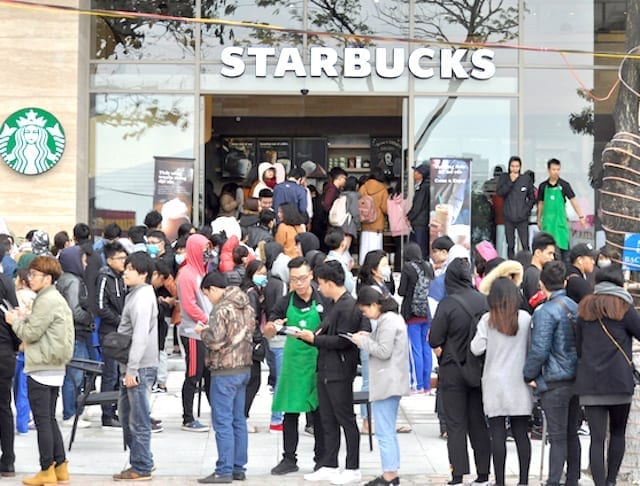
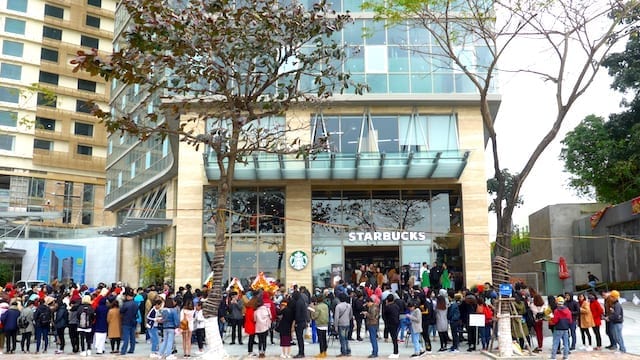
    While the Hilton hotel complex is still under construction in Da Nang, there was a queue all morning despite chilly weather when Starbucks Vietnam opened an outlet on the site on Saturday.

    Queue outside Starbucks on the cafe’s opening day at the unfinished Hilton Da Nang.

    On the ground floor of the unfinished building, it is the US coffee chain’s first outlet for the tourist city. Hilton has not yet released an opening day for its riverside hotel in Da Nang.

    Starbucks Vietnam GM Patricia Marques says the chain has further plans for this, its fifth year. It opened its first store in Ho Chi Minh City in February 2013 and this is its 35th outlet. It also has cafes in Hanoi and Hai Phong.


    To mark its fifth anniversary, Starbucks Vietnam is offering special prices with extra points under its Starbucks Rewards program.

    The company has also re-introduced its Starbucks Reserve Da Lat coffee, which first made an appearance in 2016.

  • Massive expansion action by Phoenix Lava in Vietnam

    Massive expansion action by Phoenix Lava in Vietnam

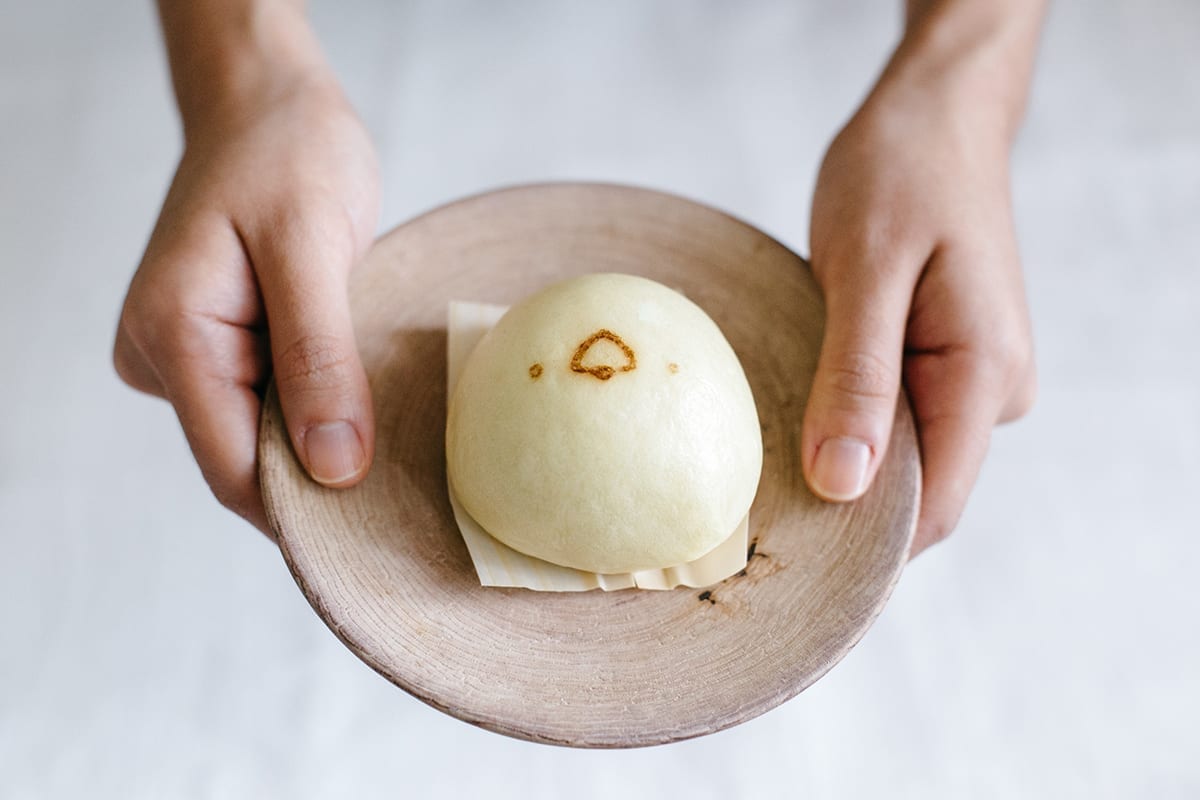
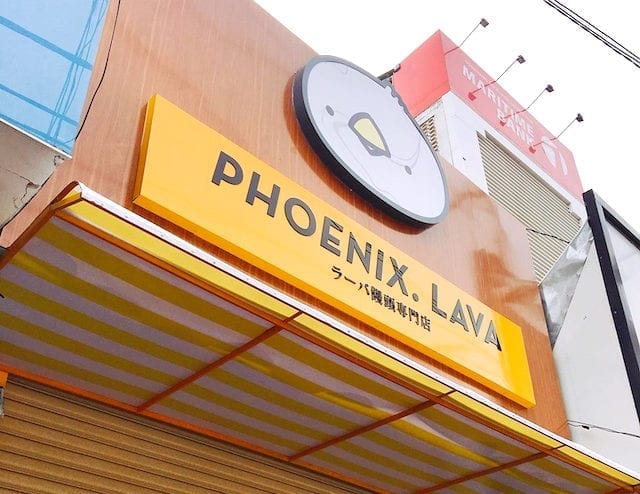
    Thailand’s steamed-bun chain Phoenix Lava has erupted in Vietnam, opening with four stores in Ho Chi Minh City.

    Its flagship store is in District 3 with the other outlets in Districts 1 and 5,  and one in the Vinhomes Central Park development in the Binh Thanh district.

    Inspired by Japanese-style lava buns and cakes, Phoenix Lava offers seven flavours for its phoenix-shaped buns – Uji tea, bamboo charcoal, chocolate, durian, cheese/bacon, pork and salted duck egg.

    Founded in 2013, the company has six branches in its homeland.

  • Second Moleskine Cafe Italy will be opened in China

    Second Moleskine Cafe Italy will be opened in China

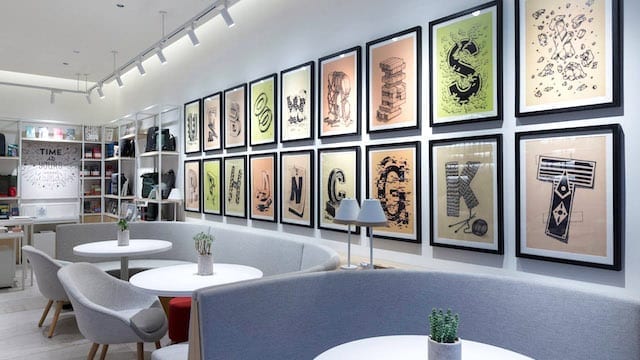
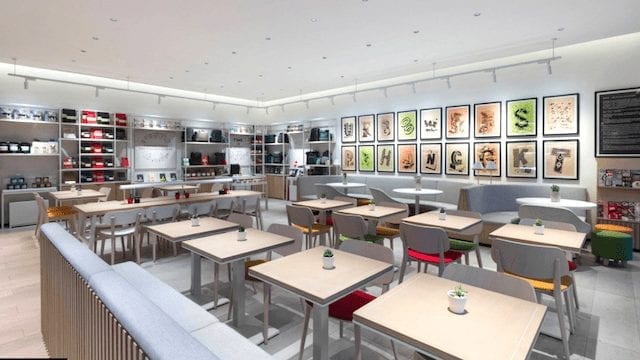
    Following the success of its cafe in Milan, which launched in 2016, Italy’s Moleskine stationery brand has opened a second outlet – in Beijing’s Taikoo Li shopping centre.

    It continues the minimalist concept with neutral colours, space and natural light. The open-concept 150sqm cafe offers individual and communal tables, including an al-fresco area.

    Like its Milan predecessor, it is a combination of cafe, gallery, library and store, reports Concrete Playground. The menu combines Italian and local cuisine across breakfast and lunch options.

    As well, the cafe will stage exhibitions dedicated to architects, designers, illustrators and movie directors, as well as events, talks and workshops.

    Cafes for Hamburg, London and New York are also planned this year.

  • Many Korean goods to receive Vietnam tax exemption

    Many Korean goods to receive Vietnam tax exemption

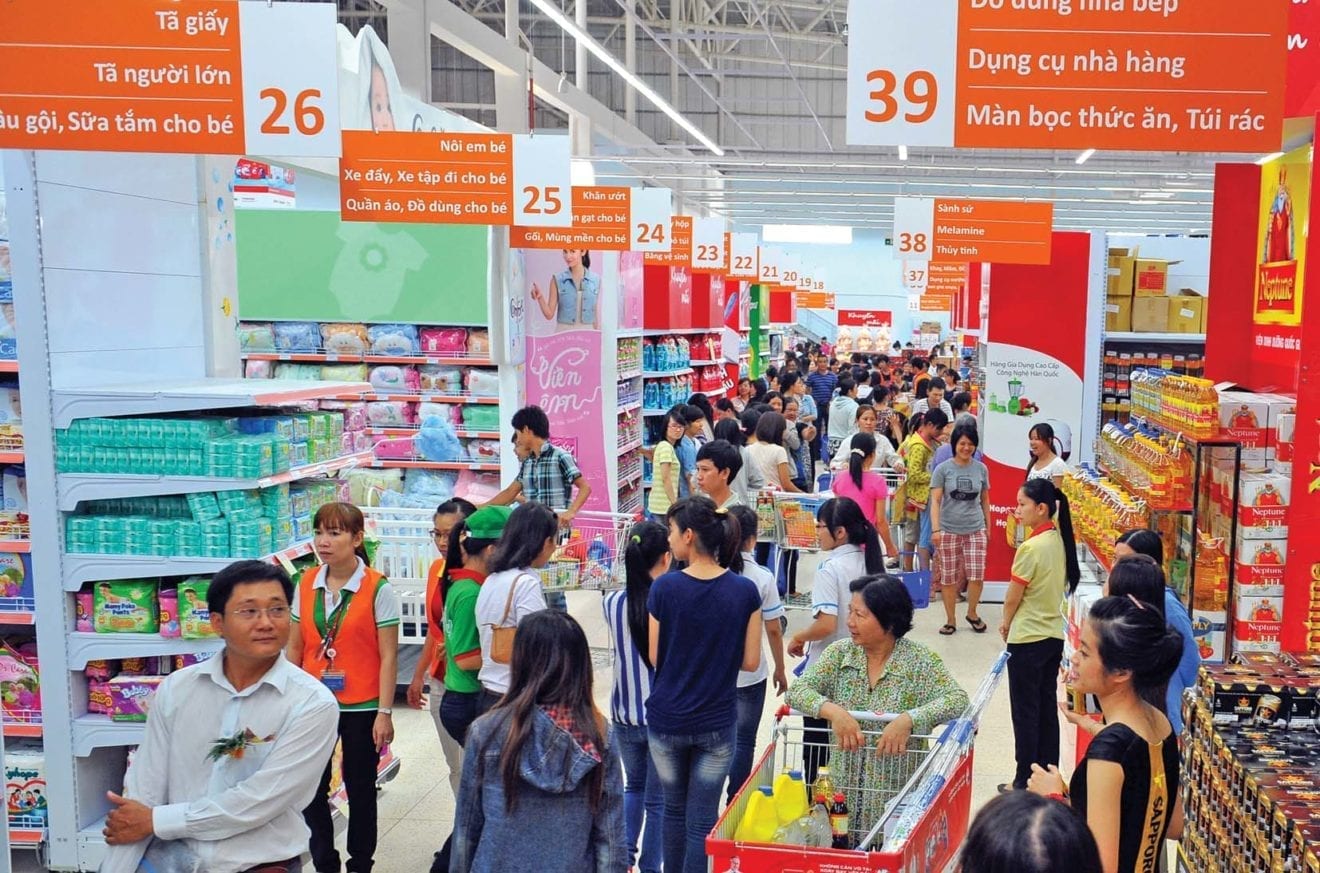
    Many goods imported from the Republic of Korea (RoK) into Việt Nam will be exempted from import taxes in 2018, due to the Việt Nam-Korea Free Trade Agreement (VKFTA).

    The Government recently issued Decree No149/2017/NĐ-CP, which regulates a new special preferential import tariff, as agreed upon in the VKFTA, and to be put in place between 2018 and 2022.

    Under the decree, import taxes imposed on 704 types of products imported from the RoK to Việt Nam, will be eliminated in 2018. The groups of commodities that will enjoy tax exemptions this year are mainly in seafood, wheat flour, confectionery, diesel fuel, jet fuel, paint, laundry detergent, plastic, iron and steel products, power machinery and equipment, and electronic products.

    In 2018, an additional 653 products imported from the RoK will also have their tax rates lowered from last year.

    The preferential tax rates will be applied to commodities directly transported from the RoK to Việt Nam. The goods must also meet origin regulations, as stated in the agreement, and exporters must provide certificates of origin in a form stipulated by the Vietnamese Ministry of Industry and Trade.

    This year, Việt Nam has set several new preferential import tariffs to implement bilateral and multilateral FTAs with partner countries and territories, such as mainland China, Hong Kong, Japan and RoK.

    Under the Việt Nam-Japan Economic Partnership Agreement (VJEPA) and the ASEAN-Japan Comprehensive Economic Partnership Agreement (AJCEP) for 2016-19, nearly 4,000 import tariff lines for many groups of commodities imported from Japan will be also eliminated this year.


  • Chengdu’s first unmanned supermarket closed down

    Chengdu’s first unmanned supermarket closed down

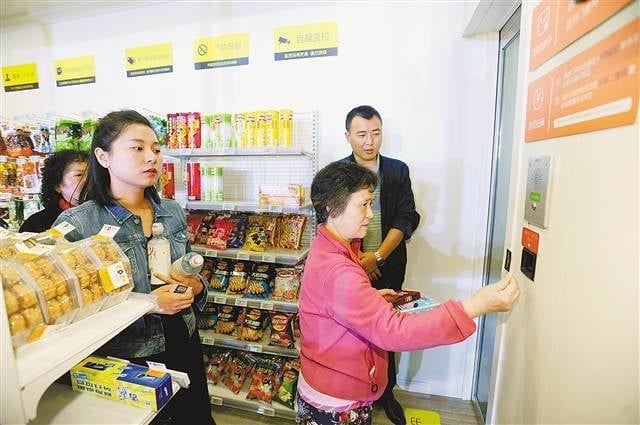
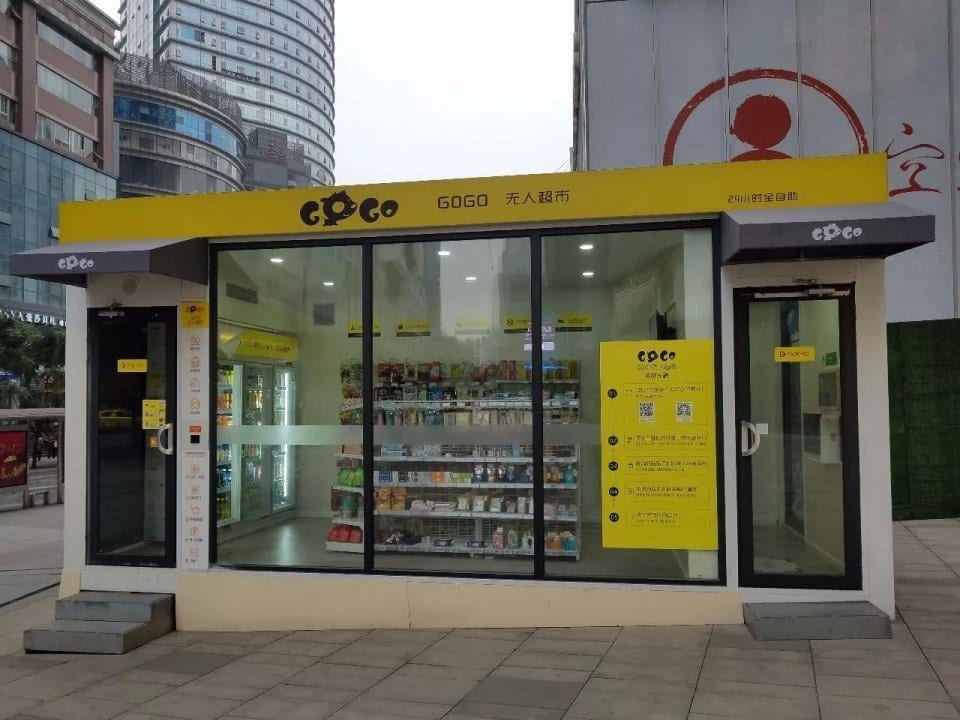
    After just four months, Chengdu’s first unmanned supermarket, Gogo Nobody, has reportedly shut down.

    This follows the unmanned shelf project Gogo Small, run by the same Chengdu-based startup Xiao Mang Guo Technology, closing down in November.

    It is reported that at least 30 employees have not been paid on time, one claiming they had not received payment since November.

    A Xiao Mang Guo spokesman says the unmanned supermarket is only “temporarily closed” and will be re-opened after its facial-recognition system has been upgraded.

    However, he did admit the company had misjudged the market, forcing it to terminate the unmanned shelf project. “In hindsight, the project expanded way too fast.”

    He also acknowledged the issue of backpay, saying the company is sorting out its financial problems and will handle the unpaid wages by April or May. “We did violate the regulations, and we apologise … We will not avoid any responsibilities.”

    Originally the company planned to open 500 Gogo supermarkets in commercial complexes across China, and establish 500 unmanned shelves near business districts and office buildings.

  • SM scraps Goldilocks acquisition deal

    SM scraps Goldilocks acquisition deal

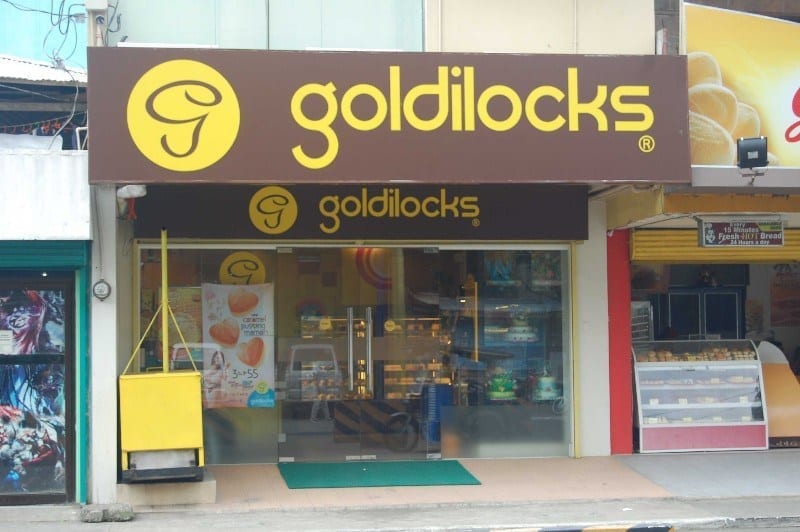
    SM Retail, a subsidiary of SM Investment Corporation (SMIC), has called off a planned acquisition of Goldilocks Bakeshop chain in the Philippines.

    This follows the Philippine Competition Commission (PCC) approving the takeover just last month.

    Citing changes in the business environment, SMIC corporate secretary Elmer Serrano has confirmed that SM Retail has backed out of the deal, saying it was a joint agreement.

    SMIC, through SM Prime Holdings (SMPHI), runs nearly 70 SM Malls in the Philippines, while Goldilocks has a network of more than 500 stores, some of which are in SM Malls. The acquisition would have made Goldilocks a subsidiary of SM Retail.

    Both parties had committed to address potential competition issues when submitting details of the proposal to the PCC. Concerns included the possibility of limited retail space in SM Malls for Goldilocks’ competitors. There were also concerns SM Retail might gain access to competitors’ sales information.

  • Ogilvy & Mather wins Pizza Hut in Singapore

    Ogilvy & Mather wins Pizza Hut in Singapore

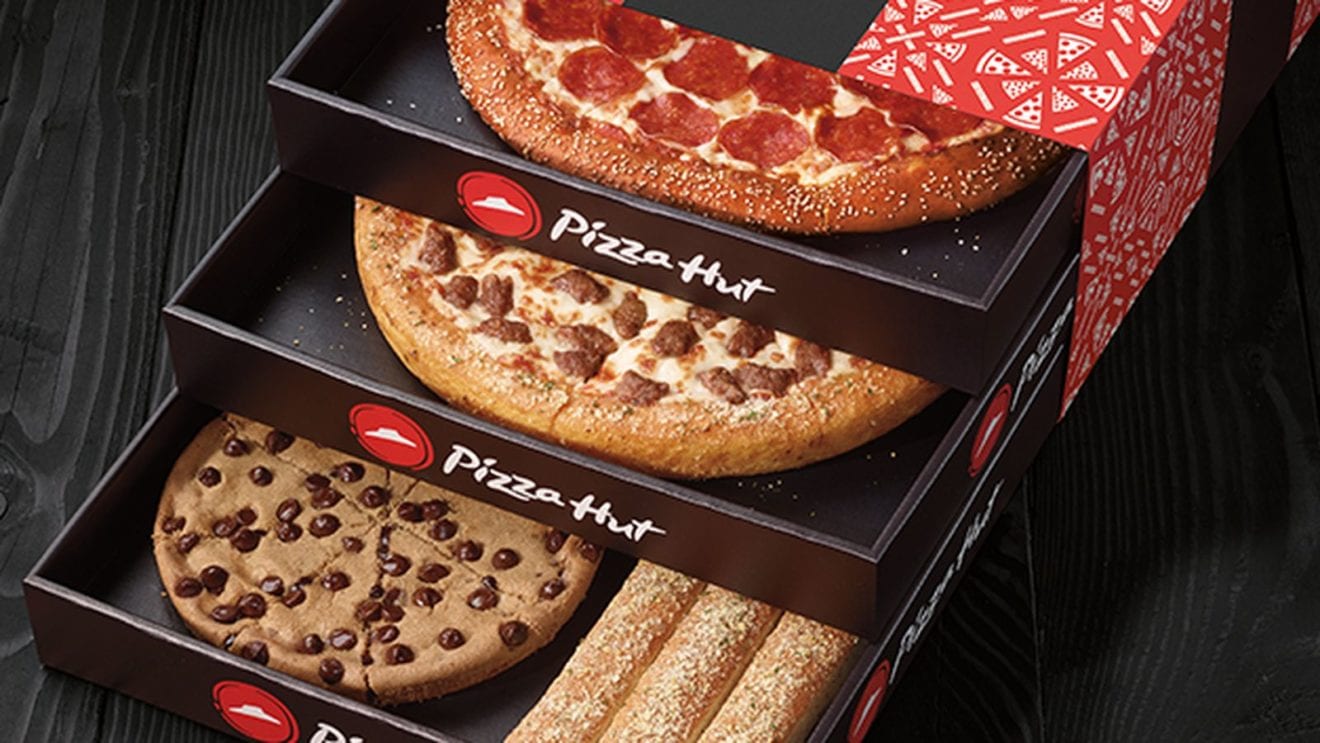
    Ogilvy & Mather Singapore has won the local creative account for Pizza Hut following a pitch.

    The agency-of-record account marks an extension of Ogilvy’s regional creative brief with the restaurant chain’s parent company Yum! Brands.

    Ogilvy did not specify a contract period and instead said the account would be with them until  “discontinued”.

    Although sister WPP agency J. Walter Thompson previously held the AOR role for Pizza Hut in Singapore from 2012, the agency has said it was not the incumbent on the account and did not pitch.

    In a press statement, Ogilvy said it will be tasked with “localising Pizza Hut’s global brand positioning and driving integrated marketing communications”.

    This includes creative strategy, campaign execution, and social media programs aimed at “rekindling brand love from Singaporeans”.

    “Ogilvy has demonstrated a strategic understanding of the nuances of the Singapore market, the Pizza Hut brand and audience, and delivered creative that embodies our new global brand positioning and how we can clearly differentiate from the competition,” said Merrill Pereyra, chief executive officer of QSR Brands (M) Holdings – the local operator of Yum!

    “Having already enjoyed working with KFC in Singapore for three years, we couldn’t be more thrilled to grow our remit with Yum! Brands and to now embark on this creative journey with Pizza Hut as a result of winning the recent pitch. Iconic brands are built across channels, touchpoints and over time – days, months, years,” said Chris Riley, group chairman, Ogilvy Singapore.

    “It is this type of multifaceted, integrated work that really excites our team and we believe will give us the opportunity to make the Pizza Hut brand matter even more with consumers.”

  • Coca-Cola brings back the Clay Dolls for Chinese New Year

    Coca-Cola brings back the Clay Dolls for Chinese New Year

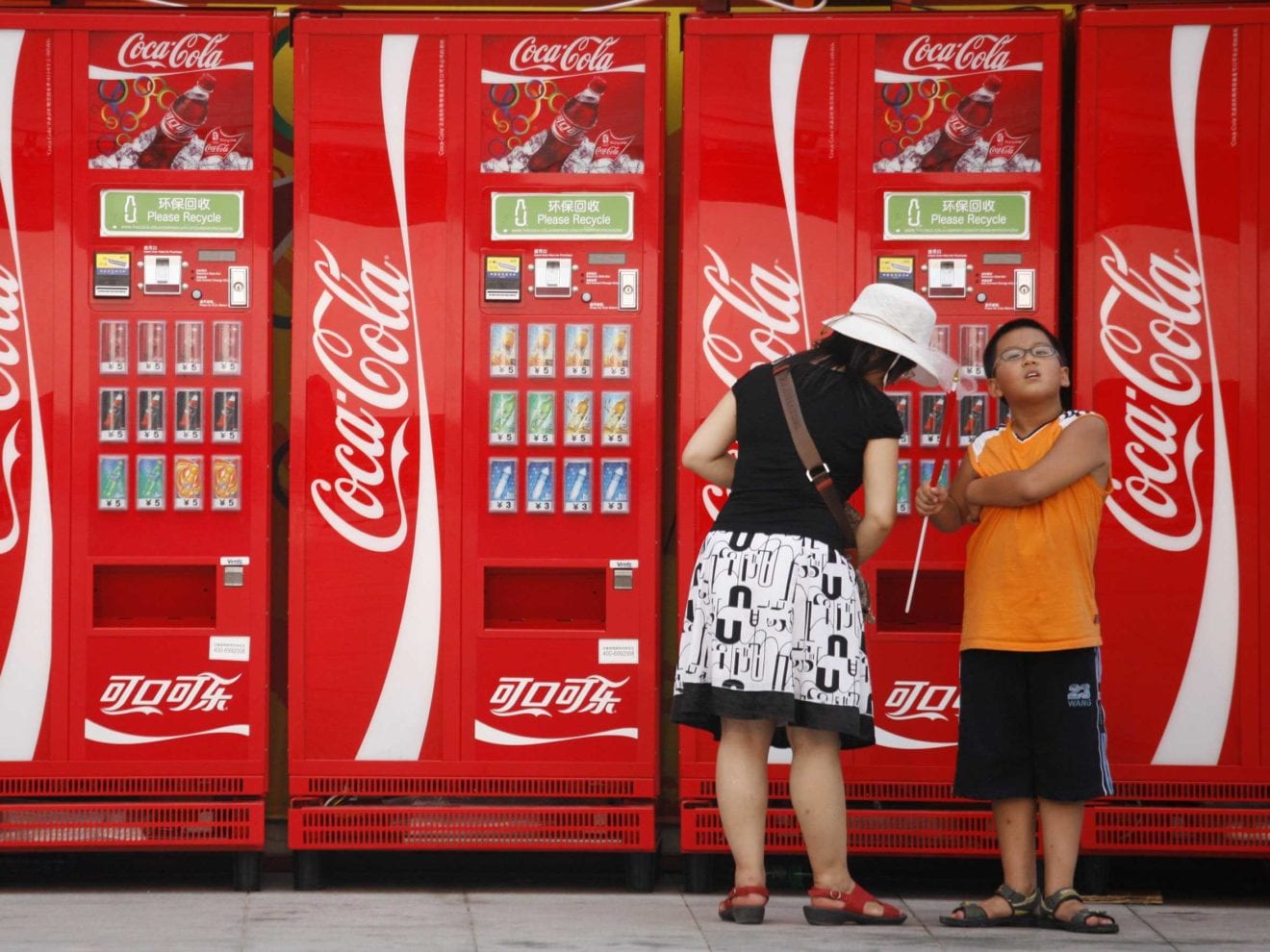
    Coca-Cola China has once again revived its festive ‘Clay Doll’ figures to help promote Chinese New Year festivities.

    The commercial from McCann Shanghai features “evolved and refreshed” versions of the animated dolls, which first appeared in Coca-Cola festive campaigns in 2001.

    Modelled on Chinese traditional folk dolls, the brand usually depicts the pair as gleefully trying to find ways to help bring loved-ones together at holiday time.

    For the 2018 campaign, the Clay Dolls are shown causing mischief around a family dinner table in order to create moments of closeness.

    The full campaign will see the dolls depicted on Coca-Cola packaging, while the ad will be shown on TV, in-store, on OOH, cinema and digital channels.

    The campaign also continues the use of virtual Red Packets, which Coca-Cola launched on the Alipay platform last year, where consumers click to win real money – with amounts ranging from 0.1 to 99 RMB.

    “We’ve found our Chinese audience to be strongly empathetic towards these characters and their cultural significance for Chinese New Year, having been associated with CocaCola for nearly 17 years”, said Richard Cotton, head of creative excellence and content, Coca-Cola China.

    “They are Chinese New Year’s mischievous secret helpers and their characters reflect the spirit of the celebration, which is joyful and exuberant.”

  • McDonald’s to open 1,000 new restaurants, speed up tech upgrades

    McDonald’s to open 1,000 new restaurants, speed up tech upgrades

    Burger chain McDonald’s announced it will open about 1,000 new McDonald’s restaurants starting 2018 after posting strong sales and earnings for the fourth quarter ending December 31, 2017 fueled by strong interest in its value promotions and new menu items.

    Kevin Ozan, McDonald’s chief financial officer, said it is part of their development plans for 2018 to open about 1,000 new McDonald’s restaurants, 75 per cent of which will be funded by their expanded network of developmental licensees and affiliates around the world.

    Ozan added they also plan to continue making meaningful investments in technology to modernise the company’s customer experience and redefine convenience.

    “I’m confident that now is the opportune time to strategically invest in our business and our restaurants to drive profitable growth and become an even better McDonald’s,” he said.

    McDonald’s posted a 5.5 per cent increase in global same-store sales for the quarter, it’s fastest pace in six years. Systemwide sales increased eight per cent in constant currencies.

    In the US, fourth quarter comparable sales increased 4.5 per cent as a result of strong performance of core menu items featured under the McPick2 platform and beverage value, as well as strong consumer response to the new Buttermilk Crispy Tenders and delivery. Operating income for the quarter increased four per cent, reflecting higher franchised margin dollars and G&A savings, partly offset by lower company-operated margin dollars.

    Comparable sales for the international lead segment increased 6.0 per cent for the quarter, led by continued momentum in the UK and Canada, as well as positive results across all other markets. The segment’s operating income increased 14 per cent (seven per cent in constant currencies), fueled by sales-driven improvements in franchised margin dollars.

    Due to the impact of the company’s strategic refranchising initiative, McDonald’s stated its consolidated revenues decreased 11 per cent.

    Steve Easterbrook, McDonald’s president and CEO, said 2017 was a strong year for McDonald’s.

    “Customers responded to the many ways we are making their experience more convenient and enjoyable,” Easterbrook said. “We served more customers more often, achieved our best comparable sales performance in six years, gained share in markets around the world and made tremendous progress with growth platforms such as delivery, mobile order and pay and Experience of the Future.”

    On January 25, 2018, the company’s Board of Directors declared a quarterly cash dividend of $1.01 per share of common stock payable on March 15, 2018.

  • QSR Brands to open 30 more KFC outlets nationwide this year

    QSR Brands to open 30 more KFC outlets nationwide this year

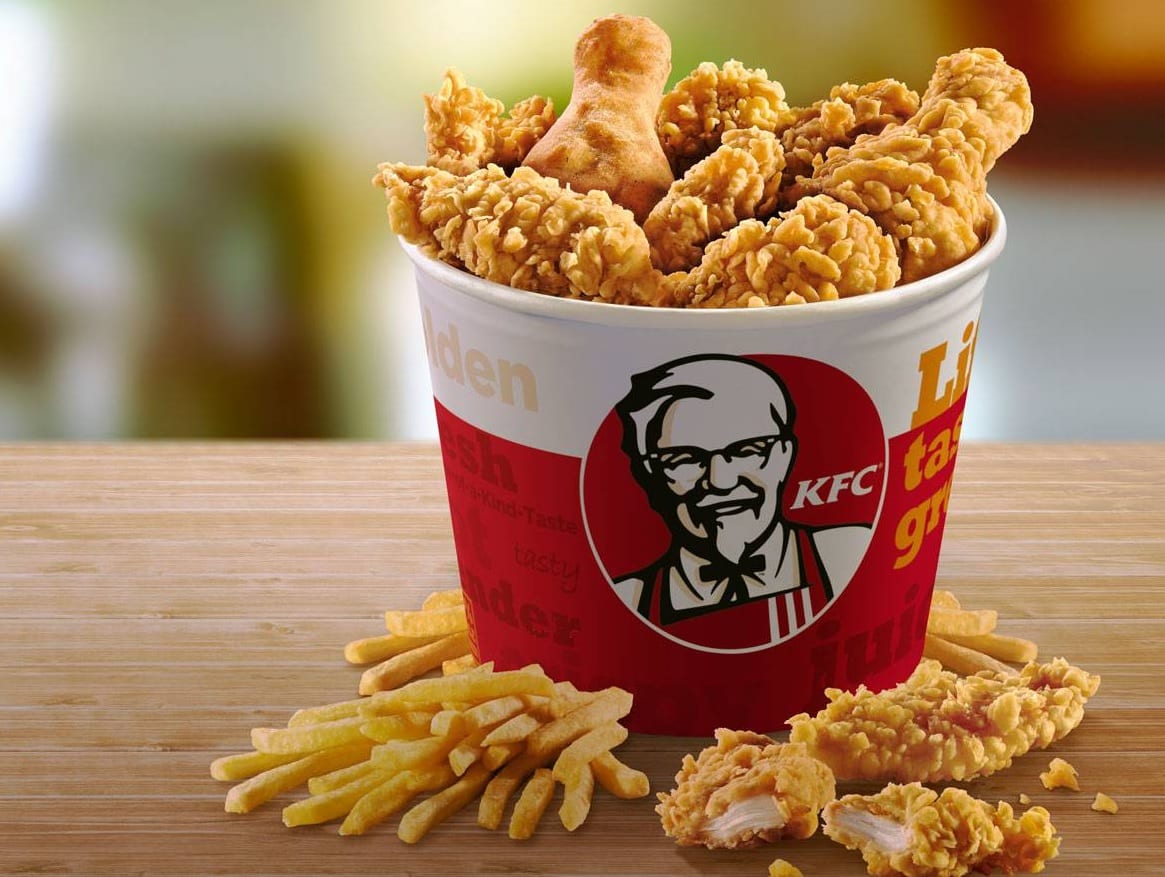
    QSR Brands Malaysia Holdings is investing more than RM100 million (US$25.6 million) into opening at least 35 KFC outlets this year.

    MD Datuk Mohamed Azahari Mohamed Kamil says the company will spend between RM3 million and RM4 million for each outlet, and also plans to enhance 200 restaurants.

    “We see the economic fundamentals growing well this year,” he said at the launch of the KFC Golden Egg Crunch product in Kuala Lumpur.

    “We believe there is a lot of potential in KFC and Pizza Hut, and that this will be a good year for us to capitalise on our growth for both chains.”

    QSR Brands restaurant division CEO Merrill Pereyra says that over the past five years the company has invested nearly RM1 billion for both KFC and Pizza Hut, with a focus on the Malaysian market. The company is the franchisee of more than 750 KFC restaurants in Brunei, Cambodia, Malaysia and Singapore, and also runs Pizza Hut in Malaysia (370 restaurants) and Singapore (75).

  • COCA Restaurant returns to Malaysia after years of absence

    COCA Restaurant returns to Malaysia after years of absence

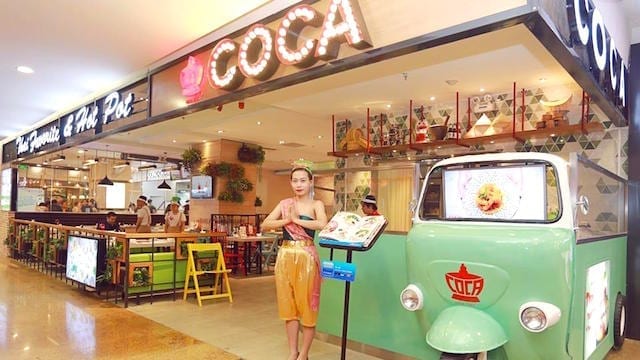
    Thai dining chain Coca Restaurant is returning to Malaysia with plans to open four outlets in the next three years.

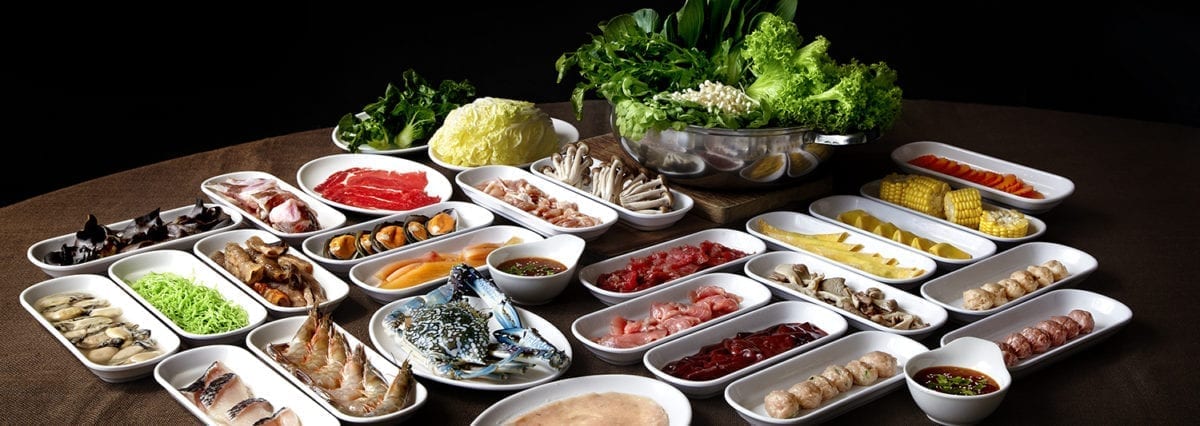
    First up will be an outlet in the Bangsar Shopping Centre in Kuala Lumpur seating about 100 diners and serving an à la carte menu of Thai/Cantonese cuisine along with Coca’s signature hot pot, creative stock broths (including one being created exclusively for Malaysia) and suki sauce.

    Chefs will focus on freshness, including live seafood and premium beef.

    Absent from Malaysia for seven years after a 20-year stretch, Coca returns with a change of partnership and a new strategy to open in upmarket malls as well as introduce freestanding restaurants – a strategy it has used over the past seven years in Thailand, Singapore, Japan, Vietnam and Indonesia.

  • Korea’s PK Market to enter the US market

    Korea’s PK Market to enter the US market

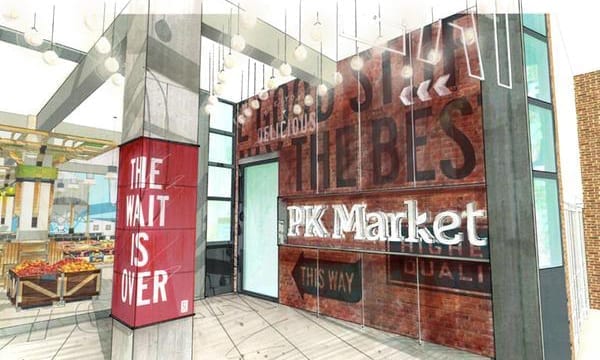
    Shinsegae’s discount chain E-mart plans to enter the US by opening its premium food outlet PK Market.

    While mostly high-end products will be sold at the South Korean group’s outlet, some of its low-tier private brands such as No Brand and Peacock will also be offered.

    E-mart is eyeing cities with significant Asian communities, such as Los Angeles and San Francisco. It may also acquire a food factory in Portland, Oregon, for producing its Peacock products for the US.

    E-mart has also joined hands with US shopping mall giant Taubman, which helped establish Starfield shopping malls in Korea.

    The Korean company has been trying to diversify its global reach, particularly after closing down stores in China over the THAAD row. Its accumulated operating loss in China has reached more than KW150 billion (US$141 million) since 2013, according to industry sources. E-mart finally exited the Chinese market last month.

    Meanwhile, the company plans to open its second outlet in Ho Chi Minh City in May.

  • BAssets continues to up stake in 7-11 Malaysia

    BAssets continues to up stake in 7-11 Malaysia

    After rumblings that 7-Eleven Malaysia Holdings is being targeted for privatisation, diversified group Berjaya Assets (BAssets) has taken steps to achieve this.

    BAssets is owned by businessman/investor Vincent Tan Chee Yioun, who has started mopping up 7-Eleven shares on the open market.

    “Something is brewing between 7-Eleven Malaysia and BAssets – a corporate exercise is being contemplated,” the newspaper says, quoting an unnamed source.

    BAssets last week surfaced as a substantial shareholder of 7-Eleven Malaysia. It has a 5.1 per cent stake after acquiring 5.1 million shares on the open market and through direct deals.

    Tan himself is already a major shareholder in 7-Eleven, along with Sultan Ibrahim Sultan Iskandar.

    Including BAssets’ stake, Tan has total equity interest of 42.46 per cent in the 24-hour convenience store chain. He also controls BAssets with a 59.36 per cent stake. Sultan Ibrahim is the second-largest individual shareholder of 7-Eleven Malaysia with a 15.52 per cent direct stake, and he also has a 9.38 per cent direct stake in BAssets.

    Tan’s Berjaya Retail, the single largest shareholder of 7-Eleven Malaysia, has pared down its stake from 48.62 per cent as at January 9 last year to 31.61 per cent in October.

    According to the 7-Eleven corporate website, it has 17,799 stores in Japan, 8469 in Thailand, 5022 in Taiwan, and 477 in Singapore. In Malaysia, it has more than 2100 stores serving about 900,000 customers daily.

  • Lina’s Paris opened new eatery at Incheon Airport

    Lina’s Paris opened new eatery at Incheon Airport

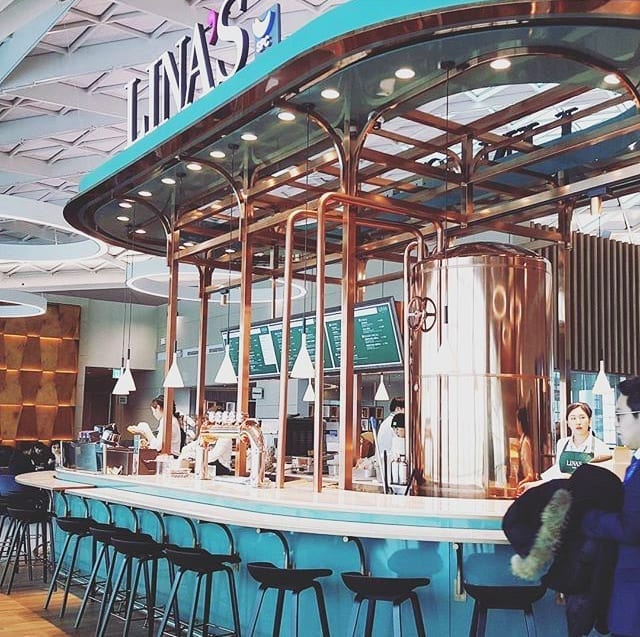
    French restaurant brand Lina’s Paris has opened a kiosk in the new terminal at Seoul’s Incheon Airport.

    Managed by the exclusive franchisee SPC, it is the brand’s 12th outlet in South Korea. Half the sales in the country are beverages, predominantly French coffee and French draft beer.

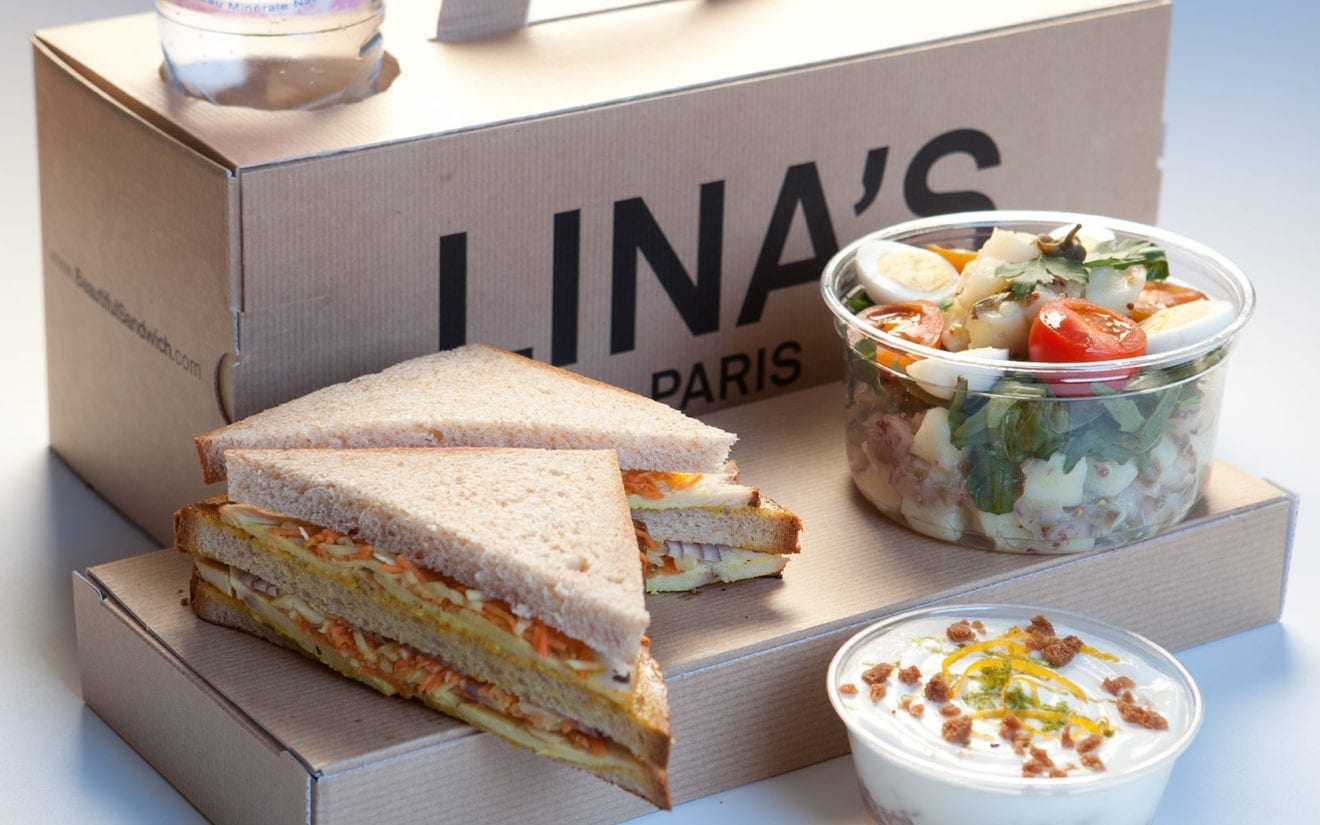
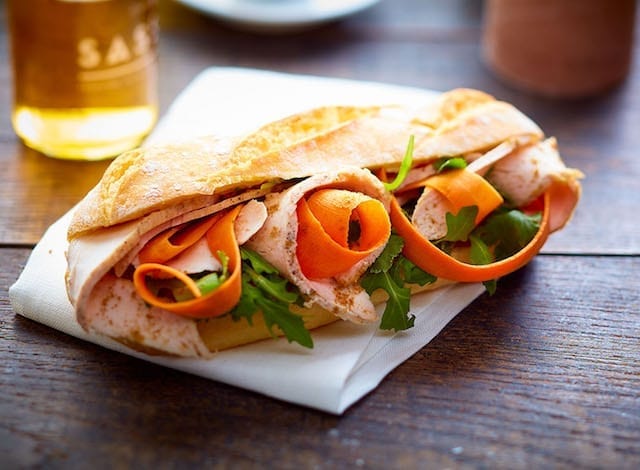
    A concept that is midway between a French cafe and a quick-service restaurant, Lina’s Paris was founded in 1989 based on four factors: a full range of French preparations (breakfasts, sandwiches, salads, hot dishes, soups, fresh juice, sorbet and pastry), a comfortable environment (a lounge area, free Wi-Fi, free press and a Parisian atmosphere), creative and authentic French recipes, and healthy, fresh, quality products and preparation.

    The brand has nearly 55 restaurants in six countries, with South Korea being the first for Asia. Development plans include expansion in Southeast Asia.

    Lina’s Paris will be looking for opportunities at the Paris Franchise Expo from March 25 to 28.