Category: Food

Retail News Asia is committed to providing both local and global retailers with the latest Food and Food & Beverage news throughout the Asian market. This on a daily base.

  • Disney toys return to McDonald’s Happy Meals

    Disney toys return to McDonald’s Happy Meals

    McDonald’s USA and the Walt Disney on Tuesday announced their first Happy Meal promotion partnership since ending a previous relationship in 2006, after the fast-food chain slimmed down its menu for kids.

    Their last exclusive, 10-year cross-promotional deal was reportedly worth US$1 billion to Disney, according to the Los Angeles Times. McDonald’s Corp paid US$100 million in royalties and conducted 11 promotions a year for Disney movies and television shows and opened restaurants inside its theme parks, the Times reported.

    The new multi-year, non-exclusive agreement will begin in June with promotions, including Disney movie-themed Happy Meal toys, for “Incredibles 2,” followed in the autumn by “Ralph Breaks the Internet: Wreck-It Ralph 2.”

    Executives from both companies declined to disclose the duration or value of the new deal.

    A McDonald’s spokeswoman said the new pact does not include any agreement on restaurants in parks but added: “We will continue to explore ways to bring this alliance to life.”

    Disney introduced voluntary guidelines in 2006 that prohibited licensing of Mickey Mouse and other Disney characters for foods that fail to meet minimum nutrition requirements.

    That same year, an Institute of Medicine report said junk food marketing contributed to childhood obesity.

    McDonald’s since 2006 has taken numerous steps to make Happy Meals more nutritious and less fattening. Changes included adding fruit side options, cutting french fry portions and using menus to encourage consumers to order water rather than sugary soda.

    In June 2018, all Happy Meals offered on McDonald’s U.S. menu boards in the United States will contain 600 calories or less, 10 percent of calories from saturated fat and 10 percent of calories from added sugar. More than three-quarters will have 650 mg of sodium or less.

    Consultants and franchisees say Happy Meals account for roughly 15 percent of McDonald’s U.S. sales. The company does not break out product sales, but said family trips represent 30 percent of all visits to McDonald’s around the world.

  • Food inflation lower at 3.8% in January

    Headline inflation moderated to 2.7% in January, mainly due to lower transport inflation at 5.7% compared to 11.5% in December 2017, said Bank Negara Malaysia (BNM).

    “Although RON95 petrol averaged slightly higher at RM2.28 per litre in January 2018 (December 2017: RM2.27 per litre), the higher base of RON95 price in January 2017 (RM2.10 per litre) compared to December 2016 (RM1.90 per litre) resulted in lower inflation in the transport category,” the central bank said in a statement today.

    BNM said food inflation was also lower at 3.8% (December: 4.1%), reflecting lower inflation in the fish and seafood category.

    It said there was a higher current account surplus in the fourth quarter of 2017 (4Q 2017) as the current account surplus widened, reflecting a larger goods surplus and lower secondary income deficit.

    Going forward, BNM said the current account surplus was expected to continue registering a healthy surplus, supported mainly by the goods account.

    “Net financing growth continued to support economic activity as it increased to 7.2% in January 2018 (December 2017: 6.9%),” said BNM.

    It said the growth of net outstanding issuances of corporate bonds continued to increase, with a double-digit growth rate of 16.6% (December 2017: 15.4%).

    The central bank said the growth of outstanding loans of the banking system also increased slightly to 4.2% (December 2017: 4.1%).

    The growth of outstanding business loans increased to 2.0% in January 2018 (December 2017: 1.8%), driven mainly by wholesale and retail trade, restaurants and hotels, real estate, construction, and primary agriculture sectors, said BNM.

    “Banking system capitalisation remained strong as financial institutions are well-positioned to withstand macroeconomic and financial shocks, with excess capital buffers of RM140 billion as at January 2018,” said the central bank.

    More than 75% of total capital, comprised high-quality loss-absorbing capital in the form of Common Equity Tier 1 Capital (i.e. equity, retained earnings and reserves), it said.

    BNM said financial markets attracted non-resident inflows amid positive sentiments as in January, the domestic financial markets were supported by positive sentiments, driven by Malaysia’s strong economic outlook and higher global oil prices.

    “As a result, the Malaysian Government Securities (MGS) and equity markets attracted non-resident inflows amounting to RM4.2 billion and RM3.4 billion respectively.

    “Following the inflows, the ringgit appreciated by 4.3% against the US dollar and the FTSE Bursa Malaysia KLCI increased by 4.0% in January, while in the bond market, three-year, five-year and 10-year MGS yields increased by five basis points each, following the increase in the overnight policy rate (OPR) by 25 basis points.

    “The impact of the OPR increase on MGS yields was mitigated by non-resident inflows into the MGS market,” said BNM.

  • IRVINS Salted Egg opens store in Hong Kong

    IRVINS Salted Egg opens store in Hong Kong

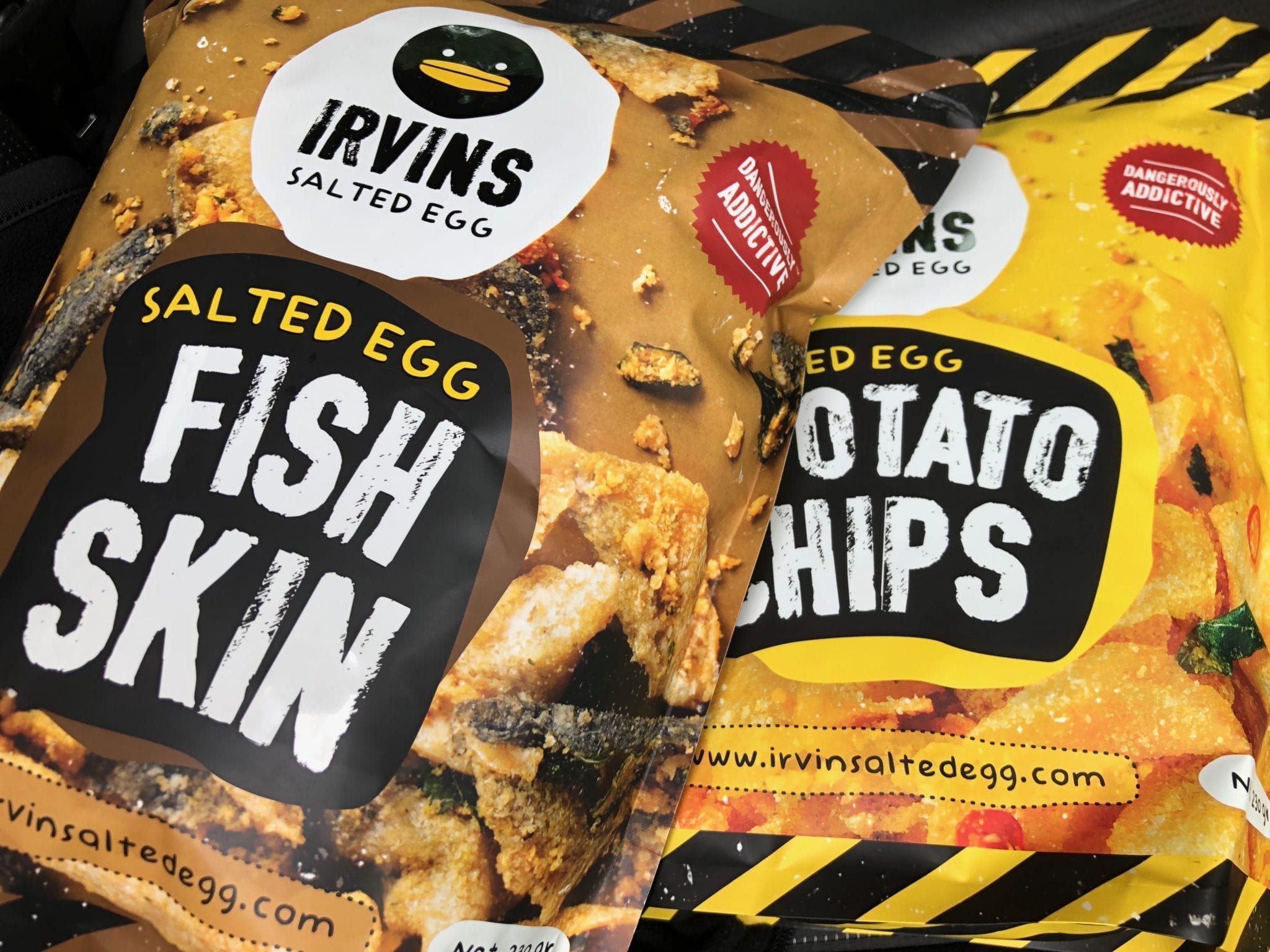
    Local brand IRVINS Salted Egg, which is popular with both Singaporeans and Hong Kong tourists, have taken their famous potato chip and fish skin snacks to Hong Kong.

    The company opened its first pop-up store in Harbour City in Tsim Sha Tsui on Tuesday (Feb 27), it said in a Facebook post.

    The store aims to “meet the expected huge demand in Hong Kong”, the head of the Hong Kong branch Jeslin Low added in a statement released by the Hong Kong government.

    “As many of our customers are also based in Hong Kong, expanding to the city is in line with our vision to deliver our salted egg snacks and delightful customer experience.

    “That motivated us to build our own team in Hong Kong and deliver the same retail experience as in Singapore,” said Ms Low.

    The brand also hopes to use Hong Kong to launch their snacks within the region.

    “Hong Kong has a robust economy with a high number of international and mainland Chinese visitors,” Hong Kong’s associate director-general of investment promotion Dr Jimmy Chiang was cited as saying in the press release, as he offered reasons to support why Hong Kong is an ideal choice for IRVINS.

    According to the brand’s Facebook page, the Hong Kong team will be built from the “ground up”.

    “Hong Kong is a very business-friendly city and we find the incorporation and opening process here very smooth. These really support our vision and passion to serve our customers here,” added Ms Low.

  • SMI signs deal to develop The Coffee Bean in Myanmar

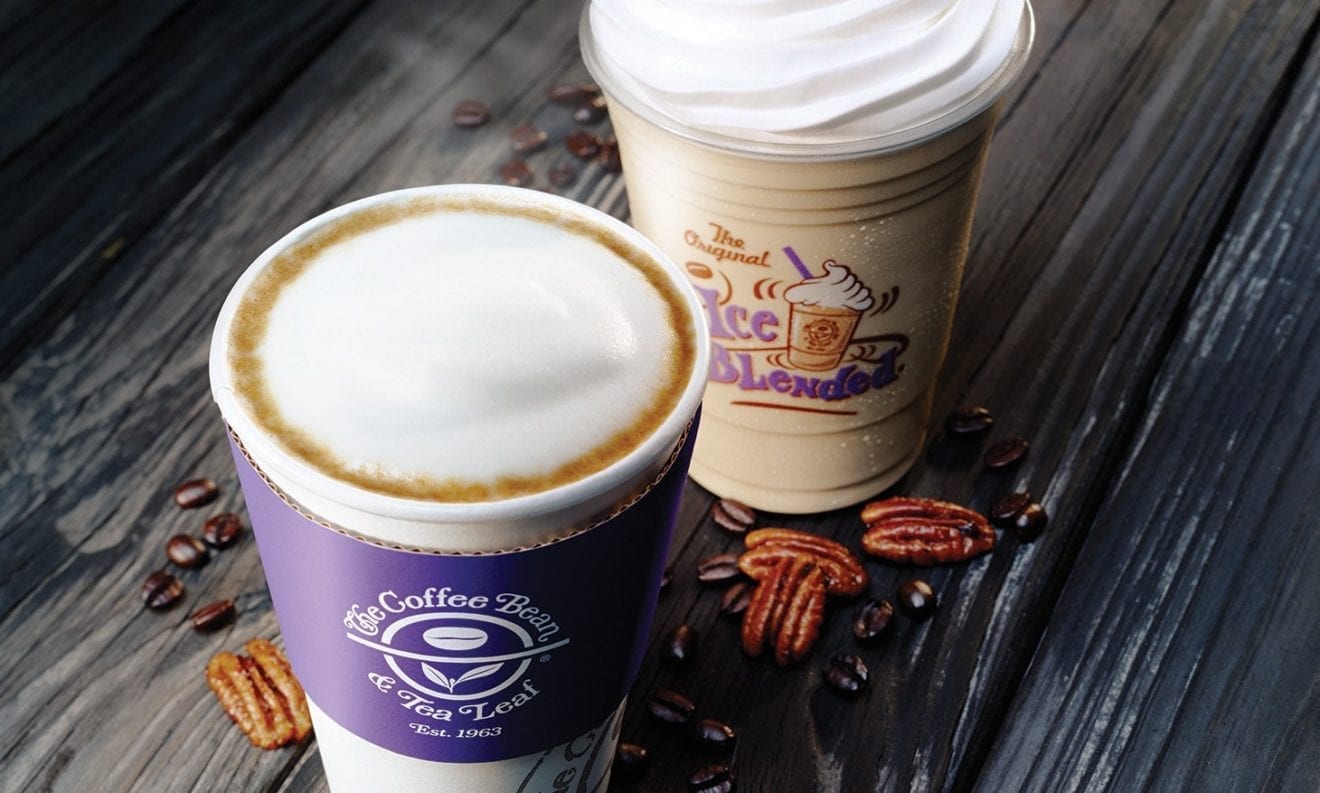
    SMI signs deal to develop The Coffee Bean in Myanmar

    Singapore Myanmar Investco (SMI) has signed an international area development agreement to develop The Coffee Bean & Tea Leaf (CBTL) cafe chain in Myanmar.

    Founded by Herbert Hyman in 1963, the chain is owned and run by International Coffee & Tea, which has its corporate headquarters in Los Angeles. It has more than 1000 self-owned and franchised stores in the US and 31 other countries.

    SMI secured the franchise rights two years ago to run CBTL outlets within the new Yangon International Airport. Following encouraging results from the two airport cafes, the new deal folds the CBTL brand into the group’s growing F&B brand portfolio, which includes Crystal Jade and Ippudo.

    Under the exclusive agreement, SMI is committed to expand CBTL across Myanmar, with the first outlet planned to open within the next month.

    “Aligned with the growing consumer market in Myanmar, our local market knowledge and experience gives us confidence as we further entrench our F&B business presence in this frontier market,” says SMI president/CEO Mark Bedingham.

  • TenRen Hong Kong plans expansion

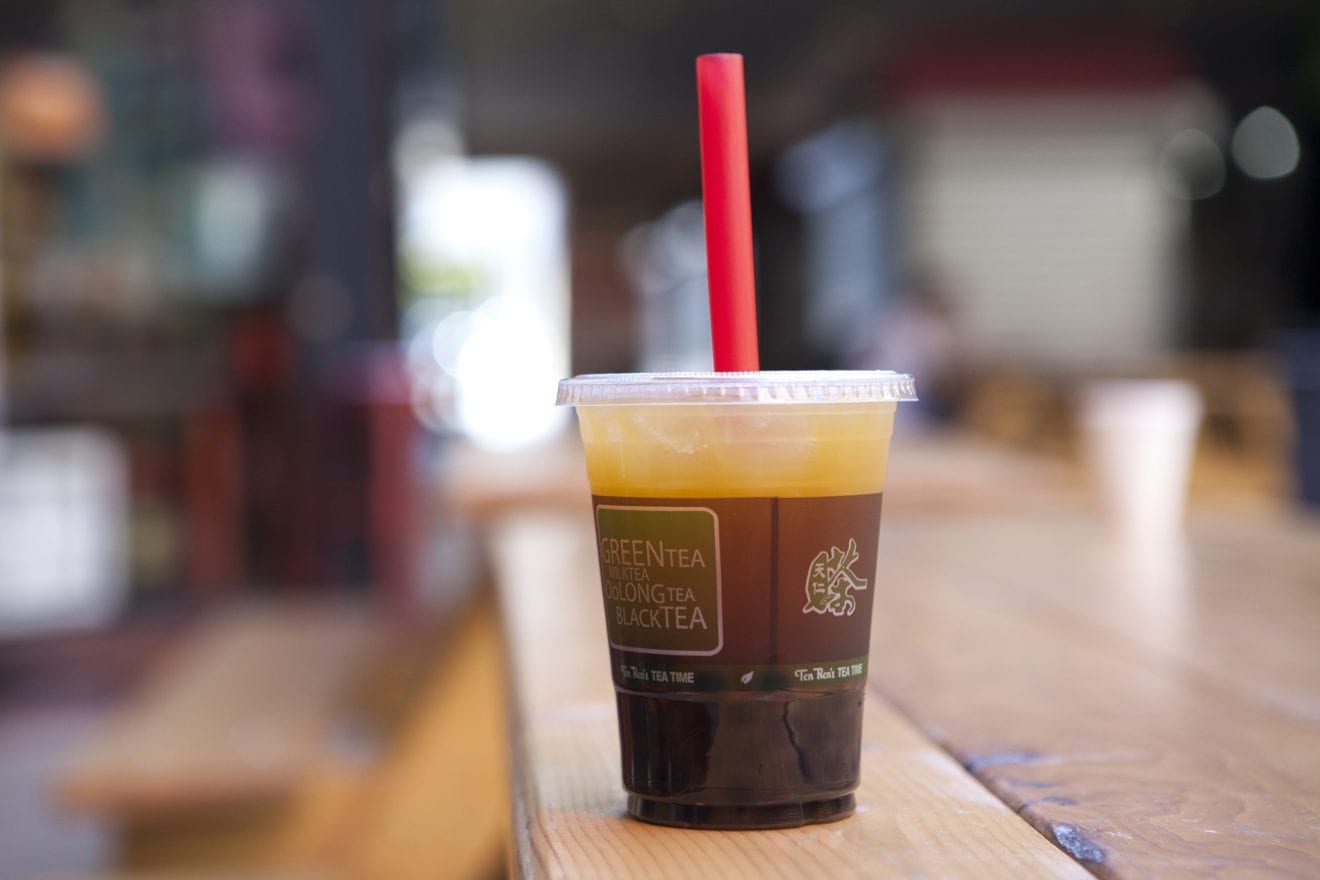
    TenRen Hong Kong plans expansion

    Hong Kong food company B&S International expects to raise HK$62.8 million (US$8 million) in an IPO from today, the majority of which will be dedicated to retail store network expansion.

    The company plans to open 16 more licensed TenRen Taiwanese tea stores over the next three years and 10 more Jiu Tang Wu restaurants, which serve Japanese ramen-based foods.

    And it will open the first of a planned network of Uncle Tetsu stores, a popular brand of Japanese cheesecake, for which it has recently secured the Hong Kong licence.

    Retail currently accounts for about a quarter of B&S International’s turnover, but it represents the fastest-growing business segment and the company believes it offers the greatest potential for expansion. Between 2012 and 2016, B&S International grew its retail network by 128 per cent. Retail gross profits rose at a cumulative annual growth rate of about 140 per cent during the three years to March 31 last year.

    The balance of the business is packaged food and beverage distribution, with its top-selling brands being UHA and Hsin Tung Yang.

    B&S International currently owns and operates 47 stores across Hong Kong. It says the TenRen chain was the territory’s top-selling tea drinks brand by revenue between November 2016 and October last year, with a market share of 24.3 per cent.

    Besides its existing brands, B&S International is actively seeking additional food retailing concepts to roll out.

    “The group intends to capture the strong growth potentials by expanding the retail network for its existing licensed brands, particularly TenRen, and sourcing and obtaining licenses from other brands to launch new retail chains in Hong Kong,” the company said in its IPO documentation. “The group will remain prudent when expanding its retail business by continuing to adopt the self-operated model.

    “The retail business currently relies on a few brands only, yet its strong performance and growth will allow the group to attract other high quality brands with potential for setting up and operating retail chains in Hong Kong, thereby expanding its retail business.”

    Retail expansion will soak up about 67 per cent of the funds raised from the IPO, with 90 per cent of the shares in placement and only 10 per cent in the public pool, which closes on March 6.

    Another 17 per cent will be spent on leasing and setting up new warehouse facilities and the balance on upgrading its ERP system, recruiting three additional marketing sales personnel for the distribution business and for general working capital.

  • Sweet Fashion House plans Hong Kong flagships

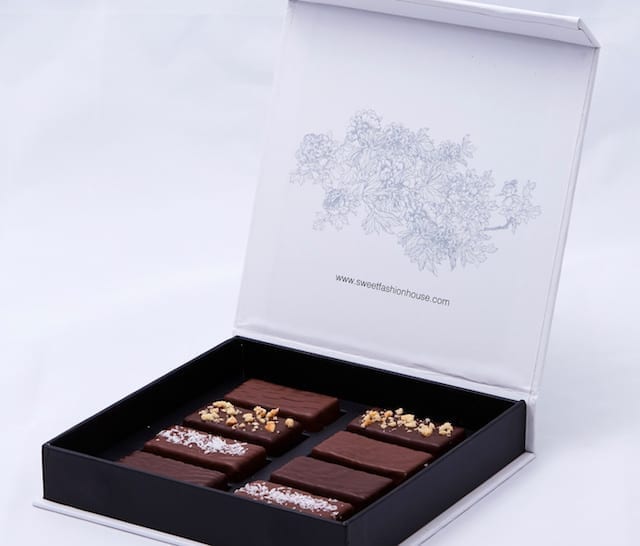
    Sweet Fashion House plans Hong Kong flagships

    A high-end designer dessert brand founded by European investors plans flagship stores in Hong Kong and Shanghai this year.

    Sweet Fashion House is launching with a confectionery factory in Tuen Mun which will be staffed by chefs brought in from France and apprentices employed locally. Under the leadership of art director Gael Majchrzak, who is also a pastry and chocolate chef, the team will create and produce handcrafted cakes, chocolates and pastries for individual customers and corporate clients.

    Once it has sufficient volumes, flagship stores will be opened in as yet undisclosed locations in Hong Kong and then major Chinese cities, starting with Shanghai.

    The company aims to tap into what it describes as a fast-growing demand for upscale confectionery in Hong Kong, Mainland China and around the region.

    CEO Kirill Neklyudov says Hong Kong is the ideal place for the group to launch the factory.

    “Hong Kong people love sweets as much as the French do. This is a big market and customers demand up-scale confectionery. Together with its simple and low tax regime and ease of doing business, the city is the ideal place for us to start our company.”

    He says the company is already experiencing strong demand, and plans are underway to expand staff numbers to meet an expected surge in orders.

    The factory also provides cake consultation and tasting for customers to create their own cakes.


  • McDonald’s Hong Kong Celebrates Chinese New Year with song

    McDonald’s Hong Kong Celebrates Chinese New Year with song

    Of the abundance of Chinese New Year campaigns by brands this year, McDonald’s Hong Kong has released a touching campaign that tugs at the heartstrings with the help of a classic by Sir Elton John.

    Cantopop star and actor Eason Chan (who once performed, sort of, with Madonna) sings Elton John’s Your Song in a campaign called #LittleBigMoments, which shows McDonald’s fans of all ages enjoying sharing French fries, a burger, ice cream and more, while emotions run the gamut from sadness to joy, tears to laughter, by babies and elderly women and all ages in between.

    Released on Feb. 15th, it has received more than 2 million views across digital channels, including almost 1.5 million views just on YouTube.

    “As a brand, we understand that life is not just one big thing, but the accumulation of a million little things, a million little moments. And in the end, it is these little moments that make life big,” said Randy Lai, CEO of McDonald’s Hong Kong. “It’s been a real privilege to work with Eason Chan, and with the blessing of Sir Elton John, to create a campaign that is a love song dedicated to our customers.”

    “Nothing stirs the heart like a great piece of music, and this is something our industry often forgets,” added Andreas Krasser, Head of Strategy & Innovation at DDB Group Hong Kong.

    “In this campaign we made the music the hero, with Eason Chan lending a homegrown twist to one of the world’s most beloved songs. Since launching on the 15th February, the brand spot has already garnered more than 2 million views across multiple digital channels, successfully reaching around one-third of Hong Kong people,” he added.

    The #LittleBigMoments campaign led with a 60-second brand spot, followed on February 20th by three 15-second stories (below), each focusing on some of the moments portrayed in the brand piece, but also on some of Hong Kong’s most popular McDonald’s menu items:

    Egg & Beef Burger (imported from Japan):

    Grilled Chicken Burger:

    Chicken Nuggets:

  • BreadTalk Group posts a positive profit growth

    BreadTalk Group posts a positive profit growth

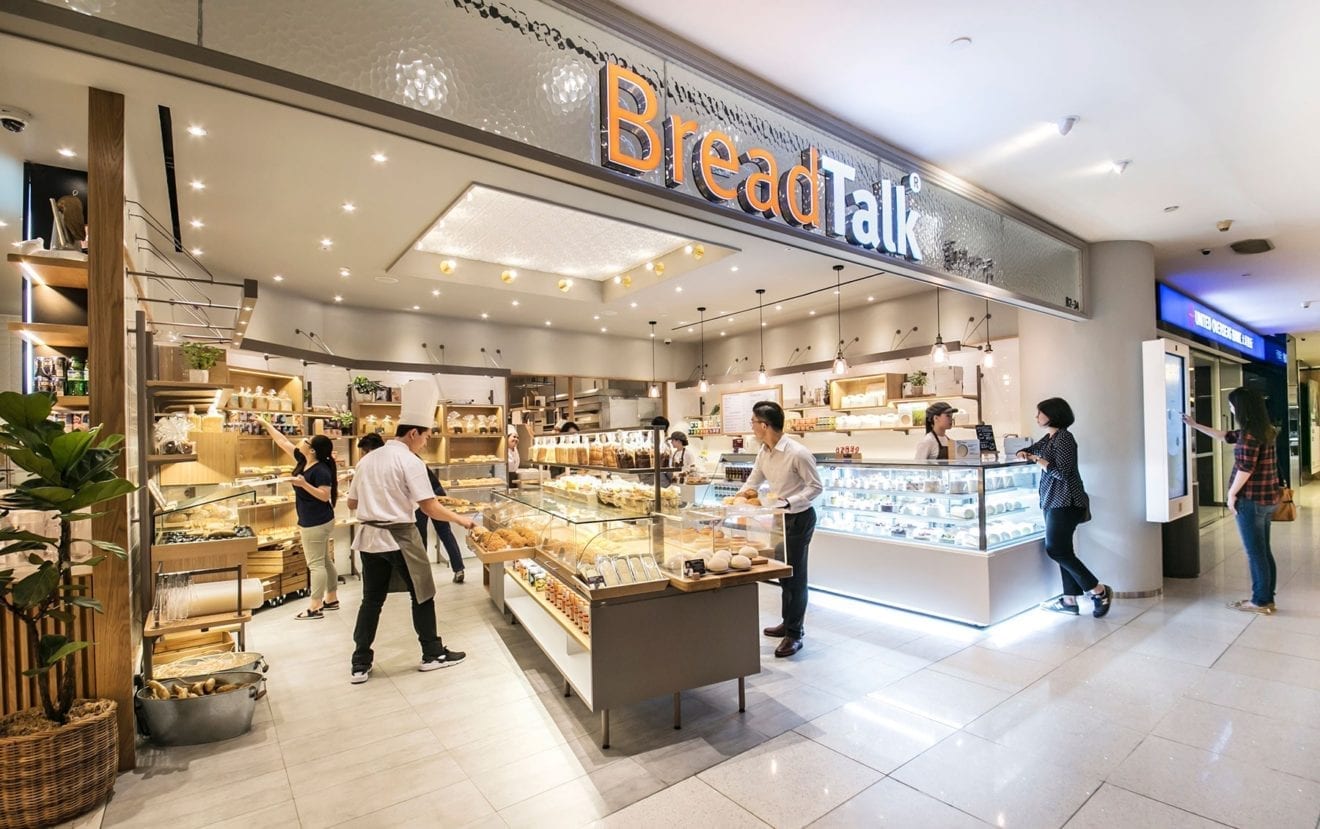
    With a record 91 per cent profit growth, lifestyle F&B company BreadTalk Group says it is ready to soar in a challenging market.

    Its record net profit for last year came in at US$21.8 million despite an “unpredictable” macro retail environment, says the Singapore-headquartered company.

    “We are well positioned to soar above the challenging retail market conditions,” says chairman Dr George Quek.

    “The group remains determined to identify innovative food concepts and partnerships, delivering them promptly across our 17 territories.”

    In line with the group’s consolidation strategy for the year, group revenue eased 2.5 per cent to $599.7 million.

    For the same period, earnings before interest, tax, depreciation and amortisation (EBITDA) fell 3.5 per cent to $84.4 million, with EBITDA margin steady at 14.1 per cent.

    Profit after tax and minority interests (PATMI) improved 91 per cent from $11.4 million to $21.8 million. PATMI margin rose from 1.9 to 3.6 per cent.

    During the year, $9.3 million in net capital gain was recognised from the divestment of the group’s investment in TripleOne Somerset in the first quarter.

    Excluding one-off items, core F&B business net profit for the year would have been $17.7 million, an improvement of 153.3 per cent.

    Bakery less bouyant

    Bakery-division revenue declined 3.2 per cent to $297.2 million, attributed to lower revenue from directly run stores in Beijing, Shanghai and Hong Kong, as well as lower franchise revenue from China because of the planned early termination of eight franchisees during the year.

    There were 20 fewer directly run stores at 240, following the reclassification of the eight outlets in Malaysia in the fourth quarter to franchise, as well as closures in China and Singapore.

    Franchise outlets ended the year at 631, 29 more because of the addition of the re-classified outlets from Malaysia as well as more outlet openings by franchisees in Indonesia, Philippines and Thailand.

    EBITDA for the division declined 20.5 per cent to $23.2 million, with EBITDA margin at 7.8 per cent, down from 9.5 per cent, mainly because of lower profitability at Shanghai and Singapore directly run stores, and lower high-margin revenue contribution from the China franchise business.

    For the food atrium division, revenue was 5.4 per cent lower at $149.3 million with four fewer outlets. The same-store sales growth momentum for the entire food atrium portfolio was strong, especially in China. Two outlets opened in Shenzhen during the fourth quarter, at MIXC World and Uniwalk.

    EBITDA improved 53.7 per cent to $25.1 million, with EBITDA margin improving from 10.3 to 16.8 per cent.

    London debut

    For the restaurant division, revenue was up 2.2 per cent to $140.7 million, with one outlet being added in Thailand. EBITDA rose in tandem by 2.1 per cent to $30.1 million with EBITDA margin steady at 21.4 per cent despite costs related to the start-up of the group’s first Din Tai Fung outlet in London.

    A new business division, the 4orth Division, was launched with the objective of incubating F&B concepts, as well as enter into joint ventures. The division ended the year with revenue of $7.9 million and EBITDA of $500,000, translating to an EBITDA margin of 6.8 per cent.

    “Significant” efforts were put into consolidating and turning around the group’s bakery business, particularly underperforming stores in China and Singapore. Also, the Toast Box product in China was revamped to better suit the local palate and to meet the consumers’ mobile lifestyle.

    BreadTalk’s food-atrium division ended the year with a record low stall vacancies of less than 2 per cent.

    The management team is also staying focused on deepening reach in Singapore and Thailand to further optimise economies of scale. Two outlets were opened last month, at the new Northpoint City in Singapore and at Thonglor in Bangkok.

    All five Ramen Play outlets were rebranded as So, turning the business profitable. The group’s first JV, Song Fa Bak Kut Teh outlet at Jing An Kerry Centre in Shanghai officially opened last month, to be followed by further Song Fa outlets in other parts of Shanghai as well as in other cities in China and Thailand.

  • Ashley Sutton presents Dear Lilly at IFC mall rooftop

    Ashley Sutton presents Dear Lilly at IFC mall rooftop

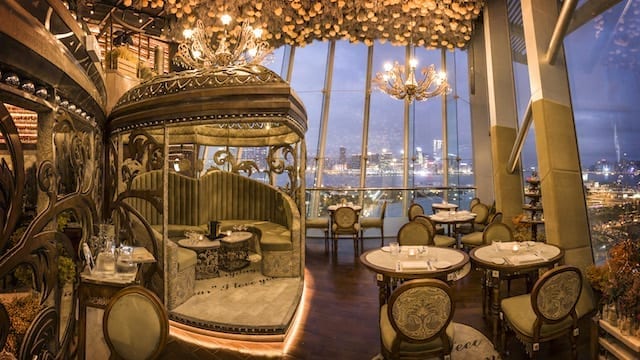
    Award-winning Australian designer Ashley Sutton has launched a restaurant and bar with a floral theme in a glass-walled space on the roof of IFC mall.

    Dear Lilly is described as a romantic restaurant and bar inspired by the hole-in-the-wall florists found along Parisian boulevards. As with Sutton’s other projects in Hong Kong, such as nightlife venues Iron Fairies, J.Boroski, Ophelia and Yojimbo, Dear Lilly is a collaboration with restaurant group Dining Concepts.

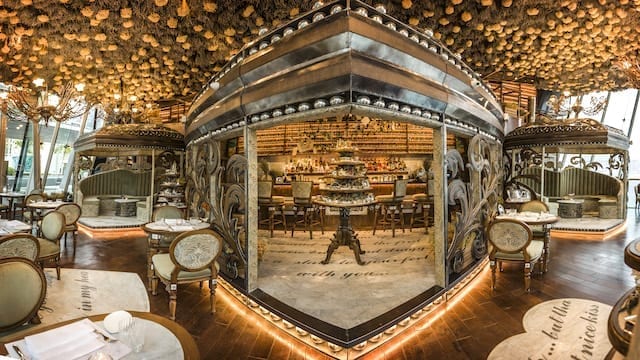
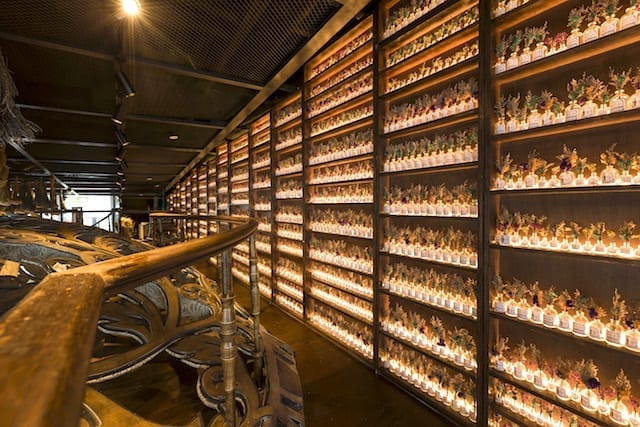
    Floor-to-ceiling shelves in Dear Lilly are crammed with vintage perfume bottles brimming with flowers, and hundreds of bouquets hang from the gently swaying kinetic ceiling.

    “Dear Lilly is unlike anything I’ve ever done before,” Sutton says. “It’s an incredibly enchanting space filled with flowers, love letters and charming antique ornaments I’ve sourced from around the world. I want people to step inside and feel like they’re in a fairytale.”

    Heart-shaped marble inlays in the floor are engraved with extracts from love letters. After reading thousands of love letters from throughout history, Sutton decided to fill Dear Lilly with extracts from letters sent by soldiers to their sweethearts during World Wars I and II. The restaurant’s name even came from one of the letters.

    Love letters and poems scrawled on scrolls of paper are piled on the bar alongside vintage black-and-white photos of couples. The bar and mixologists’ workstations are decorated with typewriters, rolls of ribbon and other knick-knacks.

    For romantic meals, Dear Lilly offers intimate booths designed as supersized versions of vintage jewellery boxes. For the steel heart-shaped structures, the metal has been treated to look like tarnished sterling silver.

    Embroidery and crowns

    Meanwhile, the serving staff at the restaurant wear outfits that feature embroidered button-up shirts or Victorian-inspired dresses and flower crowns. Mixologists wear vintage aprons with magnifying glasses, antique scissors and other knick-knacks poking out their pockets.

    Alongside classic drinks, Dear Lilly’s serves signature items inspired by 1920s French cocktails. To match the decor, the cocktails are garnished with edible flowers and sprigs of lavender. Dear Lilly also offers a range of beers served on its terrace overlooking Victoria Harbour.

    The cuisine is contemporary European featuring Mediterranean favours.

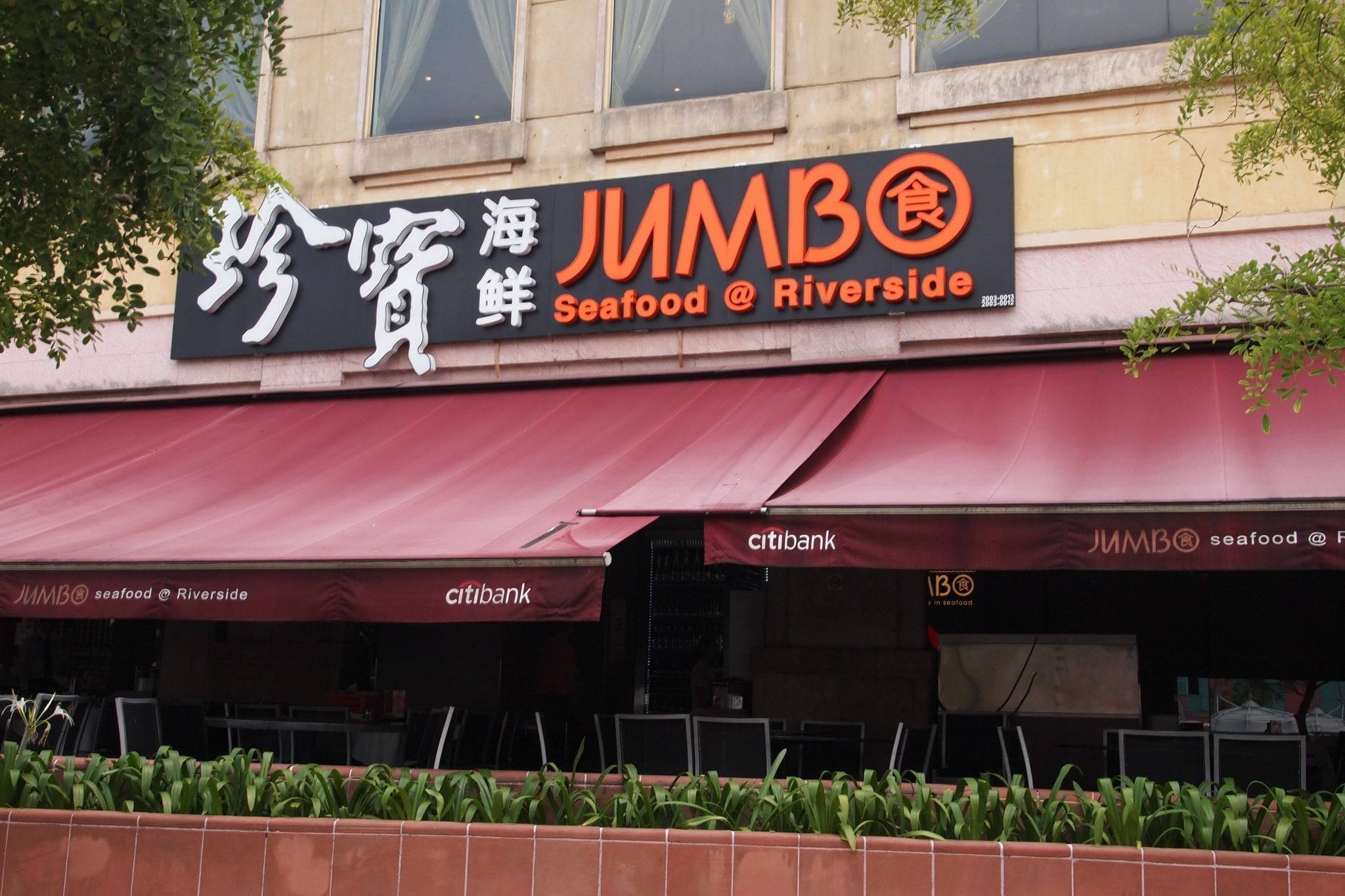
  • Jumbo Group to go jumbo in Asia

    Jumbo Group to go jumbo in Asia

    Following another strong quarter, multi-dining concept company Jumbo Group says it aims to expand its brands to other major Asian cities.

    “We will continue to take a calibrated approach in our expansion plans to capture the growing F&B market in major Chinese cities such as Shanghai and Beijing as well as other regional markets like Vietnam,” says group CEO/executive director Ang Kiam Meng.

    Jumbo also plans to pursue franchising opportunities as well as growing its network through openings, acquisitions, JVs and strategic alliances.

    For its first quarter to the end of December, Jumbo has announced a profit attributable to the owners of the company of $2.6 million, compared to $2.1 million for the corresponding period a year earlier.

    Revenue increased by 5.8 per cent, or $1.8 million, to $32.7 million, mainly because of  increased revenue contributions from the group’s seafood outlets in Shanghai.

    Gross profit increased by 8.1 per cent, or $1.6 million, to $21 million. Gross profit margin was 64.2 per cent, up year on year from 62.9 per cent.

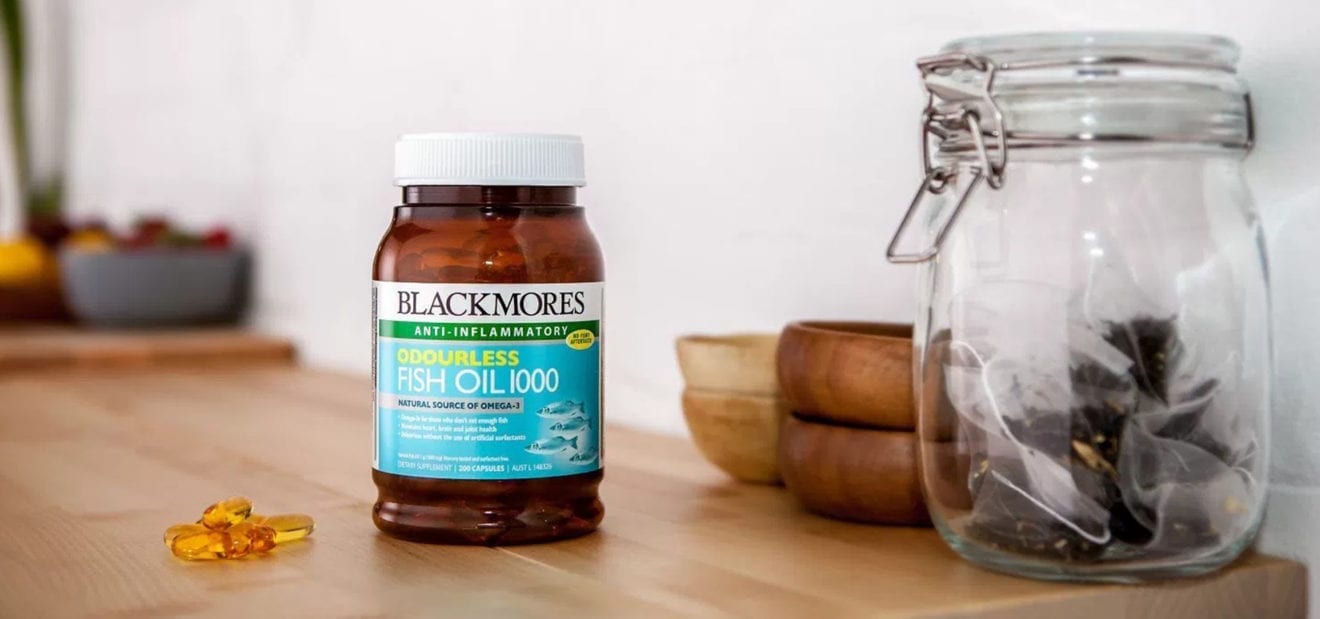
  • Blackmores stumbles on China costs and fish oil shortages

    Blackmores stumbles on China costs and fish oil shortages

    Blackmores CEO Richard Henfrey is wrestling with supply constraints for some ingredients and a more competitive market in China.

    Blackmores is grappling with shortages of ingredients such as whey protein and fish oil, and competition in China is becoming more fierce but chief executive Richard Henfrey says the long-term growth projections for the vitamins maker are robust.

    Blackmores shares tumbled more than 15 per cent in early trading on Thursday to $135 as the company said it was working with ingredients suppliers to shorten lead times in its supply chain and that profits from its China business had grown by 4 per cent as it bumped up investment and spent more on expanding its in-country presence in China.

    Mr Henfrey said Blackmores still expects solid growth in the second half of 2017-18, after generating a 20 per cent per cent rise in net profit after tax to $34.2 million.

    He said on Thursday that Blackmores was a more consistent business now after going through extreme volatility in the past couple of years and it would be some time before it was able to repeat the stellar full-year profit of $100 million notched in 2015-16. “That was the gift year,” he said, when booming demand from China fuelled extraordinary profit growth.

    Cost-cutting inside the business and a reduction in discounts to customers enabled Blackmores to generate a 20 per cent rise in bottomline profits, with revenues up 9.3 per cent to $287.4 million. The company lifted its first half dividend by 15 per cent to $1.50 per share, to be paid on March 22.

    But the soft Australian retail market is expected to crimp growth in the second half, while Blackmores is also wrestling with some supply constraints. “We’re working with our suppliers to shorten lead times,” Mr Henfrey said. Whey protein and fish oil were two specific areas where there had been constraints.

    The China market is becoming a tougher market in which to compete, as different players step up their efforts to gain a bigger share of the market as Chinese consumers flock to “clean and green” products from countries like Australia.

    “It’s becoming a more competitive space,” Mr Henfrey said. China sales were up 27 per cent. But Mr Henfrey said profits from China grew 4 per cent as more investment was made in bolstering the in-country presence. Blackmores was also hit by an increase in doubtful debts provisions in China of $2.8 million.

    Blackmores has a new distribution centre at Bungarribee in western Sydney which went into full overdrive in December after a staged ramp-up. “We’ve finished building out the technology in there,” he said. But it was at the start of the supply chain where headaches emerged. “It’s at the other end of the chain,” he said.

    Mr Henfrey, who took over from long-serving chief executive Christine Holgate in August 2017, said sales revenue in Australian and New Zealand slipped marginally to $121 million as more sales which had previously been emanating in Australia from entrepreneurs buying up in local retail stores and then selling them online in China, shifted across to direct sales online in China by Blackmores itself. But EBIT from Australia and New Zealand was up 19 per cent to $26 million.

    Blackmores shares had almost doubled in the past six months from $87 in late August 2017 to $160 on Wednesday before the fall on Thursday.

    This was on renewed optimism returned about Mr Henfrey’s strategy of ensuring a more consistent and reliable Blackmores with a focus on lifting investment returns with tighter management.

    Lofty gains

    Blackmores shares reached the lofty heights of $220 in early January 2016 on the strength of enormous appetite from Chinese buyers for “clean and green” vitamins brands.

    It was largely driven by the Chinese entrepreneurs buying up large volumes of vitamins from Australian supermarkets and big box outlets such as Chemist Warehouse, and then selling them online on e-commerce sites in China.

    But then regulatory uncertainty resulted in a pull-back. Chinese tourists and exporters changed their buying patterns and the Australian market became much more competitive, with high levels of stock left in warehouses, which blunted the speed of replacement orders.

    Rival Swisse was acquired in two tranches for a total of $1.7 billion in 2015 and 2016 by a company now called Health & Happiness, which changed its name from Biostime International.

  • Coca-Cola Amatil-owned fruit brand SPC to enter China market in 4500 stores

    Coca-Cola Amatil-owned fruit brand SPC to enter China market in 4500 stores

    Managing director Reg Weine said that its premium Goulburn Valley 700g fruit range, SPC snack cups and pouch ranges, and IXL jam would be the first products to enter stores.

    SPC’s snack cups are already available on online retailer JD.com and Weine said the full range of SPC, Goulburn Valley and IXL products will progressively be available across major online and offline retailers in China.

    In end-January, SPC finalised an agreement with China State Farm Agribusiness (CSFA) Shanghai to export SPC, Goulburn Valley and IXL lines of processed fruit products to China.

    CSFA Shanghai, a wholly-owned subsidiary of China National Agriculture Development Group Corporation — one of China’s largest agribusiness conglomerates — will be “master distributor” of SPC’s brands and product lines in China.

    “It takes significant time and resources to build brands in overseas markets, which is why we are partnering with China’s leading agricultural firm. Their enviable track record of successfully bringing premium foreign brands to China is very attractive to us,”​ said Weine

    Marketing to middle class

    He added that CSFA Shanghai had the dedicated personnel and sales and marketing support that SPC needed to build its brands, as well as the distribution capability to reach China’s burgeoning middle class.

    At the signing ceremony, he said, “It’s about taking our market-leading brands into markets where provenance plays a part and there is a large enough consumer segment that is affluent and willing to pay a premium for Australian produce.”​

    To this end, they have engaged Chinese singer and actress Ye Yiqian, who as a “deep connection with aspirational Chinese consumers”​ to be brand ambassador.

    Extensive distribution 

    Weine confirmed that the exported fruit products will be available in over 4,500 premium retail and mother and baby stores, which he said will provide a considerable market for the company’s products.

    “We will have a strong presence in bricks-and-mortar retailing ​— including Alibaba’s HEMA retail outlets, Ole supermarkets and mother and baby chain Kidswant,”​ he said.

    Initially, they will be in China’s tier one cities including Beijing, Shanghai, Guangzhou and Tianjin, and later will include Shenzhen and Chongqing.

    The products will also be carried by leading e-commerce platforms such as such as JD.com, Kaola, and Alibaba’s T-Mall.

    Asian expansion

    Said Weine, “This hopefully will only be the beginning of our relationship with Chinese consumers.”​

    He emphasised that China represents a significant business opportunity for SPC in the years ahead, with its processed fruit market five times that of Australia.

    Among further plans for expansion, Weine said SPC’s ProVital, functional and fortified fruit products in accessible packaging, will also appeal to China’s ageing population.

    In the vast Asia Pacific region, aside from China, SPC already exports to Hong Kong, Japan, Singapore, Malaysia, Pacific islands and the Middle East.

    In February, SPC will also be launching its Perfect Fruit frozen fruit whip dessert in India and, shortly after, to Japan as well.

    Coca-Cola Amatil-owned SPC is the largest producer of premium packaged fruit and vegetables in Australia, processing about 150,000 tonnes of fruit a year. Its products include processed and packed fruit, vegetables, spreads and jams, prepared meals, snack foods, sauces and condiments.

    CSFA Shanghai already has established business relationships with several Australian companies including A2 Milk and Stanbroke Premium Beef. The company will organise staff and carry out sales and marketing to build SPC’s product brands in China.

  • Starbucks Korea issues CPs to speed up domestic expansion

    Starbucks Korea issues CPs to speed up domestic expansion

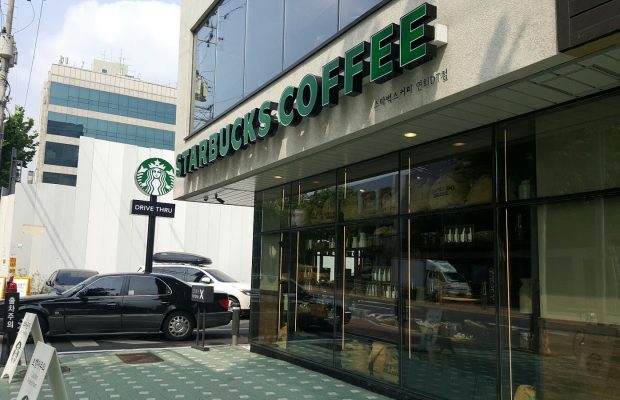
    Starbucks Korea recently issued commercial papers worth 30 billion won (US$28.07 million), possibly to further speed up its domestic expansion, according to news reports on Feb. 19.

    Seattle-based Starbucks is the nation’s No. 1 specialty coffee chain with about 1,100 outlets, followed by rival CJ’s A Twosome Place with 910 outlets. Its revenue hit the 1 trillion won mark last year for the first time as a coffee chain brand here.

    The Korean unit, a 50:50 joint venture with local retail giant Shinsegae Group, last year opened 130 new outlets nationwide, spending about 100 billion won. Sources said the firm is seeking to raise funds possibly to open about 150 new stores this year as part of its aggressive expansion plans.

    “We will continue to expand our presence here like we did last year,” a company spokesperson said. “We cannot confirm any details of the CPs now.”

    According to industry watchers, Starbucks Korea is issuing CPs as it has reduced its debt over the past years thanks to strong earnings. In the early years, the firm issued CPs to fund the expansion. Its debt reached more than 60 billion won five years ago but the figure dropped to 4 billion won by the end of last year.

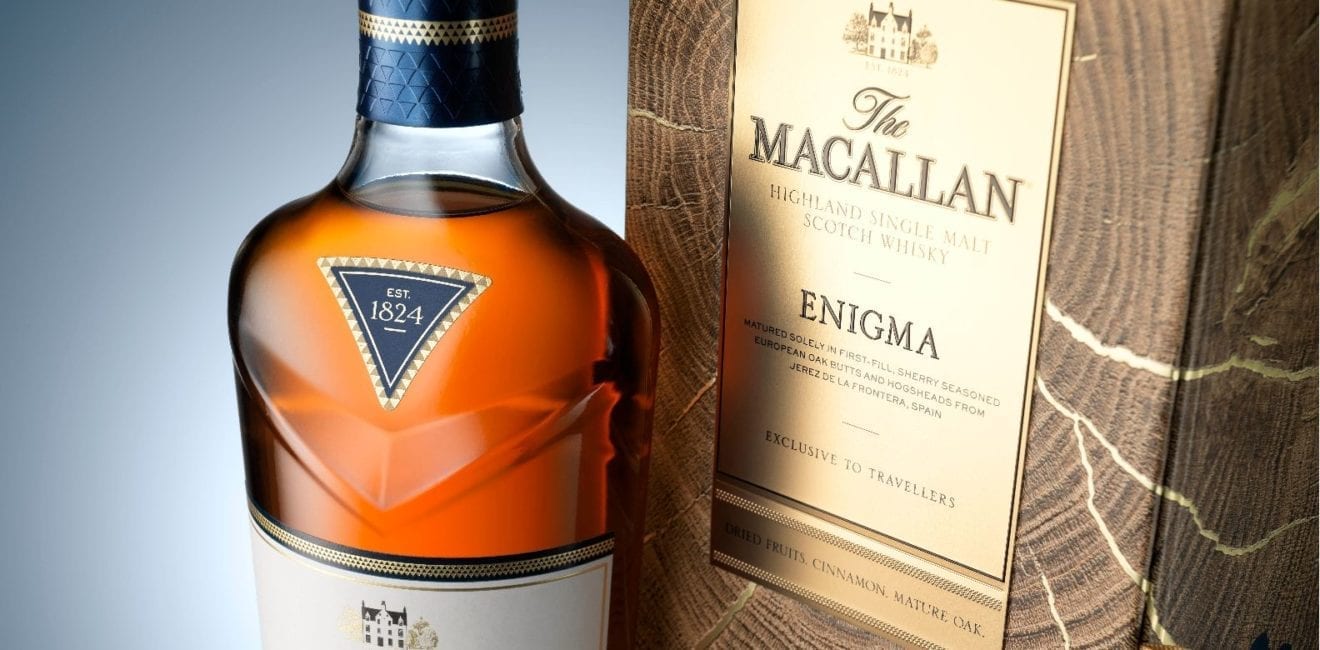
  • The Macallan pursues ‘Quest’ with global travel retail rollout

    The Macallan pursues ‘Quest’ with global travel retail rollout

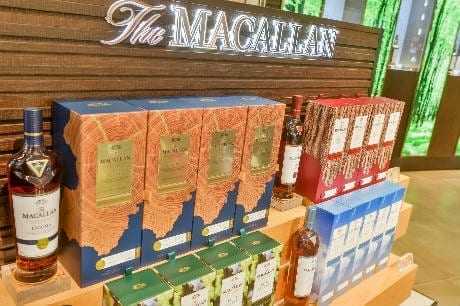
    The Macallan Quest Collection has launched in global travel retail following a month-long exclusive tie-up with DFS Group at Singapore Changi Airport.

    Quest, unveiled to members of the press during TFWA WE, initially launched across all four of Changi’s terminals in January and will now be available on-shelf at key airports globally.

    A giant, rotating bottle cut-out display housed in an illuminated diamond-shaped glass showcases Quest’s four different expressions at Changi.

    As part of the promotion, shoppers were taught more about the collection via interactive displays that emphasised the cask story and flavour of the four expressions.

    This twinned with food pairings and complimentary postcards to act as an additional incentive to purchase.

    Brooke Supernaw, Senior Vice President, Spirits, Wine & Tobacco at DFS Group, commented: “The Macallan Quest Collection embodies the innovation, storytelling and dedication to quality which have made The Macallan such a powerful brand in the single malt category.

    “This partnership and exclusive launch are especially significant for DFS, as we continue our own quest to offer fresh, engaging and exciting experiences to delight travelling customers at our airport and downtown stores around the world.”

  • Visa now accepted at all 7-Eleven stores nationwide

    Visa now accepted at all 7-Eleven stores nationwide

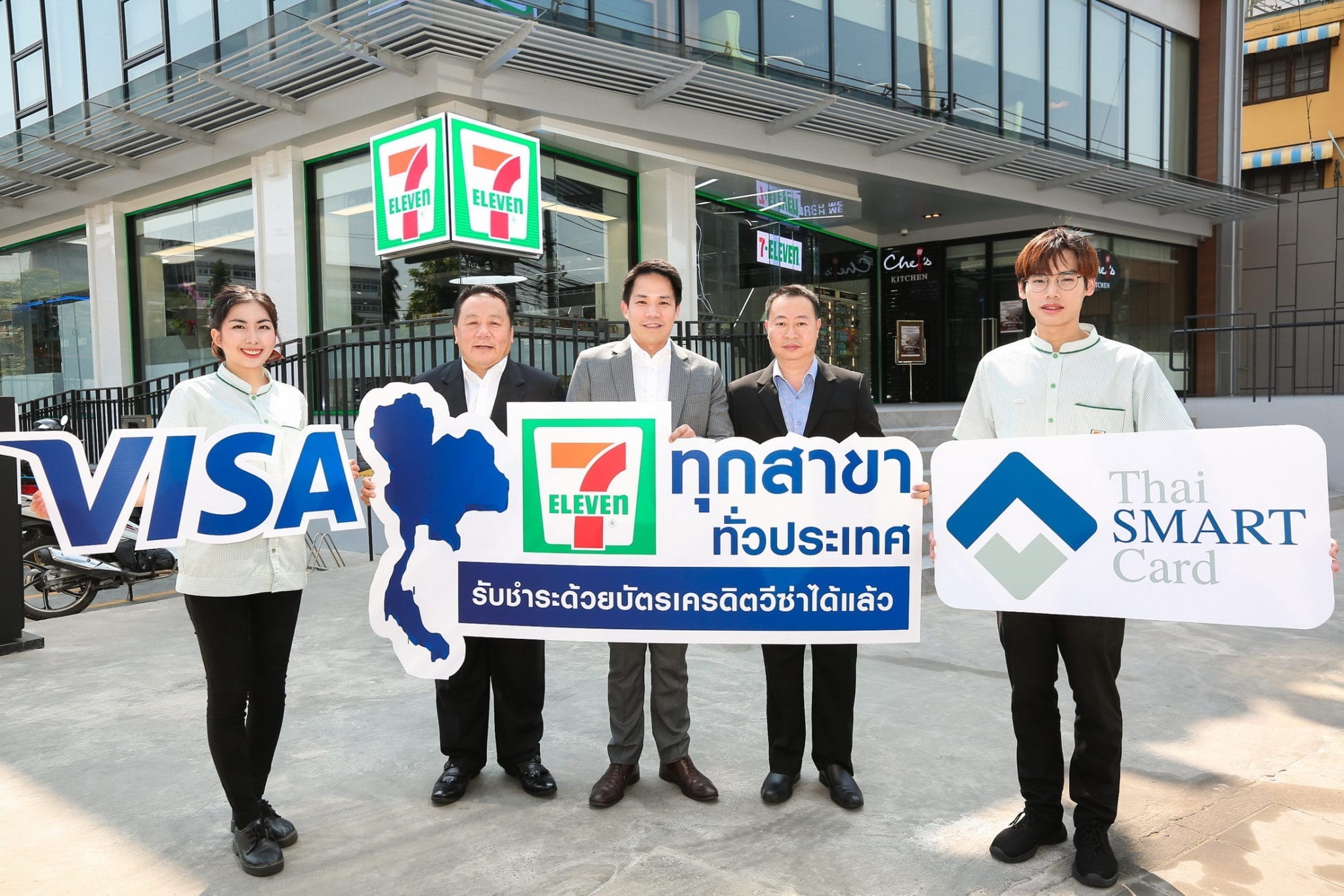
    Visa, the world’s leader in digital payments, announced the complete rollout of credit card acceptance at all 7-Eleven convenience stores nationwide.

    Expanding acceptance points is crucial to the National ePayment Plan and will help accelerate Thailand on the journey to become a full-fledged digital economy. The program was first piloted last year in selected 7-Eleven stores with high tourist traffic and has since gradually branched out across the country.

    Suripong Tantiyanon, Country Manager, Visa Thailand said: “The partnership between Visa, Thai Smart Card and 7-Eleven is an important chapter in the digital transformation of commerce in Thailand. It is an exciting milestone for our cardholders, who can now pay with any Visa credit card, including contactless, when shopping at 7-Eleven. It is a great opportunity for more people to experience the convenience and security of digital payments.”