Category: Food

Retail News Asia is committed to providing both local and global retailers with the latest Food and Food & Beverage news throughout the Asian market. This on a daily base.

  • GNC plans big expansion in India

    GNC plans big expansion in India

    Health and wellness brand GNC India is planning major expansion by increasing its availability to 4000 stores by 2020.

    The retailer will partner with pharmacy chain Guardian Healthcare Services, its master franchise in the market, to distribute GNC products to 1000 retail outlets this year, and boost its business to multiple channels, encompassing retail, e-commerce and distribution.

    GNC India will also market and sell its full product line through the company’s website and via other e-commerce players.

    “We are very excited about our expansion plans in India, where there is significant opportunity for growth,” says Ken Martindale, GNC’s CEO.

    “Guardian is an established player in India’s health and wellness industry and we believe the strength of our two companies will position us as one of the leaders in this attractive and fast growing market.”

    According to the Associated Chambers of Commerce and Industry in India 2017 report, India’s nutraceutical market is currently estimated to be US$4 billion in 2017 and expected to grow to $10 billion in 2022.

    GNC arrived in India in 2004 and is currently available at 50 of Guardian’s stores.

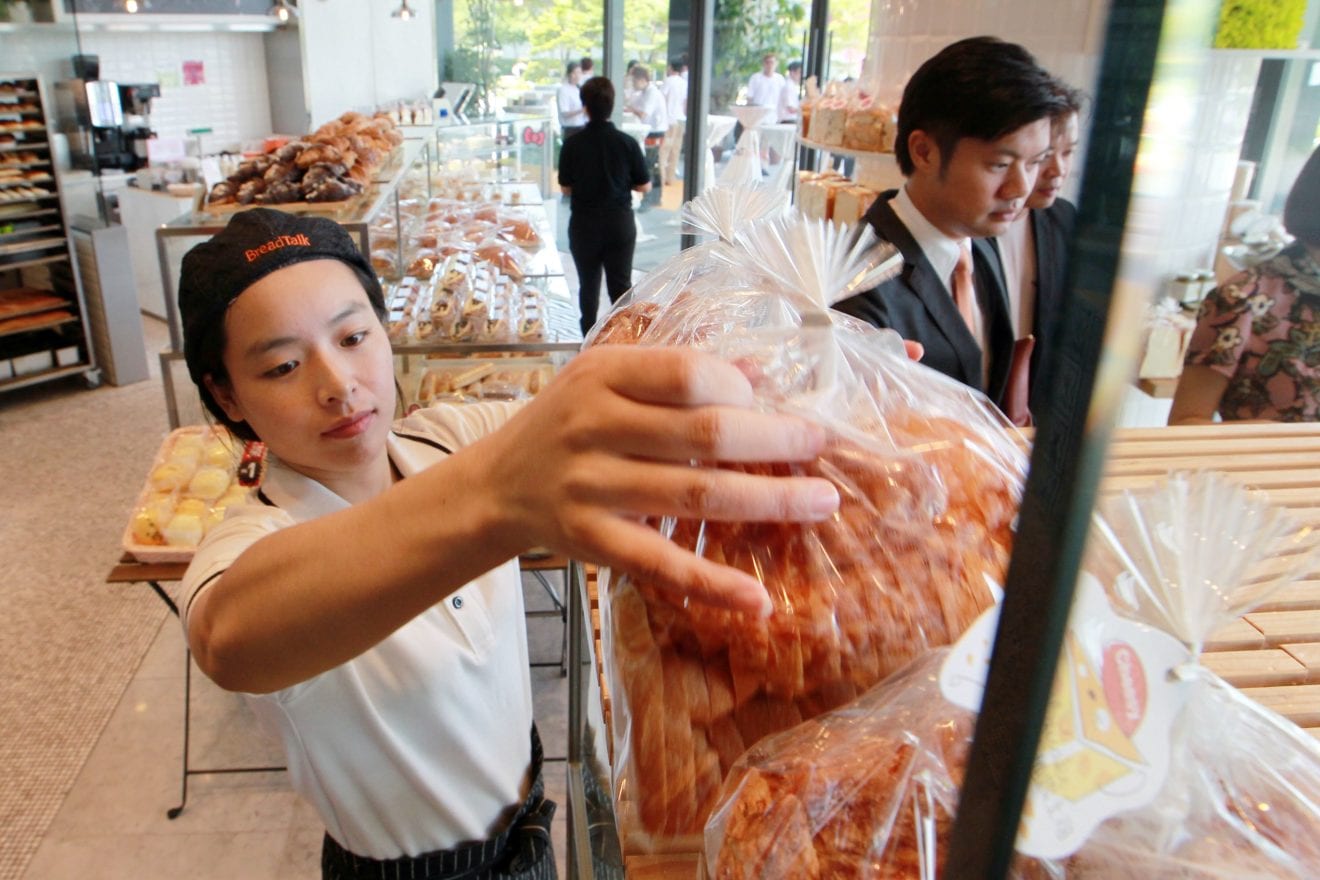
  • BreadTalk to take Taiwan’s Wu Pao Chun bakeries into China

    BreadTalk to take Taiwan’s Wu Pao Chun bakeries into China

    BreadTalk Singapore says it has formed JVs with a Taiwan company to run bakeries in China.

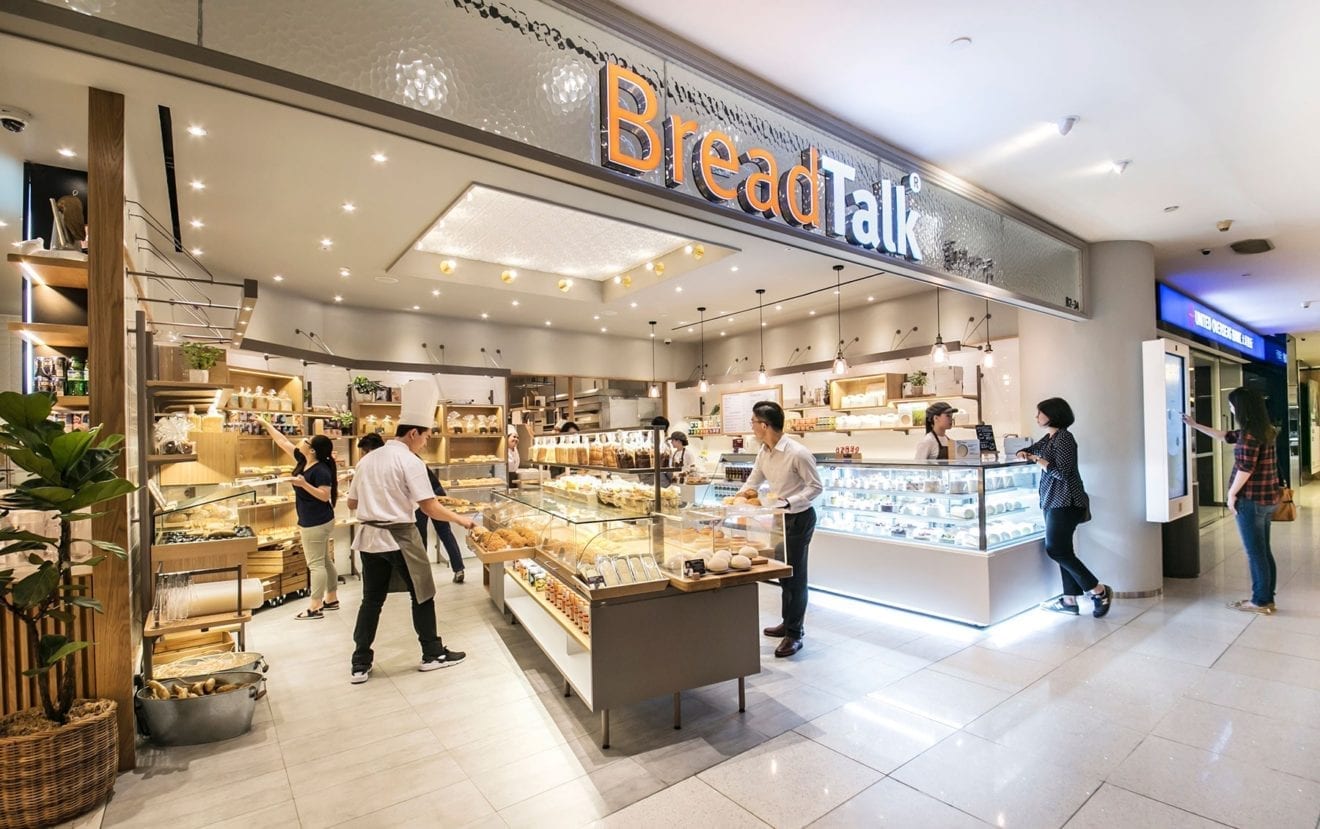
    BreadTalk subsidiary Shanghai Star Food F&B Management has partnered with Wu Pao Chun Food of Taiwan to run Wu Pao Chun outlets in Beijing, Shanghai, Shenzhen and Guangzhou. Shanghai Star will hold 80 per cent of the Shanghai JV and can own up to 40 per cent of the Beijing, Shenzhen and Guangzhou JVs.

    Both companies expect to form JVs for co-operation in Singapore and Hong Kong later.

    BreadTalk owns 1000 retail stores in Singapore, Mainland China, Hong Kong, Malaysia and Thailand.

  • Offer for OldTown extended to March 20

    Offer for OldTown extended to March 20

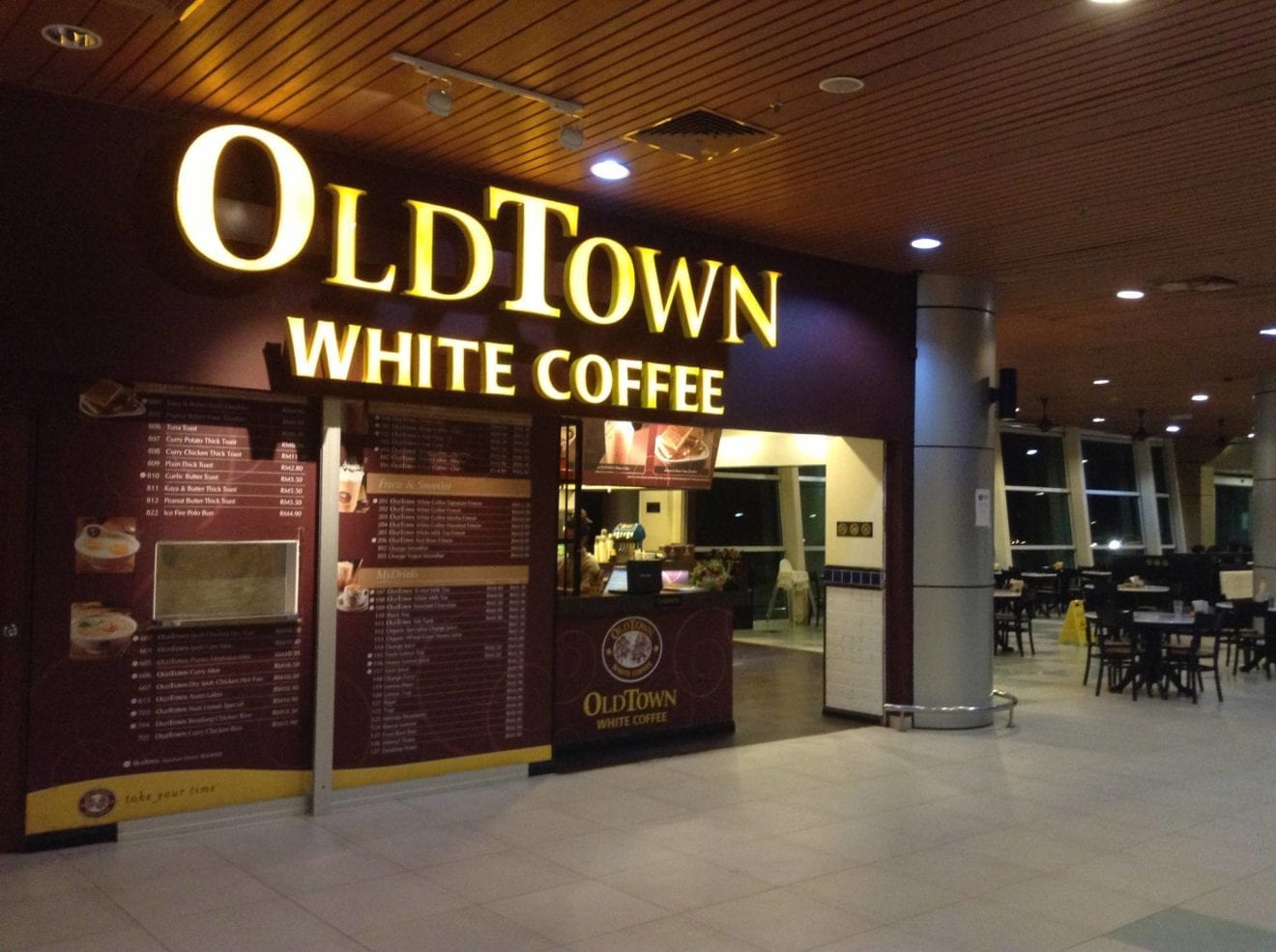
    Jacobs Douwe Egberts Holdings Asia NL BV (JDE) has extended the closing date of its takeover offer for OldTown Bhd to March 20.

    According to a circular issued by CIMB Investment Bank Bhd, the terms and conditions of the offer remain unchanged and the level of acceptances of the offer stood at 83.75% on March 9.

    OldTown received a takeover notice from JDE in December last year at an offer price of RM3.18 per share. The offer was supposed to close today.

    Earlier, JDE said it has secured irrevocable undertakings from shareholders holding 51.45% and is looking to procure the remaining shares with an eye to delist and privatise OldTown.

    JDE has agreed to pay a good faith fee of US$3.48 million (RM13.6 million) or 1% of the total offer price to OldTown.

  • New Deal Means a New Majority Owner for Smashburger

    New Deal Means a New Majority Owner for Smashburger

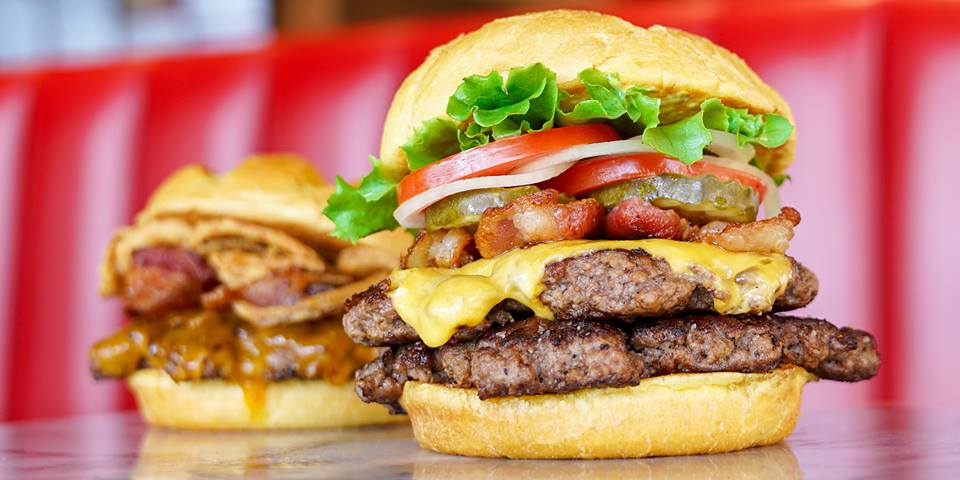
    In $100 million deal, Jollibee Foods Corp. will acquire an additional 45 percent of Smashburger, the Denver-based burger franchise that has more than 360 restaurants. The companies announced the deal Tuesday and it’s one that increases Jollibee’s ownership stake in the chain to 85 percent. The Philippines-based restaurant company first bought a 40 percent stake in Smashburger in October 2015 for $100 million, a deal which then valued the chain at $335 million.

    Tom Ryan, co-founder and CEO of Smashburger, called Jollibee an “invaluable strategic partner.”

    “Our momentum in 2017 around improved guest experience, iconic and record-setting product launches, and innovative marketing provide JFC a tremendously strong brand to enter the North American market,” said Ryan in a statement. “Our entire team couldn’t be more excited to grow the Smashburger brand and share the great tastes of Smashburger with the world.”

    Ryan took over as CEO in December 2016 following the exit of Mike Nolan after just nine months. Nolan had replaced Scott Crane, who stepped down in April 2016.

    Since Ryan’s move to chief executive, Smashburger has focused on developing new menu items, such as its Triple Double Burger, and expanded its marketing efforts. The company in 2017 also launched Smash Pass, a subscription-model consumer frequency program.

    With the expanded Jollibee partnership, Smashburger CFO Bradford Reynolds said growth in Southeast Asia is a focus.

    “This reinforced strategic partnership with JFC will allow Smashburger to continue to focus on growth in both existing and new markets including the opportunity to bring our great tasting burgers, fries and hand-spun shakes to Southeast Asia,” said Reynolds. “We look forward to building upon our successful relationship to further bolster the brand as an international leader in the better burger segment.”

    Smashburger’s footprint extends to 38 states and nine countries. Jollibee Foods operates the largest foodservice network in the Philippines, with 2,875 restaurants in the country as of December 31, 2017. In addition to its 1,062 units of the Jollibee brand, it has Chowking, Greenwich, Red Ribbon, Mang Inasal and is a Burger King franchisee with 93 units. It also operates restaurants in Australia, Bahrain, Brunei, Canada, China, Hong Kong, Indonesia, Korea, Kuwait, Macau, Oman, Qatar, Saudi Arabia, Singapore, the United States and Vietnam.

  • Resurgent McDonald’s plans 200 openings in Japan’s burger battle

    Resurgent McDonald’s plans 200 openings in Japan’s burger battle

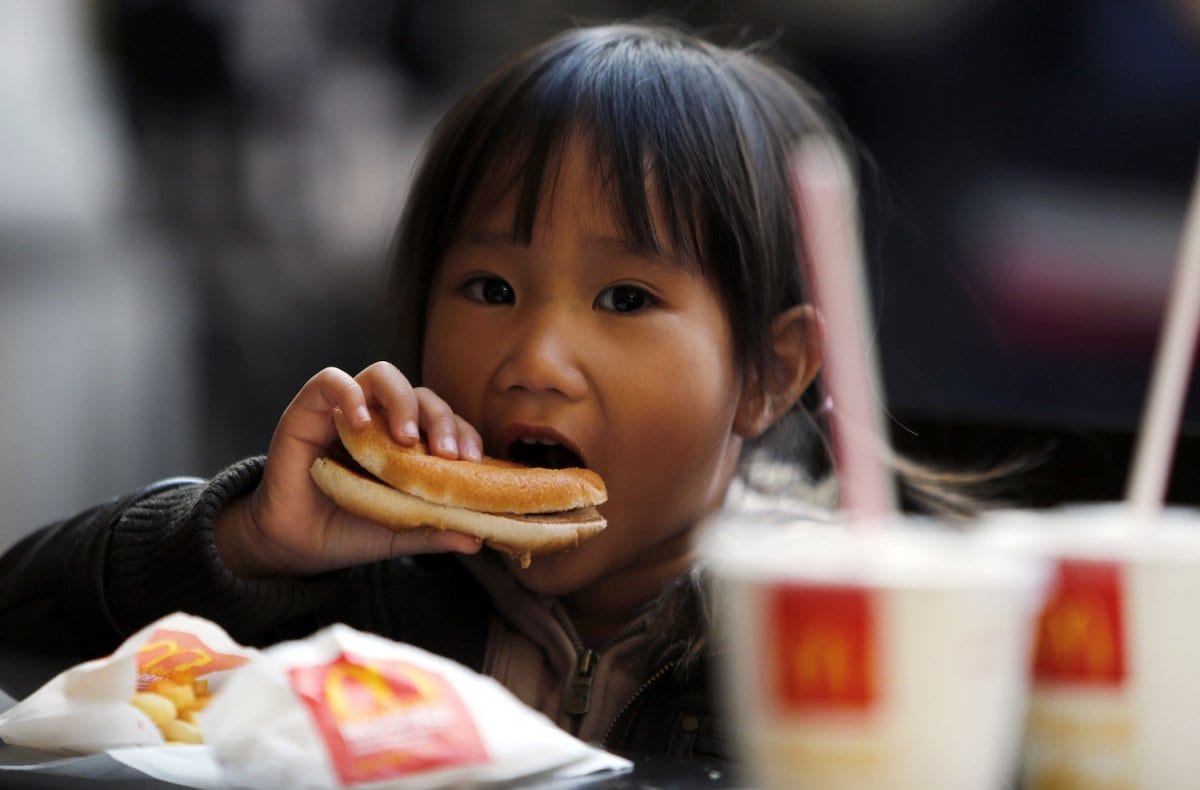
    Fast-food chains in Japan are launching the biggest expansion wave in decades and adopting strategies that would have been unthinkable in the early 2000s, when hamburgers were a prime symbol of deflation.

    McDonald’s Holdings (Japan), the biggest player, is emerging from a prolonged slump and on Tuesday announced it is planning the first net store increase in a decade this year. Burger King, the world’s second-largest hamburger chain, aims to triple its Japanese locations to 300 by 2022, spending 5 billion yen ($45.5 million) in the process.

    McDonald’s saw a 4.5-fold increase in group net profit for the fiscal year through December, logging a record 24 billion yen. It aims to open 150 to 200 new locations in the next three years. Factoring in closings, it expects a net increase of around 100.

    “Over the last several years, we were focusing on optimizing our existing store portfolio,” President Sarah Casanova told reporters. “Now, it’s time to look to opportunities to grow with new restaurants.”

    The number of McDonald’s locations in Japan peaked in 2002 and has been decreasing since. The chain now has 2,900 restaurants after a net decrease of about 1,000.

    Opening new restaurants might seem like an odd move in a country where the birthrate is falling and consumers are holding back on dining out. The hamburger business, however, is one of the few bright spots in an otherwise bleak restaurant industry.

    It helps that chains like Burger King and McDonald’s are globally recognized. Japan is welcoming record numbers of tourists — 28.6 million last year — giving the restaurants a steady stream of fresh customers looking for familiar flavors in an unfamiliar land.

    Burger King Japan, the U.S. chain’s local operation, will open most of its 200 new restaurants in large cities like Tokyo, Osaka and Nagoya. Target locations include shopping center food courts and suburban spots with room for drive-thrus. Open-kitchen interiors will allow customers to see their Whoppers being cooked.

    Burger King also intends to offer a home delivery service, countering McDonald’s Japan’s move to expand deliveries in partnership with Uber Eats last year.

    This is Burger King’s second crack at the Japanese market. The chain left the country in 2001, after a slump. It returned in 2007 with support from such companies as Lotte, but its store count remains far behind McDonald’s Japan’s 2,900.

  • Hong Kong’s Tsui Wah to open outlets in Singapore

    Hong Kong’s Tsui Wah to open outlets in Singapore

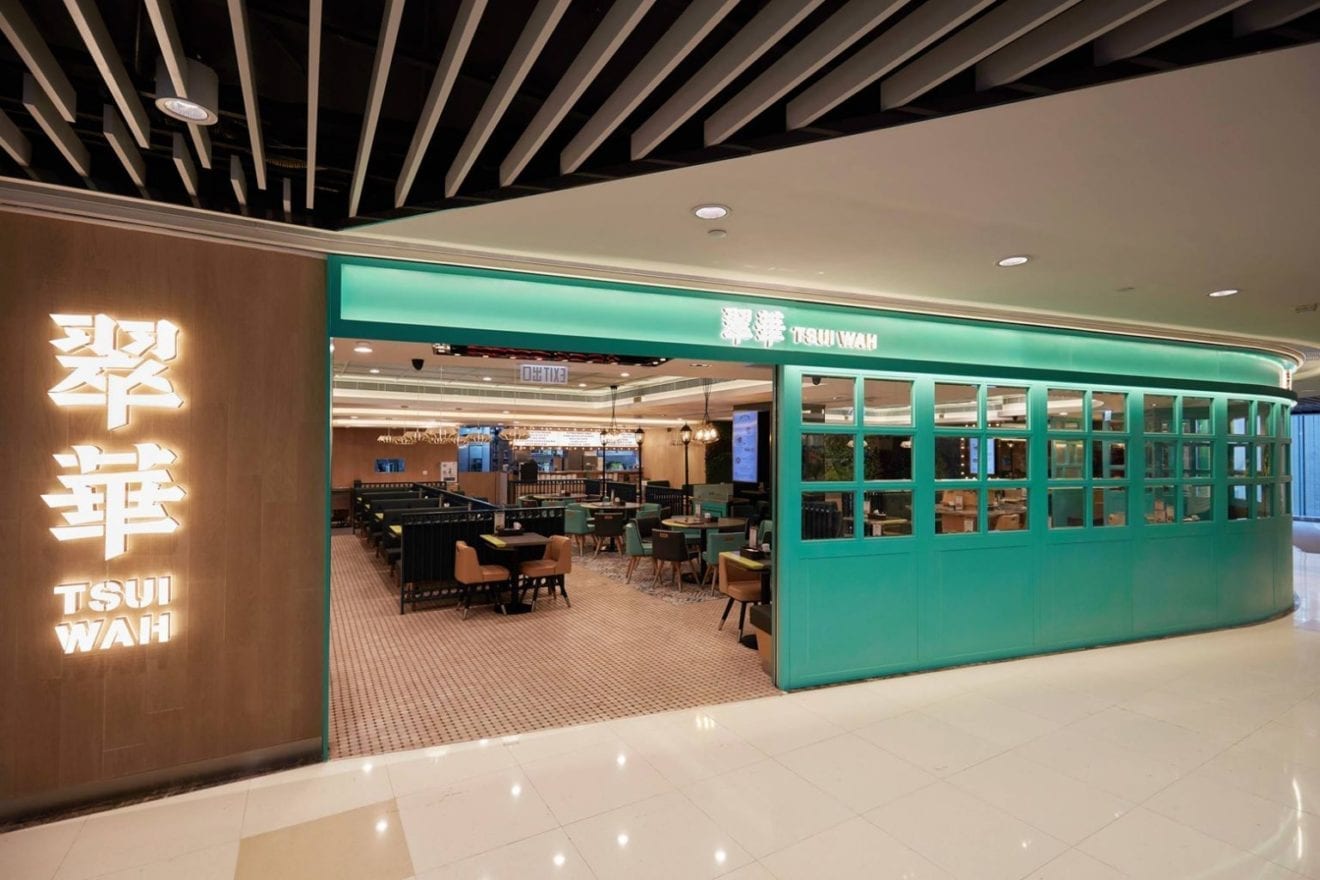
    Singapore listed restaurant business Jumbo Group has signed a JV agreement with Kang Wang Holdings, a wholly owned subsidiary of Tsui Wah Holdings, to take the Hong Kong-style Cha Chaan Teng under the Tsui Wah brand into Singapore.

    It will be a 49:51 JV between a Jumbo subsidiary and Kang Wang. It has also entered into a franchise agreement with Tsui Wah International Patent, which will give the JVC the right to use the Tsui Wah trademarks and trade names in Singapore.

    The Tsui Wah Group has about 70 outlets in Hong Kong, Macau and China, and this will be it first entry into the South-east Asian consumer market.

    Jumbo says it will fund its share of investment of S$244,998 (US$186,400) in the JVC using internal resources. The agreement covers an initial 10 years.

    Founded in the Mongkok neighbourhood in 1967, the brand is known for its fishball noodles, bottled Hong Kong milk tea and crispy bread drizzled with condensed milk. At the end of January, it had 32 outlets in Hong Kong, 35 in China and three in Macau. Despite a dip in revenue, the group managed to grow its first-half profit, according to its interim results.

    “This is part of our strategy to grow our network of restaurants, and to further strengthen our foothold in Singapore,” says Jumbo group chief executive/executive director Ang Kiam Meng.

    The location of the first outlet has yet to be revealed.

  • Phuc Long Danang to open soon

    Phuc Long Danang to open soon

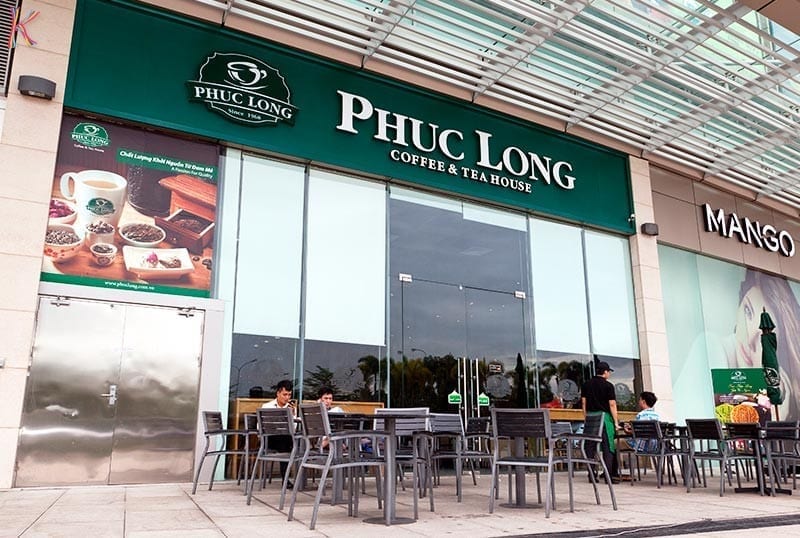
    Vietnamese coffee and tea chain Phuc Long is expanding into Danang next month.

    The brand will open two stores inside Lotte Mart and on Nguyen Van Linh Street in the city’s Hai Chau district.

    The chain has also enriched its food menu, offering traditional Vietnamese banh mi sandwiches alongside croissants, cookies, waffles and tiramisu.

    Targeting younger customers, Phuc Long is considered a competitor with international chain Starbucks and local rival The Coffee House.

    Established in 1968 in the highlands of Lam Dong, Phuc Long started by selling packaged Vietnamese traditional coffee and tea through retail stores. Phuc Long expanded to Ho Chi Minh City during 1980s with both retail stores and a coffee chain. The brand now has 25 stores across the city.

    Starbucks opened its first store in Danang last month.

  • Indonesia Snack and Noodle Makers Face Salt Import Muddle

    Indonesia Snack and Noodle Makers Face Salt Import Muddle

    Several of Indonesia’s noodle, biscuit and snack makers are facing shortages of quality salt as they have been unable to import the ingredient and local supplies are insufficient, an industry association said.

    “We received reports several industries will stop production next week because of shortages of salt,” said Adhi S. Lukman, chairman of the Indonesia Food and Beverage Association (Gapmmi), referring to several instant noodle producers, without naming the specific companies affected by the shortages.

    The government has not approved salt imports for food processors for 2018 despite a quota of 460,000 metric tons of salt imports issued by the Coordinating Ministry for the Economy this year, Adhi said.

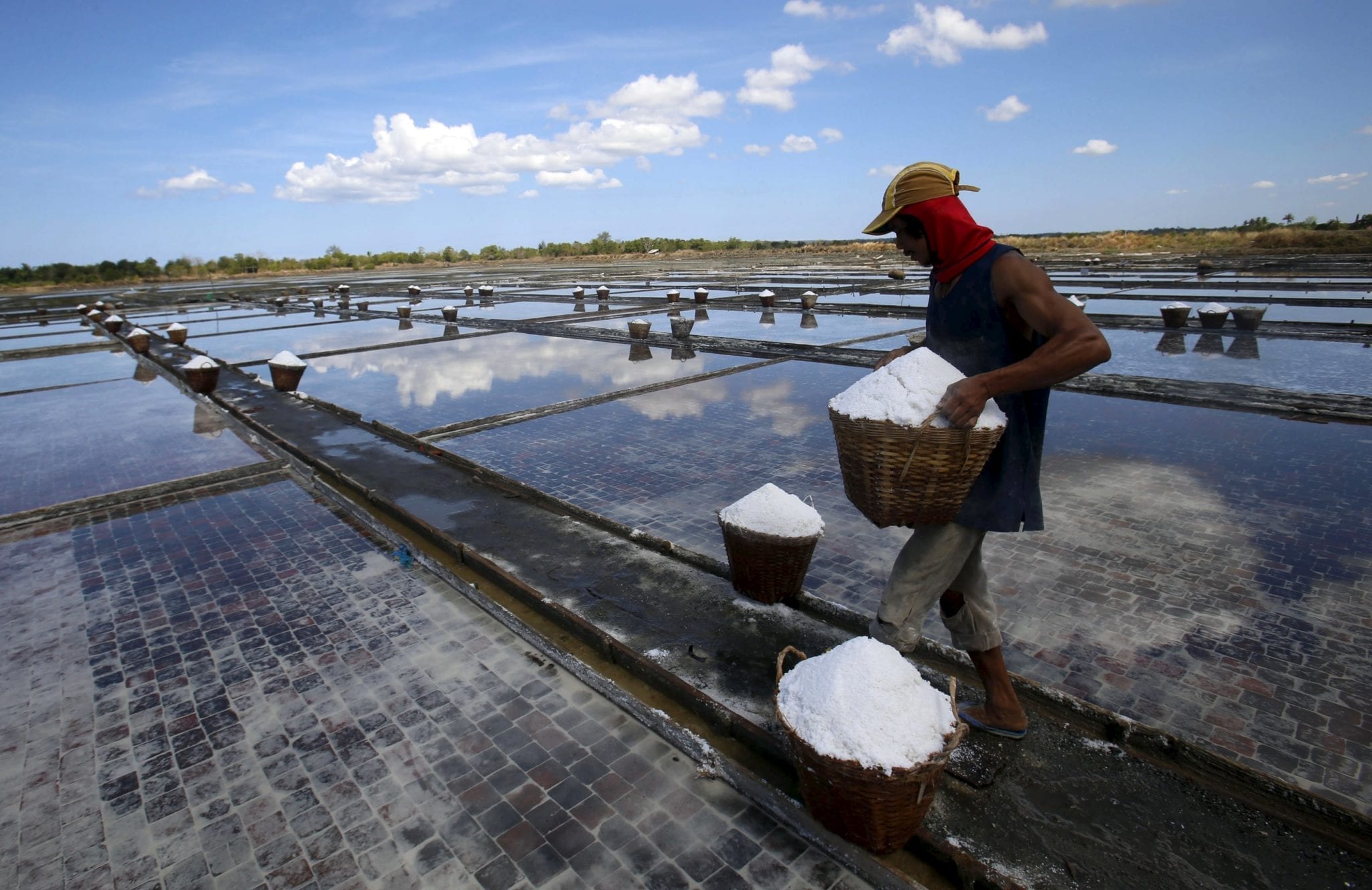
    Food companies require salt with a maximum water content of 0.5 percent and sodium chloride above 97 percent, but not all domestic suppliers can meet those levels, Adhi said.

    State salt producer Garam is “very small” and lacks the right quality stock, particularly in the wet season, he said.

    Indonesia’s food and beverage industry is expected consume 550,000 tons of salt in 2018, up 12 percent from the 490,000 tons consumed in 2017, Adhi said. Last year only around 50,000 metric tons of salt was supplied domestically to the food and beverage industries, with the remainder from imports.

    Foreign Trade director general Oke Nurwan said the food and beverages industry needed a recommendation from the Ministry of Fisheries before the 2018 salt imports could take place.

    Brahmantya Satyamurti Poerwadi, director general of sea territory management at the Ministry of Fisheries said a recommendation had been issued to all industries for imports of 1.8 million tons of salt in 2018.

    It was up to the Ministry of Trade to provide specific import allocations to different industries, he said.

    The Ministry of Fisheries estimates Indonesia’s total salt demand will reach 3.9 million tons in 2018, of which around 3.6 million metric tons would be used in manufacturing, including the food and beverages industries.

    Indonesia’s total salt production is expected to be around 1.5 million tons this year, with a carry over stock from 2017 of 349,000 tons.

    Indonesia’s demand for noodles, biscuits and snacks like burgers and doughnuts has climbed steadily in recent years in a creeping westernization of diets, underpinned by the country’s rising middle class.

  • Marine Harvest to open 2000 salmon restaurants in China

    Marine Harvest to open 2000 salmon restaurants in China

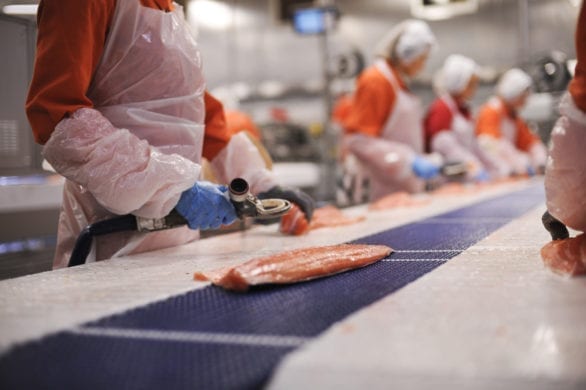
    Salmon farmer Marine Harvest is currently developing its brand Supreme Salmon in Taiwan, working with local top chefs and promoting on social media, the firm’s CEO, Alf-Helge Aarskog, said at the North Atlantic Seafood forum last week.

    At present, yearly salmon consumption per capita in China averages only 0.1 kilogram, compared with 1.3kg in the US and 3.1kg in France. The figure that indicates the large growth potential for demand on that market, Aarskog noted.

    Marine Harvest aims to implement a franchise concept for its Supreme Salmon restaurants in Taiwan, Hong Kong and mainland China.

    By 2025, the firm is planning to open 2,000 restaurants there, selling 40,000 metric tons of head-on, gutted (HOG) Atlantic salmon and generating a turnover of $2 billion, Aarskog said.

    Marine Harvest believes the chain — which serves dishes such as salmon gyoza, salmon risotto and salmon fried rice — will help expand demand for the farmed fish among the country’s growing middle class.

    Salmon consumption in China tends to be limited to hotels and upmarket restaurants, and the company is hoping that availability through its restaurants as well as products sold under the same brand in retail outlets will make the fish more accessible to ordinary consumers.

    “Our market research shows that Chinese consumers are looking at salmon as high end, tasty, modern and healthy. However they do not know much about the product and they want more variety in how to eat and prepare it,” said Ola Brattvoll, chief operating officer of Marine Harvest’s sales and marketing unit.

    Marine Harvest also plans to roll out a fast-moving consumer goods model in retail across Taiwan, Hong Kong and mainland China.

    Supreme Salmon retail sales are expected to rise to 20,000t of HOG salmon, with a turnover of $600m by 2025, Aarskog said.

    In 2013, Marine Harvest launched the Supreme Salmon concept in Taiwan, following a period of in-depth pan-Asian research on consumer habits.

  • Singapore’s BreadTalk Unit Forms Joint Ventures To Operate Bakeries In China

    Singapore’s BreadTalk Unit Forms Joint Ventures To Operate Bakeries In China

    Singapore baker BreadTalk unit Shanghai Star Food F&B Management has formed joint ventures with Wu Pao Chun Food of Taiwan to operate Wu Pao Chun bakeries, BreadTalk said in a filing Monday.

    The joint ventures will run Wu Pao Chun bakeries in Beijing, Shanghai, Shenzhen and Guangzhou. Shanghai Star will hold 80% of the Shanghai joint venture and can own up to 40% of the Beijing, Shenzhen and Guangzhou joint ventures. Both companies expect to conclude joint ventures for Singapore and Hong Kong later.

    The deal isn’t expected to have any material effect on the earnings per share and net tangible assets of BreadTalk for the financial year ending Dec. 31. The filing didn’t disclose further financial details.


  • Royal Dragon Vodka launches with Ever Rich Duty Free in Taiwan

    Royal Dragon Vodka launches with Ever Rich Duty Free in Taiwan

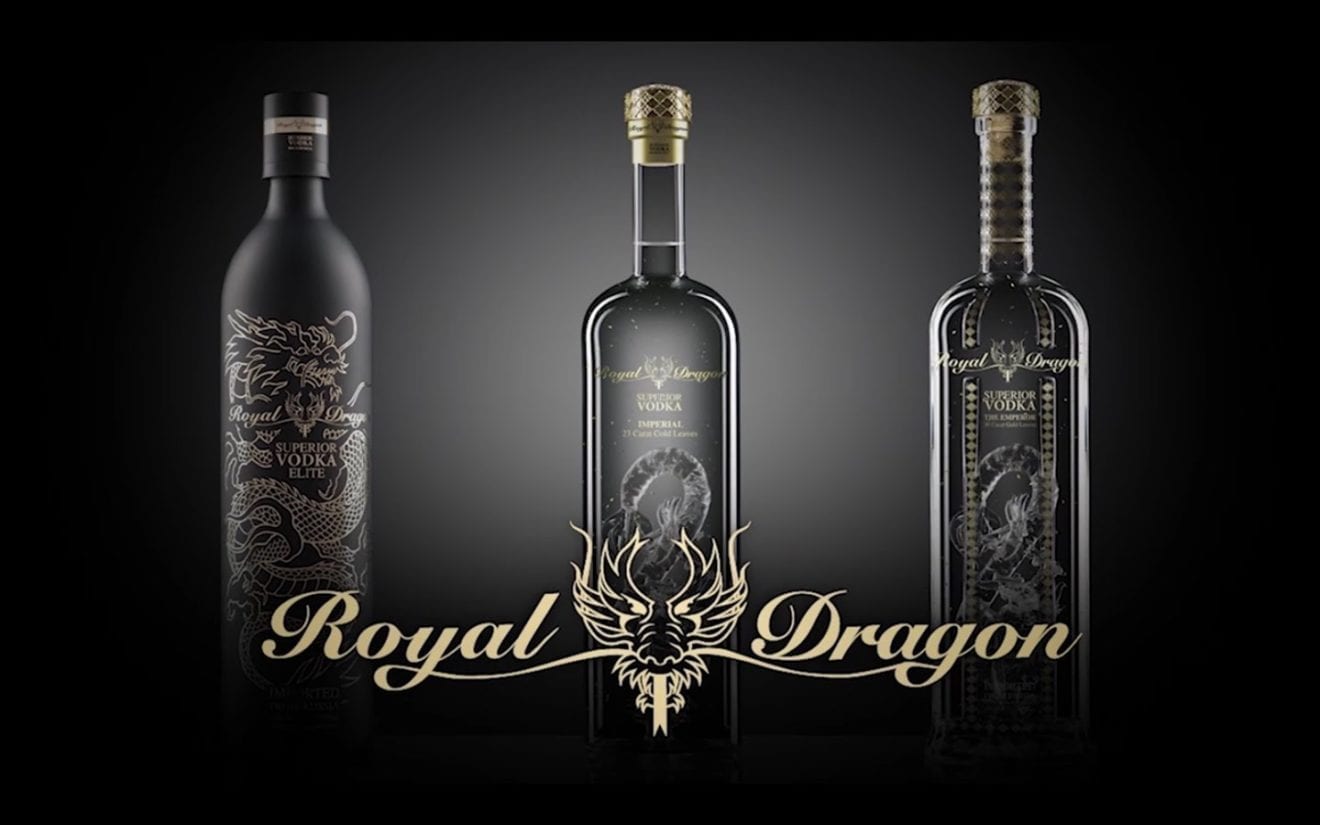
    The Imperial 1L, Good Luck Edition 1L and Luxury Gift Set are part of the Royal Dragon Vodka assortment available in arrivals and departures stores in Taoyuan, Kaohsiung, Taichung and Songshan International Airports.

    Yam Seng Sales and Marketing Director Jesreen Sidhu commented: “Expanding our presence to dynamic duty free markets such as Taiwan is an essential element of our continued success. Royal Dragon Vodka continues to gain strong traction in Asia and we are extremely pleased to partner with Ever Rich Duty Free, where we see great potential for the range.”

    Singapore-based Yam Seng Pte Ltd, a company owned by the Tuli family, was appointed regional TR agent for Royal Dragon Vodka last year. Sunil Tuli has worked in the global DF and TR industry since 1984.

  • Oporto to sets footprint in Singapore

    Oporto to sets footprint in Singapore

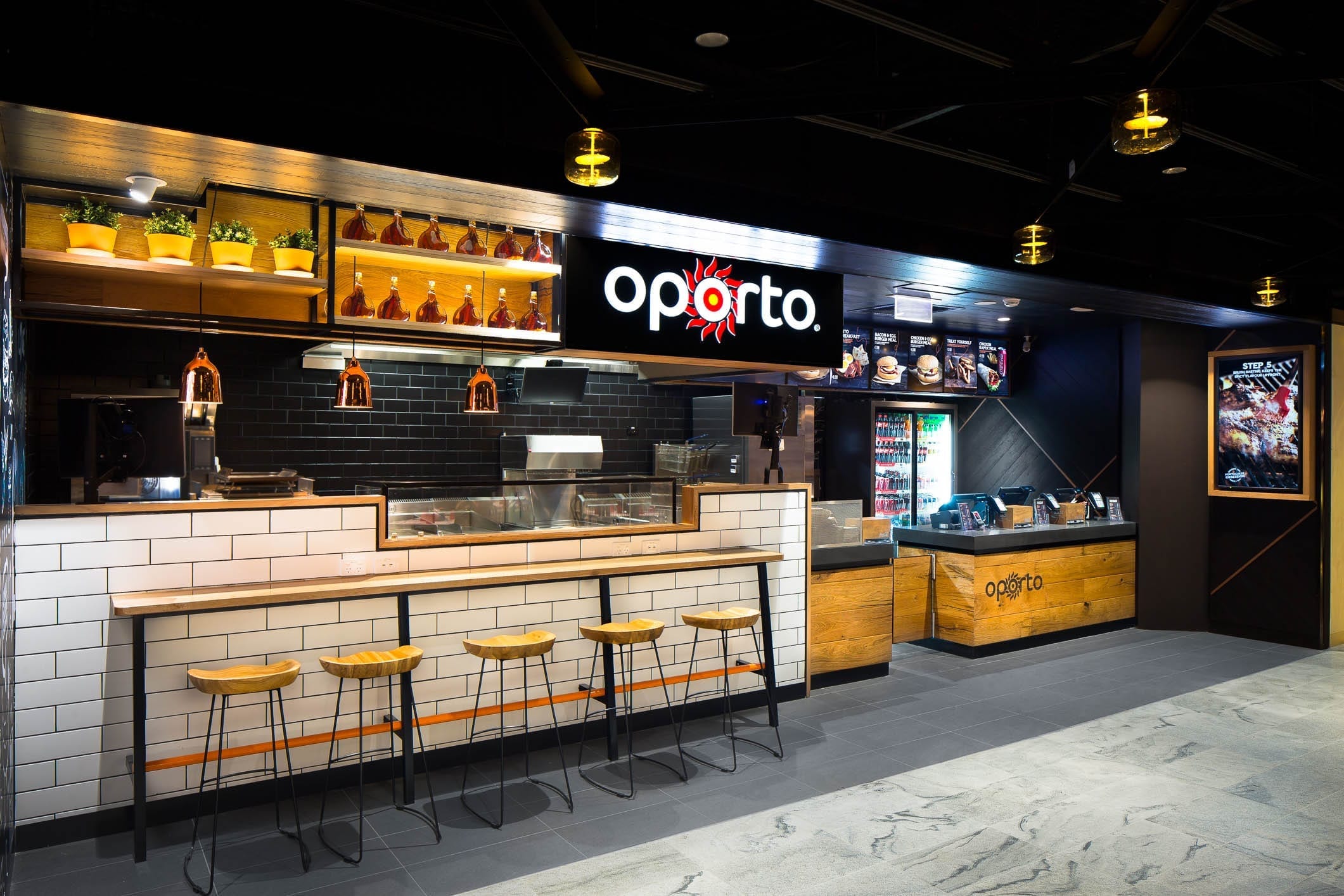
    Chicken franchise Oporto has partnered with Aura Group to fuel its Asian expansion plans.

    After signalling the company’s intention to move into Singapore late last year, Oporto CEO Craig Tozer said he’s confident the brand is well-positioned for international growth beyond New Zealand, backed by record sales growth and continued domestic expansion.

    “Taking our brand internationally has always been a key focus,” he said.

    “Having found the right master franchise and supply partners, we are excited to announce that Oporto will be expanding into Asia, with the first restaurant to open in Singapore mid-April 2018.”

    Oporto wants to have 10 restaurants open across Singapore over the next five years, with plans to open three stores this year.

    The inaugural restaurant is located at shopping and dining precinct Holland Village in central Singapore.

    Later in 2018, Oporto also plans to expand its beverage category to introduce alcohol, in auditioning to relaunching its loyalty app and in-store experience program.

  • Longreach to acquire Japanese coffee shop Kohikan

    Longreach to acquire Japanese coffee shop Kohikan

    Asian private equity firm The Longreach Group has agreed to totally acquire Japanese coffee shop chain Kohikan Corporation from UCC Foodservice Systems (UFS) for an undisclosed amount.

    In a statement on its website, Longreach says it has reached an agreement with UFS to buy 100 per cent of its subsidiary Kohikan. The deal is expected to close on May 1.

    Longreach says the investment would be an opportunity with a clear business growth path in the premium coffee business in Japan “with a potential to expand into high-growth Asian markets”.

    Established in 1970, the chain has 277 stores throughout Japan under the brand names Cafe di Espresso Kohikan, Karakuan, Kakura and Kohikan.

    “Longreach will accelerate Kohikan’s growth through enhancing the stores’ format and via expansion,” says the firm. Set up in 2003 by former UBS Securities Japan CEO Mark Chiba and former Morgan Stanley executive Masamichi Yoshizawa, Longreach has experience in restaurant chains and owns Wendy’s First Kitchen.

  • Dairy Farm International’s plan after hitting bottom line

    Dairy Farm International’s plan after hitting bottom line

    Poor trading by Dairy Farm International’s Southeast Asian grocery business hit the company’s bottom line last year, with underlying profit falling 13 per cent.

    But every other one of the company’s divisions traded strongly throughout the year, according to the results just released.

    Full-year profit was US$403 million, after allowing for $64 million of costs relating to business restructuring. Sales by Dairy Farm’s wholly-owned subsidiaries totalled $11.3 billion, largely unchanged from 2016’s $11.2 billion. But total sales, including 100 per cent of associates and joint ventures, at $21.8 billion were up 7 per cent year on year, reflecting strong growth at both supermarket operator Yonghui and cafe-restaurant operator Maxim’s, which owns the Starbucks business in Hong Kong, Vietnam, Cambodia and now Singapore.

    “After a disappointing year… for our food businesses in Southeast Asia, actions are being taken to improve their long-term performance,” explained chairman Simon Keswick. “All of the group’s other formats and markets are trading well and growth opportunities are being pursued, in Mainland China and elsewhere.”

    In Dairy Farm’s food division, sales were down and profits were “significantly lower” than in 2016, primarily due to poor performances in the supermarket and hypermarket businesses in Malaysia, Singapore and Indonesia.

    “A number of underperforming stores are being closed and prices lowered to clear or write off discontinued and slow moving stock.

    “In Hong Kong, sales were more resilient, although profits were marginally down due to increasing rents and labour costs. Positive sales growth seen in the Philippines reflected the ongoing investments being made to improve the business,” said Keswick.

    Elsewhere in the company there was brighter news.

    The convenience store format (including 7-Eleven in Hong Kong and Singapore) produced increased sales and profit. “In part, this reflected a consumer shift to more convenient retail formats, as well as a positive reception to the service and range enhancements introduced for customers,” said Keswick.

    The convenience stores division reported $2 billion in sales, an increase of 4 per cent over the previous year – but operating profit surged 16 per cent to $85 million.

    In the health and beauty division, (led by Guardian and Mannings), sales and profit were higher, principally due to strong performances in Hong Kong, Macau and Indonesia, together with improvements in Mainland China.

    Keswick said this was led by an increasing focus on the beauty category and the continued development of the division’s house brands.

    The home furnishings division (Ikea in Hong Kong, Taiwan and Indonesia) recorded higher sales and trading profit, but the reported profit declined, mainly due to costs associated with the opening of the fourth Ikea Hong Kong store in October. Sales and profits increased in Taiwan and Indonesia and there was solid growth in the e-commerce business.

    Maxim’s enjoyed good sales growth and profit expansion during the year, in large part due to strong performances from its branded products, particularly mooncakes, and its business in Mainland China. The company also acquired the Starbucks Singapore business last year.

    The group’s 19.99 per cent-owned associate in Mainland China, Yonghui Superstores, opened a net 292 new stores last year, which underpinned a 19 per cent growth in revenue. Ongoing supply chain optimisation and shrinkage improvement resulted in improved margins, which together with better capital use, led to a 45 per cent growth in profit.

    Convenience focus

    Keswick said Dairy Farm International will focus on increasing its convenience store operations in the year ahead through expansion and enhancement of the store network. New smaller-store formats are being piloted in some markets.

    The group will also continue to develop its e-commerce presence, focusing on a number of initiatives in its home furnishings, food, and health and beauty operations introduced last year.

    Dairy Farm International added a net 633 stores last year. At year end, it had 7181 stores in operation in 11 countries and territories, including its interest in 779 Yonghui stores in mainland China and 1210 Maxim’s stores.

    Besides the Starbucks Singapore deal, Maxim’s also acquired the existing businesses and franchises of Genki Sushi in Singapore and Malaysia. It opened its first The Cheesecake Factory in Hong Kong in May, which Keswick said is trading well, and this year will introduce American casual restaurant format Shake Shack in Hong Kong and Macau.

    In the Philippines, Rustan became a wholly-owned subsidiary following the acquisition of the remaining 34 per cent interest from the group’s joint venture partner.
  • Singha puts investment arm on hunt for startups

    Singha puts investment arm on hunt for startups

    The company, announcing the official establishment of the investment arm yesterday, also said that it aimed to make Thailand a hub for startup ventures in Asia.

    The company sees the new investment unit as helping Singha Corporation to achieve greater business diversification.

    With Singha Ventures, the company can channel investment capital directly into promising startups, without the need for approval from the board of directors. This will also save time.

    With US$25 million in registered capital, Singha Ventures was registered in Hong Kong in the middle of last year as a wholly owned subsidiary of Singha Corporation.

    Bhurit Bhirombhakdi, chairman of the executive board at Singha Ventures, said the company will invest in startups, both directly and indirectly, through venture capital funds. The company, however, will not invest more than a 25 per cent stake in individual startups in the initial stage and will allow the startup owners to run their companies. The arrangement is aimed at ensuring the startup owners remain fully motivated.

    Bhurit said that the world’s top-ranking companies, such as Apple, Google, Microsoft, Facebook and Amazon, have grown their businesses from startups. The scene is different from 10 years ago, he said, when big companies came from the so-called real sectors of the economy, such as in the oil industry.

    “With the ventures, we will able to help those startups to develop and grow their businesses over the long term,” he said. “With such a collaboration, the startups will be able to utlise Singha’s resources, such as human resources experts, and those from research and development, and marketing and sales. They will be able to leverage our distribution network.”

    Singha Corporation has distribution partners in more than 50 countries. In Thailand, the company has an extensive distribution network covering more than 400,000 retail outlets.

    “Gaining a return on investment from those startups is not our maximum aim, we (Singha Corporation) would like to leverage know-how and technologies from those startups so that we will be to deal better with the disruption of technologies such as artificial intelligence and robotics,” said Bhurit, adding that such technology disruption would not only impact the ways of doing businesses, but also change the world.

    Vorapat Chavananikul, managing director of Singha Ventures, said the company was interested in investing in promising startups – in Thailand and abroad – in its core business areas. These comprise consumer products (foods, beverages and packaging), retail and logistics, and enterprise solutions, as well as healthcare and renewable energy.

    He said that during the past year, Singha Ventures has invested in two funds. These are Kejora Ventures, Southeast Asia’s biggest technology ecosystem with its headquarters in Jakarta, which has invested in more than 29 startups; and Vertex Ventures from Singapore, a network of experts in technology and venture capital from all over the world. They can create a good return of 2.5 to three times the initial investment so far, Vorapat said.