Category: Food

Retail News Asia is committed to providing both local and global retailers with the latest Food and Food & Beverage news throughout the Asian market. This on a daily base.

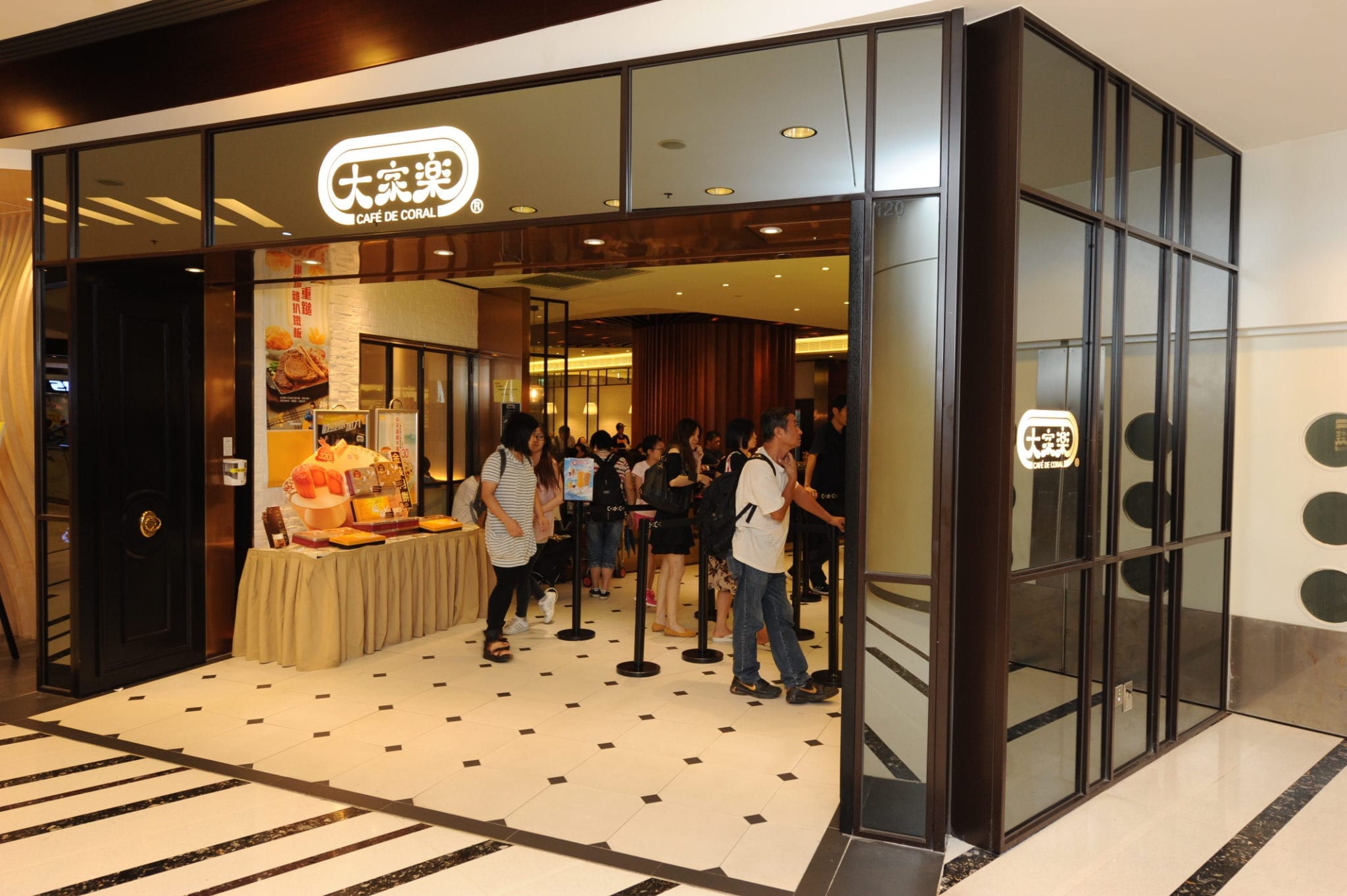
  • Cafe Decoral now operating under 7-Eleven

    Cafe Decoral now operating under 7-Eleven

    Convenience Shopping, a fully owned subsidiary of 7-Eleven Malaysia Holdings (SEMH), has agreed to acquire a 60 per cent stake in Cafe Decoral, a ready-to-eat food supplier, for RM600,000.

    A Bursa Malaysia filing says the deal should be completed within the next few months. The move will enable SEMH to venture directly into the production of ready-to-eat fresh food for 7-Eleven stores.

    A share-sale agreement has been signed with Cafe Decoral founders Ng Kin Chen and Ng Lee Chin and Public Yong Tow Foo, a manufacturer and dealer of food products. Following the acquisition, Ng Lee Chin and Ng Kin Chen will hold 27.56 per cent and 10 per cent stakes respectively, down from 48.78 per cent and 29.27 per cent earlier.

    Furthermore, Public Yong Tow Foo’s ownership of 19.51 per cent will be fully liquidated while another shareholder, Ng Ming Kiat, will continue to own a 2.44 per cent stake.

    Pursuant to the acquisition, a three-storey shop house of Cafe Decoral in Selangor will be acquired for RM250,000. The value of the property is marked at RM108,543 as of the end of this month.

    Since 1984 Cafe Decoral has been supplying fast food such as fried fish balls, fried rice, fried mee hoon and sandwiches to about 300 7-Eleven stores in the Klang Valley in Malaysia.

  • Sulbing dessert about to open new shops in Canada

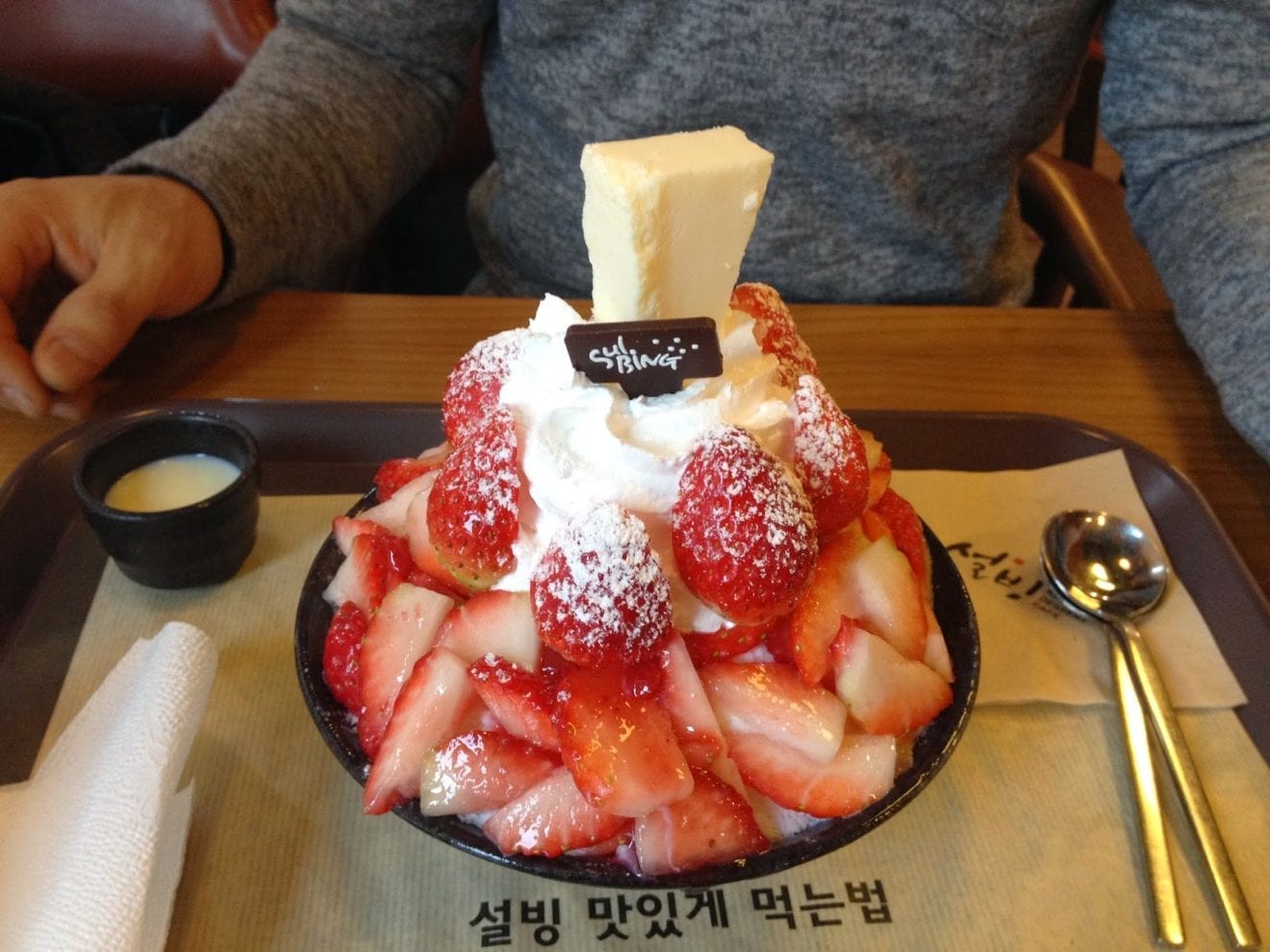
    Sulbing dessert about to open new shops in Canada

    Korean dessert chain Sulbing will expand into Canada via franchising.

    The chain has signed a deal with a Canadian firm to open the first store in Vancouver by the first half of this year, followed by more stores in major Canadian cities.

    The chain is also planning expansion into Australia, Cambodia and the Philippines.

    Founded in 2013, Sulbing started franchising in China in 2015, followed by Japan and Thailand.

  • UnPackt Singapore offers package-free groceries

    UnPackt Singapore offers package-free groceries

    Singapore is about to have its first zero-waste grocery store, UnPackt. It will sell its goods without any packaging, encouraging customers to take along their own containers.

    In self-serve gravity bins to reduce food waste, dried food and cleaning supplies will go on sale first, with plans to introduce fresh fruit and vegetables when sales volumes pick up. Goods will be priced lower than regularly as they are free of packaging.

    The store will also run a recycling scheme offering donated containers for customers who visit the store without their own. Reusable containers can also be bought.

    Co-founded by former business executives Florence Tay and Jeff Lam, UnPackt is a social enterprise that aims to spread the zero-waste message and make packaging-free shopping more accessible in Singapore. The store will hire staff from two disadvantaged groups, seniors and single parents.

    Tay had the idea for the store while exploring how to cut back on plastic waste. She was particularly looking at how to buy food in small quantities to reduce food waste. A survey she ran this month gave her confidence that Singaporean shoppers will support a zero-waste store.

    On Jalan Kuras, in the commuter district of Ang Mo Kio, Unpackt will open early next month. An online version will be introduced later.

    Singaporeans consume at a rate that would need four Earths to support them, using an average of 13 plastic bags a day per person, reports Eco-Business. Last year the island produced more than 800 million kilograms of plastic waste, with only 6 per cent being recycled.

  • Uji-En brings you to Japan

    Uji-En brings you to Japan

    Harbour City is home to the first international flagship of a Kyoto-founded tea brand that has set its eyes on international expansion. Uji-En is a Japanese green-tea brand with a history dating back nearly 150 years. It decided in the late 1990s to expand its packaged-tea business by opening cafes in its home market.

    More than 20 stores have been opened, including two in Mainland China. As they are trading well, the company decided last year to expand into Hong Kong as the next stepping stone in a grander global plan.

    Head Architecture and Design Limited was appointed by the Shigemura family, founders of Uji-En and their Hong Kong partner to create a younger feel for the brand’s first cafe in Hong Kong, which would also provide a template for further stores to be rolled out across greater China. That design has just won a Silver Award in the new retail concepts category of the ICSC China Shopping Centre and Retail Awards announced in Shanghai last week.

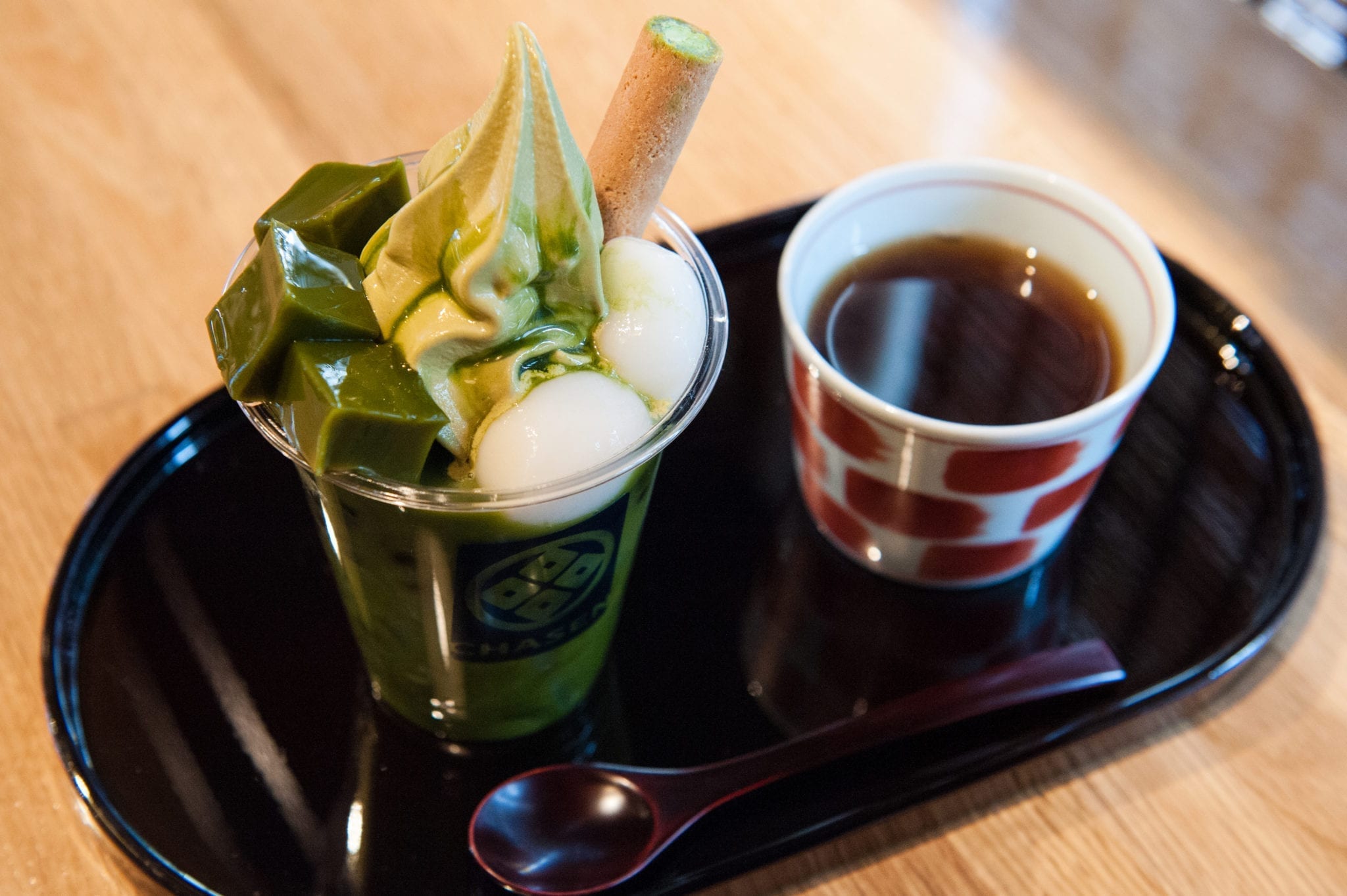
    The Kowloon retail space would merge a cafe, a takeaway area and a retail space stocked with teapots, cups, bowls and accessories along with brightly coloured packages of teas and snack foods for home use or gifting.

    “The brief was to evolve a typically traditional, conservative Japanese brand into something more youthful that would appeal to millennials and engage with people who enjoy green-tea and matcha products, but might not know of the Uji-En brand and its history,” says Head Architecture and Design co-founder Mike Atkin, who was lead designer on the project.

    Austerity and trust

    “So the finished design had to convey a sense of austerity and trust, yet appeal to a younger demographic seeking a modern, trendy destination for relaxing and dining.”

    Uji-En was founded in Kyoto in 1869, so it has a rich heritage and high brand recall in Japan. But abroad it is something of a hidden gem. Atkin’s challenge was to create a modern, appealing destination while still acknowledging the brand’s rich heritage.

    Members of the Head Architecture and Design team visited traditional Japanese tea houses in Osaka and Kyoto, and spent time observing tea-focused cafes closer to home.

    “We looked at cafes in Hong Kong shopping centres, looking to see which venues were typically busier than others, and which were the most successful in drawing shopper dwell-time. We knew the product was a strong offer, especially given the brand’s long success; our role was to create an environment that made that product hero and placed it firmly on the radar of contemporary consumers,” says Atkin

    “Our design was inspired by a traditional wood-framed Japanese tea house, using a mixture of light and dark timbers and liberal doses of matcha green. The resulting design is a bright, open, engaging retail space unlike anything in its category.”

    Footprint challenge

    Another challenge for Atkin was the store’s footprint – an L-shaped 1200sqft space bordering three sides of an atrium in the Harbour City shopping centre, bisected by an escalator well and with a partially open plan. The answer was to provide a Grab & Go counter and product display in the smaller space, with a 24-seat cafe and retail space occupying the rest of the area. This has the spinoff advantage of splitting the takeaway customers buying ice cream or drinks from those dining in, creating a more relaxed dining setting

    Built around an open void under a transparent glass ceiling, the space is filled with natural light during the daytime. A mixture of coloured and opaque glass separates the cafe interior from the mall corridor to provide a sense of privacy for diners, yet ensure natural light continues to flow through both spaces.

    Given the green-tea focus of the cafe concept, it is not surprising the design incorporates a lot of green.

    Emotional connection

    “The shades of green are designed to create an emotional connection between customer and the core green-tea product,” says Atkin. “And the contrast of the green with natural timber reflects the natural, clean properties of the brand and the teas.”

    To evoke the varied shades of drying tea and fields with gardens of trees and bamboo, Atkin’s team introduced vertical panels of mixed green glass, mimicking the zen Japanese model. Tea chests and matcha-green textured paint hark back to the history and core product of the company.

    “One strong element of the existing Japanese branding is the graphics, developed by Hirosuke Watanuki in the early 1990s. These are beautifully crafted, playful elements we wanted to integrate and build on in the new design. Tea, the core product of Uji-En, is represented by the female figure of Okame for matcha tea and Hyotokko (the fire man) for Hoji Cha tea.”

    While Uji-En does not reveal its trading figures, queues are often been seen outside the store at weekends. But the biggest testimony to the success of the store’s design is that many elements will feature in upcoming stores as they open in Hong Kong and on the mainland.
  • World Franchise Associates Signs Exclusive Agreement with T BUN Bun & Bubble Tea for International Expansion

    World Franchise Associates Signs Exclusive Agreement with T BUN Bun & Bubble Tea for International Expansion

    World Franchise Associates has announced the signing of an agreement to exclusively represent T BUN Bun & Bubble Tea for international development opportunities with a focus on Asia and the Middle East.

    T Bun is one of the fastest growing franchises in South Korea. The brand started in 2017, opening 8 shops in South Korea and 1 shop in Perth, Australia. T BUN is planning an aggressive rollout of 20-30 new stores in South Korea over the next 12 months along with 3 new stores in Australia. T BUN is also planning to expand its business to Southeast Asia, the Middle East North Africa (MENA) region, Canada, The United Kingdom and other international markets over the next 2 years.

    Jonathan Kwon, Managing Director of T BUN said, “With support from World Franchise Associates we are currently speaking to candidates about opportunities to become our exclusive master franchisees and area developers in many international markets. An exclusive T BUN master franchisee or area developer would be granted the rights for a specific country or territory and would be expected to develop a reasonable and competitive number of T BUN outlets in that country/territory over an initial 10-year development term, starting initially with company owned T BUN outlets and thereafter via sub-franchising.”

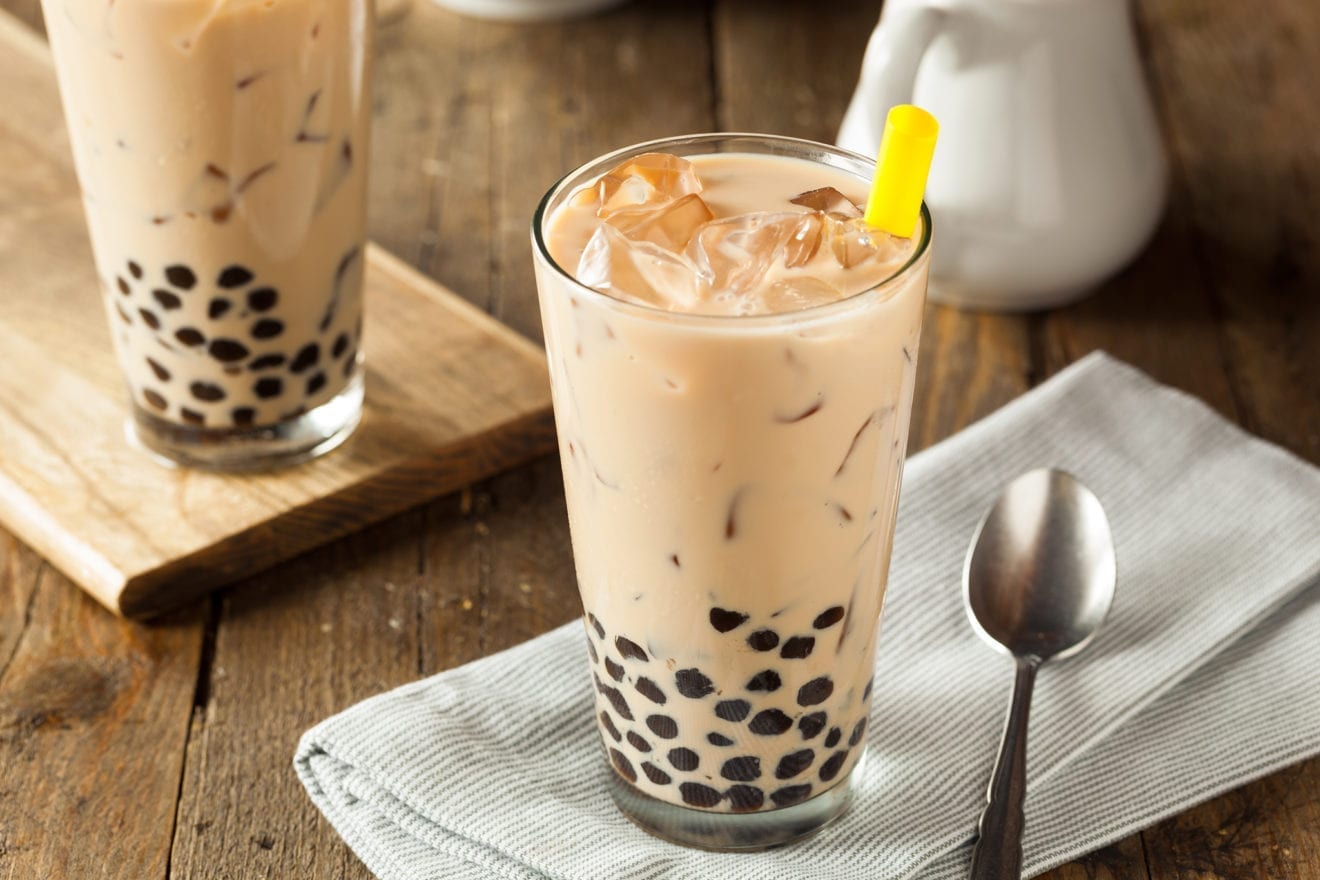
    T BUN offers both doughnuts and baked goods, and beverages. It’s signature beverage, authentic Taiwanese Milk Tea, also called bubble tea or boba tea, is a cold drink which originated from Taiwan in the early 80s. There are more than 300 kinds of milk tea sold in Taiwan.  The tea is noted as being good for health, and customers range from kids to old generations.

    Troy Franklin, Chief Operating Officer, World Franchise Associates – Southeast Asia, said, “We are excited about partnering with T BUN, a world-class concept and product.  As one of the fastest growing franchises in South Korea, T BUN represents an appealing investment for both kiosks and small cafes providing investors with attractive profit margins and dedicated support for international franchisees.”

    T BUN provides franchisees with wide-ranging training and support including:

    • Comprehensive training program, operations manual, performance monitoring tools and reporting templates.
    • Access to continuous innovation, research and development.
    • Access to high quality raw materials and ingredients.
    • Consultation and advice leading up to the market launch, during the initial opening and ongoing including in-market support.
  • Pizza Hut Indonesia plans IPO

    Pizza Hut Indonesia plans IPO

    Pizza Hut Indonesia operator Sarimelati Kencana is planning an IPO to raise US$58.7 million.

    Sarimelati Kencana runs 237 Pizza Hut Restaurants and 156 delivery outlets across 76 centres in Indonesia.

    The company said, it will offer up to 604.375 million new shares each priced between Rp 1100-1350 (US 8-10 cents).

    Sarimelati Kencana director Jeo Sasanto says two-thirds of the funds raised will be used to expand the Pizza Hut Indonesia network and to renovate existing stores.

    The company has already commenced a book-building period which is scheduled to close on May 3, with the shares to start trading on May 23.

  • Cocosnack offers a new diner experience

    Cocosnack offers a new diner experience

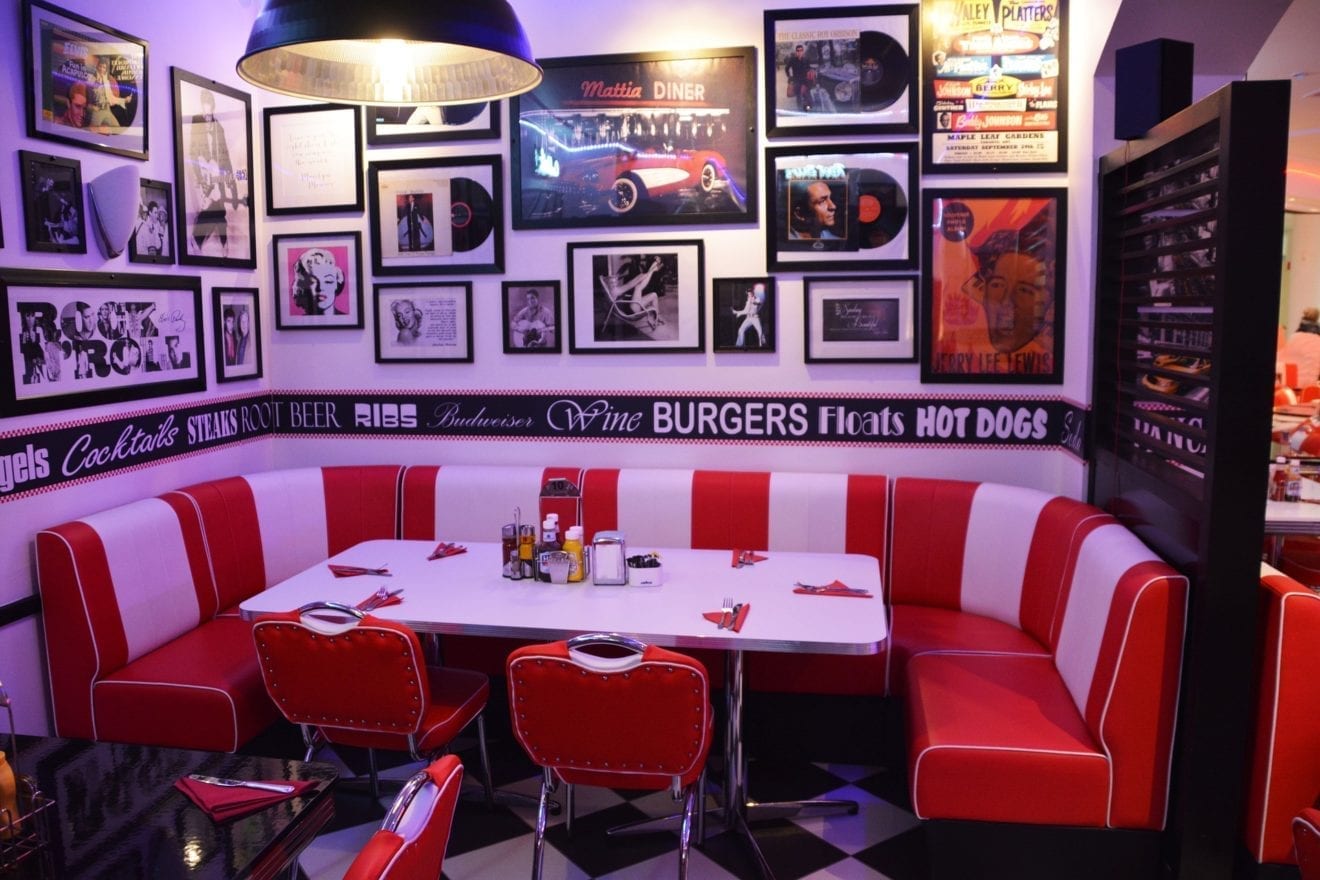
    Cocosnack, in the centre of Hue city, claims to be the first American diner in Vietnam offering both local and international food.

    As the photos show, the venue features an unforgettable pink colour palette with strong 1950s-influenced theming. The shocking pink is offset by a black-and-white chequered floor.

    As well as burgers featuring Australian beef, the new outlet offers freshly made Vietnamese specialities.

    Using imported flour, the diner’s French chef can also produce French country-style bread, kebabs, pasta and pizza, as well as snacks.

    It is easy to recognise the diner with its stylised Citroen car by the entrance.

  • Food2U scores a long term investment

    Food2U scores a long term investment

    Myanmar food-delivery platform Food2U has raised a six-digit investment from Premium Distribution, which handles retail, food services and non-food products.

    It imports and distributes products from such food brands as Cadbury, Ferrero, Fontana and Nestle, as well as items from Lock & Lock and Luminarc.

    The valuation of the startup, founded in early 2015, is said to be more than US$2 million. The company is led by founder/MD Kyaw Myo Thet, whose background is software engineering. In May last year, Food2U raised a six-digit amount from three individual investors including iMyanmarHouse.com founder Nay Min Thu.

    Food2U, which handled about 5000 deliveries a month last year, has expanded its services beyond Yangon to Mandalay and Taunggyi. It has also forged a partnership with Pizza Hut in Myanmar, a JV involving Pizza Hut Myanmar, City Mart Holding and Jardine Restaurant Group.

  • TWG Tea celebrates with new e-commerce platform

    TWG Tea celebrates with new e-commerce platform

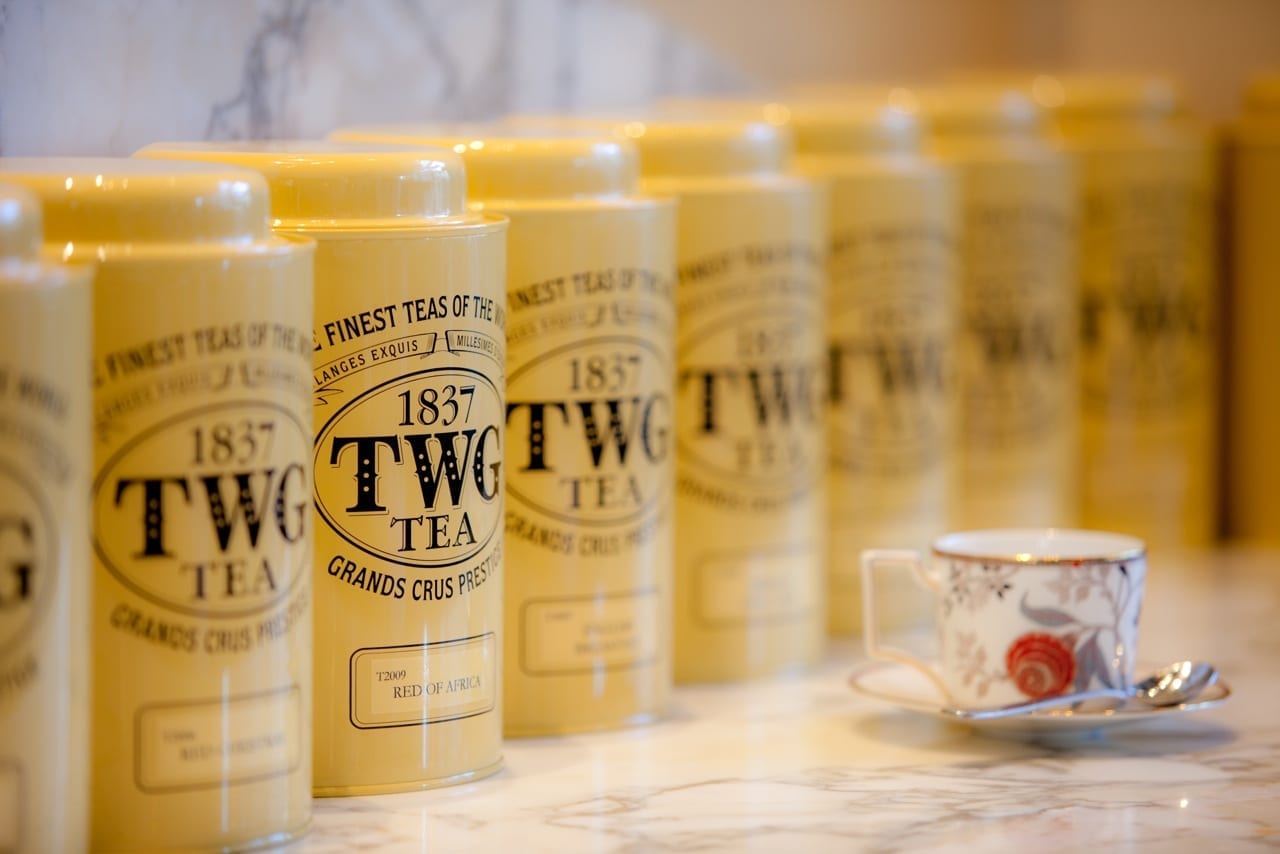
    To mark its 10th anniversary, TWG Tea has launched a global e-commerce website, with Singapore being the first nation to experience it (the company is based in Singapore).

    With a refurbished interface, the site now offers a suite of tools, such as a customised gifting guide and an interactive tea connoisseur service, which recommends a customer’s perfect tea based on a fun quiz.

    There is also richer content so consumers can learn about the brand’s harvests, handcrafted blends, tea merchandise and edible treats.

    With the consumer in mind, the reboot aims to complement and mirror the in-store experience.

    The brand also introduces a premium by-invitation-only membership, “MyTWG”, which offers tea-related rewards and benefits.

  • Subway Singapore applying for halal certificate

    Subway Singapore applying for halal certificate

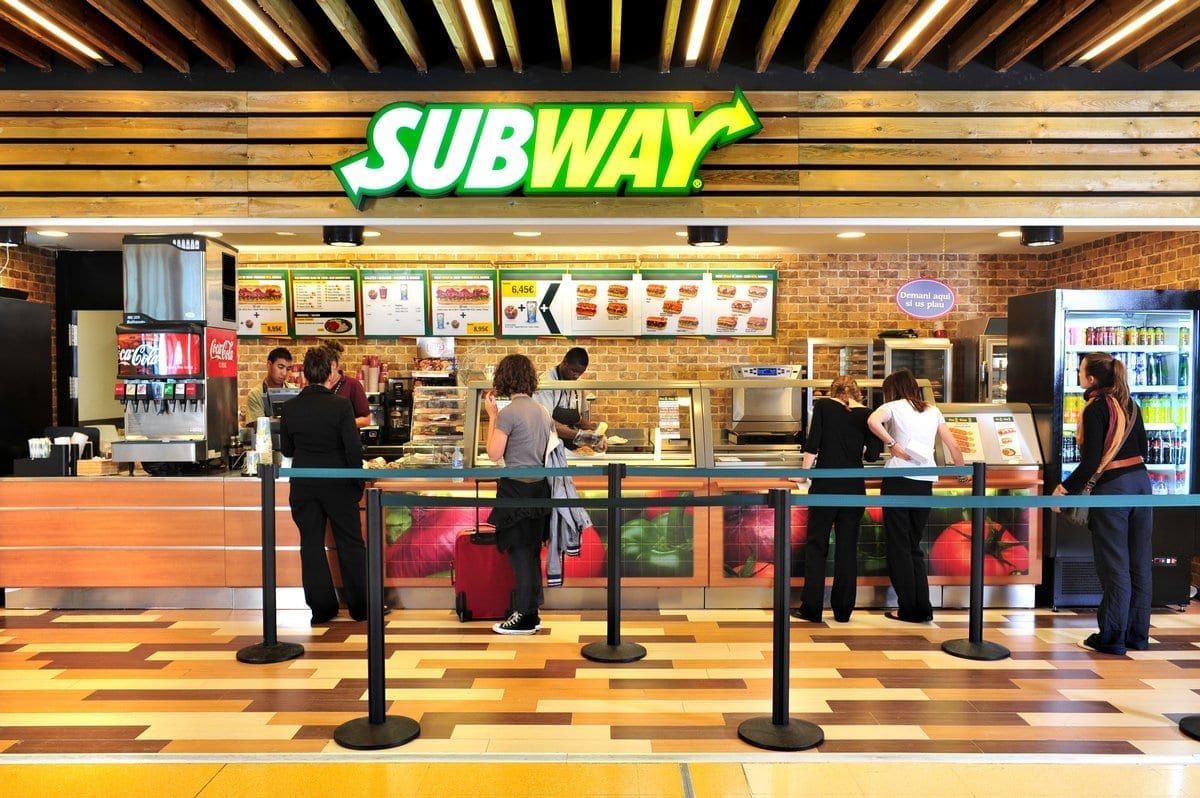
    Popular fastfood chain Subway is in the midst of applying for a halal certificate for its outlets across Singapore, the restaurant said on Wednesday (March 21).

    Subway Singapore said in a Facebook post that it has “initiated a halal certification process” and that all its restaurants will service only non-pork protein from Wednesday onwards.

    Earlier this year, on Jan 31, the Islamic Religious Council of Singapore confirmed in a tweet that the fastfood chain had “shown interest” in applying for halal certification.

    “We’ve had a few rounds of discussion with them to help them prepare themselves,” one tweet said.

    However, it added that it had yet to receive formal applications for the certification.

    In response, Subway Singapore released a statement listing 60 outlets that have stopped selling pork.

     Among the ingredients replaced were regular bacon, with chicken bacon.
  • 3 new restaurants for Impossible Foods

    3 new restaurants for Impossible Foods

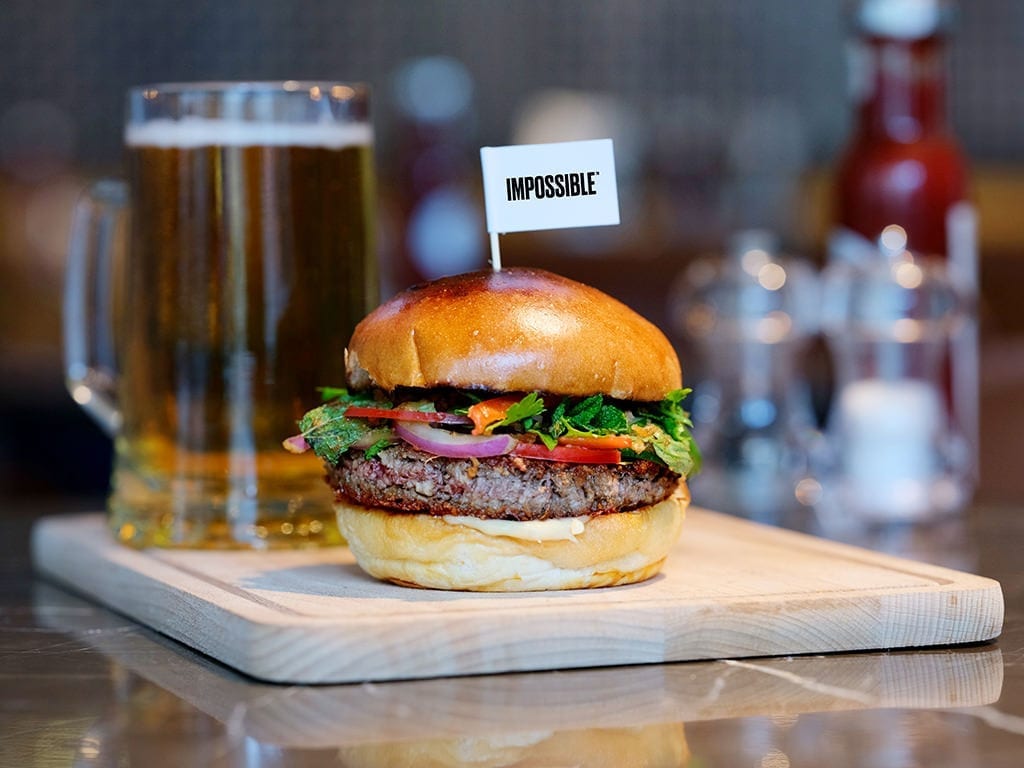
    Impossible Foods launches its plant-based meat at three Hong Kong restaurants today: Beef & Liberty, Happy Paradise and Little Bao. They’re the first eateries outside the US to feature the artificial meet on their menus.

    Introduced in 2011 by Stanford biochemistry professor and former pediatrician Dr Patrick Brown, Impossible Foods makes meat, fish and dairy products directly from plants. It uses science and technology to create wholesome food with the aim of restoring natural ecosystems while sustainably feeding a growing global population.

    Hong Kong is the first place outside the US to have the Impossible Burger, which cooks, smells and tastes like ground beef but is made entirely from plants. It is served in more than 1400 outlets in the US from award-winning restaurants to diners to the nation’s original fast-food chain White Castle. In Hong Kong, diners can try the product as a traditional burger or as the central filling of savoury streetfood.

    “We’re confident that Hong Kong – Asia’s crossroads of ideas and influences both modern and traditional – will be home to the most innovative Impossible recipes yet,” says Impossible Foods CEO/founder Brown.

    Twist on tradition

    Named Asia’s top female chef last year, chef May Chow heads Happy Paradise and Little Bao, which both present a 21st-century approach to traditional Cantonese dining. A Toronto native who trained and worked in Bangkok, Los Angeles and Boston, Chow gained fame in Hong Kong’s streetfood markets.

    From today at Little Bao, Chow and her team are serving the Impossible Bao, a traditional sandwich made with Impossible meat, black-pepper teriyaki sauce, salted-lemon kombu salad, and fermented tofu sauce, between two house-made steamed buns. The Impossible XinJiang Hot Pocket, another Chinese street snack debuts at Happy Paradise, served with pickled daikon and XinJiang spices.

    Another award-winning chef in Hong Kong, Uwe Opocensky, who worked in Spain’s El Bulli when it was voted best restaurant in the world, spent a decade as executive chef at Hong Kong’s Mandarin Oriental before joining Beef & Liberty as group executive chef in 2016. Beef & Liberty is serving the Impossible Thai Burger with chili, coriander, mint, basil, spring onion, soya mayonnaise, crispy shallots and garlic. The restaurant group is also featuring Impossible Chili Cheese Fries.

    “We are obsessed, in a good way, with burgers and doing what we can for the environment,” says Opocensky. “We love the way the Impossible Burger has created new excitement in the global burger scene and opportunities to be more sustainable.”

    Impossible products have been made available in Hong Kong on a limited and exclusive basis through importer/distributor Classic Fine Foods.

    Ingredients of the Impossible Burger include water, wheat protein, potato protein and coconut oil, with special ingredient heme contributing the characteristic taste of meat. Heme is a molecule that is especially abundant in animal tissue. The burger is produced without abattoirs, hormones, antibiotics, cholesterol or artificial flavours. Its production uses about 75 per cent less water, generates about 87 per cent fewer greenhouse gases, and needs about 95 per cent less land than conventional ground beef.

    Investors in Impossible Foods include Bill Gates, Google Ventures, Temasek, UBS and Open Philanthropy Project.

  • Phuc Long makes it debut in Danang

    Phuc Long makes it debut in Danang

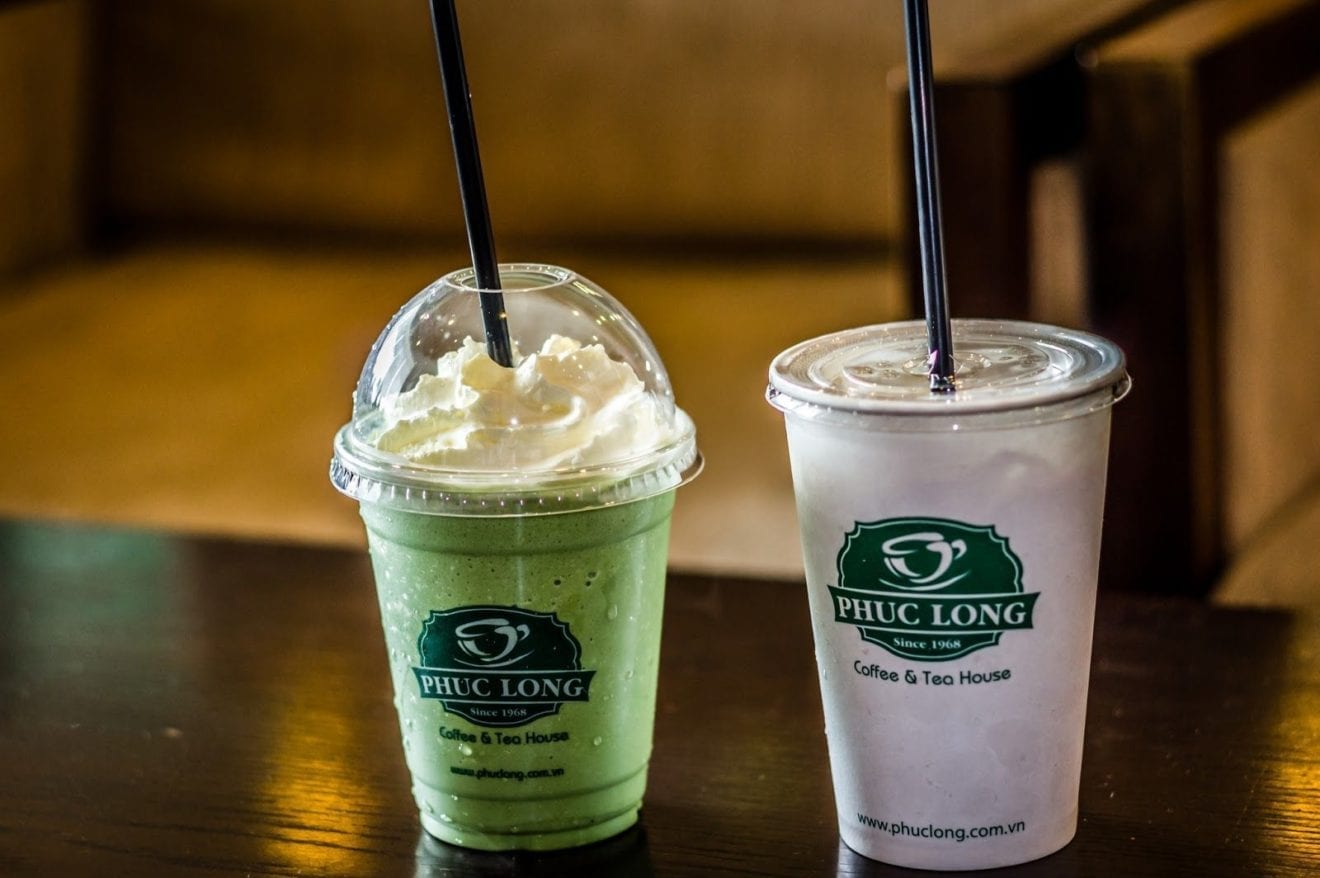
    Vietnamese coffee and tea chain Phuc Long has opened its first Danang outlet.

    Located on the second floor of Lotte Mart, the new Phuc Long Danang store drew long queues on opening day, as it offered three days of launch promotional activity. From today until Sunday, customers who come early and check-in on Facebook will get free vouchers and coffee mugs.

    Phuc Long has partnered with Grab to offer discount for rides to its store – for both GrabBike and GrabCar.

    The second Phuc Long Danang outlet will open soon on Nguyen Van Linh.

  • Iceland Foods partners up with JD.com

    Iceland Foods partners up with JD.com

    Welsh supermarket giant Iceland Foods will partner with e-commerce platform JD.com to sell its products to China.

    These will include its own-brand products such as biscuits, cereals and sauces, as well as cosmetics brands Pulsin, Re-gen, and Soft and Gentle.

    “With the rapid growth and significant opportunities the market in China offers we decided it was time to act,” says Iceland founder Sir Malcolm Walker.

    “Iceland adds to the growing number of British brands on our platforms as we continue our push to bring the best of Britain to Chinese consumers,” says JD Worldwide GM Yang Ye. The number of UK brands on JD.com has doubled in the past few years, and this week it held a 24-hour “Celebrate Britain” promotion.

  • Gloria Jeans to expand with 40 stores in Germany

    Gloria Jeans to expand with 40 stores in Germany

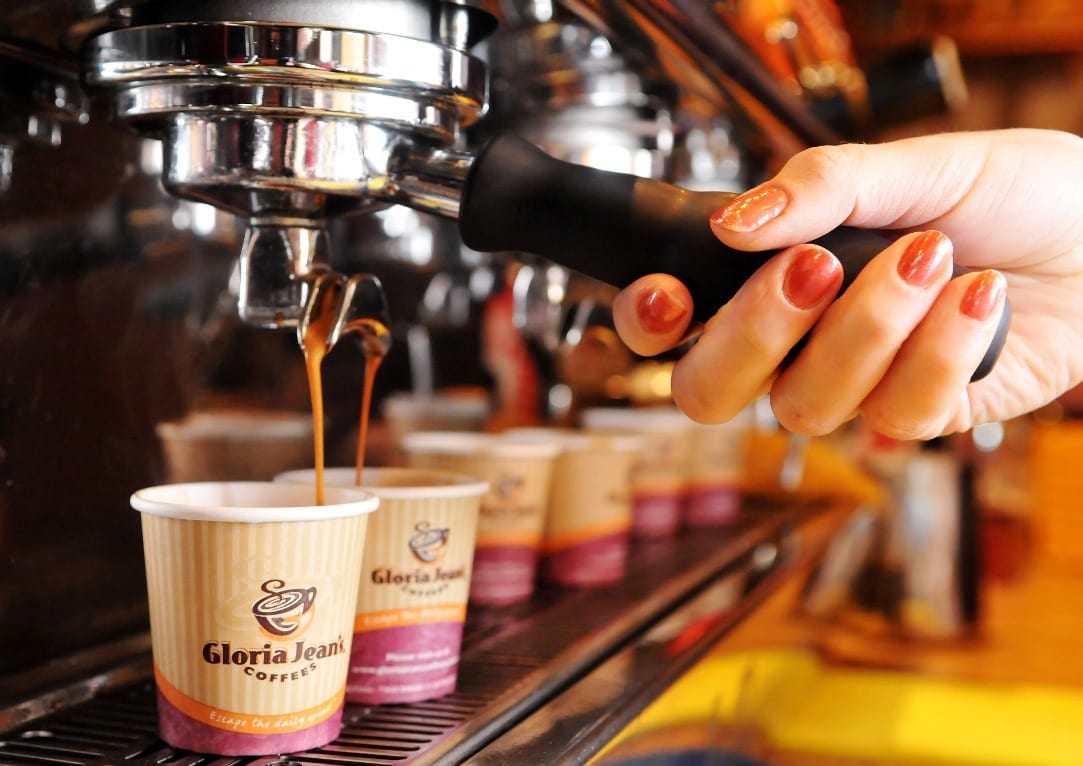
    A local scandal hasn’t dampened Retail Food Group’s international ambitions, with the franchise giant announcing that its troubled Gloria Jeans brand will expand into Germany.

    A 10-year master franchise agreement has been signed with a group of local businessmen who are slated to open 40 Gloria Jeans outlets in Germany over the next five years.

    The deal follows a slate Master Franchise Agreements signed by RFG across the Donut King and Crust Pizza Gourmet Pizza brands in recent months as it looks to diversify its operations outside of Australia.

    Gloria Jeans already has master franchise deals in the Czech Republic, Poland and Romania but Germany will considerably bolster its presence outside of eastern-Europe.

    The first German Gloria Jeans store will be in Cologne and will open by the middle of this year.

    Retail Food Group has been embarking on a modernization plan for the coffee brand recently, unveiling new store concepts to try and excite shoppers after sales from its beverages division struggled to gain traction last year.

    RFG’s chief executive of international Mike Gilbert said Europe was an important market for the business and that Gloria Jeans was positioned for success in Germany.

    “Germany has a growing speciality coffee market and Gloria Jean’s Coffees has an outstanding offering to meet that need. It’s an offering that is already very successful with close to 900 outlets throughout the world,” he said.

    “Retail Food Group is actively marketing our brands in Europe and see this region as a key part of our international growth strategy.”

    International has been one of the few bright spots for RFG in recent months as it navigates slowing trading and the fall-out from media reports that its business model is treating franchisees poorly.

    In March the business booked a $87.8 million half-year loss, flagging the closure of up to 200 stores of its thousand-plus stores.

  • Royal Dragon Vodka secures King Power Thailand listing

    Royal Dragon Vodka secures King Power Thailand listing

    Royal Dragon Vodka TR agent Yam Seng Pte Ltd has secured a new listing for Royal Dragon Vodka with King Power Thailand.

    The Imperial 1 litre and Elite Flavoured Collection are part of the Royal Dragon Vodka assortment available at departure stores in Bangkok Suvarnabhumi International Airport.

    As reported earlier this month, Yam Seng secured a new listing for the brand with Ever Rich Duty Free in Taiwan.

    Yam Seng Pte Ltd Sales and Marketing Director Jesreen Sidhu said: “We’ve been building Royal Dragon Vodka’s presence across different markets for the past three months and our most recent listing with King Power Thailand is an indication of steady growth.

    “Suvarnabhumi Airport is a strategic location for us as it is a key hub for Southeast Asian travel and receives a growing influx of global tourists.”

    Singapore-based Yam Seng Pte Ltd, a company owned by the Tuli family, is the appointed agent for the ultra-premium vodka brand in selected key duty-free markets.