Category: Food

Retail News Asia is committed to providing both local and global retailers with the latest Food and Food & Beverage news throughout the Asian market. This on a daily base.

  • VN’s seafood exports to face difficulties following EC’s warning extension

    VN’s seafood exports to face difficulties following EC’s warning extension

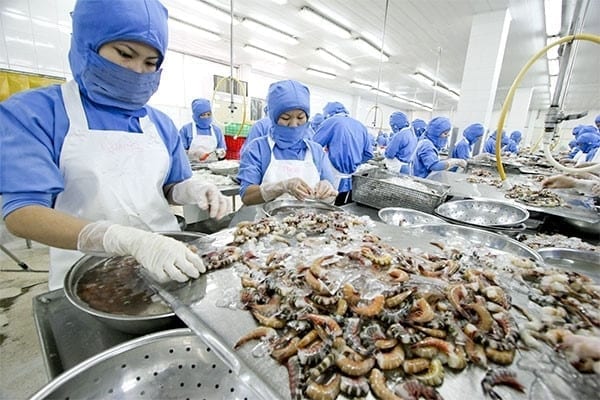
    Truong Dinh Hoe, general secretary of the Vietnam Association of Seafood Exporters and Producers (VASEP), noted that the seafood volume sent to the European Union (EU) will drop as both exporters and importers will suffer from more time-consuming customs clearance procedures, resulting in higher costs.

    VASEP deputy general secretary Nguyen Hoai Nam pointed out that the EC will return to Vietnam next year to check whether the country has clamped down on illegal, unreported and unregulated fishing.

    Meanwhile, the country’s management of fishing and origin traceability remains inadequate. Vietnam currently has nearly 110,000 fishing boats, with 33,000 of them specializing in offshore fishing. However, only some 3,000 boats have satellite-positioning devices installed.

    Although the EC’s recommendations have been included in the 2017 fisheries law, decrees and guiding documents, law enforcement needs to be strengthened at the local level.

    Answering a question by Retail News on the possibility of a red card for Vietnam’s seafood, which would entail a complete ban on Vietnamese seafood exports, if the country fails to fix the situation as requested by the EC, Hoe said the EC is not likely to issue a red card as the local seafood sector is striving to cope with its shortcomings and comply with the EC’s recommendations.

    However, it is not easy to resolve the existing problems over the short term. Thailand, for example, has had a yellow card for several years, Hoe added.

    Nguyen Thi Trang Nhung, deputy director of the Department of Science, Technology and International Cooperation under the Directorate of Fisheries of the Ministry of Agriculture and Rural Development, said that the department will hold a press conference on the problem on July 3.

    The EC on October 23, 2017 announced a yellow card for Vietnam’s seafood exports to the EU market.

    The nine recommendations given to Vietnam to act on within the six-month period from October 23 last year to April 23, include ensuring the effective adoption of revised laws; enhancing the effective execution of international regulations and management measures; increasing the traceability of seafood products; preventing sales of products from illegal, unreported and unregulated fishing; and promoting cooperation with other countries.
  • Starbucks opens new Hong Kong flagship

    Starbucks opens new Hong Kong flagship

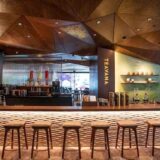
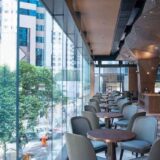
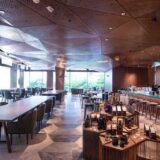
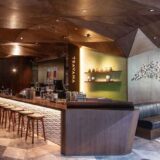
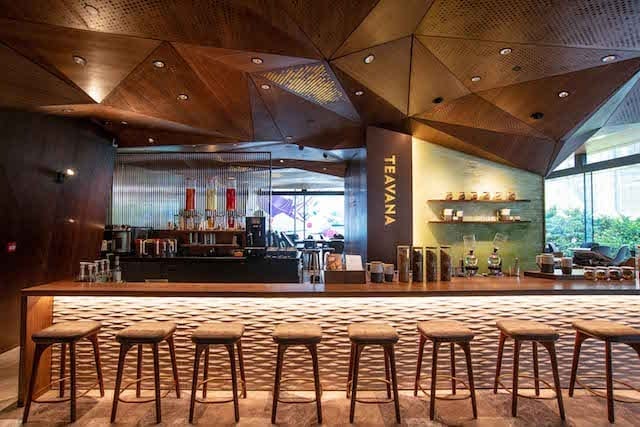
    The first Starbucks Hong Kong flagship has formally opened in Causeway Bay.

    The new store is located on level one of Lee Garden Three. As previously reported, the store features the city’s first standalone Teavana Bar and a ‘Mixology Bar’ where coffee-inspired alcoholic beverages are served, along with premium coffee and an expanded food menu.

    The 5500sqft store is positioned as “an urban retreat within the bustling city” and what Starbucks describes internationally as “a Third Place” for customers to socialise with family and friends. (First and second places are home and work).

    The Starbucks Hong Kong flagship opened on Friday and boasts more than 50 new food and beverage items, as well as branded homewares and merchandise, including items exclusive to the store.

    The Starbucks Reserve coffee bar is built with marble in deep green shades inspired by coffee plantations. Staff will guide customers through the flavours of different coffee origins, and through various coffee brewing methods including nitro cold brew, siphon, pour over, coffee press, Chemex and Black Eagle Espresso.

    The Starbucks Hong Kong flagship features a coffee tree-inspired centre pillar that extends through the store ceiling, made with 370 pieces of geometric wooden panels shaped like coffee leaves.

    Local designers Fa and Jun from Kanvas Studio created a feature art piece for the flagship made with 250 pieces of handcrafted ceramics inspired by the natural form of coffee and tea leaves.

    The Teavana Bar will feature five Hong Kong-exclusive teas among 15 new menu items at the Starbucks Hong Kong Flagship to offer consumers an alternative to coffee.

    The Teavana Bar will launch the first cold foam-tea series, bringing the foaminess customers of hot beverages to iced beverages with matcha latte with cold foam and black tea with Earl Grey jelly and cold foam.

    Food options at the new Starbucks Hong Kong flagship include gourmet toasts (bacon, Nurnberger sausage & scrambled eggs, avocado & scrambled eggs and soft-boiled egg & smoked salmon, for example). The menu also features a salad bar, flatbreads and pancakes.

    The full pictures of the new flagship store can be viewed below :

  • WHO backs Vietnam’s new tax proposal on sugary drinks

    WHO backs Vietnam’s new tax proposal on sugary drinks

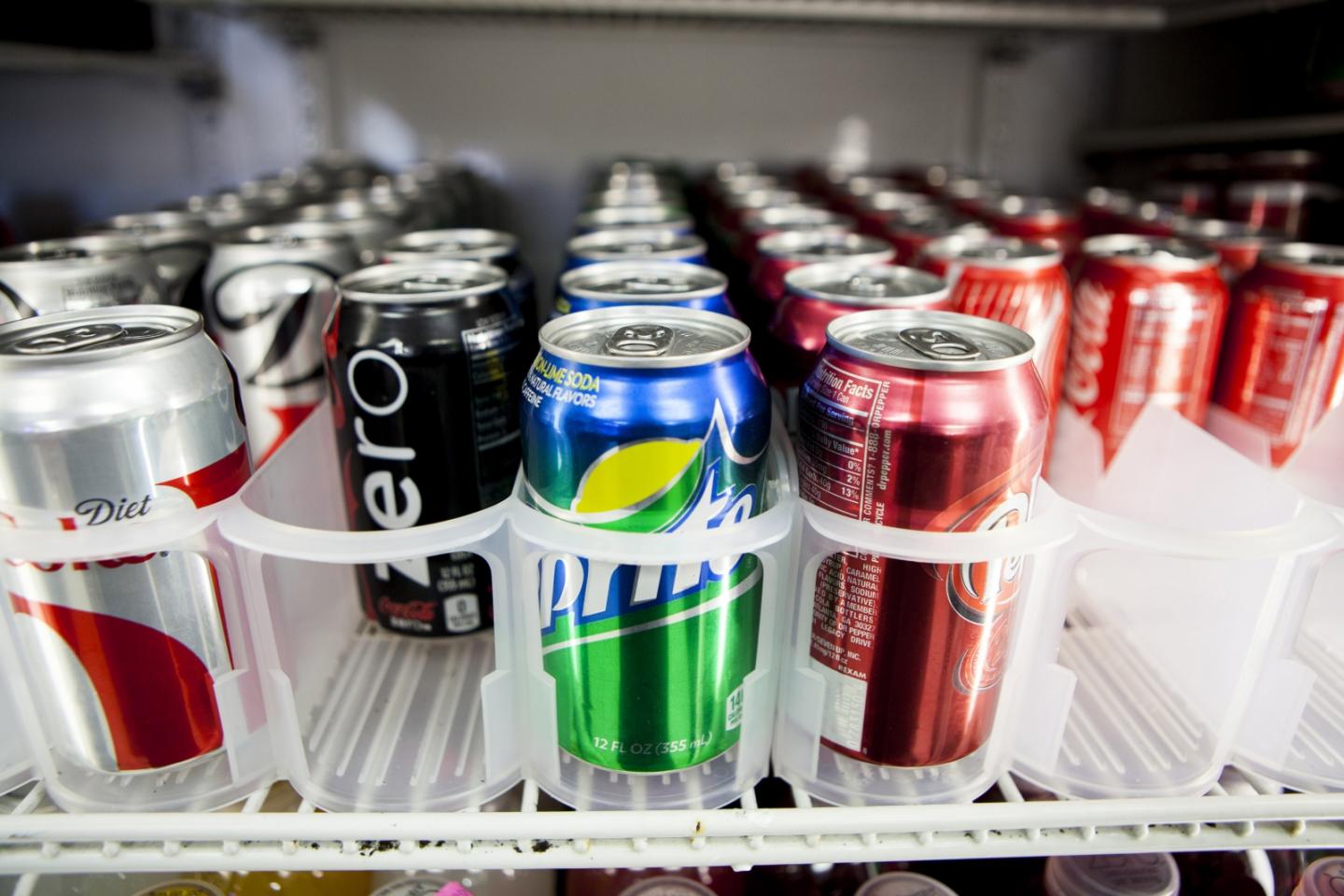
    World Health Organization (WHO) experts have expressed strong support for a new tax on sugary drinks proposed by the Ministry of Finance.

    The proposal, which will go into effect in 2019 if passed, will impose a 10 percent special consumption tax on different type of beverages, including sweetened drinks.

    While the tax aims to prompt a shift from unhealthy consumption habits, it has been criticized by business representatives and experts who say the industry is already taxed heavily.

    The tax proposal comes in the wake of Vietnam being put on high alert over its consumption of sugary drinks, which has skyrocketed over the last 15 years.

    The WHO noted that a fourth of Vietnam’s population was already obese or overweight.

    Guilermo Paraje, a WHO consultant, said the 10 percent special consumption tax will increase the average price of sweetened drinks in the Vietnamese market by 5 percent, and provide a VND4 trillion ($173.9 million) boost to the state budget.

    He further suggested three tax proposals that would increase the tax contribution to VND12 trillion – one liter of sweetened beverages will be taxed VND3,500; VND35 per gram of sugar in every 100 milliliters of a drink; or a 40 percent tax on factory price. All three options will increase average soda prices by 20 percent.

    “People will substitute sugary drinks with water or other products, leading to alternative jobs. The industry has also experienced industrialization so there are not many job opportunities in this sector,” Paraje said.

    Dr. Jun Nakagawa, WHO representative in Vietnam, said excessive consumption of sugar was the leading cause of overweight and obesity, which are linked to many health risks such as diabetes, heart disease and gout.

    Vietnam has added sugary drinks to the list of items to be placed under stricter control and tax regulations, along with cigarettes and alcohol.

    The government has banned the sale of soft drinks in all school canteens across Vietnam.

    Truong Tuyet Mai, deputy director of the National Institute of Nutrition, said that Vietnamese people are forecast to consume over 5 billion liters of sweetened drinks in 2018, nine times more than in 2000, and the figure is estimated to reach 11 billion by 2025.

    The new 10 percent special consumption tax would also accrue to other beverages, including carbonated or non-carbonated soft drinks, juices, flavored water, energy drinks, instant tea, pre-packed coffee and flavored milk.

  • International chain of sushi restaurants will arrive in Singapore

    International chain of sushi restaurants will arrive in Singapore

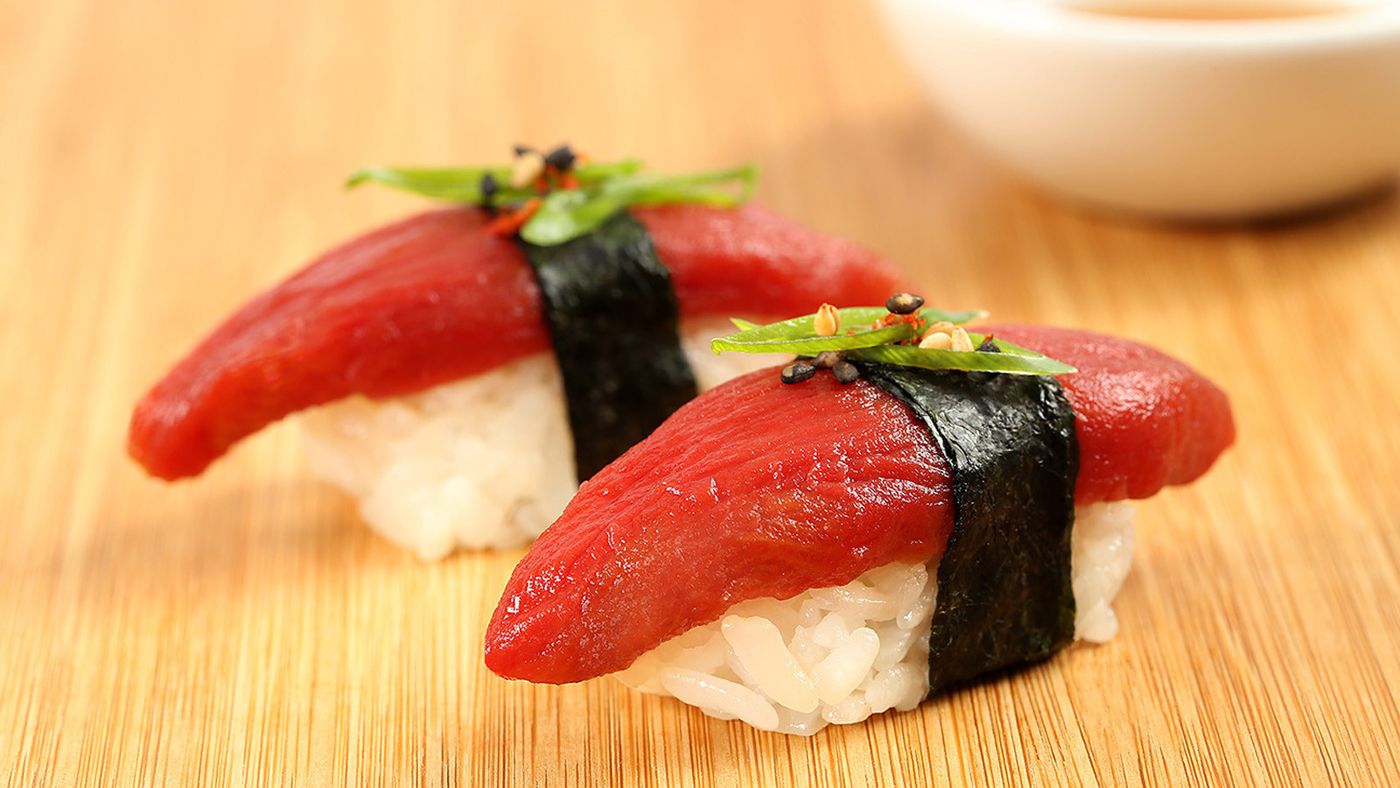
    Singapore-listed brand management company LifeBrandz has created a subsidiary to launch a chain of sushi restaurants internationally.

    Cloud Eight will open sushi venues led by Japanese chef Hatch Hashida, son of master chef Tokyo Hashida from one of Japan’s legendary sushi restaurants Hashida Sushi.

    LifeBrandz says new restaurants will be opened in Singapore, Tokyo and San Francisco “in near future”.

    “Chef Hashida strives and takes great pleasures in bringing his food to a global standard and recognition,” said a Lifebrandz spokesperson.

    “He has more than two decades of experience not only in Japan, but across several countries, including Singapore, the US, the UAE, Indonesia and Sri Lanka.”

    LifeBrandz was established in 2001 and listed on SGX in 2004, last year transitioning into a services company covering brand development and management, food and beverage, travel, fintech, IT and fund management.

    The company’s first foray into food and beverage was Mulligans, an Irish bar on the beachfront of Thai tourist destination Pattaya.

  • Indonesia’s Growing Thirst for Coffee Drains Premium Bean Supplies

    Indonesia’s Growing Thirst for Coffee Drains Premium Bean Supplies

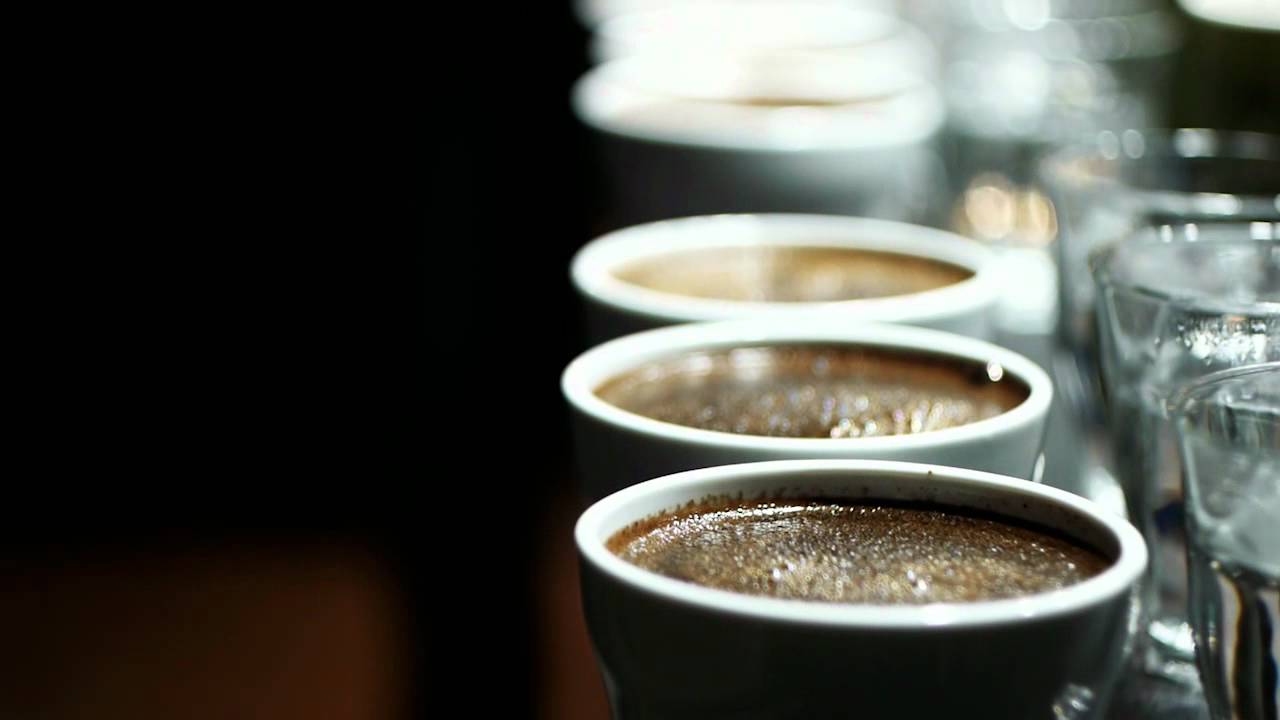
    For decades, Indonesia has supplied coffee roasters worldwide with prized beans that give a distinctive taste to brews favored by connoisseurs. Most locals, however, preferred tea.

    But now, as younger generations switch to coffee and hundreds of independent coffee shops and roasters pop up across the archipelago, Indonesia’s consumption of beans is rising. That’s left less coffee for export and forced up prices for foreign buyers.

    A small harvest in Sumatra has eaten further into tightening supplies of that region’s unique arabica beans, which are sought for the heavy, earthy notes they give to roasted blends.

    Sumatran beans are a key component in Starbucks Corp’s Christmas Blend, which has been sold for more than 30 years.

    Sumatra’s lower production caused some exporters to delay and even default on deliveries, sources at importing companies said, forcing some US importers to pay more to secure supplies.

    Inventories in the United States have dwindled, with many importers saying they have enough to meet contracts with roasters but nothing left for the spot market.

    Major roasters Starbucks and Keurig Green Mountain are the biggest buyers of Sumatran arabicas, importers say, and smaller companies appeared to be facing the biggest challenges sourcing those beans.

    A Starbucks spokeswoman said the company has not been impacted by the region’s tight supplies this year. Keurig did not respond to requests for comment.

    Java Sales Rise in Java

    Coffee consumption in Indonesia has nearly doubled in the past 10 years, as many young Indonesians were influenced by coffee habits in countries such as Australia and the United States where a lot of them went to study.

    “We’re seeing very strong coffee expansion in many markets but Indonesia is very much a market where demand is growing heavily,” said Michael Schaefer, global lead of Food and Beverage at Euromonitor International.

    While major producing countries such as Brazil, Vietnam, Colombia and Indonesia have historically exported their best coffee, rising interest in premium beans from local coffee shops is changing this, Schaefer said.

    Many new roasters are offering farmers significantly higher prices for their arabica beans, said Pranoto Soenarto, vice president of the Association of Indonesia Coffee Exporters and Industries.

    “Farmers are wooed,” Pranoto said. “They will keep their beans for these micro-roasters, who only buy in small amounts.”

    Irvan Helmi, co-founder of local roaster and cafe Anomali in Jakarta, said local buyers’ close proximity to farmers enabled them to pay higher prices while selling directly to consumers at better profit margins.

    Wildan Mustofa, an arabica coffee farmer with a mill in Pangalengan, West Java, said his domestic sales are rising fast.

    “The local purchases grow by almost 100 percent every year,” said Wildan, while helping workers spread out coffee cherries to be dried under the sun.

    Output, Export Down

    Compounding the shortage of beans for overseas buyers is a fall in output.

    Indonesia’s annual coffee bean output has fallen by around 8 percent over the past five years, Indonesian Agriculture Ministry data shows. Farmers say unpredictable weather, poor crop maintenance and switching to other crops is responsible for lower yields.

    Exports from the world’s fourth largest-coffee growing nation have dropped by around 20 percent over the past five years, according to data from the US Department of Agriculture (USDA).

    The country’s tight supplies are already reflected in first-quarter 2018 shipping data, with coffee exports down 26 percent from the same period in 2017, Indonesia’s Statistics Agency data show.

    Sought After Sumatran Arabicas

    In Sumatra, a large and mountainous island west of the capital Jakarta, limited availability of arabica coffee sent prices to a record high in April.

    Arabica is a higher quality bean that is typically roasted and brewed. Its cousin robusta, known for its more bitter taste, is processed into instant coffee or used as a lower cost component in roasted blends. Robusta makes up nearly 90 percent of Indonesia’s coffee harvest.

    The arabica grown in Sumatra is unique, in part due to the unusual bean drying process employed there. While farmers in other countries have tried to replicate it, importers said results are unreliable and only on a small scale.

    “Competition to buy coffee from producers has been pretty fierce,” said Robert Babington Smith, a senior trader for California-based importer InterContinental Coffee Trading Inc.

    Prices of unprocessed or partially dried Sumatran arabicas purchased at farms rose to a record $5.90 per kilogram in April, while arabica beans already in US warehouses fetched premiums of$2.20/lb or more over the global benchmark price, nearly double last year’s price, Babington Smith said.

    Babington Smith said one his suppliers defaulted on a planned delivery due to that exporter’s lack of funds to purchase the increasingly expensive coffee.

    Another importer said five of his containers were defaulted on after his company refused to pay more than the contracted price.

    “We get calls every day from roasters asking if we have any Sumatrans, spot or on the water,” the importer said.

  • Imports driving Vietnam cattle farmers out of business

    Imports driving Vietnam cattle farmers out of business

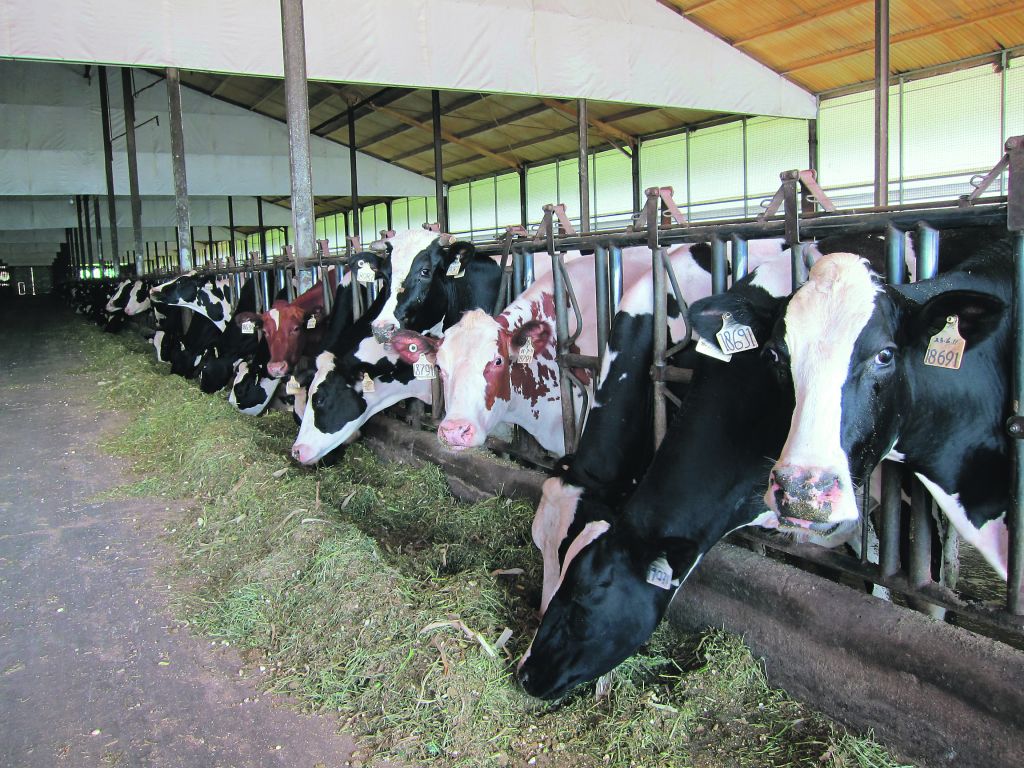
    Vietnamese beef prices have been falling because of a market glut, while imported beef is flexing its competitive muscles, offering higher quality for similar prices.

    In the central province of Ninh Thuan, dealers are buying a head of cattle from farmers for just VND7-8 million ($304.3-347.8), a third of the VND20-21 million price it fetched two years ago.

    Dealers in the southern province of Soc Trang province are also giving farmers a hard time, buying beef at VND40,000 per kilogram, 40 percent of the price in 2016.

    “I have never seen beef prices so low,” livestock farmer Lam Sanh said, adding that he might have to quit and find another way to make a living.

    With prices falling over the last two years, small-scaled cattle farmers have been switching to different vocations, a husbandry official in An Giang province said.

    The number of cows and buffaloes raised in Vietnam has fallen to five million now from nearly seven million in 2006, according to the Vietnam Animal Husbandry Association.

    Vietnamese beef is having a difficult time competing with imported beef, which comes in abundance and is priced reasonably, Tong Xuan Chinh, deputy head of the Animal Husbandry Department said.

    Last year, the country imported more than 262,300 heads of cattle, and nearly 42,000 tons of beef and buffalo meat, valued at more than $410 million, according to the Animal Husbandry Department under the Ministry of Agriculture and Rural Development.

    Dealers are putting pressure on farmers to sell their cows at a low price because beef imported from the U.S. and Australia are abundantly available in supermarkets and sold at the same price as local beef at VND250,000–400,000.

    At this price, imported beef is being favored by consumers concerned about safety issues that have plagued the Vietnamese food market in recent years.

    The Vietnamese government has issued policies to assist local cattle farmers but these have not led to raising the scale of production and ability to provide better quality at lower prices.

    “The competition between local beef and imported beef will continue to be intense,” Chinh said.

  • Biggest Zoo Coffee opens in Philippines

    Biggest Zoo Coffee opens in Philippines

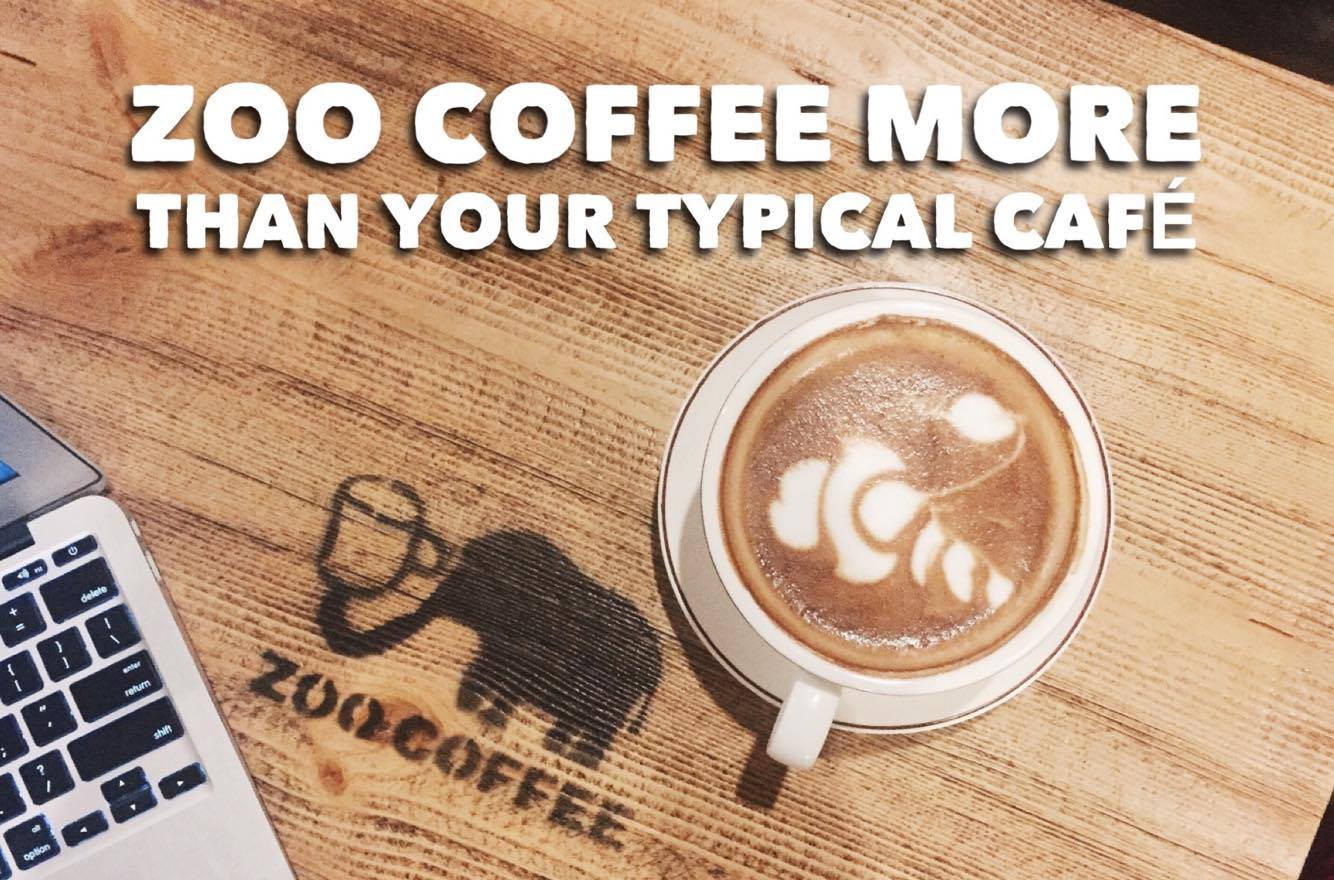
    Korean chain Zoo Coffee has launched its third and largest outlet in the Philippines, at Ayala Vertis North.

    Zoo Coffee stands out for its jungle-themed interiors and staff wearing safari costumes.

    The menu includes the popular Korean iced dessert bingsu, waffles, sandwiches, hotdogs, and cakes.

    Katrina Balolan told ABS-CBN News that the coffee chain plans to open two more branches within the year – at Robinsons Malls and another Ayala mall.

    The company is also opening a barista academy to train people, as well as upgrading its logistics and supply chain to support future store openings.

    Zoo Coffee opened its first branch in Philippines at Alphaland Makati Place in June 2016, followed by the second one at SM Megamall.

    Established in 2009, Zoo Coffee has 100 stores in its home country South Korea.

  • Hennessy XO and Marc Newson reunite at Changi

    Hennessy XO and Marc Newson reunite at Changi

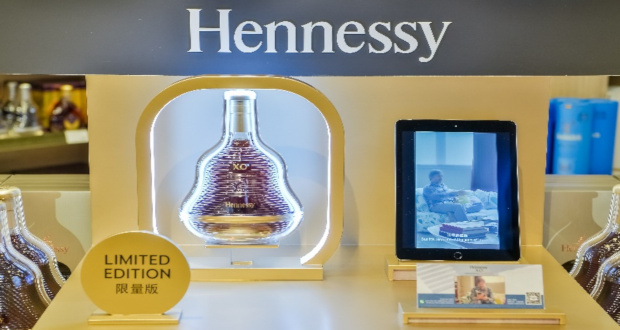
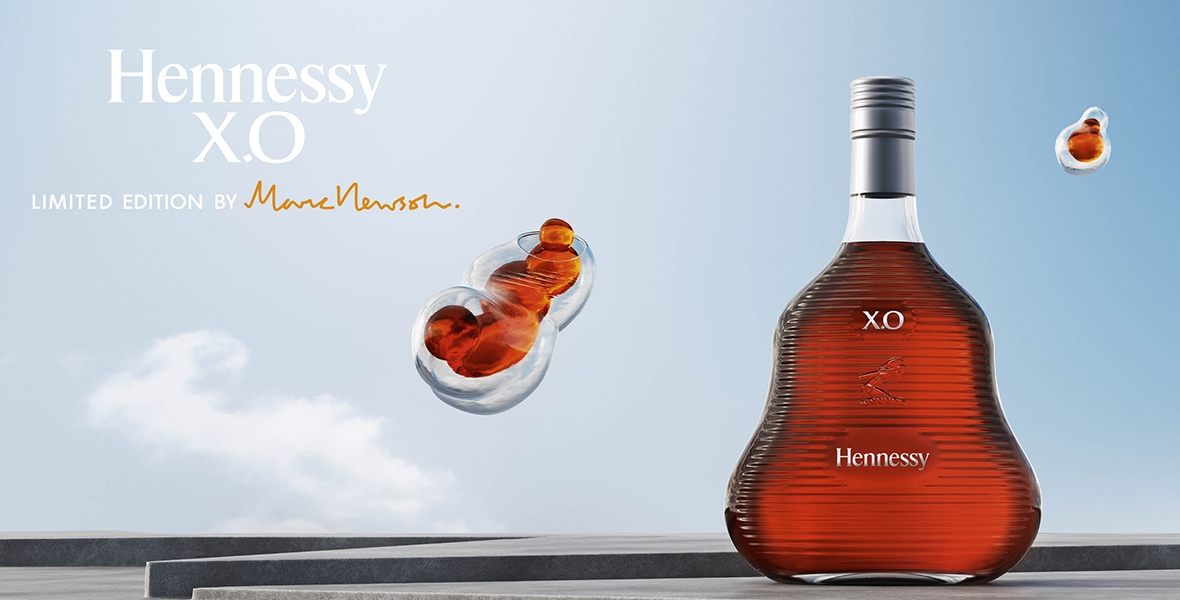
    Moët Hennessy has joined forces with DFS Group and Singapore Changi Airport for a second time to launch a new Hennessy X.O 2018 limited edition decanter by designer Marc Newson.

    The decanter, which features a transparent gift box, is exclusive to the travel retailer at Changi,  ahead of its worldwide premier in July.

    Departing travellers can delve into the world of Hennessy X.O and Marc Newson in DFS outlets across the terminals and secure one of the decanters.

    In addition they can scan a QR code on the product to view an immersive video and interact virtually with Marc Newson himself.

    RE-INTERPRETED BOTTLING

    In crafting the bottle for the limited edition, Newson blends subtle gold with hues of rose to create a ‘dynamic, steamlined variation on the decanter’s iconic shape that breaks with conventions and gives it a wholly unexpected twist’.

    The LVMH wines and spirits house first collaborated with DFS and Changi for the iconic Hennessy X.O Decanter in 2017.

    Moët Hennessy Managing Director Travel Retail Asia Pacific Vanessa Widmann, commented: “We are very excited to partner with DFS Group and Changi Airport for a second time in a row to build on the successful Limited Edition launch of 2017 and introduce this year’s Hennessy X.O Limited Edition by Marc Newson. With its impactful design, I strongly believe that the limited edition makes for the perfect gift for travellers.”

    Brooke Supernaw, DFS Group Senior Vice President Spirits, Wine,  Tobacco, Food and Gifts added: “DFS is proud to partner with Moët Hennessy on this very special release that perfectly combines modern design with exquisite taste. We look forward to offering our travelling customers at DFS, Singapore Changi Airport exclusive access to this fine product until the end of June.”

  • World Cup boosts South Korean convenience stores revenue

    World Cup boosts South Korean convenience stores revenue

    South Korean convenience stores saw their sales more than double in some categories as tens of thousands of South Koreans took to the streets to cheer on their national football team in the first game of its World Cup campaign.

    BGF Retail Co, which operates the country’s largest convenience store chain, CU, said sales of major products at its stores from 6pm Monday to midnight soared as South Korea faced Sweden in their 2018 FIFA World Cup Group F opener.

    Sales of beer surged 124.8 per cent, with revenue from ice cream and water jumping 121.9 per cent and 120.2 per cent, respectively, from the previous week.

    GS Retail Co, which operates GS25, said sales of beer skyrocketed 274.6 per cent on Monday compared with the same day the previous week.

    Police estimated some 17,000 fans joined the mass street cheering in Seoul’s Gwanghwamun Square. Another 6000 fans are estimated to have gathered at Seoul Plaza in front of City Hall.

    South Korea fell to Sweden 1-0. Its next game, against Mexico, will take place in Rostov-on-Don on Saturday.

  • ASEAN the next big fish for Vietnam’s seafood industry

    ASEAN the next big fish for Vietnam’s seafood industry

    Almost unnoticed, ASEAN is emerging as big market with big potential for Vietnamese seafood, industry insiders say.

    Vietnam exported $612 million worth of seafood last year to ASEAN countries, 9.2 times the $66 million in 1998.

    Local media reports have cited the Vietnam Association of Seafood Exporters and Producers (VASEP) as saying that last year, Vietnam exported seafood to all nine countries in the regional bloc.

    Of these, Thailand, the Philippines and Singapore were the largest importers. Thailand bought $248 million worth of seafood from Vietnam last year, accounting for 40 percent of total export value to ASEAN countries. Seafood export to Thailand reflected the regional intake, multiplying nine times in the last 20 years.

    Philippines, in the second place, imported seafood worth $132 million, a 2,000-fold increase over the paltry $63,000 in 1999.

    Export of sea fish to ASEAN countries reached $289 million last year, making it Vietnam’s main seafood export item to the regional bloc. Squid and octopus came in second at $71 million, more than 10 times the $7 million in 1998.

    The surge and potential of the ASEAN market notwithstanding, Vietnamese businesses have kept their main focus trained on the traditionally top markets for seafood export – the U.S., Japan, China and South Korea.

    These four countries account for 52.7 percent of total export value of Vietnamese seafood last year, according to the Ministry of Agriculture and Rural Development.

    In the first four months this year, China recorded a strong year-on-year growth of 28.8 percent in seafood imports from Vietnam. China is also the largest importer of Vietnamese pangasius fish, and potentially of shrimp in the future, a VASEP report says.

    The association has urged local businesses to look at ASEAN as the next potential market, saying establishment of ASEAN Economic Community (AEC) in 2015 has created an opportunity for Vietnam’s seafood industry with significant tax incentives.

    Moreover, ASEAN population is estimated to reach 790 million in 2050, creating a considerable demand for food. VASEP estimates that seafood consumption in the bloc will increase from 24.5 million tons in 2015 to 37 million in 2030, and per capita seafood consumption will grow from 38.4 kilograms per person a year to 51.5 kilograms in 2030.

    Vietnam exported $8.32 billion worth of seafood last year, a growth of 18 percent over 2016.

  • Little Sheep restaurant debuts in Singapore

    Little Sheep restaurant debuts in Singapore

    No Signboard Holdings has signed a 10-year franchise agreement to develop and operate the Little Sheep restaurant chain in Singapore.

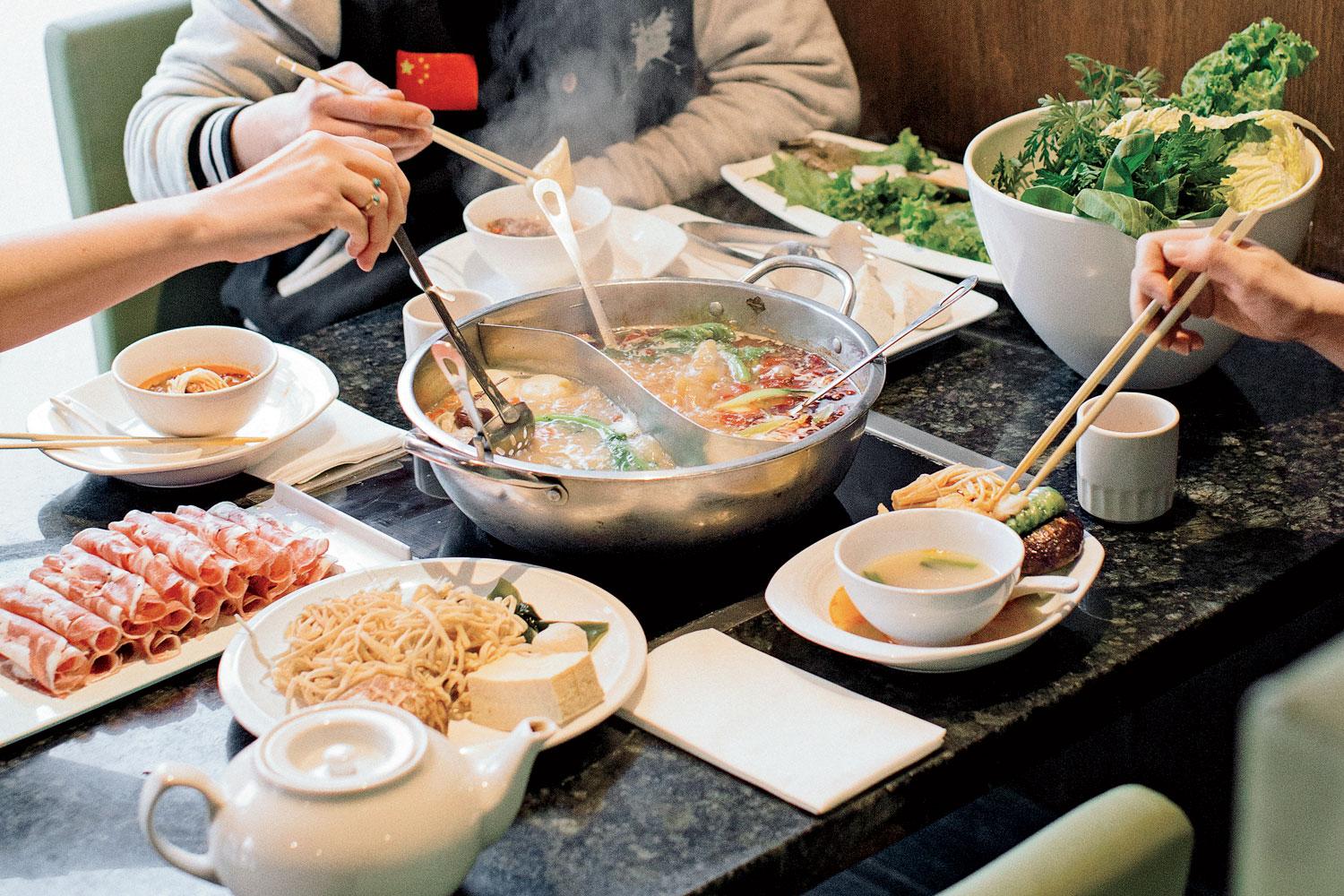
    Little Sheep is a Chinese hot-pot eatery which has its origins in Inner Mongolia. It has since grown to more than 280 outlets across China, the US, Canada and Japan, the vast majority of them franchised.

    Singapore-listed No Signboard, which has also just taken full control of Danish Breweries less than a year after it bought a controlling 80 per cent interest, plans to open one Little Sheep outlet a year for the next five years before deciding on a longer-term opening rate.

    No Signboard executive chairman and CEO Sam Lim believes the Little Sheep restaurant concept has great potential in Singapore.

    “Given the popularity of hot pot restaurants among Singaporean consumers over the last couple of years, we are confident that this venture would be a great success for the group.”

  • Confectioner Sugarfina to debut at Harbour City

    Confectioner Sugarfina to debut at Harbour City

    Californian luxury confectioner Sugarfina is to open its first store in Asia – in Hong Kong’s Harbour City mall.

    Sugarfina is being brought to Hong Kong by Upper East Holdings, which launched Lady M in Hong Kong in 2015 and plans to open several Sugarfina stores in the territory.

    Upper East founders Stephen Yeung and Tammy Wu says the new 900sqft Sugarfina Hong Kong boutique will give shoppers “a taste of candy heaven” with a selection of packaged confections for every occasion, from hostess gifts to Lunar New Year gifts to the trademark Sugarfina Candy Trunk which holds 20 Candy Cubes.

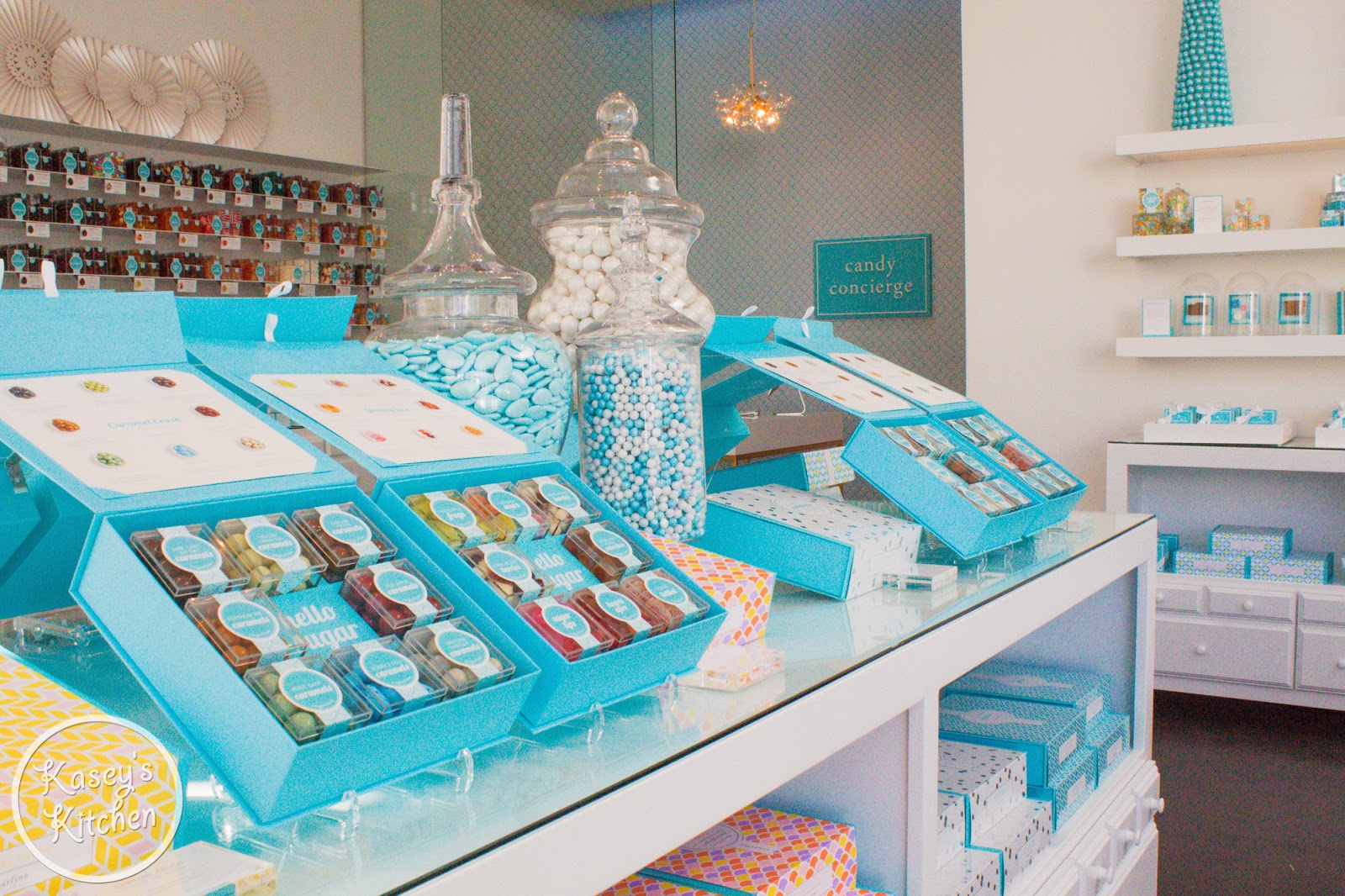
    The store will be designed to encourage Instagramming, featuring Sugarfina’s signature aqua and white colour scheme and photogenic merchandising.

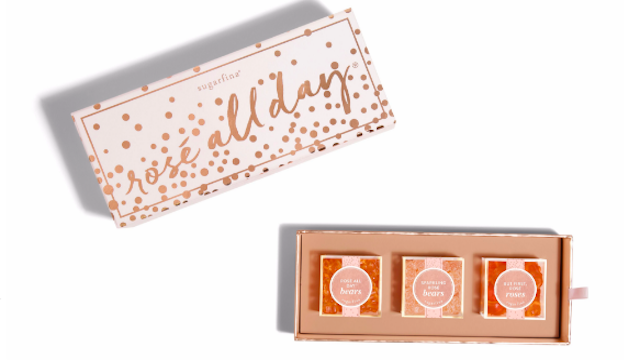
    Sugarfina describes itself as a disruptor in the US$200 billion global confectionery market for creating luxury treats for adults, including a cocktail candy collection with Champagne Bears, Single Malt Scotch Cordials, and Rose All Day Bears whose popularity led to a waiting list of more than 18,000 customers in the US.

    The boutiques feature a collection of candies artfully displayed in modern Lucite cubes, including an area dedicated to “top shelf” candies – exotic, premium offerings from around the world such as Golden Truffle Eggs from Italy and interlocking chocolate wedding rings from Greece.

    “We’ve been dreaming of expanding Sugarfina globally since the early days of the brand,” said Rosie O’Neill and Josh Resnick, co-founders and co-CEOs of Sugarfina.

    “Hong Kong is the window into Asia and Upper East Holdings is the ideal partner to establish our brand in the region. We’re excited to partner with them to bring Sugarfina to life in one of the most vibrant cities in the world.”

    Wu and Yeung say they were “mesmerised” by Sugarfina’s sophisticated concept and innovative candy flavours when visiting stores in New York, where they used to live.

    “It’s exciting to introduce a fresh concept to the sweet tooths of Hong Kong. We have always been passionate about finding the perfect luxury confections experience to bring over from the US and we look forward to working with the creative minds of Sugarfina.”

    To mark the Sugarfina Hong Kong opening, Sugarfina has created a two-piece Candy Bento Box exclusive to the store, inspired by the Hong Kong trams. The gift box will include Sugarfina’s Rose All Day Bears & Fuji Apple Caramel candies.

    Harbour City is the first step in the retailer’s larger global expansion strategy, with O’Neill and Resnick planning partnerships in other foreign markets.

  • KFC Singapore bans plastic for dine-in customers

    KFC Singapore bans plastic for dine-in customers

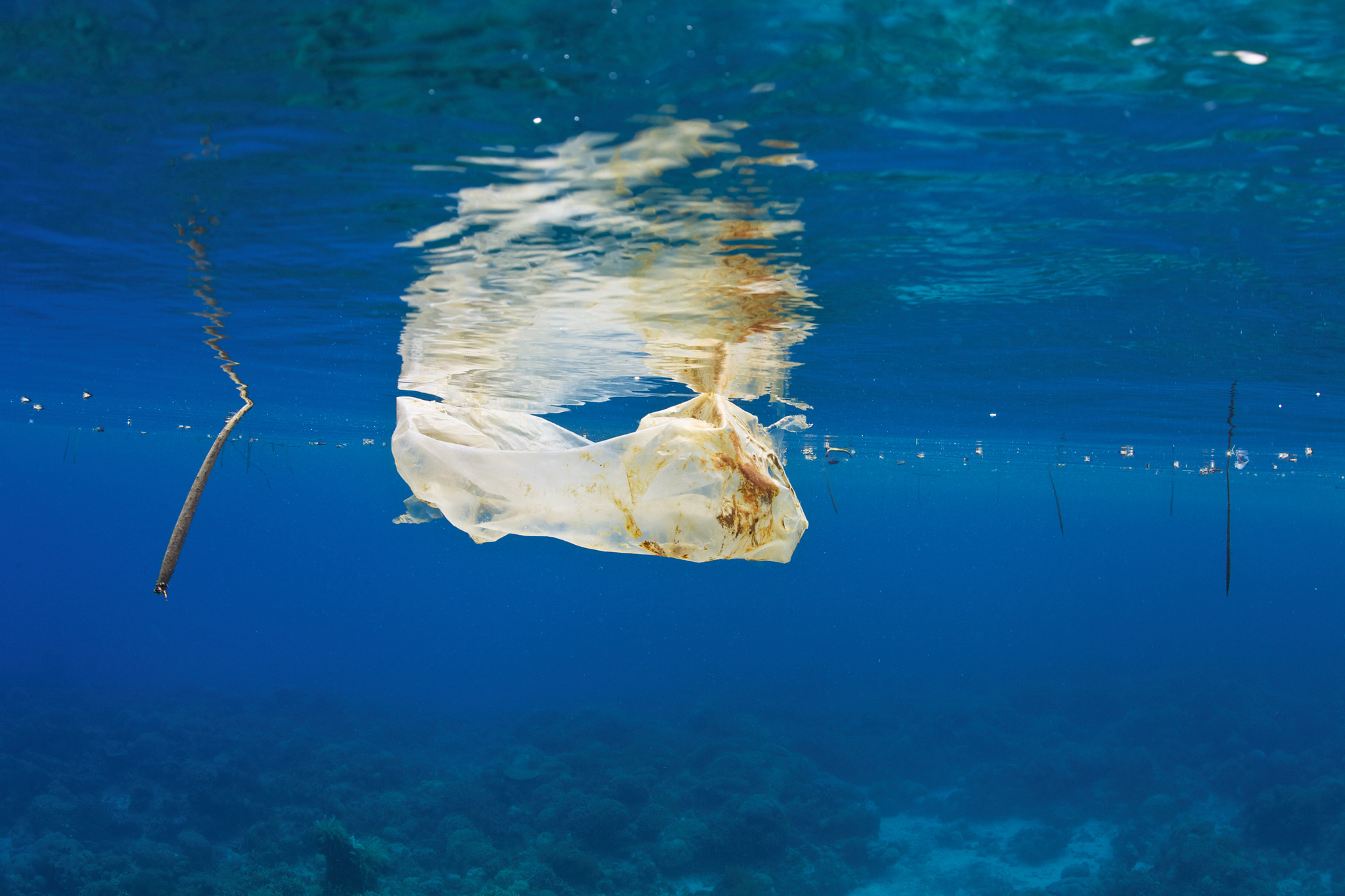
    KFC Singapore is jettisoning plastic straws and drink-cup lids in its restaurants in a sustainability initiative it says will cut 17.9 tonnes of single-use plastic waste in a year.

    Dine-in guests of its 84 restaurants in Singapore will not be served lids and straws from June 20, but they will be supplied with takeaway orders.

    “We acknowledge the strain that single-use plastics put on our environment and are taking steps to do our part in endeavouring a change,” said KFC Singapore GM Lynette Lee in a statement.

    “We recognise that every little bit counts and are proud to be the first fast-food restaurant in Singapore to champion this movement, one straw at a time.”

    Lee says the company will also investigate more biodegradable packaging for its products.

    KFC Singapore’s move comes at the same time as Starbucks in Hong Kong starts to phase out disposable plastic items, although the items will be available on request.

    And McDonald’s has confirmed it is looking at more environmentally friendly disposable items in its stores.

  • Starbucks to close 150 stores in the US

    Starbucks to close 150 stores in the US

    Seattle-based coffee chain Starbucks announced it will close 150 underperforming company-operated stores next year, up three times from the usual rate of 50 closings a year.

    The need for closures was mostly driven by slowing sales in the US, the company stated.

    The global coffee chain said affected stores are those located mostly in urban areas that are already densely populated with Starbucks locations.

    The company also said it expects one per cent growth in global same store sales for the third quarter, lowering its previous guidance.

    Kevin Johnson, Starbucks president and CEO, said the company’s recent performance does not reflect the potential of their brand.

    “While certain demand headwinds are transitory, and some of our cost increases are appropriate investments for the future, our recent performance does not reflect the potential of our exceptional brand and is not acceptable.” Johnson said. “We must move faster to address the more rapidly changing preferences and needs of our customers.”

    Johnson said they have taken several actions to streamline the company over the past year, positioning it to increase their innovation agility as an organisation and enhance focus on their core value drivers which serve as the foundation to re-accelerate growth and create long-term shareholder value.

    The coffee chain closed about 8,000 stores on May 29 to offer about 175,000 employees mandatory anti-bias training after two black men were arrested at a store in Philadelphia while waiting for a friend.

  • Korean sandwich chain Isaac setting up Business in Singapore

    Korean sandwich chain Isaac setting up Business in Singapore

    Korean sandwich chain Isaac will open its first store in Singapore next month.

    Over the last 15 years, Isaac has built a network of more than 700 stores across South Korea and expanded into Taiwan, Macau and – most recently – Malaysia, where it has a store across the causeway in Johor Bahru. Now it is heading further afield, with a takeaway store planned for Plaza Singapura’s basement 2.

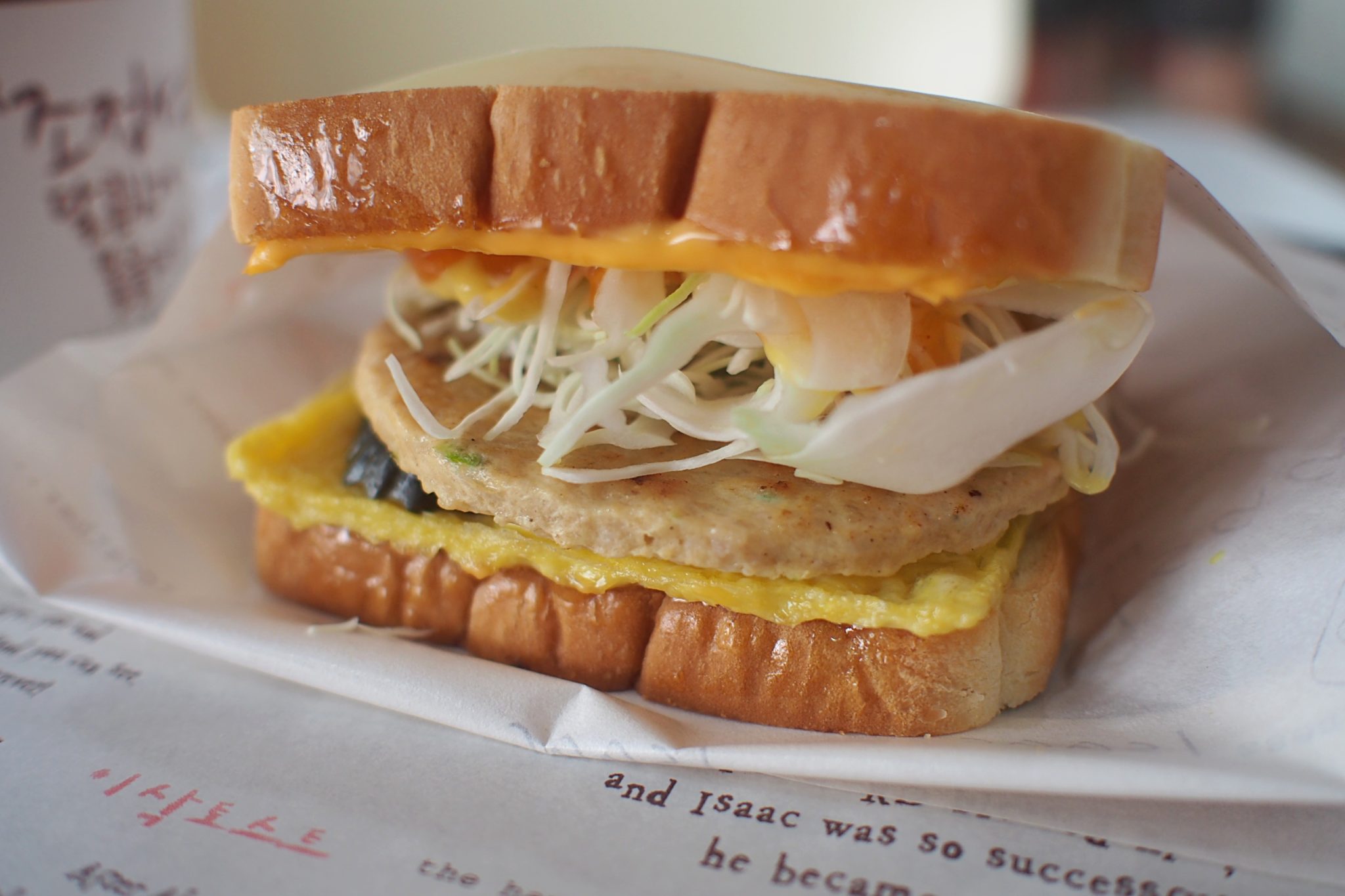
    Isaac serves toasts with variations including the popular Korean dish bulgogi, steak ham, chicken, double cheese potato, shrimp and ham and cheese, with prices starting at S$2.85. It also serves juices and coffees.