Category: Food

Retail News Asia is committed to providing both local and global retailers with the latest Food and Food & Beverage news throughout the Asian market. This on a daily base.

  • Zomato India expands food delivery services to other cities

    Online restaurant guide and food ordering firm Zomato on Wednesday said it has expanded its ordering and food delivery services to Vijayawada, Madurai, and Cuttack as part of its expansion plans.

    With this launch, Zomato’s online ordering services are now available across 31 cities in India, Zomato said in a statement.

    Zomato Food Delivery CEO Mohit Gupta said that growth in Tier II and tier III cities has been really encouraging for the company.

    It has extended its services to 10 new cities in the last 2 months and the response in all these cities has been exceptional so far, he added.

  • Fabelle eyes retail expansion; to launch e-commerce portal soon

    Fabelle eyes retail expansion; to launch e-commerce portal soon

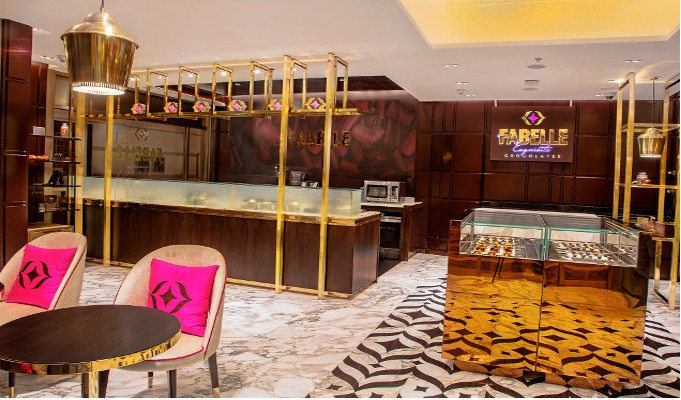
    Fabelle was launched in April 2016 with it first boutique in Bengaluru India at ITC Gardenia. In the subsequent 12 months the brand scaled up to all major ITC Hotels in 6 metros. Bengaluru was followed by Kolkata, Delhi, Mumbai and so on. The brand has just entered Hyderabad with its new property called ITC Kohenur.

    Recently, the brand has also forayed into malls by opening its retail outlets. Elaborating on the same, Abhijit Chakravorty, Head of Marketing – New Categories at ITC Limited says, “Our first retail outlet was opened at Quest Mall in Kolkata and second outlet in Select Citywalk in Saket, New Delhi.”

    The outlets in malls are take-away boutiques and the outlets nestled in hotels ranges from 500-1,500 sq.ft.

    A continuous product innovation has been the USP of the brand. According to Chakravorty, “Recently we have launched Fabelle chocolate bars which are positioned in the mid-luxury range. The average price of the bar ranges from Rs 300-500.”

    He further adds, “Going forward, we are looking at premium retail points to sell these bars. Soon, we will be expanding the range to Bengaluru market. We are targeting around 150 premium retail outlets like Food Hall, Godrej Nature Basket etc and premium modern trade outlets located at premium catchment areas.”

    The brand is also going to launch the fourth variant of the Chocolate Buzz, Rocky Road, inspired by desserts. Chocolate Buzz has already tasted success and the demand for the products have been increasing as it falls into the category of daily consumption in mid-luxury segment.

    “Then we also wish to work on premium gifting products. Then we will be launching our truffles range and aim to be the pioneer. We are going to launch a lot of gifting offers for coming festivities like Diwali,” reveals Chakravorty.

    In future, the brand will also be launching its e-commerce portal where the delivery of the products will be taken care by the brand itself.

    “We have launched a pilot e-commerce service in Bengaluru and soon it will be extended to other parts of the country. All our retail outlets will be mapped with the e-commerce portal by September 2018,” asserts Chakravorty.

    Recently, Fabelle commemorated the Independence Day with a first of its kind 72 kg chocolate bar made from a unique mix of 72 ingredients. The brand which is known to create distinct chocolate experiences had crafted a larger than life 72 Kg chocolate bar in each of the 6 metros where the brand is currently available. These bars will be displayed in the chocolate boutiques in select ITC Luxury Hotels in Mumbai, Delhi, Kolkata, Hyderabad, Chennai and Bengaluru from August 15-19, 2018.

  • McDonald’s makes big change in store face

    McDonald’s makes big change in store face

    McDonald’s newest restaurant is making a bold statement about the future of the chain.

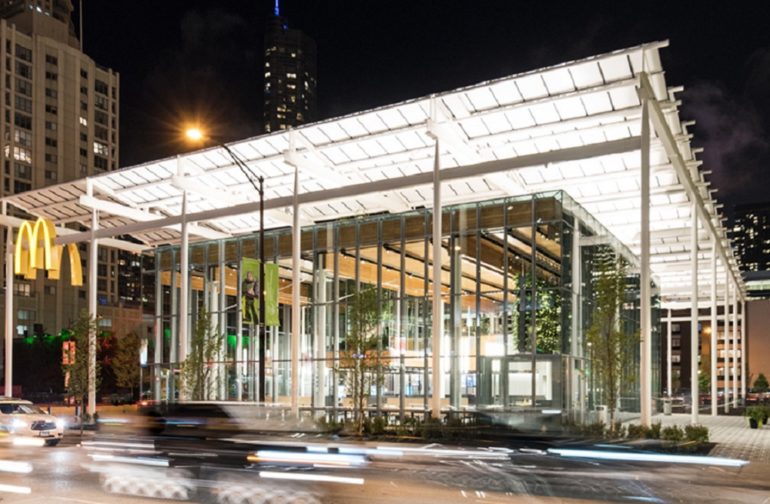
    McDonald’s has just opened a new flagship restaurant in Chicago. It is a glassy, 19,000-square-foot building that looks more like an Apple Store than a fast-food restaurant — and that is exactly what the company intended.

    “We are proud to open the doors to this flagship restaurant, which symbolizes how we are building a better McDonald’s for our customers and the communities where they live,” McDonald’s President and CEO Steve Easterbrook said in a statement.

    While the structure may be different, the Golden Arches are still present at the restaurant, which will be open 24 hours a day, seven days a week.

    The restaurant features self-order kiosks, table service, mobile order and pay, and delivery — services that are becoming increasingly mainstream at McDonald’s locations across the US. Table service and increased digital ordering options are part of McDonald’s “Experience of the Future” revamp.

    Currently, roughly 5,000 restaurants fit the qualifications, and McDonald’s plans to transform almost all restaurants by 2020. The restaurant also highlights something else McDonald’s is pushing in an effort to remake its image: sustainability. It has more than 70 trees at the ground level, as well as on-site solar panels.

    The restaurant was designed by the Chicago-based firm Ross Barney Architects. While not every McDonald’s is going to look quite so classy and glassy, the combination of more tech, table service, and an emphasis on sustainability provides a blueprint of what the fast-food giant wants to roll out across America.

  • Gelatissimo plans expansion to India and Bangladesh

    Gelatissimo plans expansion to India and Bangladesh

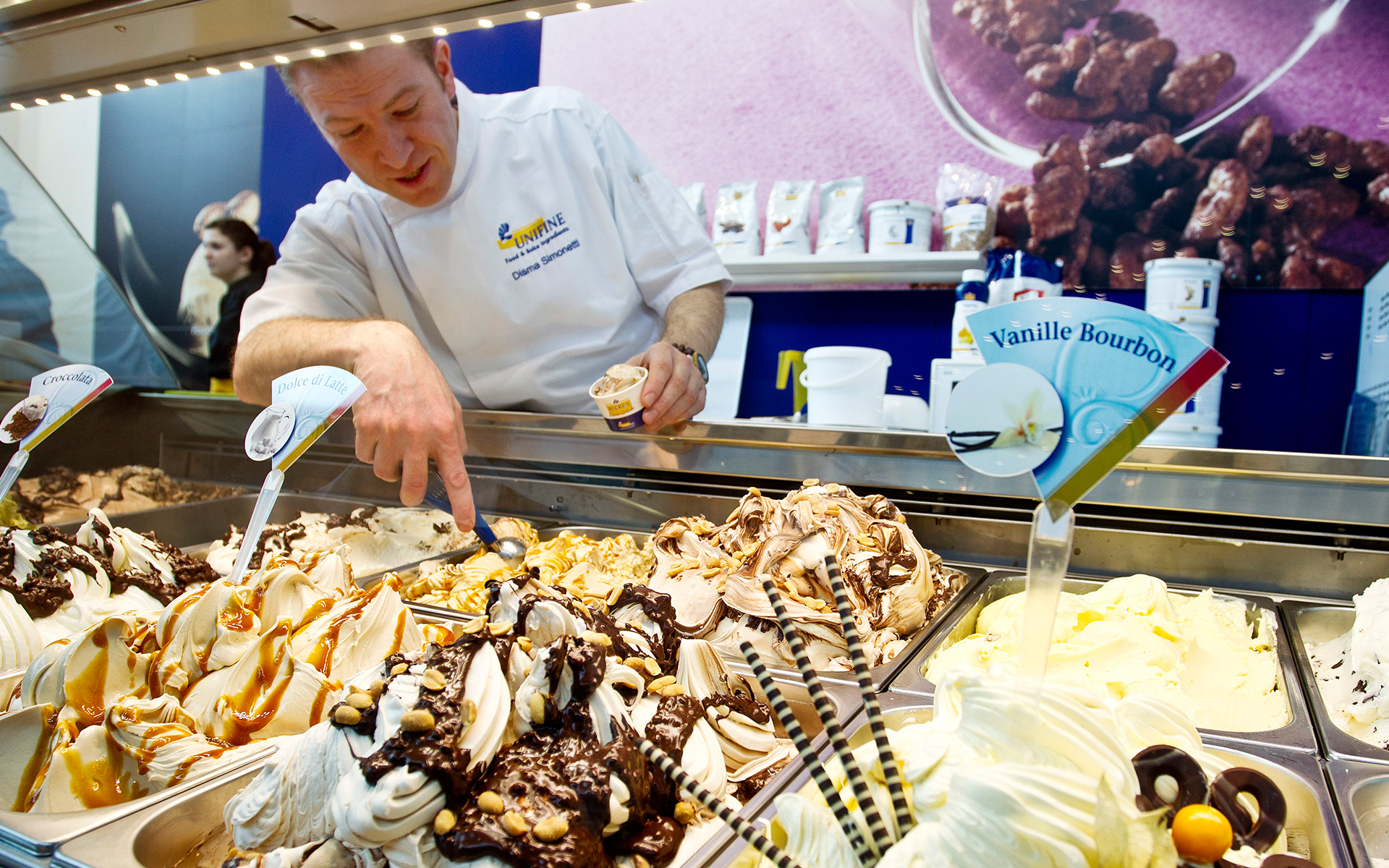
    Gelatissimo, Australia’s largest franchised gelato chain, will open stores in India and Bangladesh next month.

    The openings mark the privately owned company’s latest international expansion, joining franchises in Southeast Asia and the Middle East.

    Gelatissimo CEO Filipe Barbosa CEO said that in both India and Bangladesh, populations are booming and the average spend per head on eating out and luxury goods is growing rapidly. Coupled with a love for desserts and all things Australian, Gelatissimo and the franchisees see a great potential for growth in both regions.

    Although gelato is a newer concept to both markets, the ice-cream and premium dessert categories has expanded quickly and is forecast to increase significantly over the next five years.

    “The stores will be fitted in the internationally recognisable Gelatissimo branding and serve the brand’s best-loved flavours and products,” added Indian master franchisee Sangeeta Dumpeta.

    Bangladesh’s Nilesh Jamnadas added, “The stores have been adapted with localised features and will serve some new flavours, adapted for local taste buds”.

    Since its launch in 2002, Gelatissimo has grown to 45 stores across Australia, with a further 17 overseas. The store launches in Bangladesh and India will take the total to 66 outlets  globally.

    Gelatissimo launched in Singapore in 2005 and has been expanding its overseas footprint since then in the Philippines, China, Kuwait and Saudi Arabia -along with a failed foray into Malaysia.

    The franchisees in both Bangladesh and India are expected to open at least five stores in each market over the next year.

    “Bangladesh and India represent big opportunities for us and our partners and we look forward to making it a sweet success,” said Barbosa.

  • Coca-Cola India announces changes to its leadership team

    Coca-Cola India announces changes to its leadership team

    Coca-Cola India, a leading beverage company that offers a range of beverage choices to consumers, announced changes to its leadership structure. The new structure is designed to enable the India and South West Asia business to be a growth engine for The Coca-Cola Company by capitalizing on emerging opportunities while continuing to build on talent development.

    Announcing the change, T. Krishnakumar, President, Coca-Cola India and South West Asia said, “We believe there are significant opportunities that lie ahead of us to grow our portfolio and meaningfully penetrate the market. These changes will address developing business needs and pave the way to develop a stronger portfolio for the future. It also reinforces our commitment towards investing in talent development.”

    To lead this change, Sundeep Bajoria, a veteran of the Coca-Cola system has taken over as Vice-President – South West Asia (SWA) Operations from his earlier role of Vice President Strategy and Insights. With the growing significance of expanding our regional footprint, he now spearheads the South West Asia region and will work towards making it an innovation and growth engine for the India & South West Asia business and the Coca-Cola system.

    Bajoria brings a successful track record of over 20 years within and outside the Coca-Cola system in Strategy, Finance, revenue growth management, Capital projects, and People & capability development. He is a 14 year veteran of the Coca-Cola system having worked in multiple roles in different Group businesses and Bottling Investment Groups.

    Chandrasekar Radhakrishnan has been appointed to the position of Vice President – Strategy & Insights, Coca-Cola India and South West Asia. Chandrasekar will take charge of the strategic initiatives for the company to accelerate the pace of innovation and assess opportunities to offer a much broader and deeper portfolio of beverages for the consumers.

    With a career spanning over two decades, Radhakrishnan comes with a combination of international and domestic experience. He joins Coca-Cola India from Nestlé, where he was responsible for leading a worldwide initiative to optimize marketing efficiencies. As the Head of Consumer Communication and eCommerce, he has effectively embedded brand building capabilities in the organization, drove creative excellence in brand communication via strong internal and external partnerships, laid a strong foundation in building digital and eCommerce competencies and played a key role in establishing consumer engagement. He has contributed significantly to the cause-based campaigns of the company thereby making a positive impact on the society. He has also worked with Britannia, Marico and Airtel and has played a variety of roles across sales, marketing and business functions.

  • PepsiCo enters into agreement to acquire SodaStream International Ltd.

    PepsiCo enters into agreement to acquire SodaStream International Ltd.

    PepsiCo, Inc. and SodaStream International Ltd. announced that they have entered into an agreement under which PepsiCo has agreed to acquire all outstanding shares of SodaStream for US $144.00 per share in cash, which represents a 32 percent premium to the 30-day volume weighted average price.

    “PepsiCo and SodaStream are an inspired match,” said PepsiCo Chairman and CEO Indra Nooyi. “Daniel and his leadership team have built an extraordinary company that is offering consumers the ability to make great-tasting beverages while reducing the amount of waste generated. That focus is well-aligned with Performance with Purpose, our philosophy of making more nutritious products while limiting our environmental footprint. Together, we can advance our shared vision of a healthier, more-sustainable planet.”

    Daniel Birnbaum, SodaStream CEO and Director said, “Today marks an important milestone in the SodaStream journey. It is validation of our mission to bring healthy, convenient and environmentally friendly beverage solutions to consumers around the world. We are honored to be chosen as PepsiCo’s beachhead for at home preparation to empower consumers around the world with additional choices. I am excited our team will have access to PepsiCo’s vast capabilities and resources to take us to the next level. This is great news for our consumers, employees and retail partners worldwide.”

    PepsiCo’s strong distribution capabilities, global reach, R&D, design and marketing expertise, combined with SodaStream’s differentiated and unique product range will position SodaStream for further expansion and breakthrough innovation.

    The transaction is another step in PepsiCo’s Performance with Purpose journey, promoting health and wellness through environmentally friendly, cost-effective and fun-to-use beverage solutions.

    “SodaStream is highly complementary and incremental to our business, adding to our growing water portfolio, while catalyzing our ability to offer personalized in-home beverage solutions around the world,” said Ramon Laguarta, CEO-Elect and President, PepsiCo.

    Laguarta added, “From breakthrough innovations like Drinkfinity to beverage dispensing technologies like Spire for foodservice and Aquafina water stations for workplaces and colleges, PepsiCo is finding new ways to reach consumers beyond the bottle, and today’s announcement is fully in line with that strategy.”

    Under the terms of the agreement between PepsiCo and SodaStream, PepsiCo has agreed to acquire all of the outstanding shares of SodaStream International Ltd. for US $144.00 per share, in a transaction valued at US $3.2 billion. The transaction will be funded with PepsiCo’s cash on hand.

    The acquisition has been unanimously approved by the Boards of Directors of both companies. The transaction is subject to a SodaStream shareholder vote, certain regulatory approvals and other customary conditions, and closing is expected by January 2019.

    Goldman Sachs acted as financial advisor to PepsiCo in this transaction. Centerview also acted as financial advisor to PepsiCo in the transaction. Gibson, Dunn & Crutcher LLP acted as lead counsel to PepsiCo, Davis Polk & Wardwell LLP as U.S. tax counsel, and Herzog, Fox & Ne’eman as Israeli legal counsel. Perella Weinberg Partners acted as financial advisor to SodaStream with White & Case LLP acting as SodaStream’s U.S. legal counsel and Meitar Liquornik Geva Lesham Tal as Israeli legal counsel.
  • % Arabica announces Singapore launch

    % Arabica announces Singapore launch

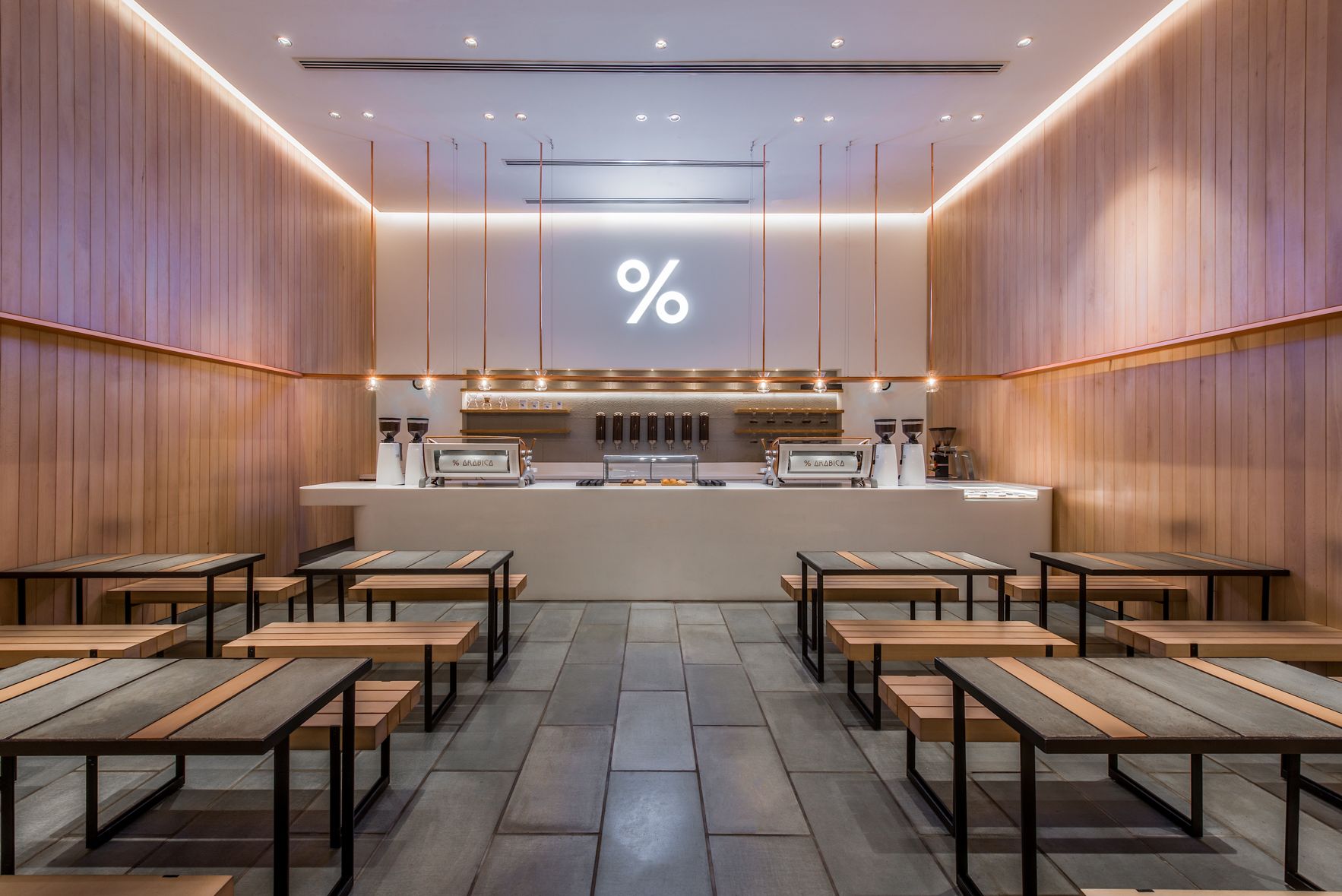
    Kyoto-headquartered coffee chain % Arabica Coffee is to open its first store in Singapore.

    The company has revealed the location on Instagram: 56 Arab Street. With a fit-out yet to be completed, the store may not open until the end of the year.

    The company has also confirmed it is currently fitting out its first store in Indonesia, with others destined for Malaysia and India.

    With its slogan “See the world through coffee”, % Arabica Coffee has built a strong following via social media. In Asia it has three stores in Japan, three in Hong Kong, one in the Philippines and two in China. It is also in Germany and several Middle East markets, with plans for France, Morocco and Canada.

    % Arabica Coffee was founded in 2014 by Japan-born Kenneth Shoji who grew a love for the beverage while studying in California.

  • Popeyes Brand to Launch in the Philippines

    Popeyes Brand to Launch in the Philippines

    The first Popeyes Philippines store is imminent.

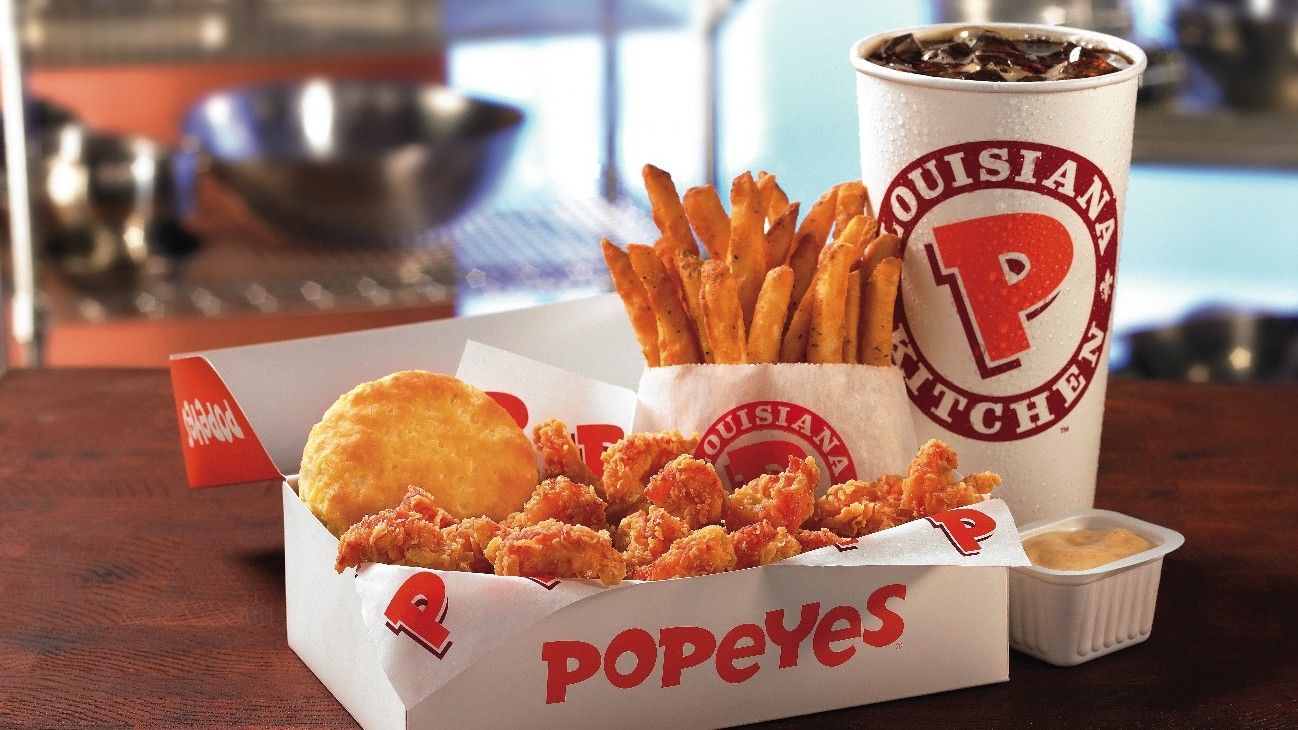
    Popeyes, the US fast-food chain, has signed a master franchise agreement for the country with local operator Kuya J Holdings.

    Popeyes’ president Alexandre Santoro said he believed the brand’s friend chicken offer will resonate well with guests in the Philippines.

    Kuya J Group’s chairman Lowell L Yu said: “The Philippines is a large and growing market, and we are looking forward to serving the high-quality food that Popeyes offers to the country’s more than 100 million people.”

    Popeyes was founded in 1972 and serves cuisine based on its Louisiana heritage. It has more than 2900 restaurants in the US and around the world. In Asia it is already established in Vietnam, Singapore, Malaysia and Hong Kong.

    It is expected the first Popeyes Philippines store will open in Manila.

  • Vietnam instant noodles consumption blooms

    Vietnam instant noodles consumption blooms

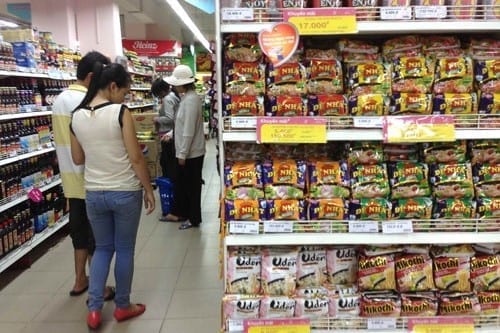
    Vietnam was the world’s fifth largest instant noodles consumer in 2017, consuming 5.06 billion packs.

    This marked a 2.8 percent increase from 4.92 billion in 2016, according to the World Instant Noodles Association (WINA).

    Vietnam had held the fourth spot since 2012, but this was taken by India last year, with a consumption of 5.4 billion packs.

    Other countries in the top five were China (38.9 billion packs); Indonesia (12.6 billion); and Japan (5.6 billion).

    With population over 93 million, Vietnam is second among 2017’s top 3 countries with the highest per capita instant noodles consumption at 53.5 servings; behind South Korea with 73.7 servings and above Nepal with 51.1 servings.

    In 2016, the average Vietnamese person gobbled 53 packs of instant noodles, higher than Indonesians at 49, Japanese at 44 and Chinese people at 38.

    Local enterprises have tapped into this huge market by partnering with overseas companies, increasing the options manifold for the Vietnamese consumer.

    Domestic instant noodle enterprises have reported rising sales, reflecting the increasing consumption.

    A representative of the Acecook Vietnam Joint Stock Company said that the company has seen an eight percent year-on-year increase in revenues in the first half this year.

    Similarly, the Colusa – Milike Food Joint Stock Company reported a net profit of $12.1 million in the first six months, a 10 percent increase from the same period last year.

    Globally, some 100 billion servings of instant noodles were sold in 2017, an average of 270 million packages consumed per day.

    FoodDive, an online news site in food industry, quoted an IMARC Group report as saying the global instant noodles market value reached $40 billion in 2017 and is expected to reach $55 billion in 2023.

  • ThaiBev to intensify Vietnam focus after lackluster 3Q

    ThaiBev to intensify Vietnam focus after lackluster 3Q

    Thai Beverage on Wednesday announced plans to double down on the Vietnam beer market after posting disappointing third-quarter results.

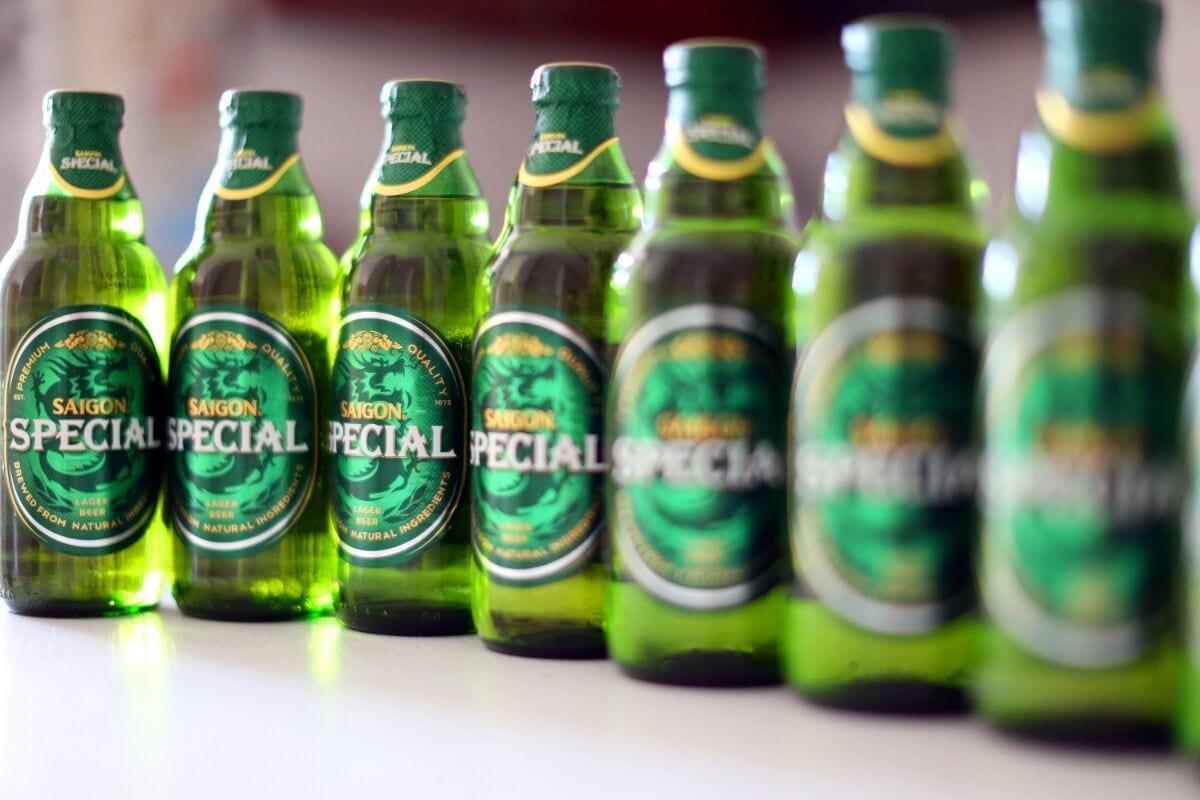
    It said it will focus on optimal use of its 54 percent stake in Vietnam’s largest brewery Saigon Beer Alcohol Beverage Corp (Sabeco), known for its Saigon Special beer.

    It is reported that although the firm acquired its stake in Sabeco last December, ThaiBev only began conducting due diligence of the brewery’s production facilities recently, after its current CEO, Bennett Neo Gim Siong, was appointed on August 1.

    The firm stated it was working on several areas to boost Sabeco’s performance, including procurement, marketing and R&D.

    ThaiBev officials said they were optimistic about Sabeco’s potential and profitability in Vietnam’s beer market.

    The latest announcement came after ThaiBev on Tuesday posted a net profit of 5.99 billion baht ($180 million) for the third quarter ending June 30, a 61 percent fall from 15.23 billion baht ($458 million) a year ago.

    The drop was attributed to several factors, one of them an increase in net losses from the non-alcoholic beverage business.

    Last year, Sabeco produced nearly 1.8 trillion litres of beer, recording sales of VND35.2 trillion ($1.56 billion) and an after-tax profit of VND4.95 trillion ($199.5 million).

    It exported 28.6 million liters of beer for over $15 million.

    Vietnam is the biggest beer market in Southeast Asia, consuming nearly four billion liters last year.

  • China expansion gives good result for Jumbo Group

    China expansion gives good result for Jumbo Group

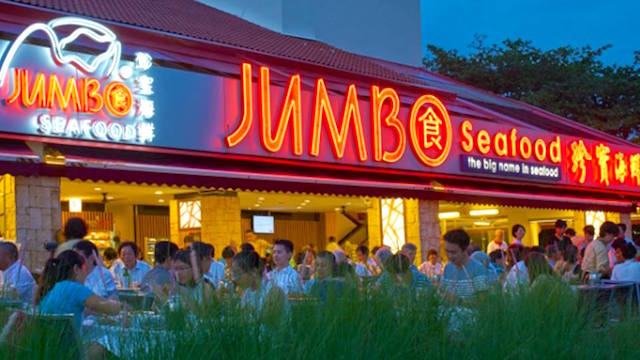
    Singaporean restaurant chain Jumbo Group has announced sales of S$35.8 million for the three-months to June 30, boosted by new outlets in China.

    Two new restaurants opened in Beijing and Shanghai, combined with a recently opened venue in Xi’an’s SKP luxury mall, increased revenue for the quarter by $1.8 million comparative to last year’s figures for the corresponding period. The group has also recently launched one of its franchises in Taiwan.

    Despite the revenue growth, overall profit attributable to owners of the company showed a decrease of $1.2 million from the same quarter last year, down to $2.2 million. This was attributed to the closure of two outlets in Singapore, rising costs of materials and fresh seafood, and staffing and promotional costs for launching the Chinese stores.

    The firm’s gross profit margin was correspondingly lower at 62 per cent during the quarter, compared to 62.7 per cent last year.

    The group’s executive director and CEO Ang Kiam Meng said he was heartened the business’s expansion in the region has borne fruit.

    “On the domestic front, we see an overwhelming response at the new Tsui Wah outlet at Clarke Quay. This is in line with our strategy to increase the vibrancy of our business and Singapore’s food and beverage landscape. As a growing business, there will be a gestation period as reflected in our latest set of financial results. We are confident that we will be able to produce a sustainable performance as we expand our footprint regionally and strengthen our position.”

    The group will continue to expand across the region in the coming year, with new outlets planned for Thailand, Taiwan, China and Singapore.

  • Dip in Indian rates on rupee weakness dulls Vietnam offers

    Dip in Indian rates on rupee weakness dulls Vietnam offers

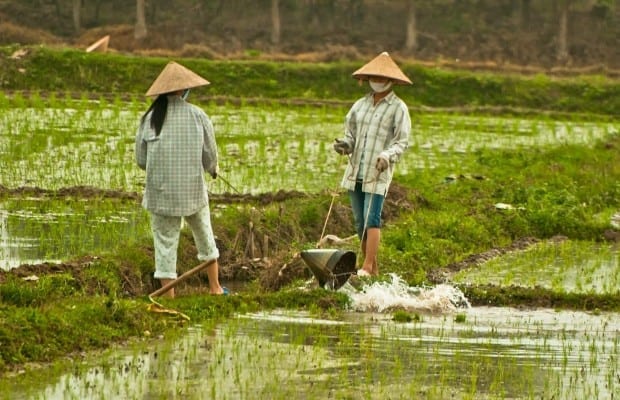
    Rice export prices in India fell this week as the rupee weakened, weighing on demand for the Vietnamese variety.

    Rates for India’s 5 percent broken parboiled rice fell by $3 per tonne to $389-$393 per tonne this week.

    “Rupee depreciation is allowing us to lower prices, but at the same time competitors are also lowering their quotes,” said an exporter based at Kakinada in the southern state of Andhra Pradesh.

    The Indian currency fell to a record low against the dollar on Thursday.

    Farmers in India had planted summer-sown paddy rice on 30.78 million hectares as of Aug 10, down 2.9 percent from a year ago due to scant rainfall.

    Monsoon rains in India are likely to be below-normal levels in 2018, a private weather forecaster said earlier this month, raising concerns over farm output and economic growth in Asia’s third-biggest economy, where half the farmland lacks irrigation.

    The falling rice prices in India also weighed on the market in Vietnam, the third largest exporter, but rates for the country’s 5 percent broken variety were unchanged at $395-$400 a tonne.

    “Trade is slow as Vietnamese prices are comparatively higher, especially compared with Indian prices … Exporters have lost their African customers to Indian rivals due to that,” a Ho chi Minh City-based trader said.

    Vietnam exported 444,235 tonnes of rice in July, down 17.4 percent from June, government customs data released late last week showed. That was slightly lower than a government forecast of 450,000 tonnes.

    In Thailand, the world’s second biggest rice exporter, demand also remained soft, traders said.

    Thailand’s benchmark 5 percent broken rice price was quoted at $390-$393, free on board (FOB) Bangkok, little changed from last week’s $390-$395.

    The commerce ministry on Wednesday said Thailand had exported 6.99 million tonnes of rice worth 3.52 billion baht this year by August 15, a 2 percent increase from a year ago.

    Meanwhile, Bangladesh, which had emerged as a major importer of rice since 2017 after floods damaged its crops, continued to procure rice domestically.

    In the 2017-18 financial year that ended in June, Bangladesh imported a record 5.7 million tonnes of rice. However, imports dropped sharply after the government imposed a 28 percent tax on shipments to support its farmers following a revival in local output.

    Rice at government warehouses stood at nearly 1.3 million tonnes, data from the country’s food ministry showed.

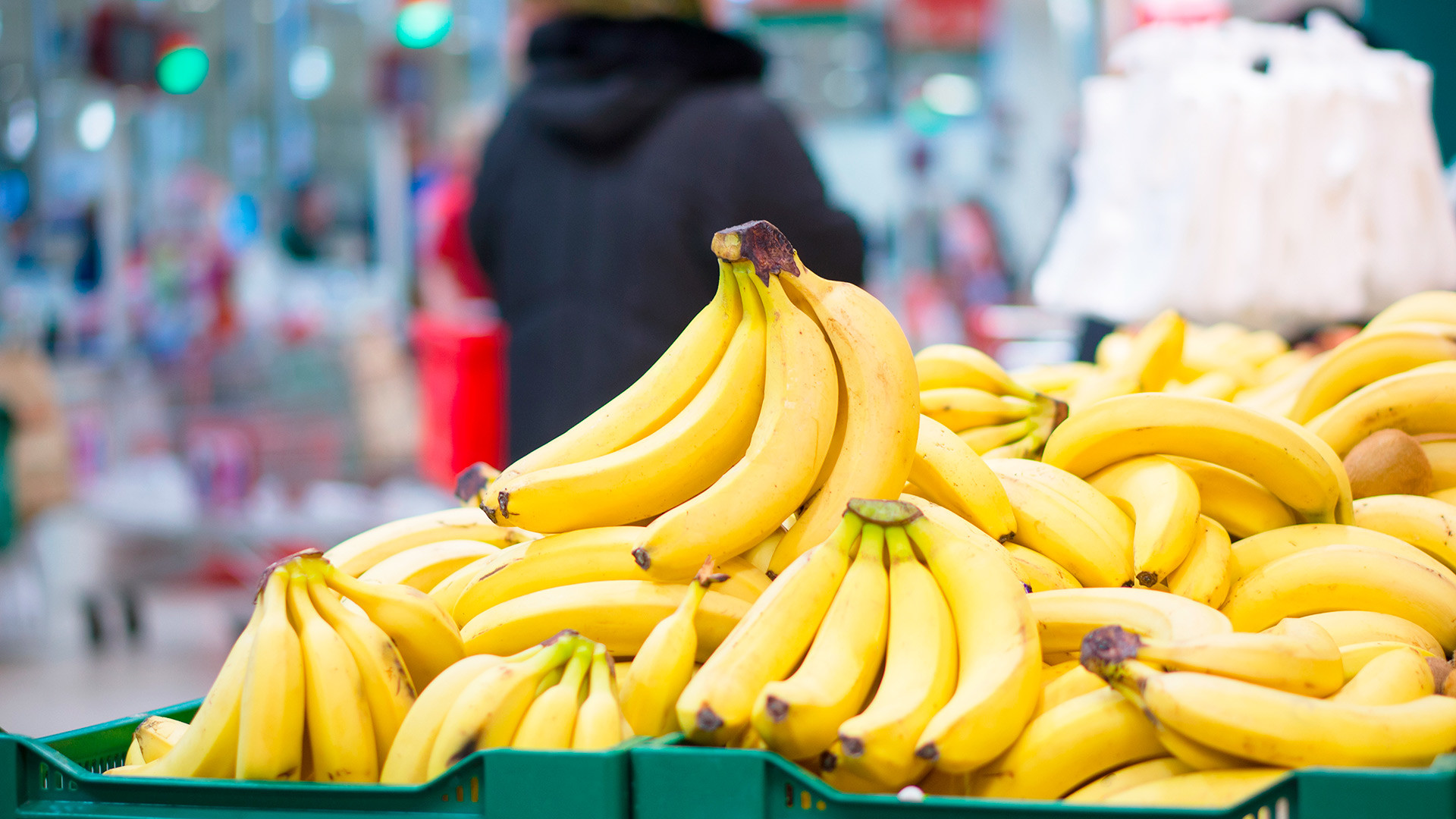
  • Vietnam to expand banana farming for China export

    Vietnam to expand banana farming for China export

    A Vietnamese agriculture company, Hoang Anh Gia Lai Agriculture Jsc, is set to invest in another 5,000 hectares of land in Cambodia to grow bananas for export to China.

    It will invest VND976 billion ($42 million) in the project, the company said in a recent statement.

    Most of the bananas will be exported to China by ship or road. They will fetch VND22,000-23,000 (95-99 cents) per kilogram from September to March and VND13,000-14,000 (56-60 cents) at other times.

    While China has a demand for 15 million tons of bananas a year, the company has only been supplying 240,000 tons, Doan Nguyen Duc, CEO of Hoang Anh Gia Lai (HAGL) Agrico, said.

    But to reduce its excessive reliance on the Chinese market, Duc is also hoping to shift 20 percent of the company’s banana exports to South Korea and Japan.

    It expects to harvest over 106,000 tons of bananas and earn revenues of around VND1.7 trillion ($73 million) and VND983 billion ($42 million) in gross profit this year.

    The company already possesses 13,500 ha of farmlands in Vietnam, Laos and Cambodia. It is also a major producer and exporter of dragon fruit and chili.

    HAGL used to be a leading property developer in Vietnam, but restructured in 2010 to focus on rubber and livestock farming.

    HAGL Agrico has been growing fruits since 2016, and last year its passion fruit, banana, chili, and dragon fruit crops fetched revenues of VND1.6 trillion ($71 million), accounting for around 49 percent of HAGL’s total revenues.

    This year, the firm expects sales of VND3.7 trillion ($164.4 million) and gross profits of VND1.67 trillion ($74.2 million).

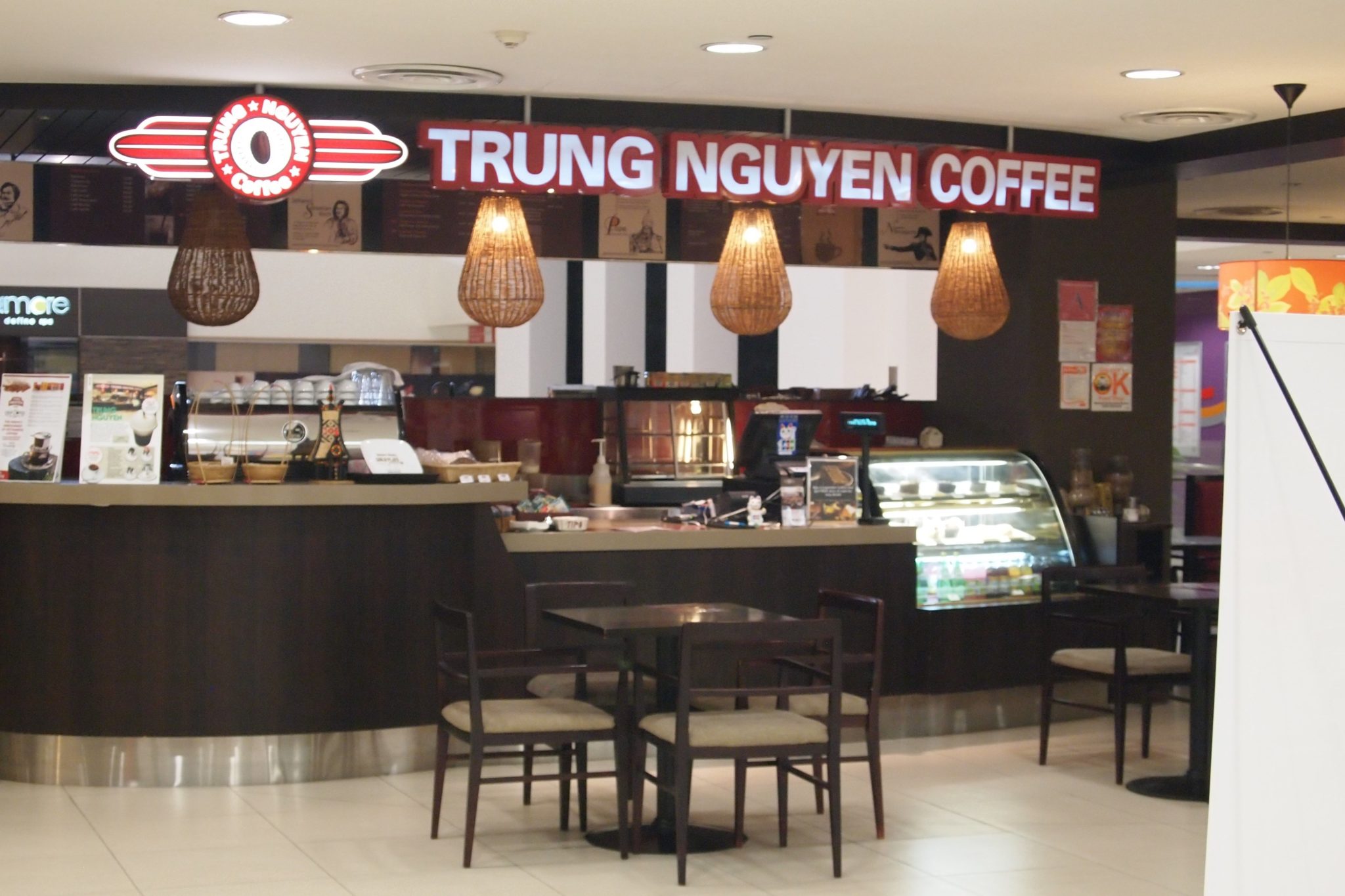
  • Global chains suffer as Vietnamese coffee lovers vote with their feet

    Global chains suffer as Vietnamese coffee lovers vote with their feet

    Local coffee shop chains are outmaneuvering international brands like Starbucks by catering to customers’ demands.

    Young customers are now choosing smaller brands like The Coffee House, Cong Ca Phe and Phuc Long as their to-go spot for affordable brews.

    Local brands not only offer many beverage options but also sophisticated interiors and unlimited and fast internet access to ensure they retain customers, Nikkei Asia Review quoted market researcher Nguyen Phuong as saying.

    All this has helped these brands become very popular among students and young working professionals, who can spend hours there yet feel welcome.

    Phuong said having knowledge of Vietnamese culture and consumers has helped the local brands attract customers.

    By changing their business models to fit customers’ tastes, local brands report growing and some are even looking to expand.

    Nguyen Hai Ninh, CEO of what is thought to be the fastest growing chain, The Coffee House, told Nikkei that he plans to open 700 outlets around Vietnam in the next five years, or around 10 a month.

    Just one month after the brand opened its first shop in Seoul last month, Cong Ca Phe plans to add two more stores in the South Korean capital.

    The chain, which debuted in 2007, has more than 50 stores around Vietnam, and intends to add one or two every month until 2020.

    Thuc Coffee, Urban Coffee Station and Phuc Long report 7 percent annual revenue growth.

    In contrast, international names like Starbucks have grown slower than expected in the Vietnamese market.

    Starbucks only has 38 stores after entering the market five years ago despite boasting huge numbers in neighboring countries such as Thailand (330 stores), Indonesia (320) and Malaysia (190).

    Meanwhile, NYDC, Gloria Jean’s Coffees, and Caffe Bene of Korea have all wound up or are close to doing so.

    Singapore-based NYDC closed its last store in July 2017, Australian brand Gloria Jean’s Coffee also closed its last store in April 2017 after a decade of slow growth.

    Caffe Bene now has only three outlets remaining, according to InsideRetail Asia.

    Talking about the reason for the failure of international brands in the domestic market, industry insiders said that high rents on premium land have raised the cost of retail prices, making their coffee less competitive than local ones.

    A local coffee shop owner told Nikkei that opening a 200-square-meter Starbucks store in Saigon requires an initial investment of $215,000, while Coffee House only needs $86,000.

    Sean T Ngo, CEO of VF Franchise Consulting, said Vietnam, a major exporter of Robusta coffee, imposes high import tariffs on coffee beans, and international coffee chains often use imported Arabica beans that raise costs significantly. Higher costs have driven many customers to domestic brands.

    Phuong said that another reason for the downfall is that old brands are slow to adjust their business models to match customers’ taste.

  • Creamistry China to open 100 more stores as mid-term plan

    Creamistry China to open 100 more stores as mid-term plan

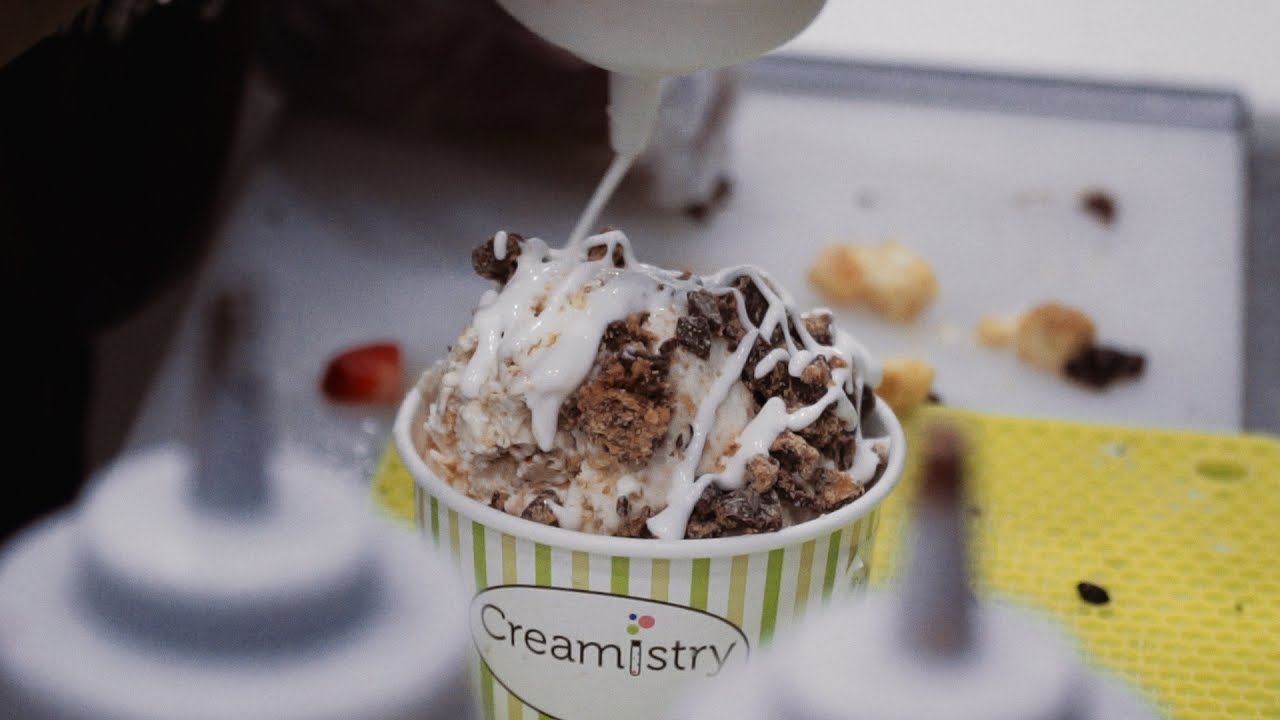
    Californian ice cream chain Creamistry has opened its first franchised store in China.

    And the local franchisee, HZ America Corp, plans to open more than 100 Creamistry China outlets within four years.

    Creamistry specialises in made-to-order liquid nitrogen ice cream using all-natural and organic ingredients, adding theatre to the retail sale of ice creams and frozen desserts.

    The inaugural Creamistry China store opened on South Renmin Road in Chengdu. HZ America has the franchise rights to the brand for all of greater China.

    “We are thrilled to launch Creamistry in an untapped market such as China with phenomenal brand area representatives,” says Jay Yim, Creamistry’s founder and CEO.

    “Our experience with premium-quality product coupled with the operations infrastructure in place positions us perfectly to get Creamistry up and running in China.”

    Creamistry of Chengdu will sell localised flavors including Spicy Yolk, made with salty duck egg yolk and a combination of spices; Chengdu, made with the Chinese liquor Luzhou Laojiao; and Rice Wine, made with real fermented rice liquor.

    “Creamistry is far more than just an ice cream shop – it truly is an experience,” says Yim. “The brand’s wild success and rapid growth is a testament to the completely customizable product and unique atmosphere, which has proven to appeal to consumers worldwide.”

    Yim founded Creamistry in 2013 after seeing a street vendor making liquid nitrogen ice cream in South Korea.

    After two years of experimentation his family team tested more than 100 flavours before settling on the chain’s core menu.