Category: Food

Retail News Asia is committed to providing both local and global retailers with the latest Food and Food & Beverage news throughout the Asian market. This on a daily base.

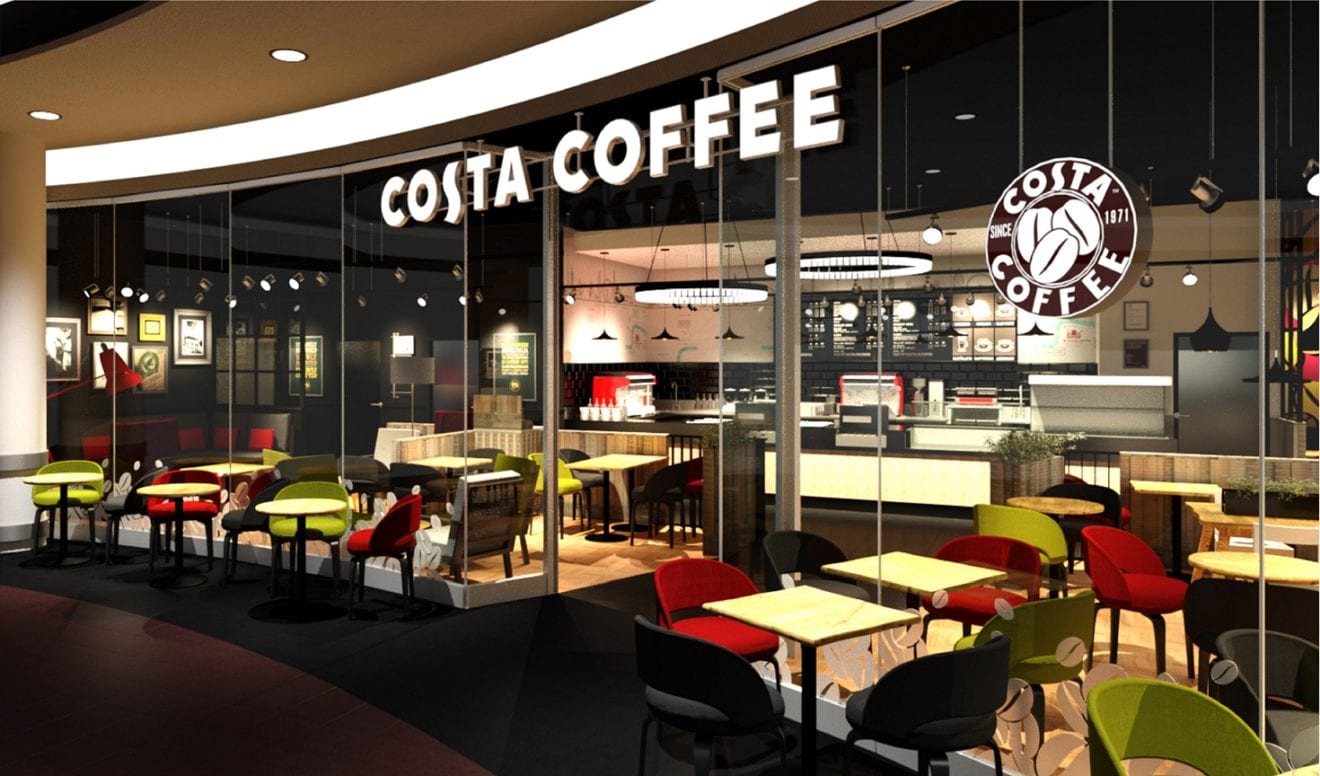
  • Costa Coffee exits Singapore after closing last store

    Costa Coffee exits Singapore after closing last store

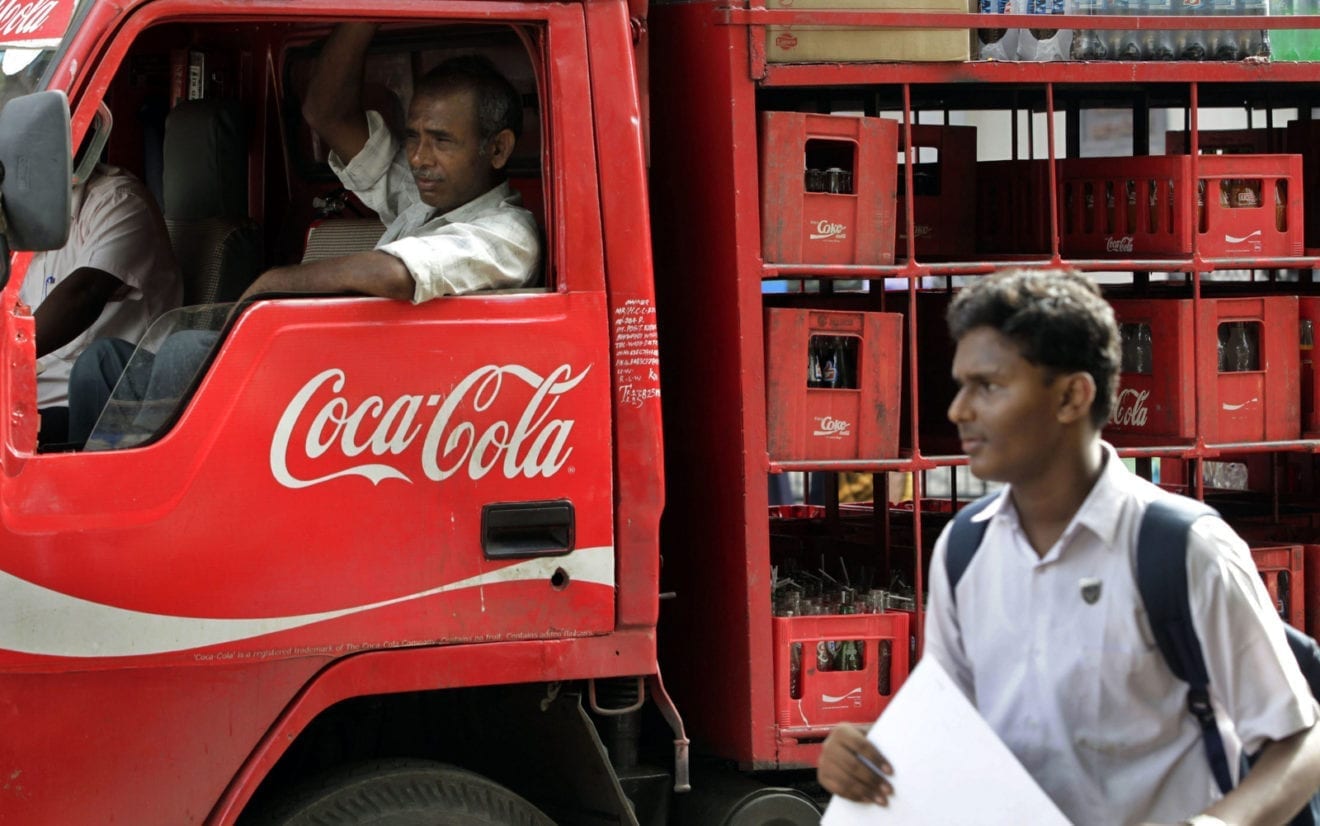
    Just days after Costa Coffee announced it was to be bought by Coca-Cola, UK cafe chain Costa Coffee has confirmed it is exiting Singapore.

    During the last 13 weeks Costa Coffee Singapore has closed six stores in the city and its two remaining outlets will close imminently: Holland Village (September 7) and VivoCity on Sunday week.

    Costa Coffee launched in Singapore in 2012, and has a presence in other Asian markets including Cambodia and Vietnam (where it has one store at Danang Airport).

    A spokesman for Costa Coffee Singapore said: “We are committed to remaining within the South-east Asia region and have ambitious plans to grow the Costa brand.” He said the decision to exit Singapore was made early this year.

    An unnamed employee of Costa Coffee Singapore said that high rents were behind the decision to close the stores,

    However, Esther Ho, director of the School of Business Management at Nanyang Polytechnic, said international coffee chains were struggling in Singapore because they were not focused enough on “experiences” that helped to justify premium prices.

  • Pepsi India to install plastic crushing machines across Maharashtra

    Pepsi India to install plastic crushing machines across Maharashtra

    Food and beverages firm PepsiCo India is planning to install reverse vending machines to crush PET plastic bottles in all the 36 districts of the state over the next two years as part of its plastic waste management initiative, a top executive said.

    According to a report: It aims to collect, segregate and recycle 6,500 tonnes of PET bottles in the state in the first year through this initiative.

    “We plan to roll out this (plastic waste management) initiative to all the 36 districts of the state over the next two years,” Neelima Dwivedi, Vice President, Pepsi-Co India said.

    In a meeting with chief minister Devendra Fadnavis in Nagpur in July, PepsiCo India’s president Ahmed ElSheikh had said the company is committed to the government’s vision and focus on addressing the issue of plastic waste in a sustainable manner.

  • Ringer Hut opening in Philippines launch

    Ringer Hut opening in Philippines launch

    Japanese fast-food chain Ringer Hut is preparing to launch in the Philippines.

    The Tokyo-based firm will open a joint venture with local partners, taking a 40 per cent stake in the new business.

    The company had previously indicated that legal advice showed the partnership could proceed if the equivalent of US$2.5 million minimum was invested.

    Ringer Hut currently operates 600 stores in Japan, and has 16 stores in five other Asian countries, including Hong Kong, and in the US. It is also preparing to open in Vietnam. The chain’s stated goal is to run 50 international stores by 2020.

  • Biscuit maker Cookies Quartet applies for IPO

    Biscuit maker Cookies Quartet applies for IPO

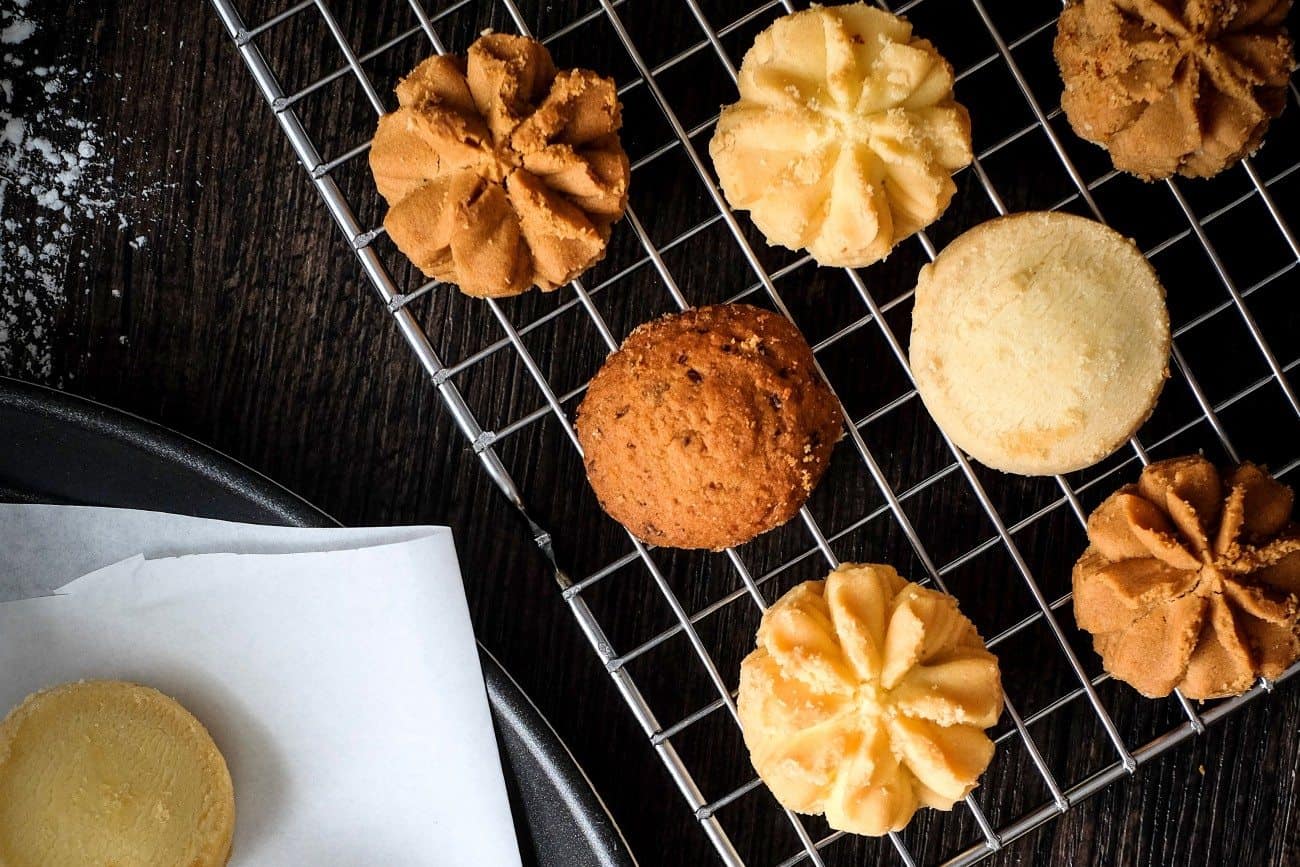
    Hong Kong biscuit maker Cookies Quartet is planning an IPO to raise funds for expansion into Canada and Taiwan.

    The company, founded by former Miss Hong Kong Tse Ning, pastry chef Yiu Man Wong and food writer Yuen Tung Kwan in 2008, now has eight stores in Hong Kong and a bakery in San Po Kong.

    In a filing with the stock exchange, Cookies Quartet said it has an agreement with distributors in both new international markets and also plans to expand distribution in Mainland China where it has been selling online for two years.

    Of Hong Kong’s 32 biscuit retailers, Cookies Quartet claims a market share ranking it second in revenue terms with sales of HK$80.7 million giving it 13.6 per cent of the market.

    The company stated its profits at HK$24.7 million (US$3.1 million) this year, and $29.5 million last year.

  • Coca-Cola enters ‘health & wellness’ space in India

    Coca-Cola enters ‘health & wellness’ space in India

    Taking another step towards its commitment to provide an array of healthy and nutritious beverage choices to consumers, Coca-Cola India expanded its portfolio of Minute Maid by launching Minute Maid Smoothie, a delicious snack that combines the ‘Power of 3’ ingredients – Fruits, Milk and Nutrients.

    The launch is a continuation of Coca-Cola India’s efforts to expand its portfolio including, ‘Health and Wellness’. This is a significant addition in Minute Maid fraternity and underlines company’s commitment towards the Fruit Circular Economy initiative.

    Made from locally sourced fruits, the product has been designed to suit the Indian palate and cater to the increasing needs of mothers looking for a combination of nutritious goodness and taste. Minute Maid Smoothie is available in Mango & Banana variants, priced at Rs 30 for 250ml.

    “Minute Maid Smoothie is an ideal choice for mothers looking for a snack that is tasty, filling and nutritious. We specifically developed this product after listening to mothers and understanding their needs. Children are picky eaters and are always look for something tasty, mothers often find it tough to balance between nutrition and taste. MM Smoothie contains real mango juice that gives it a great taste kids love, puree of banana which makes it filling, goodness of whole milk that mothers trust and topped up with nutrients such as Vitamin B3, B6, Vitamin E, Zinc and Calcium that play a key role in metabolism and building strength and stamina” said, Vijay Parasuraman, Vice President, Coca-Cola India & South West Asia.

    In the first phase of the launch, the product will be available in Tamil Nadu, Karnataka, Telangana and Andhra Pradesh, followed by other states. In the coming months, Coca-Cola India will also expand the Smoothie range by introducing other popular flavours.

  • Fosun International eyes up food distributor and retailer Metro

    Fosun International eyes up food distributor and retailer Metro

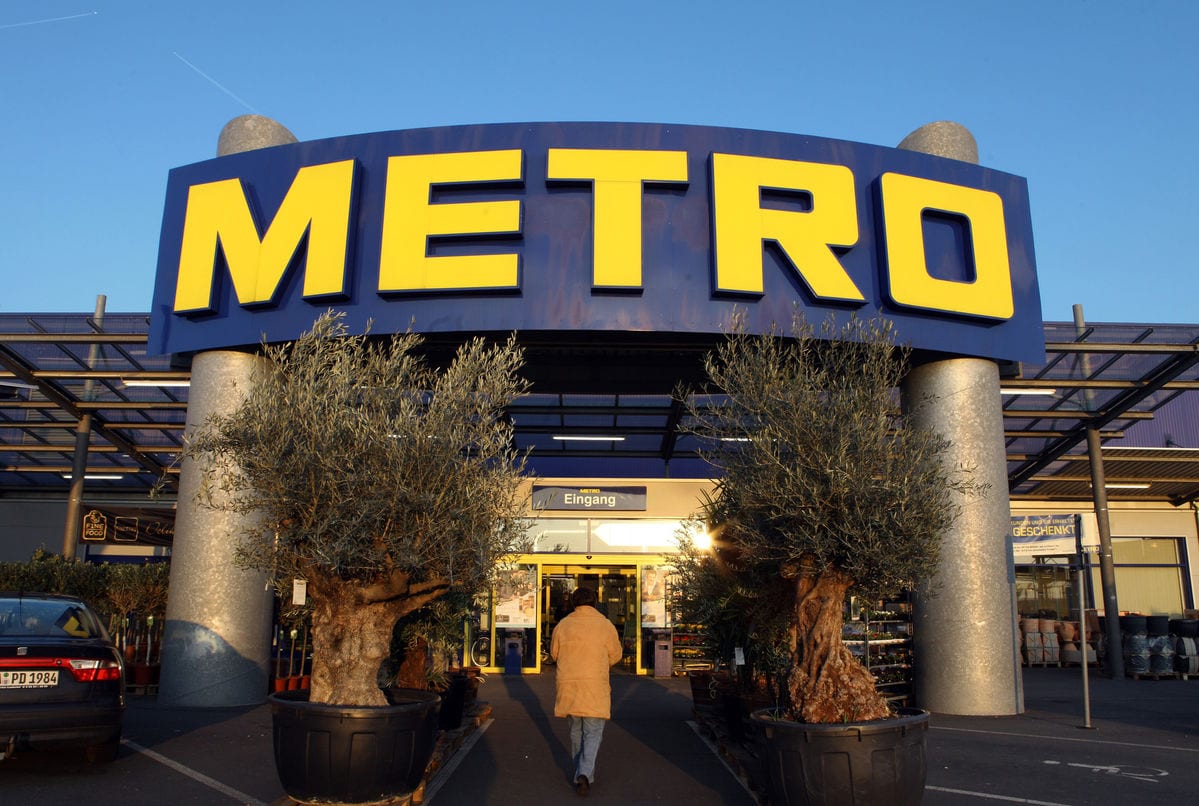
    Chinese international conglomerate and investment firm Fosun International is negotiating a US$500 million holding in German wholesaler Metro, according to a report.

    The unconfirmed news about an acquisition that would see Fosun taking a 9 per cent holding in Metro has already boosted the firm’s share prices and may generate interest from other players, setting off a bidding war with other recent and potential investors in the firm.

    While current and prospective stakeholders in Metro may be preparing to face off, Fosun remains committed to its global acquisitions strategy that has seen it review an average of 25 possible investments per day – more than 9000 in total – over the last year.

    Fosun International currently owns 10 per cent in accessories retailer Folli Follie, resort Club Med, Canada’s Cirque du Soleil and the Malaysian-founded Secret Recipe cafe chain.

  • Singapore Myanmar Investco calls off Jones The Grocer franchise JV

    Singapore Myanmar Investco calls off Jones The Grocer franchise JV

    The planned Jones the Grocer Myanmar expansion has been cancelled.

    Singaporean Myanmar Investco investment and management firm has called off a partnership with restaurant chain Jones the Grocer.

    The company, which specialises in investments focused on the high-growth emerging economy of Myanmar, announced without further explanation that the crucial “initial development location” upon which the partnership was based was no longer available.

    The joint venture company formed as part of the agreement with local operator Pinnacle Myanmar will be dissolved.

    Jones the Grocer, a cafe and delicatessen concept, was founded in Sydney, Australia, in 1996. Now owned by JTG Holdings, of which LVMH-linked investment company L Capital Asia has a minority stake, it operates stores in Singapore, Thailand, Qatar, Bahrain and the UAE.

  • The Coca-Cola Company to acquire Costa

    The Coca-Cola Company to acquire Costa

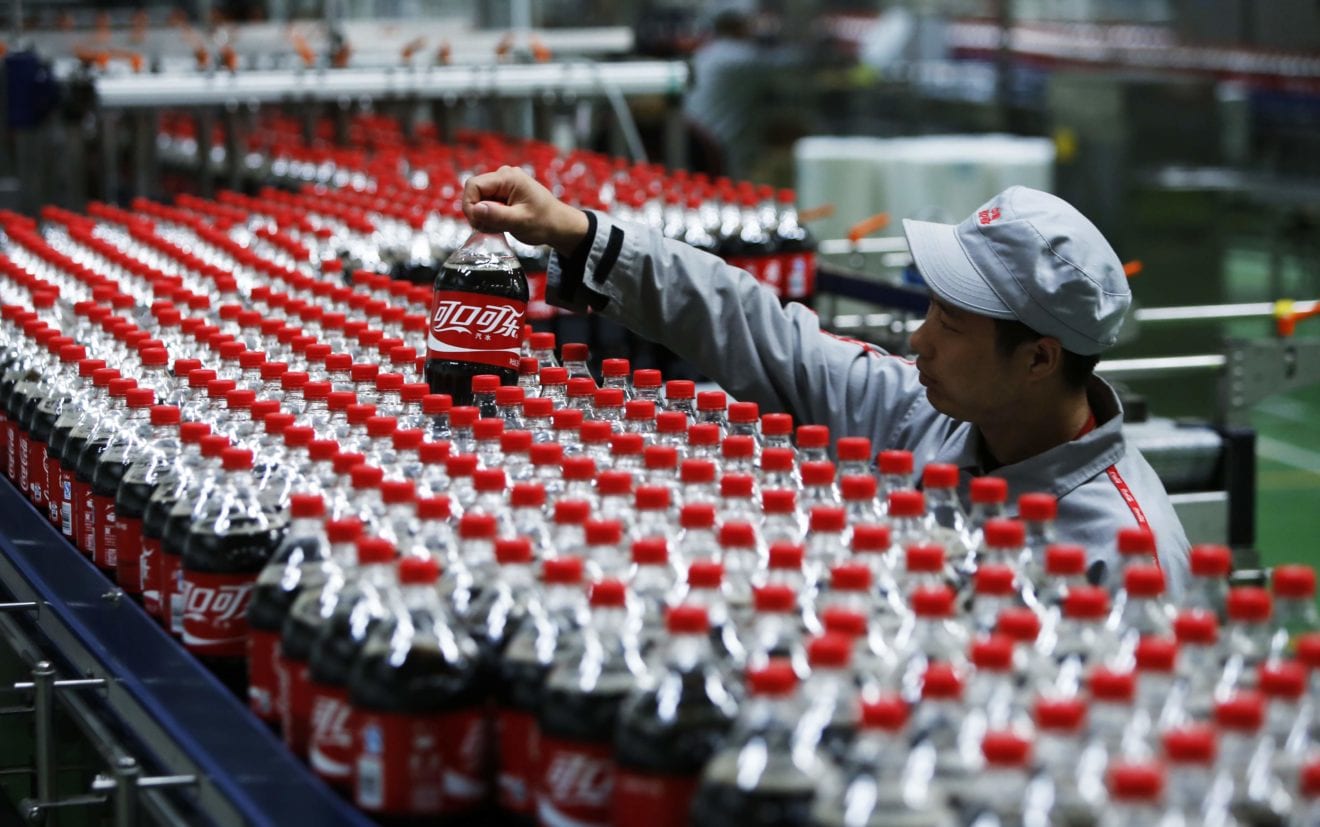
    The Coca-Cola Company has announced that it has reached a definitive agreement to acquire Costa Limited, which was founded in London in 1971 and has grown to become a major coffee brand across the world.

    The acquisition of Costa from parent company Whitbread PLC is valued at US$ 5.1 billion and will give Coca-Cola a strong coffee platform across parts of Europe, Asia Pacific, the Middle East and Africa, with the opportunity for additional expansion. Costa operations include a leading brand, nearly 4,000 retail outlets with highly trained baristas, a coffee vending operation, for-home coffee formats and Costa’s state-of-the-art roastery.

    For Coca-Cola, the expected acquisition adds a scalable coffee platform with critical know-how and expertise in a fast-growing, on-trend category. Costa ranks as the leading coffee company in the United Kingdom and has a growing footprint in China, among other markets. Costa has a solid presence with Costa Express, which offers barista-quality coffee in a variety of on-the-go locations, including gas stations, movie theaters and travel hubs. Costa, in various formats, has the potential for further expansion with customers across the Coca-Cola system.

    The acquisition will expand the existing Coca-Cola coffee lineup by adding another leading brand and platform. The portfolio already includes the market-leading Georgia brand in Japan, plus coffee products in many other countries.

    Costa also provides Coca-Cola with strong expertise across the coffee supply chain, including sourcing, vending and distribution. This will be a complement to existing capabilities within the Coca-Cola system.

    “Costa gives Coca-Cola new capabilities and expertise in coffee, and our system can create opportunities to grow the Costa brand worldwide,” said James Quincey, President and CEO, Coca-Cola.

    Quincey added, “Hot beverages is one of the few segments of the total beverage landscape where Coca-Cola does not have a global brand. Costa gives us access to this market with a strong coffee platform.”

    Coffee is a significant and growing segment of the global beverage business. Worldwide, coffee remains a largely fragmented market, and no single company operates across all formats on a global basis.

    “The Costa team and I are extremely excited to be joining The Coca-Cola Company,” said Dominic Paul, Managing Director, Costa.

    Paul added, “Costa is a fantastic business with committed and passionate associates, a great track record and enormous global potential. Being part of the Coca-Cola system will enable us to grow the business farther and faster. I would like to say a huge thank you to our customers and to everyone in the Costa team who have helped us build the business to this position, and I look forward to the next exciting chapter in Costa’s vision of Inspiring the World to Love Great Coffee.”

    Transaction details

    The purchase price is £3.9 billion. This translates to approximately US$ 5.1 billion. Upon the closing, The Coca-Cola Company will acquire all issued and outstanding shares of Costa Limited, a wholly-owned subsidiary of Whitbread. This subsidiary contains all of the existing operating businesses of Costa.

    Whitbread will be seeking shareholder approval for the transaction, which is expected to take place by mid-October. The deal is subject to customary closing conditions, including antitrust approvals in the European Union and China. It is expected to close in the first half of 2019.

    Coca-Cola expects the transaction to be slightly accretive in the first full year, not taking into account any impact from purchase accounting. For the fiscal year 2018 (ending March 1, 2018), Costa generated revenue and EBITDA of £1.3 billion and £238 million GBP, respectively. This equates to roughly $1.7 billion in revenue and US$ 312 million in EBITDA.

    Because Coca-Cola expects the transaction to close in the first half of 2019, there is no change to 2018 guidance. The company’s long-term targets also remain unchanged. Coca-Cola will provide additional information as part of comprehensive guidance provided during the fourth quarter 2018 earnings call.

    Advisers

    Rothschild acted as exclusive financial adviser to The Coca-Cola Company. Clifford Chance acted as legal counsel to The Coca-Cola Company, and Skadden, Arps, Slate, Meagher & Flom acted as tax counsel to The Coca-Cola Company.

  • Nestlé and Starbucks close deal for global license of Starbucks CPG and Foodservice products

    Nestlé and Starbucks close deal for global license of Starbucks CPG and Foodservice products

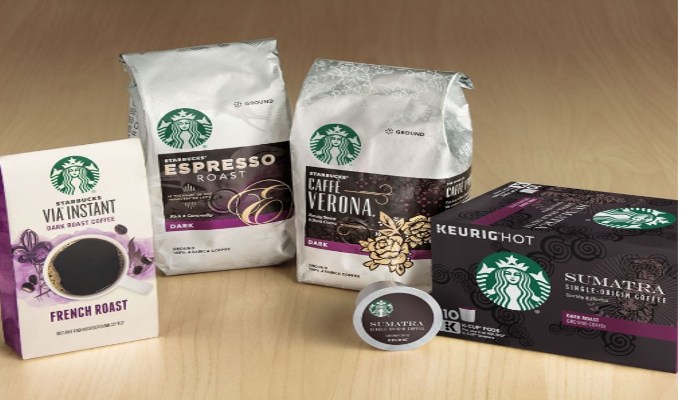
    Nestlé and Starbucks Corporation announced the closing of the deal granting Nestlé the perpetual rights to market Starbucks Consumer Packaged Goods and Foodservice products globally, outside of the company’s coffee shops.

    Through the alliance, the two companies will work closely together on the existing Starbucks range of roast and ground coffee, whole beans as well as instant and portioned coffee. The alliance will also capitalize on the experience and capabilities of both companies to work on innovation with the goal of enhancing its product offerings for coffee lovers globally.

    “This partnership demonstrates our growth agenda in action, giving Nestlé an unparalleled position in the coffee business with a full suite of innovative brands. With Starbucks, Nescafé and Nespresso we bring together the world’s most iconic coffee brands,” said Mark Schneider, Nestlé CEO.

    “The outstanding collaboration between the two teams resulted in a swift completion of this agreement, which will pave the way to capture further growth opportunities,” he added.

    The agreement significantly strengthens Nestlé’s coffee portfolio in the North American premium roast and ground and portioned coffee business. It also unlocks global expansion in grocery and foodservice for the Starbucks brand, utilizing the global reach of Nestlé.

    “This global coffee alliance with Nestlé is a significant strategic milestone for the growth of Starbucks,” said Kevin Johnson, President and CEO of Starbucks.

    Johnson added, “Bringing together the world’s leading coffee retailer, the world’s largest food and beverage company, and the world’s largest and fast-growing installed base of at-home and single-serve coffee machines helps us amplify the Starbucks brand around the world while delivering long-term value creation for our shareholders.”

    Approximately 500 Starbucks employees in the United States and Europe will join the Nestlé family, with the majority based in Seattle and London. The international expansion of the business will be led from Nestlé’s global headquarters in Vevey, Switzerland.

    The agreement covers Starbucks packaged coffee and tea brands, such as Starbucks®, Seattle’s Best Coffee®, TeavanaTM/MC, Starbucks VIA® Instant, Torrefazione Italia® coffee and Starbucks-branded K-Cup® pods. It excludes Ready-to-Drink products and all sales of any products within Starbucks® coffee shops.

  • Breakfast at Tiffany’s in Singapore pop-up store

    Breakfast at Tiffany’s in Singapore pop-up store

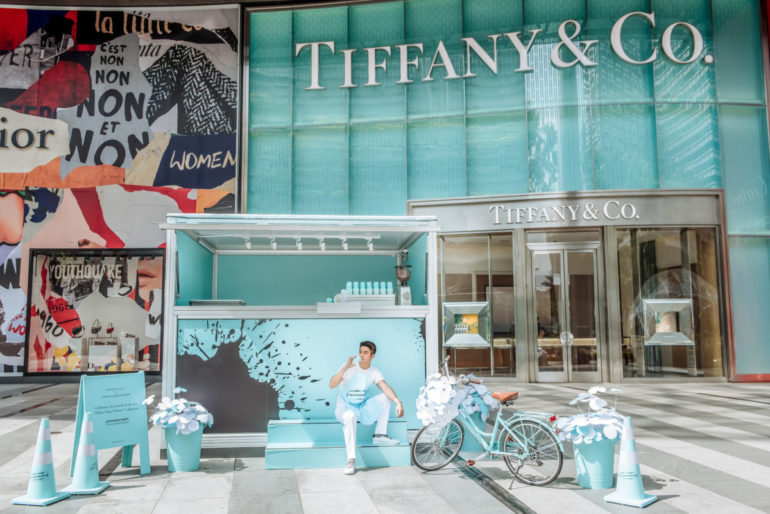
    Singapore locals can now have breakfast at Tiffany’s with a new pop-up for the iconic New York jeweller of the same name opening at ION Orchard mall this month.

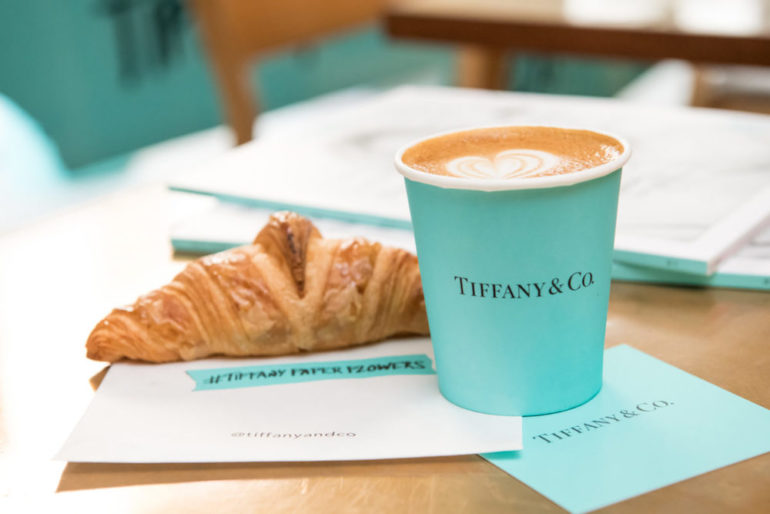
    The Audrey Hepburn-linked jeweller has taken over the Tiong Bahru Bakery located on Eng Hoon Street and will serve clients breakfast treats such as pastries and fresh coffee from the bakery all day.

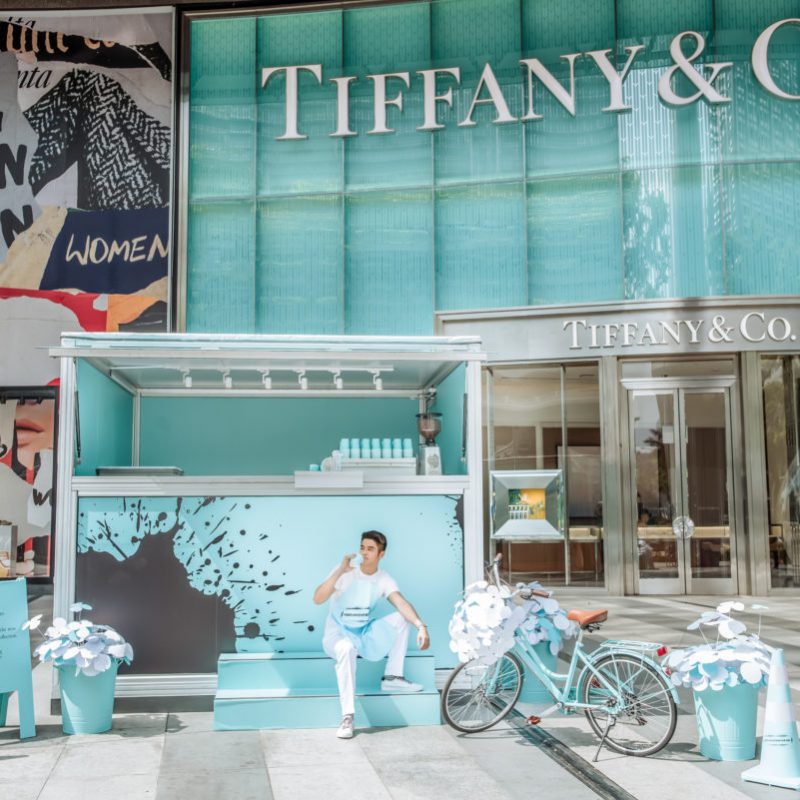
    The bakery’s counter and seating area, as well as menus and signage has been decked out in the signature Tiffany’s blue just for the occasion. There is also a second pop-up, a smaller Tiffany blue coffee cart, inside the mall located right outside the jeweller’s store.

    The week long pop-up marks the launch of Tiffany & Co.’s ‘Paper Flowers’ collection, the first from the jeweller’s new creative director Reed Krakoff. The collection is fronted by the actress Elle Fanning.

    Inspired by paper flowers, the collection includes rings, necklaces and earrings, each design blooming in a flower motif to look like a paper flower.

    Prices range from S$4,100 for a pendant to S$565,000 for a necklace.

    The pop-ups can be found at Tiong Bahru Bakery, where items will be sold all-day long, and outside the Tiffany & Co.’s boutique at ION Orchard from 10am to 2pm.

    The Tiffany & Co.’s ‘Paper Flowers’ pop-up event runs from August 27 to September 3.

    Thereafter, the new ‘Paper Flowers’ collection is available at all Singapore stores and counters including ION Orchard, Ngee Ann City, Marina Bay Sands and Changi Airport.

  • Dean & Deluca Kuala Lumpur opens

    Dean & Deluca Kuala Lumpur opens

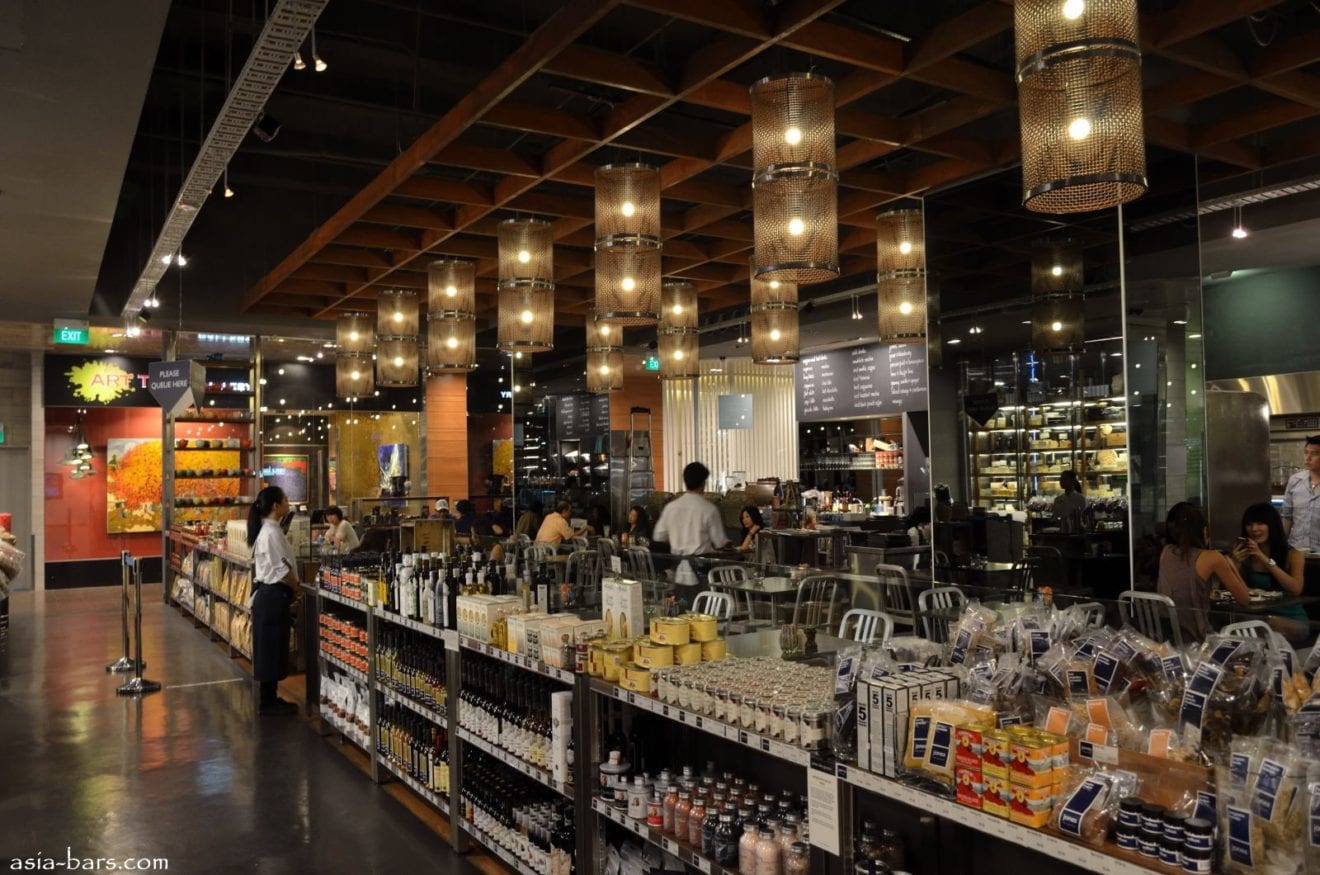
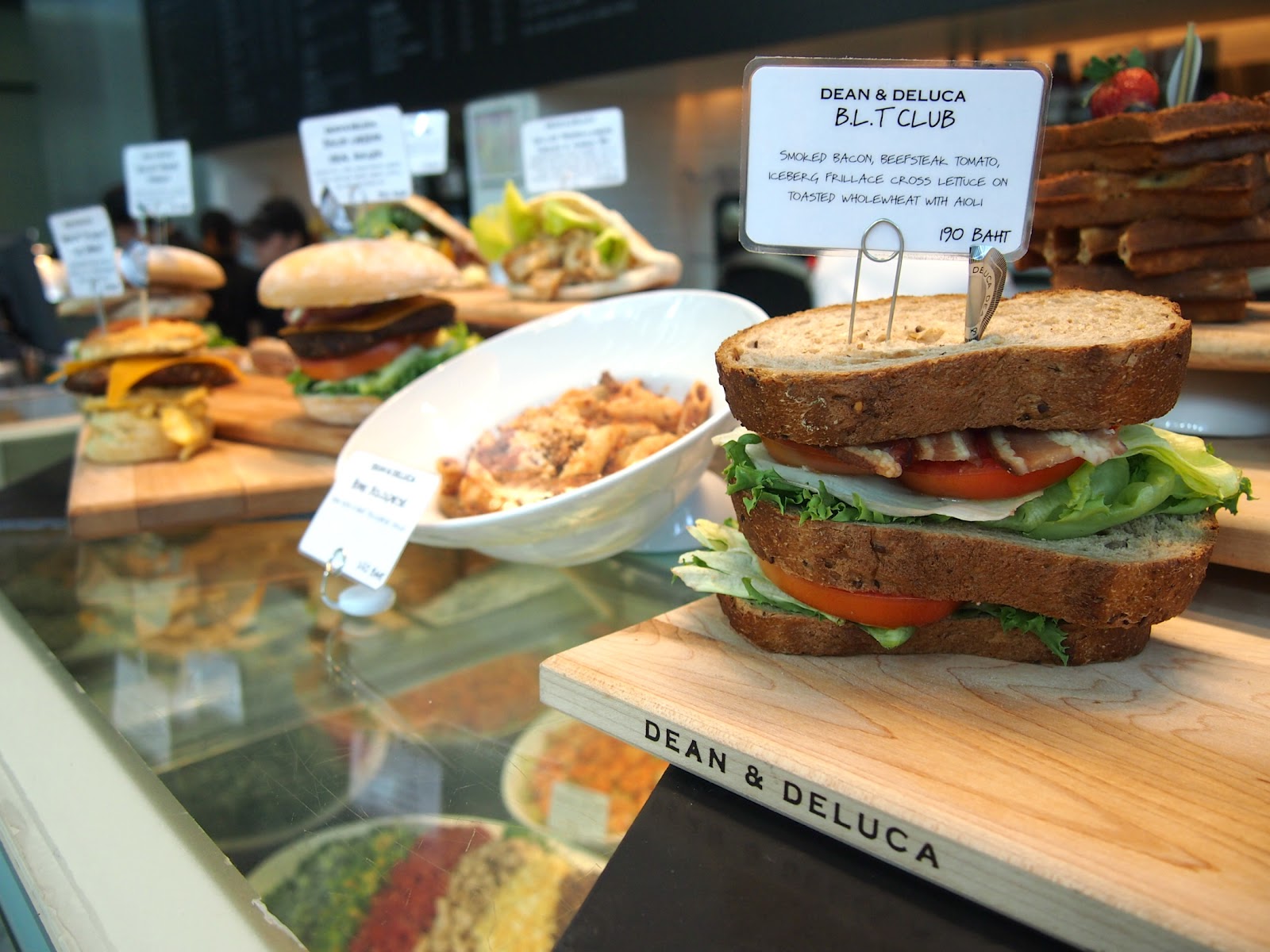
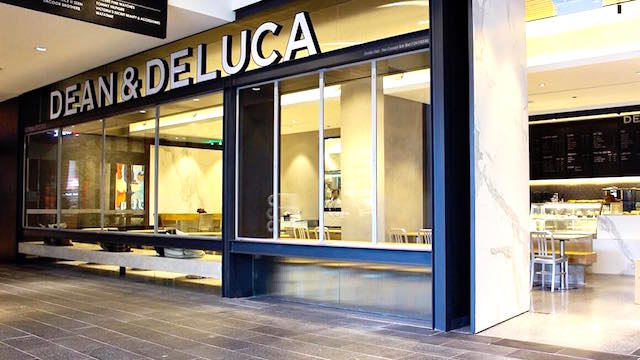
    Thai-owned New York deli concept Dean & Deluca has made its Malaysian debut at Pavilion in downtown Kuala Lumpur.

    Officially opened yesterday, the store is expected to attract shoppers with a premium cafe and restaurant offer, along with packaged foods to go.

    While the company is struggling in the US having closed a majority of its stores there over the last year or so, it is expanding in Asia. New outlets recently opened at Bangkok’s Suvarnabhumi airport, on both air and land sides and a store is scheduled to open soon at Hong Kong International Airport.

    Dean & Deluca also has stores in the Philippines, and several Middle Eastern markets.

  • Red Lobster America to make debut din the Philippines

    Red Lobster America to make debut din the Philippines

    America’s Red Lobster restaurant chain will open its first Philippines outlet by the end of this year.

    Planned for the S Maison at Conrad Manila in Pasay, the branch will be operated under Red Lobster’s partnership with The Bistro Group.

    “We’re America’s No. 1 seafood restaurant. We operate 749 restaurants. We are 28 years in Asia, and we’re opening up new partnerships here in Asia, starting with the Bistro Group,” said Catherine Souders, Red Lobster’s director of Asia operations.

    “We’re excited to bring some signature combinations or some species that are not as prevalent in the market. All of our seafood products are all sustainably sourced, traceable and responsibly sourced because we are not just a company that’s just for today, or for a few years, we are company for generations,” Souders added.

    With the Red Lobster restaurant chain, Bistro Group has added to its international franchise portfolio which already includes TGI Friday’s, Village Tavern, and Italianni’s.

    Founded in 1968, the casual dining chain opened its first overseas branch in Japan in 1982, and since then has expanded around the world.

    The seafood chain plans to expand further in Asia with China and Taiwan next on the list after it opens in the Philippines.

  • Robots start serving Korea’s customers

    Robots start serving Korea’s customers

    On the 31st floor of Lotte World Tower in Jamsil, southern Seoul, a polar bear-shaped robot is reading customers’ palms instead of their credit cards to take their payments.

    The robot can also answer simple questions and make different 3D faces, depending on the conversation topic. If a customer complains about stress, Veny offers up a helpful suggestion: “There’s nothing like spicy food to beat stress. Why don’t you try the Hot Chicken Flavor Ramen and sprinkle cheese on top?” It throws out jokes, too, though they aren’t always winners: “A king that parks? Park-ing.”

    Veny is one of many robots introduced at local brick-and-mortar retailers in August. Companies have recently been trying to add new automated technologies, like expanded electronic kiosks, to their stores. Several major retailers upped their game last month by introducing humanoid robots in hopes of building closer connections with customers than other machines could provide.

    On Wednesday, the second-generation humanoid Pepper robot starting working at discount chain Emart’s Seongsu branch in eastern Seoul. It works three times a day for one and a half hours each shift at the store’s imported food section.

    Developed by Japan’s SoftBank Robotics, Pepper is equipped with software from Emart to help it serve consumers at the discount store. This was the second launch after the discount chain introduced an early version of Pepper in May. Although identical in appearance, the new Pepper can move by itself and is more outgoing.

    With its sensors and camera, the humanoid robot is on the lookout for consumers to offer assistance. “Sir, I can help you. Wait for me,” it says after spotting a customer. Pepper uses its screen to show items, escorts consumers to them, suggests the best sauce for dinner and waves goodbye.

    Emart explained in a statement that it chose the imported food section as the test-bed for Pepper because it has many products that local shoppers are unfamiliar with. Unlike the mobile Pepper, Veny sits still on top of the cashier desk. The robot has a monitor on its belly through which consumers can pay at 7-Eleven.

    Veny accepts credit cards, but its real trick is reading palms with its electronic paw. After registering your credit card information and doing a palm scan at a kiosk in front of the store, Veny will automatically retrieve payments from your account after you place your hand on his left paw. The service is currently limited to Lotte Card holders.

    Veny’s cashier function is not very different from what existed before at the two 7-Eleven Signature branches, which were the first unmanned convenience stores in Korea when they opened in May last year. A major point the company focused on with Veny was charm.

    The robot can recognize the face of past customers if they permit it to and can also talk about over 1,000 scenarios, including the fictional story of how he traveled to Korea all the way from the North Pole.

    A pioneer in the restaurant business is delivery app Baedal Minjok’s Dilly Plate robot, which was developed by Bear Robotics. For two weeks starting from Aug. 6, the server robot had its first local test-run at a Pizza Hut restaurant in Mok-dong, western Seoul. Dilly Plate looks like a high stool with a round top just about the right size to hold a pizza pan. It can safely carry up to 22 kilograms (49 pounds) at once.

    “The response was better than we expected,” said a Baedal Minjok spokesman who visited the branch several times during the test period. “One thing I noticed was that people got used to seeing Dilly running on the floor quite quickly. After one or two trials, servers seemed more comfortable working efficiently with the robot. Consumers were interested at first, and they quickly got accustomed to Dilly serving plates.”

    Another robot experiment in the food sector is local coffee franchise Dal.Komm Coffee’s b;eat – an unmanned take-out coffee stand. A robot serves drinks behind glass windows.

    B;eat has around 20 branches across Seoul. It takes orders through a mobile app or a kiosk beside the machine from seven iced or hot menu options, ranging from Americanos to cappuccinos. A coffee machine from the Swiss company Thermoplan makes the espresso-based beverages. B;eat’s robot arm moves plastic cups around to pour ice and coffee and delivers drinks to customers. It takes around three or four minutes to receive a drink after ordering it.

    “B:eat runs 24 hours a day, so it works best at places like airports, terminals or public spaces like libraries and universities,” said Dal.Komm Coffee in a statement. After its launch in January, B;eat has also proved to be popular at office buildings.

    While some people are intrigued seeing robots do human tasks, many also fear that this may be the start of robots pushing out the human workforce. Some local media outlets reported that the increased interest in robots in the retail industry is in line with the increased burden on companies due to the minimum wage hike.

    Retail companies say otherwise. They say their ongoing automation efforts are aimed at enhancing service while leaving tedious, repetitive work to robots and offer an entertainment factor get customers into brick-and-mortar stores.

    “An internal survey we did on store staff a few years ago showed that more than 60 percent of their work was taking care of payments,” said a 7-Eleven spokesman. “There are many more tasks that if done properly can lead to increased profits, such as placing orders, cleaning, arranging the shelves and stock management, and these can only be done by people, not robots … even for our unmanned stores, we need people to offer help on the new systems. It’s unlikely that technology will ever completely replace people at brick-and-mortar stores.”

    The global market for reception robots was estimated at $1.4 billion last year. This is expected to reach $11.8 billion by 2025. Robot experts point out that Korea is still in its infancy in terms of service robots.

    “The local robot industry is centered on industrial robots,” said a 2017 report from the Institute for Information and Communications Technology Promotion. “There are a few companies that develop robots for education or cleaning, but it is hard to find any in other service sectors.”

    “Regarding reception and emotional robots, in particular, Korea has very few companies that have technology in the sector comparable to Japan and China, whose governments are supporting the market’s growth.”
  • Cali-Mex makes debut in Thailand

    Cali-Mex makes debut in Thailand

    The ground-floor venue at Sukhumvit Soi 22’s Holiday Inn is set to be the first of 20 outlets planned for Thailand within the next three years. A 150-seat flagship on Sukhumvit Soi 11 is scheduled to open in December.

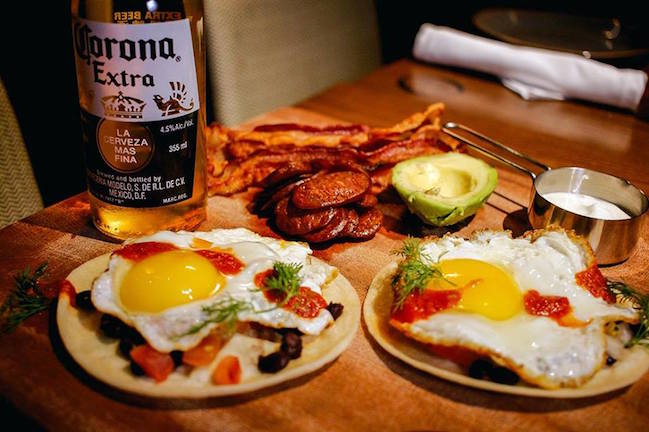
    Along with Californian-Mexican cuisine, Cali-Mex offers Thailand’s first beer taps at the table, charging by volume.

    View the gallery below :

  • Loob takes Chatime Malaysia to court

    Loob takes Chatime Malaysia to court

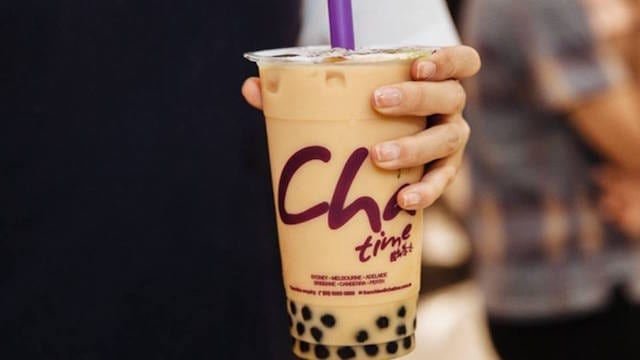
    A defamation suit filed by bubble tea brand Tealive against Chatime Malaysia will be heard next February.

    Tealive’s owner Loob Holdings was formerly the primary franchise holder for Chatime before a series of disputes resulted in Chatime owners La Kaffa International terminating their agreement. Tealive is claiming that statements made and released to the media subsequent to Loob Holding’s departure from the brand were injurious to its business.

    The decision to proceed to trial follows the rejection of an appeal to cancel the suit by Chatime and its directors.

    Tealive is demanding a written apology to be published in English and Bahasa Malaysia newspapers, an injunction to prevent a repeat of the defamatory statements, and general damages, costs and other relief as appropriate.