Category: Food

Retail News Asia is committed to providing both local and global retailers with the latest Food and Food & Beverage news throughout the Asian market. This on a daily base.

  • Auntie Anne’s to make debut in Myanmar

    Auntie Anne’s to make debut in Myanmar

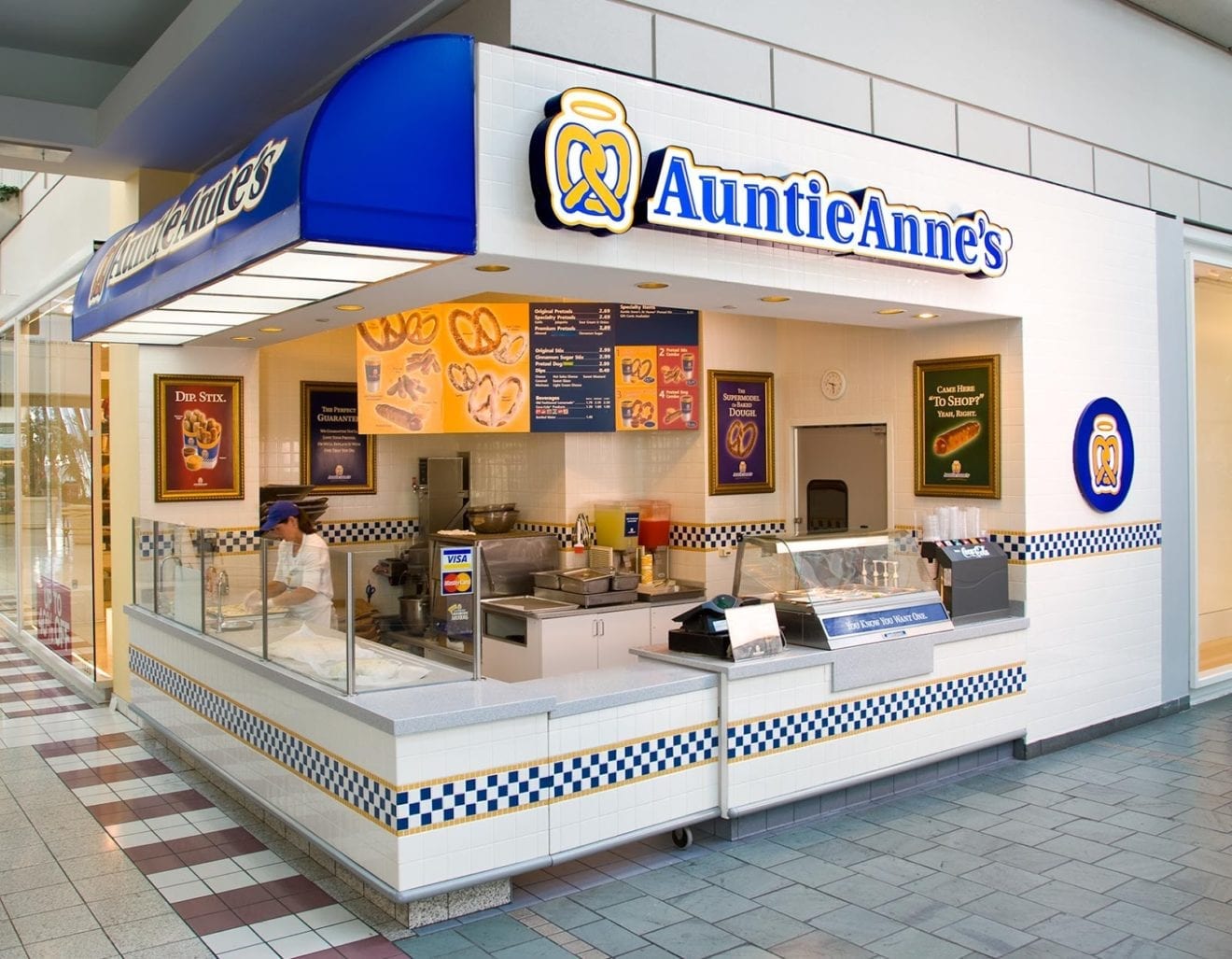
    Yoma Strategic and the parent company of pretzel franchise Auntie Anne’s – Focus Brands – are to bring the popular hand-rolled soft pretzel store to Myanmar. Myanmar’s first Auntie Anne’s outlet is scheduled to open in Yangon in the coming months with a more ambitious expansion planned over the next five years.

    Auntie Anne’s recently celebrated 30 years of operations and currently has more than 1800 outlets in 30 countries, including more than 600 locations outside of the US. The brand has established a strong presence in Asia.

    Yoma Strategic CEO Mr. Melvyn Pun said the company was seeing considerable growth in the market for freshly baked goods.

    “While many street vendors do offer traditional Myanmar alternatives, the addition of an iconic international brand will only enrich the local foodscape. It is also a big opportunity for a global brand to come in and offer consumers an exciting new twist on the current offerings in this sector.”

    Yoma F&B’s franchise portfolio also includes KFC and Little Sheep Hotpot. Yoma F&B is targeting the shifting consumption patterns and the rising discretionary disposable income of Myanmar’s expanding middle class, a group forecasted to reach 10 million by 2023.

  • Lenovo opened an unmanned store in Beijing

    Lenovo opened an unmanned store in Beijing

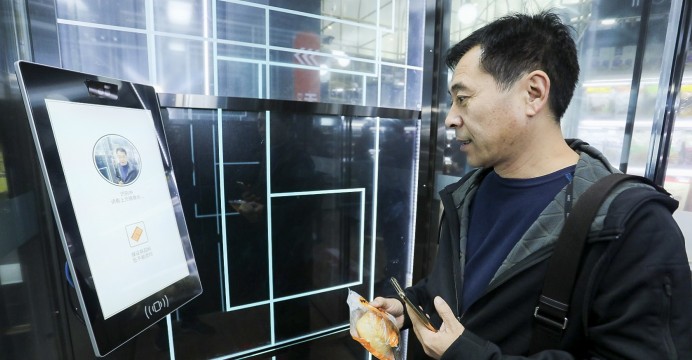
    Lenovo China has launched an automated store in Beijing based on facial recognition technology. The Lenovo Go store also features a mobile payment system. A blog post put out by the Taiwanese tech giant reads: “Shopping at the store is quite simple. You walk up to the door, cameras recognise your face, you browse the aisles, pick out what you want as usual, then – and here’s the magic – you just walk out, and your account is automatically settled via your mobile payment.”

    Lenovo’s head of research and technology Daryl Cromer said: “We can now understand some of the technologies and challenges our customers face, allowing us to make better devices and tailored solutions.

    The store becomes a powerful pilot program for technologies that move beyond the Lenovo campus.”

    Lenovo plans to use data gathered at the store to power future technologies, such as an espresso machine that can brew coffee to individual preferences based on facial recognition.

  • Which are Vietnam’s most successful coffee chains?

    Which are Vietnam’s most successful coffee chains?

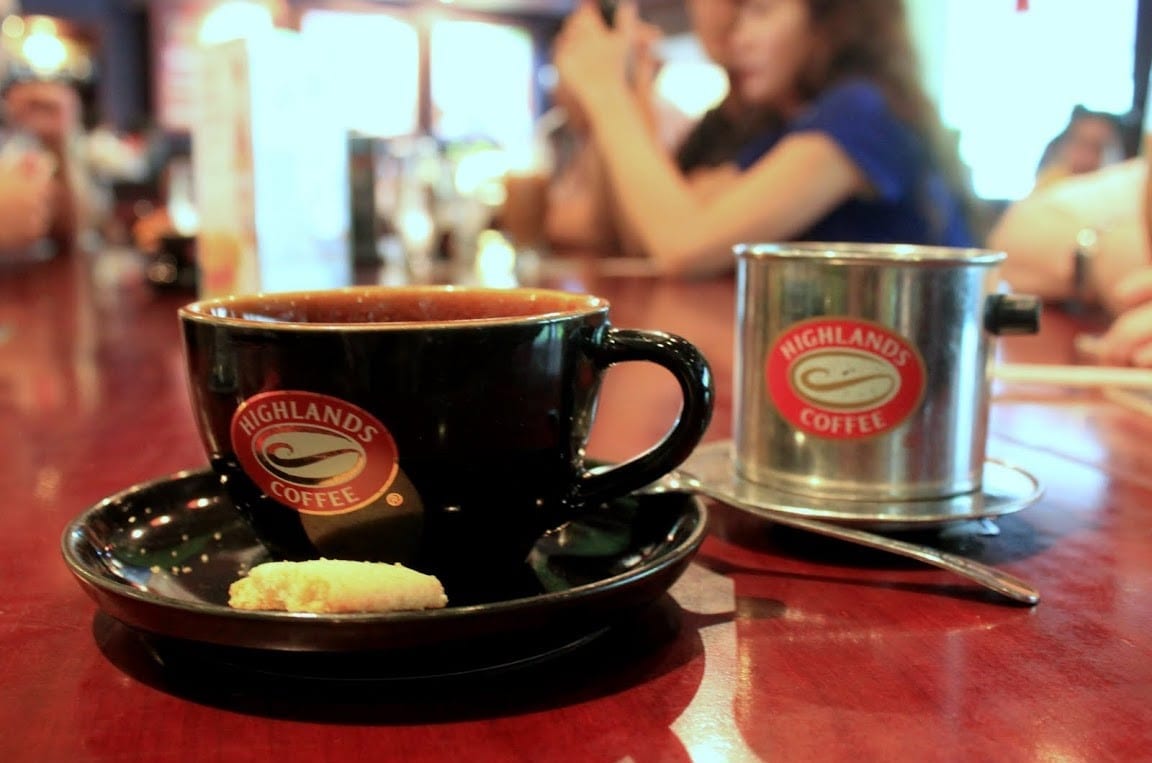
    Highlands Coffee reported sales of VND1.24 trillion ($53.23 million) last year making it Vietnam’s largest coffee chain in terms of revenues. The figure was four times that of Phuc Long’s, eight times that of The Coffee House’s and thrice that of Starbucks’.

    Founded in 2002 by a Vietnamese-American and sold to Philippine fast food giant Jollibee in 2012, Highlands Coffee now has 230 stores mostly in well-known buildings and malls.

    Local chain The Coffee House saw revenues double last year. Nguyen Hai Ninh, its founder, said the chain received over 20 million visitors.

    It now has over 100 stores nationwide, and Ninh said each store can serve 500 – 1,000 visitors on average daily. “We expect to double the number this year, and are looking to open 700 more across Vietnam in the next five years, at an average of 10 per month.”

    The chain’s differentiating factor is that the emphasis is not renting the best locations; rather, it seeks to attract clientele with a modern, striking shop design that appeals to younger customers.

    Its drinks are priced moderately, which helps it attract a wide range of customers.

    It recently bought the coffee business of Da Lat-based Cau Dat Farm and simultaneously launched a flagship store in downtown Saigon, The Coffee House Signature.

    Local brand Trung Nguyen’s highest revenue from any store is VND2-3 billion ($86,200-129,300) per month, while most make an average of VND400-500 million ($17,200-21,500).

    By the end of this year Trung Nguyen is expected to have a total of 100 outlets.

    Phuc Long, though a coffee chain associated with milk tea, has seen annual revenues grow at 7 percent in recent years, predominantly from the latter drink.

    With the rapid growth of coffee chains, coffee consumption by Vietnamese has also risen sharply.

    According to a study by BMI Research, a subsidiary of ratings firm Fitch, consumption grew from 0.43 kg per person in 2005 to 1.38 kg in 2015. This is the highest growth rate of any global coffee exporter, and the figure is forecast to reach 2.6 kg by 2021.

  • Denny’s to open 20 more stores in Philippines

    Denny’s to open 20 more stores in Philippines

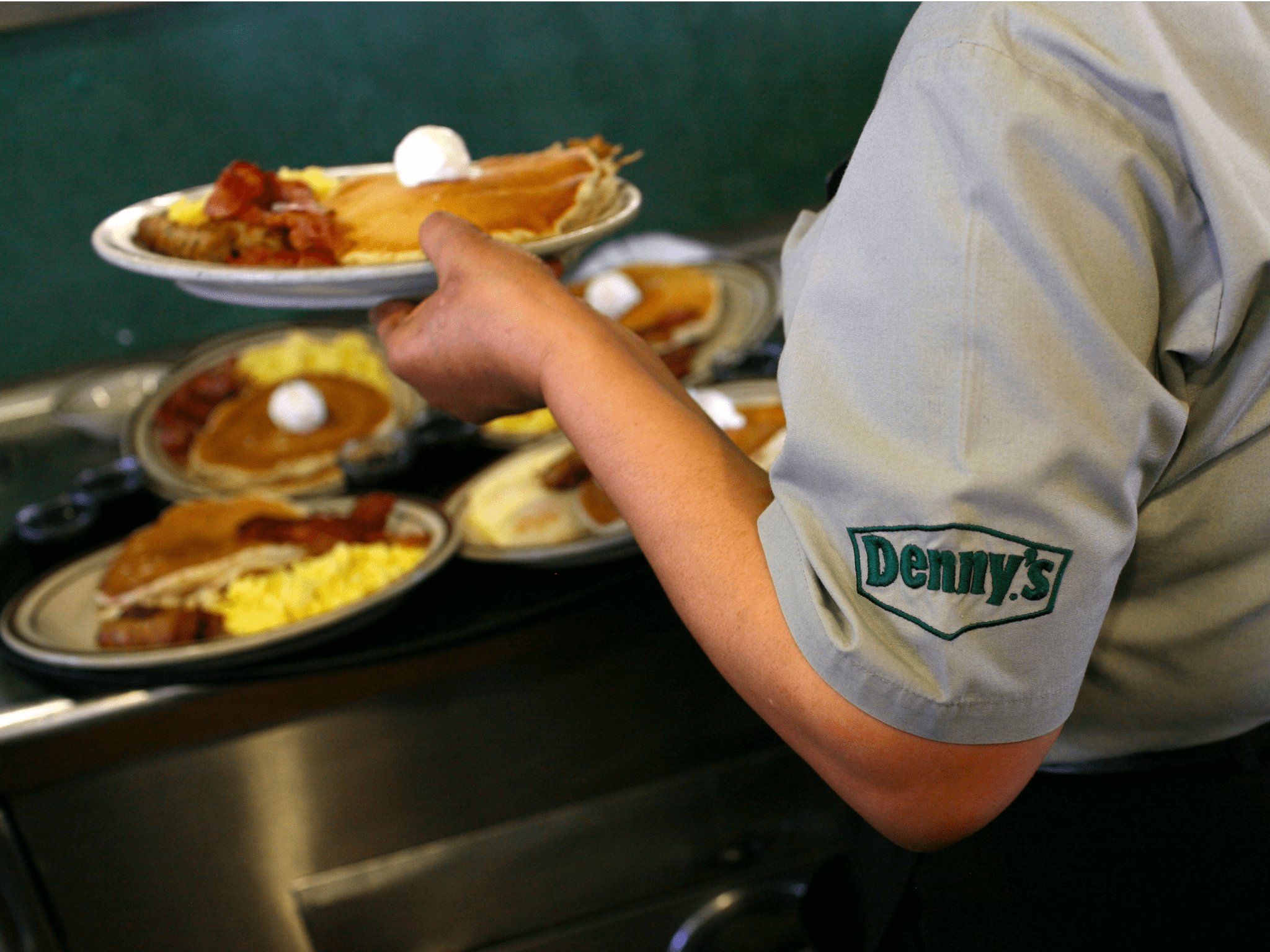
    Family dining chain Denny’s is poised to expand its operations in the Philippines. The move has involved an amendment to its development agreement with The Bistro Group, which became a franchisee three years ago. Bistro operates six Denny’s Philippines restaurants in the territory, which will be expanded by an additional 20 locations.

    Denny’s president and CEO John Miller said exciting growth enjoyed by a newer franchisee like The Bistro Group in the Philippines demonstrates the strength of the Denny’s brand beyond North America.

    Denny’s senior VP & chief global development officer Steve Dunn added: “Denny’s is one of the fastest-growing family-dining chains across the globe, and it is very exciting to see franchise partners commit to expand their existing development commitments. We continue to have an active pipeline for growth as we further expand Denny’s international footprint.”

    There are more than 1720 Denny’s restaurants around the world.

  • Vietnam, Thailand skip Philippines’ 203,000 T rice tender

    Vietnam, Thailand skip Philippines’ 203,000 T rice tender

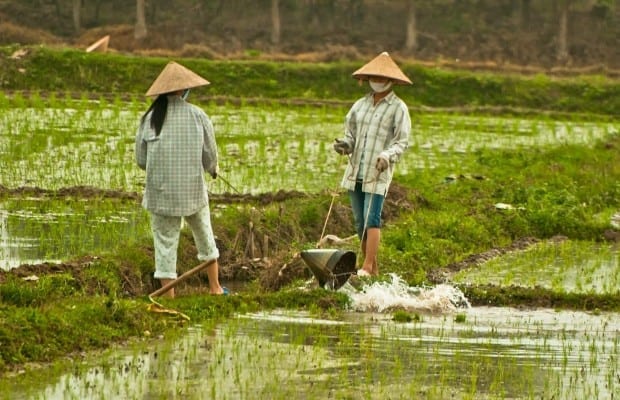
    Rice exporters Thailand and Vietnam did not submit offers at a Philippines 203,000-tonne import tender, citing stricter terms. The tender by one of the world’s top rice importers was held to meet unfilled orders after a tender on Oct. 18 for 250,000 tons of rice by Manila’s state-owned National Food Authority (NFA) secured only 47,000 tons due to high offer prices.

    Thailand and Vietnam were the only government suppliers accredited for Tuesday’s re-tender. NFA officials said both submitted letters saying they would not participate due to the stricter terms set out by the Philippines food authority.

    NFA spokesman Rex Estoperez said import terms had been made more stringent to address concerns that arose from previous rice purchases, including health and safety issues, which would raise the cost for suppliers.

    “I can’t say if there will be another bidding,” Mercedes Yacapin, head of the tender panel, told reporters, adding the decision will be left to the NFA Council, which is made up of the country’s economic managers.

    President Rodrigo Duterte last month scrapped a 20-year-old government cap on rice imports to help curtail soaring prices of the Philippine diet staple by increasing supply.

    The Philippines is on a rice buying spree this year, with import approvals by the NFA hitting 2.4 million tonnes, just below the record 2.45 million tons bought in 2010 when rising global food prices stoked shortage fears.

    The NFA is set to hold another import tender for 500,000 tons of rice on Nov. 20.

  • Swiggy India expands services in 16 new cities

    Swiggy India expands services in 16 new cities

    Food ordering and delivery platform Swiggy Thursday said it has expanded its presence in the country by launching services in sixteen new cities across India. The new cities include Thrissur, Tirupur, Warangal, Aurangabad, Agra, Mangalore, Manipal, Jalandhar, Trichy, Udaipur, Amritsar, Varanasi, Bhubaneshwar, Vellore, Thiruvananthapuram and Kota, Swiggy said in a statement.

    These cities join the 28 cities across India where Swiggy already has presence, it added.

    Commenting on the development, Vivek Sunder, COO, Swiggy said, “One of the reasons for the expansion across the country is because of the strong consumer demand that we have witnessed through thousands of Swiggy app downloads in cities where we were not even present.”

    In just four years, Swiggy has become a household name among Indian consumers by providing them the best food delivery experience in the country, he added. The growing consumer demand in tier 2 and tier 3 cities for quality food, convenience, and easy accessibility are one of the key reasons for the company to enter newer cities. Swiggy said.

    Founded in 2014, Swiggy currently has over 40,000 restaurant partners spread across 44 cities in the country.

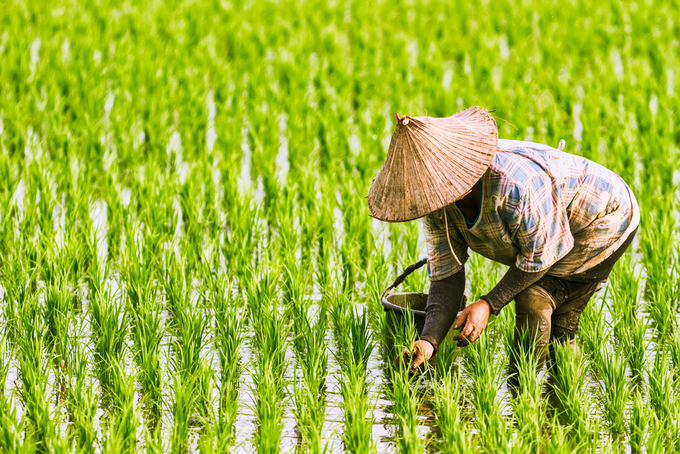
  • Vietnam urges China to import more agriculture produce

    Vietnam urges China to import more agriculture produce

    China should import more Vietnamese products, especially agriculture produce, so as to balance bilateral trade, PM Nguyen Xuan Phuc said Sunday. “As Vietnam is seeing a great trade deficit with China, you [Chinese businesses] should import more products from Vietnam, starting with agricultural products, to balance bilateral trade,” the prime minister said at a meeting with Chinese businesses in Shanghai before the November 5-10 China International Import Expo (CIIE).

    “This is in line with the policy of China’s top leaders, who have repeatedly told us that they are keen to move towards a trade balance between China and Vietnam,” he noted.

    China is currently the largest market for agricultural products in Vietnam with the export turnover of agriculture, forestry and fishery products this year estimated at over $35 billion, up nearly 9 percent over the same period last year, Phuc said.

    However, most Vietnamese produce are mostly consumed in China’s southern Yunnan Province and the Guangxi region bordering Vietnam, not in the rest of the country, he said.

    As the second largest agricultural produce exporter in ASEAN with over 20 agriculture products that have an annual export value of over $1 billion worth, Vietnam offers many products favored by Chinese consumers, the PM said.

    Many Vietnamese agriculture produce are among the world’s best, like rice, pepper, cashew, pangasius fish and shrimp, he noted, adding that its fruits, like dragonfruit, mango, longan and watermelon, have passed import standards set by Australia, the EU, Japan, South Korea and the U.S.

    These products have great potential to boost bilateral trade cooperation, the PM stressed.

    Representatives of Chinese corporations at the meeting said they value the investment potential in Vietnam and are interested in bringing Vietnamese agriculture produce to China and and the world.

    Pu Jian, executive director of the CITIC International Asset Management company, said that he could bring Vietnamese products more deeply into the Chinese market as his company specializes in importing rice, fruits and other produce.

    His corporation also owns 60 percent of McDonald shares with over 3,500 stores in China, and this could be a potential channel to consume Vietnamese produce, he added.

    Johnson Choi, executive director of China’s conglomerate Sunwah Group and general director of Sunwah Vietnam, said that his company would like to distribute Vietnamese coffee in the Chinese market and invest in Vietnam’s “green” agriculture.

    In a meeting with Chinese President Xi Jinping the same day on the sidelines of the CIIE, China’s major event seeking more import opportunities, PM Phuc stressed that Vietnam always attaches great importance to the development of friendly, stable and healthy relations with China.

    China should adopt policies and practical measures to reduce the current large trade deficit with Vietnam, he added.

    Xi said that his country doesn’t want to pursue a trade surplus with Vietnam, and will increase imports from Vietnam towards more balanced and sustainable bilateral trade.

    Vietnam-China trade reached $93.69 billion last year, up 30.2 percent from 2016. Vietnam earned $35.46 billion from exports to China, up 61.5 percent, while spending $58.22 billion on imports from the country, up 16.4 percent.

    In the first nine months this year, bilateral trade between the two countries reached $76.06 billion, up 18.7 percent over the same period last year.

    China continues to be Vietnam’s largest trading partner and the one with which it has the largest trade deficit. It is also Vietnam’s second largest export market after the U.S, according to Vietnam Customs.
  • Shake Shack lands in Singapore

    Shake Shack lands in Singapore

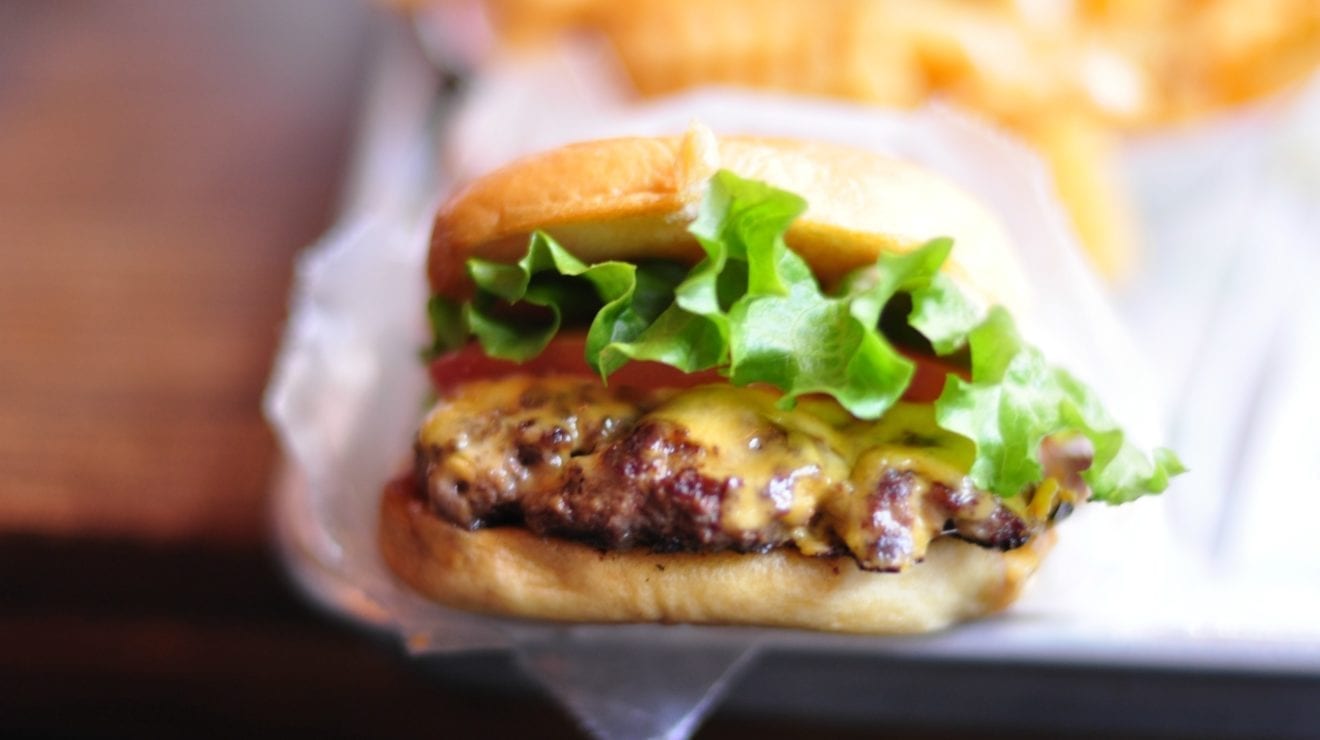
    American fast-food restaurant Shake Shack is landing in Singapore. The New York burger chain is opening up a location in Singapore’s awaited Jewel Changi Airport mall. In partnership with SPC Group, the South Korea-based restaurant distributor, Shake Shack said the firm took its time to discover the ideal location for the Madison Square Park-founded chain.

    “For years we’ve been looking for the right opportunity to enter the Singaporean market given its regional importance, and we’re thrilled to have found the right strategic partner and an ideal launch location,” said Michael Kark, Shake Shack’s vice-president of global licensing

    “Our flagship site will be in the stunning Jewel Changi Airport, home to more than 2,000 trees, harkening back to Shake Shack’s birthplace in NYC’s Madison Square Park.”

    To facilitate the market entry, Shake Shack said it also plans to work with local purveyors and producers to create unique offerings for the Singapore community. Shake Shack is no stranger to Asia.

    The company first entered the region in 2015 in Tokyo’s Gaien Park, before opening 10 outlets in Japan and seven in South Korea.

    In 2017, the firm opened a Hong Kong flagship.

    Shake Shack, in conjunction with SPC Group, intends to open a second location in Hong Kong planned for Pacific Place closer to 2019, as well as stores in Shanghai and Manila next year.

    Jewel, a new joint venture between Changi Airport Group and CapitaLand, houses over 280 shops across seven storeys from Basement 2 to Level 5.

    As well as Shake Shack, the retail space will also see the arrival of American fast food chain A&W, which left the Singaporean market a decade ago. The commercial development is slated to open March 2019.

  • New era for single malt whisky with Ailsa Bay’s launch in Australia

    New era for single malt whisky with Ailsa Bay’s launch in Australia

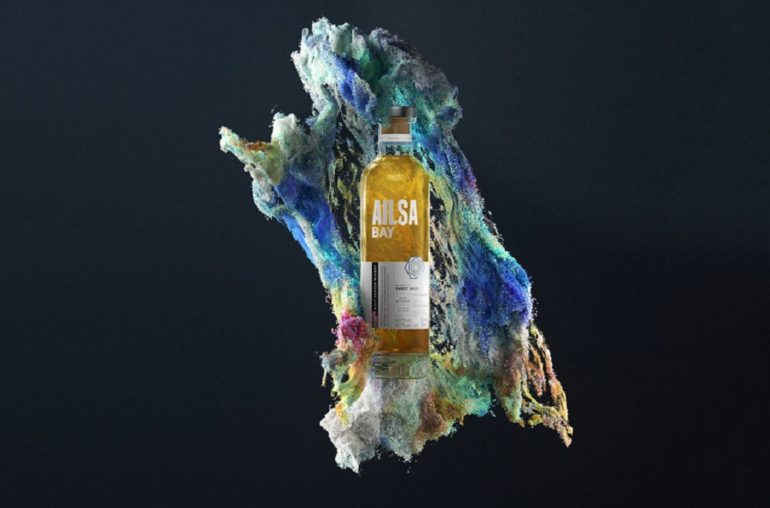
    Independent family-owned distiller, William Grant & Sons has announced the launch of Ailsa Bay in Australia. The single malt is the first whisky in the world to index ‘sweetness’. Following its successful launch in the United Kingdom and Nordics in 2016, Ailsa Bay will now be landing in Australia to serve and content all the Australian whisky enthusiasts.

    Ailsa Bay is created based on an industry-first “sweetness” index which enables the scientific measurement of sweetness.

    This complements a precise calculation of ‘peatiness’ to create a balance between smokiness and sweetness – all driven by advanced technology.

    This method was developed by Malt Master Brian Kinsman at William Grant & Sons.

    Alongside its liquid, Ailsa Bay’s packaging features dynamic artwork which takes its inspiration from the creativity of science, reflecting the boundary-pushing technology at its Girvan distillery.

    Ailsa Bay is available in Australia through Vintage Cellars, select First Choice stores only and Liquorland select stores in December.

  • Indonesia’s Legendary Tea Producer Declared Bankrupt

    Indonesia’s Legendary Tea Producer Declared Bankrupt

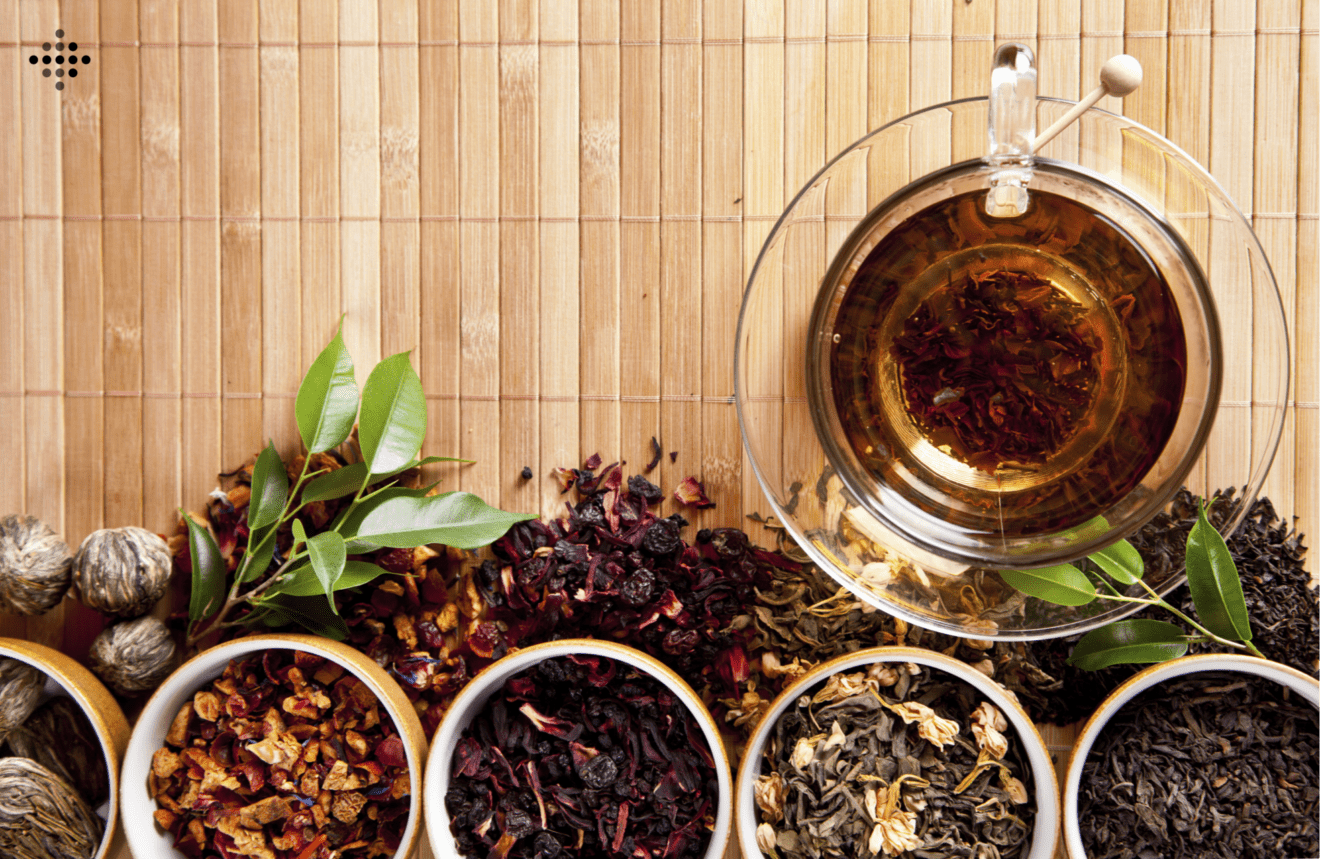
    When Indonesians enjoy a cup of hot black tea,  they are often reminded of one particular brand that seems to have been around forever: Sariwangi. The brand, established by Johan Alexander Supit in 1962 and introduced by the Sariwangi Agricultural Estate Agency in 1973, has been a household favorite for decades.

    The company based in Gunung Putri, a subdistrict of Bogor, West Java, started as tea trader, but soon diversified its business to become a tea producer. Its products were initially in sold in loose-leaf style under a different brand before the introduction of teabags, which changed the way Indonesians drink their tea.

    During the 1980s, the company also started exporting its products to other countries in the region and even as far afield as Eastern Europe, Australia and the Middle East.

    In 1989, the local unit of multinational consumer goods giant Unilever saw a business opportunity and acquired the brand, changing the styling of the name to SariWangi, and introducing several variants, including jasmine tea, green tea and circular teabags.

    The company was still expanding and selling up to 8 million tons of tea per year before it faced an unexpected downturn in 2015. This resulted in Sariwangi and its affiliate, Maskapai Perkebunan Indorub Sumber Wadung (Indorub), reportedly accumulating more than Rp 1 trillion ($66 million) in debt, owed to several lenders.

    In the same year, Bank ICBC Indonesia, HSBC Indonesia, Bank Panin Indonesia, Bank Rabobank Internasional and Commonwealth Bank took legal action against Sariwangi to recover the outstanding debt.

    This prompted Sariwangi to file a petition for a debt postponement in September 2015. In March the next year, the company filed for bankruptcy in the Central Jakarta District Court, but the court did not reach a verdict at the time.

    In August 2016, Bank ICBC Indonesia filed another lawsuit against Sariwangi and Indorub, claiming that the company and its affiliate did not have any intention to repay the Rp 322.7 billion they owed the lender.

    On Oct. 16, the court declared Sariwangi insolvent.

    Unilever Indonesia corporate secretary Sancoyo Antarikso said on Thursday last week that the consumer goods company was in no way affiliated with either Sariwangi or Indorub.

    Unilever said it once partnered with the original company to supply it with tea, but that the partnership had ended long ago.

  • Pepsi India betting big on digitisation for growth; to connect 10 million retailers

    Pepsi India betting big on digitisation for growth; to connect 10 million retailers

    Food and beverages major PepsiCo India is betting on digitisation as a big growth opportunity and is looking at using technology in both backward and forward integration. According to a report: The maker of Lay’s, Kurkure and many a cola brand, including Pepsi, said it is working on a project to digitally connect about 10 million retailers along with about 600 million consumers, with the supplier.

    Ahmed El Sheikh, President and Chief Executive Officer, PepsiCo India, said that the company has just finalised a project which is digitising the total supply chain within PepsiCo India, end-to-end.

    “We are working on another project to digitise our connection with farmers. We are talking about thousands of farmers where we want to be connected with the crops in the field, getting certain parameters measured and taking corrective action against it through digital solutions.

    “We are using digital in backward integration of supply chain network,” he said.

    Sheikh said the company is making technology as the cornerstone and building the business around it.

    “We are looking at how technology is going to reshape India and I think this is one of the key enablers to unleash the potential of our business in the country,” he said.

    The company, which reported profit in 2017-18, after a gap of seven years, is bullish on the prospects in the country and is rolling out the first river shipment of its snack portfolio from Kolkata to Varanasi.

    “We are going to start the first river shipment this month, from Kolkata to Varanasi. This is based on GST, which we are leveraging. We are starting a pilot with the Government.

    “It is the first containerised movement on inland waterway on river Ganga,” he said.

    Sheikh, PepsiCo India’s first expat president, further said the company, which has been in the country since 1989, isseeing healthy growth coming out of India, which is well balanced between food and beverage, while the nutrition segment comprising Quaker Oats and Tropicana, is growing faster albeit on a lower base.

    “We need to be positive growth driver for PepsiCo, but that growth needs to be sustainable and responsible,” he said.

    He added that the water and juice segment outgrows the soft drink segment in India, and the company is counting on being glocal to succeed in the food segment.

  • Profits down at Vietnam’s largest brewer

    Profits down at Vietnam’s largest brewer

    Beer maker Sabeco has reported after tax profits of $149 million in Jan-Sept 2018, down 6 percent year-on-year. The company’s total revenue in the first nine months of the year was VND25.5 trillion ($1.1 billion), 70 percent of its annual target.

    According to the company’s third quarter financial report Sabeco, formally known as Saigon Beer Alcohol Beverage Corp, beer continued to dominate its revenue structure, netting over 85 percent of total income. The remaining revenue came from packaging, other beverages and spirits.

    Sabeco recently unveiled a restructuring plan to improve profit margins by 3-4 percentage points over the next few years.

    The company plans to adjust its business operations in five key segments: manufacturing, distribution, marketing, supply chain and storage. This plan involves the leading beer maker in Vietnam considering acquiring minority stakes in beer factories and distribution units.

    The company’s management board has also announced that one of its top priorities is to develop a better distribution system in major cities, especially in HCM City. Through this, Sabeco hopes to regain market share in urban areas currently dominated by Heineken.

    According to the Ho Chi Minh City Securities Corporation, Sabeco occupies approximately 42.8 percent of the domestic beer market. Due to increasing competition from multinational companies, this figure is down slightly from 43.6 percent in the previous year. As a result, consumption growth of Sabeco’s beer was less than the industry average, totalling 1.85 billion litres.

    The corporation estimates that by the end of 2019, Sabeco’s beer market share will increase slightly to 43 percent thanks to its marketing efforts and the launch of new products. Consumption of Sabeco-made beer is also expected to increase to 1.95 billion liters.

    Thai Beverage PCL (ThaiBev) is currently the dominant shareholder in Sabeco, which sells popular beer brands kike Saigon Beer and 333.

  • Dunkin’ to be seen as coffee place in future

    Dunkin’ to be seen as coffee place in future

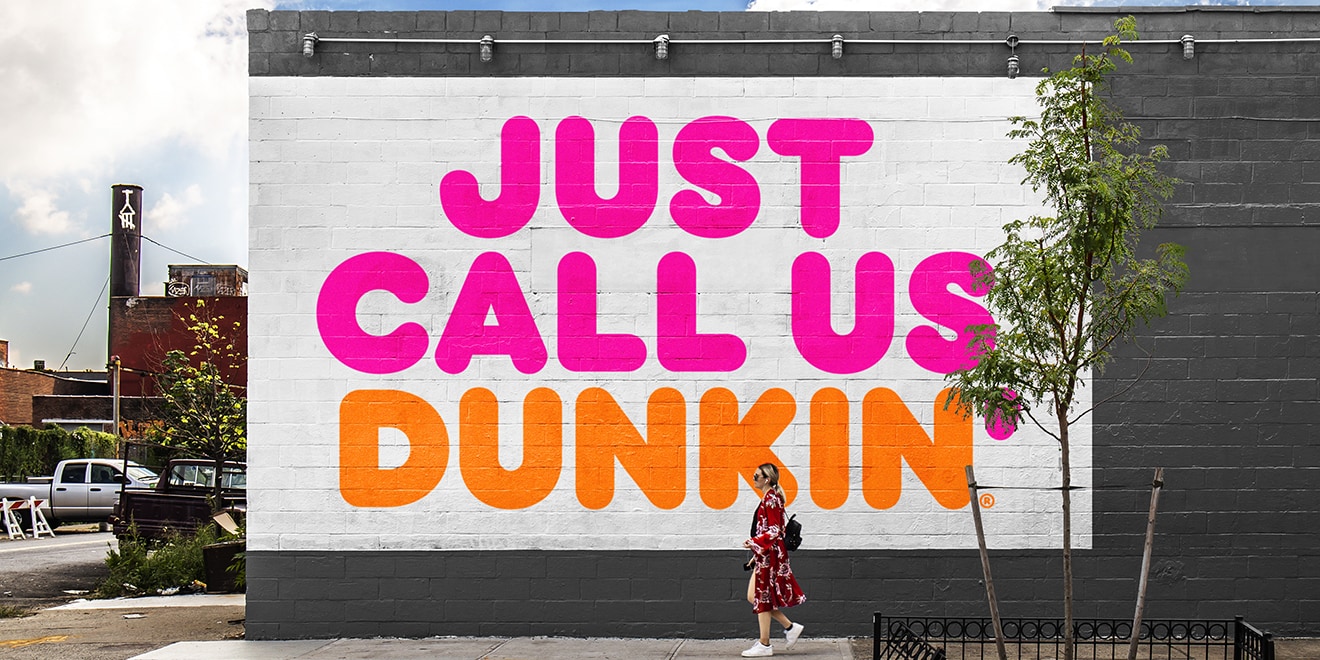
    Global fast-food chain Dunkin’ plans to reposition itself as a coffee chain – but it will still sell fresh donuts. Just a month after Dunkin’ Donuts unveiled rebranding, including dropping ‘Donuts’ from its name, the company has announced a strategy to put quality coffee at the core of its menu

    Dunkin’ has previously revealed a US$100 million budget to revive its market position in its core US home market. Now it says half of that investment will be spent on espresso machines and other restaurant equipment enabling it to accelerate its beverage-led strategy. The company says Dunkin’ franchisees are also making a substantial investment in the initiative, which is focused on growing its market share of the hot and iced espresso category.

    “Espresso is one of the fastest-growing coffee categories, particularly among younger consumers, and with our coffee credentials we believe we have a tremendous opportunity to improve our awareness and credibility among espresso drinkers,” said Tony Weisman, chief marketing officer at Dunkin’ US.

    The company is promising “an entirely new espresso experience for customers” in its US restaurants by the coming holiday season, featuring new state-of-the-art espresso equipment, a new espresso recipe, extensive restaurant training and new espresso cups.  Dunkin’ will serve “handcrafted hot and iced espresso beverages” – including lattes and cappuccinos – “featuring a rich, smooth, balanced taste that meets the profile preferred by espresso customers, and in particular younger espresso drinkers,” the company said in a statement.

    Dunkin’ will support the launch with a comprehensive marketing campaign. New espresso cups are bright orange and feature an exclamation point, a symbol the company says positions the espresso beverages as bold, new and exciting.

    “Relaunching espresso in our restaurants nationwide has been a tremendous undertaking, from installation of the new espresso machines, to the creation of the new, bolder taste profile, to the extensive employee training,” said Dunkin’ US COO Scott Murphy. “This is a transformative initiative, and it would never have happened without the total alignment and support of our franchisees.”

    All espresso beverages served at Dunkin’ US restaurants will continue to be made with 100-per-cent espresso beans sourced from Rainforest Alliance-certified farms.

  • Heytea Singapore now opens in Ion Orchard

    Heytea Singapore now opens in Ion Orchard

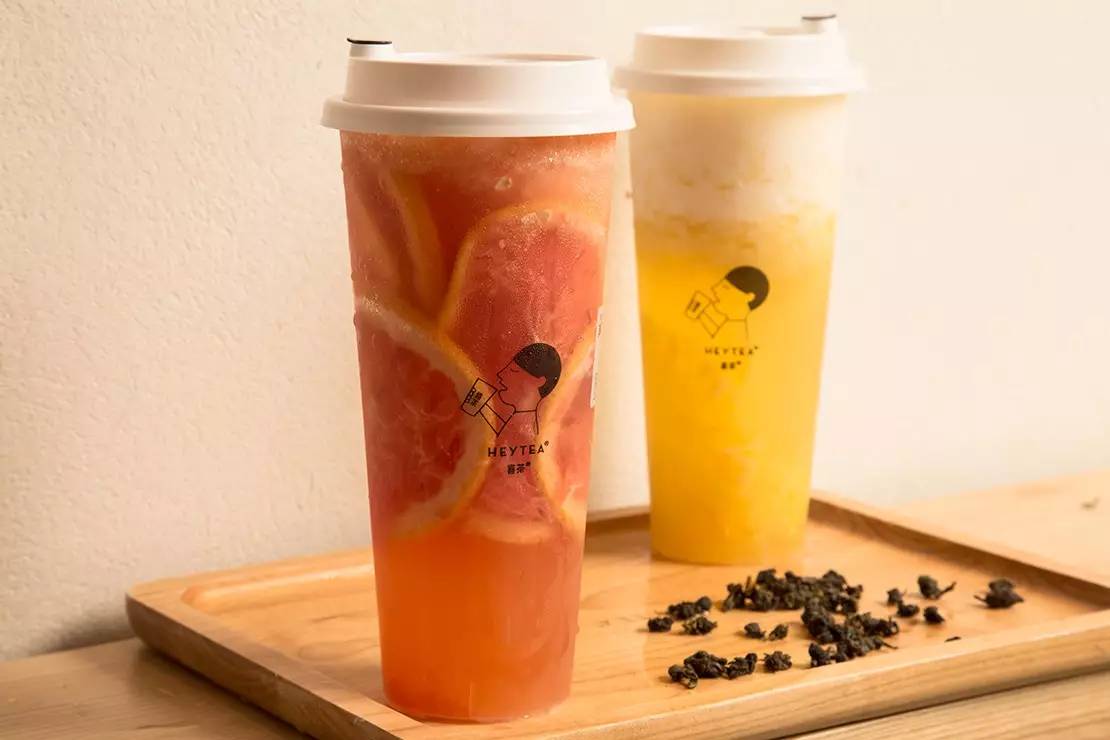
    Chinese tea franchise Heytea is launching its first overseas store in Singapore. The six-year-old chain is one of China’s most popular in its category, with each outlet selling 2000-3000 cups per day. It claims to be the franchise responsible for inventing cheese tea, serving drinks with New Zealand cheese.

    The Heytea Singapore store will feature a uniform minimalist white interior design with wooden accents, with some outlets featuring themed retail spaces.

    The new Singapore location is launching at Ion Orchard.

  • Nestle Malaysia earnings up 15.7% in Q3, declares 70 sen dividend

    Nestle Malaysia earnings up 15.7% in Q3, declares 70 sen dividend

    Nestle (Malaysia) Bhd’s net profit for the third quarter ended September 30, 2018 rose 15.7% to RM137.69 million from RM119.01 million a year ago, underpinned by higher sales on the back of strong marketing and promotional activities.

    Revenue for the quarter under review increased 8.3% to RM1.43 billion from RM1.32 billion in the same quarter last year, driven by stronger domestic and export sales as well as the zero-rating of the Goods and Services Tax (GST), which boosted consumer spending.

    Nestle has proposed to declare an interim dividend of 70 sen per share for the quarter under review.

    For the cumulative period of nine months, the group’s net profit grew 4.7% to RM535.06 million from RM511.14 million, while revenue expanded 4.8% to RM4.17 billion from RM3.98 billion.

    “Against the backdrop of a more encouraging year for the Malaysian economy, we remain committed to our long-term strategy to ‘Fuel the Growth’ via our innovative drive and enhancing our strong brand portfolio,” Nestle said on its prospects.

    “We are confident that our investments, including the new Nestlé distribution centre, will enable us to maintain our solid growth momentum. In line with this commitment, the group has recently announced the RM100 million investment in Milo manufacturing making the Chembong factory the largest Milo manufacturing centre of excellence in the world. The company strives to improve efficiencies across our supply chain and reinvest savings to achieve sustainable and profitable growth,” it added.

    Nestle’s shares dipped RM1.50 or 1% to close at RM143.50 on 111,600 shares traded.