Category: Food

Retail News Asia is committed to providing both local and global retailers with the latest Food and Food & Beverage news throughout the Asian market. This on a daily base.

  • London National Gallery opened first Delicious Art cafe in South Korea

    London National Gallery opened first Delicious Art cafe in South Korea

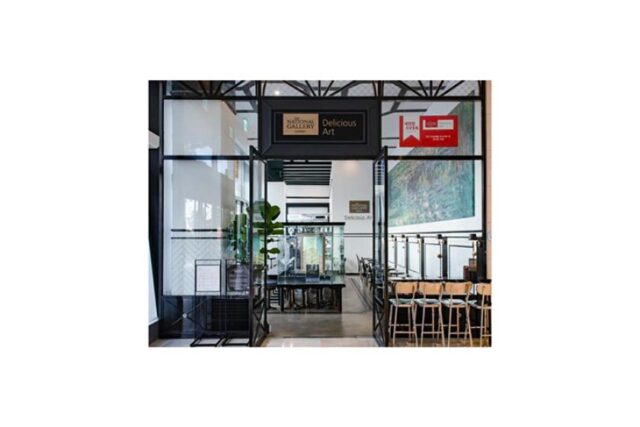
    The National Gallery Company has launched its first overseas cafe in Seoul. The cafe, “Delicious Art”, has opened at Lotte World Mall, designed with features to reflect London’s National Gallery building, along with replicas of famous artworks.

    “This is a very exciting project opening the first Delicious Art international cafe in South Korea,” said The National Gallery Company’s buying and merchandising director Judith Mather.

    “This is great for the global reach of the Delicious Art brand and the National Gallery, London. I am looking forward to opening other cafes in the region in 2019.”

    A second Delicious Art Cafe is expected to open in February at the L7 Hotel Myeongdong.

  • Chun Yang Tea expands into Canada

    Chun Yang Tea expands into Canada

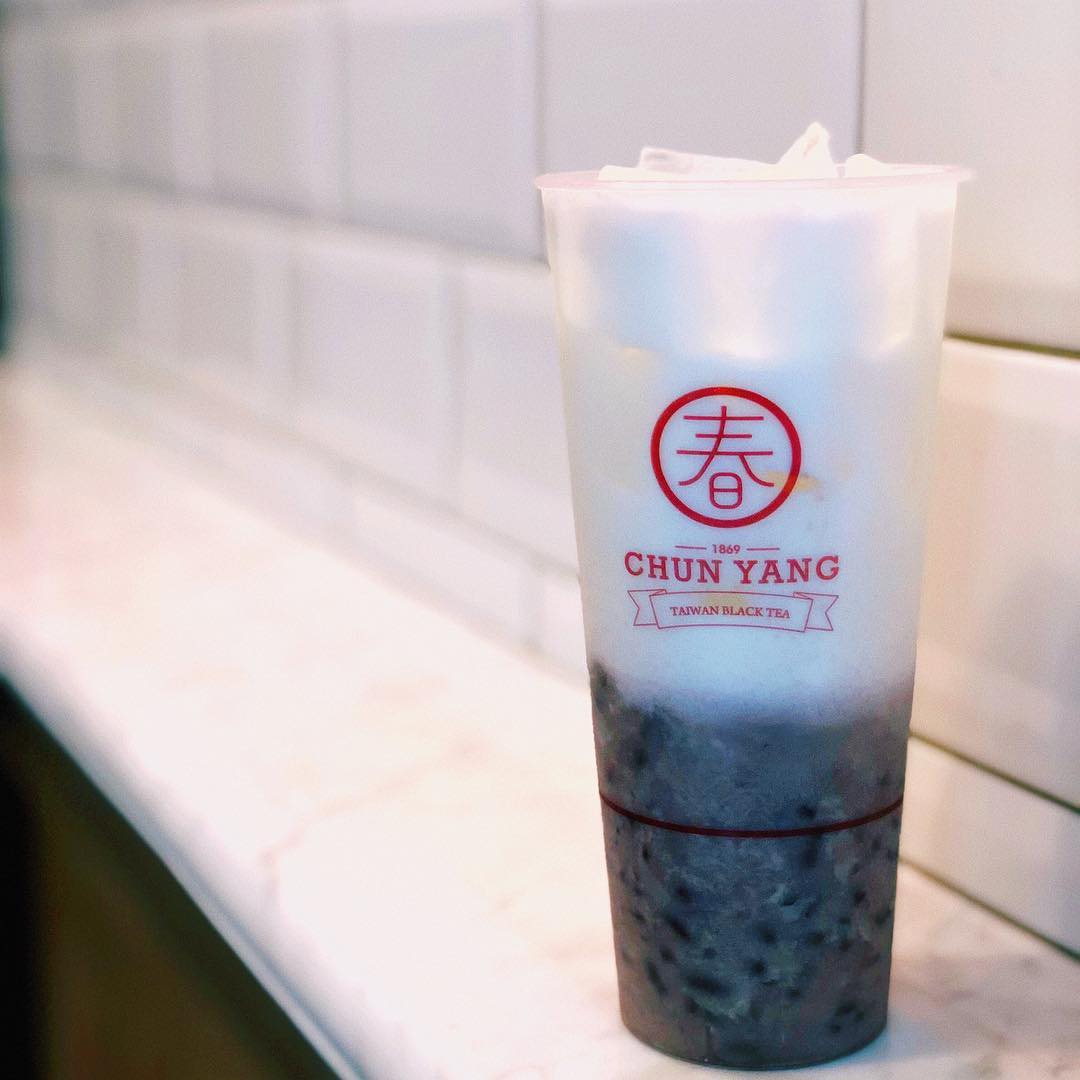
    Taiwanese bubble-tea brand Chun Yang Tea is launching its first store in Canada. With operations across Taiwan as well as in Mainland China, Hong Kong, Macau and Malaysia, the brand is now planning two new store locations in Toronto and one in Vancouver. While the Canadian market has been judged as saturated for bubble-tea retailers, Chun Yang claims its product is authentic and traditional, offering beverages made without any artificial milk powder to achieve a more natural taste.

    So far no information has been released as to exact launch dates, although the brand’s website claims the stores are “coming soon”.

  • Heytea opens store in Hong Kong

    Heytea opens store in Hong Kong

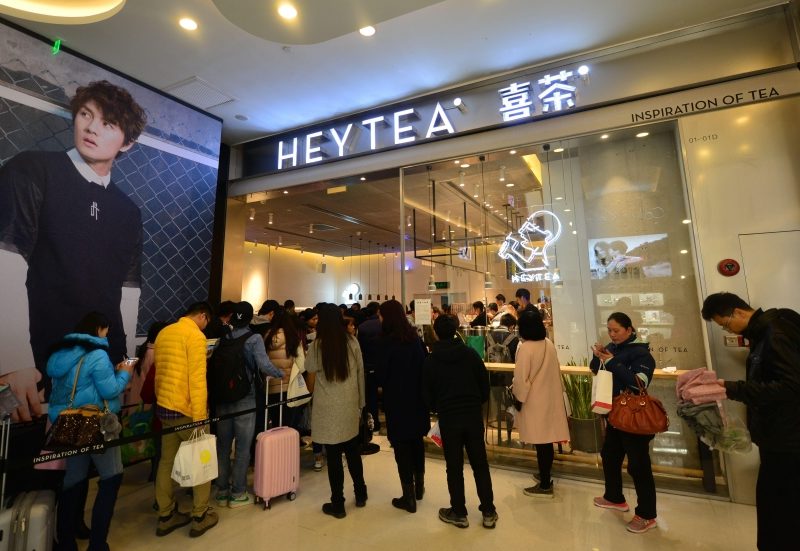
    On December, 24 Sha Tin New Town Plaza, in Hong Kong, welcomed Heytea. A huge crowd queuing up for more than 3 hours just to get a cup of Cheese Tea from the Chinese tea-drink brand Heytea was the protagonit that day. Due to the buy-one-get-one free promotion during the Christmas holidays, people started lining up as early as 6:00 am.

    Heytea officially announced that it had opened its first Hong Kong store only on january, 3. They chose to expand into Hong Kong’s market due to the city’s international status as well as its vibrant food and beverage scene. It helps to promote Heytea as a popular and innovative tea-drink brand among global consumers, especially younger generations.

    The store not only offers its signature cheese tea, but also a great variety of fruit tea and ice cream. The tea is imported from all over the world which aims to renew the traditional tea culture.

    Also, it introduces an exclusive product combined with Hong Kong local food culture, namely, the Eggette Roll Sundae, adding new vitality into the brand, according to its founder Nie Yunchen.

    He said “geographically, Hong Kong is adjacent to Guangdong Province and Shenzhen. Hong Kong people already know our brand and often buy our tea when they visit Shenzhen or other cities in Guangdong. In order to thank our supporters and cope with an increasing demand of our tea, we think it is the right time to extend our reach to the city.”

    Zhenglei, Development Director of Heytea, confirmed that Heytea opened its second Hong Kong store in Causeway Bay on 12 January 2019. “We are quite confident that our tea products will be very welcomed by our customers in Hong Kong.”

    In order to avoid a huge crowd like the last opening, Heytea planned to replace the traditional order and payment method by ordering through their mobile app.

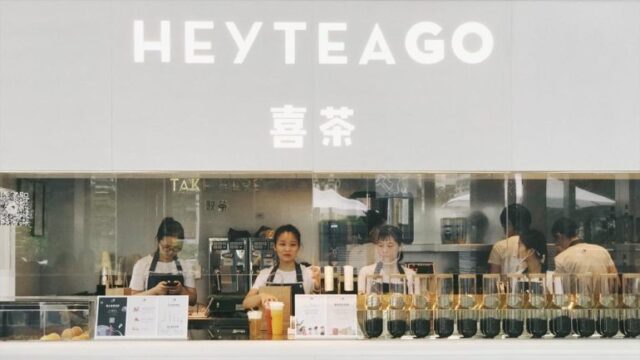
    The second shop of Heytea located in Causeway is named as “Heyteago”, their customer can order online in anytime, anywhere for a cup of tea-to-go. Therefore, cheese-tea lovers can save their time and no need to queue up for 3 hours outside Heytea again.

  • Starbucks opens its Coffee Sanctuary in Bali

    Starbucks opens its Coffee Sanctuary in Bali

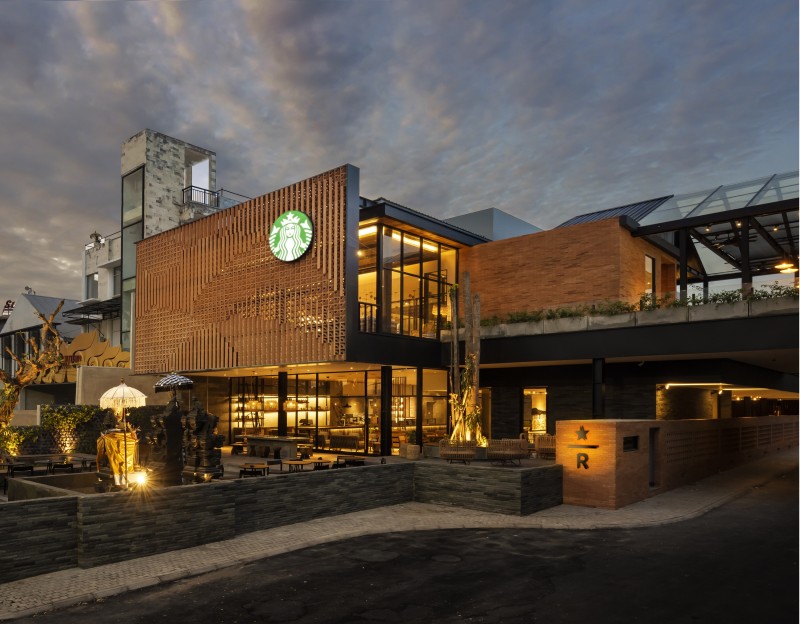
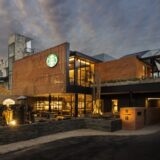
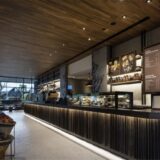
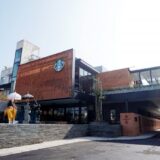
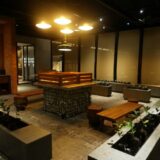
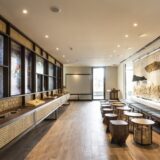
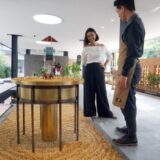
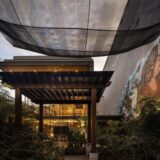
    Starbucks has opened its largest Southeast Asian location in Bali. The 20,000sqft Starbucks Dewata Coffee Sanctuary builds on 16 years of innovation in design, customer experience and community impact for the brand in Indonesia, where there are 370 Starbucks outlets nationwide. Customers can enjoy Starbucks handcrafted core and Reserve beverages within the store’s locally-inspired design that celebrates Indonesian tradition.

    The store pays tribute to the role that Indonesia, the fourth largest Arabica coffee-growing region in the world, plays in the Starbucks business. Sumatran coffee has been a staple offering at Starbucks since 1971.
    “We began sourcing Indonesian coffees more than four decades ago and have always been struck by the sense of community and care for the coffee journey at every step,” said Starbucks Coffee Company CEO Kevin Johnson.

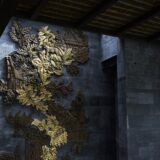
    View the gallery of the new outlet below (8 images) :

    “The Starbucks Dewata Coffee Sanctuary amplifies our passion for the coffee journey, our ongoing commitment to Indonesia’s rich coffee culture, and our tireless pursuit of fostering moments of connection between our partners and customers. The Coffee Sanctuary marks the 10th Starbucks Reserve Bar store in Indonesia, one of 185 stores around the world, with the majority in Asia. This is Starbucks at its best, and we are proud to open the doors of this unique experience in one of Southeast Asia’s most dynamic markets.

    Visitors enter the store through an arabica coffee farm, try their hand at coffee bean de-pulping and washing during harvest season, dry and rake green coffee beans, visit budding seedlings in the nursery, take in the store’s locally-inspired design featuring traditional Balinese craft and Indonesian art, and enjoy the more than 100 Dewata-exclusive handcrafted beverages, food and merchandise, including the Lavender Latte.

    The  Starbucks Dewata Coffee Sanctuary store’s expansive interior is inspired by traditional Balinese houses with free-flowing, connected rooms designed to promote discovery from one space to the next.

    “Bali has an envied reputation as one of Asia’s top travel destinations and Indonesia is one of coffee’s most extraordinary coffee origin regions,” said Starbucks Indonesia director Anthony Cottan said.

    “So we’re excited to invite customers here to ignite their senses and explore the seed-to-cup coffee journey at this unique Coffee Sanctuary. We’re very pleased to further strengthen the longstanding partnership between Starbucks and [licensee] PT Sari Coffee Indonesia with this truly one-of-a-kind Starbucks store, inspired by and filled with the finest examples of Indonesian art, design and craftsmanship.”

    To support the future of coffee, Starbucks Indonesia has committed to donating 100,000 coffee seedlings to farmers annually.

  • Liho Singapore opens first outlet in Brunei

    Liho Singapore opens first outlet in Brunei

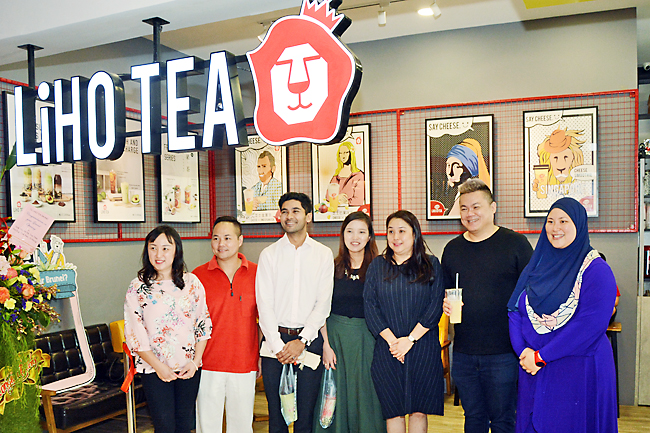
    Singaporean bubble tea brand Liho has launched in Brunei with its first outlet at Times Square Brunei Darussalam. The new Liho Brunei store is the result of a year’s preparation and is the first of 10 to 12 outlets planned across the country within the next year. The brand, popular for its brown sugar pearls, operates 93 locations across Singapore and already has a presence in Vietnam.

    “We are still growing and year to year outlook growth is around 20 per cent,” said Liho’s co-founder Rodney Tang. “As long as we understand the customers’ taste and needs, we can continue to grow. We intend to bring in more creative flavours to Brunei.”

  • The Alley Taiwan debuts in Singapore

    The Alley Taiwan debuts in Singapore

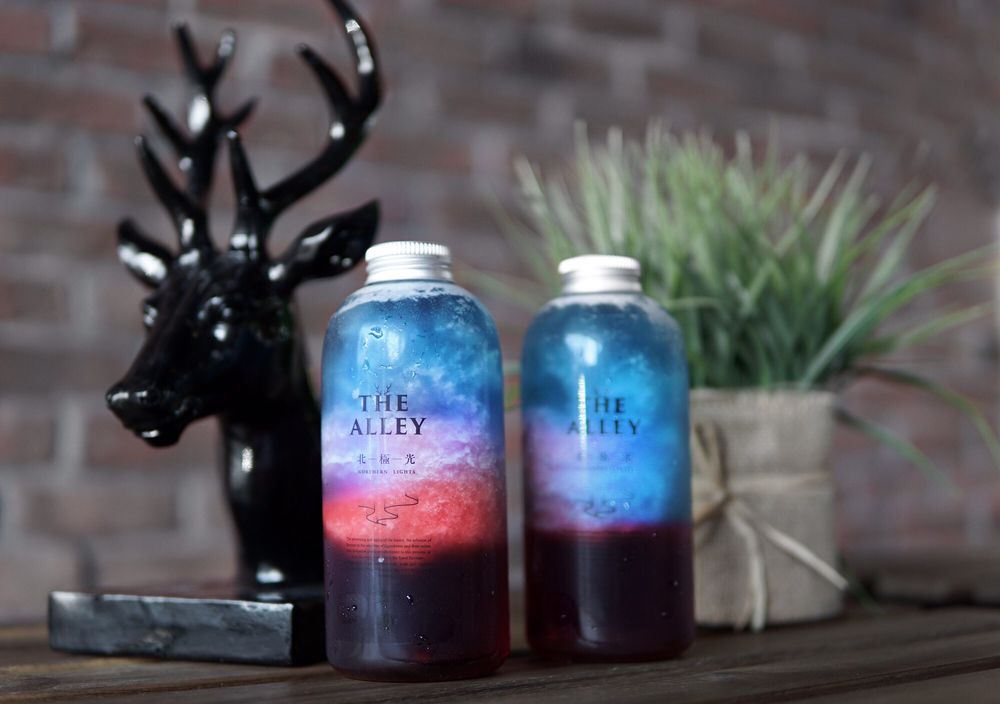
    Taiwanese bubble-tea chain The Alley is to open its first outlet in Singapore. Despite the undisclosed location, the brand has already got Singaporean bubble-tea fans excited with an announcement on its Instagram and Facebook pages. Established in 2013, The Alley is well-known for its brown sugar tapioca (Deerioca) milk tea served in cups with with round bases.

    The chain has outlets in Canada, US, France, Korea, Japan, China, Hong Kong, Thailand, the Philippines, Australia and New Zealand. The Alley entered Vietnam in November 2017, and now has 35 stores nationwide.

  • Starbucks’ Lucky Bags entice customers in Korea

    Starbucks’ Lucky Bags entice customers in Korea

    Lee Min-joo, a 43-year-old cram school teacher, made it a point to be at the Starbucks outlet near her house last Thursday at 6 a.m. She wasn’t there for the coffee – she was waiting to buy a limited edition “Lucky Bag.” Lee said she has bought Starbucks Lucky Bags for nine years in a row. She confessed that two years ago, she was in line at 5:30 a.m.

    “I am a collector of diverse Starbucks products,” Lee said. “And I always get curious as to what’s in the bag.”

    This year, Starbucks’ Lucky Bags are bigger than ever.

    Lucky Bags were the most-searched term on the internet in Korea last Thursday and social media was abuzz with people posting pictures of the products they got in their Lucky Bags.

    Four stores near Seosomun, central Seoul, were sold out before 10 a.m.
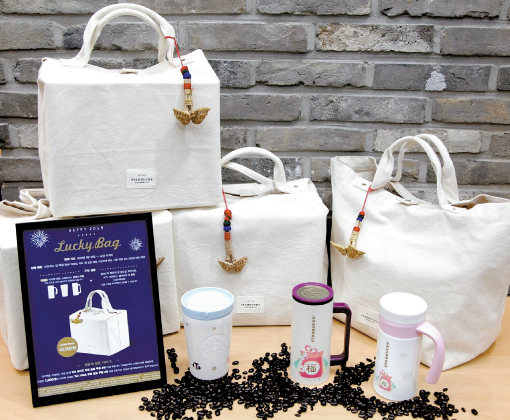
    Lucky Bags are mystery bags sold at a given price, 63,000 won ($56) this year. The products contained in the bags are unknown to the customers who buy them. The value of the goods inside exceed the selling price.

    Starbucks introduced its Lucky Bags in 2007 and they have become the chain’s unique annual New Year’s ritual in Korea and Japan.

    One of the reasons Starbucks’ Lucky Bags sell out so quickly is their limited supply.

    The total number of Lucky Bags prepared in Korea is 17,000 and each store only get 15 or so -there are over 1,200 Starbucks in Korea.

    In 2016 the bags sold out in just five hours nationwide. In 2017, that time was shaved down to 4 hours and 40 minutes.

    Each customer is only allowed to buy one Lucky Bag.

    Lucky Bag devotees have now become a tribe with their own nickname. They call themselves “Sudeok,” which combines the first Korean syllable of the chain’s name as pronounced by Koreans, “Su,” with “deok,” a shortened version of deokhoo, Korea’s own version of otaku, Japan’s term for a person with obsessive interests.

    The Sudeoks who purchase Lucky Bags even swap items to get the items they really want.

    In 2007, the Lucky Bags were sold for 28,000 won and the price has continued to climb. The value of the things inside is said to be more than 100,000 won.

    The bags often have tumblers, water bottles and coffee mugs, as well as gift coupons. This year, 1,000 Lucky Bags contained four additional free coupons.

    “It’s a good marketing strategy that combines a limited edition appeal and the emotional appeal of winning a jackpot,” said Lee June-young, a professor who studies consumer trends at Sangmyung University.

    But not every Lucky Bag fan is satisfied with their haul.

    On social media, one disappointed fan posted a message reading, “It is not a Lucky Bag, it is an unlucky bag.” Another wrote, “The only lucky one is Starbucks.”

    “I have been buying the Lucky Bags for three years, but this year I decided not to because of the 60,000 won price tag,” said Lee Hyun-jeong, a 29-year-old office worker.

  • Vietnam’s coffee traders cut output forecast by 10 percent

    Vietnam’s coffee traders cut output forecast by 10 percent

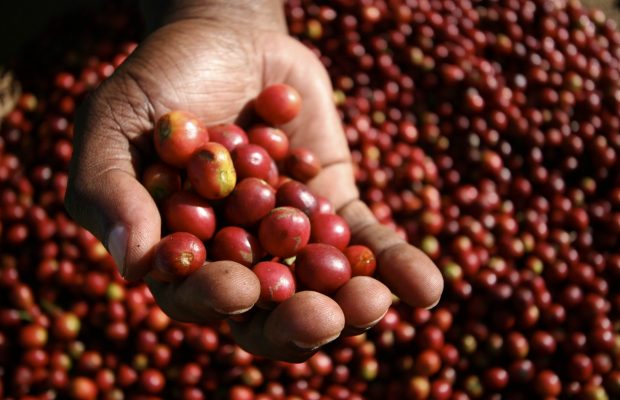
    Traders in Vietnam lowered their coffee output forecasts by 10 percent this week as a bumper harvest came to an end. They now expect an output of about 27 million bags of 60 kg each for the 2018/19 crop year that began on Oct. 1, compared with earlier forecasts of 30 million bags. “We are not surprised to see a lower output as stubbornly low domestic prices have discouraged many farmers to fertilize and water their trees, while weather condition was also not supportive,” a trader based in the province of Dak Lak said on Thursday.

    “Farmers in the Central Highlands have harvested all of the fresh beans of the 2018/19 crop year,” he said.

    Farmers in the Central Highlands, the country’s key coffee growing area, sold coffee at 33,500-34,000 dong ($1.44-$1.47) per kg on Thursday, compared with 33,200 dong-33,700 dong a week earlier.
    “Though output is lower, domestic prices have not risen due to external factors, including larger forecasts by foreign agencies,” said another trader based in Ho chi Minh City.

    Vietnam’s coffee exports in January are forecast to be between 150,000 tonnes and 180,000 tonnes, compared with an estimated 160,000 tonnes in December.
    Traders in Vietnam offered 5 percent black and broken grade 2 robusta at a $40 per tonne discount to the March contract, compared with a $45-$50 discount last week.
    Meanwhile, in Indonesia, trading continued to be muted with traders saying premium for the grade 4 defect 80 robusta stayed unchanged for a fourth straight week at $20-$30 to the March contract.

    “Supply may only start coming around April because some areas in Bengkulu will have some harvest then,” said a trader, referring to a province neighbouring Lampung.

    Main robusta harvest in southern Sumatra typically takes place around the mid-year, but a smaller harvest usually happens a few months earlier.

  • American fund acquires stake in Vietnamese organic food firm

    American fund acquires stake in Vietnamese organic food firm

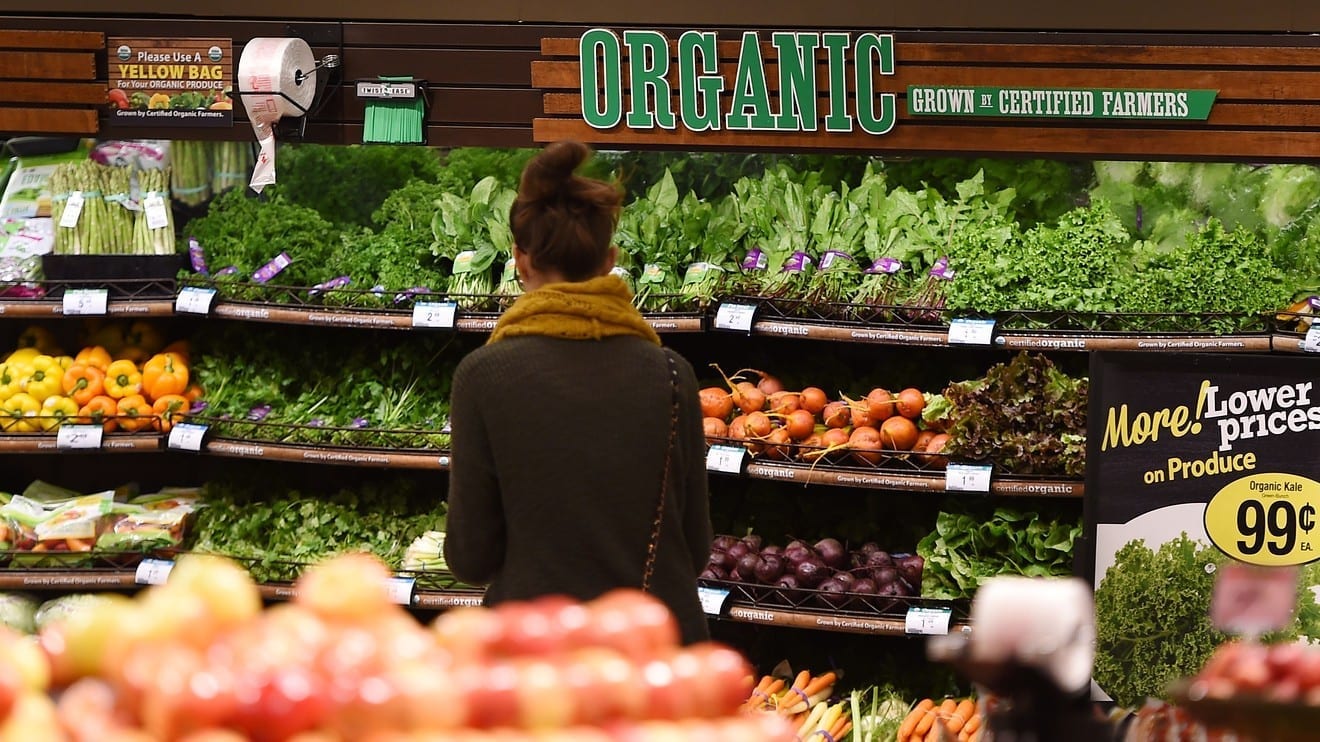
    The Seaf Women’s Opportunity Fund has acquired a 30 percent stake in Organica, promising the Vietnam all-round support. While not mentioning the specific investment value, Jennifer Buckley, SEAF’s senior managing director, said the fund will support Organica in operations, distribution, and network expansion. In addition to being a strategic shareholder, the fund will also give Organica a 5-year loan so that it has sufficient resources to finance expansion plans in the future.

    “This is the first organic food company in Vietnam we have decided to invest in, even though the market [for organic products] is still small,” said Jennifer Buckley. She added that if the company performed well, the fund may acquire it in full in the future.

    Pham Phuong Thao, CEO of Organica, said that the current investment will be enough for the company to implement a 2-3 year plan. In particular, it plans to open more retail stores, improve online sales systems, IT systems and human resources, Thao said.

    Organica is an organic groceries chain established in 2013 with the first store in Ho Chi Minh City. It now has 5 stores in Ho Chi Minh City, Hanoi and Da Nang. Currently, the company has 10 farms in the South and the Central Highlands, totalling a combined area of 300 ha.

    SEAF (Small Enterprise Assistance Funds) is an international investment management group that provides growth capital and business assistance to small and medium enterprises (SMEs) in emerging and transition markets.

    It currently operates in 30 countries and has investments in over 300 small businesses.

  • Shakey’s Pizza to open 20 more stores in Asia

    Shakey’s Pizza to open 20 more stores in Asia

    Philippines fast-food operator Shakey’s Pizza Asia says it plans to continue expansion across the region by opening 20 new stores this year. The openings will see the brand’s total outlets increase to 248 locations, according to a statement released by the firm on Wednesday. “We continue to see consumer spending fueling the Philippine economy, which is still one of Southeast Asia’s fastest-growing markets,” said president and CEO Vicente L Gregorio.

    Shakeys reached its target of opening 20 new stores last year, expanding mostly outside first-tier cities. “We are focused on expanding outside Metro Manila where we see great potential in terms of demand for the premium yet affordable dining experience we provide. We also tapped more local partners … to run our provincial operations and to ensure that we have on-the-ground accountability even in farther-flung areas,” said Gregorio.

    Shakeys has operated in the Philippines since 1975 under Shakey’s Pizza Asia, which has stores in several international territories and opened its second Dubai location last year with record-breaking first-day sales.

  • Restaurant association questions deep discounts on Swiggy, Zomato

    Restaurant association questions deep discounts on Swiggy, Zomato

    The National Restaurant Association of India (NRAI) on Tuesday said it has raised concerns over deep discounting and data masking by food ordering and delivery startups such as Swiggy, Zomato and Ola’s Foodpanda. According to a report, The restaurants’ body said it flagged issues regarding misuse of dominant position, in a meeting with the app-based food ordering and delivery startups.

    “NRAI delivery task force had its first meeting with Swiggy, Zomato, Uber Eats and Foodpanda today (Tuesday). Concerns of the standalone and chain business operators regarding deep discounting, data masking, right to use own logistics, private labels and ad hoc campaigns were put forth,” NRAI president Rahul Singh said in a statement.

    Stating that the “concerns have been well taken”, he said, “we aim to continue these meetings on a bi-monthly basis for communicating feedback from the restaurant industry to the aggregators to ensure a healthy business environment for all stakeholders.” NRAI is the apex body of the Indian restaurant industry, representing over one lakh restaurants across the country.

  • Tom n Toms plans Myanmar expansion

    Tom n Toms plans Myanmar expansion

    South Korean Cafe chain Tom n Toms has started to launch outlets in Myanmar. Tom n Toms Myanmar has opened two locations in Yangon so far, at the international airport and the Kantharyar Centre, with a third planned for Yankin Township. Information from Myanmar International Business Alliance Company operation director Aung Sithu Khant revealed a fourth planned outlet at the Secretariat Building in Yangon.

    “Myanmar people and coffee brands have been friendly for a long time,” said Khant.

    “We opened these outlets hoping that Myanmar people can taste a high-quality coffee with reasonable price. Next month, strawberries from south Korea will be selling in Myanmar. We will introduce a menu connecting with strawberries.”

    Khant said the third outlet will be opened soon. Future Tom n Toms cafes are expected to open in Mandalay, Taunggyi, and the capital city, Nay Pyi Taw next year.

    “The main thing is the customer is always first. Therefore, we will pay special attention to coffee and other foodstuffs”.

  • Bite & Bite with Line Friends cafe opens

    Bite & Bite with Line Friends cafe opens

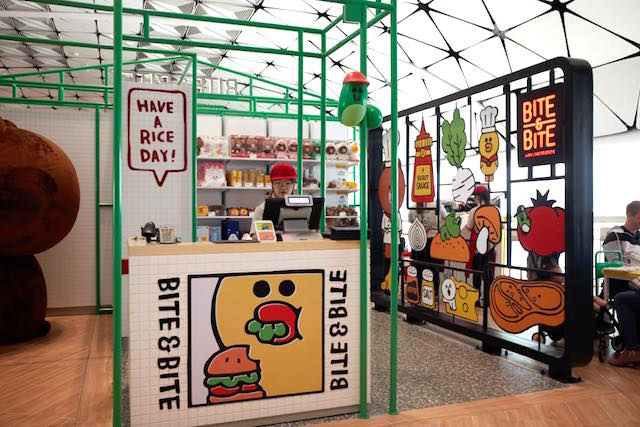
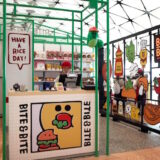
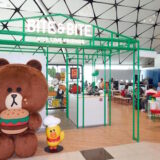
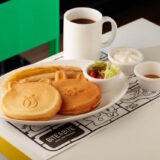
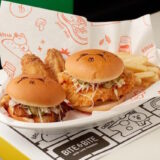
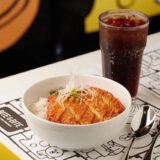
    The world’s first Bite & Bite with Line Friends cafe has opened at Hong Kong International Airport. Operated by food and beverage company SSP Hong Kong, the cafe is located on level 7 near gate 201. The cafe combines original Line Friends characters with a variety of dishes ranging from breakfasts through to snacks and dinner fare in a 60-seat dining area. The menu features both Korean and western food.

    Line, a chat program headquartered in Japan owned by South Korea’s Naver Corporation, has opened Line Friends stores in Bangkok, Hong Kong, Seoul, Shanghai, Tokyo, Taipei, New York and Los Angeles, all selling memorabilia featuring the characters of software.

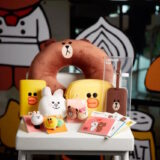
    The Bite & Bite with Line Friends cafe also sells lifestyle products, souvenirs and travel items, such as neck pillows, luggage tags and travel bags.

    View gallery below for pictures (6 images) :


  • Fonterra India appoints Ishmeet Singh CEO

    Fonterra India appoints Ishmeet Singh CEO

    Fonterra Future Dairy Pvt Ltd, a new joint venture between global dairy nutrition company Fonterra Co-operative Group and new age FMCG company Future Consumer Limited, announced the appointment of Ishmeet Singh as its CEO, effective from January 7, 2019.

    Singh, a seasoned leader with a proven track record of profitable growth and business expansion, joins the business to deliver its ambition to bring high value and innovative dairy products to Indian consumers.

    Singh was a member, Western Region Committee (WRC) of the American Chamber of Commerce. He is a physics graduate, and has a Master’s in Management Studies from Mumbai’s Sydenham Institute.

    Singh says, “Over the next seven years dairy consumption is set to increase by 82 billion litres – seven times the forecasted growth for China. I feel extremely privileged to be able to lead this new opportunity as we look to bring an enhanced dairy experience to Indian consumers. I firmly believe through Fonterra Future Dairy we have a huge opportunity to challenge and change the market, combining Fonterra’s global dairy innovation, manufacturing and nutrition expertise with Future Group’s leadership in retail and distribution expertise and infrastructure.”

    Leading the growth and expansion of some of the world’s largest, trusted flagship brands in the Indian market, is familiar territory to Singh, having worked over the last 25 years at top multinational and FMCG companies such as Mattel, Vodafone, Hindustan Unilever, and Coca-Cola.

    Most recently, he led the business at Mattel, largest toy manufacturer in the world, as its Country Manager for India and the SAARC region. Previously, he held the role of Business Head at Vodafone India for over 5 years, leading remarkable revenue growth and retail expansion in many circles including Mumbai and Maharashtra.

    Managing Director Future Consumer Limited and Board Member of Fonterra Future Dairy, Ashni Biyani says, “We’re delighted to have someone of Ishmeet’s calibre to lead the business. As a sales and marketing professional at heart, we see him being instrumental in helping us build a brand that Indians love.”

    Fonterra’s Managing Director of Sri Lanka and the Indian Subcontinent, Chairman of Fonterra Future Dairy, Sunil Sethi said, “As our exciting growth phase picks up steam, it is critical that people with the right experience, values and drive are in place to steer the business forward. We are in the process of putting together a first-class team to build a fantastic legacy for the business. Through the ambition we have set, we believe the learning experience and possibilities here at Fonterra Future Dairy are limitless. Ishmeet is a proven and highly accomplished professional with a passion for leading teams to transformative success and growth. With his vision and deep personal commitment to society, we are confident that he will bring immense value in delivering on our ambition.”

  • Kiki Tea Taiwan launches product created by Michelin Chef

    Kiki Tea Taiwan launches product created by Michelin Chef

    Hong Kong’s new Taiwanese tea and bubbles sensation KiKi Tea is welcoming the Year of Pig with the inaugural launch of ‘Chinese New Year Puddings’ by three Michelin starred chef Albert Au Kwok-Keung. Exclusive recipes with finest ingredients by the starred Chinese chef are on special offer at KiKi Tea’s debut Hong Kong restaurant, KiKi Tea@Sun’s Bazaar in Pacific Place, as well as KiKi Tea SOGO Causeway Bay Pop-up, and online at from 1 January 2019.

    Chef Au, the Chinese Executive Chef for luxury restaurant group Lai Sun Dining has crafted two of Hong Kong’s most exceptional Chinese New Year Puddings in an exclusive collaboration with KiKi Tea, as the Taiwanese brand continues the runaway success of its popular sun-dried, handmade and additive-free KiKi Noodles.

    The signature puddings offer a choice of both sweet and savoury, perfect for gifting and wishing relatives and friends a fruitful new year. KiKi Taiwan Dried Longan and Brown Sugar Pudding (HK$108), marries traditional dried longan from Zhuqi and Chiayi in Taiwan, produced by an ancient roasting technique that reduces 3kg of the fresh fruit to 1kg dried, and is believed to nourish and clean blood – with Taiwan dark brown sugar, considered healthier than traditional cane sugar, free of artificial colouring, preservatives and fructose.

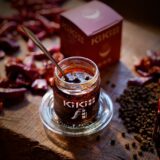
    The savoury KiKi Taiwan Dried Sakura Shrimp Turnip Pudding (HK$128) is crafted from a trio of prized Asian ingredients – delicate sun-dried sakura shrimp from Taiwan, turnip from Japan and preserved local lean Chinese sausage. For a spicy kick of Sichuan peppercorn and chilli, Chef Au recommends enjoying it with KiKi Sichuan Pepper Seasoning or KiKi Spicy Sauce.

    A set of both Chinese New Year Puddings is discounted to HK$228 from either KiKi Tea@Sun’s Bazaar, KiKi Tea SOGO Causeway Bay Pop-up or KiKi Fine Goods (Hong Kong) online at www.kikifg.com.hk during the two-month promotion from 1 January 2019 through Chinese New Year to 3 February 2019. With free delivery for ordering 21 puddings or more, the exclusive puddings are ideal for festive season gifting.

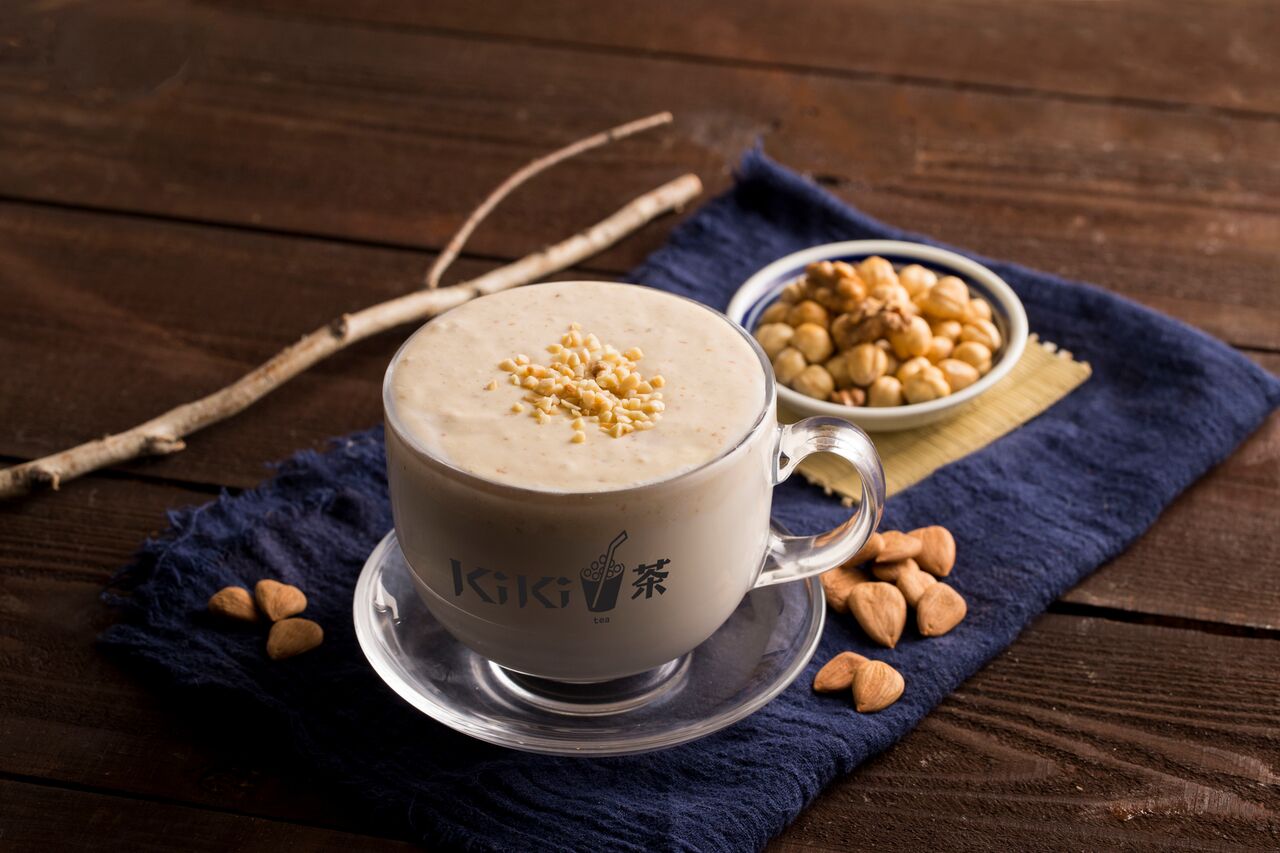
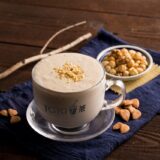
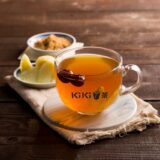
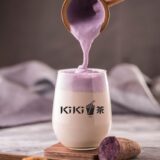
    A HK$5 KiKi Tea cash voucher is also complimentary, redeemable for a discount taste of the brand’s new bubbles, teas, desserts and Michelin-chef created KiKi Noodle dishes at KiKi Tea@Sun’s Bazaar or KiKi Tea SOGO Causeway Bay 2-month long pop-up – where popular favourites include SOGO special drink Brown Sugar Ginger Milk with Purple Sweet Potato Cream Mousse (HK$38), a smooth, flavourful and creamy mousse of steamed sweet potato puree using healthy, natural brown sugar from Taiwan with a warm and hearty ginger flavour. Moisturising drinks also include Almond Tea topped with Caramel & Nuts Cream Mousse (HK$35), Brown Sugar Ginger Tea with Red Dates (HK$34), Homemade Longan and Red Dates Tea (HK$32), and iced Almond Milk (HK$38).

    Chef Albert Au Kwok-Keung is celebrated as the world’s youngest three Michelin starred Chinese chef from helming The Eight restaurant in Macau, having launched his stellar career with his first Michelin star at Hong Kong’s ‘celebrity canteen’ Island Tang.

    Since launching in September 2018, KiKi Tea@Sun’s Bazaar has become an instant sensation, standing out from the  bubble craze crowd with Taiwanese tea and bubble specialties using quality, mostly natural ingredients including premium Taiwanese tea leaves, black sugar and cane sugar, along with authentic Taiwanese tea recipes – highlighting handmade pearls and pressed-to-order House Blend Teapresso. Specialties are brewed with top-of-the-range BKON technology for formulas producing unique tea and fruit infusions.