Category: Food

Retail News Asia is committed to providing both local and global retailers with the latest Food and Food & Beverage news throughout the Asian market. This on a daily base.

  • Coffee brand L’or launches bubble tea-inspired popping pearls

    Coffee brand L’or launches bubble tea-inspired popping pearls

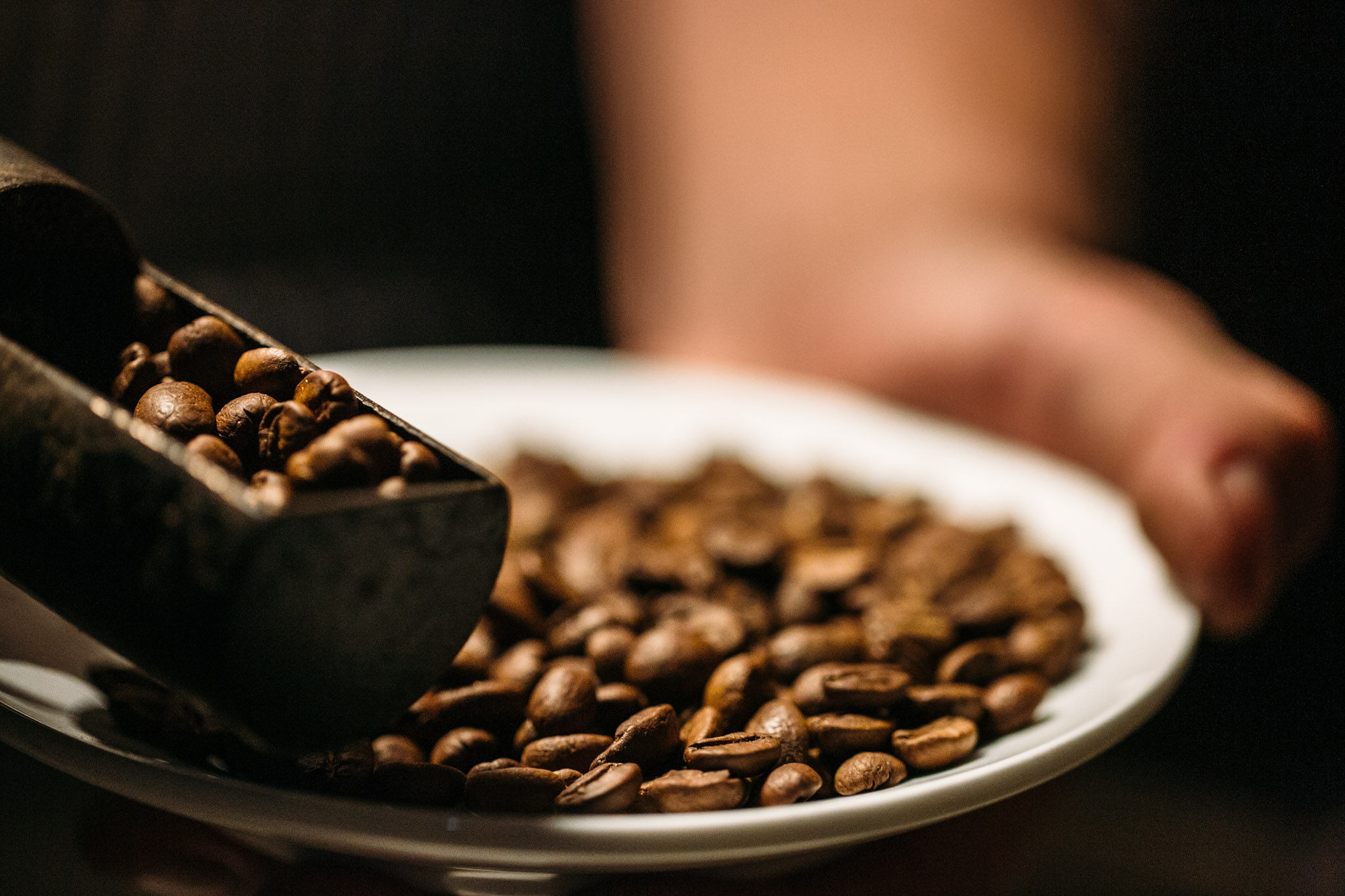
    French coffee brand L’or has introduced L’or Coffee Popping Pearls, a bubble tea-inspired topping made with real coffee.

    The pearls can be served with both savoury and sweet dishes. The limited-edition product is available via the L’or e-shop, and Australia is the first international market to introduce the innovation.

    “We’re thrilled to be pioneers, bringing real coffee into popping pearls, blending the worlds of coffee and bubble tea in an innovative way. It makes coffee, yoghurt, ice cream, cocktails, desserts, etc, so much more exciting and surprising,” said Virginia Marsh L’or marketing director for Australia.

    L’or, founded in France in 1992, makes coffee capsules, coffee machines, and coffee-related equipment.

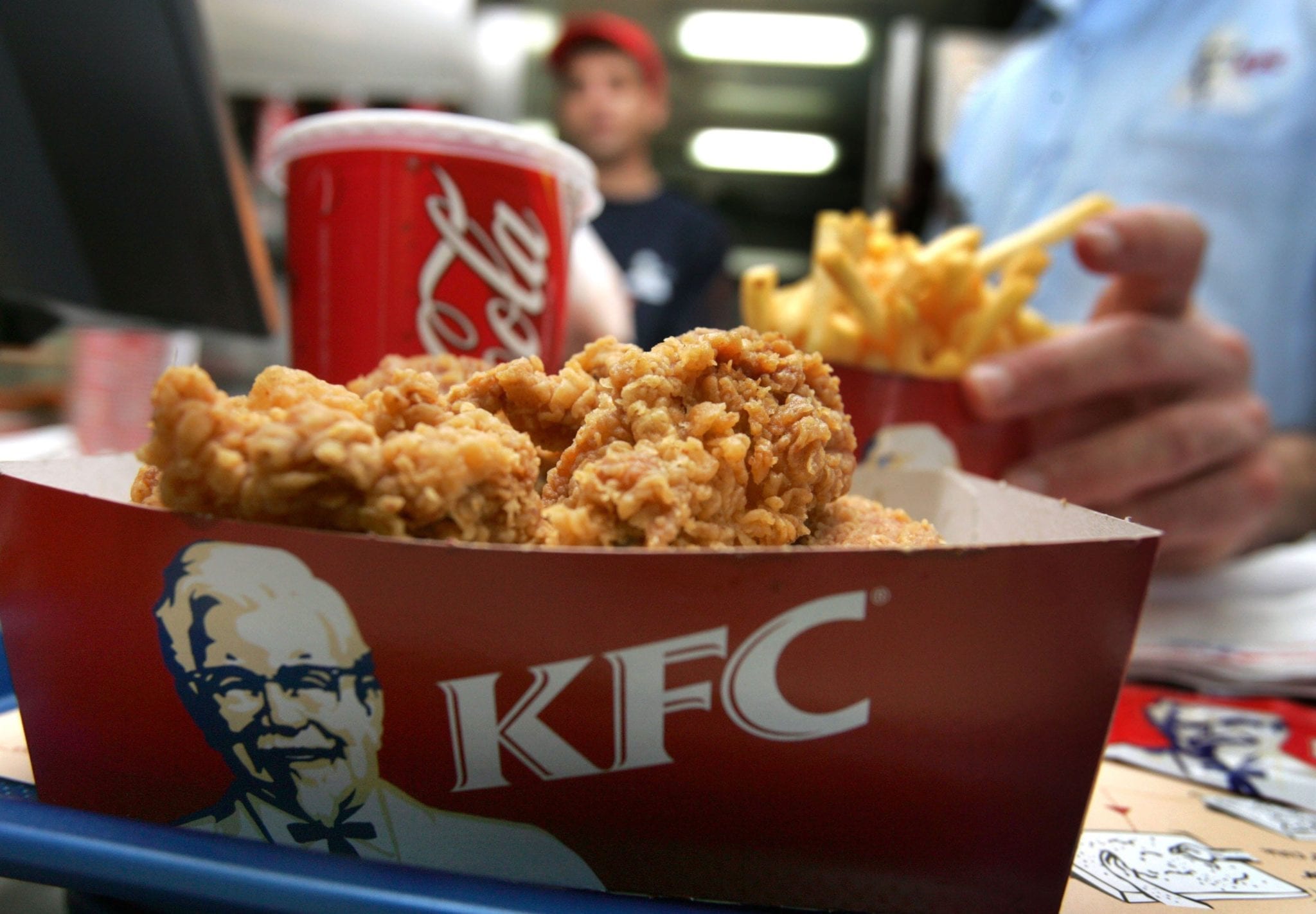
  • KFC Indonesia shutters 47 outlets, lays off thousands of employees

    KFC Indonesia shutters 47 outlets, lays off thousands of employees

    KFC Indonesia reported a net loss of IDR557.08 billion (over US$36 million) as of the third quarter of this year, resulting in the company’s closure of 47 outlets and sack of 2,274 employees.

    In its financial report, KFC Indonesia’s owner, Gelael and Salim Group under PT Fast Food Indonesia Tbk (FAST), disclosed that in the first nine months of this year, the company reduced its operational store count to 715 from the 2023 figure of 762. Its workforce has also significantly decreased, now standing at over 13,700 employees compared to nearly 16,000 previously.

    The most substantial factor in FAST’s revenue decline was a sharp drop in food and beverage sales, totaling 3.57 trillion IDR as of the third quarter, an annual decrease of 22.4%.

    FAST’s leaders attributed these downturns to the prolonged negative impacts of the COVID-19 pandemic. Recovery has yet to help the company reach its expected sale targets, while market conditions have further deteriorated.

  • Chinese tea chain To Teapresso to expand overseas

    Chinese tea chain To Teapresso to expand overseas

    Chinese tea chain To Teapresso has opened its first store in Tsim Sha Tsui, Hong Kong. This launch is part of the company’s efforts to strengthen its global presence and expand into international markets.

    The brand is known for combining Chinese tea with extraction techniques, creating a “Chinese Tea Latte” by blending the extracted tea with fresh milk. It currently operates 20 stores on the Mainland.

    Teo Lv, founder and CEO of To Teapresso, said overseas expansion has always been part of the company’s plan since its launch.

    “Hong Kong is an international trade hub, offering advantages and more opportunities for our business operations,” said Lv.

    “The city’s unique blend of Eastern and Western cultures aligns well with To Teapresso’s brand essence, making Hong Kong our top choice for launching our overseas business.”

    He added that the company plans to open more stores in Southeast Asia, Japan, Korea, and Australia within the next 18 months.

    “The Hong Kong office currently focuses on international business in the Asia-Pacific region, including our expansion and operation in Hong Kong and Macau,” Lv concluded.

  • Cafe de Coral warns of declining profit

    Cafe de Coral warns of declining profit

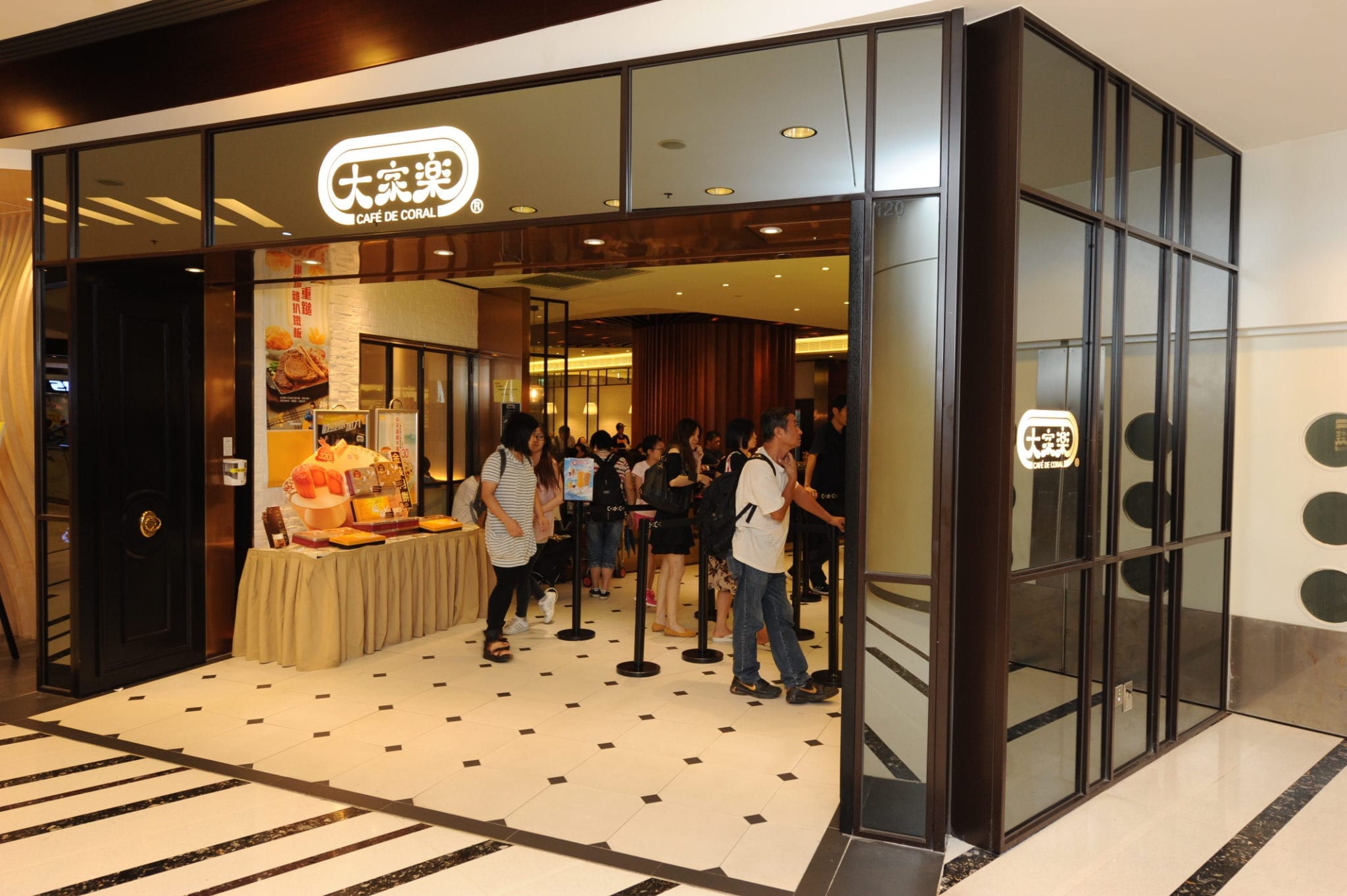
    Cafe de Coral expects to report lower net profit for the six months ended September 30 due to a “severe and expected downturn” amid a weakened economy.

    The restaurant chain forecasts net profit to decline not higher by 30 per cent from HK$200.6 million (US$25.8 million) in the year-ago period, due to the plunge in the restaurant business and a high-base effect following strong sales recovery when the pandemic-related restrictions were lifted.

    In Hong Kong, the company focused on value offers, menu mix, hero product promotions, and membership loyalty strategies to create demand and help offset decline.

    In Mainland China, the company implemented quick menu investments, promotional offers, and brand campaigns to keep a stable performance and profit margins.

    “With the central government’s determined efforts to promote recovery of the economy, as well as our strong underlying business fundamentals and steady focus on constant internal improvement, the group is well positioned to return to growth as the market recovers,” said the company.

  • Starbucks to open store near North Korea border

    Starbucks to open store near North Korea border

    Starbucks Korea plans to open a new location near the border between South Korea and North Korea, with a view into the latter country.

    The outlet will open on Nov. 27 on the second floor of the Jogang Observatory in Gimpo, Gyeonggi Province, South Korea, about 1.4 kilometers from the border with North Korea.

    The 136-square-meter store, with around 10 seats, will provide patrons a view into Kaepung County in North Korea’s North Hwanghae Province. It will also reportedly sell exclusive drinks and merchandise, including a cup featuring the Aegibong peak, where the observatory is situated.

    The Aegibong Peace Eco Park, which surrounds the observatory, is recognized for its environmental preservation and serves as a breeding ground for endangered species due to strict limits on civilian access. The military must screen all visitors before entering the park.

    The Gimpo government plans to add more buses running from the Marine Corps checkpoint to the park.

    South Korea has 1,893 Starbucks stores as of 2023, the fourth-highest number globally.

    Starbucks Korea reported sales of 2.93 trillion won (US$2.1 billion and an operating profit of 139.8 billion won last year.

  • Jollibee Foods takes full ownership of Tim Ho Wan

    Jollibee Foods takes full ownership of Tim Ho Wan

    Jollibee Foods Corporation has fully acquired Tim Ho Wan, taking over the remaining 8 percent of the Hong Kong restaurant business for SG$20.2 million (US$15.1 million).

    Since January this year, Jollibee has held a 92 percent stake at Titan Fund, the owner and manager of Tim Ho Wan.

    In a stock exchange filing, JFC said its subsidiary Jollibee Worldwide signed an agreement with Titan Fund to acquire the remaining minority stake.

    Founded in 2009, Tim Ho Wan now has 80 stores across 11 countries. It will be Jollibee’s flagship brand for its Chinese cuisine segment.

    Aside from its dimsum, Tim Ho Wan is also known for barbecue pork buns, steamed rice roll stuffed with barbecue pork, pan fried turnip cake, and steamed egg cake.

  • Luckin Coffee may launch in the US as early as next year

    Luckin Coffee may launch in the US as early as next year

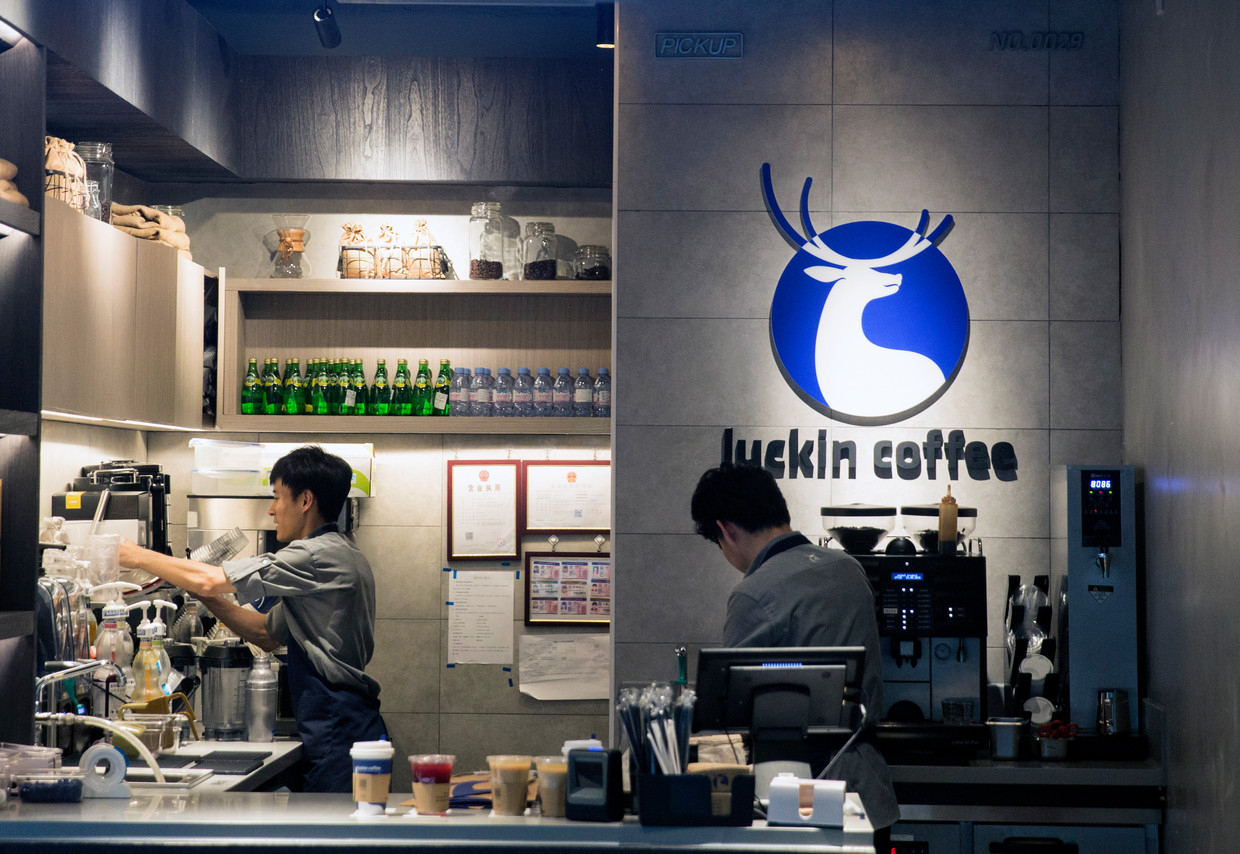
    Chinese coffee chain Luckin Coffee is exploring potential expansion into the US, with a launch possibly as early as next year.

    During an earnings call, Luckin Chairman and CEO Guo Jinyi emphasised both the promise and challenges of overseas growth.

    “The international market is filled with opportunities, but also presents significant challenges that require patience, time, and continuous investment,” Guo said.

    “We remain both patient and confident in our ability to succeed. We are actively evaluating opportunities in the US and other markets.”

    A report from the Financial Times suggests that Luckin may target cities in the US with sizeable Chinese student populations and tourist presence, such as New York.

    The company also aims to undercut major US coffee brands by offering drinks priced around US$2 to $3, potentially attracting budget-conscious consumers.

    Luckin has already begun overseas expansion in Singapore, opening eight new stores last quarter, taking its total in that market to 45. It also has stores in Malaysia.

    Although initial operations in the country incurred financial losses, Guo said these experiences provided valuable insights into the complexities of managing international ventures.

    The company plans to expand abroad, focusing on store network growth, supply chain management, and brand building.

    “Considering the maturity and competitiveness of the US coffee market, Luckin intends to approach its expansion strategy there with careful consideration and a disciplined execution plan,” Guo added.

    However, the potential US expansion may face reputational challenges.

    Jason Yu, GM at consumer research firm Kantar Worldpanel China, pointed out that Luckin’s past scandal, involving inflated sales data, could impact its brand image in the US.

    In 2020, Luckin admitted to fabricating approximately $310 million in sales in 2019, leading to multiple short-selling attacks and ultimately its delisting from NASDAQ.

    “With fierce competition in the Chinese coffee sector, overseas expansion and the possibility to regain trust from the capital market might be strategic options for Luckin,” Yu said.

  • US pizza chain Little Caesars makes Cambodian debut

    US pizza chain Little Caesars makes Cambodian debut

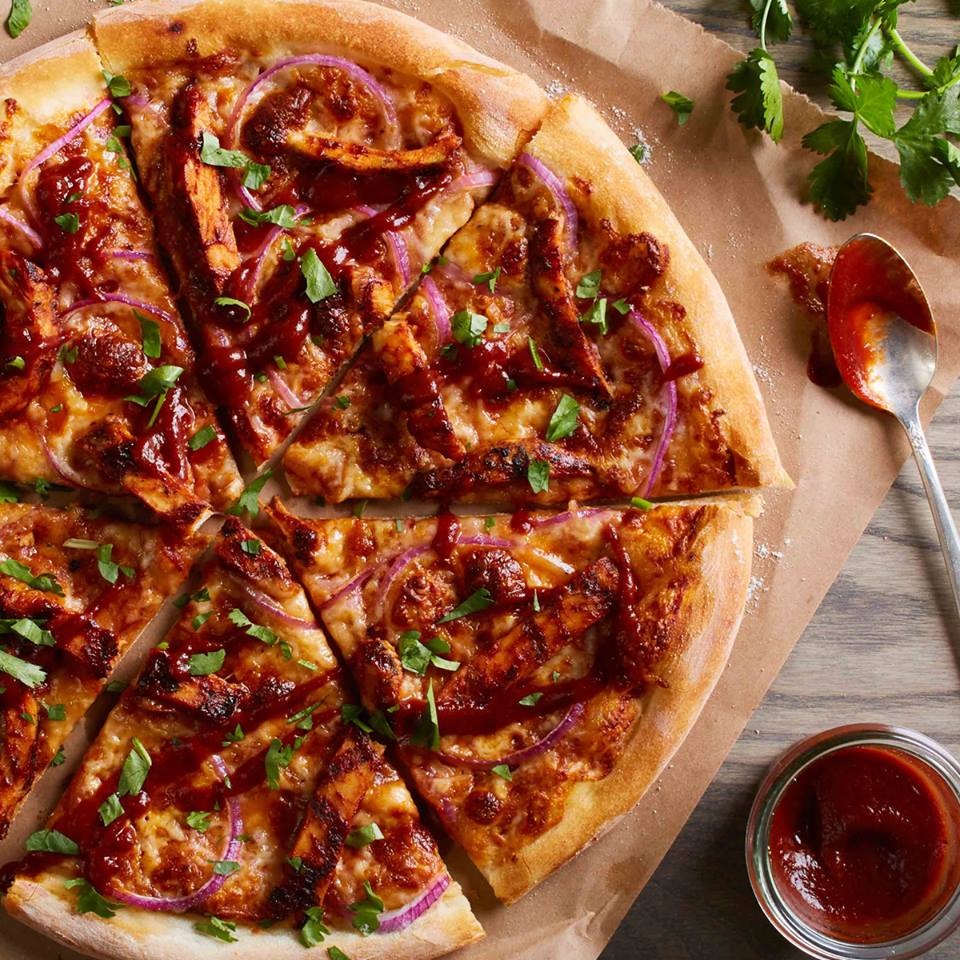
    US pizza chain Little Caesars will open its first Cambodian restaurant on Koh Pich this November 10, marking the 29th market the company has entered and part of a planned expansion into Southeast Asia.

    Located on Koh Pich, the new restaurant will create local jobs and provide additional dining options in the country.

    “Cambodia presents a dynamic and rapidly growing market,” said Paula Vissing, president of global retail at Little Caesars.

    The chain, known for its Hot-N-Ready pizzas, is expected to open a second restaurant in Phnom Penh in early 2025.

  • Laos’ sprouting durian industry strives for exports to China

    Laos’ sprouting durian industry strives for exports to China

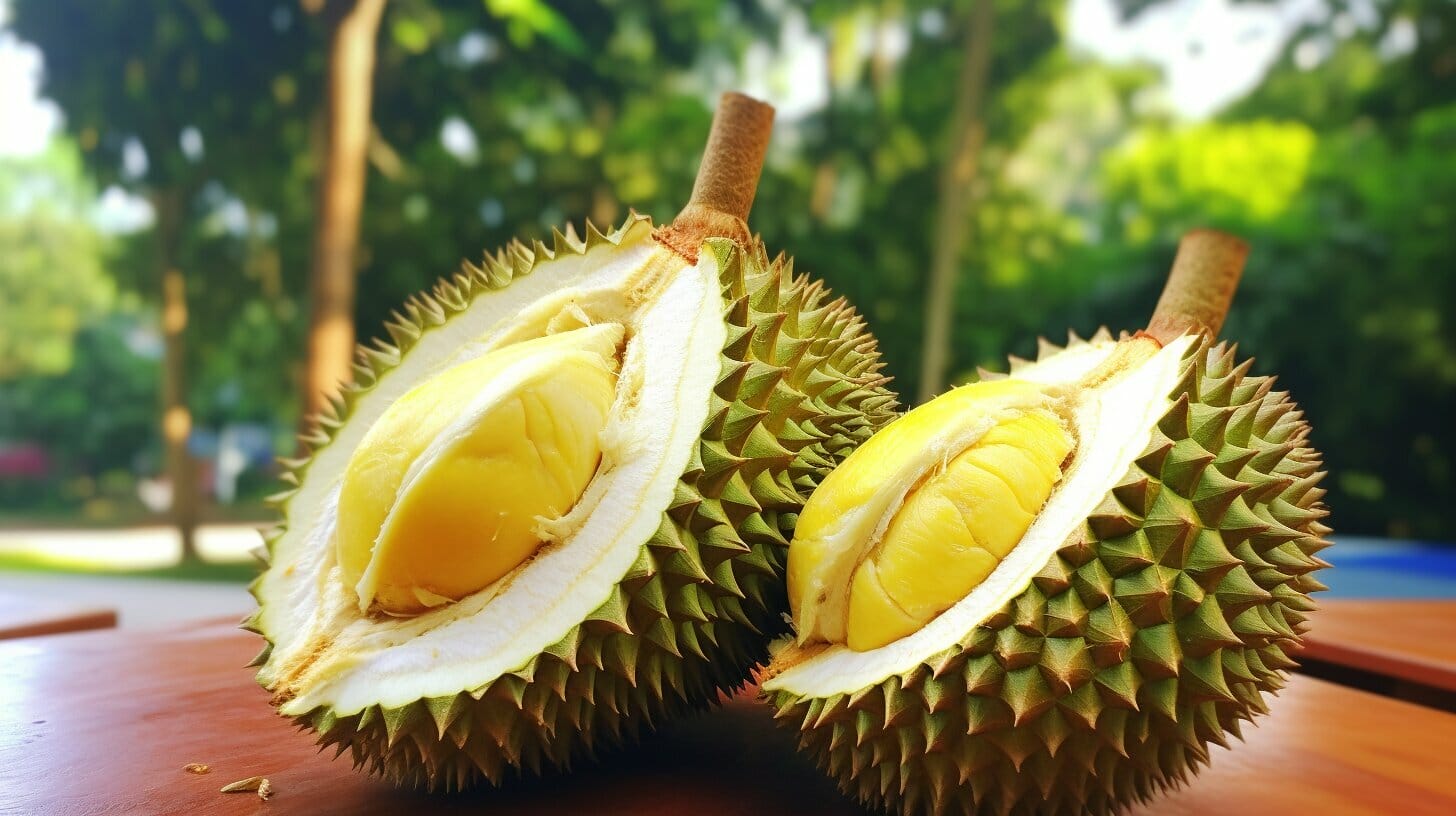
    Durian production in Laos has come to fruition and the industry is seeking opportunities to export to China – the world’s largest consumer of the stinky fruit. Tao Jian, a 54-year-old Chinese entrepreneur and the owner of Jinguo, a company with 50,000 durian trees planted on the Bolaven Plateau in southern Laos, recently celebrated the first harvest from his.

    Though the region is primarily known as Laos’ coffee hub, it could soon gain recognition for durians.

    Tao said the country’s fertile soil is ideal for farming the fruit and a hybrid durian variety, a mix between Malaysian and local cultivars, has been successfully developed there, leading to high-quality produce.

    “I believe Laos will soon become the world’s fourth-largest durian producer, after Thailand, Vietnam and Malaysia,” he told Nikkei Asia.

    While the durian industry has been expanding rapidly in several Southeast Asian countries, large-scale durian farming has only been sprouting recently in Laos, where the fruit used to be grown mostly in the backyards of local families.

    At a meeting between the Lao Agricultural Business Association, representatives of Lao durian growers, and Chinese agricultural importers in August, Bounthieng Latthanavong, president of the association, stated that durian production methods in Laos have become more professional and robust, positioning the industry for success in global markets, as reported by the official Lao News Agency.

    Elavanh Latpakdee, a representative of durian farmers in Laos, said the association has 170 farms spanning 20,000 hectares and many trees have started producing fruits, yielding around 900 tons of durian per year. It expects production to rise to 24,300 tons worth more than US$155.5 million.

    Durian farming in Laos has come a long way, but the country has not yet been allowed to export the fruit to China.

    However, that goal might not be too far off. Bounchanh Kombounyasith, Laos’ director general of the Department of Agriculture, said market access documents were being prepared and Lao durians will soon be exported to China, a state-owned Chinese newspaper reported late last month.

    As the top importer of the fruit, China procured 1.4 million tons of durians worth $6.7 billion in 2023, with Thailand and Vietnam being the top suppliers.

    In the second quarter of this year, Thailand shipped about $2.67 billion worth of durian to China, accounting for 75% of imports. Vietnam supplied most of the remaining shipments during the period, the South China Morning Post reported, citing Chinese customs data.

    China’s burgeoning demand has been transforming the durian industry in Southeast Asia.

    Many farmers in Thailand and Vietnam have become wealthy from the fruit.

    And it might also turn the sprouting durian industry in Laos into an economic boon for the country.

    China is Laos’ second largest trading partner and its top investor, China Daily reported, citing Chinese customs data.

    Bilateral trade between the two nations hit a record $7.1 billion in 2023. It amounted to $4.9 billion in the first seven months of this year, a 30.3% increase from a year ago.

    Besides the natural advantages noted by Tao, Laos’ durian industry has been attracting investment from Chinese businessmen who possess the resources to develop the sector. Many of these investors are turning to Laos to establish durian farms with the aim of shipping the fruit back to China.

    The Laos-China railway, launched in December 2021, might add to this momentum by reducing the travel time from Vientiane, the capital of Laos, to Kunming, a key trade center in southwestern China, to under 10 hours.

    The industry also receives the support of foreign professionals like Duangdavone Sulayavongsa, a durian cultivation expert with nearly 20 years of experience in Thailand.

    He believes that Lao durians hold the potential to become a major export commodity, greatly benefiting the country’s economy.
  • Lobster exports to China surge 33 times

    Lobster exports to China surge 33 times

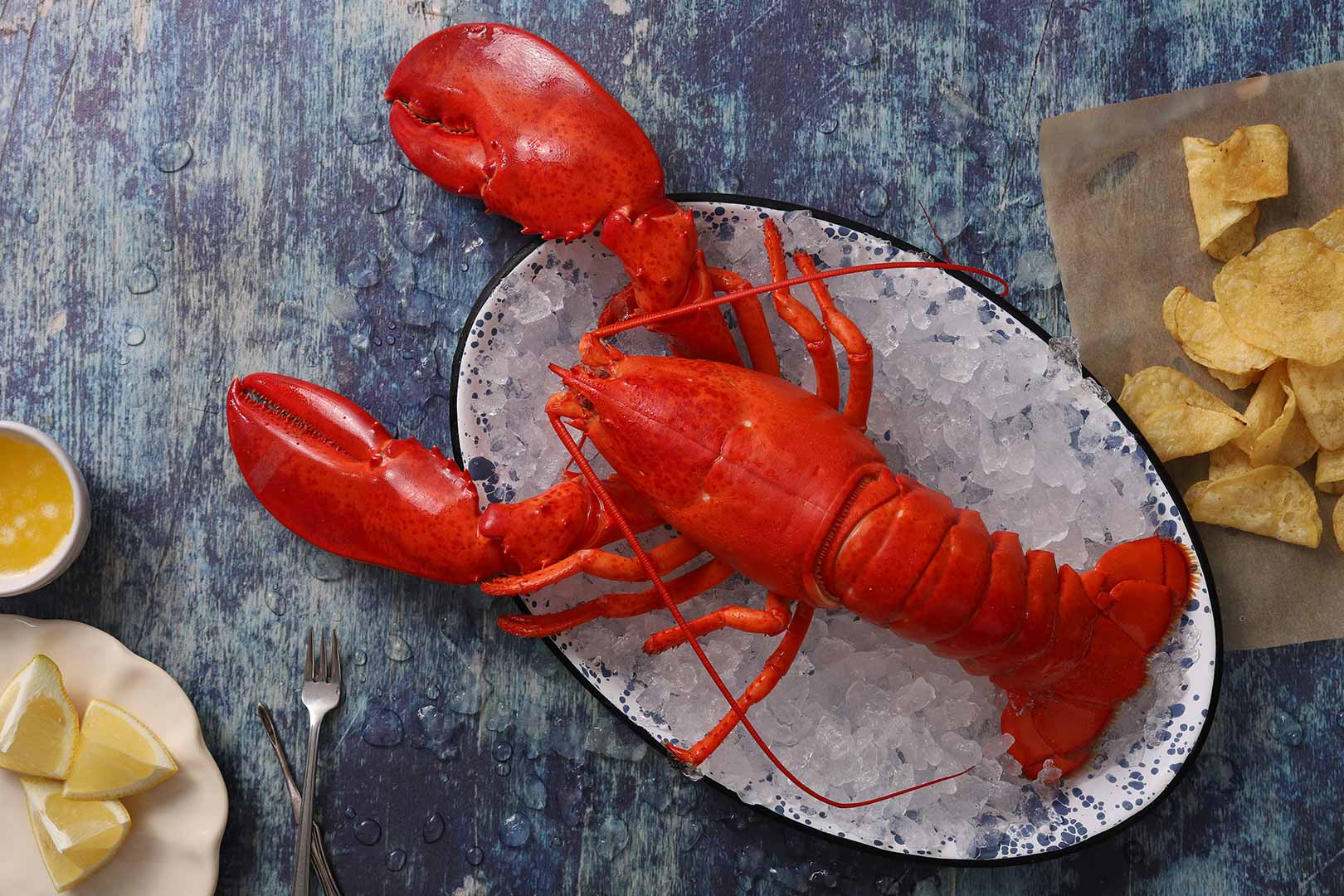
    Vietnam’s lobster exports to China rose 33-fold year-on-year to US$205.87 million in January-September on the back of lower prices and stronger trade ties between the two nations. This marks a 3,285% surge from the same time last year, citing statistics from the General Administration of Customs of China.

    In September alone, lobster imports from Vietnam rose by 133.9% from August and 2,336% year-on-year.

    China’s overall lobster imports increased by 40.86% year-on-year to $558.24 million in the same period, while import prices decreased by 23%.

    Analysts said the spike means Chinese consumers still have a craving for high-end foods despite hesitancy in overall spending, adding import costs from Vietnam are significantly lower than from other countries due to differentials in labor and shipping.

    According to Phung Thi Kim Thu, an expert from the Vietnam Association of Seafood Exporters and Producers, China’s easing of seafood import regulations, together with the signed bilateral agreements and the trade liberalization rules under the Regional Comprehensive Economic Partnership (RCEP), has facilitated the growth in Vietnam’s lobster exports.

    China is also set to restart the import of Australian lobsters. During the recent ASEAN Summits in Laos, Beijing and Canberra agreed to lift a nearly four-year moratorium on lobster shipments by the end of the year.

    In 2019, the last full year with data recorded, over half of China’s lobster imports came from Australia.

  • Bega Cheese reveals new look for Dairylea

    Bega Cheese reveals new look for Dairylea

    Bega Group has introduced a new appearance to its Dairylea-branded products, including the original slices and burger slices.

    Following the change, all Dairylea-branded product lines will have Bega-branded packaging.

    “Our same great tasting slices continue to be an everyday essential item, just with a new look,” said Anna Martin, brand manager of culinary at Bega Group.

    “Suitable and affordable for Australian families, we are excited to see our new packaging on supermarket shelves, helping shoppers to stretch their household budget a little further without compromising on taste and quality.”

    The refreshed packaging is now available in local supermarkets and will be accessible in Coles later this month.

  • Imports of Chinese vegetables, fruits soar in 2024

    Imports of Chinese vegetables, fruits soar in 2024

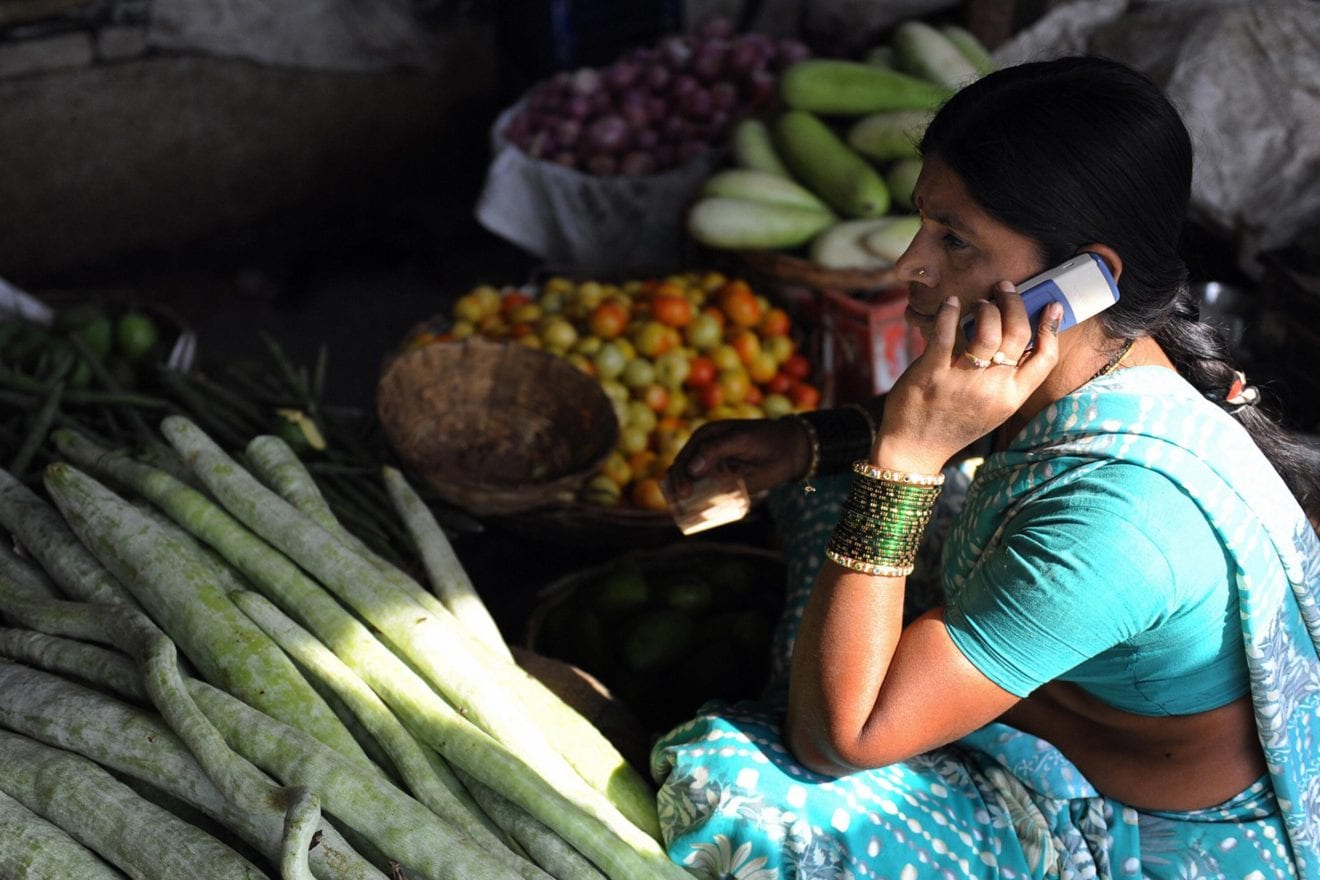
    Vietnam imported US$697 million worth fruits and vegetables from China in the first nine months of 2024, up 24% year-on-year.

    Imported Chinese farm products used to be sold only in traditional markets, but now they can also be found at most major retail chains such as MM Mega and Co.opmart.

    The major imports include apple, grape, garlic, onion, and potato, and are often 10-30% cheaper than products from other countries.

    Vo Thanh Loc, co-founder of retailer Farmer’s Market, said the company used to source its products from Australia, Japan, South Korea, and the U.S., but has recently added Chinese products to the list since they look nice and come in many varieties.

    HCMC’s Thu Duc Agriculture Market has received 88,400 tons of vegetables and fruits imported from China so far this year.

    Dang Phuc Nguyen, general secretary of the Vietnam Fruits & Vegetables Association, said China has been able to improve its fruits quality through farming region control and packaging.

    Thanks to reduced transportation costs and zero import tax agreements between China and ASEAN countries, Chinese produce have an advantage in Vietnam, he added.

  • Japanese burger chain Niku Niku Oh! Kome debuts in Hong Kong

    Japanese burger chain Niku Niku Oh! Kome debuts in Hong Kong

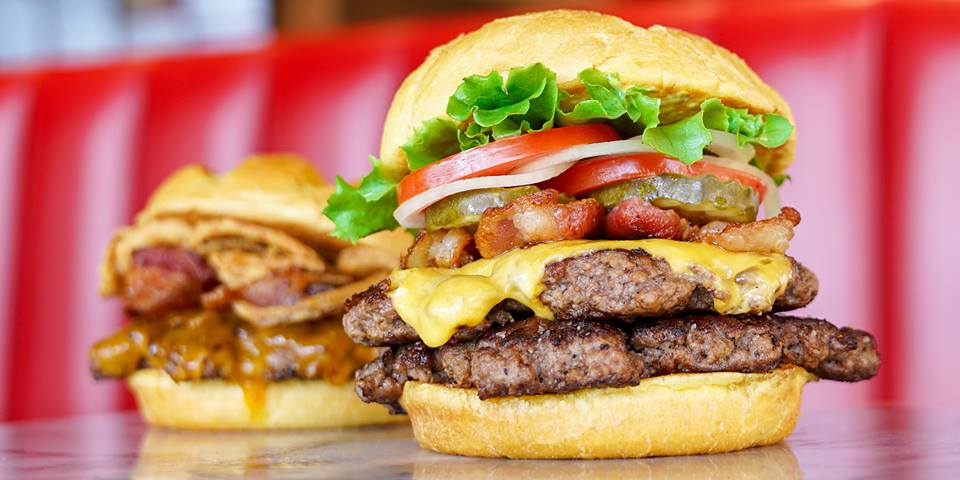
    Japanese-style burger chain Niku Niku Oh! Kome – owned by Japanese restaurant chain operator Monogatari Corporation – has launched its first outlet in Hong Kong as part of its broader expansion across Asia.

    Located in Sha Tin, the restaurant has 40 bar seats surrounding an open kitchen. It specialises in freshly handmade wagyu burgers seated on hot plates or served on rice with egg yolk for a “classic Japanese experience”.

    The wagyu hamburgers are crafted from a blend of Kyushu black wagyu beef and US beef, while the rice served is Niji No Kirameki, sourced from Japan’s Tohoku region.

    Makoto Hori, senior executive officer, Monotogari Corporation, said that Hong Kong, being an international city close to the mainland, offers the company an opportunity to raise brand awareness in the Asian region.

    “We have already opened 16 restaurants in Mainland China since November 2022, and local customers have well received our food,” he added.

    Established in 1949, Monogatari Corporation has more than 700 restaurants in Japan and overseas, with 15 restaurant brands serving various Japanese foods, including yakiniku, ramen, okonomiyaki, sushi and shabu-shabu.

  • Vietnam fetches $227M from crab exports

    Vietnam fetches $227M from crab exports

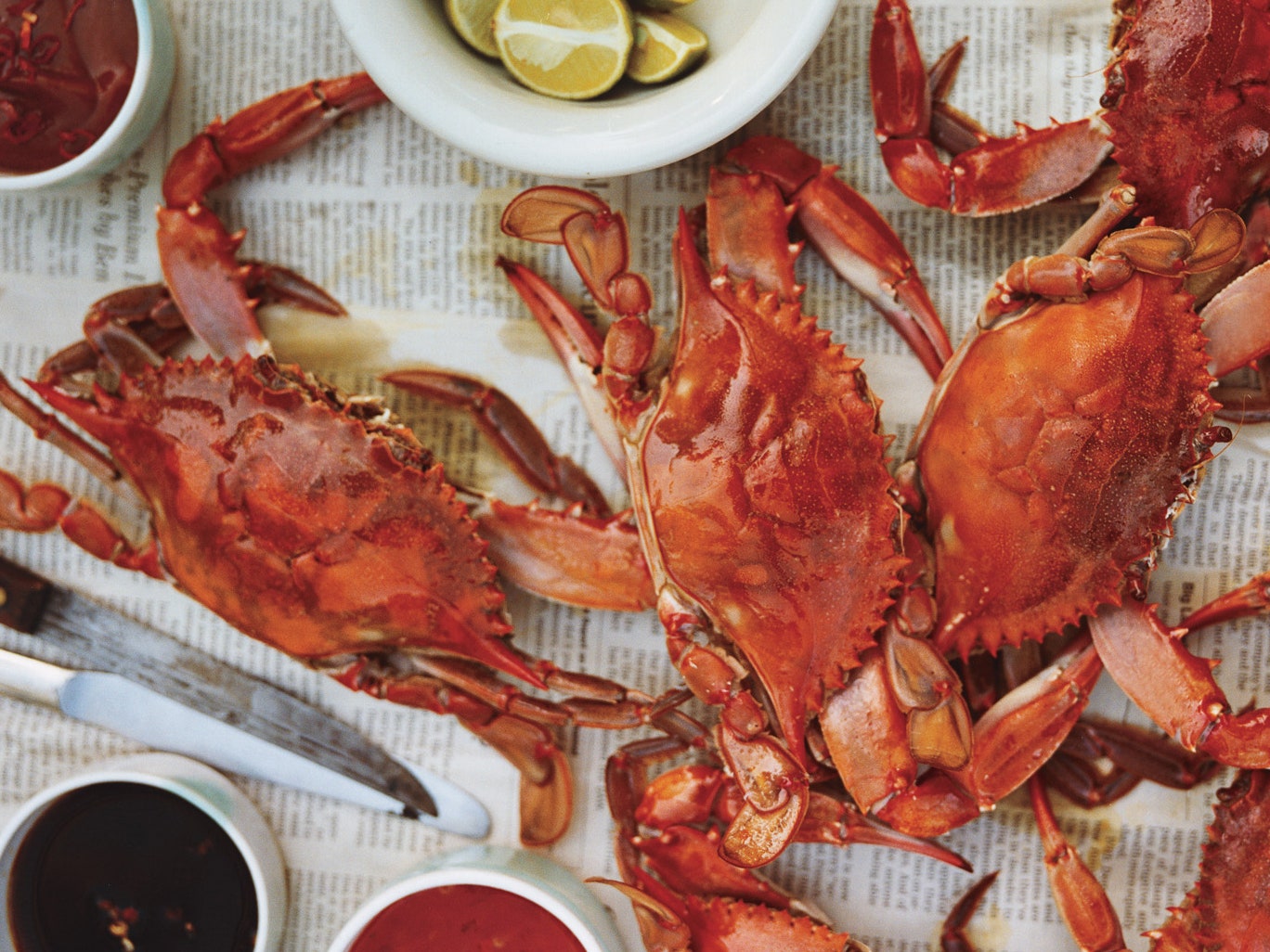
    Crab exports in the first nine months surged 66% year-on-year to $227 million, the strongest growth recorded among major fishery products.

    The rise in sales came as major markets, especially China, pumped up demand for Vietnamese crabs, the Vietnam Association of Seafood Exporters and Producers (VASEP) said in a report.

    Japan was also a major market as Vietnamese high-quality crabs are priced competitively there.

    Crab exports are expected to hit $300 million for the whole year.

    Fishery exports in total rose 8.5% to $7.16 billion in the first nine months. Shrimps led the gain with a 10.5% growth.

    VASEP forecasts that Vietnam’s seafood exports in 2024 can grow 7% to $9.5 billion, with shrimp, pangasius, tuna, squid and octopus making up the bulk of delivery.

  • Pepper exports hit $1B in 2024, prices surge to 8-year high

    Pepper exports hit $1B in 2024, prices surge to 8-year high

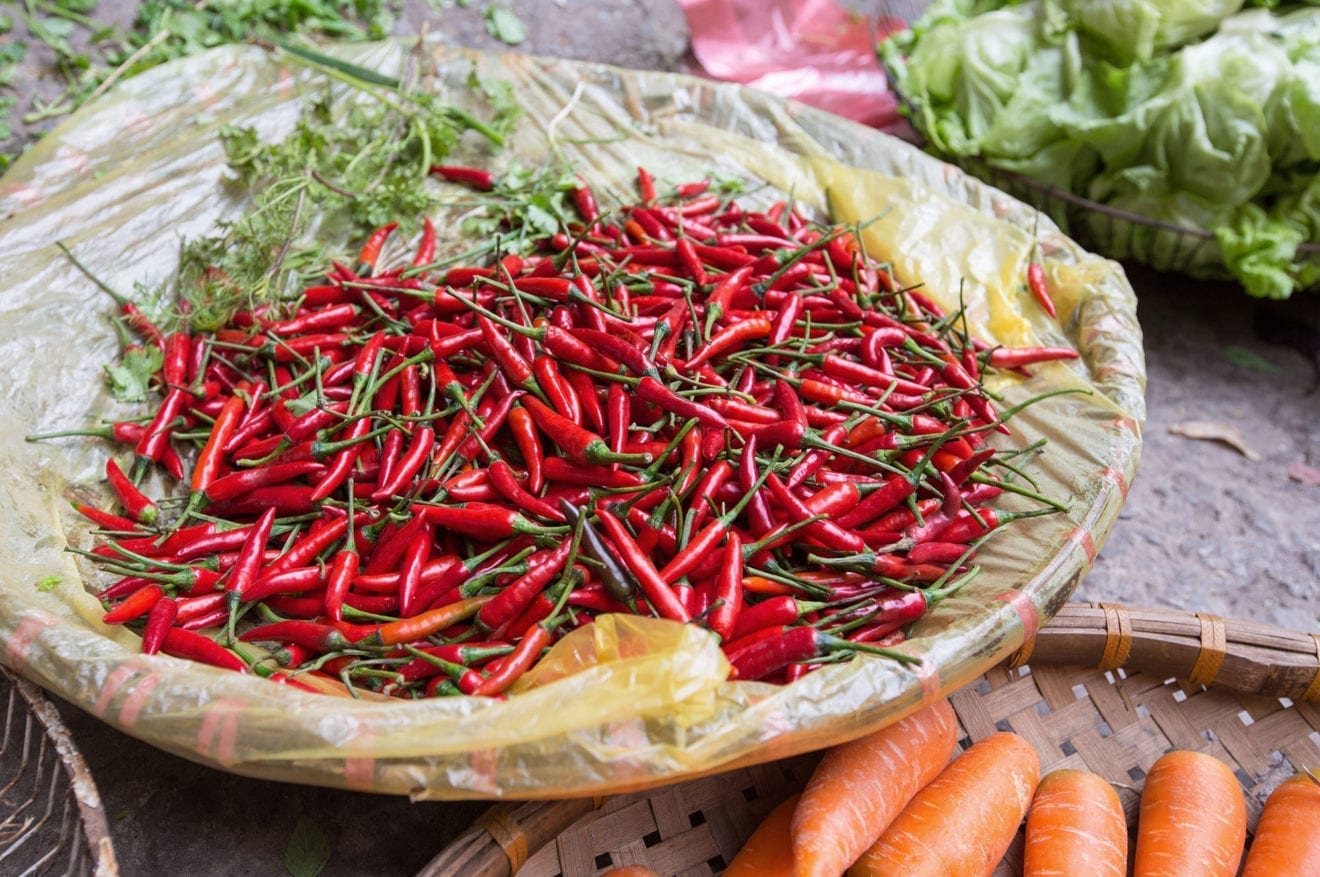
    Pepper exports topped 203,000 tons, fetching US$1 billion, in the first nine months of 2024, with prices rising to their highest levels in eight years.

    This meant value was up 46.9% year-on-year despite a 1.5% drop in volumes, according to customs data. The average export price was $6,239 per ton in September, a 67.5% jump from a year ago.

    Businesses said prices have increased due to a decline in supply caused by weather conditions and farmers’ crop switching.

    Experts said domestic pepper prices are likely to rise further this year, especially with Tet (Lunar New Year) coming around in a few months.

    The Ministry of Industry and Trade’s import and export department forecast global prices to remain high as the country’s pepper production is expected to decrease next year due to drought.

    The Vietnam Pepper Association does not expect global production to meet demand in the next three to five years.

    Pepper is an important agricultural product for Vietnam, which is also the world’s largest exporter of the spice with a 60% market share. Its exports last year were worth $912 million.