Category: Food

Retail News Asia is committed to providing both local and global retailers with the latest Food and Food & Beverage news throughout the Asian market. This on a daily base.

  • As it exits other markets, Flash Coffee doubles down on Indonesia

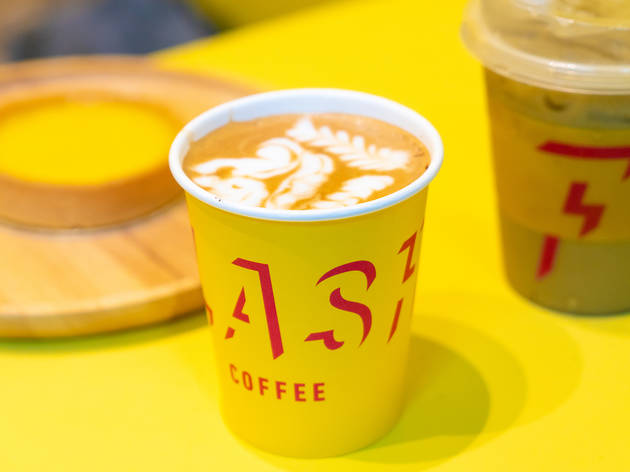
    As it exits other markets, Flash Coffee doubles down on Indonesia

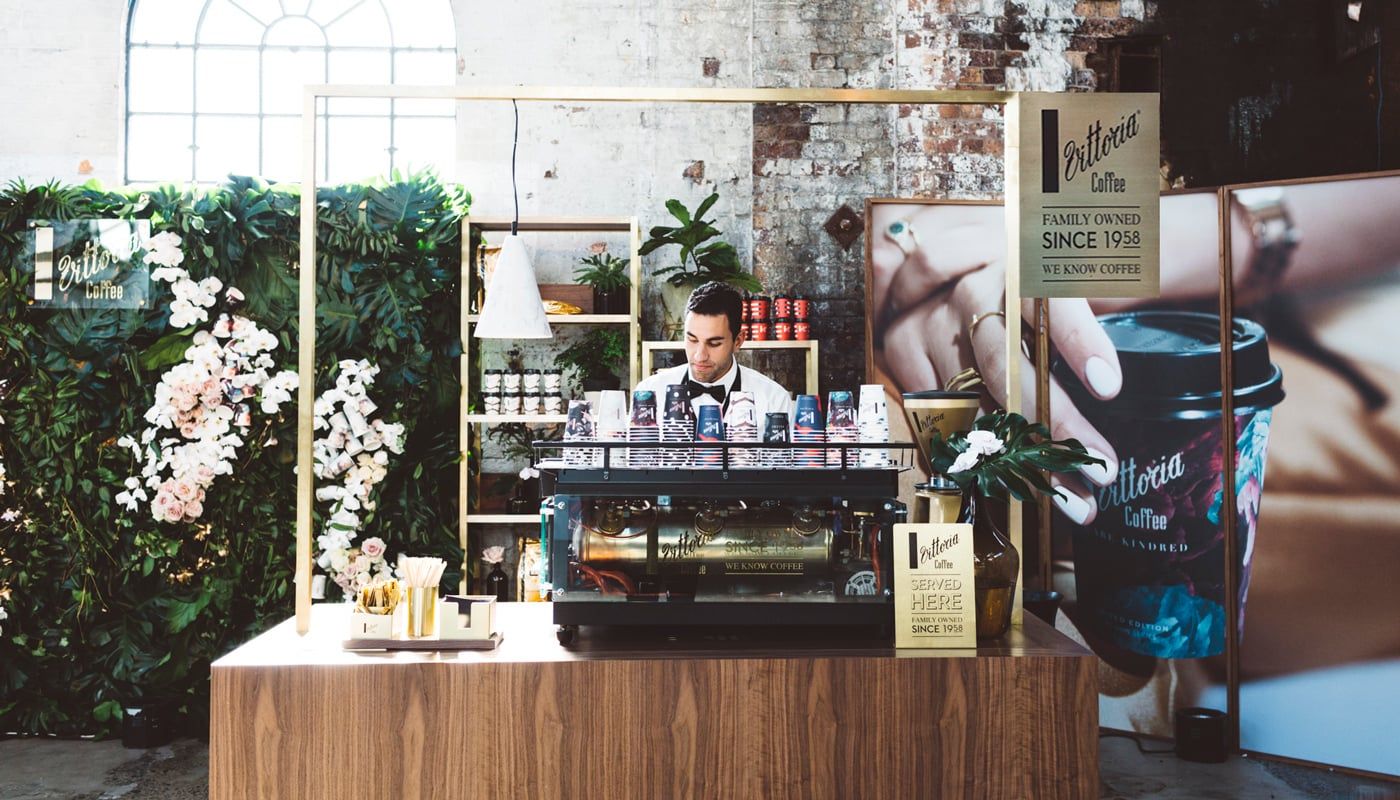
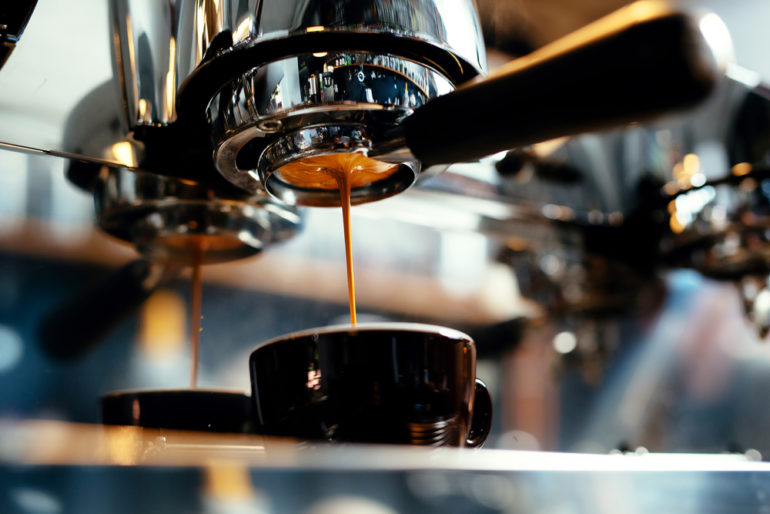
    Flash Coffee is expanding its footprint in Indonesia, with new store openings planned across Jakarta and Bandung and the rollout of new food and beverage offerings.

    The coffee chain said each outlet offers a larger space with a sit-and-stay design to encourage customers to have their coffees in-store. At the same time, it launched a more user-friendly process for digital ordering on its proprietary app.

    After last year’s restructuring, the company said its main focus is now on Indonesia and franchising the brand in other countries, following the closure of Flash Coffee in other Asian markets and the sale of its brand in Thailand as a franchise.

    Flash Coffee founder and CEO David Bruinier thanked its customer base and said the company is “just getting started” on its Indonesian expansion.

    “We are now expanding our footprint in the country, with plans to add many new stores to our portfolio within the next 12 months,” he added.

    The coffee chain now operates 67 stores and reported an increase in revenue per store by over 50 percent from early this year, reaching operational profitability.

    Launched in Singapore in 2020, the “tech-driven” coffee chain is now backed by New York-based venture capital firm White Star Capital as its largest shareholder after raising US$50 million in a Series B funding round last year.

    Jakob Angele, executive chairman of Flash Coffee and venture partner at White Star Capital, said the company is pleased with the brand’s success in Indonesia.

    “Indonesia is one of the most exciting and vibrant coffee markets worldwide. Flash Coffee is uniquely positioned to serve its growing demand for high-quality coffee,” he concluded.
  • Wendy’s Philippines sold to new owner as Dennis Uy exits food retail

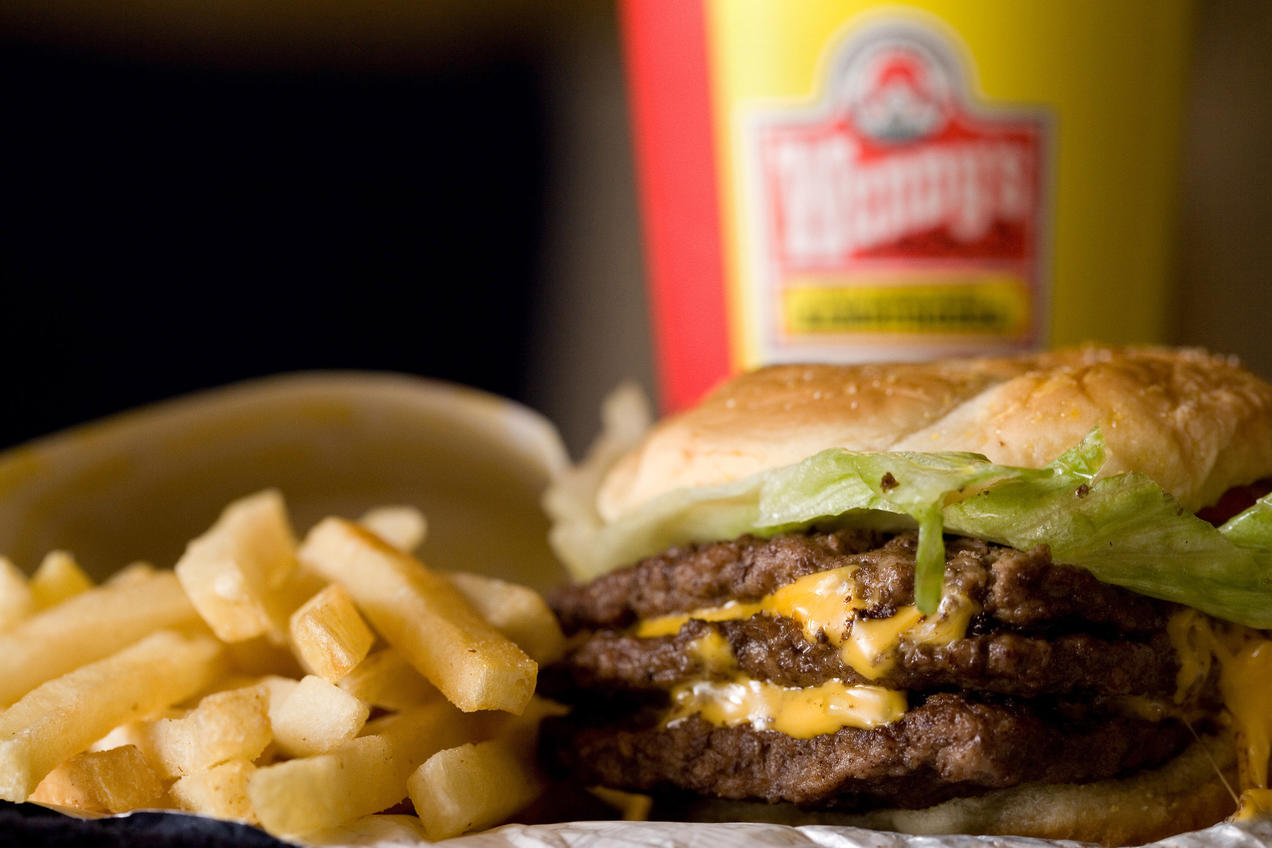
    Wendy’s Philippines sold to new owner as Dennis Uy exits food retail

    Wendy’s Philippines and Conti’s Bakeshop, run by Filippino businessman Dennis Uy, have been sold to a local entrepreneur.

    Uy has decided to sell his Eight8Ate Holdings company, which operates the two chains, to Crystal Jacinto. The sale comes after the multibillion-peso food retailing business bundle has been on the market for almost two years.

    Jacinto, who runs European Wellness Villa Medica Manila – a health and wellness centre specialising in anti-aging and disease management solutions, will take full control of the company, according to the news agency’s sources. She is also reportedly backed by her husband and Malaysian businessman Jaya Sudhir.

    Wendy’s, which had 70 stores as of June, and Conti’s, which had 74 stores, were acquired by Uy in 2019, shortly before the pandemic.

    Conti’s is considered the more profitable of the two brands, which led to the bundling of Wendy’s in the deal.

    The sale also includes the remaining shares of Conti’s founding sisters – Cecille Conti Maranon, Carole Conti Sumulong, and Angela Conti Martinez – who have agreed to sell their residual stake directly to Jacinto, cites the news agency.

    Neither Uy nor Jacinto has yet to comment on the transaction at the time of writing.

    Apart from Eight8Ate Holdings, Uy is also the founder of Udenna, a conglomerate involved in petroleum, oil and gas, shipping, logistics, real estate, education, and gaming.

  • Rice exports top $3.8B in 8 months

    Rice exports top $3.8B in 8 months

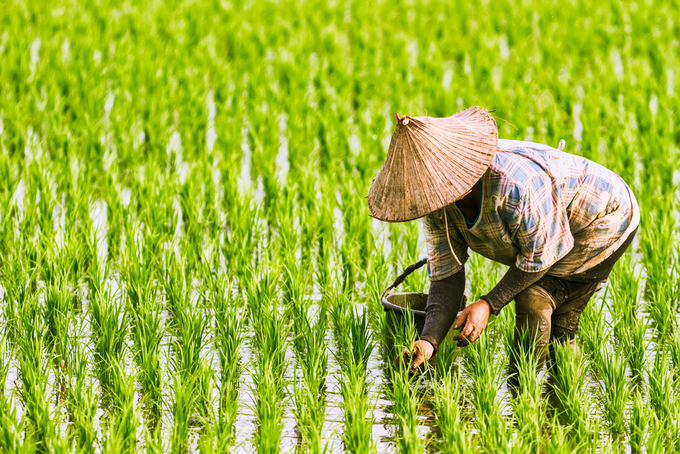
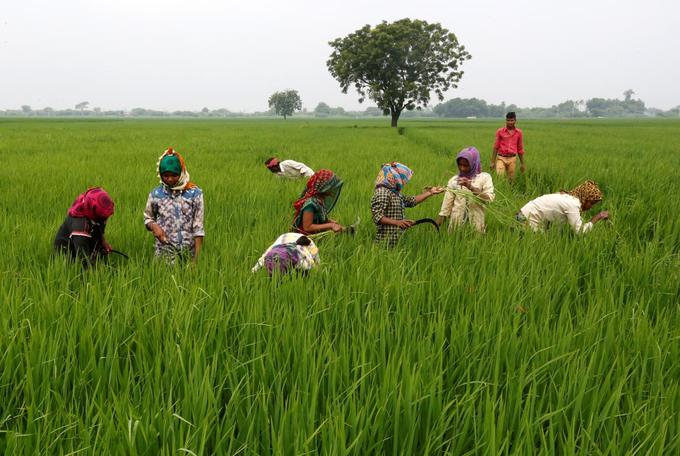
    Vietnam exported 6.16 million tons of rice worth nearly US$3.85 billion in the first eight months of this year, the Ministry of Agriculture and Rural Development (MARD) has said.

    This marked a 5.9% increase in volume and a 21.7% growth in value from the same period last year.

    According to the MARD, along with the increase in output, the average rice export price in the period also rose about 14.8%, reaching $625 per ton.

    In the domestic market, prices of many types of rice in the Mekong Delta region remained stable last week compared to the previous week.

    Specifically, prices in the Mekong Delta province of An Giang remained unchanged for popular varieties such as Dai Thom (fragrant rice) 8, OM 5451 and OM 18.

    Regular rice retails at VND15,000-16,000 (US$0.6-0.64) per kilogram, while long-grain fragrant rice is sold at about VND20,000-21,000.

  • Vietnam pepper exports to top $1B in 2024

    Vietnam pepper exports to top $1B in 2024

    Vietnam could ship more than US$1 billion worth of pepper abroad for the whole 2024 on the back of high global demand and limited supply, according to the Vietnam Pepper and Spice Association (VPSA).

    The pepper industry, the association said, is on track to return to the “billion-dollar” club, with export revenues hitting US$764.2 million as of July 30.

    During the seven-month span, more than 164,300 tonnes of pepper was sold to foreign markets at an average export price of $4,568 per tonne for black pepper and $6,195 per tonne for white pepper, up 32.7% and 25%, respectively, year on year.

    The U.S. was the largest purchaser, followed by Germany, the United Arab Emirates (UAE), and India.

    Brazil, the world’s second-biggest black pepper producer and exporter, has suffered crop failure, driving global prices skyward for the remaining months of 2024. Production in Vietnam, Malaysia and Indonesia is also forecast to fall sharply due to the impacts of El Nino.

    In the next three to five years, pepper supply will lag behind demand.

    Domestic pepper prices in July fetched VND150,000 (over $6) per kilogram, rising 82.9% against January, and 120.6% year-on-year.

    The VPSA forecasts a fluctuation in pepper prices in the coming time due to formidable challenges in the market.

    According to a survey conducted by the VPSA in three Central Highlands localities in July, along with extreme weather caused by climate change, farmers chose durian and coffee production over pepper as the first two fetch higher prices.

    Vietnam’s key pepper planting areas of Gia Lai, Dak Lak and Dak Nong in the Central Highlands, and Binh Phuoc, Dong Nai and Ba Ria–Vung Tau in the southeastern region slashed cultivation acreage by 50% as compared to peak cultivation times.

  • Thai durian dominates Chinese market

    Thai durian dominates Chinese market

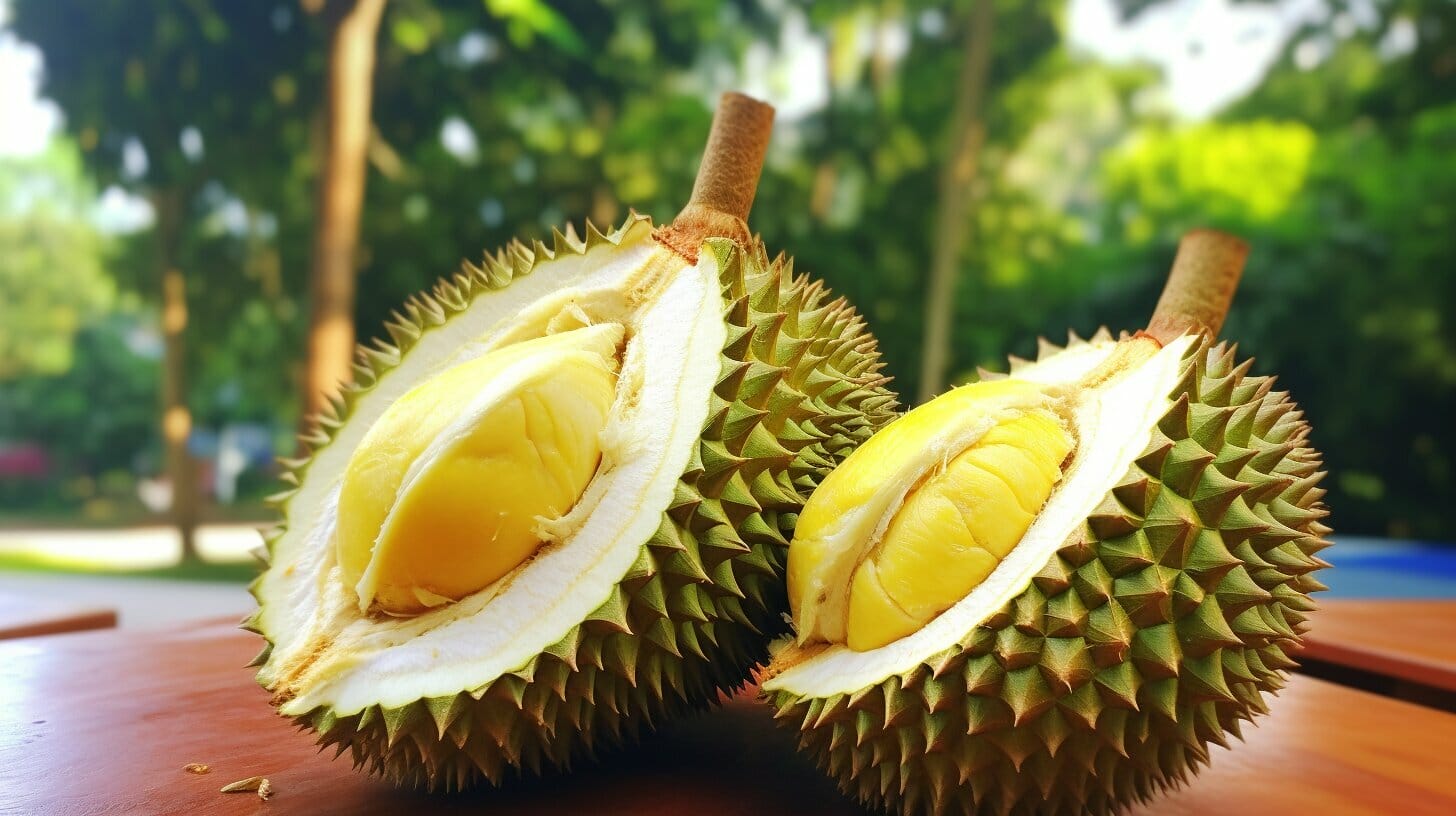
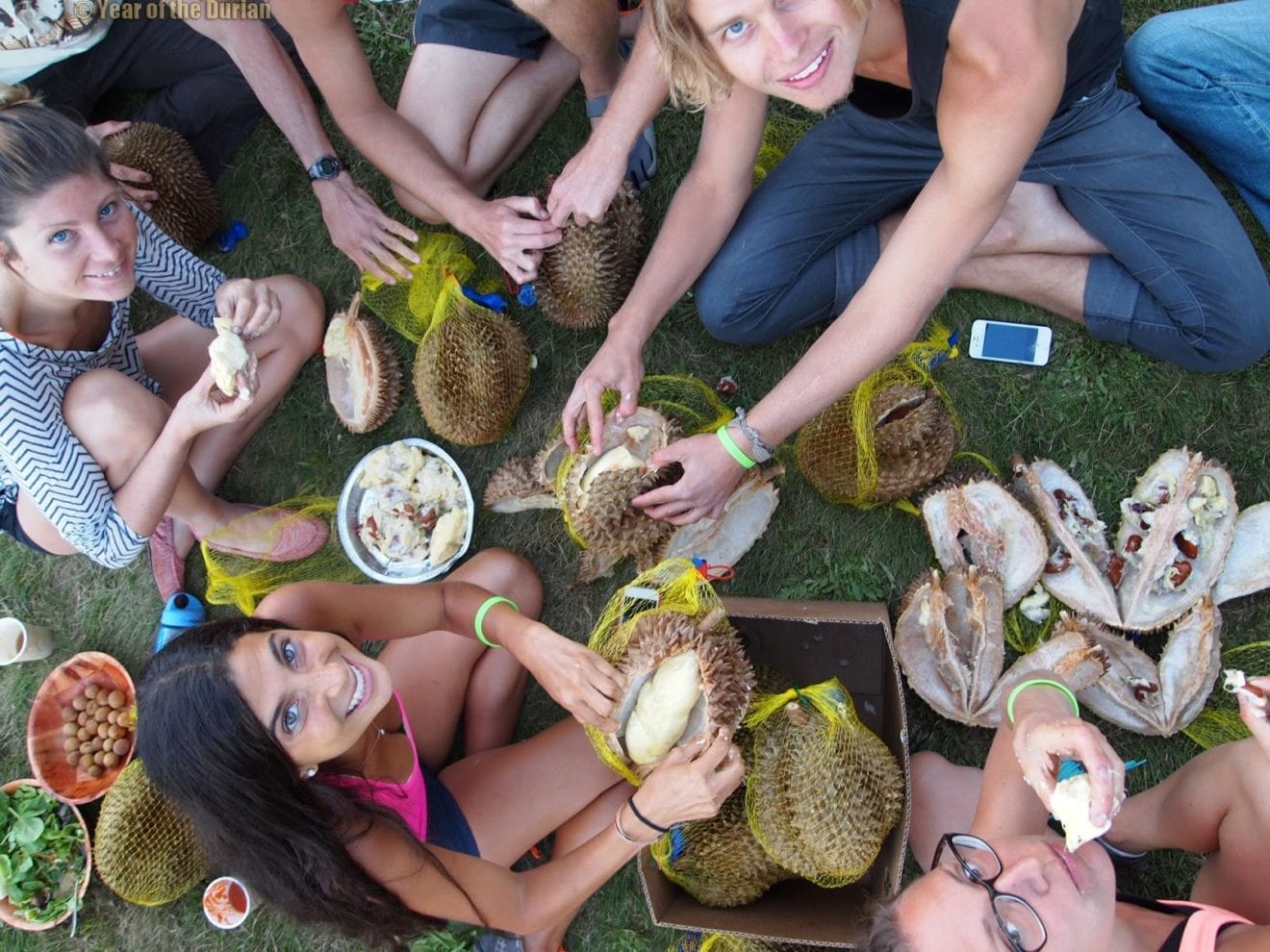
    Thailand is consolidating its position as the leading supplier of durians to China, reported the South China Morning Post.

    Shipments of fresh durians from Thailand to China – the world’s top consumer of the pungent fruits – rebounded in the second quarter after a drop earlier this year. It is attributed to a seasonal harvest spike and a lasting reputation for quality.

    Data from China Customs showed that durian imports from Thailand reached nearly $2.67 billion, accounting for 75% of total fruit imports. This figure is a significant improvement compared to the 42.5% recorded in the first quarter of this year. In addition, Thailand accounted for 68% of China’s durian import market share in 2023.

    Thailand’s main competitor, Vietnam, supplied almost all of the remaining shipments in the second quarter. Vietnamese durians are more competitive in terms of price than their Thai peers in China due to lower transport costs thanks to the use of land border.

    According to Liang Yan, an economist at Willamette University in the U.S. state of Oregon, Thailand has long had a “first mover advantage” among Chinese consumers.

    The second quarter of each year marks the major harvest season for Thai durians, observers said, while consistency of flavour and brand recognition grant additional appeal.

    Thailand’s increased share in the second quarter can be mainly attributed to the seasonal peak of Thai durian production, their strong and established trade networks, and consumer preference for Thai durians during this time, said Lim Chin Khee, an adviser with the Durian Academy, an institution that trains Malaysian growers.

    China, the world’s biggest buyer of durians, imported 1.4 million tonnes in 2023. Dubbed “king of fruits” by many consumers, it is treated as a delicacy and has even been given as a gift to celebrate special occasions such as weddings.

    Thai durians remain popular in China largely because the flavour seldom wavers, though the fruits lack the variety of taste, said Song Seng Wun, an economic adviser at the Singapore-based financial services firm CGS.

  • Vietnamese no longer spend $4 on coffee

    Vietnamese no longer spend $4 on coffee

    Young entrepreneurs looking to start a coffee shop should be aware that customers are increasingly reluctant to spend over VND100,000 ($4) on a cup of coffee, opting instead for more affordable alternatives.

    I used to visit coffee shops regularly, but in recent years that is no longer the case. I feel like I can work from home just as easily, and spending VND50,000-70,000 ($2-2.8) on a cup of coffee for a few hours at a shop does not seem worth it.

    In a recent survey, the most common spending range was between VND41,000 and VND70,000 VND per cup, according to 45% of respondents. Many Vietnamese have stopped spending VND100,000 per drink, the survey said.

    Going to coffee shops has become much more expensive ever since I started brewing coffee at home. Even if I am in a rush, I will buy machine-brewed coffee from a street vendor for just VND15,000.

    Coffee shops, however, need to cover a variety of costs, including labor, ingredients and most importantly, rents. To open a good coffee shop, the location has to be prime and spacious, but the rent is far from cheap.

    I have observed that my friends now visit coffee shops less frequently. They only go when they have meetings with clients or business partners, and even then, not very often. For casual chatting and socializing, they prefer affordable street cafés.

    In my opinion, these trends indicate that competition in the food and beverage industry, especially in the coffee shop sector, is becoming increasingly fierce. The closure of 30,000 establishments in the first half of the year is one clear example of this.

    With this in mind, those of you looking to start a business by opening a coffee shop or a coffee chain need to be extremely cautious and thoughtful. As consumers become more price-conscious, convincing them to spend money will become more challenging.

  • Japan’s biggest sushi chain Sushiro launches first Beijing store

    Japan’s biggest sushi chain Sushiro launches first Beijing store

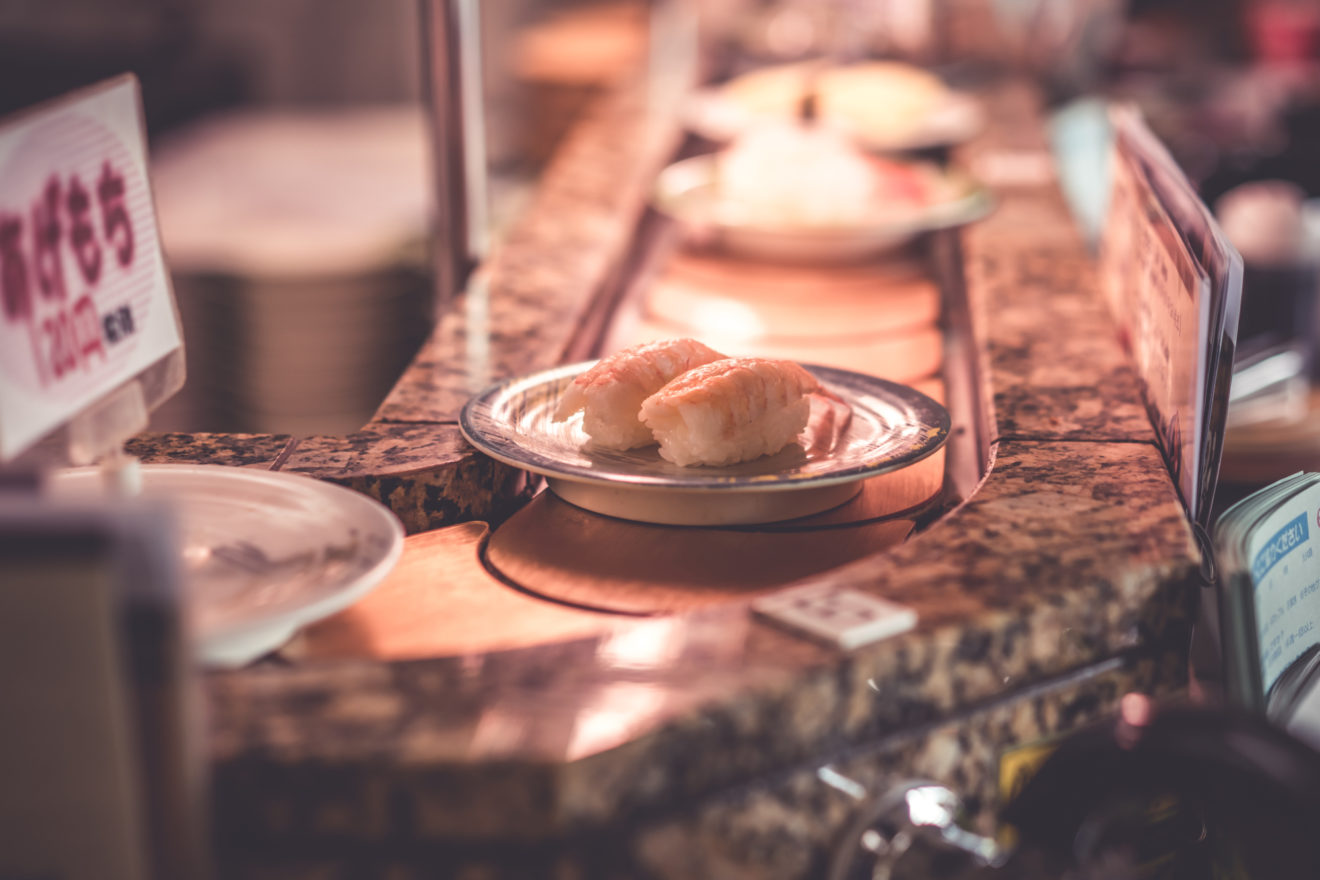
    Japan’s biggest sushi restaurant chain Sushiro opened its first store in China’s Beijing Wednesday as part of its expansion in the world’s most populated country.

    Its new store, located in the Xidan Joy City shopping mall, has four private rooms, each allowing up to 10 customers, who can order from a touch screen and pick up their food from a conveyor belt, according to Nikkei Asia.

    This is Sushiro’s 45th location in China. It launched the first store in Guangzhou in 2021 and has expanded to several cities since.

    Sushiro, headquartered in Osaka, has over 500 restaurants in Japan. It was founded 30 years ago and is now present in many Asian countries including South Korea, Thailand and Singapore.

    Its competitor Hama Shushi has also been expanding in China and opened the first Beijing store earlier this year.

    China has prohibited the import of seafood from Japan due to the discharge of treated radioactive wastewater. In China, conveyor belt sushi restaurants primarily offer locally sourced seafood.

  • Vietnam gains approval to export frozen durian

    Vietnam gains approval to export frozen durian

    Vietnam is allowed to export frozen durian and fresh coconuts to China under an official quota, following the signing of protocols between the two countries on Monday.

    These protocols signed by Vietnam’s Ministry of Agriculture and Rural Development and China’s General Administration of Customs in Beijing under the witness of Vietnam’s Communist Party General Secretary and President To Lam and China’s Communist Party General Secretary and President Xi Jinping are expected to increase shipment of the fruits.

    Another protocol that was signed allow the export of Vietnamese crocodiles to China under official quota.

    The protocols, which are key components of the Goods Trade Agreement and took effect immediately upon signing, include specific requirements for animal and plant quarantine as well as food safety.

    The protocols, which integral parts of the Goods Trade Agreement and took effect immediately after signing, consist of specific requirements on animal and plant quarantine and food safety.

    All exporters that have completed necessary procedures and meet the import country’s quarantine requirements can deliver their products across the border.

    Agriculture minister Le Minh Hoan said that the three protocols are the results of negotiations between the two countries, which allows Vietnamese frozen durian and fresh coconuts to reach a market of 1.4 billion people.

    Dang Phuc Nguyen, general secretary of Vietnam Fruits and Vegetables Association, said that the majority of Vietnamese frozen durian has so far been exported to mostly Thailand, the U.S. and Europe with a total value of several hundred million U.S. dollars a year.

    With China opening its door, exports of this fruit will likely surge, he added.

    Last year Vietnam exported 500,000 tons of fresh durian with a total value of $2.3 billion, in which China bought 90%.

    Vietnam now has 154,000 hectares of durian with a total yield of 1.2 million tons, and the latter figure grows around 15% a year.

    The country is also a major exporter of coconuts with 175,000 hectares of the fruit, mostly in the Mekong Delta region.

    With the new protocols signed, frozen durian exports are expected to reach $400-500 million this year, while fresh coconut exports are set to increase by $200-300 million.

    To Lam and his spouse are on a state visit to China from Aug.18-20.

  • Vietnam’s coffee export value rises 31% in 7 months

    Vietnam’s coffee export value rises 31% in 7 months

    Vietnam exported 964,000 tonnes of coffee in the first 7 months of 2024, worth nearly US$3.54 billion, down 13.8% in volume but up 30.9% in value compared to the same period last year.

    The Agency of Foreign Trade under the Ministry of Industry and Trade and the Vietnam Industry and Trade Information Center forecast that Vietnam’s coffee exports in the remaining months of the third quarter would decrease due to low supply.

    Supply will not increase until October, when the 2024-25 coffee harvest begins. Statistics from the Ministry of Agriculture and Rural Development show that the country’s coffee output is estimated at 1.47 million tonnes in the 2023-24 crop year, the lowest level in four years, down 20% compared to the 2022-23 crop year.

    Coffee output in the 2024-25 crop year is forecasted to continue to decrease due to unfavorable weather factors.

    Without including the inventory carried over from the previous year, Vietnam will only have about 200,000 tonnes left to export from now until September.

    However, the Vietnamese coffee industry will benefit in terms of price.

    The Global Robusta coffee prices would fluctuate in a strong and prolonged upward trend due to concerns about scarce supply from Vietnam.

    According to the International Coffee Organization (ICO), the world may face a shortage of Robusta coffee of up to 35 million bags (60kg/bag) by 2040.

  • Philippines spends $1.2B on Vietnamese rice in H1

    Philippines spends $1.2B on Vietnamese rice in H1

    Rice was the Vietnamese product with the highest export value to Philippines in the first six months of 2024, with a turnover of $1.2 billion, up 41% over the same period last year.

    According to data from the Vietnam Trade Office in the Philippines, Vietnamese rice has been leading the market in the Philippines, Vietnam’s largest rice export partner, for many years.

    In June, the Philippines reduced rice import tax from 35% to 15% until 2028, and is expected to increase import volume from 4 million to 4.5 million tons. This is deemed a great opportunity for Vietnamese rice in the second half of the year.

    However, although rice export opportunities are expanding, many businesses are still cautious due to high input prices and the impact of storms that could reduce rice supply at the end of the year.

    The Vietnam Trade Office in the Philippines recommends that businesses need to balance costs to offer competitive prices and maintain market share. At the same time, the Ministry of Industry and Trade, the Embassy and the Vietnam Trade Office will also support businesses in trade promotion activities, advertising and improving product quality to increase export value, it said.

    Last year, Vietnam exported more than 3 million tons of rice to the Philippines, down 3% compared to 2022. However, thanks to the increase in prices, export turnover reached $1.75 billion, up 17.6% compared to the previous year.

  • Durian exports to top $3B in 2024

    Durian exports to top $3B in 2024

    Durian exports are forecast to surpass US$3 billion this year, according to the Vietnam Vegetable and Fruit Association (Vinafruit).

    Vietnam earned more than $1.3 billion from shipping durian abroad in the first six months of 2024, up 40% year-on-year.

    China has to date licensed over 700 growing area codes and nearly 200 packaging codes for Vietnamese businesses to export the fruit to this market.

    Vinafruit said a protocol on the official export of frozen durian to China is being promoted and likely to be announced soon.

    China spends about $1 billion on importing frozen durian every year. If Vietnam can export this type of product via the official channel to the neighboring market and hold a 30% market share, it can earn some $300 – 500 million in revenue, equivalent to about 10% of this year’s estimated durian export turnover.

    Vietnam harvests durian all year round, which gives the country’s businesses a competitive edge. This year, however, durian prices are likely to surge twice or thrice compared to current prices as traders rush to purchase the fruit for export.

  • Chinese mangoes sell for 20-30% cheaper than local varieties

    Chinese mangoes sell for 20-30% cheaper than local varieties

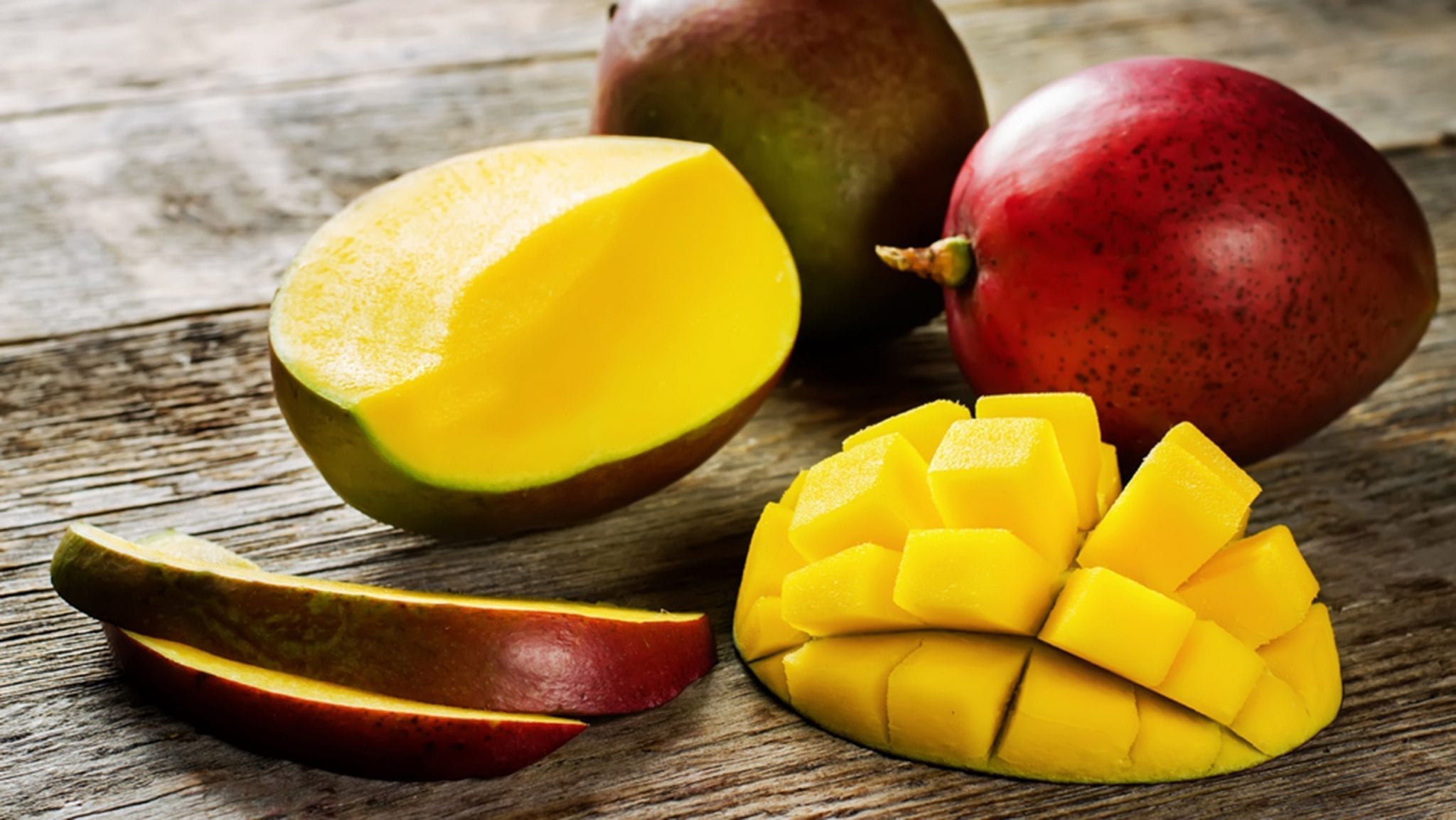
    Mangoes imported from China are selling fast in wet markets in HCMC for VND40,000-50,000 (US$1.58-1.98) per kilogram, 20-30% cheaper than local products.

    This year, traders are importing a new type of mango from China that resembles a crow’s beak, in addition to the usual varieties.

    Thanh, a fruit seller, said she has been selling up to 100 kilograms of the new product per day.

    Hang, who runs a fruit stall on Go Vap District’s Pham Van Chieu Street, noted that she procures about 30 kilograms of various Chinese mangoes daily, often sold out by noon.

    Nguyen Binh Phuong, the company’s sales director that runs the city’s Thu Duc Agricultural Product Market, said the wholesale market has imported 631 tons of Chinese mangoes.

    Thanh, a wholesaler in HCMC’s Thu Duc City, said that imported mangoes are attracting buyers due to their variety and competitive prices.

    “With low prices and good quality, Chinese mangoes are popular due to their eye-catching color and flavor. I wholesale dozens of tons every day,” she said.

    Loan, a mango farmer in Dong Thap Province, explained that Vietnamese varieties are more expensive this year due to lower output.

    Demand in export markets is rising, so businesses are also purchasing more local mangoes, driving up prices, she said. Prices are expected to stabilize in September when the new mango season begins.

    According to the General Department of Customs, Vietnam imported $400 million worth of fruits from China in the first half of 2024, up 28% year-on-year, with mangoes, plums, apples, and pears seeing a huge surge in imports.

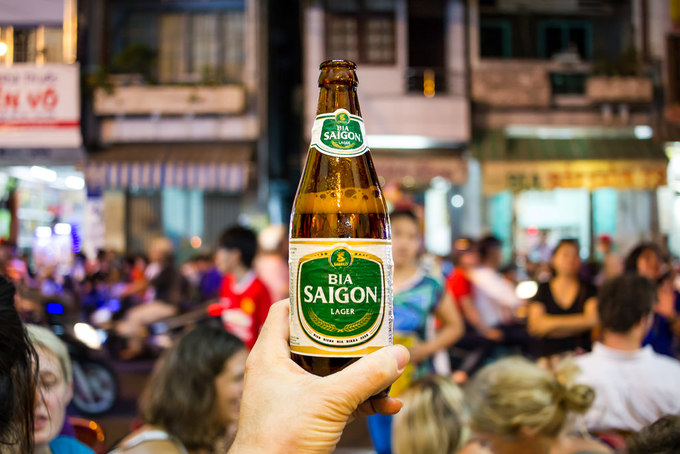
  • Saigon beer company reports 6% profit increase in first half

    Saigon beer company reports 6% profit increase in first half

    Sabeco has reported a slight profit increase to VND2.3 trillion ($90.85 million) within the first half of 2024.

    According to its latest financial report, the beverage company reported a 6% increase in profit from the first half of 2023, earning an average of VND12.9 billion per day.

    Business in the second quarter this year was better than the same period in 2023, with a profit at VND1.319 trillion, a 9% increase. It was also the second consecutive quarter where Sabeco saw a recovery to its profit.

    The company’s management board said policies for alcohol level control have been implemented in the first half of this year, with the company seeing tough competition in the market.

    But thanks to the recovering economy and positive impacts of increased sale prices, the company’s revenue within the first six months saw a slight increase of 5% to around VND15.27 trillion.

    Higher profit could also be attributed to lower sale costs, with Sabeco cutting sale costs by 14% to VND1.744 trillion, mostly in advertisements and employee discounts.

    However, the board still anticipated the beer industry to be stormy this year, as people tighten their budgets and input costs remain high. Alcohol level control policies, along with proposals to increase special consumption tax, will force the company to improve on its commercial activities and supply chain effectiveness, as well as cut costs, the brewer said.

    Sabeco aims for full-year 2024 revenue to reach VND34.4 trillion and profit to reach VND4.58 trillion, an increase of 13% and 8% respectively. After six months, the firm has reached just under half of its intended revenue goal, and just over half of its profit goal.

    However, the board added it would take a few more years before revenues could return to pre-pandemic levels.

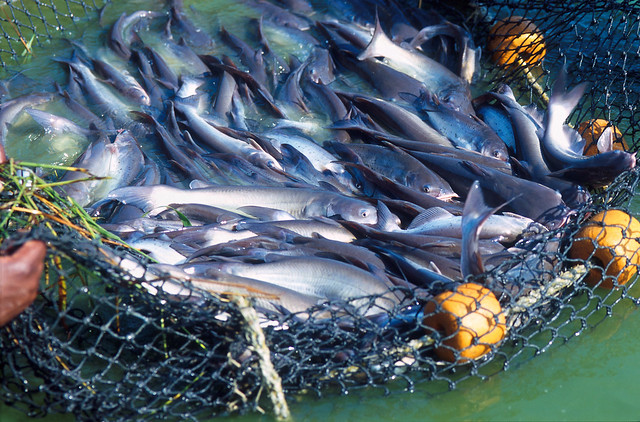
  • Fisheries exports grow by 6% in H1

    Fisheries exports grow by 6% in H1

    Vietnam’s fisheries exports in the first half of 2024 were worth US$4.4 billion, up 6% year-on-year on higher demand in major markets like the U.S., China and the EU.

    The Vietnam Association of Seafood Exporters and Producers’ latest report said key items such as shrimp, pangasius, and tuna did well.

    Pangasius accounted for $918 million and tuna for $472 million, up 5% and 23%. Shrimp fetched $1.6 billion, a 6% increase, while exports of other crustaceans jumped by 75% to $125 million.

    The U.S. and EU imported 18% and 56% more tuna. Shrimp exports to China and the EU rose by 17% and 13%.

    Top shrimp exporter Minh Phu said profits for the first half were VND7.2 billion (US$284,000) as against a loss of VND98 billion in the same period last year.

    Its CEO, Le Van Quang, said the company has been receiving more orders than last year and is planning to boost exports to China, Japan, South Korea, Australia, and New Zealand.

    Businesses are optimistic that seafood exports, especially of green and sustainable products, will grow even more in the coming months.

    But the seafood association said some challenges remain, such as fierce competition from Ecuador and India, rising transport costs and a shortage of raw materials for processing.

  • Durian exports rise by 45% in first half

    Durian exports rise by 45% in first half

    Vietnam exported US$1.32 billion worth of durian in the first six months of 2024, up 45% year-on-year, according to customs data.

    It accounted for 65% of all fruit exports during the period and is growing increasingly popular in many key markets.

    China was the largest importer, accounting for over 92% of Vietnam’s durian exports.

    Its imports increased by 46% from the same period last year.

    Thailand was the second largest market for Vietnamese durian, with shipments increasing by 90.5% to $47 million.

    Exports to Japan doubled from a year ago to $2.6 million. Cambodia bought $1.6 million worth of the fruit from Vietnam, a 23-fold increase.

    Currently the monthong variety is the most favored for its taste, aroma, small seeds, firm texture, and longer shelf life.

    Dang Phuc Nguyen, general secretary of the Vietnam Fruit and Vegetable Association, expected durian exports to skyrocket in the second half, fueled by the harvest of the fruit in the Central Highlands from July to October.

    Furthermore, Vietnam and China have wrapped up negotiations and will soon sign a protocol for the export of frozen durian.

    With all this in the works, Nguyen expected exports for the year to hit $3 billion.

    But there are challenges, he said, with some shipments to China recently being flagged for containing banned substances.

    Vietnamese authorities have been discussing the issue with their Chinese counterparts and investigating the cause.

    Inspections have indicated that the contamination did not occur at orchards, and so traders, packaging facilities and exporters have been urged to strictly comply with quality control regulations.