Category: Food

Retail News Asia is committed to providing both local and global retailers with the latest Food and Food & Beverage news throughout the Asian market. This on a daily base.

  • Export permit hurdles for Malaysia’s fresh durian shipment to China

    Export permit hurdles for Malaysia’s fresh durian shipment to China

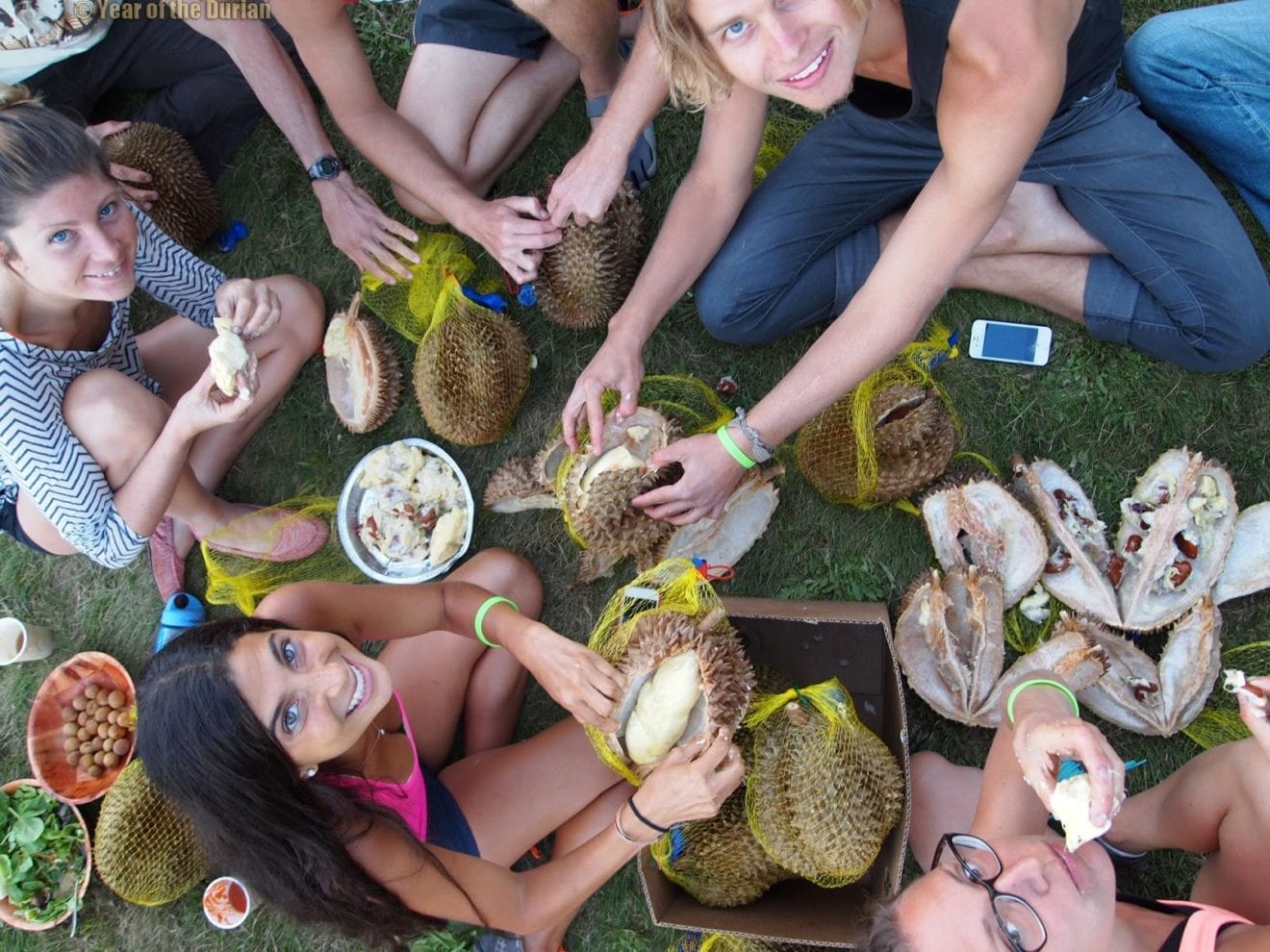
    Malaysia is preparing to deliver its first shipment of fresh durians to China, but obtaining approved permits might be difficult for exporters and farmers.

    Malaysia was granted permission to export fresh durians to China under a phytosanitary protocol signed on June 19 during Chinese Premier Li Qiang’s visit to the country.

    However, while the protocol gave the country the green light to export fresh durians, the actual export date was not confirmed, according to Malaysia’s national news agency. Earlier this month, Malaysia’s Agriculture Department director general, Nor Sam Alwi, noted the country is preparing to deliver the first 1,000 tons of fresh premium durians to China, but the export agreement has yet to be finalized.

    “We expect (it exported in) October but everything depends on the speed and approval from the General Administration of Customs of the People’s Republic of China (GACC)

    While Malaysian farmers are eager to capitalize on the durian market, they must wait until September for their applications for approved permits to be reviewed by China’s customs.

    But getting a permit is not just about waiting, as farmers and exporters must also meet the strict requirements set by China.

    “China requires a certain quantity and quality before accepting the fruits,” Food Security and Cooperative Development Committee chairman Fahmi Zainol said. “There needs to be enough quantity of the same ‘brand’ (type) of the fruit, but Penang farmers who have a mixed variety of durian species face difficulties in fulfilling this (requirement).”

    Durian farmer Tan Chee Keat, who has been exporting fresh durians to China for eight years under a special approval, added that they must also adhere to GACC’s many protocols and fulfill hazard analysis and critical control point procedures for food safety management.

    “It is not easy and not many farms here can do so.”

    Malaysian durian expert Lim Chin Khee said that the country’s current production of fresh durians is sufficient to export to China, but maintaining the fruit’s quality, especially during transport, might be a challenge.

    “Ensuring the freshness of durians during transport requires robust cold chain logistics infrastructure, which may necessitate significant investment and coordination,” he noted.

    Abdul Rashid Bahri, director general of Malaysia’s Federal Agricultural Marketing Authority, said that approximately 70 packing centers across the nation are currently under review by the Agriculture and Food Security Ministry.

    Additionally, over 200 durian farms that meet national agricultural standards are seeking to undergo the auditing process to become eligible for export, he added.

    Before the signing of the protocol, Malaysia had been selling durians as pulp, paste, and frozen whole fruit to China.

    Last year, it exported RM1.19 billion (US$252.2 million) worth of durian to China, making the country its key market.
  • Cheap imported meats flood market

    Cheap imported meats flood market

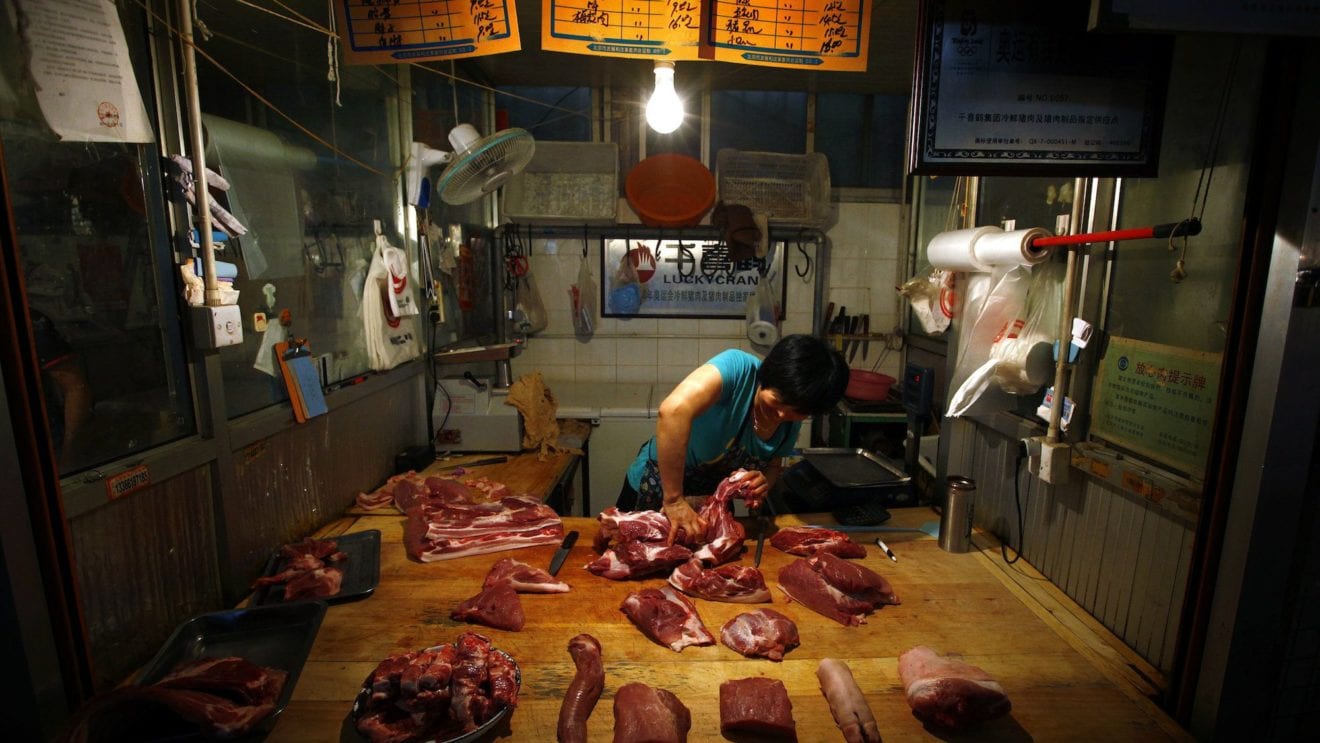
    Some 304,850 tons of meat and meat products were imported in the first five months of 2024, up 29% year-on-year, at an average price of VND46,000 (US$1.8) per kilogram.

    According to data from the Agency of Foreign Trade, they shot up in May to 76,120 tons worth $140 million, up 32.1% from a year ago in volume and 28.6% in value.

    India, the U.S., Russia, Poland, and Brazil are Vietnam’s top suppliers.

    In HCMC, imported frozen pork is 30-40% cheaper than local products.

    Thanh Hoa, owner of a meat import business in the city’s Tan Binh District, said prices of Vietnamese pork are rising.

    The Animal Husbandry Association of Vietnam warned that cheap imports could pose unhealthy competition to domestic products and affect consumers’ health if they are of low quality.

    It called on authorities to tighten control over meat imports to protect both consumers’ health and the local industry.

  • Vietnamese rice exporter rejects ‘price inflation’ allegation amid corruption scam in Indonesia

    Vietnamese rice exporter rejects ‘price inflation’ allegation amid corruption scam in Indonesia

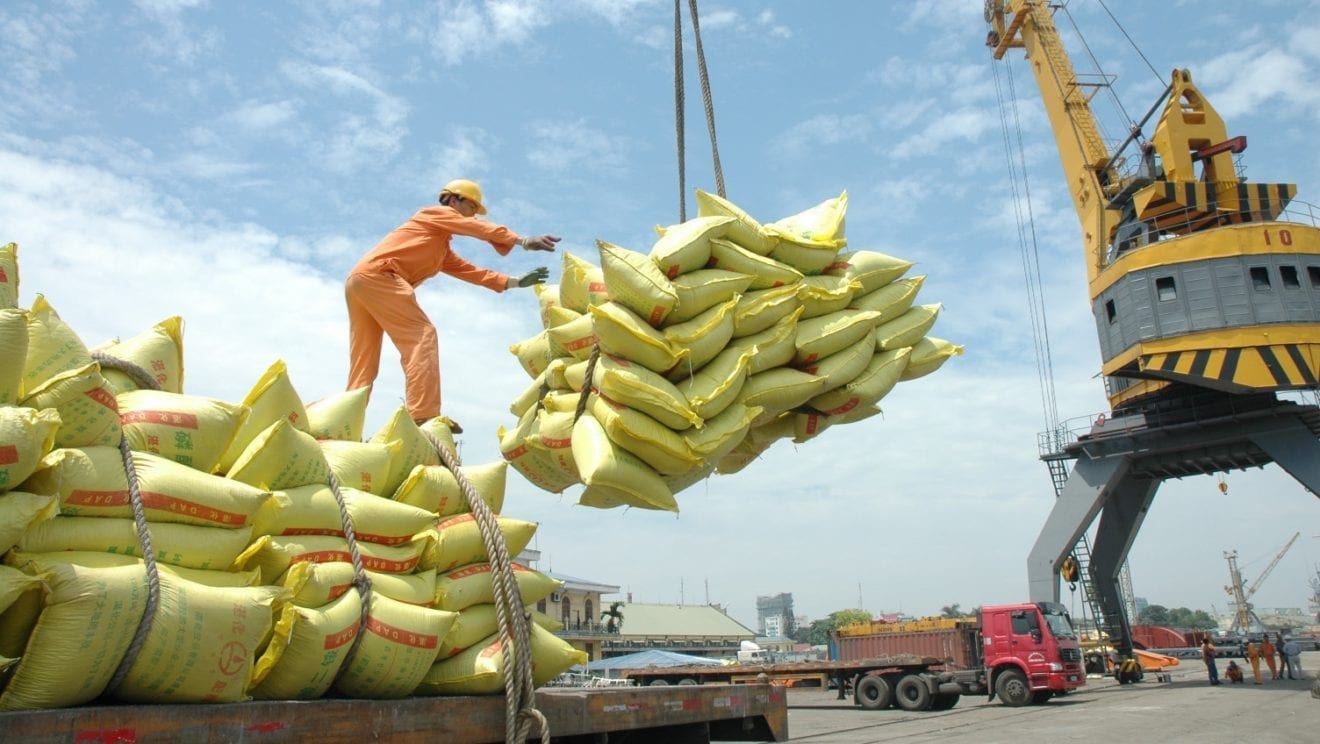
    Vietnamese exporter Tan Long Group has refuted an allegation by an Indonesian civil society organization that it sold rice to that country at much higher than market prices.

    According to the Vietnam Trade Office in Indonesia, the People’s Democracy Study (SDR) recently complained to an Indonesian corruption watchdog that the government bought Vietnamese rice at “inflated prices,” which indicates corruption.

    The National Logistics Agency (Bulog) and National Food Agency are the two government entities accused of wrongdoing.

    Tan Long Group allegedly sold 100,000 tons of rice to Indonesia in May at US$538 per ton, 18% higher than market rates, according to SDR.

    SDR claimed that since Indonesia imported 2.2 million tons of rice in the first five months of this year – from various sources — the estimated loss to the country was around $180.4 million.

    Tan Long Group has rejected the allegation, with a spokesperson telling VnExpress that it has never won any bid to sell directly to Bulog.

    It did win a bid in January to export to Indonesia through a partnership with South Korean company Posco, but the price was $620 and the delivery took place in April, not May, the spokesperson added.

    Another Vietnamese rice exporter, Loc Troi Group, also rejected the allegations.

    Loc Troi won a bid in May to sell 100,000 tons to Bulog, but at $563 per ton, which was below the market rate at the time, it said.

    Exports to Indonesia remain unaffected by the allegations, it added.

    But the Vietnam Trade Office in Indonesia has warned that the allegation could affect Vietnam’s rice exports to Indonesia in the second half of the year.

    If Indonesian authorities decide to start an investigation, they would stop importing from Vietnam for some time, it added.

    Vietnamese customs data shows $444 million worth of rice has been exported to Indonesia this year, up 82.1% year-on-year.

    In volume terms, it was up 44.6% to 712,400 tons.

    Indonesia accounted for 15.4% of Vietnam’s exports, and was the second biggest buyer behind the Philippines.

    Indonesia expects to import 5.18 million tons this year, up from an earlier forecast of 3.6 million tons.

  • Wedderspoon sale to anchor New Zealand food business

    Wedderspoon sale to anchor New Zealand food business

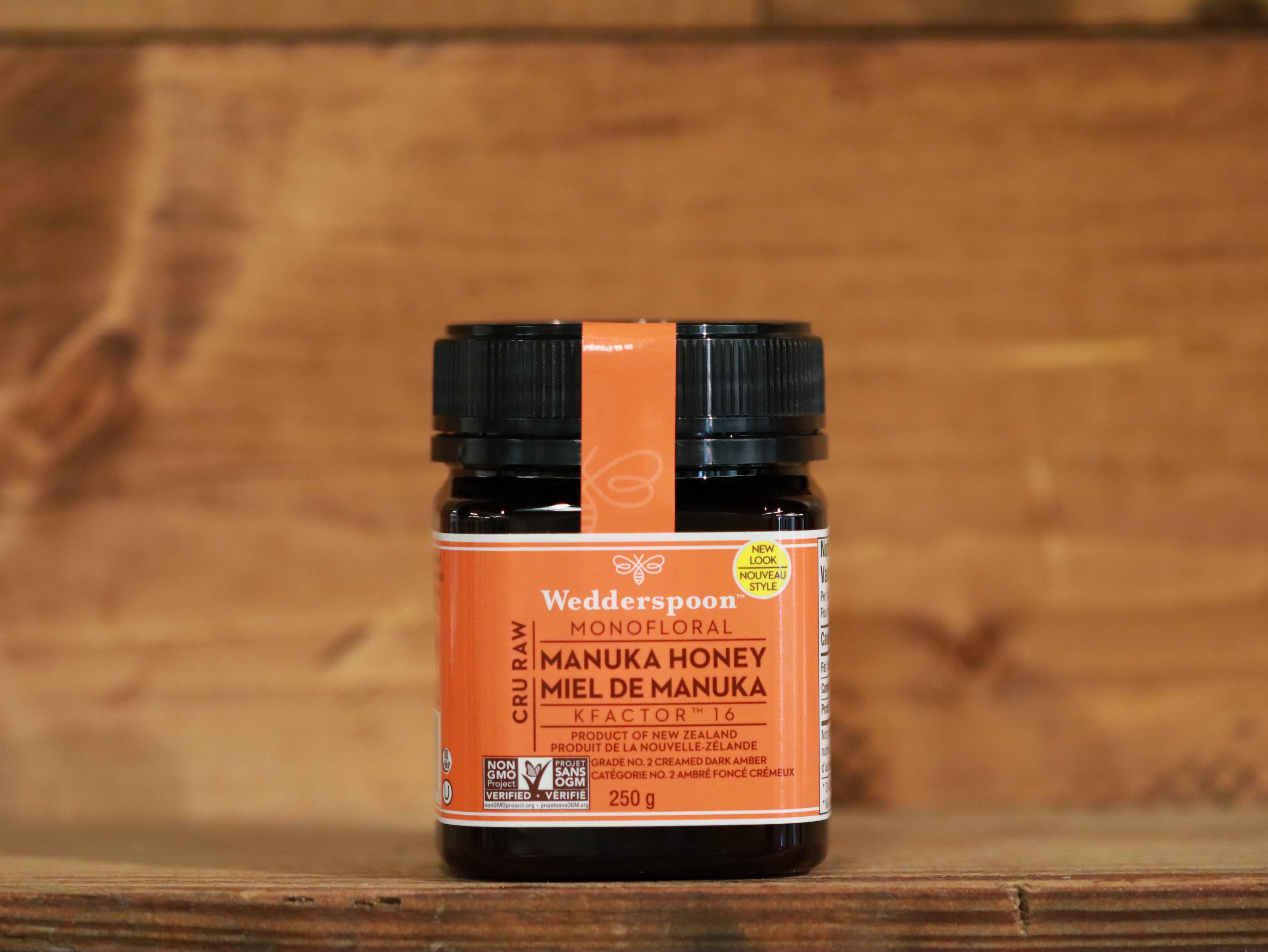
    Investment firm Masthead, has acquired New Zealand Manuka honey brand Wedderspoon Organic, and plans to consolidate its brand portfolio into a new company, Florenz, with Mike Tod to take the helm as its CEO.

    Florenz also owns New Zealand-based vitamins and supplements exporter Xtend-Life Group, ingredients manufacturer Dry Food New Zealand, and blackcurrant-based sports performance supplement exporter, 2Before Performance Nutrition. It also holds a cornerstone shareholding in the New Zealand herbal remedies company Harker Herbals Products.

    “Through Florenz, we have started assembling and growing a complementary series of businesses,” said Tod.

    “We believe in the ability of Kiwis to compete and win on the global stage and have installed an outstanding team at Florenz with deep global experience,” said Tod.

    Established in 2006, Wedderspoon Organic is one of the largest distributors of New Zealand-sourced Manuka Honey products in North America. Its range includes honey lozenges, drops, apple cider vinegar, and throat sprays.

    The move aims to expand the company’s presence in North America, leveraging Wedderspoon’s existing distribution network in over 23,000 retail stores, including major outlets such as Walmart, Costco, and Whole Foods.

    “We are privileged to become the new custodians of the Wedderspoon brand and to support the growth of the New Zealand Manuka honey industry by building more global awareness of this incredible natural product,” concluded Tod.

  • Kellanova launches Pillows product

    Kellanova launches Pillows product

    Kellanova is expanding its Kellogg range with Kellogg’s Coco Pops Pillows Choc Brownie flavour.

    According to the brand, Kellogg’s Coco Pops Pillows have a different taste profile from the original Kellogg’s Coco Pops, with the new Choc Brownie filling producing a “rich and powerful” chocolate flavour.

    “Kellogg’s Coco Pops Pillows bring a cheeky twist to the beloved Kellogg’s Coco Pops range, offering Aussies a bold new breakfast experience,” said Natasha Sunderland, marketing manager of kids & family brands, at Kellanova ANZ.

    Kellogg’s Coco Pops Pillows will be available nationwide at Woolworths and Coles from this week, and at certain independents in early October, with an RRP of $7 for a 310g pack.

  • Rice export prices surge in H1

    Rice export prices surge in H1

    According to data from the General Department of Customs, the average rice export price increased by over 18% over the same period last year.

    The grain was sold at US$959 per ton in Brunei, $868 in the US, $857 in the Netherlands, $847 in Ukraine, $836 in Iraq, and $831 in Turkey.

    The Vietnam Trade Office in the EU said Vietnam’s specialty fragrant rice varieties such as ST25, ST24, Nang Hoa, and OM are favored in the market thanks to their standout quality, leading to their high prices there.

    In the first half, Vietnam’s rice exports reached 4.7 million tons, a rise of 10.4% year-over-year, and its export turnover reached nearly $3 billion, up 32%.

  • Durian prices jump 32% as Thai supply dries up

    Durian prices jump 32% as Thai supply dries up

    Monthong durian prices have risen by 32% in southern Vietnam in the last two months to VND103,000 (US$4.05) per kilogram amid growing demand from China and other foreign markets.

    Traders are competing to buy from provinces such as Dak Lak, Binh Phuoc and Tien Giang.

    Hoa An, a trader, said demand in mainland China has been rising and therefore traders are willing to pay high prices to meet its needs.

    Other markets such as Japan, Hong Kong, Taiwan and Australia are also buying more Vietnamese durian, he added.

    Another trader, Manh Khuong, said Thailand has run out of supply for now and therefore Chinese buyers are sourcing more from Vietnam.

    But the Thai durian crop is set to ripen in another two weeks, and Vietnamese prices are likely to drop then, he added.

    Dang Phuc Nguyen, general secretary of the Vietnam Fruits & Vegetables Association, said since May China has doubled its monthly purchases of Vietnamese durian.

    Vietnam’s exports were worth nearly $500 million in May and are estimated to reach $600 million in June, he said.

    This means the country exported around $1.5 billion worth of the fruit in the first half of the year, he said.

    “More stringent quality control is needed to ensure the country meets its full-year export target of $3.5 billion.”

    Vegetable and fruit exports overall are expected to rise by 15-20% this year to around $7 billion.

  • Durian exports soar by 74%

    Durian exports soar by 74%

    According to customs data, Vietnam exported US$919 million worth of durian in the first five months, up 74% year-on-year.

    This made durian its top fruit export at 3.5 times that of dragon fruit in second place.

    Exports of the odoriferous fruit were worth $450 million in May alone, more than double the previous month’s value and an 34% higher than a year ago, the General Department of Customs reported.

    They were estimated at $600 million in June, according to Dang Phuc Nguyen, general secretary of the Vietnam Fruit and Vegetable Association (Vinafruit).

    China has been Vietnam’s largest durian importer this year, he said.

    Vietnam harvests the fruit all year long, helping it avoid direct competition with durian from Thailand as the latter’s harvest is seasonal, he said.

    Being closer to China it also has lower transportation costs and faster shipping times.

    But some of its shipments have recently been flagged in China for containing banned substances, damaging the reputation of Vietnamese durian, Nguyen said.

    He underlined the need to strengthen quality control at both orchards and packaging facilities to ensure no contaminated fruit is shipped.

    In the first five months of 2024 Vietnam exported over $2.65 billion worth of fruits and vegetables, up 30.9% from the same period last year.

  • Jollibee data breach may impact almost 11 million customers

    Jollibee data breach may impact almost 11 million customers

    Jollibee Foods Corporation (JFC) has reported a potential unauthorised access to its data, which might affect approximately 11 million customers.

    The breach compromised sensitive personal information, including dates of birth and senior citizen identification numbers, according to the company’s report to the Philippines’ National Privacy Commission (NPC).

    “Approximately 11 million data subjects are affected, the majority of whom are Jollibee customers,” the NPC said. “Other impacted brands include Mang Inasal, Red Ribbon, Chowking, Greenwich, Burger King, Yoshinoya, and Panda Express.”

    The company has requested an additional 20 days to complete its internal investigation.

    By law, companies processing personal data must notify the NPC and individual affected subjects within 72 hours of discovering a breach.

    JFC said that its e-commerce platforms, including its subsidiaries, were unaffected by the incident and remained operational.

    “JFC recognises the value and importance of the confidentiality of its stakeholders’ personal information,” said the company.

    “The company assures the public of its commitment to prioritise the protection and confidentiality of such personal information, including customer data, by continuously fortifying its defences against future threats,” it added.

  • Chinese traders eager to buy Hoang Anh Gia Lai’s durian from Laos

    Chinese traders are looking to buy durian from Vietnamese agriculture giant Hoang Anh Gia Lai three months before its first harvest of the fruit.

    The company’s 1,200 hectares of durian in Laos has many five-year old trees, each producing 20-30 fruits of between two and four kilograms.

    Around 200-300 hectares are set to yield ripe fruits in August, but traders have already been inquiring, starting last month, the company’s chairman, Doan Nguyen Duc, said.

    “We have yet to sell because we are waiting for better prices as harvest season nears,” he told VnExpress in an interview.

    He expected the company to earn revenues of VND200 billion (US$7.9 million) from 2,000 tons of durian this year and possibly VND1 trillion next year.

    Hoang Anh Gia Lai has hired 10 durian experts from Thailand as consultants, and they will visit every year to ensure quality.

    Duc said the Chinese durian market is set to become more competitive with Malaysia successfully negotiating a deal to export fresh durian to it.

    But there is potential for export to other markets such as the U.S., India and Japan, he said.

    In Vietnam, his company has 60 ha of durian that are set to fruit for a second year.

    It eyes revenues of VND7.7 trillion ($302 million) this year, up 20.3% from last year, mainly from durian, banana and pork.

  • Philippines lowers rice import tax to 15%

    Philippines lowers rice import tax to 15%

    The Philippines, one of the world’s largest rice buyers, has announced a reduction in rice import taxes from 35% to 15%, effective from early this August through 2028.

    This can be seen as the latest action by the Philippine government to tackle inflation, especially increasing rice prices in the market so far this year.

    In the first quarter of 2024, the Philippines’ economy was relatively stable, except for the price increase of some essential consumer goods, particularly rice, which saw an increase of about 24.4%. The rice prices account for approximately 9% of the Consumer Price Index (CPI) of the Southeast Asian country.

    According to the Vietnam Trade Office in the Philippines, Vietnam’s largest buyer to date, accounting for over 80% of the total rice imported into the Philippine market.

    As of May 23, Vietnam exported 1.44 million tons of rice to the Philippines, accounting for 72.9% of the country’s total grain imports. The Philippines’ reduction of the rice import tax is said to increase opportunities for Vietnamese rice in the market.

    Latest data from the Department of Agriculture’s Bureau of Plant Industry, the Philippines’ total rice imports rose by 20.3% to 1.97 million tons in the reviewed period. The country’s total rice imports are estimated to reach about 4 million tonnes in 2024.

  • Luckin Coffee to launch in Malaysia

    Luckin Coffee to launch in Malaysia

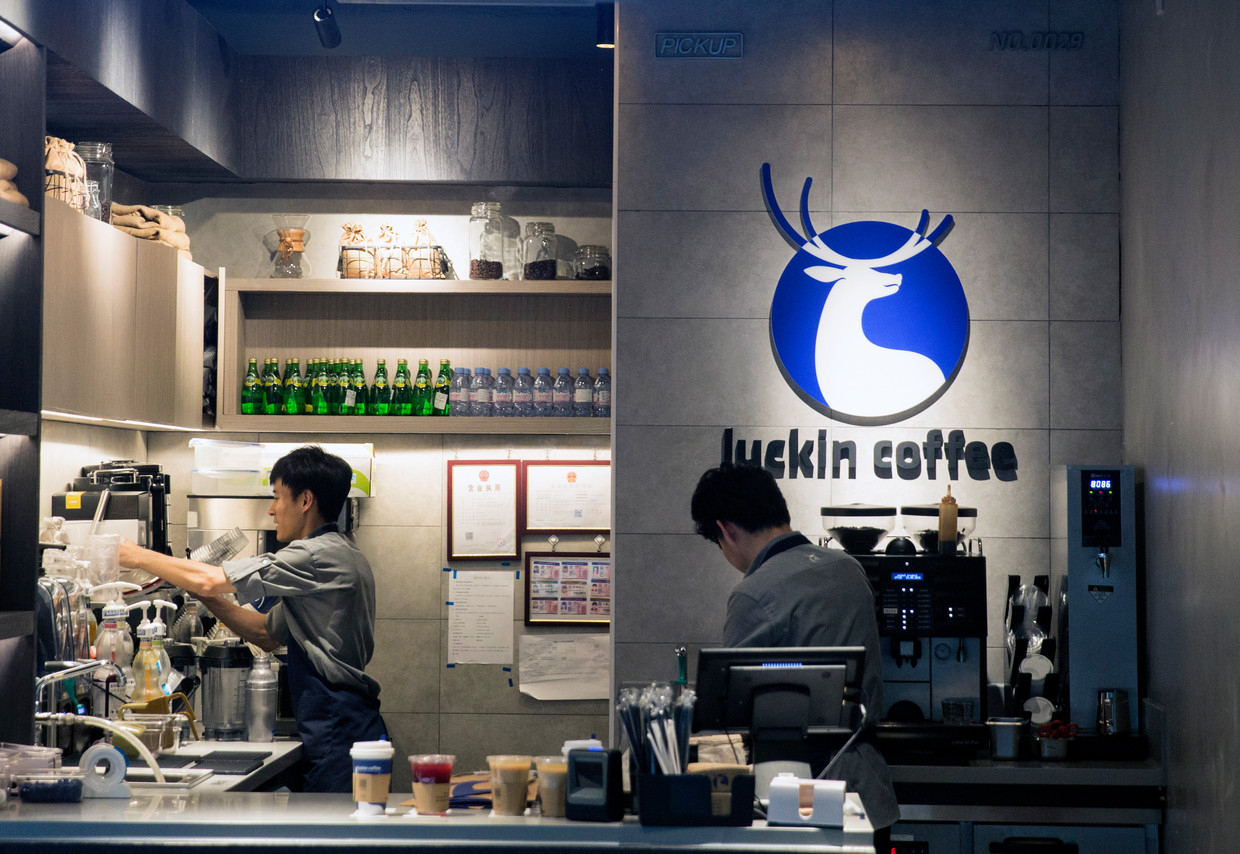
    Chinese chain Luckin Coffee will launch its first location in Malaysia, its second overseas market after Singapore.

    According to local sources, the launch is in collaboration with a Bursa Malaysia-listed company. Luckin Coffee intends to grow its market footprint over the next five years, with stores opening nationwide.

    Luckin Coffee, founded in 2017, is one of the fastest-growing coffee chains, surpassing Starbucks as China’s largest.

    The brand operates more than 18,000 stores in China and 32 locations in Singapore.

    Last year, Luckin Coffee sold more than 5.42 million cups of the alcohol-infused latte it launched with Kweichow Moutai on its first day of business, setting a new sales record for the Chinese coffee company.

    In May, the coffee company stated that its first-quarter revenues increased 41.5 percent yearly to US$869.5 million, owing to increased product sales and additional shop openings. The coffee business opened 2342 net new outlets over the year, including two in Singapore, bringing the total number of stores to 18,590 by the end of March.

  • Indonesian coffee brand Tomoro Coffee plans expansion in the Philippines

    Indonesian coffee brand Tomoro Coffee plans expansion in the Philippines

    Indonesian coffee chain Tomoro Coffee has announced a US$10 million investment to expand its presence in the Philippines.

    According to World Coffee Portal, Tomoro Coffee aims to establish 100 stores in the country by the end of this year.

    The first Tomoro Coffee store in the Philippines opened in April at the Wynn Plaza apartment complex in Manila. Since then, the chain has opened five sites in the country, including a three-story flagship location at Far Eastern University this month.

    Tomoro Coffee, which boasts more than 500 outlets in Indonesia since its launch last August, is aggressively pursuing international growth.

    Its recent milestones include debuting in China last year, in Singapore in February, and opening a roastery in Jakarta in May.

    The brand plans to produce 2400 tonnes of coffee annually to support its expansion.

    “We are pleased to announce our expansion into the Philippines and are committed to providing fresh coffee to our customers regularly,” said Tomoro Coffee.

    “This marks a significant step in our journey to reach 1000 stores across Southeast Asia within the next 12 months.”

    Tomoro Coffee is actively seeking franchise partners to facilitate its expansion.

  • Some Vietnam coffee farms thrive despite drought

    Some Vietnam coffee farms thrive despite drought

    Vietnamese coffee growers have been hit hard this year by the worst drought in nearly a decade, raising concerns of pricier espressos across the world, even as some farmers keep yields healthy with clever countermeasures.

    Domestic forecasts for next season’s harvest in Vietnam, the world’s second biggest coffee producer, remain grim.

    The Mercantile Exchange of Vietnam (MVX) expects a 10-16% fall in output because of the extreme heat that hit the Central Highlands coffee region between March and early May, according to deputy head Nguyen Ngoc Quynh.

    However, a return of rains in recent weeks has improved the outlook, boosting confidence among farmers and officials. But it remains unclear whether the improved weather will help boost output and drive down prices of robusta beans, the variety most commonly found in espressos and instant coffees, of which Vietnam is the world’s top producer.

    “I expect the country’s output to fall by 10-15%, but my farm will increase production”, said Nguyen Huu Long, who grows coffee in a 50-hectare plantation in Gia Lai, one of the top coffee-producing provinces in Vietnam.

    To protect his trees during the heatwave, he kept the soil around the plants moist by covering it with leaves. Contrary to the local practice of cutting trees after a few years to boost soil quality, he keeps his growing for decades. As a result, plants have deeper roots and broader access to underground water reserves.

    Farmers in his plantation also soften the soil around plants to improve absorption of rainwater and fertilisers, said Doan Van Thang, 39.

    Tran Thi Huong, a tenant farmer who works in another plantation 20 km from Pleiku, Gia Lai’s capital, resorted to using more water than usual. Thanks to abundant reserves from canals built by local authorities, she could keep her plants sufficiently irrigated during the heatwave.

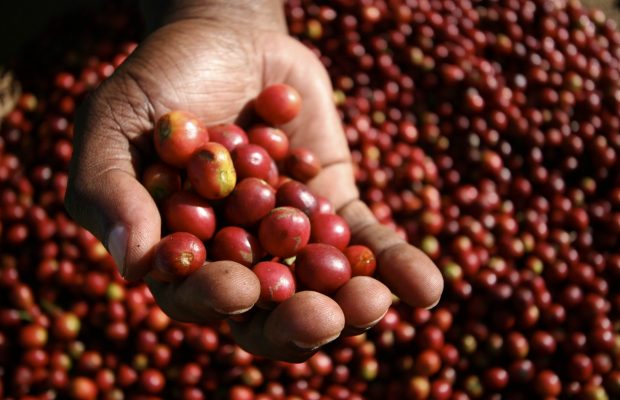
    Coffee cherries are smaller than in previous years, but she expects the overall output to be unaffected. It also helped that she timely intervened with biopesticides against bugs that were more numerous than usual because of the extreme weather.

    That is in line with the forecast from the United States Department of Agriculture (USDA) which estimates Vietnam’s next harvest would be roughly steady versus the current season’s output – far less pessimistic than domestic projections.

    Bitter price effect?

    Whatever the impact on the harvest will be, coffee prices for drinkers around the world are likely to rise.

    Wholesale prices in Vietnam and London-traded robusta futures have risen to record highs earlier this year mostly after an underwhelming harvest in Vietnam and because of fears over the country’s next harvest after the drought, according to multiple traders and analysts.

    Record wholesale prices have so far had a limited impact on consumer prices, with coffee inflation up by only 1.6% in the 27-country European Union in April, according to the latest Eurostat data, and 2.5% in robusta-loving Italy.

    While well below price rises from a year earlier, it was higher than 1% in the March E.U. reading, a sign roasters may have started to pass their higher costs on consumers.

    Besides, worries about Vietnam are far from over, as insufficient rains after the drought or excessive downpours before the upcoming October harvest season could further reduce output, warned a Vietnam-based trader.

    The high wholesale prices may also be there to stay, as robusta demand is growing globally and farmers have boosted their leverage in the current circumstances, with many hving also replaced coffee plants with pungent smelling durian, a tropical fruit experiencing huge demand in China.

    “They have the financial ability to hoard and hold on goods, so they will not be in a hurry to sell,” said Le Thanh Son, of Simexco, one of Vietnam’s biggest coffee exporters.

  • Tuna exports expected to grow by 20% in H1

    Tuna exports expected to grow by 20% in H1

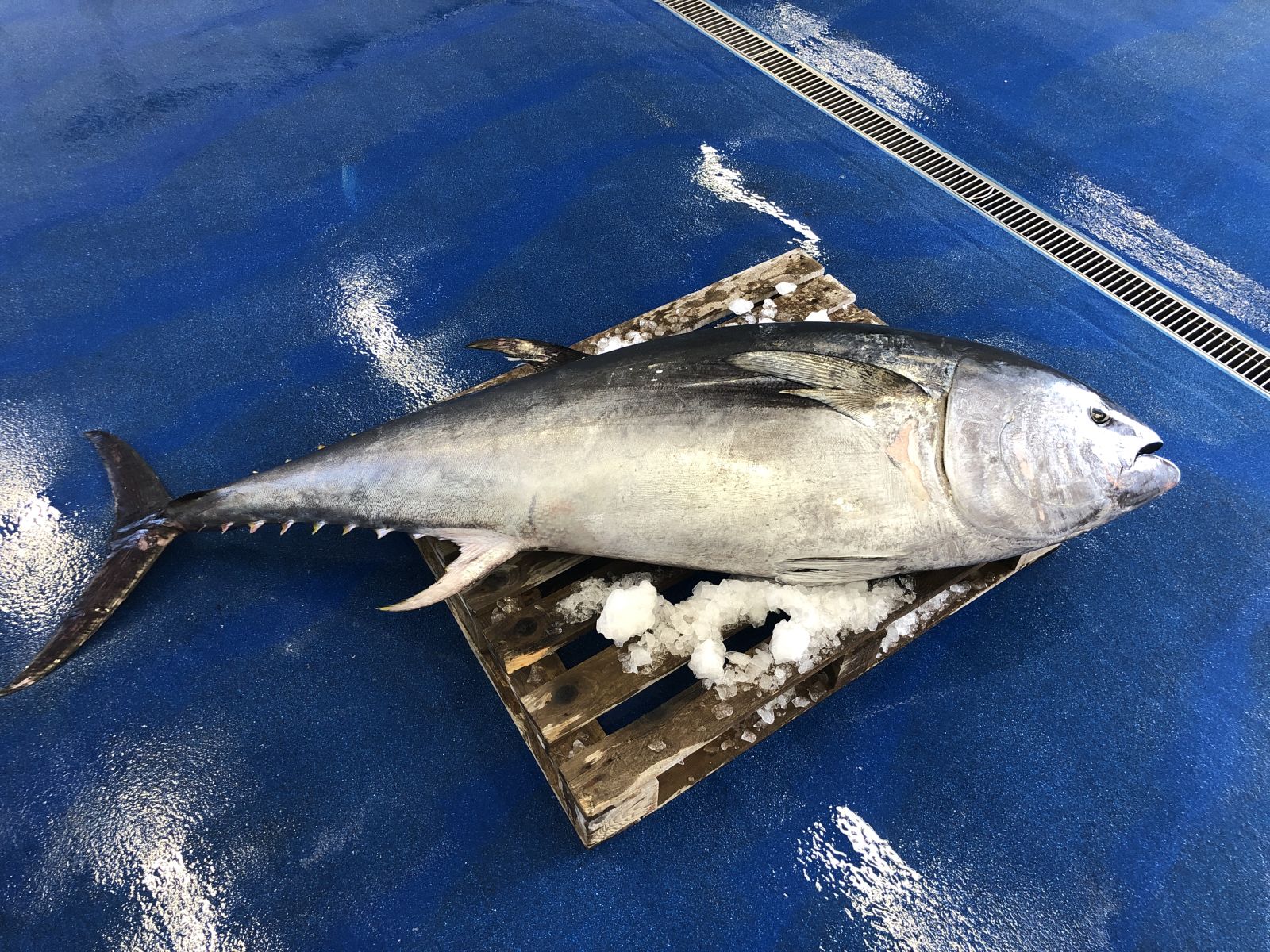
    According to the Vietnam Association of Seafood Exporters and Producers (VASEP), tuna exports are projected to reach US$456.8 millio in the first half of 2024, a 20% year-on-year increase.

    After decreasing in 2023, exports rose by 22% in the first five months of the year to $388 million.

    Shipments of canned tuna products, bagged tuna and frozen loin/fillet increased by 44%, 24%, and 7%. Exports of frozen whole tuna nearly tripled.

    Exports to most markets increased, with those to the U.S. and the E.U., the two largest, rising by 30% and 37% and accounting for 37% and 22% of total exports.

    Exports to Israel, Russia and the Republic of Korea rose by 64%, 58% and 66%.

    Speaking at the association’s annual general conference in HCM City on June 10, Cao Thị Kim Lan, Director of the Binh Dinh Fisheries Joint Stock Company, said in 2023, Vietnam became the world’s 5th largest exporter of tuna behind Thailand, Ecuador, Spain, and China, rising from the 8th place 10 years ago.

    She said exports could reach $1 billion again this year if the raw material shortages are resolved. More than 50% of exports are processed from imported tuna.