Category: Food

Retail News Asia is committed to providing both local and global retailers with the latest Food and Food & Beverage news throughout the Asian market. This on a daily base.

  • Vietnam coffee farmers boost irrigation but running low on water, says report

    Vietnam coffee farmers boost irrigation but running low on water, says report

    farmers in Vietnam, the world’s largest producer of robusta coffee, have sharply increased irrigation use in the country’s main producing regions amid excessive dryness, but they are now running low on water, a report said on Monday.

    So far this season, many farmers have used irrigation as much as seven times already, compared with five times usually in a normal season, and they are seeing the need to irrigate coffee trees for an eighth time if they have water, said J.Ganes Consulting LLC in notes from a crop tour in Vietnam.

    “The severe water deficiency and extreme temperatures have caused nutrient imbalances for the trees,” said soft commodities analyst Judith Ganes, president of J.Ganes Consulting, adding that wells used by the farmers to get water for irrigation are running low.

    The report says that the hot and dry environment has favored the spread of pests such as cochinilla in some farms. That insect can hurt flowers and small fruits in the trees, leading to lower agricultural yields.

    An intense heat wave is sweeping through Southeast Asia, and maximum temperatures measured in several parts of northern and central Vietnam ranged from 40.2 to 44.0 degrees Celsius (104-111°F), the country’s national weather agency said on Sunday, adding that temperatures will not subside until Wednesday.

    Vietnam’s weather was the latest factor behind record high prices for robusta coffee . The market was already hot due to below-average production for Vietnam and Indonesia in the last crop, and now the climate conditions have not been favorable for the development of the new crop.

    The report regarding one of the main coffee-producing regions in Vietnam said, “The incidence of cochinilla in Gia Lai is extensive and not yet under control. The speed at which cochinilla can spread is very fast, and so this situation is very concerning.”

    Ganes said there is forecast for rains coming in May, which could relieve the dryness.
  • Nescafe and Arnott’s launch White Choc Tim Tam-inspired coffee

    Nescafe and Arnott’s launch White Choc Tim Tam-inspired coffee

    Nescafe and Arnott’s have teamed up to launch another Tim Tam-inspired drink, Nescafe White Choc Mocha.

    The new flavour combines creamy coffee with the white chocolate taste of Tim Tam biscuits.

    “Nescafe is always looking for ways to delight and surprise our consumers,” said Olga Starus, head of marketing – coffee, at Nestle.

    “Following the overwhelmingly positive response to the Nescafe Mocha inspired by Tim Tam range, we decided to take this collaboration of two iconic brands up a notch with this rich, velvety white chocolate twist.”

    Nescafe White Choc Mocha inspired by Tim Tam will be available with an RRP of $7.60 for a box of eight sachets at Woolworths stores nationwide.

  • Coffee chain Single O expanding Japanese footprint after early success

    Coffee chain Single O expanding Japanese footprint after early success

    Sydney-based coffee roaster Single O will open Ryogoku Roastworks, its second cafe in Japan on Friday, replacing the brand’s existing roastery.

    In a further sign of ongoing expansion in Japan, Single O will launch its Shibuya coffee bar in July.

    The new roastery and cafe will serve Single O’s signature coffee Reservoir and will feature self-serve batch brew taps, and a breakfast and lunch menu.

    It will also have four times the current production capacity, accommodating the company’s growing Japanese customer base.

    “We hit the ground running in Japan a decade ago, and the response we’ve had since then has honestly blown us away – we’re now roasting for 130 wholesale partners across Japan,” said Single O co-founder Dion Cohen.

    “Moving the roastery into a bigger and better space is really an opportunity to double down in support of those partners and grow our offering.”

    Single O Japan GM Yu Yamamoto, who has been an integral part of the brand for 15 years, will spearhead the opening.

    Yamamoto joined Single O Surry Hills on an overseas exchange and eventually led the team’s expansion in Japan, heading the launch of the original roastery in 2014 and the Hamacho cafe in 2021.

  • Chinese tea chain Baicha Baidao shares slump in Hong Kong trading debut

    Chinese tea chain Baicha Baidao shares slump in Hong Kong trading debut

    Shares in Chinese tea shop chain Sichuan Baicha Baidao Industrial fell more than 20 percent on Tuesday in its Hong Kong trading debut following a $330 million initial public offering (IPO).

    The shares were sold at US$2.23 each in the IPO, which is the largest in Hong Kong so far in 2024.

    Baicha Baidao shares opened down 10.1 percent and fell by as much as nearly 23 percent to $1.72 each in early trade.

    The shares had been offered to investors at a fixed price of $2.23 rather than in a range that would have given the underwriters the ability to set a final price after gauging demand.

    Baicha Baidao’s IPO attracted tepid interest from investors.

    According to the company’s regulatory filings, Hong Kong retail investors did not take up the full amount of shares offered.

    The retail tranche was only 0.5 times covered, which mean 7.44 million shares were reallocated to institutional investors.

    The institutional tranche was covered 1.1 times, which is considered weak, especially compared to Hong Kong’s IPO boom times in 2020 and 2021 when deals were covered hundreds of times.

  • Thailand targets $3.5B durian exports in 2024

    Thailand targets $3.5B durian exports in 2024

    Thailand is poised to export approximately one million tonnes of durian, valued at an estimated 130 billion baht ($3.5 billion) this year, according to Thai PBS World.<

    In line with Thai Prime Minister Srettha Thavisin’s directives, the Ministry of Agriculture and Cooperatives is tasked with drafting regulations to prevent the sale of unripe or inferior durians.

    This includes setting dry weight standards for various durian varieties: 32% for Monthong, 30% for Chanee, and 28% for Kra Dum, as detailed by Chai Wacharonke, a spokesperson for Srettha.

    The initiative aims to discourage the premature harvesting and selling of durians, thereby improving the fruit’s quality and export competitiveness, said Chai.

    Furthering its commitment to quality and market stability, Thailand recently signed a memorandum of understanding with China to promote and secure stable prices for tropical fruit exports from Thailand to China, the English platform of the Chinese state news agency China News Service, reports.

    This agreement facilitates the importation of approximately 20,000 tons of durians and mangosteens, worth over 3 billion baht ($82.44 million), by China from Thailand from April to June this year.

    Durian export, generating 120 billion baht in revenue last year, plays an increasingly crucial role in Thailand’s economy.

    Thailand, producing 900,000 tons of durian annually, exports nearly two-thirds of this output primarily to China.

  • Food exports beginning to recover

    Food exports beginning to recover

    Food exporters are seeing a recovery in orders though admittedly they have yet to climb back to the levels of past years.

    “We have gotten orders worth tens of millions of dollars so far this year,” Le Thi Giau, chairwoman of instant noodle exporter Binh Tay Food, said at a trade promotion forum earlier this month in HCMC.

    Minh Phu Seafood reported a 30% increase year-on-year in processed seafood exports in the first quarter, having received more orders from the U.S. and EU after a two-year slump in demand.

    It hopes to boost revenues by 50% this year.

    Ly Kim Chi, chairwoman of the HCMC Food and Foodstuff Association, said exports of food products have increased by over 30% this year.

    Businesses have received enough orders to maintain steady production though volumes remain lower than in previous years, and need to expand to new markets and get more customers, she said.

    According to the Vietnam Association of Seafood Exporters and Producers, Vietnam’s seafood exports were worth nearly US$2 billion in the first quarter, up 8% year over Year.

    The figure is set to grow in the coming months as businesses get more orders, the association said.

    Chi said though exports have improved, firms are not making much profits due to high costs.

    “We have to keep prices steady to achieve sales, but both local and imported inputs have become more expensive, eating away at profits.”

    Vietnam’s export competitiveness has taken a hit due to high transportation costs caused by geopolitical conflicts, she added.

    Maritime research consultancy Drewry’s World Container Index, which provides a weekly assessment of container freight rates on 11 major trade routes, was at $2,795 per 40-foot container last week, up 64% year-on-year.

    In the long term food exporters would also face challenges in complying with increasingly strict sustainability regulations in large markets like Europe, experts said.

    The regulations require businesses to meet standards regarding energy and water consumption, greenhouse gas emissions and other environmental and social indicators.

    Nguyen Thi Thanh Phuong, environmental services manager at food testing laboratory Eurofins Sac Ky Hai Dang, said meeting these requirements helps businesses access foreign capital and expand into new markets.

  • AEON Hong Kong switches to Vietnamese bananas

    AEON Hong Kong switches to Vietnamese bananas

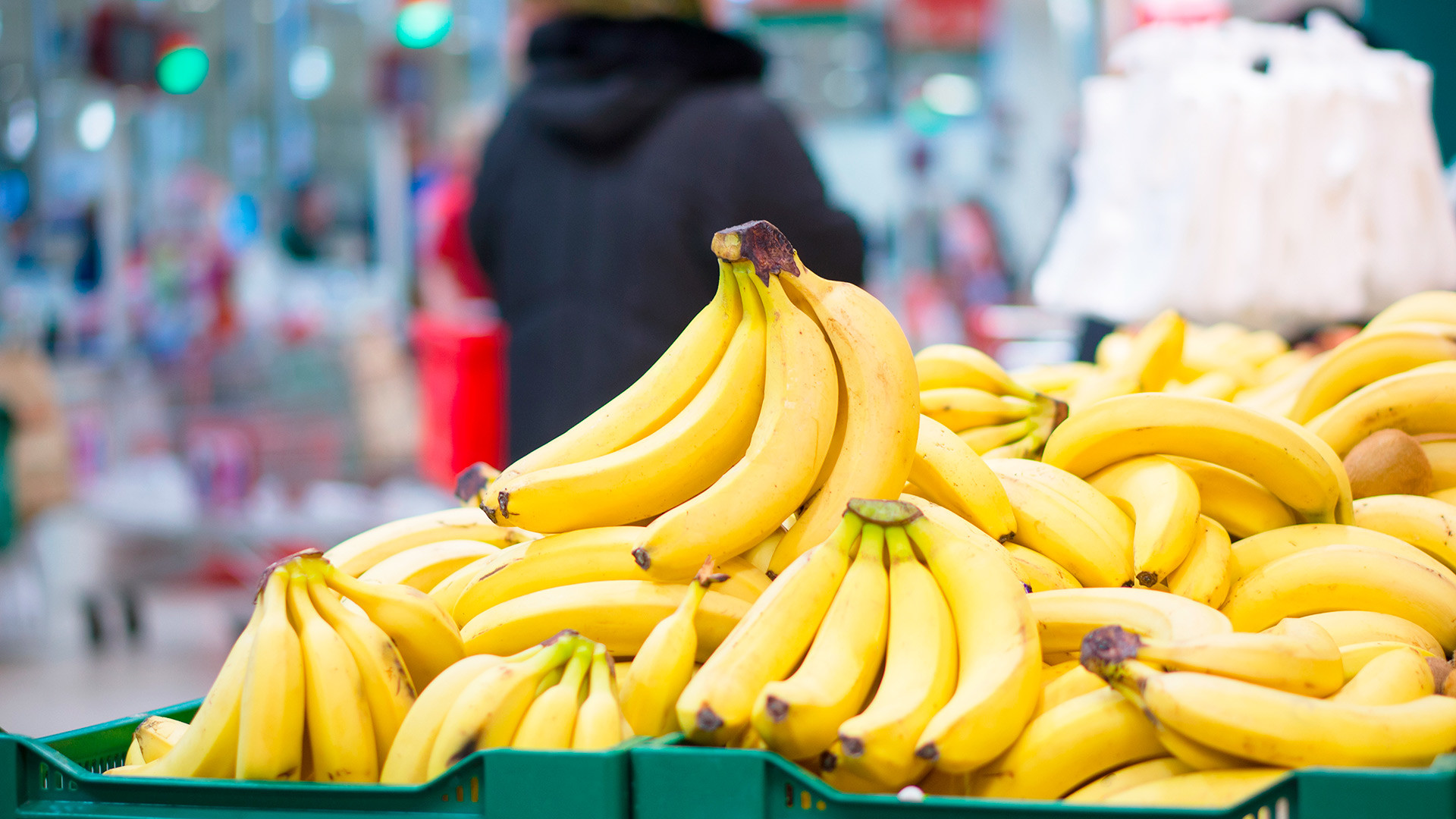
    Japanese retailer AEON has replaced Philippine and Taiwanese bananas with Vietnamese imports at its Hong Kong outlets.

    AEON started selling Vietnamese bananas at its 91 outlets in Hong Kong last year because they are of high quality and grown using a process that does not result in waste, Yuichiro Shiotani, CEO of AEON Topvalu Vietnam, said at a forum Friday.

    “This process meets AEON’s sustainability criteria.”

    Apart from prices, environment friendliness and quick delivery are now top priorities for retailers, he added.

    The company plans to double its purchase of Vietnamese bananas this year and also switch exclusively to Vietnamese mangoes instead Thai and Philippine varieties.

    Mirash Basheer, CEO of May Exports Vietnam, a division of LuLu Group International, a major retailer headquartered in the United Arab Emirates, said there is increasing demand for Vietnamese goods, especially those that meet green production requirements.

    May Exports Vietnam plans to buy more cashew from Vietnam, along with other products such as canned fruit juice, coconut juice and canned tuna.

    U.S. retailer Walmart said it buys from around 500 suppliers in Vietnam, but most are foreign-owned companies with Vietnamese ones mostly being secondary suppliers.

    More Vietnamese goods could reach American consumers if they meet sustainability criteria, a spokesperson for the retailer said.

    Do Ngoc hung, a trade consultant for Vietnam in the U.S., said Vietnamese businesses should study the requirements of U.S. distributors such as Walmart, Costco and Amazon, who all require green products.

  • TikTok plans to take on Instagram with new app for sharing photos

    TikTok plans to take on Instagram with new app for sharing photos

    TikTok users have started getting pop-up notifications about a new app that the social network company plans to launch soon. The app is called Notes and allows users to share photos like Instagram.

    TechCrunch reports that TikTok has already confirmed the Notes app was in development, but the company didn’t offer any timeframes for releasing the photo sharing app.

    As part of our continued commitment to innovating the TikTok experience, we’re exploring ways to empower our community to create and share their creativity with photos and text in a dedicated space for those formats.

    The notification that many TikTok users have been getting in the last couple of weeks mentions that Notes is “a new app for photo posts.” Also, TikTok explains that “your existing and future public TikTok photo posts will be shown on TikTok Notes.”

    Thankfully, TikTok will offer the option to opt-out from the app: “if you prefer not to show your public TikTok photo posts on TikTok Notes, turn this off now.”

    The upcoming Notes app is not the only project that TikTok is currently working on. The company is also experimenting with different formats such as text posts and longer videos.

  • Rice exports rise 42%

    Rice exports rise 42%

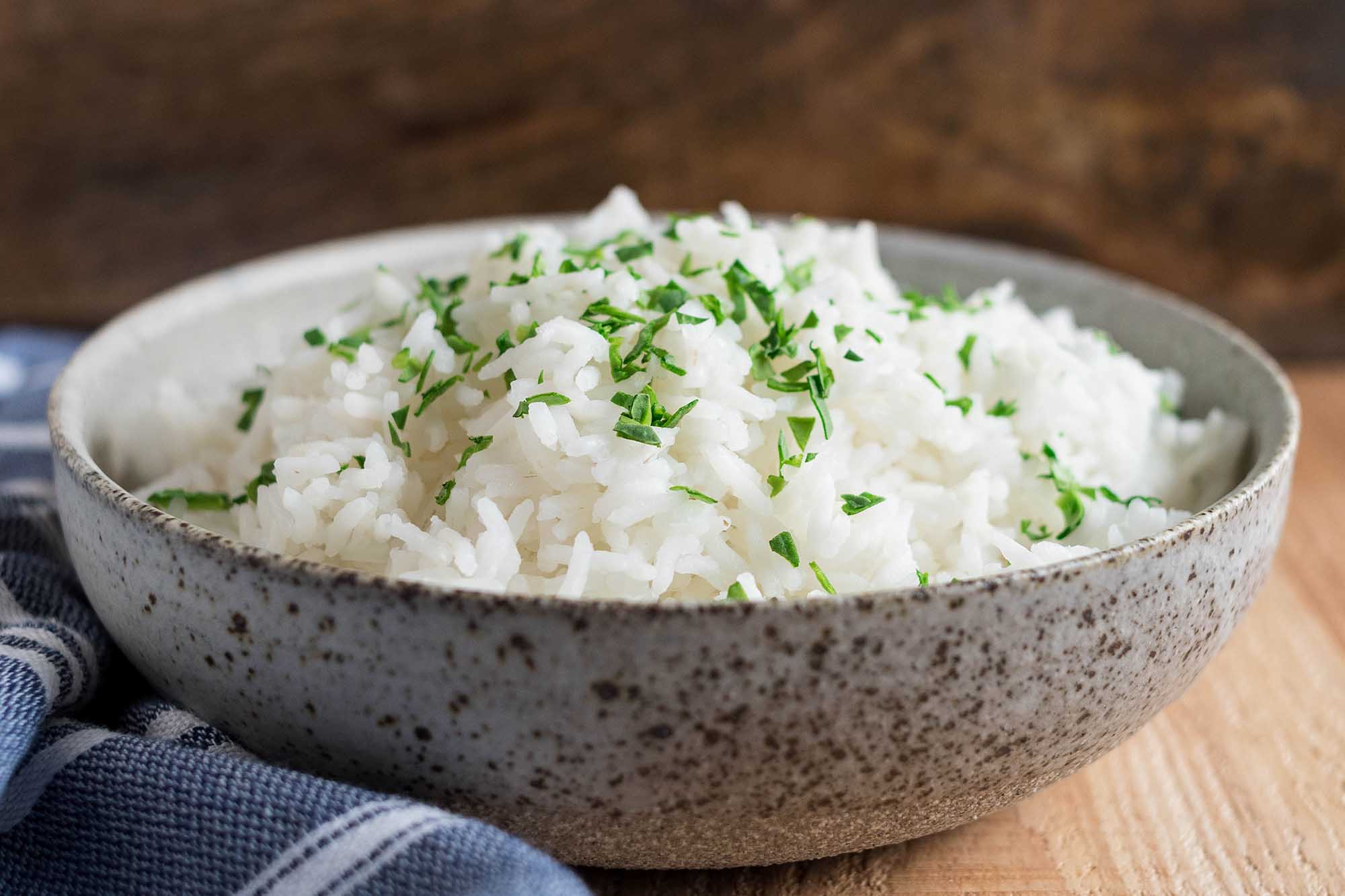
    Vietnam exported 2.1 million tons of rice in the first three months, worth $1.4 billion in total, up 42% year-on-year in value.

    According to the Ministry of Agriculture and Rural Development, main buyers such as the Philippines, Indonesia, China, Ghana, Malaysia, and Singapore all posted growth.

    The Philippines and Indonesia, however, are making efforts to increase production to reduce their dependence on Vietnamese rice.

    African countries, which have long been a buyer of Vietnamese rice, are now also being supported by other countries to grow their own rice.

    The ministry therefore urged rice exporters to diversify their markets and increase their product quality to make Vietnamese rice more competitive.

    Vietnam’s 5% broken rice export price is now at $576 per ton, down 12% from the beginning of the year and lower than competitors in Thailand and Pakistan.

    Vietnam, which ranks third globally in rice exports, aims to ship $5 billion worth of rice this year, up from a record $4.7 billion last year.

  • Vietnam beats Thailand at durian exports to China

    Vietnam beats Thailand at durian exports to China

    Vietnam has surpassed Thailand as the top durian exporter to China, shipping 32,750 tons in the first two months of 2024.

    This accounted for 57% of China’s imports, up from 32% last year, according to Vietnam Customs.

    Vietnam’s export of the fruit to China rose by 2.4 times year-on-year.

    Thailand saw its exports plunge by half to 19,000 tons.

    At US$4,916 per container, Vietnam’s export price was almost 20% lower than Thailand’s.

    Dang Phuc Nguyen, general secretary of the Vietnam Fruits & Vegetables Association, said Vietnam’s weather allows durian to be grown all year round.

    It shares a border with China, which offers it an advantage in transportation.

    Farmers have been hiking durian prices in recent months thanks to high demand from China.

    In March the prices of the highest quality Monthong variety in the Mekong Delta were up 15% from a year earlier to VND218,000-230,000 ($8.7-9.2) per kilogram.

    Vietnam’s durian exports are expected to top $3.5 billion this year, up 66% from last year.

  • Coffee prices soar to record high as supply shrinks

    Coffee prices soar to record high as supply shrinks

    Coffee prices surged 11.3% to a historic high of VND98,100 (US$3.95) per kilogram on Wednesday as inventories dwindle and production is forecast to decline.

    The price represented a 110% increase from a year ago. On online coffee business forums, many farmers and traders have expressed surprise at the unprecedented prices, which were around VND70,800 at the beginning of the year.

    Prices also rose globally, with the May robusta LRCc2 futures contract rising to an all-time high of $5,999 per ton and the May Arabica KCc1 to $4,186.5. According to Nguyen Hai Nam, chairman of the Vietnam Coffee Cocoa Association, the sharp increase in prices is due to a decline in production and record low inventories.

    He said droughts in coffee-growing countries caused by climate change and the El Nino phenomenon have declined global production. His association expects coffee harvests to be 10% lower this year since farmers have shifted to other crops due to low prices in recent years. Shipping disruptions and freight hikes due to the Red Sea tensions also contribute to higher global prices, he added.

    The skyrocketing prices have heavily impacted traders. Nguyen Loan, a coffee merchant in Dak Lak Province, said she is cutting back on purchases due to the record prices, pointing out that even large traders are hesitant to stock up on coffee.

    “I previously agreed to sell 1,000 tons of coffee to an exporter at VND70,000 per kilogram. At the current prices, I cannot procure enough stock to deliver.”

    Phan Minh Thong, chairman of agricultural products exporter Phuc Sinh Group, said coffee merchants are demanding as much as VND99,000 per kilogram.

    The company had to make some small purchases and bear the losses to maintain its operations.

    “The company has faced huge losses recently. We will incur bigger losses if we buy more.”

    According to traders, importers are now buying coffee from India and Brazil instead of Vietnam because of its high prices.

    With Brazil’s coffee crop set to harvest in April, prices in the global market might soon cool down.

    In the first two months of the year Vietnam exported 438,000 tons of coffee for $1.4 billion, according to data from the General Department of Customs.

    They represented increases of 28% and 85% year-on-year.

  • Kobe beef sells for $11 a kilo online

    Kobe beef sells for $11 a kilo online

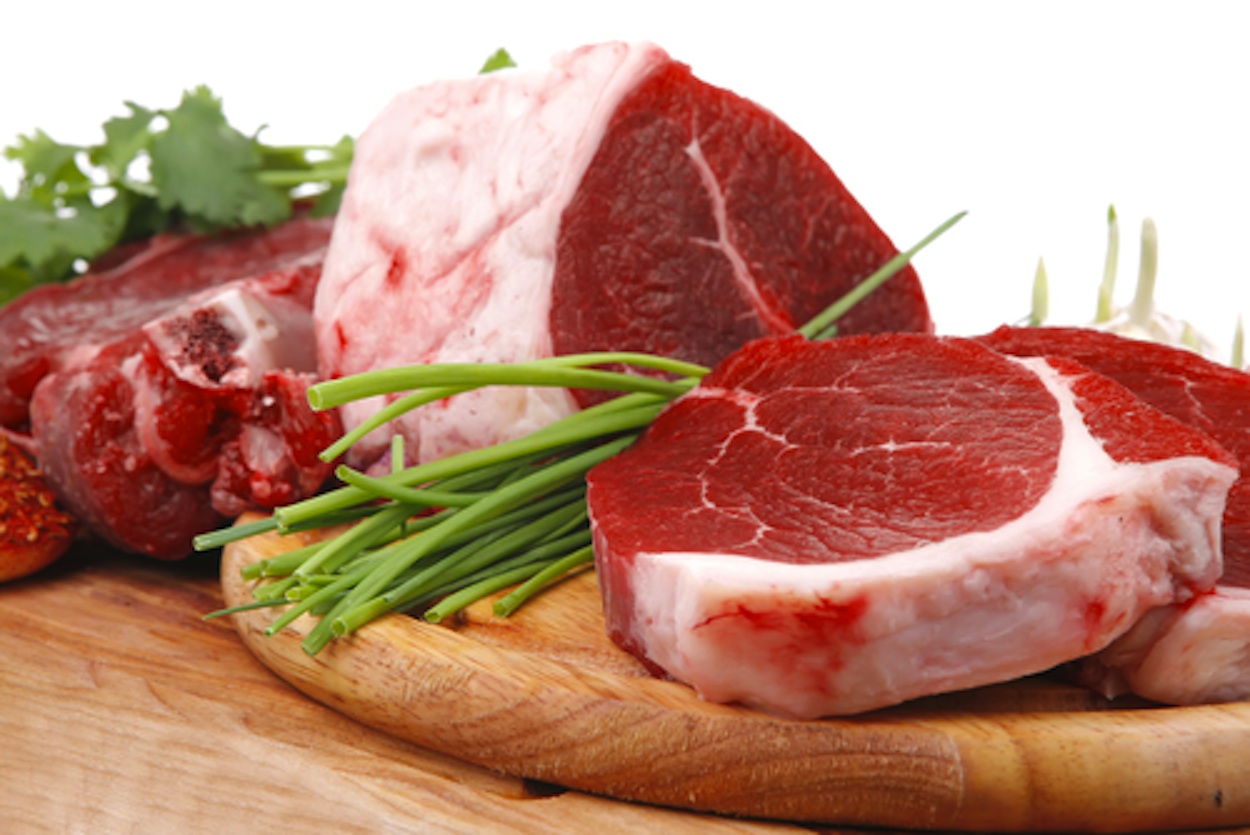
    Some online stores are selling what they claim to be Kobe beef, the premium Japanese variety that usually costs VND6-15 million (US$242-605) per kilogram for a mere VND280,000 ($11).

    Le Thu, a seller in Hanoi, said she had imported two shipments of the meat to fulfill large orders.

    “The beef is cut into neat 250-gram portions that look very appealing. It is also cheaper than other imported beef. So families who enjoy a good steak are very fond of it.

    “Previously Kobe beef was rare because there was very little imported. Now customers can order as much as they want at a cheap price.”

    Mai Anh of HCMC advertised that the meat originally cost VND600,000 but is currently sold at a 50% discount.

    At that price, her “Kobe beef” is even cheaper than American beef.

    The businesses claim it is genuine Japanese Kobe beef imported in large quantities from various countries, and hence the low price.

    “This meat is of high quality and delicious, the cheap price is because of the large supply,” Anh said, adding she sold over two tons in the past week.

    But consumers are not so easily convinced.

    Lien of HCMC’s Tan Phu District is shocked to see such a cheap price, even if it was thanks to a 50% discount.

    “I am doubtful about the quality because I have never bought it at this price.”

    Many others have also raised similar concerns.

    Some who bought it remarked that the meat quickly falls apart when thawed and cooked, and its quality is not like the beef they buy at specialized Japanese supermarkets.

    Nguyen Thi Loan, the owner of a chain of imported beef stores in HCMC, said the cheap “Kobe beef” sold on the market is actually “aukobe” beef imported from Australia.

    This is officially imported at VND600,000-800,000 per kilogram.

    But consumers should exercise caution since beef sold at VND200,000 is probably is close to expiration date, she said.

    Aukobe beef is produced by injecting fat into the meat to artificially create the marbling the authentic Kobe beef from Japan naturally has thanks to a special cattle raising process and unique diet.

    Kobe beef from Japan is one of the most expensive types in the world.

    In Vietnam, it is imported from Japan in very small quantities by legitimate importers and sold at millions of dong per kilogram, with the best cuts costing as much as VND18 million.

  • PepsiCo to invest $400M more in two new plants in Vietnam

    PepsiCo to invest $400M more in two new plants in Vietnam

    U.S. food and beverage giant PepsiCo has committed to investing an additional US$400 million to build two new plants powered by renewable energy in Vietnam, its government said.

    The announcement came last Friday as delegations of more than 60 U.S. enterprises, including Suntory PepsiCo Vietnam Beverage, paid a 3-day work visit to Vietnam last week.

    The Vietnamese government said one beverage manufacturing factory will be in southern Long An Province and cost over $300 million, and another for food processing will be in northern Ha Nam Province, with an investment of $90 million.

    The report did not give details on the commissioning time of the two factories.

    Late last year, the company said it had been granted an investment certificate for the Ha Nam factory, which was scheduled to start operating in the third quarter of 2025.

    PepsiCo, which runs five factories across Vietnam, entered the country in 1994.

  • South Korean burger chain Mom’s Touch enters Japan

    South Korean burger chain Mom’s Touch enters Japan

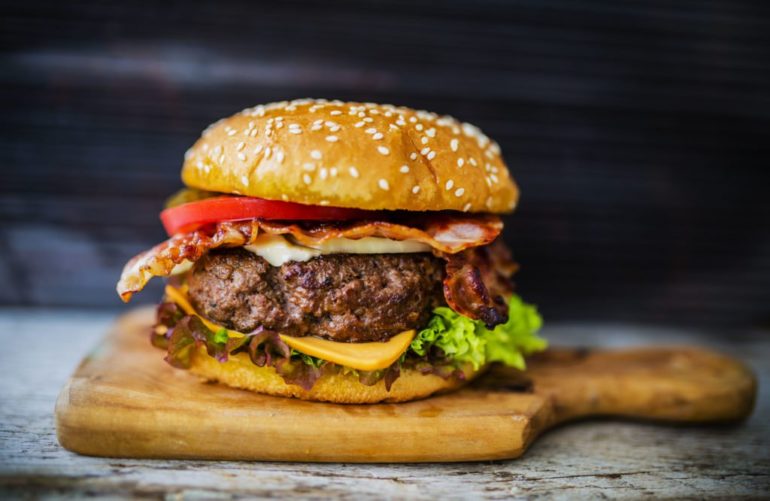
    Korean burger and chicken fast food chain Mom’s Touch is set to open its first directly managed Japanese store in Shibuya, Tokyo.

    Scheduled to open on April 16, the new 418 sqm Shibuya store will sit in a location that used to be occupied by McDonald’s and have a seating capacity of 200 people. According to local media, the new store will be adjacent to Shibuya Scramble Square where the daily floating population reaches about 3 million people.

    “We believe this is an important first step for Mom’s Touch to make the leap to become a global brand and make full-fledged overseas expansion,” the company said in a statement.

    As part of the expansion plan, Mom’s Touch has participated in the Tokyo Franchise Show as it seeks to further expand internationally and promote its Korean burger in the country, which has a burger market estimated at US$5.3 billion.

    The company launched a pop-up store in Shibuya last October, luring about 33,000 visitors. As of February, Mom’s Touch operates 1420 stores in its home market.

    The Japan expansion follows the chain’s launch into Mongolia last year.

  • Coach opens first cafe and fine-dining experience in Indonesia

    Coach opens first cafe and fine-dining experience in Indonesia

    Coach is expanding into the food and beverage business by launching its first concept dining experience in Jakarta, Indonesia.

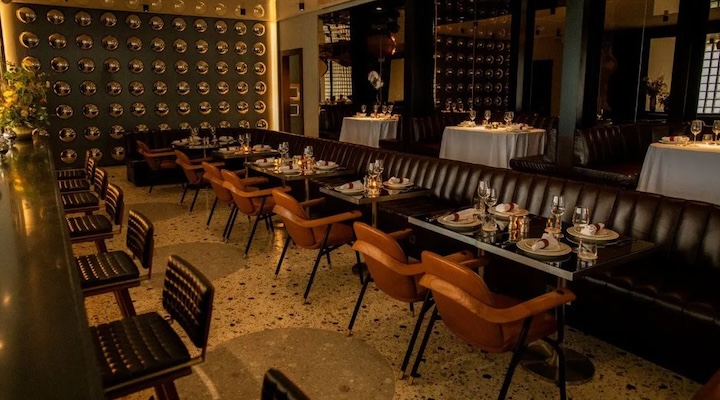
    The destination comprises The Coach Restaurant and Coach Coffee Shop at Grand Indonesia Mall.

    The Coach Restaurant, designed by Coach creative director Stuart Vevers and William Sofield of Studio Sofield, serves traditional New York steakhouse cuisine.

    It reportedly incorporates natural and industrial materials in its architectural aspects, a nod to Coach’s craftsmanship and New York roots.

    Meanwhile, the Coach Coffee Shop contains New York cityscape wallpaper and industrial design elements.

    Coach and Brawn & Brains Coffee collaborated to open the world’s first cafe in Singapore last year. A month later, the luxury retailer opened Coach Airways, an aviation travel-themed store at the Freeport A’Famosa Outlet in Malacca, Malaysia.