Category: Food

Retail News Asia is committed to providing both local and global retailers with the latest Food and Food & Beverage news throughout the Asian market. This on a daily base.

  • Karma Drinks launches limited-edition Lemmy bottle for Melanoma awareness

    Karma Drinks launches limited-edition Lemmy bottle for Melanoma awareness

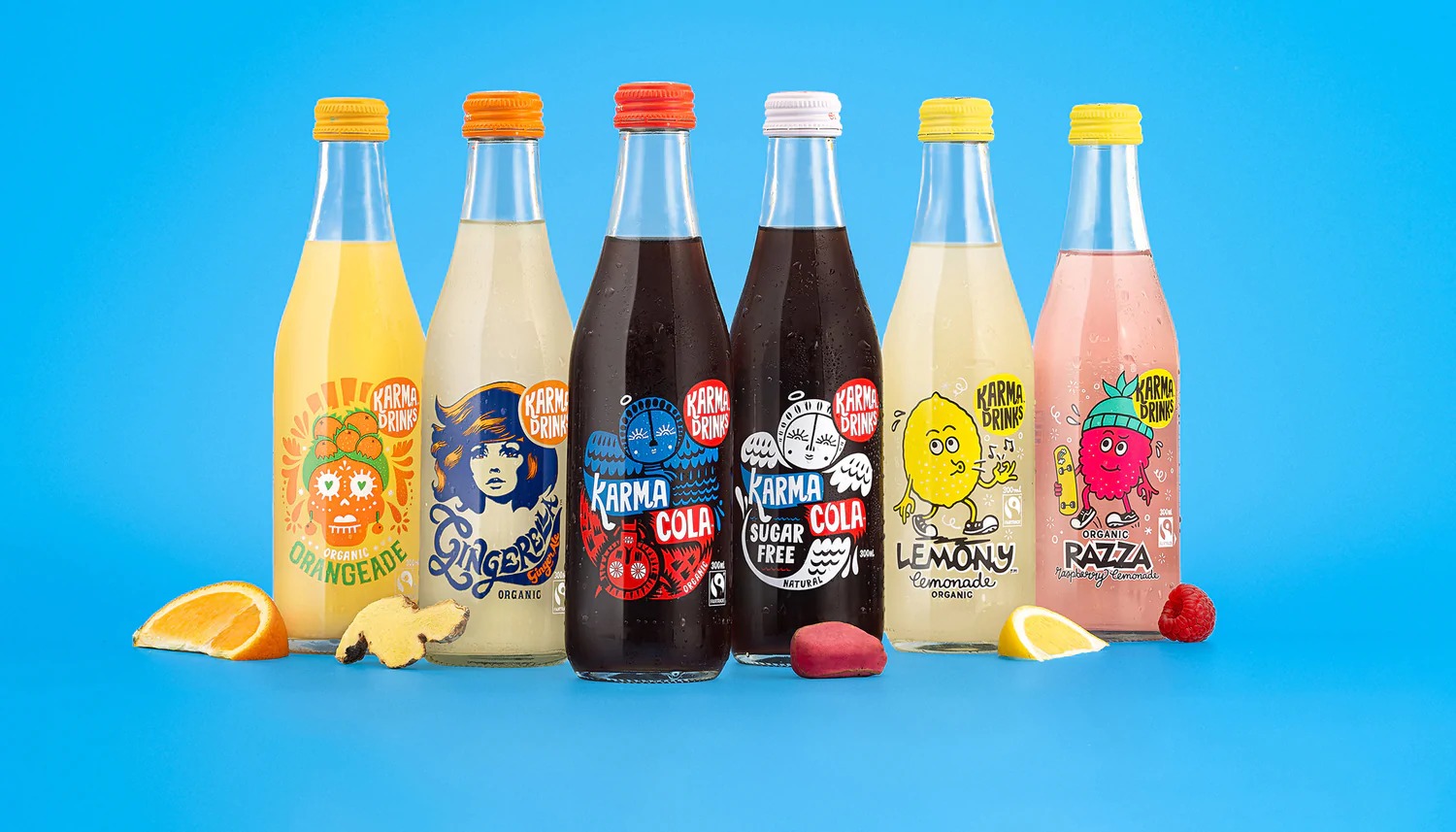
    Kiwi beverage company Karma Drinks has launched a limited-edition bottle of its Lemmy Lemonade to support Melanoma New Zealand. The partnership aims to raise awareness about melanoma prevention and early detection.

    According to Melanoma NZ, more than 6000 New Zealanders are diagnosed with melanoma every year, and approximately 300 people die from the disease. However, the condition can be preventable; if detected and treated early enough, it is almost always curable.

    National sales manager James Boshier said that Karma Drinks is all about being kind and doing good for others through the sales of its drinks.

    “It seems all Kiwis know someone who has unfortunately experienced some form of skin cancer. Key stakeholders at Karma are part of this group, so we highly value the great work Melanoma New Zealand is doing,” said Boshier.

    “Being a beverage company, often consumed outdoors in the summer, the idea of a partnership made complete sense.”

    The new limited edition bottle features the brand’s popular lemonade character, Lemmy, being “sun smart”, including wearing sunscreen and sunglasses and getting into the shade.

    The beverage company will donate proceeds from every bottle and can with the Melanoma New Zealand sticker until $10,000 is raised.

    Andrea Newland, CEO of Melanoma New Zealand, says that the funds will go towards helping to save lives.

    “Melanoma New Zealand is very grateful for Karma’s generous support – the funds will be used to help raise awareness about melanoma prevention and early detection,” added Newland.

    “We love that Lemmy is wearing his sunscreen and sunglasses, getting into the shade, and helping us to educate about the importance of being sun smart.”
  • Ukiyo Spirits unveils Tokyo Dry Gin

    Ukiyo Spirits unveils Tokyo Dry Gin

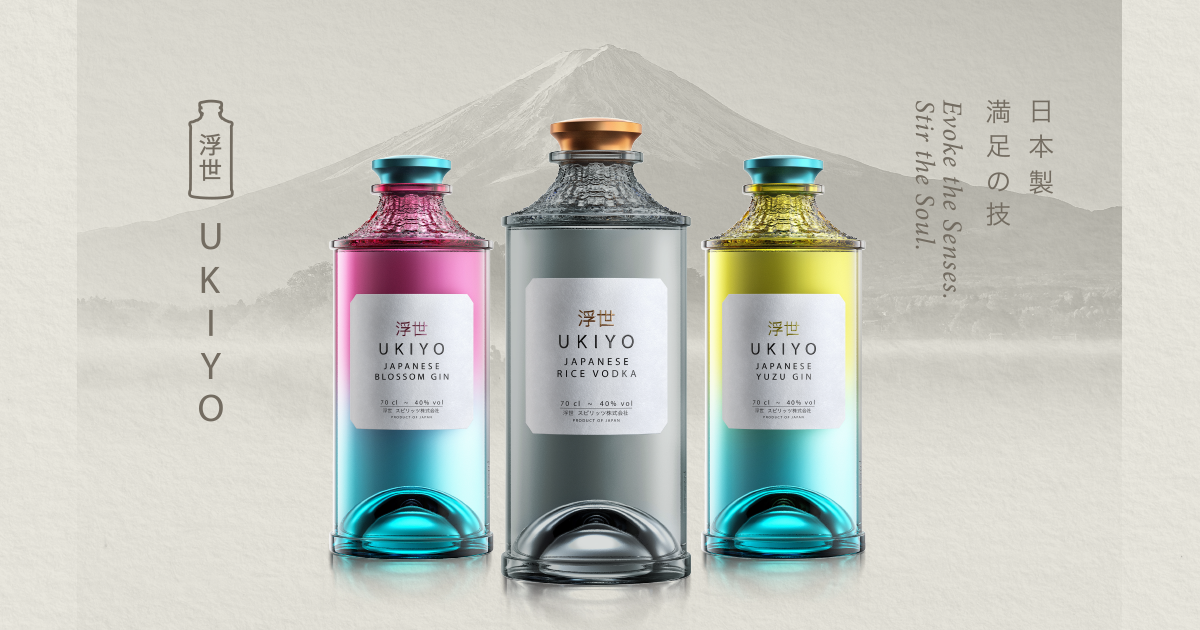
    Drinkslogy Kirker Greer subsidiary Ukiyo Spirits has launched a new small-batch classic dry gin that celebrates Japanese flavours and fragrances.

    The range includes three variants: Ukiyo Tokyo Dry Gin, Ukiyo Blossom Gin , and Ukiyo Yuzu (citrus dry gin). Ukiyo Tokyo Dry Gin will be offered to on- and off-trade merchants in Australia, the UK and the Netherlands beginning next month.

    According to the company, the products are traditionally distilled and made using high-quality Japanese ingredients. The components include indigenous rice farmed in the surrounding regions as well as five native Japanese botanicals: yuzu peel, mikan peel, sakura flower, sakura leaf, and sansho pepper.

    “These carefully chosen ingredients combine to express the diverse terroir and tastes of Japan – resulting in an elegant and delicately aromatic classic dry gin offering warm and well-balanced citrus and spice notes, and a smooth finish,” said Ali Pickering, chief marketing officer at DKG.

    “Tokyo Dry Gin is beautifully presented in Ukiyo’s iconic two–colour graduated bottle, a world-first design offering a stylish and uniquely Japanese aesthetic that reflects Ukiyo’s home by mirroring the mountains and oceans of Japan.”

    The range is aimed at city livers aged 25 to 50 who enjoy travelling and visiting high-end cocktail bars.

  • Pernod Ricard launches zero alcohol Beefeater 0.0%

    Pernod Ricard launches zero alcohol Beefeater 0.0%

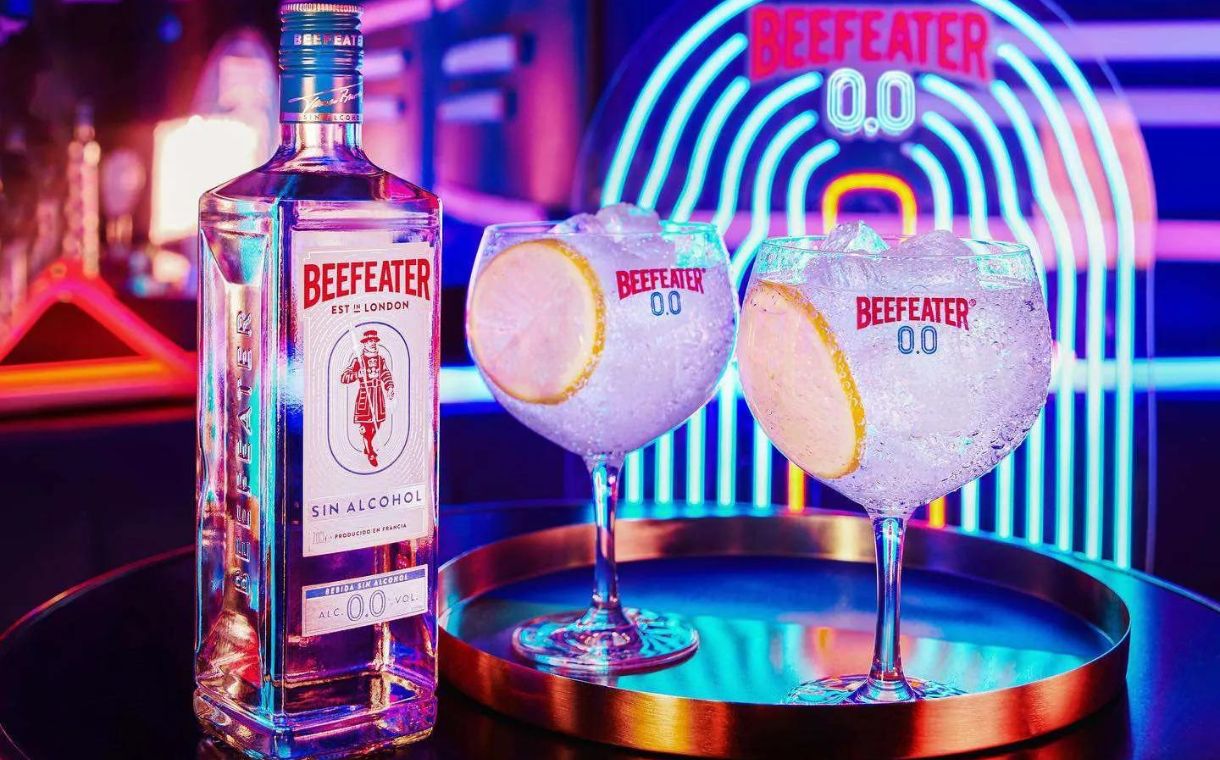
    Liquor company Pernod Ricard has launched Beefeater 0.0% to join its zero alcohol portfolio.

    Beefeater 0.0% is produced by adding the essence of Beefeater London Dry Gin’s recipe to the base, keeping the latter’s taste – minus the alcohol.

    “Beefeater 0.0% is our very first zero alcohol expression, which captures the energy of our timeless London classic but without the alcohol,” said Murielle Dessenis, global VP for marketing gins at The Absolut Group, a company under Pernod Ricard.

    “We are proud to be bringing to the no-alcohol category an elevated option, removing the need for consumers to compromise or miss out on the occasion.”

    Pernod Ricard will initially launch Beefeater 0.0% in Spain, complementing Beefeater’s existing moderated drinking range.

    Last year, the company opened a production line in Thuir, France, for non-alcoholic drinks production, research and development, and innovation.

  • Fruit, vegetable exports rise by 89%

    Fruit, vegetable exports rise by 89%

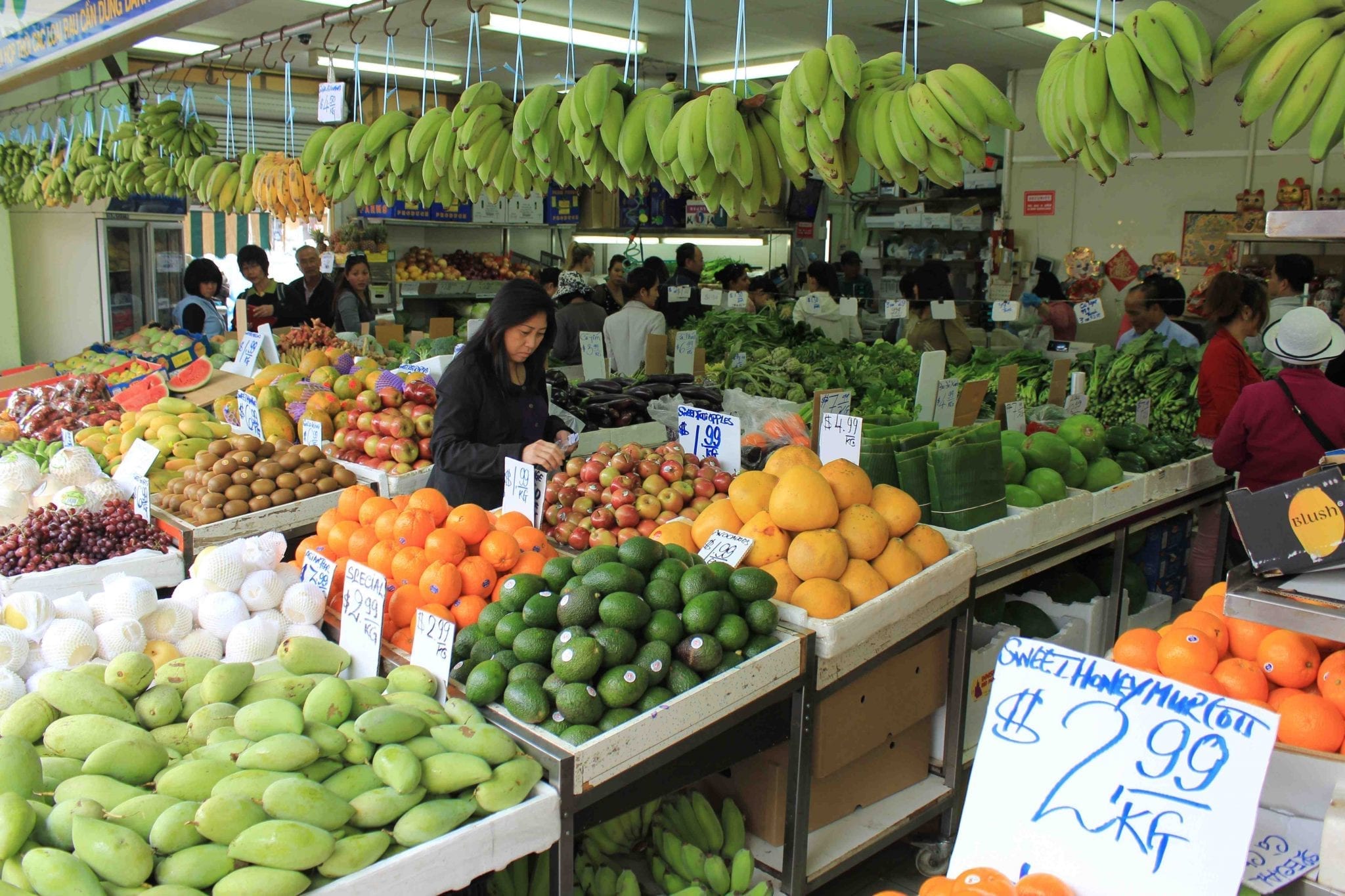
    According to the Vietnam Fruit and Vegetable Association, fruit and vegetable exports have risen by 89.2% this year to US$459 million due to a surge in demand from China.

    China has imported large volumes of durian, bananas and dragon fruit.

    Cold snaps in many places in that country have limited domestic banana supply since the fruit turns black when the temperature drops.

    China harvested dragon fruit in abundance last year, but the season is over, and Vietnam is able to export the fruit from January to May.

    Chinese use dragon fruit as an item of worship during the Lunar New Year, and so demand for imports from Vietnamese has skyrocketed.

    During President Xi Jinping’s recent visit to Vietnam, the Chinese side said it would open its market to many Vietnamese agricultural products, including fresh coconuts, frozen fruit products, citrus fruits, avocados, custard apples, and water apples.

    The two sides also signed a protocol for watermelon export.

    In addition to China, the U.S., the EU and some Asian countries are also set to open their doors to more Vietnamese fruits.

    The U.S. and Australia plan to import passion fruit, Japan, South Korea, Australia, and India want to buy grapefruit with India also eyeing durian imports.

  • Irish Single Malt becomes the world’s most expensive whisky

    Irish Single Malt becomes the world’s most expensive whisky

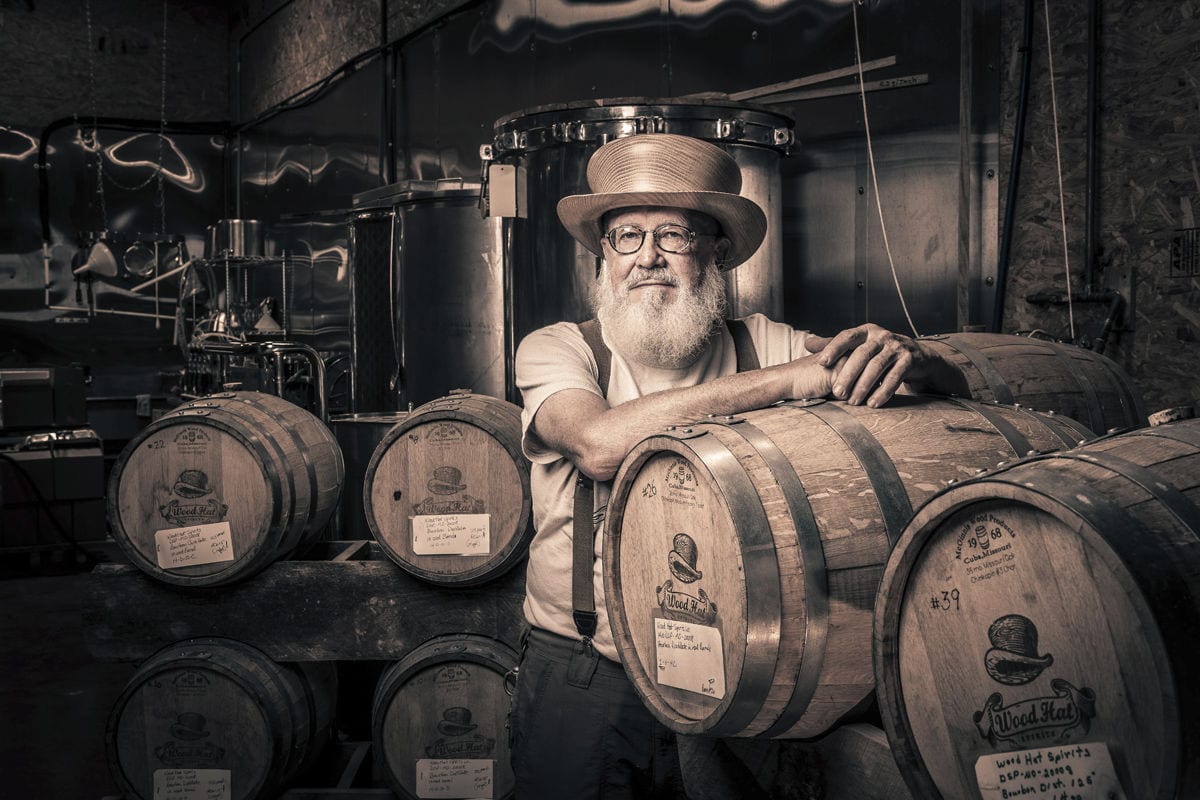
    The Craft Irish Whisky Co has sold a bottle of The Emerald Isle whisky to American collector Mike Daley for $2.8 million, marking a record for the world’s most expensive whisky.

    “The rebirth of Irish whiskey is relatively new, so I feel like I’m getting in on the ground floor. Luxury scotch, to me, is already a crowded type of market,” said Mike Daley, one of the US’ most prolific collectors of the spirit.

    “But we’re only just starting to see luxury Irish make a name for itself. I guarantee you that in the years to come, it will get to where scotch is today.”

    A bottle of The Macallan 1926 sold for $2.7 million at auction last November, momentarily becoming the world’s most expensive bottle, a title now held by The Emerald Isle, indicating a shift in the tastes of luxury collectors, many of whom believe the Scotch market has grown overcrowded.

    The Craft Irish Whisky Co, founded in 2018 by Irish entrepreneur Jay Bradley, was the most highly recognised new firm of the year in 2021, accumulating a total of 12 accolades across both Taste and Design for four of its ultra-rare whisky releases.

    Last year, the company won 44 medals in total, including Gold and Silver at the IWSC Taste medals, Gold, Silver and Bronze at the World Whisky Awards, and a Master Medal for The Donn at The Drinks Business Autumn Bling Tasting.

  • Rice exports reach record high

    Rice exports reach record high

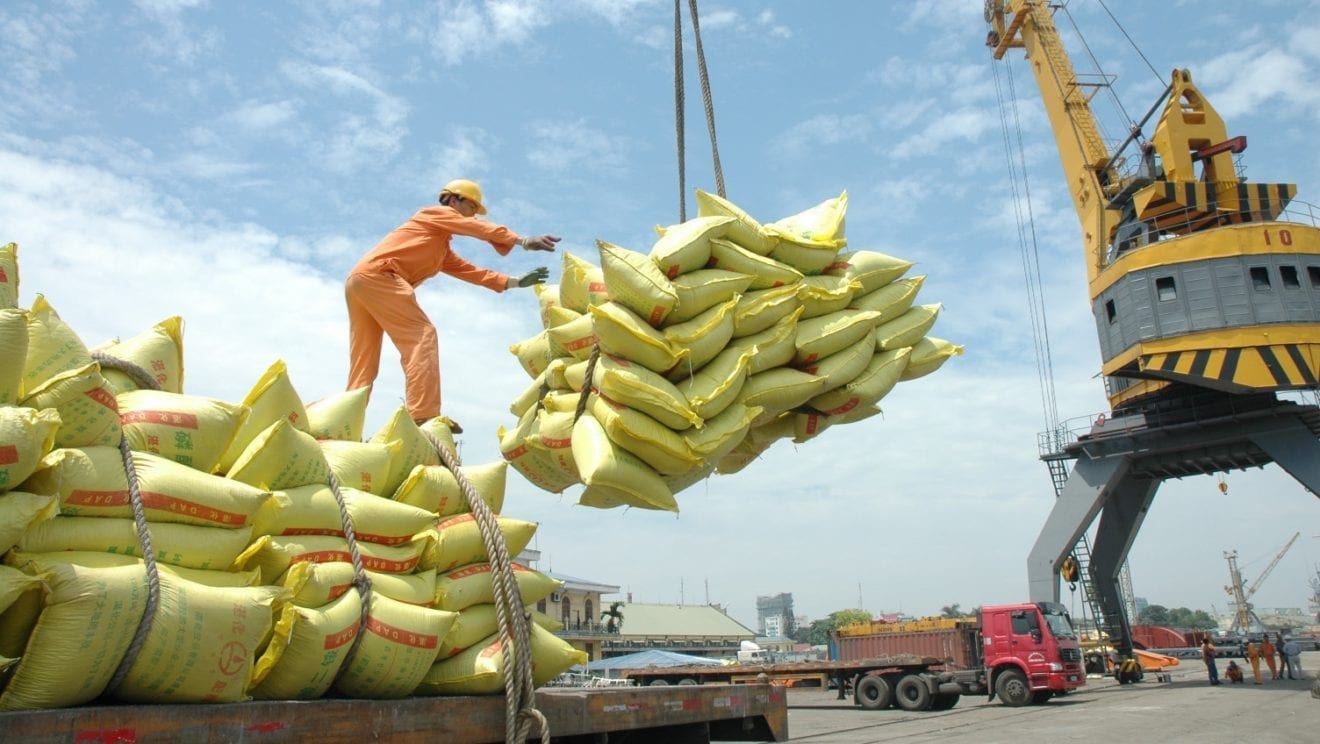
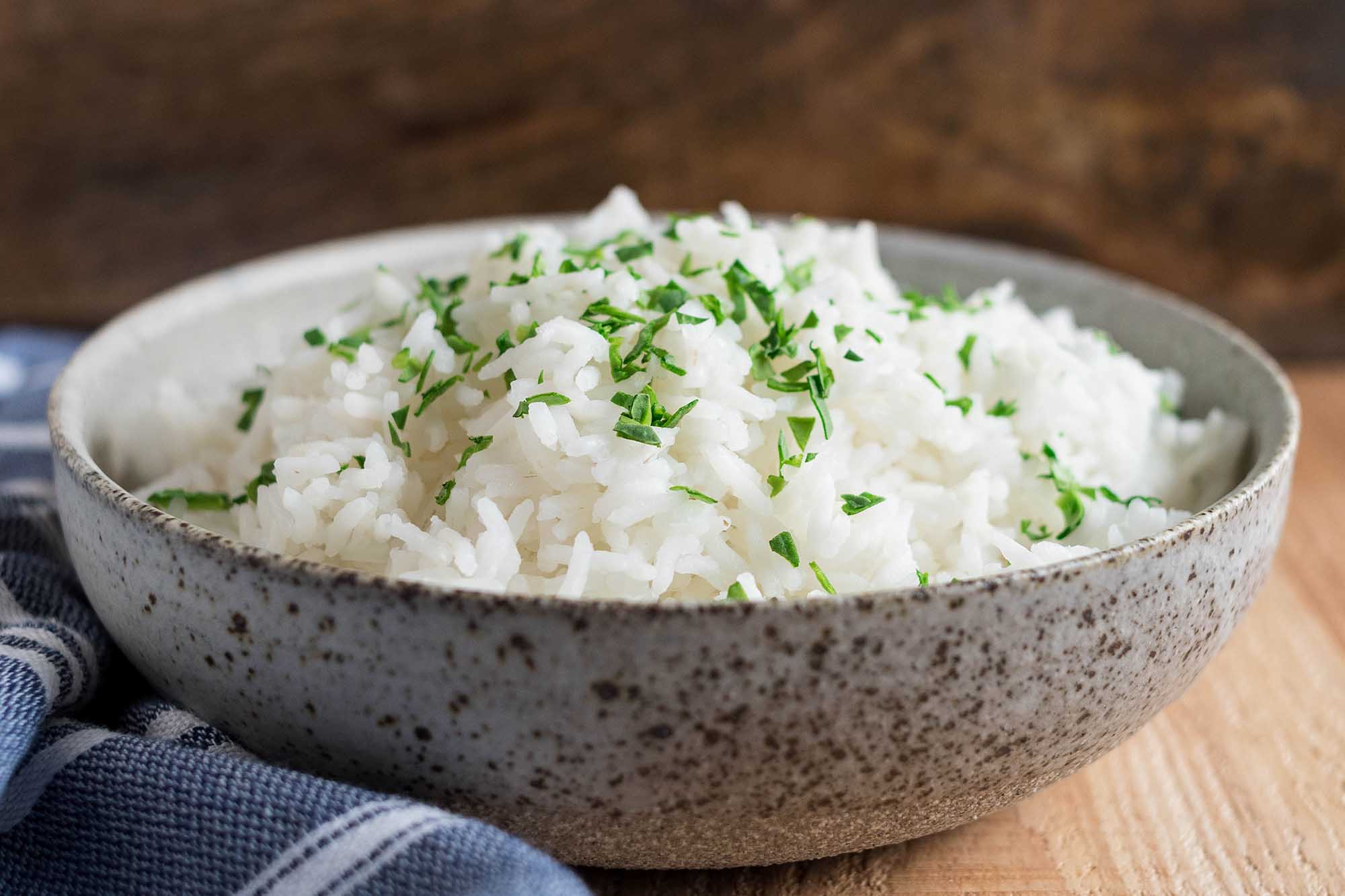
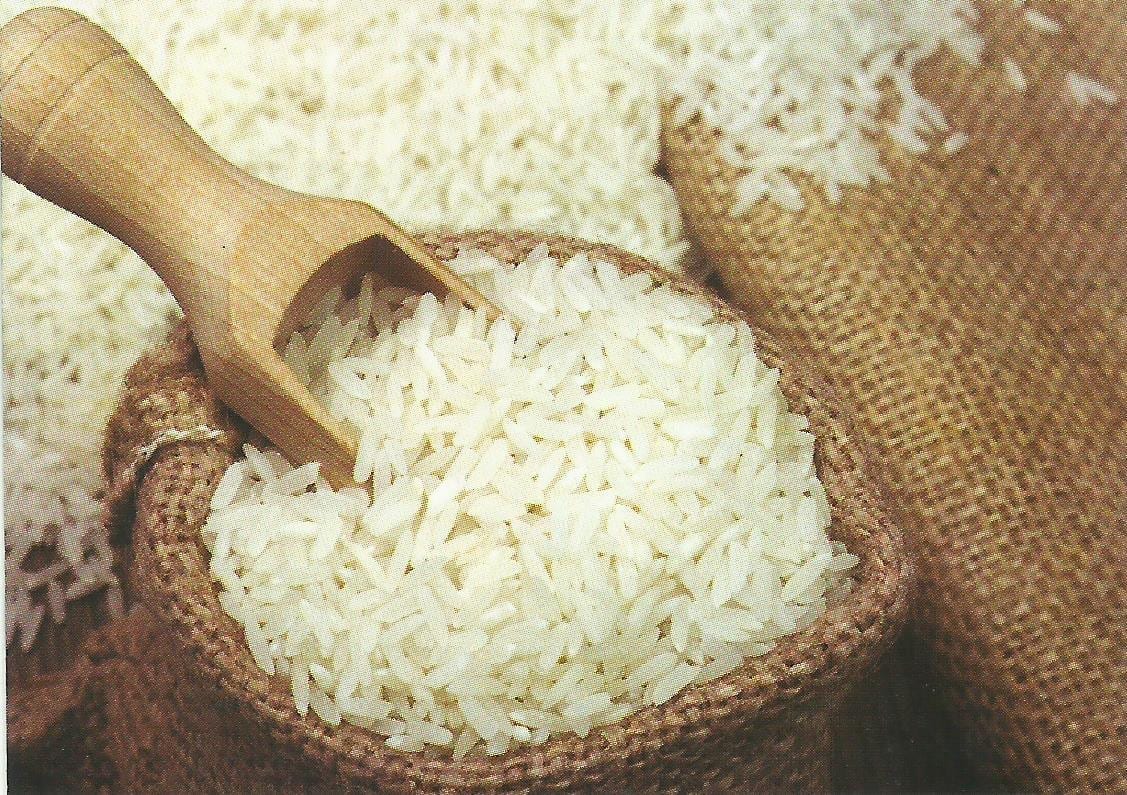
    Vietnam’s rice exports soared to 8.13 million tons, valued at US$4.7 billion in 2023, setting a new national record, as per the General Department of Customs.

    This marked a 14.4% increase in volume and a 35.3% rise in value from the previous year, despite challenges from the El Nino weather pattern.

    The export surge is partly attributed to India’s export ban on non-basmati white rice, which has affected global rice trade.

    India, a major player in the global rice market, contributes 40% to the worldwide rice trade. Its largest buyers include Iran, Saudi Arabia, and China.

    In 2023, several countries increased their rice imports from Vietnam as the global supply dwindled. A rice export business director from Dong Thap Province said some countries that typically imported little rice from Vietnam began placing substantial orders.

    The ongoing Indian export ban has left many countries seeking reliable rice sources, creating an optimistic outlook for Vietnam’s rice exports in 2024.

    In 2023, the Philippines was the largest importer of Vietnamese rice, purchasing 3.1 million tons, followed by Indonesia, China, and Ghana. Vietnam now is the world’s fifth-largest rice producer and third-largest exporter.

  • Thailand’s wine tax reform could be opportune for Aussie winemakers

    Thailand’s wine tax reform could be opportune for Aussie winemakers

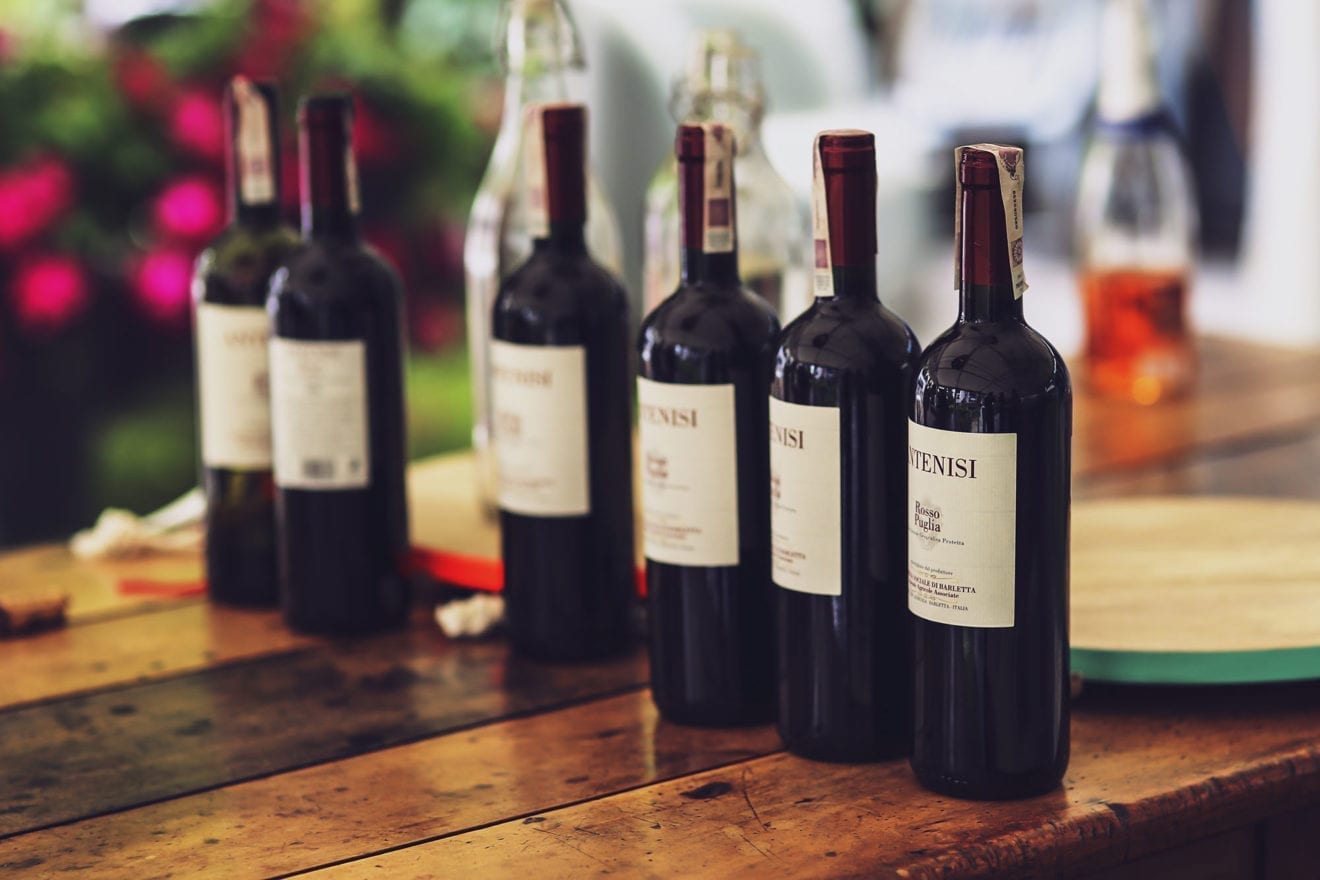
    A new wine tax regime in Thailand – where wine drinkers have always been taxed higher than those who prefer beer or spirits – could open the way for higher exports from Australia winemakers.

    The move comes after the government introduced a series of relaxations on liquor sales. Last year, the Thai government lifted a 50-year-old ban on the sale of alcoholic beverages in the afternoon, from 2 pm to 5 pm, and extended the operating hours of entertainment venues such as nightclubs and bars to boost the tourism industry.

    According to government spokesperson Chai Wacharonke, the steep import tariffs on wines, which currently stand at 54 per cent and 60 per cent of declared value, will be abolished indefinitely.

    Moreover, the excise tax on wine will be reduced from 10 per cent to 5 per cent and on spirits from 10 per cent to zero to help small-scale producers.

    The tax cuts are expected to considerably lower the cost of imported wines in Thailand. The country has been known for imposing an average tax of around 250 per cent on wine, which includes import tariffs, excise tax, municipal tax, and 7 per cent VAT.

    However, the change in tariffs could impact the country’s revenue.

    In the previous year, the government generated as much as A$7.6 billion in tax coffers from alcohol, beer, and other beverages, including $2.8 billion from alcoholic drinks.

    The new tax measures will take effect shortly, added Wacharonke.

  • Pepper exports rise in volume, fall in value

    Pepper exports rise in volume, fall in value

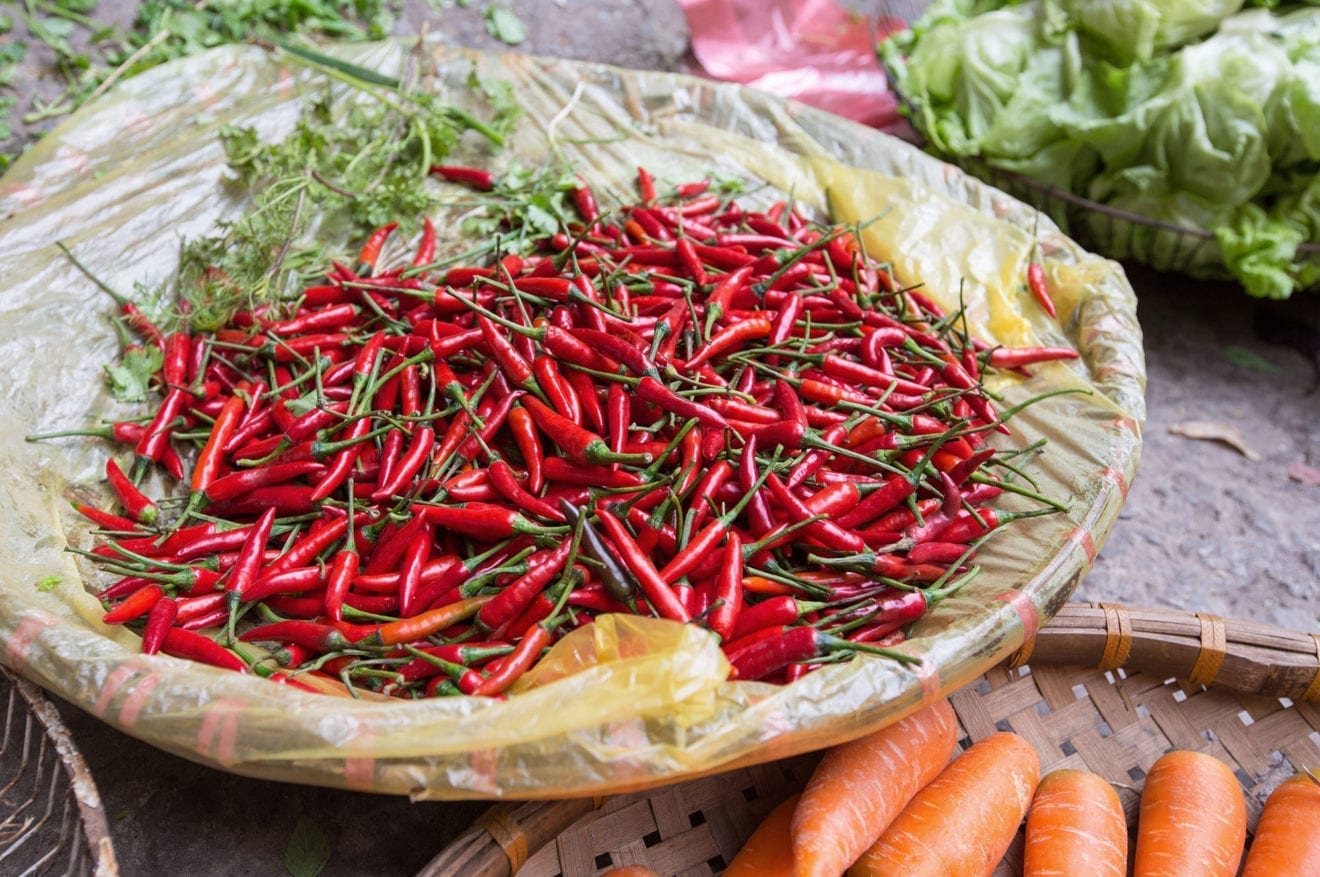
    While Vietnam’s pepper export volumes soared by 16.6% to 267,000 tons in 2023, the value dropped by 6% to US$912 million, according to the Vietnam Customs.

    The average export price of Vietnamese pepper, which constitutes 60% of global supply, dropped by 19.4% from the previous year, to US$3,420 per ton.

    Black pepper made up 71.2% of Vietnam’s exports, and white pepper comprised the remainder.

    The U.S. remained the top purchaser of Vietnamese pepper, accounting for 23.5% of the total export value, followed by China 14.1%, India 5.4% and Germany 4.3%.

    The U.S. decreased its pepper imports from India in favor of Vietnamese pepper, which is recognized for its favorable pricing and improving quality.

    The Vietnam Pepper and Spice Association notes that Vietnamese pepper holds a competitive edge over other pepper-exporting nations such as Indonesia and India, bolstered by the European Union-Vietnam Free Trade Agreement, which has slashed the import tax on ground and crushed pepper to the EU to zero.

    It is forecast Vietnam’s pepper export slow down because domestic supply is no longer abundant. The pepper inventory in 2024 will be at its lowest in many years.

    This year’s pepper crop is projected to decrease by 10-15% to around 165,000 tons due to smaller cultivation areas and unfavorable weather conditions.

  • Paradox Coffee unveils its first limited-edition single-origin coffee

    Paradox Coffee unveils its first limited-edition single-origin coffee

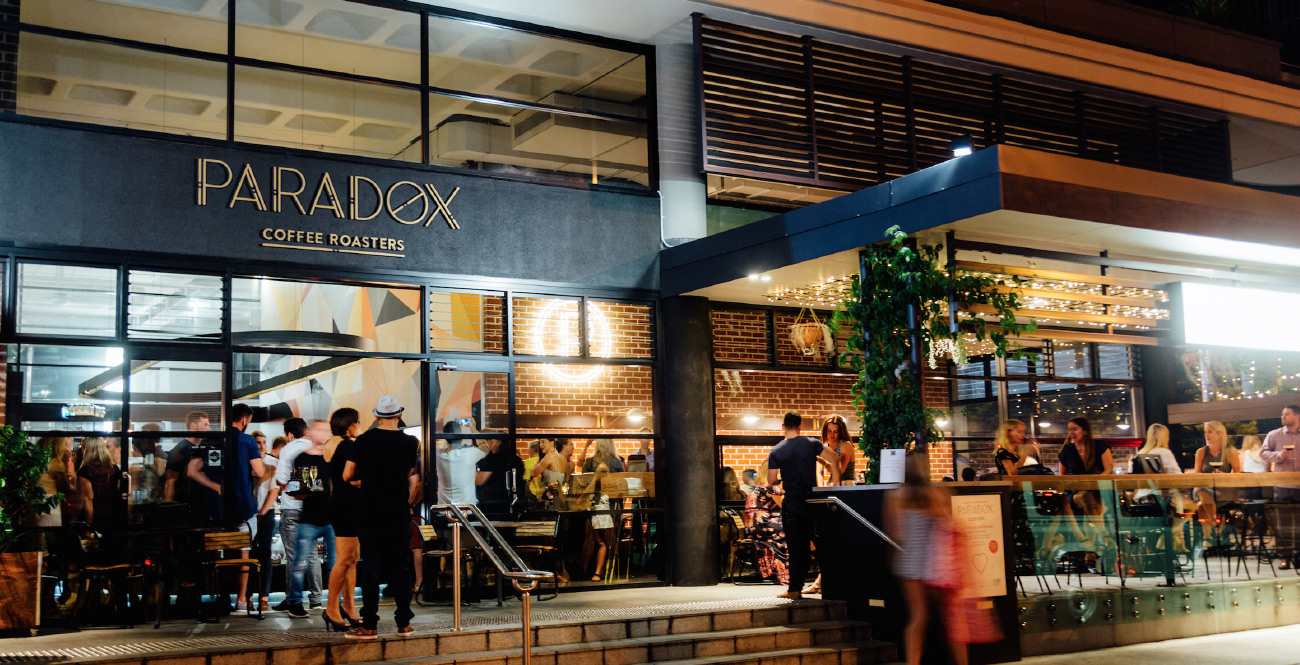
    Paradox Coffee Roasters has introduced Los Contares Panama Geisha Natural, the brand’s first limited edition single-origin coffee, with only 100 tins produced and roasted to order.

    But it is not for the budget-conscious: Los Cantares Panama Geisha Natural comes in a 100gm numbered tin and sells for $65. It is only available to purchase online at paradoxroasters.com.

    The specialty fine filter coffee originates from Panama, Central America, and Paradox says it boasts “complex-tasting notes of strawberries, soft floral jasmine, nashi pear’s sweet acidity, and a gentle clean finish”.

    “It is not every day you come across a coffee with such a symphony of flavours,” says Yogesh, head coffee roaster, Paradox Coffee Roasters.

    “Every sip highlights how precious this coffee is and I am sure you will enjoy it as much as I do.”

    The tins also contain information on the coffee estate owned by coffee producer Marie Jackie Mercer, a brew recipe, coffee tasting notes, and a personalised invitation to a virtual coffee tasting session led by the brand’s training managers and head roaster.

    “Our virtual tasting session is designed as a journey of discovery,” says Nicole Saleh, MD at Paradox Coffee Roasters.

    “People who purchase this exceptional coffee can join our Paradox team online for an interactive coffee experience to learn more about the coffee origin and farm, how the coffee is roasted, how to brew this exceptional filter coffee, a discussion of the characteristics in the cup and what makes this Los Cantres Natural Panama Geisha so special”.

  • McDonald’s Malaysia files $1M lawsuit against Israel boycott movement

    McDonald’s Malaysia files $1M lawsuit against Israel boycott movement

    McDonald’s Malaysia has filed a lawsuit seeking US$1.31 million in damages from a movement promoting boycotts against Israel for “false and defamatory statements.”

    Gerbang Alaf Restaurants Sdn Bhd (GAR), which is the licensee of McDonald’s in Malaysia, is suing the Boycott, Divestment and Sanctions (BDS) Malaysia movement, claiming that BDS had made a series of social media posts linking the fast-food franchise with Israel’s military offensive in Gaza?

    It said the BDS campaign has encouraged a public boycott of McDonald’s Malaysia, resulting in financial losses, employment reductions and other adverse effects due to the shutdown and reduced operational hours of its establishments.

    In response, BDS Malaysia said it “categorically denies” defaming the fast-food company and would leave the matter to the court.

    “Boycotting companies like these is a personal choice and it is up to that individual consumer,quoted social media user Sheryl Ho as saying.

    “That being said, anyone in their right frame of mind who wasn’t boycotting [McDonald’s] before this, sure would be doing it now.

    “They terminated their staff to save cost and they are making other people pay for it?” X user Syafiq Fadli asked.

  • Vietnam cooperate on rice exports with Thailand and Philippines

    Vietnam cooperate on rice exports with Thailand and Philippines

    Vietnam has agreed with Thailand as well as the Philippines to strengthen rice export cooperation to ensure regional and global food security.

    The consensus was reached when Vietnamese Prime Minister Pham Minh Chinh met with Thai counterpart Srettha Thavisin and Filipino President Ferdinand Romualdez Marcos on the sidelines of the ASEAN-Japan Commemorative Summit on Sunday in Tokyo.

    The Vietnamese and Thai prime ministers agreed to lift the two-way trade between the two countries to US$25 billion soon, through creating more favorable conditions for importing and exporting goods, including rice.

    Thailand is currently Vietnam’s largest trading partner in ASEAN, with import-export turnovers reaching $21.5 billion last year. Meanwhile, it is the 9th largest foreign investor in Vietnam.

    Vietnam and Thailand will also implement the “Three Connections” Initiative which focuses on new areas such as digital transformation, green transformation, and the circular economy.

    The Vietnamese prime minister and the Filipino President agreed to step up rice export cooperation to ensure regional and global food security when both countries export rice to many nations, and the Philippines imports Vietnamese rice.

    Among Vietnamese rice importers, the Philippines currently imports the most. In the first nine months of this year, the Philippines imported 2.4 million tons of rice worth $1.5 billion from Vietnam.

    Data from the Ministry of Agriculture and Rural Development shows in the first 11 months, Vietnam earned $4.4 billion from exporting 7.75 million tons of rice to many countries around the world.

    The average price of Vietnamese rice was $568 per ton, surging 17% over the same period last year, sometimes reaching nearly $650 per ton.

  • Indian beef imports half local price

    Indian beef imports half local price

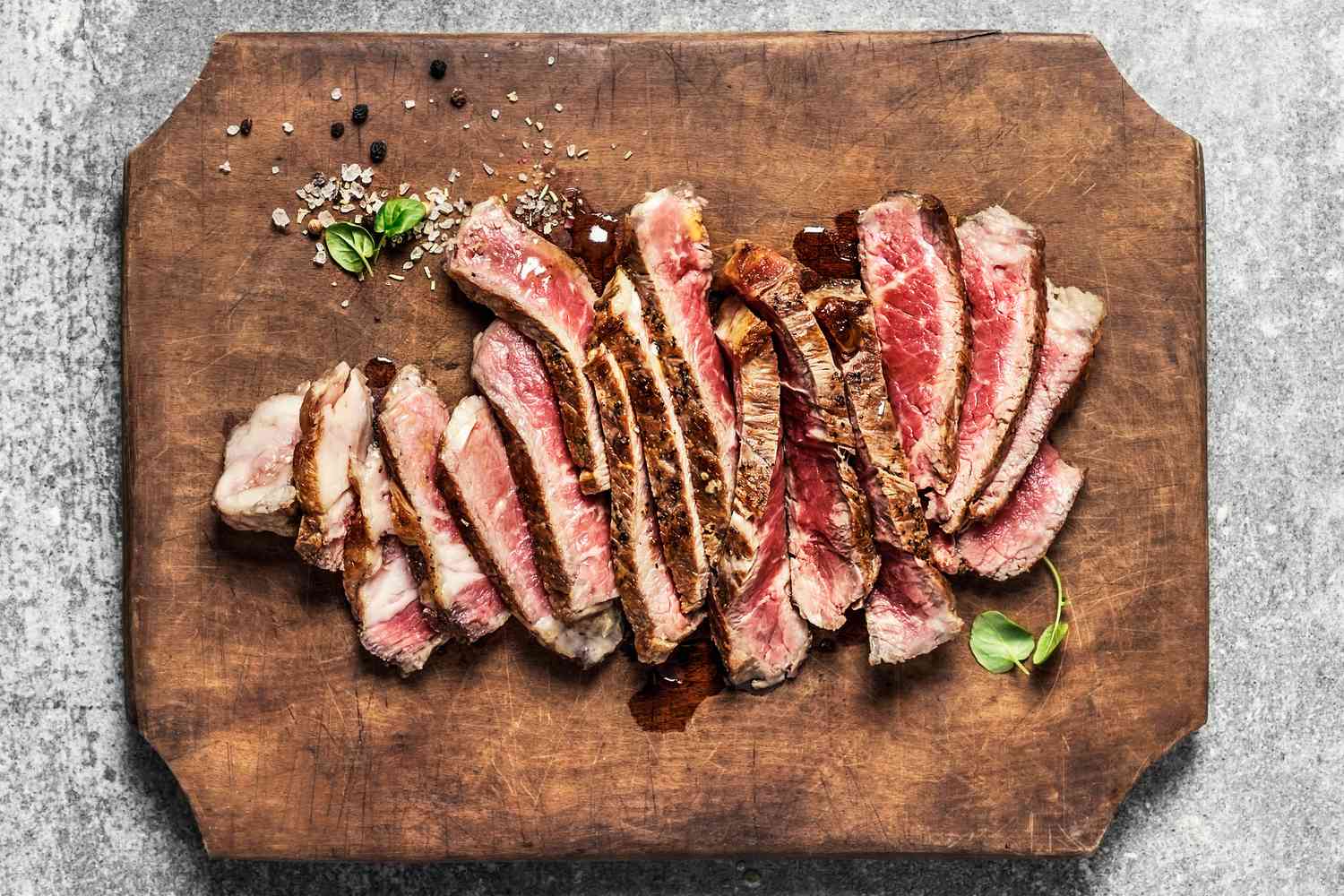
    Beef and buffalo meat imported from India are being sold for VND60,000-100,000 (US$2.47-4) per kilogram on some online marketplaces in Vietnam, half the price of local beef.

    According to data from the General Department of Vietnam Customs, Vietnam imports meat and meat products from 44 countries worldwide. In the first 10 months of 2023, it imported 127,000 tons of meat and meat products from India, making the country Vietnam’s biggest meat supplier with a 22.2% market share.

    In the same period, the average price of these imported products decreased 6.8% year-on-year, down to VND72,000 (US$3) per kilo.

    Oanh, who operates a meat import business in Ho Chi Minh City’s Tan Binh District, said beef imported from India had never been as cheap as it has been in previous years.

    Some online marketplaces sell Indian beef brisket for just VND63,000 a kilo, and topside for VND107,000-110,000 a kilo.

    In comparison, Vietnamese beef fillet is currently priced at VND250,000-280,000 per kilo, while American and Australian beef can fetch as much as VND350,000-450,000 a kilo, Oanh said.

    Toan, who runs a frozen meat importer in District 7, said this year, he imported all cuts of Indian beef and buffalo meat.

    These products are well-liked by meat processing facilities and restaurants due to their low prices and quality on par with beef from other countries, Toan said.

    “They were imported through official quotas and vacuum-packed before being shipped to Vietnam, so they meet all food safety regulations.”

    Cattle and buffaloes are raised on a large scale in India and the country accounts for 58-60% of the world’s cattle and buffalo population, yet consumption of beef and buffalo meat is very low in the country.

    Therefore, most of the beef produced in India is exported and the abundance of supply causes prices to plummet.

    Smuggling is also to blame, says the Animal Husbandry Association of Vietnam, an organization representing the livestock and veterinary industry.

    According to official statistics, there were131 cases of cattle and poultry smuggling in Vietnam over the first nine months of 2023, up 14.5 times from the previous year.

  • Rice exports expected to hit $5B this year

    Rice exports expected to hit $5B this year

    In 2023, the rice farming area nationwide is 7.1 million ha with productivity estimated at 6.08 tonnes of unmilled rice per ha and total output at 43.1 million tonnes, up about 420,000 tonnes from last year.

    Some 7.75 million tonnes of milled rice was exported during the first 11 months of this year to bring home an estimated $4.41 billion in revenue, rising 16.2% and 36.3% year on year, respectively. Export prices averaged $568 per tonne, up 17.3%, according to the Department of Quality, Processing and Market Development under the Ministry of Agriculture and Rural Development (MARD).

    The export volume has been kept at around 6 million tonnes and increased over years, with annual value continually topping $3 billion, statistics show.

    At a workshop held in the Mekong Delta province of Hau Giang on Dec. 13, MARD Deputy Minister Tran Thanh Nam said the rice sector plays a crucial role in the agriculture of Vietnam and many other countries in the region and the world.

    Domestic and international rice markets will remain vibrant in the time ahead due to big import demand from China, Indonesia, the Philippines, the Middle East, and Africa, he forecast.

  • Doritos Nacho Cheese as a spirit

    Doritos Nacho Cheese as a spirit

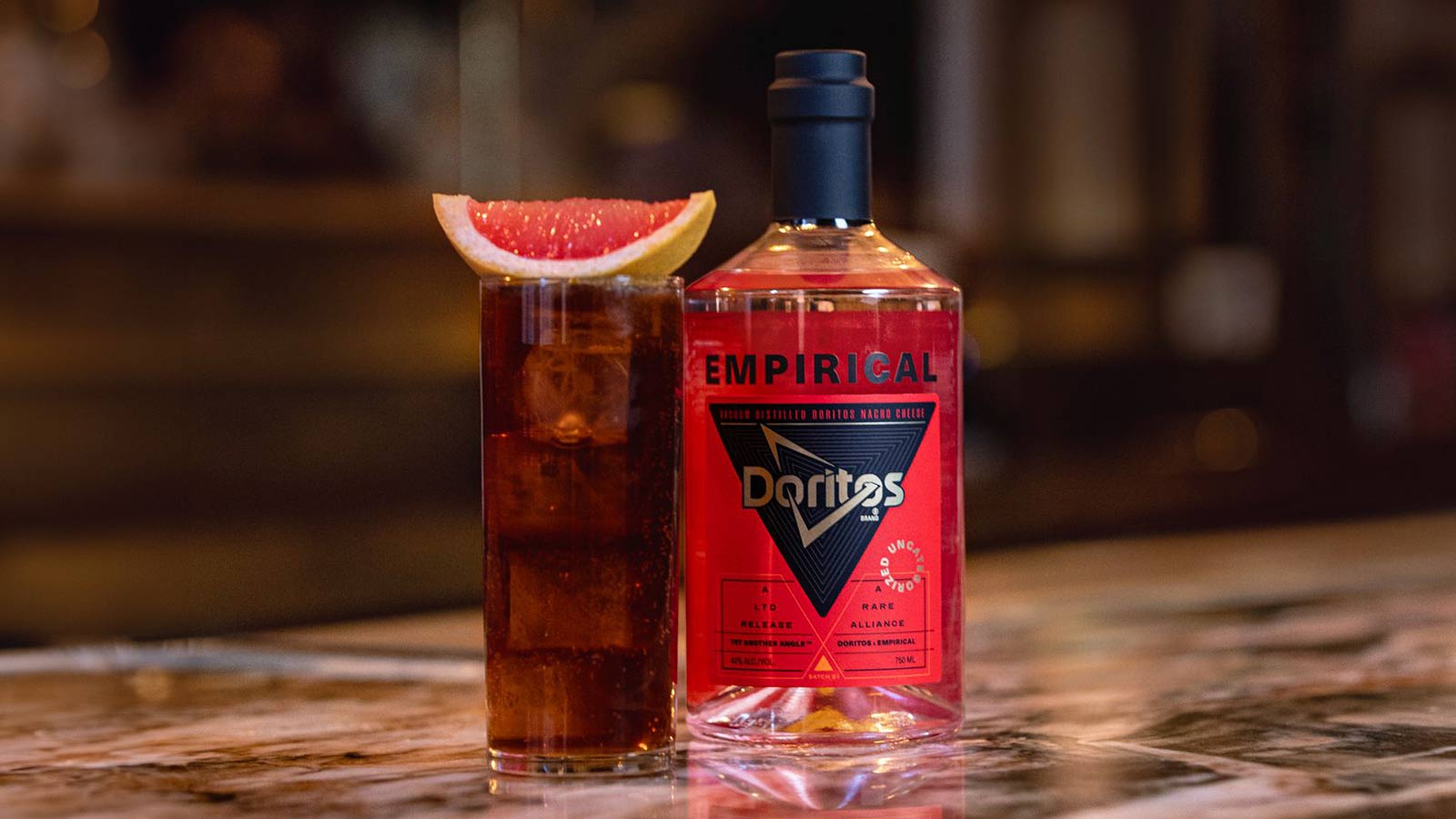
    Snack food giant Frito-Lay North America has partnered with spirits company Empirical to create a limited-edition beverage called Empirical x Doritos Nacho Cheese Spirit. The product claims to offer a multi-sensory drinking experience that smells and tastes like the Doritos Nacho Cheese Chips.

    Tina Mahal, SVP of marketing for Frito-Lay North America, said the partnership aims to disrupt the spirits category by offering the brand’s nacho cheese flavor in a bottle.

    “We’re always pushing our fans to try new things, so we figure it’s time we disrupt the spirits category by offering our iconic nacho cheese flavor in a bottle,” she said.

    To create the flavor, Empirical extracts the many flavor layers of Doritos Nacho Cheese using real chips. The process retains the essence of the chips through vacuum distillation, which operates at lower temperatures, preserving the full spectrum flavors derived from the chips.

    Meanwhile, Empirical CEO and distiller Lars Williams said the collaboration allowed the company to experiment with interesting flavors without being stuck in a particular spirits category.

    “Empirical is an ‘uncategorised’ spirits company, so it allows us the freedom to experiment with really interesting flavours and not have to be stuck in a gin box, tequila box, or whiskey box,” said Williams.

    Limited-edition bottles of Empirical x Doritos Nacho Cheese Spirit will be pre-ordered starting December 13 for an RRP of US$65 (42 percent ABV, 750ml) online and in select New York and California markets.

  • Durian exports to China soar on insatiable demand

    Durian exports to China soar on insatiable demand

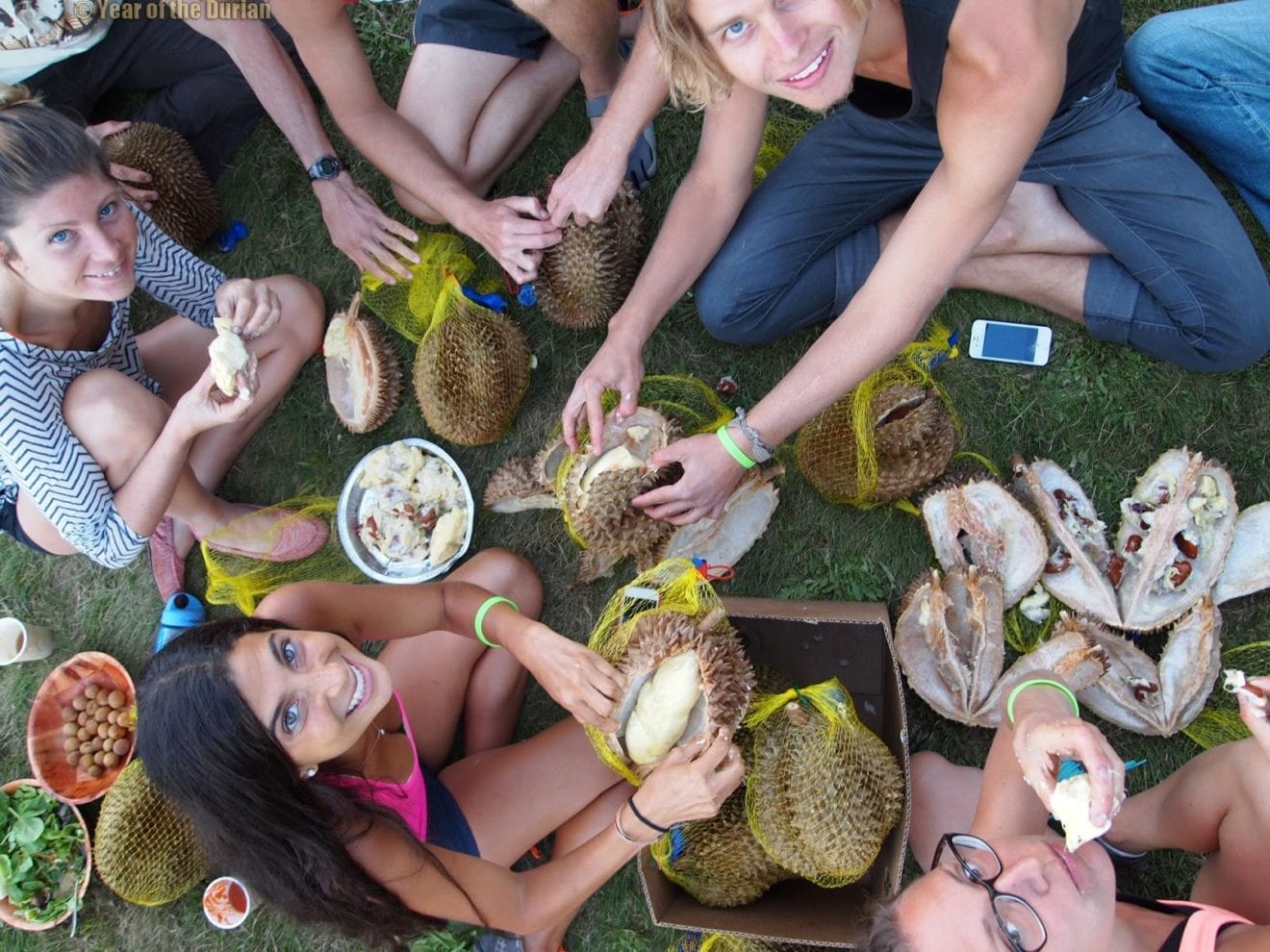
    Approved for official export last year, China imports dozens of containers of durians daily from Vietnam.

    The port in Pingxiang City, which handles much of durian imports, has seen an inflow of the fruit from Vietnam large enough to rival Thailand, China’s main supplier, since last year.

    Nong Liqing, CEO of a fruit importer in the city, told Xinhua his firm has imported more than 1,600 containers of durians in the year to date.

    China has a huge demand for the spiky fruit.

    Last year it imported a total of 825,000 tons of the fruit for US$4.03 billion, the highest of any fruit, according to data from China’s customs.

    After the Regional Comprehensive Economic Partnership, a free-trade agreement between ASEAN and various trade partners including China, allowed Vietnamese durian access to the Chinese market, that country has become Vietnam’s biggest importer of the fruit.

    Wang Zhengbo, president of a fruit company in Guangxi, said that his firm had signed deals last year with 3,000 hectares of Vietnamese orchards.

    In the first 10 months of this year durian accounted for 51% of total vegetable and fruit exports, according to the Vietnam Fruits & Vegetables Association (Vinafruit).

    Dang Phuc Nguyen, general secretary of Vinafruit, said the country has surpassed Malaysia and the Philippines in durian exports to China and is behind only Thailand.

    But Vietnamese durian is expected to be more competitive toward year-end as it has off-season durian ready to ship while Thailand usually struggles with unfavorable weather every year.

    Exporters are eyeing a figure of $2.5 billion this year, and prices might rise to a new peak next month.

    Since 2010 the area under durian in Vietnam has shot up from 92,000 ha to 131,000 ha, and the yield is estimated at one million tons this year, up 15.9% from 2022.