Category: Food

Retail News Asia is committed to providing both local and global retailers with the latest Food and Food & Beverage news throughout the Asian market. This on a daily base.

  • Magnum rolls out new ice cream flavours

    Magnum rolls out new ice cream flavours

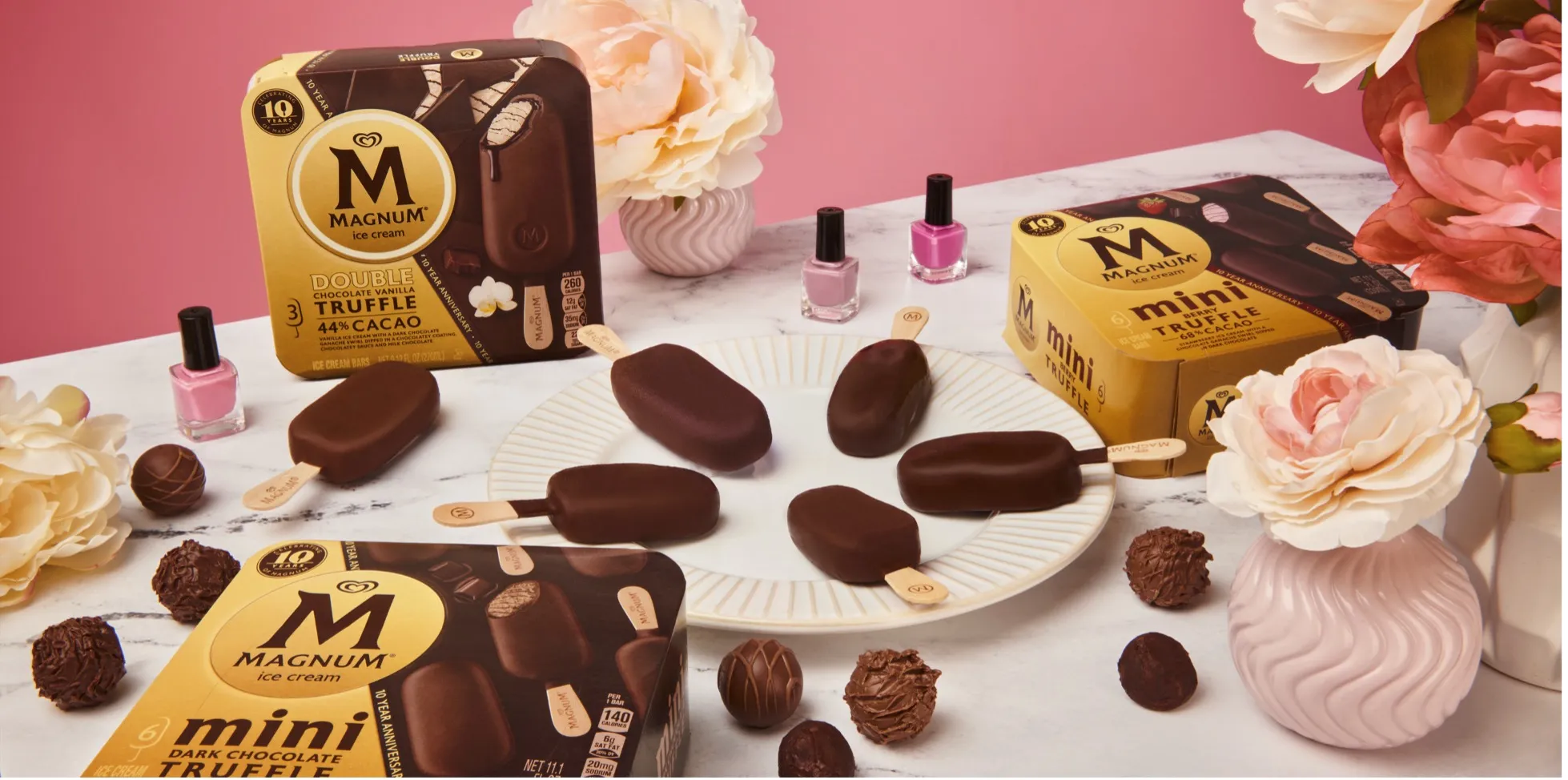
    Premium ice cream brand Magnum is expanding its line nationwide with two new flavours: Double Sunlover and Double Starchaser.

    Double Sunlover combines coconut tastes with a tart mango and passionfruit swirl, all encased in white cracking chocolate and coconut pieces.

    Meanwhile, Double Starchaser mixes double-swirled popcorn and caramel tastes, and it’s covered in cracking milk chocolate with caramelised corn pieces.

    The New Magnum Double Sunlover and Double Starchaser are available in classic packs of 4, with an RRP of $11.50, and sticks with an RRP of $5.40.

    According to the brand, Magnum Double features the “signature cracking chocolate”, sourced from sustainable cocoa beans certified by the Rainforest Alliance.

  • Yakult opens first coffee store in Japan

    Yakult opens first coffee store in Japan

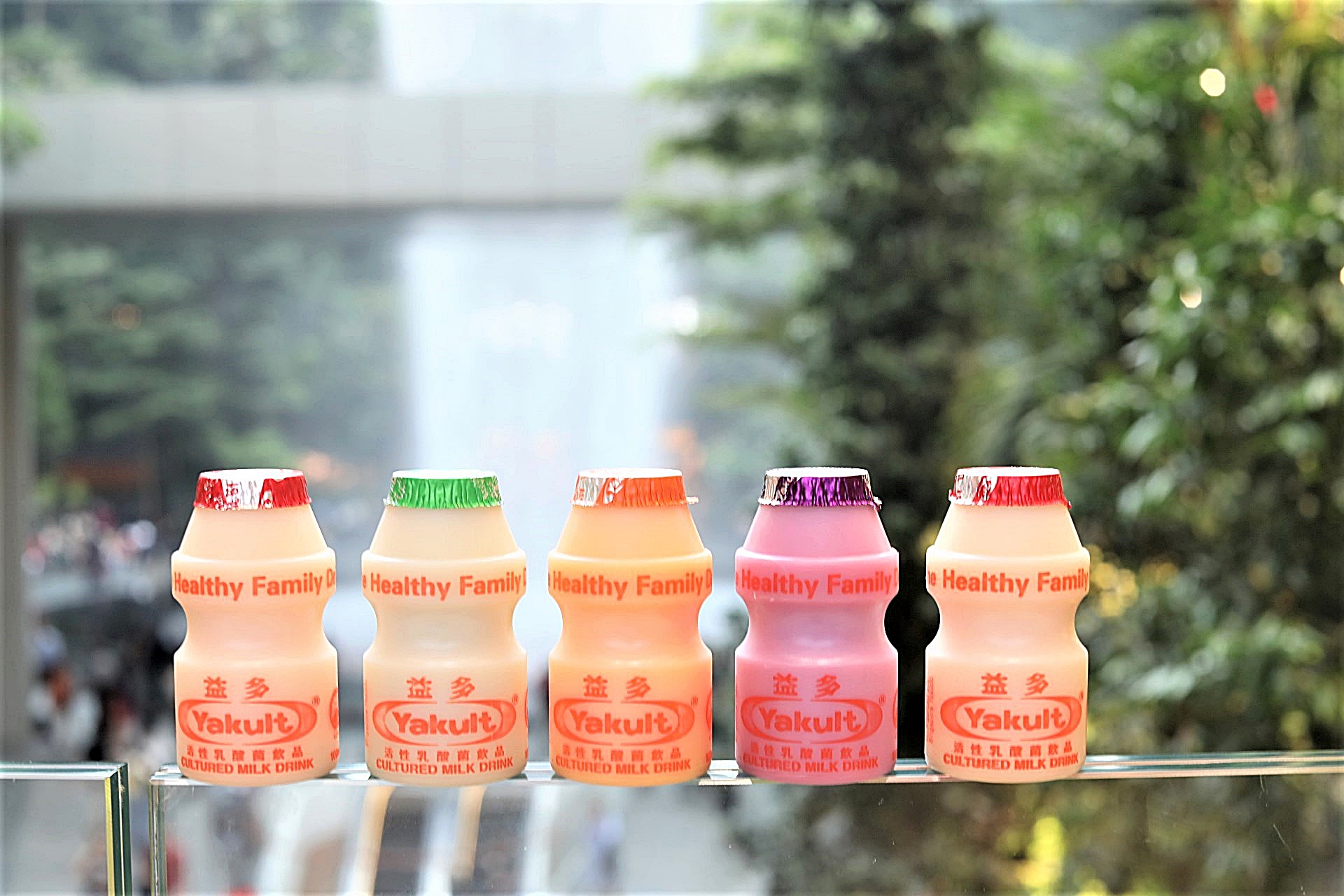
    Japanese probiotic beverage Yakult has opened its first coffee location in Japan’s Utsunomiya, which doubles as a service centre.

    The Yakult Gohonmaru Cafe & Gallery, which opened last month, has two levels and includes a beauty salon as well as a gallery.

    On the first floor, visitors can try Yakult ice cream, chiffon cakes, and tiramisu with Yakult cream. The upper floor features a beauty salon, which provides facials using cosmetics created from lactic acid bacteria.

    The location also contains spaces for Yakult products and a care centre for Yakult staff.

    The company also intends to open a second place.

  • Tomoro Coffee debuts in China, eyes SE Asian growth

    Tomoro Coffee debuts in China, eyes SE Asian growth

    Indonesia cafe chain Tomoro Coffee has entered the Chinese market, opening in Shanghai’s Qingpu E Link World Industrial Park.

    And the retailer says it is now targeting expansion in Southeast Asia.

    Tomoro Coffee opened its first store in Indonesia in August last year and has since expanded to 200 stores nationwide.

    The Jakarta-based coffee shop is seeking to open 4000 stores in Southeast Asia with 400 new stores in Indonesia next year, World Coffee Portal reported.

    In addition, it is exploring opportunities to open about 500 stores each in Vietnam, Malaysia, Thailand, and the Philippines.

  • PepsiCo to support Aussie farmers’ greenhouse gas reduction efforts

    PepsiCo to support Aussie farmers’ greenhouse gas reduction efforts

    PepsiCo has unveiled the third year of its Positive Agriculture Outcomes (PAO) accelerator, a global initiative to address critical agriculture challenges while advancing its pep+ (PepsiCo Positive) agenda.

    As part of this program, the company supports eight innovation projects across nine countries, including a project with Australian grain growers to test and validate soil health management practices to reduce greenhouse gas emissions on farms.

    PepsiCo’s PAO accelerator will provide co-investment to local farming communities to accelerate diverse and results-driven positive agriculture projects and funding for ag-tech startups that offer proven products or technology with the potential to scale.

    “With this latest round of projects, we’re not only fostering a powerful network of innovators across global farmland but growing closer to achieving a more regenerative future, with farmers’ insight at the forefront,” said Margaret Henry, VP of sustainable and regenerative agriculture, PepsiCo.

    Since its launch in 2021, the PAO accelerator has supported various projects, including adopting efficient irrigation systems in response to increased drought, developing kilns to turn agricultural waste into fertiliser, and improving soil health.

    PepsiCo said it will continue to offer funding to diverse projects that build resiliency through climate-related analysis, improve soil health, and strengthen farms’ climate resilience.

  • Australian beef production on the rise amid global decline

    Australian beef production on the rise amid global decline

    Despite a global trend of production decline, beef production in the southern hemisphere – including Australia – is on the rise, reports Rabobank in the Global Quarterly Beef Q4 2023.

    However, increases in Australia and Brazil have yet to offset the production declines in Europe and the US.

    The report said Australian cattle prices dropped down 28 percent since June, while New Zealand and Brazil also saw prices fall by smaller amounts.

    Cattle prices in the US were steady, while Canadian prices rose three percent between June and October. The bank expects global beef production across “monitored markets” to decline by one percent year-on-year in 2023, with 2024 following a similar pattern.

    The report also highlights ongoing strong consumer demand in the US, with reduced cattle and beef supplies, while in Asia, weak demand and high inventory levels are putting pressure on the market.

    Moreover, the bank expects North American cattle prices to remain high while Southern Hemisphere prices remain soft.

    Regarding Australia, Rabobank’s senior animal proteins analyst Angus Gidley-Baird believes that the country’s beef sector has reached the bottom of the market.

    “We believe that the producer uncertainty causing prices to drop has eased and, as we head toward summer, producers will be more certain about what stock numbers they will run, returning some stability to the market.”

    However, processing numbers are expected to see some change in the coming months.

    “Abattoirs are believed to have been running strongly for the last seven months, to the extent possible given labor constraints,” says Gidley-Baird.

    “With the holiday season approaching and some cattle still backed up in the system, it is uncertain if plants will shut down at year-end, as is normal, before adding additional shifts in the new year or if they use this period to get through some of the cattle that have built up in the system.”

    Looking ahead, Rabobank expects the ongoing slow global economic recovery to limit consumers’ expenditure and likely curb their spending on beef next year, particularly in Asian countries. Consumers are being more cautious in their purchase decisions, and this trend is expected to continue into next year.

  • US whiskey brand Four Roses Bourbon launches in Australia

    US whiskey brand Four Roses Bourbon launches in Australia

    American bourbon brand Four Roses has launched in Australia, to be sold exclusively by Vanguard Luxury Brands.

    Paul Jones Jr founded the Kentucky Straight bourbon whiskey, which began production and sales in the 1860s and later became a medical whiskey during Prohibition.

    Four Roses has 40 per cent alcohol by volume and is aged for a minimum of five years. It has 10 distinct recipes and is made from the combination of two mash bills and five proprietary yeast strains.

    It comes with a note of crisp fresh fruit with hints of pear and apple and has floral essences with gentle spice and honey.

  • Vegetable, fruit exports reach $5.2B record

    Vegetable, fruit exports reach $5.2B record

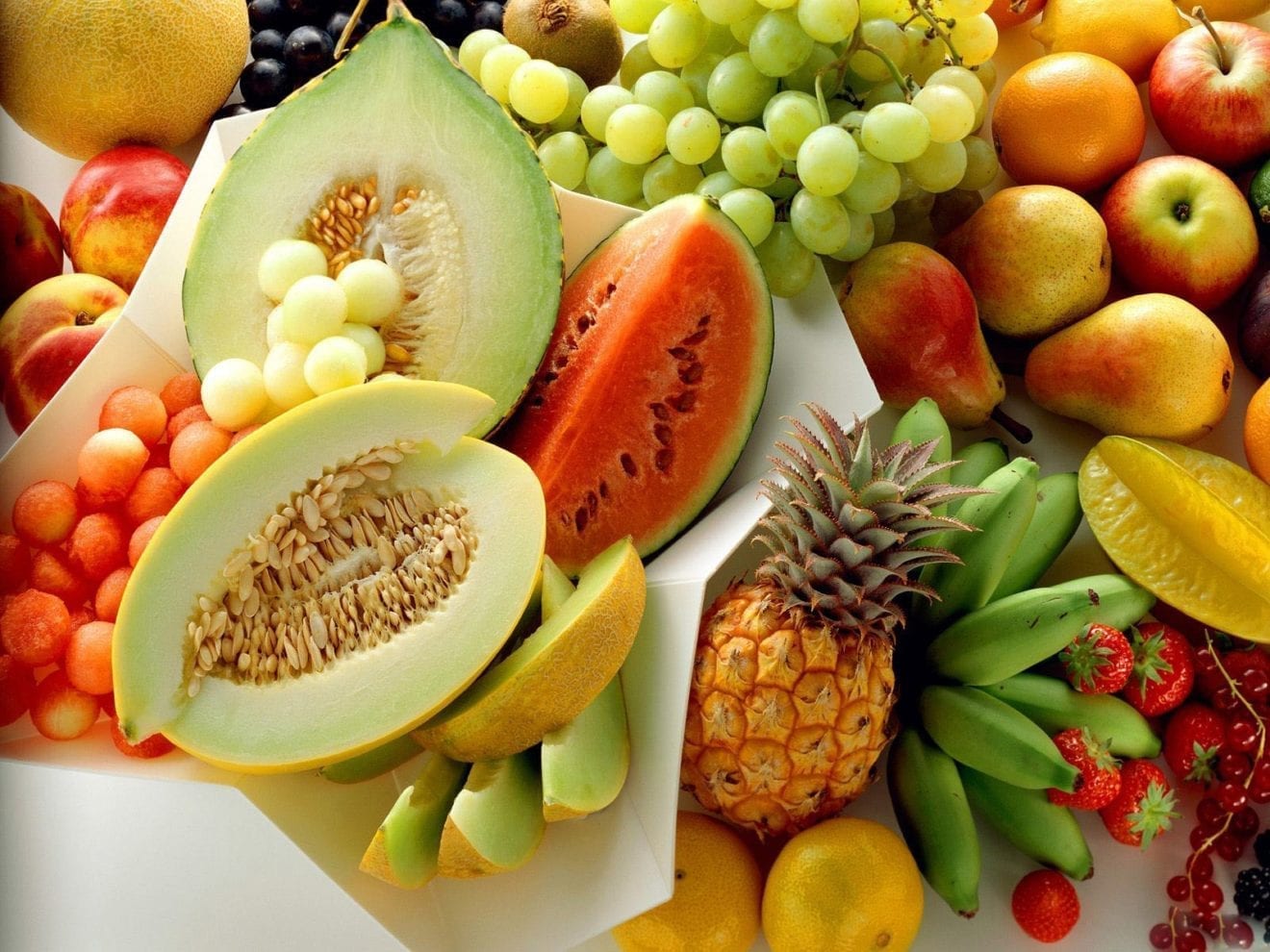
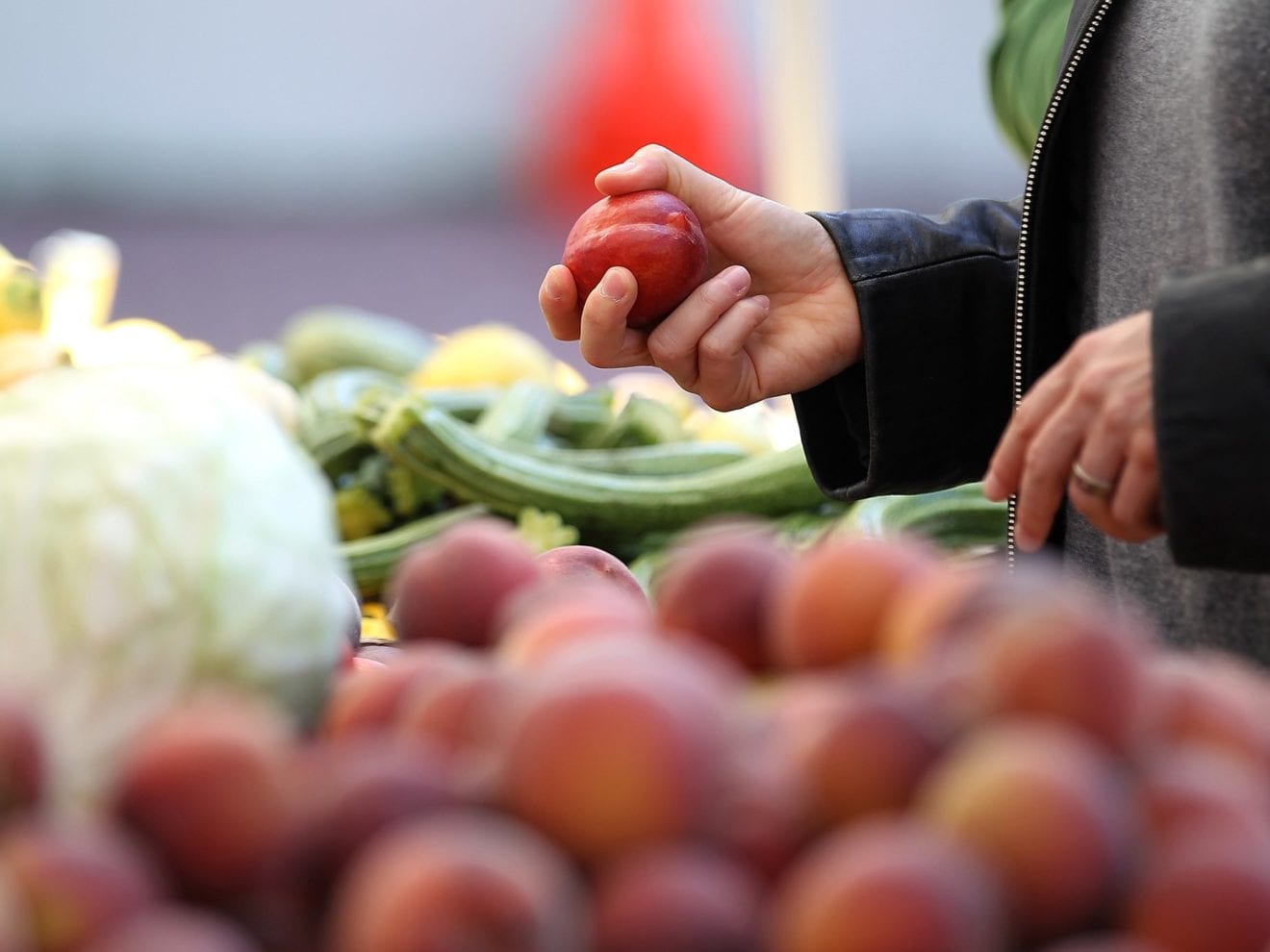
    Vietnam’s vegetable and fruits exports surged 70% year-on-year in the first 11 months to $5.2 billion, a new historic peak.

    Durian accounted for 40% of the value, followed by jackfruit, watermelon, grapefruit and longan, all recording growth between 50% and 200%, according to the Vietnam Fruits & Vegetables Association (VFA).

    This was the first time that vegetables and fruits exceeded the export value of key agricultural produce such as rice, cashew nuts and coffee.

    China was the biggest market in the first 10 months at $3.2 billion, accounting for 66% of the total. Growth was 2.7% year-on-year.

    It was followed by the U.S., down 3% to $212 million, South Korea, up 25% to $187 million and Japan, up 7% to $151 million.

    The surge in demand from China and other countries helped exports to reach new heights, said Dang Phuc Nguyen, VFA general secretary.

    More durian farming areas have been approved for exports to China this year and this helped increase shipment, he said, adding that improved infrastructure and logistics also contributed to the growth.

    China is considering importing fresh coconuts from Vietnam and the fruit if approved, will likely be another one that records billions in exports.

    Vietnam is negotiating with the U.S. and Australia to export passion fruit there. It is also in talks to ship grapefruit to Japan, South Korea, Australia and India.

  • Australian wine sales up despite lowest production in 15 years

    Australian wine sales up despite lowest production in 15 years

    Australian wine sales rose by 11 percent despite the lowest wine production in 15 years, according to the Wine Production, Sales and Inventory Report 2023 by Wine Australia.

    In the fiscal year 2022-23, 964 million liters of wine were produced, while sales remained steady at 1.07 billion liters, with a slight increase in domestic sales offsetting the decline in exports.

    Peter Bailey, manager of marketing insights at Wine Australia, said this is the first time in five years that the total sales volume remained steady year-on-year.

    “Sales of Australian wine have been decreasing in our domestic market and export markets over the past five years due to declining wine consumption combined with increased cost-of-living pressures and the effects of the significant duties on Australian wine to China,” he explained.

    The national wine inventory decreased by 4 percent to an estimated 2.2 billion litres in June last year due to sales exceeding production. However, inventory levels remain high, particularly for red wine.

    “This is a move in the right direction for the sector as it responds to the challenge of rebalancing supply and demand,” adds Bailey. “However, it is only a small reduction after the lowest vintage in 20 years, and stocks of red wine remain at historically high levels.”

    The report noted that the stock-to-sales ratio for red wine was still 45 percent above the 10-year average despite decreasing by 7 percent due to the decrease in inventory.

    While supply and demand for white varieties appeared to be more balanced, Bailey pointed out that sales of white wine in 2022-23 were considerably lower than the 10-year average production.

    “Rebalancing supply and demand remains a real challenge for the sector,” he concluded.

    “Our situation reflects the global environment, as world wine production has exceeded yearly consumption for at least the past ten years. This prolonged oversupply, equivalent to more than twice Australia’s production yearly, has put increasing pressure on all wine-producing countries.”

  • McDonald’s to buy Carlyle’s stake in China business

    McDonald’s to buy Carlyle’s stake in China business

    Fast food chain McDonald’s Corporation has agreed to acquire Carlyle’s 28 percent stake in the consortium that operates the McDonald’s business in Mainland China, Hong Kong and Macau.

    Through its equity affiliate Citic Capital, the Citic Consortium will maintain a 52 percent controlling stake while McDonald’s will increase its ownership in the business to 48 percent.

    “Our strategic partnership with CITIC and Carlyle has been extremely successful in growing McDonald’s presence in the region since it began. China is now our second largest market; we’ve doubled our restaurants to more than 5500 since 2017,” said Chris Kempczinski, McDonald’s president and CEO.

    “We believe there is no better time to simplify our structure, given the tremendous opportunity to capture increased demand and further benefit from our fastest-growing market’s long-term potential.”

    The acquisition comes amid the consortium’s target to reach more than 10,000 McDonald’s stores in the region by FY28 and nearly six years after the burger chain agreed to sell 80 percent of its China and Hong Kong businesses to Citic and Carlyle for up to $2.1 billion.

    “As McDonald’s China’s controlling shareholder, we are thrilled by McDonald’s Corporation’s continued commitment to our long-term partnership and the China market,” said Yichen Zhang, Citic Capital CEO and McDonald’s China chairman.

    The deal is expected to close in the first quarter of next year.

  • Cotti Coffee opens first location in Hong Kong

    Cotti Coffee opens first location in Hong Kong

    After expanding its presence in Southeast Asia, Chinese coffee chain Cotti Coffee has launched its first location in Hong Kong, with the first store in Indonesia in August.

    The Sheung Wan Mass Transit Railway (MTR) station location joins Cotti Coffee’s portfolio of more than 6200 stores worldwide, encompassing key cities in countries including Canada, Japan, South Korea, and Indonesia.

    Cotti Coffee is one of the largest coffee chains in China and the official global sponsor of Argentina’s national football teams. Since its establishment, the brand has spread to 328 cities in 28 countries and markets.

    According to the coffee retailer, it will offer Hong Kong customers “distinctive flavors and technological innovation”. Customers can purchase classic coffee delights including Americanos, lattes, as well as other innovations like the Coco Cotti, Stardust Oat Latte, Pampas Blue Coco Latte, and Coco Pearl.

    The brand also introduces Grapefruit Sparkling Cold Brew, Grapefruit Hand-Shaken Iced Tea, and the “Rice Milk” line.

  • Aussie wines meet Filipino spirits in new venture 7000 Islands

    Aussie wines meet Filipino spirits in new venture 7000 Islands

    Filipino-Australian entrepreneur Siggy Bacani seeks to bring the best of both worlds together by launching 7000 Islands, a cross-cultural business venture that imports Filipino liqueurs and spirits to Australia while exporting small-batch Aussie wines to the Philippines.

    Making its debut this month, the first shipment of hand-crafted Ube Cream liqueurs arrived in the company’s warehouse in Sydney directly from regional provinces in the Philippines.

    The liqueurs and a range of Filipino spirits will progressively become available in selected bars, restaurants and specialist outlets across Sydney, Brisbane, Melbourne and Perth.

    On the other hand, 7000 Islands will also distribute select white and red wines from Victoria’s Yarra Valley and varietals in SA and NSW.

    Bacani was born in the Philippines and moved to Australia with his family in the late 1980s; he considers himself “at home” in both. Previously, he worked as a marketing manager for Bacardi Brown-Forman Brands in the UK and for Moët Hennessy in Australia.

    “These are exciting times,” he remarked. “Our vision is to harvest and export superb local wines from around Australia that perfectly harmonise with the tropical gastronomy of the Philippines while providing Australian drinkers with the chance to explore some of the unique taste profiles of popular Filipino liqueurs and spirits.”

    Initially, the 7000 Islands brand will have approximately 20 products available ranging from wines selected from the 65 wine-growing regions of Australia to liqueurs and spirits produced by distillers from the 82 provinces of the Philippines.

    “All our Philippine-based drinks are sourced from natural Filipino ingredients such as Ube and sugar cane,” Bacani continued.

    “For example, Proclamation Gin is made from handpicked Sampaguita flowers responsibly sourced from female farmers in Pampanga.

    “Meanwhile, the vivid purple yam known as Ube is already popular in Australia and can now be found in many products, including Filipino pastries, cakes and ice creams.”

    The imported Filipino craft spirits will be available in premium restaurants and bars, including the three-hat restaurant Oncore by Clare Symth in Crown Sydney;  Ni Hao Bar & Dining in Sydney’s Civic Hotel, modern Vietnamese restaurant and bar Saigon Hustle in Sydney’s Smithfield, multi-award winning Serai restaurant in Melbourne and Hygge Bar in Perth.

    “We are passionate about bringing the best of these two worlds together with a selection of small-batch wines and craft spirits that reflect the unmistakable flavours and traditions of Australia and the Philippines,” Bacani concluded.

  • Purple star apple prices skyrocket

    Purple star apple prices skyrocket

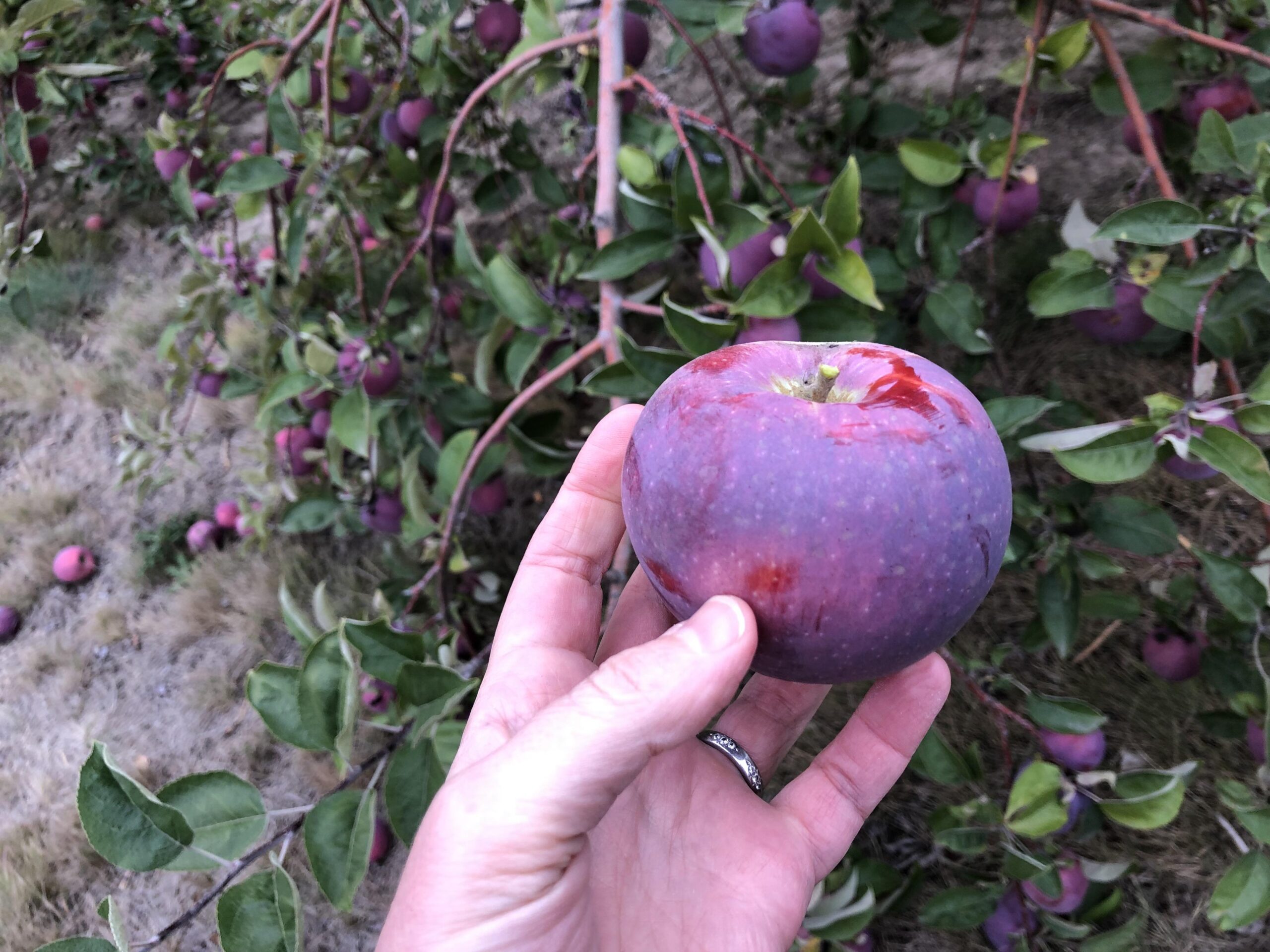
    Purple star apples, popular both in Vietnam and its export markets, have seen prices rise by 30-40% from a year ago.

    The fruit is in season and sells in markets and stores for VND90,000-100,000 (US$3.58-3.97) per kilogram for type 1 (the highest quality), a 40% increase from a year ago, and VND40,000-50,000 for types 2 and 3.

    Oanh, who runs a fruit store on Pham Van Hai Street in HCMC’s Tan Binh District, said the star apples this year are bigger, of better quality and more eye-catching. “Every day I pick up 50 kilograms and sell them all. During holidays the demand is doubled, but there is not enough supply.”

    According to Hanh, a wholesaler at the Thu Duc Agricultural Product Market, type 1 is in short supply. “Every day I procure more than one ton but it is not enough to supply wholesalers. Purple star apple is very scarce at the beginning of the season.”

    A recent VnExpress survey of fruit farmers in Can Tho City and Soc Trang Province found that the highly sought-after fruit is 50% more expensive than last year at VND28,000-35,000 per kilogram.

    Phong, who owns a half-hectare orchard in Can Tho Province, expects to make profits of VND250 million, double the previous season’s. “This year not only is there a bountiful purple star apple harvest, but the price is also skyrocketing.”

    Similarly, farmers in Soc Trang Province, dubbed the “purple star apple capital” of western Vietnam, are overjoyed that exporters are buying their fruit at VND45,000 per kilogram. One-hectare orchards are making profits of VND500-700 million this year.

    Su Quoc Loc, director of the Loc Mai Agriculture Cooperative, which specializes in the fruit, said export prices of fresh star apples are 13% higher from a year ago and domestic prices, 50%.

    The cooperative’s members own 47 orchards that meet VietGAP quality standards, 60% of them more than one hectare.

    Loc attributed the rising prices to increasing exports to the U.S. and China.

    This year, instead of rushing to harvest, which leads to a spike in supply and fall in price, fruit growers have learned to stagger their harvest.

    As a result, the star apple season, which usually lasts from November to January, could extend all the way to April. This method provides a more stable supply and maintains high prices.

    Star apples are mainly being harvested in the Can Tho City and Tien Giang and Soc Trang provinces, according to data from the Plant Protection Department.

    Tien Giang is notable with over 3,000 ha while Soc Trang Province has 2,300 ha, both with different varieties of star apple, such as purple, Lo Ren and pink butter.

    The purple variety is highly valued due to its exquisite shape and is available year-round.

    Star apple is exclusively a Vietnamese export and imported by China and the U.S., with prices paid by the latter reaching nearly VND500,000 per kilogram at one point.
  • Oakberry Açai expands, to open 30 stores in 2024

    Oakberry Açai expands, to open 30 stores in 2024

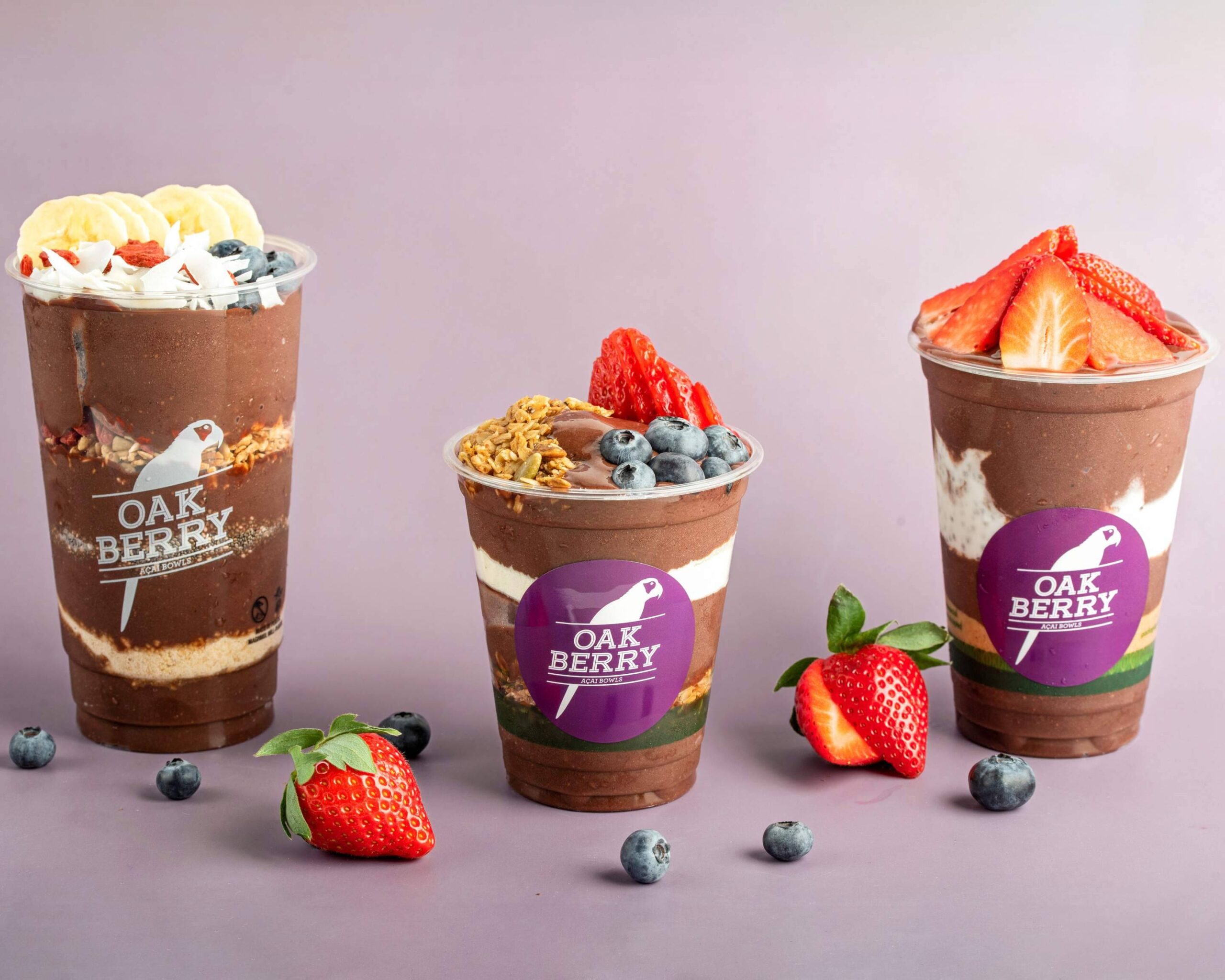
    Oakberry Açai will open 30 new stores next year, with 10 -15 of these new retail outlets franchised.

    The chain plans to open two franchised stores and seven corporate stores before the end of 2023.

    Circular Quay, Hawthorn, and Perth Stores should open this month. Oakberry Açai will unveil stores in St Kilda, Wollongong, Clovelly, Bondi Road, Maroubra, and Surry Hills through December.

    By the end of the year, there will 45 Oakberry stores in Australia offering berry smoothies, bowls, snacks and drinks.

    The business offers a traditional franchise and an investment model.

    Oakberry growth in Australia and Bali Renan Fretes, CEO, Oakberry Australia, told Franchise Executives the brand faces two challenges right now.

    He said the availability of suitable retail locations can challenge its growth plans.

    “Added to this is the impact of widespread inflation across all consumer products, and since Oakberry açai comes exclusively from the Amazon rainforest, cost increases in shipping do impact Oakberry pricing.”

    Fretes said the brand will continue its expansion across Bali.

    “We have three stores to open by the end of 2023 – Canggu, Ubud & Uluwatu. Oakberry would like to extend its reach in Indonesia, looking to open at least 10 more stores in 2024 in between Bali and Jakarta. The next store planning to be opened is Seminyak in 2024.

    “Oakberry and Bali seem like a natural fit. Just like Australia, people in Bali tend to value a healthy lifestyle and enjoy eating food that’s packed full of vitamins and nutrients, whilst also valuing convenience.”

    The Brazilian business began in 2016, and now has more than 600 operating stores worldwide.

  • Mondelez boosts Gourmet Food with $13m state-of-the-art packaging line

    Mondelez boosts Gourmet Food with $13m state-of-the-art packaging line

    Snackfoods giant Mondelez has introduced a $13 million state-of-the-art packaging line at its Gourmet Food manufacturing site as part of its $25 million investment plan since acquiring the business in 2021.

    The new packaging line aims to increase production of the Olina’s Bakehouse Artisan crackers range by 35 percent, open up export opportunities, and drive more demand for locally sourced ingredients.

    Fully operational, the facility is powered by 100 percent renewable electricity through Mondelez International’s renewable power purchase agreement with Pacific Blue Retail.

    The initiative will reduce the carbon footprint from the facility by 44 percent (against a 2023 baseline) and complement the company’s Ringwood and Scoresby factories already powered by renewable energy.

    Bevan Tippet, MD, Gourmet Food, says the investment demonstrates the brand’s commitment to providing consumers with an “exceptional range” of biscuits and premium crackers.

    “The investment will increase the production of our prominent Olina’s Artisan range by a third, as we meet growing local and export demand,” he added.

    “Already, twenty percent of our volumes are exported overseas, and this investment will equip us to explore and capture opportunities to showcase our Australian-made products to the world.”

  • Imported fruit prices plummet on burgeoning supply

    Imported fruit prices plummet on burgeoning supply

    Imported kiwis, apples, pomegranates, and pears only cost a few tens of thousands of dong (VND24,000=US$1) per kilogram, or a fifth of the prices two years ago.

    Hanh, a seller of imported fruits on Bach Dang Street in HCMC’s Binh Thanh District, said golden kiwi imported from New Zealand is selling at VND200,000 ($8.21) per box of 3.5 kilograms, or VND57,000 per kilogram.

    For those buying more than 10 boxes, the price comes down to VND160,000. “This price is down 15% from a year ago,” she said.

    Imported pomegranate and pear are also becoming cheaper, she said.

    Chinese and Tunisian pomegranates currently sell for VND60,000-70,000 and VND35,000-50,000 per kilogram.

    In 2021, imports from the North African country had cost up to VND250,000.

    First-grade pears imported from South Korea are sold for VND60,000-80,000 per kilogram, and second-grade varieties for VND30,000-40,000, the lowest prices ever.

    The prices of apples imported from New Zealand have also dropped sharply to VND40,000-60,000 per kilogram.

    Envy apples, the most expensive imports along with Japanese apples, cost VND200,000-350,000 two or three years ago, but only VND70,000-110,000 now.

    Thanh, who sells imported fruits at the Thu Duc wholesale market in HCMC, said prices have declined because supply is abundant while demand has not gone up much.

    India and New Zealand have recently sought to export more fruits to Vietnam, and so their prices are attractive, he said.

    Recent deals between Vietnam and China have helped Chinese fruits enter the Vietnamese market easier and at lower prices than before.

    Dang Phuc Nguyen, general secretary of the Vietnam Fruit and Vegetable Association, said the country’s accession to free trade agreements has brought down import taxes on fruits and vegetables virtually to zero.

    According to statistics from the General Department of Vietnam Customs, the country imported fruits and vegetables worth $1.6 billion in the first 10 months of this year.

    Imports of fruits at low prices from countries such as India, New Zealand and South Korea were up 4-62% year-on-year.