Category: Food

Retail News Asia is committed to providing both local and global retailers with the latest Food and Food & Beverage news throughout the Asian market. This on a daily base.

  • Shrinking Chinese exports halve dragon fruit prices

    Shrinking Chinese exports halve dragon fruit prices

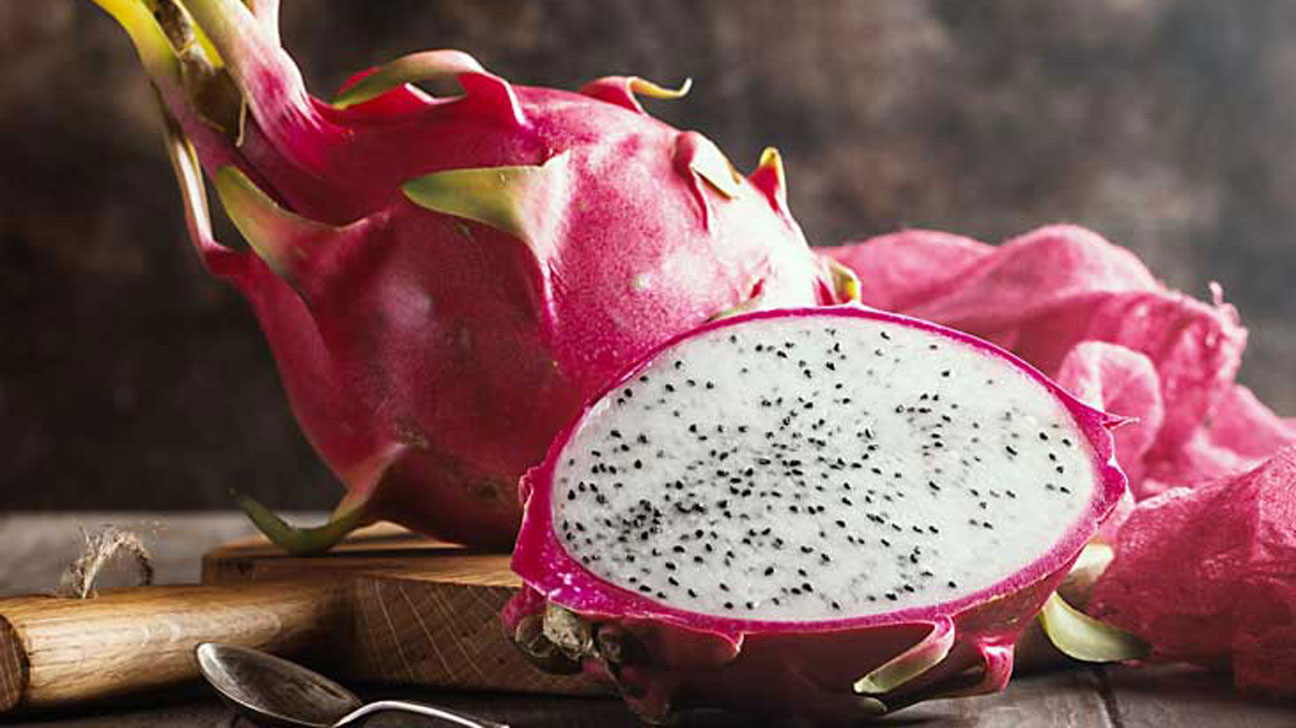
    Vietnamese red-fleshed dragon fruit is selling for VND10,000-13,000 (US$0.41-0.53) per kilogram, down 50% against same period last year, due to reduced imports from China.

    Hoang, who sells fruits from a cart on Go Vap District’s Thong Nhat Road in Ho Chi Minh City, said this is the first time red-fleshed dragon fruit has been sold at stalls on roads and streets in the city.

    Thuan, another mobile fruit seller on Pham Van Dong Road in Thu Duc City, said: “Many dragon fruit growers in the Mekong Delta province of Tien Giang sell the fruit at such a low price that they barely want to harvest them anymore.”

    In the province’s Cho Gao District, traders are buying red-fleshed dragon fruit from orchards at prices of VND4,000-8,000 per kilogram.

    Huu, who grows 4,000 square meters of red-fleshed dragon fruit in the district, said he does not make a profit at current prices.

    If earnings from the fruit continue to decrease, his family may switch to other crops.

    According to the Long An Dragon Fruit Association, the province has 9,000 hectares of dragon fruit, down from the peak of 12,000 hectares some years ago.

    Fruit exporters said the prices have fallen because China has reduced imports, meanwhile, Vietnamese demand for the fruit is weak since many other tropical fruits with attractive prices are currently in season.

    Last year, Chinese authorities said the nation had grown the fruit on 67,000 hectares, producing 1.6 million tons. The figures exceeded Vietnam’s current output.

    Chinese newspaper The People’s Daily reported that farmers in Cixi, part of the eastern province of Zhejiang, worked all night to artificially pollinate dragon fruit, ensuring a bumper crop.

    Red-fleshed dragon fruit is selling for seven renminbi (nearly $1) per kilogram, while white-fleshed dragon fruit imported from Vietnam goes for around nine renminbi in Nanning, the capital of Guangxi Province.

    Vietnam’s dragon fruit exports in the first eight months declined 4.4% year-on-year to $442 million. Specifically, red-fleshed dragon fruit exports to China dropped by 36.5%.

  • Starbucks launches plan to cut $3 billion in costs over three years

    Starbucks launches plan to cut $3 billion in costs over three years

    Starbucks Coffee Company has announced Triple Shot Reinvention with Two Pumps – a long-term growth plan for brand elevation, global expansion, and cost efficiency.

    The company described the strategy as the “next step in the re-founding of the company” to deliver significant value to partners, customers and shareholders.

    The plan includes three priorities – elevating the brand, strengthening and scaling digital, and becoming truly global – along with “two pumps” – unlocking efficiency and reinvigorating the partner culture.

    The firm expects to generate $3 billion in savings over three years, with $2 billion outside the store from the cost of goods sold. This will enable the company to reinvest in the business and deliver returns to shareholders through earnings growth.

    Regarding brand elevation, Starbucks will focus on running better stores, growing the portfolio with more purpose-defined stores and renovations, and driving product innovation.

    The company intends to double its 75 million global Starbucks Rewards Members within five years and expand digital and technology collaborations to elevate the partner and customer experience.

    To become a more global brand, it has a goal to reach 55,000 locations across the world by 2030. The company currently has over 38,000 stores, with about 9000 new openings in the past five years.

    Starbucks will also reinvigorate the partner culture through continued investments in the partner value proposition across the partner experience.

    For FY23, Starbucks recorded an 8 percent increase in global comparable store sales, with North America and the US up 9 percent and international up 5 percent.

    The company’s consolidated net revenues rose 12 percent to a record $36 billion, excluding a 2 percent unfavorable impact from foreign currency translation.

    CEO Laxman Narasimhan said the company achieved strong results for the fourth quarter and full fiscal year, which are on the higher end of its full-year guidance.

    “As we enter the current year, in the face of macro uncertainty, we remain confident in the momentum throughout our business and headroom globally,” Narasimhan added.

  • China ready to welcome likely return of Aussie wine as ties improve

    China ready to welcome likely return of Aussie wine as ties improve

    News that punitive tariffs on Australian wine introduced by China in 2021 would be reviewed as part of a push to improve the relationship between the two countries was cheered by many, including Campbell Thompson.

    The Beijing-based Australian CEO of wine importer and distributor The Wine Republic has spent more than a decade making his living from bringing wine, much of it from Australia, into the China market.

    “We are looking forward to the tariffs being removed. I think for Australia there is definitely an opportunity,” he said.

    The introduction of a 218 percent tax on most Australian wine introduced by China early in 2021 prompted that trade, previously valued as high as $1.2 billion annually, to collapse.

    Penfold’s maker, Treasury Wine Estates, said in 2022 it had lost 97 percent of its China business due to the introduction of the tariffs.

    Prior to Australia’s call for an investigation into the origins of Covid-19 in 2020, Australian wines imported into China were subject to zero tariffs following the signing of a free trade agreement in 2015, giving them a 14 percent tariff advantage over many other wine producing nations.

    Late last month, the two sides announced they had reached a consensus to settle the WTO wine dispute and that the anti-dumping tariffs, which weren’t set to expire until 2026, would be reviewed, ahead of Australian Prime Minister Anthony Albanese’s visit to China this month.

    Thompson is already in touch with the 10-plus Australian wineries he worked with before 2021, along with some newer players, in expectation that tariffs will soon be removed.

    Though he says this is good news, perhaps paving the way for the return of Australian wine to the Chinese market by early next year, he is not necessarily expecting business to bounce back immediately.

    “I don’t think that’s realistic any time soon. However, for a lot of good quality Australian wine producers … customers still know the wines and I think will re-engage with those wines fairly readily,” he said.

    Layla Wang, co-owner of Trio Wine Bar in Beijing agreed that Chinese market perceptions of Australian wine haven’t changed in the years since it was last available, with no clear winner in the battle to take over Australian wine’s market share.

    The bar’s small cellar is lined floor to ceiling with bottles of wine from all over the world, and Wang said the market has become more crowded as people seek out new and different wine experiences, leading to the increased popularity of homegrown Chinese wines, biodynamic and natural options.

    “I think even if people have been away from Australian wine for a while, every time we talk about this category of wine, we all think it’s a very good quality wine,” Wang said, sat at her bar.

    “For us, we’re definitely delighted as it signifies offering more choices to our customers. For consumers who haven’t had Australian wines for years, many will be eager to try them again.”

  • Vietnam pho, milk tea franchised for first time in Philippines

    Vietnam pho, milk tea franchised for first time in Philippines

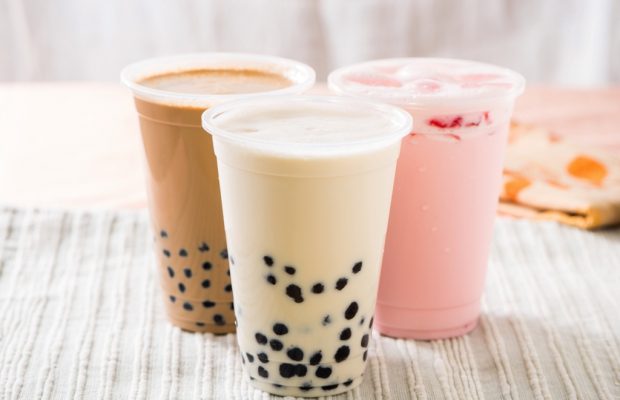
    The famous noodles dish pho has been franchised for the first time in the Philippines along with milk tea and spa services by three Vietnam’s companies.

    Pho’S, Phuc Tea and Care With Love have signed franchise contracts with Philippine businesses through the ecosystem of Go Global Holdings, a company that helps small and medium-sized businesses become franchisers, its CEO, Nguyen Tuan Quynh, said Thursday.

    Many foreign brands have been rushing into Vietnam to franchise their products and services in recent years, but there have been few such efforts in the reverse direction, and even fewer have succeeded, he said.

    “These franchise contracts are therefore positive signs for Vietnamese firms.”

    Tran Thao Vi, founder of spa service provider Care With Love, told VnExpress that a franchise deal has been signed with a Philippine partner specializing in medical services.

    “In two months we will launch our first franchise in the Philippines and open another three in the first quarter next year, and eventually have dozens of spas in the country.”

    Care With Love has been operating for 11 years with 13 branches. It plans to increase the number to 20 by the end of this year, 80% of them franchises.

    Tran Nhat Vu, co-founder of beverage chain Phuc Tea, which has 140 stores in Vietnam after six years since opening, said the franchise partner would open around 20 stores in the Philippine capital Manila next year.

    The franchise fee for each Pho’S and Phuc Tea store is US$7,000-10,000.

    The three companies said the Philippines partners were interested because their business models are “unique” with their focus on middle-class customers.

    Pho’S is the first major company to use ginseng in its recipe, while Phuc Tea has been making new beverages from unusual ingredients.

    The three companies are also in talks for franchising in Indonesia and Malaysia.

    Vietnamese companies to launch franchises overseas so far are footwear and leather company T&T, Pho 24 and Vu Giang Jsc under the brand Bobby Brewers coffee chain.

  • Coca-Cola buys Finnish vodka label Finlandia for $342 million

    Coca-Cola buys Finnish vodka label Finlandia for $342 million

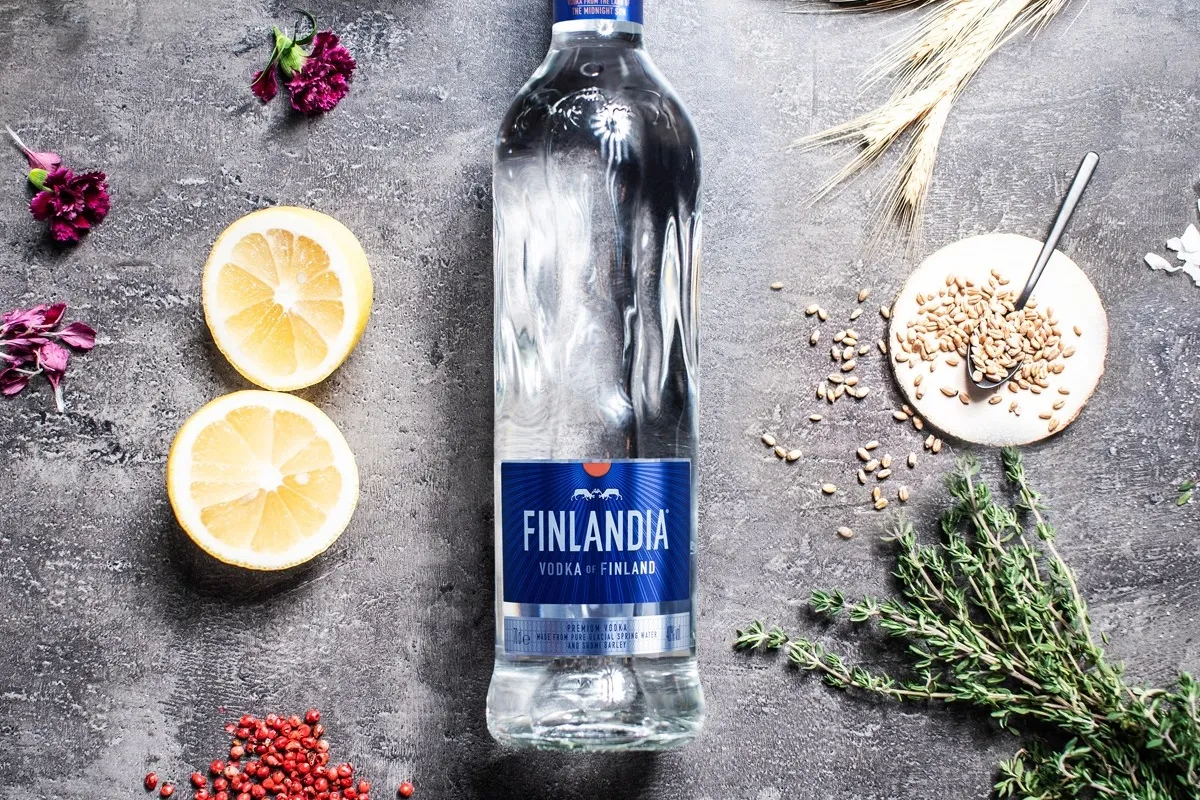
    Coca-Cola HBC (Hellenic Bottling Company) has purchased Finlandia Vodka from liquor giant Brown-Forman for $342 million (US$220 million), subject to adjustments related to inventory and other working capital items.

    The beverage giant says the acquisition will bolster Coca-Cola HBC’s premium spirits credentials and drive mixability opportunities with premium and super premium non-alcoholic ready-to-drink (NARTD) products, capturing more consumers and strengthening partnerships in strategically important channels such as HoReCa (hotel-restaurant-catering)

    Brown-Forman said the sale of Finlandia vodka is another step to its long-term strategic plan to premise its portfolio through brand innovation, acquisition, and divestiture.

    Established in 1970, Finlandia is one of the leading vodka brands in Central Eastern Europe with annual volumes of 2.7 million cases worldwide, of which more than 60 per cent is generated within Coca-Cola HBC’s geographic footprint.

    Anora Group bottles Finlandia in Finland based on a long-term production services agreement and is sold in pure and flavoured versions.

    “We are pleased to pass on the ownership torch of Finlandia to Coca-Cola HBC, who has proven to be a strong and reliable partner to our brands for more than 17 years,” said Lawson Whiting, CEO of Brown-Forman.

    “I am confident that Coca-Cola HBC’s growth ambitions and capabilities in premium spirits, its critical mass and execution excellence, and its leading sales and distribution credentials in the markets where it operates will accelerate Finlandia’s growth trajectory.”

    Brown-Forman’s roster of brands includes Jack Daniel’s Tennessee Whiskey, RTDs and other Jack Daniel’s-branded products, Woodford Reserve, Old Forester, Coopers’ Craft, The GlenDronach, Benriach, Glenglassaugh, Slane, Herradura, Fords Gin, and Diplomatico Rum.

    The company has approximately 5600 employees globally, and its brands are sold in more than 170 countries.

  • Vietnam told to boost halal food exports

    Vietnam told to boost halal food exports

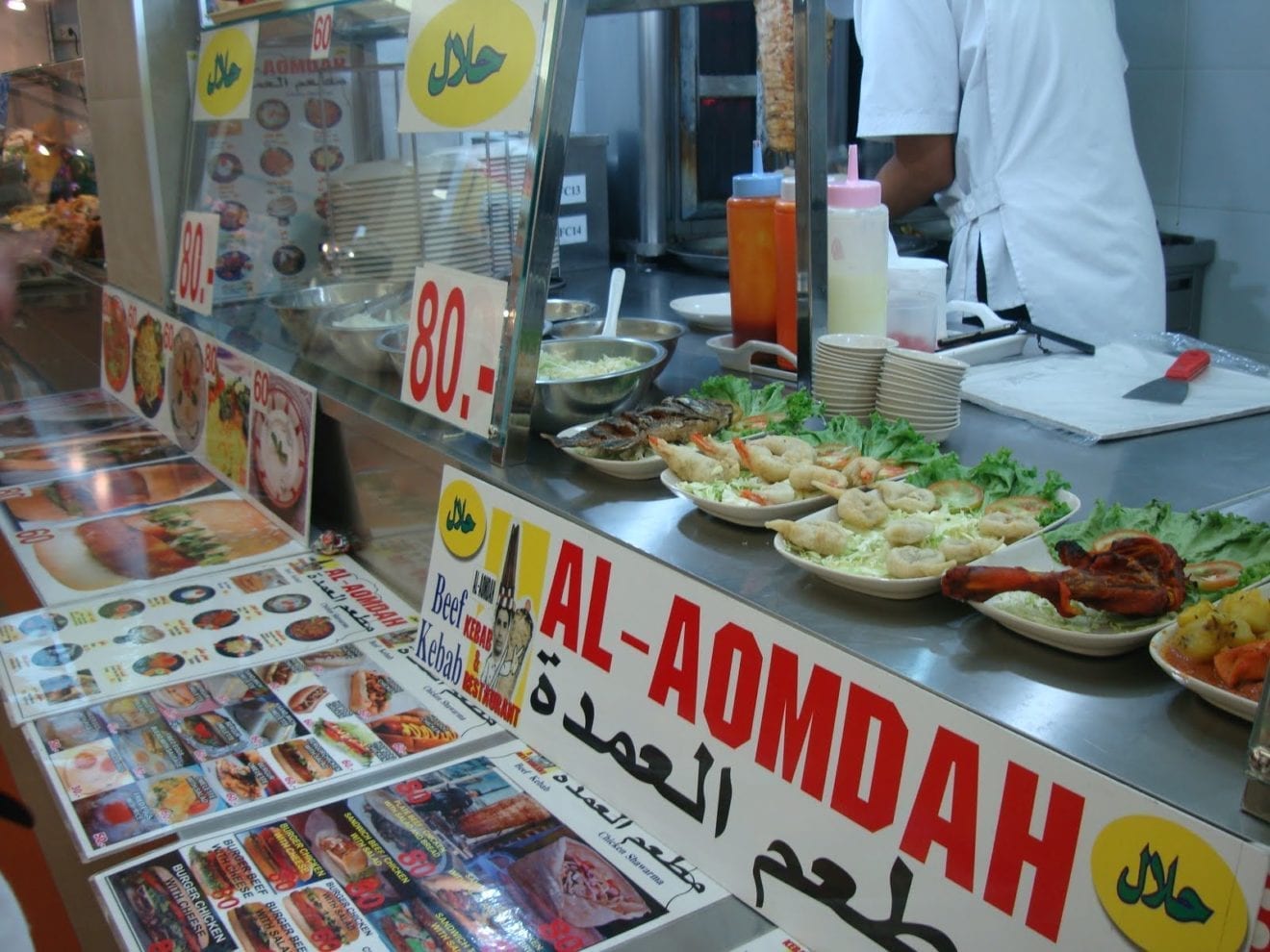
    Countries with large Muslim populations have called on Vietnam to produce and export halal products amid increasing demand for them.

    “The halal food industry is a billion-dollar opportunity for which we can cooperate and develop,” Agustaviano Sofjan, Indonesia’s consul general in Ho Chi Minh City, said at a forum titled “Cooperation and Development of Halal industry in ASEAN” held in the city on Monday.

    With the largest Muslim population in the world, Indonesia has a halal market of US$180 billion, and it is expected to skyrocket to $281 billion by 2025.

    Malaysia also has big demand for halal products.

    Rosmizah Binti Mat Jusoh, commercial consul at the Malaysian consulate general in the city, said Vietnam is still new to the halal industry and needs to create an ecosystem for it, and Malaysia could help it through the certification process step by step.

    Singapore also has big demand for halal items though Muslims only make up 14% of its population.

    Jason Yeo, vice president of the Singapore Chamber of Commerce in Vietnam, said his country receives millions of tourists every year from the Middle East and Central Asia. “This makes halal certification extremely important for companies operating in Singapore and our partners across the region and the world.”

    The Singapore halal market is expected to grow by 8-10% in the next few years, he said.

    At the forum, Cao Thi Phi Van, deputy director of the Ho Chi Minh City Investment and Trade Promotion Center, said countries such as Indonesia, Malaysia and Saudi Arabia have expressed a desire to collaborate with Vietnam in investing and developing the halal industry.

    The global halal economy is worth US$7 trillion and expected to reach $10 trillion before 2028.
    The Southeast Asian market alone is worth $230 billion, but Vietnam’s exports of halal products remain minuscule.

    Vietnam is among the world’s top 20 exporters, but is nowhere in the list of halal food suppliers.

    According to statistics from the General Department of Vietnam Customs, the country’s total trade with Muslim countries in the ASEAN region stood at $26.37 billion in the first nine months of this year.

    Van said Vietnam has the potential to do well in the regional and global halal markets because of its agricultural and fishery strengths, close proximity to major halal markets and many free trade agreements.

    But it only exports around 20 products to halal markets, and 40% of its cities and provinces do not produce halal-certified items for export.

    Ly Kim Chi, chairwoman of the Food and Foodstuff Association of Ho Chi Minh City, said on average 50 businesses get their products, mainly seafood, beverages and confectionery, halal-certified every year.

    Tee Ramlan, director of the Vietnam Halal Center, said there are around 70 economies to which Vietnam can export halal products. “Thailand and Taiwan already export many halal products, so why doesn’t Vietnam?”

    He said the first step is to develop highly skilled human resources for the halal industry.

    Van proposed increasing links between HCMC and its neighboring provinces to raise awareness of halal products and form a closed supply chain for them extending to exports.

    Recently the Ministries of Science and Technology and Industry and Trade developed four national standards for halal.

    In February, the Government had unveiled a scheme for strengthening international cooperation to develop Vietnam’s halal industry for until 2030.

  • Domestic rice prices reach new peak

    Domestic rice prices reach new peak

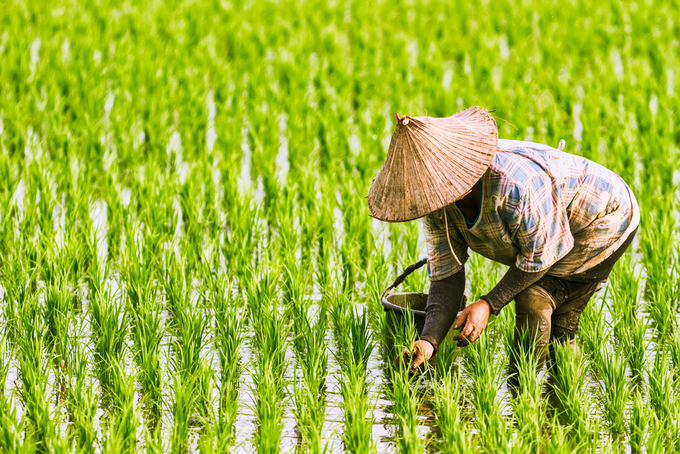
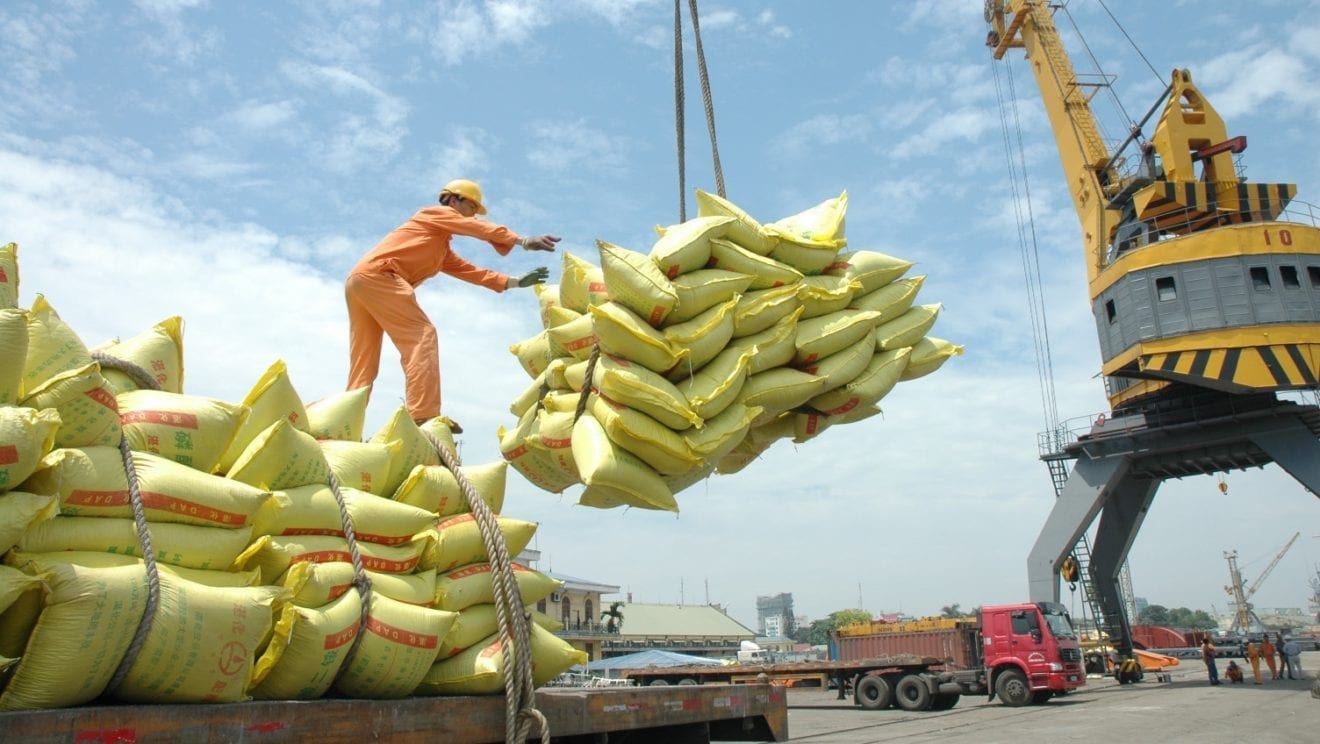
    Vietnam’s domestic rice prices have surged to a new record amid rising export demand while authorities ensure there is no supply shortage for consumers.

    Rice seller Thanh in Ho Chi Minh City’s Tan Binh District said that he has recently sourced price the popular Dai Thom rice from manufacturers at VND21,000 ($0.85) per kilogram, up 5% from last month and 16% year-on-year to a new record.

    Other types rose 7% from a month ago, he added.

    In Go Vap District, rice shop owner Hoa said prices had risen 12% from last month for certain brands.

    “Manufacturers say that prices will continue to rise as they have already placed orders at farmers who demanded higher prices,” he said.

    Supermarkets are also selling at prices 5-10% higher year-on-year.

    WinMart has raised prices on most of its rice, while Central Retail said that it has yet to adjust retail prices, to support consumers, even though suppliers have raised prices by 10%. Saigon Co.op is considering raising prices.

    Businesses that use a lot of rice are feeling the heat. Hoang Oanh, owner of a rice noodles manufacturer in HCMC, said that she had to reduce production to minimize risks of losses as rice prices have surged recently.

    Dinh Ngoc Tam, deputy CEO of rice exporter Co May, attributed the price rise to surging global demand.

    As India’s ban on some rice variety exports remains, the world is seeing a 40% drop in supply from the country, while other countries such as Indonesia, China and the Philippines still have high demands.

    Indonesian businesses are willing to buy from Vietnamese exporters at up to $650 per ton, a record high, according to data from exporters.

    There is no concern about domestic supply, but as traders are competing and paying more to ensure they can fulfil export orders, prices are rising, Tam said.

    Other industry insiders say that Chinese importers are buying more to ensure supply for their Lunar New Year holiday next year, which pushed up prices.

    Nguyen Nhu Cuong, head of the Department of Horticulture under the Ministry of Agriculture and Rural Development, said that there was no concern about a shortage in the domestic rice market.

    The rice crop area has increased by 30,000 hectares year-on-year, he added.

    In the first season of next year, yield is set to rise from 2022 to reach 20 million tons of paddy as farmers’ techniques are improved, he said.

  • Yum China posts record revenues

    Yum China posts record revenues

    Yum China, which operates the KFC and Pizza Hut chains in China, logged a 9 per cent year-on-year increase in revenues to US$2.91 billion for the third quarter ended September 30.

    The company’s system sales were up 15 per cent, with both KFC and Pizza Hut reporting increases of 15 per cent and 13 per cent, respectively. The growth was mainly attributable to the new unit contribution, same-store sales and lapping of temporary closures in the prior year.

    Operating profit increased 2 per cent to $323 million, primarily driven by sales leveraging.

    The firm opened 500 net new stores during the quarter, raising the store count to 14,102 as of September 30.

    “We delivered a record third quarter in total revenues, adjusted operating profit and net new store openings,” said Joey Wat, CEO of Yum China. “Our robust supply chain, industry-leading digital ecosystem and strong innovation capabilities have enabled us to stay agile in evolving market conditions.”

    Andy Yeung, CFO of Yum China, added the company achieved “robust results” despite macroeconomic headwinds, with same-store sales growth at approximately 90 per cent of the 2019 level.

    For the full year, the company expects capital expenditures to be in the range of approximately $700 million to $900 million.

    It aims to open 1400 to 1600 net new stores for 2023 and increase the total store count to 20,000 by 2026.

    Aside from KFC and Pizza Hut, Yum China also operates Taco Bell, Lavazza, Little Sheep and Huang Ji Huang stores in the country.

  • Coca-Cola raises outlook amid revenue growth

    Coca-Cola raises outlook amid revenue growth

    The US-headquartered company saw net revenues increase in most of its markets, including Europe, Middle East & Africa (10 percent), Latin America (24 percent), and North America (6 percent). Meanwhile, revenues in Asia Pacific declined 2 percent.

    Revenues of global ventures and bottling investments were up 15 percent and 4 percent, respectively.

    Global unit case rose 2 percent and operating income grew 6 percent, with earnings per share up 9 percent to $0.71.

    “We delivered an overall solid quarter and are raising our full-year topline and bottom-line guidance in light of our year-to-date performance,” said James Quincey, chairman and CEO of The Coca-Cola Company.

    “Our leading portfolio of brands, coupled with an aligned and motivated system, positions us to win in the marketplace today while also laying the groundwork for the long term.”

    The company expects to deliver organic revenue growth of 10-11 percent. For comparable net revenues, it anticipates a 4 percent currency headwind based on the current rates and including the impact of hedged positions.

  • Pomelo exports soar as New Zealand, US start buying

    Pomelo exports soar as New Zealand, US start buying

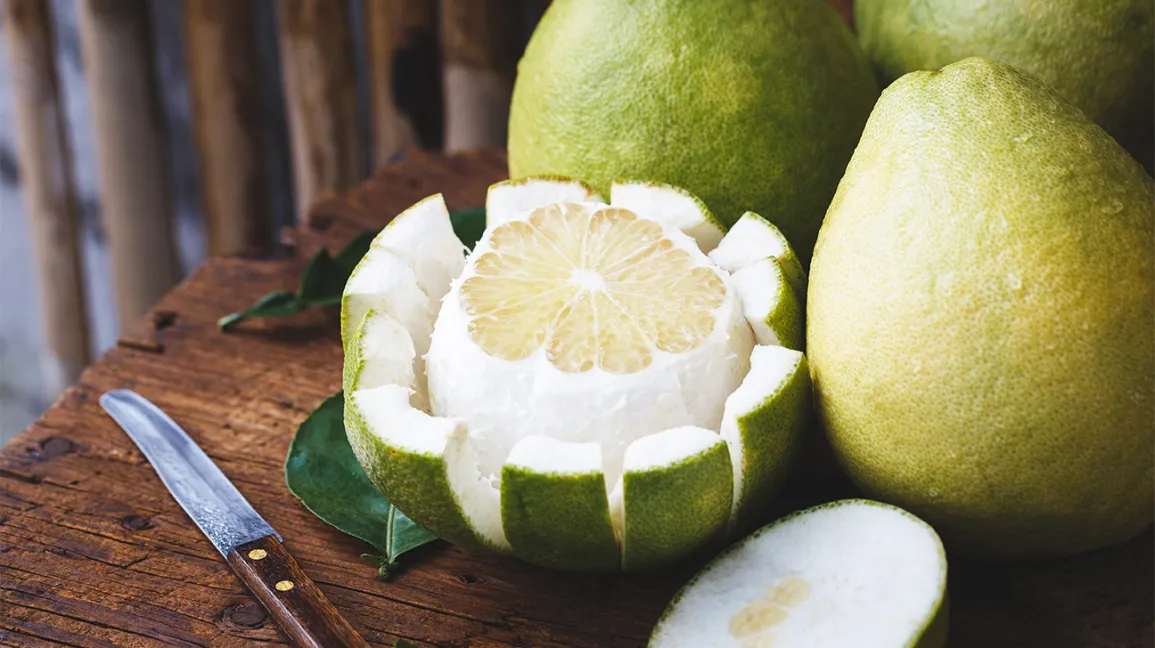
    Pomelo exports have surged this year after shipments to the U.S. and New Zealand began, with the figure for the first eight months standing at US$29.6 million. It represented a 144% year-on-year increase.

    Dang Phuc Nguyen, general secretary of the Fruit and Vegetable Association, said pomelos, previously exported only to the EU and the Middle East, have been shipped to the U.S. and New Zealand since the end of 2022.

    With the quality of Vietnam’s green-skin pomelo improving rapidly, it is becoming popular in many countries, he said.

    Nguyen Dinh Tung, general director of Vina T&T Export Import Service Trading Company, which accounts for 60% of all fruits and vegetables exported to the U.S., said Vietnamese pomelos face competition from China and Mexico, but are gaining a stronger foothold in the market.

    In the U.S. market, Vietnamese pomelo is sold at $9 per kilogram and Chinese varieties at only $2, but the former has won over more and more consumers due to its quality, he said.

    “This is the first year my company exports pomelos to the U.S., but volumes have increased sharply each quarter. In the first three months of this year we exported four 40-foot containers a month, now we export 16.”

    Fresh pomelo is the seventh fruit after mango, longan, lychee, dragon fruit, rambutan, and star apple that Vietnam exports to the U.S.

    The Plant Protection Department said pomelo is exported to 12 countries and territories.

    Vietnam has 105,400 hectares under the fruit and an annual output of 905,000 tons.

    Most of the green-skin pomelo is grown in the Mekong Delta.

  • Durian export rises 14 time

    Durian export rises 14 time

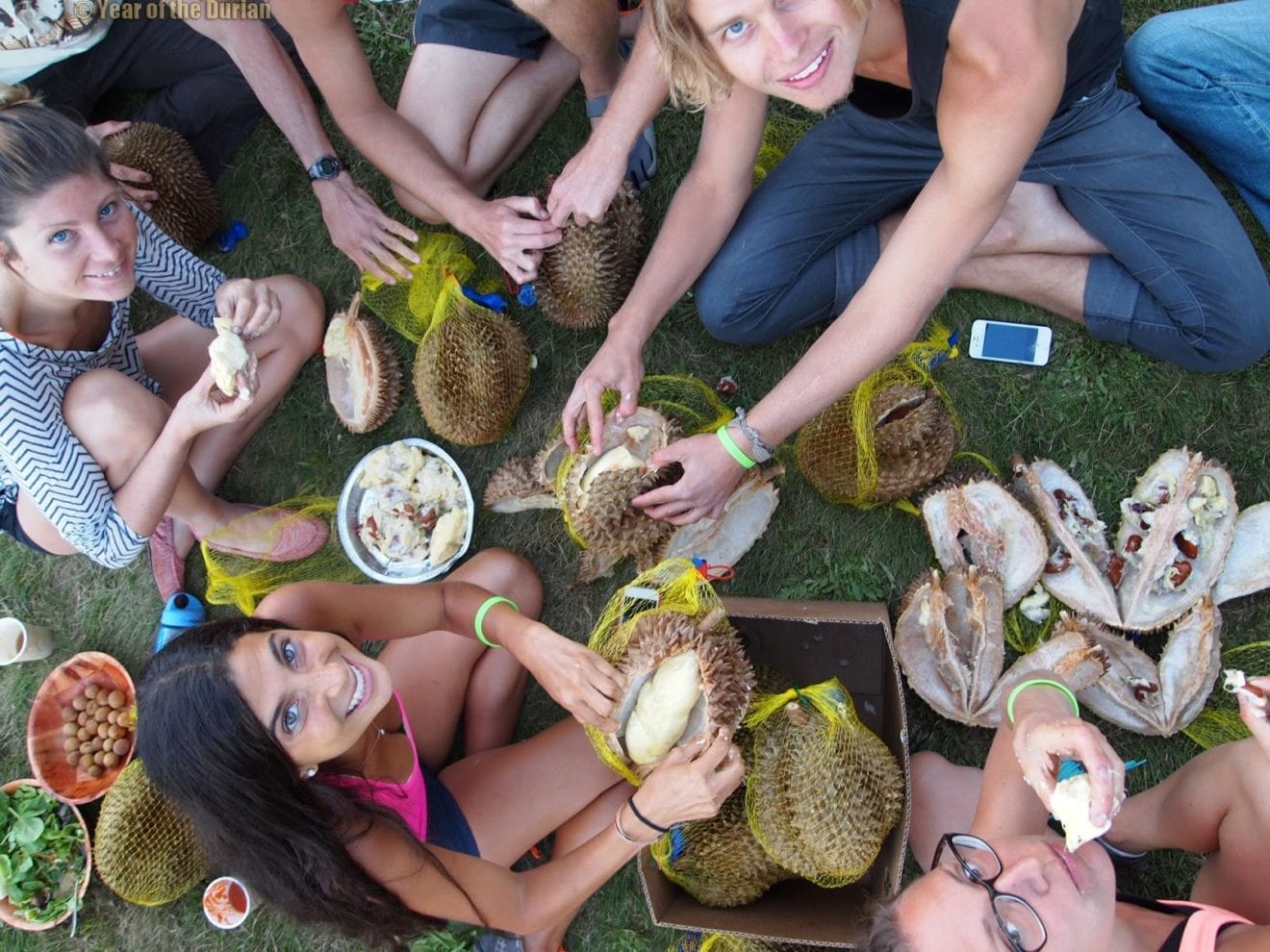
    Vietnam’s durian export reached $1.63 billion in the first nine months, 14 times higher than the figure of same period last year, according to statistic of the General Department of Customs.

    In the reviewed period, fruit and vegetable exports totaled $4.21 billion, a surge of 72.5% equivalent to $1.77 billion year on year.

    Durian has surpassed jackfruit, dragon fruit, watermelon, banana and lychee to become the biggest foreign currency earner in Vietnam’s fruit and vegetable industry, accounting for 38.7% of the industry’s total export value.

    China is the largest importer of Vietnam’s fruit and vegetables with a turnover hitting $2.75 billion, skyrocketing 160% compared to the same period last year.

    Currently, Vietnamese durian is exported mainly to China. Vietnam has 422 growing areas and 153 packaging facilities eligible to export the fruit to China.

    Sixty four other growing areas and 15 packaging facilities are completing procedures to have Chinese authorities to grant codes for the export. In addition, more than 600 growing area codes and 50 packaging facilities will apply for codes for the export of durian to China.

  • Coca-Cola raises outlook amid revenue growth

    Coca-Cola raises outlook amid revenue growth

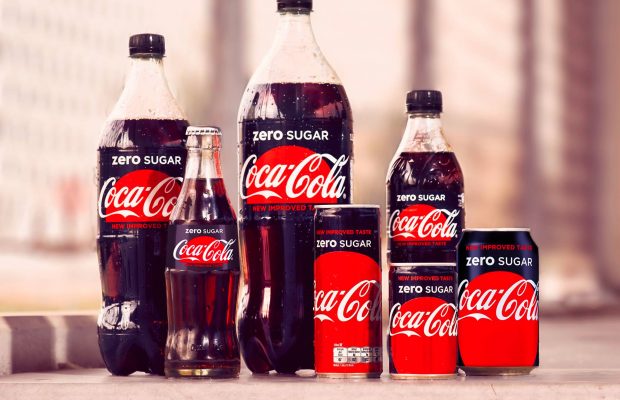
    The Coca-Cola Company has raised its full-year guidance after its net revenue expanded 8 percent to US$12 billion for the third quarter.

    The US-headquartered company saw net revenues increase in most of its markets, including Europe, Middle East & Africa (10 percent), Latin America (24 percent), and North America (6 percent). Meanwhile, revenues in Asia Pacific declined 2 percent.

    Revenues of global ventures and bottling investments were up 15 percent and 4 percent, respectively.

    Global unit case rose 2 percent and operating income grew 6 percent, with earnings per share up 9 percent to $0.71.

    “We delivered an overall solid quarter and are raising our full-year topline and bottom-line guidance in light of our year-to-date performance,” said James Quincey, chairman and CEO of The Coca-Cola Company.

    “Our leading portfolio of brands, coupled with an aligned and motivated system, positions us to win in the marketplace today while also laying the groundwork for the long term.”

    The company expects to deliver organic revenue growth of 10-11 percent. For comparable net revenues, it anticipates a 4 percent currency headwind based on the current rates and including the impact of hedged positions.

  • Shrimp exports to US surge in September

    Shrimp exports to US surge in September

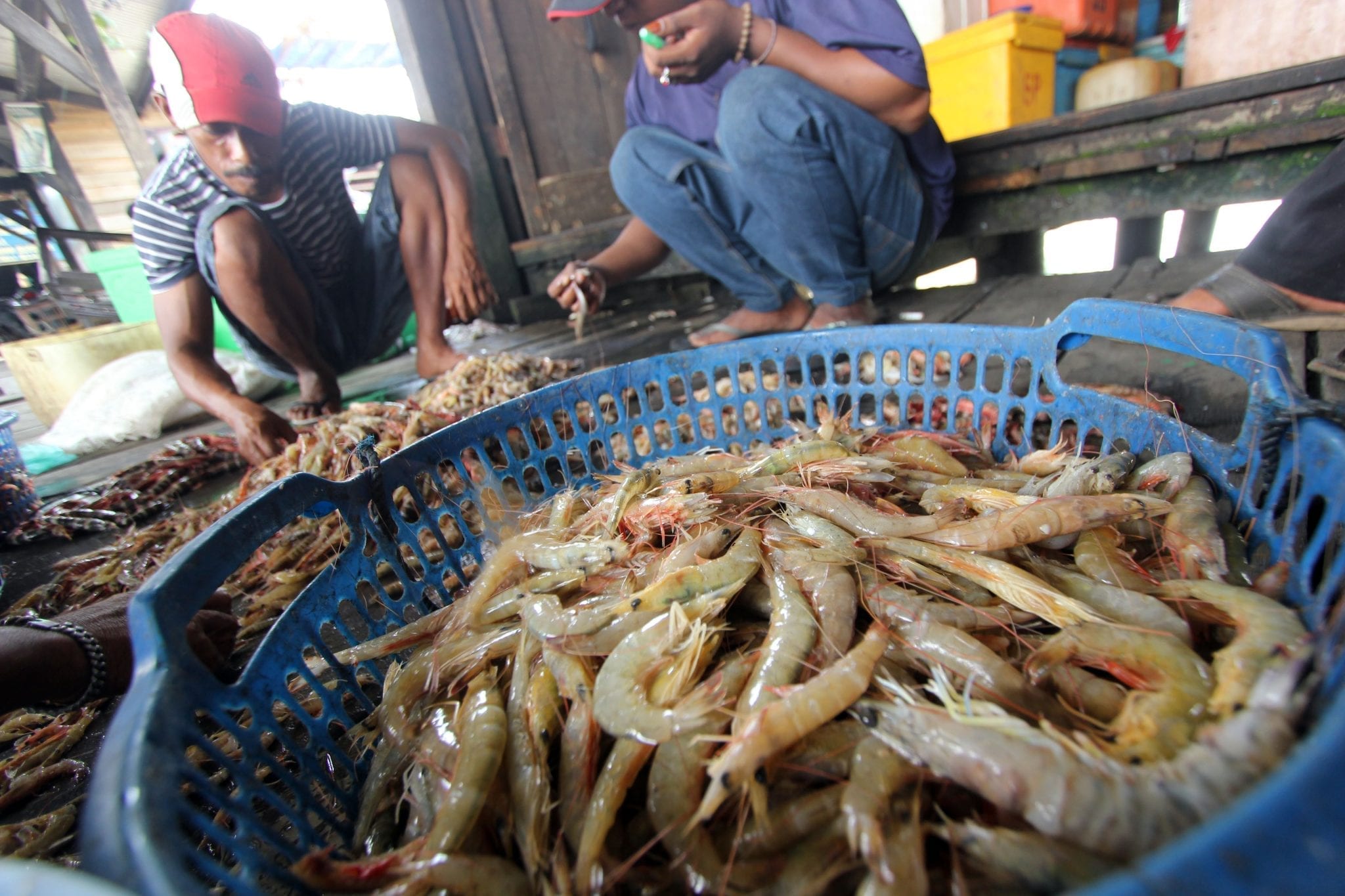
    Shrimp exports to the U.S. in September increased 23% compared to the same period last year, marking the third consecutive month of positive growth.

    The 23% growth in September was also the highest compared to the previous two months, according to the Vietnam Association of Seafood Exporters and Producers (VASEP).

    However, in the nine months of 2023, shrimp exports to the U.S. reached $520 million, down 23% compared to the same period.

    The bigger export is due to higher consumption in the U.S. market. The International Monetary Fund raised its U.S. growth projection for this year by 0.3 percentage points, compared with its July update, to 2.1%. It hiked next year’s forecast by 0.5 percentage points, to 1.5%, according to CNBC.

    Vietnam’s shrimp exports to all markets reached $2.5 billion in the first nine months of this year, down 26% from 2022.

  • Nestle begins work on ‘companion products’ for weight loss drugs

    Nestle begins work on ‘companion products’ for weight loss drugs

    Nestle on Thursday said it has started work on products to “companion” weight loss drugs like Novo Nordisk’s game-changing Wegovy, hoping to cash in on their growing popularity.

    The Swiss food giant’s CEO Mark Schneider said Nestle had not seen any impact from such drugs on sales so far, referring to the threat they pose to the packaged food industry that has spooked investors in recent weeks.

    Nestle shares fell this month after Walmart, the world’s biggest retailer, said it saw a slight pullback in food consumption with people taking appetite-suppressing drugs.

    “We’re working already on a wide range of products that could serve as companion products,” Schneider said during an earnings briefing, noting that some supplements can help with the “loss of lean muscle mass” and “rapid regain of weight”.

    “The largest parts of our portfolio will not be affected” by this new breed of weight loss drugs, he said.

    Globally, Nestle’s biggest businesses are coffee and pet care, while frozen food, confectionary and ice cream make up 15 per cent of sales.

    “We’re watching this carefully and will keep you updated,” Schneider said.

    Wegovy has been shown to help patients reduce body weight by around 15 per cent when used along with exercise and lifestyle changes. It is so far available in the United States, Norway, Denmark and, as of late July, Germany.

  • Vietnam rice export price climbs amid thin supply

    Vietnam rice export price climbs amid thin supply

    Vietnam’s rice price continues to rise as the harvest season ends, creating a shortage of supply.

    Vietnam’s 5% broken rice is now at $623 per ton, 7% higher than that of Thailand and 10.7% higher than that of Pakistan.

    The domestic paddy price has also been rising to unprecedented levels. Japanese paddy J02 is now priced at up to VND14,000 ($0.57) and Khang Dan VND9,000, which have never been recorded before.

    Traders have been buying in large orders amid a decline in supply as the season ends, and this is why paddy prices are high, farmers said.

    Huynh Thi Bich Huyen, CEO of rice trading company Ngoc Quang Phat, said that she can only buy several hundred tons of paddy each day, which is one-third of last month.

    This shows a shortage in supply and that is why prices are hiked, she added.

    Rice exports surged 40.4% year-on-year to $3.66 billion in the first nine months of this year. It is forecast to reach a new peak of $4 billion by the end of the year.

    The average export price was $553 per ton in the first nine months, up 14% year-on-year.
    Farmers have seen their profits double from last year.

    The Vietnam Food Association forecast that rice prices will stay at a high level in the remaining months as supply will still be low globally.

    Countries such as Indonesia, China, the Philippines, Turkey and Chile have all upped their imports.