Category: Food

Retail News Asia is committed to providing both local and global retailers with the latest Food and Food & Beverage news throughout the Asian market. This on a daily base.

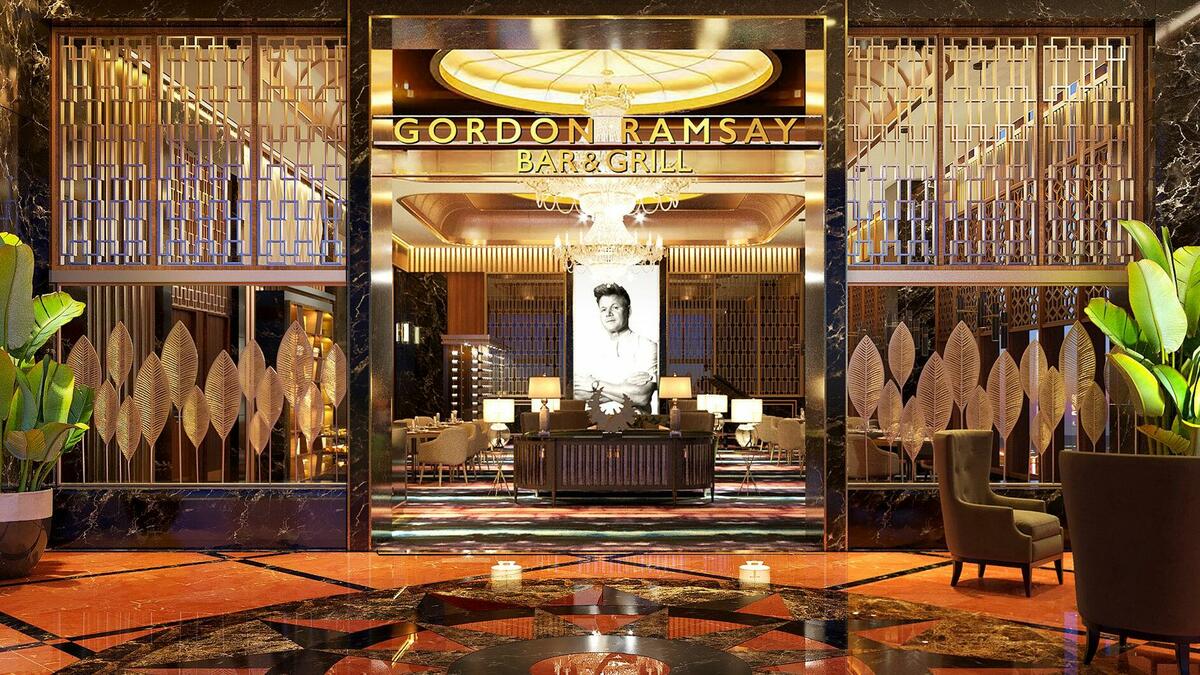
  • Gordon Ramsay’s group set to open 14 restaurants in Thailand

    Gordon Ramsay’s group set to open 14 restaurants in Thailand

    Gordon Ramsay Restaurants, owned by the namesake world-renowned chef, is expected to open 14 locations in Thailand as part of its expansion in Asia.

    The first two restaurants will open at Emsphere Mall in Bangkok in December through a partnership with Tanachira Group. Twelve more outlets are to be opened in the coming years.

    Located on the mall’s ground floor, the Bread Street Kitchen & Bar will feature a sophisticated all-day dining experience, with the menu consisting of Gordon Ramsay classics such as Beef Wellington and Fish & Chips.

    The Street Pizza will be on the first floor, offering bottomless sourdough pizzas, hot wings, fries, beers and cocktails, along with live music in a vibrant atmosphere.

    “This new partnership with Tanachira Group continues our global growth, whilst bringing our fantastic casual and premium casual brands to a new audience in Bangkok,” said Andy Wenlock, CEO of Gordon Ramsay Restaurants.

    The expansion into Thailand follows the group’s recent openings of four restaurants in South Korea and two in Malaysia.

    Gordon Ramsay Restaurants currently operates 37 restaurants in the UK and 35 restaurants internationally, including the US, South Korea, Malaysia, France, Dubai, and Singapore.

  • Australia seeks separate dialogue on China wine dispute

    Australia seeks separate dialogue on China wine dispute

    Australia wants a separate dialogue with China on their dispute over wine, the agriculture minister said on Sunday, rejecting Beijing’s proposal to link wine with other trade issues as the two nations slowly seek to improve battered relations.

    China’s removal of tariffs last month on Australian barley has raised hopes for an easing of wine tariffs, in place since 2021, which have hammered the country’s wine exports.

    Bilateral relations sank in 2020 when Australia called for an inquiry into Covid-19 origins, triggering reprisals by Beijing, including a raft of trade restrictions that hurt Australia’s export-reliant economy.

    China on Thursday proposed a “packaged solution” that would tie the wine dispute to those about duties on Australian imports of Chinese railway wheels, wind towers and stainless steel sinks, state news agency Xinhua reported.

    But Agriculture Minister Murray Watt said on Sunday, “We see them as entirely separate matters.” The government wants the wine dispute “resolved in the same way the barley dispute was resolved – through dialogue”, he told the Australian Broadcasting Corp.

    “We will continue our WTO (World Trade Organization) case when it comes to wine and we will continue to defend the case when it comes to steel,” Watt said, referring to disputes ongoing at the global trade body.

    China was Australia’s top wine export market before Covid, peaking at $770 million for the 12 months to January 2020 when the pandemic hit. In the year to June, they had plunged to $5.2 million.

  • Tuna exports rise to year’s highest levels

    Tuna exports rise to year’s highest levels

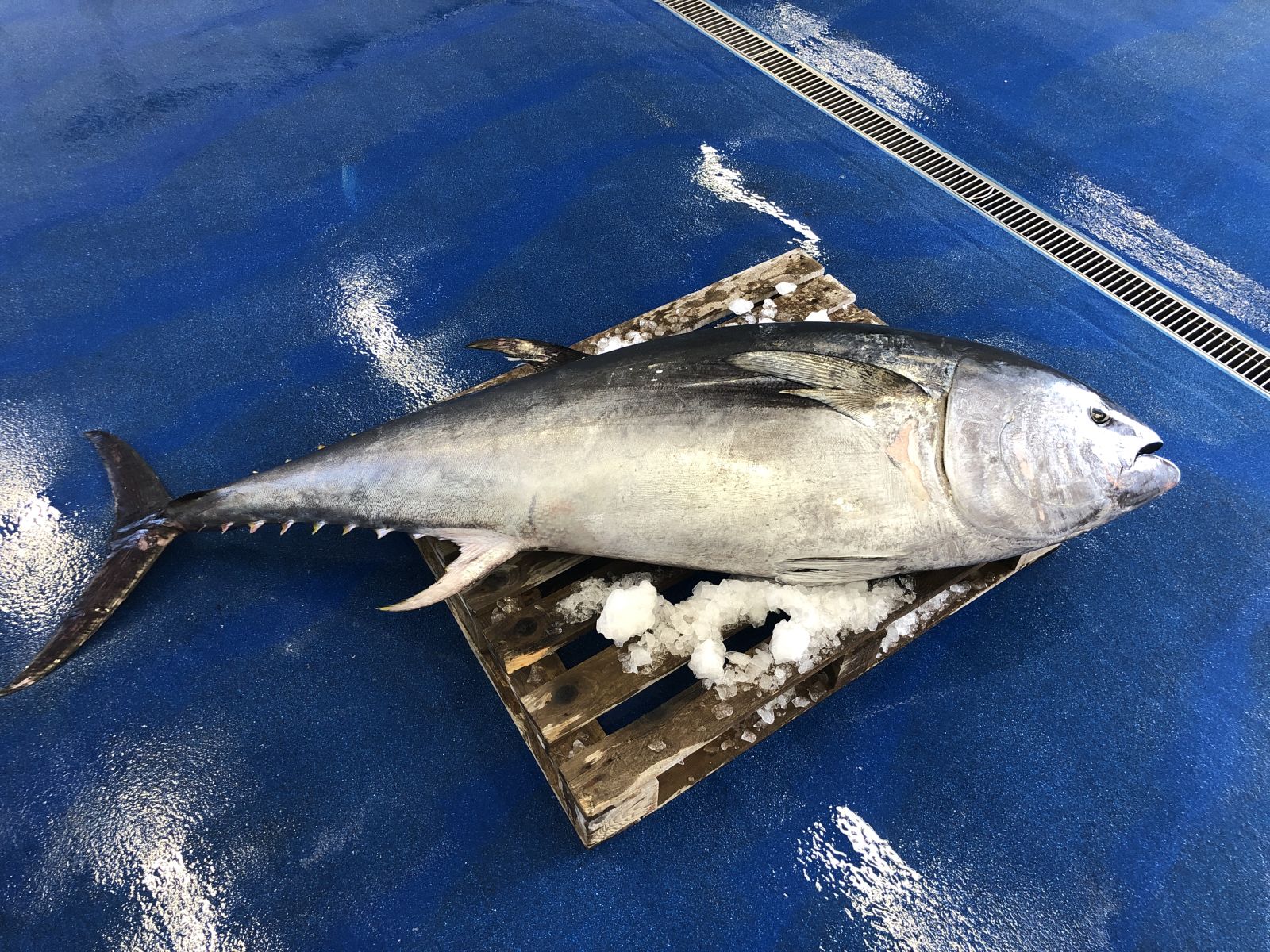
    Tuna exports rose to US$87 million in August, the highest for the year though 5% down year-on-year, according to the Vietnam Association of Seafood Exporters and Producers.

    VASEP said there were some changes in the export patterns in August.

    After declining steadily, exports to the U.S. increased by 2% bolstered by a 24% jump in shipments of canned tuna.

    But exports for the year-to-date were 45% down from 2022 at US$208 million.

    Exports to the EU saw a 37% surge, including a 45-fold rise in shipments to Italy. Smaller markets like Thailand and the Philippines also bought more tuna.

    Shipments to members of the CPTPP trade deal like Japan, Canada and Mexico fell by 53%, 49% and 14%.

    Exports for the year have been worth $545 million, down 25% from the same period last year.

  • Bobby launches low-calorie prebiotic soft drinks

    Bobby launches low-calorie prebiotic soft drinks

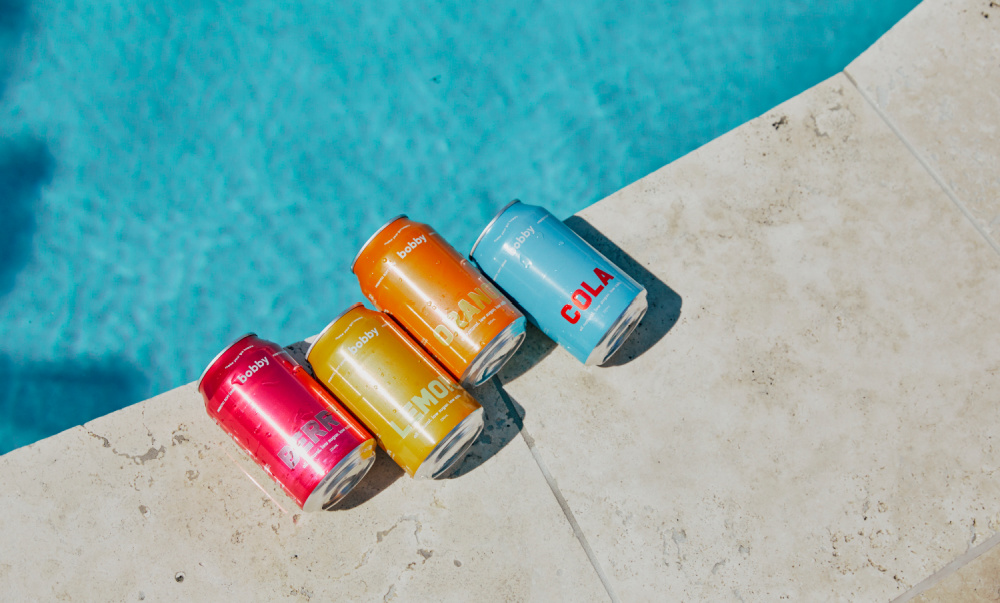
    Beverage company Bobby has launched low-calorie and low-sugar soft drinks in different flavors, added with prebiotics.

    The company claims each can contain 32 to 40 calories and that the beverage may aid digestion and boost good gut bacteria with the added prebiotics.

    “Our mission is to redefine what soft drink is to everyday Australians by offering a truly exceptional and enjoyable beverage that doesn’t compromise on health or taste,” said Kristian Johannsen, founder and MD at Bobby.

    Johannsen added that Bobby supports environmentally friendly practices, such as using recycled aluminum cans and cardboard slabs.

    “We’re here to make a difference in taste and sustainability. With each sip of Bobby, our customers can indulge guilt-free, knowing they are contributing to a company that genuinely cares about the impact it makes.”

    Bobby drinks are sold in Doctor Bobby, Vanilla Cola, and Lemon Lime flavors. Lemon Lime is exclusive to 7-Eleven, while Vanilla Cola and Doctor Bobby are available nationwide at 7-Eleven, independent retailers, and online.

  • Fruit, vegetable exports historical high

    Fruit, vegetable exports historical high

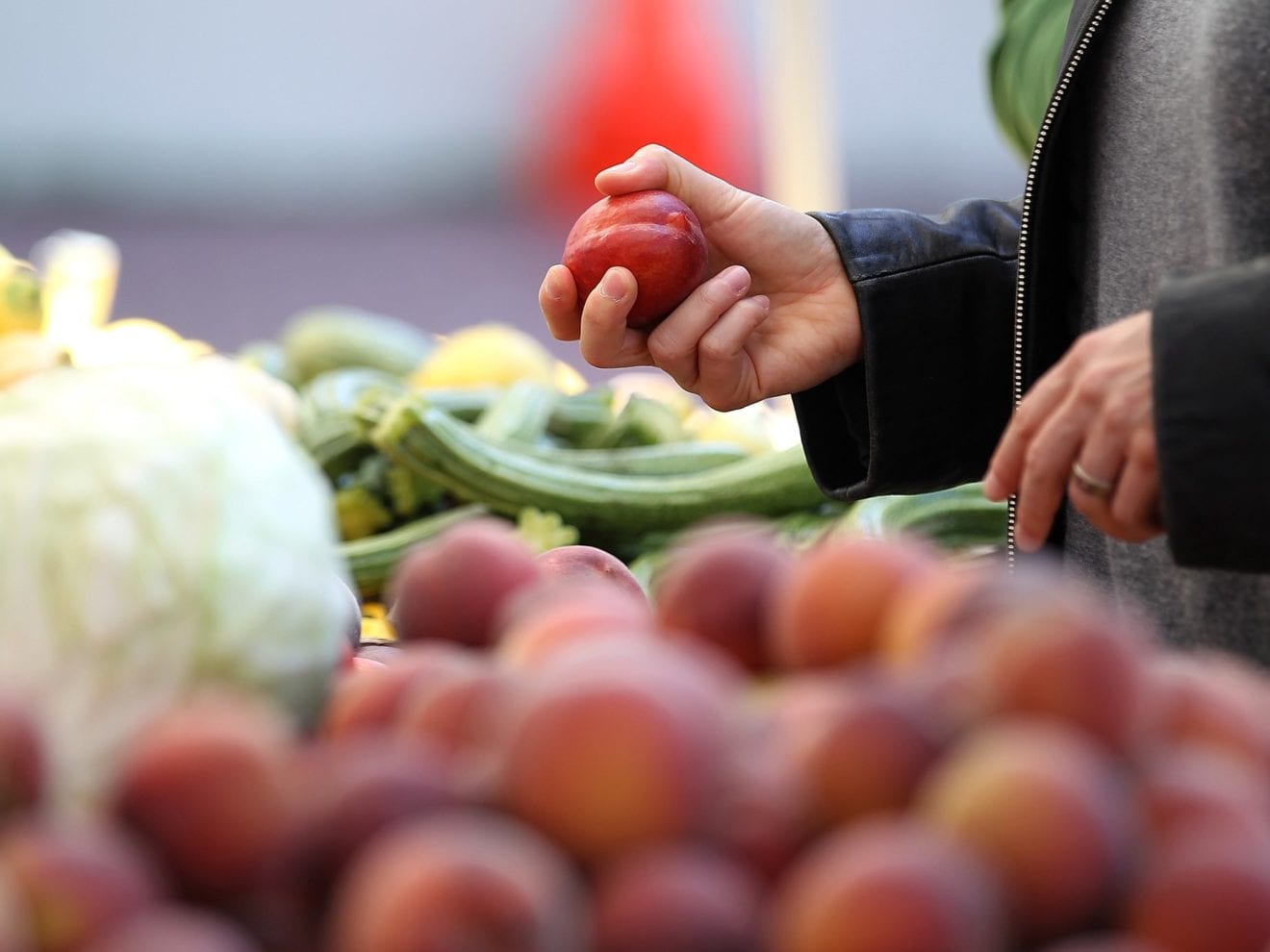
    Fruit and vegetable exports in the first three quarters are worth an estimated US$4.1 billion, 24% more than in full-year 2022, Vinafruit said, citing customs data.

    Vinafruit, or the Vietnam Fruits and Vegetable Association, said durian, banana and dragon fruit were the main contributors to the increase, with durian in the lead after climbing into the billion-dollar export club.

    China has been by far the biggest importer, buying $2.3 billion worth of fruits and vegetables from Vietnam in the first eight months of the year, a 134% increase year-on-year and accounting for a 64% share.

    The next three biggest importers have been the U.S. ($168 million, 6% down in the same period), South Korea ($148 million, up 18%), and Japan ($123 million, up 6%).

    Durian exports increased 20-fold this year. Unlike the Thai and Philippine varieties, Vietnamese durian can be harvested even in the so-called off-season, and their exports fetch higher prices as a result.

    China also bought bananas and jackfruit from Vietnam at higher prices and is considering buying fresh coconuts through official quotas.

    The U.S. recently allowed imports husked coconut from Vietnam.

    According to the Ministry of Agriculture and Rural Development, Vietnam plans to both export more items and to more markets, including passion fruit to the U.S. and Australia; grapefruit to Japan, Korea, Australia, and India; durian to India; and citrus fruits, coconut and durian to China.

  • Bundaberg expands range with new Campfire rum

    Bundaberg expands range with new Campfire rum

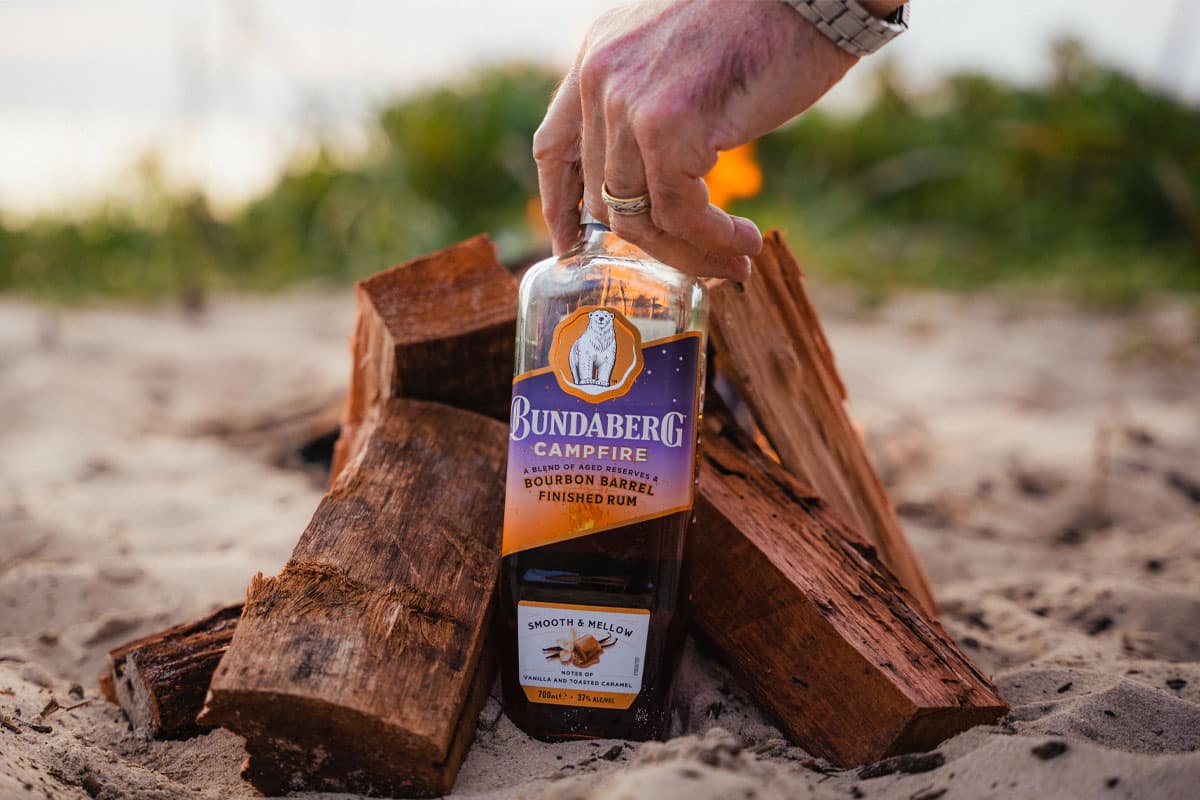
    Australian distillery Bundaberg Rum is expanding its liquor range with the launch of Bundaberg Campfire.

    Bundaberg Campfire has an ABV of 37 per cent and is made from aged reserves, combined with rum, and aged in bourbon barrels. It boasts a mellow profile and a blend of toasted caramel and vanilla notes, complemented by burnt sugar and toffee aromas.

    Sarah Watson, blending and innovation manager, Bundaberg Rum, said the brand understands customers who seek fresh innovations within the dark spirits category, and the new drink addresses this demand.

    “This is a subtle blend for us, made smooth and mellow thanks to the influence of lightly charred Bourbon barrels,” she added.

    “We’re excited to introduce a product that introduces Bundy fans and Bourbon enthusiasts to a fresh and intriguing flavor profile.”

    Bundaberg Campfire is sold at an RRP of $55 for a 700ml bottle in major retail outlets and will join the brand’s permanent range of products.

  • Coffee prices on the boil in Vietnam

    Coffee prices on the boil in Vietnam

    Robusta coffee prices have risen to a record VND68,000 ($2.79) per kilogram, up 76% since the beginning of this year.

    Prices have also been rising globally. On Monday rose by $10-39 per ton to $2,551-2,566 in London.

    The prices of Arabica, another coffee variety, rose in New York by 0.45-0.95 cents per pound to $158-162. A kilogram equals 2.2 pounds.

    Vu Duc Con, deputy director of the Dak Lak Department of Agriculture and Rural Development, said one of the reasons for the rising prices is that the harvest season has yet to arrive while stocks from the previous season have mostly been sold.

    He added that prices would be more reasonable in the next two months when the coffee crop ripens.

    Hung, owner of a coffee factory in the Central Highlands province of Dak Lak, said farmers sold out their coffee stocks around a month ago.

    He is not buying now since the high prices would hit his profit margin.

    The Vietnam Coffee Cocoa Association has forecast coffee yields to drop by 10-15% in the 2022-2023 season to 1.47 million tons due to high heat.

    In Dak Lak, authorities expect outputs to decline since farmers have been switching to growing other crops such as durian and avocado.

    In the first eight months Vietnam’s average coffee export price reached a new peak of $3,054 per ton, up nearly 30% year-on-year.

    The coffee was shipped to 38 markets, with the E.U. and U.S. being the largest buyers.

  • Starbucks opens 100th store in Vietnam

    Starbucks opens 100th store in Vietnam

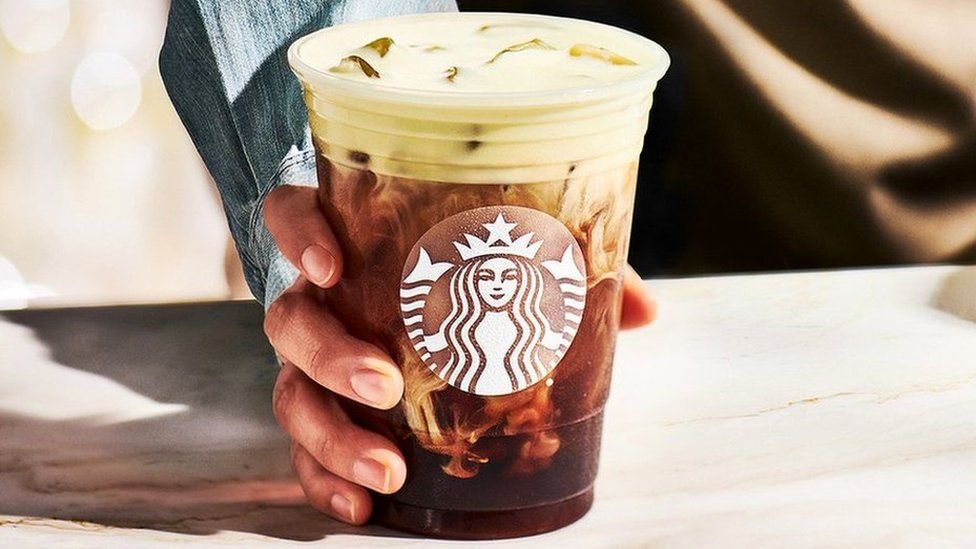
    Starbucks Vietnam celebrated its 10-year journey in the country with the grand opening of the 100th store in Lotte Mall West Lake in Hanoi on Saturday.

    Located in a new entertainment and shopping complex in Hanoi, the 100th store is designed to pay homage to the beautiful natural environment through a selected blue accent colour and a warm material palette.

    In February 2013, Starbucks marked its footprint in Vietnam by opening its first store in Ho Chi Minh City. Since then, it has steadily expanded its presence and now operates in nine cities and provinces across the country.

    According to an August report by iPOS.vn on Vietnam’s F&B market in the first six months of 2023, the market displayed strong volatility, with most businesses either witnessing a decrease in revenue or maintaining similar figures compared to the same period the previous year. However, many businesses remain optimistic about a market turnaround.

    A survey of 200 restaurant and cafe owners indicated that 40.1% of F&B businesses anticipate positive signals in business activities in the second half of 2023. This shows, despite certain challenges, Vietnam is still regarded as a “fertile land” for international brands in the F&B sector.

  • McDonald’s Korea launches voice-guided kiosks

    McDonald’s Korea launches voice-guided kiosks

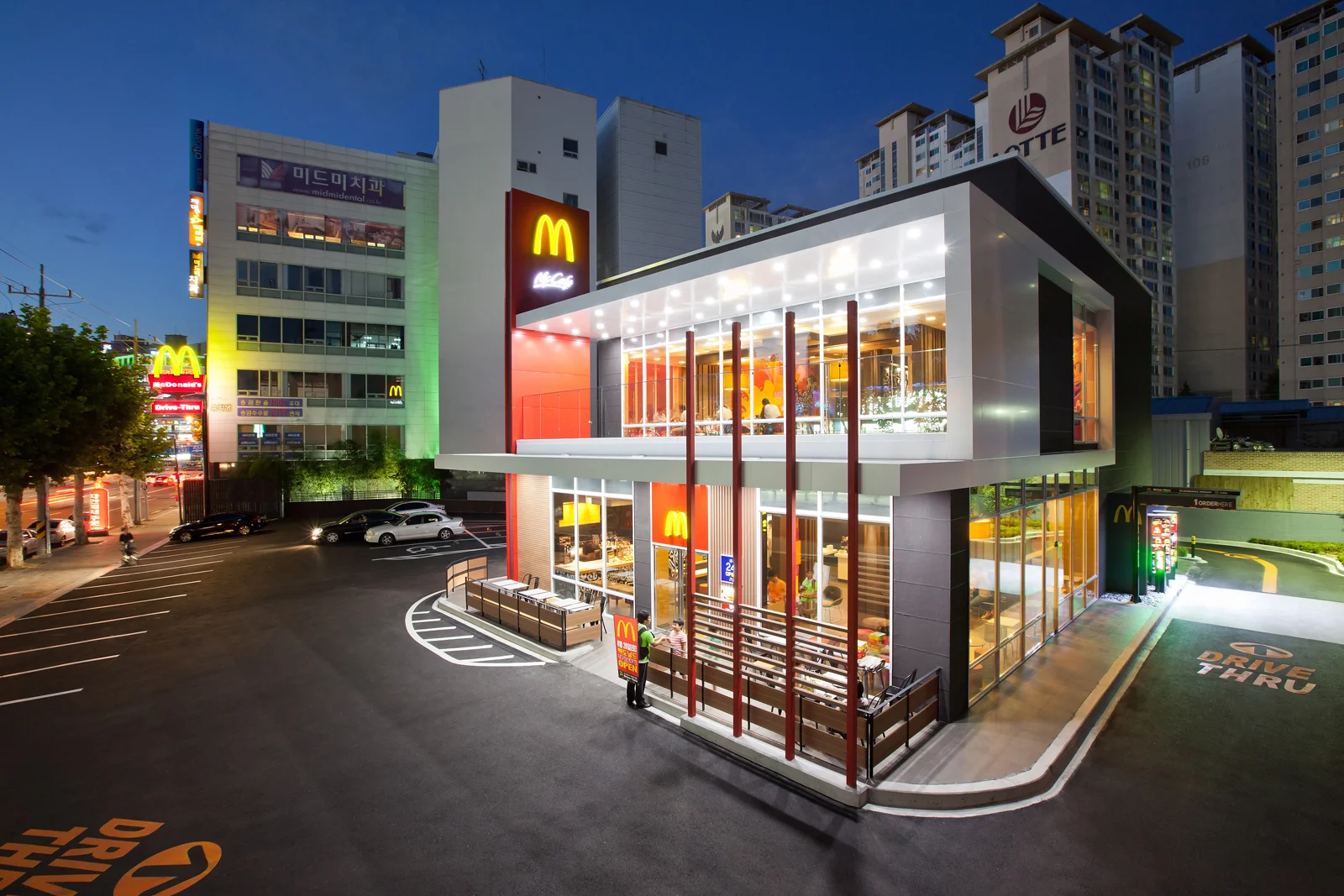
    McDonald’s Korea has introduced voice-guided self-service kiosks at some of its Seoul locations, making it the first fast-food chain in South Korea to do so. They did this to make it easier for visually impaired customers to order.

    These special kiosks, equipped with voice guidance software and touch pads, were first installed at 15 McDonald’s stores near centres that assist visually impaired individuals and schools for the blind. People with vision problems can plug in their own earphones to hear instructions and menus, even in noisy environments.

    This move by McDonald’s in South Korea is the second of its kind, with the first being in the US. It’s also a groundbreaking step for fast-food restaurants in South Korea. McDonald’s Korea plans to extend this service to all of its stores in the country.

    A company representative emphasised their commitment to meeting the needs of visually impaired customers, noting that they had been working on this service for a long time.

  • Toowoomba-based Meat Cellar’s bacon hailed as the ‘world’s best’

    Toowoomba-based Meat Cellar’s bacon hailed as the ‘world’s best’

    An Australian butchery business has earned recognition on the global scene, earning the distinction of being the ‘world’s best bacon’.

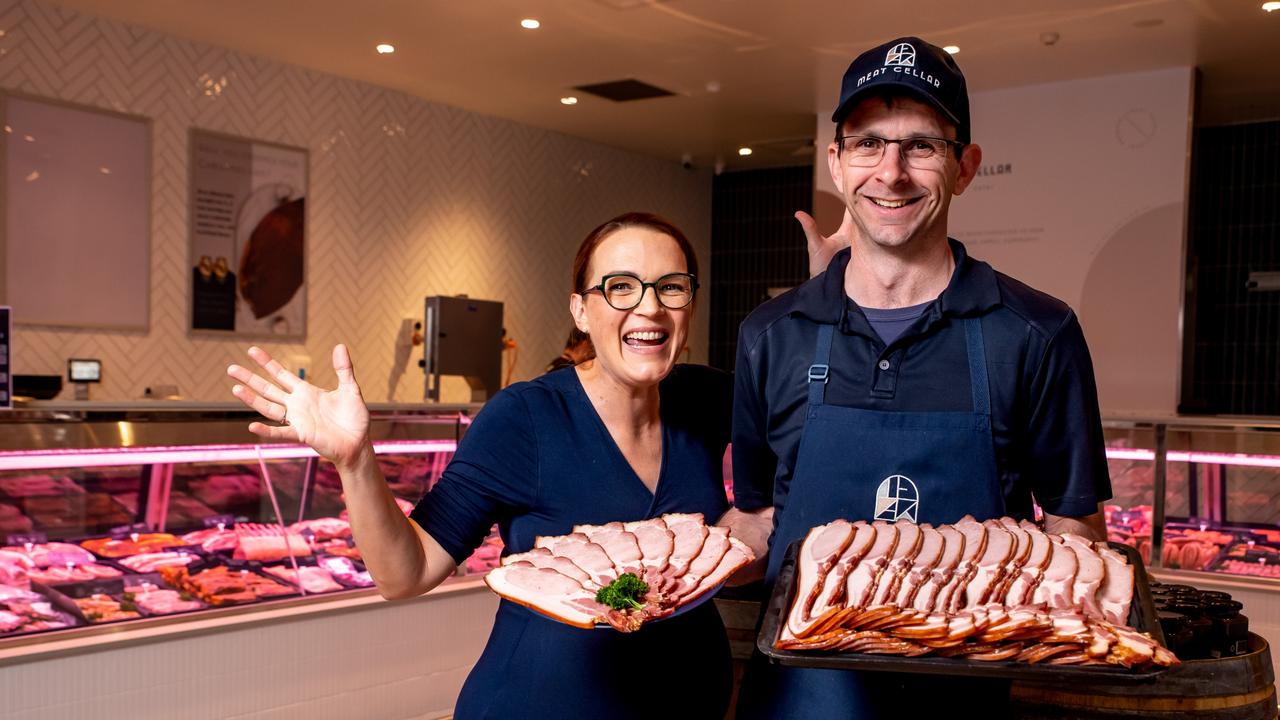
    Meat Cellar’s cured bacon has been named the ‘World’s Best’ at this year’s World Charcuterie Awards which was held in London in the past week. For this distinction, the butchery earned a gold medal title, beating competitors across the globe in the cured bacon category.

    Smoked and cured by butchers at the family-operated Meat Cellar in Toowoomba, Queensland, the bacon was praised by the awards’ judging panel for being “visually stunning with a satisfying meat-to-fat ratio, with a robust flavor enhanced by the smoke that lingers on in the mouth”. The product received the highest overall score from a panel of 40 international judges.

    Husband and wife owners Luke and Michelle Jensen said that their win is a testament to their commitment to high-quality products and traditional practices.

    “Our bacon is created with integrity. We use locally sourced pigs, honey and wood chips, and take our time to cure and smoke our bacon using traditional methods which achieve a superior result,” Luke Jensen said. “Shockingly, the majority of bacon in our Aussie supermarkets comes from overseas and relies on artificial flavoring and chemical smoking. Most people really don’t know what they’re missing until they taste the real thing.”

    In addition to the gold medal for cured bacon, the World Charcuterie Awards also awarded Meat Cellar a silver medal for their bone-in ham and a bronze medal for their boneless ham.

    Meat Cellar has been a part of the Toowoomba community for nearly 30 years, with the current owners purchasing the business in 2017.

    As Australia’s only representative in the World Charcuterie Awards, Meat Cellar’s achievements have been hailed as a proud moment not only for the business but also for the country and its meat industry.

  • Refilled’s vending machines encourage users to bring their own bottles

    Refilled’s vending machines encourage users to bring their own bottles

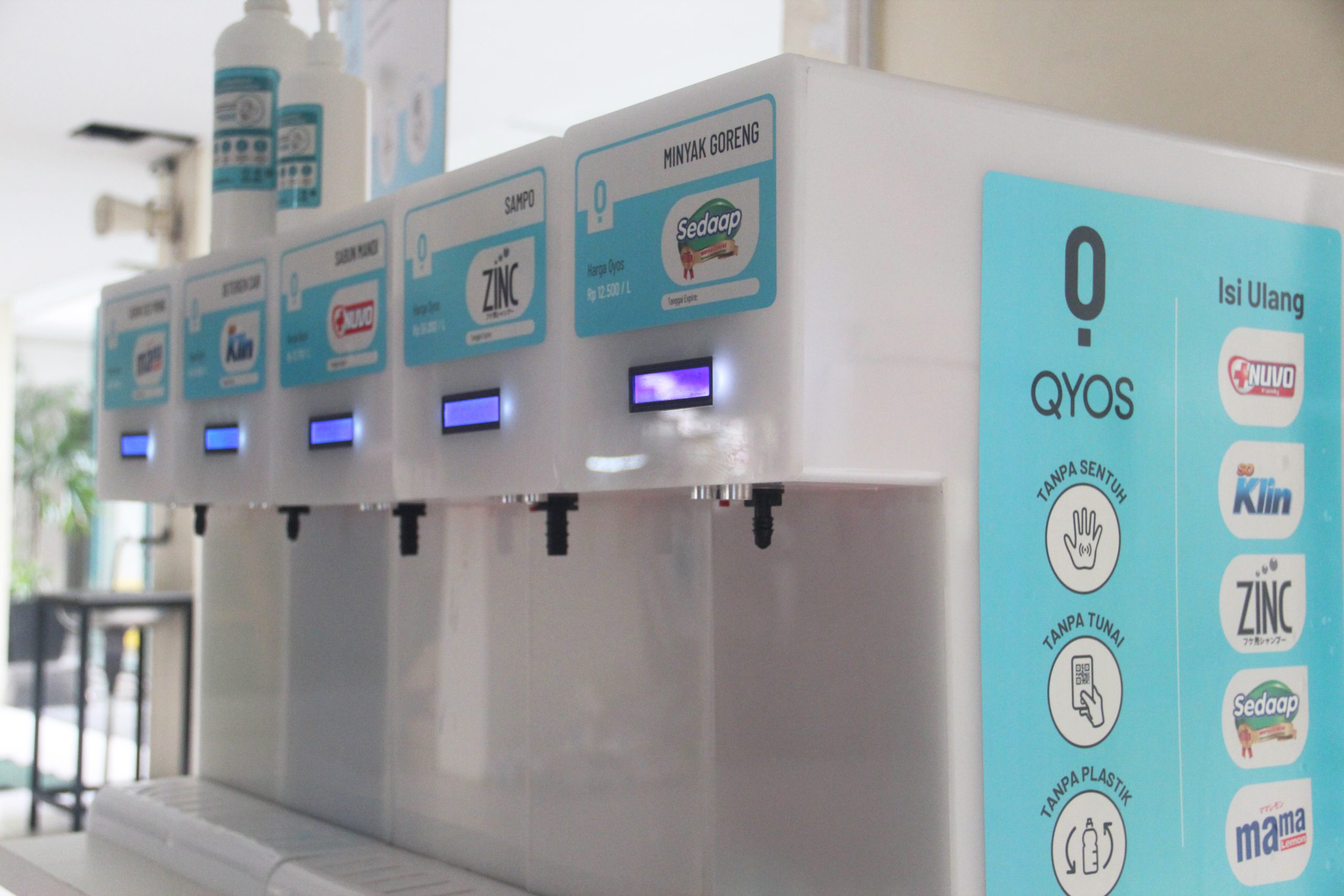
    A new climate tech start-up has introduced a unique vending machine technology that promotes the idea of BYO (bring-your-own) bottles to buy their drinks rather than marketing drinks in bottles that add more to landfills.

    Refilled aims to eliminate the colossal single-use plastic bottle waste caused by the vending industry by replacing them with its new BYO bottle system. The company hopes to capitalize on the dominant trend of reusable bottles, a market now worth $14bn, by giving people more flavor variety and nutritional options than just plain water on tap.

    It also tracks the number of bottles saved in real-time as its reusable bottles are equipped with QR codes that can be scanned at the Refiller and used to pay for drinks, with no card, phone or cash required.

    Already, Refilled has secured orders from the University of Technology Sydney and The University of Sydney Union (USU) who are looking to deploy their machines within their premises and provide students with more sustainable flavored drink alternatives at a price more affordable than a standard bottle of water.

    Research indicates that more than 891 billion single-use plastic bottles are produced worldwide every year but only less than 20 percent are recycled. Vending machines have been singled out as a major source of plastic pollution.

    Refilled stated that it is on track to build and install 100 of its vending machines (called ‘Refillers’) by 2024, eliminating upwards of one million single-use plastic bottles from becoming waste yearly. A single Refilled vending machine can stock 10x more beverages than a typical vending machine, dramatically reducing waste and delivery emissions caused by frequent deliveries and restocking traditional beverages.

    To date, Refilled has raised $600k through angel investors and Melt Ventures an impact VC Fund. Refilled is seeking an additional $3m in its next funding round.

    “Refilled is transforming the ordinary, everyday act of drinking water into climate action,” Refilled founder and CEO, Ryan Nelson, said. “Most people have good intentions and want to do good for the planet, but not everyone can afford to buy an electric vehicle or install solar panels.

    “Armed with just a reusable bottle and a couple of bucks, our Refillers offer an affordable, achievable way to eliminate plastic pollution,” Nelson added. “If we can replace even a fraction of drinks vending machines, which are an outrageous source of plastic waste, we will stop millions of plastic bottles going to landfill.”

    University of Sydney Union President, Naz Sharifi, said that the union remains committed to a sustainable future for its members, permeating everything they provide.

    “From our events, retail and products to our student programs and facilities, ss part of our ongoing efforts to expand our sustainable practices and to reduce the usage of single-use plastic bottles, we are thrilled to be partnering with Refilled, who share our social, environmental, and ecological aspirations,” Sharifi said. “This will allow our members access to filling stations in key locations around campus.”

    Anna Chavez GM Commercial Operations , ActivateUTS / University of Technology Sydney, is also proud to partner with UTS Alumni and founder Ryan Nelson, homing Refilled’ s prototype in ActivateUTS Student engagement ‘Hideout’ space, empowering students to eliminate thousands of single-use plastic bottles in its first year alone.

    “Students loved the newly launched machine, at our recent Orientation Day, offering an easy-to-use interface, paired with a cost effective and convenient product,” Chavez said. “We believe the right commercial decisions can meet the needs of the business, consumer and drive a positive change towards a more sustainable world, and Refilled is a great example of this.”
  • Chupa Chups x Chatime launch lolly-inspired boba drinks

    Chupa Chups x Chatime launch lolly-inspired boba drinks

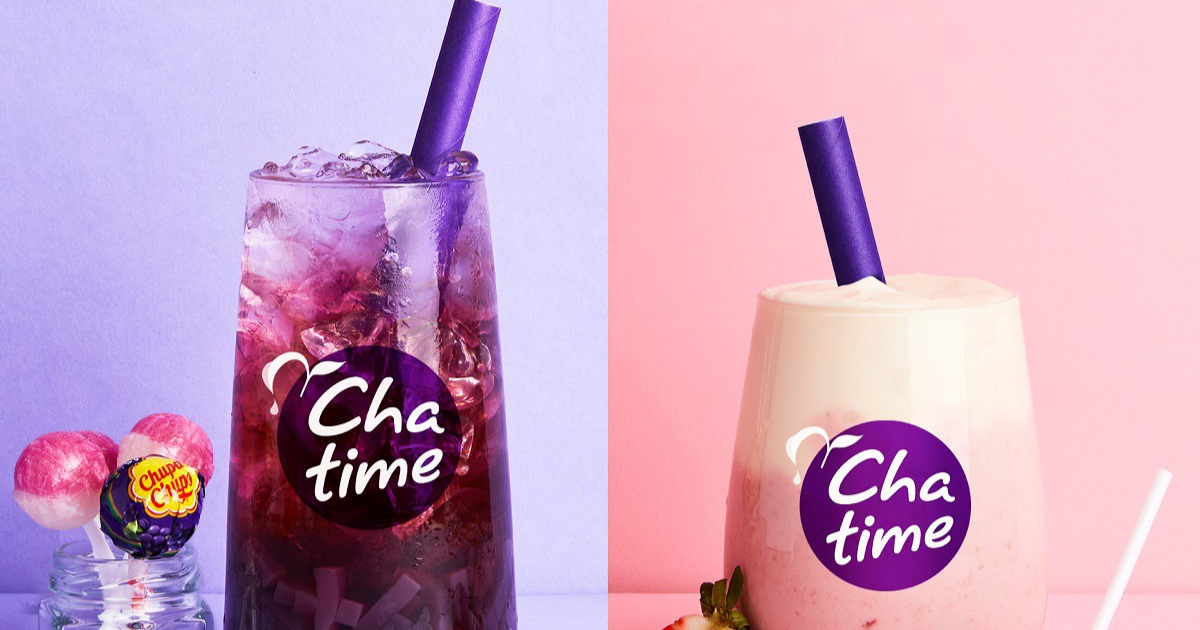
    Chupa Chups has partnered with boba franchise Chatime to launch drinks based on the lolly brand’s best-selling flavors: Grape and Strawberry & Cream.

    Dubbed “The Tea That Pops”, the lolly-based boba beverages are available in Chatime T-breweries nationwide from September 19 until October 31.

    “It’s not just a drink; it’s a whole vibe!” expressed Marta Ballesteros, global licensing manager for Perfetti Van Melle, the parent company of Chupa Chups.

    “I hope our Australian fans are all set to dive into a world of forever fun flavor and will give the sweetest launch of the season a go!”

    The Grape Chupa Tea is a green tea base with grape jellies to add an “extra pop”, while the Strawberries & Cream Chupa Tea is a milky tea with a strawberry-vanilla flavor and a dollop of creamy mousse.

    According to Gabi Bishop, senior brand manager at Chatime, the collaboration aims to demonstrate the company’s commitment to innovation.

    “Our exciting partnership with Chupa Chups not only introduces a delicious new range of limited-edition teas to our customers but also energizes our vibrant breweries with a fun and playful campaign,” concluded Bishop.

    “We can’t wait to share it with our industry peers and tea enthusiasts!”

    The Grape Chupa Tea is priced at $7.50 for a regular size and $8.35 for a large, while the Strawberries & Cream Chupa Tea is available for $8.10 for a regular and $8.95 for a large.

    Asembl, a leading brand extension agency representing Perfetti Van Melle, brokered the partnership.

  • McDonald’s Korea launches voice-guided kiosks, a first in Asia

    McDonald’s Korea launches voice-guided kiosks, a first in Asia

    McDonald’s Korea has introduced voice-guided self-service kiosks at some of its Seoul locations, making it the first fast-food chain in South Korea to do so. They did this to make it easier for visually impaired customers to order.

    These special kiosks, equipped with voice guidance software and touch pads, were first installed at 15 McDonald’s stores near centers that assist visually impaired individuals and schools for the blind. People with vision problems can plug in their own earphones to hear instructions and menus, even in noisy environments.

    This move by McDonald’s in South Korea is the second of its kind, with the first being in the United States. It’s also a groundbreaking step for fast-food restaurants in South Korea. McDonald’s Korea plans to extend this service to all of its stores in the country.

    A company representative emphasized their commitment to meeting the needs of visually impaired customers, noting that they had been working on this service for a long time.

  • Rice exports all set for record high this year

    Vietnam’s rice exports are likely to reach record volumes this year on the back of burgeoning global demand and its large output.

    Le Thanh Tung, deputy head of the Ministry of Agriculture and Rural Development’s farming department, expected global demand to exceed Vietnam’s export capabilities.

    India’s recent rice ban has caused several countries such as Indonesia to increase imports, and the Philippines is considering a cut in rice import tax from 35% to 10% to ensure supply, he said.

    “But Vietnam’s availability for exports is not too high.”

    Its paddy production is expected to increase by 1.8% from last year to 24 million tons this year, according to the ministry.

    Rice exports in the first eight months jumped by 20%year-on-year to 6 million tons.

    Nguyen Ngoc Nam, chairman of the Vietnam Food Association, said at least 1.2 million tons would be exported from now until the end of the year.

    The Philippines would remain a key market and account for around 40% of the exports, and demand from China would rise due to low production, he said.

    Around 400,000 hectares could be harvested in the final crop of the year, and they include many high-quality varieties, he added.

    Demand for Vietnamese rice has been growing in recent years.

    Vietnam has an 80% share of the Philippines rice market.

    With demand from other countries rising, its rice exports are now fetching high prices.

    Nguyen Viet Anh, CEO of Phuong Dong Food, one of the top exporters, said prices have surged from VND3,000 per kilogram in 2019 to around VND8,000 ($0.12) now.

    “Rice is an essential product, but many countries are not able to produce it and therefore prices are high,” he said, adding that India does not intend to lift its ban until next year.

    Some of Vietnam’s rice varieties are now better than Thailand’s, and so at times exporters do not have enough stocks to ship, he added.

  • Little Creatures Bright Ale returns after seven-year hiatus

    Little Creatures Bright Ale returns after seven-year hiatus

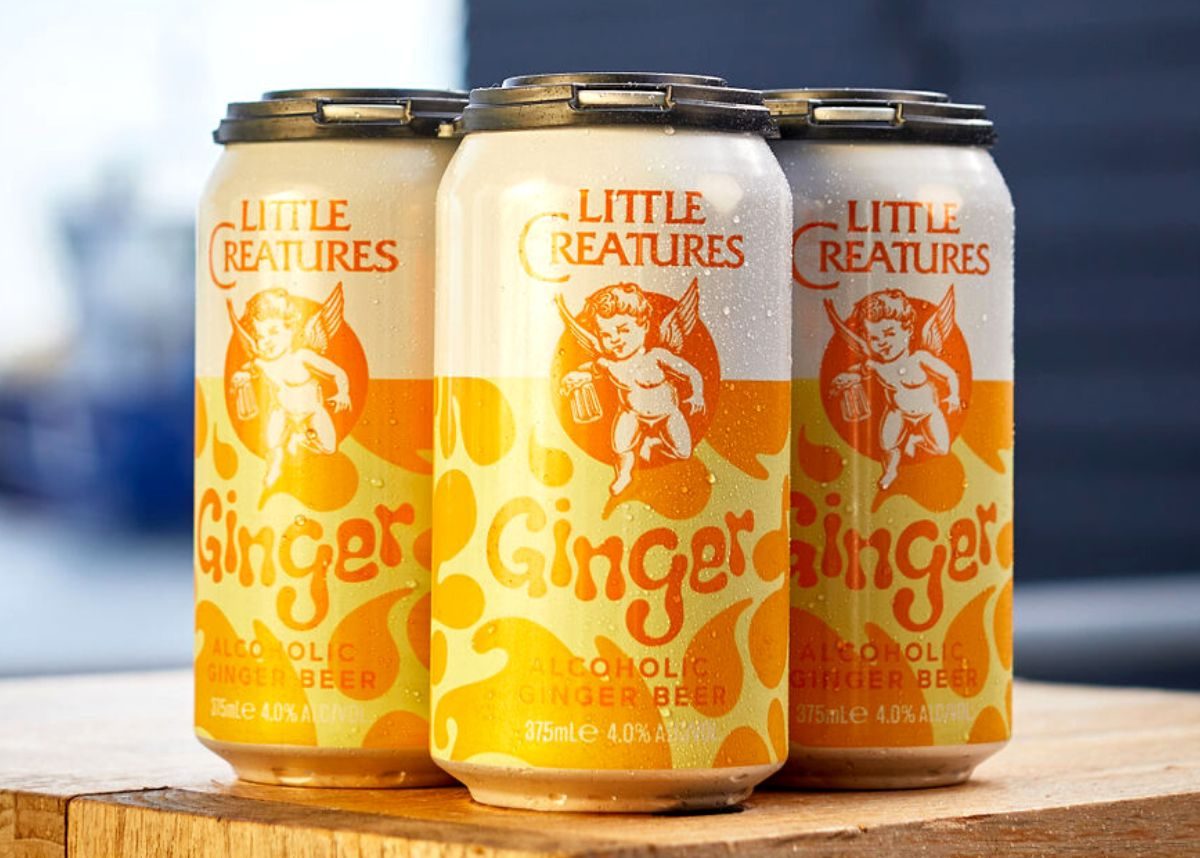
    Craft beer brand Little Creatures has brought back its award-winning beer, the Bright Ale, after a seven-year break.

    The Bright Ale has a 4.5 per cent ABV, offering a “refreshingly clean” taste profile with a subtle malt character and a fruity and spicy hop aroma. Its blend of four gentle malts and select whole hop leaf creates a crisp, well-balanced brew with a “well-attenuated and balanced” design.

    It was in the top 50 in the annual GABS Hottest 100 Craft Beers list, ranking fifth in 2008.

    Ed Jamison, head of marketing – craft, said: “We are excited to bring back Little Creatures Bright Ale to fans this spring as a true favourite among craft beer enthusiasts nationwide.”

    “Although Bright Ale will be returning for a limited time, we’re confident to receive a positive response from consumers on this crowd pleaser.”

    Little Creatures Bright Ale is available at an RRP of $19 for a four-pack of 375ml cans and $63 for a 16-pack in all LMG outlets, including Bottlemart, SpinSave, Harry Brown, and Thirsty Camel, nationwide. It will also be available on tap at Little Creatures Fremantle and Geelong while supplies last.