Category: Food

Retail News Asia is committed to providing both local and global retailers with the latest Food and Food & Beverage news throughout the Asian market. This on a daily base.

  • Blue Bottle Coffee opens kiosk popup in Hong Kong

    Blue Bottle Coffee opens kiosk popup in Hong Kong

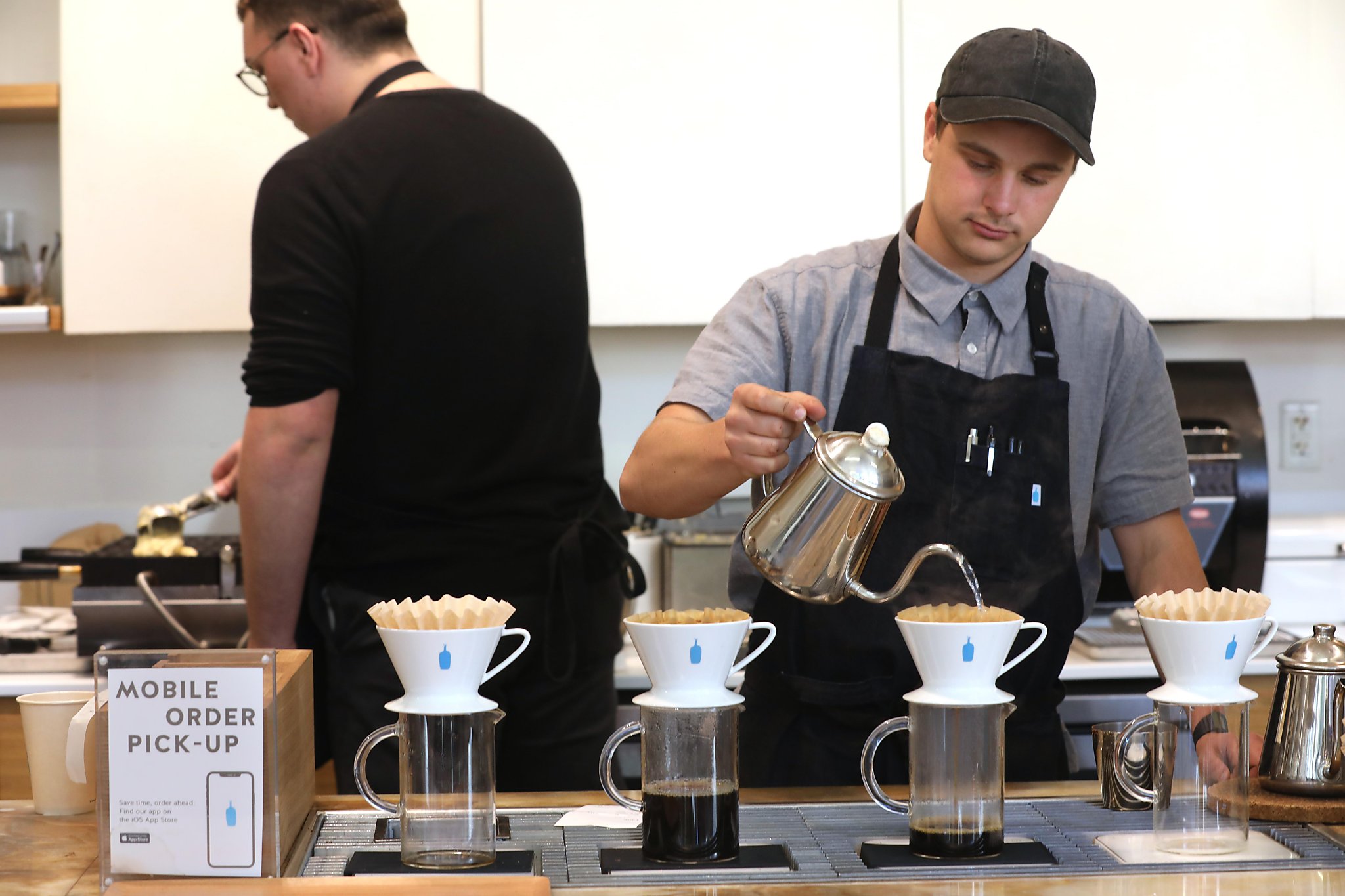
    Coffee brand Blue Bottle Coffee has launched a new pop-up café at Hong Kong International Airport (HKIA) to connect travellers with unique coffee-to-go experience amidst their travels.

    This comes as the brand saw Hong Kong International Airport as a bustling hub for travellers from around the world. By setting up the kiosk at the airport, Blue Bottle aims to cater to a diverse audience of coffee enthusiasts and provide them with a moment of respite and enjoyment amidst their travels.

    Another reason behind the move was Blue Bottle’s ambition to expand its reach in Hong Kong and offer its meticulous craft and care in each cup to travellers passing through the airport. Starting from 5 September 2023, the Blue Bottle  Coffee Kiosk offers travellers enhanced coffee experience ahead of their flights through this coffee-to-go experience from the morning to midnight hours.

    Done in collaboration with local PR agency Dynamic Duo PR (DDPR), the setup of the pop-up kiosk comes along with the brand’s mission of “meeting coffee lovers everywhere so they can experience the best of what coffee has to offer at their convenience”. The pop-up kiosk is promoted via Blue Bottle’s Instagram.

    Fiona Yu, director, global kiosk formats, Blue Bottle, said: “With the opening of our new pop-up kiosk at Hong Kong International Airport, it’s a privilege for us to bring our deep passion for delicious coffee to travellers. At Blue Bottle, our dedication has always revolved around making specialty coffee more accessible, and we’re excited to reaffirm this commitment to connecting people with exceptional coffee experiences with this new location.”

    Founded by James Freeman in Oakland, California, in 2002, Blue Bottle has expanded its footprints across the U.S., Japan, Korea, and Hong Kong over the past 15 years. ⁠Most recently, Blue Bottle Coffee Hong Kong partnered with drinkware brand MiiR to unveil new straw lids to contribute towards sustainability and elevate consumers’ drinking experience. According to Blue Bottle, the flexible silicone straw adjusts to different cup models, while the vacuum-sealed lid ensures spill-free portability. ⁠
  • Malaysia’s Zus Coffee to make international debut in the Philippines

    Malaysia’s Zus Coffee to make international debut in the Philippines

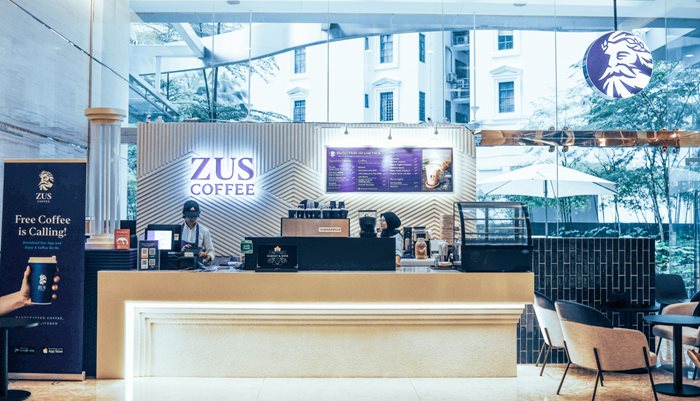
    Malaysia’s ZUS Coffee is set to make its international debut this month with an outlet in Quezon City, the Philippines. The technology-focused coffee chain opened its first store in Binjai in late 2019 and now operates approximately 290 stores across Malaysia.

    In a LinkedIn post, Chief Operating Officer Venon Tian said ZUS Coffee plans to open six outlets in the Philippines by the end of 2023.

    ZUS Coffee’s international debut in the Philippines has been on the cards since March 2023, when Filipino restaurant group Choi Garden Restaurant Company acquired a 35% stake in the coffee chain.

    Speaking at the signing of the agreement, Choi Garden’s Chief Operating Officer Janica Lao said: “ZUS Coffee’s growth in Malaysia has been very quick in the last three years and they are incredibly determined in serving the local Malaysian market with localized flavors. We believe that they will do the same thing in the Philippines market.”

    ZUS Coffee is the latest Asian coffee chain to seek expansion in the Philippines this year as competition between Southeast Asia’s coffee chains heats up. Japanese boutique café group % Arabica relaunched in the Philippines in July 2023, 18 months after closing its three stores in the country. The Manila outlet is expected to preclude the launch of a % Arabica roastery in the Filipino capital before the end of the year.

    The following month, fast-food group Jollibee Foods Corporation (JFC) formed a joint venture company with Singapore-based Food Collective Pte. Ltd. (FCPL) to launch Common Man Coffee Roasters in the Philippines. The first site of the partnership, which also includes a deal to bring Tiong Bahru Bakery to the country, is set to open within the next few months.

    Meanwhile, Malaysia’s Berjaya Food is set to open the first Paris Baguette store in the Philippines in the fourth quarter of 2023, with five outlets expected within the next 12 months. Berjaya Food previously brought the South Korean bakery café chain to Malaysia in January 2023.

  • Gentle Monster’s cafe brand expands in South Korea

    Gentle Monster’s cafe brand expands in South Korea

    Luxury companies are becoming serious about the restaurant business here as a way to maintain their posh image and continue to attract attention from young, trend-savvy consumers, according to industry officials, Tuesday.

    Italian high-end luxury fashion house Gucci has opened Gucci Osteria restaurant in Itaewon, Seoul, where it serves dishes cooked by a Michelin three-star chef. A burger costs 27,000 won ($18.91) and a course menu ranges from 120,000 won to 170,000 won there. Despite its high prices, reservations for the restaurant were sold out four minutes after it opened.

    French luxury firm Louis Vuitton also opened a pop-up restaurant called Pierre Sang at Louis Vuitton for just one month in May and it was fully booked as soon as reservations opened up. Global K-pop band BTS member J-Hope’s visit to the restaurant also played a key role in making it into one of the hottest places in Seoul.

    With this momentum, in September, Louis Vuitton opened a second pop-up restaurant in the posh district of Cheongdam-dong, Seoul. Despite most of its prices being in the 300,000-won range, it was fully booked as soon as it opened and people are now selling their reserved times to make a profit.

    Swiss luxury watchmaker Breitling introduced a restaurant and a coffee shop together with its brand shop, which opened early this year. The company expressed its luxury brand image in its food and beverages and has grabbed the attention of watch fans.

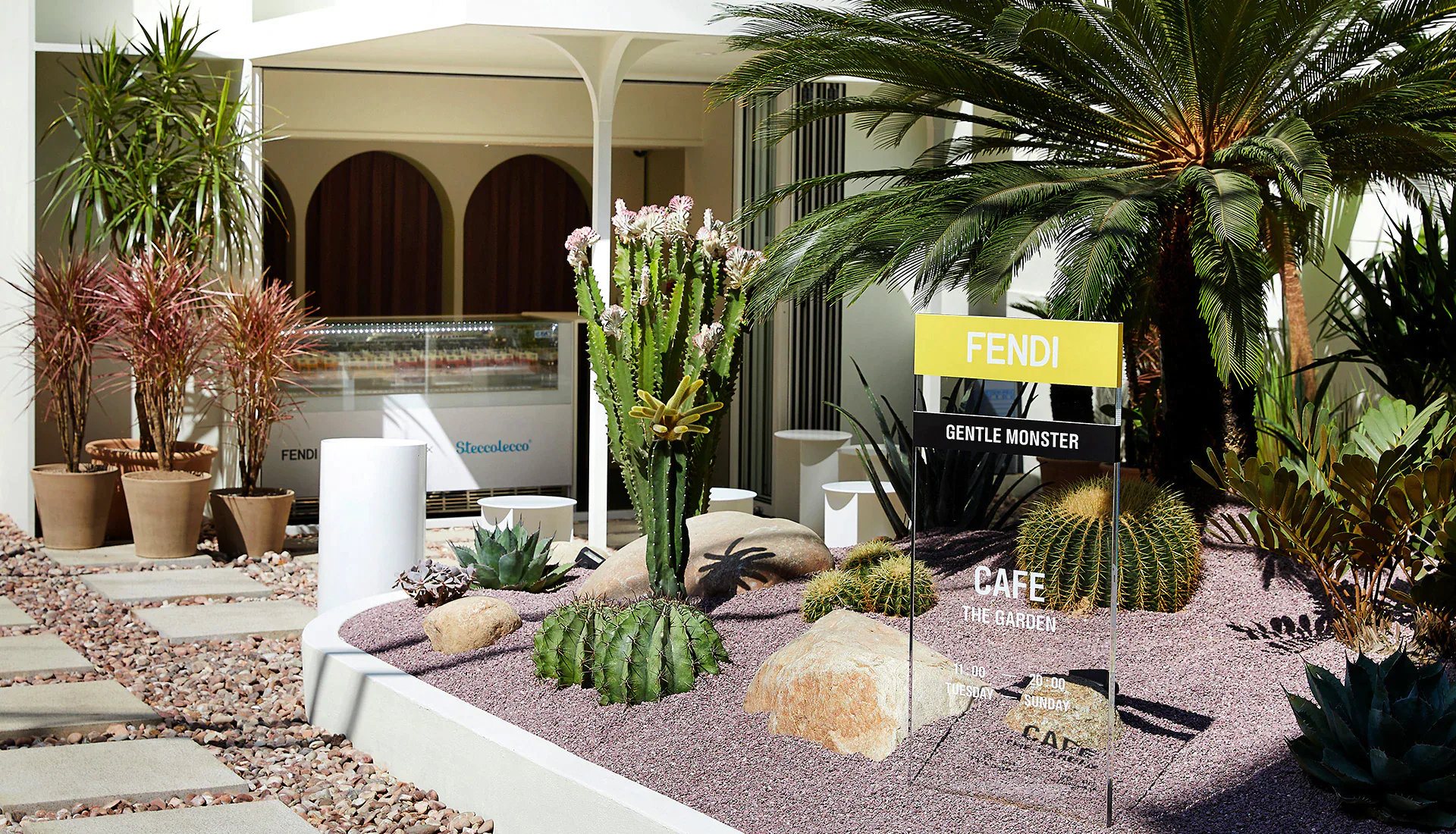
    Korean popular eyewear brand Gentle Monster did not fall behind the trend, opening dessert cafe Nudake at its flagship store in Apgujeong, Seoul, where it has attracted dessert lovers from across the country.

    The COVID-19 pandemic has pushed luxury brands to promote its fashion items in digital space, which turned out to be successful among not only among those in their 20s and 30s, but also those in their 60s and 70s.

    Amid this major paradigm shift, luxury brands have begun investing to offer experiences of their brands in various ways. However, companies have also learned that there is a limit for customers to experience fully their brand identities and products online.

    Thus, top-tier firms have begun opening restaurants and coffee shops. It costs less for customers to experience the luxury brands through food and desserts, compared to purchasing a handbag or clothing at a boutique. Such visits to restaurants are temporary but customers can experience the brand with their five senses without spending tens of millions of won.

    In short, opening a restaurant and coffee shop can lower the entry barrier for customers to experience luxury brands. This strategy has been proven with young customers of Korea’s MZ generation, millennials and Generation Z, who are emerging as a main consumer group of luxury goods.

    Luxury brands are strengthening their food and beverage (F&B) business because they want to expand their brand experience into the lifestyle sector. Companies can show their brand value and identity through a new gourmet field.

    “Luxury brands running restaurants and coffee shops focus more on the brand experience than its profitability. Food and beverages leave a strong impression for consumers and they naturally lead to creating bonds with the brand. In another words, this is good marketing strategy to build customers’ loyalty to luxury brands,” a luxury firm official said.

    Unlike restaurants in five-star hotels, luxury brand stores offer various consumer experiences through architecture, interior design and the cutlery items used at their restaurants.

    “As an extension of going to fashion shows, experiencing luxury brand restaurant cuisine provides opportunities for customers to experience the lifestyles of the upper class by eating the same food in the same spaces with them,” the official said.

  • Coca-Cola launches limited-edition Y3000 Zero Sugar flavour

    Coca-Cola launches limited-edition Y3000 Zero Sugar flavour

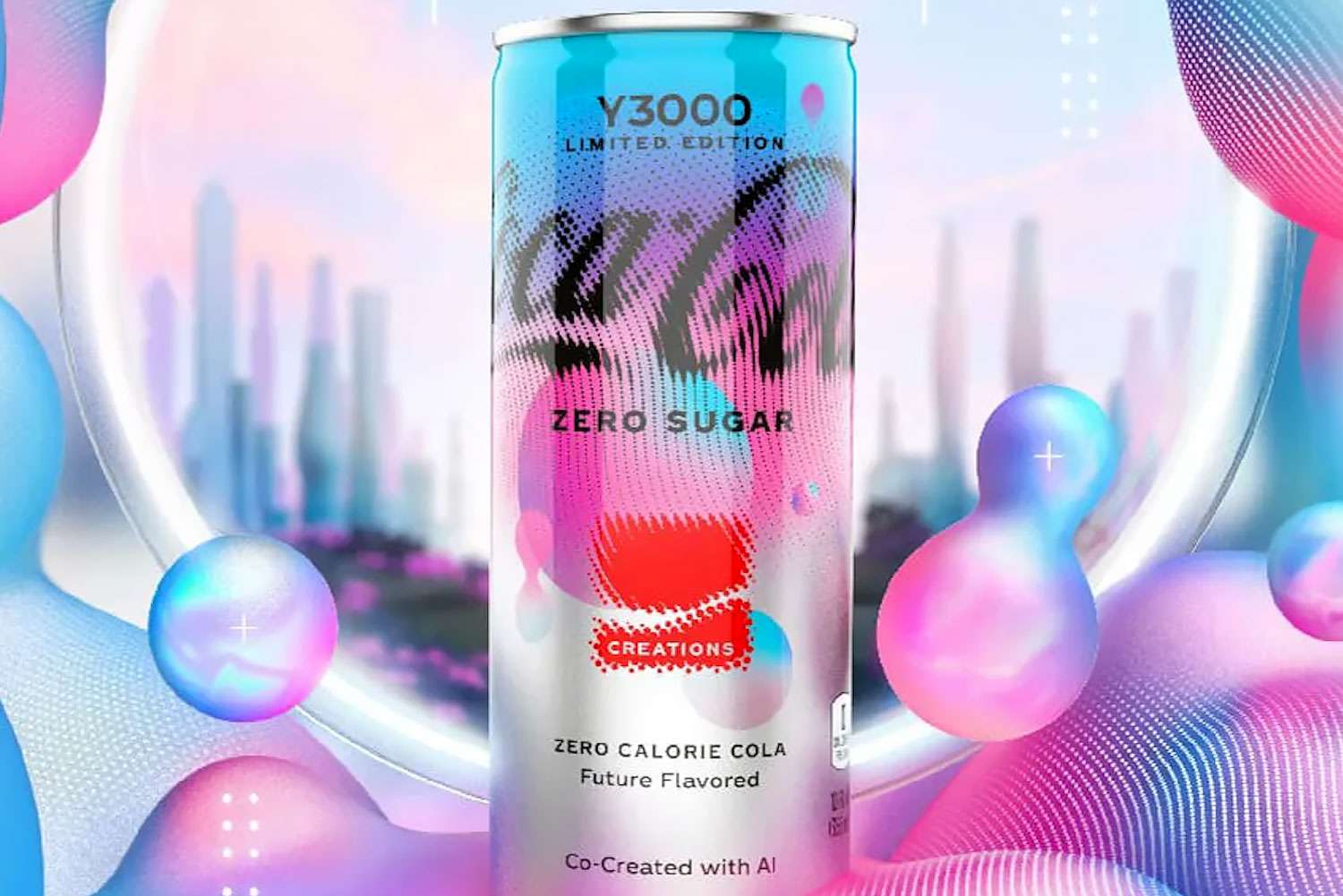
    Coca-Cola Australia has launched a limited-edition flavor called Coca-Cola Y3000 Zero Sugar across the country.

    The company says the latest launch is the first “futuristic flavor” co-created by human and artificial intelligence from Coca-Cola Creations.

    Last year, the business established a new global innovation platform called Coca-Cola Creations, which brings new products and experiences across the physical and digital worlds through limited-edition sequential releases.

    Under this venture, Coca-Cola Y3000 Zero Sugar was the first product Coca-Cola Creations introduced in Australia.

    Livia De Salvo, marketing manager of Coca-Cola Australia, said: “With the help of AI-powered technology, Coca-Cola Y3000 Zero Sugar imagines how a Coca-Cola from the future tastes and introduces innovative experiences to explore the future.”

    The inspiration and look for the product come from fans’ perspectives combined with insights gathered from artificial intelligence.

    Coca-Cola also looked at flavor trends and preferences to understand what consumers think the taste of the future will be like. These were used as inspiration to help develop flavor profiles and pairings recommended by artificial intelligence.

  • Tic Tac unveils new Berry Mix flavour

    Tic Tac unveils new Berry Mix flavour

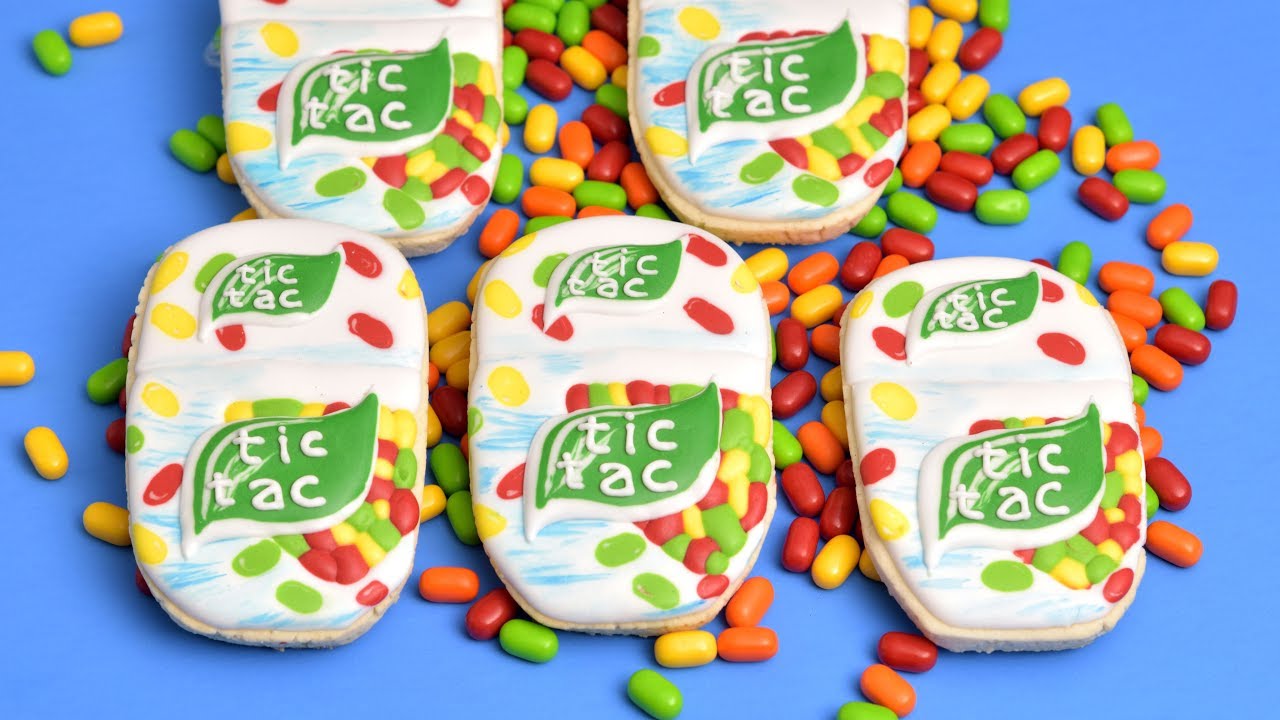
    Mint confectionery brand Tic Tac has unveiled a new flavor inspired by “warm spring days”.

    The new Tic Tac Berry Mix flavor is a combination of raspberries and blueberries, creating a harmony of sweet and tangy notes.

    The new products and other novel flavors like Tropical mints and Coca-Cola are available across Australia and New Zealand.

    The breath-freshening mints have been manufactured in Lithgow, NSW, since 1976.

  • Yaala Sparkling makes a splash with $125k Shark Tank deal

    Yaala Sparkling makes a splash with $125k Shark Tank deal

    Indigenous-owned beverage brand Yaala Sparkling has landed a $125,000 deal from Shark Tank’s resident “shark” investor, Dr Catriona Wallace.

    Shark Tank is a television show presenting entrepreneurs to a panel of five venture capitalists called “sharks” on the program, who decide whether to invest in the company.

    The Brisbane-based company said the funding would help scale the company’s production and expand the business nationwide.

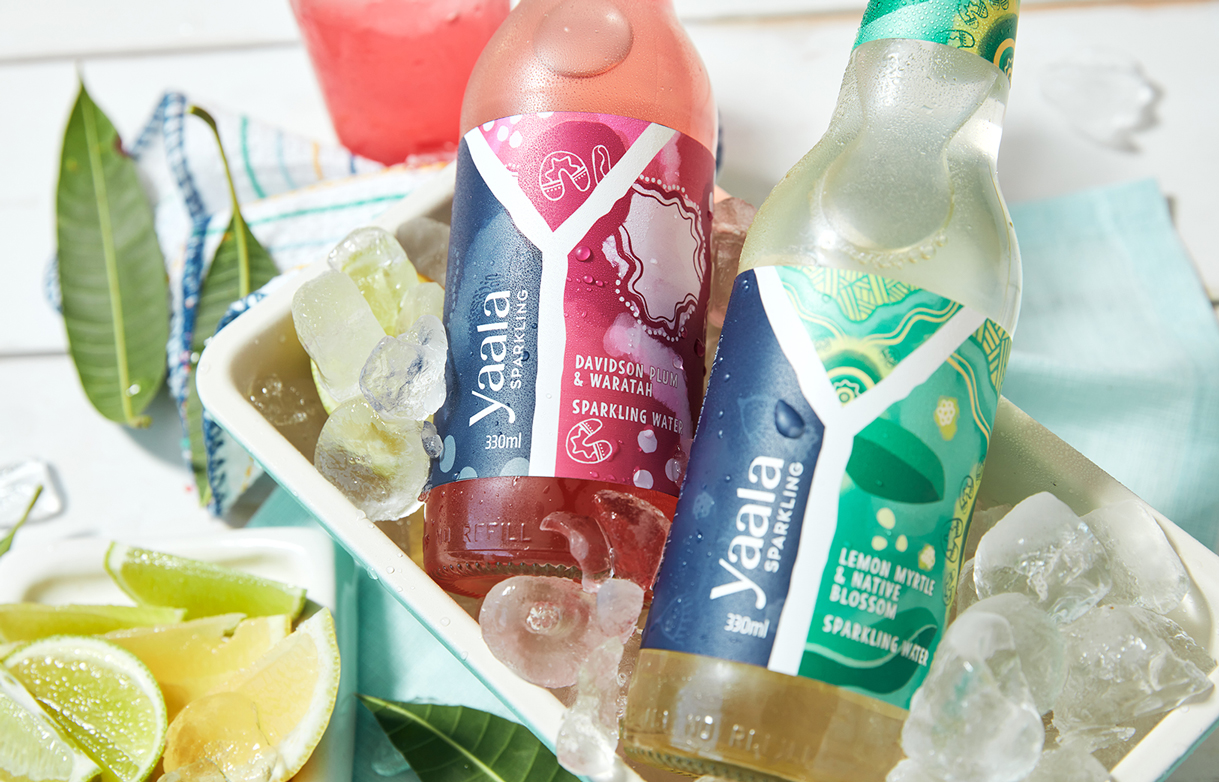
    Launched early this year by Tara Croker, Yaala, which means “the present moment” in the Wiradjuri language, produces alcohol-free sparkling drinks using native ingredients.

    The beverage is available in Lemon Myrtle and Native Blossom, and Davidson Plum and Waratah.

    Wallace said her reason for investing in the brand is that the business and product fill an unmet need in the soft drink industry.

    “Indigenous-inspired and Australian native plant-flavoured sparkling water will be hugely successful in Australia and internationally,” she continued.

    “I have worked with many Indigenous-led businesses and am thrilled to be teaming up with Mel and Tara to bring this business to scale.”

    Commenting on the deal, Croker said the investment and Wallace’s knowledge and experience would be valuable in taking the business to its next growth stage.

    “The rapidly growing native foods and botanicals industry is thought to be worth up to $50 million a year, and yet less than 2 per cent of businesses in the native food sector are Indigenous-owned,” remarked Croker.

    “Any business using native plants and knowledge passed down over generations must preserve traditional knowledge and invest back into the community.”

  • Kellogg board approves company’s split into two listed entities

    Kellogg board approves company’s split into two listed entities

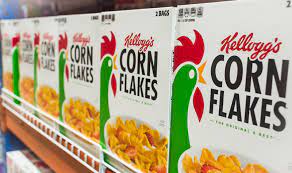
    Kellogg’s board of directors has approved the FMCG giant’s split into two independent, publicly traded entities: Kellanova and WK Kellog Co.

    From October 2, Kellogg Company will be renamed Kellanova and will continue to trade on the New York Stock Exchange under the ticker symbol “K”, while WK Kellogg Co will trade under the ticker symbol “KLG”.

    Kellog chairman and CEO Steve Cahillane said the decision was made after more than a year of comprehensive planning and execution.

    “We are more confident that the separation will produce two stronger companies and create substantial value for shareowners,” said Cahillane.

    Kellanova will focus on an expanding portfolio geared towards snacks and emerging markets, led by various brands.

    It is projected to generate net sales of an estimated US$13.4 to $13.6 billion and an adjusted-basis EBITDA (earnings before interest and tax, depreciation, and amortization expenses) of $2.25 to $2.3 billion next year.

    “We are looking forward to a new era as Kellanova, marked by a more growth-oriented portfolio, a renewed vision and strategy, and an energised organization grounded by a winning culture and our founder’s values,” continued Cahillane, who will serve as chairman and CEO of Kellanova.

    “These elements build on what has already been a track record of strong and consistent financial performance for the Kellanova portfolio.”

    Meanwhile, WK Kellogg Co will continue to build on the foundation of its “iconic” cereal brands and will focus on integrating its commercial strategy and execution while modernizing its supply chain.

    Gary Pilnick will serve as its chairman and CEO following the separation.

    The business is expected to earn an estimated $2.7 billion in net sales and adjusted-basis EBITDA of approximately $225 to $265 million in 2024.

    Pilnick explained that as a standalone company, it will immediately benefit from the advantages of increased focus and end-to-end integration while modernizing its supply chain.

    “WK Kellogg Co has a 117-year legacy of innovation and the soul of a start-up, with an organization incredibly energized by our future,” he concluded. “We’re on a profitable journey to take this great business to the next level.”

    Kellogg Shareowners of record will receive one share of KLG for every four shares of K owned.

  • Businesses suffer as durian farmers seek higher prices

    Businesses suffer as durian farmers seek higher prices

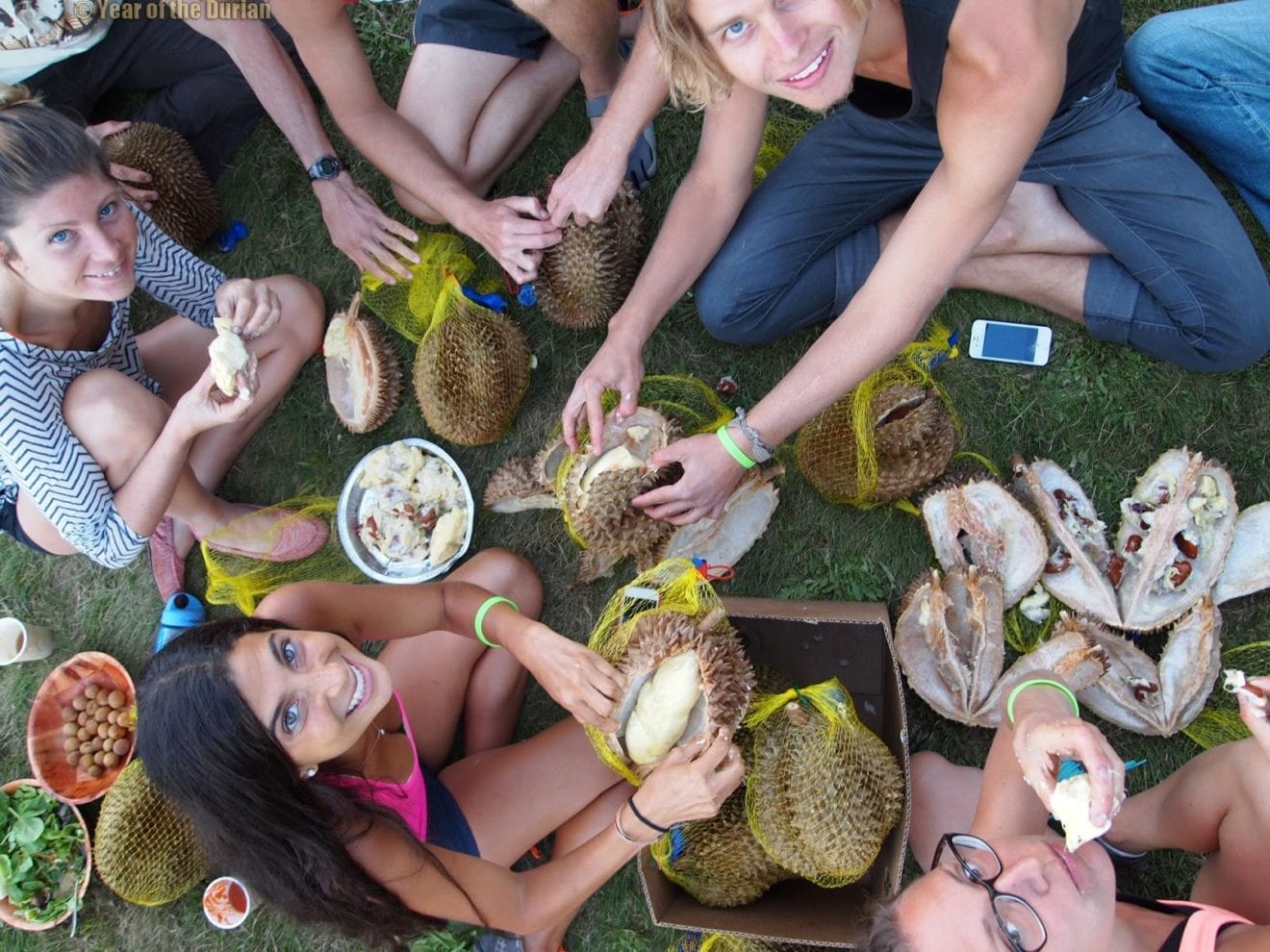
    Businesses are crying foul as farmers are not honoring deals with them to sell durian and are instead seeking to sell their produce to others for higher prices.

    Van Hoa, a durian packaging and exporting company with a capacity of 100,000 tons a year, has lost out on many contracts recently.

    “We committed early to pay VND60,000-80,000 (US$2.49-3.32) per kilogram, but close to harvest season traders came and offered up to VND100,000, which resulted in many farmers canceling their deals with us,” Van Hoa director of foreign affairs Le Anh Trung said at a forum Monday.

    Van Hoa therefore could not fulfill its export orders and has suffered losses on each shipment.

    The company has decided not to make early commitments to farmers in future, meaning there is no guarantee they will be able to sell their harvests.

    Nguyen Huu Chien, director of trading company Tan Lap Dong in Dak Lak Province, said he did not have enough durian to sell to two export partners after farmers dishonored their deals with him.

    “When we businesses give farmers a price quote in the morning, traders will come in the afternoon and offer higher prices.”

    These traders are often not precise in following Chinese origin tracing standards and therefore could cause Vietnam to lose this major market, he warned.

    Speculators need to be penalized, he added.

    Ngo Xuan Nam, deputy director of the Vietnam Sanitary and Phytosanitary Notification Authority and Enquiry Point, said authorities are reviewing the process of producing and exporting durian.

    He also ordered local authorities to suspend the activities of farmers who do not follow origin tracing protocols.

    Minister of Agriculture and Rural Development Le Minh Hoan called on businesses and farmers to establishing stronger commitments starting in the early phase of a crop.

    Local authorities need to ensure that farmers follow origin tracing protocols since durian is the face of Vietnamese agriculture, he added.

  • Belgium toasts its beer riches with new visitor centre

    Belgium toasts its beer riches with new visitor centre

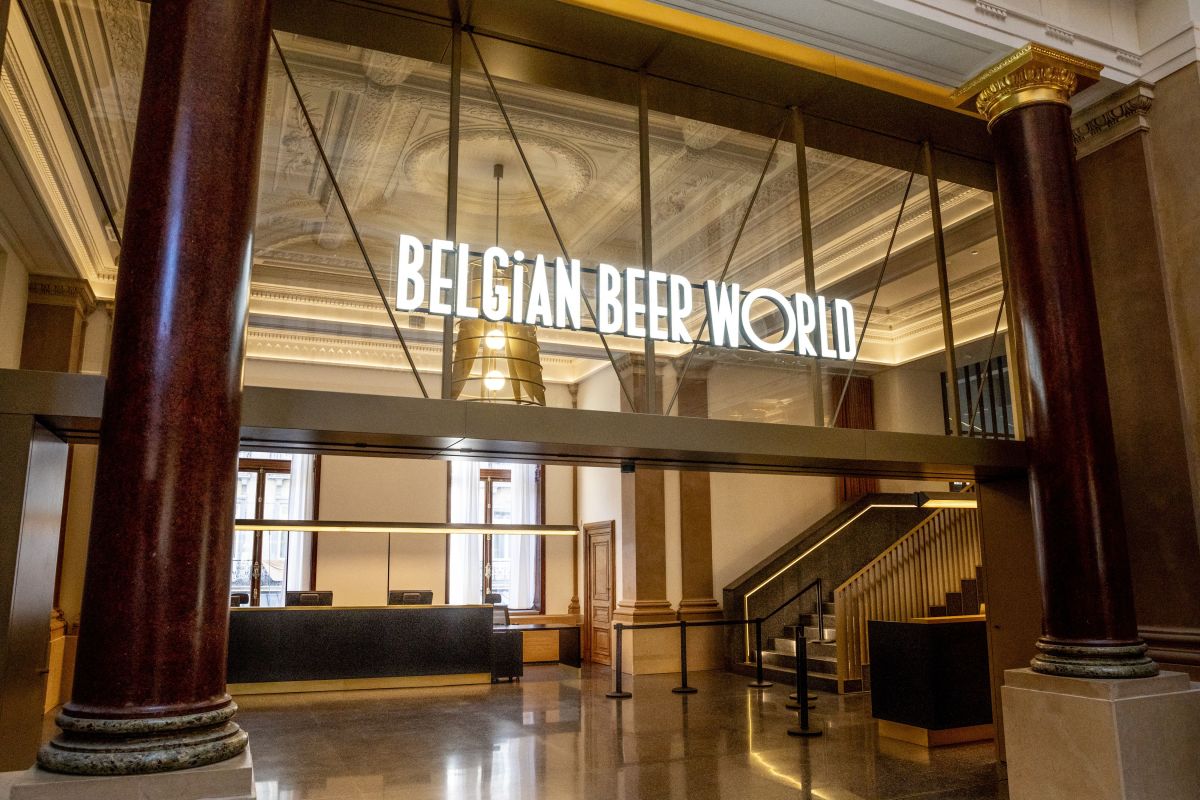
    Belgium is promoting its centuries of beer-making and 430 breweries with a new visitor centre in Brussels that recounts the history of Belgian production and aims to show what is unique about the country’s beer and beer culture.

    Belgian Beer World will open on Saturday in the neoclassical former Brussels Stock Exchange, renovated at a cost of $96.25 million.

    Visitors will learn about “Belgitude” – Belgian identity – and what distinguishes Belgian beer from others – such as the four different fermentation methods and the culture of each beer having its own branded glass.

    “In Belgium there’s more to it than the liquid in the glass,” said Krishan Maudgal, director of the Belgian Brewers Association.

    Belgium produces some 1,600 beers, and its beer culture secured a place on the UNESCO global list of traditions worthy of preservation in 2016.

    The new center shows production in the Middle Ages, when beer was a safe alternative to contaminated water, and hops were introduced as a preservative, and up to the modern day. The tour ends with a beer, suggested by a virtual barman, in the building’s rooftop terrace bar.

    Brussels already has a beer museum, but is unassuming, with old brewing equipment and some insight into beer-making.

    “It’s very typical of Belgium. We are too modest. We are someone who says ‘maybe it’s not necessary’,” said Brussels city Mayor Philippe Close, adding Dublin and Amsterdam were active in promoting their beer cultures.

    He said the center expected to welcome 300,000 visitors in its first year, with adult tickets costing 17 euros.

  • Nespresso unveils limited-edition Pumpkin Spice Cake flavour

    Nespresso unveils limited-edition Pumpkin Spice Cake flavour

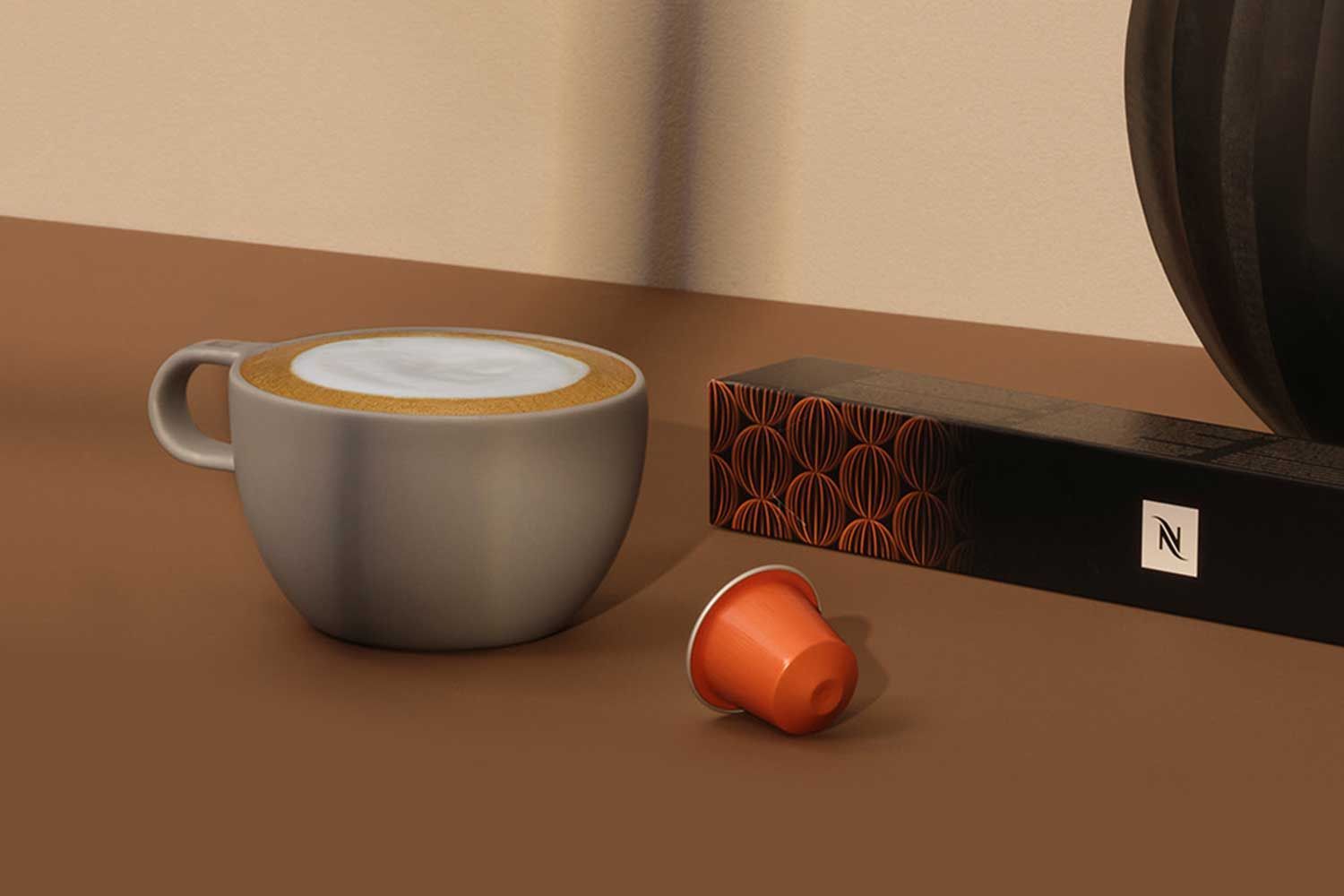
    Nespresso New Zealand has launched a seasonal limited-edition Pumpkin Spice Cake flavour for both Original and Vertuo machines.

    This limited-edition coffee boasts warm spice notes such as cloves, cinnamon, and cardamom. It is made from an Arabica blend of Latin American and African coffees and combines a sweet pumpkin flavour.

    With milk, the spice notes are softened for a sweeter and smoother coffee with buttery biscuit notes.

    The product is available online and at Nespresso Boutiques for $17.00 per sleeve of 10 Vertuo capsules and $14.00 per sleeve of 10 Original capsules.

  • The Berry Tea Shop launches equity crowdfunding to scale business

    The Berry Tea Shop launches equity crowdfunding to scale business

    Craft tea retailer The Berry Tea Shop has launched an equity crowdfunding campaign via Birchal as it seeks to scale the business and expand its product portfolio.

    The money raised will be used primarily to secure a new warehouse, venture into wholesale, scale marketing efforts, and introduce new products – including developing a ready-to-drink range.

    Founded in 2010 by Cliff and Paulina Collier, The Berry Tea Shop offers a selection of more than 48 varieties of loose-leaf tea, tea wares and accessories and includes a cafe.

    The company reported a revenue of $1.3 million last year, and online sales growth of 60 per cent yearly from 2019 to 2022.

    At the same time, its retail space grew 20 per cent in the same period.

    “We see the same potential in tea that was once seen in craft beer and specialty coffee,” said Paulina.

    “This equity crowdfunding campaign is a stepping stone to turn tea into the next big craft beverage movement.”

  • Indonesian coffee brand Fore Coffee opens first store in Singapore

    Indonesian coffee brand Fore Coffee opens first store in Singapore

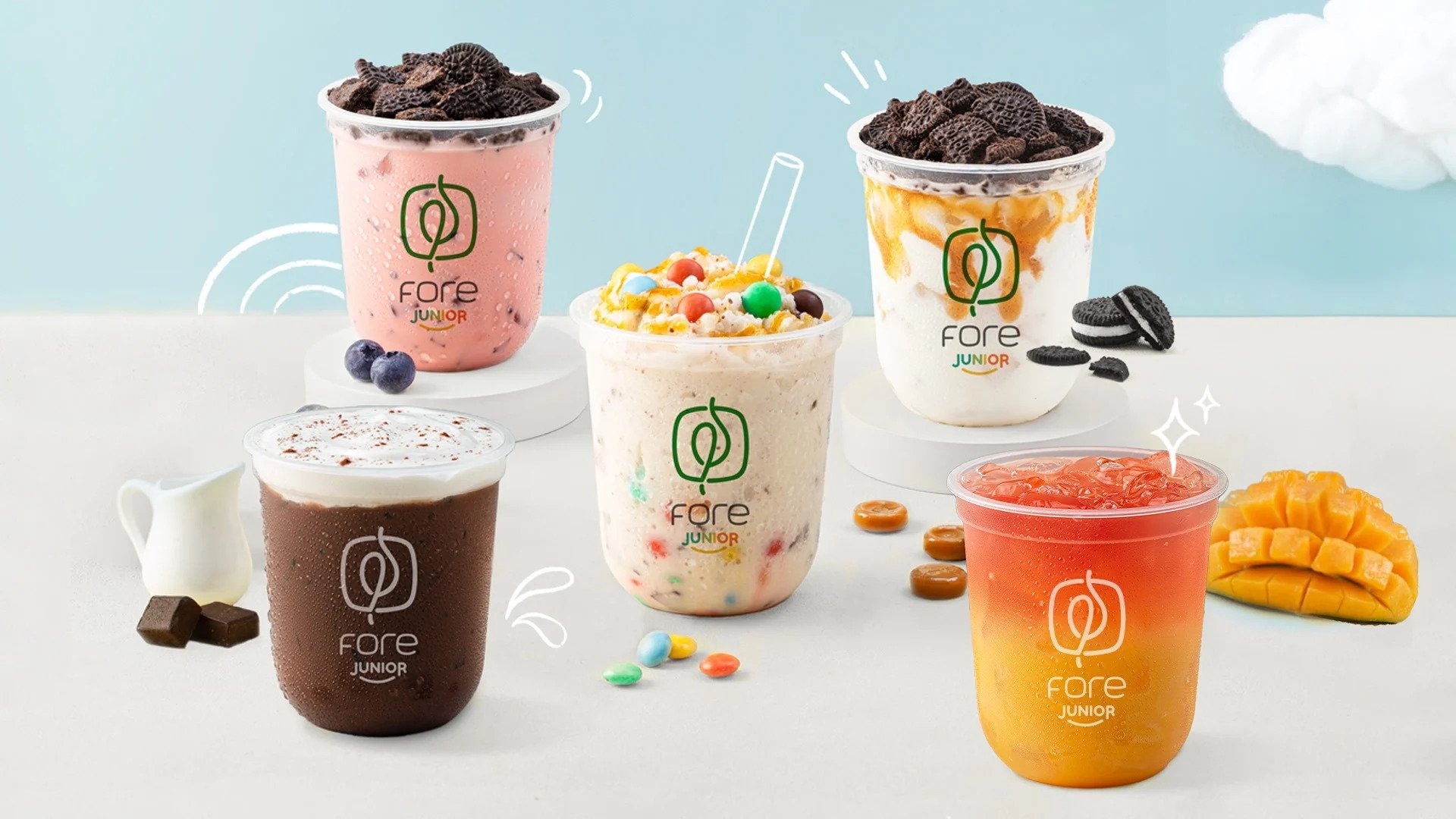
    Fore Coffee, the herald of Indonesian coffee culture, is proud to announce its highly anticipated entry into the Singaporean coffee scene – launching its first store in Singapore on November 9, 2023, at Bugis Junction. With a journey spanning over five years of unwavering commitment to excellence, Fore Coffee has risen to prominence as a prominent player in Indonesia’s coffee landscape, boasting an impressive network of 150 stores across the nation by September 2023.

    Fore Coffee, as the torchbearer of Indonesian coffee culture in Singapore, offers not just a cup of coffee, but a gateway to an inspiring everyday life. Founded in 2018, Fore Coffee has emerged as a powerhouse in Indonesia’s coffee industry, marked by its dedication to quality and innovation. The brand’s success lies in its adept use of cutting-edge technology, from tools to its mobile app, combined with skillful bean blending techniques.

    With a resolute commitment to sourcing highly curated coffee beans directly from Indonesian farmers in regions like Aceh Gayo, Toraja, West Java, and Bali, Fore Coffee’s beans undergo a meticulous roasting and preparation process before being expertly crafted by their baristas. This commitment to authenticity extends to their signature coffee blends that promise to redefine Singapore’s coffee culture in the ‘Indonesian way.’

    Fore Coffee’s narrative is one of craftsmanship, tradition, and community spirit. With a reverence for Indonesian soil, the brand meticulously curates exceptional coffee beans that honor the flavors unique to each region. This journey embodies sustainability and supports local farming communities. The brand’s skilled baristas harness the potential of Indonesian coffee beans to craft flavours that are truly unique. Every cup reflects a commitment to excellence, sustainability, and elevating the coffee experience to an art form.

    Fore Coffee’s business journey has been marked by profitability since 2021 in Indonesia, even amidst pandemic challenges. The brand has successfully expanded into tier 2 and tier 3 cities, showcasing resilience and adaptability. Backed by an impressive funding from renowned investors including East Ventures, SMDV, Pavilion Capital, Agaeti Venture Capital, Insignia Ventures Partners, and several angel investors, Fore Coffee’s growth is fueled by its exceptional performance.

    Vico Lomar, Co-Founder & CEO, Fore Coffee said, “Fore Coffee’s brand positioning and menu reflect its role as an ambassador of Indonesian coffee culture in Singapore. The brand’s signature coffee blends, crafted with a deep understanding of the discerning Singaporean palate, redefine the local coffee landscape through an Indonesian lens.”

    The Singaporean coffee market presents a compelling opportunity for Fore Coffee’s entry. According to research conducted in June 2023 in collaboration with Redseer, a strategy consultant, the Singapore coffee market is projected to grow at a CAGR of 5%, reaching 1,286 USD million by 2027. Singaporeans’ strong affinity for coffee, averaging 6-7 cups per week, aligns perfectly with Fore Coffee’s mission. The brand recognizes the mature coffee market in Singapore, combined with a love for Indonesian beans, particularly Arabica. With an understanding of local preferences and a commitment to innovation, Fore Coffee is poised to flourish in Singapore’s coffee landscape.

    Fore Coffee’s expansion into Singapore is centred around its exceptional signature beverages. From the beloved Gula Aren Latte to the Pandan Latte and innovative Butterscotch Sea-Salt Latte, these creations are meticulously curated to resonate with local preferences.

    Drawing insights from Flavor Group Discussions (FGDs), Fore Coffee is tailoring a selection of 16 key SKUs to capture the essence of Singaporean coffee culture. By adhering to local nutritions preferences, Fore Coffee empowers individuals to enjoy their drinks consciously, promoting healthier individual choices with varying sugar levels and diary options. Fore Coffee’s irresistible coffee offerings start at just S$4.5, ensuring affordability and accessibility for coffee enthusiasts across Singapore.

  • Accolade sells House of Arras to Handpicked Wines

    Accolade sells House of Arras to Handpicked Wines

    Accolade Wines has sold its subsidiary brand House of Arras to the Australian company Handpicked Wines, as part of its plans to focus on major markets.

    The deal, which will be completed before the end of November, comprises the House of Arras brand, 24 hectares of prime vines, stock, the Bay of Fires winery, and a cellar door in Pipers River, Tasmania.

    According to Accolade Wines CEO Robert Foye, House of Arras is a luxury brand that does not mesh well with the rest of the company’s portfolio priority areas at this time.

    In addition, Accolade has entered into a long-term arrangement with Handpicked Wines to continue producing and bottling all House of Arras labels.

    The wines will be produced at Accolade network facilities, including Torresans in Woodside, South Australia, and the grapes will also continue to be sourced and pressed in Tasmania.

    Accolade’s other premium Tasmanian brands, Eddystone Point and Bay of Fires, will continue to be produced at the same site under the contract with Handpicked Wines.

    Handpicked Wines, a family-owned Australian wine producer, is known for producing wines in Australia’s finest wine regions, including vineyards and wineries on the Mornington Peninsula, Tasmania, the Yarra Valley, and the Barossa Valley.

  • Lakanto unveils brown sugar substitute called Brown Lakanto

    Lakanto unveils brown sugar substitute called Brown Lakanto

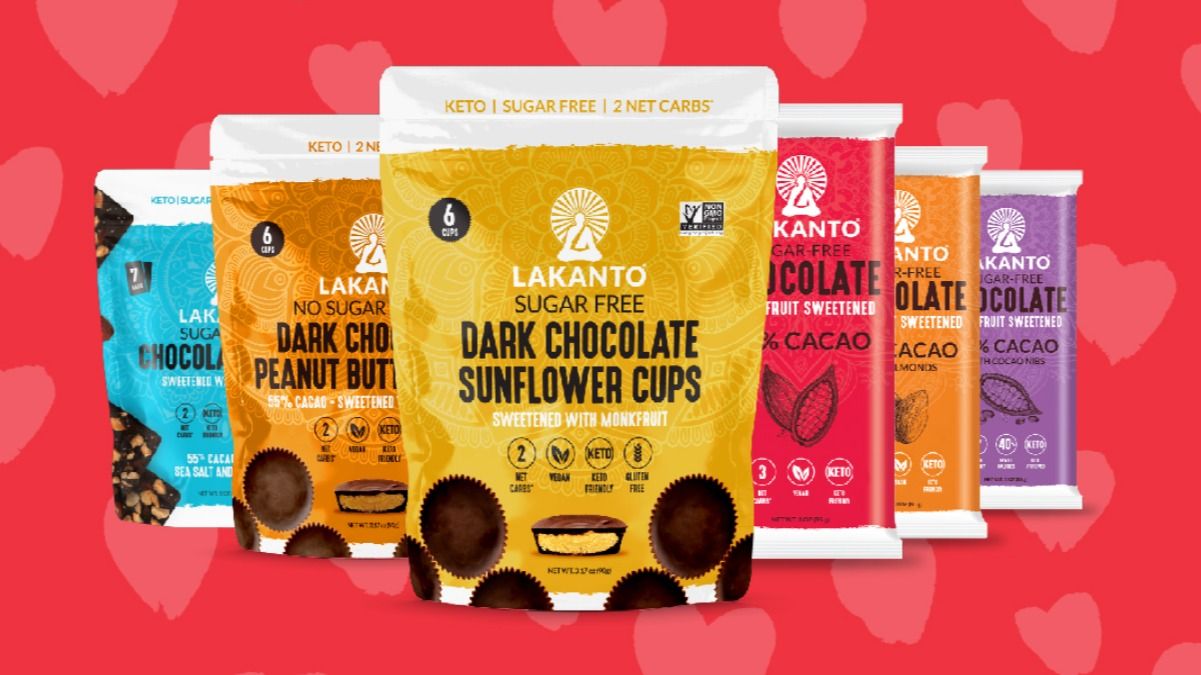
    All-natural sugar substitute brand Lakanto has launched a brown sugar substitute called Brown Lakanto nationally.

    The company says Brown Lakanto is a sugar substitute that offers the molasses-like flavour profile of brown sugar and has zero carbs with 93 percent fewer calories than sugar. The company’s sweeteners are made up of non-GMO erythritol and monk fruit extract.

    Leon McIndoe, GM of Lakanto Australia, said the brand has an “incredible reception” in Australia.

    “With our award-winning Classic and Golden sugar substitutes already on the market, it only made sense to extend the range in delivering a Brown sugar substitute for Australians to enjoy,” McIndoe added.

    The new sweetener comes in three sizes – 225g, 450g, and 4kg – and can be found at Coles, Woolworths, and other independent retailers as well as on the company’s website.

  • Maximus releases its first zero-sugar sports drink

    Maximus releases its first zero-sugar sports drink

    Beverage giant Frucor Suntory’s sports drink brand Maximus, has launched Zero, its first sugar-free option in its best-selling flavour – Blue.

    The brand says it aims to shatter the myth that zero sugar means taste-free, and its formula is able to retain Blue’s “remarkable” taste.

    Lisa Pearce, marketing manager, nutrition and hydration, Frucor Suntory – Oceania, said Maximus is about delivering choices to consumers.

    “The launch of ZERO is a proud moment for us, as it showcases our dedication to flavor innovation,” said Pearce.

    “With ZERO, we’re giving  consumers an irresistible option that doesn’t compromise on taste.”

    Maximus Zero is available in 1L bottles for an RRP of $5.50 in groceries, supermarkets, and convenience stores nationwide.