Category: Food

Retail News Asia is committed to providing both local and global retailers with the latest Food and Food & Beverage news throughout the Asian market. This on a daily base.

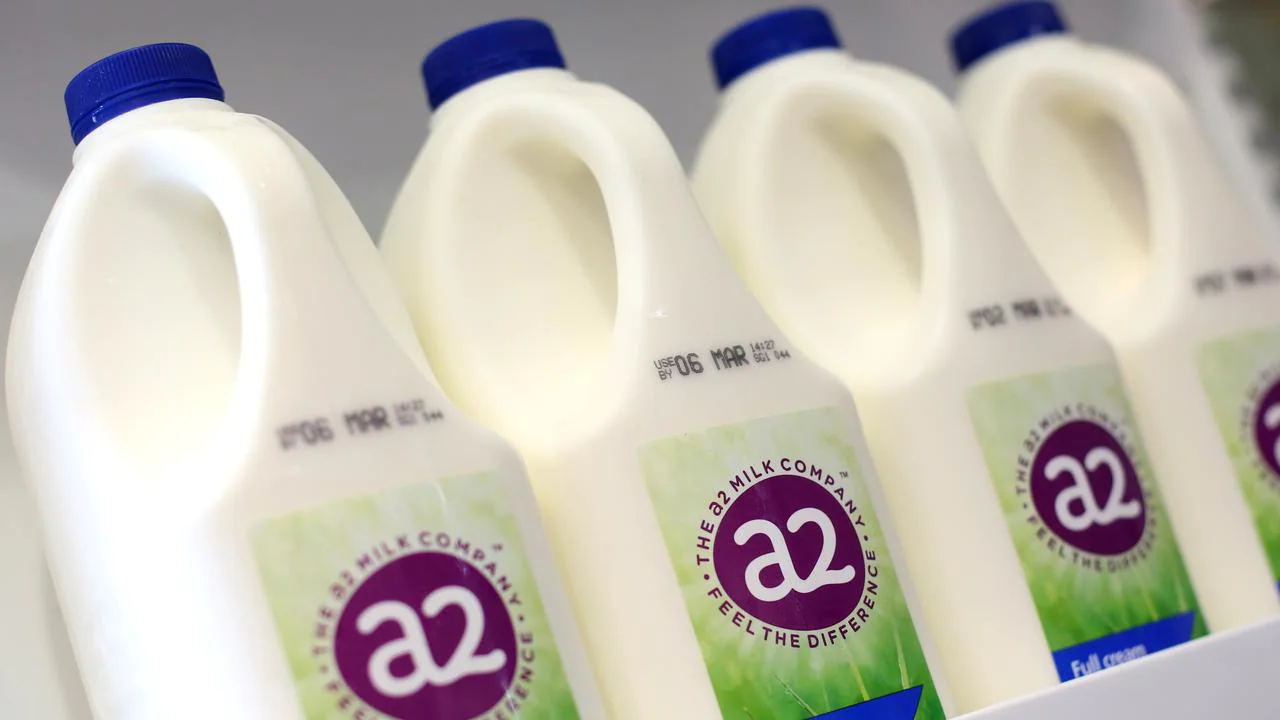
  • A2 Milk reports $1.6 bn in sales despite soft performance in China

    A2 Milk reports $1.6 bn in sales despite soft performance in China

    Specialty dairy company A2 Milk’s full-year profit is up by a third, driven by strong growth in its China section, despite challenging market conditions.

    Though it was expecting growth in the Chinese market to slow next year.

    Key numbers for the year ended June compared with a year ago:

    • net profit $155.6m vs $114.7m
    • revenue $1.59b vs $1.45b
    • underlying earnings $219m vs $196m
    • no dividend vs no dividend but a maximum $150m share buyback.

    Chief executive David Bortolussi said sales from the company’s China label infant milk formula (IMF) exceeded its sales in English-speaking countries for the first time, with the total sales for infant milk formula totaling more than $1.1 billion.

    “I’m proud of what our team has achieved this year, growing sales by 10 percent while the core China IMF market declined by 14 percent is a remarkable achievement,” he said.

    “The China IMF market has become increasingly challenging as a result of lower birth rates and increased competitive intensity.

    “Notwithstanding, we are well-positioned to continue to invest and grow share in FY24 to emerge in a stronger position when the market recovers.”

    Bortolussi said achieving reregistration of the company’s China label IMF product was critical to maintaining access to the company’s domestic market.

    Bortolussi expected to see a double-digit decline in the Chinese infant milk formula market in the 2024 financial year, but said the company expected to achieve “low single-digit group revenue growth”.

    “This is due to volume declines driven by the rolling impact of fewer newborns in recent years on later-stage IMF products, and a lower number of newborns expected in CY23 due to the lagged impact of Covid-19 prior to an expected increase in CY24,” he said.

    “The company will continue to execute its growth strategy in FY24, focusing on growing share in China IMF as well as commercialising opportunities in adjacent categories and new markets.”

    A2 expected to continue to gain market share in IMF, with growth dependent on the extent of market share gains in a declining market, he said.

  • Krispy Kreme caught posting embarrassing racial slur

    Krispy Kreme caught posting embarrassing racial slur

    Doughnut chain Krispy Kreme is facing a potential fallout after its advertisement campaign for the Australia and New Zealand market was caught containing an offensive racial slur.

    The campaign features four short videos showing that Krispy Kreme doughnuts can be used to celebrate sports events, birthday parties, movie nights, and special milestones.

    In one of the videos, the doughnuts replace the letter ‘o’ in the word ‘congrats’, turning it into ‘coongrats’ and then ‘cooongrats’.

    Creative agency Abel made the campaign in collaboration with Limehouse Production. Abel was appointed to be in charge of Krispy Kreme ANZ’s local creative in May.

    The advertisement has rolled out across social, digital, OOH and in-store media. The video with the word ‘congrats’ has been removed from YouTube, while the other three videos in the campaign are still available on the platform.

    Ad Standards told Mumbrella the body has not received any complaints about the campaign.

  • Asahi Beverages’ Vibe launches functional soda range

    Asahi Beverages’ Vibe launches functional soda range

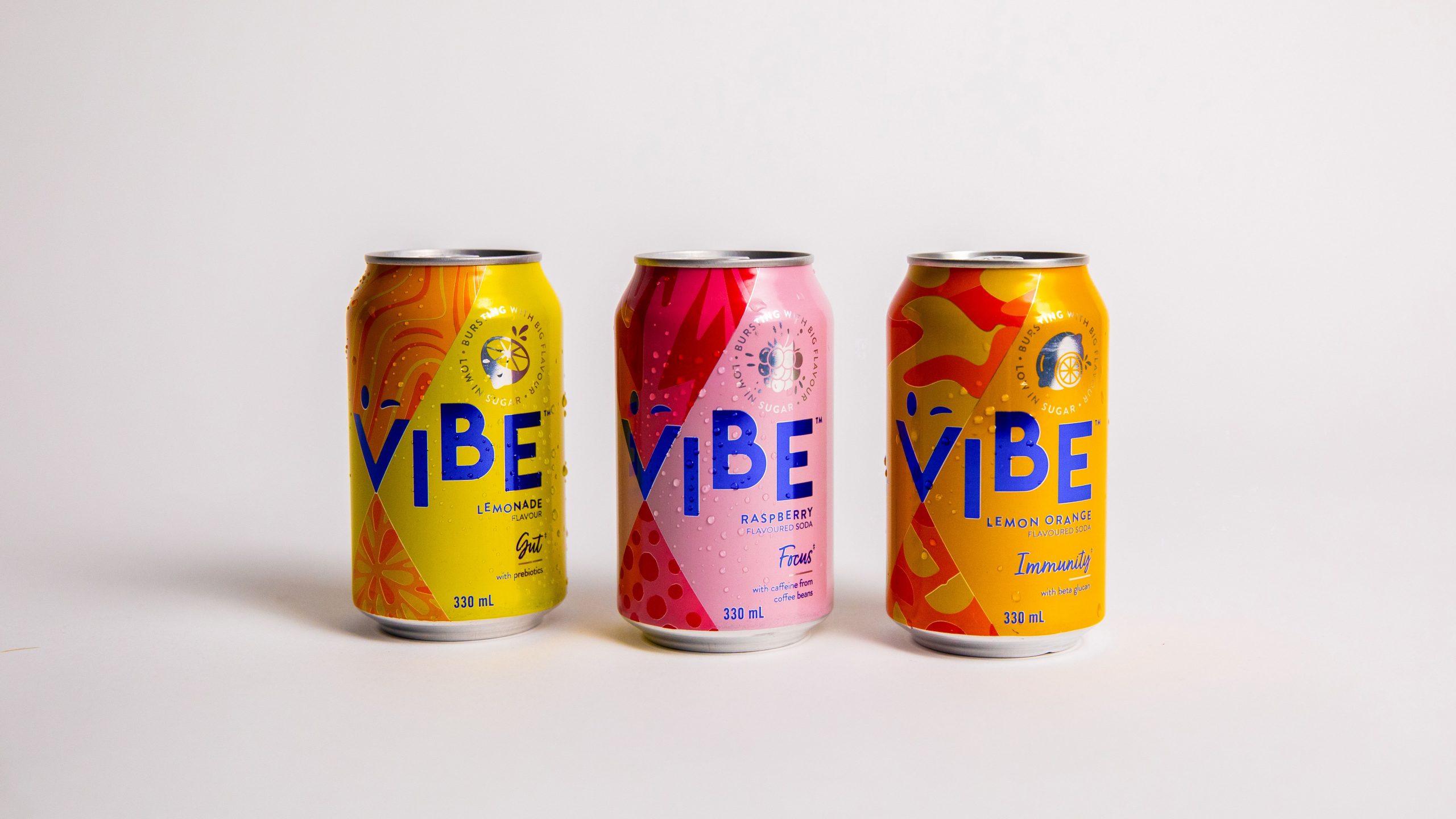
    Beverage brand Vibe has launched a functional beverage soda range in three flavours.

    The company says it undertook consumer market research to ensure the drink meets evolving consumer needs.

    Parent company Asahi Lifestyle Beverages’ GM for marketing, Lauren Fildes, said: “When choosing an alternative to soft drink, people want great taste first, then something that’s low in sugar and has a range of functional benefits to choose from.”

    Flavours in the range include – Lemonade Gut – which contains prebiotics for gut microbiota. Lemon Orange Immunity – formulated with beta-glucan to help support immune health and Raspberry Focus – which has caffeine to improve concentration and alertness.

    The range retails for $9.50 and comes in 330 ml cans, available across Woolworths stores nationally.

  • Dilmah launches luxury artisanal tea range across Coles stores

    Dilmah launches luxury artisanal tea range across Coles stores

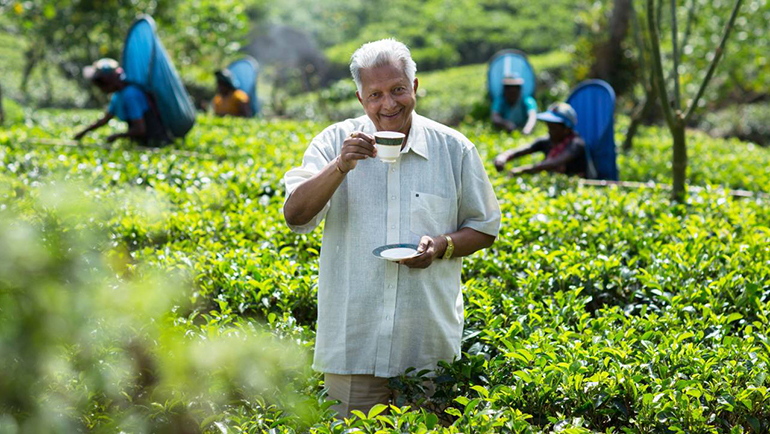
    Sri Lanka’s tea brand Dilmah has launched its luxury artisanal tea collection across 650 Coles supermarkets nationally.

    Dubbed ‘85 Reserve’ – the luxury tea range is sold in tin caddies each consisting of 20 large tea bags.

    It comes with six flavours and herbal infusions, namely Peppermint & Cinnamon, Ceylon Spice Chai, Lychee & Vanilla, Ear Grey & Vanilla, Ceylon Green Tea with Mint, and Royal Ceylon Breakfast – the last three will be available in Coles.

    Dilmah chairman Dilhan C. Fernando said Australians are “among the first in the world” to enjoy the range.

    “In the past six months, we have seen a nearly 60 per cent increase in luxury tea sales on the Dilmah Australia e-commerce website, and we are thrilled to offer the retail shopper this same luxury experience.”

    The full range can be bought online on the Dilmah Website.

  • Coca-Cola franchisee posts $236M revenue in Vietnam

    Coca-Cola franchisee posts $236M revenue in Vietnam

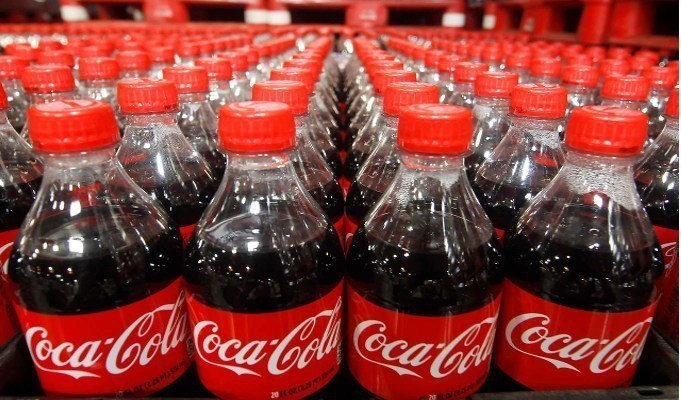
    Swire Coca-Cola, a franchisee of the Coca-Cola Company, recorded a revenue of US$236.32 million in the first six months in Vietnam.

    Its pre-tax profit was around $33.21 million in the period.

    Swire Coca-Cola is a partner of the Coca-Cola Company with a franchise to manufacture, market, and distribute products of the Coca-Cola Company in China, Cambodia, Vietnam, and the western U.S.

    Swire Coca-Cola entered the Southeast Asia market in July last year by purchasing the manufacturing line of Coca-Cola in Vietnam and Cambodia for over $1 billion.

    Leaders of Swire Coca-Cola considered the Vietnam purchase successful as it had made considerable contributions to the company, while its unit in Cambodia is posting a loss.

    Coca-Cola entered Vietnam in 1994, producing its beverage in three factories.

  • Low prices make Thai persimmons popular

    Low prices make Thai persimmons popular

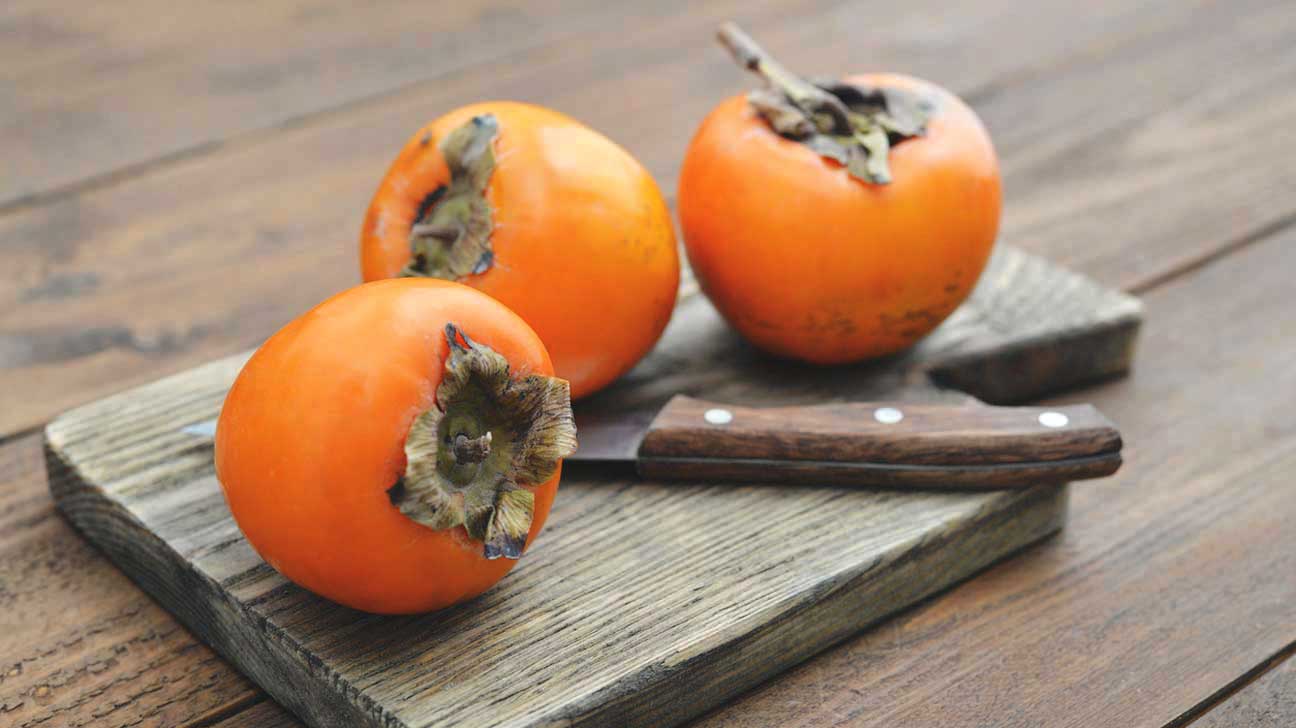
    Crunchy persimmons imported from Thailand sell for VND35,000 (US$1.5) per kilogram at wholesale markets in HCMC, VND5,000-10,000 lower than the Vietnamese variety.

    My Linh, the owner of a fruit stall in Go Vap District, said she had sold out 100 kilograms of Thai persimmons in two days.”It was very cheap, so I switched to selling Thai persimmons instead of the Vietnamese variety.”

    According to Thanh, the owner of a fruit stall at Ba Chieu market in Binh Thanh District, Thai persimmons are eye-catchingly yellow and sweet, and so attracts customers.

    “Every day, I sell three to five boxes (of 10 kg). Its retail price is VND55,000-60,000 per kilogram, while that of Da Lat persimmon is VND70,000-80,000.”

    A shop owner named Mai in Tan Binh District, who sells several tons of Thai persimmons a day, said due to higher harvests this year the fruit was exported to Vietnam at low prices.

    “I am selling three varieties of persimmons to markets: from Thailand, China and Da Lat. Currently the Thai fruit has the lowest price, with color and uniformity (in terms of size and quality) better than the other two.”

    A manager of the Thu Duc Agricultural Product Wholesale Market said Thai persimmons are being sold in the market for the first time, and are popular thanks to their low price.

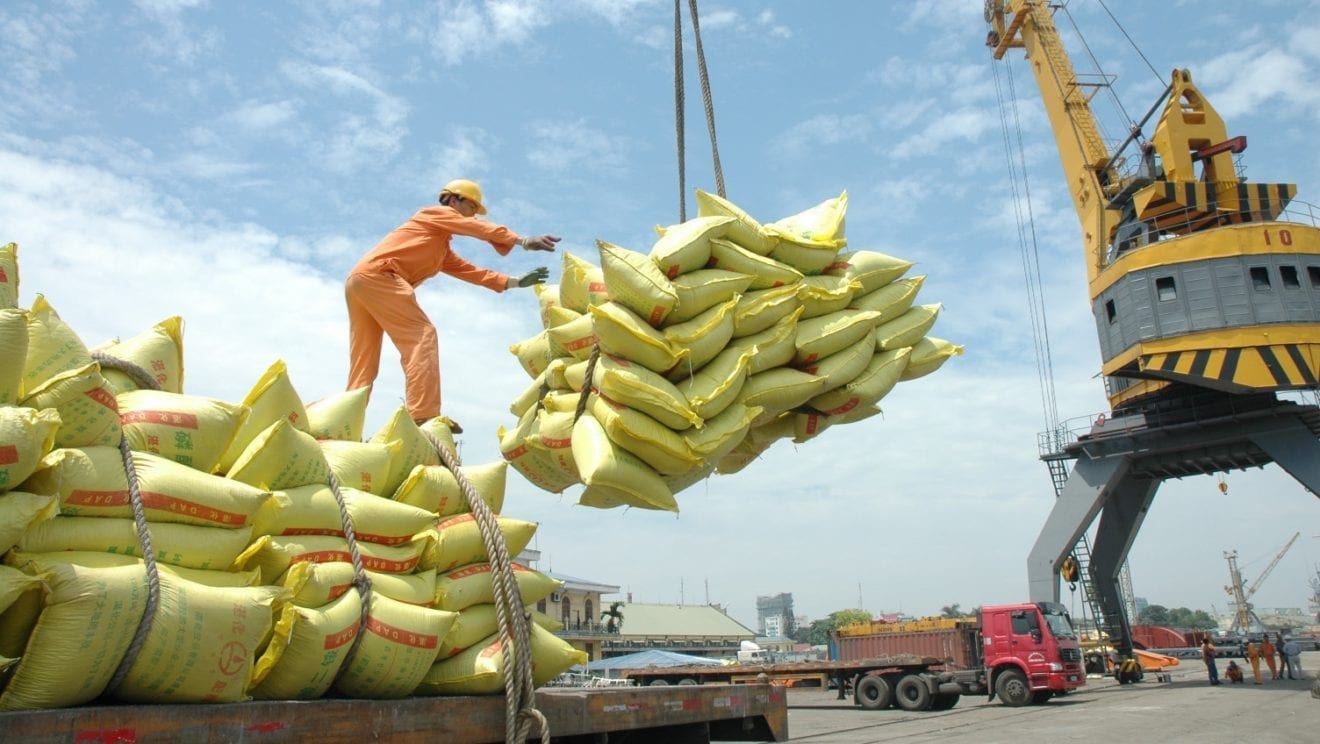
  • Rice traders desperate, make advance payment two months before harvest

    Rice traders desperate, make advance payment two months before harvest

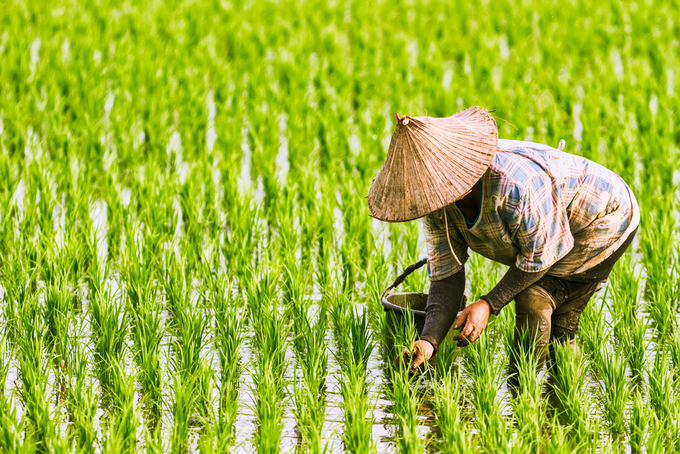
    The rice harvest in the Mekong Delta is still more than a month away, but traders are already asking to buy and even putting down deposits.

    The paddy has barely bloomed in the still green fields in Hon Dat District in Kien Giang Province, but traders have been making a beeline to them.

    On Aug. 8, three of them arrived at the 10-ha field belonging to Nguyen Van Pho and asked to buy his paddy at VND8,300 (US$0.35) per kilogram.

    But he refused since he expects a price of VND8,500 or more. “This year, traders are willing to buy paddy when it is still green,” he said. “They are willing to pay a deposit of VND5 million per hectare of paddy. This is the first time I have seen such a situation.”

    Phan Van Dong, who has worked as an intermediary between farmers and traders for more than 10 years in the province’s Giong Rieng District, said he has never seen rice prices as high as now.

    They have gone up to VND8,300 per kilogram from VND7,500 just a week ago, he said. “There are dozens of intermediaries like me and only a few hundred hectares of paddy. We are competing with each other to buy.”

    The Vietnam Food Association said foreign importers are actively seeking to buy Vietnamese rice, and willing to pay $10-20 more per ton compared to period before India imposed the ban in late July.

    India accounts for more than 40% of world rice exports, and non-basmati white and broken rice accounted for around 10 million tons of a total of 22 million tons of Indian rice exports last year, according to the U.S. Department of Agriculture. With the ban taking effect, global insiders have raised concerns about food price rises.

    In Can Tho City and Hau Giang Province too, traders are making advance payments to buy paddy though harvest is a month or two away.

    For the past 10 days, Nguyen Thanh Tam of Can Tho’s Thoi Lai district, who is growing high-quality rice on five hectares, has been pestered by traders to sell his grain at prices that have increased from VND6,200 per kilogram to VND7,500.

    The director of a rice export company in Can Tho said his company has deposited money to buy paddy grown on 30,000 hectares and expected to be harvested in the next five or six weeks.

    “To ensure we get sufficient amounts of paddy for processing for export, we have had to increase our purchase prices to VND7,500-7,800 per kilogram for normal rice and to VND8,300-8,500 for fragrant rice.”

    But he said this would mean big losses for the company since prices were lower when it had signed the export contract with a foreign partner.

    Ngoc Quang Phat Company in Can Tho said it needs 20,000 tons of rice for export, but it is difficult to buy that quantity now.

    It had signed deals with farmers to buy 50,000 tons of paddy at VND6,500 per kilogram (VND6.5 million per ton) in advance, but many are now asking it to hike the price.

    Global supply is scarce, pushing Vietnam’s export prices to record levels.

    Economist Tran Huu Hiep said the scramble occurring now is because most rice exporters cannot buy their own lands and farm the grain.

    Deputy Minister of Agriculture and Rural Development Tran Thanh Nam said the links between rice companies and cooperatives remain weak.

    The former buy 50% of their rice through traders, he said.

    He said there are 180 rice exporters in Vietnam, but only half have tied up with cooperatives to secure supply. “Businesses should step up cooperation with rice cooperatives.”

    On Aug. 6, Prime Minister Pham Minh Chinh instructed the Ministry of Agriculture and Rural Development and other ministries and local authorities to ensure this year’s target of 43 million tons of paddy, equivalent to 20 million tons of rice, is achieved.

    By early August more than 24 million tons had been harvested in the country. According to the ministry, if there are no abnormal changes in the weather, the output will be adequate to meet both domestic and export demand.

    Vietnam, which is the world’s third largest rice exporter after India and Thailand, estimates exports to be 7-7.5 million tons.

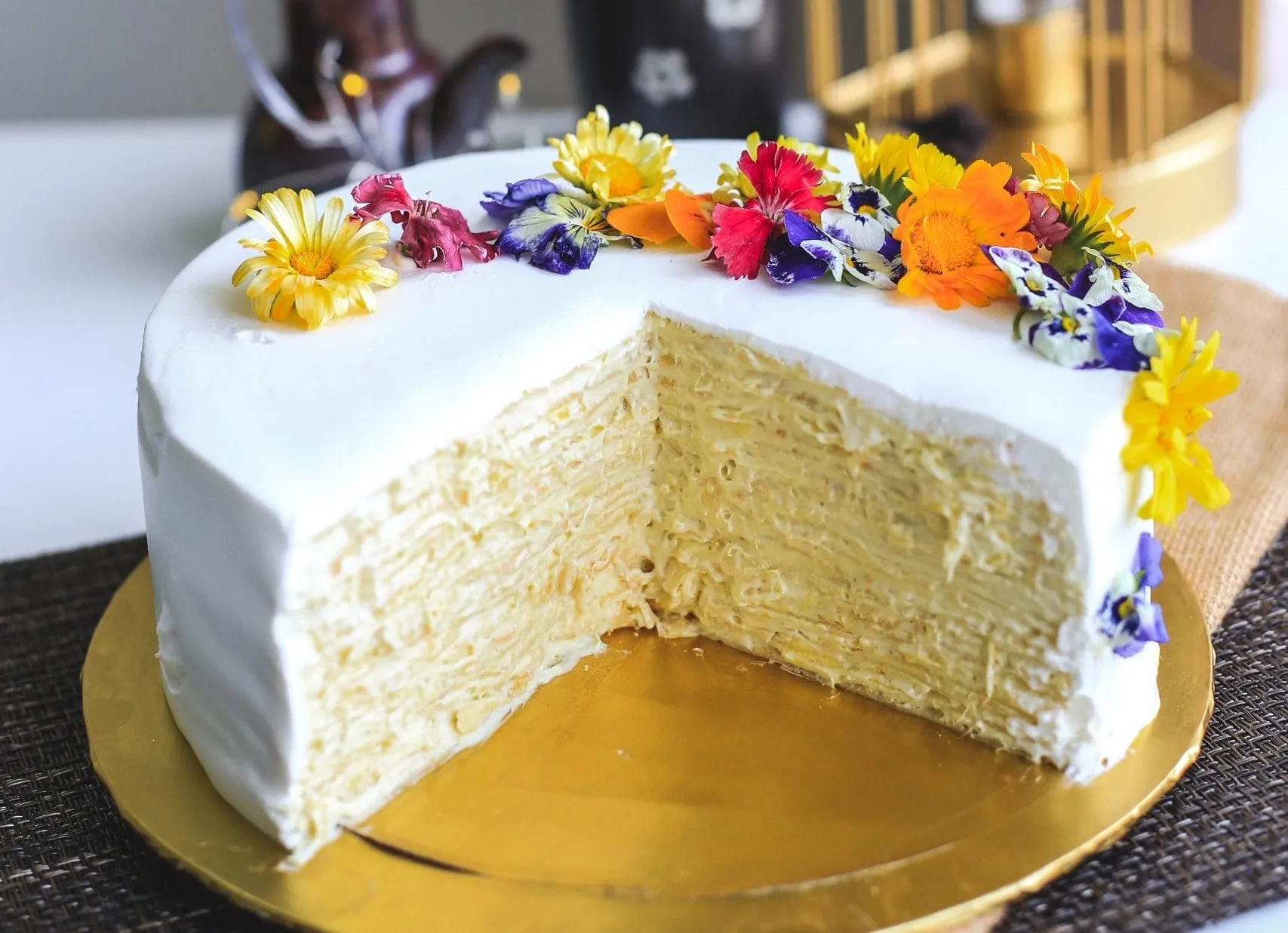
  • Musang King durian moon cake prices up 10%

    Musang King durian moon cake prices up 10%

    Musang King durian moon cake prices, made with the popular durian variety originally from Malaysia, have increased by 2-10% year-on-year in Vietnam.

    Their cost ranges between VND900,000 ($37.90) to VND1.7 million per box. Last year, the most expensive product sold for around VND1.5 million.

    Hoang Anh, a moon cake vendor in Ho Chi Minh City’s District 3, sold out 500 boxes of Musang King and Black Thorn moon cakes in two weeks last year.

    She has doubled her imports this year.

    “We have to order five months in advance as the manufacturer needs to prepare durian beforehand.”

    A major distributor in HCMC plans to sell nearly 30,000 cakes this year, triple the amount last year.

    The cakes are mostly imported from Malaysia. Other markets that also sell them are Singapore and Hong Kong.

    Industry insiders say prices have gone up due to rising ingredient costs.

    Moon cake is a popular type of desert in Asian countries. It is often enjoyed during the Mid-Autumn Festival in the middle of Lunar August, which falls on Sep 29 this year.

  • Vietnam to impose anti-dumping duties on Thai sugarcane products

    Vietnam to impose anti-dumping duties on Thai sugarcane products

    Vietnam has imposed anti-dumping and countervailing duties on sugarcane products from several Thai companies from August 18 to June 15, 2026.

    The duties will be imposed on the Mitr Phol Sugar group, Asia’s largest sugar and bioenergy manufacturer, along with four affiliated companies and Czamikow Group Limited.

    The Thai Roong Ruang Industry group, Thailand’s second-largest sugar manufacturer, along with its five affiliated companies, will also see duties imposed, according to the Ministry of Industry and Trade.

    The lowest rate of anti-dumping duties will be 25.73% and the highest at 32.75%. The highest rate of countervailing duties will be 4.65%.

    In June 2021, Vietnam officially began to impose anti-dumping and countervailing duties on sugarcane imported from Thailand. At the time, the rate was 47.64%. In August 2022, the ministry decided to keep this rate.

    Investigations revealed that Thailand’s sugarcane products entering the Vietnamese market have caused great damage to local production, resulting in 3,300 people losing their jobs and 93,225 farmer’s families affected, authorities have said.

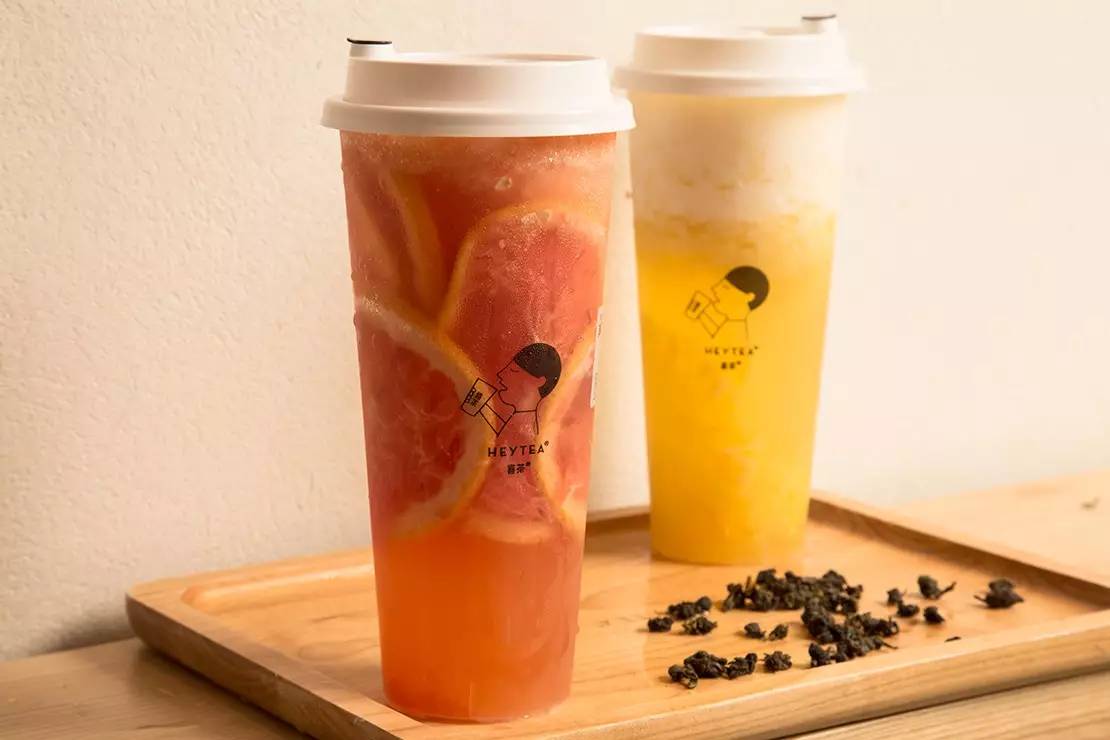
  • Heytea opens first store outside Asia in London

    Heytea opens first store outside Asia in London

    Chinese tea brand Heytea has launched its first store outside of Asia in London’s Chinatown, accelerating its international expansion.

    The London Heytea store is located on Shaftesbury Avenue in the neighbourhood of Soho, close to Leicester Square, the Prime Minister’s Office, and Buckingham Palace.

    The expansion follows the brand’s success when launching its first overseas store in Singapore in 2018.

    Heytea reportedly announced the opening of applications for overseas business partnerships earlier this year, including plans to open in countries including the UK, the US and Canada.

    Established in 2012 and headquartered in Nanshan District, Shenzhen, Heytea is one of the most popular tea brands in China due to its modern interior design, photogenic packaging and innovative drinks.

    Heytea currently operates more than 1000 stores in China and four locations in Singapore. The brand launched its convenience-store-like concept in Singapore in 2021, as part of its strategy to attract more young customers, especially Gen Z.

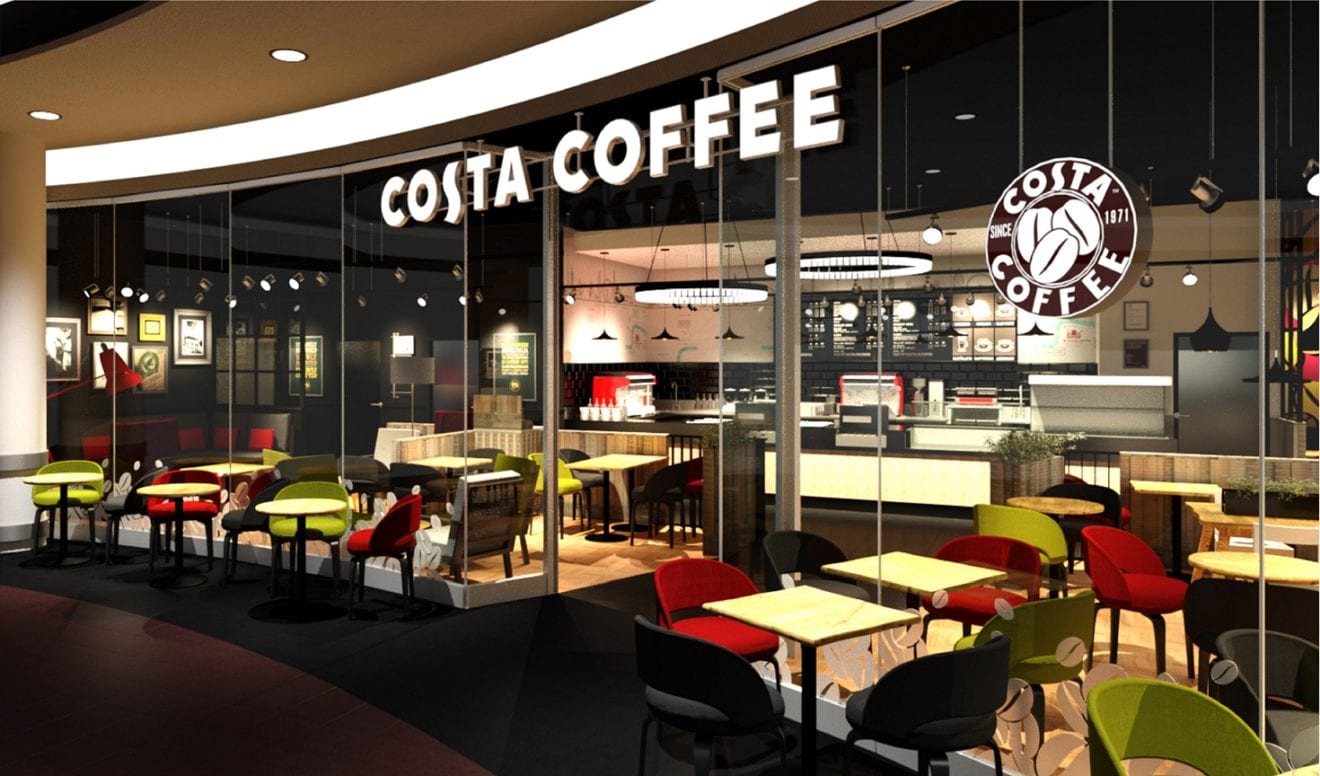
  • Costa Coffee enters Japan with three stores planned to open

    Costa Coffee enters Japan with three stores planned to open

    UK coffee chain Costa Coffee has expanded its presence into Japan under a joint venture dubbed Sojitz Royal Cafe between Sojitz Corporation and Royal Holdings.

    The chain’s first location in Japan was launched in the Shibuya district, featuring the brand’s signature design that uses Costa Red and Costa Pink accents. The store opening will be followed by the brand’s second store in Otemachi in September and its flagship store’s launch in Ginza the following month.

    Sojitz Royal Cafe, established in January, acquired the exclusive franchise rights of Costa Coffee in Japan earlier this year.

    Founded in London by Italian brothers Sergio and Bruno Costa in 1971, Costa Coffee has more than 4000 stores across 45 countries.

    Further reading, Japan’s % Arabica set for franchised European expansion in next year.

  • Jollibee Group brings two Singaporean chains to the Philippines

    Jollibee Group brings two Singaporean chains to the Philippines

    Jollibee Foods Corporation (JFC) has formed a joint venture company with Singapore-based Food Collective Pte. Ltd. (FCPL) to launch Common Man Coffee Roasters and Tiong Bahru Bakery in the Philippines.

    The joint venture company will franchise the café chains in the country, with JFC owning 60% of the business and FCPL the remaining 40%. JFC will also take the lead in the management and operations of the joint venture, with both companies committing up to P250m ($4.5m) in the partnership

    Founded in 2013, café concept and coffee roaster Common Man Coffee Roasters currently operates five outlets in Singapore alongside a single site in Malaysia.
    JFC expects to open at least one Common Man Coffee Roasters in the Philippines this year. However, the joint venture remains subject to regulatory approval.

    Tiong Bahru Bakery currently operates 16 cafés across Singapore.

    “We are excited to enter this joint venture with FCPL to own and operate the Tiong Bahru Bakery and Common Man Coffee Roasters in the Philippines. These brands will be a strong addition to JFC’s foreign franchised brands and will allow JFC to capture an even greater opportunity and strengthen JFC’s position for further growth in the Philippine market,” said Ernesto Tanmantiong, CEO, JFC.

    Based in Singapore, FCPL is a majority-owned subsidiary of Titan Lifestyle Holdings Pte. Ltd., a division of Titan Dining LP, in which JFC has a 90% participating interest. Common Man Coffee Roasters and Tiong Bahru Bakery are its primary brands.

    JFC operates more than 6,500 outlets globally across its 16-strong food and beverage portfolio, which includes its eponymous fast-food restaurant chain Jollibee and coffee chains Highlands Coffee and The Coffee Bean & Tea Leaf.

  • Vietnam food association official says no immediate plan to curb rice exports

    Vietnam food association official says no immediate plan to curb rice exports

    Vietnam has no immediate plans to restrict rice exports, a senior official of the country’s food association said on Monday, after India’s export curbs sparked worries about global supplies of the staple.

    “At the moment, Vietnamese companies are exporting rice normally,” said Nguyen Ngoc Nam, chairman of the Vietnam Food Association, which represents the country’s rice processors and exporters and works closely with the government.

    India, which accounts for 40% of world rice exports, ordered a halt to its largest export category more than a week ago to calm domestic prices, which have climbed to multi-year highs in recent weeks as erratic weather threatened production.

    Nam said prices of Vietnamese rice had soared since India’s move on July 20, adding that the harvest of the summer-autumn crop was ongoing in Vietnam, which is the world’s third largest rice exporter after India and Thailand.

    Vietnam’s 5% broken rice prices rose to $550-$575 per metric ton on Monday, traders said, their highest since 2011, from a range of $515-$525 before India’s move.

    A day after India’s export curb announcement, Vietnam’s Ministry of Industry and Trade called on the association to ensure sufficient domestic rice supplies and food security, and asked traders to balance between exports and domestic sales to stabilize domestic prices.

    Rice shipments from Vietnam in the first seven months of this year were estimated to have risen about 18.7% from a year earlier to 4.84 million tonnes, according to the government’s preliminary data. Revenue from rice exports in the period was seen up 29.6% at $2.58 billion.

    On Friday, the United Arab Emirates announced it would ban rice exports and re-exports for four months, including rice of Indian origin.

    Philippine President Ferdinand Marcos Jr. said on Saturday the country must boost its rice stocks and that he may seek a supply deal with India, worried about the potential impact of El Nino dry weather on the local harvest and about other suppliers.

    The Philippines is Vietnam’s largest rice buyer.

  • Beer Fans set to launch in New Zealand in August

    Beer Fans set to launch in New Zealand in August

    Beer Fans, a leading online marketplace dedicated to connecting beer enthusiasts with their favourite beer brands, is thrilled to announce its official expansion into the beer-loving market of New Zealand. The launch is scheduled for August 2023.

    Recognizing the rich diversity and exceptional quality of New Zealand’s beer industry, Beer Fans is dedicated to fostering connections between these local breweries and a global audience of beer enthusiasts. Initially launching nationwide for domestic orders, Beer Fans has plans to extend its reach with international shipping in the pipeline for 2024.

    Beer Fans’ expansion into New Zealand is not just about beer; it’s about building a community of passionate fans around these brands. The platform will showcase New Zealand’s finest breweries through its marketplace website, introducing them to new fans through merchandise products that go beyond beer itself.

    Founder and beer fan, Joe Cook, will be traveling to New Zealand in August, coinciding with the esteemed BrewNZ event. During this visit, he will meet with various beer brands, aiming to forge meaningful partnerships and explore collaboration opportunities.

    As part of this international expansion, Beer Fans has invested in expanding its customer service team to ensure that the same high level of service and support is provided to customers in New Zealand as in its home market.

    To support the exciting launch, Beer Fans proudly announces its partnership as the official merchandise sponsor for Beervana, a renowned beer festival celebrating the best of craft brewing in New Zealand.

    “We are thrilled to bring our passion for beer and community to New Zealand. By providing a platform that not only promotes beer, but also fosters a strong fan base through merchandise, we believe this model can be a game-changer for the broader industry. We are committed to proving this concept’s success and scaling it to even bigger markets in the future,” said Joe Cook, Founder of Beer Fans.

  • Durian exports exploides

    Durian exports exploides

    According to Vietnam Customs, Durian exports increased 19-fold year-on-year in the first half of this year to US$876 million.

    Of this, China alone accounted for $835 million.

    Dang Phuc Nguyen, general secretary of the Vietnam Fruits and Vegetables Association, said durian is harvested in May-June in the southern provinces and August-December in the Central Highlands.

    The Government has signed many protocols and free trade agreements that foster the development of local fruit and vegetable market, he said.

    Recently durian has been recently bought at high prices by Chinese firms and small traders. Since transportation from Vietnam to China does not take long short, the fruits remain fresh, giving them a competitive advantage over Thai exports.

    First-grade durian is now sold at the farm gate at VND85,000-100,000 ($3.59-4.22) per kilogram.

    Exporters said the quality is higher this year than in previous years. Domestic demand was up 10-15% in the first half.

    According to the Department of Crop Production, durian is grown on 110,300 hectares now compared to just 37,000 ha as recently as in 2017.

    This year’s output is estimated at 1 million tons, 15.9% higher than last year, and 400,000-500,000 tons are expected to be exported for some $1.5 billion.

    Last year Thailand exported more than 800,000 tons, earning $3.5 billion.