Category: Food

Retail News Asia is committed to providing both local and global retailers with the latest Food and Food & Beverage news throughout the Asian market. This on a daily base.

  • Sabeco’s profit plunges by a third in Q2

    Sabeco’s profit plunges by a third in Q2

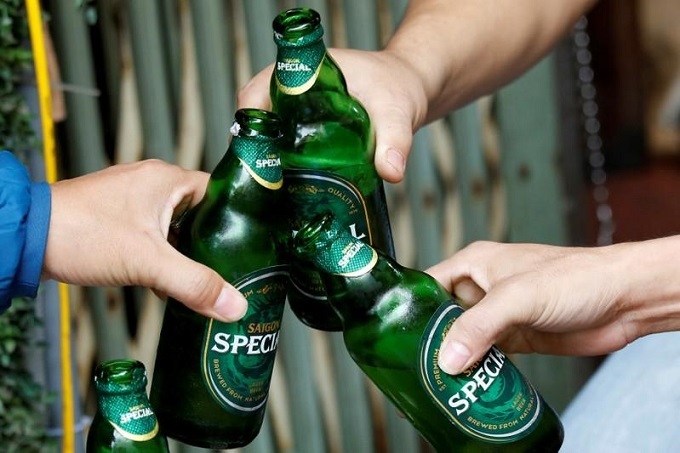
    Sabeco, the brewer of Saigon Beer, saw profits plunge 32% year-on-year to VND1.2 trillion ($50.7 million) in the second quarter as rising competition pumped up its marketing expenses.

    Fierce competition with international brewers forced the company to spend more on marketing and distribution, while demand has plunged from last year amid economic challenges, the company explained in its financial report.

    The impact of tightened regulations on driving under the influence and rising costs of ingredient and packaging also contributed to the profit drop, it added.

    In the second quarter last year Sebeco reported a post-tax profit of VND1.79 trillion, the highest since Thai company ThaiBev acquired it in 2017.

    In the first six months this year the company posted a post-tax profit of VND2.2 trillion, meeting 38% of the year’s target.

    Earlier this year Sabeco leaders said that Vietnam’s beer industry was seeing a golden opportunity amid rising income and the potential of increasing exports of non-alcoholic beer.

    Sabeco therefore targets a revenue increase of 15% to VND40.27 trillion and a profit rise of 5% to VND5.77 trillion, a new peak.

    But most analysts have forecast that the company will fail to meet these goals as consumers are tightening their spending amid economic difficulties.

    Vietcombank Securities last month forecast that Sabeco will see revenue increasing only 6% this year.

    SSI Securities expect its revenue to rise 4.7% and profits 5.2%.

  • New Zealand’s Epic Brewing enters liquidation

    New Zealand’s Epic Brewing enters liquidation

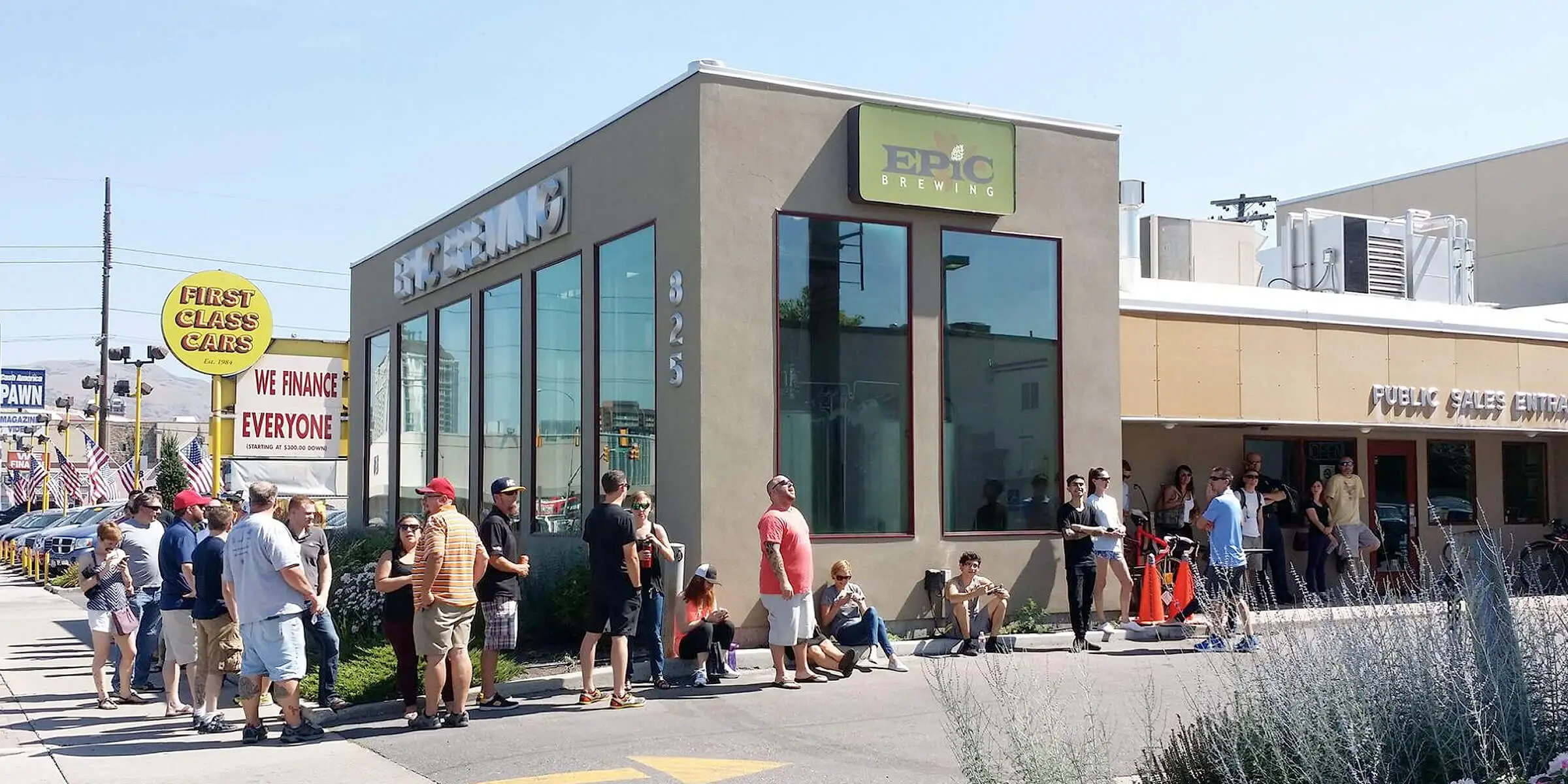
    Auckland craft beer brewer Epic Brewing Company has gone into liquidation. Companies Office records show the business was placed into liquidation by a special resolution of shareholders on Tuesday.

    Damien Grant and Adam Botterill of Waterstone Insolvency were appointed liquidators.

    Owner Luke Nicholas developed the Epic brand in 2005 while working as head brewer for the Steam Brewing Company, the brewing arm of the Cock and Bull pubs in Auckland in Hamilton.

    In 2007 Nicholas and a silent partner bought the Epic brand from the Cock and Bull and continued to use its brewing facility and supply its four pubs.

    Epic Brewing Company have been pushing boundaries and winning awards for more than a decade. (Video first published in November 2019)

    The brewery developed a reputation for producing beers that were big on flavor and aroma – brews like Hop Zombie and Armageddon became cult classics among craft beer drinkers for their use of highly sought-after US hops.

    With the launch of Epic Blue in 2019, the company became one of New Zealand’s first craft brewers to produce a low-carb beer.

    The day’s talking point and stories you don’t want to miss, delivered to your inbox

    According to its website, Epic has 15 employees and operates a taproom in Onehunga.

    The first liquidator’s report is due on August 1.

  • Hong Kong burger chain Honbo launches in Singapore

    Hong Kong burger chain Honbo launches in Singapore

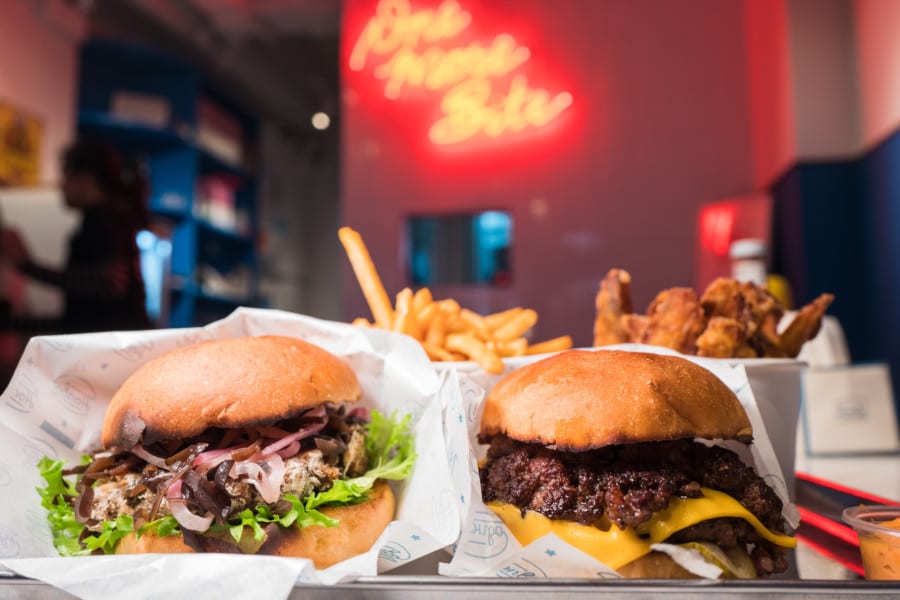
    Anew hipster burger joint is coming to Singapore at the end of July 2023. Called Honbo, it was founded in 2017 by former doctor Michael Chan, who named his eatery after the Cantonese name for hamburgers (‘hon bo bao’). The brand has since expanded to six outlets in its native Hong Kong.

    It specialises in gourmet American-style smashed burgers, with handmade patties and potato milk buns made with a recipe developed in collaboration with famed French baker Eric Kayser.

    The opening date for Honbo’s Singapore outlet is still unconfirmed, though its rep tells 8days.sg that it is estimated to be end-July. The dine-in eatery is located at Chijmes.

    Honbo boasts brisket-and-chuck burger patties made with USDA prime-grade beef from Holstein and Angus cattle reared in Wisconsin. Both breeds are known for their marbling; prime beef has the highest marbling score and is more flavourful compared to beef with a lower USDA grade.

    The patties are ground in-house daily and, upon order, smashed on hot griddles and cooked to medium-rare doneness.

    The patties are then wedged between pillowy potato milk buns made with hand-mashed potatoes. The proprietary Eric Kayser-developed bun is unique to Honbo, who patented the recipe in Hong Kong.

    The burgers are garnished with “sustainably sourced greens, pickles cured in-house from Japanese cucumber and specialty sauces hand-crafted in its very own kitchen, using a closely guarded secret recipe created by the team”.

    The local menu has not been finalised, though Honbu is expected to serve its signatures including the Honbo Burger, modelled after an “old-school fast food-style” cheeseburger. Two beef patties, each weighing about 56g, are layered with two slices of cheddar.

    “The Honbu Burger is paired with our house sauce, a lot of raw onions, pickles, and no lettuce. The raw onions and pickles help cut through the greasiness, and you can really taste the crust and the meatiness. It gives the burger double the crust and double the beef grease, but it is still less juicy than the Cheese Burger, ” says founder Michael Chan (interestingly, the man was a doctor before he became an F&B entrepreneur).

    For big eaters, this burger comes in variations like Honbo 1.5 (three patties) and Honbo 2.0 (four patties), plus a Gold Standard burger with two 113g beef patties, two slices of cheese, a hash of bacon and pickles, onions and lettuce drizzled with house-made sauce.

    Prices start from S$18 for an a la carte burger, with sides offered like fries, sweet potato fries and buffalo wings.

    Beefless options are available too, like a Grilled Chicken Burger with teriyaki sauce-glazed sous vide organic chicken, a Scallop Burger with “extra-large sashimi-grade Hokkaido scallops” and wasabi pico de gallo. There is also a Soft Shell Crab Burger, with a whole fried soft shell crab coated in vodka-infused batter and served with ginger coleslaw. Wash down your burger with beverages like classic lemonade and Apple Pie Iced Tea, described as “apple pie in a glass”.

  • Catfish export decline slows down

    Catfish export decline slows down

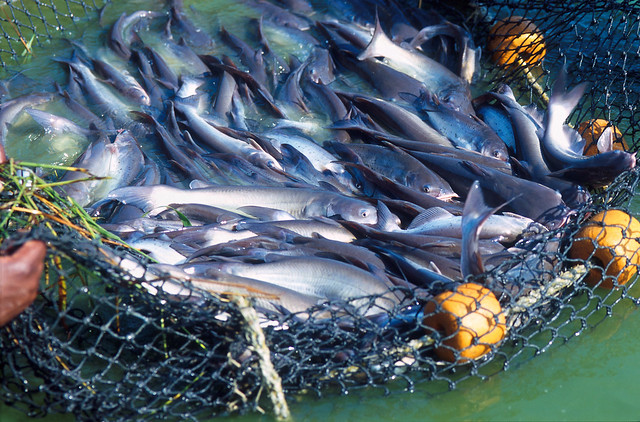
    According to the Vietnam Association of Seafood Exporters and Producers, the decline in pangasius fish exports has started to reverse.

    Exports to mainland China and Hong were worth US$48 million in June, down 15% from the same period last year. They had declined by 66% and 30% in April and May.

    Similarly exports to the U.S. last month were down by only 51% to $23 million compared to 66% and 53% in April and May.

    In the first half of the year, overall exports were 38% lower at $885 million due to weak demand in major export markets such as China, the U.S. and Europe due to high inflation.

    The prospects of higher demand for pangasius in the U.S. and China in the second half are still uncertain due to the slow economic recovery and large inventories in those markets, SSI Securities Corporation said.

    But Vietnamese exporters will start to see profits improve thanks to lower input and transport costs.

  • Pepper exports rise in volume

    Pepper exports rise in volume

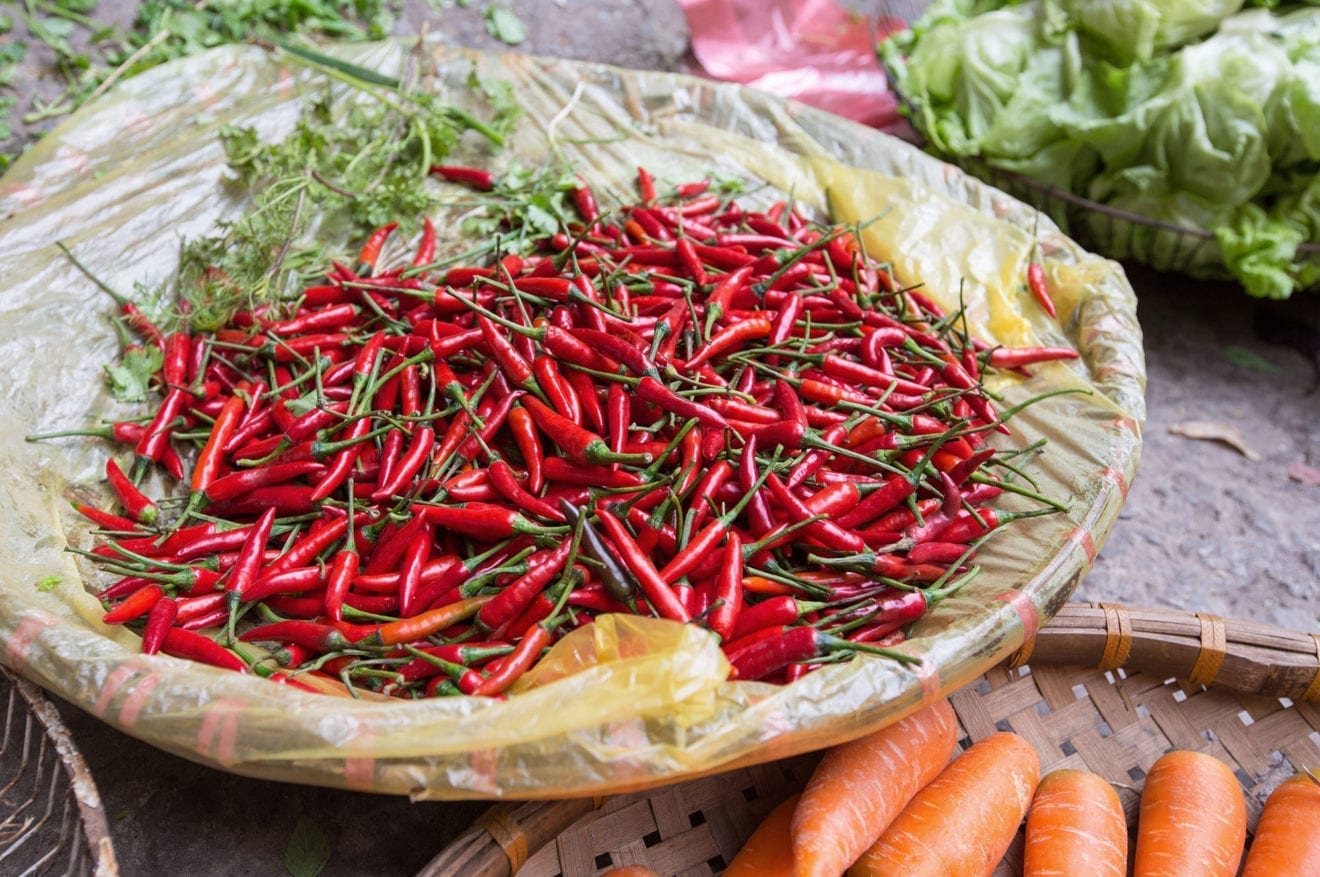
    Vietnam exported 153,000 tons of pepper worth US$483 million in the first half of this year, up 24% in volume but down 13.7% in value year-on-year.

    According to the General Department of Vietnam Customs, the average price stood at $3,184 per ton, a decrease of 29.7% from a year earlier, due to weaker global demand.

    Pepper exports to the U.S., UAE, India, Germany, the Netherlands, the U.K., and South Korea declined by 20-70%.

    China and the U.S.were Vietnam’s biggest markets, accounting for 35% and 16% of its exports.

    According to the Vietnam Pepper Association, China has large inventories of pepper and so will import less in the second half of this year. It had imported 46,169 tons in the first five months of the year.

    Other major importers like the U.S. and the European Union will also import less pepper due to their economic situation and high inventories.

    The price of black pepper in Vietnam is currently VND67,000-69,000 ($2.8-2.9) per kilogram, down VND3,000-5,000 from a year ago, and that of white pepper is VND103,000, down VND6,000.

  • Costco fined for mislabelling seafood origin

    Costco fined for mislabelling seafood origin

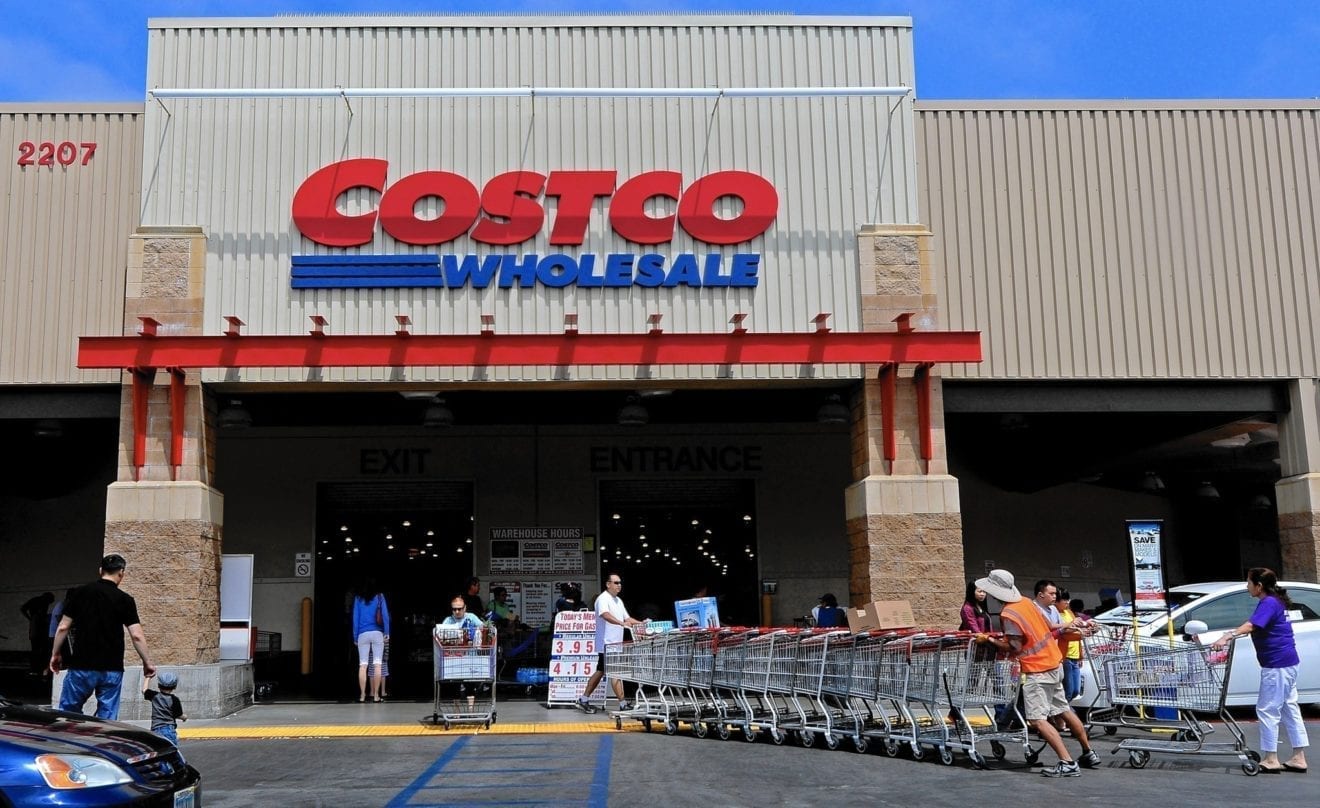
    Costco Wholesale Australia Pty Ltd has paid penalties totalling $33,000 after the ACCC issued it with two infringement notices for alleged false or misleading labelling of the country and place of origin on lobster products and failing to comply with the Country of Origin Food Labelling Information Standard.

    In early January 2023, Costco sold two packages of lobsters from its Casuarina warehouse in Western Australia which were labelled ‘Kirkland Signature PREVIOUSLY FROZEN WHOLE COOKED WA LOBSTER’ and ‘Australian Lobster’. Other packages were also displayed for sale with the allegedly misleading labels. In fact, the lobsters were imported from Canada.

    The ACCC also alleges that Costco did not comply with the specific Country of Origin Food Labelling Information Standard because it used the Australian-made kangaroo logo as well as a full bar chart indicating that the lobsters were exclusively Australian when they were not.

    “Selling goods with an incorrect country or place of origin label is a breach of Australian Consumer Law,” ACCC Deputy Chair Mick Keogh said.

    “Many shoppers pay a premium to purchase Australian seafood rather than imported products, which makes the accuracy of the labelling a crucial part of enabling consumers to make an informed choice.”

    “While a small number of consumers were impacted in this instance, this conduct involved a large and sophisticated business,” Mr Keogh said.

    “This action by the ACCC is a reminder to all businesses, large or small, of the importance of ensuring that country of origin labelling is accurate and complies with the Country of Origin Food Labelling Information Standard.”

    Costco is one of the world’s largest retailers and operates warehouse outlets in 13 countries. Costco operates 15 warehouses in Australia.

    The Country of Origin Food Labelling Information Standard 2016 applies to most food available for retail sale in Australia, including food that is imported into Australia for retail sale.

    The standard requires that if a product is grown, produced or made in Australia, the label must contain a ‘standard mark’ label which includes the kangaroo in a triangle logo which indicates the product is of Australian origin; a bar chart indicating the percentage of Australian ingredients in the food; and explanatory text which states whether the product was grown, produced or made in Australia.

    In addition to the Country of Origin Food Labelling Information Standard, section 29 of the Australian Consumer Law also prohibits businesses from making false or misleading representations about the place of origin of the goods they supply to consumers.

  • India’s rice export ban gives Vietnam golden y

    India’s rice export ban gives Vietnam golden y

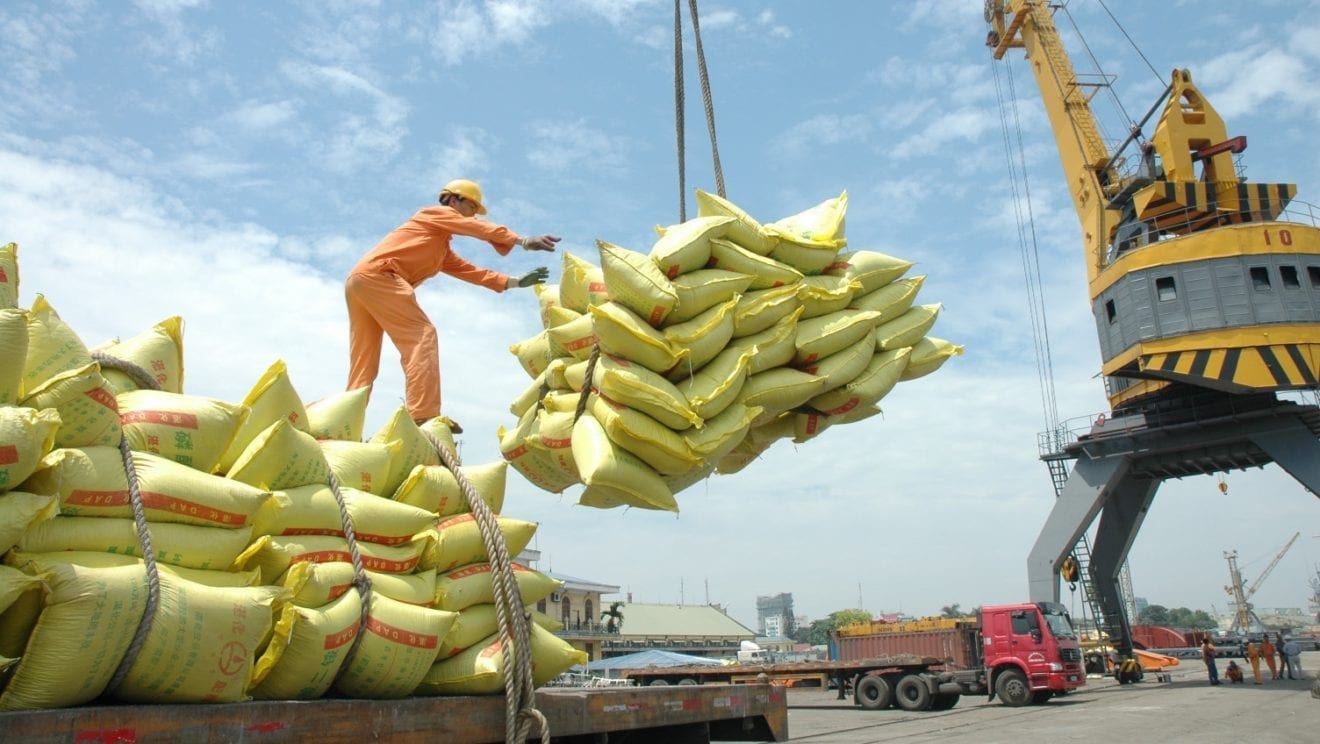
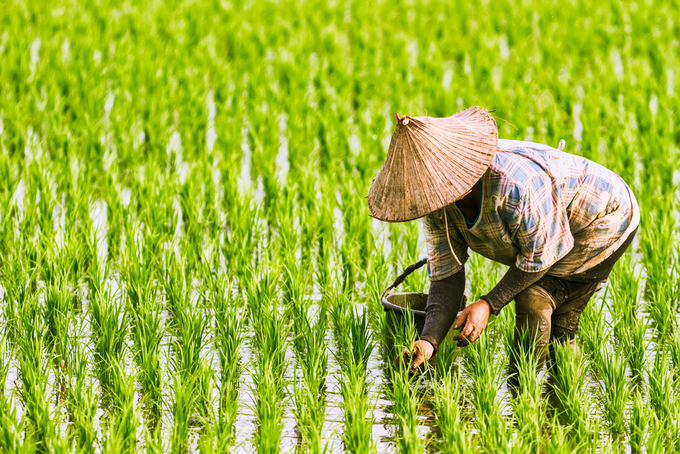
    Vietnam’s rice exporters could raise prices and sign long-term contracts with buyers now that India, the world’s largest supplier, has ordered an export halt.

    Indian government on July 20 announced a ban on non-basmati white rice as retail rice prices climbed 3% in a month after heavy monsoon rains caused significant damage to crops.

    India accounts for more than 40% of world rice exports, and non-basmati white and broken rice accounted for around 10 million tons of a total of 22 million tons of Indian rice exports last year, according to the U.S. Department of Agriculture. With the ban taking effect, global insiders have raised concerns about food price rises.

    Professor Vo Tong Xuan, an economist and expert in rice farming, said given the situation, the second half of the year will offer a golden opportunity for Vietnamese rice exports.

    In the first half of the year, the average export price of Vietnamese rice increased by 11% to US$539 a ton.

    After this ban, Xuan thinks the price could be as high as $600 per ton on average and high-quality varieties that can be sold at $700 a ton.

    The professor said India’s sudden export ban will “create big impacts” on importing countries because they cannot find replacing rice shipments from countries with small supply.

    Therefore, Vietnam and Thailand will be their next destinations. He forecast that Vietnam’s export turnover in the second half of this year could increase dramatically.

    The director of a rice export company in Can Tho said that in July, the company’s rice export orders increased by 20% from the previous month and by 30% compared to the same period last year.

    “Two days after the news that India banned rice exports, many buyers have asked us to sign them long-term contracts to ensure supply, but we’re still considering the offer,” said the director.

    He added that in the first half of this year, the company’s rice export price increased by 22% over the same period last year.

    After the ban, he forecasted that export prices could increase by 30-40% compared to last year.

    The Rice Exporters Association says that rice is a staple for more than 3 billion people, and nearly 90% of the water-intensive crop is produced in Asia, where the El Nino weather pattern usually brings lower rainfall. Global prices are already hovering at their highest level in 11 years.

    According to official data, India’s rice shipments reached a record 22.2 million tons in 2022, more than the combined shipments of the world’s next four biggest exporters of the grain – Thailand, Vietnam, Pakistan and the U.S. India exports rice to more than 140 countries.

    Nguyen Duy Thuan, CEO of Loc Troi Group, agrees that India’s ban on rice exports is an opportunity for rice-exporting countries and that Vietnam can take advantage of this opportunity to act as a sustainable rice supply source for the international food market.

    However, he noted that Vietnamese rice still has many challenges to face in terms of quality and export scale.

    “In particular, farmers are yet to have access to high-quality varieties and therefore the rice yield has not reached the optimal level,” Thuan said.

    Meanwhile, their farming techniques are still limited, resulting in many fertilizers and pesticides, affecting the rice’s quality and the environment.

    In addition, the large-scale management capacity of Vietnam’s rice industry is still limited, Thuan added.

    Thuan suggested that Vietnamese rice needs to improve quality and traceability in the supply chain to gain trust from consumers and regulators.

    Professor Xuan said the government needs to take specific actions to monitor planting areas and create favorable legal corridors to support businesses.

    “At the moment, in order to secure a large rice output for export, businesses need to associate long-term cooperation with traders and farmers, and ensure benefits for them,” Xuan said.

    With import partners, businesses should ask them to sign long-term contracts to ensure stable export activities and also help farmers feel more secure in production.

    Forecasting for this year’s supply, Xuan said that Vietnam has quite favorable weather and the yield could be high. He said that Vietnam can produce nine million tons of rice this year.

    Data from the Ministry of Agriculture and Rural Development shows that rice exports in the first six months reached 4.27 million tons in volume and $2.3 billion in value, up 22.2% and 34.7%, respectively against the same period last year.

    The U.S. Department of Agriculture has raised its forecast for Vietnam’s rice exports 2023 to 7.2 million tons, up from 7.05 million tons in 2022. Vietnam will rank third in the world in rice exports this year, after India and Thailand.

  • % Arabica returns to the Philippines

    % Arabica returns to the Philippines

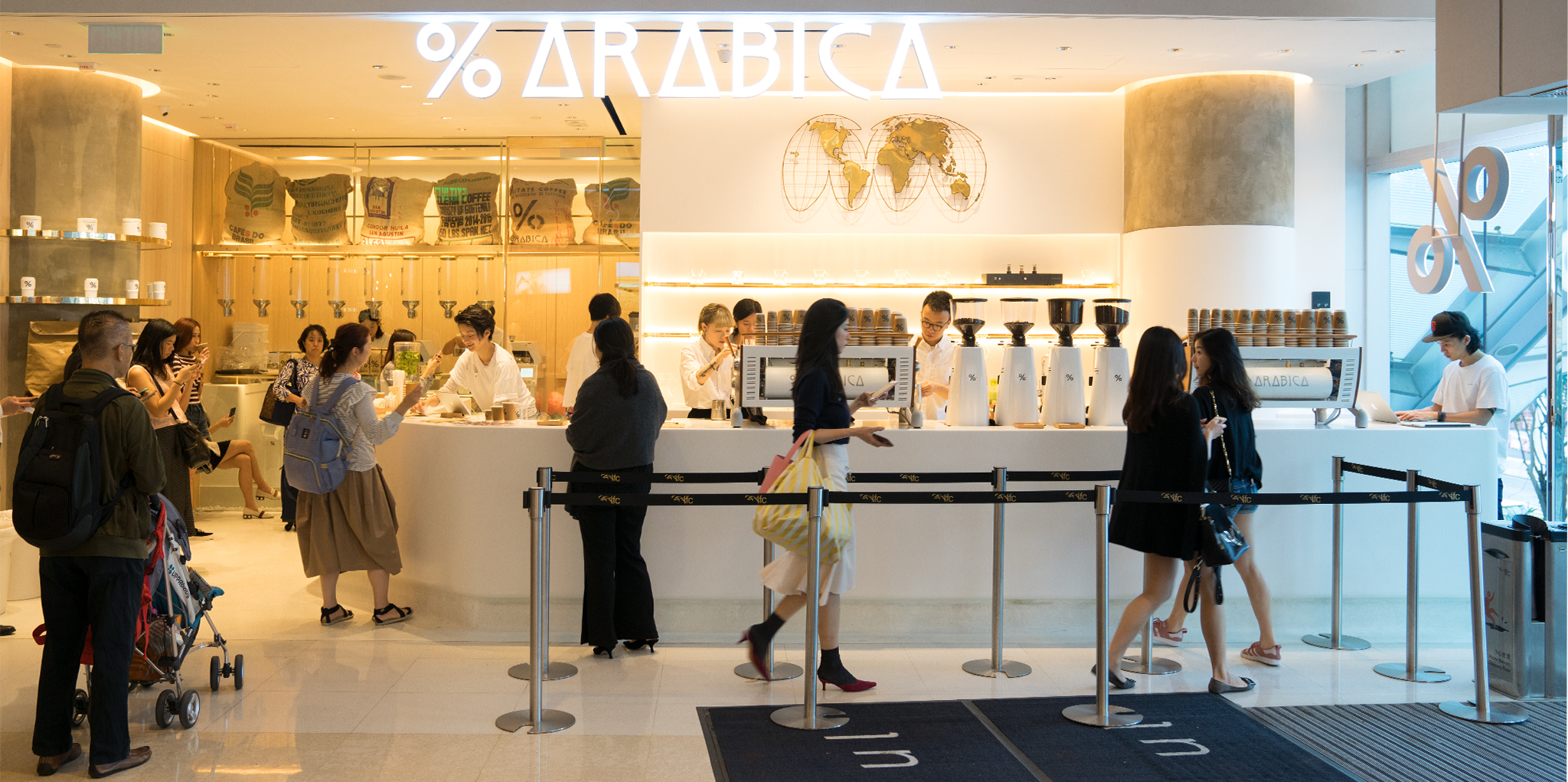
    Arabica PH returns! The Japanese coffee shop has announced that it will be back in the Philippines this year with upcoming new branches in Bonifacio Global City (BGC), Taguig City.

    In a Thursday, January 5 Instagram post, Arabica Journal – the global account of the brand – posted rendered layout images of the two new Philippine stores as a “sneak preview,” showing minimalist, modern interiors and the brand’s iconic percentage symbol logo.

    “Manila, we will restart our project this year with these stores. We cannot wait to serve our coffee from the world to you once again,” they said.

    Arabica PH reposted the images on Friday, January 6, with the caption: “MABUHAY PILIPINAS! We are coming back bigger and better!” The branches’ opening dates and exact locations have yet to be confirmed.

    The Philippine return of the independent coffee brand from Kyoto has been met with excitement from the brand’s former patrons, especially after three of Arabica PH’s branches suddenly closed with no warning in late January 2021. Even the brand’s Instagram page was suddenly no longer available, much to customers’ confusion and concern.

    A day later, it was announced that Arabica’s franchise period and contract with its Philippine partner had already ended, and a new partner would soon be in the picture. Before this, the Arabica Headquarters had already been experiencing “communication issues” with the Philippine franchise partners. On February 2, Arabica PH was back online once again, with a new Instagram account to boot.

    Arabica PH said then that expansion plans were already being discussed with new franchise partners, and the plans were not limited to just Metro Manila but would also include other Philippine regions.

    Arabica PH opened its first branch in Bonifacio Global City in Taguig City in 2018, followed by a second BGC branch and another at The Podium in Mandaluyong City. The brand currently has 140 stores worldwide, and advocates a “simple love for coffee and design.”

    Arabica PH’s former partners since 2017, mother-daughter duo Allue and Dr. San San Hortaleza, built a new “proudly Filipino” coffee brand called Angkan Coffee, which has branches in BGC, The Podium, and a soon-to-open one in Capitol Commons.

  • Dilmah Tea founder passes away

    Dilmah Tea founder passes away

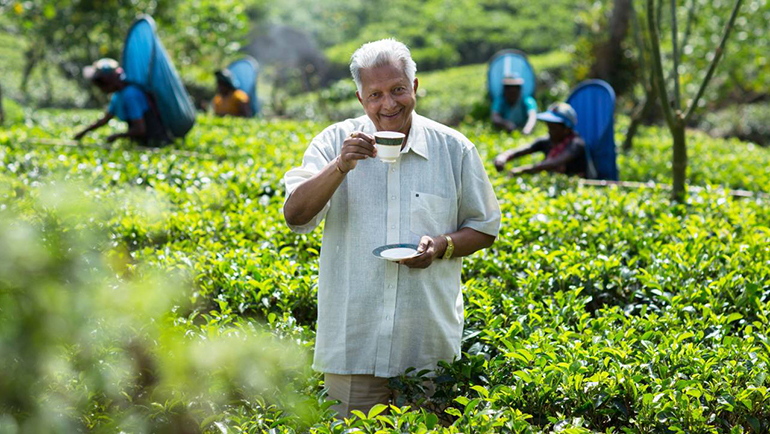
    The founder of popular Sri Lankan tea company Dilmah has died at the age of 93.

    Merrill J Fernando was surrounded by his sons and grandchildren when he passed away on Thursday in Colombo, Sri Lanka.

    He known for his iconic ‘do try it’ slogan.

    The tea company announced Mr Fernando’s death saying his ‘greatness was in his invincible faith, his integrity and love for tea & family’.

    ‘With devotion and urgency he pursued his desire for integrity and quality with humility and kindness,’ the company said.

  • UK coffee chain EL&N launches in Malaysia

    UK coffee chain EL&N launches in Malaysia

    London-based EL&N has made its first foray into Asia with a store at the Pavilion shopping centre in Kuala Lumpur, Malaysia.

    The site, which features indoor and terraced seating, is the boutique café chain’s 30th globally and its second market entry in the last two months following its Bahraini debut in Amman in June 2023.

    EL&N currently operates 15 outlets across Europe, 12 of which are in its native market, and 14 across the Middle East, primarily in Saudi Arabia.

    “We are so thrilled to finally be opening our first outlet in Malaysia, Kuala Lumpur. Today marks the first EL&N in Asia and myself and the team are so proud and excited to be bringing the brand to such an incredible part of the world. The store location is an absolute dream come true for us and we are so confident that our Malaysian clientele are going to love everything we have on offer, from the unique interior design moments to our fusion of European dishes with some localised twists,” said Alexandra Miller, Founder EL&N.

    Pavilion Kuala Lumpur features more than 700 retail units, with its food and beverage offer including several boutique café operators.

    Japanese specialty café group % Arabica, Taiwanese chain HWC Coffee and Hong Kong-based The Coffee Academïcs all operate in the shopping centre, alongside Italian coffee roaster illycaffé. US coffee chains Starbucks and The Coffee Bean & Tea Leaf both operate two stores at the mall.

    Indonesian value-focused chain Kopi Kenangan and South Korean bakery café chain Paris Baguette also made their Malaysian debuts at Pavilion Kuala Lumpur, joining domestic boutique brands Dome Café, Artelier Coffee and Tom&Danny.

    EL&N, which is also expected to open outlets in India soon via a franchise partnership with Reliance Brands, is the latest international brand to launch or announce its upcoming entry in Malaysia.

    In July 2023, Indonesian specialty coffee roaster and café chain Tanamera Coffee opened its first Malaysian store in Kuala Lumpur, while Moroccan café chain Bacha Coffee announced it will debut in the southeast Asian country at the Suria KLCC shopping centre in the capital city.

    Additionally, Saudi Arabian coffee chain Barn’s has partnered with Premier Fine Foods to open stores in Kuala Lumpur as part of plans to reach 300 outlets across southeast Asia by 2033.

    World Coffee Portal research forecasts the total Malaysian branded coffee shop market will exceed 2,700 outlets by 2025.

  • Fish exports expected to recover from late Q3

    Fish exports expected to recover from late Q3

    The Ministry of Agriculture and Rural Development (MARD) forecast that aquatic product exports will bounce back at the end of the third quarter and reach the yearly revenue target of $10 billion.

    It reported that in the first six months of this year, the export value of aquatic products hit nearly $4.2 billion, down over 27% year-on-year.

    To achieve the yearly target, many businesses have diversified products, focused on intensive processing, and invested in value chains.

    Meanwhile, the MARD and localities will further provide fishermen with market information and guide them to implement solutions to deal with the European Commission (EC)’s “yellow card” warning against Vietnamese seafood, and step up inspections and handling of cases of illegal, unreported and unregulated (IUU) fishing, towards a sustainable fishery sector.

    Competent agencies will also work to remove obstacles relating to the Chinese and US markets, diversify export markets, and coordinate with banks to support businesses.

  • Export of fruits, vegetables spike in H1

    Export of fruits, vegetables spike in H1

    The export of rice, fruit and vegetables to China and other markets posted surges of 34.7% and 64.2%, respectively in the first half, according to the Ministry of Agriculture and Rural Development.

    Director of the ministry’s Agro-Forestry-Fisheries Quality Assurance Department Nguyen Nhu Tiep predicted export growth of fruit and vegetables to be maintained in the second half if exporters pay attention to quality, design, packaging and origin tracing to meet market demand.

    He said the ministry will sign a Memorandum of Understanding on cooperation in agriculture development and trade in agro-forestry-fisheries China’s Guangxi and Yunnan provinces in September, on the occasion of the 20th China-ASEAN Expo in Guangxi.

    It will also consider working with the Vietnam Trade Office in China’s Nanning to increase farm produce consumption at the expo.

    Efforts will be made to establish the Vietnam-Guangxi association of agro-forestry-fisheries enterprises and the Vietnam-Yunnan association of agro-forestry-fisheries businesses. The ministry will also expedite technical measures to conclude soon a Protocol with the General Administration of Customs of China on food safety requirements, quarantine and inspection for aquatic products imported and exported between Vietnam and China.

    Deputy Minister of Agriculture and Rural Development Tran Thanh Nam said the ministry will focus on trade promotion and market development to boost the export of key agro-forestry and aquatic products to three major markets of China, the US and Japan.

  • AirAsia Partners with Green Rebel for Meatless Menu Options

    AirAsia Partners with Green Rebel for Meatless Menu Options

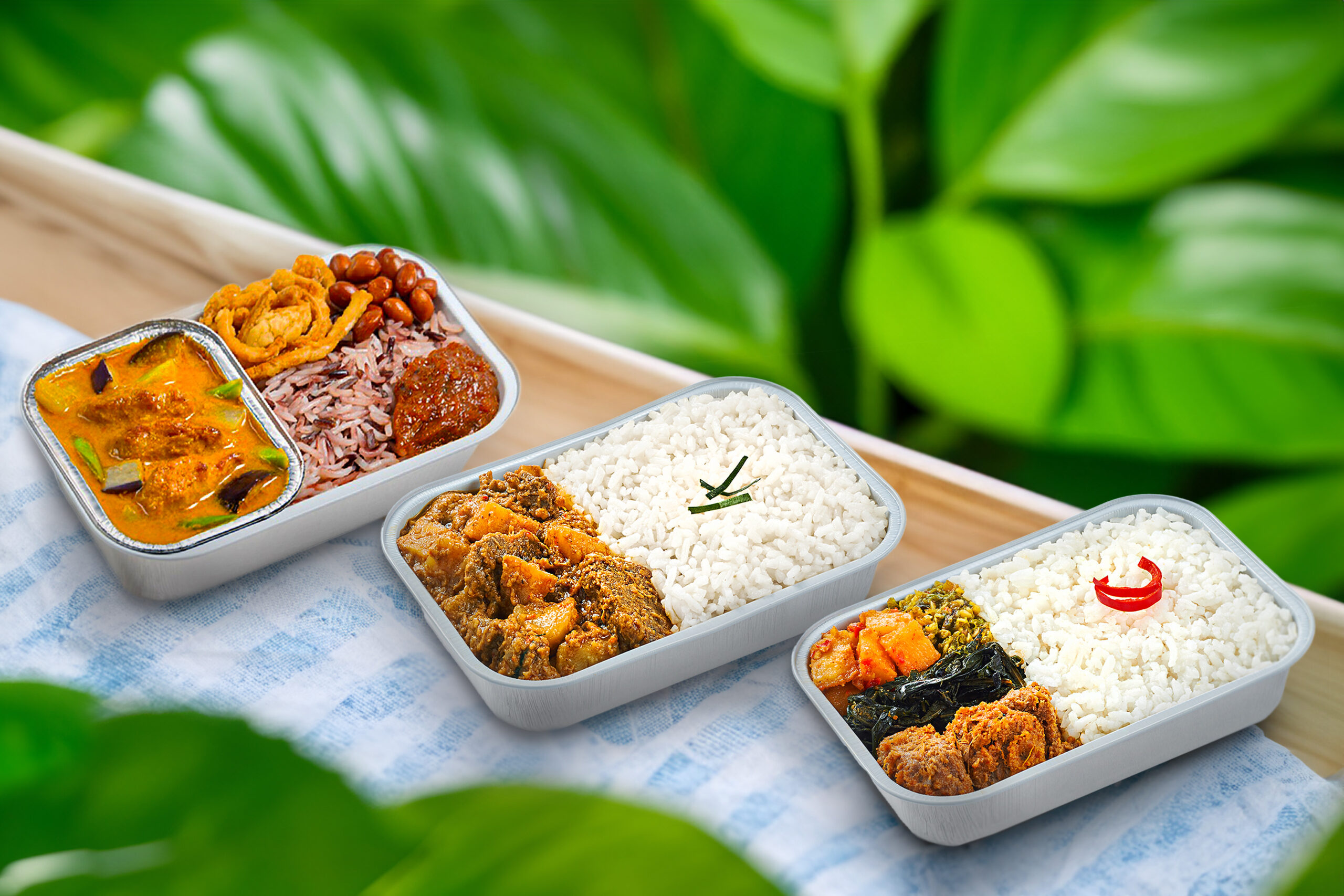
    Indonesia’s premier plant-based protein brand, Green Rebel, has teamed up with Malaysian budget airline, AirAsia, to provide meatless alternatives of traditional Southeast Asian delicacies for the inflight menus on regional routes.

    Beginning today, Green Rebel’s vegan Pak Nasser’s Plant-Based Nasi Lemak will be available on AirAsia’s Malaysia routes, while passengers on Philippines routes will be able to taste vegetarian Sisig. Two other plant-based dishes — Nasi Rendang with assorted vegetables and Rendang with Coconut Rice — will appear on the menus on select AirAsia’s Indonesia flights starting later this week.

    Santan, AirAsia’s food service subsidiary, has replaced traditional meat ingredients with Green Rebel‘s plant-based proteins for these recipes. The substitution includes products like Beefless Rendang, Chick’n Chunks, and Plant Mince. Classic dishes like Nasi Lemak have been elevated using basmati and wild purple rice, served with Green Rebel Chick’n Chunks, eggplant curry, French beans, and potatoes. Guilt-Free Sisig, a popular Filipino dish, uses Green Rebel’s Plant Mince, seasoned with calamansi, onions, and chili peppers.

    “Green Rebel is the first plant-based alt meat brand to partner with AirAsia in Malaysia, the Philippines and Indonesia,” Green Rebel co-founder and CEO Helga Angelina Tjahjadi, said in a statement.

    Tjahjadi says Green Rebel and AirAsia have aligned values, “in particular a commitment to sustainability and flavour localisation.”

    Green Rebel says its food technology ensures the plant-based protein not only imitates the mouthfeel of meat but also absorbs deep flavours and marination, making it perfect for Asian culinary methods like braising, stewing, steaming, hotpot, grilling, and even deep frying. Made from 100 percent natural plant-based ingredients, all Green Rebel products are free from MSG, preservatives, and refined sugar. The protein base includes non-GMO soy and shiitake mushrooms, and is flavoured using Asian spices and herbs for an authentic taste experience.

    Green Rebel has a strong commitment to sustainable, affordable, and tasty plant-based meat alternatives. The company conducts independent Life Cycle Assessments on its products and has found its plant-based beef and chicken alternatives have significantly less global warming potential compared to their traditional counterparts.

    “We discovered that our meatless beef has 91 percent less global warming potential than local beef, and similarly our meatless chicken has 84 percent less global warming potential than local chicken,” Tjahjadi said.

    “We are looking at savings on carbon emissions by 90 percent, water use by 72 percent, land use by 90 percent, and overall energy use by 81 percent to produce plant-based meat in comparison to animal-based meats.”

    The new partnership supports AirAsia’s environmental commitments, which align with the Paris Agreement’s 1.5-degree Celsius policy. AirAsia has been working on measures to reduce its carbon footprint, including reducing 221 tonnes of CO₂ emissions per aircraft per year through an optimization solution implemented in 2022.

    “We’re excited at the possibilities as mindfulness about healthy and sustainable eating grows in this part of the world,” said Tjahjadi.
     

  • Vietnam eyes sustainable development for coconut industry

    Vietnam eyes sustainable development for coconut industry

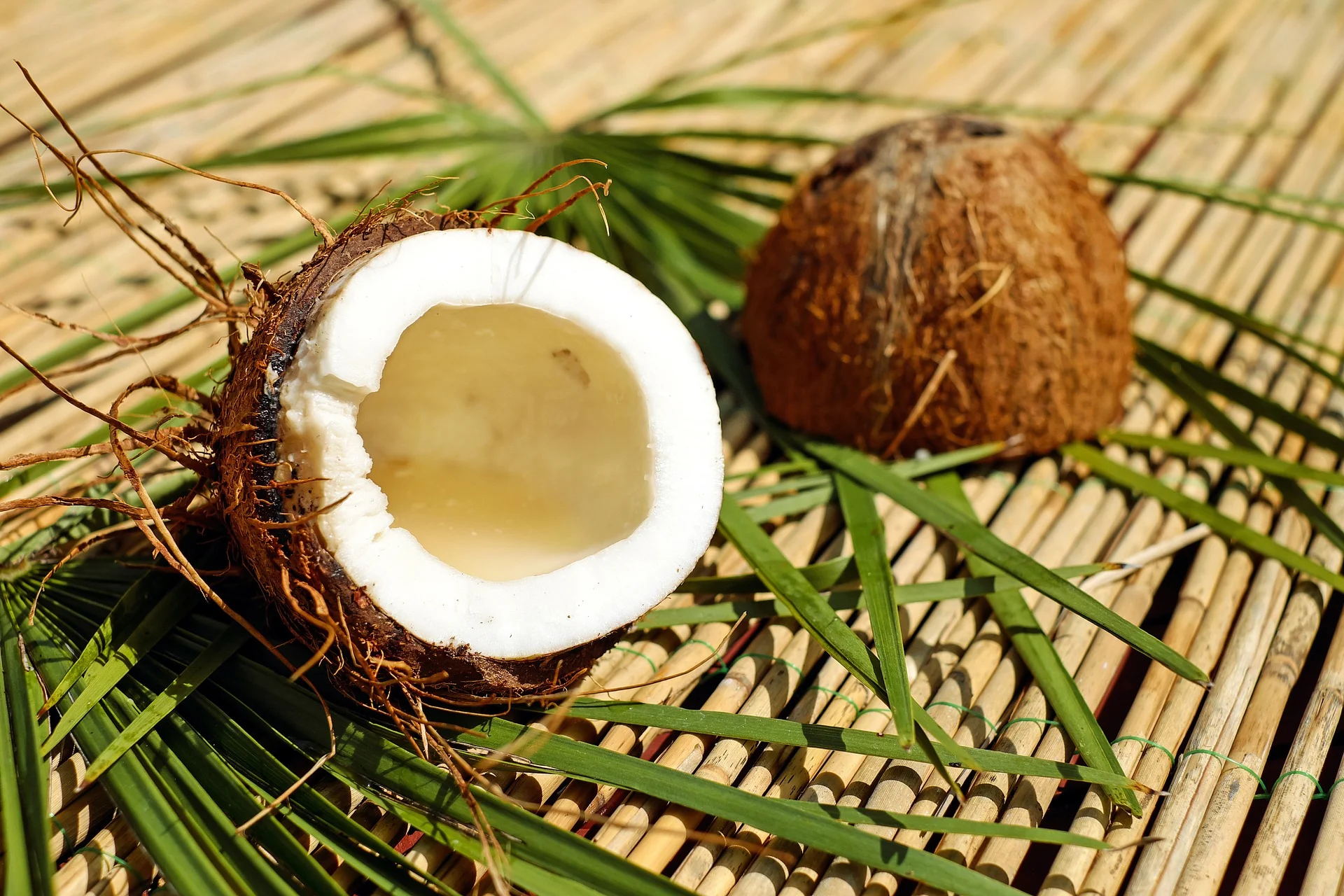
    The coconut industry is playing a very important role in the socio-economic development of Vietnam and should be considered an indispensable part of the country’s development strategies, said officials.

    Vietnam has more than 188,000 hectares of coconut, accounting for 1.67% of that of the world, according to the Institute of Agricultural Planning and Economics.

    Coconut trees are a source of income for about 389,530 farmer households and the export value of coconut and coconut products has reached over $900 million. Vietnam is in fourth place in the world in terms of coconut value.

    Currently, there are about 854 enterprises that specialize in producing and processing coconut products, along with over 90 companies exporting coconut products. They create jobs for more than 15,000 employees.

    Huynh Quang Duc, Deputy Director of the Department of Agriculture and Rural Development of Ben Tre province, which has the largest coconut area in the country, said that coconut trees play an important role in the socio-economic life of the province. More than 70% of its population relies on coconut growing for their livelihood and the province has more than 163,000 households engaged in coconut farming.

    The production value of coconut products accounts for 20.69% of the province’s total industrial production value; making up 42.51% of its total export turnover and creating jobs for tens of thousands of workers.

    Ben Tre now has 78,000ha under coconut cultivation. Its coconut products have present in nearly 100 countries and territories and access choosy markets such as Europe, U.S. and the Middle East.

    However, there remain shortcomings in the industry, according to Nguyen Quang Dung, Director of the Institute of Agricultural Planning and Projection (NIAPP). They include a loose linkage in the value chain and low processing capacity, he went on.

  • Rice export prices reach 10-year high

    Rice export prices reach 10-year high

    The global decline of the rice supply and the impact of El Nino climate pattern have led to a sharp increase in the price of rice for export.

    Latest data from General Department of Vietnam Customs shows that in the first half of the year, rice exports reached more than 4.2 million tons and are valued at $2.26 billion, up over 21% in volume and 32% in value over the same period last year.

    The export price of rice in June reached an average of $650 per ton, up 9.4% compared to May and 20.8% higher than the same period last year.

    In the first six months of 2023, the export price of rice is estimated at $539 per ton, up more than 10% over the same period in 2022 and the highest of the past 10 years.

    According to the Ministry of Agriculture and Rural Development, the reason for the sharp increase is the decrease in supply. The emergence of El Nino has also forced many countries to increase rice purchases to stock up.

    The Philippines’ Department of Agriculture forecasts that El Nino will return and severely affect their domestic food production. Indonesia predicts that it may cause widespread drought in the country, so the July-August harvest for agricultural products may drop significantly.

    In the first five months of the year, rice exports to the main markets – Philippines and China, both grew strongly at double digits. In addition, rice exports to new markets such as Indonesia, Chile, Turkey, and Senegal recorded a surge from 1,100-16,000% over the same period last year.

    The Indian government is banning the export of all rice that is not Basmati (a popular rice in South Asia), as prices have been on the rise and they want to control inflation.

    Retail rice prices in New Delhi have increased by 15% this year, while the domestic average price has increased by 8%, according to India’s Ministry of Consumer Affairs, Food and Public Distribution.

    Vietnam Food Association and enterprises believe that if this ban is implemented, global rice prices will increase. In the near future, Vietnamese rice will not only benefit in price but also be favorable for exports.

    An enterprise based in Can Tho in Vietnam’s Mekong Delta said that export orders were abundant and the price of fragrant rice was increasing the most. This enterprise does not even have enough supply to meet the orders. It is forecast that the rice export market in the second half of the year will reach a peak value.

    To ensure domestic and export demand, the agriculture ministry has directed key rice production areas, especially the Mekong Delta, to actively cultivate and prioritize short-duration rice varieties as well as high-quality and fragrant rice varieties suitable for market demand.

    Vietnamese rice has been exported to 156 countries and territories, including many high-end rice markets.