Category: Food

Retail News Asia is committed to providing both local and global retailers with the latest Food and Food & Beverage news throughout the Asian market. This on a daily base.

  • Coles rolls out Netflix favourites-inspired frozen food range

    Coles rolls out Netflix favourites-inspired frozen food range

    Coles has rolled out a range of frozen food products inspired by two of the most-watched Netflix shows: Stranger Things and Squid Game.

    The Netflix range includes Stranger Things-themed frozen pizzas, beef brisket BBQ patties, spicy wing nibbles and ice cream, and Squid Game-themed chicken nuggets and stuffed potato mashies.

    Available in two flavours, Rad Pepperoni and the Gnarly Hawaiian, the frozen pizzas are packaged in the same retro-designed boxes as The Surfer Boy Pizzas, the show’s pizzeria.

    Meanwhile, the four-pack beef brisket BBQ patties take inspiration from the show’s family-owned diner, Benny’s Burgers, and the Hellfire Club Spicy Wing Nibbles from the show’s Hawkins High School Society.

    The Stranger Things ice cream is available in 1-litre tubs in three flavours: Butterscotch, Cinnamon Buns Vanilla, and Cookie Pieces.

    The supermarket also launched a 9-pack BBQ chicken nuggets in the shape of triangles, circles, and squares inspired by Squid Game’s guard marks, alongside a 12-pack of Stuffed Potato Mashies with a red and green filling, playing on the red light, green light game from the show.

    Tim Lane, business category manager for frozen at Coles, said the company was thrilled to partner with the streaming service and bring new products inspired by its popular franchises.

    “We’re committed to working with suppliers to expand and diversify our product offering, and this innovative range draws on inspiration from the concepts and brands fans have seen throughout the shows,” said Lane.
  • Vietnam tuna exports to S Korea soar

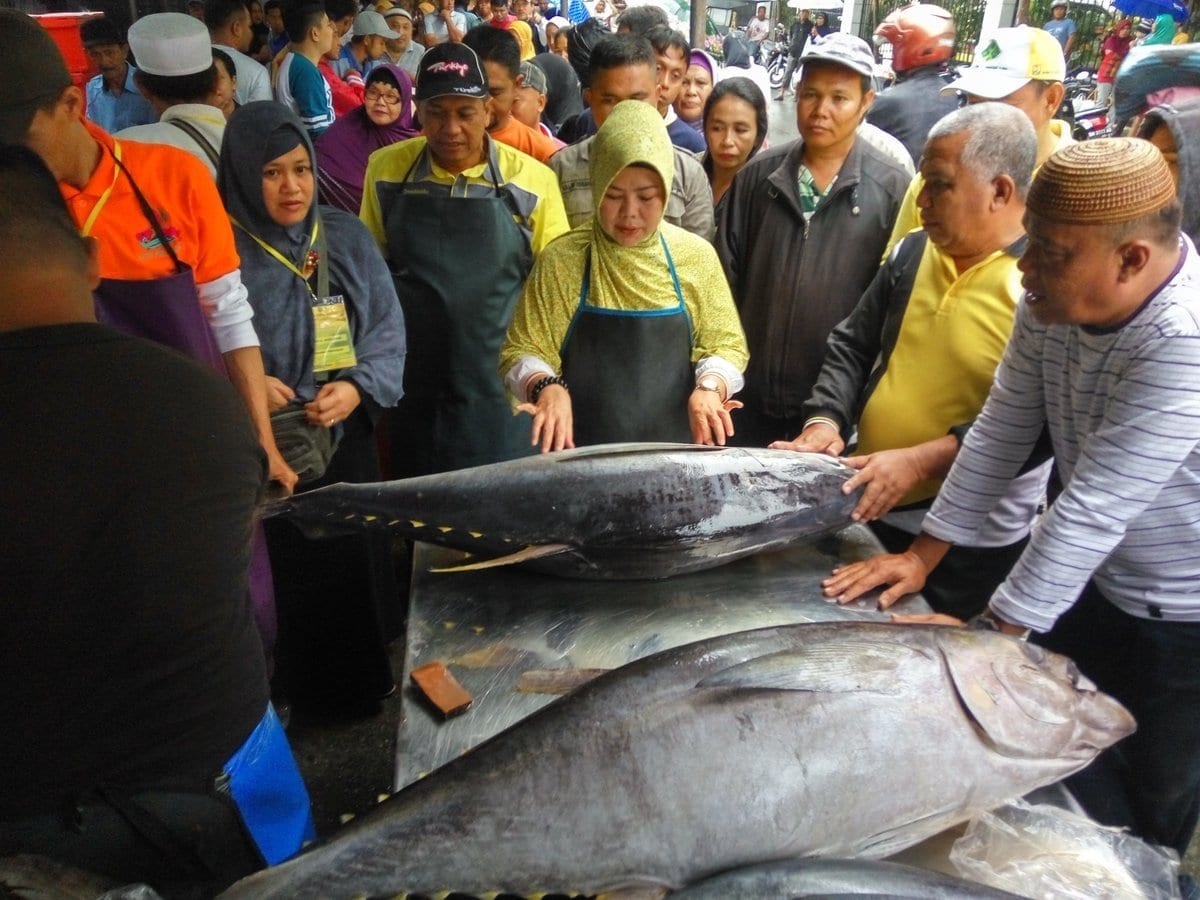
    Vietnam tuna exports to S Korea soar

    According to the Vietnam Association of Seafood Exporters and Producers, tuna exports to South Korea rose by 2.5 times year-on-year to over US$7 million in the first seven months.

    Tuna Vietnam, Nha Trang Bay and Phat Trien Seafood were the three biggest exporters, accounting for 64% of total shipments.

    Exports of canned tuna jumped by 468%.

    VASEP said declining fishing catches in South Korea and rising demand for canned products amid tightened spending drove up demand for Vietnamese products.

    Vietnam was the eight biggest exporter of tuna to that country in the first half this year, but the largest seller of canned tuna, accounting for nearly 77% of all imports.

  • Vietnam’s export sees marginal impacts from China’s Japanese seafood ban

    Vietnam’s export sees marginal impacts from China’s Japanese seafood ban

    China’s ban on Japanese seafood due to fear of radioactive contamination has Vietnamese firms seeing opportunities to ship more products, but the gain has been marginal as Chinese demand drops.

    On August 24, China imposed a total ban on Japanese seafood products after the latter started discharging its treated radioactive water from the wrecked Fukushima nuclear power plant into its seawater.

    Hong Kong and Macau have also announced their own ban, which covers Japanese seafood imports from 10 regions.
    The CEO of a Vietnamese seafood exporter from Nha Trang in the central region said that the ban might help increase the export of some products, such as tuna.

    “We have seen Chinese buyers increasing their orders for tuna by 15% year-on-year. But demand for shrimp and octopus are still 20% lower year-on-year.”

    Some other industry insiders have also said that the ban might offer opportunities for Vietnamese seafood, but only slightly, as Japan is only a small seafood exporter to China.

    Japan accounted around 3% of China’s seafood imports last year, against Ecuador’s 18.6%, Russia 14.4%, and Vietnam’s 8.8%.
    Pangasius, one of Vietnam’s main seafood exports, has not seen any notable increase in China shipments amid low demand, according to a report by SSI Research.

    “Pangasius exports to China rose slightly last week but was not significant and irrelevant to the ban,” the report said.
    The Vietnamese seafood industry has been facing a tough year as demand from major markets such as the U.S., the E.U. and China all plunged amid rising inflation and economic challenges.

    Exports of pangasius to China dropped 32% year-on-year to $325 million, and shrimp fell 9% to $338 million, according to Vietnam Association of Seafood Exporters and Producers (VASEP).

    VASEP general secretary Truong Dinh Hoe said that Vietnamese exporters will not benefit significantly from the ban.

  • Vietnam’s coconut export to reach $1B in 2025

    Vietnam’s coconut export to reach $1B in 2025

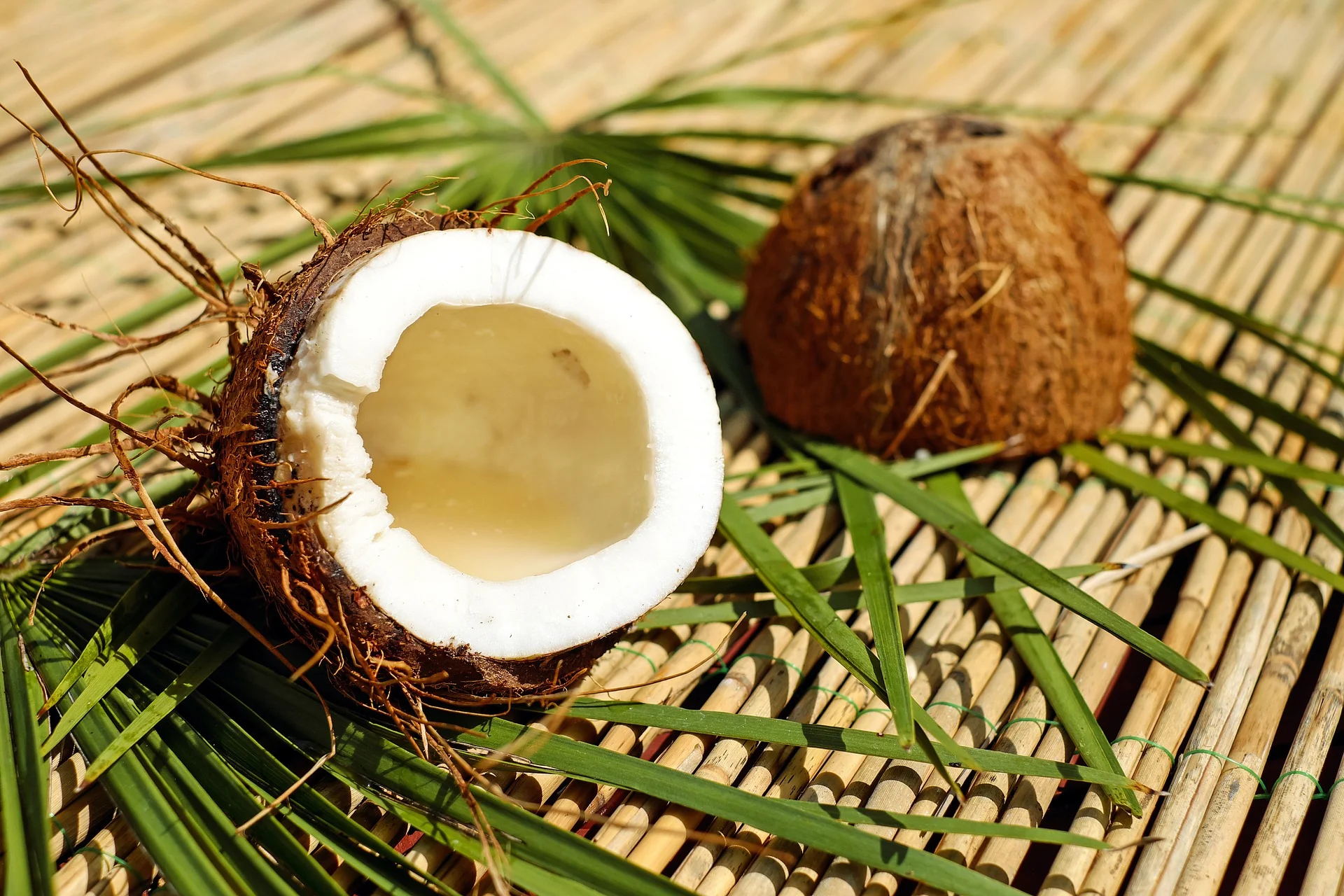
    Vietnam’s coconut export is expected to reach US$1 billion in 2025 after the U.S. and China agree to allow Vietnamese coconuts to enter the two markets, according to the Vietnam Coconut Association.

    As the U.S. is about to open the market for Vietnamese coconuts and China allows official coconut import, local businesses are trying to develop raw material areas, apply for growing areas codes, and register to build organic material zones to meet the needs of the world market.

    At the end of 2022, coconut export turnover was over $700 million. But based on the momentum of the U.S. and China agreeing to import Vietnamese coconuts, around the end of 2024 and early 2025, coconut export turnover will be up to $1 billion.

    In 2021, the fruit was listed as one of Vietnam’s key industrial crops.

    About 20 large enterprises in the country have exported coconuts to the world. Up to 35 countries and territories are Vietnam’s importers.

  • Arnott’s opens $65 million automated hub in Western Sydney

    Arnott’s opens $65 million automated hub in Western Sydney

    Biscuit and snack maker Arnott’s has opened an automated distribution centre in Huntingwood, Western Sydney, to amplify its domestic and international operations.

    The new centre, valued at $65 million, is adjacent to the group’s largest biscuit-making site and will serve as a pivotal thoroughfare for more than 60 per cent of its inventory.

    With a span of 43,000sqm, the hub can hold 28,000 pallets, nearly four times more than its previous capacity, and is built with a “sophisticated one-touch” logistics system that leverages robots and automation.

    In addition, the site incorporates a minimal touch point automation and a new palletising system with a 35-metre-high bay.

    Tom Vicars, director of procurement and logistics at Arnott’s, emphasised the project is a significant investment to modernise the group’s network and ensure systems and processes are in place to remain competitive.

    “We intend for Western Sydney to be the beating heart of our national operations, and you need only step into the warehouse to get a sense of the sheer scale of what we are hoping to achieve,” said Vicars.

    “Its success is largely a testament to our working relationships with our automation partner, Daifuku, and logistics partner, Linfox.”

    Michael Jee, executive GM at Daifuku, said the solutions within the facility are designed to streamline the process from manufacturing to delivery.

    “With automation meaning, products are inducted,  stored, monitored, and prepared for delivery with minimal human intervention,” he continued.

    “This one-touch philosophy means that products and orders are managed and prepared  faster, improving delivery times to store and providing unparalleled visibility  and productivity.”

    Alongside the launch, Arnott’s installed 2,464 solar panels on the centre’s roof, expected to generate more than 1500 GWh of renewable energy and will help supply up to 22 per cent of the Huntingwood’s site electricity needs.

  • Fever-Tree launches two new cocktail mixer flavours

    Fever-Tree launches two new cocktail mixer flavours

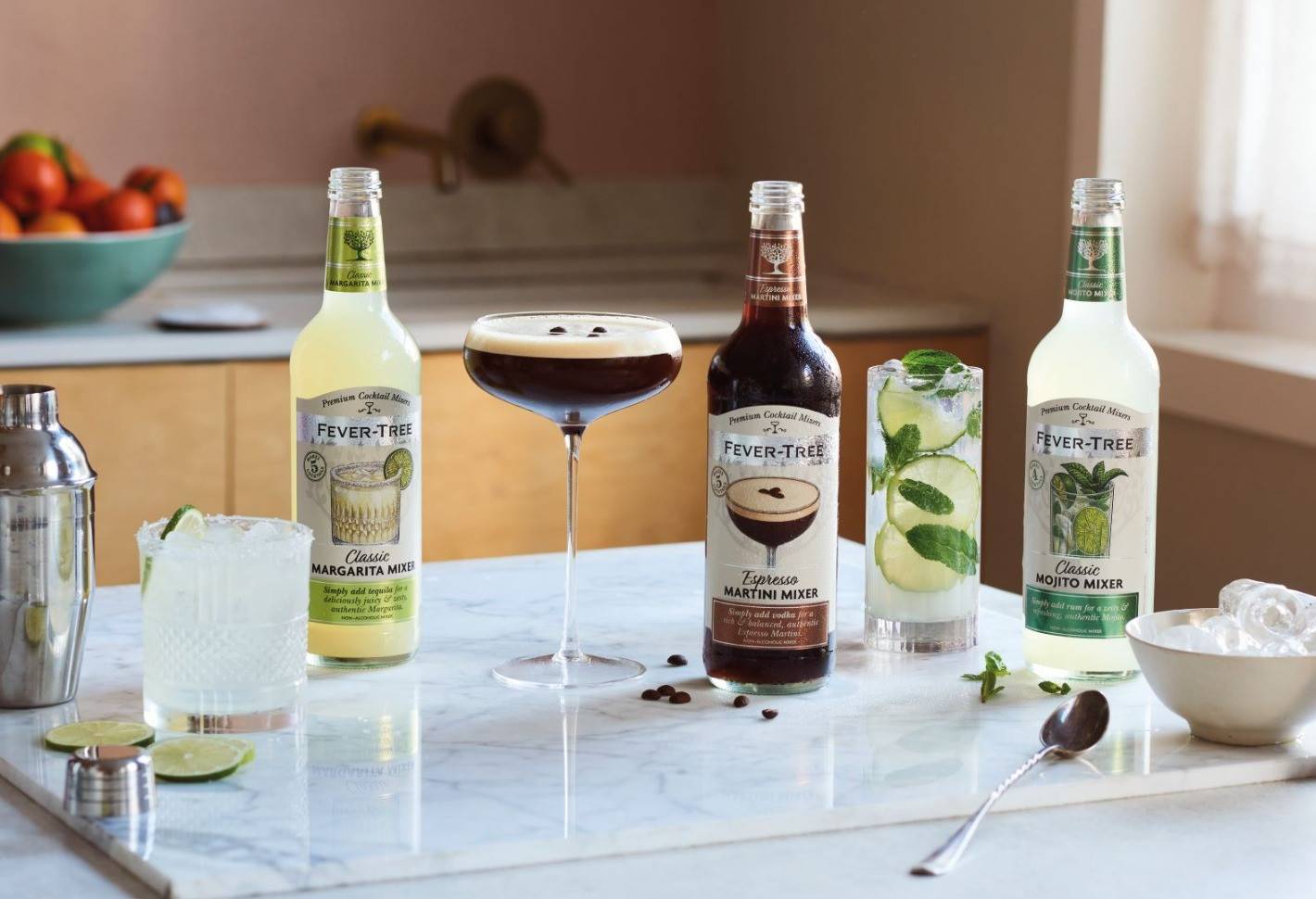
    Premium cocktail mixer brand Fever-Tree has unveiled two new flavours – Classic Margarita Mixer and Sparkling Mojito Mixer.

    The company says its latest release is designed to be mixed with premium spirits and both deliver bar-quality cocktails without any artificial flavourings, sweeteners or preservatives.

    The Classic Margarita Mixer is crafted with Mexican limes and blended with Italian blood oranges along with a pinch of Scottish sea salt while the Sparkling Mojito Mixer is made from Mexican limes and contains Moroccan spearmint.

    Andy Gaunt, MD of Fever-Tree, said this is just the beginning of growth and innovation in the cocktail mixer category for the brand.

    “As was the case with carbonated mixers, the non-carbonated category is ripe with opportunity, and bound for tremendous growth.”

    The range retails for $19 and is available across Dan Murphy’s stores nationally.

  • Vietnam’s tuna export orders to increase

    Vietnam’s tuna export orders to increase

    The Vietnam Association of Seafood Exporters and Producers (VASEP) forecast tuna export orders will increase sharply in the last months of the year due to decreasing inventories in major export markets.

    VASEP said the stockpiled quantity of tuna in the U.S., one of the main markets of Vietnam has begun to decrease and importers were considering speeding up imports.

    By the end of the year, major markets such as the U.S. will have many festivals, so consumer demand will increase. Meanwhile, preferential tariffs are an advantage that has pushed EU importers to seek orders from Vietnam.

    Over the past seven months of this year, Vietnam’s tuna exports reached nearly $445.6 million, down 31% year-on-year, VASEP said.

    While exports of high-value fresh, frozen and dried tuna products decreased 46%, shipments of processed and canned tuna goods saw a modest rise of 4% to over $204 million, it said.

    Besides, exports to the EU, Mexico, Israel and Thailand had recorded high growth over the same period of 2022.

    The EU market showed signs of recovery, with a growth rate of 28% in June and July, earning Vietnam a turnover of $12 million per month. Notably, in the bloc, exports to the Netherlands also continuously grew remarkably while that to Germany maintained an increase of 30% in June and July.

    Vietnamese tuna exports to Mexico and Chile also recorded hikes of 100% and 90%, respectively. Meanwhile, tuna shipments to Thailand also soared 65% in the last two months.

    According to Nguyen Ha, tuna market expert of VASEP, in the context that exports to the main traditional markets had all declined, Israel had emerged as a potential market.

    In the first half of this year, Vietnamese tuna exports to Israel hit nearly $25 million, up 92% over the same period last year.

    Frozen tuna meat and fillets still accounted for the highest proportion of 47%. The export value of this product group saw a yearly hike of 29%. Meanwhile, the export turnover of canned tuna increased 375% and other processed tuna products surged 83%.

    Despite being a small country, with no natural resources and limited domestic labor resources, Israel’s consumer demand was quite large and solvency was high, so there remained ample room for Vietnam’s tuna exports to the market, Ha said.

    Especially, the Vietnam-Israel FTA (VIFTA), signed on July 25, would open up opportunities for Vietnam’s seafood exports, including tuna, to access the Israeli market and lucrative Middle East region, Ha said.

    To penetrate the Israeli market, VASEP Secretary General Truong Dinh Hoe suggested that tuna exporters ensure product quality, carefully study market information, promote credibility and be responsible.

    He vowed that VASEP would accompany, research carefully and disseminate market information to businesses.

    To facilitate tuna exports, businesses petitioned the Ministry of Agriculture and Rural Development and the Ministry of Industry and Trade to grant more quotas for imported raw tuna as domestic tuna raw material could meet only 25% of demand for processing and export, the Binh Dinh Fishery JSC Co suggested.

  • Prices of Vietnam’s exported rice highest in the world

    Prices of Vietnam’s exported rice highest in the world

    Prices of Vietnam’s exported rice are still the highest in the world, with that of 5% broken rice reaching 638 USD per tonne, and 25% broken rice $623 per tonne, according to the Vietnam Food Associaion.

    Meanwhile, Thailand’s 5% broken rice is sold at $628 per tonne, and that of Pakistan at 598 USD a tonne.

    In the Mekong Delta – the largest rice granary of Vietnam, the price of paddy rice remains at an unprecedented high level in many localities, helping farmers achieve good profits.

    In July, the United Nations Food and Agriculture Organisation (FAO)’s rice price index rose to its highest level in nearly 12 years. The move was due to a spike in prices in key rice exporting countries after India imposed export restrictions.

    Recently, the Vietnamese Ministry of Industry and Trade announced the list of 210 businesses that are eligible to export rice.

    According to the ministry, in the first seven months of this year, Vietnam exported 4.83 million tonnes of rice. The country plans to export about 2.67 million tonnes in the remaining five months of the year.

  • Vegetable, fruit exports hit new high

    Vegetable, fruit exports hit new high

    Vegetable and fruit exports increased by nearly 56% year-on-year in the first eight months to a record US$3.5 billion worth, according to Vietnam Customs.

    Increase in Chinese demand from was a major reason for the jump.

    Several other countries in the region, hit by droughts and floods, also increased their imports, Dang Phuc Nguyen, general secretary of the Vietnam Fruits and Vegetable Association, said.

    Durian accounted for 30% of the export value.

    Durian prices are expected to rise in September as supply has declined in other Southeast Asian countries. Vinafruit expects exports of the fruit to be worth $1.5 billion this year.

    Coconut also has potential for higher exports to China and the U.S., with the latter recently allowing imports of husked nuts from Vietnam.

  • Cobram Estate’s sales surge after bumper olive crop

    Cobram Estate’s sales surge after bumper olive crop

    Listed Australian olive oil grower and processor Cobram Estate Olives, has recorded a 21 percent year-on-year boost in sales, to $169 million for the last financial year as its foray into the US pays off.

    The majority of the sales – $117 million – were from its Cobram Estate brand – the top-selling olive oil in Australian supermarkets – and its newer Red Island brand, which collectively rose by 17 percent.

    Sales of Cobram Estate in the US surged 69 percent and turnover in the market reached $43 million, up by 46 percent.

    In a results presentation, the company reported a higher-yielding crop last year to 12.5 million litres, offset by a lower margin as the price of producing packaged goods rose.

    However, looking forward, the company says the Australian olive oil crop is down this year, however, it still expects to have sufficient oil for its packaged goods targets.

    “The sales outlook remains positive, benefiting from a global shortage of olive oil and record high global prices of European olive oil flowing through to both Australia and the US,” the company said.

    Established in 1988, Cobram Estate Olives is Australia’s largest producer and marketer of premium quality extra virgin olive oil and owns more than 2.6 million olive trees across 7000ha of farmland in Victoria, and a further 334,000 trees on 558ha in California.

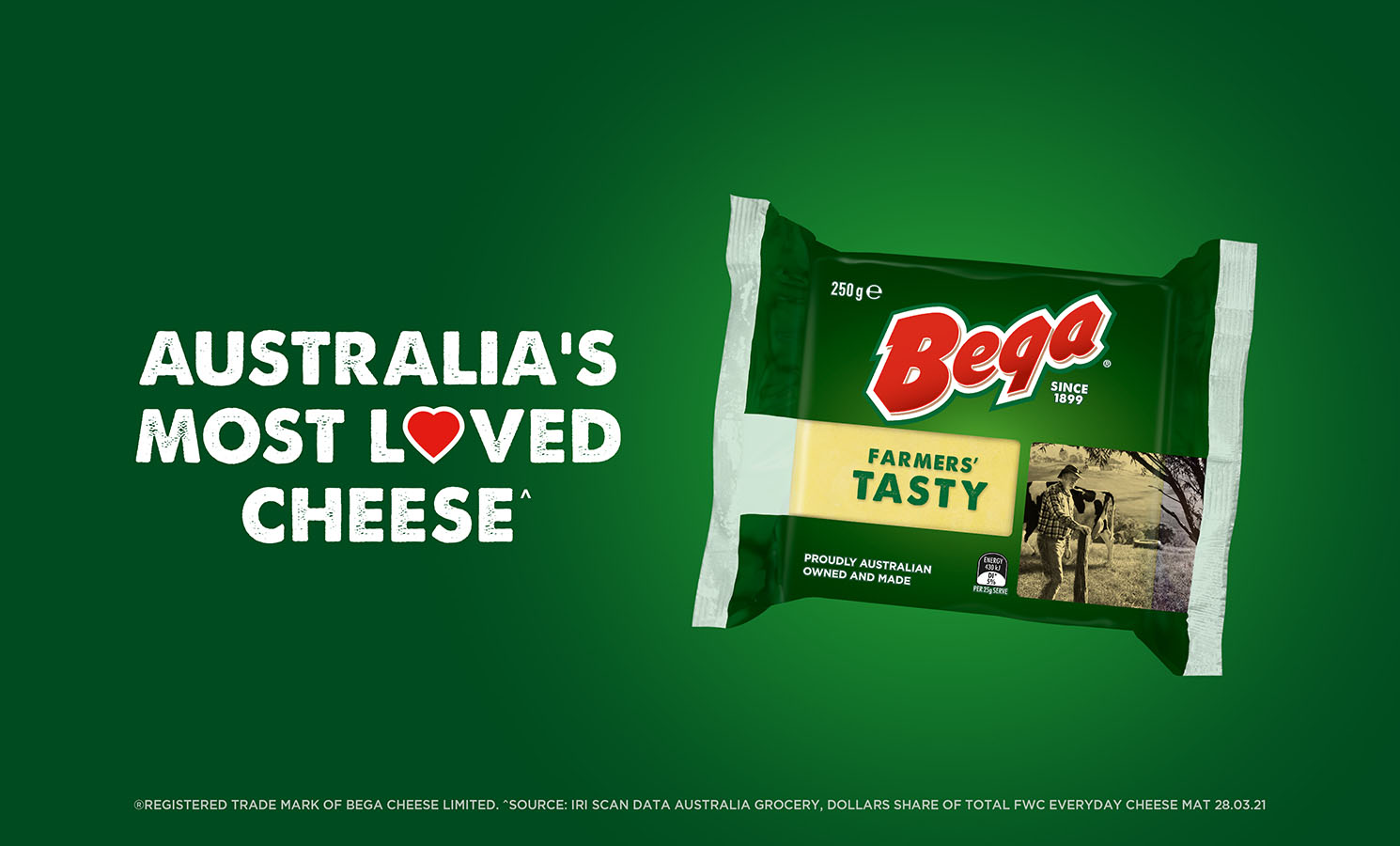
  • Bega Cheese reports strong market share growth for FY23

    Bega Cheese reports strong market share growth for FY23

    Bega Cheese says it has gained market share and margin momentum in the second half of the year following significant cost increases in the first quarter.

    For FY23, the dairy company achieved a revenue of $3.4 billion, marking a 12 per cent rise from the previous year. It closed the fiscal year with a net debt of $203.6 million and a reduced leverage ratio of 1.6 times.

    Statutory EBITDA (earnings before interest, tax, depreciation, and amortisation) was $144.1 million, with a post-tax loss of $229.9 million significantly impacted by non-cash asset impairment of $230 million.

    Meanwhile, normalised EBITDA was $160.2 million, with a profit after tax of $28.5 million.

    According to Bega, its strategic decisions in the past five years played a pivotal role this year as it navigated “difficult and rapidly changing” conditions.

    The implementation of price adjustments, cost reduction initiatives, and a stream of new products significantly improved the financial performance of the Branded segment, particularly in the latter part of the year.

    However, the continued decline of milk production and excess milk manufacturing capacity have created a highly competitive environment and a disconnect between returns from globally treated commodity markets and Australian farm gate milk prices.

    Bega said this scenario will continue for some time, resulting in a non-cash impairment and a strategic decision to right-size some of its commodity assets.

    Reflecting on the results, executive chairman Barry Irvin emphasised the company’s strategy to shift to a predominantly branded business model.

    “The non-cash impairment of our bulk commodity assets reflects industry circumstances and reinforces the importance of our strategy to transform to a predominantly branded business,” said Irvin.

    “The right-sizing of our commodity assets and their further integration with our branded business creates a great platform for the support and growth of our brands while maintaining the capability to respond to changing market circumstances.”

    Looking ahead, Bega has outlined a restructuring and simplification program to accelerate its transition to an integrated, predominantly branded business.

  • Vitasoy launches plant-based oat yogurt range

    Vitasoy launches plant-based oat yogurt range

    Beverage brand Vitasoy has unveiled a new plant-based yogurt range made with homegrown oats.

    The range is made at Vitasoy’s Albury-Wodonga facility and is available in three flavours Blueberry, Vanilla and Summer Fruits – which include a blend of mango, guava, passionfruit and pineapple.

    The oat yogurts are nutritionally fortified with high-quality plant-based calcium, vitamin B12, vitamin D, protein and calcium and come with a 4 Health Star Rating.

    Nick Bartram, marketing and strategy GM of Vitasoy Australia, said the business has responded to demand from customers to introduce an additional plant-based yogurt range to the market.

    “Following the incredible consumer response to the launch of our Greek Style Soy Yogurt portfolio last year, we saw an opportunity to diversify the range using an Oat milk base.

    “We were determined to deliver our signature smooth and creamy texture, along with a strong nutritional profile by adding protein and calcium, when developing this range.”

    Belinda Dib, accredited practising dietitian at Vitasoy Australia, said the products combine the soluble fibre present in oats with live cultures found in fermented products and will support gut health.

    Vitasoy Oat Yogurts are now available in select Coles supermarkets nationally and retail for $3 each.

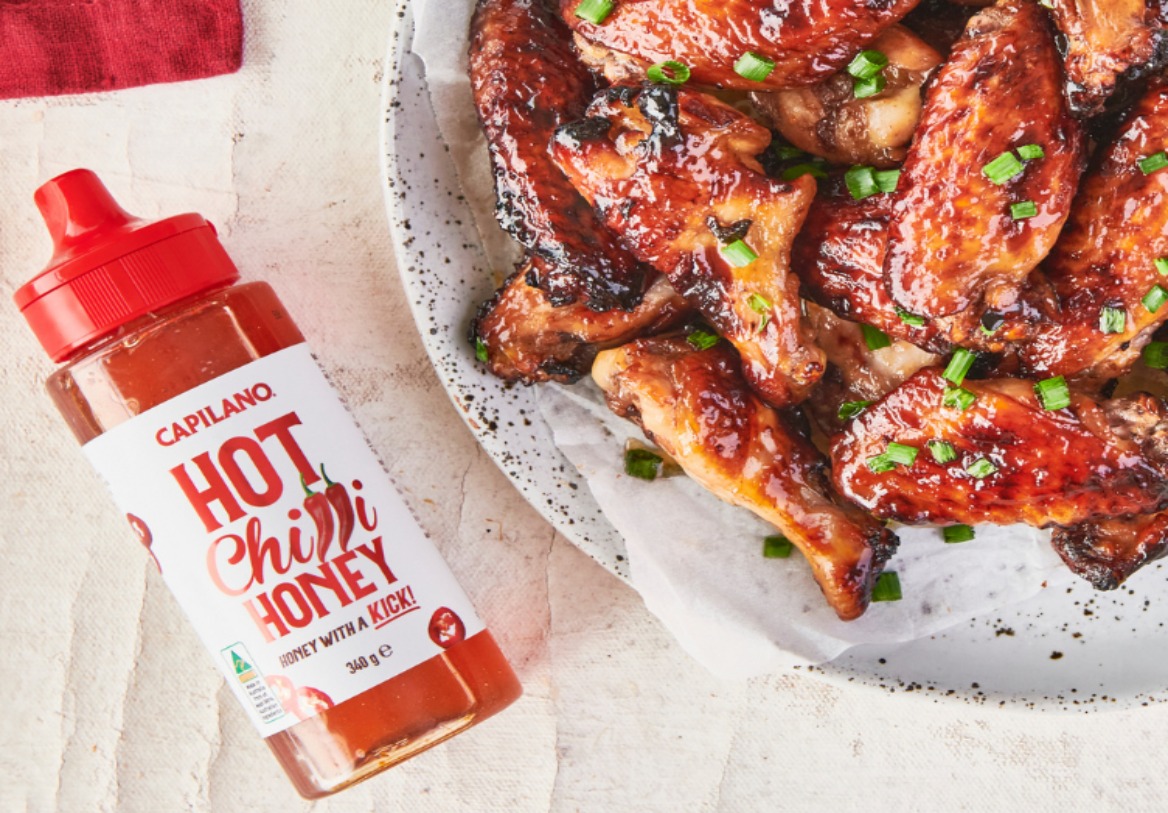
  • Capilano introduces Hot Chilli Honey for bold flavour seekers

    Capilano introduces Hot Chilli Honey for bold flavour seekers

    Honey maker Capilano has launched a Hot Chilli variant for consumers looking for that “spicy kick” in their food.

    Recommended for drizzling over pizza, wings, ribs, burgers, or toast, the company said the new Hot Chilli is set to redefine honey’s role in home cooking and give food an extra “wow” factor.

    Capilano Hot Chilli Honey combines 100 percent pure Aussie honey from its network of more than 800 beekeepers with savoury, spicy flecks of habanero chilli to create a savoury-style honey for use as condiment.

    In addition, the spicy honey is made with no preservatives or other nasties.

    Fiona Tavian, GM for innovation, Capilano, said studies show that an average Australian household consumes chilli every ten days, and suggest that five million adults enjoy hot sauce once a week.

    “We know Australians are always looking for ways to add excitement to their meals and prioritize natural ingredients,” said Tavian.

    “What a great way to support Aussie beekeepers by tapping into this huge appetite for Chilli products! “

    Capilano’s Hot Chilli Honey is available in a 340g squeeze pack for an RRP of $7.50 at Woolworths and will be stocked in Coles beginning October 2.

  • Pringles debuts spicy duo: Chipotle Sour Cream and Smokin Cajun

    Pringles debuts spicy duo: Chipotle Sour Cream and Smokin Cajun

    Pringles is sure to fire up the tastebuds of snack aficionados across the country with its latest release, comprised of two new smoking-hot flavors.

    These spicy new Pringles – Sizzlin’ Chipotle Sour Cream and Smokin’ Cajun Spice – are exclusive to Australia and New Zealand and were co-created with Michelin Star Chef Haikal Kohari, who crafted these bold flavors specifically for local tastebuds.

    For those who prefer mild spice, the Sizzlin’ Chipotle Sour Cream Pringles offer snackers some excitement, with the smooth, creamy sour notes balancing out the heat level.

    But for those who crave the heat, the Smokin’ Cajun Spice Pringles will surely get your heart racing with a mouthwatering mixture of spice and tangy citrus.

    Dan Bitti, Head of Pringles and Salty Snacks ANZ said the new Pringles flavors were a result of “18 months” of experimenting to get the “perfect balance of fire and flavor”

    “Across Australia and New Zealand, chip lovers are asking for more interesting and spicy flavors, so Pringles are giving the people what they want with something more daring.”

    “Whether you like snacks fiery or mild, the Smokin’ Cajun Spice and Sizzlin’ Chipotle Sour Cream flavors are both ‘a must try’, packing a punch of flavor and spice to get those taste buds popping.”

    “We can’t wait for Pringles fans to try them and see if they can handle the heat!”

    If you’d like to put your tastebuds to the test with these flavoursome and fiery new Pringles flavours, you can purchase them from Coles today and from Woolworths in mid-September.

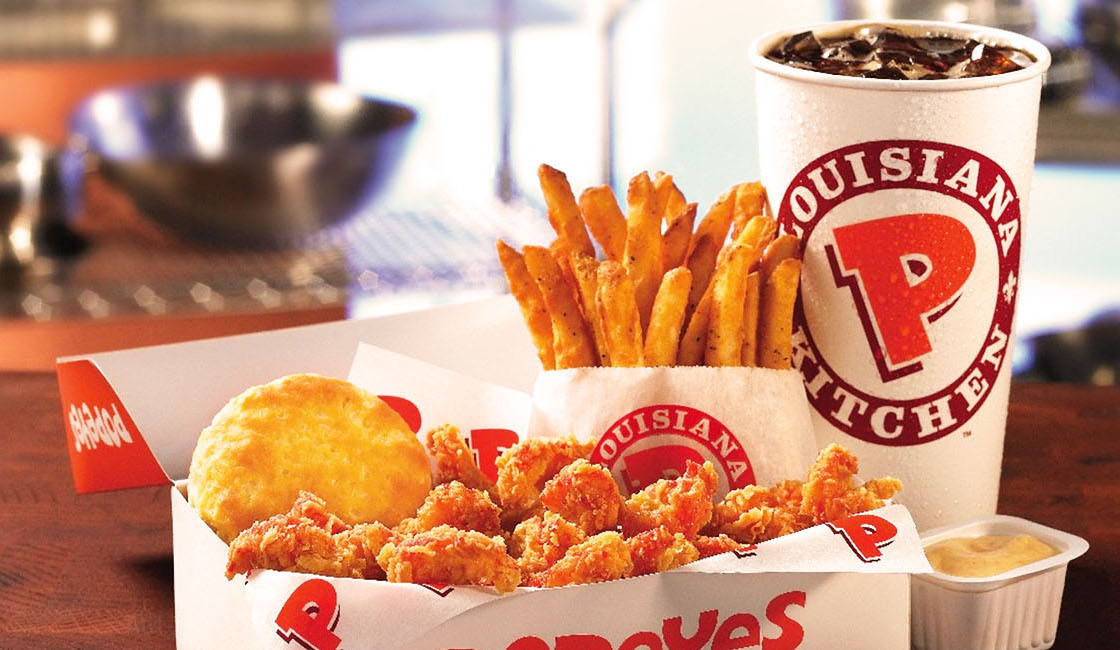
  • Tims China aims to open 1700 Popeyes eateries across China

    Tims China aims to open 1700 Popeyes eateries across China

    TH International Limited has set a goal to open 1,700 Popeyes eateries across China in the next decade, a source with direct knowledge of the matter said, after it relaunched the Cajun-inspired fast food chicken chain Popeyes in the country last Saturday.

    TH International, also known as Tims China, took over as the exclusive operator and developer of the Restaurant Brands International-owned Popeyes brand in China from TFI TAB Food Investments in March.

    Tims China, which also operates the Tim Hortons coffee chain in China, also aims to increase the number of Popeyes restaurants in Shanghai to 10 by the end of this year, the source said, declining to be named as the information was not yet public.