Category: Food

Retail News Asia is committed to providing both local and global retailers with the latest Food and Food & Beverage news throughout the Asian market. This on a daily base.

  • Vietnamese Café Launches in Prime HCMC Spot Once Occupied by Starbucks

    Vietnamese Café Launches in Prime HCMC Spot Once Occupied by Starbucks

    In a notable shift within the retail landscape of Ho Chi Minh City, Adoré – World Coffee has confidently stepped into a prime location on Han Thuyen Street, just eight months after Starbucks shuttered its upscale store at the same site. This development marks an exciting chapter in the city’s evolving consumer trends.

    New Tenant at a Competitive Rate

    Adoré is now leasing the three-story property for VND700 million per month (approximately US$29,000), slightly edging below the VND750 million Starbucks previously paid. While this represents a decrease, the rent remains nearly double the area’s average, reflecting the property’s high-profile status in Vietnam’s bustling metropolis.

    The prime location boasts over eight meters of street frontage and scenic views from the upper floors, driving its premium rental price, according to real estate analysts.

    Prolonged Search for Tenants

    Despite its prime position, it took the building’s owner eight months to secure a new tenant. The downtown area of Ho Chi Minh City has a surplus of commercial properties, resulting in many buildings sitting vacant for extended periods. Property owners often prefer to hold out for top-tier tenants rather than lower rents.

    Starbucks Finds New Home

    In the meantime, Starbucks has established a new home in the iconic Bitexco Financial Tower. This premium store, spanning 500 square meters, reportedly incurs a monthly rent of about $75,000 before long-term tenant discounts, as commercial space on the tower’s ground levels averages around $150 per square meter.

    Looking ahead, Starbucks plans to unveil another upscale store in July near the Diamond Plaza, just 300 meters from the previous Han Thuyen location.

    Impact on the Retail Sector

    The arrival of Adoré – World Coffee in such a sought-after space not only reflects the dynamic nature of retail in Ho Chi Minh City but also showcases shifting consumer preferences toward local brands. As brands expand their presence in premium locations, the retail sector is poised for further innovation and growth.

    Questions & Answers

    1. What Vietnamese coffee shop has taken over the former Starbucks location on Han Thuyen Street? Adoré – World Coffee is the new tenant of the prime retail space that was previously occupied by Starbucks.
    2. How much is Adoré – World Coffee paying in rent for the new location? Adoré is leasing the property for VND700 million per month, slightly less than what Starbucks paid before its departure.
    3. What are Starbucks’ future plans in Ho Chi Minh City? Starbucks is set to open another premium store in July, likely near Diamond Plaza, just a short distance from the former Han Thuyen site.
  • Zus Coffee Aims for 200 New Outlets Across Southeast Asia in 2023

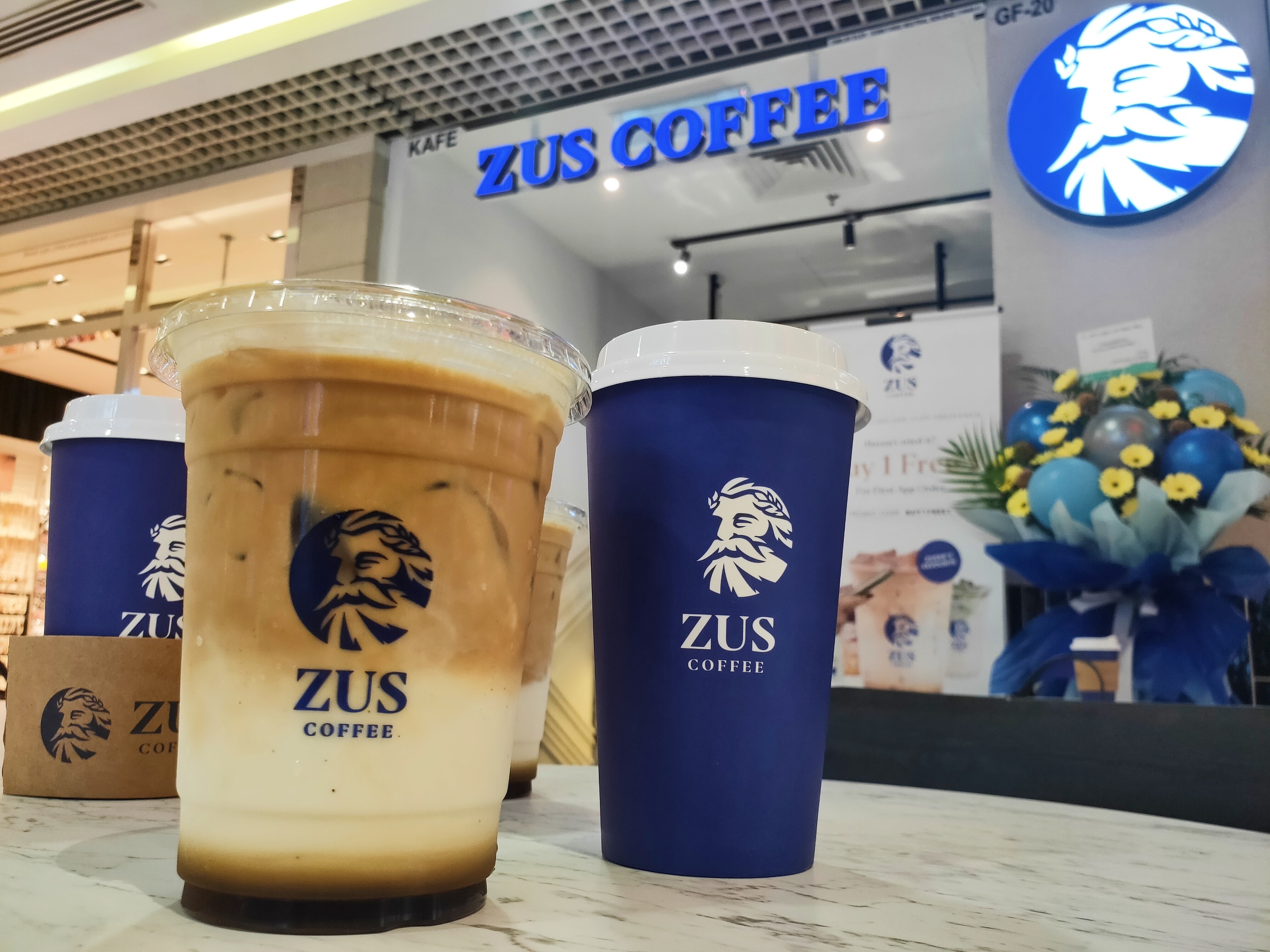
    Zus Coffee Aims for 200 New Outlets Across Southeast Asia in 2023

    Zus Coffee Eyes Major Expansion with 200 New Outlets in Southeast Asia

    Company Targets Multi-National Growth in 2024

    Malaysia’s prominent coffee chain, Zus Coffee, is set to make a significant impact on the Southeast Asian market by launching 200 new outlets this year. In an exclusive interview with Bloomberg, CEO Venon Tian detailed the ambitious expansion plans that include new locations in Malaysia, the Philippines, Singapore, Thailand, and Indonesia.

    Strategic Store Launches Across the Region

    The expansion strategy involves opening at least 107 new stores in Malaysia, 80 in the Philippines, and 6 in Singapore, alongside penetrating the Thai and Indonesian markets for the first time. This move reflects Zus Coffee’s robust growth trajectory and its ambition to solidify its position as a major player in the region’s coffee retail sector.

    Surpassing the Competition

    Since its inception in 2019, Zus Coffee has experienced remarkable success, recently surpassing Starbucks to become Malaysia’s leading coffee chain. With 743 outlets, Zus has significantly outpaced Starbucks, which operates 320 locations in the country. Zus Coffee also boasts 120 outlets in the Philippines, underlining its strong regional presence.

    Rewarding Taste with Value

    In its most recent financial report, Zus Coffee revealed a substantial threefold increase in net income, reaching RM37 million (approximately US$8.4 million) in 2024. This impressive growth can be attributed to the brand’s focus on market-specific flavors, such as palm sugar-infused drinks in Malaysia and unique purple yam coffee in the Philippines.

    Innovation Meets Accessibility

    Transitioning from a delivery-focused kiosk to a widespread coffee retailer, Zus Coffee has enhanced its sales strategy, with around 70% of sales now derived from online channels, including delivery and pickup options. The brand’s tech-driven approach and efficient store construction allow it to offer coffee at prices over 20% lower than Starbucks, amplifying its appeal to a diverse customer base.

    Tian emphasizes the brand’s mission: “It’s about how we make quality coffee accessible to most people,” which resonates through its mid-range pricing strategy that sits between RM5 at convenience stores and RM11 at premium outlets.

    As Zus Coffee embarks on this ambitious expansion, the potential impact on the retail sector is significant. With increasing consumer trends toward affordability and localized flavors, Zus is poised to reshape the coffee landscape in Southeast Asia, providing fresh competition that prioritizes quality and accessibility.

  • 1,000 Durian Trees Cut Down in Malaysia: Explore the Controversy Behind It

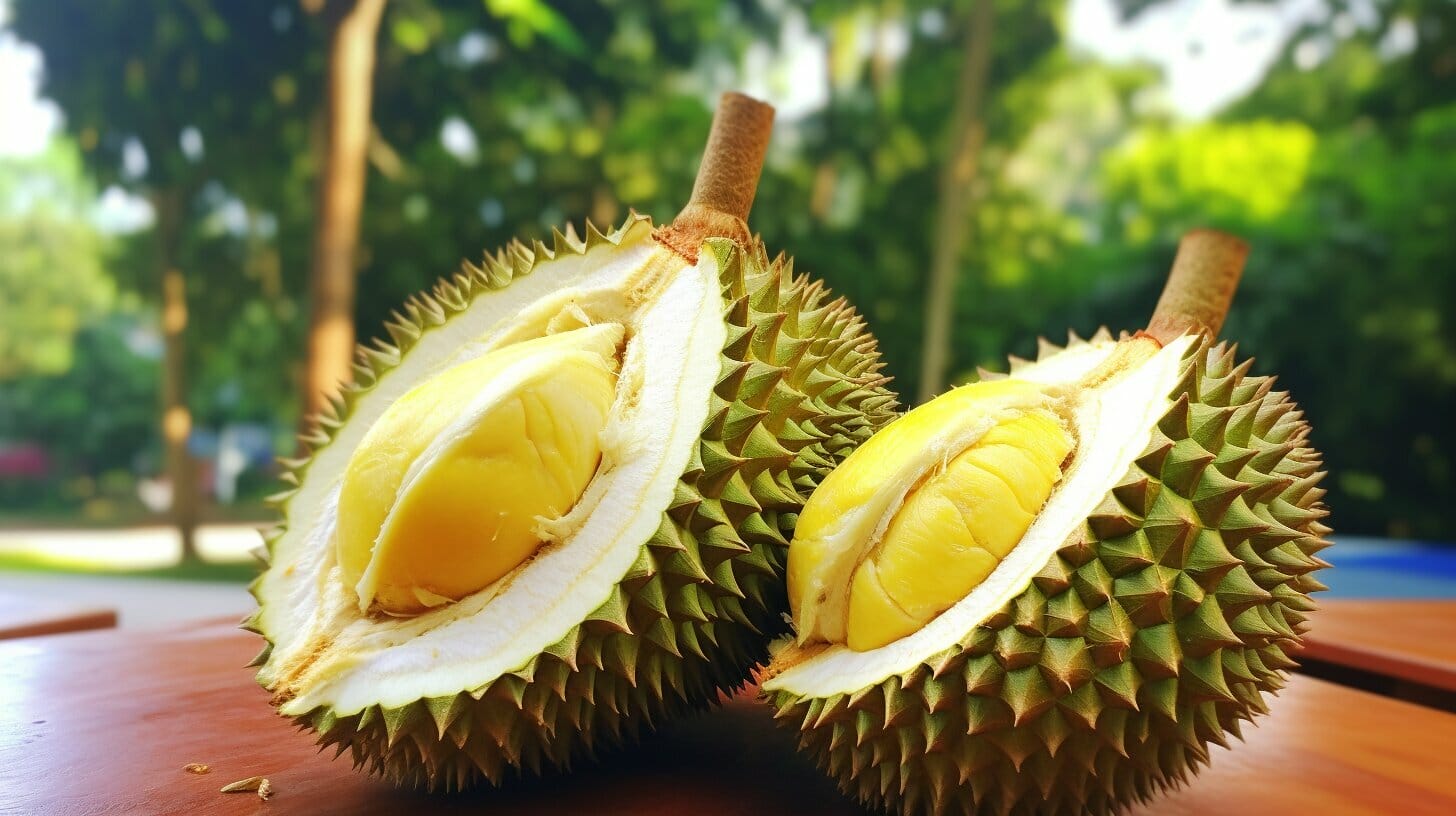
    1,000 Durian Trees Cut Down in Malaysia: Explore the Controversy Behind It

    Protests Erupt Among Durian Farmers in Malaysia Over Tree Destruction

    Farmers Rally Against Government Actions in Pahang State

    In a significant clash between agriculture and policy, durian farmers in Pahang State, Malaysia, are voicing their frustrations after the government initiated the cutting down of over 1,000 durian trees. This controversial decision has mobilized farmers to block roads and display protest banners, marking a pivotal moment in local agricultural resistance.

    Farmers Demand Accountability for Tree Removal

    The destruction of these durian trees, some of which have taken decades to mature, has sparked outrage among local farmers who rely on the fruit as a primary source of income. Many farmers are questioning the government’s motives, arguing that the long-term investment in these trees is being disregarded without consideration for their livelihoods.

    The Economic Impact of Durian Trees

    Durian, often referred to as the “king of fruits,” holds significant cultural and economic value in Malaysia. As consumer demand for durians continues to surge both domestically and internationally, the removal of these trees could have lasting effects on the local economy. Farmers are urging officials to reconsider the decision, emphasizing the need for sustainable agricultural policies that support farmer interests.

    Consumer Trends and Agricultural Policy

    As consumer trends increasingly lean towards sustainability and local sourcing, the current situation presents an opportunity for the government to reevaluate its policies regarding agriculture. Consumers are more aware than ever of the origins of their food, and ensuring the longevity of durian farming could align with rising consumer demand for ethically sourced products.

    Potential Consequences for the Retail Sector

    The farmers’ protest highlights a crucial intersection between agricultural practices and retail dynamics in Malaysia. Should the government persist with the tree removals, the resulting decline in durian production could not only impact local farmers but also reverberate through the retail sector, affecting pricing and availability of this sought-after fruit. As discussions unfold, the outcome of this situation will likely serve as a benchmark for future agricultural policies and consumer engagement within Malaysia’s vibrant retail market.

    The unfolding protests serve as a reminder of the delicate balance between economic development and agricultural sustainability, emphasizing the importance of community involvement in policy-making to ensure a prosperous future for both farmers and consumers alike.

  • Boost in Consumer Spending Fuels Growth in Australia’s Credit Card Market

    Boost in Consumer Spending Fuels Growth in Australia’s Credit Card Market

    Australia’s Credit Card Market on Track for Significant Growth, Expected to Reach $299.7 Billion by 2025

    Australia’s credit and charge card payments sector is poised for robust expansion, with projections indicating a surge to $299.7 billion (AUD 453.9 billion) by 2025. This growth is predominantly fueled by increasing consumer spending, a resilient payment infrastructure, and a thriving e-commerce landscape, as reported by GlobalData.

    Strong Consumer Spending Drives Momentum

    In 2024, the market value for credit and charge card payments experienced a notable increase of 6.3%. This upswing is largely attributed to rising consumer spending and the appeal of value-added benefits, including cashback rewards and flexible repayment options.

    Kartik Challa, Senior Banking and Payments Analyst at GlobalData, emphasized that Australians are increasingly aware of the advantages of credit card usage. “Consumers frequently utilize these cards to capitalize on benefits, such as cashback offers and rewards programs,” he stated. The boom in consumer appreciation is pivotal to the ongoing growth of this sector.

    Boosted by E-Commerce and Payment Infrastructure

    The credit and charge card market’s upward trajectory is bolstered by improvements in payment infrastructure and the burgeoning e-commerce domain. In 2024, Australians averaged 225.5 transactions per card, with expectations to rise to 239.5 by 2029. Key players in retail banking, such as Commonwealth Bank and NAB, are further supporting this trend by offering innovative repayment solutions like “SurePay” and the “Now Pay Later” program.

    Moreover, Australia is rapidly enhancing its payment capabilities, boasting 39,031 point-of-sale (POS) terminals per million inhabitants as of 2024—outpacing countries such as China and Hong Kong.

    E-Commerce Payments Gain Traction

    E-commerce payments are a significant contributor to this growth, with credit and charge cards accounting for 22.5% of online transactions in 2024. This alignment with consumer trends suggests a growing reliance on digital payment methods as online shopping habits evolve.

    To further assist consumers in managing debt, many Australian banks are introducing programs like debt consolidation and balance transfer options. For example, ANZ offers customers the ability to transfer their existing balances to an ANZ card, simplifying payment processes.

    Future Outlook: Navigating Challenges Ahead

    Looking ahead, Challa notes that while the outlook remains bright for Australia’s credit card market—anticipated to grow at a CAGR of 4.4% to reach $356 billion (AUD 539.1 billion) by 2029—external factors such as global trade complexities and geopolitical concerns could temper this growth.

    As the credit card market continues to expand, its implications are profound for the retail sector and consumers alike, enhancing purchasing power while fostering innovative financial solutions to navigate economic shifts. The increasing prominence of credit and charge cards is likely to shape the future of consumer spending in Australia, making it a space to watch closely.

  • Malaysia’s Land Dispute: 1,000 Chopped Durian Trees Linked to Ex-Officials

    Malaysia’s Land Dispute: 1,000 Chopped Durian Trees Linked to Ex-Officials

    An alarming land dispute in Pahang, Malaysia, has drawn significant attention as investigations reveal connections to multiple former officials. This dispute has culminated in the removal of over 1,000 durian trees, with the Malaysian Anti-Corruption Commission (MACC) leading the inquiry. So far, no arrests have been made in relation to this case.

    Details of the Land Dispute

    The conflict, rooted in land ownership claims, ignited on April 8 when government authorities felled approximately 200 durian trees, deeming them to have been cultivated on illegal land. Within days, this destruction escalated to involve more than 1,000 trees, many of which belonged to the highly sought-after Musang King variety. Farmers, rallying under the Save Musang King Alliance, contested these actions, citing a court order issued last May that allegedly prohibited the government from demolishing their farms.

    Investigative Progress and Findings

    Tan Sri Azam Baki, the chief commissioner of the MACC, stated that the investigation not only addresses governance issues but also scrutinizes how land clearing operations proceeded without proper oversight. He noted that a list of implicated individuals has been compiled, with some officials being retired for over a decade. “Some settlers claim they have been working the land since 1974, but we have also found trees only eight or nine years old, indicating recent encroachment,” he remarked, highlighting discrepancies in claims about land tenure.

    Implications for the Retail Sector and Consumers

    The ongoing developments surrounding the land dispute could have ripple effects on the durian market, a key sector in Malaysia’s economy. As consumer demand for durian products continues to rise, the outcome of this investigation may influence production capabilities and market prices. Retailers and consumers alike should monitor these developments closely, as they may shape the future of this highly valued crop.

  • Avocado Prices Soar to Five-Year High Amid Rising Consumer Demand

    Avocado Prices Soar to Five-Year High Amid Rising Consumer Demand

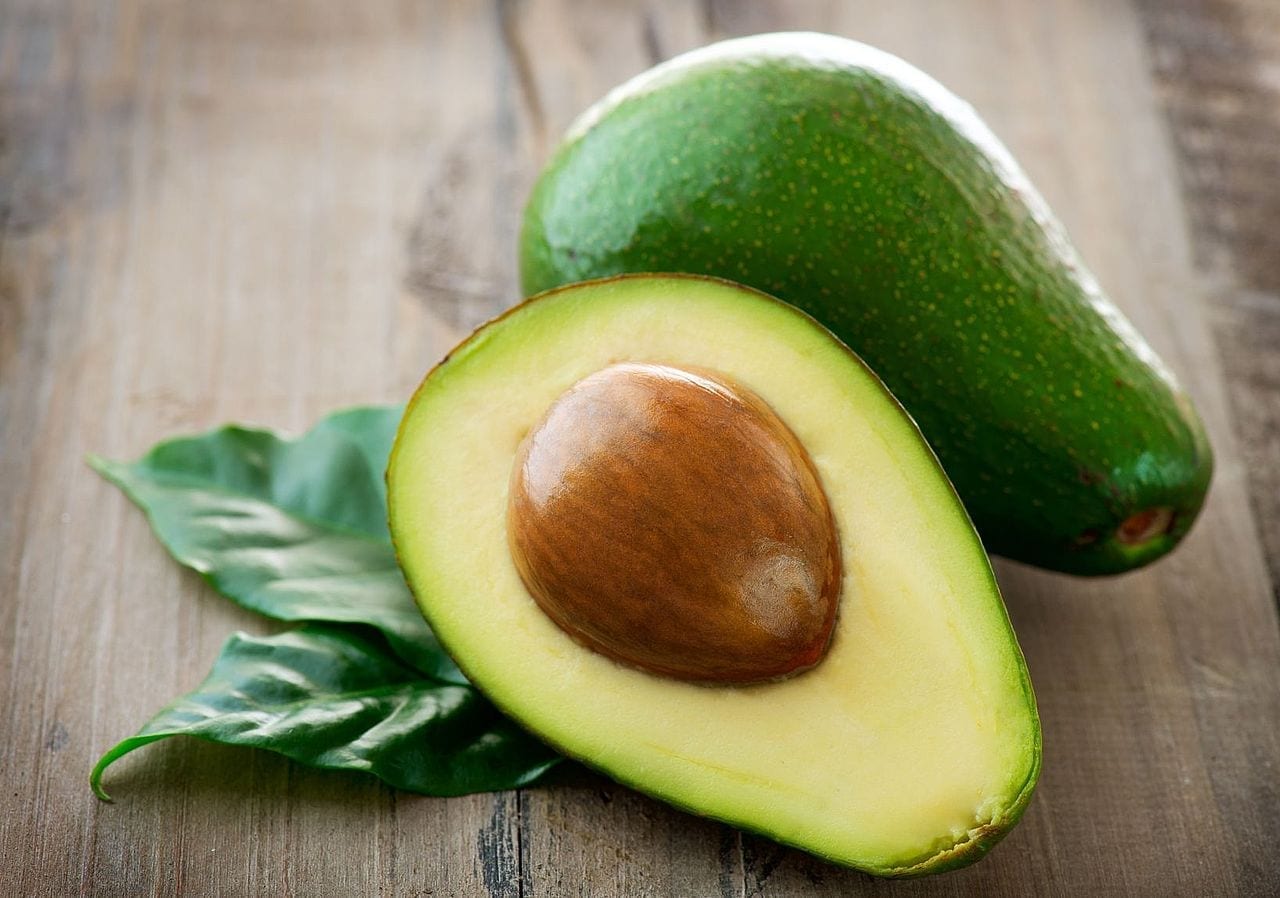
    In a striking turn of events in the agribusiness sector, avocado prices have surged to VND 40,000 (approximately US$1.54) per kilogram—marking a remarkable 100% increase compared to last year and reaching the highest price point in five years. This significant hike is attributed to a notable supply shortage.

    Farmers Profit Amid Rising Costs

    Hien, a farmer from the Central Highlands province of Lam Dong, is poised to earn VND 100 million from her avocado dealings this year, reflecting a robust 60% profit margin. This profit comes amid challenges; Hoang Anh, a retailer in Ho Chi Minh City, reports a 50% drop in supply from the previous year due to low yields.

    Weather Challenges and Crop Shifts

    The avocado market has been severely impacted by adverse weather conditions that have limited production. Traders like Dang Minh Tien are noting that many farmers have opted to replace avocado trees with more profitable fruits such as durian and coffee, further exacerbating supply issues.

    Quality Assurance in Retail

    In response to the rising prices, retail chains like MM Mega Market are taking steps to assure consumers of quality. The chain now offers avocados with a green sticker to indicate that the fruits are of high quality and free from chemical residues, catering to the increasing consumer demand for premium produce.

    Area Under Avocado Cultivation Declines

    According to agricultural authorities in Lam Dong Province, the area dedicated to avocado cultivation is diminishing, with approximately 8,000 hectares currently in production, yielding around 80,000 tons annually. As farmers pivot towards crops with better profitability, the future of the avocado market remains uncertain.

    Potential Impact on the Retail Sector

    As avocado prices climb, the ripple effects on retail dynamics and consumer behavior are becoming apparent. This trend could drive consumers towards alternative fruits or encourage the cultivation of avocados in other regions, reshaping consumer trends in the fruit market. Retailers will need to adapt to these shifts to meet evolving consumer demands effectively.

  • Suntory to Raise Prices in Japan Amidst Rising Consumer Demand Starting October

    Suntory to Raise Prices in Japan Amidst Rising Consumer Demand Starting October

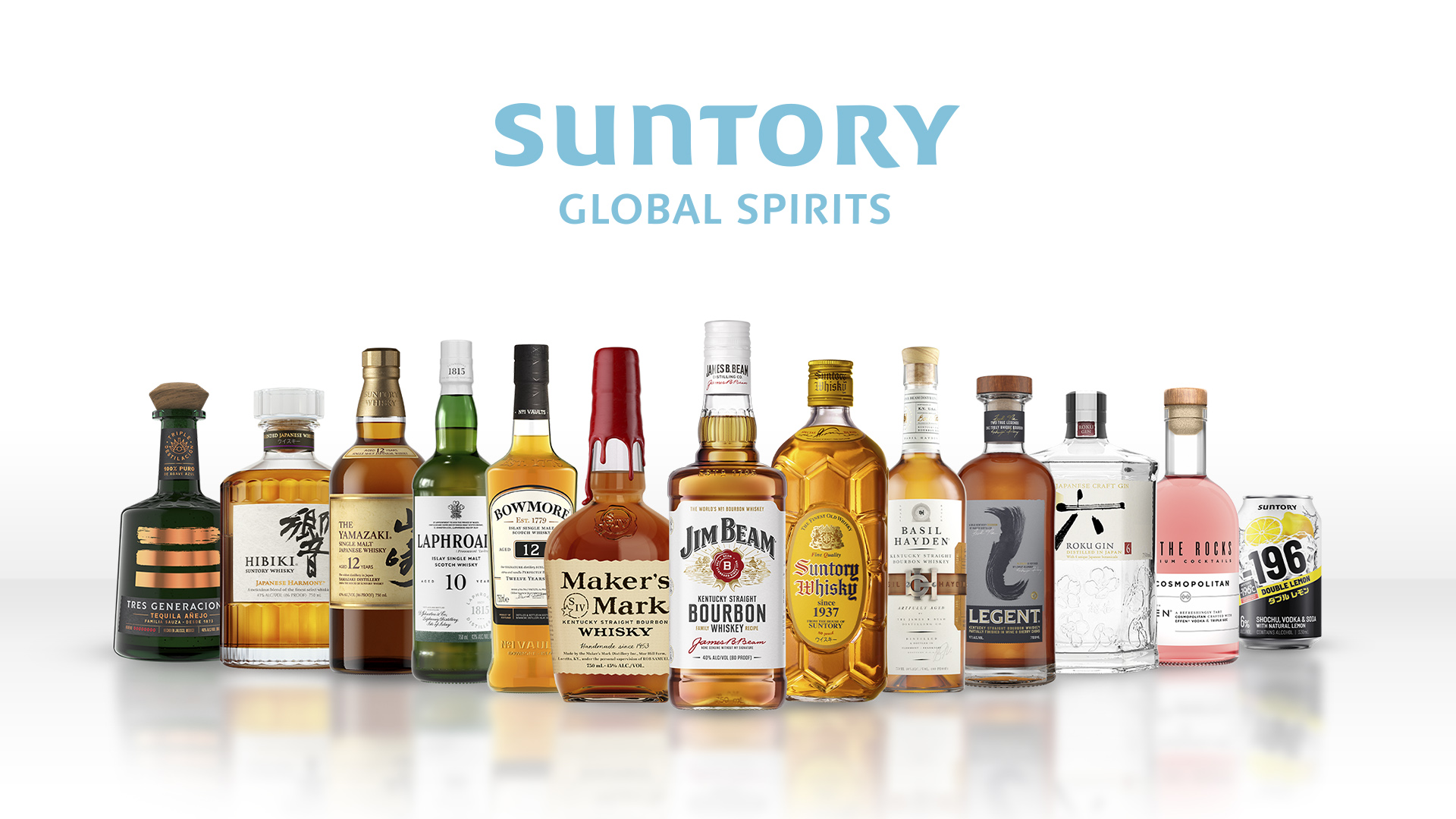
    Suntory Beverage & Food Limited is set to implement price revisions for its products in Japan, effective October 1, 2025, as it grapples with escalating manufacturing and logistics costs. This move underscores the increasing economic pressures felt across the nation.

    Rising Production Costs Prompt Price Adjustments

    In a recent statement, Suntory highlighted the challenges it faces in today’s economic climate, which have led to unavoidable price hikes. The adjustments will impact a range of products packaged in PET bottles, cans, and other containers. Specifically, prices for PET bottles will increase by 6% to 25%, while can prices will rise between 10% and 24%.

    Commitment to Quality Amid Challenges

    Despite these necessary changes, Suntory remains steadfast in its dedication to innovation and productivity. The company emphasized its goal of delivering high-quality, safe, and reliable products that enhance consumer experiences. “We aim to continue providing new value and enriching the lives of our customers,” a company spokesperson stated.

    Looking Ahead: What This Means for Consumers

    These price revisions reflect broader consumer trends influenced by rising operational costs. As Suntory navigates these challenges, it continues to strengthen its brand presence in the competitive beverage market. Consumers can expect to see these new prices taking effect in the coming months, reshaping the retail landscape in Japan.

    Suntory’s decision is a critical indicator of the evolving retail sector, as brands adapt to economic realities while striving to maintain quality and consumer trust. The coming months will be crucial in determining how these changes affect purchasing behavior and overall market dynamics.

  • Fonterra to close milk powder packaging facility in New Zealand

    Fonterra to close milk powder packaging facility in New Zealand

    Fonterra will shut its Canpac packaging facility in New Zealand in July, impacting approximately 120 employees. The site primarily blends and packages milk powders. 

    Its closure forms part of Fonterra’s plan to divest its consumer business, which includes brands such as Anchor, Anlene, Chesdale, and Mainland.

    The consumer division accounts for about A$3.1 billion (NZ$3.4 billion) of the group’s invested capital.

    Canpac currently packs up to 4,000 mt of powder products annually, equivalent to less than 1 percent of Fonterra’s total product volume.

    COO Anna Palairet said the move follows ongoing economic challenges, including low product volumes and increased production complexities.

    “It’s been a tough day for all the team at the site,” she expressed. “Making decisions like this is never easy.”

    Palairet explained that the company will pivot towards higher-value ingredients, such as advanced proteins and medical nutrition.

    “Our strategy is about creating end-to-end value and growing total returns for our farmer shareholders,” she continued.

    “We believe the best way to achieve this is to focus on our strengths and scale in ingredients and food service, and we are prioritising our investment on the parts of our operations that are better suited to this.”

    The dairy cooperative will begin a consultation process to explore potential redeployment opportunities for affected staff as it winds down operations.

  • Big M, Dairy Farmers launch Mars-inspired flavoured milks

    Big M, Dairy Farmers launch Mars-inspired flavoured milks

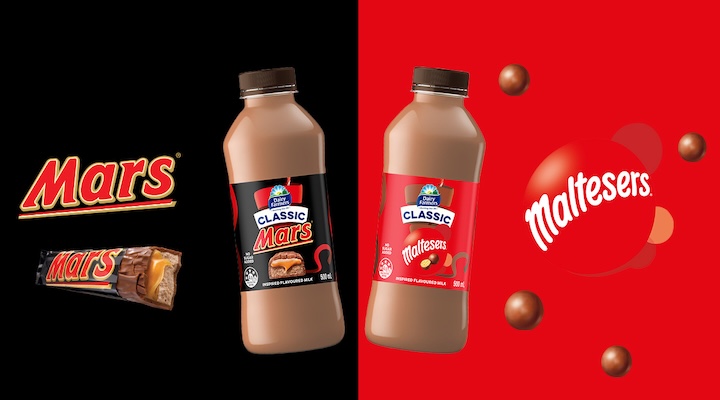
    The two flavoured milk brands – Big M and Dairy Farmers Classic – have teamed up with confectionery brand Mars to introduce confectionery-inspired chocolate milks.

    Anne Scott, senior brand manager of Big M, said the Maltesers-flavoured milk is part of a limited-edition release for Victorian fans, and the collaboration celebrates the 125th anniversary of the Dairy Farmers Classic.

    Taking cues from the original taste of nougat, combined with caramel, and coated with milk chocolate, Maltesers offer a lighter, chocolatey, and creamy beverage with no added sugar. 

    “Whether it’s the irresistible blend inspired by a Mars bar or Maltesers, we can’t wait for Aussies to try these delicious Dairy Farmers Classic flavoured milks.,” said Scott.

    “At Mars, we’re always looking for new ways for Australians to enjoy their beloved brands beyond the formats they know and love,” said Bianca Werkmeister, Mars’ MP director.

    These new limited-edition flavoured milks are available in 500ml bottles at supermarkets across Victoria, Queensland, NSW, and SA for a limited time.

  • Breaka and Weis partner to launch Queensland inspired milk flavour

    Breaka and Weis partner to launch Queensland inspired milk flavour

    Unilever Australia’s Weis and Queensland-flavoured milk Breaka have collaborated to launch Breaka Weis mango and cream-flavoured milk. 

    “We’re thrilled to see two iconic Aussie brands come together to offer Queenslanders a delicious category exclusive,” said Juliette Fleming, Unilever Australia’s senior brand manager for the snacking and refreshment portfolios. 

    “The new Breaka Weis Mango & Cream flavoured milk is a refreshing tribute to our sunny state’s vibrant flavours and our shared Queensland heritage”. 

    The collaboration was delivered by fashion and food brand development and extension agency, Asembl. 

    “A true flavour of Queensland fun, the Breaka Weis Mango & Cream flavoured milk is a very exciting first flavour collaboration between Unilever Australia’s Weis brand and Breaka,” said Asembl MD Justin Watson. 

    “The Breaka Weis Mango & Cream flavoured milk is a limited-edition, low-fat, flavoured milk that tastes just like the sunny state of Queensland.” 

    The new flavour, inspired by Weis’ Mango and Ice cream bars, is available at grocery and convenience stores across Queensland. 

  • Kraft Heinz lowers outlook as first-quarter sales fall

    Kraft Heinz lowers outlook as first-quarter sales fall

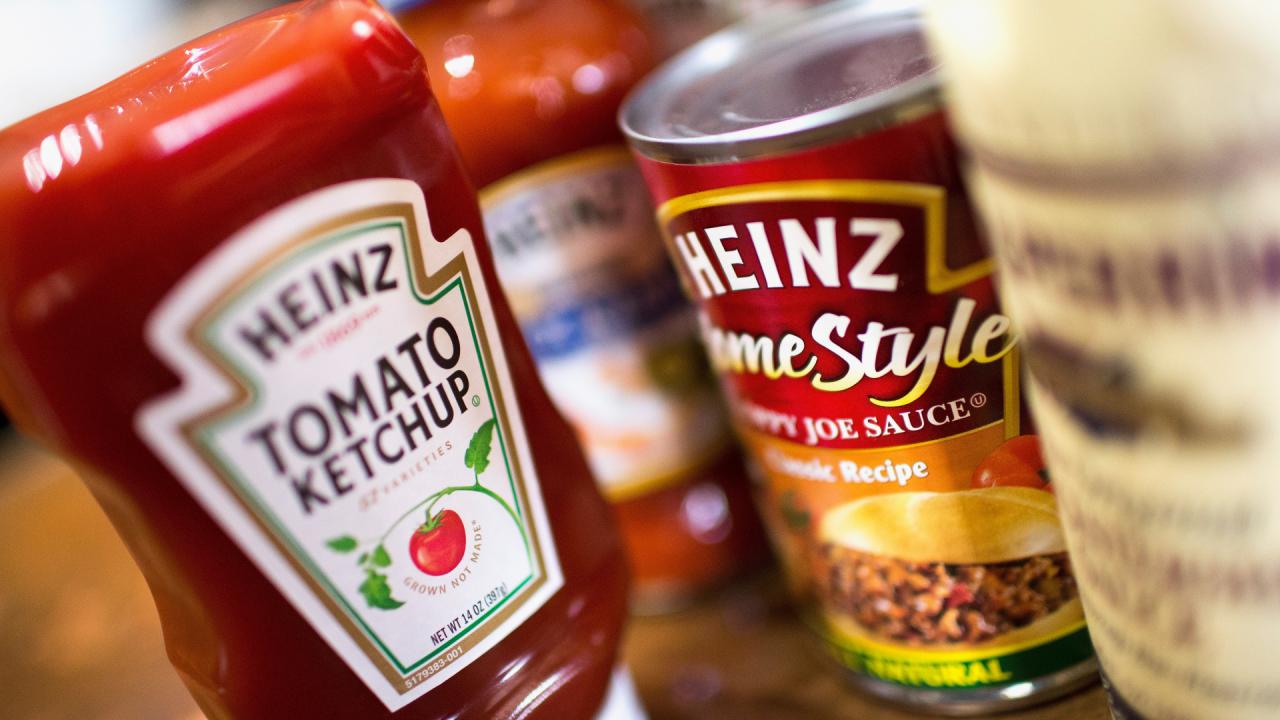
    The Kraft Heinz Company has reported lower global sales and profit for the first quarter, which management attributed to growing market pressures.

    For the quarter ended March 29, net sales fell 6.4 per cent to US$6 billion, while organic net sales slid 4.7 per cent.

    By region, net sales decreased 7 percent in North America, 4.4 per cent in international developed markets and 4.7 per cent in emerging markets.

    On the bottom line, operating income decreased 8.1 percent to $1.2 billion and net income fell 11 per cent to $714 million.

    “This quarter, we delivered results in line with our top line expectations despite growing market pressures,” said Kraft Heinz CEO Carlos Abrams-Rivera.

    “In today’s uncertain times, we are committed to controlling the controllables and making the necessary investments to deliver quality, taste, and value to our consumers through our beloved brands,” he added.

    The company has lowered its full-year outlook, expecting organic net sales to decrease 1.5-3.5 per cent, with sequential improvement recorded throughout each quarter.

    “We’re closely monitoring the potential impacts from macro-economic pressures such as tariffs and inflation, and we are dedicated to increasing investments to drive product and brand superiority,” said Abrams-Rivera.

  • Duxton Bees launches honey brand, Fuzzy Bum

    Duxton Bees launches honey brand, Fuzzy Bum

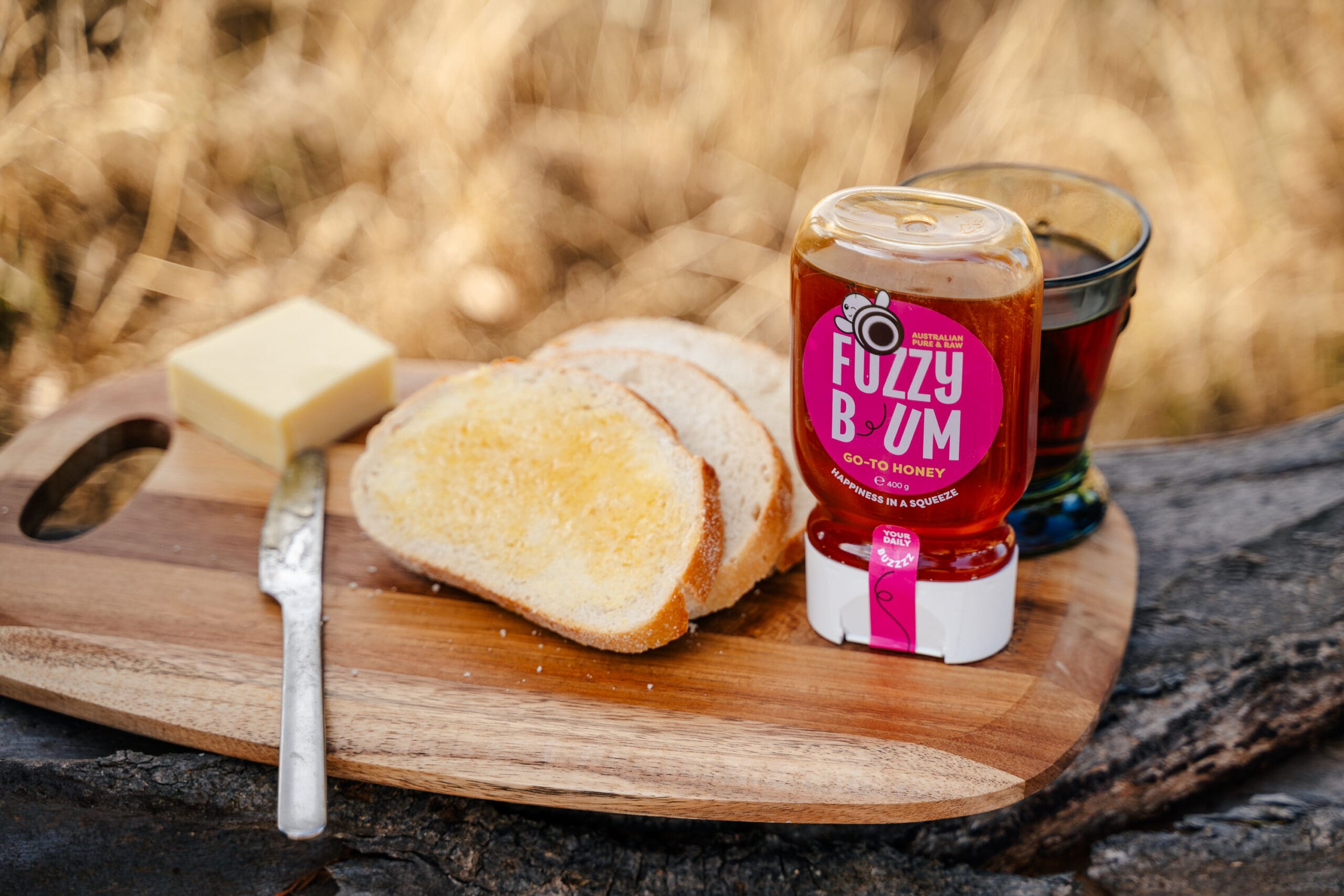
    Duxton Bees has launched Fuzzy Bum, a new honey brand with a mission that goes beyond sweet treats, raising awareness about Australia’s bee crisis. 

    According to the company, Fuzzy Bum is made entirely from locally sourced honey and is fully traceable back to the hive. The product is minimally processed, retaining its natural vitamins, minerals and antioxidants. 

    “Our goal with Fuzzy Bum is to highlight the importance of local beekeepers and sustainable honey production in Australia,” said Keegan Blignaut, MD of  Duxton Bees. “Bees are essential to our environment and food security, yet they are under threat.

    “By choosing 100 per cent Australian honey, consumers can help protect these vital pollinators and support a more sustainable future.” 

    The packaging is designed with bold lettering, vibrant colours, and humorous drawings inspired by local Australian flora.

    Fuzzy Bum honey is now available both online and at select retailers.

  • Fake milk powder producers busted for paying $150,000 bribe

    Fake milk powder producers busted for paying $150,000 bribe

    Two men behind a fake milk powder production ring allegedly paid US$150,000 as bribe after being exposed.

    The Ministry of Public Security announced Monday that its Criminal Investigation Agency had initiated legal proceedings against Vu Manh Cuong and Hoang Manh Ha, the CEO and deputy CEO of Hacofood Group and Rance Pharma, for “bribery”, Pham Gia Khai, former CEO of Vietnam Pharmaceutical JSC, for “brokering bribery” and Nguyen Van Quan for fraud and property embezzlement.

    According to preliminary investigation, after their goods were temporarily seized by the environmental police in December last year, Ha and Cuong decided to bribe their way out.

    Their goal was to get away with a fine rather than face criminal charges.

    Cuong gave Ha $150,000, and he handed it over to Khai.

    Khai gave the money to Quan to “settle” the matter, ensuring they do not face criminal charges for producing and selling fake goods.

    Quan had falsely claimed to have connections with government authorities and individuals in power, suggesting he could reduce the severity of the legal consequences and prevent criminal prosecution.

    Khai took him at his word and handed over the money, but Quan kept it for his personal use.

    On April 10 the Criminal Investigation Agency charged Ha and Cuong along with four accomplices with the production and sale of fake food products and violating accounting regulations, resulting in serious consequences.

    The fake milk powder production ring started operation in August 2021 when Ha and Cuong noticed the increasing demand for milk powder.

    The falsely claimed their product included bird’s nest extract, cordyceps, macca powder, and walnut powder.

    The milk powder was distributed nationwide, primarily targeting people with diabetes, kidney disease, premature infants, and pregnant women.

    The accused instructed their employees to replace the ingredients and add flavoring agents and additives.

    The investigators determined that the quality of some substances in the milk powder was less than 70% of stated levels, sufficient to prove the product fake.

    The suspects exploited a regulation that allows businesses to self-declare the quality, content, nutritional composition, and effects of their products.

    By the time of their arrest on April 11, the ring was suspected of producing 573 types of fake milk powders, generating nearly VND500 billion (US$19.23 million) in revenues.

    The police also discovered that Rance Pharma and Hacofood had underreported their actual revenues in their records to evade tax worth more than VND28 billion.

    The Criminal Investigation Agency believes there is enough evidence to prove 12 varieties of milk powders are counterfeit products. The investigation into the remaining 72 is ongoing.

  • KitKat launches its most decadent bar to date

    KitKat launches its most decadent bar to date

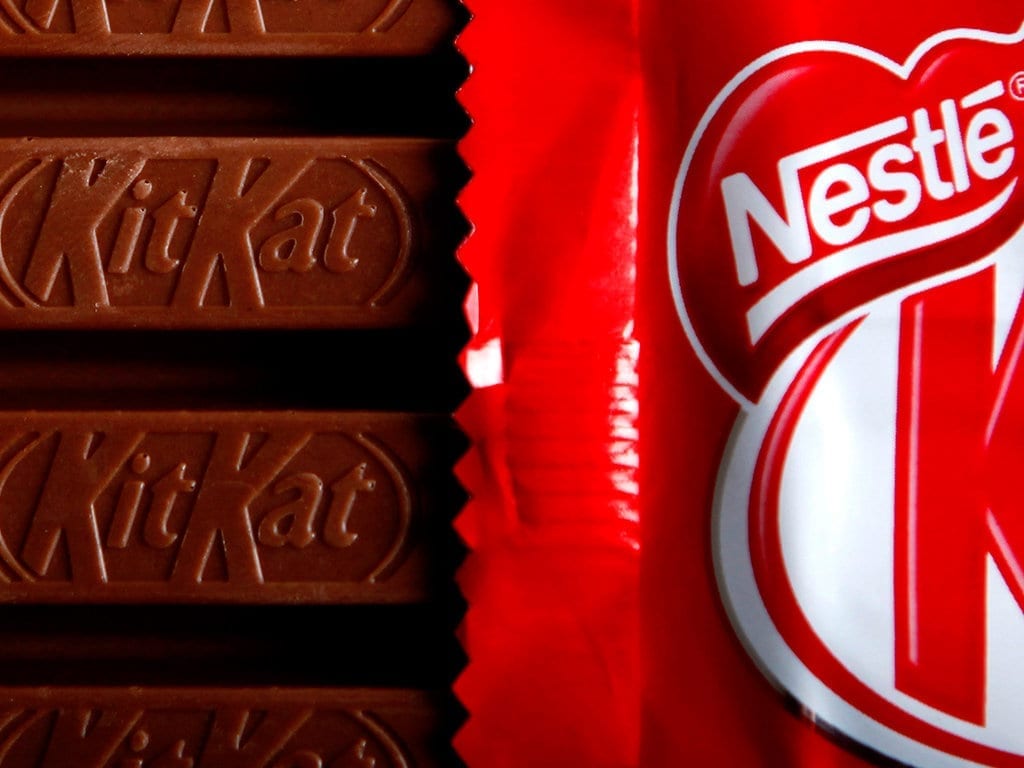
    KitKat has launched its KitKat Gooey Choc – a new wafer bar version enriched with chocolate sauce. 

    The new Gooey bars feature a combination of chocolate syrup wrapped in smooth milk chocolate, and layered with crisp wafers.

    Melanie Chen, Nestle’s head of marketing for confectionery, said that the most decadent block KitKat Gooey Choc is irresistible, offering next-level indulgence with a gooey, chocolatey sauce that will delight KitKat fans. 

    “Chocolate lovers already adore our filled KitKat blocks, and we can’t wait for Aussies to experience this new treat during their next break.” 

    KitKat Gooey Choc will be sold at an RRP of $7 through all major retailers across Australia starting this month.  

    Last week, the brand also partnered with Nescafe to launch a new ready-to-drink product, KitKat-inspired coffee mix.

  • Bae Juice Energy: Clean, Natural Boost from Australian Brand

    Bae Juice Energy: Clean, Natural Boost from Australian Brand

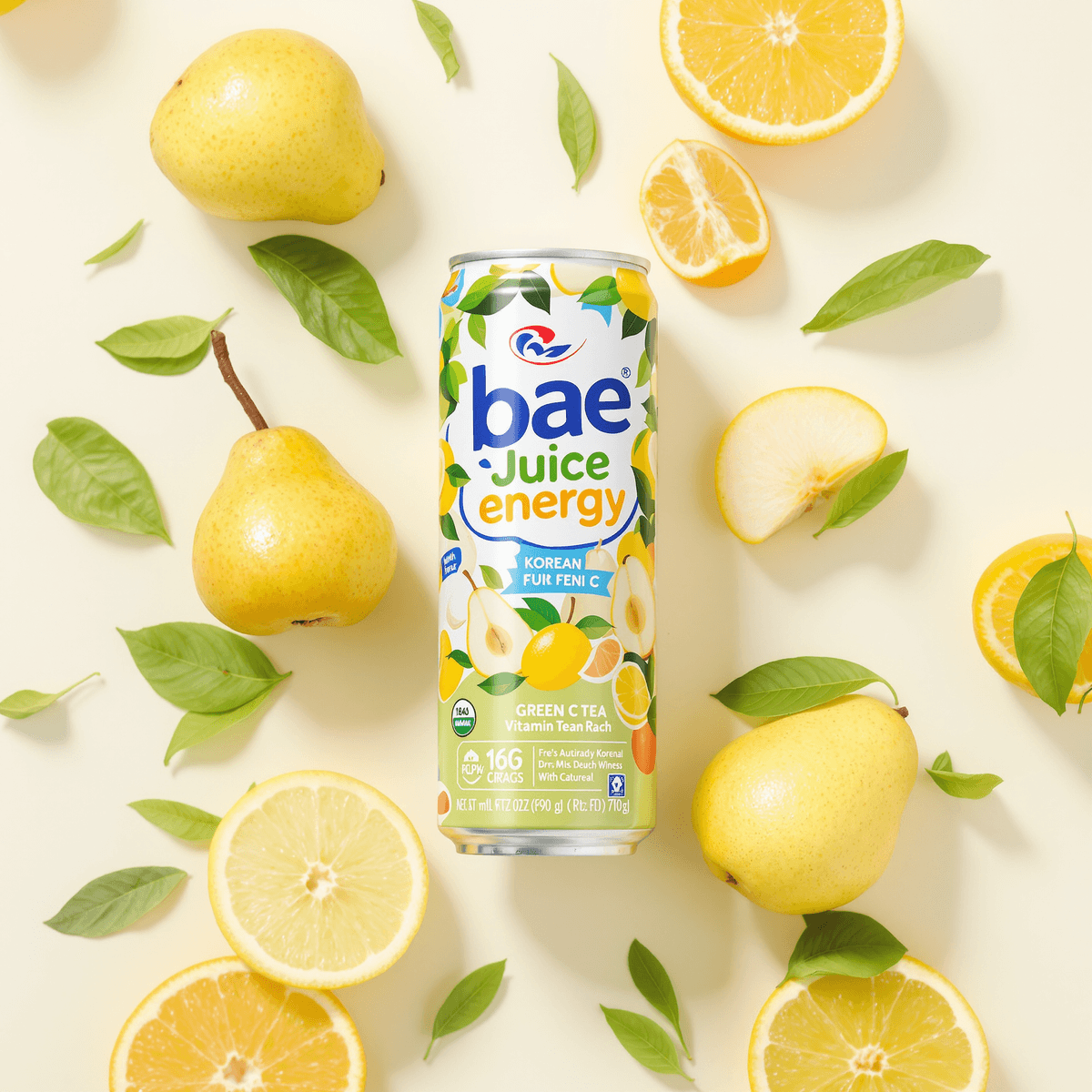
    Bae Juice, an Australian beverage maker, has disrupted the energy drink market with their innovative new product line, Bae Juice Energy. The brand, known for its pioneering work in hangover-prevention drinks since 2019, brings a fresh perspective to the energy drink category.

    Bae Juice Energy stands out with its clean, functional approach to providing sustained energy. The drink combines traditional Korean ingredients with modern wellness trends, creating a unique beverage that appeals to health-conscious consumers seeking natural energy alternatives.

    “This isn’t just another energy drink. It’s the first of its kind in Australia – and the cleanest option on the shelf” – Tim O’Sullivan, Bae Juice co-founder

    The product targets busy professionals, fitness enthusiasts, and wellness-focused individuals looking for an energy boost without the drawbacks of conventional energy drinks. By prioritizing natural ingredients and avoiding excessive sugar content, Bae Juice Energy positions itself as a revolutionary player in Australia’s competitive beverage market.

    Key Ingredients in Bae Juice Energy

    Bae Juice Energy stands out with its carefully selected blend of natural ingredients designed to deliver sustained energy and wellness benefits:

    Korean Pear Juice

    • Natural sweetness and refreshing taste
    • Rich in antioxidants and flavonoids
    • Known for its digestive health properties
    • Traditional Korean remedy for hangover prevention

    Green Tea Extract

    • Natural caffeine source without the jitters
    • Contains L-theanine for focused energy
    • Packed with polyphenols and catechins
    • Supports metabolism and mental clarity

    Vitamin C

    • Boosts immune system function
    • Acts as a natural antioxidant
    • Supports collagen production
    • Enhances iron absorption

    The combination of these ingredients creates a synergistic effect. Green tea’s natural caffeine works alongside L-theanine to provide steady energy without crashes. Korean pear juice adds essential nutrients and a subtle sweetness, while Vitamin C strengthens your body’s natural defenses.

    You’ll find no artificial sweeteners or excessive sugar content in Bae Juice Energy. Each ingredient serves a specific purpose, from energy enhancement to immune support, making it a functional beverage that aligns with modern health-conscious lifestyles.

    The Clean Energy Drink Concept

    Bae Juice Energy redefines the traditional energy drink market with its revolutionary clean energy approach. The brand’s commitment to functional energy stands in stark contrast to conventional energy drinks loaded with artificial ingredients and excessive sugar content.

    Key Differentiators of Bae Juice Energy’s Clean Concept:

    • Natural Energy Source: The drink uses green tea extract for sustained energy release, avoiding synthetic caffeine alternatives
    • Minimal Sugar Content: Unlike traditional energy drinks containing up to 20 teaspoons of sugar, Bae Juice Energy keeps its sugar content low
    • No Energy Crashes: The natural ingredient blend helps eliminate the common “jitters” and energy crashes associated with conventional energy drinks

    The clean energy drink concept aligns with growing consumer demand for healthier beverage alternatives. Bae Juice Energy positions itself as a daily wellness companion rather than just another sugary energy boost. This approach resonates with health-conscious consumers seeking functional benefits without compromising their dietary preferences.

    Market Expansion Strategy

    Bae Juice’s remarkable growth stands as a testament to its market success. Since its 2019 launch, the brand has achieved an impressive $10 million in total revenue, with $2.5 million generated in the current fiscal year alone. This substantial financial performance highlights the strong consumer demand for innovative beverage solutions in Australia.

    Strategic Partnerships and Retail Presence

    The brand’s distribution strategy focuses on strategic partnerships and widespread retail presence. A key milestone in this expansion came through the partnership with Ampol Foodary, securing placement in over 400 locations across Australia. This collaboration has significantly enhanced Bae Juice’s accessibility to consumers, particularly targeting on-the-go customers seeking healthier energy drink alternatives.

    Diverse Distribution Network

    Bae Juice’s distribution network encompasses:

    • Major retail chains
    • Independent stores
    • Convenience outlets
    • Specialty beverage retailers
    • Service station networks

    The brand’s success in securing these diverse retail channels demonstrates its appeal to both mainstream consumers and health-conscious individuals. This multi-channel approach has enabled Bae Juice to capture different market segments while maintaining its premium positioning in the energy drink category.

    Aligning Distribution with Product Innovation

    The company’s distribution strategy aligns with its product innovation, ensuring that its unique Korean pear-based beverages reach consumers through convenient and familiar retail touchpoints. This calculated expansion has established a strong foundation for the brand’s continued growth in the Australian beverage market. Bae Juice’s strategy mirrors some of the successful elements seen in larger companies like Coca-Cola, which have mastered global dominance through similar strategic approaches.

    Positioning Bae Juice Energy in the Market

    Bae Juice Energy stands out in Australia’s competitive beverage market by combining two separate markets: hangover prevention and energy drinks. This strategic positioning allows the brand to leverage its established reputation in hangover prevention while attracting health-conscious energy drink consumers.

    The brand’s unique value proposition stems from its dual-functionality approach:

    • A clean energy boost without the typical sugar overload
    • Natural hangover prevention properties from Korean pear juice

    This positioning sets Bae Juice Energy apart from traditional energy drinks that often rely on synthetic ingredients and excessive sugar content. The brand’s commitment to using natural ingredients resonates with health-conscious consumers seeking functional beverages that align with their wellness goals.

    By introducing an energy drink variant, Bae Juice expands its market reach beyond its original hangover-prevention customer base. This strategic move allows the brand to capture daily consumption occasions rather than limiting itself to specific use cases.

    Future Growth Projections for Bae Juice Energy

    Bae Juice’s expansion strategy signals remarkable growth potential in the Australian beverage market. The brand’s target to reach 5000 stores nationwide by year-end demonstrates its aggressive scaling approach and strong market confidence.

    This ambitious distribution plan includes partnerships with:

    • 1000+ independent retailers
    • Major retail chains
    • Convenience stores
    • Health food outlets

    The rapid store expansion builds on Bae Juice’s existing success with its hangover prevention drinks. Market analysis suggests the functional beverage sector continues to grow, driven by health-conscious consumers seeking alternatives to traditional energy drinks.

    The brand’s distribution strategy aligns with changing consumer preferences for clean-label products. You’ll find Bae Juice Energy positioned alongside premium beverages in retail locations, targeting demographics willing to pay for quality ingredients and functional benefits.

    This strategic placement and wide-reaching distribution network position Bae Juice Energy to capture a significant share of Australia’s growing functional beverage market.

    Conclusion

    Bae Juice Energy represents a new era in the energy drink market – one that prioritizes clean ingredients and functional benefits. You’ll find a refreshing blend of Korean pear juice, natural caffeine from green tea, and immune-boosting Vitamin C in every can.

    The beverage landscape is evolving, and consumers like you are seeking smarter alternatives to traditional energy drinks. Bae Juice Energy answers this call with its innovative approach to all-day energy without the sugar crash or jitters.

    Ready to transform your daily energy boost? Give Bae Juice Energy a try – it’s where great taste meets functional benefits in a clean, natural energy drink that works with your body, not against it.

    FAQs (Frequently Asked Questions)

    What is Bae Juice Energy and who makes it?

    Bae Juice Energy is a new energy drink product created by Bae Juice, an Australian beverage maker known for innovative and natural beverage options.

    What are the key ingredients in Bae Juice Energy?

    Bae Juice Energy contains Korean pear juice, green tea extract, and Vitamin C. These ingredients provide a natural source of caffeine and support immune health.

    How does Bae Juice Energy differ from traditional energy drinks?

    Unlike traditional energy drinks, Bae Juice Energy emphasizes a clean energy concept with low sugar content and focuses on delivering a functional energy boost without excessive additives.

    What is Bae Juice’s market strategy for expanding Bae Juice Energy in Australia?

    Bae Juice has generated $10 million in revenue and expanded distribution through partnerships with Ampol Foodary locations across Australia to increase accessibility.

    How is Bae Juice Energy positioned in the hangover-prevention drink market?

    Bae Juice Energy targets the hangover-prevention drink market by offering a unique functional beverage designed to support recovery and provide clean energy.

    What are the future growth plans for Bae Juice Energy?

    Bae Juice aims to have Bae Juice Energy available in 5000 stores nationwide by the end of the year, reflecting ambitious plans for national expansion.

    Powered by junia.ai. To remove branding, please upgrade to a paid plan.

    In addition to expanding its retail presence, Bae Juice Energy plans to invest in targeted marketing campaigns to raise brand awareness and educate consumers about the benefits of their product. The company also has plans to explore partnerships with fitness influencers and health-focused events to further promote their brand and reach their target audience.