Category: Food

Retail News Asia is committed to providing both local and global retailers with the latest Food and Food & Beverage news throughout the Asian market. This on a daily base.

  • Bacardi Australia appoints Luiz Schmidt as new MD

    Bacardi Australia appoints Luiz Schmidt as new MD

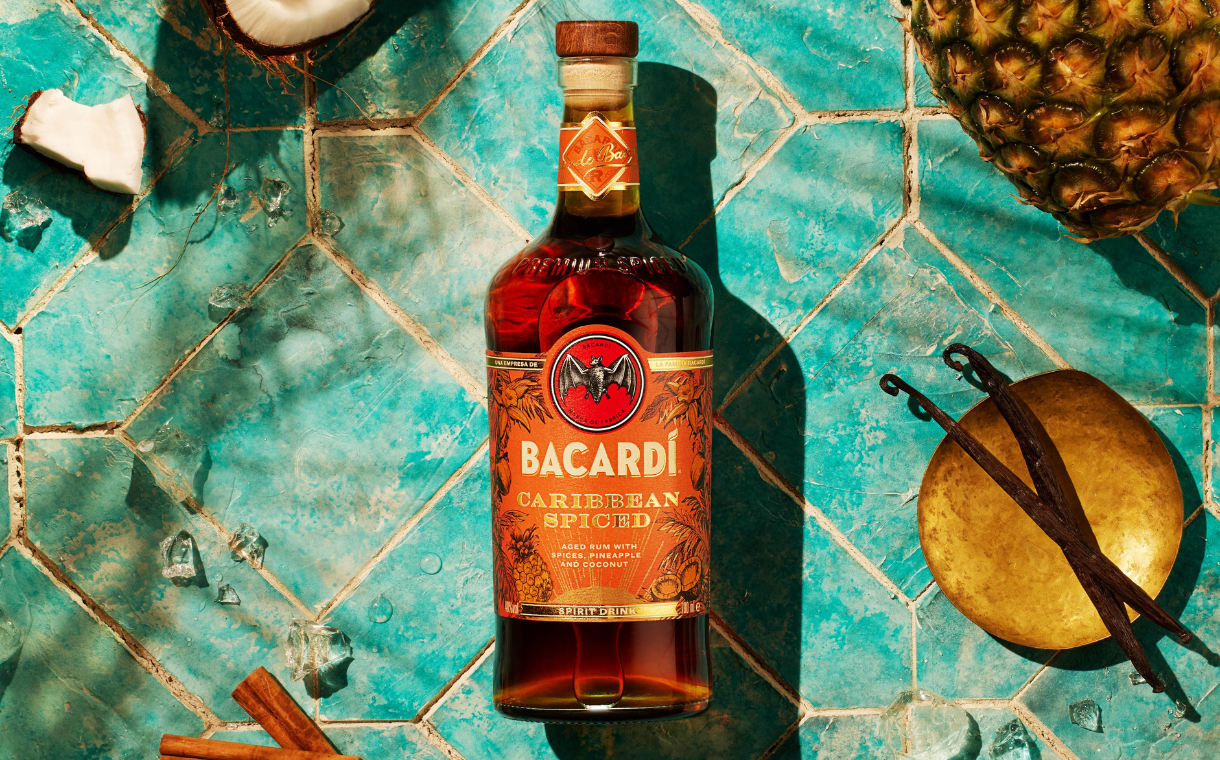
    Luiz Schmidt will take over as Managing Director of Bacardi in Australia and New Zealand after more than two years in Panama working as Regional Marketing Director for Bacardi in Latin America and the Caribbean.

    A University of Technology MBA graduate and FMCG marketing specialist with over 20 years of international experience, Schmidt will lead Bacardi’s sales, marketing, finance and supply chain functions, as well as expand the company’s premium portfolio and market share in the region.

    Vijay Subramaniam, Regional President for Asia, Middle East & Africa and Global Travel Retail at Bacardi, said Schmidt is uniquely qualified to take over as Managing Director as a dual Australian and Brazilian national with a wealth of experience.

    “The appointment of Luiz Schmidt as our new Managing Director marks an exciting chapter for Bacardi in Australia and New Zealand,” he said.

    “Thanks to his extensive international experience leading both developed and emerging markets with the company and more broadly within the industry, Schmidt brings a deep and nuanced understanding of the global premium spirits market.”

    Schmidt said he’s excited to return to Australia, where he’ll be based with his family and take charge of a talented team across Australia and New Zealand.

    “These markets are one of the most developed and attractive premium spirits markets in the world, offering Bacardi a tremendous opportunity to accelerate the growth of our iconic brands in close partnership with our customers and consumers,” he said.

    Bacardi is the world’s largest privately held spirits company, and according to IWSR market share data, holds a leadership position across premium vodka, super-premium tequila, premium gin and white rum globally.

    Schmidt has experience leading long-term marketing and business strategy in companies such as Brown-Forman and Edrington in Australia, USA, Brazil, Mexico and Latin America.

    In his most recent role as Regional Marketing Director for Bacardi in Latin America and the Caribbean, Schmidt successfully transformed the region’s marketing and commercial execution functions and increased market share for brands including Patrón and Bombay Sapphire while co-led Bacardi ́s marketing transformation in Mexico.
  • Sabeco to install rooftop solar panels at 9 breweries

    Sabeco to install rooftop solar panels at 9 breweries

    Sabeco has partnered with SP Group, a leading utilities group in the Asia Pacific, for the second phase of its rooftop solar energy system installation and operation.

    Saigon Beer-Alcohol-Beverage Corporation (Sabeco) and SP Group signed a Memorandum of Understanding on Thursday to carry out rooftop solar energy system installation and operation with a maximum output of 10.44 MWp (Megawatt-peak) at nine Sabeco’s breweries.

    This will bring the number of Sabeco breweries adopting solar energy by the end of 2023 to 17.

    “This partnership demonstrates our commitment to facilitating the clean energy transition of manufacturing facilities. Leveraging our comprehensive range of sustainable energy solutions, we look forward to supporting Sabeco towards their energy efficiency goals and co-creating a more sustainable future for Vietnam,” Brandon Chia, Managing Director, Sustainable Energy Solutions (Southeast Asia & Australia), SP Group, said.

    The first phase kickstarted in 2020, receiving VND107 billion ($4,7 million) investment from Sabeco with a maximum output of 9 MWp at Cu Chi, Dak Lak, Phu Yen, Quy Nhon, Song Lam, Khanh Hoa, Can Tho, Soc Trang and Ben Tre breweries.

    Under the new MoU, SP has been commissioned to install and operate the rooftop solar panels at nine breweries in Lam Dong, Ha Tinh, Ha Noi, Tay Do, Vinh Long, Nguyen Chi Thanh, Bac Lieu, and Quang Ngai, and expand the system in Cu Chi.

    The installment is scheduled to be completed and operational by the end of Q3. The system of 17 breweries is estimated to provide almost 23% of electricity consumed at the breweries, or 25 million kWh, equivalent to a reduction of 18,000 tons of CO2 emitted annually.

    “The company has sought to implement initiatives and solutions that support sustainable business over the past few years. We have already embarked on various ESG (Environment, Society and Governance) initiatives through our 4C corporate social responsibility pillars (Consumption, Conservation, Culture and Country). We also have implemented Best Brewery Awards to encourage our breweries to embed sustainability mindset,” Bennett Neo, General Director of Sabeco, said.

    Apart from energy usage, Sabeco has implemented other initiatives to mitigate environmental impacts. The company reduced waste used per liter of beer from 5 liters in 2018 to below 3 liters in 2022.

    Sabeco has embarked on plant-based biomass fuel (rice hulls, sawdust, cashew shell, and leaves) usage instead of using fossil fuel-powered boiler, applying the CIP wastewater treatment system; using sustainable packaging (downgauged cans, lightweighted carton boxes and bottles) and reusing beer glasses and cans.

    Sabeco also promotes other sustainability initiatives which focus on local communities where it operates. The recent project “Light up the Rural”, a part of the three-year strategic partnership between Sabeco and the Central Committee of the Ho Chi Minh Communist Youth Union, has constructed 34km of street lighting that uses solar power in 34 rural areas in 34 provinces across the country.

    This initiative aims to improve socio-economic infrastructure to more than 210,000 households. The project will be expanded in 2023 with more than 39 km of solar street lights to be installed.

    Sabeco operates 26 breweries, 11 member trading companies and a network of hundreds of thousands of selling points across the country.

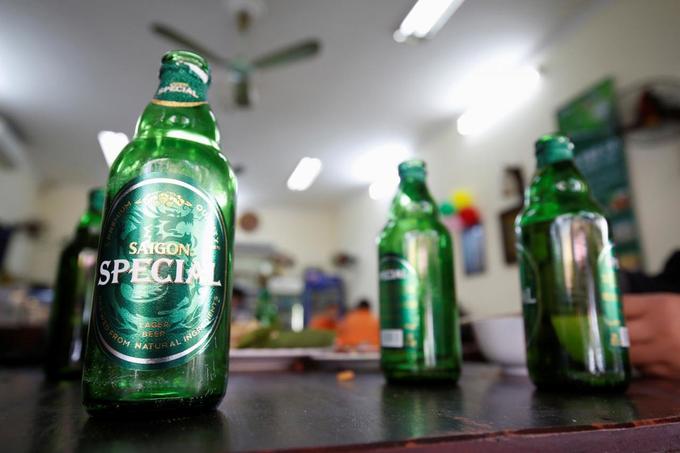
    Sabeco has a wide portfolio of beer brands that are beloved by the people of Vietnam, which includes Bia Lac Viet, Bia Saigon Chill, Bia 333, Bia Saigon Special, Bia Saigon Export, Bia Saigon Lager and Bia Saigon Gold.

  • Starbucks Coffee Korea seeks new ventures amid sales slowdown

    Starbucks Coffee Korea seeks new ventures amid sales slowdown

    Starbucks Coffee Korea, which experienced a slowdown in sales growth last year, is seeking new ventures to secure a fresh growth engine.

    The company held a board meeting in late March and revised its articles of association to include 65 additional business purposes, according to industry sources.

    Among the newly added business purposes are electric vehicle charging services, construction, property development and supply, real estate leasing and management, and the operation of golf courses and ski resorts.

    Regarding electric vehicle charging, Starbucks collaborated with Mercedes-Benz Korea to open a charging station at its its The Bukhan riverR outlet in January.

    The company has also expanded its business scope to include lunch box and prepared meal manufacturing, wholesale of processed foods related to its existing business, as well as industrial robot manufacturing and biologic agent manufacturing.

    Furthermore, various types of franchise businesses have been introduced. As of late March, Starbucks Coffee Korea operated all of its 1,813 stores under direct management.

    This photo by Mercedes-Benz Korea shows a electric vehicle charging station at Starbucks Coffee Korea’s The Bukhan riverR outlet.

    This initiative aims to explore diverse new businesses in response to the sales growth slowdown.

    In the previous year, Starbucks Coffee Korea recorded sales of 2.59 trillion won (US$1.94 billion), representing an 8.7 percent increase yearly.

    This growth rate was more than 50 percent lower than the average annual sales growth rate observed from 2012 to 2021.

    The company’s operating profits in 2022 decreased by 48.8 percent to 122.4 billion won, with estimated net profits of 99.3 billion won, down 51.7 percent year on year.

    The poor performance of the previous year can be partly attributed to the recall of giveaway picnic bags due to the detection of harmful substances.

    According to the company, the one-off recall-related expense amounted to 44.4 billion won, which accounted for 38 percent of the decline in its operating profits.

  • Shrimp prices plummet on stubbornly low global demand

    Shrimp prices plummet on stubbornly low global demand

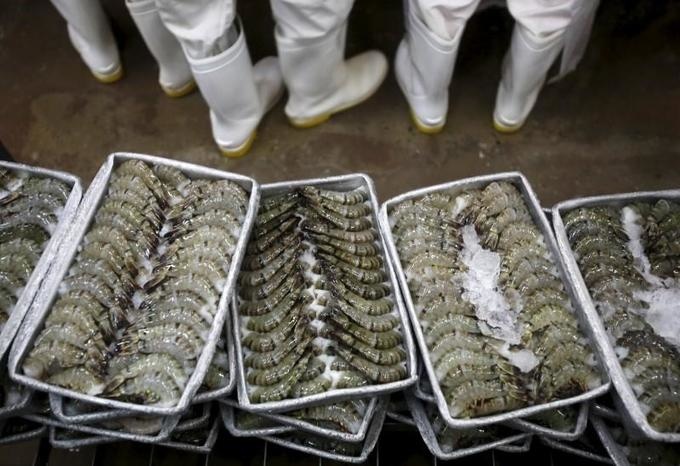
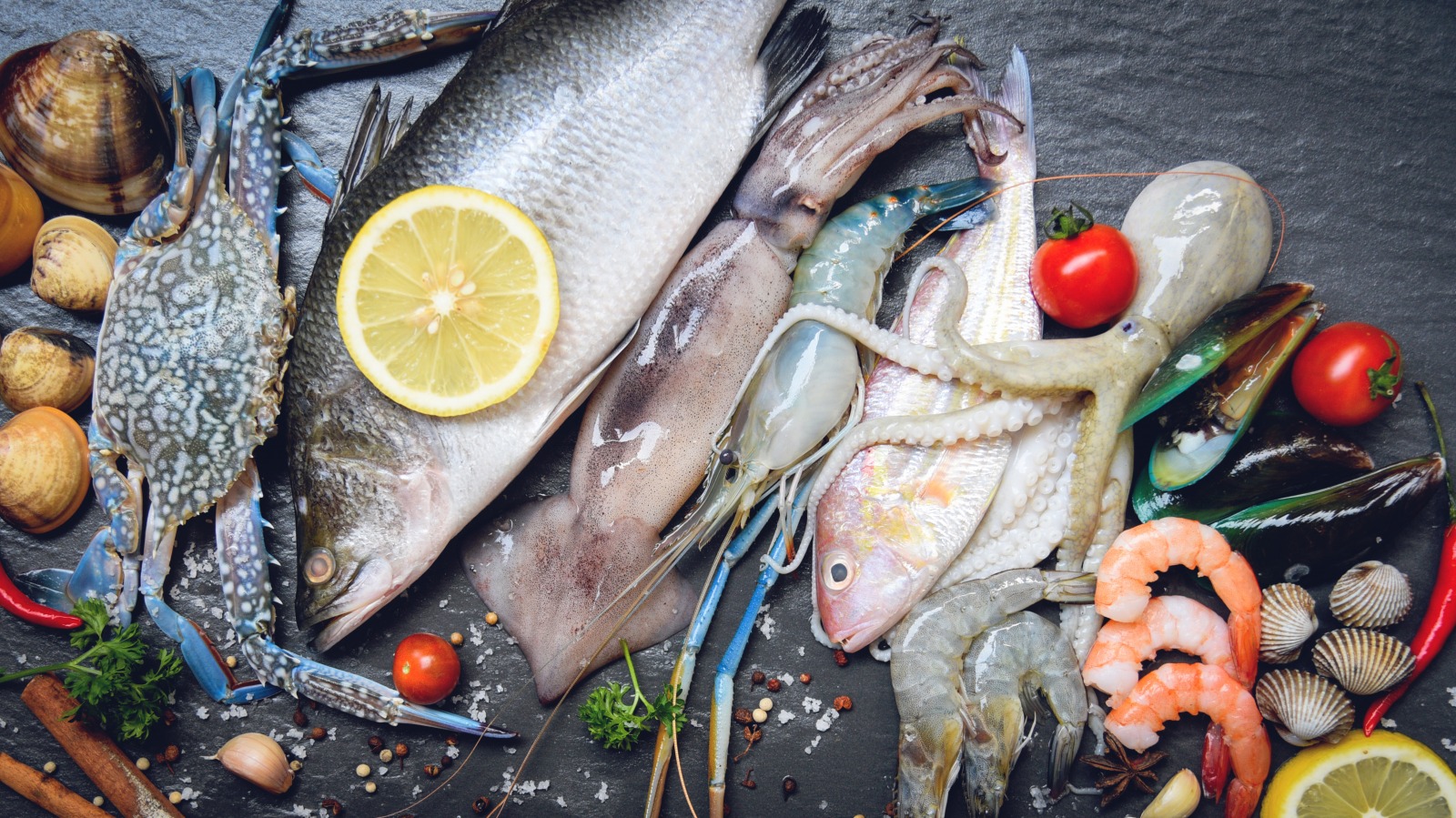
    Shrimp prices have fallen by up to 30% within a month, and threaten to cause losses to southern farmers.

    In the Mekong Delta provinces of Tien Giang and Ca Mau, the prices of shrimp sized 100 to a kilogram have declined by a third from four weeks ago to VND70,000-80,000 (US$3-3.41).

    Larger ones, sized 30 to a kilogram, are priced at VND108,000, down 20%.

    Minh, a farmer in Ca Mau, said with prices dropping by 20-30%, he is not earning profits.

    “I have been trying to cut expenses, but at these prices I might record a loss.”

    Trong in Tien Giang Province faces potential losses of hundreds of millions of dong (VND100 million = $4,260).

    Other farmers are saying on online forums that they had been expecting prices to rise for weeks and are hit by the decline.

    The fall has been caused by lower demand in major export markets while supply has been rising in Vietnam, the Ministry of Agriculture and Rural Development said in a recent report.

    Rising inflation has caused a drop in consumption in the E.U. and the U.S., two main export markets, the Vietnam Association of Seafood Exporters and Producers said.

    Exports to China fell by 40% year-on-year in the first quarter to $54 million, according to Vietnam Customs.

  • Coles launches Southern Style Hot Roast Chicken

    Coles launches Southern Style Hot Roast Chicken

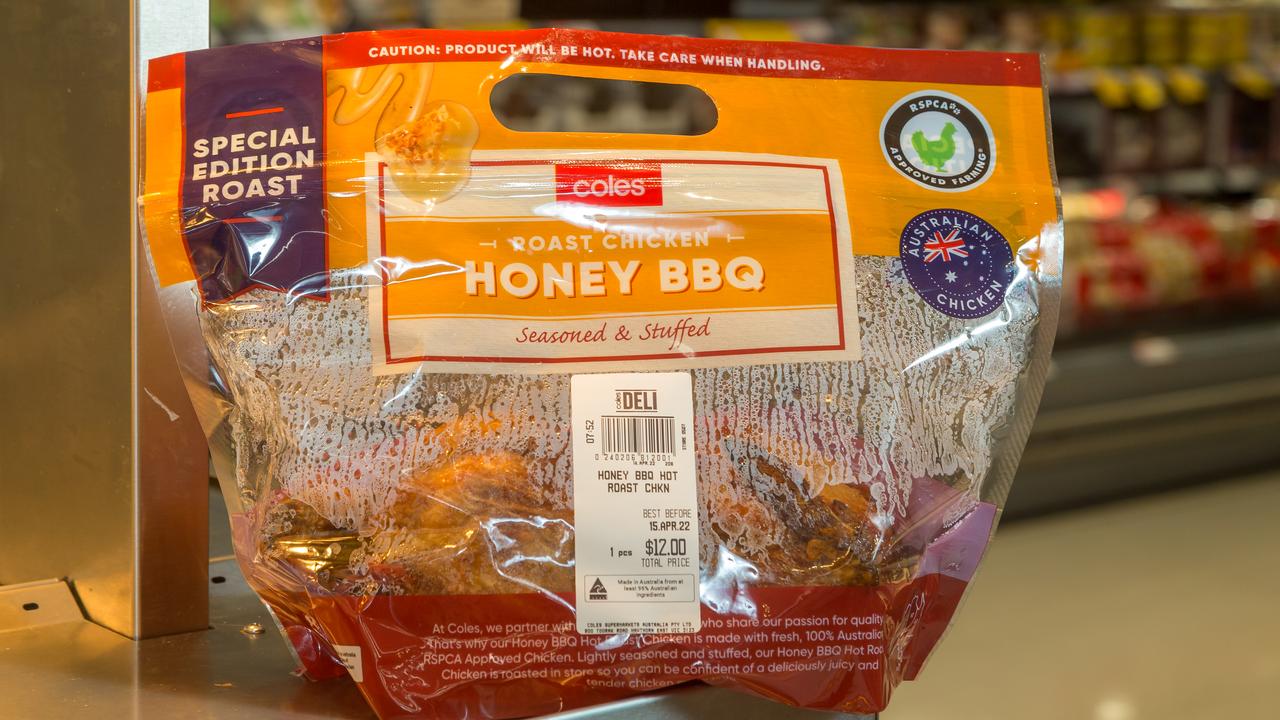
    Coles has announced a major new flavor for its famous hot roast chickens – and it’s sure to be a hit with KFC fans. For the first time, the supermarket giant will release a Southern Style version of the family favorite.

    Coles tells 7Life it “wanted to create a tasty and tangy flavor” to build on its “best-selling” roast chooks.

    “As the weather is cooling down, Aussies want comforting and hearty meals that are easy to prepare but won’t break the bank,” a spokesman said.

    “With a smokey buttermilk marinade and herby stuffing, our Southern Style hot roast chicken is delicious when paired with traditional BBQ-style sides or even a simple green salad and potatoes.”

    The new flavour adds to the existing range of Southern Style products, which includes the Southern Fried Chicken Portions.

    They are prepared with a buttermilk marinade, complete with a “flavor-packed” Southern-inspired stuffing including onion, garlic and a secret blend of herbs and spices.

    The Southern Style inspired Hot Roast Chicken, $13, is now available at all Coles stores nationwide.

  • FamilyMart Malaysia to open 300 halal-certified stores

    FamilyMart Malaysia to open 300 halal-certified stores

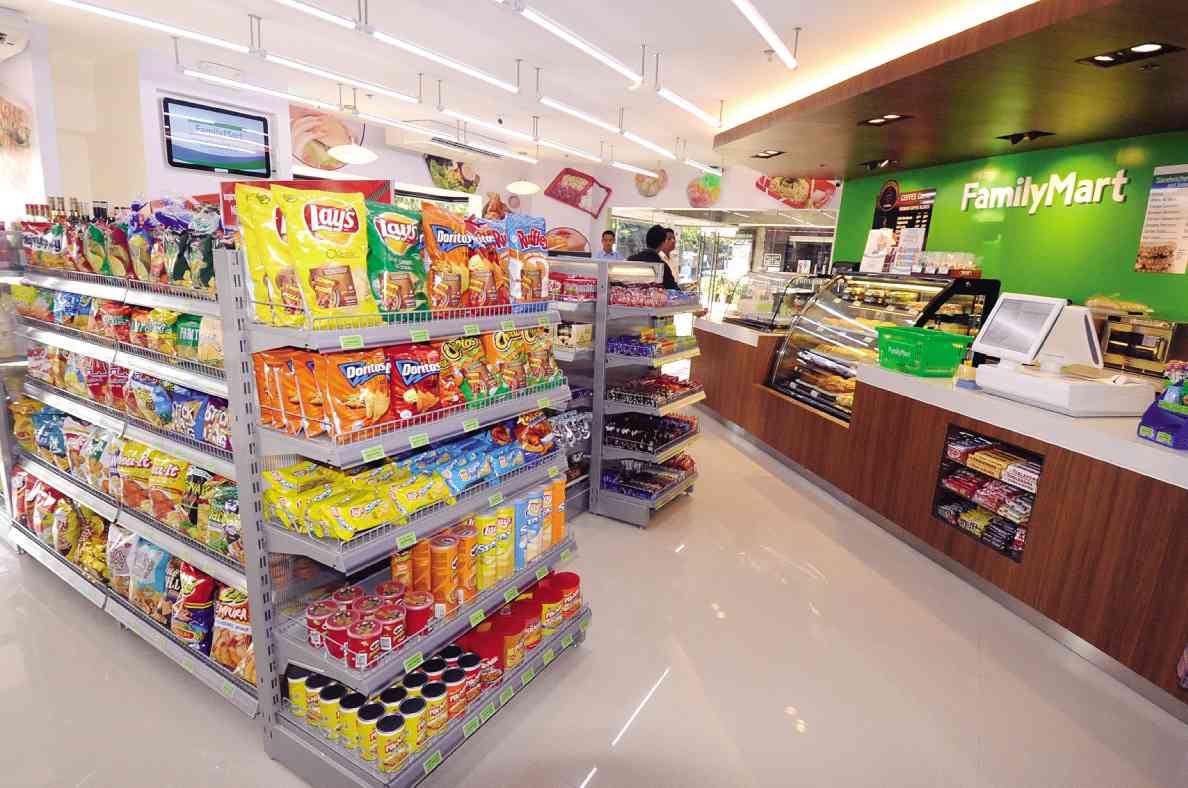
    In a statement shared today (May 10) by FamilyMart Malaysia, the convenience store chain announced that its FamiCafé in Menara U, Shah Alam, has obtained halal certification from Jabatan Kemajuan Islam Malaysia (JAKIM).

    This makes it the first convenience store café in Malaysia to receive this certification. Based on a check on the Halal Malaysia Official Portal, other convenience store cafés such as 7 Café and emart24, are not halal-certified by JAKIM.

    According to the statement, the halal certification aligns with FamilyMart Malaysia’s ongoing effort to ensure that its customers have total peace of mind while shopping and dining at its premises.

    It also added that other FamilyMart Malaysia stores will undergo halal audits in stages as guided by JAKIM, and that the process has already begun at two other stores.

    Subsequently, as a result of the certification, it stated that all new FamiCafés will automatically adopt the layout guided by JAKIM while existing ones will be converted to incorporate the changes required.

    The company aims to have the FamiCafés in 300 stores halal-certified by 2025 with the halal-certified concept serving café beverages and ready-to-eat food prepared in-store.

    There are currently 16 FamiCafés in Malaysia, with an overall target of 50 planned by the end of 2023.

    “We are very excited to be the first convenience store café in Malaysia to be halal-certified as part of our continuous improvement to enhance customer experience and provide value to them.”

    “Our journey to obtain halal certification in our stores is the next step in providing greater assurance and confidence for customers to shop and dine with us,” it shared.

    FamilyMart Malaysia’s central kitchen, operated by QL Kitchen, has been certified halal by JAKIM since 2019. As of April 30, 2023, 172 FamilyMart branded food products have been registered halal on JAKIM’s official halal portal.

    Meanwhile, in alignment with the announcement, FamilyMart Malaysia has also shared that it has stopped the sale of alcohol from all stores to provide an added assurance for all Muslim customers.

    In addition to the halal certification, FamilyMart stated that the team is expanding to the east coast of Peninsular Malaysia and that the company is currently securing identified locations to meet the demands of its fans in the region.

    It plans to open 20 stores by the end of 2023 and expansion is already underway in various parts of Kuantan, Pahang.

  • Vietnam’s vegetable, fruit exports likely to hit $4B this year

    Vietnam’s vegetable, fruit exports likely to hit $4B this year

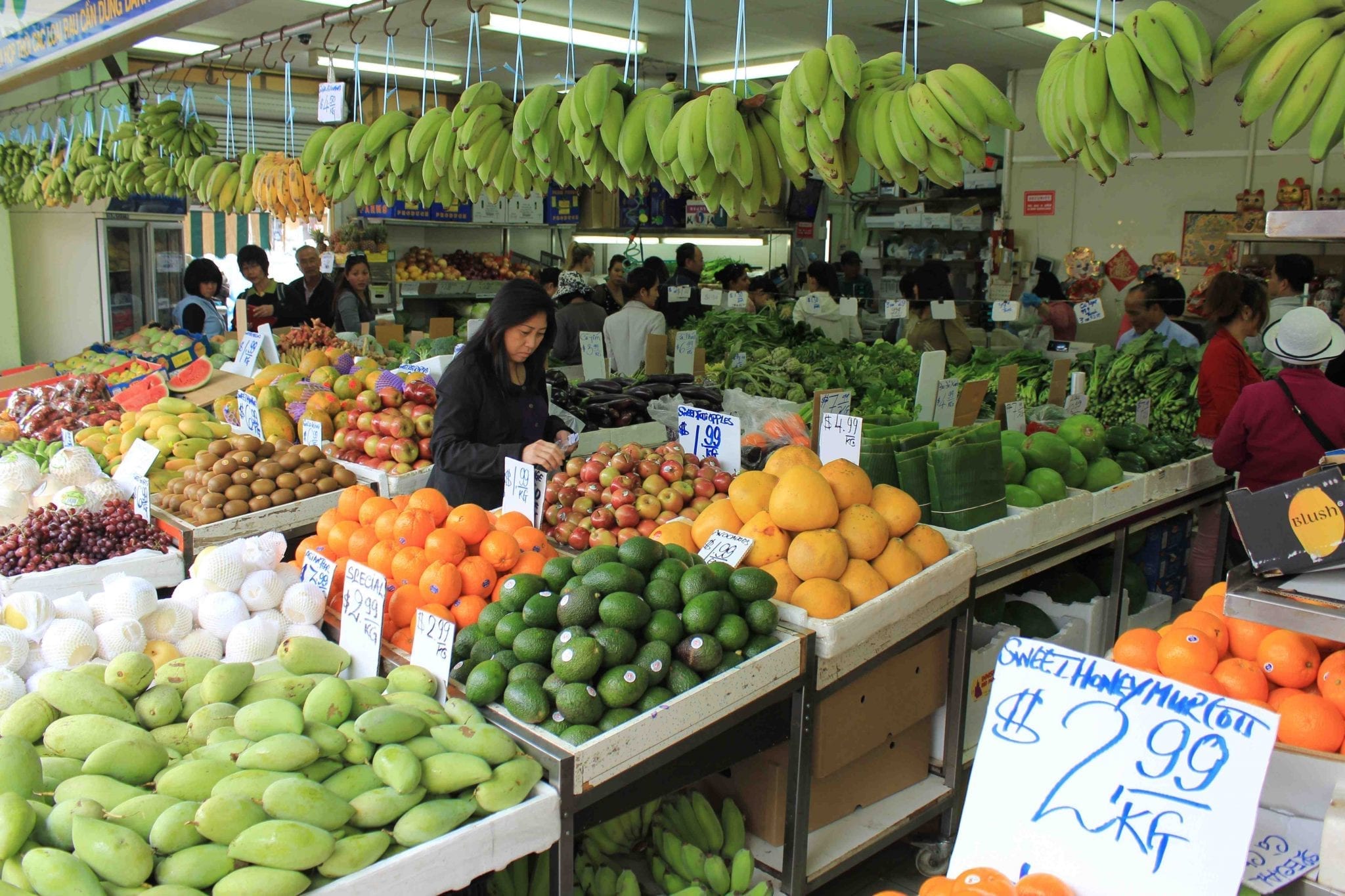
    As one of the few sectors reporting export turnover increase in the first quarter of 2023, Vietnam’s vegetable and fruit sector has a bright outlook to earn $4 billion in export revenue this year.

    Vietnam exported nearly $1 billion worth of fruits and vegetables in Q1, up 8% from a year earlier, with the Chinese market recording an impressive growth of 23%.

    Dang Phuc Nguyen, Secretary General of the Vietnam Fruit Association (Vinafruit), attributed the result to the signing of protocols on exports of durian, sweet potato and banana to China through official channels.

    The export of pomelo to the U.S., and passion fruit to New Zealand was also a driver for the overall growth of the sector.

    Durian was a big contributor to the impressive export results in the first months of this year. The export turnover of this fruit is expected to hit $1 billion, helping the sector’s total figure to $4 billion this year, up 20% year-on-year, said Nguyen.

    The implementation of free trade agreements is also an important driving force helping fruit and vegetable exports to increase sharply in the first months and make an important contribution to boosting the sector’s exports throughout the year.

    Good demand for fruit imports in China can help raise total fruit and vegetable exports in Q2 by 10% or higher, Nguyen noted, predicting that the revenue can reach about $2 billion in the first half of 2023.

    Vinafruit has proposed the Ministry of Industry and Trade (MoIT) and other ministries and agencies, especially the Vietnam Trade Office in China, study and negotiate for the signing of more protocols for several officially-exported products such as dragon fruit, mango, watermelon, jackfruit and rambutan, together with the opening of markets for other fruits such as green-skinned pomelo, fresh coconut, avocado, lemon, pineapple and star apple.

    Besides China, it is also necessary to step up trade promotion activities in other markets such as the U.S., China, the Republic of Korea and Australia, said Nguyen.

    According to the Vinafruit Secretary General, the greatest difficulty at present is that there are not many planting area and packing facility codes to meet the requirements of the Chinese market. Currently, there are only 246 planting area and nearly 100 packing facility codes granted, much lower than the respective 20,000 and 2,000 of Thailand.

    With an area of nearly 110,000 hectares, and an output of around 1 million tonnes per year, there will be a bottleneck in durian exports to China, if no more planting area code is granted this year.

    He also suggested the MoIT and other ministries and sectors to call on investment and advanced technologies for processors to improve the export value, and gain a firmer foothold in such choosy markets as the U.S. and the EU.

    Vietnam Trade Offices abroad were advised to regularly organize Vietnamese fruit festivals to introduce the fruits to people in their host countries and international visitors.

    Vietnam earned nearly $3.4 billion from vegetable and fruit exports last year.

  • King crab prices skyrocket as supply dries up

    King crab prices skyrocket as supply dries up

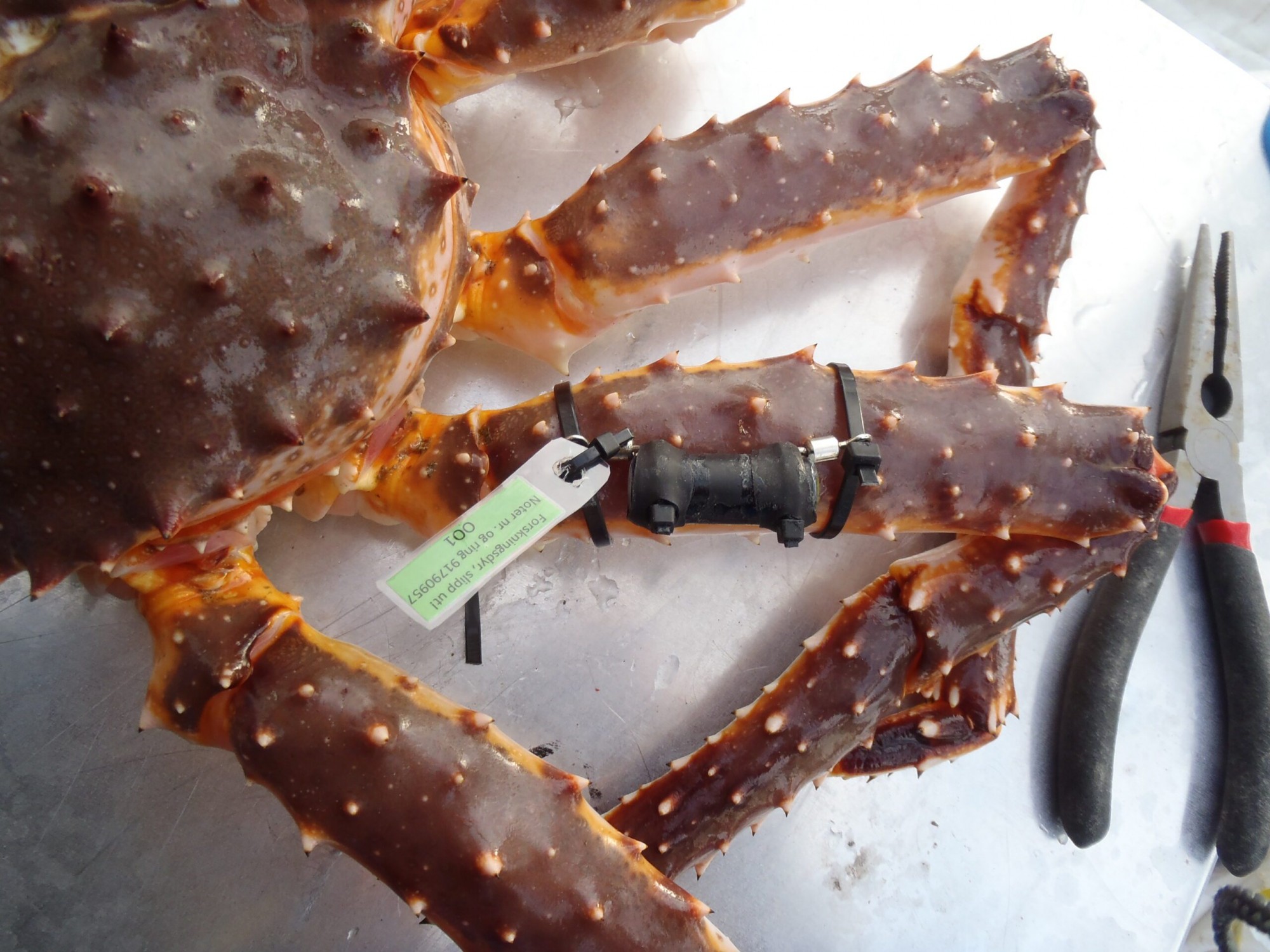
    King crabs have risen to their highest prices ever of VND2.5-3 million (US$106-128) a kilogram, following a 30% increase since the end of last year.

    Loan of HCMC’s District 5 tried to buy a king crab for her son’s birthday last week, but was shocked when she discovered the price.

    “It was VND1.9 million a kilogram at the end of last year, but now every seafood store sells it at VND2.5 million.”

    In Hanoi, red king crabs weighing two to five kilograms now cost VND3 million a kilogram, or VND6-15 million per crab, the highest price ever.

    Tran Van Truong, CEO of Hoang Gia Seafood, said that supply from the U.S. and Canada is scarce, causing prices to spike in Vietnam.

    “Though we are the official importer, we are getting very few crabs now.”

    Not only king crab, but also snow crab and Alaskan lobster prices are higher now due to low supply.

    Some coastal areas in Alaska State in the U.S. had to cancel the crab-catching season because outputs were getting lower.

    A researcher in Alaska, Benjamin Daly said on U.S. cable TV channel CNN that snow and king crab catches are plummeting because they are on the verge of extinction due to excessive fishing.

    The Alaskan Fishery Council and the North Pacific Fishery Management Council recently announced that the snow crab population in the Bering Sea has fallen below the threshold for fishing.

    The Bristol Bay red king crab harvest will also be canceled for a second year.

  • Funday Sweets launches new low-sugar sour cola gummies

    Funday Sweets launches new low-sugar sour cola gummies

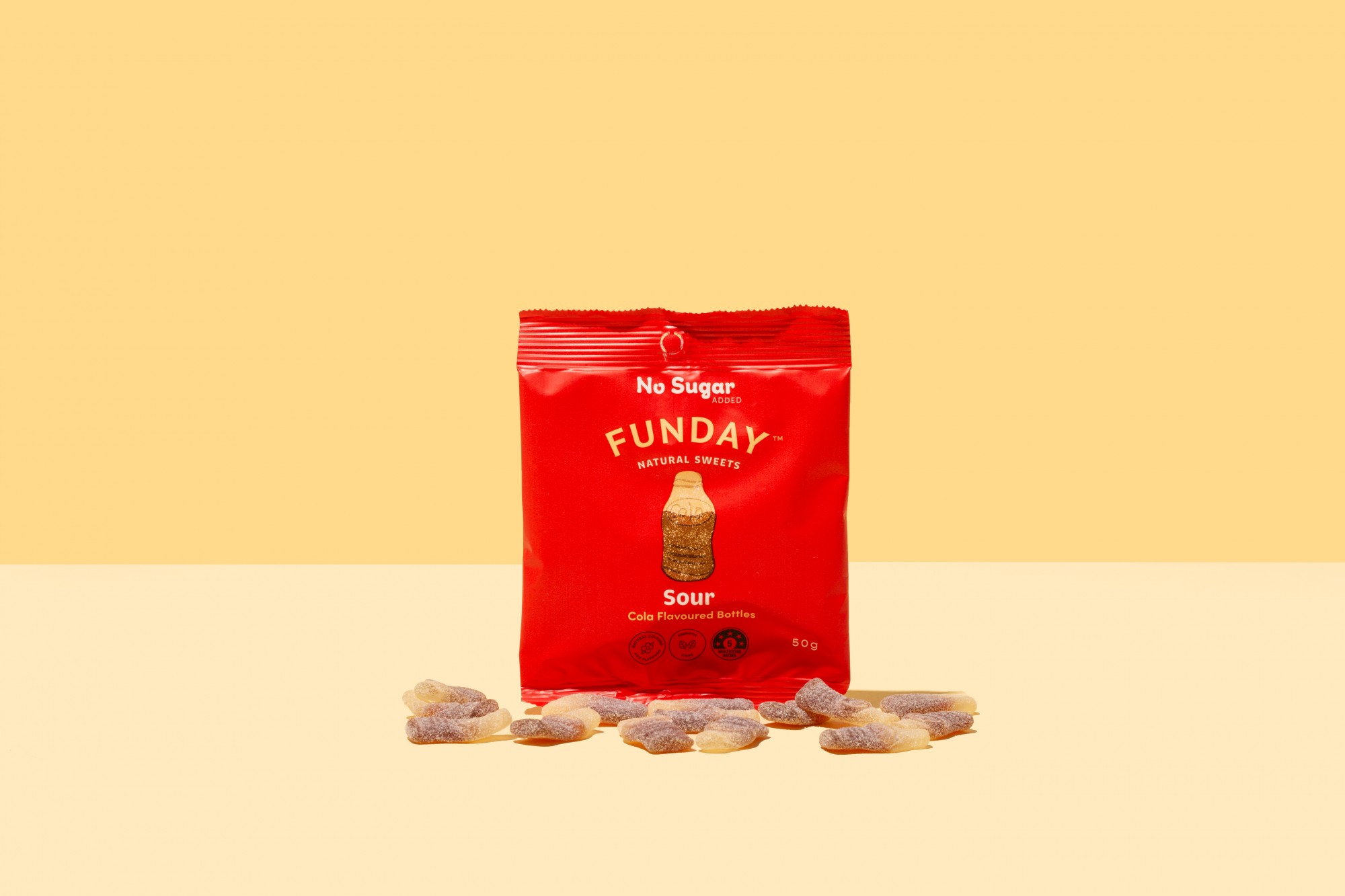
    Funday Natural Sweets has announced Sour Cola Gummies as the latest addition to its line-up of better-for-you confectionery.

    In line with the rest of the Funday Natural Sweets range, the Sour Cola Gummies have no sugar added, no sugar alcohols, and only natural colours and flavours, and each bag contains seven grams of prebiotic fibre.

    The launch will be backed by more than 200 influencers, with a reach of more than 13 million followers, in a combined marketing attempt to reach more Australians who are looking for a healthier confectionery alternative.

    Funday Natural Sweets’ Sour Cola Gummies launch today through Woolworths, Ampol Foodary, Chemist Warehouse, Harris Farms, and health food and independent supermarkets across Australia. They will also be available at Chemist Warehouse in New Zealand, as well as in the Asian and Middle Eastern markets.

    And in news that will help Funday Natural Sweets to push further into the petrol and convenience channel, the brand has announced that it has just signed up with Australia’s leading national confectionery distributor, The Distributors.

    Founder Daniel Kitay says that in the two years since the company has launched, he has observed that the appetite in Australia for better-for-you confectionery has been steadily growing.

    “Our goal is to continue to surprise our existing fanbase with new, exciting flavours and to win over people who haven’t tried our range yet. People are always surprised by how amazing natural lollies can taste once they try them,” he says.

  • DNA Distillery launches European drink Rakija in a can

    DNA Distillery launches European drink Rakija in a can

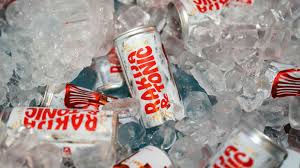
    DNA Distillery has teamed up with Sydney’s inner west restaurant Baba’s Place to launch Rakija & Tonic in a can format.

    Rakija is a collective term for fruit spirits loaded with botanicals, consumed in the Balkan and Slavic regions of Eastern Europe.

    DNA Distillery’s Rakija is made with fermented and double-distilled Australian Shiraz grapes.

    Co-founders of DNA Distillery, cousins James Projcevski and Monique Sutevski, described the brew as the “perfect beverage” for family gatherings, parties and events.

    “DNA Distillery is the legacy of our ancestors; a tradition passed down from generation to generation, from Europe to Australia. Our Dedo’s recipe was so famous in the village that people would travel by foot for the chance to taste it.”

    The Rakija cans are now available online from the DNA Distillery website with a four-pack retailing for $29 and a 16-pack retailing for $109.

  • Maltesers unveils dessert-flavoured range into Woolworths

    Maltesers unveils dessert-flavoured range into Woolworths

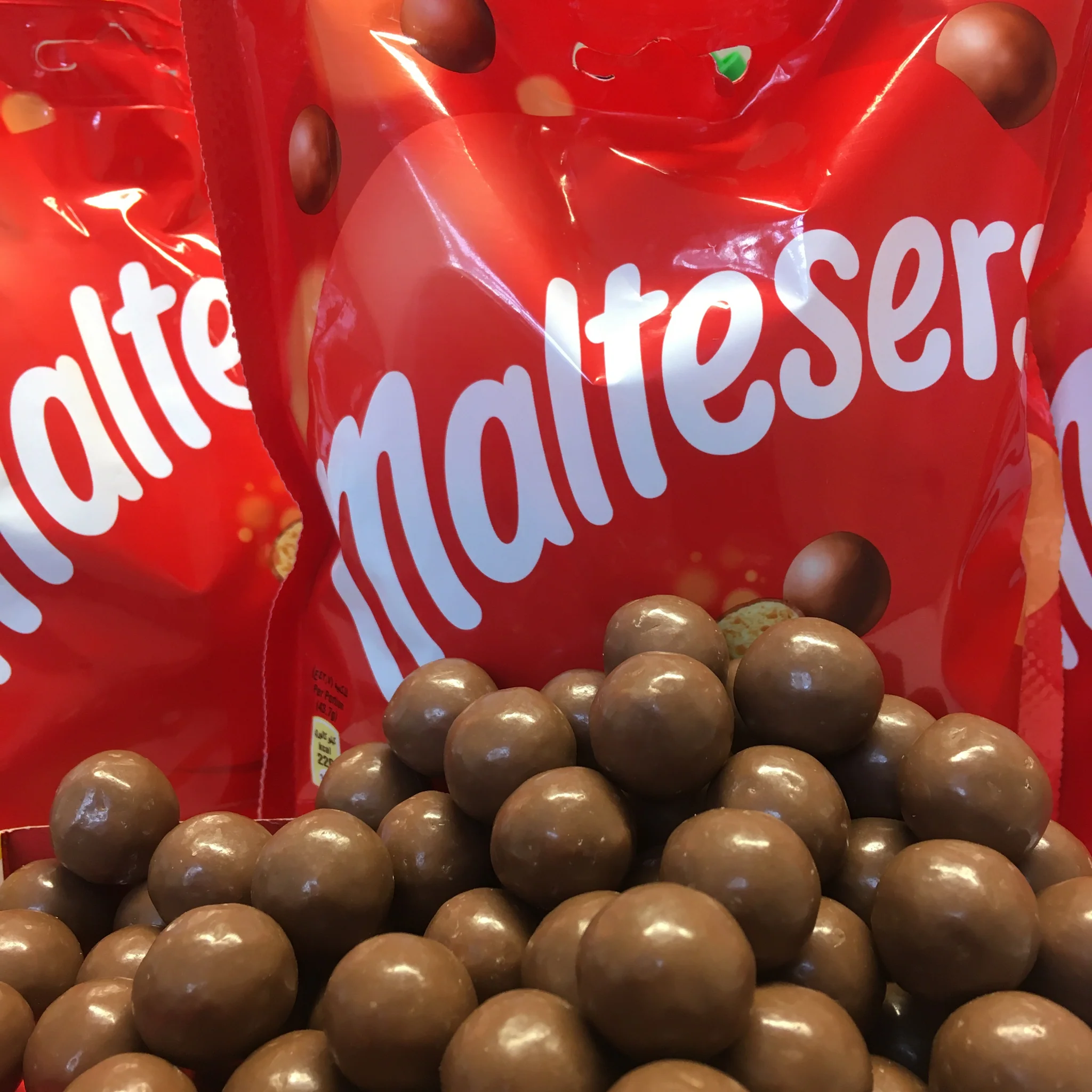
    Confectionery brand Maltesers has launched a dessert range inspired by German and Italian treats.

    The range comes in two flavours: Dark Choc Black Forest Gateau which offers a crisp malt centre, dark chocolate with hints of cherry and sponge cake and Milk Choc Tiramisu which has coffee and whipped cream notes coated in rich milk chocolate.

    Mars Wrigley’s bitesize portfolio director, Drew Davis, said the new products “marked an exciting time” for the brand.

    “The new range delivers a top-notch, premium dessert experience in a simple bitesize format. It’s the first time we’ve created a product like this and we’re anticipating consumers to really enjoy what I believe feels like an indulgent experience.”

    The range is available in Woolworths stores nationwide and will be rolled out to other retailers in July.

  • Seafood exporter Minh Phu suffers $4.1M loss in Q1

    Seafood exporter Minh Phu suffers $4.1M loss in Q1

    Minh Phu Seafood, one of the country’s biggest shrimp processors, reported a loss of VND95 billion ($4.1 million) in the first quarter, ending its seven-year profitability streak.

    Its revenues fell by half year-on-year to VND2.1 trillion.

    The gross profit margin almost halved from over 11% to less than 6%, while interest on borrowings nearly tripled, contributing to the huge loss.

    In the comparable period last year it had earned profits of VND100 billion.

    For the full year it targets revenues of VND18 trillion and profits of VND1.1 trillion.

    Last year profit growth was in double digits and the highest in a decade.

    According to Agribank Securities JSC, the results of shrimp export companies, including Minh Phu, are bleak because demand in key markets such as the U.S. and EU was weak during the quarter.

  • Vietnamese fruit exports to China and Laos surge

    Vietnamese fruit exports to China and Laos surge

    The export of bananas, durians, and jackfruit from Vietnam to China and Laos surged in the year’s first four months.

    The export value of vegetables and fruits reached $1.39 billion, up 19.4% over the same period last year, according to the Ministry of Agriculture and Rural Development.

    China led the consumption of Vietnamese fruits and vegetables with 58.7% market share, valued at $576.4 million in the first quarter of the year, up 27.4% over the same period in 2022.

    Laos, South Korea and Japan also increased imports of Vietnamese fruits. Exports of Vietnamese vegetables and fruits to Laos increased the most, by 2.8 times.

    Durian, jackfruit and banana had a significant increase in exports. In the first quarter, Vietnam’s durian export turnover reached $153.5 million, up more than 8.3 times over the same period last year. China accounted for 87% of the market share with a turnover of $133.6 million.

    Thousands of tons of durian have been exported to China every month. Vietnamese durians are ordered in large quantities because of their good quality, suitability for local tastes and prices that are more attractive than produce from Malaysia and Thailand.

  • Domino’s Pizza eyes 420 more stores in China after Hong Kong IPO

    Domino’s Pizza eyes 420 more stores in China after Hong Kong IPO

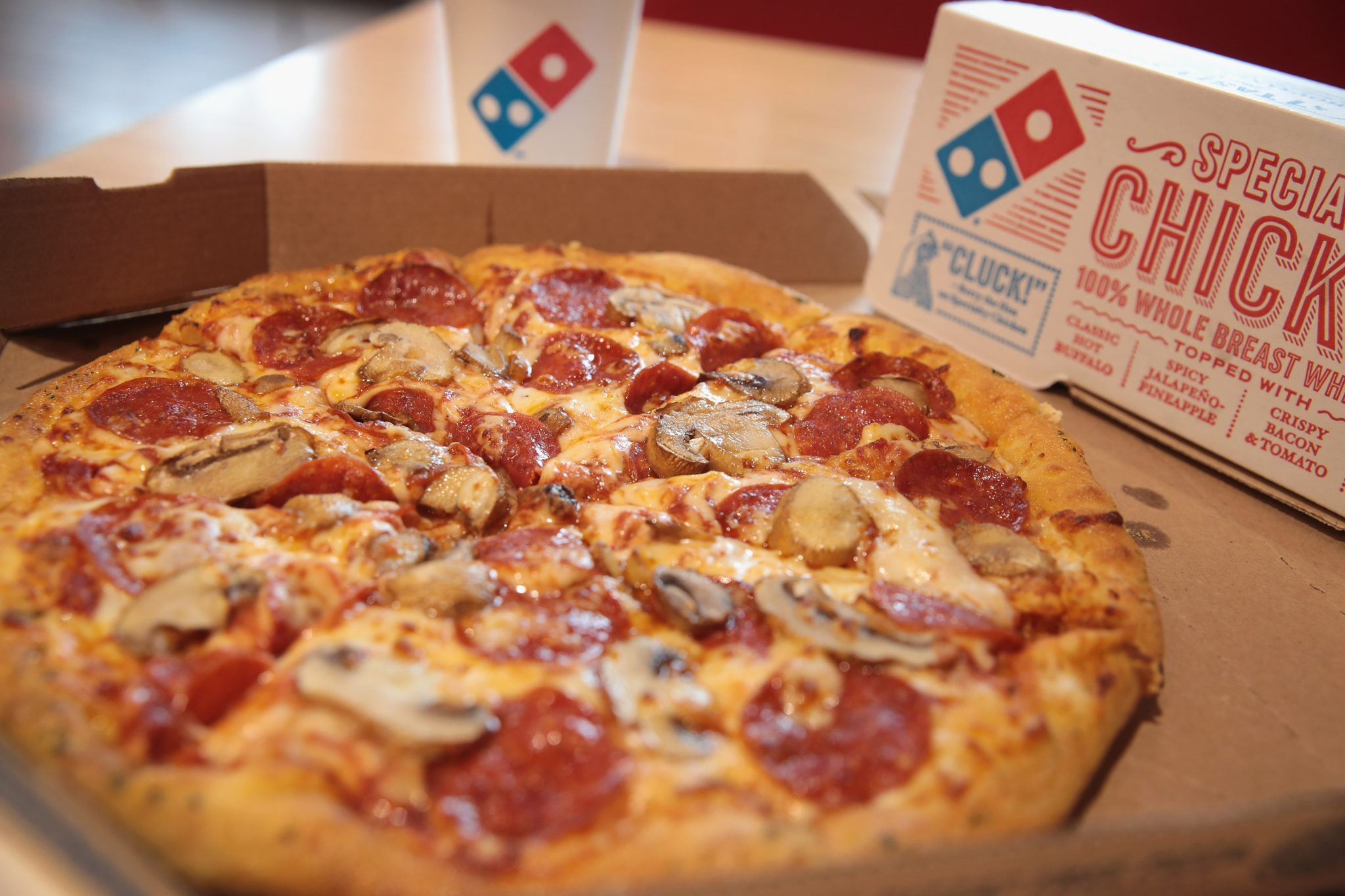
    Following its successful Hong Kong IPO in March, DPC Dash, the master franchise of Domino’s Pizza, is accelerating its expansion in China, debuting in three new cities on the same day last week.

    The company says it aims to open another 180 new stores this year and 240 next year.

    DPC Dash entered the cities of Qingdao, Changzhou, and Wenzhou last Saturday, taking the store count to 638 as of April 30.

    “The recent listing was a great achievement for DPC Dash as well as for our global franchisor, Domino’s Pizza,” said Frank Paul Krasovec, director and chairman at DPC Dash.

    “With the newly raised proceeds, we aim to expand across the greater China region aggressively and to bring our comprehensive product offerings to hundreds of millions of potential Chinese consumers.”

    According to DPC Dash, the business established its first location in Jinan in December, setting new records for both the best opening sales for the first week and the best opening sales month for the first 30 days for Domino’s worldwide. By turnover, the top four trading stores in Domino’s global network are new locations opened by DPC Dash in Jinan, Chengdu, and Wuhan during the past five months.

    DPC Dash has been operating Domino’s Pizza since December 2010, when it purchased Pizzavest China Ltd, Domino’s Pizza’s then-master franchisee in several Chinese provinces. DPC Dash renewed the master franchise agreement with Domino’s Pizza International Franchising Inc in June 2017 and expanded the franchise territory to include the entire China mainland, Hong Kong and Macau.

    The company says the new Domino’s Pizza stores emphasise online channels through delivery and carryout services, which the company believes it can replicate in other markets in China.

  • Coconut prices bounce back after sharp drop during Covid

    Coconut prices bounce back after sharp drop during Covid

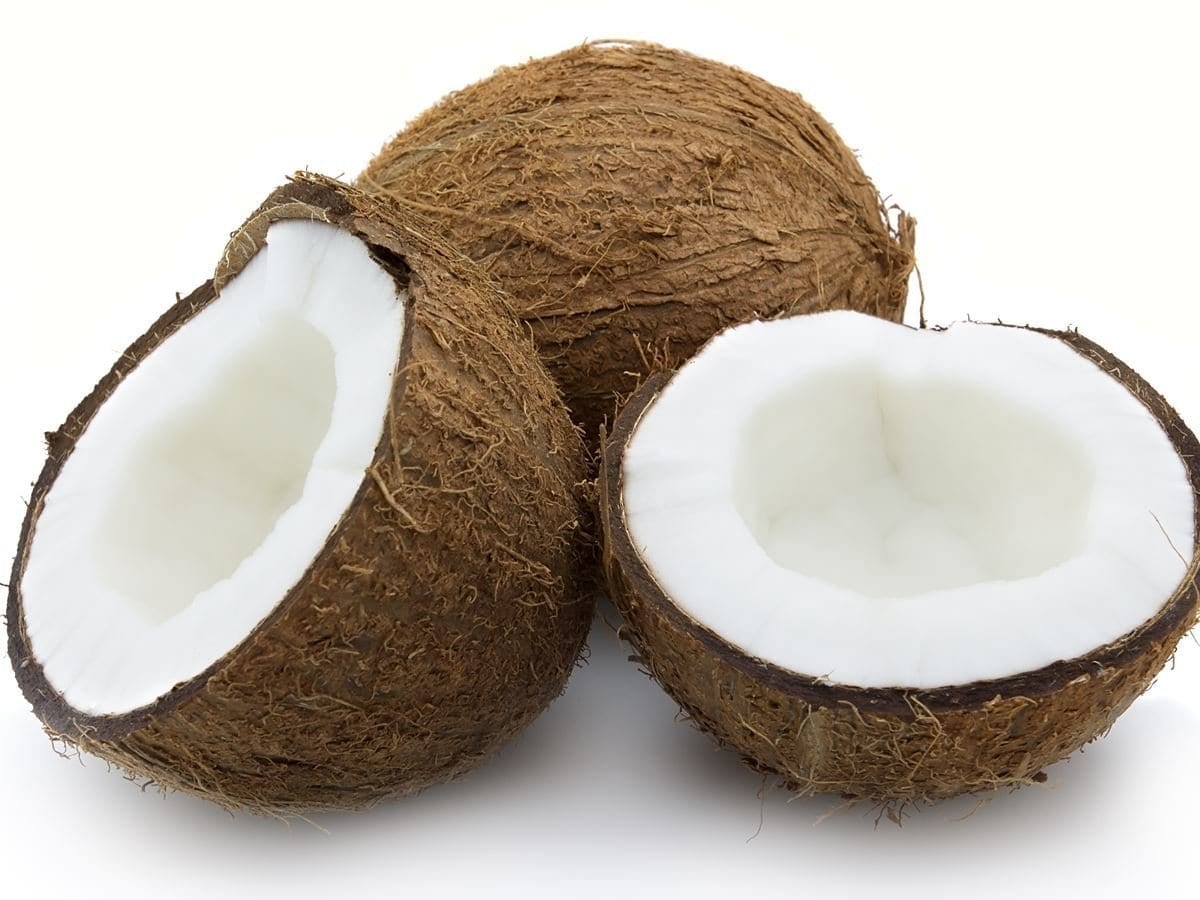
    Prices of dried coconut in Ben Tre Province, the Mekong Delta coconut-farming hub, have recovered to VND3,300-4,200 (US$14-18 cents) per fruit after falling steeply in the last two years.

    “The prices are the highest in the last two years” when nut exports fell due to the Covid pandemic, Huynh Phuc Hau, who owns two hectares of coconut trees in the province’s Giong Trom District, said.

    Before the pandemic, prices were VND5,800-6,700 for dried coconuts, enabling him to earn VND6-10 million a month by selling them.

    Nguyen Van Binh, a trader in Ben Tre City, said due to the low prices in recent times many coconut farmers neglected their orchards and even switched to growing other fruits, resulting in decreased output of coconut and lower quality.

    Now he manages to buy 700-900 coconuts a day, half the volume at this time a few years ago.

    Huynh Quang Duc, deputy director of the Ben Tre Department of Agriculture and Rural Development, said the global market for coconut has begun to recover after the pandemic, and so prices are increasing again.

    The province hopes the nut could be exported to the U.S. and China, two major markets, under official quotas, he said.

    Ben Tre has over 74,000 hectares of coconut orchards, or 50% of the country’s total area, and an annual output of 690 million dried coconuts, whose copra is used for processing including oil extraction.

    Some 62% of the province’s population depends on coconut trees for its main source of income.