Category: Food

Retail News Asia is committed to providing both local and global retailers with the latest Food and Food & Beverage news throughout the Asian market. This on a daily base.

  • Vietnam’s coffee export could reach $4B

    Vietnam’s coffee export could reach $4B

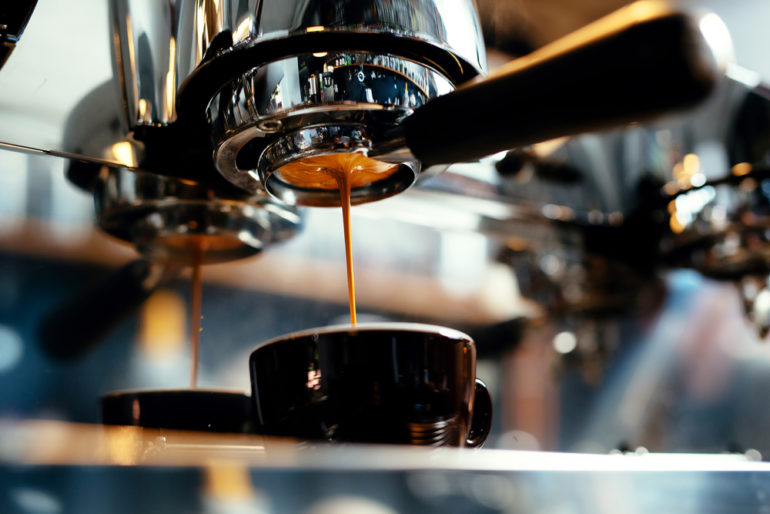
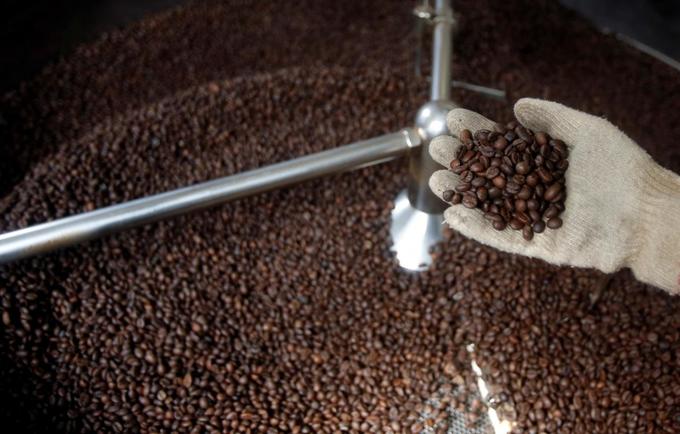
    Domestic coffee prices are at high levels, providing opportunities for Vietnam to maintain a coffee export revenue of over $4 billion this year.

    According to Mercantile Exchange of Vietnam (MXV), Robusta averaged $2,564 per tonne as of April 24 on ICE Futures Europe, which increased by nearly 40 compared to the beginning of this year.

    Starting from early 2023, the market saw signals about the narrowing of supplies in major coffee-producing countries.

    Statistics from the Vietnam General Department of Customs showed that Vietnam’s coffee export totalled more than 634,000 tonnes from the beginning of this year to April 15, lower than the result of 663,816 tonnes of the same period last year.

    The drop in export volume occurred in the context that global coffee prices were at a high level, pushing up domestic prices to around VND52,000 per kg, a record high, according to giacaphe.com.

    Besides, the coffee output of Indonesia, the world’s third largest Robusta producer, is forecast to be at around nine million tonnes, the lowest in the past decade, according to Volcafe. The Brazil National Supply Company forecast Robusta output of this country would drop by nearly 4 compared to the 2022-23 harvest to 17.51 million bags.

    These figures show that there is not only a shortage of coffee in the short term but also a narrowing in coffee supply in the medium and long term, which will likely push up coffee prices.

    Pham Quang Anh from MXV said that Vietnam’s coffee inventories were gradually shrinking after a record coffee export year. Additionally, the coffee output in 2022 dropped sharply by 10-15 compared to the initial forecast due to heavy rain in the harvest period, which made the supply tight and price increase inevitable.

    Currently, domestic coffee prices were at a high level compared to recent years, creating an opportunity for Việt Nam to maintain the export value of more than 4 billion USD in 2023.

    Lower prices of Arabica than Robusta in the context of increasing concerns about global economic recession risks was an important factor for Vietnam to promote the export of coffee.

    It was an ideal condition for Vietnam to increase the export of Robusta and affirm the position of being the world’s largest Robusta supplier, Anh said.

    Still, Vietnam’s coffee industry should aim for more sustainable export in the long term.

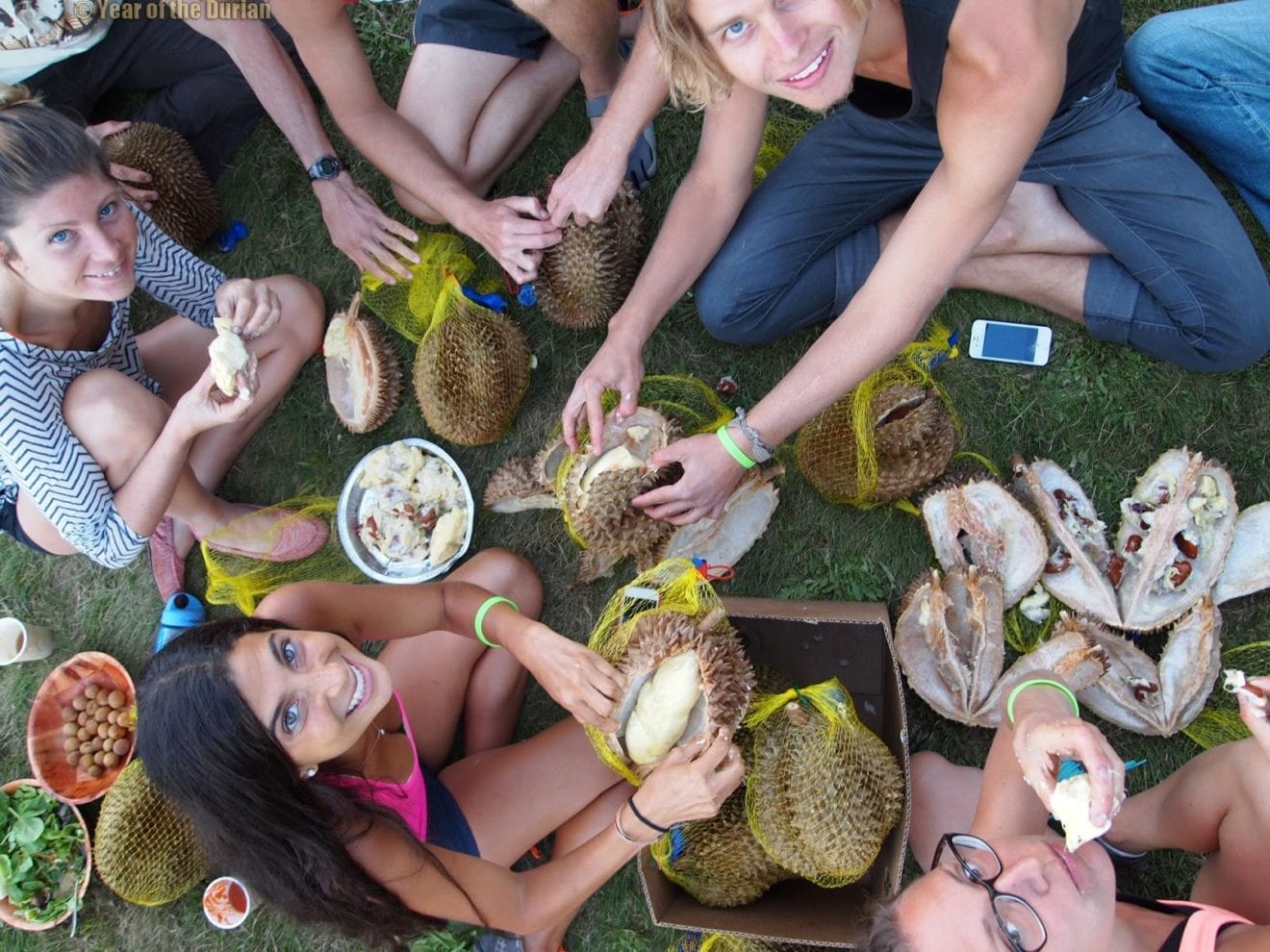
    While coffee export was narrowing down, farmers in Tay Nguyen (Central Highlands) tended to cut down coffee trees to grow durian as China had allowed the official import of durian from Vietnam.

    Another problem was that Vietnam mainly exported coffee in raw forms, which must be tackled to increase added value.

    He urged enterprises to invest in production and processing to increase added value and develop brands for coffee products to meet the tastes of consumers in different markets.

  • Starbucks profits beat on China recovery

    Starbucks profits beat on China recovery

    Starbucks Corp beat Wall Street estimates on Tuesday for quarterly profits, powered by a sharp recovery in business in China, but shares fell about 6% in after-hours trading after the company did not lift its 2023 guidance.

    With most of China’s COVID-19 curbs now scrapped, consumer mobility and spending in the region bounced back sharply in March.

    Even so, some analysts had expected China sales to remain in the red after tumbling 29% the previous quarter.

    Instead, the world’s largest coffeehouse chain posted a 3% rise in China comparable sales in its second quarter ended April 2, helping boost international sales 7%, more than double the 2.94% increase of the average analyst’s estimate, according to Refinitiv data.

    While the China recovery was better than the company expected, growth in average weekly sales there will be at a more moderate pace in the second half, Chief Financial Officer Rachel Ruggeri said during an earnings call.

    “We’ve already seen it start to moderate,” she said, noting uncertainty about consumer behavior and international travel. “So when we consider all of that, when we look at our guidance for the full year, we believe reaffirming our guidance allows us to continue to convey the momentum, but also for the confidence we have while still navigating a rather uncertain environment globally.”

    Restaurant shares broadly have outperformed the S&P 500 Index this year, and McDonald’s Corp and others reported a strong quarter.

    Some Starbucks investors may have taken profits after Starbucks’ stock jumped 16% in the past five weeks with “a pretty big run” into the earnings report.

    Globally, Seattle-based Starbucks’ comparable sales climbed 11%, trouncing analysts’ expectation of a 7.36% rise.

    According to the earnings release, customers visited more often and spent more per trip. Starbucks earned 74 cents per share, excluding one-time items, beating estimates of 65 cents.

    Starbucks, whose customers are typically younger, wealthier and relatively unfazed by inflation, has doubled down on its cold and customizable beverages, boosting traffic in the U.S. and driving a 12% jump in comparable store sales in its North American market.

    According to its earnings release, the chain also keeps adding customers to its rewards program, which now has 30.8 million active members in the United States, up 15% over this time last year.

    And it is building more cafes, adding 100 net new stores in North America and more than 360 internationally.

  • Japanese cafe chain Mister Donut enters Singapore

    Japanese cafe chain Mister Donut enters Singapore

    The wait is almost over for Japan’s famed Mister Donut chain to launch in Singapore. Its first store opens on May 21 at Bishan’s Junction 8 mall. It will sell its iconic Pon de Ring doughnut – known for its crisp exterior and fluffy, mochi-like texture – which comes in a variety of flavors, including strawberry and chocolate.

    Other sweet treats include the Custard Strawberry French Cruller doughnut, Golden Chocolate ring and Honey Dip doughnut. The store will also sell a Singapore-exclusive Strawberry Chocolate doughnut.

    All doughnuts are priced between $2.30 and $2.50 each.

    Bundle purchases are available at $14 for six or $23 for 10. However, each customer can buy only a maximum of 10 doughnuts and no more than four Pon de Ring doughnuts.

    The doughnuts will be produced on-site in small batches by staff who went for training at the Mister Donut Academy in Osaka.

    While Mister Donut was founded in the United States in 1956, the chain became internationally famous after it was established in Japan in 1971. There are more than 900 stores across Japan.

    Its launch in Singapore is a franchise brought in by local food and beverage company RE&S Enterprises. RE&S’ stable of restaurant brands focused on Japanese cuisine includes Ichiban Boshi, Shimbashi Soba and Kuriya Dining.

    In July 2022, RE&S Enterprises ran a Mister Donut pop-up at Jurong Point, which sold 83,000 doughnuts in one month.

    The plan is to open at least nine stores here in three years, including larger-format cafe concepts with seating at some locations.

  • Chinese cafe chain Mellower Coffee exits Vietnam

    Chinese cafe chain Mellower Coffee exits Vietnam

    Café owner Liu Houjun gained a little online fame with his unique coffee brewing bravura. Formerly the director of a listed company, the coffee lover, in his 50s, decided to quit his job and open a coffee shop to develop innovative blends.

    “Different regions in the world all have their own ways of making a cup of coffee with local characteristics. I figured maybe we, as Chinese, could also invent our own unique coffee extraction method,” Liu said. And invent he did. After slowly adding water to the ground coffee powder, he puts the container into a pressure cooker filled with water and boils it extensively to complete the extraction.

    He explained that this process leaves the coffee with a smoother and lighter taste, much to the palate of many customers, contributing to the shop’s 70 percent returning customer rate. Apart from his special coffee-brewing technique, Liu has fashioned a range of innovative coffee products, like espresso made with the help of yogurt and rice wine.

    “I hope more of these Chinese-style coffee varieties can reap some worldwide recognition,” Liu said.

    According to YiMagazine, a financial media outlet in China, Shanghai currently has about 7,000 coffee shops, excluding coffee services in convenience stores and fast-food restaurants, ranking first nationwide—or even worldwide. The number of coffee hangouts per 10,000 people in Shanghai is 2.85, similar to that in London, the UK, New York, the U.S., and Tokyo, Japan.

    Major chains like Starbucks and Costa Coffee account for 35 percent of total coffeehouses in Shanghai, the report added. Luckin Coffee, one of China’s largest coffee chains established in 2017, quickly expanded by weaving some marketing magic combining expedient delivery service and discounts.

    “Many people believe it was Luckin that showed Chinese customers who had been less familiar with coffee the ropes, lifting the entire market to its next level,” said Zhang Mingzhu, General Manager of Mellower Coffee, a Chinese specialty coffee company.

    To attract more customers, many café proprietors are seeking state-of-the-art suggestions to give their place that little extra pizzazz. Coffee is mixed with more commonly spotted ingredients sitting next to a traditional Chinese meal, like soybean milk, tangerine peel, or even Moutai, a prominent brand of distilled Chinese liquor. Among the innovations, latte with sweet-scented osmanthus, the aromatic flower that is native to China and prized for its intoxicating, apricot-like scent, proved most popular, with more than 60,000 searches on Dianping.com, a Chinese restaurant review site, in 2021 alone. The search term “Chinese-style coffee” was entered over 280,000 times.

    According to another Dianping.com report released in December 2021, specialty coffee, often called quality coffee, is gaining popularity among customers in Shanghai. The term refers to coffee that has scored over 80 points on a 100-point scale by the Specialty Coffee Association of America.

    The group aged between 20 and 40 is the main consumers of this coffee type in Shanghai, with women accounting for 60 percent. Compared with 2019, the proportion of student consumers in the past year has increased by nearly 2.4 times. They usually opt for a boutique coffee shop to study, socialize, or take a break. People over the age of 50, too, have become more curious about and fond of specialty coffee. Compared with 2020, this group’s orders have increased by nearly 143 percent.

    “The quality of coffee beans is not the only customer focus; the ways of brewing and extraction, as well as the uniqueness and creative designs of coffee shops, all play a vital part,” said Zhang Xueqiang, Chairman of the Coffee Professional Committee of the Shanghai Food Industry Association, adding that Shanghai specialty coffee is entering a golden age of development.

    Shanghai-based entrepreneur Wu Yue told Beijing Review that in the past, he would invite potential business partners to a restaurant to talk shop; they might even go out for some drinks after. “But today, I usually take my prospective business partner to a coffee or tea shop, as it is healthier and more efficient. I’ll take a date there as well,” 28-year-old Wu said.

    Ample supply

    Many coffee shops in Shanghai flourish on an ample supply of coffee beans from Yunnan Province. One such example is Mellower Coffee, established in 2011 in Kunming, capital of Yunnan, and now headquartered in Shanghai, with chain stores in other parts of China, as well as in Singapore and the Republic of Korea. Yunnan is the largest coffee-growing province in China and, for years, the province’s yield has accounted for more than 98 percent of the country’s total. According to the Yunnan provincial department of agriculture and rural affairs, 131,000 tons of coffee beans were produced in the province in 2020.

    Pu’er City is one of Mellower Coffee’s main sources of coffee beans aside from other places in major coffee-producing regions like Ethiopia, Kenya, Colombia and Guatemala. The city’s coffee plantation area, output and value ranked No.1 in the nation in 2021. And it’s also a famous tea-growing area.

    Yunnan’s coffee history dates back to the 1950s, when scientists began researching planting there. The year 1988 was the starting point for Yunnan coffee to make its mark beyond China, when the local government launched a coffee assistance project, assisted by the United Nations Development Program and the World Bank. Swiss food and beverage giant Nestlé introduced new bean varieties and smart production technologies to Pu’er, and other places, transforming Yunnan into a global golden belt for its coffee cultivation.

    Coffee grows in semi-tropical climates with an average temperature of 20 to 27 degrees Celsius and abundant rainfall, making Pu’er the perfect candidate.

    However, Yunnan coffee was considered a relatively mediocre variety in the past as its quality fluctuated due to inexperienced production, unexpected bad weather occurrences and insect plagues, according to Hua Runmei, a coffee entrepreneur in Pu’er.

    A price drop further dampened the incentive to improve its quality. “With the development of the global coffee market, mechanization and large-scale production and processing in Brazil, Viet Nam and other countries, the price of traditional commercial coffee beans has gradually fallen, making it less profitable for farmers,” she said.

    Hua can recall her grandfather and parents growing coffee beans for a living ever since she was little. “Though they were cultivating it, farmers of their generations never actually tried the coffee, let alone study it and see how to improve the taste, which is vital in market competition,” Hua said. She added that the younger generation today can open up more possibilities for coffee plantation by transforming it, developing specialty varieties and adopting digital technology throughout the entire process, rendering product quality high and unwavering.

    Hua is currently preparing to launch her own brand, creating more coffee-related products and contributing her share to making quality Pu’er coffee known across the globe.

  • Ferrero launches frozen dessert range

    Ferrero launches frozen dessert range

    Italian chocolate maker Ferrero will add two new frozen treats to Woolworth’s freezer aisles later this month.

    The range – which allows Aussies to enjoy Ferrero Rocher and Raffaello on a stick for the first time –  comes in two flavours: chocolate hazelnut and coconut.

    “Our experts have spent years crafting these recipes inspired by two of our much-loved brands – Ferrero Rocher and Raffaello,” said Azzurra Puricelli, marketing manager at Ferrero Australia.

    The Ferrero Rocher Classic frozen desserts combine the flavor of the famous chocolate with hazelnut and come with a crispy white coating comprising coconut shavings and almond pieces.

    Ferrero Rocher and Raffaello 4-stick multipacks will be available exclusively in Woolworths stores nationwide with an RRP of $12.

    Last month, Ferrero Rocher unveiled its Easter collection this year, which featured 11 limited-edition creations and new chocolates.

  • Durian prices plunge 40% in a month

    Durian prices plunge 40% in a month

    Ri6 durian prices grown in the Mekong Delta have plunged by 30-40% to VND50,000-55,000 ($2.13-2.34) per kilogram from early April.

    Prices in the localities of Tien Giang, Ben Tre and Can Tho, where most of the fruit is grown, have plummeted 70% since early February.

    Vendors say that prices have fallen because Chinese buyers have reduced purchases.

    “There is a large supply of Ri6 durian. Some farmers harvest hundreds of tons daily,” said vendor Linh in Tien Giang.

    She added that the Chinese buyers she knew were not rushing to buy more as durian in Thailand and the Philippines were also starting to ripen for harvest.

    Thailand has long been exporting large quantities of durian to China, while the Philippines obtained permits to export to this country earlier this year.

    China is also growing its own durian to meet domestic needs. The country has over 93 hectares of the fruit on Hainan Island.

    Laos has agreed to set aside 30,000 hectares of agricultural land to grow durian specifically for the Chinese market, equivalent to around 27% of Vietnam’s durian farming area.

    Vietnamese durian was the fastest-growing export to China among fruits in the first two months of this year, rising by 291% year-on-year to $56.9 million.

    The country’s farming area reached 110,000 hectares by the end of last year after the country was allowed to export the fruit to China officially. This exceeded the government’s plan by nearly 47%.

    Two main types of durian grow in the region, Ri6 and Monthong.

  • Sabeco profits soar by 40%

    Sabeco profits soar by 40%

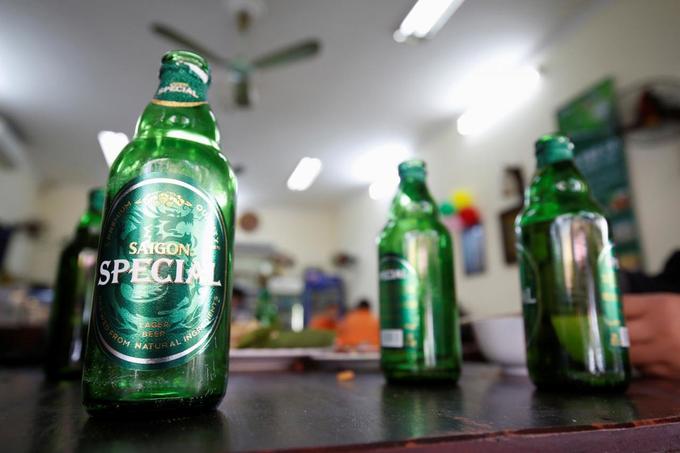
    Brewer Sabeco said its after-tax profit rose by 40% last year to VND5.5 trillion. Vietnam’s biggest brewer had net revenues of VND34.98 trillion, an increase of 32% from 2021.

    These are significant achievements compared to the 2021 results.

    The 2022 profit figure was the highest in the company’s history, and was achieved despite the challenging market conditions and various post-pandemic difficulties.

    The year also marked an important milestone for Sabeco as it entered phase 2 of its transformation journey, focusing on sales, branding & marketing, production, and supply chain.

    The 2022 results also reflected Sabeco’s accomplishments in transforming its core business processes and accelerating its marketing and sales initiatives.

    It is improving cost management and operational efficiency across the entire supply chain by implementing Sabeco 4.0.

    Given the record profit, the board proposed a special dividend of 15%, which was approved at the AGM, bringing the full-year dividends for 2022 to 50%.

    To further enhance shareholder value, it was proposed to issue bonus shares at a ratio of 1:1, and was also approved.

    Sabeco expanded its mid-to-long-term strategic investment initiatives in 2022 to support sustainable business growth as part of its long-term growth plans.

    This includes recent strategic moves to increase ownership in Saigon Binh Tay Beer Group JSC and Saigon Packaging Group JSC. The two companies will become subsidiaries when the process is completed.

    Sabeco also announced plans to increase its stakes in the Western-Saigon Beer JSC from 51% to more than 70%.

    At the meeting, general director of Sabeco, Bennett Neo, said 2022 was a breakthrough year with record profits.

    “We grew our market share and net revenues, and profit after tax reached VND5.5 trillion, an increase of 40% over 2021. This is a result of our collective efforts to drive sales, the right investment strategy and efficient cost management.”

    For 2023 Sabeco has a revenue target of VND40.272 trillion and a profit target of VND5.775 trillion, increases of 15.1% and 5% from the previous year.

    The company said it would continue to strengthen its 4Cs sustainable development commitment, which includes driving ESG initiatives that are in line with its corporate goals and Vietnam’s national strategies.

    The corporation is committed to continuing its efforts as a proud, prominent and responsible corporate citizen to bring out the best in Vietnam.

    The chairperson of the AGM and board member Michael Chye said the business environment remains challenging with various uncertainties caused by the global economy and unpredictable but fierce competition.

    However, he said Sabeco remains committed to investing in opportunities that drive long-term growth and increase shareholder returns.

    “This will enable us to reward our shareholders with sustainable dividends and in line with the company’s long-term growth prospects.”

    A change of general director was also announced at the annual general meeting and will be effective from October 1, 2023. Lester Tan Teck Chuan will become the new general director.

    Lester is currently Senior Vice President, Chief Beer Business, at Thai Beverage PLC and has been at this role since 2020.

  • Milk tea on flights fetches Noibai Catering Services rising revenues

    Milk tea on flights fetches Noibai Catering Services rising revenues

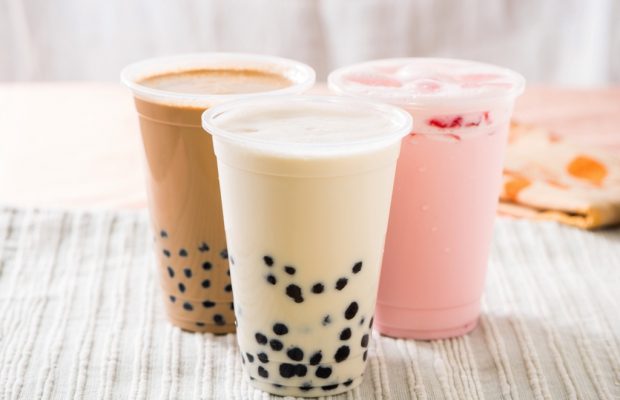
    Airline catering company Noibai Catering Services earned revenues of nearly VND22 billion ($936,947) from selling milk tea last year, over 63% of it from sales aboard flights.

    According to its annual report, the company put milk tea on flight menus in July 2022.

    NCS’s milk tea is available on Vietnam Airlines flights at VND50,000 a cup and also on other flights through other airline catering companies such as VACS and MASCO.

    The company’s losing streak due to Covid-19 snapped in 2022, when it made profits before tax of VND5 billion on revenues of VND410 billion, three times the 2021 figure and 60% of the pre-pandemic revenues.

    It had suffered losses of VND38 billion and VND77 billion in the previous two years.

    In 2023 it has continued to recover strongly, with first-quarter revenues rising 2.5 times year-on-year to VND150 billion in.

    Its profit was VND10.5 billion.

    NCS said the aviation market has recovered completely, causing its own revenues and profits to soar.

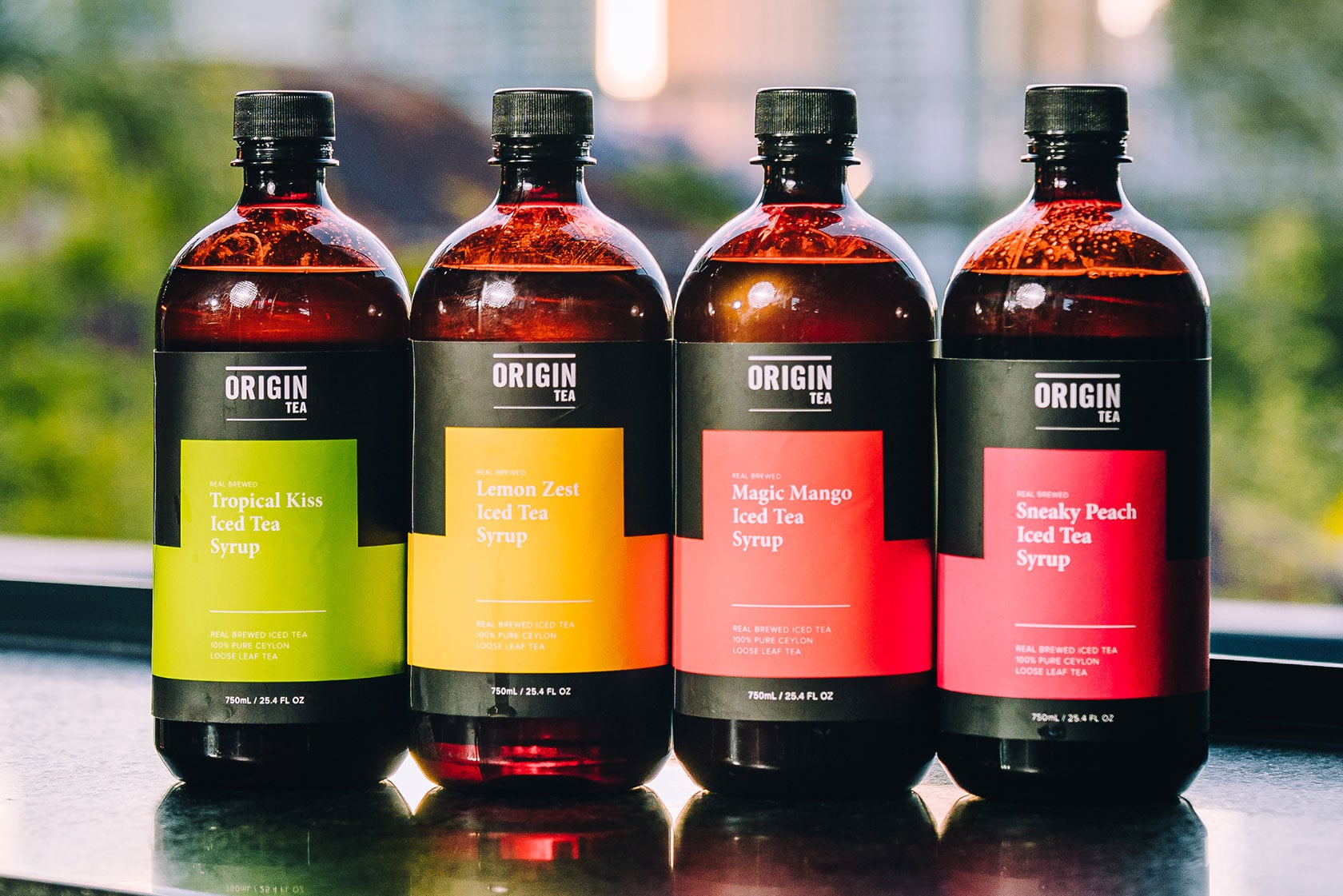
  • Origin Tea launches sparkling iced teas into Woolworths

    Origin Tea launches sparkling iced teas into Woolworths

    Two Brisbane brothers have landed a deal with Woolworths and Coles with the hope they will transform an every day item from boring to “cool”.

    Chris and Lawrence Seaton started their business Origin Tea nine years ago as their father owned a tea plantation in Sri Lanka.

    The Australian operation of Origin Tea, which was started in their garage, now brings in $3 million in annual revenue but it wasn’t always smooth sailing for the siblings.

    “When we first launched in Australia, we wanted to take on the big brands like Liptons and all these named brands, and we actually learned the hard way that all these companies have large marketing budgets and are spending millions a year on marketing,” Chris told news.com.au.

    “And tea is one of those products that people are really brand loyal, so the first two years we made a pretty big mistake and had to change our entire business strategy.”

    This included bringing in a whole container of tea with hundreds of tea bags in boxes that they couldn’t sell. Instead they had to liquidate it through clearance warehouses, costing them a whopping $200,000.

    “At one point I was trying to sell packets of tea at the markets for $1.50 or $2 with a hundred in the box and at the end of day I was collecting $100 of cash at the markets, and I was like I don’t think this is really worth it,” added Chris.

    Then as the popularity of single-origin coffee started to take off, the duo realized it was an opportunity to take tea to that level by offering transparency on what people were drinking.

    They also started to partner with coffee roasters, building brand recognition in Australia’s cafes.

    It also helped them to become what they say was the fastest-growing consumer tea business in Australia, off the back of some partnerships with the likes of Coca Cola and Campos, while also riding the kombucha boom of 2016-17.

    Chris and Lawrence Seaton – who have built the fastest-growing consumer tea business in Australia, mainly off the back of some partnerships with the likes of Coca Cola and Campos and the kombucha boom of 2016-17. Picture: Supplied

    The tea was the basis for the original Remedy kombucha brew which grew to a million-dollar contract within a year and then doubled as the company went from needing 20 kgs to 150,000 kgs almost overnight.

    Chris said many people aren’t aware that there is a huge difference between how tea is made.

    It starts early too with Sri Lankan tea hand-picked based on whether the leaf is ready, rather than tea from Vietnam, India or even Australia being mechanically harvested where the heads of tea bushes are just cut off, Chris explained.

    People often blend the tea from different countries to lower the overall price, but Chris said that also impacts the taste.

    “Sri Lanka is renowned in the world as having the best quality tea from a taste perspective, however it comes at a premium,” he said.

    “When we talk taste in tea it’s like good liquor, like a good whiskey or wine.”

    The business now goes through up to 200,000 kgs of tea a year, which could jump further with the major supermarket deal, which will sell the product at up to 700 stores nationally.

    The deal has also helped Origin Tea to bounce back after 70 per cent of its business was wiped out overnight when the pandemic hit, Chris said.

    Woolworths and Coles will stock its Sticky Chai range, tea mixed with spices infused in a coconut sweetener, and retail for $9 for 120g, alongside a turmeric elixir series.

    Both hope the new products will shake up the stale category.

    “I think traditional tea is on the decline, so black and green teas, and where we play in and where we like to see us, is as the innovators in the tea space. Our main mission with Origin Tea is to make tea cool again,” Chris said.

    “Tea is seen as a stagnant stale category, and the Sticky Chai product is something innovative, infusing tea with other ingredients or to come up with an awesome iced tea that is ready to drink and concentrates like syrups so you can garnish it with alcohol or make your own cocktails or mocktails.

    “That’s where we see tea playing in the future as being creative with tea.”

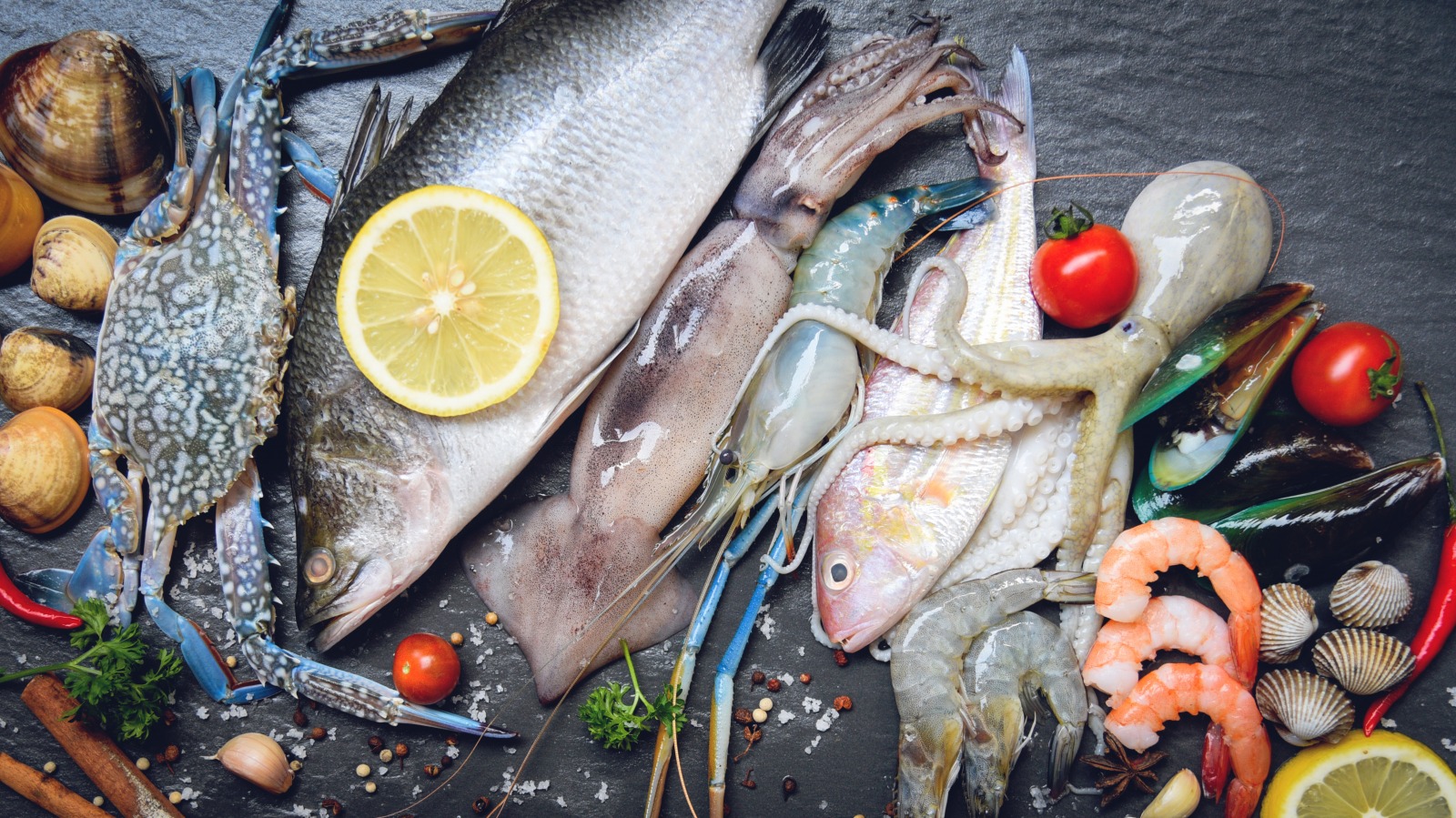
  • Seafood exports plummet

    Seafood exports plummet

    Seafood exports to most major markets have fallen by 17-50% this year.

    According to the Vietnam General Department of Customs, shipments to the U.S. fell by more than 50% year-on-year to US$284 million.

    Exports to Australia were down 30% to $65 million.

    Despite China’s reopening, exports to this market were worth only $279 million, 23% less than last year.

    Japan, South Korea, and Thailand imported 7-17% less than last year.

    Overall exports were down 28% year-on-year in the first quarter to US$1.8 billion.

    Key items such as pangasius, shrimp and tuna saw 30-37% declines, while exports of crab and other products were down 2-42%.

    The figures are alarming for the fisheries industry.

    According to the Vietnam Association of Seafood Exporters and Producers (VASEP), the industry is facing great challenges as global inflation has hit demand.

    Fisheries output has fallen since fishermen and aquaculture businesses lack capital.

    Production, raw material and labor are rising, making it harder for Vietnam’s products to take on competition from Ecuador, India, Thailand, and Indonesia in major markets.

    Businesses are also in a bind because the European Commission has not lifted the yellow card it had issued to Vietnam for illegal, unreported and unregulated fishing.

    VASEP expects seafood exports to only recover in the third quarter and only if there are support policies to reduce taxes, roll over loans and subsidize loan interest.

    The government deferred payment of taxes (VAT, corporate income tax, personal income tax) and land rentals for a fifth time last week to help ease the burden on businesses.

    It also reduced VAT to 8% though it must first be approved by the National Assembly.

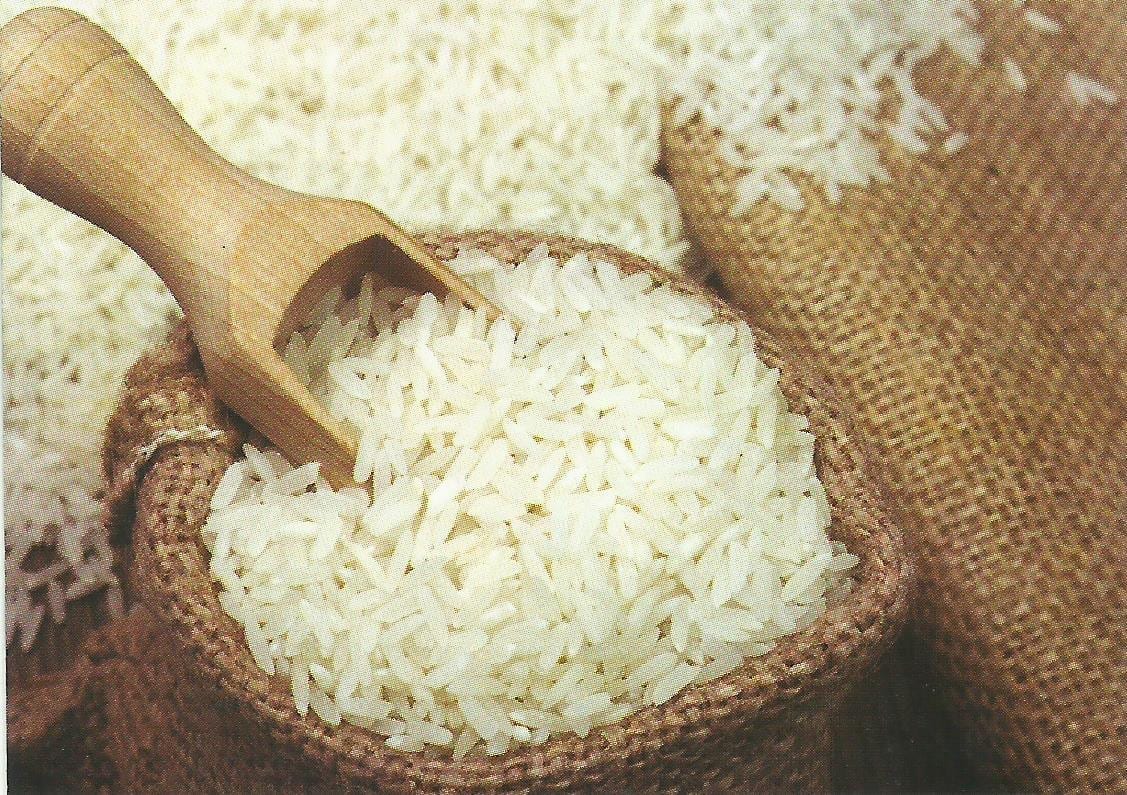
  • Rice export prices on the rise

    Rice export prices on the rise

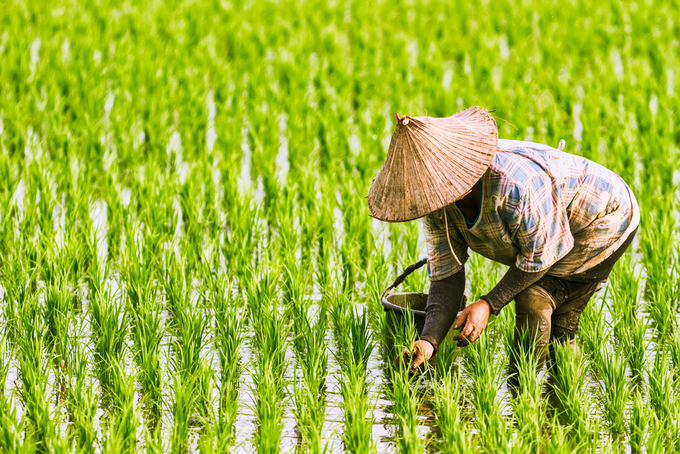
    Vietnam’s rice export prices grew 9.2% year on year to $532 per tonne in the first quarter of 2023, said the General Department of Vietnam Customs.

    The price increase was attributed to a surge in the proportion of high-quality rice such as fragrant, glutinous, and specialty rice.

    High-quality rice is accounting for 50% of the total export volume and sold at $600-1,000 per tonne at present.

    Experts predicted that favourable conditions will remain for rice export and prices will stay good in the short term as the share of high-quality rice is increasing and global economic and political uncertainties are boosting food stockpiling demand.

    Vietnam exported 1.79 million tonnes of rice, earning $952 million between January and March.

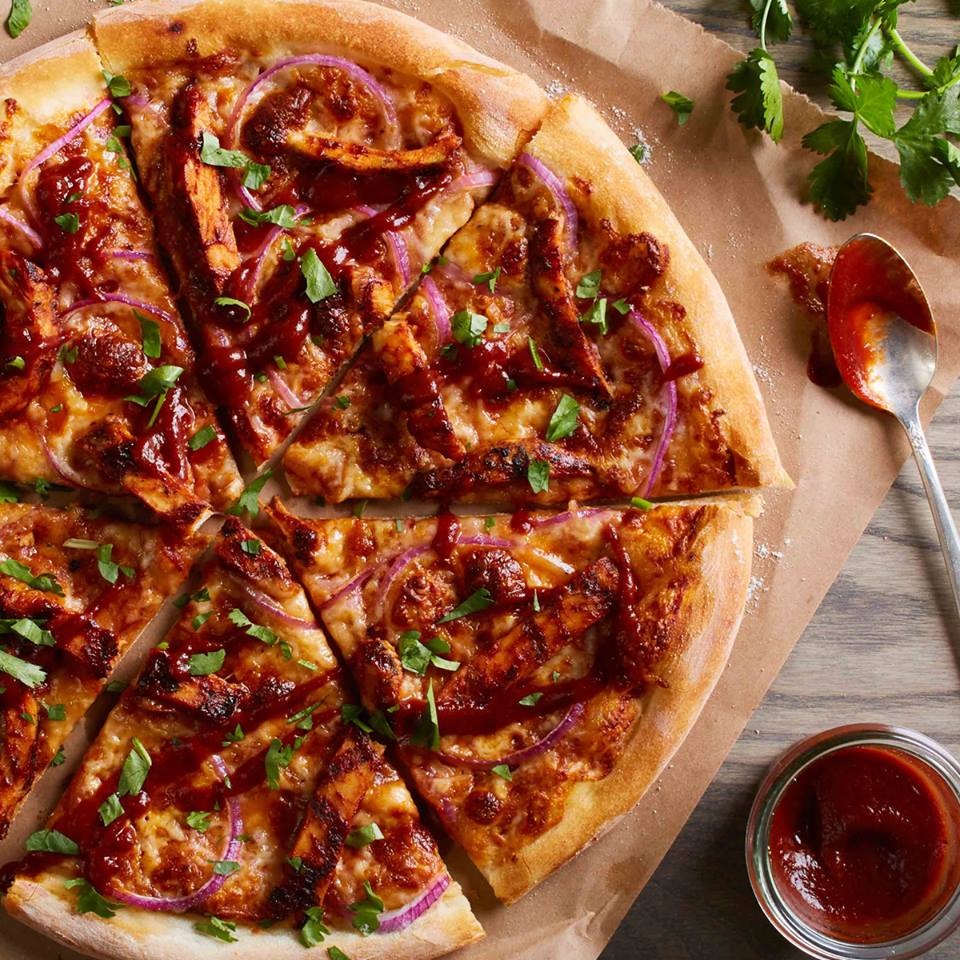
  • Pizza 4Ps profits exceed pre-pandemic levels

    Pizza 4Ps profits exceed pre-pandemic levels

    Pizza 4Ps has reported after-tax profits of VND83.5 billion ($3.5 million) for last year, higher than in the pre-Covid period.

    The Japanese-owned chain, which had made a loss of VND38 billion in 2021, had earnings of around VND50 billion a year in 2018 and 2019.

    In a filing with the Hanoi Stock Exchange, it said its return on equity was 55%.

    Its equity increased to VND150 billion last year, and its debt-to-equity ratio declined from 1.99 to 1.51.

    Pizza 4Ps currently has 32 restaurants, 14 in Ho Chi Minh City, 10 in Hanoi, two in Phnom Penh, Cambodia, and the rest in Da Nang, Hai Phong, Binh Duong, and Nha Trang.

    Besides pizza, the company makes and sells dairy products, including cheese.

  • Tuna exports to UK triple

    Tuna exports to UK triple

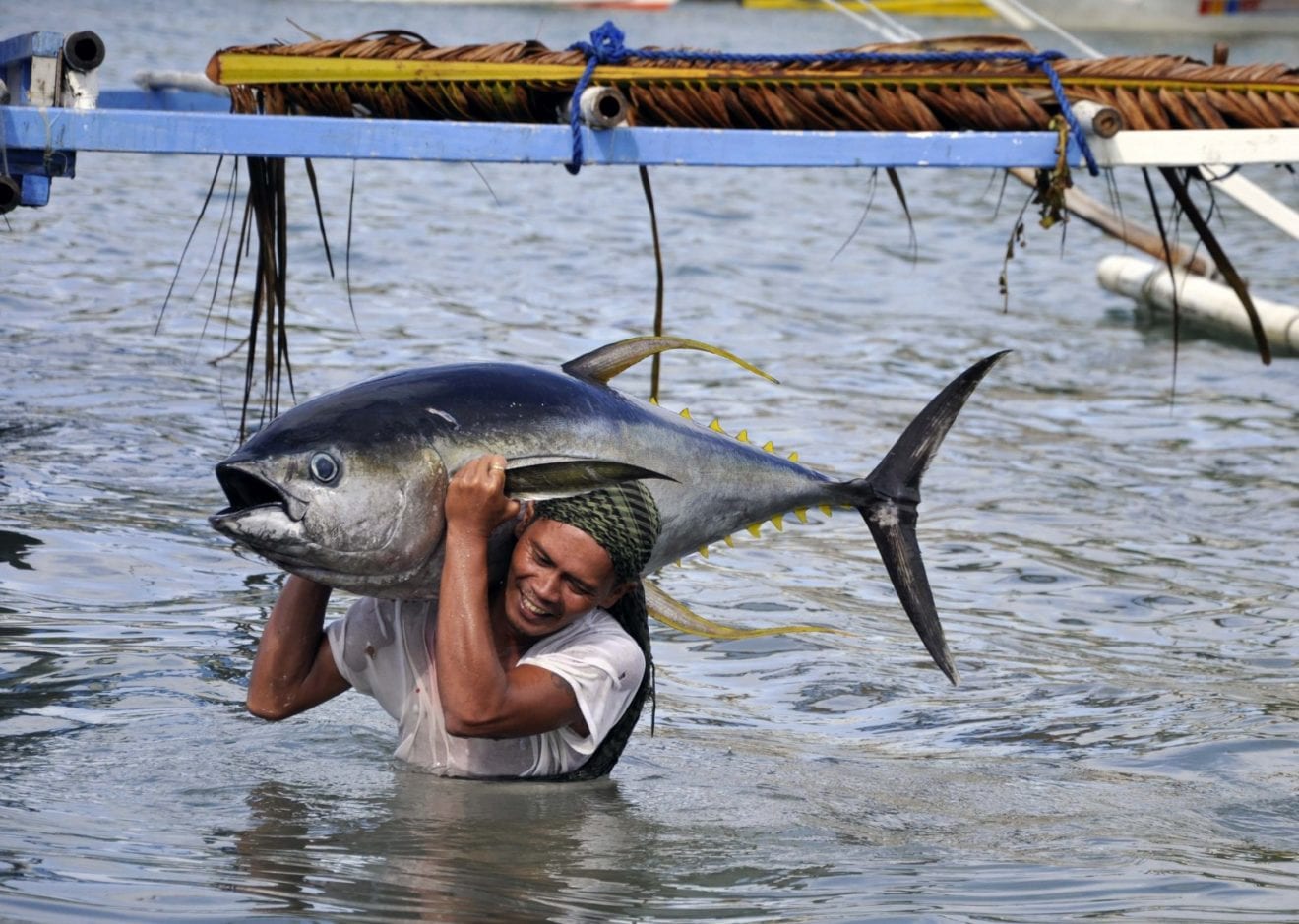
    Tuna exports to the U.K. tripled year-on-year in the first two months even as shipments to some main markets like the U.S. and E.U. plunged.

    Exports to the U.K. were worth US$1.3 million, enabled by a 13-fold rise in February, according to the Vietnam Association of Seafood Exporters and Producers (VASEP).

    Vietnam now ranks 13th out of 45 countries and territories that export tuna to that country.

    Last year its exports to the U.K. rose by 10%.

    Other markets to which Vietnam’s tuna exports grew by 32-99% in the first two months were Japan, Thailand, Germany, and Israel.

    They made up the country’s top five markets in the first two months along with the U.K.

    Vietnam’s total exports, however, dropped 30% year-on-year to $109 million in the period.

    The U.S. and the E.U. each posted a 50% decline, which VASEP attributed to rising inflation and a change in consumers’ shopping habit.

    The fact that Vietnam still has a yellow card given by the E.U. for illegal, unreported and unregulated fishing also pose challenges to exports, VASEP added.

    The association expects global demand for tuna to recover in the second half of this year.

    Vietnam has nine tuna species across its seas, with an estimated reserve of 600,000 tons. The three biggest tuna fishing localities are Binh Dinh, Phu Yen, and Khanh Hoa.

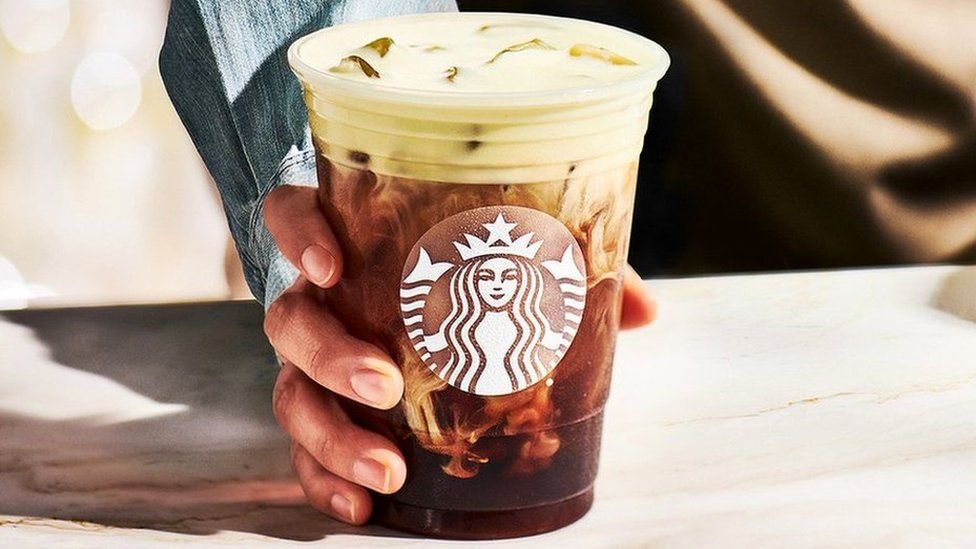
  • Starbucks customers complain new olive-oil coffee creates stomach problems

    Starbucks customers complain new olive-oil coffee creates stomach problems

    Starbucks customers have taken to social media to share their experiences with the coffee chain’s new slate of olive oil-infused drinks, and, for some, the picture is not so pretty.

    On March 16, a post titled “Olive oil drinks…” was added to the subreddit r/starbucks by a Redditor who claims to be a current Starbucks barista. In it, they share an experience their coworkers allegedly had after trying the new roster of Oleato drinks.

    For those unfamiliar, these new coffee drinks are infused with Partanna cold-pressed extra-virgin olive oil and debuted on Feb. 21 in limited markets.

    “Have you tried them? I’m wondering how many people are going to have happen to them what a few happened to our team,” wrote Redditor u/MoodyStarGirl. “Half the team tried it yesterday and a few ended up… Needing to use the restroom, if ya know what I mean.. I’m scared to try it because I already have stomach/bowel problems.”

    The Reddit user, who did not immediately respond to a request for comment, said that their store manager “doesn’t want us sharing this info with customers,” claiming the omission is “pretty F’d up.”

    Starbucks also did not immediately respond to a request for comment.

    In the comments section of the Reddit post, many others chimed in, with some sharing their own impressions and experiences with the drinks, which include lattes, shaken espressos, golden foam cold brews, cortados, a martini, and more.

    “Caffeine is a stimulant for your bowels and oil a relaxant,” wrote one Redditor. “So yeah, wonderful idea by Starbucks.”

    “Person with stomach/bowel problems thanking you for the heads up,” wrote another.

    “I’ve tried them, and tbh after drinking them, honestly, they just felt sick to my stomach, lowkey,” commented another. “Like i had no appetite at all after that and that was the only thing i’ve had in the whole day.”

    “The cold brew is fine until you taste the foam because it’s two pumps of olive oil. like- the foam is green,” wrote another Redditor who says they’re a barista. “Worst of all was the latte for me. You’re immediately hit with just olive oil, and I wanted to throw up after yeah I do not recommend.”

    Another user pointed out that “green olive oil is normal and usually an indication of better quality … Green doesn’t mean it’s bad or gross.”

    Some reviews of the Oleato drinks have been positive, like that of one Twitter user who wrote, “Starbucks, the new Oleato drink is so damn delicious! Love it!!!” and a Redditor who said, “I tried all 3 and loved all of them. Had no problems whatsoever.” But others detail more stomach-churning experiences with the beverages.

    “#Oleato — so far my stomach is gurgling and my throat is burning,” wrote another Twitter user, sharing an image of their Venti Oleato Iced Shaken Espresso. “Not sure if it’s the olive oil.”

  • Vietnam exports 1.7 million tonnes of rice in Q1

    Vietnam exports 1.7 million tonnes of rice in Q1

    Vietnam exported 1.7 million tonnes of rice in Q1 worth over $900 million, a 19% increase in quantity and 30% rise in value over the same period last year, according to Vietnam Customs.

    According to the Ministry of Industry and Trade (MoIT), Vietnamese rice has seen some success in improvements in quality and demand over the last several years.

    The majority of exported rice came from the Mekong Delta, with the rest of the country’s rice production centres mainly serving the domestic market.

    Le Thanh Tung, deputy head of the plant cultivation department under the Ministry of Agriculture and Rural Development (MARD), said rice production this year for the Mekong Delta alone is projected to reach 24 million tonnes. Consumption for the Delta and Ho Chi Minh City, Vietnam’s most populous city, will stay around 11 million tonnes, leaving 13 million tonnes for export.

    Of which, premium-quality rice for export accounts for 3 million tonnes, specialty rice 2.1 million tonnes and regular rice 1 million tonnes.

    Vietnamese rice will likely continue to be sought after in the second quarter of the year as demand has been on the rise in major markets including the Philippines, China and Africa, said the Vietnam Food Association (VFA).

    Nguyen Ngọc Nam, President of the VFA, said Vietnamese rice has been fetching good prices on the international market despite a gloomy outlook for the global economy as countries look to stock up on food for uncertain times ahead.

    In addition, major free trade agreements including the European Union – Vietnam Free Trade Agreement (EVFTA) have seen tariffs on Vietnamese rice reduced by as much as EUR175 per tonne, giving Vietnamese premium rice an advantage in the European markets.

    As demand soars, exporters have been trying to purchase additional amounts from farmers to maximise efficiency and profit. However, many have voiced concerns over a lack of capital.

    Phan Van Chinh, Director of MoIT’s Agency for Foreign Trade, said the ministry has been working closely with exporters to find solutions to minimising logistic costs and dealing with import/export protocols in international markets.

    On the other hand, the ministry said it is to keep a close watch on the amount of rice being exported to ensure the country’s food security.

    In an earlier development, the State Bank of Vietnam (SBV) has ordered commercial banks to review and streamline the borrowing process for rice traders to help them access additional capital sources.